
Growing Enough Food for Your Family: The Ultimate Goal of SelfSufficiency

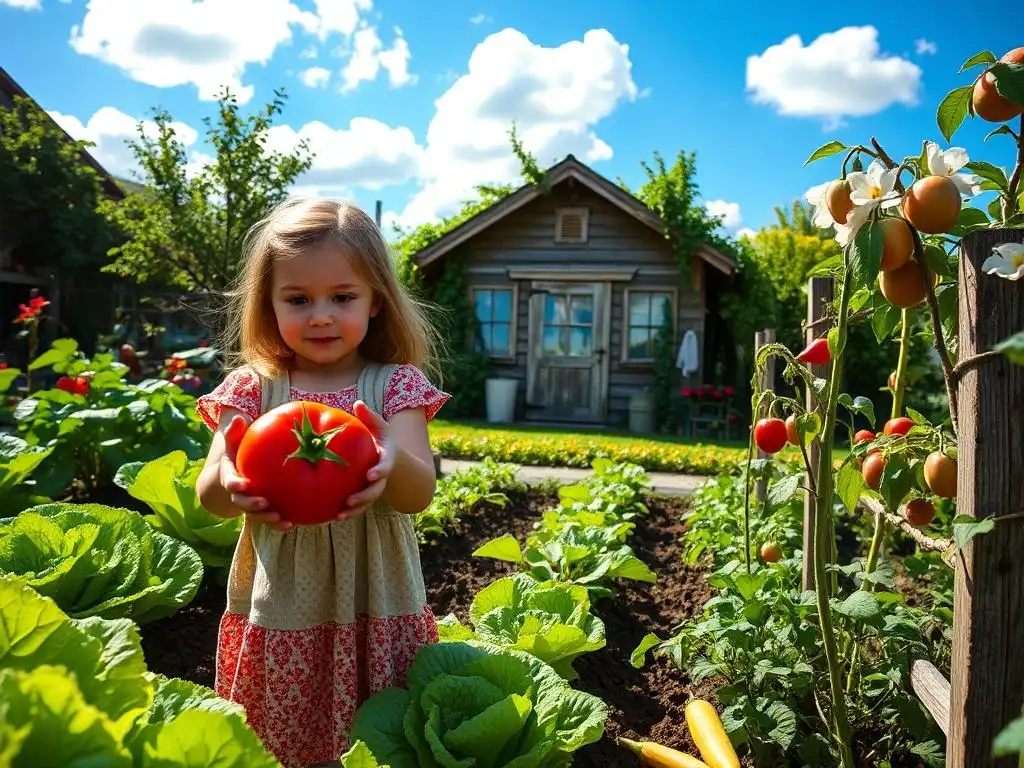
Welcome to CultivateYourFood, your guide to achieving true food independence! Are you dreaming of a bountiful harvest, of filling your table with fruits, vegetables, and herbs grown entirely by your own hands? Then you've come to the right place. Learn how to grow food for your family's self-sufficiency, from seed to table, using sustainable and organic methods. Discover the secrets to successful planting, harvesting, composting, and natural pest control – and start cultivating a healthier, more fulfilling life today. Let's explore the path to growing your own food security!
- Assessing Your Family's Food Needs: Planning for Self-Sufficiency
- Choosing the Right Plants for Your Climate and Space
- Designing Your Home Garden for Maximum Yield
- Mastering Essential Gardening Techniques for Self-Sufficiency
- Harvesting and Preserving Your Homegrown Food
- Expanding Your Self-Sufficiency Journey: Beyond the Garden
- Maintaining a Sustainable and Resilient Food System
- Achieving Family Food Security Through Self-Sufficiency: Long-Term Planning
- Frequently Asked Questions
- Final Reflection: Harvesting the Seeds of Self-Sufficiency
- Unleash Your Inner Gardener: Grow Your Family's Food!
Assessing Your Family's Food Needs: Planning for Self-Sufficiency
Growing enough food for your family to achieve a level of self-sufficiency is a rewarding yet challenging endeavor. This journey requires careful planning, understanding your family's dietary needs, and realistic estimations of your growing space and capabilities.
This article will guide you through the essential steps to assess your family's food requirements, helping you determine how much food you need to grow to reach your self-sufficiency goals. We'll explore methods for calculating your annual food consumption, identifying dietary preferences, and estimating the necessary space for your homegrown produce, allowing you to create a sustainable and productive home garden that contributes significantly to your family's food security.
Remember, complete self-sufficiency may not be entirely attainable for everyone, but even a partial contribution from your home garden can significantly reduce reliance on external food sources and enhance your family's connection with nature and their food. Let's embark on this journey towards greater food independence together!
Calculating Your Annual Food Consumption
Accurately calculating your family's annual food consumption is the cornerstone of planning for self-sufficiency. This involves meticulously tracking your current food intake. Start by keeping a detailed food journal for at least a month, recording everything consumed. This includes not only the quantity but also the type of food. For example, instead of simply writing "apples," specify "3 medium-sized Granny Smith apples."
To facilitate this process, consider using a spreadsheet or a dedicated food tracking app. Many apps are available that categorize food by nutritional value, making it easier to analyze your consumption patterns. Once you have a month's worth of data, you can extrapolate this to estimate your annual consumption for each food item.
Remember to account for seasonal variations in consumption. You may eat more soup in winter and more salads in summer. Consider these fluctuations when planning your garden layout and planting schedule. Also, factor in any special dietary needs or preferences within your family. For instance, if you have a vegetarian or vegan family member, you'll need to allocate more space to vegetables and legumes. The more precise your calculations, the more successful your self-sufficiency efforts will be. Don't forget to include snacks and treats in your calculations! Even small amounts add up over the course of a year.
Identifying Your Family's Dietary Preferences and Needs
Understanding your family's dietary preferences and needs is crucial for successful self-sufficiency. Simply growing what you think you'll eat is a recipe for wasted effort and produce. A thorough analysis of your eating habits is essential. This goes beyond simply listing favorite foods; it involves understanding consumption patterns and preferences.
For example, do you prefer certain varieties of tomatoes? Do you eat more leafy greens than root vegetables? Are there specific herbs or spices you use regularly? Consider creating a family survey or engaging in open discussions to gather this information. This will help you prioritize which crops to focus on.
Furthermore, consider any dietary restrictions or allergies. If you or a family member has allergies to certain foods, you'll need to avoid growing those plants. Similarly, if you follow a specific diet, such as vegetarianism or veganism, you need to plan accordingly. This stage of planning involves not only identifying what you eat, but how much and how often. This level of detail will help you determine the realistic yield required from your garden. Don't forget to account for the preferences of each family member to ensure everyone is satisfied with the garden's output.
Estimating Space Requirements for Homegrown Produce
Once you've calculated your annual food consumption and identified your family's dietary preferences, it's time to estimate the space required for your homegrown produce. This involves understanding the space requirements of different plants. Some vegetables, like tomatoes, need significant space, while others, such as lettuce, can be grown more densely.
Consider using a garden planner or drawing a rough sketch of your garden area. This will help you visualize how much space each crop will require. Remember to factor in pathways for easy access and adequate spacing between plants for optimal growth. Don't overcrowd your plants; sufficient spacing is vital for healthy growth and high yields.
Research the mature size of each plant you intend to grow. This information is typically available on seed packets or plant tags. Also, consider factors such as sun exposure, soil type, and water availability when planning your garden layout. Some plants thrive in full sun, while others prefer partial shade. Adjust your plan accordingly to optimize the yield of your garden. Finally, think about vertical gardening techniques to maximize space utilization, especially if you have limited area. Vertical gardening can significantly increase the amount of food you can grow in a smaller space.
Choosing the Right Plants for Your Climate and Space
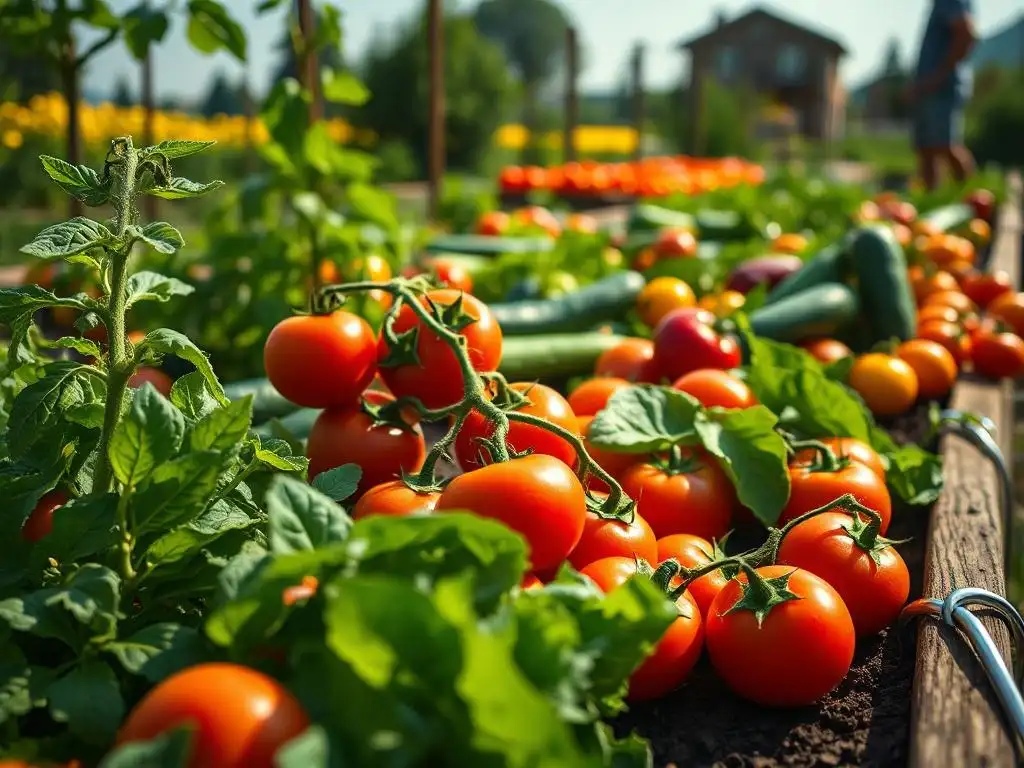
Growing enough food for your family requires careful consideration of your local climate and the available space in your garden. Successfully achieving self-sufficiency in growing your food hinges on selecting plants that thrive in your specific conditions. Ignoring this crucial step can lead to disappointing yields and wasted effort. Let's explore how to make informed choices.
Selecting High-Yield Vegetables for Your Garden
The key to maximizing your harvest is choosing high-yielding vegetable varieties. This doesn't necessarily mean opting for genetically modified organisms (GMOs); many heirloom and open-pollinated varieties boast impressive productivity. Consider these factors when making your selections:
- Space Optimization: Compact varieties like bush beans, determinate tomatoes, and compact cucumbers are ideal for smaller gardens. Maximize vertical space using trellises for climbing plants like cucumbers, beans, and peas.
- Growth Habit: Understand the growth habit of each plant. Knowing whether a plant is determinate (producing fruit all at once) or indeterminate (producing fruit continuously) helps with planning your harvest schedule and preventing overcrowding.
- Maturity Time: Choose a mix of early, mid-season, and late-season varieties to extend your harvest throughout the growing season. This ensures a consistent supply of fresh produce. For example, you could plant early peas followed by a succession of later varieties to keep your family supplied with fresh peas over a longer period.
- Disease Resistance: Opt for disease-resistant varieties whenever possible. This reduces the need for pesticides and ensures a healthier harvest. Look for descriptions indicating resistance to common diseases like blight or mildew.
Here's a sample table illustrating high-yield vegetable options:
| Vegetable | Variety Example | Growth Habit | Days to Maturity (approx.) | Notes |
|---|---|---|---|---|
| Tomatoes | 'Brandywine' | Indeterminate | 75-80 | Large fruit, needs staking |
| Zucchini | 'Black Beauty' | Bush | 50-60 | Prolific producer, requires regular harvest |
| Bush Beans | 'Contender' | Bush | 50-60 | Excellent for fresh eating and canning |
| Peppers | 'California Wonder' | Bush | 70-80 | Sweet pepper, high yield |
| Lettuce | 'Black Seeded Simpson' | Loose Leaf | 45-55 | Continuous harvest, quick-growing |
Remember to always check the specific requirements for each variety you choose, as these can vary. Careful planning and selection are crucial steps in your journey towards self-sufficiency in growing your own food.
Choosing Fruit Trees and Berries Suitable for Your Region
Selecting the right fruit trees and berry bushes is crucial for successful home fruit production. Consider these factors:
- Chill Hours: Fruit trees require a specific number of "chill hours" (hours below a certain temperature) during the winter to properly flower and fruit in the spring. Choosing varieties appropriate for your region's climate is essential. Insufficient chill hours can lead to poor fruiting or no fruit at all.
- Pollination: Many fruit trees require cross-pollination from another compatible variety. Research the pollination requirements of your chosen trees before planting. Some varieties are self-pollinating, simplifying the process.
- Space Requirements: Fruit trees and berry bushes vary significantly in their mature size. Plan your planting layout carefully, considering the ultimate size of each plant to avoid overcrowding. Dwarf varieties are a good option for smaller spaces.
- Pest and Disease Resistance: Choose varieties known for their resistance to common pests and diseases in your area. This minimizes the need for chemical interventions and supports sustainable growing practices.
Consider consulting with your local agricultural extension office or experienced gardeners for recommendations on suitable varieties for your region. They can provide valuable insights based on local conditions and experience.
Incorporating Herbs and Spices into Your Plan
Herbs and spices are not only flavorful additions to your meals but also relatively easy to grow, even in limited spaces. Integrating them into your garden plan contributes significantly to self-sufficiency and reduces reliance on store-bought options.
- Sunlight Requirements: Most herbs thrive in full sun (at least 6 hours of direct sunlight per day). However, some, like mint, tolerate partial shade. Consider the sunlight conditions in your garden when choosing your herbs.
- Soil Preferences: Herbs have varying soil preferences; some prefer well-drained soil, while others tolerate more moisture. Ensure your soil is suitable for the herbs you select.
- Succession Planting: For herbs like basil, parsley, and cilantro, succession planting (planting new seeds every few weeks) extends the harvest throughout the growing season.
- Pest Control: Some herbs, like rosemary and thyme, have natural pest-repelling properties that can benefit your other plants. Strategically placing these herbs in your garden can help reduce pest problems.
Growing your own herbs and spices adds a unique dimension to your homegrown food. Their aromatic presence enhances your cooking and contributes to the overall satisfaction of self-sufficiency. Experiment with various varieties and find the ones that thrive in your garden and suit your culinary preferences. The aroma alone is a rewarding aspect of this endeavor!
Designing Your Home Garden for Maximum Yield
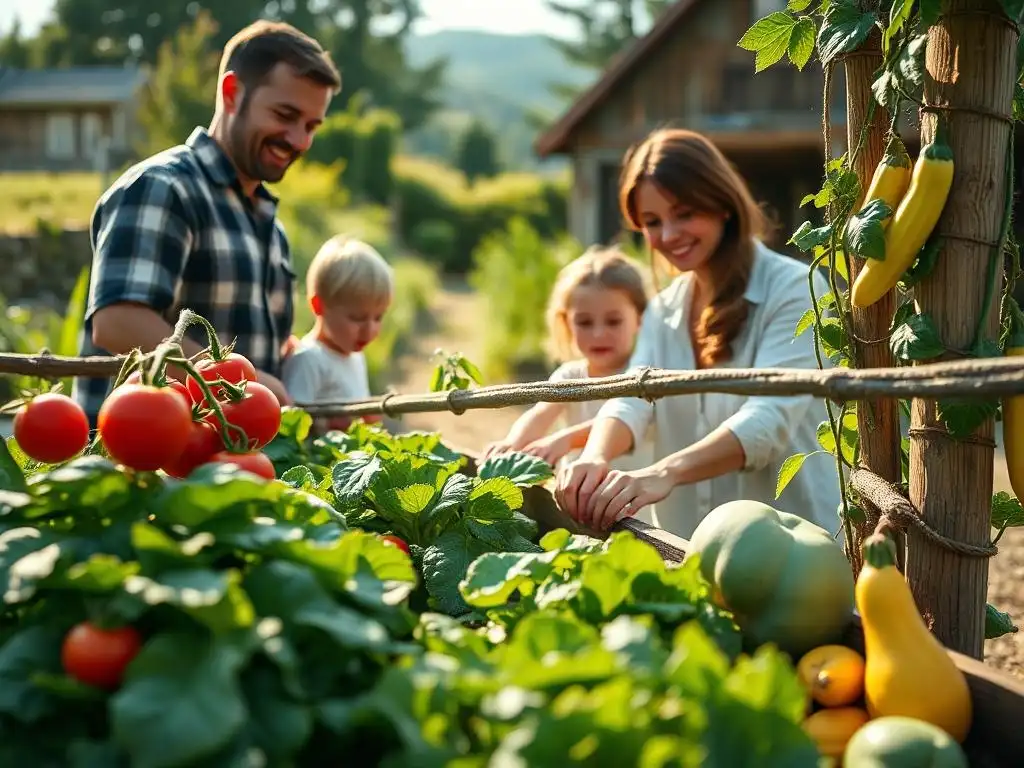
This section focuses on practical strategies to maximize your home garden's productivity, moving beyond basic planting to achieve genuine self-sufficiency in growing food for your family. We'll explore how strategic planning and smart techniques can significantly increase your yield, helping you grow enough food to meet your family's needs. The key is to think strategically about space utilization, resource management, and pest control. Achieving grow food family selfsufficiency requires a holistic approach.
Optimizing Garden Layout for Sunlight and Water Access
Sunlight and water are the lifeblood of any successful garden. Optimizing their access is crucial for maximizing yield. Before planting a single seed, carefully analyze your yard's sun exposure throughout the day. Different plants have varying sunlight requirements. For instance, sun-loving tomatoes need at least 6-8 hours of direct sunlight, while leafy greens like lettuce tolerate partial shade.
Create a detailed garden plan, charting the sun's path across your space. This will help you strategically place plants based on their light needs. Consider using sun tracking apps or observing the sun's movement yourself over several days.
Water access is equally important. Efficient watering saves time and resources. Consider installing a drip irrigation system or using soaker hoses to deliver water directly to the roots, minimizing water waste and evaporation. Grouping plants with similar watering needs together simplifies the process. For example, place drought-tolerant herbs near each other and water-intensive vegetables like squash in a separate area. Planning for efficient watering is a key component of achieving grow food family selfsufficiency.
Utilizing Vertical Gardening Techniques to Maximize Space
Limited space shouldn't limit your harvest. Vertical gardening is a game-changer for maximizing yield in small gardens. This technique allows you to grow more plants in a smaller footprint, making the most of vertical space. Several methods can be employed, each with its advantages:
- Trellises: Ideal for climbing plants like tomatoes, cucumbers, and beans. A simple trellis can dramatically increase your yield by keeping plants off the ground, improving air circulation and sunlight penetration.
- Stackable planters: These tiered planters efficiently use vertical space, allowing you to grow multiple layers of plants. They're perfect for herbs, strawberries, and smaller vegetables.
- Wall-mounted planters: Perfect for smaller spaces, these planters can be attached to fences, walls, or even the side of your house. They're great for herbs and smaller plants.
By implementing vertical gardening strategies, you can significantly increase the amount of food you can grow, even in a small garden. This is a crucial step towards achieving grow food family selfsufficiency. Consider the space available, the types of plants you want to grow, and your budget when choosing the right vertical gardening method.
Implementing Crop Rotation for Soil Health and Pest Control
Crop rotation is a fundamental principle of sustainable gardening. It involves planting different types of crops in the same area each year. This practice offers several key benefits:
- Improved Soil Health: Different plants have different nutrient requirements. Rotating crops helps prevent nutrient depletion in the soil, maintaining its fertility and health over time. This reduces the need for chemical fertilizers, aligning with sustainable and organic practices.
- Pest and Disease Control: Rotating crops disrupts the life cycle of many common garden pests and diseases. By planting a different crop in a given area each year, you reduce the likelihood of pest infestations or disease outbreaks. For example, planting a heavy feeder like broccoli followed by a legume like beans helps restore soil nitrogen while preventing pest build-up.
- Weed Control: Certain crops can help suppress weeds. Rotating crops can reduce weed pressure over time, minimizing the need for herbicides.
A typical three-year rotation plan might include:
| Year | Crop Type | Example Crops |
|---|---|---|
| 1 | Heavy Feeders | Broccoli, Cabbage, Kale |
| 2 | Legumes | Beans, Peas, Lentils |
| 3 | Light Feeders/Roots | Carrots, Lettuce, Radishes |
Implementing crop rotation is a long-term strategy for building soil health and reducing pest problems, contributing significantly to achieving grow food family selfsufficiency and sustainable gardening practices. Careful planning and record-keeping are essential for successful crop rotation.
Mastering Essential Gardening Techniques for Self-Sufficiency
This section focuses on honing your gardening skills to achieve a bountiful harvest, crucial for family self-sufficiency in food production. We'll explore key techniques that maximize yield and minimize resource use, aligning with sustainable and organic practices. Remember, consistent effort and observation are key to success in growing enough food to feed your family. Mastering these techniques will significantly increase your chances of achieving your goal of self-sufficiency. Let's delve into the specifics.
Practical Tips for Successful Seed Starting and Transplanting
Seed starting and transplanting are foundational steps in growing your own food. Success in these early stages directly impacts your final harvest. Proper techniques ensure healthy seedlings, leading to robust plants capable of producing ample yields. Let's examine some practical tips:
- Choosing the Right Seed Starting Mix: Avoid using garden soil directly for starting seeds. A dedicated seed-starting mix provides optimal drainage and aeration for delicate seedlings, preventing damping-off disease. Look for mixes specifically formulated for seed starting.
- Maintaining Consistent Moisture: Seedlings are particularly vulnerable to dehydration. Regularly check the moisture level of your seed-starting mix, keeping it consistently moist but not waterlogged. Using a bottom-watering technique can help prevent overwatering.
- Providing Adequate Light: Seedlings require ample light for healthy growth. Supplement natural sunlight with grow lights, especially during the shorter days of winter or if you're starting seeds indoors. Aim for 12-16 hours of light per day.
- Hardening Off Transplants: Before transplanting seedlings into your garden, gradually acclimate them to outdoor conditions. This process, known as hardening off, reduces transplant shock and improves survival rates. Start by placing seedlings outdoors for short periods, gradually increasing the exposure time over several days.
- Proper Transplanting Technique: When transplanting, handle seedlings gently to avoid damaging roots. Dig holes slightly larger than the root ball and gently place the seedling in the hole, ensuring the top of the root ball is level with the soil surface. Water thoroughly after transplanting.
Implementing Effective Irrigation Methods for Optimal Growth
Efficient irrigation is vital for maximizing yields and conserving water, both crucial aspects of sustainable food production. Different irrigation methods offer varying levels of efficiency and suitability depending on your garden setup and the types of plants you're growing.
Consider these effective irrigation methods:
- Drip Irrigation: This method delivers water directly to the roots of plants, minimizing water loss through evaporation and runoff. It's particularly effective for established plants and can be customized to deliver precise amounts of water to individual plants or groups of plants. Drip irrigation is also excellent for conserving water.
- Soaker Hoses: These porous hoses slowly release water along their length, providing consistent moisture to the soil. They are easy to install and are a good option for smaller gardens or raised beds. Soaker hoses are a good water-conserving method for growing food for your family.
- Rain Barrels: Harvest rainwater to supplement your irrigation needs. Rain barrels collect rainwater from your roof, providing a free and sustainable source of water for your garden. This method significantly reduces your reliance on municipal water sources.
- Mulching: Applying a layer of mulch around your plants helps retain soil moisture, reducing the frequency of watering. Mulch also suppresses weeds and regulates soil temperature. Organic mulches, such as straw or wood chips, also improve soil health over time.
Natural Pest and Disease Control Strategies for a Healthy Harvest
Protecting your crops from pests and diseases without resorting to harmful chemicals is essential for organic gardening and self-sufficiency. Employing natural pest and disease control strategies safeguards both your plants and your family's health.
Here are some effective strategies:
| Method | Description | Effectiveness |
|---|---|---|
| Companion Planting | Planting certain plants together to deter pests or attract beneficial insects. For example, basil repels many insects. | High for specific pests |
| Crop Rotation | Rotating crops annually to disrupt pest and disease cycles. | Moderate to High |
| Beneficial Insects | Introducing beneficial insects, such as ladybugs, to control pest populations. | High for specific pests |
| Handpicking Pests | Regularly inspecting plants and removing pests by hand. | High for low pest levels |
| Neem Oil | A natural insecticide derived from the neem tree, effective against a wide range of insects. | Moderate to High |
| Compost Tea | A liquid fertilizer made from compost, which can boost plant health and resistance to diseases. | Moderate |
| Maintaining Plant Health | Ensuring proper watering, fertilization, and spacing to promote strong, healthy plants that are less susceptible to pests and diseases. | Very High |
Remember, consistent monitoring and early intervention are critical for successful pest and disease management. A proactive approach is far more effective than reactive measures. By combining several of these methods, you can create a resilient and productive garden that thrives without the need for synthetic pesticides. 🌱
Harvesting and Preserving Your Homegrown Food
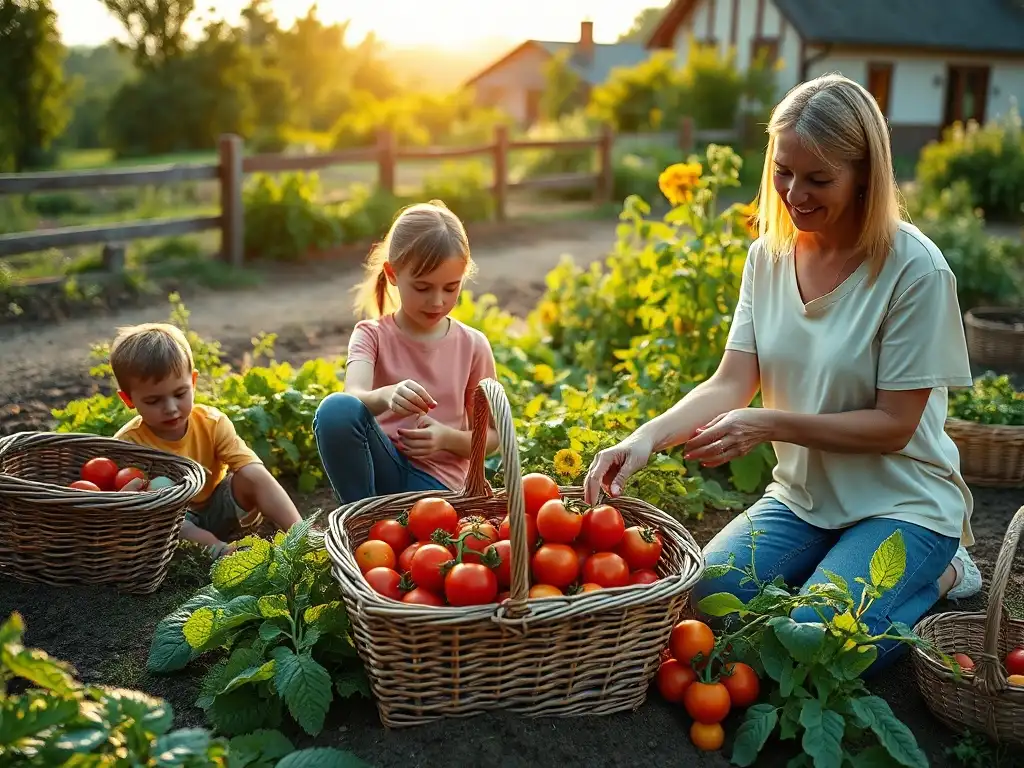
This section focuses on maximizing the yield from your home garden by harvesting at the optimal time and employing effective preservation methods to ensure a year-round supply of homegrown food, a key aspect of achieving grow food family selfsufficiency. We'll explore techniques for harvesting at peak ripeness, and efficient preservation methods like canning, freezing, and drying. Proper storage techniques will also be covered to extend the shelf life of your harvest.
Techniques for Harvesting Vegetables and Fruits at Peak Ripeness
Harvesting at the right time is crucial for both flavor and nutritional value. Rushing the process can result in bland, less nutritious produce, while waiting too long can lead to spoilage. Knowing the signs of ripeness for each plant is paramount.
For example, tomatoes should be harvested when they're fully colored and slightly soft to the touch. Avoid picking green tomatoes unless you plan to ripen them indoors. Similarly, peppers are ready for harvest when their skin is firm and their characteristic color is fully developed. Early harvesting of peppers can result in a less intense flavor.
With fruits like strawberries, the optimal time to harvest is when they are fully red and fragrant. Gentle pressure should indicate a slight give, signaling sweetness and ripeness. Overripe strawberries will be mushy and prone to quick spoilage.
Here's a simple table summarizing optimal harvesting times for some common vegetables and fruits:
| Crop | Sign of Ripeness | Notes |
|---|---|---|
| Tomatoes | Fully colored, slightly soft to the touch | Avoid green tomatoes unless ripening indoors |
| Peppers | Firm skin, characteristic color fully developed | Early harvest results in less intense flavor |
| Strawberries | Fully red, fragrant, slight give to gentle pressure | Overripe berries are mushy and spoil quickly |
| Cucumbers | Firm, dark green skin | Harvest regularly to encourage continued growth |
| Zucchini | 6-8 inches long, firm skin | Harvest young for best flavor and texture |
| Beans (Snap) | Pods are plump and easily snapped | Harvest regularly for continuous production |
Careful observation and a gentle touch are key to harvesting at peak ripeness. Remember, a slightly underripe fruit or vegetable is preferable to one that's overripe and starting to decay. This careful attention to detail is crucial for achieving true grow food family selfsufficiency.
Effective Methods for Preserving Your Harvest: Canning, Freezing, and Drying
Preserving your harvest extends its lifespan, ensuring you can enjoy the fruits (and vegetables!) of your labor throughout the year. Canning, freezing, and drying are three common methods, each with its own advantages and disadvantages.
- Canning: Canning involves sealing food in airtight jars and processing them in a boiling water bath or pressure canner to destroy harmful bacteria. It's ideal for preserving high-acid foods like tomatoes, jams, and pickles. However, it requires specialized equipment and careful attention to safety protocols to avoid botulism.
- Freezing: Freezing is a simpler method, suitable for most fruits and vegetables. Blanching (briefly boiling) vegetables before freezing helps retain their color, texture, and nutritional value. Freezing is a great option for preserving items like berries, peas, and green beans.
- Drying: Drying removes moisture from food, inhibiting microbial growth. This method is suitable for fruits, herbs, and some vegetables. Sun drying is a simple, inexpensive method, but it's weather-dependent. Dehydrators offer more consistent results and faster drying times.
The best preservation method depends on the type of food and your personal preferences. Properly preserved food can significantly contribute to grow food family selfsufficiency and reduce reliance on store-bought produce.
Creating a Year-Round Food Supply Through Proper Storage
Even with preservation, proper storage is essential for maximizing the shelf life of your harvest. A cool, dark, and dry location is ideal for storing many fruits and vegetables. Root vegetables like potatoes and carrots should be stored in a cool, dark, and well-ventilated area. Onions and garlic can be stored in a cool, dry, and dark place, ideally braided or hung.
Here are some additional storage tips:
- Refrigerate: Highly perishable items like berries and leafy greens should be refrigerated immediately after harvesting.
- Root Cellars: A root cellar provides optimal conditions for long-term storage of root vegetables and other produce.
- Regular Checks: Regularly inspect your stored food for signs of spoilage and remove any affected items promptly to prevent contamination.
By combining proper harvesting, effective preservation techniques, and diligent storage, you can significantly increase your chances of achieving grow food family selfsufficiency, ensuring a plentiful supply of fresh, homegrown food year-round. Remember, planning and attention to detail are key to success in this endeavor.
Expanding Your Self-Sufficiency Journey: Beyond the Garden
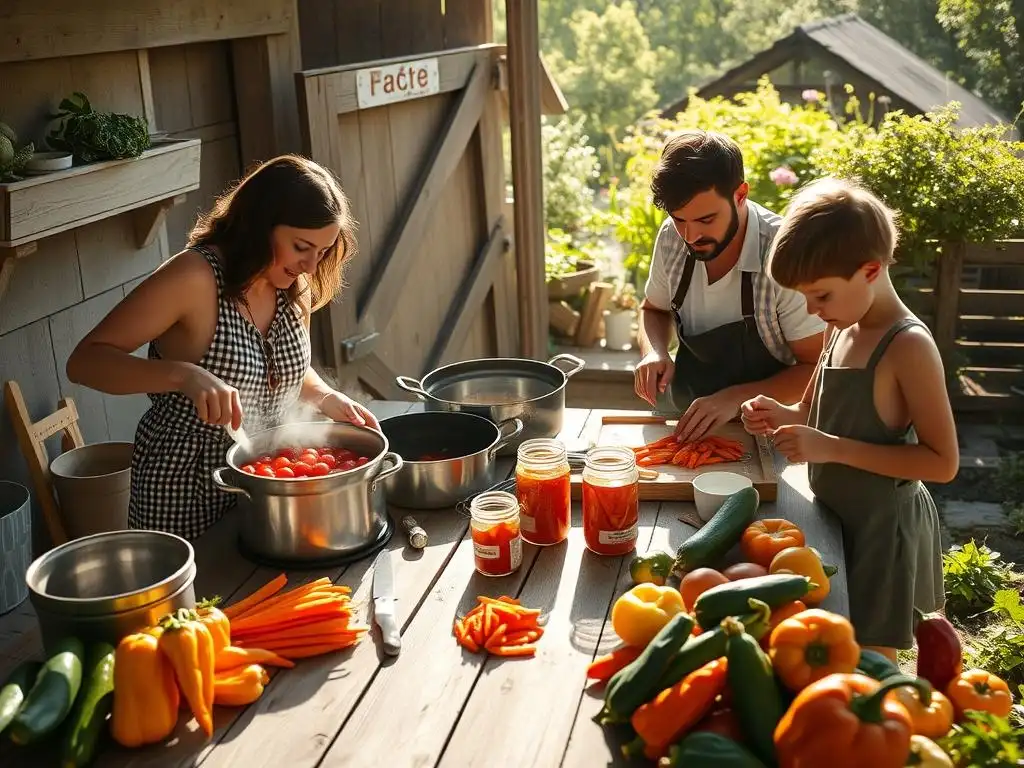
This section explores avenues beyond your home garden to bolster your family's food security and deepen your commitment to self-sufficiency. While a productive garden is a cornerstone, diversifying your food sources enhances resilience and reduces reliance on external systems. This approach embraces a holistic view of food production, integrating various sustainable practices to achieve a greater degree of self-reliance. Remember, the goal is not necessarily complete isolation, but rather a significant reduction in dependence on commercially produced food.
Exploring Additional Food Sources: Chickens, Rabbits, and Beekeeping
Integrating livestock and beekeeping into your self-sufficiency plan offers significant benefits. Chickens provide a regular supply of fresh eggs, a valuable source of protein. Consider the space requirements and local ordinances before introducing chickens. A small flock of 4-6 hens is often sufficient for a family. Regular cleaning and pest management are crucial for maintaining a healthy flock.
Rabbits are another option, offering lean meat and fur for crafting. They require less space than chickens but need diligent care, including providing clean water, nutritious feed, and a safe, predator-proof hutch. Rabbit breeds vary significantly in size and temperament, so research is essential before selecting your stock.
Beekeeping provides honey, beeswax, and supports pollination in your garden and surrounding area. It requires a significant time commitment for hive management, including regular inspections, honey harvesting, and disease prevention. Proper training and understanding of local regulations are paramount before starting a beehive. The rewards, however, are plentiful, both in terms of delicious honey and the ecological benefits of supporting pollinators.
Composting and Waste Management for a Sustainable System
Effective composting is fundamental to sustainable self-sufficiency. Composting kitchen scraps and yard waste produces nutrient-rich soil amendments, reducing your reliance on commercially produced fertilizers. This closed-loop system minimizes waste and enhances the fertility of your garden, contributing to higher yields.
Several composting methods exist, from simple backyard bins to sophisticated in-vessel systems. The best choice depends on your space, resources, and climate. Proper composting involves balancing "browns" (carbon-rich materials like dried leaves and twigs) and "greens" (nitrogen-rich materials like grass clippings and fruit peels) to maintain optimal decomposition rates. Regular turning and moisture management are also essential. Avoid adding meat, dairy, and oily foods, which can attract pests and create unpleasant odors. A well-managed compost system significantly reduces your household waste and provides a valuable resource for your garden.
Community Supported Agriculture (CSA) and Local Food Networks
While self-sufficiency aims to reduce dependence on external systems, engaging with your local food community can enhance your efforts. Community Supported Agriculture (CSA) programs offer a direct connection to local farmers, providing fresh, seasonal produce throughout the growing season. This strengthens your local economy and ensures access to high-quality, sustainably grown food.
Participating in farmers' markets and building relationships with local producers provides another avenue for supplementing your food supply. These networks offer opportunities to trade goods, share knowledge, and build resilience within your community. Joining a local food cooperative or seed exchange can further expand your access to diverse food sources and resources, reinforcing your journey toward self-sufficiency while fostering a sense of community and shared responsibility. This collaborative approach demonstrates that self-sufficiency doesn't have to be a solitary endeavor; it can be a powerful force for community building and environmental stewardship.
Maintaining a Sustainable and Resilient Food System
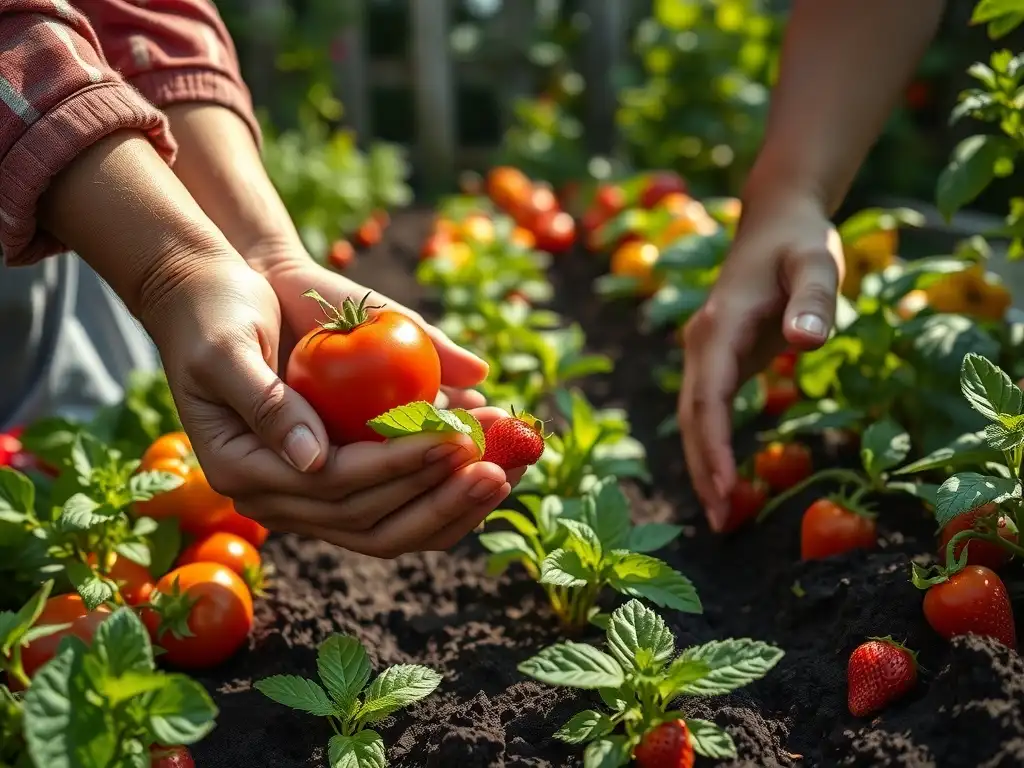
This section focuses on the long-term viability of your homegrown food production, ensuring you can consistently grow food for your family while minimizing environmental impact and maximizing self-sufficiency. A resilient food system is key to achieving true self-sufficiency, allowing you to adapt to challenges and maintain a bountiful harvest year after year. This involves careful planning, proactive monitoring, and a commitment to sustainable practices. The goal is not just to grow food this year, but to build a system that will provide for your family for years to come.
Monitoring Soil Health and Nutrient Levels
Healthy soil is the foundation of a thriving garden, crucial for achieving self-sufficiency in food production. Regularly monitoring your soil's health and nutrient levels is paramount. Neglecting this can lead to reduced yields and nutrient-deficient produce. This involves several key steps:
- Regular Soil Testing: Conduct soil tests at least once a year, ideally in both spring and fall. These tests reveal your soil's pH level, as well as the levels of essential macronutrients (nitrogen, phosphorus, potassium) and micronutrients (iron, zinc, manganese, etc.). Knowing these levels allows for targeted fertilization, preventing deficiencies or excesses.
- Visual Soil Assessment: Beyond lab tests, observe your soil's physical characteristics. Is it loose and crumbly, or compacted and hard? Good drainage is essential. Compacted soil hinders root growth and can lead to waterlogging. Improving soil structure through composting and cover cropping is vital.
- Composting and Cover Cropping: These are crucial for maintaining soil fertility and health. Composting enriches the soil with organic matter, improving its structure, water retention, and nutrient content. Cover crops, such as clover or rye, add organic matter, prevent erosion, and suppress weeds, enhancing soil health organically.
- Crop Rotation: Rotating crops helps to prevent nutrient depletion and reduces the risk of pest and disease build-up. Different plants have different nutrient requirements; rotating ensures a balanced nutrient draw from the soil. For example, legumes (beans, peas) fix nitrogen in the soil, benefiting subsequent crops.
Implementing Sustainable Practices to Reduce Environmental Impact
Sustainable gardening practices are not just environmentally responsible; they contribute directly to your long-term self-sufficiency. Reducing your reliance on external inputs minimizes costs and strengthens your food system's resilience. This includes:
- Water Conservation: Efficient irrigation techniques, like drip irrigation or soaker hoses, minimize water waste. Consider rainwater harvesting to supplement your water supply, reducing reliance on municipal water. Mulching helps retain soil moisture, reducing the frequency of watering.
- Pest and Disease Management: Prioritize integrated pest management (IPM) techniques, focusing on preventative measures like crop rotation, companion planting, and beneficial insects. Reduce your reliance on chemical pesticides, which can harm beneficial organisms and pollute the environment.
- Waste Reduction: Compost all organic kitchen and garden waste, reducing landfill waste and creating valuable soil amendment. Reduce plastic use by opting for biodegradable alternatives for plant markers and containers. This minimizes your environmental footprint while contributing to your garden's health.
- Energy Efficiency: Consider the energy used in your gardening practices. Choose energy-efficient tools and equipment. For example, solar-powered pumps can reduce your reliance on electricity for irrigation.
Adapting Your Garden to Changing Seasons and Climate Conditions
Climate change presents significant challenges to food production. Adapting your garden to changing seasons and climate conditions is crucial for long-term food family selfsufficiency. This requires careful planning and flexibility:
- Microclimates: Understand the microclimates within your garden. Some areas might be sunnier or windier than others. This influences plant selection and placement. Utilize shade cloth or windbreaks to protect vulnerable plants.
- Season Extension Techniques: Extend your growing season using techniques like cold frames, low tunnels, or greenhouses. This allows you to grow a wider variety of crops and harvest for a longer period.
- Drought-Tolerant Varieties: Select plant varieties suited to your local climate and anticipated water availability. Drought-tolerant varieties require less watering, reducing your reliance on external water sources and increasing resilience to dry periods.
- Pest and Disease Monitoring: Climate change can alter pest and disease pressure. Regular monitoring is crucial for early detection and timely intervention. This may require adjusting your pest and disease management strategies as needed. Staying informed about local pest and disease outbreaks is essential.
The ultimate goal of grow food family selfsufficiency is a resilient and sustainable food system. By implementing these strategies, you can ensure a bountiful and dependable harvest year after year, reducing your reliance on external food sources and building a more secure and sustainable future for your family.
Achieving Family Food Security Through Self-Sufficiency: Long-Term Planning
This section focuses on the crucial aspect of long-term planning in your journey towards growing enough food for your family. Self-sufficiency isn't a sprint; it's a marathon requiring consistent effort and strategic adjustments. Successfully growing food for your family requires more than just planting seeds; it demands a comprehensive strategy encompassing careful planning, resource management, and continuous learning. Let's explore how to build a robust and sustainable food production system for your household.
Evaluating Your Progress and Making Adjustments
Regular evaluation is paramount to achieving your self-sufficiency goals. Don't just plant and hope for the best. Track your yields, noting successes and failures. A simple spreadsheet or a dedicated gardening journal can be invaluable. For example, meticulously record the planting date, variety, quantity harvested, and any pest or disease issues encountered for each crop. This data allows you to refine your techniques year after year.
Consider these key metrics:
| Metric | Description | Example |
|---|---|---|
| Yield per plant/square foot | The amount of food produced per unit of planting space. | 10 tomatoes per plant, 2 lbs of lettuce/sq ft |
| Success rate | Percentage of successfully harvested plants compared to total plants planted. | 80% success rate for peppers |
| Pest/disease impact | Assessment of losses due to pests or diseases. | 10% loss due to aphids |
| Water usage | Amount of water used for irrigation. Consider implementing water-saving techniques. | 50 gallons per week |
Analyzing this data helps identify areas for improvement. Did a particular variety thrive exceptionally well? Were there specific pests that significantly impacted your yield? This feedback loop is vital for adapting your strategy and improving your efficiency in subsequent growing seasons. Remember, even experienced gardeners constantly refine their methods. The pursuit of self-sufficiency is an ongoing process of learning and adaptation. Embrace the challenges, learn from your mistakes, and celebrate your successes!
As you gain experience in growing your own food, consider sharing your knowledge with others. This can take many forms, from informal conversations with neighbors to more structured activities like participating in community gardening initiatives or teaching workshops. The benefits of sharing extend beyond simply helping others; it strengthens your community and reinforces your own understanding. Teaching others compels you to articulate your methods clearly and concisely, solidifying your own knowledge.
Think about these ways to share your experience:
- Community garden participation: Share your expertise and collaborate with others.
- Workshops and classes: Formalize your knowledge and inspire others to grow their own food.
- Online forums and blogs: Connect with a wider audience and share tips and advice.
- Mentoring others: Guide beginners through the process of growing their food.
By sharing your passion and expertise, you contribute to a broader movement towards food independence and sustainable living. This reciprocal process enriches your own journey while empowering others to embark on their own self-sufficiency adventures. The satisfaction of nurturing both plants and people is incredibly rewarding. It’s a powerful demonstration of the interconnectedness of our communities and our shared commitment to a more sustainable future.
Embracing the Journey Towards Greater Food Independence
The path to family food self-sufficiency is a rewarding but challenging one. It requires patience, perseverance, and a willingness to learn and adapt. There will be setbacks – failed crops, unexpected pests, and periods of doubt. However, the satisfaction of harvesting your own food, knowing where it comes from, and contributing to a more sustainable lifestyle far outweighs the challenges. Remember to celebrate small victories along the way. Each successful harvest, each new skill learned, brings you closer to your goal.
Remember these key aspects to embrace the journey:
- Start small and scale up gradually: Don't try to do too much at once. Begin with a manageable area and expand as your skills and confidence grow.
- Diversify your crops: This reduces risk and ensures a more varied diet.
- Preserve your harvest: Learn techniques like canning, freezing, and drying to extend the life of your produce.
- Learn from your mistakes: Every failure is an opportunity to learn and improve.
- Connect with your community: Sharing your experiences and learning from others is invaluable.
The journey to grow food for your family and achieve self-sufficiency is a deeply personal one, filled with unique challenges and triumphs. By embracing the process, learning from your experiences, and sharing your knowledge, you not only contribute to your family's well-being but also inspire others to embark on their own path toward a more sustainable and fulfilling life. The rewards are plentiful – both in terms of food security and the profound satisfaction of nurturing life and fostering community. 🌱
Frequently Asked Questions
How much space do I need to grow enough food for my family?
The amount of space needed depends on your family size and dietary needs. A small backyard can produce a surprising amount of food, focusing on high-yield crops and vertical gardening. Consider space-saving techniques like trellising and companion planting.
What are the best vegetables to grow for self-sufficiency?
Prioritize easy-to-grow, high-yield vegetables like potatoes, beans, tomatoes, and leafy greens. Choose varieties suited to your climate and growing season. Consider preserving techniques like canning or freezing to extend your harvest.
How can I ensure a year-round food supply from my garden?
Achieving complete year-round self-sufficiency is challenging. Focus on preserving your summer harvest for winter consumption. Consider cold-frame gardening or greenhouse cultivation to extend the growing season. Supplement with stored root vegetables and other non-perishable foods.
What are some common challenges in growing your own food?
Expect to encounter pests, diseases, and unpredictable weather. Learn basic pest control methods using organic techniques. Proper soil preparation and plant selection help mitigate risks. Be patient and persistent – gardening takes practice!
How can I make my home garden more sustainable?
Employ organic gardening practices, including composting and using natural pest control methods. Conserve water through efficient irrigation techniques. Choose native plants adapted to your local climate, reducing the need for fertilizers and pesticides.
Final Reflection: Harvesting the Seeds of Self-Sufficiency
The ability to grow even a portion of your family's food represents a powerful step towards self-sufficiency, a concept increasingly relevant in a world facing climate change, economic uncertainty, and supply chain vulnerabilities. This isn't just about saving money; it's about reclaiming a connection to the land, fostering resilience, and building a more secure future for your loved ones. The journey towards food self-sufficiency, while challenging, is ultimately deeply rewarding.
The act of nurturing a seed into a thriving plant, then harvesting its fruits (or vegetables!), is a profoundly humbling and empowering experience. It fosters a deeper appreciation for the natural world and the intricate processes that bring food to our tables. This connection, often lost in our modern, industrialized food systems, is crucial for building a sustainable future. We must learn to live in harmony with nature, not to dominate it.
This simple truth underpins the entire ethos of growing your own food, reminding us of our place within a larger ecosystem.
You don't need acres of land to begin this journey. Start small, with a single herb garden or a few tomato plants. Each seed you sow is a step towards greater self-reliance, a testament to your commitment to providing for your family and building a more resilient future. Embrace the challenges, celebrate the successes, and remember that the true harvest is not just the food you grow, but the knowledge, skills, and connection to the earth you cultivate along the way. Begin your journey today. Your family, and the planet, will thank you for it.
Unleash Your Inner Gardener: Grow Your Family's Food!
Thank you for exploring the rewarding world of homegrown food! We hope this article has inspired you to begin your journey towards greater self-sufficiency. Now it's time to put your newfound knowledge into practice.
- Start small, but start now! Begin with an easy-to-grow vegetable like lettuce or radishes and plant it this week. Even a small success will boost your confidence and encourage you to continue.
- Share your gardening journey! Tell us about your experience—what you planted, any challenges you encountered, and your successes—in the comments below. Let's build a supportive community of home gardeners!
- Explore our website for more resources and guidance on garden planning, seed selection, and essential gardening techniques.
What's the first step you'll take to bring fresh, homegrown food to your family's table?