
Drying Parsley and Cilantro: Preserving Your Harvest for Later Use

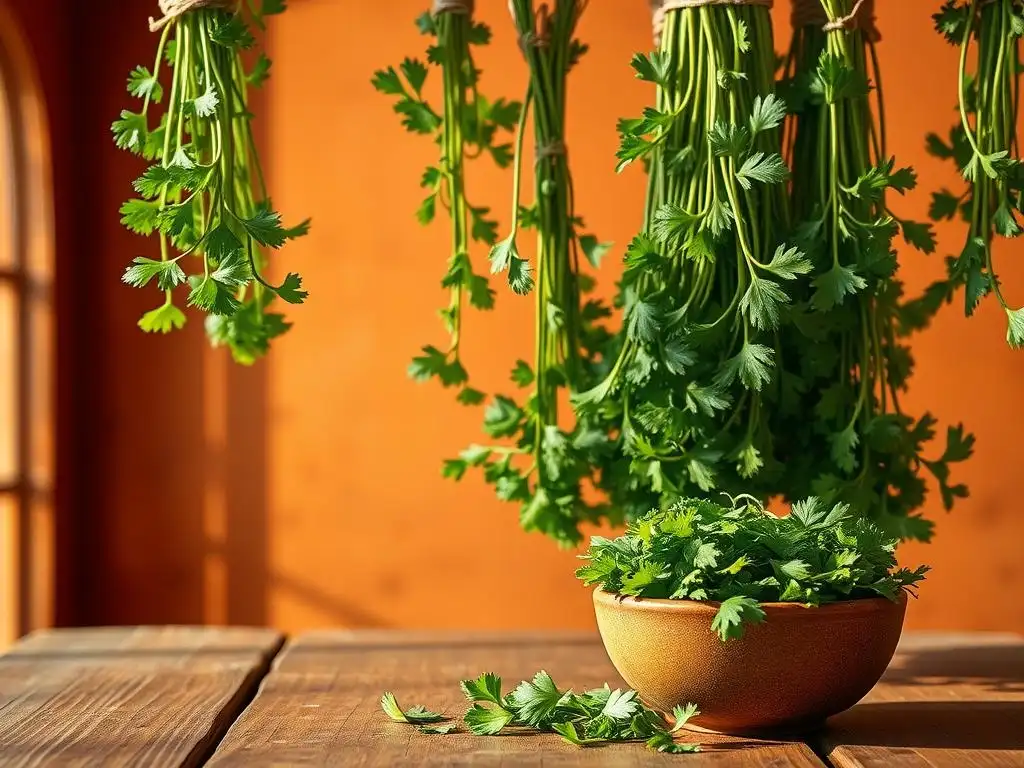
Welcome to CultivateYourFood, your guide to a thriving home garden! Are you ready to unlock the secrets to preserving the bounty of your herb garden? Learn how to extend the life of your precious parsley and cilantro with our comprehensive guide on dry parsley cilantro home preservation. Discover simple, sustainable techniques for drying your herbs and ensuring you enjoy their vibrant flavors all year round. Let's dive into the world of homegrown goodness and explore the art of preserving your harvest!
- Harvesting Parsley and Cilantro for Drying
- Air Drying Parsley and Cilantro: A Simple and Effective Method
- Dehydrator Drying Parsley and Cilantro: A Faster Alternative
- Preserving the Flavor and Aroma of Dried Parsley and Cilantro
- Comparing Air Drying vs. Dehydrator Drying
- Long-Term Storage of Dried Parsley and Cilantro
- Frequently Asked Questions
- Final Reflection: The Enduring Bounty of Home-Preserved Herbs
- Unlock the Flavor: Preserve Your Herb Harvest Now!
Harvesting Parsley and Cilantro for Drying
Drying parsley and cilantro at home is a rewarding way to extend the life of your harvest and enjoy the vibrant flavors of these herbs year-round. This comprehensive guide will walk you through the entire process, from harvesting at the peak of freshness to choosing the best drying method for preserving their aroma and taste. Whether you're a seasoned gardener or just starting out, learning how to properly dry parsley and cilantro will allow you to savor the fruits (or rather, leaves 😉) of your labor long after the growing season ends.
This guide focuses on sustainable and organic practices, ensuring you maintain the quality and integrity of your herbs throughout the drying process. We'll cover optimal harvesting times, proper cleaning and trimming techniques, and various drying methods to help you achieve the best results for your home preservation efforts.
Mastering these techniques will not only improve the quality of your dried herbs but also reduce food waste and enhance your overall gardening experience. Let's dive into the details!
Optimal Harvesting Time for Maximum Flavor and Aroma
The key to successfully drying parsley and cilantro lies in harvesting at the optimal time. Harvesting too early results in weak flavor, while harvesting too late can lead to tough, bitter leaves. For both parsley and cilantro, the best time to harvest is before the plants flower. This is usually when the plants are mature but still actively growing. Look for vibrant, healthy leaves that are fully developed but not yet showing signs of bolting (going to seed).
For parsley, aim to harvest in the morning after the dew has dried. This allows for gentler handling and reduces the risk of leaf damage. Harvest by snipping individual stems or cutting entire bunches, leaving about 2 inches of stem at the base to encourage further growth.
Cilantro, being a more delicate herb, requires even more careful harvesting. Harvest the leaves selectively, picking the outer leaves first to allow the inner leaves to continue growing. Avoid harvesting the entire plant at once, as this will damage the root system and prevent future harvests.
Remember, the goal is to harvest when the leaves are at their peak flavor and aroma. This will significantly impact the quality of your dried herbs. A good rule of thumb is to harvest when the plants are roughly 6-8 weeks old, but always observe the plant’s individual maturity.
Preparing Herbs for Drying: Cleaning and Trimming
Once harvested, thorough cleaning and trimming are crucial steps to ensure that your dried herbs retain their quality. Begin by gently rinsing your parsley and cilantro under cool, running water to remove any dirt, insects, or debris. Avoid soaking the herbs, as this can cause them to wilt and lose their flavor.
After rinsing, carefully pat the herbs dry with a clean kitchen towel or allow them to air dry completely. This step is important to prevent mold growth during the drying process.
Next, trim the stems from the leaves. For parsley, you can either remove the leaves entirely or leave short stems attached, depending on your preferred drying method. For cilantro, it is generally recommended to remove the leaves entirely, as the stems tend to be more fibrous and less flavorful.
Inspect the leaves carefully and remove any damaged or discolored leaves. This will help maintain the quality and appearance of your dried herbs. Proper preparation significantly affects the final product's quality.
Choosing a Drying Method
Several methods can be used to dry parsley and cilantro at home. The most common are air drying and oven drying. Each has its own advantages and disadvantages:
| Drying Method | Advantages | Disadvantages |
|---|---|---|
| Air Drying | Simple, requires no special equipment, retains aroma | Slow, requires space, susceptible to pests/mold |
| Oven Drying | Fast, controlled environment | Risk of scorching or losing aroma if not done properly |
Choosing the right method depends on your preferences and resources. Air drying is a gentler method that typically preserves more of the herb's aroma, while oven drying is faster and more convenient but requires careful monitoring to prevent burning. No matter which method you choose, ensure proper storage in airtight containers in a cool, dark, and dry place once dried to maintain freshness and flavor. Proper storage is just as crucial as the drying process itself for long-term preservation.
Air Drying Parsley and Cilantro: A Simple and Effective Method
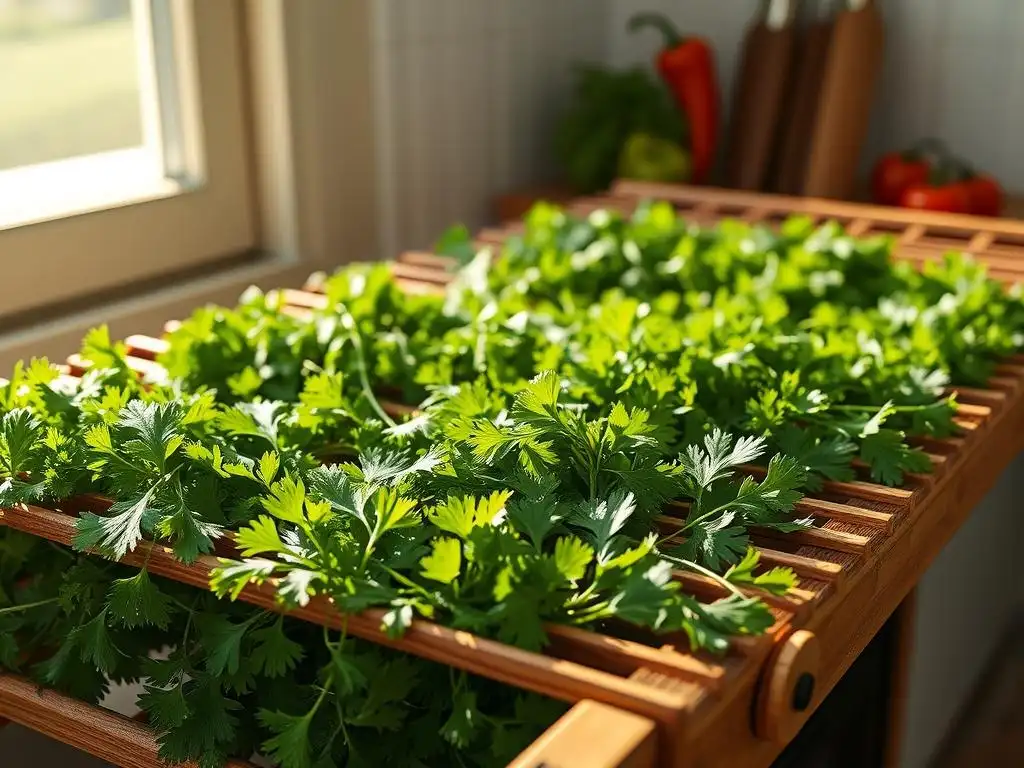
Air drying is a classic and effective method for preserving parsley and cilantro, allowing you to enjoy the vibrant flavors of your homegrown herbs long after the growing season ends. This technique requires minimal equipment and offers a natural way to extend the shelf life of your harvest. It's a perfect method for small-scale home preservation, aligning perfectly with the sustainable ethos of "CultivateYourFood". This section will guide you through the process, ensuring you achieve optimal results. The key to success lies in proper preparation and consistent monitoring. Remember, patience is key in this gentle preservation method.
Preparing Your Air Drying Space
Before you begin, you need to create an appropriate environment for your herbs to dry. This space should be dark, well-ventilated, and dry. High humidity will lead to mold growth, ruining your precious herbs. Consider these factors:
- Location: A cool, dark pantry, a well-ventilated attic (avoid direct sunlight), or even a shaded area in a well-ventilated room can work. Avoid areas with extreme temperature fluctuations.
- Ventilation: Good airflow is crucial to prevent mold and ensure even drying. A gentle breeze is ideal. You can achieve this by opening windows or using a fan on a low setting, but avoid direct blasts of air.
- Cleanliness: A clean drying area is essential. Any dust or debris can contaminate your herbs. Wipe down surfaces before you start.
- Protection from pests: While air drying is a natural process, it's important to protect your drying herbs from insects. Consider using cheesecloth or mesh bags to cover the herbs, allowing for airflow while keeping pests at bay.
Bundling Herbs for Air Drying
Once you've prepared your drying space, it's time to prepare your herbs. Harvest your parsley and cilantro in the morning after the dew has dried to minimize moisture content. Proper bundling is key to efficient and even drying:
- Cleaning: Gently rinse your herbs under cool water and allow them to dry completely before bundling. Any excess moisture will hinder the drying process and increase the risk of mold.
- Trimming: Remove any damaged or wilted leaves. This will improve the quality of your dried herbs and prevent the spread of rot.
- Bundling Technique: Small, loose bundles are best. Tie several stems together using twine or rubber bands, ensuring good air circulation within the bundle. Avoid making bundles too large and tight, as this will prevent proper air circulation and lead to uneven drying and potential mold. Aim for bundles approximately 1-2 inches in diameter.
- Hanging: Hang the bundles upside down in your prepared drying area, ensuring that the bundles are not touching each other. This allows for maximum airflow around each bunch, leading to quicker and more even drying.
Monitoring Drying Progress
The drying time for parsley and cilantro can vary depending on factors like humidity and temperature, but generally takes 1-3 weeks. Regular monitoring is crucial to ensure optimal results and prevent spoilage.
- Visual Inspection: Check your herbs daily for dryness. The leaves should be brittle and crumble easily when touched. The stems should be dry and easily snap.
- Smell Test: Dried herbs should retain their characteristic aroma. A musty or sour smell indicates mold growth, requiring immediate removal of the affected herbs.
- Storage: Once completely dry, store your herbs in airtight containers in a cool, dark, and dry place. This will maintain their flavor and quality for extended periods (up to a year). Proper storage is crucial for preserving the quality and preventing pest infestations after drying. Consider using glass jars or vacuum-sealed bags for optimal storage. Label your containers with the date for easy tracking and freshness management. Using small containers also helps to maintain freshness as you use the herbs. The use of desiccant packets within the container can also help to maintain dryness.
Remember, patience and attention to detail are key to successfully drying parsley and cilantro at home. By following these steps, you can enjoy the flavorful rewards of your homegrown herbs throughout the year, contributing to your sustainable and healthy lifestyle. Happy drying! 🌿
Storing Dried Herbs
Proper storage is crucial for maintaining the flavor and quality of your dried parsley and cilantro. Airtight containers are your best bet. Think glass jars with tight-fitting lids, or even reusable silicone bags designed for food storage. These containers create a barrier against moisture, light, and air, all of which can degrade the herbs' essential oils and lead to loss of flavor and color. Avoid using plastic bags, as these can trap moisture and promote mold growth.
The ideal storage environment is cool, dark, and dry. A pantry cupboard away from direct sunlight and heat sources is perfect. Avoid storing your dried herbs near strong-smelling items, as the herbs can absorb these odors. This is especially important because the delicate flavors of parsley and cilantro are easily overpowered.
Remember to label your containers with the name of the herb and the date you dried it. This helps you track freshness and use the oldest herbs first, ensuring you get the most out of your harvest. With proper storage, your dried parsley and cilantro can maintain their quality for up to a year, sometimes even longer, depending on how carefully you dry and store them.
Regularly check your herbs for any signs of spoilage, such as discoloration, musty odor, or the presence of insects. Discard any herbs showing signs of deterioration to prevent contamination. Proper storage is a key element in successful dry parsley cilantro home preservation.
Dehydrator Drying Parsley and Cilantro: A Faster Alternative
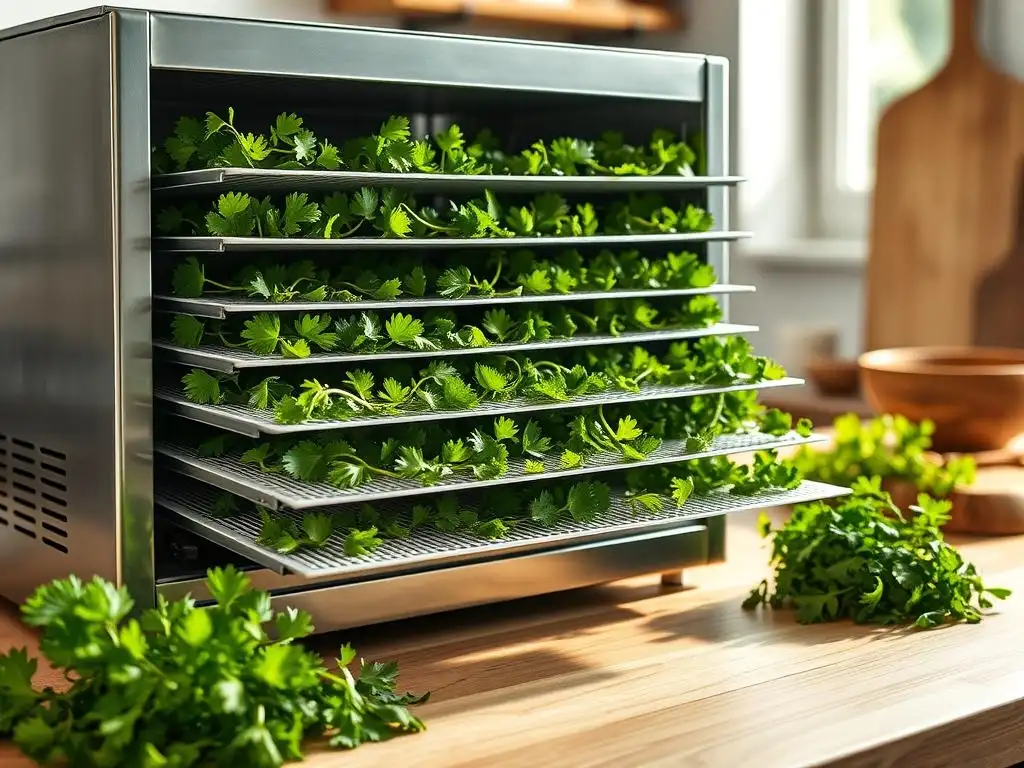
Drying parsley and cilantro using a dehydrator offers a significantly faster alternative to air drying, perfect for preserving larger harvests or when time is of the essence. This method ensures consistent drying, minimizing the risk of mold or spoilage, and resulting in vibrant, flavorful herbs ready for year-round culinary use. This section focuses on optimizing the dehydrator method for both parsley and cilantro, resulting in high-quality dried herbs for your home preservation needs.
The key is to understand the nuances of each herb and adjust accordingly to achieve optimal results. We'll cover selecting the right settings, arranging the herbs effectively, and monitoring the process closely.
Selecting Dehydrator Settings
The ideal dehydrator settings for parsley and cilantro are similar, but slight adjustments may be necessary depending on your specific dehydrator model and the ambient humidity. Generally, a temperature range between 95°F and 115°F (35°C and 46°C) is recommended. Lower temperatures result in slower drying, reducing the risk of nutrient loss but extending the drying time. Higher temperatures speed up the process but might slightly compromise the flavor and color if not carefully monitored.
Begin by pre-washing and thoroughly drying your parsley and cilantro bunches. Remove any damaged or wilted leaves. Then, gently pat them dry with a clean kitchen towel to remove excess moisture. This initial drying step is crucial for effective dehydration and prevents the growth of mold or bacteria.
For optimal results, consider these settings:
| Herb | Temperature (°F) | Temperature (°C) | Time (hours) | Notes |
|---|---|---|---|---|
| Parsley | 95-105 | 35-40 | 4-6 | Thicker stems may require longer drying times. |
| Cilantro | 105-115 | 40-46 | 3-5 | More delicate leaves; monitor closely. |
Remember to always consult your dehydrator's manual for specific recommendations and safety precautions. Experimentation might be required to fine-tune the settings for your particular appliance and environmental conditions. Proper temperature and airflow are vital for successful home preservation of your herbs.
Arranging Herbs in the Dehydrator
Proper arrangement within the dehydrator is key to ensuring even drying and preventing clumping. Avoid overcrowding the trays, allowing for sufficient airflow between the leaves. This prevents moisture from becoming trapped, which can lead to uneven drying and potential spoilage.
For both parsley and cilantro, aim for a single layer of leaves on each tray. You can arrange them flat or loosely bunch small sprigs together. Ensure there's enough space between each leaf or sprig to allow for proper air circulation. Using mesh trays or screens can further improve airflow. Consider using parchment paper on the trays to prevent the herbs from sticking and make cleanup easier.
This careful arrangement contributes greatly to the success of your drying process. The even distribution of heat and air ensures that every leaf dries uniformly, preserving its color, flavor, and aroma. This is a crucial step in achieving high-quality dried herbs for your culinary creations.
Monitoring the Dehydration Process
Regular monitoring throughout the dehydration process is vital for achieving optimal results. Check on your herbs every hour or two, especially during the initial stages. The leaves should become brittle and easily crumble when they are sufficiently dry. This is a crucial indicator of dryness and readiness for storage.
Avoid over-drying, as this can lead to a loss of flavor and aroma. Under-drying, on the other hand, increases the risk of mold and spoilage. The ideal texture should be crisp and easily crumbled. Once the herbs reach this state, carefully remove them from the dehydrator and allow them to cool completely before storing them in airtight containers in a cool, dark, and dry place.
Proper storage is essential for maintaining the quality and extending the shelf life of your dried herbs. Proper storage extends the shelf life of your carefully dried herbs, ensuring you can enjoy the flavors of your harvest throughout the year. 🌱
Storing Dehydrated Herbs
Proper storage is crucial for maintaining the quality and flavor of your dried parsley and cilantro. Improper storage can lead to a loss of vibrancy, flavor degradation, and even mold growth. To ensure your hard work doesn't go to waste, follow these guidelines carefully.
Airtight containers are your best friend. Glass jars with tight-fitting lids are ideal, offering excellent protection against moisture and pests. Avoid using plastic containers, as they can sometimes absorb odors and flavors, potentially impacting the taste of your herbs. Make sure the jars are thoroughly clean and completely dry before storing your herbs. Even a small amount of moisture can compromise the shelf life of your dried herbs.
Consider using desiccant packs. These small packets, often found in medicine bottles or electronics packaging, absorb excess moisture. Including one or two in your storage jar can significantly extend the shelf life of your herbs, keeping them dry and crisp. You can even purchase larger, reusable desiccant packs specifically designed for food storage.
Store in a cool, dark, and dry place. Avoid storing your herbs in direct sunlight or in areas with fluctuating temperatures and high humidity. A pantry or a cupboard away from the stove or other heat sources is perfect. The consistent temperature and low humidity will help preserve the herbs' flavor and color for a longer period.
Label and date your containers. This simple step will help you keep track of how long your herbs have been stored and ensure you use the oldest ones first. This practice minimizes the risk of spoilage and helps you maintain a rotation of fresh herbs. A simple label with the herb name and date will suffice. Consider also noting the method of drying (dehydrator, air drying, etc.) if you have multiple batches stored.
With proper storage techniques, you can enjoy your home-dried parsley and cilantro for up to a year, retaining much of their original flavor and aroma. Remember, the fresher the herbs when you start, the better the final product will be. So, harvest at the peak of flavor and follow these steps for optimal preservation of your "dry parsley cilantro home preservation" efforts.
Preserving the Flavor and Aroma of Dried Parsley and Cilantro
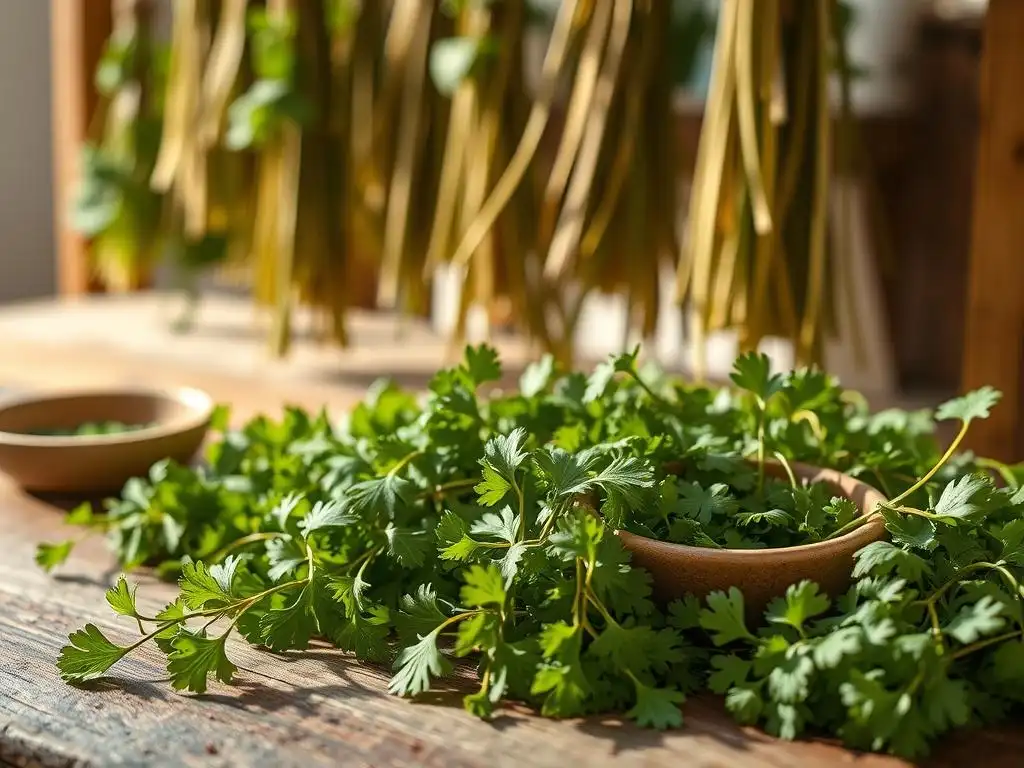
Drying parsley and cilantro at home allows you to enjoy the vibrant flavors of these herbs year-round. However, improper drying techniques can lead to a loss of their characteristic aroma and taste. This section focuses on optimizing your drying process to maintain the highest quality of your dried herbs.
We'll explore factors influencing quality and offer tips for preserving vibrancy, all while focusing on sustainable, organic practices. Successfully drying these herbs at home is a rewarding experience, extending the life of your harvest and enriching your culinary endeavors. This guide will help you achieve optimal results, ensuring your dried parsley and cilantro retain their delicious essence.
Factors Affecting Dried Herb Quality
Several factors significantly impact the quality of your dried parsley and cilantro. These include the timing of harvest, the drying method employed, and the storage conditions after drying. Harvesting at the optimal time is crucial. For parsley and cilantro, this is typically when the plants are young and vigorous, before they begin to flower. Flowering diminishes the essential oil content, resulting in a less flavorful and aromatic dried product.
Harvesting should ideally be done on a dry day, minimizing moisture content from the start. The faster the drying process, the better the preservation of flavor and color. Air drying, while a sustainable option, can be slower than other methods, increasing the risk of spoilage. A dehydrator offers more controlled conditions, leading to faster drying and superior quality. However, even with a dehydrator, careful monitoring of temperature and airflow is essential to prevent scorching or uneven drying.
Finally, proper storage is paramount. Once completely dry, store your herbs in airtight containers in a cool, dark, and dry place. Exposure to light, moisture, or air will degrade the quality of your dried herbs over time. Using glass jars with tight-fitting lids is recommended for optimal preservation. Consider adding a desiccant packet to absorb any residual moisture. Proper storage extends the shelf life of your dried herbs, ensuring they retain their flavor and aroma for months.
Maintaining Vibrancy of Dried Herbs
Maintaining the vibrant green color of dried parsley and cilantro requires careful attention to detail throughout the drying process. The key is to prevent chlorophyll degradation, which causes discoloration. Rapid drying is crucial; the longer the herbs are exposed to air and light, the greater the chance of color loss. Using a dehydrator at a low temperature (around 95-105°F or 35-40°C) helps preserve color better than air drying.
Proper preparation also plays a role. Gently wash the herbs and thoroughly pat them dry before drying to prevent mold growth and discoloration. Avoid overcrowding the drying racks, ensuring adequate airflow. Overcrowding hinders the drying process and can lead to uneven drying and color loss.
Once dried, store the herbs immediately in airtight containers away from light and moisture. Using opaque containers further helps protect the color from degradation. Finally, remember that some color change is inevitable during the drying process, but by following these steps, you can significantly minimize this loss and maintain the vibrancy of your herbs. The resulting vibrant green color adds visual appeal and signals the high quality of your home-preserved herbs.
Troubleshooting Drying Issues
Even with careful planning, you might encounter issues during the drying process. One common problem is uneven drying, resulting in some parts being overly dry and brittle while others remain damp. This often stems from overcrowding the drying racks or inconsistent airflow. To remedy this, ensure adequate spacing between herb stems and leaves, and consider using fans to improve air circulation, especially if air drying.
Another issue is mold growth, usually caused by insufficient drying or high humidity. If you notice mold, discard the affected herbs immediately to prevent contamination. To avoid this, ensure herbs are thoroughly dry before storage, and store them in a cool, dry location with low humidity. A desiccant packet can help control moisture levels.
Finally, discoloration beyond a slight darkening is a sign that the drying process was too slow or the herbs were exposed to excessive light. Rapid drying techniques and proper storage can prevent this. Addressing these issues promptly ensures the quality and safety of your dried parsley and cilantro, minimizing waste and maximizing the benefits of your home preservation efforts. Remember, patience and attention to detail are key to successful drying.
Recipe Ideas Using Dried Herbs
Dried parsley and cilantro, while not possessing the vibrant green color of their fresh counterparts, retain a surprising amount of their characteristic flavors when properly dried. This makes them excellent additions to a wide variety of culinary creations, adding depth and complexity to both savory and sweet dishes. The key is to understand that the intensity of flavor is somewhat reduced, so you might need to use a slightly larger quantity than you would with fresh herbs.
One of the simplest ways to use dried parsley is in soups and stews. A tablespoon or two added towards the end of cooking can brighten up the overall flavor profile, adding a subtle herbaceous note that complements hearty vegetables and meats. Think of a robust beef stew, a creamy tomato soup, or a lentil soup – dried parsley can elevate each one. Remember to adjust the quantity based on your personal preference and the intensity of the other flavors in the dish.
For cilantro, its distinctive citrusy note lends itself well to Mexican and South Asian cuisines. Dried cilantro can be used in spice rubs for meats like chicken or fish, adding a fragrant and aromatic layer. It also works beautifully in chili powders, adding a complexity that elevates the overall spice blend. Consider experimenting with it in your favorite taco seasoning or in a vibrant salsa verde recipe. Remember to taste as you go, as the intensity of the dried cilantro might vary depending on the drying method and storage conditions.
Beyond soups and stews, dried parsley makes a fantastic addition to homemade spice blends. Combining it with other dried herbs like thyme, rosemary, or oregano creates versatile seasoning mixes perfect for roasting vegetables, poultry, or even adding to baked goods. Think of a custom blend for your roasted potatoes or a unique seasoning for a homemade pizza crust. The possibilities are endless!
Dried cilantro, with its bright citrusy notes, can even find its way into desserts. While it might seem unconventional, a small amount of finely ground dried cilantro can add an unexpected twist to chocolate desserts or even certain fruit-based recipes. Imagine a dark chocolate brownie with a subtle hint of cilantro, or a unique twist on a fruit crumble. This is where experimentation shines, allowing you to discover unexpected flavor pairings. Remember to start with small quantities and adjust according to your taste. The subtle complexity it adds can be surprisingly delightful.
Comparing Air Drying vs. Dehydrator Drying
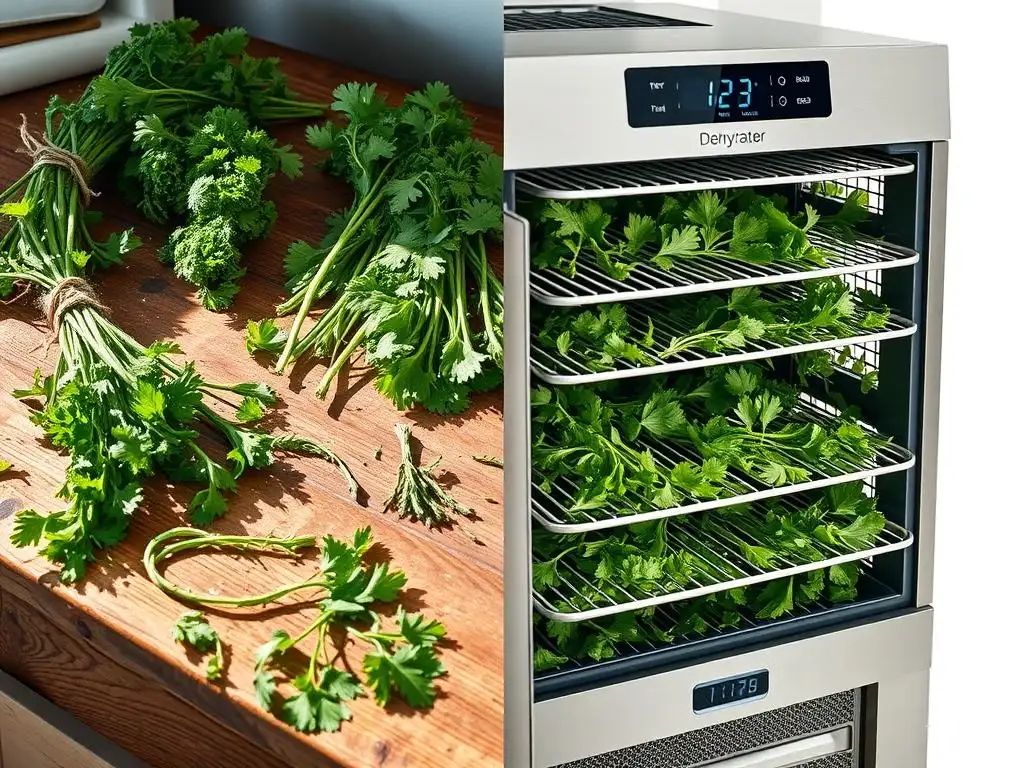
This section delves into the key differences between air drying and dehydrator drying for parsley and cilantro, focusing on factors crucial for successful home preservation of these herbs. The choice between these methods significantly impacts the final product's quality, the time investment required, and the overall ease of the process. Understanding these nuances will empower you to select the best drying technique for your needs and available resources.
Comparing Drying Methods: Time, Effort, and Results
Drying parsley and cilantro using either air drying or a dehydrator yields different results in terms of time commitment, effort expended, and the final quality of the dried herbs. Let's analyze each method:
| Method | Drying Time | Effort Level | Quality of Dried Herbs | Advantages | Disadvantages |
|---|---|---|---|---|---|
| Air Drying | 7-14 days | Low | Good, but can vary | Simple, inexpensive, requires minimal equipment | Slow, susceptible to mold, requires space, inconsistent drying |
| Dehydrator Drying | 2-4 hours | Moderate | Excellent, consistent | Fast, consistent results, preserves color & flavor | Requires equipment, higher initial investment |
Air drying, while a simple and cost-effective method, demands patience. It typically takes 7 to 14 days for parsley and cilantro to fully dry, depending on humidity and air circulation. The process involves bundling the herbs and hanging them upside down in a dry, well-ventilated area, away from direct sunlight. While this method requires minimal effort, it's susceptible to mold if humidity is high, and the drying process can be inconsistent, leading to some herbs drying faster than others. The resulting herbs generally retain good flavor and aroma, but the color might fade slightly more compared to dehydrator drying.
Dehydrator drying, on the other hand, is a much faster and more controlled method. Using a food dehydrator, you can dry parsley and cilantro in just 2 to 4 hours. This method ensures consistent drying across all herbs, minimizing the risk of mold and preserving vibrant color and flavor more effectively. However, it requires a dehydrator, representing a higher initial investment. The effort level is moderate, involving washing, prepping, and arranging the herbs on the dehydrator trays.
Choosing the Best Method
The optimal drying method depends on your priorities and resources. Consider the following factors:
- Time: If you need to dry your herbs quickly, a dehydrator is the clear winner. If you have the patience and time, air drying is a viable option.
- Effort: Air drying requires minimal effort beyond the initial preparation, while dehydrator drying involves more active monitoring and management.
- Budget: Air drying is free, while dehydrator drying requires an upfront investment in equipment.
- Space: Air drying requires adequate space for hanging herbs, potentially making it unsuitable for those with limited space.
- Consistency: For consistently high-quality results, a dehydrator offers superior control and predictability.
For large harvests or when preserving vibrant color and consistent flavor is paramount, a dehydrator is recommended. For small batches and those prioritizing a low-effort, low-cost approach, air drying remains a practical choice. Ultimately, the best method depends on your individual circumstances and preferences related to dry parsley cilantro home preservation. Weighing these factors will help you make an informed decision and ensure successful preservation of your precious herb harvest.
Long-Term Storage of Dried Parsley and Cilantro
Properly drying parsley and cilantro is only half the battle in home preservation. Understanding how to store your dried herbs correctly is crucial for maximizing their shelf life and retaining their flavor and vibrant color. Improper storage can lead to rapid deterioration, rendering your hard work useless. This section details best practices for long-term storage of your dried herbs, ensuring you can enjoy the fruits (or rather, leaves!) of your labor for months to come. This guide focuses on practical techniques for home preservation of dry parsley cilantro, optimizing your harvest.
Proper Storage Containers
The container you choose significantly impacts the longevity of your dried parsley and cilantro. Airtight containers are paramount; they prevent moisture from seeping in, which is a major culprit in mold growth and flavor degradation. Several options excel at this:
- Glass Jars: These are ideal. Look for dark-colored glass to further protect against light degradation, which can diminish the vibrant green color and potency of your herbs. Ensure the lids seal tightly.
- Airtight Plastic Containers: High-quality, food-grade plastic containers with secure lids are a viable alternative, particularly if you're concerned about breakage. However, avoid using recycled plastic containers, as they may not be airtight enough.
- Vacuum-Sealed Bags: These are excellent for long-term storage, removing almost all air and significantly reducing the risk of spoilage. They are especially useful if you have a large harvest.
Things to Avoid:
- Paper Bags: These are permeable to moisture and air, making them unsuitable for long-term storage.
- Loosely Sealed Containers: Any container that doesn't provide a tight seal will allow moisture and air to enter, promoting spoilage.
Remember to label your containers with the herb type and the drying date for easy identification and inventory management. This simple step helps you rotate your stock effectively, ensuring you use the older herbs first.
Identifying Spoilage
Even with proper storage, your dried parsley and cilantro will eventually lose their potency and freshness. Learning to identify signs of spoilage is crucial to prevent using herbs that have lost their flavor and may even be harmful.
Here's what to look for:
- Color Change: A significant fading of color from a vibrant green to a dull, brownish hue is a clear indicator of deterioration. The herbs may still be safe to use, but their flavor will be significantly diminished.
- Loss of Aroma: A noticeable decrease in the characteristic fragrant aroma is another key sign. If the smell is weak or musty, it's time to discard the herbs.
- Mold Growth: The presence of any mold, regardless of color or amount, is a definitive sign of spoilage. Discard the entire container immediately, as mold can produce toxins harmful to your health.
- Change in Texture: Dried herbs should retain a relatively dry, crumbly texture. If they feel damp or sticky, it's an indication of moisture absorption and potential spoilage.
Regularly inspect your stored herbs, especially during warmer months or in humid environments. Discard any herbs showing any of these signs of spoilage. Prevention is better than cure, so maintaining optimal storage conditions is key to minimizing spoilage.
Maximizing Shelf Life
To extend the shelf life of your dried parsley and cilantro, consider these additional tips beyond proper storage:
- Proper Drying: Ensure your herbs are thoroughly dried before storage. Residual moisture accelerates spoilage. Use a dehydrator or air dry in a well-ventilated, dark area.
- Cool, Dark, and Dry Environment: Store your containers in a cool, dark, and dry location. Avoid areas with fluctuating temperatures or high humidity, such as near the stove or in direct sunlight. A pantry or cupboard is ideal.
- Rotation: Follow a "first in, first out" (FIFO) method. Use the oldest herbs first to prevent them from spoiling before you have a chance to use them.
- Freezing (Optional): For even longer-term storage, consider freezing your dried herbs in airtight containers or freezer bags. Freezing can significantly extend their shelf life, preserving their flavor and aroma for an extended period.
By following these guidelines for proper storage, identification of spoilage, and maximizing shelf life, you can enjoy the delicious flavors of home-dried parsley and cilantro for many months, reaping the rewards of your organic gardening efforts. This ensures that your dry parsley cilantro home preservation efforts are successful and rewarding. 🌱
Frequently Asked Questions
How long does it take to dry parsley and cilantro at home?
Drying time depends on the method used. Air drying takes 3-7 days, while using a dehydrator can take 2-4 hours. Factors like humidity and thickness of the bunches also influence drying time.
What's the best way to store dried parsley and cilantro?
Store your dried herbs in airtight containers in a cool, dark, and dry place. This helps to preserve their flavor and aroma for several months.
Can I dry parsley and cilantro together?
Yes, you can dry parsley and cilantro together. However, for optimal flavor preservation, it's recommended to dry them separately and then store them in separate containers. This is because they have slightly different drying times.
How do I know when my parsley and cilantro are properly dried?
The herbs are ready when they crumble easily between your fingers and are brittle. They should have a darker, deeper color than when fresh.
What are some ways to use dried parsley and cilantro?
Dried parsley and cilantro can be used in a variety of dishes. Add them to soups, stews, sauces, or sprinkle them over roasted vegetables or meats for a flavor boost. Remember to use less than you would with fresh herbs.
Final Reflection: The Enduring Bounty of Home-Preserved Herbs
The simple act of drying parsley and cilantro transcends mere preservation; it's a connection to the earth, a celebration of the harvest, and a testament to resourcefulness in a world increasingly reliant on processed foods. This seemingly small act of drying herbs at home offers a powerful counterpoint to the mass-produced, often flavorless alternatives found on supermarket shelves. The vibrant, potent aroma of freshly dried herbs speaks volumes about the quality and care invested in their creation.
The impact of home preservation extends beyond the individual kitchen. It fosters a deeper appreciation for the origins of our food, reminding us of the cyclical nature of growth and harvest. It's a practice passed down through generations, a link to our ancestors who understood the importance of preserving the bounty of the earth. The best things in life are simple,
a common adage rings true here, highlighting the profound satisfaction derived from nurturing plants and then savoring the fruits of our labor, even months later. This simple act connects us to a slower, more deliberate way of life, a welcome antidote to the frenetic pace of modern existence.
You, the reader, now hold the knowledge to transform your fresh herbs into fragrant, flavorful additions to your culinary creations. Consider this not just a guide to drying parsley and cilantro, but an invitation to explore the wider world of home preservation. Try your hand at drying other herbs, experimenting with different methods, and sharing your harvest with friends and family.
Embrace the satisfaction of creating something beautiful and useful from the bounty of nature. Let the aroma of your home-dried herbs be a constant reminder of the simple joys and enduring rewards of connecting with the earth and your own creativity.
Unlock the Flavor: Preserve Your Herb Harvest Now!
Thanks for learning about drying parsley and cilantro! You now have the knowledge to enjoy vibrant herb flavors all year round. Ready to try it yourself?
- Dry your first batch of herbs today! Gather your herbs and use your preferred drying method from the article. Imagine enjoying fresh-tasting pesto even in the depths of winter!
- Share your successes (or challenges!) in the comments below. Let's build a thriving community of herb-drying enthusiasts!
- Experiment with different drying techniques and herbs! What other culinary delights can you preserve this season?
What's your favorite herb to dry, and what delicious dish are you most excited to make with your preserved harvest?