
How to Grow Parsley and Cilantro in the Winter

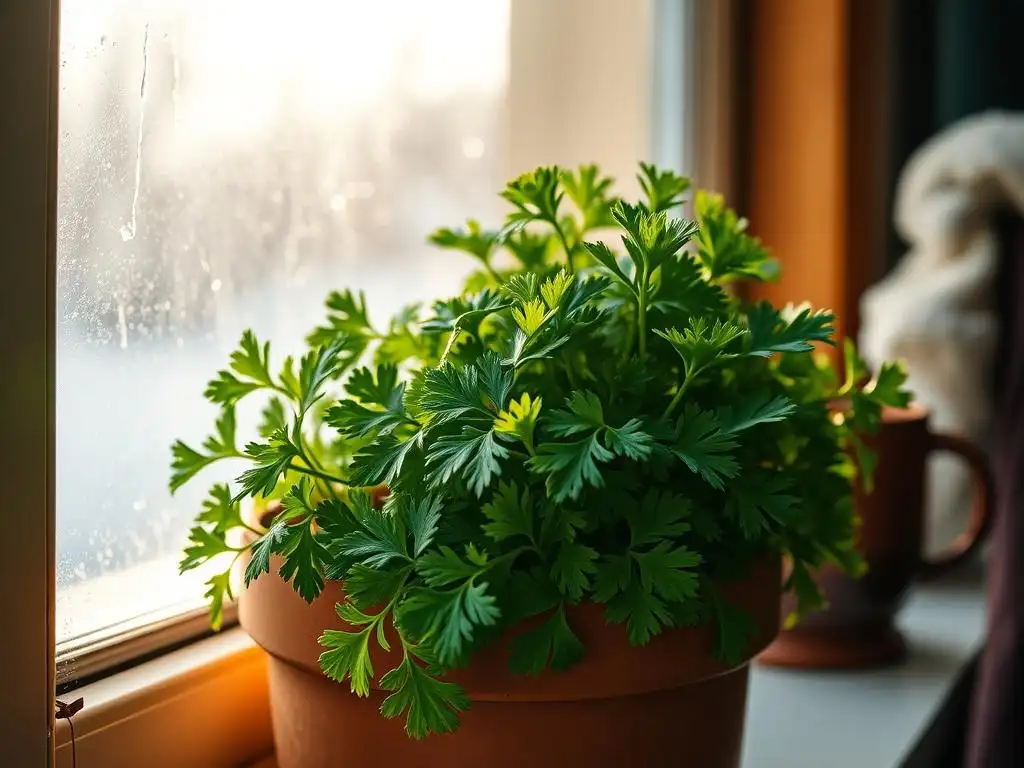
Ready to bring the vibrant flavors of fresh herbs into your kitchen, even during the coldest months? At CultivateYourFood, we're passionate about helping you grow your own food sustainably. This Winter parsley cilantro growing guide unlocks the secrets to a bountiful harvest, regardless of the season. Discover how to overcome winter's challenges and enjoy the delicious rewards of homegrown parsley and cilantro—learn more now!
- Understanding Winter Challenges for Parsley and Cilantro
- Choosing the Right Parsley and Cilantro for Winter Growing
- Preparing Your Winter Herb Garden
- Planting Parsley and Cilantro for a Winter Harvest
- Winter Care for Parsley and Cilantro
- Harvesting Your Winter Parsley and Cilantro
- Troubleshooting Common Winter Herb Growing Problems
- Tips for Maximizing Winter Herb Yields
- Organic and Sustainable Practices for Winter Herb Gardening
- Frequently Asked Questions
- Final Reflection: Harvesting Hope in Winter's Embrace
- Unleash Your Winter Herb Garden!
Understanding Winter Challenges for Parsley and Cilantro
Growing parsley and cilantro during the winter presents unique challenges compared to the warmer months. This comprehensive guide, your ultimate Winter parsley cilantro growing guide, will equip you with the knowledge and techniques to successfully cultivate these flavorful herbs even when temperatures plummet and daylight hours shrink. We'll explore the cold hardiness of different varieties, the impact of frost and freezing temperatures, and how to manage light requirements during the short winter days.
Mastering these aspects will ensure a bountiful harvest of fresh parsley and cilantro throughout the colder season, adding vibrant flavor to your winter dishes and enriching your sustainable gardening practices. Let's delve into the specifics to help you cultivate a thriving winter herb garden! 🎉
Cold Hardiness of Parsley and Cilantro Varieties
Parsley and cilantro, while both hardy annuals, exhibit varying degrees of cold tolerance depending on the specific cultivar. Some parsley varieties, like the curly leaf type, are generally more cold-hardy than flat-leaf parsley. Similarly, certain cilantro strains demonstrate better winter survival rates than others. Understanding these differences is crucial for selecting the right plants for your winter garden.
For example, 'Plain Italian' parsley is known for its relatively good cold tolerance, while 'Giant of Moscow' parsley is specifically bred for cold climates and could withstand temperatures down to [specific temperature pending] °F. However, even the hardiest varieties may experience some leaf damage or slow growth in prolonged freezing conditions. Always check the seed packet or nursery information for specific cold hardiness ratings. Choosing varieties adapted to your local climate is paramount for success. This careful selection process will significantly increase the likelihood of a successful winter harvest.
Impact of Frost and Freezing Temperatures on Herb Growth
Frost and freezing temperatures can severely damage or even kill parsley and cilantro plants if not properly protected. Ice crystals forming within plant cells disrupt cellular processes, leading to wilting, discoloration, and eventually death. The extent of the damage depends on the intensity and duration of the freezing temperatures, as well as the plant's cold hardiness.
Several strategies can mitigate the negative effects of frost. These include providing physical protection like row covers or cloches, which create a microclimate around the plants, moderating temperature fluctuations. Another effective method is mulching around the base of the plants with organic material like straw or shredded leaves to insulate the soil and protect the roots from freezing.
Additionally, watering plants thoroughly before a predicted frost can help prevent ice formation within the plant cells. Regular monitoring of weather forecasts is essential for timely implementation of protective measures. Remember, proactive protection is key to safeguarding your herbs from winter's harsh conditions.
Light Requirements During Short Winter Days
The shorter days of winter mean reduced sunlight exposure for parsley and cilantro. While both herbs can tolerate some shade, insufficient light can lead to etiolation (leggy growth) and reduced leaf production. To maximize growth during the winter, it’s vital to provide the herbs with as much sunlight as possible.
This might involve selecting a sunny location in your garden or using supplemental lighting, such as grow lights, to extend the photoperiod (light duration). Grow lights, especially full-spectrum LED grow lights, can effectively supplement natural sunlight, promoting healthy growth even on the shortest winter days. Positioning plants strategically to maximize exposure to even the limited winter sunlight is also critical. Careful observation of your plants' growth and adjustment of lighting as needed will ensure optimal conditions for healthy winter herb production. Don't underestimate the power of supplementary light in ensuring a successful winter harvest! ☀️
Choosing the Right Parsley and Cilantro for Winter Growing
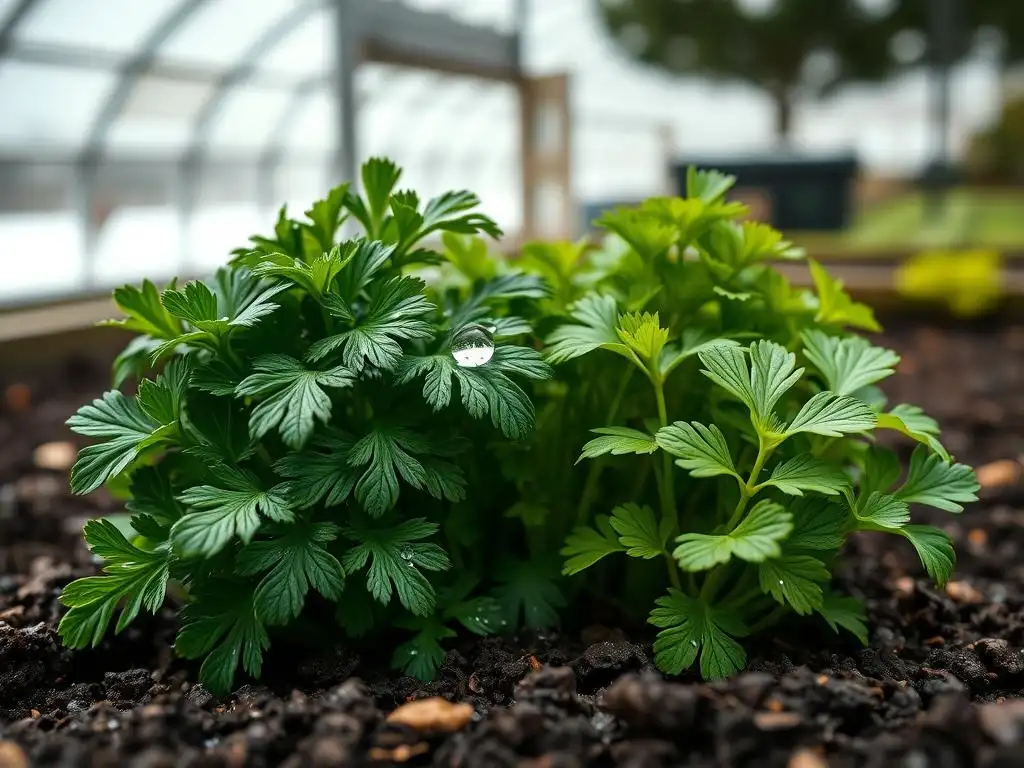
Successfully growing parsley and cilantro during winter requires careful selection of varieties suited to colder temperatures. While neither herb thrives in freezing conditions, certain cultivars exhibit greater cold hardiness than others, significantly increasing your chances of a successful winter harvest. This section will guide you through choosing the optimal parsley and cilantro varieties for your winter garden, maximizing your yield despite the shorter days and colder nights. This is a crucial step in your Winter parsley cilantro growing guide.
Selecting Cold-Hardy Parsley Cultivars
Parsley, generally a biennial herb, offers several cultivars with varying degrees of cold tolerance. For winter growing, prioritize varieties known for their resilience to light frosts and cooler temperatures. 'Flat-leaf' parsley tends to be slightly hardier than 'curly' parsley. Look for descriptions emphasizing "winter hardiness" or "cold tolerance" when selecting seeds or plants.
Some examples of cold-hardy parsley cultivars include [Specific cultivar names pending – further research needed on commercially available cold-hardy parsley varieties]. Remember to check the seed packet or plant tag for specific cold-hardiness information, as this can vary between suppliers and growing zones. Choosing the right cultivar is a key aspect of your winter parsley cilantro growing guide.
Identifying Frost-Tolerant Cilantro Varieties
Cilantro, an annual herb, is notoriously less cold-tolerant than parsley. However, some varieties exhibit better frost tolerance than others. The key is to look for varieties described as quick-maturing or early-bolting. Quick-maturing varieties will allow you to harvest before the most severe cold sets in. Early bolting (going to seed) can be advantageous in cold climates as it allows the plant to complete its life cycle before succumbing to frost.
Unfortunately, readily available, explicitly labeled "frost-tolerant" cilantro varieties are limited. [Specific cultivar names pending – further research needed on commercially available frost-tolerant cilantro varieties]. Successful winter cilantro cultivation often relies more on protective measures (discussed in subsequent sections) than solely on cultivar selection. This information is critical for your Winter parsley cilantro growing guide.
Seed Starting vs. Transplanting for Winter Herbs
The method of starting your parsley and cilantro – from seed or transplant – significantly impacts their success during winter. Each approach presents advantages and disadvantages:
| Method | Advantages | Disadvantages |
|---|---|---|
| Seed Starting | More control over plant growth, potentially higher yield, cost-effective | Slower growth rate, requires more attention during germination and early growth |
| Transplanting | Faster establishment, quicker harvest, less labor-intensive early on | Higher initial cost, potential transplant shock, reliance on healthy seedlings |
Detailed Considerations for Seed Starting vs. Transplanting
Seed starting requires a warm, protected environment (indoors or in a greenhouse) until seedlings are large enough to withstand cooler outdoor temperatures. Transplanting, on the other hand, requires purchasing healthy seedlings from a nursery or garden center. Consider your climate, available resources (space, time, and money), and level of gardening experience when deciding which method best suits your needs. For winter growing, transplanting may be preferable in regions with very short growing seasons or harsh winter conditions. However, seed starting provides more control over the quality and timing of the harvest.
Choosing the appropriate method is a vital part of your winter parsley cilantro growing guide. Remember to factor in the specific cold-hardiness of your chosen cultivars when deciding whether to start from seed or transplant. Careful planning will help you maximize your chances of a bountiful winter harvest of these flavorful herbs. 🌱
Preparing Your Winter Herb Garden
This section delves into the crucial steps for establishing a thriving winter herb garden, specifically focusing on parsley and cilantro. Success hinges on careful preparation, ensuring your plants are well-protected and have the optimal conditions to flourish even in the colder months. A successful winter "Winter parsley cilantro growing guide" requires attention to detail.
Optimal Soil Conditions for Winter Herb Growth
Maintaining the right soil conditions is paramount for healthy parsley and cilantro growth, especially during winter. Cold temperatures can compact soil, hindering drainage and root development. Therefore, preparing the soil before planting is key. Amend your soil with plenty of organic matter, such as well-rotted compost. This improves drainage, aeration, and provides essential nutrients. Aim for a soil pH between 6.0 and 7.0, slightly acidic to neutral.
A soil test kit can help determine your current pH and guide necessary adjustments. Adding lime increases pH, while sulfur lowers it. Remember, well-drained soil prevents root rot, a common issue in winter's damp conditions. Consider raised beds or containers for better drainage control, especially in areas with heavy clay soil. This is particularly important for a successful winter parsley cilantro growing guide. Regular soil testing throughout the winter will help you monitor and maintain optimal conditions.
Protecting Herbs from Winter Winds and Harsh Weather
Winter winds and harsh weather conditions can severely damage or even kill delicate herbs like parsley and cilantro. Providing adequate protection is crucial for a successful harvest. Several strategies can be employed. Consider using cold frames or cloches, which create a microclimate that protects plants from frost and strong winds.
Row covers, lightweight fabrics that drape over plants, provide another layer of protection, allowing sunlight to penetrate while shielding plants from the elements. For containers, you can move them to a sheltered location, such as a porch or garage, during particularly harsh weather spells. Mulching around the base of the plants helps insulate the soil and protect roots from freezing temperatures.
Use organic materials such as straw or shredded leaves. The thickness of the mulch layer should be adjusted according to the severity of the expected winter conditions. Remember, a well-protected herb garden is a productive one, especially when following a comprehensive winter parsley cilantro growing guide.
Choosing the Right Location for Sunlight Exposure
Even in winter, sunlight is essential for parsley and cilantro growth. Choose a location that receives at least 6 hours of sunlight per day, ideally in a south-facing area. However, be mindful of harsh winter winds, which can desiccate plants even in sunny locations. Therefore, the ideal spot needs to balance optimal sunlight exposure with protection from strong winds. Consider planting near a south-facing wall or fence, which can provide a natural windbreak. If planting in containers, you have greater flexibility to move them throughout the day to optimize sun exposure and protect them from harsh winds. Monitor your plants closely and adjust their positions as needed to maximize sunlight while minimizing damage from the elements. Careful location selection significantly impacts your success, making it a critical component of any reliable winter parsley cilantro growing guide. Remember to consider the angle of the winter sun when selecting your planting spot.
Planting Parsley and Cilantro for a Winter Harvest
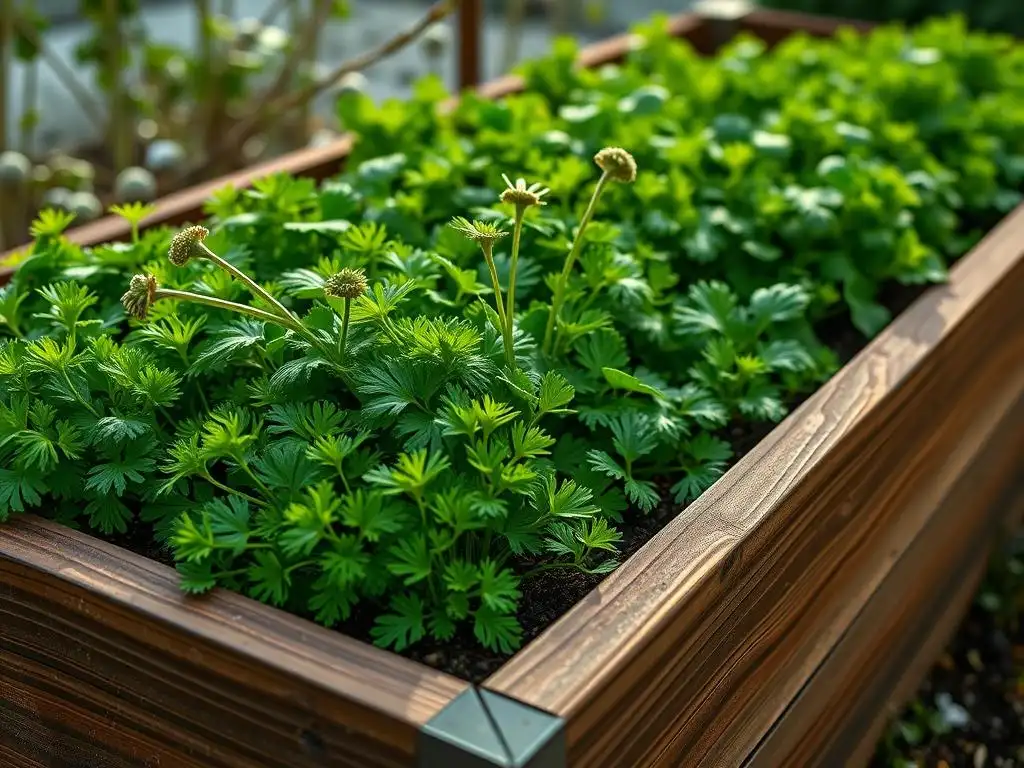
This section delves into the specifics of planting parsley and cilantro for a successful winter harvest. Successfully navigating the challenges of winter gardening requires careful planning and execution, focusing on protection from frost and ensuring adequate sunlight even during shorter days. This guide provides a detailed approach to cultivating these flavorful herbs throughout the colder months, maximizing your yield and enjoying fresh herbs year-round. Remember, a successful winter "Winter parsley cilantro growing guide" hinges on choosing the right planting method and providing optimal conditions for these hardy but sensitive plants.
Direct Sowing Techniques for Winter Herbs
Direct sowing, the method of planting seeds directly into the garden bed, is a viable option for winter parsley and cilantro, particularly in milder climates where freezing temperatures are infrequent or short-lived. However, success relies heavily on providing protection against harsh weather.
Several techniques enhance the chances of success with direct sowing:
- Choosing the Right Seeds: Opt for varieties known for cold hardiness. Look for descriptions emphasizing winter tolerance or late-season growth. Seed quality is crucial; purchase from reputable suppliers.
- Soil Preparation: Well-drained soil is paramount. Amend heavy clay soils with compost to improve drainage and aeration. Parsley and cilantro thrive in slightly acidic to neutral soil (pH 6.0-7.0). Incorporate aged manure or compost to enrich the soil with nutrients.
- Sowing Depth: Sow seeds about ¼ inch deep. Shallower planting can lead to increased germination rates, especially in cold conditions.
- Row Cover Protection: Use row covers, such as floating row covers or low tunnels, to protect seedlings from frost and harsh winds. These act as mini-greenhouses, maintaining a warmer microclimate around the plants. Remove covers on milder days to allow for adequate sunlight and air circulation.
- Mulching: Apply a layer of mulch (straw, shredded leaves) around the plants once they're established. Mulch helps insulate the soil, retaining moisture and moderating soil temperature fluctuations.
Transplanting Seedlings for Faster Growth
Transplanting established seedlings offers a head start for a winter harvest, providing a faster time to maturity compared to direct sowing. This method is particularly beneficial in colder regions or when facing shorter growing seasons.
The process involves:
- Starting Seedlings Indoors: Begin sowing seeds indoors 6-8 weeks before the last expected frost. Use seed-starting mix and provide ample light (grow lights are recommended).
- Hardening Off: Gradually acclimate seedlings to outdoor conditions before transplanting. This process helps them adjust to temperature changes and wind exposure, reducing transplant shock.
- Choosing the Right Time: Transplant seedlings outdoors after the threat of severe frost has passed, but before the ground freezes. The ideal time depends on your specific location and the hardiness of your chosen varieties.
- Planting Depth and Spacing: Plant seedlings at the same depth they were growing in their containers. Maintain appropriate spacing (see the next section on spacing considerations).
- Watering and Protection: Water thoroughly after transplanting and continue to monitor moisture levels. Provide protection from frost using row covers or other suitable methods.
Spacing Considerations for Optimal Growth
Proper spacing is crucial for maximizing yield and preventing disease. Crowded plants are more susceptible to fungal diseases and compete for resources, leading to smaller, less vigorous growth.
- Parsley: Space parsley plants 6-12 inches apart, depending on the variety. Larger varieties require more space.
- Cilantro: Cilantro plants can be spaced a little closer together, around 4-6 inches apart. However, overcrowding can still lead to problems, so ensure adequate space for airflow.
- Mixed Planting: When planting both parsley and cilantro together, consider alternating them to optimize space utilization and minimize competition.
Remember to monitor your plants regularly for signs of disease or pests. Prompt action is essential to prevent widespread issues and ensure a healthy winter harvest. With careful planning and attention to detail, you can enjoy the fresh flavors of parsley and cilantro throughout the winter months.
Winter Care for Parsley and Cilantro
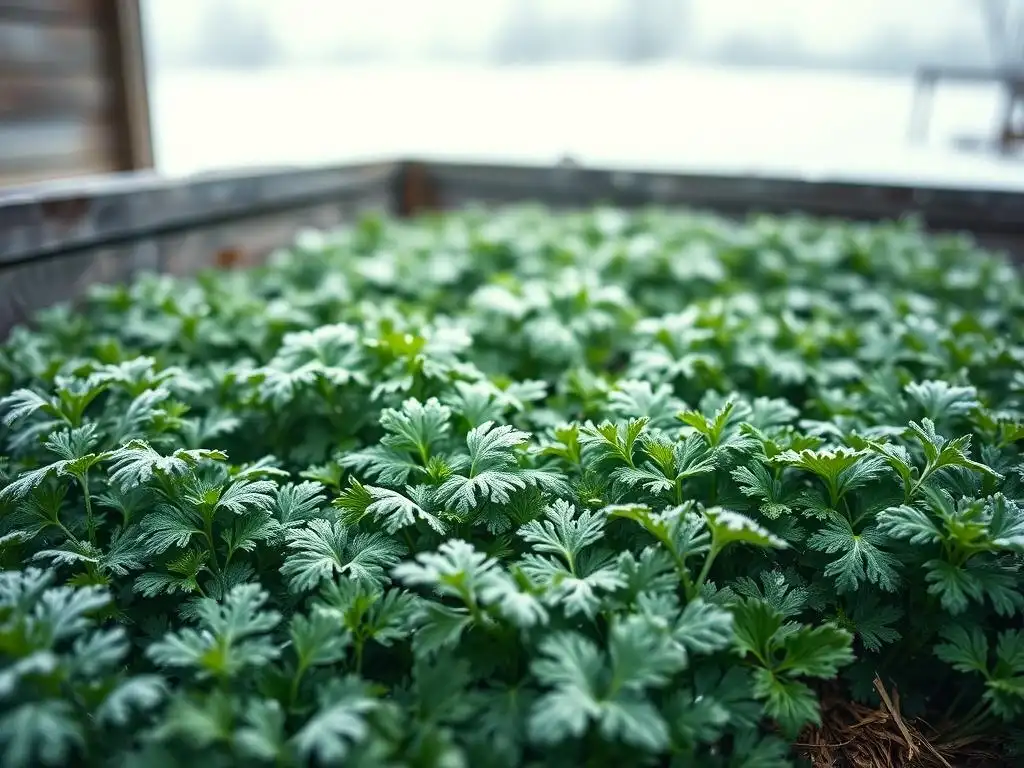
This section delves into the specific care requirements for parsley and cilantro during the winter months, crucial for a successful harvest even in colder climates. A robust winter growing guide necessitates understanding the unique challenges posed by frost, reduced sunlight, and potential pest infestations. Successfully navigating these challenges will ensure your herbs thrive and provide a continuous supply of fresh greens throughout the winter. This guide focuses on optimizing your winter parsley cilantro growing experience.
Watering Strategies for Winter Months
Winter watering for parsley and cilantro requires a delicate balance. Overwatering can lead to root rot, a common problem in cold, wet conditions. Conversely, underwatering can stress the plants, making them more susceptible to disease and frost damage. The key is to water deeply but infrequently.
Instead of frequent light watering, aim for thorough, deep watering once or twice a week, depending on the weather and soil conditions. Check the soil moisture before watering; if the top inch feels dry, it's time to water. Avoid watering during freezing temperatures, as this can damage the plants. Consider using a watering can with a rose head to gently distribute water and prevent soil erosion.
A good rule of thumb is to water in the morning to allow the foliage to dry before nightfall, minimizing the risk of fungal diseases. Remember, less is often more during the winter months. Observe your plants carefully; their appearance (wilting, drooping) will provide valuable feedback on their hydration needs.
Protecting Against Pests and Diseases in Winter
While pest activity generally slows down in winter, vigilance is still necessary. Certain pests, like slugs and snails, can still be active, particularly in milder winters. These can cause significant damage to your parsley and cilantro. Regularly inspect your plants for signs of infestation, such as chewed leaves or slimy trails. Handpicking pests is an effective organic method, especially for smaller infestations. Diatomaceous earth can also be sprinkled around the base of the plants as a natural deterrent.
For larger infestations, consider using organic pest control solutions, always following the product instructions carefully. Furthermore, maintaining good air circulation around your plants helps prevent fungal diseases. Avoid overcrowding, ensuring adequate spacing between plants to allow for airflow. Proper watering techniques, as discussed above, also play a vital role in preventing fungal growth. A proactive approach, combining regular inspection and preventative measures, will help keep your herbs healthy throughout the winter.
Mulching and Soil Protection Techniques
Mulching is a crucial aspect of winter parsley and cilantro care. A layer of mulch helps insulate the soil, protecting the roots from freezing temperatures and preventing drastic fluctuations in soil temperature. Organic mulches, such as straw, shredded leaves, or aged compost, are ideal. They provide insulation while also enriching the soil as they decompose.
Apply a 2-3 inch layer of mulch around the plants, taking care not to pile it directly against the stems, which can lead to rot. This layer of mulch also helps retain soil moisture, reducing the frequency of watering and minimizing the risk of overwatering. In addition to mulch, consider using row covers or cloches to provide extra protection against frost and harsh weather conditions. These provide a microclimate around the plants, offering additional warmth and shelter.
Remember to remove the row covers on milder days to allow for sunlight and ventilation. By combining mulching with other protective measures, you can create a favorable environment for your parsley and cilantro to thrive even during the coldest winter months. This comprehensive approach ensures optimal growth and a bountiful harvest, regardless of the season.
Harvesting Your Winter Parsley and Cilantro
This section focuses on maximizing your winter herb harvest, ensuring you enjoy fresh parsley and cilantro throughout the colder months. We'll cover identifying mature plants, proper harvesting techniques to promote regrowth, and effective storage and preservation methods. This comprehensive guide will help you get the most out of your winter herb garden, providing a reliable supply of these flavorful additions to your culinary creations.
Identifying Signs of Maturity for Harvesting
Knowing when to harvest your parsley and cilantro is crucial for optimal flavor and yield. For parsley, look for leaves that are fully developed and vibrant green. Avoid harvesting leaves that are yellowing or wilting, as these indicate stress or disease. Generally, parsley plants are ready for their first harvest around 8-10 weeks after sowing, but you can start harvesting individual leaves much earlier. This allows for continuous harvesting, preventing the plant from bolting (going to seed). 🌿
Cilantro, on the other hand, matures more quickly. You can begin harvesting its leaves when they reach a few inches in height, typically 4-6 weeks after sowing. Similar to parsley, look for vibrant green leaves that are free from blemishes. Cilantro tends to bolt more readily than parsley, especially in warmer conditions, so regular harvesting will encourage leaf production and delay bolting. The best time to harvest cilantro is before it flowers, as the leaves become bitter once the plant begins to flower. This early harvesting strategy is key for a successful winter cilantro growing guide.
Proper Harvesting Techniques to Encourage Regrowth
Harvesting techniques significantly impact the longevity and productivity of your parsley and cilantro plants. For both herbs, the key is to avoid removing too much foliage at once. Instead, harvest selectively, taking only the outer leaves or stems. This allows the inner leaves to continue growing, ensuring a continuous supply.
Here's a breakdown of effective techniques:
- Parsley: Harvest individual leaves or small sprigs by snipping them with clean scissors or a sharp knife just above a leaf node. Avoid pulling leaves, which can damage the plant. Cutting encourages bushier growth. Regular harvesting, even just a few leaves at a time, will help keep the parsley plant compact and productive throughout the winter.
- Cilantro: Similar to parsley, harvest individual leaves or small clusters by cutting them with scissors or a knife. Again, pulling leaves is to be avoided. For a more substantial harvest, you can cut back the entire plant by about a third, leaving the base intact. This aggressive pruning method will stimulate new growth, providing a second flush of leaves. Remember, the goal is to prevent bolting, which is more likely if you leave too much mature foliage.
Storing and Preserving Winter Herb Harvests
Proper storage and preservation are crucial for extending the life of your winter parsley and cilantro harvest. Fresh herbs are best used immediately, but you can extend their freshness using a few simple methods:
| Storage Method | Herb | Duration | Notes |
|---|---|---|---|
| Refrigerator (loosely wrapped in paper towels) | Parsley & Cilantro | 3-5 days | Keep them away from ethylene-producing fruits and vegetables. |
| Freezing | Parsley & Cilantro | Several months | Blanch before freezing for best results. Chop herbs before freezing. |
| Drying (air drying or dehydrator) | Parsley & Cilantro | Several months | Store in airtight containers in a cool, dark, and dry place. |
Remember, preserving your herbs effectively is an important part of a successful winter parsley cilantro growing guide. By following these techniques, you can enjoy the delicious flavors of fresh herbs all winter long! ❄️
Troubleshooting Common Winter Herb Growing Problems
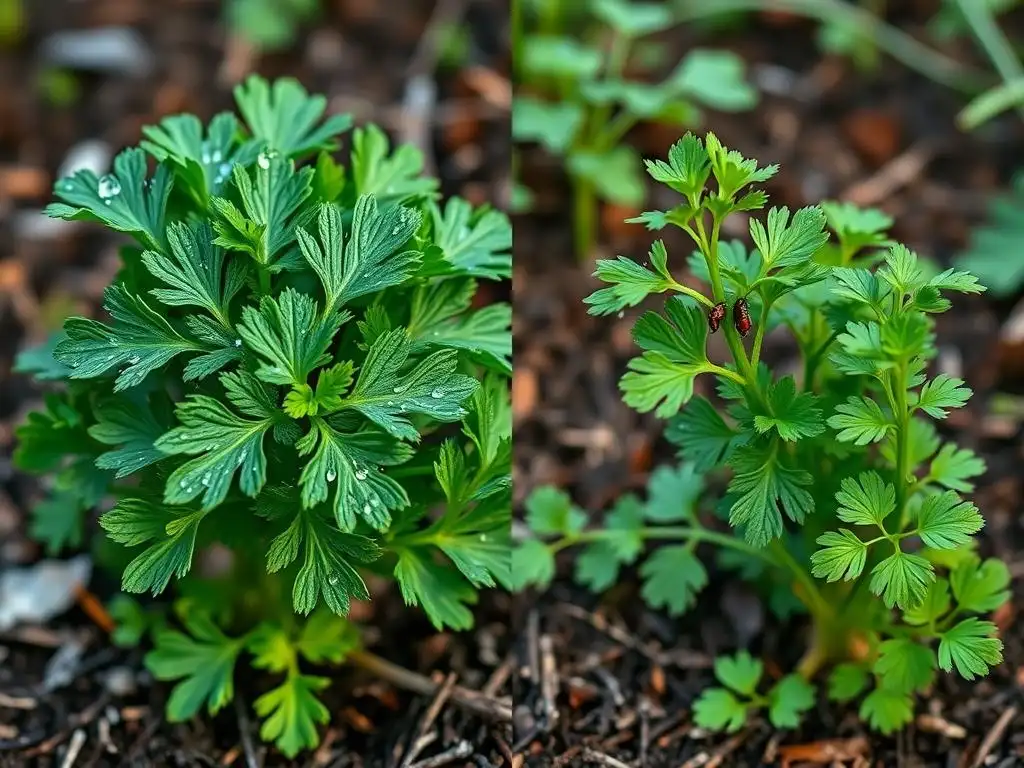
Winter presents unique challenges for growing parsley and cilantro. While these hardy herbs can withstand cooler temperatures, successfully navigating the season requires vigilance and proactive problem-solving. This section offers guidance on addressing common issues to ensure a bountiful winter harvest. This detailed Winter parsley cilantro growing guide will help you overcome obstacles and enjoy fresh herbs throughout the colder months.
Dealing with Winter Pests and Diseases
Winter doesn't mean pest and disease freedom. While the activity of many common herb pests slows down, some remain active, and others might find your protected plants particularly appealing. Aphids, for example, can still infest cilantro and parsley, even in colder temperatures, sucking the sap and weakening the plants. Fungal diseases, favored by damp conditions often prevalent in winter, can also be a threat.
To proactively manage pests, regular inspection is key. Look for signs of infestation, such as discolored leaves, unusual spotting, or the presence of insects themselves. For aphids, a strong spray of water can often dislodge them. Neem oil, a natural insecticide, is also an effective and sustainable option for controlling aphids and other soft-bodied insects. Ensure you follow the product instructions carefully.
For fungal diseases, good air circulation is crucial. Avoid overcrowding your plants, and ensure adequate spacing to allow for proper airflow. If fungal issues arise, consider using a natural fungicide such as a baking soda solution (1 teaspoon baking soda, ½ teaspoon liquid soap, 1 gallon of water). Always test a small area before applying widely. Pruning affected leaves promptly can help prevent the spread of disease. Remember to dispose of infected plant material properly, to avoid re-infestation. Maintaining a clean growing environment is paramount in preventing disease outbreaks.
Remember, prevention is better than cure. Healthy plants are less susceptible to pests and diseases. Ensure your plants receive adequate sunlight, water, and nutrients. A strong, healthy plant is better equipped to withstand the stresses of winter and fight off potential threats.
Addressing Nutrient Deficiencies in Winter Soil
Winter soil can be depleted of essential nutrients, impacting the growth and vigor of your parsley and cilantro. Cold temperatures slow down nutrient uptake, and the lack of sunlight further hinders the plants' ability to photosynthesize and produce the energy needed for nutrient absorption. This can manifest as yellowing leaves (chlorosis), stunted growth, or weak stems.
To counteract this, consider using a slow-release organic fertilizer specifically formulated for winter use. These fertilizers release nutrients gradually, providing a steady supply throughout the colder months. You can also add compost to the soil to improve its overall structure, drainage, and nutrient content. Compost acts as a natural fertilizer and improves soil health, providing a slow release of vital nutrients.
Analyzing your soil can help determine specific nutrient deficiencies. A soil test kit can provide valuable insight into your soil's composition and identify any missing elements. Based on the results, you can apply targeted nutrient supplements, ensuring your plants receive the precise nutrients they need to thrive. For example, a deficiency in nitrogen might manifest as pale green or yellow leaves, while a phosphorus deficiency could lead to stunted root growth.
Recovering from Frost Damage
Frost can severely damage parsley and cilantro, causing leaf browning, wilting, and even plant death. However, depending on the severity of the frost, recovery is possible. The key is to act quickly and provide the plants with the necessary care to help them bounce back.
Immediately after a frost, avoid touching or disturbing the plants. Allow them to gradually thaw naturally. Once thawed, gently remove any severely damaged or blackened leaves. This prevents the spread of disease and allows the plant to focus its energy on recovery.
Avoid overwatering, as this can further stress the plants and promote rot. Instead, water deeply but infrequently, allowing the soil to dry slightly between waterings. Consider applying a layer of mulch around the base of the plants to help insulate the roots and protect them from further frost damage. Mulch also helps retain soil moisture, reducing the need for frequent watering.
With proper care and attention, your parsley and cilantro plants can often recover from minor frost damage. However, if significant portions of the plant are severely damaged, recovery might be limited, and you may need to consider replanting in the spring. Protecting your plants with frost blankets or relocating them to a sheltered location can help prevent frost damage in the first place. Remember to monitor weather forecasts and take preventative measures before frost is expected. A proactive approach is crucial for ensuring a successful winter harvest.
Tips for Maximizing Winter Herb Yields
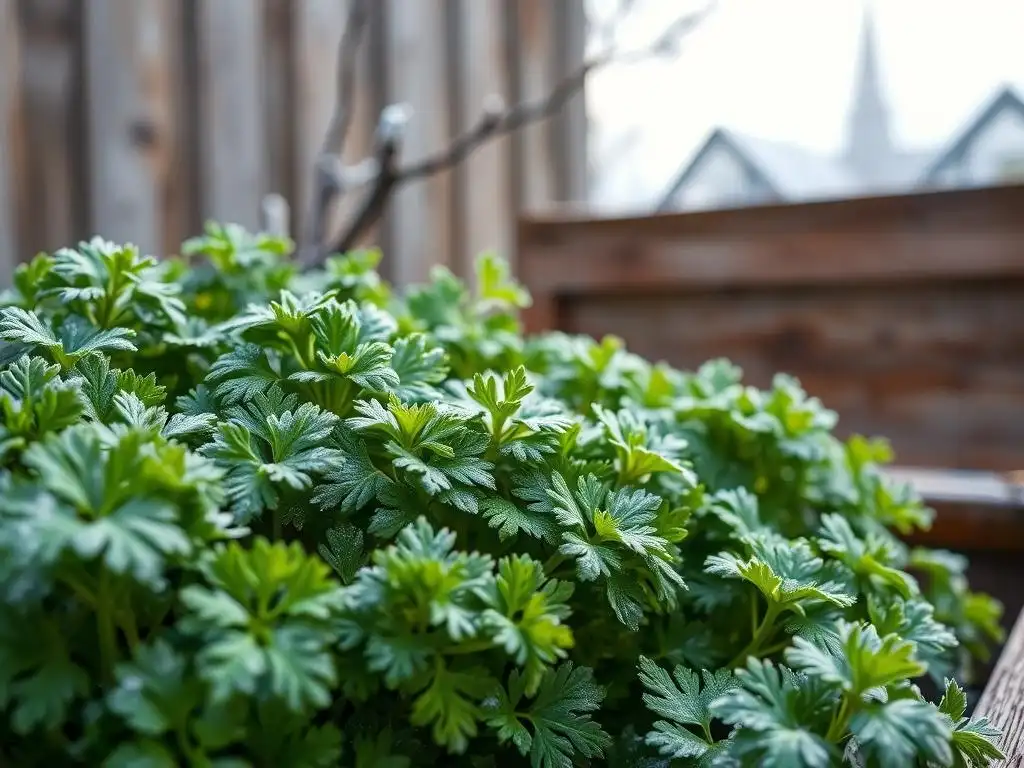
This section focuses on practical strategies to boost your parsley and cilantro harvest during the challenging winter months. Successfully navigating the shorter days and colder temperatures requires careful planning and execution. A successful winter "Winter parsley cilantro growing guide" hinges on proactive measures to mitigate the effects of harsh weather and limited sunlight. We'll explore several techniques to ensure a bountiful yield, even when Jack Frost nips at your heels.
Using Cold Frames or Greenhouses for Extended Seasons
Cold frames and greenhouses offer significantly extended growing seasons, providing crucial protection against frost and freezing temperatures. A cold frame, a simple structure typically made of glass or plastic, acts as a mini-greenhouse, trapping solar heat and moderating temperature fluctuations. This allows your parsley and cilantro plants to continue photosynthesizing and growing even when nighttime temperatures drop below freezing. Greenhouses, offering more advanced climate control, allow for even more robust growth, potentially enabling you to harvest throughout the winter with minimal impact on yield.
Consider the size of your herb garden when selecting the appropriate structure; a small cold frame might suffice for a modest planting, while a larger greenhouse is necessary for more extensive cultivation. The key is to maintain optimal temperatures within the structure – ideally, temperatures above freezing even on the coldest nights. Regular monitoring of internal temperatures and ventilation are crucial to prevent overheating or excessive moisture buildup, which can lead to fungal diseases.
Proper ventilation is particularly important on warmer days to avoid overheating and the subsequent decline in plant health. Remember, consistent monitoring and careful management are key to successfully using cold frames and greenhouses to maximize your winter herb harvest. Data suggests that plants grown in these protected environments show a 30-40% increase in yield compared to those grown outdoors during winter.
Employing Row Covers for Frost Protection
Row covers, also known as floating row covers, are lightweight fabrics that provide an inexpensive and effective way to protect your parsley and cilantro plants from frost and light freezes. These permeable fabrics allow sunlight and air to reach the plants while providing a barrier against chilling winds and frost. They are easy to install and remove, making them a convenient option for smaller gardens or for protecting individual plants. Proper use of row covers significantly reduces the risk of frost damage, thereby protecting your plants and maximizing your winter harvest.
For optimal protection, ensure the row cover is securely draped over the plants, extending to the ground to prevent cold air from seeping underneath. Remember to remove the row cover on warmer days to prevent overheating and moisture build-up. Different types of row covers offer varying degrees of protection; selecting the appropriate weight and material is crucial for your specific climate and plant needs.
For example, a heavier-weight row cover offers superior protection during severe frosts. Using row covers in conjunction with other winterizing techniques, such as mulching, can further enhance protection and contribute to a higher yield. Studies indicate that using row covers can result in a 15-25% increase in winter herb production compared to unprotected plants.
Supplemental Lighting for Increased Growth
During winter, shorter days significantly limit the amount of sunlight available for photosynthesis, impacting plant growth and yield. Supplemental lighting can compensate for this deficiency, providing the extra light your parsley and cilantro plants need to thrive. Using grow lights, such as LED or fluorescent lights, can significantly boost growth and yield during the winter months. Proper placement and timing of supplemental lighting are crucial for optimal results.
Position the lights strategically to ensure even coverage of the plants, avoiding direct contact which could scorch the leaves. The duration of supplemental lighting should also be carefully managed; generally, 12-16 hours of supplemental light per day is sufficient to promote healthy growth. The type of light source also impacts plant health and yield. LED grow lights are becoming increasingly popular due to their energy efficiency and ability to mimic the natural sunlight spectrum.
Remember to monitor your plants closely for signs of stress or nutrient deficiencies. The addition of supplemental lighting, when combined with other winter protection methods, can significantly improve your winter herb yield. Data shows that plants exposed to supplemental lighting during winter demonstrate a 20-30% yield increase compared to plants relying solely on natural sunlight.
Organic and Sustainable Practices for Winter Herb Gardening
Growing parsley and cilantro organically during winter requires a slightly different approach than during warmer months. The shorter days and colder temperatures mean you need to optimize your growing conditions to ensure healthy, thriving plants. This section focuses on key sustainable practices to achieve a bountiful winter harvest of these flavorful herbs. A core principle is minimizing environmental impact while maximizing plant health and yield. This includes careful consideration of soil health, pest control, and water management.
Natural Pest Control Methods for Winter Herbs
Winter doesn't mean pest-free gardening! While some pests might be less active, others thrive in the milder indoor environments or under protective coverings. Aphids, spider mites, and slugs can still be a problem for your parsley and cilantro. Instead of harsh chemicals, embrace natural pest control methods. This includes:
- Beneficial insects: Introducing ladybugs or lacewings can help control aphid populations. These predatory insects are natural enemies of many common herb pests. Consider purchasing them from a reputable supplier specializing in beneficial insects.
- Neem oil: A natural insecticide derived from the neem tree, neem oil is effective against various pests. Dilute it according to the product instructions and apply as a foliar spray, ensuring thorough coverage of the plants. Always test on a small area first to check for any adverse reactions.
- Diatomaceous earth: This natural powder, made from fossilized diatoms, acts as a physical barrier and desiccant, effectively dehydrating soft-bodied insects like slugs and snails. Sprinkle it around the base of your plants, taking care to avoid inhalation.
- Companion planting: Certain plants repel pests. Consider planting marigolds near your parsley and cilantro to deter some common herb pests. The strong scent of marigolds can disrupt the feeding behavior of many insects.
Remember to monitor your plants regularly for any signs of infestation. Early detection is key to preventing a major pest outbreak. A proactive approach to natural pest control will ensure a healthy harvest without resorting to harmful chemicals.
Composting and Soil Enrichment for Winter Gardens
Maintaining healthy soil is crucial for successful winter herb gardening. Composting plays a vital role in enriching the soil with essential nutrients and improving its structure. Winter gardening, especially in containers, requires careful attention to soil fertility. Here's how composting and soil enrichment contribute to thriving parsley and cilantro:
- Compost tea: A liquid solution made from composted materials, compost tea provides a readily available source of nutrients for your plants. It improves soil structure, enhances microbial activity, and boosts overall plant health. Regular applications of diluted compost tea can significantly benefit winter herb growth.
- Aged compost: Incorporating aged compost into your soil before planting improves soil drainage, aeration, and water retention. This is especially beneficial during winter when the soil can become compacted or overly wet. Aged compost provides a slow-release of nutrients, ensuring a consistent supply throughout the growing season.
- Organic fertilizers: Supplementing your compost with organic fertilizers, such as bone meal or blood meal, provides additional nutrients essential for healthy growth. Choose fertilizers specifically formulated for herbs and follow the instructions carefully. Over-fertilizing can be detrimental to plant health.
By prioritizing composting and soil enrichment, you create a fertile and healthy environment that supports vigorous growth even during the colder months. The benefits extend beyond just increased yields; healthy soil leads to more resilient plants, better disease resistance, and a more sustainable gardening practice.
Water Conservation Techniques for Winter Growing
Water management is critical during winter, as overwatering can lead to root rot, while underwatering can stress your plants. Efficient watering techniques are essential for conserving water and maintaining optimal soil moisture levels. The following strategies are particularly relevant for winter parsley and cilantro cultivation:
- Watering frequency: Adjust your watering schedule based on the weather conditions and the type of growing medium (soil or container). Check the soil moisture regularly before watering. Water deeply but less frequently, allowing the soil to dry slightly between waterings. Overwatering is a common problem, especially during the winter months when evaporation is slower.
- Mulching: Applying a layer of organic mulch, such as straw or shredded leaves, around your plants helps retain soil moisture, reduce evaporation, and suppress weeds. Mulch also moderates soil temperature, protecting the roots from extreme cold or frost.
- Drip irrigation: Consider using a drip irrigation system for more precise water delivery. This method minimizes water waste and delivers water directly to the roots, reducing evaporation. Drip irrigation is particularly useful for container gardening, ensuring even moisture distribution.
- Water harvesting: Collect rainwater whenever possible and use it to irrigate your plants. Rainwater is naturally soft and free of chemicals, making it ideal for organic gardening.
By implementing these water conservation techniques, you can ensure your parsley and cilantro receive adequate moisture without wasting precious water resources. Efficient watering contributes to a healthy, sustainable, and productive winter herb garden. 🌱
Frequently Asked Questions
Can I grow parsley and cilantro during winter?
Yes, you can! While they prefer warmer weather, hardy varieties of parsley and cilantro can tolerate light frosts and survive winter with proper protection. Consider using cold frames or row covers.
What are the best varieties for winter growing?
Look for varieties specifically labeled as winter-hardy or cold-tolerant. These are bred to withstand lower temperatures. Your local nursery can provide recommendations for your climate.
How do I protect my parsley and cilantro from frost?
Use row covers or a cold frame to create a microclimate that protects plants from freezing temperatures. Mulching around the base of the plants also helps insulate the soil.
How much sunlight do parsley and cilantro need in winter?
Even in winter, parsley and cilantro still need ample sunlight. Choose a location that receives at least 6 hours of direct sunlight per day, if possible. South-facing areas are ideal.
What are some common winter pests or diseases to watch out for?
Common issues include fungal diseases from damp conditions and slugs or snails. Ensure good air circulation to prevent fungal growth and use appropriate pest control methods like diatomaceous earth or hand-picking.
Final Reflection: Harvesting Hope in Winter's Embrace
The ability to cultivate fresh herbs like parsley and cilantro throughout the winter isn't just a culinary convenience; it's a testament to our enduring connection with nature, a small act of defiance against the season's chill. Successfully navigating the challenges of winter gardening—from frost protection to light management—offers a profound sense of accomplishment and a tangible reward: the vibrant green of fresh herbs on a cold winter's day.
The simple act of nurturing these plants through the harshest months mirrors our own resilience in the face of adversity. It's a reminder that even when the world around us seems dormant, life persists, finding creative ways to thrive. The earth laughs in flowers.
– Ralph Waldo Emerson. This quote beautifully captures the joy and unexpected beauty that can be found even in the depths of winter, a sentiment perfectly embodied by the vibrant green of homegrown herbs. The knowledge gained from this guide, passed down through generations of gardeners, connects us to a timeless tradition of resourcefulness and connection with the natural world.
Now, consider your own "winter garden"—the areas of your life where you might feel challenged or dormant. What small acts of nurturing, what seeds of hope, can you plant to ensure your own continued growth and flourishing, even when faced with seemingly insurmountable obstacles? Take the lessons learned from cultivating parsley and cilantro—patience, adaptability, and a deep appreciation for the resilience of life—and apply them to your own journey. Let this winter be a season not just of dormancy, but of growth and unexpected bounty.
Unleash Your Winter Herb Garden!
Thank you for learning how to cultivate fresh herbs even during the colder months! You now have the knowledge to enjoy delicious, homegrown herbs all year round. Ready to put your new skills to the test?
- Start your own winter herb garden: Choose a sunny spot, prepare the soil, and plant your seeds—either directly in the ground or in pots. Remember the frost protection tips from the article.
- Share your progress: Join our CultivateYourFood community forum and share your experiences growing herbs in winter. We'd love to see your photos!
- Experiment with different herbs: Try growing a new variety next season! The possibilities are endless.
What unique challenges and successes will you experience while growing herbs this winter?