
Harvesting Rosemary and Thyme: Best Practices for Flavor and Storage

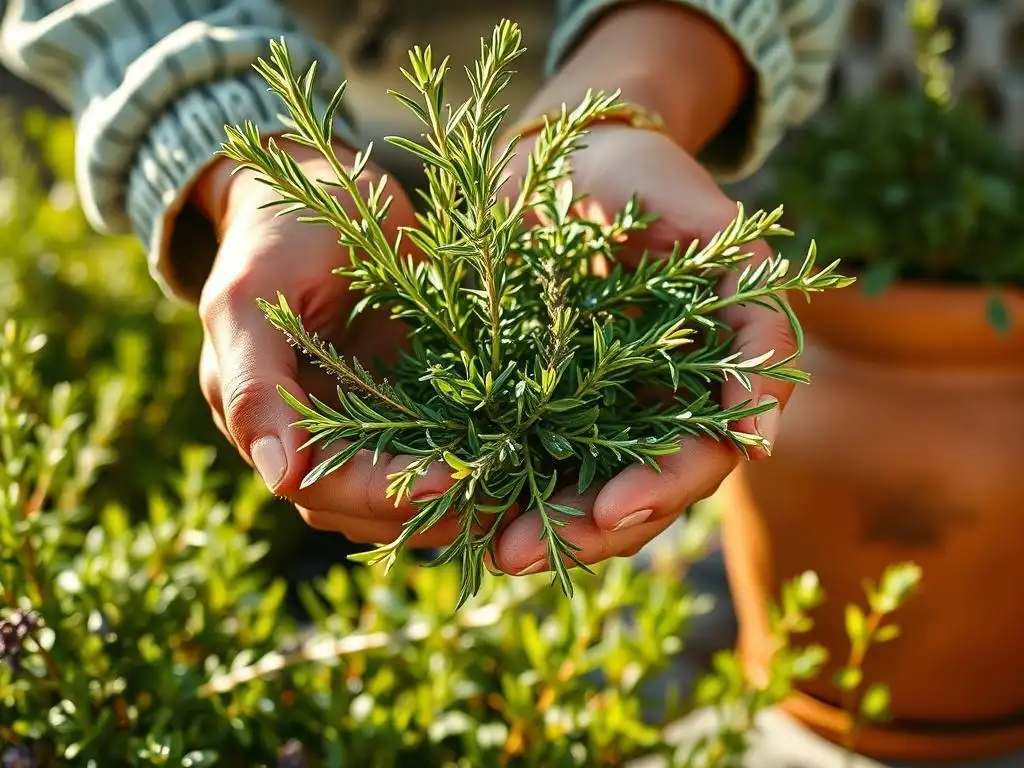
Ready to unlock the secrets to a bountiful herb garden? At CultivateYourFood, we empower you to grow your own delicious and healthy produce using sustainable methods. Learn the art of harvesting with our expert guide on "Harvest rosemary thyme best practices" – discover the optimal timing, techniques, and storage secrets to maximize the flavor and longevity of your homegrown rosemary and thyme. Dive in and transform your culinary creations with the freshest herbs imaginable!
- The Ideal Time to Harvest Rosemary and Thyme
- Rosemary Harvesting Techniques: A Step-by-Step Guide
- Thyme Harvesting Techniques: Best Practices
- Preserving the Harvest: Drying and Freezing Rosemary and Thyme
- Storage Tips for Dried and Frozen Rosemary and Thyme
- Using Your Harvested Rosemary and Thyme: Recipes and Ideas
- Troubleshooting Common Harvesting and Storage Issues
- Frequently Asked Questions
- Final Reflection: The Enduring Bounty of Rosemary and Thyme
- Unlock Your Herb Garden's Full Potential!
The Ideal Time to Harvest Rosemary and Thyme
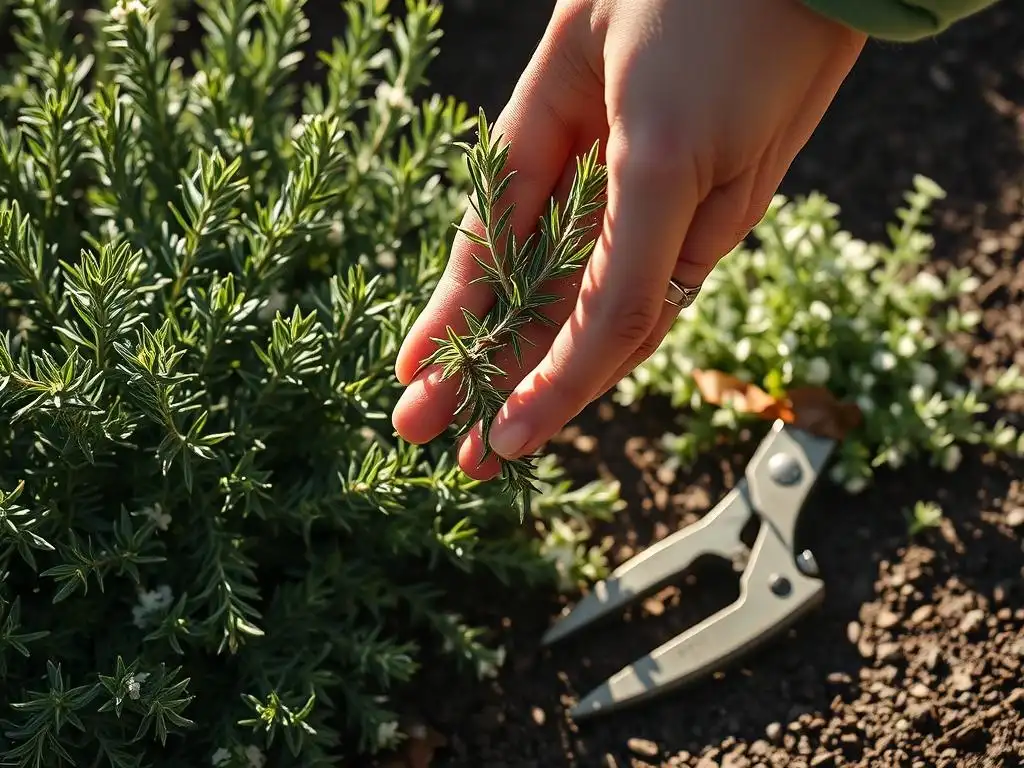
Harvesting rosemary and thyme at the right time is crucial for maximizing their flavor and preserving their aromatic qualities. This guide will walk you through the best practices for harvesting these versatile herbs, ensuring you enjoy their culinary benefits throughout the year. Whether you're planning to use them fresh in your dishes or dry them for later use, understanding the ideal harvesting window is key to success.
We'll explore the visual cues that indicate ripeness, discuss different harvesting techniques based on your intended use, and provide helpful tips for optimal storage to maintain freshness and flavor. Mastering the art of harvesting rosemary and thyme will elevate your culinary creations and allow you to fully appreciate the bounty of your herb garden.
This comprehensive guide will equip you with the knowledge to confidently harvest and preserve these fragrant herbs, ensuring a delicious and sustainable supply for your cooking needs. Let's delve into the specifics of harvesting these aromatic gems.
Recognizing Mature Rosemary for Harvesting
Rosemary, with its needle-like leaves and woody stems, offers a strong, piney aroma. Knowing when to harvest is crucial for optimal flavor. Generally, you should aim to harvest rosemary when the plants are at least 6 months old, and preferably after they've established a strong root system. The best time to harvest is typically in the morning after the dew has dried, as this minimizes moisture content and helps preserve the essential oils responsible for the herb's unique flavor. Look for robust stems with healthy, dark green leaves.
Avoid harvesting during periods of extreme heat or drought, as this can stress the plant and reduce the essential oil concentration. Harvesting should be done selectively, taking only what you need to avoid stressing the plant. Pruning after flowering also encourages bushier growth and a more abundant harvest in the future. 🌿
Identifying Ready-to-Harvest Thyme: Visual Cues
Thyme, with its delicate, small leaves, has a subtly different harvesting window compared to rosemary. While rosemary can be harvested throughout the growing season, thyme is often best harvested just before or during flowering, which typically occurs in late spring or early summer. The best way to identify ready-to-harvest thyme is to look for fully developed, dark green leaves. Avoid harvesting when the plant is flowering profusely, as this can reduce the overall yield in the long run.
Similar to rosemary, harvesting in the morning after the dew has dried is recommended. Over-harvesting should be avoided, and only the top third of the stems should be pruned to encourage new growth. Regular harvesting, however, promotes bushier growth and prevents the plant from becoming leggy. 🌱
Harvesting Rosemary and Thyme Based on Intended Use: Fresh vs. Dried
The method of harvesting rosemary and thyme will vary slightly depending on whether you intend to use them fresh or dry them for later use. For fresh use, you can harvest individual sprigs as needed throughout the growing season, using clean shears or scissors to make neat cuts. This allows you to maintain a constant supply of fresh herbs while minimizing stress on the plant.
For drying, it's best to harvest a larger quantity at once, ideally when the plants are at their peak flavor. The harvesting process remains similar: using clean shears or scissors to make neat cuts from the tips of the stems. Proper drying techniques, such as air drying or using a dehydrator, are essential to preserve the aroma and flavor of the dried herbs.
Remember to store dried herbs in airtight containers in a cool, dark, and dry place to maintain their quality. Proper storage is just as important as proper harvesting to ensure your herbs retain their culinary appeal. 🧑🌾
Optimal Harvesting Times for Maximum Flavor and Aroma
The ideal time to harvest rosemary and thyme for optimal flavor and aroma is crucial for maximizing the culinary potential of these herbs. Harvesting at the right time ensures you capture the peak concentration of essential oils, responsible for their distinctive fragrance and taste. For both rosemary and thyme, the best time to harvest is generally during the morning, after the dew has dried but before the intense midday sun. This allows you to harvest the plants when their essential oil content is at its highest and minimizes the risk of wilting.
The specific time of year, however, can vary slightly depending on your climate and the specific variety of rosemary or thyme you are growing. Generally, spring and fall are considered ideal harvesting periods for both herbs. During these seasons, the plants are actively growing but not under the stress of extreme heat or cold, leading to a more robust flavor profile. Avoid harvesting during periods of drought or excessive rainfall, as this can negatively impact the herb's essential oil production.
Think of it like this: you wouldn't pick a tomato before it's fully ripe; likewise, harvesting rosemary and thyme at their peak ensures the best possible taste and aroma. Observing your plants closely will help you identify the optimal time. Look for healthy, vibrant growth and a strong, pungent aroma when you gently brush against the leaves. This is a clear indication that the plants are ready for harvesting.
The leaves should be firm and not overly soft or wilted. A slightly woody stem on rosemary is also a good indicator of maturity. Remember, a little patience and observation will yield the best results. Don't rush the process; harvesting at the right time is key to enjoying the full potential of your homegrown rosemary and thyme.
Rosemary Harvesting Techniques: A Step-by-Step Guide

Rosemary, a fragrant and versatile herb, rewards consistent harvesting with even more abundant growth. Understanding the best techniques ensures you get the most flavor and prolong the life of your rosemary plants. This section details the optimal methods for harvesting rosemary, maximizing yield and minimizing stress on the plant. Mastering these techniques will help you achieve optimal results when searching for the best practices for harvesting rosemary and thyme.
Pruning Rosemary for Abundant Growth and Harvesting
Regular pruning is key to maintaining a healthy, productive rosemary bush. Think of it as a haircut – it encourages bushier growth and prevents the plant from becoming leggy and woody. The best time to prune is during the late winter or early spring, before new growth begins. However, light pruning can be done throughout the growing season to maintain shape and harvest sprigs.
When pruning for harvesting, use sharp, clean pruning shears. Avoid using dull tools which can crush the stems and invite disease. Cut stems just above a node (the point where new growth emerges) at a 45-degree angle. This encourages branching and prevents the plant from becoming bare at the base. Remove any dead, damaged, or diseased stems completely. Remember, the goal is to maintain the overall shape of the plant while removing enough stems to ensure a plentiful supply of fresh rosemary. Aim for removing no more than one-third of the plant’s overall volume at any one time.
Methods for Harvesting Rosemary Sprouts and Stems
Rosemary can be harvested in various ways, depending on your needs. For culinary use, you can harvest individual sprigs, cutting them from the outer growth. This method allows you to selectively harvest the tender, flavorful tips without sacrificing the overall health of the plant. For larger quantities, you can harvest stems, cutting them back to encourage new growth. Remember to leave enough foliage on each branch to allow for continued growth and photosynthesis.
Here's a comparison of the two methods:
| Method | Description | Ideal For | Considerations |
|---|---|---|---|
| Harvesting Sprigs | Cutting individual sprigs from the outer growth. | Small quantities, fresh use, garnish | Requires more frequent, smaller harvests |
| Harvesting Stems | Cutting back stems to encourage new growth. | Larger quantities, drying, freezing | Less frequent, larger harvests; may be more stressful on the plant if overdone |
Remember to always use clean, sharp tools to prevent the spread of disease. Harvesting in the morning, after the dew has dried, is ideal as the essential oils are more concentrated.
Gathering Rosemary Flowers for Culinary and Medicinal Purposes
Rosemary flowers, though less frequently used than the leaves, offer a delicate, slightly sweet flavor and are prized for their potential medicinal properties. Harvest rosemary flowers when they are fully open and vibrant in color. Gently snip them from the stems, taking care not to damage the surrounding foliage. Rosemary flowers can be used fresh in salads, or incorporated into other dishes and herbal infusions.
They are also suitable for drying. Remember that harvesting flowers will slightly reduce the plant's potential for seed production, so consider this if you wish to propagate your rosemary plant from seed. However, the benefits of using the flowers often outweigh this potential drawback, especially if you propagate via cuttings.
The delicate nature of rosemary flowers means that they require careful handling during both harvesting and processing. Gentle handling is crucial to preserve their color, aroma, and delicate structure. The process of harvesting rosemary flowers is similar to harvesting sprigs, but requires even more precision.
Thyme Harvesting Techniques: Best Practices
Thyme, a fragrant and versatile herb, rewards diligent care with bountiful harvests. Knowing when and how to harvest thyme is crucial for maximizing its flavor and extending its shelf life. This section details optimal thyme harvesting techniques, focusing on fresh use, drying methods, and pruning for sustained growth. Mastering these practices will ensure you enjoy the culinary delights of homegrown thyme throughout the year.
The key to successful harvesting is understanding the plant's growth cycle and adapting your methods accordingly. This ensures you're harvesting at peak flavor and promoting healthy, vigorous growth for future harvests. Remember, consistent, mindful harvesting is key to a thriving thyme plant.
Harvesting Thyme Sprigs for Fresh Use
For immediate culinary use, harvest thyme sprigs when the plant is actively growing, typically during the spring and summer months. Look for young, tender shoots with vibrant green leaves. The best time to harvest is in the morning after the dew has dried, as this minimizes moisture content, leading to better preservation and a more intense flavor. Use sharp shears or pruning scissors to cleanly cut the stems, avoiding pulling or tearing which can damage the plant. Aim to harvest no more than one-third of the plant at any given time to allow for continued growth.
Here’s a helpful visual guide:
| Harvesting Method | Description | Best Use |
|---|---|---|
| Sprig Harvesting | Snipping whole sprigs with shears | Fresh use in cooking, garnishing |
| Leaf Plucking | Gently removing individual leaves from stems | Adding fresh thyme to sauces or dishes |
Remember to always wash the harvested thyme sprigs thoroughly before use. Proper cleaning removes any dirt, insects, or other debris that might have accumulated on the plant. For optimal flavor retention, use freshly harvested thyme whenever possible. The aromatic compounds responsible for thyme's distinctive taste begin to degrade quickly after harvest.
Gathering Thyme for Drying: Whole Sprigs vs. Leaves
Drying thyme preserves its flavor for longer periods. Two primary methods exist: drying whole sprigs and drying individual leaves. Both methods have their advantages.
Drying whole sprigs is simpler and retains more of the plant's essential oils, resulting in a more robust flavor. To dry whole sprigs, create small bunches and tie them securely with twine. Hang them upside down in a cool, dark, well-ventilated area for 2-3 weeks, or until the leaves are completely brittle. Alternatively, you can lay the sprigs on a screen or tray in a well-ventilated location.
Advantages of drying whole sprigs:
- Simpler process
- Retains more essential oils
- More visually appealing for storage
Drying individual leaves allows for more even drying and is better suited for incorporating thyme into powdered blends or storing in airtight containers. To dry leaves, spread them thinly on a screen or tray and place them in a well-ventilated area out of direct sunlight. This method takes slightly less time than drying whole sprigs, usually around 1-2 weeks.
Advantages of drying individual leaves:
- More even drying
- Suitable for powders and blends
- Easier storage in airtight containers
Once dry, store your thyme in airtight containers in a cool, dark, dry place. Proper storage is crucial for preserving the flavor and aroma of your dried thyme for extended periods, even up to a year or more.
Proper Pruning Techniques for Healthy Thyme Growth
Regular pruning is essential for maintaining healthy thyme growth and maximizing future harvests. Pruning encourages bushier growth and prevents the plant from becoming leggy or woody. The best time to prune thyme is after its first flush of flowering in late spring or early summer. Use sharp pruning shears to trim back about one-third of the plant's growth. Remove any dead, damaged, or diseased stems. This not only promotes healthy growth but also helps prevent the spread of diseases.
Remember to avoid pruning too deeply, as this can damage the plant. For a more compact, bushy plant, pinch back the growing tips regularly throughout the growing season. This simple technique encourages branching and results in a fuller, more productive plant. Consistent pruning, even light pruning, is a key aspect of maintaining the health and vigor of your thyme plants, leading to a more bountiful harvest year after year. This practice is a core component of successful thyme cultivation, ensuring a continuous supply of this flavorful herb.
Preserving the Harvest: Drying and Freezing Rosemary and Thyme
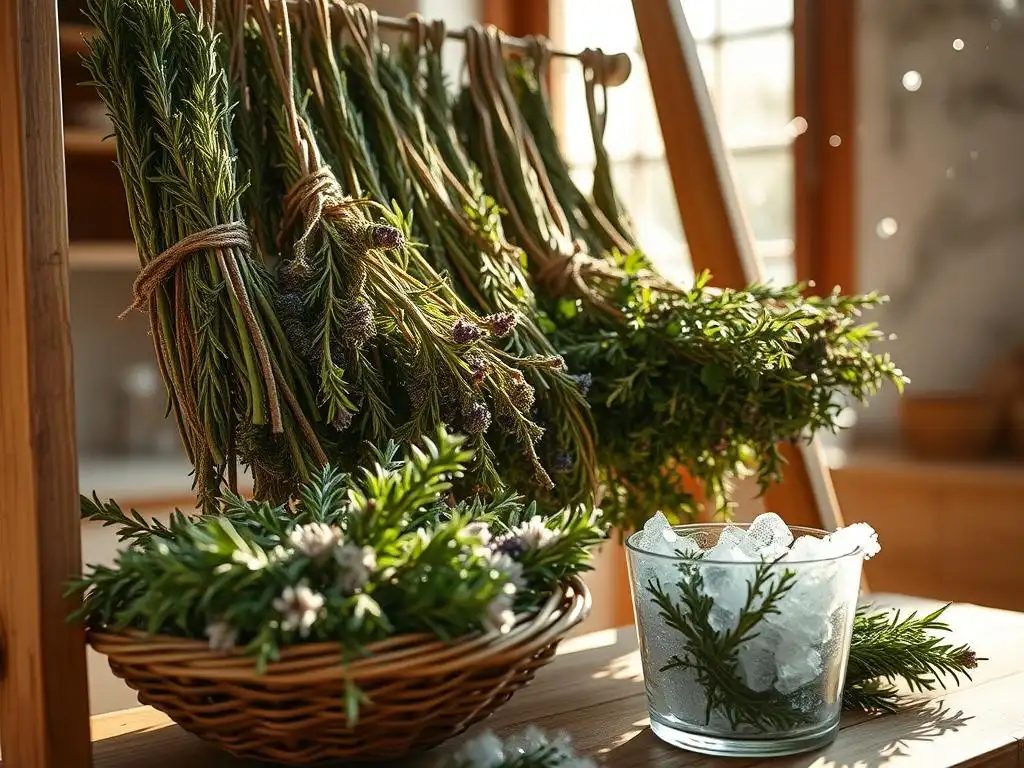
Harvesting rosemary and thyme is only half the battle. Proper preservation ensures you can enjoy the robust flavors and aromas of these herbs year-round. This section details the best practices for drying and freezing rosemary and thyme, maximizing their quality and longevity. Optimizing your harvesting and storage techniques for rosemary and thyme is crucial for maintaining the highest quality and flavor profile. Understanding the nuances of each method ensures you’ll enjoy your homegrown herbs for months to come.
Drying Rosemary: Methods and Considerations for Optimal Flavor Retention
Drying rosemary effectively preserves its intense, piney flavor. Two primary methods offer excellent results: air drying and oven drying.
Air drying is the simplest method and generally yields the best flavor. This method mimics nature's process, resulting in a more nuanced taste profile.
- Air Drying: Bundle small sprigs of rosemary together using twine or rubber bands. Hang them upside down in a cool, dark, and well-ventilated area, away from direct sunlight. Allow them to dry for 2-3 weeks, or until the leaves crumble easily when touched. Proper airflow is key to prevent mold growth. A slightly humid environment, however, is not detrimental and might even preserve the oils better.
- Oven Drying: This faster method requires careful monitoring to prevent burning. Preheat your oven to the lowest setting (ideally around 170°F or 77°C). Spread the rosemary sprigs thinly on a baking sheet lined with parchment paper. Dry for 1-2 hours, checking frequently and turning occasionally. The leaves should be brittle and easily crumble. Over-drying can result in a loss of essential oils and a less intense flavor.
Key Considerations:
- Timing: Harvest rosemary in the morning after the dew has dried to maximize essential oil content. This improves the quality of the dried herb.
- Storage: Once completely dry, store the rosemary leaves in airtight containers in a cool, dark, and dry place. This helps prevent moisture absorption and maintains flavor.
Drying Thyme: Techniques for Maintaining Aroma and Essential Oils
Thyme, with its delicate yet powerful aroma, benefits from careful drying to preserve its volatile essential oils. Similar to rosemary, both air drying and oven drying are suitable methods. However, due to thyme's smaller leaves and more delicate nature, attention to detail is crucial.
- Air Drying: Similar to rosemary, bundle small sprigs of thyme together and hang them upside down in a cool, dark, and well-ventilated area. The drying time is typically shorter than rosemary, usually 1-2 weeks. Regularly check for dryness; brittle leaves indicate readiness.
- Oven Drying: Use the same low-heat oven drying technique as rosemary, but monitor even more closely due to thyme's smaller leaves, which can burn more easily. Spread the thyme thinly on a baking sheet and dry for 30-60 minutes, or until the leaves are brittle.
Maintaining Aroma:
The key to preserving thyme's aroma lies in preventing excessive exposure to light and air. Avoid crushing the dried thyme until ready to use. Store in airtight containers in a cool, dark, and dry place, away from strong-smelling substances.
Freezing Rosemary and Thyme: A Guide to Maintaining Freshness
Freezing is an alternative preservation method that retains more of the herbs' original color and some of the fresh aroma and flavor, though some degradation is expected compared to fresh herbs.
- Preparation: Rinse the rosemary and thyme sprigs thoroughly and pat them dry. Chop or finely mince the herbs before freezing.
- Freezing Methods:
- Ice Cube Trays: Combine chopped herbs with a small amount of water or olive oil to form ice cubes. Once frozen, transfer the cubes to a freezer bag for long-term storage. This method is ideal for adding herbs directly to sauces or soups.
- Freezer Bags: Place chopped herbs in airtight freezer bags, removing as much air as possible. Label and date the bags for easy identification. This method is suitable for larger quantities and general use.
Optimizing Frozen Herb Quality:
Freezing herbs in smaller portions allows for easier use and minimizes freezer burn. Avoid repeatedly freezing and thawing the herbs, as this will affect their quality and texture. For best results, use frozen herbs within 6-8 months.
| Method | Rosemary Drying Time (approx.) | Thyme Drying Time (approx.) | Flavor Retention | Aroma Retention |
|---|---|---|---|---|
| Air Drying | 2-3 weeks | 1-2 weeks | Excellent | Excellent |
| Oven Drying | 1-2 hours | 30-60 minutes | Good | Good |
| Freezing | N/A | N/A | Moderate | Moderate |
Remember, proper harvesting and preservation techniques are crucial for maximizing the flavor and quality of your homegrown rosemary and thyme. Enjoy your flavorful harvest! 🌿
Storage Tips for Dried and Frozen Rosemary and Thyme
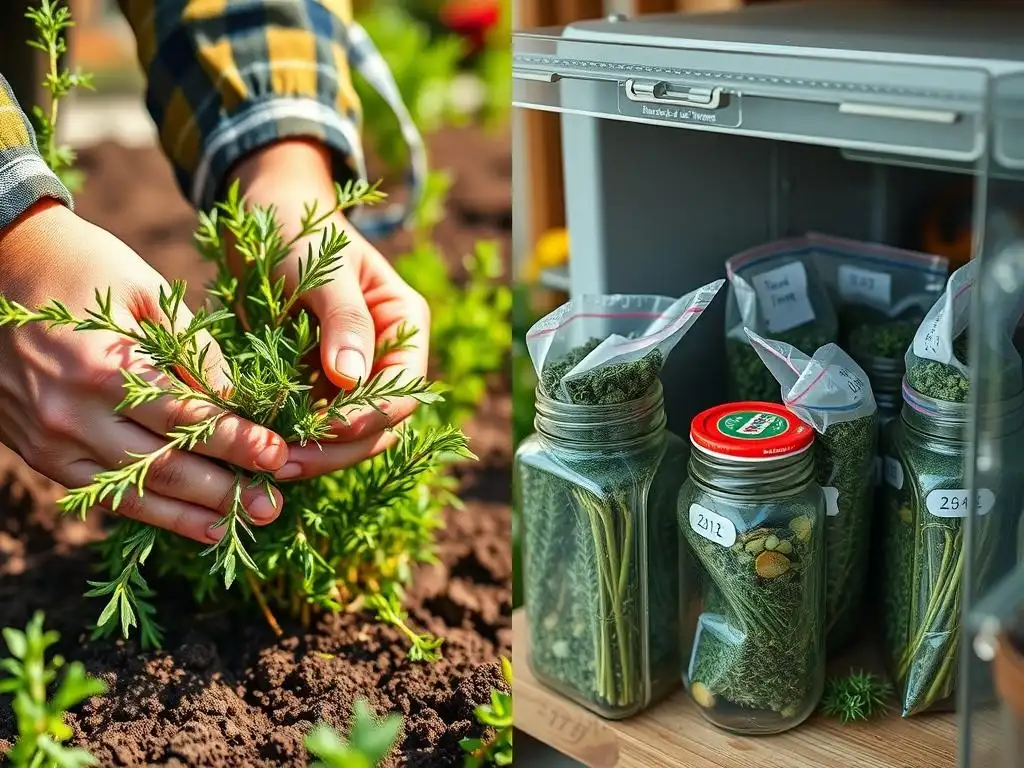
Harvesting rosemary and thyme is only half the battle. Proper storage is crucial to preserving their vibrant flavor and aroma for months, even years. This section details the best practices for storing both dried and frozen rosemary and thyme, ensuring you can enjoy the fruits (or rather, herbs!) of your labor throughout the year. Mastering these techniques will help you maximize the shelf life of your homegrown herbs, minimizing waste and maximizing culinary enjoyment. This is key to getting the most out of your "harvest rosemary thyme best practices".
Proper Storage Containers for Long-Term Preservation
The container you choose significantly impacts the longevity and quality of your stored rosemary and thyme. Airtightness is paramount to preventing moisture absorption, which can lead to mold growth and flavor degradation.
Here's a breakdown of suitable containers for both dried and frozen herbs:
- Dried Rosemary and Thyme:
- Airtight Glass Jars: These are ideal. Dark-colored glass offers additional protection against light degradation, which can affect the color and potency of the herbs. Ensure the lids seal completely.
- Vacuum-Sealed Bags: These remove air, creating an even more effective barrier against moisture and oxygen. They are particularly useful for larger quantities.
- Avoid: Paper bags, plastic bags (unless vacuum-sealed), and containers with porous lids. These allow air and moisture to penetrate, compromising the quality of your herbs.
- Frozen Rosemary and Thyme:
- Freezer-Safe Bags: Heavy-duty freezer bags are excellent for freezing herbs. Ensure you remove as much air as possible before sealing to prevent freezer burn.
- Freezer-Safe Containers: Rigid, airtight containers also work well, offering better protection against crushing. Label them clearly with the date of freezing.
- Avoid: Containers that aren't specifically designed for freezer use, as they may crack or leak.
Optimizing Storage Conditions to Maintain Quality and Flavor
Beyond the container, the storage environment plays a vital role in preserving your rosemary and thyme. Maintaining optimal conditions will ensure your herbs retain their flavor and aroma for as long as possible.
- Dried Rosemary and Thyme: Store in a cool, dark, and dry place. A pantry or cupboard away from heat sources and direct sunlight is ideal. Avoid areas with high humidity, as this encourages mold growth. Think of it as creating a mini-Mediterranean climate in your home – the ideal environment for these sun-loving herbs.
- Frozen Rosemary and Thyme: Freezers offer the best long-term storage solution. Consistent temperatures below 0°F (-18°C) effectively halt enzymatic activity, preserving the herbs' quality for extended periods. Proper labeling with the date is crucial for inventory management and preventing freezer burn. Remember, even in the freezer, herbs are not immortal – aim to use them within a year for optimal flavor.
Identifying Signs of Spoilage in Stored Rosemary and Thyme
Even with the best storage practices, herbs eventually degrade. Knowing the signs of spoilage is crucial to prevent using herbs that have lost their quality or worse, developed mold.
| Herb State | Dried Rosemary/Thyme | Frozen Rosemary/Thyme |
|---|---|---|
| Fresh Aroma | Strong, characteristic scent | Strong, characteristic scent |
| Spoilage Sign | Faded color, weak or musty aroma, presence of mold | Discoloration, loss of vibrant green color, freezer burn (ice crystals) |
| Texture | Brittle, easily crumbles | Hard, possibly clumped (if freezer burn occurs) |
| Taste | Bitter, unpleasant taste, lack of flavor intensity | Dull flavor, loss of herbal notes |
Discard any herbs exhibiting these signs of spoilage. Remember, using spoiled herbs can negatively impact the flavor and safety of your dishes. Preventing spoilage is about proactive storage and regular checks to ensure your precious rosemary and thyme remain at their best. 🌿
Using Your Harvested Rosemary and Thyme: Recipes and Ideas
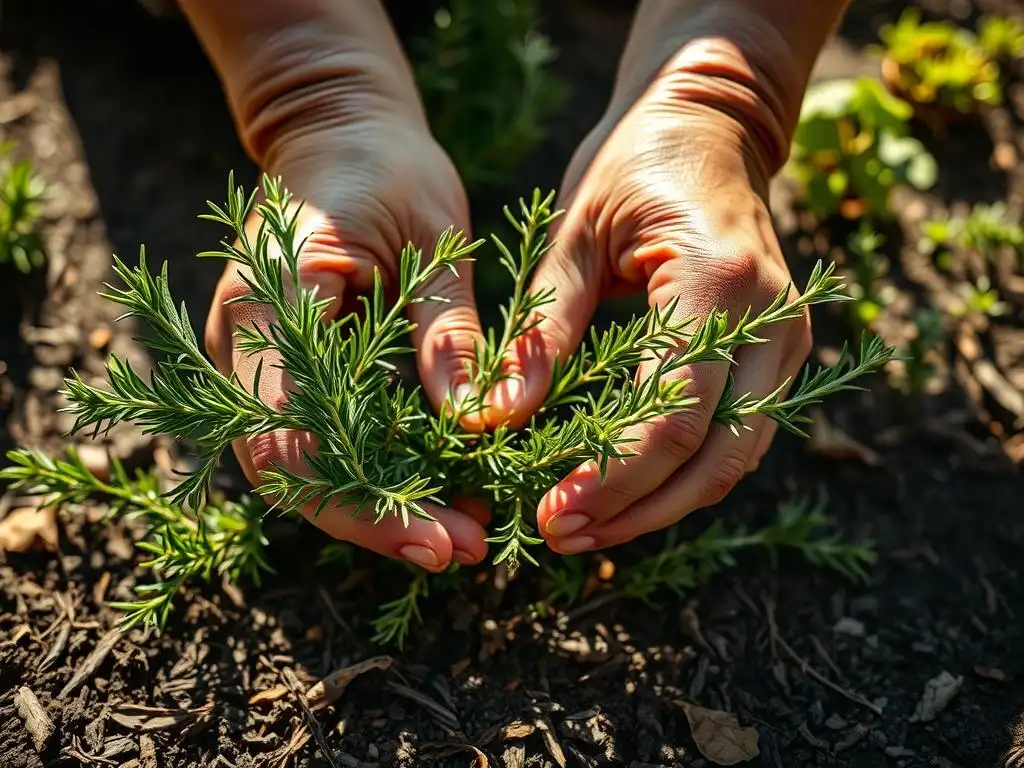
After the satisfying work of harvesting your rosemary and thyme, the next step is to put your bounty to good use! Both herbs offer incredible versatility in the kitchen, adding depth and complexity to a wide array of dishes. This section explores various ways to incorporate fresh and dried rosemary and thyme into your culinary creations, maximizing their flavor and aroma. Proper harvesting techniques, as discussed previously, directly impact the quality and taste of your herbs, ensuring optimal results in your cooking.
Incorporating Fresh Rosemary and Thyme into Your Cooking
Fresh rosemary and thyme boast the most vibrant and intense flavors. Their delicate leaves release their aromatic oils readily when used in cooking, imparting a unique character to your meals. Here are some suggestions for using fresh herbs:
- Roasted Vegetables: Toss chopped vegetables (such as carrots, potatoes, or Brussels sprouts) with olive oil, salt, pepper, and a generous sprinkle of fresh rosemary and thyme before roasting. The herbs will infuse the vegetables with their savory essence, creating a delicious side dish.
- Grilled Meats: Rosemary and thyme are classic pairings for grilled meats, especially lamb, chicken, and pork. Simply tuck sprigs of the herbs under the skin of the meat or weave them into the grill grates for a smoky, herbaceous flavor.
- Soups and Stews: Add fresh sprigs of rosemary and thyme to simmering soups and stews during the last 15-20 minutes of cooking. This allows the herbs to infuse the broth without becoming overly bitter. Remember to remove the sprigs before serving.
- Salads: Finely chopped rosemary and thyme can add a surprising and delightful touch to salads. Their slightly peppery and earthy notes complement many ingredients, from tomatoes and cucumbers to roasted vegetables and grilled chicken.
- Infused Oils: Create your own flavorful infused oils by steeping fresh rosemary and thyme sprigs in extra virgin olive oil for several weeks. This oil is perfect for drizzling over salads, pasta dishes, or bread.
Utilizing Dried Rosemary and Thyme in Recipes and Seasonings
Drying rosemary and thyme preserves their flavor for longer periods, allowing you to enjoy their culinary benefits year-round. While the intensity of flavor might be slightly less pronounced than with fresh herbs, dried rosemary and thyme still offer a powerful punch.
- Herb Blends: Dried rosemary and thyme are key components in many popular herb blends, such as herbes de Provence and Italian seasoning. Their robust flavors complement other herbs and spices, creating complex and aromatic mixtures.
- Meat Rubs: Create flavorful meat rubs by combining dried rosemary and thyme with other spices like garlic powder, onion powder, paprika, and black pepper. These rubs add incredible depth of flavor to grilled or roasted meats.
- Stuffings and Fillings: Dried rosemary and thyme are excellent additions to stuffings and fillings for poultry, vegetables, and other dishes. Their earthy notes complement the richness of the filling, creating a satisfying and flavorful dish.
| Herb | Fresh Use Examples | Dried Use Examples | Storage Tips |
|---|---|---|---|
| Rosemary | Roasted meats, potatoes, infused oils | Herb blends, meat rubs, stuffings | Store in airtight containers in a cool, dark place |
| Thyme | Soups, stews, salads, grilled vegetables | Herb blends, poultry seasoning, casseroles | Store in airtight containers in a cool, dark place |
Remember to always taste and adjust seasoning as needed, considering the intensity of the flavors of both fresh and dried herbs. Experiment with different combinations and quantities to discover your favorite ways to use your homegrown rosemary and thyme! Happy cooking! 🌿
Troubleshooting Common Harvesting and Storage Issues
This section addresses prevalent challenges encountered when harvesting and storing rosemary and thyme, focusing on practical solutions for maintaining optimal flavor and quality. Proper harvesting and storage techniques are crucial for maximizing the shelf life and culinary potential of these aromatic herbs. Neglecting these best practices can lead to significant losses, impacting both yield and the overall sensory experience.
Dealing with Pests and Diseases Affecting Rosemary and Thyme Harvests
Rosemary and thyme, while relatively hardy, are susceptible to certain pests and diseases that can compromise the harvest. Early detection and preventative measures are key to safeguarding your plants and ensuring a bountiful harvest. Common issues include spider mites, aphids, and root rot.
Spider mites, tiny arachnids, can cause significant damage by sucking the sap from leaves, leading to yellowing and leaf drop. Regularly inspect your plants for fine webbing—a telltale sign of infestation. A strong spray of water can dislodge some mites, while insecticidal soap is a more effective, organic solution. Beneficial insects like ladybugs can also help control spider mite populations naturally.
Aphids, another common pest, cluster on stems and leaves, feeding on plant sap. They can be easily removed by hand or controlled with a strong stream of water. Neem oil is a natural pesticide effective against aphids, offering a sustainable pest management approach for your organic herb garden.
Root rot, a fungal disease, thrives in overly wet soil. Ensure proper drainage by planting in well-draining soil and avoiding overwatering. Improving soil aeration can also help prevent root rot. If root rot is detected, remove affected plants to prevent the spread of the disease. Always practice crop rotation to minimize the risk of recurring fungal infections. This proactive approach ensures the health and longevity of your rosemary and thyme plants, contributing to consistent and high-quality harvests.
Preventing Mold and Spoilage During Drying and Freezing
Proper drying and freezing techniques are vital for preserving the flavor and preventing spoilage of harvested rosemary and thyme. Improper storage can lead to mold growth and loss of aromatic compounds, diminishing the herbs' culinary appeal.
Drying: For air drying, ensure good air circulation by spreading the herbs thinly on a clean, dry surface or hanging them upside down in a well-ventilated area. Avoid direct sunlight, which can bleach the color and diminish the essential oils. Proper drying minimizes moisture content, significantly reducing the risk of mold development.
Freezing: Freezing rosemary and thyme preserves their flavor and aroma exceptionally well. Blanching the herbs before freezing is not typically necessary, but it can help retain color. To freeze, simply chop the herbs and store them in airtight freezer bags or containers. Freezing small portions ensures that you only thaw what you need, preventing freezer burn and maintaining freshness. Label and date the containers for easy identification and optimal use within the recommended timeframe. This careful attention to detail ensures that your harvested herbs remain flavorful and aromatic, even after long-term storage.
Extending the Shelf Life of Harvested Rosemary and Thyme
Optimizing storage techniques significantly extends the shelf life of harvested rosemary and thyme, ensuring their availability for culinary use for an extended period. Even with proper drying and freezing, understanding post-harvest handling can maximize the time these herbs maintain their peak quality.
Several techniques contribute to preserving the quality of rosemary and thyme. Properly dried herbs should be stored in airtight containers in a cool, dark, and dry place. This environment minimizes moisture exposure and prevents the degradation of essential oils, preserving the herbs' aromatic qualities. Freezing offers an alternative method for long-term storage, maintaining freshness for a longer period compared to dried herbs.
Regularly checking stored herbs for any signs of spoilage is crucial. Discarding any herbs showing signs of mold or discoloration prevents contamination and maintains the overall quality of your stored supply. By implementing these post-harvest strategies, you can significantly extend the shelf life and usability of your rosemary and thyme harvests. This careful management ensures you can enjoy the fresh flavors of these herbs throughout the year.
Frequently Asked Questions
When is the best time to harvest rosemary and thyme?
The best time to harvest rosemary and thyme is during dry weather, after the morning dew has dried. This helps prevent diseases and ensures the herbs are at their most flavorful. Harvesting in the late spring or early summer usually yields the best results.
How often can I harvest rosemary and thyme?
You can harvest rosemary and thyme multiple times a year. For rosemary, you can prune back as needed, while thyme benefits from frequent, smaller harvests. This encourages bushier growth and prevents the plants from becoming woody.
What is the best method for harvesting rosemary and thyme?
Use sharp pruning shears or scissors to cut stems just above a leaf node. This promotes healthy regrowth. Avoid pulling the plants, as this can damage the roots.
How should I store harvested rosemary and thyme?
For short-term storage (1-2 weeks), store fresh herbs in a plastic bag in the refrigerator. For longer storage, freeze the herbs whole or chop them and store them in freezer bags. Air drying is also an option.
How can I ensure my rosemary and thyme plants continue to thrive after harvesting?
Regular pruning and harvesting actually encourage bushier growth in both rosemary and thyme. Ensure your plants receive adequate sunlight and water, and use organic fertilizers to maintain soil health and promote vigorous growth.
Final Reflection: The Enduring Bounty of Rosemary and Thyme
The simple act of harvesting herbs, like rosemary and thyme, connects us directly to the earth's bounty, a connection increasingly vital in our fast-paced modern world. Understanding the best practices for harvesting and preserving these aromatic plants isn't just about maximizing flavor; it's about fostering a deeper appreciation for the natural world and the sustainable practices that ensure its continued abundance.
The influence of these humble herbs extends far beyond the kitchen; they represent a timeless link to culinary traditions and a reminder of the simple pleasures found in nurturing life. Their fragrance evokes memories, transporting us to sun-drenched gardens and rustic kitchens. The earth laughs in flowers.
– Ralph Waldo Emerson. This quote beautifully encapsulates the joy and satisfaction derived from cultivating and harvesting these fragrant treasures, a joy that transcends mere practicality. The knowledge of how to properly harvest and store them ensures that this joy can be extended and shared.
Now, consider your own garden, or even a single potted herb. What steps can you take to ensure a bountiful harvest? Will you experiment with different drying techniques? Will you share your knowledge with others, passing on the legacy of these flavorful plants? Embrace the opportunity to connect with nature, to savor the fruits of your labor, and to share the aromatic bounty of rosemary and thyme with those you love. Let the simple act of harvesting become a mindful practice, a celebration of the earth's generosity and a testament to the enduring power of nature's gifts.
Unlock Your Herb Garden's Full Potential!
Thank you for exploring the world of rosemary and thyme! We hope you feel confident harvesting these aromatic herbs for maximum flavor. Ready to put your new knowledge into practice?
- Experiment with different harvesting techniques: Try snipping sprigs at various growth stages to discover your favorite flavors. Note the resulting differences in taste and aroma.
- Share your culinary creations: Friends and family will surely appreciate your fresh herb additions.
- Share your favorite recipes: Leave a comment below and share your best rosemary and thyme recipes! Let's build a thriving community of herb enthusiasts.
How will you incorporate your freshly harvested herbs into your next culinary creation?