
The Taste of Success: Cooking Up Delicious Meals with Your Child's Harvest

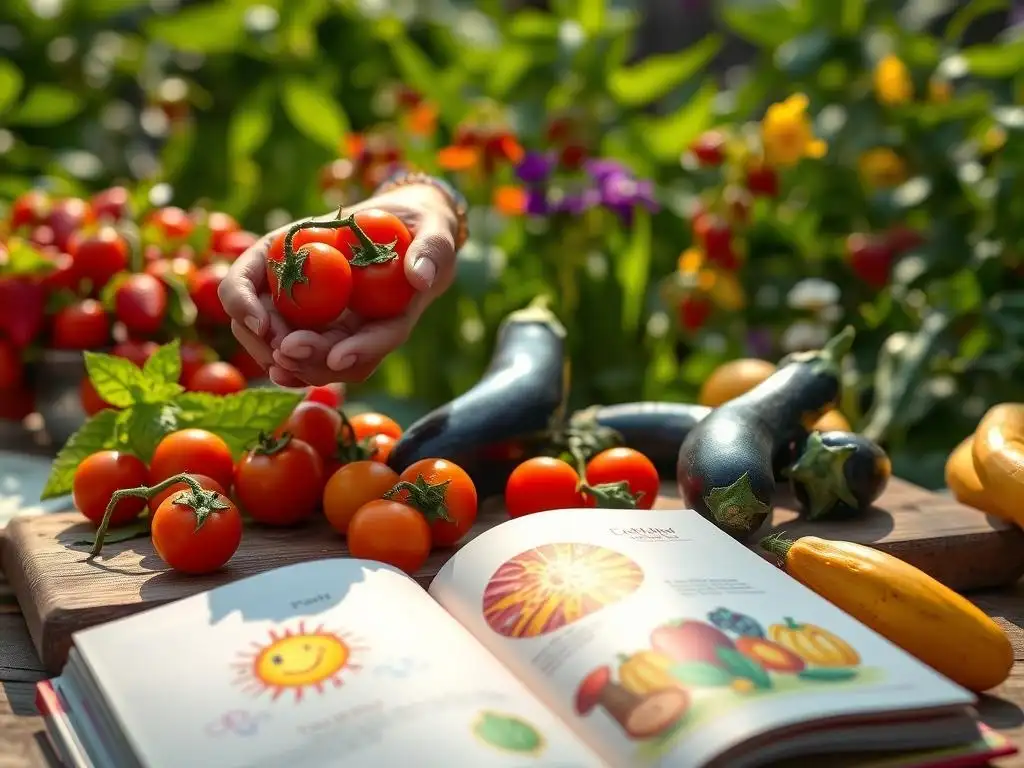
Welcome to CultivateYourFood, your guide to a greener, more flavorful life! Ready to transform your backyard into a bountiful oasis? We'll show you how, from seed to table, using sustainable methods. But what if you could share this journey with your little ones? Discover the magic of Kids gardening recipes harvest, a rewarding experience that connects children with nature while creating delicious, homegrown meals. Let's explore how to cultivate a passion for gardening and a love for fresh food, together!
- From Garden to Table: Kids Gardening Recipes and Harvest Celebration
- Delicious Kids Gardening Recipes Using Your Harvest
- Making it a Family Affair: Cooking and Sharing the Harvest
- Educational Benefits: Learning Through Gardening and Cooking
- Resources for Kids Gardening Recipes and Harvest Activities
- Frequently Asked Questions
- Final Reflection: Sowing Seeds of Connection Through Shared Meals
- Unlock Your Child's Culinary Potential!
From Garden to Table: Kids Gardening Recipes and Harvest Celebration
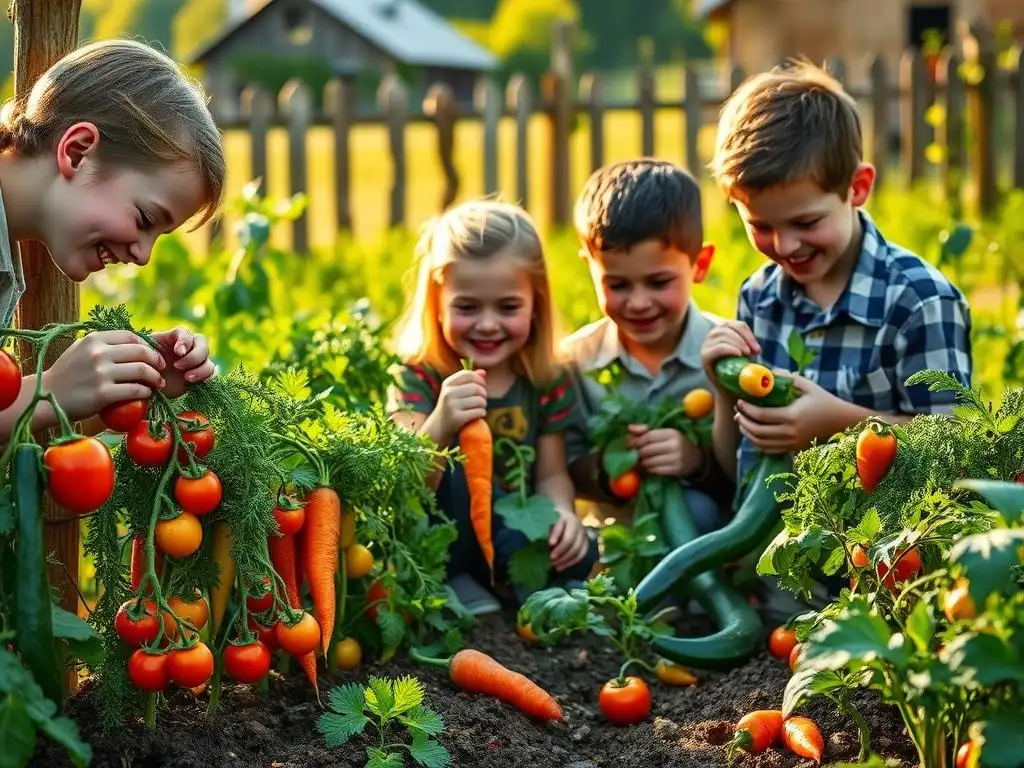
Growing your own food is a rewarding experience, and sharing that journey with children adds another layer of joy and learning. This article explores the delightful process of harvesting homegrown fruits, vegetables, and herbs with your kids, followed by transforming those fresh ingredients into delicious and healthy meals. We’ll delve into planning age-appropriate recipes, selecting child-friendly produce, and ensuring safe harvesting practices for little hands.
The "Kids gardening recipes harvest" experience is not just about growing food; it's about fostering a love for healthy eating, connecting with nature, and creating lasting family memories. From the initial planting to the final bite, this journey cultivates a deeper appreciation for food and its origins, empowering your children with valuable life skills and a sense of accomplishment. This is about more than just recipes; it's about building a foundation for a lifetime of healthy habits and sustainable living.
Planning a meal around your child's harvest is a fantastic way to celebrate their gardening efforts. However, it's crucial to consider age-appropriate recipes. Younger children might enjoy simpler preparations, while older children can participate in more complex cooking tasks. Think about the texture and flavors your child prefers. For example, a toddler might appreciate soft-cooked carrots and peas, while an older child might enjoy a more adventurous dish like a zucchini and corn fritter.
Here's a sample menu plan catering to different age groups:
| Age Group | Suggested Dishes | Cooking Involvement |
|---|---|---|
| Toddlers (1-3) | Steamed carrots, mashed sweet potatoes, fruit salad | Minimal – mostly supervision and taste-testing |
| Preschoolers (3-5) | Simple vegetable soup, mini pizzas with garden toppings | Helping wash vegetables, stirring, adding toppings |
| School-aged (5-12) | Vegetable skewers, fritters, homemade pasta with pesto | More active participation in all stages of cooking |
Remember to involve your child in the planning process! Let them choose from a selection of age-appropriate recipes, giving them a sense of ownership and excitement. This encourages healthy eating habits and appreciation for the food they helped grow. Consider using fun cookie cutters to make vegetables more appealing to younger children. 🎉
Selecting Kid-Friendly Vegetables and Herbs for Harvesting
Not all vegetables and herbs are created equal when it comes to appealing to children. Choosing the right produce can make the whole harvesting and cooking experience much more enjoyable. Here are some kid-friendly options:
- Vegetables: Cherry tomatoes 🍅, bell peppers 🫑, cucumbers 🥒, snap peas 🌱, carrots 🥕, zucchini 🎃, strawberries 🍓, and radishes 🔴 are generally well-received by children due to their bright colors, sweetness, and easy-to-eat shapes.
- Herbs: Basil 🌿, mint 🌿, and chives 🌿 are great additions to many dishes and add a fresh, vibrant flavor that kids often enjoy. They are also relatively easy to grow and harvest.
When selecting produce for harvesting with your children, prioritize those that are easy to handle and visually appealing. Avoid selecting anything that might be prickly, thorny, or require special handling tools.
Safe Harvesting Practices for Little Hands: Essential Tips for Parents
Safety should always be the top priority when children are involved in gardening and harvesting. Here are some essential tips to ensure a safe and enjoyable experience:
- Supervision: Always supervise young children closely during harvesting to prevent accidents.
- Handwashing: Emphasize the importance of thorough handwashing before and after handling garden produce. 🧼
- Proper Tools: Provide age-appropriate tools, such as small trowels and harvesting scissors, to avoid injuries.
- Insect Awareness: Teach children about common garden insects and the importance of avoiding touching them. 🐛
- Sun Protection: Encourage the use of hats and sunscreen to protect children from the sun. ☀️
- Allergens: Be aware of any potential allergies your child might have and avoid harvesting those plants.
By following these guidelines, you can create a safe and fun environment for your child to participate in the rewarding experience of harvesting their homegrown produce. Remember, patience and positive reinforcement are key to making this a positive experience for everyone involved. Happy harvesting! 👨👩👧👦
Delicious Kids Gardening Recipes Using Your Harvest
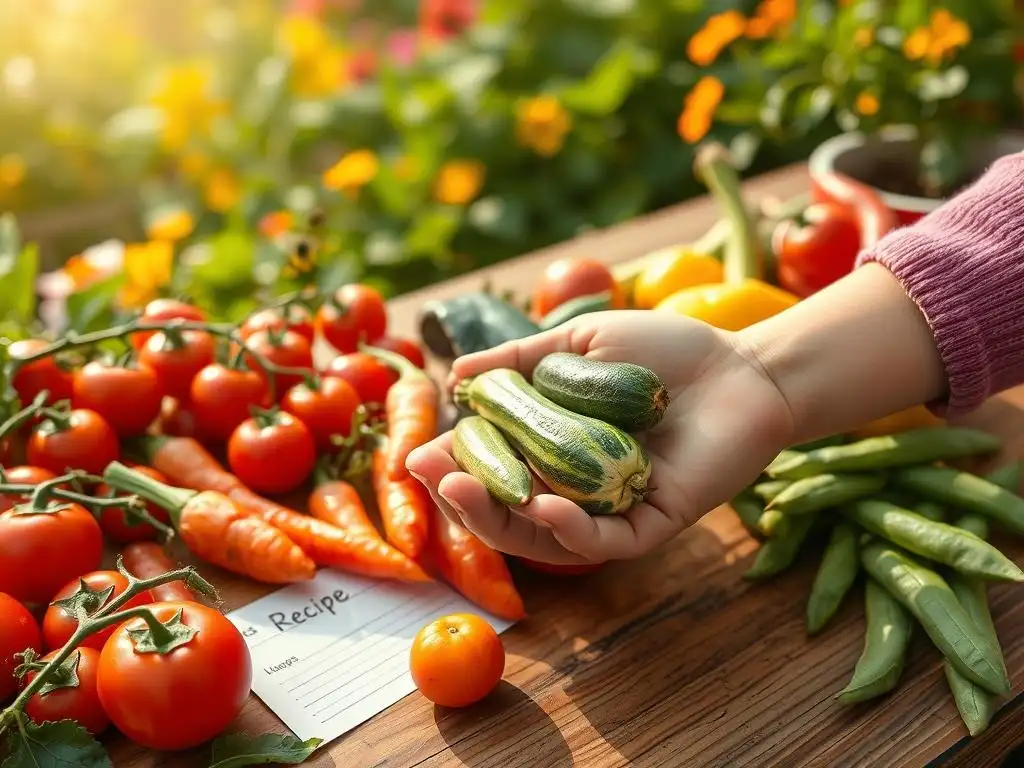
This section provides delicious and nutritious recipes perfect for incorporating your child's garden harvest into family meals. These recipes are designed to be simple, fun, and engaging for young chefs, encouraging them to appreciate the fruits (and vegetables!) of their labor. We'll explore ways to transform garden goodies into exciting and healthy dishes that even the pickiest eaters will enjoy. Remember, the key is to make cooking a fun, shared experience! Let's get started with some kid-friendly recipes that celebrate the bounty of your homegrown harvest.
Simple and Fun Recipes for Young Chefs: Easy Harvest Dishes
Let's start with some incredibly easy recipes that even the youngest gardeners can help prepare. These recipes focus on minimal preparation and maximum flavor, ensuring a fun and rewarding cooking experience for everyone.
Recipe 1: Rainbow Veggie Skewers
This recipe is perfect for utilizing a variety of freshly harvested vegetables. Simply chop cherry tomatoes, cucumber chunks, bell pepper squares, and zucchini into bite-sized pieces. Let your child thread them onto skewers, creating colorful and appealing patterns. A light drizzle of olive oil and a sprinkle of herbs from your garden add extra flavor.
- Prep time: 10 minutes
- Cook time: None (can be served raw)
- Yields: 4 servings
Recipe 2: Simple Tomato and Basil Salad
This classic combination is a testament to the power of fresh ingredients. Use your homegrown tomatoes and basil leaves to create a vibrant and flavorful salad. Simply slice the tomatoes, tear the basil leaves, and toss with a simple vinaigrette (olive oil, balsamic vinegar, salt, and pepper). Kids can easily help with washing, slicing, and mixing.
- Prep time: 5 minutes
- Cook time: None
- Yields: 2 servings
Recipe 3: Easy Roasted Vegetables
Roasting vegetables brings out their natural sweetness. Toss chopped carrots, broccoli florets, and potatoes with olive oil, salt, pepper, and your favorite herbs. Spread them on a baking sheet and roast in a preheated oven until tender. This is a great opportunity to teach children about oven safety and different cooking temperatures.
- Prep time: 15 minutes
- Cook time: 20-25 minutes
- Yields: 4 servings
Creative Cooking with Kids: Transforming Vegetables into Fun Meals
Moving beyond simple preparations, let's explore some creative ways to transform your garden vegetables into fun and exciting meals that will delight your children. Think beyond the ordinary – let's get imaginative!
Recipe 4: Funny Face Veggie Pancakes
Use your garden's zucchini or carrots to make pancakes! Grate the vegetables and add them to your favorite pancake batter. Once cooked, use fruit pieces or yogurt to create funny faces on the pancakes. This is a great way to sneak in extra veggies and make mealtime fun.
- Prep time: 15 minutes
- Cook time: 10-15 minutes
- Yields: 4-6 pancakes
Recipe 5: Mini Veggie Pizzas
Use English muffins or pita bread as the base for mini pizzas. Let your children spread tomato sauce (homemade is even better! ), add shredded cheese, and top with their favorite chopped vegetables from the garden. Bake until the cheese is melted and bubbly. This recipe allows for customization and encourages creativity.
- Prep time: 10 minutes
- Cook time: 10-12 minutes
- Yields: 4-6 mini pizzas
Incorporating Herbs from the Garden: Flavorful Additions to Kids' Meals
Don't forget the herbs! Fresh herbs from your garden can add incredible flavor and aroma to your child's meals. Even picky eaters often enjoy the subtle flavors herbs bring to dishes.
Tip 1: Add chopped parsley, chives, or dill to scrambled eggs or omelets for a boost of flavor and color.
Tip 2: Incorporate basil, oregano, or thyme into tomato sauces for pasta dishes.
Tip 3: Use mint to create a refreshing fruit salad or add a unique twist to lemonade.
Tip 4: Experiment with different herb combinations to discover your family's favorites! A sprinkle of rosemary or thyme on roasted vegetables adds a touch of sophistication and depth of flavor.
Remember to always supervise young children in the kitchen and emphasize food safety practices. Enjoy the process of cooking and sharing the delicious results of your child's gardening efforts! Happy harvesting and happy cooking! 🥕🍅🌿
Making it a Family Affair: Cooking and Sharing the Harvest
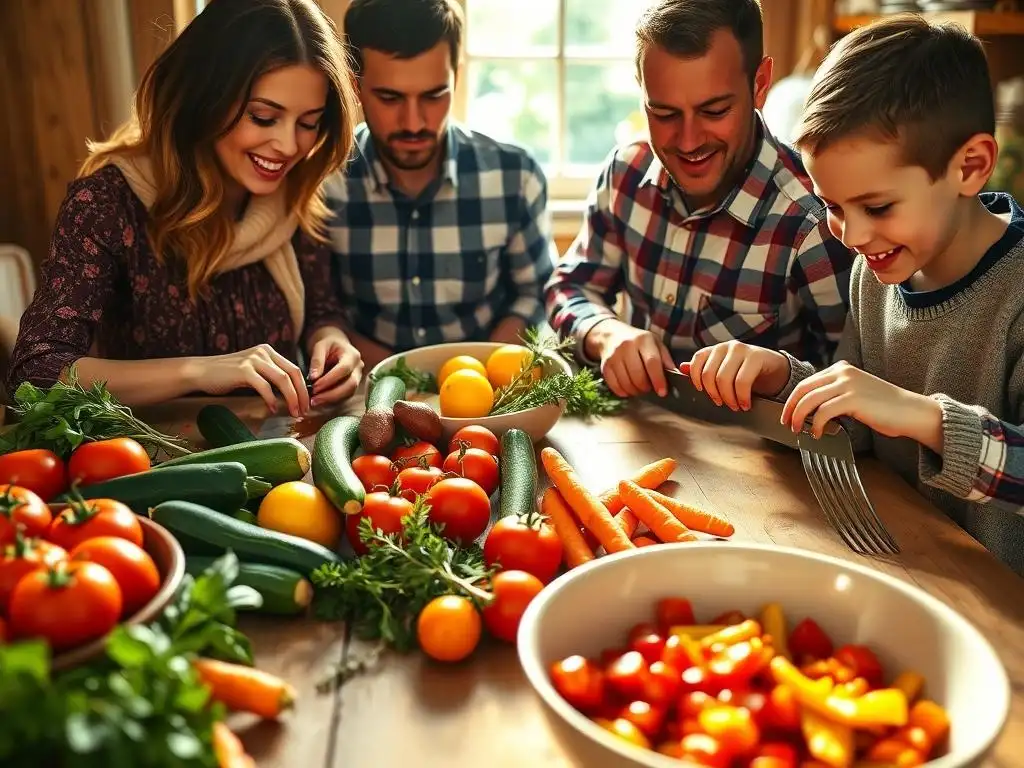
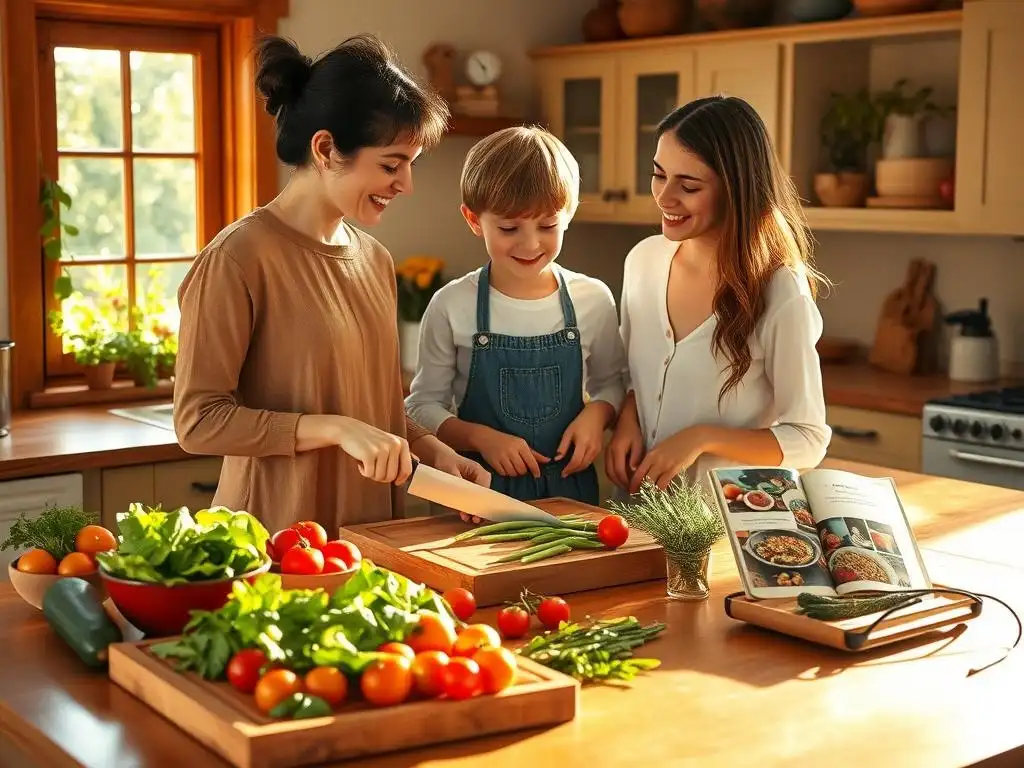
This section focuses on transforming the fruits of your children's labor – their bountiful harvest – into delicious and memorable meals. We'll explore ways to engage children in the cooking process, making it a fun and educational experience, and then discuss how to celebrate the harvest with family and friends, extending the joy beyond the garden. The key is to make it a collaborative effort, fostering a sense of accomplishment and appreciation for the food they’ve grown.
This approach not only teaches valuable life skills but also strengthens family bonds. Remember, the goal is to make Kids gardening recipes harvest a fun and rewarding family activity.
Family Cooking Time: Engaging Kids in the Culinary Process
Involving children in the kitchen transforms cooking from a chore into an adventure. Start with age-appropriate tasks. Toddlers can wash vegetables (under supervision! ), while older children can measure ingredients or stir mixtures. Let them choose recipes based on their harvest – perhaps a vibrant tomato and basil pasta sauce from their homegrown bounty, or a refreshing cucumber and dill salad.
Remember to prioritize safety. Use child-safe knives and ensure they understand the importance of handwashing and kitchen hygiene. Make it a game! Introduce them to different textures, smells, and tastes. Explain the process of each step, from chopping to cooking, making it an educational experience. For example, when making a fruit salad, discuss the different vitamins and nutrients each fruit provides, reinforcing the connection between their garden work and healthy eating.
Consider creating a "Kids' Cooking Chart" to track their progress and responsibilities. This can motivate them and give them a sense of ownership over the cooking process. The chart can include tasks like washing, chopping, stirring, and setting the table. Reward their participation with praise and positive reinforcement, highlighting their contributions to the meal. This fosters a positive association with cooking and healthy eating habits.
Creating a Harvest Celebration: A Festive Meal with Family and Friends
Turning the harvest into a celebration amplifies the sense of accomplishment and shared joy. Organize a harvest feast, inviting family and friends to share in the delicious results of your children's gardening efforts. This could be a casual backyard barbecue or a more formal dinner party, depending on your preference and resources.
The menu should showcase the children's harvest. Think vibrant salads brimming with homegrown vegetables, a hearty vegetable soup made with their carefully tended produce, or a homemade pie filled with sweet berries picked fresh from the garden. Involve the children in the planning and preparation of the meal, assigning them age-appropriate tasks. This shared experience creates lasting memories and strengthens family bonds.
Decorate the space with harvest-themed decorations. Use pumpkins, gourds, and fall foliage to create a festive atmosphere. Consider having the children create place cards or decorations for the table, adding a personal touch to the celebration. Capture the moment with photos or videos, creating lasting memories of this special occasion. This celebration isn't just about the food; it's about celebrating the journey from seed to table, a journey the children played a crucial role in.
Preserving the Harvest: Simple Methods for Extending the Season
The abundance of a successful harvest can sometimes feel overwhelming. Preserving the excess produce allows you to enjoy the fruits of your labor long after the growing season ends. Involving children in the preservation process offers valuable lessons in food storage and resource management.
Simple methods such as freezing are ideal for children's participation. Washing and preparing fruits and vegetables for freezing is an easy task they can handle with minimal supervision. Explain the importance of proper freezing techniques to maintain freshness and quality. Another simple method is making jams or jellies. While adult supervision is necessary for the cooking process, children can help with measuring ingredients and preparing fruits.
Consider making homemade pickles or sauces. These activities teach children about food preservation techniques while producing delicious condiments that can be enjoyed throughout the year. Document the process with photos or a journal, creating a record of their preservation efforts. This approach not only extends the enjoyment of the harvest but also teaches valuable life skills that will serve them well in the future. By extending the season with these preservation methods, you're ensuring that the Kids gardening recipes harvest experience continues long after the last vegetable is picked.
Educational Benefits: Learning Through Gardening and Cooking
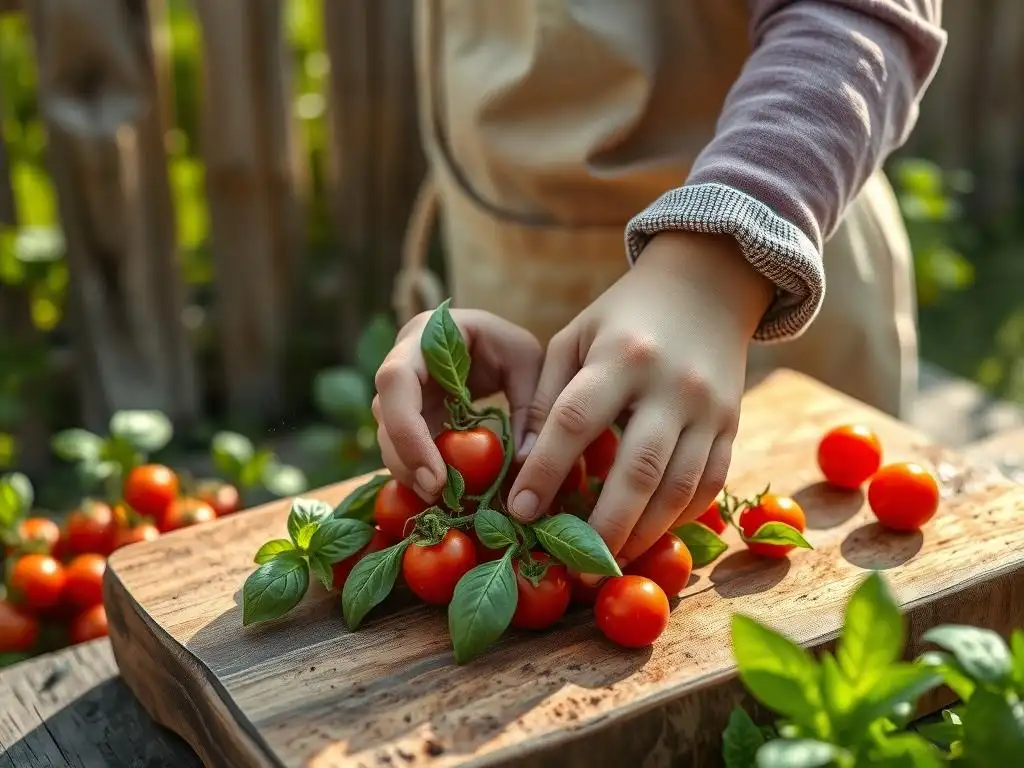
Gardening and cooking together offer a powerful combination of educational benefits for children. It's not just about planting seeds and harvesting vegetables; it's about fostering a deeper understanding of the natural world and developing crucial life skills. This synergistic approach transforms learning from a passive activity into an engaging, hands-on experience that resonates deeply. The "Kids gardening recipes harvest" approach encourages a holistic understanding of food production, from seed to plate.
Connecting Kids with Food: Understanding Where Food Comes From
Many children today lack a connection to the origins of their food. Supermarkets often obscure this vital link, presenting food as a readily available commodity. Gardening, however, provides a tangible experience. Kids witness the growth process firsthand, from tiny seedlings to mature plants bursting with fruits and vegetables.
They learn about the time, effort, and care involved in producing food, fostering a sense of appreciation and respect. This direct experience combats the disconnect between food and its source, helping children understand the importance of sustainable food systems. For example, a child who plants a tomato seed and later harvests and eats the ripe fruit gains a far deeper understanding of where their food comes from than one who simply picks it up from a grocery store shelf. This connection fosters healthier eating habits and reduces food waste.
Developing Healthy Eating Habits: The Importance of Fresh Produce
Incorporating homegrown produce into meals is a powerful way to encourage healthy eating habits in children. Kids are more likely to try new foods when they've been involved in growing them. The pride and accomplishment associated with harvesting their own vegetables often translates into a willingness to sample their creations. This active participation cultivates a positive relationship with fruits and vegetables, making them more appealing than processed snacks.
Studies have shown that children who participate in gardening are more likely to consume fruits and vegetables, leading to improved diets and overall health. Think of the joy on a child's face when they proudly present a plate of homegrown carrots or a vibrant salad, ready for a family dinner. This positive association directly impacts their food choices and preferences.
Boosting Confidence and Self-Esteem Through Culinary Success
Cooking with their harvest allows children to experience the satisfaction of creating something delicious from scratch. This process builds confidence and self-esteem, fostering a sense of accomplishment and pride. Successfully preparing a meal using their homegrown ingredients provides a significant boost to their self-image. Even simple recipes can empower children, giving them a sense of agency and control.
Imagine the beaming smile of a child proudly presenting a simple tomato and basil pasta dish, made with ingredients grown by their own hands! This success extends beyond the kitchen; it builds resilience and a positive attitude towards tackling new challenges in other areas of their lives. The sense of accomplishment from participating in the entire process – from planting to cooking – is invaluable for a child's personal growth and development. This positive reinforcement encourages further exploration and experimentation, fostering a lifelong love of cooking and healthy eating.
Resources for Kids Gardening Recipes and Harvest Activities
This section provides a wealth of resources to help you transform your child's garden harvest into delicious and memorable meals. From online recipe collections to local community initiatives, we've compiled a variety of options to inspire your culinary adventures with your little ones. Remember, the joy of cooking with kids is as much about the process as it is about the final product! Let's explore the many avenues available to enhance your "kids gardening recipes harvest" experience.
Online Resources for Kid-Friendly Recipes: Finding Inspiration
The internet is a treasure trove of kid-friendly recipes, offering countless possibilities for incorporating your child's fresh produce. Many websites cater specifically to families, providing age-appropriate recipes and instructions. Searching for terms like "easy kids recipes," "toddler-friendly meals," or "kid-approved veggie dishes" will yield a plethora of results.
To make the search more efficient, consider refining your search based on the specific vegetables or fruits your child has harvested. For example, if your child has grown a bumper crop of zucchini, search for "kid-friendly zucchini recipes" to find creative ways to use the abundance. You might discover exciting options like zucchini muffins, fritters, or even a simple zucchini pasta sauce.
Consider utilizing recipe websites that emphasize healthy eating habits and family cooking. These platforms often include nutritional information and tips for adapting recipes to suit different dietary needs and preferences. This ensures that your culinary creations are not only delicious but also nutritious and beneficial for your child's growth.
Example Search Strategies
Here are a few examples of specific search terms you can use to find kid-friendly recipes based on your harvest:
Books and Guides on Gardening with Children: Further Learning
Beyond online resources, numerous books and guides offer comprehensive information on gardening with children and incorporating their harvest into family meals. These resources often provide age-appropriate activities, tips for engaging children in the gardening process, and a collection of delicious recipes featuring homegrown produce. Many publications focus specifically on the nutritional benefits of homegrown food, emphasizing the importance of introducing children to fresh, healthy ingredients early on.
Some books may even include detailed instructions on preserving the harvest, such as drying herbs, freezing fruits, or making jams and pickles. This expands the possibilities for enjoying the fruits (and vegetables!) of your labor throughout the year. Look for books with appealing photographs and engaging text to capture your child's interest and encourage their participation in the cooking process.
Tips for Choosing a Book
When selecting a book, consider the following:
- Age appropriateness of the recipes and activities.
- Clarity and simplicity of the instructions.
- Variety of recipes to accommodate different harvests.
- Inclusion of nutritional information and healthy eating tips.
Local Community Gardens and Workshops: Connecting with Other Families
Engaging with your local community can significantly enrich your "kids gardening recipes harvest" journey. Many communities offer workshops and classes specifically designed for families interested in gardening and cooking with children. These events provide opportunities to learn new techniques, share experiences with other parents, and connect with like-minded individuals. Participation in such activities exposes your child to a wider range of gardening practices and culinary traditions, fostering a deeper appreciation for the food they help grow.
Moreover, local community gardens can offer invaluable support and resources. These shared spaces often host workshops, seed swaps, and harvest festivals, providing opportunities for learning and socializing. The collaborative environment of a community garden instills a sense of responsibility and teamwork in children, reinforcing the importance of sustainable practices and community engagement. Participating in a local community garden can turn your child's gardening experience into a vibrant social activity.
Participating in these activities can lead to the discovery of new recipes, the exchange of gardening tips, and the creation of lasting memories. It's a fantastic way to nurture a love for gardening and healthy eating within your family and the wider community. Remember, the best “kids gardening recipes harvest” experiences are often the ones shared!
Frequently Asked Questions
What types of recipes are best for using a child's harvest?
Simple recipes are ideal! Think easy-to-prepare dishes like salads, fruit smoothies, or roasted vegetables. Focus on showcasing the fresh flavors of the harvest.
How can I get my kids excited about using their harvest in recipes?
Involve them in every step! Let them wash and prepare the ingredients, measure out spices, and even help with the cooking process. Make it fun and engaging.
What if my child's harvest is small?
Even a small harvest can be delicious! Focus on quality over quantity. Use your child's produce as a special ingredient in a larger dish, or make individual servings.
Are there any specific recipes perfect for kids gardening recipes harvest?
Yes! Simple recipes like homemade tomato sauce, vegetable fritters, or fruit crumble are fantastic options. The internet is full of kid-friendly recipes using fresh produce.
How can I ensure the harvested produce is safe for cooking?
Thoroughly wash all fruits and vegetables before using them in any recipe. Teach your children about proper food safety and hygiene throughout the gardening and cooking process.
The simple act of planting a seed, nurturing its growth, and finally harvesting the fruits (or vegetables!) of your labor, is a powerful lesson in patience, responsibility, and the undeniable magic of nature. This connection extends far beyond the garden, enriching family bonds and fostering a deeper appreciation for food. The experience of transforming homegrown ingredients into delicious meals creates memories that last a lifetime, far surpassing the fleeting pleasure of a store-bought meal.
The impact of shared family meals, especially those crafted from ingredients grown with loving hands, cannot be overstated. It's a powerful antidote to the increasingly disconnected world we live in. Food is symbolic of love when words are inadequate.
- Alan D. Wolfelt. This quote perfectly captures the essence of cooking and eating together, transforming a simple meal into a potent symbol of family connection and shared accomplishment. The joy of watching a child's face light up as they taste the fruits of their labor is a reward beyond measure, a testament to the power of shared experiences and the enduring magic of the garden.
Now, consider your own family. What seeds of connection can you plant today? Perhaps it's a small herb garden on a windowsill, a single tomato plant in a pot, or a visit to a local farmers market. No matter the scale, the act of growing and preparing food together will nurture not only your bodies but also the bonds that hold your family together. Embrace the opportunity to create lasting memories, one delicious, homegrown meal at a time.
Unlock Your Child's Culinary Potential!
Thank you for exploring the joys of cooking with your child and their homegrown produce! We hope you've discovered new ways to bond while creating delicious, healthy meals together. Now, let's put those ideas into action.
- Create a harvest-inspired dish today! Use the article's recipes and tips as inspiration to create something amazing. Let your child take the lead—it's their harvest, after all!
- Share your culinary creations! Post a picture of your masterpiece on social media and tag #CultivateYourFood—we'd love to see what you've made!
- Invite a friend or family member to join the fun. Encourage them to grow their own ingredients and start cooking with their children, too! It's a rewarding experience you can share.
What delicious adventure will you and your child create next?