
From Garden to Plate: Discovering the Magic of Homegrown Food

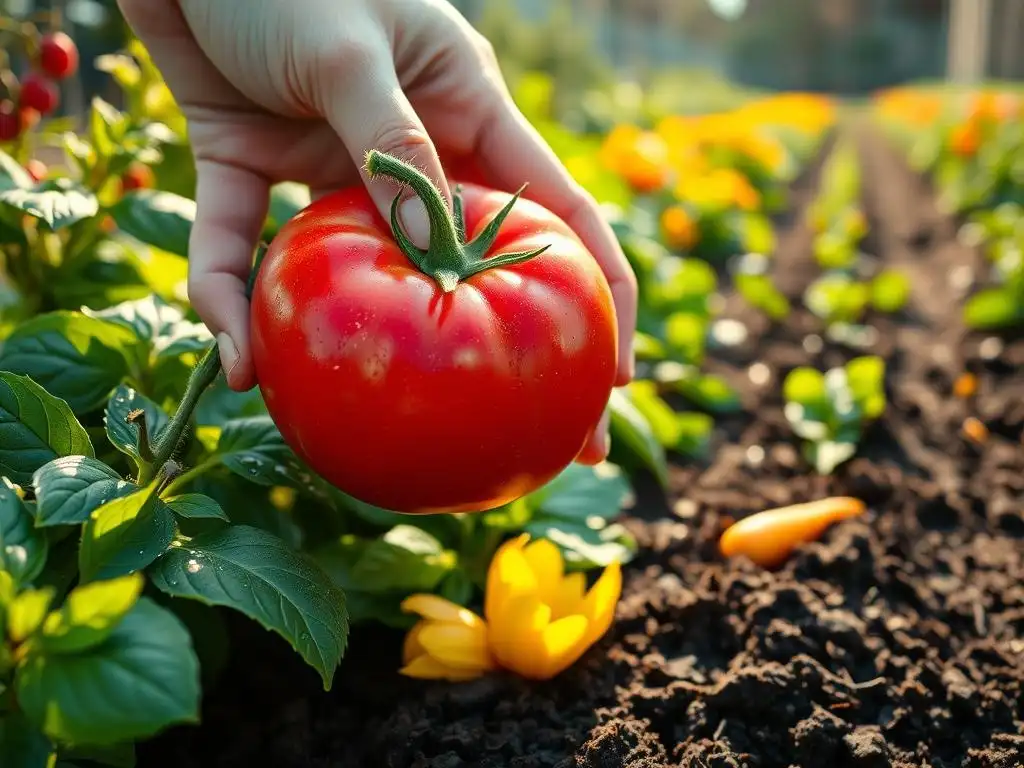
Welcome to CultivateYourFood, where your journey to a thriving, organic home garden begins! Are you ready to experience the unparalleled satisfaction of harvesting your own delicious fruits, vegetables, and herbs? Learn how to effortlessly grow organic vegetables in your home garden, fostering a deeper connection with nature while providing your family with the freshest, healthiest food imaginable. Discover sustainable techniques and practical tips, perfect for even the most novice gardener. Let's cultivate a greener, healthier future, together!
- Engaging Children in the Grow Organic Vegetables Home Garden Journey
- Nurturing Your Homegrown Vegetables: Essential Care Tips for Kids
- Harvesting Your Homegrown Bounty: The Sweet Reward of Organic Gardening
- From Garden to Plate: Simple Recipes for Kids
- The Educational Benefits of Growing Organic Vegetables Home Garden
- Expanding Your Homegrown Food Adventure: Future Gardening Projects
-
Frequently Asked Questions
- What are the benefits of growing organic vegetables at home?
- How much space do I need to grow organic vegetables at home?
- What are the essential steps to starting an organic vegetable garden?
- How can I control pests and diseases organically in my home garden?
- What are the best organic vegetables to grow for beginners?
- Final Reflection: Cultivating a Greener Future, One Seed at a Time
- Unleash Your Inner Gardener: Grow Your Own Delicious Harvest!
Engaging Children in the Grow Organic Vegetables Home Garden Journey
Growing your own food is a rewarding experience, connecting you directly to the source of your meals and fostering a deeper appreciation for nature's bounty. This is especially true when shared with children. Teaching kids about where food comes from—from seed to plate—is not only educational but also incredibly fun and enriching.
This article focuses on how to cultivate a grow organic vegetables home garden experience that's both engaging for children and effective in producing healthy, delicious vegetables using sustainable, organic methods. We'll cover everything from selecting the right plants to harvesting the fruits (and vegetables!) of your labor, transforming your home garden into a vibrant learning environment where kids can actively participate in the entire process.
This journey fosters responsibility, patience, and a lifelong love for fresh, organically grown produce, contributing to healthier eating habits and a greater understanding of environmental sustainability. Learning to grow organic vegetables at home is a gift that keeps on giving, enriching both your family and your community. 🌱
Starting Small: Choosing Easy-to-Grow Vegetables for Kids
Choosing the right vegetables is crucial for keeping young gardeners engaged. Begin with plants that are fast-growing, relatively low-maintenance, and offer a quick sense of accomplishment. Avoid overly complex or delicate varieties. Here are some excellent options:
- Radishes: These quick-growing root vegetables are perfect for impatient little hands. They sprout quickly and are ready for harvest in just a few weeks.
- Lettuce: Various lettuce varieties offer different textures and colors, making the experience visually appealing. Kids can enjoy watching the leaves unfurl.
- Cherry Tomatoes: These small tomatoes are easy to grow and produce a bountiful harvest, providing plenty of opportunities for snacking and experimenting with recipes.
- Zucchini: Known for its prolific growth, zucchini offers a fun surprise as it quickly grows into a large vegetable.
- Beans (bush beans): Bush beans are compact and easier to manage than pole beans, ideal for smaller garden spaces.
Remember to select organic seeds to ensure your vegetables are grown without harmful pesticides. Involving children in the selection process can also boost their excitement and ownership of the project.
Preparing the Soil: A Hands-On Approach to Organic Gardening for Children
Healthy soil is the foundation of a successful organic garden. Make soil preparation a family affair! Children can actively participate in several steps:
- Composting: Start a compost bin together using kitchen scraps and yard waste. This teaches kids about decomposition and the importance of recycling organic matter. Explain how composting enriches the soil and nourishes the plants. ♻️
- Soil Testing: Use a simple soil testing kit to determine the pH level and nutrient content. This introduces basic scientific concepts and highlights the importance of soil health.
- Mixing Soil Amendments: Incorporate compost, peat moss, and other organic amendments into the soil to improve its structure, drainage, and fertility. Children can help mix these ingredients together, learning about soil texture and its impact on plant growth.
- Preparing the Garden Bed: Children can help till the soil, remove weeds, and level the garden bed, getting a feel for the physical work involved in gardening. This is a great opportunity to talk about soil conservation and the importance of healthy soil.
Planting Seeds and Seedlings: A Fun and Educational Activity
Planting seeds and seedlings is a highly engaging activity for kids. Here's how to make it both fun and educational:
- Seed Starting: Start seeds indoors several weeks before the last frost. Children can help plant the seeds, water them, and observe their germination. This teaches patience and the importance of consistent care.
- Transplanting Seedlings: Once the seedlings have grown sufficiently, carefully transplant them into the garden bed. Children can learn about proper spacing and the importance of avoiding root damage.
- Watering and Weeding: Assign regular watering and weeding tasks to children, teaching them about the importance of consistent care and the impact of weeds on plant health. This fosters responsibility and a sense of ownership.
- Labeling Plants: Create plant markers together, labeling each plant with its name and planting date. This enhances the educational aspect and adds a personalized touch to the garden.
By involving children in every stage of the process, from preparing the soil to harvesting the vegetables, you're not just teaching them about gardening—you're cultivating a lifelong appreciation for healthy food, environmental stewardship, and the simple joys of nature. 👨👩👧👦
Nurturing Your Homegrown Vegetables: Essential Care Tips for Kids
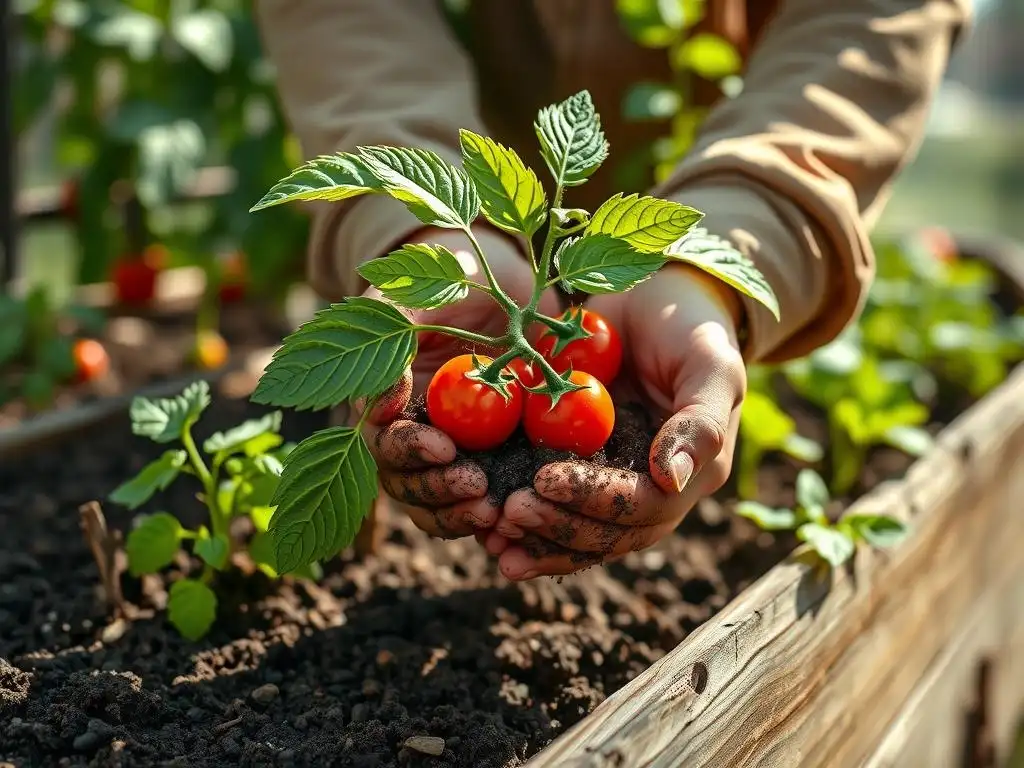
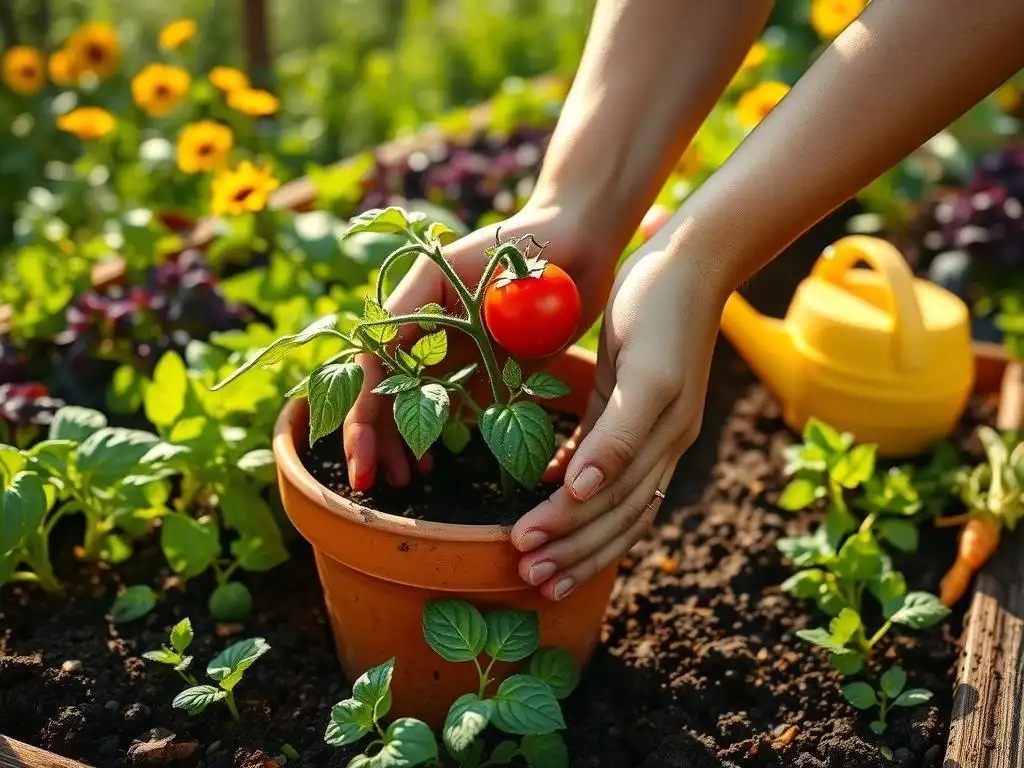
Growing organic vegetables at home offers children a unique opportunity to connect with nature and understand the origins of their food. This section focuses on simple yet crucial care tasks kids can perform, fostering a sense of responsibility and appreciation for the growing process. Remember, patience and consistent effort are key to a thriving "Grow organic vegetables home garden".
Watering and Weeding: Simple Tasks with Big Rewards
Watering and weeding are fundamental aspects of vegetable care, easily manageable by children with adult supervision. Consistent watering is vital, especially during hot and dry periods. Teach children to check the soil moisture before watering; a simple finger test can determine if the soil is dry enough. Overwatering can be detrimental, leading to root rot, so encourage them to water deeply but less frequently. A watering can with a rose head is ideal for gentle watering, minimizing soil erosion.
Weeding is equally important. Weeds compete with vegetables for nutrients, water, and sunlight, hindering their growth. Children can learn to identify weeds and gently pull them out by hand, ensuring they remove the entire root system to prevent regrowth. Make it a game – who can find the most weeds? This transforms a chore into a fun activity. Regular weeding, even just once a week, significantly improves the health and yield of your organic vegetables. Consider using a small trowel for stubborn weeds.
Protecting Plants from Pests: Natural Solutions for a Healthy Garden
Protecting your homegrown vegetables from pests is crucial for a successful harvest, and it’s a great opportunity to teach kids about ecological balance and integrated pest management (IPM). Avoid using harsh chemicals; instead, opt for natural, eco-friendly solutions.
Here are some kid-friendly pest control methods:
- Handpicking: Encourage children to gently pick off caterpillars, aphids, and other visible pests. This is a great way for them to observe insects up close and learn about their life cycles. Dispose of the pests in soapy water.
- Beneficial Insects: Introduce ladybug larvae or lacewings to your garden. These insects are natural predators of many common garden pests, providing a sustainable pest control solution. Kids can learn to identify these beneficial insects and appreciate their role in the ecosystem.
- Companion Planting: Planting certain plants together can deter pests. For example, basil planted near tomatoes helps repel tomato hornworms. This is a fantastic way to introduce children to the concept of symbiotic relationships in nature.
- Natural Sprays: Create a simple insecticidal spray using diluted neem oil or soapy water. Children can help mix the solution and apply it with a spray bottle, learning about safe handling and application techniques. Always supervise children when using any spray.
Observing Plant Growth: Documenting the Journey with Photos and Drawings
Observing plant growth is a rewarding experience for children, fostering patience and an appreciation for the natural world. Encourage them to regularly monitor their plants, noting changes in size, leaf shape, and flower development. A simple journal or notebook can serve as a record of their observations.
To enhance their learning experience, suggest the following activities:
- Photography: Take photos of the plants at different stages of growth, documenting their progress. This creates a visual record of their journey from seed to harvest.
- Drawings: Encourage children to draw their plants, adding notes about their observations, such as the color and texture of leaves, the appearance of flowers, and the presence of any insects.
- Measurements: Regularly measure the height and width of the plants, plotting this data on a graph to visualize their growth rate. This introduces simple data collection and analysis skills.
- Harvesting: Allow children to participate in harvesting, teaching them how to carefully pick ripe vegetables and fruits without damaging the plants. This is a rewarding experience and a tangible outcome of their efforts.
By engaging in these activities, children develop a deep understanding of the entire process of growing organic vegetables, fostering a lifelong appreciation for sustainable food production and the wonders of nature. This hands-on experience transforms learning about "Grow organic vegetables home garden" into a fun, educational adventure.
Harvesting Your Homegrown Bounty: The Sweet Reward of Organic Gardening
This section focuses on the exciting culmination of your efforts in growing organic vegetables in your home garden – the harvest! Successfully nurturing your plants from seedlings to maturity is incredibly rewarding, but knowing when and how to harvest is crucial for maximizing flavor and yield. This process is especially important when teaching children about the origin of their food; it connects the abstract concept of "growing food" to a tangible, delicious reality. The joy of harvesting homegrown organic vegetables is a powerful lesson in itself, fostering appreciation for nature's bounty and the effort involved in food production.
Recognizing When Vegetables are Ready to Harvest
Knowing the optimal harvest time for each vegetable is key to achieving the best flavor and texture. Overripe vegetables can be mushy and less flavorful, while harvesting too early can result in a poor yield and lack of taste. Here's a quick guide for some common vegetables:
- Tomatoes: Harvest tomatoes when they are fully colored and slightly soft to the touch. Avoid green tomatoes unless you plan to ripen them indoors.
- Cucumbers: Harvest cucumbers when they are firm and the desired size, typically before they become overly large and seedy. Regular harvesting encourages continued production.
- Zucchini/Squash: Harvest zucchini and summer squash when they are young and tender, about 6-8 inches long. Winter squash should be left on the vine until the skin hardens and becomes difficult to pierce with a fingernail.
- Lettuce: Harvest lettuce leaves as needed, starting from the outer leaves and working your way inwards. You can also harvest the entire head once it reaches maturity.
- Carrots: Harvest carrots when they reach their desired size and the tops are fully developed. Use a garden fork to gently loosen the soil before pulling them out.
Teaching children to observe these cues – color, size, firmness – is an excellent way to engage their senses and deepen their understanding of plant growth. Let them participate in checking the ripeness of vegetables, making it a fun and interactive learning experience. Consider creating a simple chart with pictures and descriptions of different vegetables at their optimal harvest stage. This visual aid will be a valuable tool for young gardeners.
Gentle Harvesting Techniques: Protecting Plants and Ensuring a Good Yield
Harvesting techniques are crucial, not only for the quality of the vegetables but also for the health of the plants. Rough handling can damage plants, reducing their ability to produce more. Here are some gentle harvesting methods:
| Vegetable Type | Harvesting Technique | Tips |
|---|---|---|
| Tomatoes | Twist gently at the stem | Use sharp pruning shears for difficult stems. |
| Cucumbers | Use a sharp knife to cut the stem | Cut cleanly to avoid damaging the plant. |
| Zucchini/Squash | Use a sharp knife to cut the stem | Leave a short stem attached to the fruit. |
| Lettuce | Cut the outer leaves or harvest the whole head | Avoid pulling leaves, which can damage the plant's root system. |
| Carrots | Use a garden fork to loosen the soil | Gently pull the carrots out, avoiding breakage. |
Remember to always wash your hands thoroughly before and after harvesting to maintain hygiene and prevent the spread of diseases. Encourage children to handle the plants gently, explaining how careful harvesting ensures a plentiful yield for weeks to come. This teaches responsibility and the importance of sustainable practices from a young age. The process of harvesting becomes a valuable lesson in cause and effect, reinforcing the connection between careful work and abundant rewards.
Celebrating the Harvest: Cooking and Sharing Homegrown Food
The final and most rewarding step is enjoying the fruits (and vegetables!) of your labor. Sharing the homegrown bounty with family and friends enhances the entire experience, transforming it from a gardening project into a meaningful social event. Involving children in the preparation of meals made with their homegrown organic vegetables reinforces the connection between their work and the food on their plates.
Here are some ideas to make the harvest celebration extra special:
- Cooking together: Involve children in age-appropriate tasks such as washing vegetables, stirring ingredients, or setting the table. This creates positive associations with healthy eating.
- Simple recipes: Choose recipes that showcase the fresh flavors of homegrown vegetables. A simple salad, a vegetable stir-fry, or even just a delicious tomato sandwich can be incredibly satisfying.
- Sharing the harvest: Give away some of your harvest to neighbors or friends. This act of generosity fosters community spirit and teaches children about sharing and giving back.
The experience of growing, harvesting, and sharing homegrown organic vegetables is a powerful tool for teaching children about food origins, sustainable practices, and the importance of healthy eating. It's a lesson that goes far beyond the garden, nurturing a lifelong appreciation for nature and a deeper understanding of where our food comes from. The entire process, from planting the seed to the final meal, becomes a valuable and memorable learning experience.
From Garden to Plate: Simple Recipes for Kids
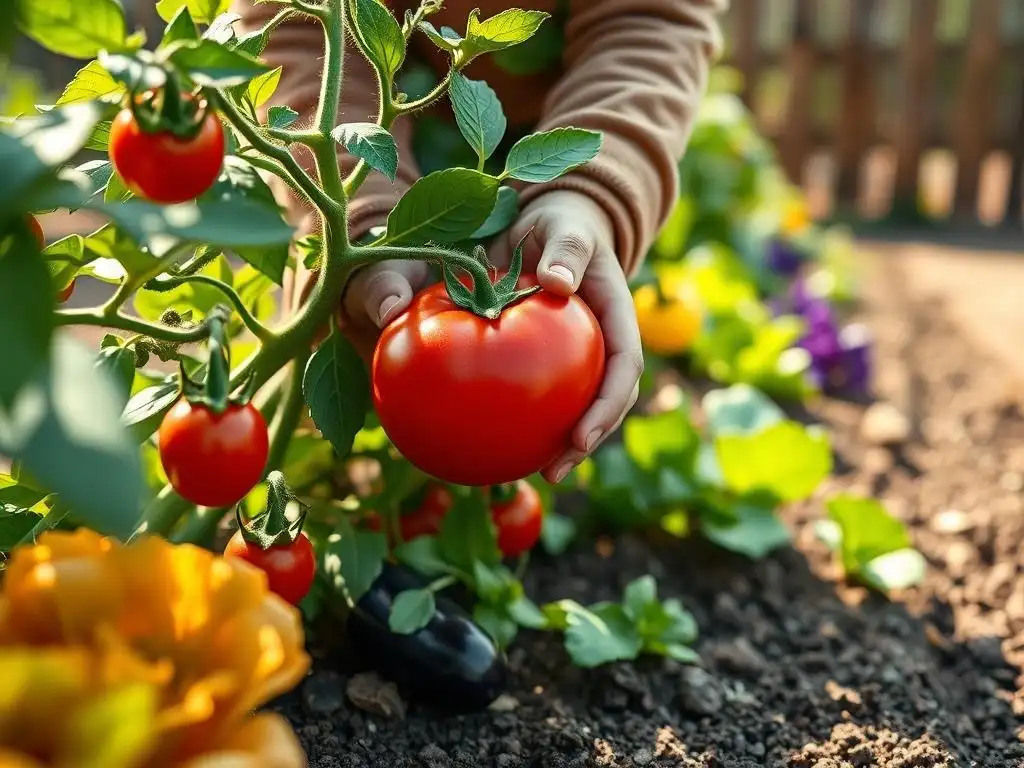
This section focuses on translating the bounty of your "grow organic vegetables home garden" into delicious and kid-friendly meals. We'll explore simple recipes that highlight the fresh flavors of homegrown produce, making the connection between garden and plate even more tangible for young ones. The emphasis is on easy preparation, minimizing cooking time, and maximizing the nutritional value of your organically grown vegetables.
Easy Vegetable Recipes Using Homegrown Ingredients
Let's start with some simple, yet exciting, recipes that even the youngest chefs can help prepare. Remember, the goal is to make cooking fun and engaging, not stressful!
Recipe 1: Rainbow Veggie Skewers
This recipe is perfect for utilizing a variety of colorful vegetables from your garden. It's visually appealing and encourages kids to try different flavors and textures.
- Ingredients: Cherry tomatoes, cucumber chunks, bell pepper squares (various colors), zucchini chunks, and your favorite kid-friendly dipping sauce (e.g., hummus, ranch dressing).
- Instructions: Wash and prepare the vegetables. Let the kids thread the vegetables onto skewers, creating colorful patterns. Serve with the dipping sauce. This is a great way to sneak in extra veggies! 🍅🥒🫑🥕
Recipe 2: Simple Tomato and Basil Bruschetta
This recipe highlights the fresh taste of homegrown tomatoes and basil. It’s a fantastic way to teach kids about the importance of fresh, seasonal ingredients.
- Ingredients: Sliced baguette, ripe homegrown tomatoes, fresh basil leaves, garlic (optional), olive oil, salt, and pepper.
- Instructions: Slice the baguette and toast lightly. Kids can help chop the tomatoes and basil (with supervision, of course!). Mix the tomatoes, basil, and garlic (if using) with olive oil, salt, and pepper. Spread the mixture onto the toasted baguette slices. This recipe is easily customizable; add some mozzarella cheese for extra flavor! 🥖🍅🌿
Recipe 3: Mini Frittatas with Garden Vegetables
This recipe is a great way to use up leftover vegetables and teach kids about egg cooking. It’s also highly adaptable – use whatever vegetables you have on hand!
- Ingredients: Eggs, milk or cream, chopped homegrown vegetables (onions, peppers, spinach, etc. ), cheese (optional), salt, and pepper.
- Instructions: Whisk together eggs, milk/cream, salt, and pepper. Add chopped vegetables and cheese (if using). Pour the mixture into mini muffin tins and bake until set. Kids can help measure ingredients and pour the mixture into the tins. A fun and healthy snack or light meal! 🥚🍳
Remember to always supervise children in the kitchen and teach them about food safety. Adjust ingredient quantities according to the number of children and their appetites. The key is to keep it simple, fun, and educational!
Involving Kids in the Cooking Process: Building Life Skills
Beyond the delicious results, involving children in the cooking process offers numerous benefits for their development. It's a fantastic opportunity to cultivate essential life skills while fostering a deeper appreciation for "grow organic vegetables home garden" and healthy eating habits.
Participating in preparing meals teaches children valuable skills, such as:
- Following instructions: Recipes provide a structured framework for learning to follow instructions carefully and methodically. This translates to improved attention to detail and organizational skills in other areas of their lives.
- Measurement and math skills: Measuring ingredients provides hands-on practice with fractions, estimations, and basic arithmetic. It makes learning math more engaging and relatable.
- Fine motor skills: Chopping vegetables (with supervision), stirring, and mixing require dexterity and precision, enhancing fine motor development.
- Problem-solving: If something goes wrong in the cooking process (e.g., a vegetable is overcooked), it's an opportunity to learn problem-solving skills and adapt.
- Responsibility and independence: Allowing children to take ownership of tasks (e.g., washing vegetables, setting the table) fosters a sense of responsibility and independence.
Furthermore, sharing the cooking experience creates opportunities for bonding and communication. It's a chance to talk about nutrition, where food comes from, and the importance of healthy eating habits. By making cooking a family affair, you're not just preparing a meal; you're building memories and laying the foundation for a lifetime of healthy habits.
The joy of tasting the fruits (and vegetables!) of their labor is an unparalleled reward, solidifying the connection between their "grow organic vegetables home garden" and a healthy, fulfilling lifestyle. This approach cultivates a deeper understanding and appreciation for the entire process, from planting the seeds to enjoying the final, delicious product.
The Educational Benefits of Growing Organic Vegetables Home Garden
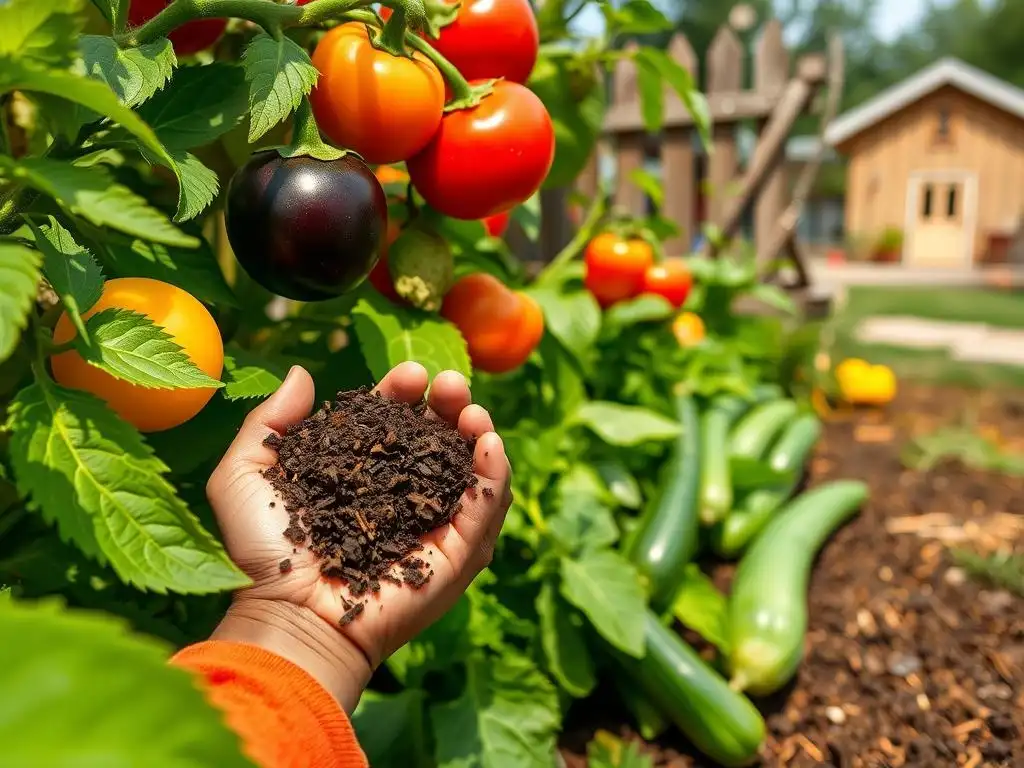
Growing your own organic vegetables at home offers a wealth of educational opportunities for children, extending far beyond simply learning about plants. It's a hands-on experience that fosters crucial skills and understanding, shaping their relationship with food and the environment for years to come. This section delves into the specific educational benefits, showcasing how cultivating a home garden can be a powerful learning tool.
We'll explore the multifaceted ways this activity contributes to a child's overall development, emphasizing the unique advantages of an organic approach. The benefits are numerous and impactful, making it a truly enriching experience for young learners.
Connecting Kids to Nature: Fostering Appreciation for the Environment
Cultivating a home garden organically connects children directly with the natural world. They witness firsthand the life cycle of plants, from tiny seeds to mature vegetables ready for harvest. This immersive experience fosters a deep appreciation for nature's processes and the delicate balance of ecosystems. Children learn about the importance of soil health, water conservation, and biodiversity – all crucial aspects of environmental stewardship.
They understand the impact of their actions on the environment and develop a sense of responsibility towards sustainability. For example, observing the growth of a tomato plant from seed to fruit provides a concrete understanding of the time, care, and natural resources involved in food production. This contrasts sharply with the often-abstracted experience of purchasing food from a supermarket.
Furthermore, actively participating in composting teaches them about decomposition and nutrient cycling, essential components of a healthy ecosystem. The hands-on experience reinforces the lessons learned, making them more memorable and impactful. This organic approach specifically highlights the importance of avoiding harmful pesticides and fertilizers, promoting a healthier environment for themselves and beneficial insects alike.
Understanding the Food System: Where Food Comes From
Growing organic vegetables provides a unique opportunity to demystify the food system for children. Many children are disconnected from the origins of their food, unaware of the journey from farm to table. A home garden vividly illustrates this process, allowing them to trace the path of their food from seed to plate.
They learn about the effort required to grow food, the importance of healthy soil, and the impact of weather and other environmental factors. This understanding fosters a greater appreciation for the work of farmers and the value of fresh, locally sourced produce. For instance, experiencing a poor harvest due to unforeseen weather conditions helps them understand the challenges faced by farmers and the importance of sustainable agricultural practices.
They learn to appreciate the complexities involved in food production, moving beyond the simple act of purchasing food at the grocery store. The organic aspect emphasizes the importance of avoiding artificial additives and the benefits of natural growing methods. This knowledge empowers them to make informed choices about their food and encourage others to do the same.
Building Healthy Eating Habits: Encouraging Consumption of Fresh Produce
Children are more likely to eat fruits and vegetables if they are involved in growing them. A home garden provides a hands-on experience that connects them with their food in a tangible way. The pride and satisfaction of harvesting their own produce encourages them to try new vegetables and appreciate the taste and nutritional value of fresh, organically grown food. This can lead to healthier eating habits and a lifelong preference for fresh produce over processed foods.
For example, a child who helped plant and care for a zucchini plant is more likely to enthusiastically try the zucchini harvested from that very plant. The sensory experience of touching, smelling, and tasting their homegrown vegetables creates a positive association with these foods. The organic approach underscores the health benefits of avoiding pesticides and consuming nutrient-rich, naturally grown foods.
This fosters a deeper understanding of the link between healthy eating and overall well-being. Observing the vibrant colors and textures of organically grown vegetables further enhances their appeal and encourages consumption. The entire process, from planting to harvesting, cultivates a sense of accomplishment and promotes a healthier relationship with food.
Expanding Your Homegrown Food Adventure: Future Gardening Projects
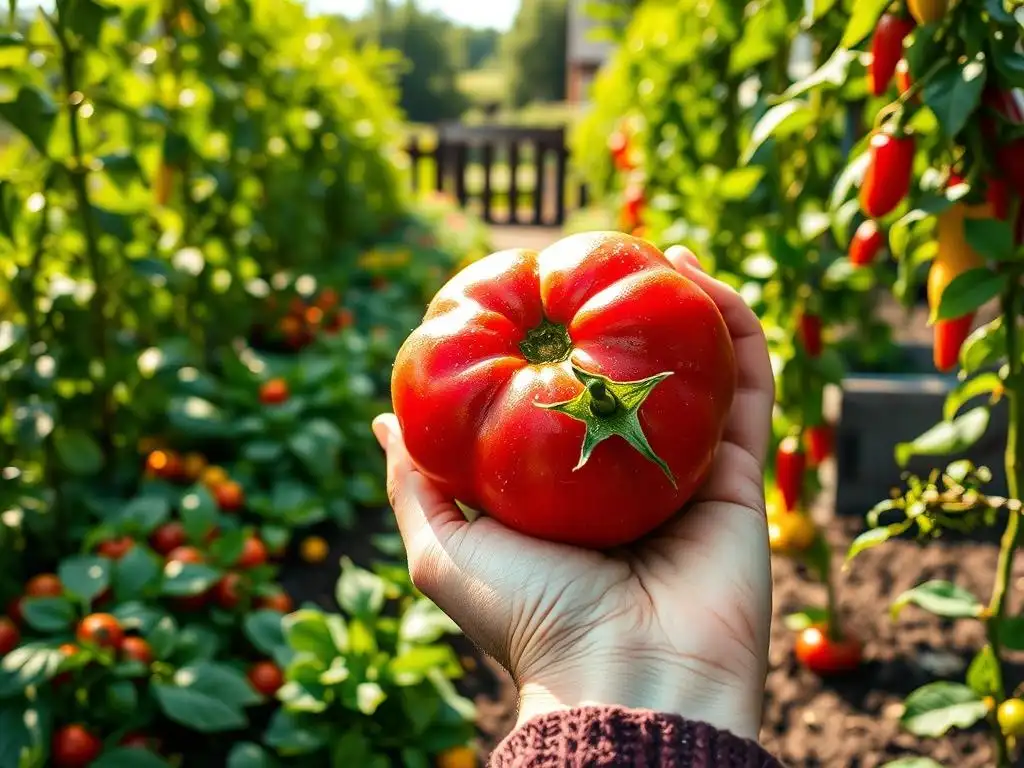
This section focuses on expanding your home garden's capabilities, building on the initial success of growing organic vegetables. It's about fostering a lifelong love of gardening in your children while teaching valuable lessons in sustainability and environmental responsibility. The goal is to transition from simply growing vegetables to understanding the entire lifecycle of food production, from seed to table. This involves exploration, planning, and continued learning – all crucial aspects of cultivating a thriving and enriching home garden.
Exploring Different Vegetables and Herbs
Expanding your homegrown vegetable selection is a fantastic way to keep children engaged and excited about gardening. Introduce them to the diversity of the plant kingdom! Start with vegetables that are easy to grow and visually appealing, such as:
- Radishes: Quick growing and satisfying to harvest, they provide instant gratification for young gardeners. Their vibrant colors are visually stimulating for children.
- Cherry Tomatoes: These small, sweet tomatoes are fun to pick and eat straight from the vine, creating a direct connection between effort and reward.
- Zucchini: A prolific producer, zucchini offers opportunities to learn about abundance and the importance of sharing the harvest.
- Basil: This fragrant herb is easy to grow and adds a delightful flavor to many dishes, engaging children’s senses.
- Lettuce: Different varieties offer a colorful and textural experience, teaching children about biodiversity within a single plant species.
Consider creating a “vegetable passport” where kids can track the different vegetables and herbs they grow, drawing pictures and noting harvest dates. This adds a fun, educational element to the process. Remember to choose varieties appropriate for your climate and growing season. Researching together is a great way to bond and learn more about growing organic vegetables home garden.
Creating a Compost Bin: Recycling and Sustainable Practices
Composting is a fantastic way to teach children about recycling and sustainable practices. A compost bin transforms kitchen scraps and yard waste into nutrient-rich soil, reducing waste and enriching the garden. Building a compost bin together is a hands-on project that teaches valuable skills. Here's how to approach it:
- Choose a location: Select a shaded area with good drainage.
- Materials: You can use readily available materials like pallets, wire mesh, or even repurposed containers. Consider using a three-bin system for efficient composting.
- Layering: Teach children about layering "browns" (dry materials like leaves and twigs) and "greens" (wet materials like fruit and vegetable scraps). Proper layering ensures efficient decomposition.
- Maintenance: Regularly turning the compost helps to aerate it and speed up the decomposition process. This is a great opportunity to involve children in the ongoing care of the compost.
- Harvesting: Once the compost is dark and crumbly (usually after several months), it's ready to use! This enriches the soil and promotes healthy plant growth, demonstrating the circular nature of organic gardening.
This process teaches children about the interconnectedness of nature and the importance of responsible waste management, reinforcing the principles of growing organic vegetables in a home garden.
Year-Round Gardening: Planning for Seasonal Changes
Extending your gardening activities beyond a single season requires planning and understanding your local climate. Teaching children about seasonal changes and adapting gardening practices accordingly is a valuable lesson in adaptability and resilience.
- Cold Frames & Greenhouses: For extending the growing season in colder climates, consider using cold frames or small greenhouses. These structures provide protection from frost and allow for earlier planting and later harvesting. This teaches children about modifying their environment to support plant growth.
- Succession Planting: Plan to plant new crops as others finish their cycles. This ensures a continuous harvest and keeps the garden lively throughout the year. This planning aspect introduces children to the concept of long-term gardening strategies.
- Indoor Gardening: Certain herbs and vegetables can be grown indoors year-round in pots or containers. This introduces the concept of controlled environments and the possibilities of indoor gardening. This is perfect for herbs like basil or chives.
- Seed Saving: Saving seeds from your harvest is a rewarding activity that teaches children about plant reproduction and the importance of biodiversity. This emphasizes the self-sufficiency aspect of growing organic vegetables in the home garden.
By incorporating these strategies, children learn that gardening is not limited to a specific season, but rather an ongoing process of adaptation and learning, fostering a deeper understanding of growing organic vegetables in their home garden.
Frequently Asked Questions
What are the benefits of growing organic vegetables at home?
Growing your own organic vegetables offers numerous benefits! You'll enjoy fresher, tastier produce, knowing exactly what went into growing it. Plus, it's a rewarding and sustainable way to connect with nature.
How much space do I need to grow organic vegetables at home?
The space needed depends on your goals. Even a small balcony or window box can yield a surprising harvest with careful planning. You can successfully grow vegetables in containers, raised beds, or a traditional garden plot.
What are the essential steps to starting an organic vegetable garden?
Begin by choosing a sunny location and preparing the soil with compost. Select suitable seeds or seedlings for your climate and available space. Regular watering and weeding are crucial for success.
How can I control pests and diseases organically in my home garden?
Employ natural pest control methods like companion planting, introducing beneficial insects, and using homemade sprays. Regular inspection and prompt action are key to preventing major infestations.
What are the best organic vegetables to grow for beginners?
Easy-to-grow options for beginners include leafy greens like lettuce and spinach, along with bush beans and radishes. These require less specialized care and offer quick results, boosting your confidence.
Final Reflection: Cultivating a Greener Future, One Seed at a Time
The resurgence of home gardening isn't just a trend; it's a vital movement towards reclaiming our connection with nature and fostering a more sustainable food system. The ability to grow your own organic vegetables, once a commonplace skill, is now a powerful act of self-sufficiency and environmental responsibility in a world grappling with climate change and food insecurity. This renewed interest in homegrown food offers a tangible solution to many of the challenges we face.
The journey from seed to plate is more than just a process; it's a deeply enriching experience that fosters a profound appreciation for the natural world. It connects us to the rhythms of the seasons, teaches patience and resilience, and allows us to savor the unparalleled taste of truly fresh produce. As Wendell Berry so eloquently stated, Eating is an agricultural act.
This simple truth underscores the profound impact our food choices have on the environment and our own well-being, highlighting the importance of knowing where our food comes from and how it's grown.
Now, consider your own space, however small. Imagine the vibrant colors of homegrown tomatoes, the satisfying crunch of freshly picked carrots, the fragrant herbs adding life to your meals. You have the power to cultivate not only food, but also a deeper connection with nature and a healthier lifestyle.
Start small, begin with a single herb pot on your windowsill, or a small patch of land in your backyard. Embrace the learning process, celebrate the small victories, and discover the magic of growing your own organic vegetables. The rewards extend far beyond the delicious harvest; they nourish your soul and contribute to a more sustainable future for all.
Unleash Your Inner Gardener: Grow Your Own Delicious Harvest!
Thank you for joining us on this journey into the rewarding world of homegrown food! We hope you've discovered the joy and satisfaction of cultivating your own delicious ingredients. Now it's time to put your newfound knowledge into practice.
- Start small, but start now! Begin with an easy-to-grow herb or vegetable, such as basil or cherry tomatoes. Even a small window box can provide a rewarding space to nurture your plants. This small step is the first taste of your future harvest.
- Share your gardening journey! Tell us about the plants you've chosen and your gardening goals in the comments below – we'd love to hear your ideas and offer our support.
- Explore our website for more helpful tips, recipes, and inspiration! Discover a wide range of vegetables and herbs suitable for your climate and the space you have available.
What simple step will you take today to bring the magic of homegrown food to your table?