
Chicken Health and Wellness: Essential Tips for Owners

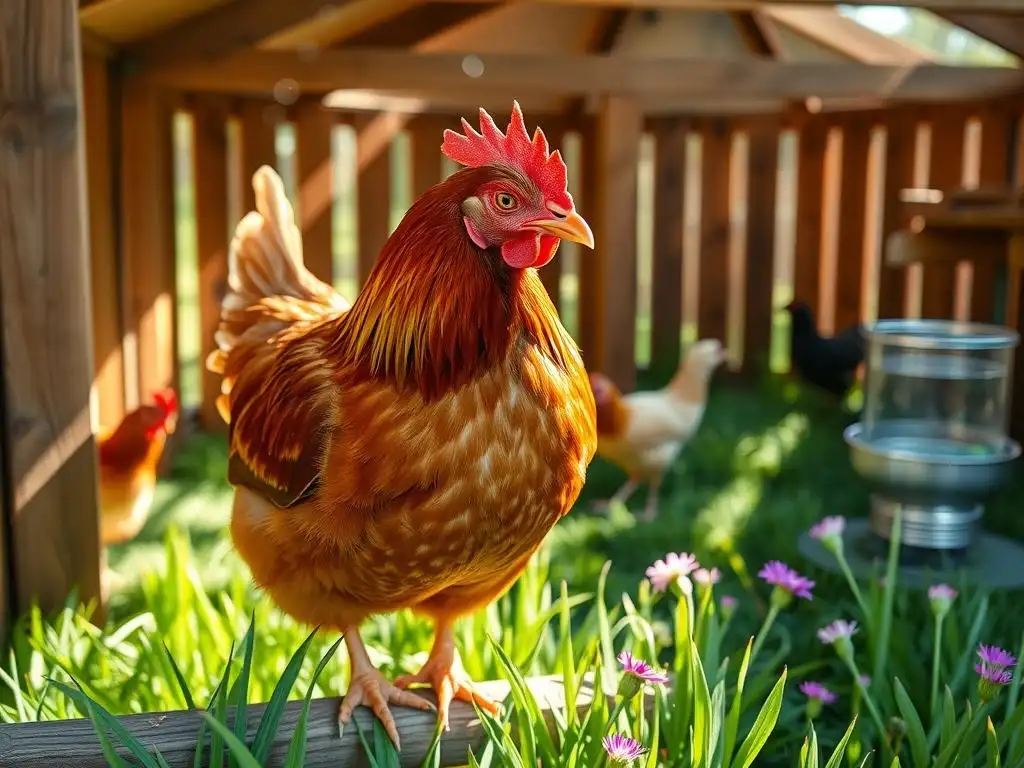
Ready to transform your backyard into a thriving ecosystem? At CultivateYourFood, we empower you to grow your own food organically and sustainably. But did you know integrating animals can supercharge your garden's productivity? Discover the secrets to happy, healthy hens with our comprehensive Healthy Backyard Chickens Guide, a vital resource for anyone looking to integrate poultry into their home garden and reap the rewards of fresh eggs and rich compost. Learn how to create a flourishing environment for both your birds and your crops – your journey to a self-sufficient and vibrant food system starts here.
- Understanding Your Backyard Chickens' Needs
- Housing and Environment
- Daily Care and Monitoring
- Natural Pest and Parasite Control
- Breeding and Flock Management
- Seeking Veterinary Care
- Creating a Sustainable Ecosystem
- Frequently Asked Questions
- Final Reflection: Cultivating a Flourishing Flock
- Unlock Your Chicken's Full Potential!
Understanding Your Backyard Chickens' Needs
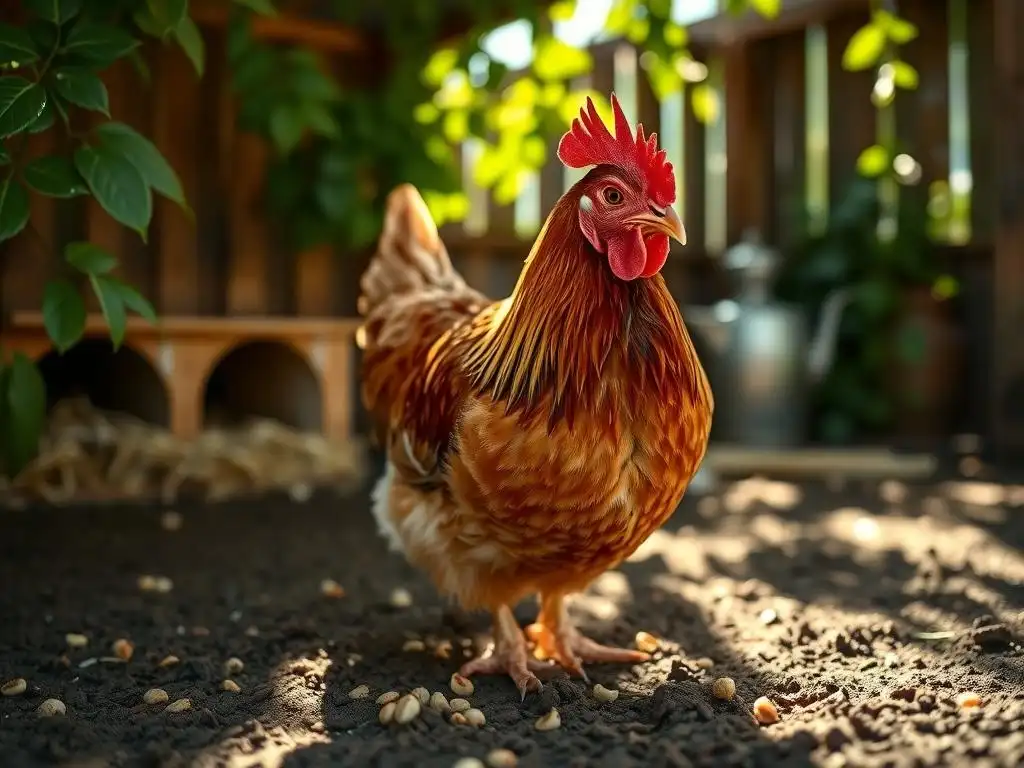
Raising healthy, happy backyard chickens offers numerous rewards, from fresh, organic eggs to natural pest control in your garden. This comprehensive guide, focusing on a holistic approach to chicken wellness, will equip you with the knowledge and practices necessary to ensure your flock thrives. We'll delve into crucial aspects of chicken care, from understanding their nutritional requirements to implementing effective biosecurity measures.
By following these sustainable and organic practices, you'll contribute to both the well-being of your birds and the health of your garden ecosystem. This guide serves as a cornerstone for your journey toward achieving a thriving and productive backyard chicken operation, directly impacting the success of your "Healthy backyard chickens" endeavor. Let's explore the key elements of ensuring your chickens flourish.
Nutritional Requirements for Healthy Chickens
Providing your chickens with a balanced and nutritious diet is paramount to their overall health and egg production. A diet lacking essential nutrients can lead to a weakened immune system, making them susceptible to diseases. The foundation of a healthy chicken diet should consist of high-quality feed formulated specifically for laying hens. This commercial feed provides a balanced mix of proteins, carbohydrates, fats, vitamins, and minerals. However, supplementing their diet with natural, organic options significantly enhances their well-being.
Consider incorporating these additions to their daily feed:
- Scratch grains: These provide a source of fiber and energy, mimicking their natural foraging behavior. Examples include cracked corn, wheat, oats, and barley.
- Vegetables and fruits: Offer a variety of scraps, such as leafy greens (kale, spinach, lettuce), chopped fruits (apples, berries), and vegetable scraps (avoiding avocados and potatoes). These provide vitamins and antioxidants.
- Insects and worms: Allowing chickens access to free-range foraging provides them with a natural source of protein and essential nutrients. This also contributes to natural pest control in your garden.
- Grit: Essential for proper digestion, grit helps chickens grind their food. Provide access to a grit feeder containing oyster shell or granite grit.
Remember to always provide fresh, clean water at all times. Water is essential for digestion, thermoregulation, and overall health. Monitor their feed and water intake, adjusting amounts based on the age, breed, and environmental conditions. A well-nourished chicken is a healthy chicken, and a healthy chicken is a productive chicken! 🐔
Identifying Common Chicken Illnesses
Recognizing the signs of common chicken illnesses is crucial for prompt treatment and preventing outbreaks within your flock. Early detection significantly improves the chances of a successful recovery. Some common illnesses to watch out for include:
- Respiratory infections: Symptoms include sneezing, coughing, gasping for air, and nasal discharge. These infections can be caused by various bacteria, viruses, or parasites.
- Coccidiosis: A parasitic infection affecting the intestines, leading to diarrhea, weight loss, and lethargy.
- Worms: Internal parasites, such as roundworms and tapeworms, can cause poor growth, pale combs and wattles, and decreased egg production.
- Fowl pox: A viral infection causing wart-like lesions on the comb, wattles, and skin.
- Marek's disease: A viral disease affecting the nervous system, leading to paralysis and death.
It's important to consult with a veterinarian specializing in avian medicine at the first sign of illness. They can provide accurate diagnoses and prescribe appropriate treatment. Regular observation of your chickens' behavior, examining their droppings, and monitoring their overall appearance are key preventative measures. A healthy flock is a vigilant flock! 👀
Biosecurity and Hygiene Practices for Disease Prevention
Implementing robust biosecurity and hygiene practices is essential in preventing the introduction and spread of diseases within your flock. Proactive measures are far more effective than reactive treatments. Consider these key practices:
- Quarantine new birds: Always quarantine any new chickens for at least 30 days before introducing them to your existing flock. This helps prevent the introduction of diseases from outside sources.
- Regular cleaning and disinfection: Clean and disinfect your chicken coop and runs regularly, removing any soiled bedding and waste. Use appropriate disinfectants, following label instructions carefully.
- Pest control: Implement measures to control rodents and insects, which can carry diseases. This includes maintaining a clean environment and using appropriate traps or deterrents.
- Footbaths: Place footbaths containing disinfectant solutions at the entrances to your chicken coop and runs. This helps to remove pathogens from the birds' feet.
- Hand washing: Always wash your hands thoroughly before and after handling your chickens or their equipment. This prevents the spread of germs between you and your flock.
Remember, prevention is always better than cure. By adopting these biosecurity practices, you'll create a healthier and safer environment for your chickens, minimizing the risk of disease outbreaks and ensuring a thriving flock for years to come. A clean coop is a happy coop! 🧼
Housing and Environment
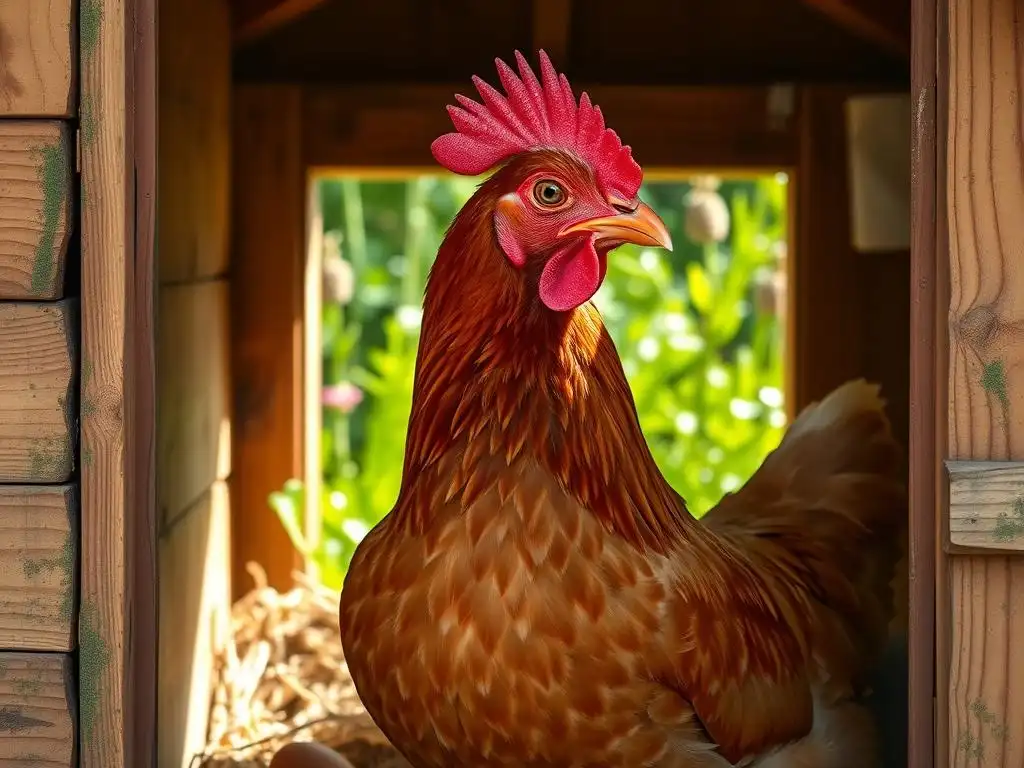
This section focuses on creating a safe, comfortable, and hygienic environment for your backyard chickens – a crucial aspect of a "Healthy backyard chickens guide". Proper housing significantly impacts their health, productivity (egg-laying! ), and overall well-being. Neglecting these factors can lead to disease, stress, and reduced egg production. Let's delve into the specifics.
Coop Design Considerations for Chicken Safety and Comfort
The design of your chicken coop is paramount. A poorly designed coop can leave your flock vulnerable to predators, weather extremes, and disease. Prioritize safety and comfort when planning your coop's construction.
Several key considerations are essential:
- Predator Protection: Robust construction is vital. Use strong materials, secure latches, and consider hardware cloth (small mesh wire) to prevent weasels, raccoons, and other predators from accessing your chickens. Elevated coops can also deter some ground predators. Think about burying hardware cloth around the base of the coop to prevent digging.
- Weather Protection: The coop needs to shield chickens from both extreme heat and cold. Proper insulation is crucial in colder climates. Good ventilation is equally important to prevent the buildup of ammonia and moisture, which can lead to respiratory problems. In hot climates, shade and adequate ventilation are essential to prevent heat stress.
- Easy Cleaning: Design the coop with cleaning in mind. Removable roosts, nesting boxes, and flooring make cleaning significantly easier and more efficient. Consider using materials that are easy to disinfect, such as smooth, sealed wood or plastic.
- Comfortable Roosting Bars: Chickens need comfortable places to roost at night. Provide roosting bars of varying heights and widths to accommodate different preferences and sizes within your flock. The bars should be slightly rounded to prevent foot injuries.
Space Requirements per Chicken and Adequate Ventilation
Sufficient space and proper ventilation are critical for maintaining a healthy flock. Overcrowding can lead to stress, pecking order issues, and the spread of disease. Underestimating space needs is a common mistake among new chicken keepers.
- Space Requirements: A general guideline is to provide at least 4 square feet of floor space per chicken in the coop itself. This can vary based on breed size and climate. Larger breeds naturally require more space. Additionally, provide ample outdoor run space, ideally at least 8-10 square feet per chicken. This allows for foraging, exercise, and dust bathing, which are essential for their health and well-being.
- Ventilation: Poor ventilation leads to a buildup of ammonia from chicken droppings, creating a harmful and unpleasant environment. Adequate ventilation helps maintain a healthy air quality within the coop. This can be achieved through strategically placed vents, windows, or even just open sides (depending on climate and predator concerns). Ensure air circulation without creating drafts that could chill your chickens.
Maintaining Coop Cleanliness and Hygiene
Regular coop cleaning is non-negotiable for maintaining a healthy flock. Accumulated droppings and spilled feed create an ideal breeding ground for parasites and diseases. A schedule of regular cleaning will help prevent issues and keep your chickens healthy and happy.
- Daily Chores: Remove fresh droppings daily from the coop floor. This significantly reduces the ammonia buildup and keeps the environment cleaner. Top up feed and water as needed.
- Weekly Cleaning: Once a week, thoroughly clean the nesting boxes, replacing soiled bedding with fresh material like straw or wood shavings. Spot clean any areas with excessive droppings or spilled feed.
- Deep Cleaning: Every few months (or more frequently if needed), perform a deep clean of the entire coop. Remove all bedding, thoroughly scrub and disinfect all surfaces using a poultry-safe disinfectant. Allow the coop to dry completely before adding fresh bedding.
- Pest Control: Regularly check for pests like mites or lice. These parasites can cause significant health problems for your chickens. Implement appropriate pest control measures if needed, following safe and organic practices. This is especially important for maintaining a truly "Healthy backyard chickens guide". Remember, prevention is key! 🐔
Effective Predator Prevention Strategies
Protecting your flock from predators is paramount for maintaining a healthy and thriving backyard chicken operation. A well-secured coop and run are your first lines of defense against common threats like foxes, raccoons, weasels, and even birds of prey. Neglecting proper predator prevention can lead to significant losses, both financially and emotionally. The stress of constant threat can also negatively impact your hens' egg production and overall well-being. Therefore, a multi-layered approach is crucial.
One key aspect is ensuring your coop is robust and predator-proof. This involves using strong materials like heavy-gauge wire mesh (with small enough gaps to prevent smaller predators from entering) for the walls and roof. The run should also be similarly secure, buried at least a foot deep to prevent digging predators from accessing the chickens.
Regularly inspect for any damage or weaknesses in the fencing, repairing any holes promptly to maintain the coop's integrity. Consider adding additional layers of protection, such as hardware cloth around the base of the coop to prevent digging, or using electric netting around the perimeter of the run to deter predators.
Beyond physical barriers, employing other deterrent strategies can significantly enhance your flock's safety. Motion-activated lights and sprinklers can startle and frighten potential predators away. The sudden noise and movement can disrupt their hunting patterns, making them less likely to approach.
Similarly, installing a guard animal, such as a livestock guardian dog, can provide a strong deterrent and even actively protect your chickens. Choosing the right breed of dog is important, as some are better suited for this role than others. Remember that proper training and socialization of the guardian dog are crucial for the safety of both the chickens and your family.
Another effective strategy involves eliminating potential attractants that might lure predators to your property. This includes regularly cleaning up spilled feed, removing potential hiding places near the coop, and keeping the surrounding area free of debris. Good sanitation practices not only reduce the risk of attracting predators but also contribute to a healthier environment for your chickens.
Regularly trimming overgrown vegetation near the coop can also help improve visibility and reduce potential hiding spots for predators. Remember, a clean and well-maintained environment is less appealing to unwelcome visitors. By implementing these diverse strategies, you can significantly improve the safety and security of your chickens, contributing to their overall health and well-being, a key element in any successful "healthy backyard chickens guide."
Daily Care and Monitoring
Maintaining the health and well-being of your backyard chickens is crucial for a successful and productive flock. A "Healthy backyard chickens guide" emphasizes consistent daily care, proactive monitoring, and swift action when issues arise. Neglecting even seemingly minor aspects can lead to significant health problems down the line, impacting egg production, bird longevity, and overall flock vitality. This section focuses on the daily practices that form the cornerstone of a healthy chicken lifestyle.
Observing Chickens for Signs of Illness
Early detection is key to effective chicken disease management. Regular observation is paramount in identifying subtle changes in behavior or physical appearance that might indicate illness. A healthy chicken is active, alert, and maintains a bright, shiny plumage. Conversely, signs of illness can manifest in several ways. For instance, lethargy, ruffled feathers, loss of appetite, respiratory distress (gasping, wheezing), diarrhea, or unusual droppings (color, consistency, or presence of blood) are all serious red flags.
Changes in behavior, such as isolation from the flock, difficulty walking or standing, or significant weight loss, should also prompt immediate attention. Pay close attention to the chickens' eyes; cloudy or watery eyes could indicate an infection. Similarly, examine their combs and wattles; pale, shrunken combs can point to anemia or other underlying health issues. Keeping detailed records of your observations can be invaluable in tracking potential problems and informing veterinary consultations.
This diligent monitoring is a fundamental aspect of a comprehensive "Healthy backyard chickens guide." Remember, early intervention dramatically improves the chances of a successful outcome. Don't hesitate to consult an avian veterinarian if you're uncertain about the significance of any observed changes.
Regular Health Check Routine for Early Detection
Establishing a consistent health check routine is crucial for identifying potential problems before they escalate. Ideally, perform a brief visual inspection of each bird daily. This involves checking for:
- Body condition: Is the bird appropriately plump or showing signs of weight loss?
- Feather condition: Are the feathers smooth, shiny, and free from parasites? Look for any signs of feather picking or damage.
- Comb and wattle color: Are they a healthy red or showing signs of paleness or discoloration?
- Eye clarity: Are the eyes bright and clear or cloudy and watery?
- Respiratory system: Is the bird breathing normally or exhibiting any signs of labored breathing?
- Droppings: Are the droppings normal in consistency and color?
At least once a week, conduct a more thorough examination. This might include gently palpating the abdomen to check for any abnormalities, examining the feet and legs for injuries or deformities, and carefully inspecting the beak and mouth for any lesions or infections. A systematic approach, documented in a simple logbook, will help you track changes over time and provide valuable data for identifying potential health issues early. This detailed approach forms a core component of any effective "Healthy backyard chickens guide." Remember that prevention is always better than cure.
Daily Provision of Fresh Water and Quality Feed
Providing your chickens with access to clean, fresh water and high-quality feed is fundamental to their health and well-being. Dehydration can quickly lead to health complications, while inadequate nutrition compromises their immune system and egg production.
Water should be provided in multiple locations, especially during hot weather, using containers that are easy to clean and refill. Ensure that the water is always fresh and free from contamination. Consider using multiple waterers to avoid overcrowding and ensure that all birds have easy access. Regularly clean and disinfect the waterers to prevent the growth of harmful bacteria.
Feed should consist of a balanced commercial chicken feed that meets the nutritional needs of your birds at their specific life stage (laying hens, growing chicks, etc.). Supplementing with appropriate treats, such as kitchen scraps (in moderation), can add variety to their diet. However, always ensure that these supplements are clean and free from harmful substances. Avoid feeding moldy or spoiled food, which can cause serious illness. A well-nourished chicken is a healthy chicken, contributing significantly to a thriving flock. This aspect of daily care is a cornerstone of any reputable "Healthy backyard chickens guide."
Natural Pest and Parasite Control
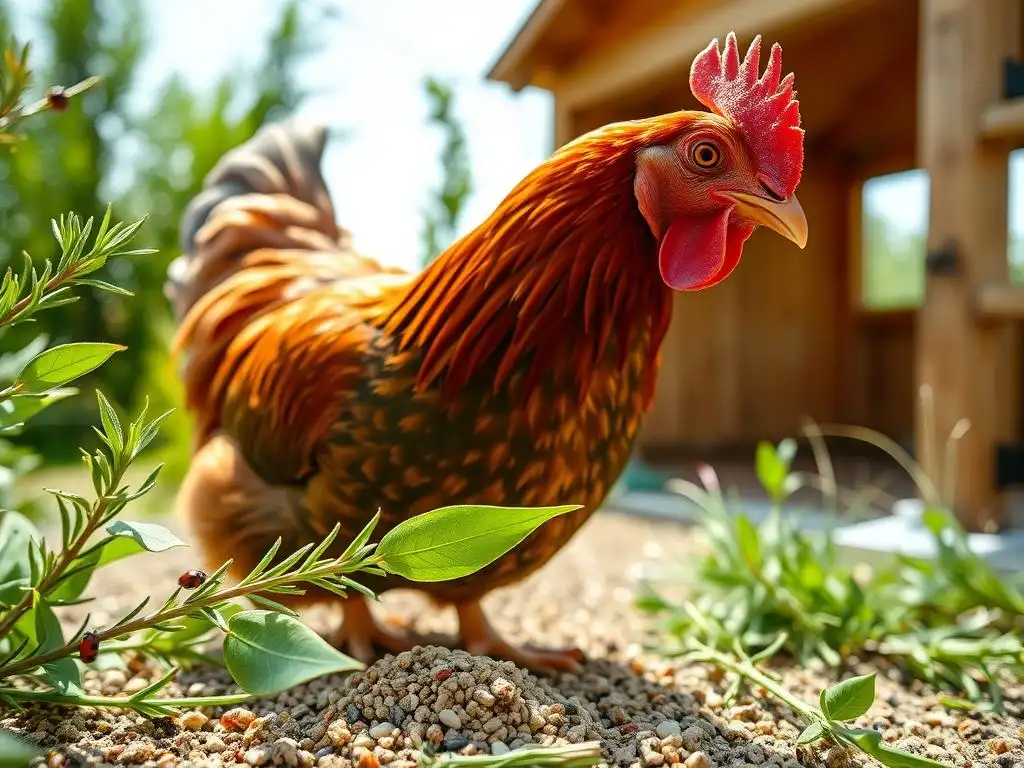
Maintaining a healthy flock is crucial for successful backyard chicken keeping, and a significant part of that involves proactive pest and parasite control. A healthy "Healthy backyard chickens guide" emphasizes prevention as much as cure. Neglecting parasite management can lead to decreased egg production, weakened birds, and even mortality. This section focuses on natural methods to keep your chickens healthy and thriving. We'll delve into identifying common issues and exploring effective, sustainable solutions.
Identifying and Treating Common Parasites (Mites, Lice, Worms)
Parasites are a common problem for chickens, significantly impacting their overall health and well-being. Early detection is key to effective treatment. Let's examine some common culprits:
- Mites: Red mites are tiny, nocturnal parasites that feed on chickens' blood, causing anemia and stress. Symptoms include pale combs, listlessness, and reduced egg production. Regularly checking your coop for these pests is crucial. Look for tiny red dots in cracks and crevices. Natural treatments include diatomaceous earth (food-grade), which dehydrates the mites, and thorough cleaning and disinfection of the coop. You can also use essential oils like tea tree oil (diluted) to repel them, but always test a small area first.
- Lice: Chicken lice are visible to the naked eye and infest the feathers. They cause irritation, feather loss, and can lead to secondary infections. Regularly checking your chickens' feathers and using a fine-toothed comb to remove lice can help control infestations. Natural remedies include applying a mixture of neem oil and water to their feathers. Again, thorough cleaning of the coop is essential.
- Worms: Internal parasites like roundworms and tapeworms can significantly impact your chickens' health. Symptoms include weight loss, pale combs, diarrhea, and poor feather condition. Regular fecal examinations are recommended to detect worm infestations. Natural deworming methods include using herbs like wormwood and pumpkin seeds, which contain compounds that help expel worms. Always consult a veterinarian before implementing any deworming strategy.
| Parasite Type | Symptoms | Natural Treatment Options | Prevention |
|---|---|---|---|
| Red Mites | Pale combs, listlessness, reduced egg production | Diatomaceous earth, tea tree oil (diluted), coop cleaning | Regular coop cleaning, good ventilation |
| Lice | Irritation, feather loss | Neem oil, fine-toothed comb, coop cleaning | Regular feather checks, good hygiene |
| Worms | Weight loss, pale combs, diarrhea | Pumpkin seeds, wormwood, (vet consultation recommended) | Regular fecal exams, clean and dry coop environment |
Remember, prevention is always better than cure. Maintaining a clean and dry coop, providing good ventilation, and regularly inspecting your chickens are crucial steps in preventing parasite infestations.
Natural Remedies for Chicken Health Issues
Beyond parasites, chickens can suffer from various health issues. A holistic approach, incorporating natural remedies alongside good husbandry, can help maintain your flock's health.
Several common ailments can be addressed using natural methods:
- Respiratory Infections: Symptoms can include sneezing, coughing, and difficulty breathing. Natural remedies include providing a warm, draft-free environment, offering herbal teas like chamomile or echinacea (always consult a vet before use), and ensuring good air quality within the coop.
- Digestive Issues: Diarrhea can indicate a number of problems. Providing plain yogurt or kefir (probiotics) can help restore gut health. Ensuring access to clean water and a balanced diet is also critical. Avoid sudden changes in feed.
- Minor Wounds and Cuts: Clean the wound gently with diluted antiseptic (like diluted tea tree oil or apple cider vinegar) and apply a natural antibiotic like honey, known for its antibacterial properties. Monitor for signs of infection.
It's important to note that while natural remedies can be effective for minor issues, severe illnesses require veterinary attention. Don't hesitate to seek professional help if your chickens exhibit concerning symptoms.
Boosting Immunity Through Nutrition
A balanced and nutritious diet is the cornerstone of a healthy chicken. Providing access to high-quality feed, supplemented with natural ingredients, will significantly improve your flock's resistance to disease.
- Fresh Greens: Leafy greens like kale, spinach, and chard are excellent sources of vitamins and minerals.
- Insects and Worms: These are a natural source of protein. Allow your chickens to forage for insects whenever possible.
- Fruits and Vegetables: Offer a variety of fruits and vegetables, including scraps from your kitchen (avoid avocados, onions, and garlic).
- Grit: Provides essential minerals and aids in digestion.
- Clean Water: Always ensure access to fresh, clean water.
By incorporating these nutritional elements into your chickens' diet, you'll be providing them with the building blocks they need to build strong immunity and resist disease. Remember, a healthy diet is a crucial component of any "Healthy backyard chickens guide." A well-nourished chicken is a happy and productive chicken!
Breeding and Flock Management
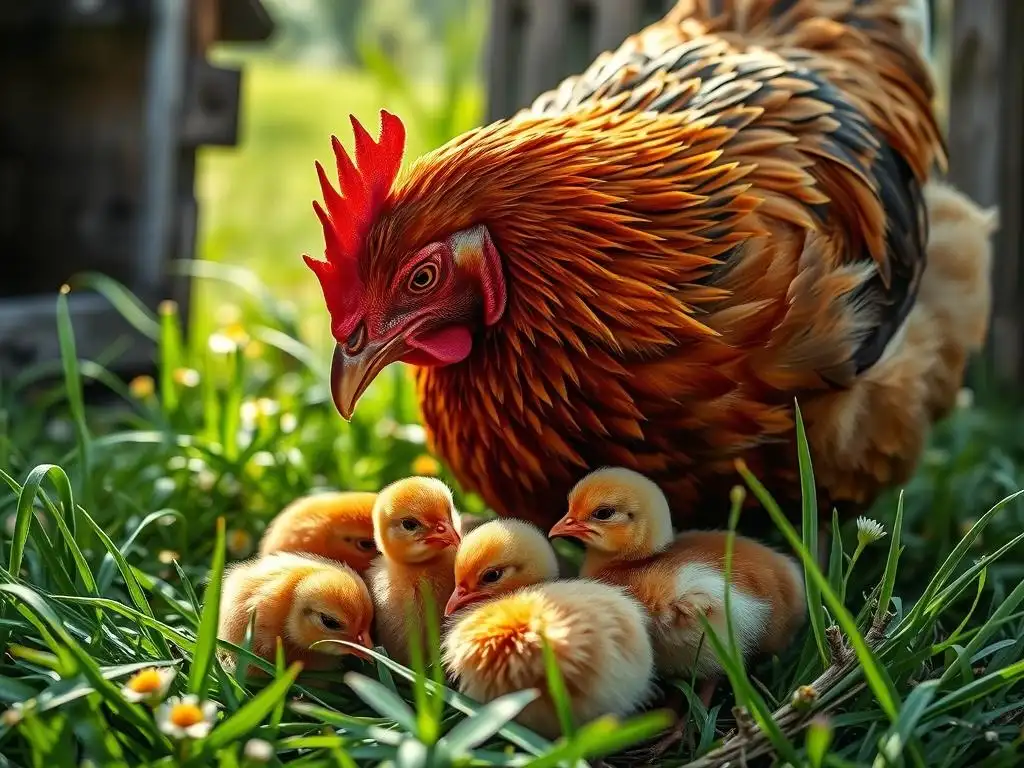
This section delves into the crucial aspects of breeding and managing your backyard chicken flock to ensure optimal health and productivity, contributing to your overall "Healthy backyard chickens guide." Careful selection and monitoring are key to achieving a thriving and healthy flock.
Selecting Healthy Breeding Stock
Choosing healthy breeding stock is paramount for establishing a robust and disease-resistant flock. This directly impacts egg production and overall chicken wellness, contributing significantly to a successful "Healthy backyard chickens guide." Look for birds that are:
- Active and alert: Avoid lethargic or subdued chickens. They should be curious and responsive to their environment.
- Bright-eyed and clear-eyed: Dull or cloudy eyes can indicate illness.
- Clean and well-groomed: Feathers should be smooth and shiny, not ruffled or dull. Check for parasites.
- Free from deformities: Examine their legs, beaks, and wings for any abnormalities.
- Of appropriate weight for their breed: Underweight or overweight chickens may have underlying health issues.
Consider genetic diversity. Avoid inbreeding to minimize the risk of genetic defects and disease susceptibility. Research different breeds and choose those known for their hardiness and resistance to common chicken ailments. A well-researched breeding program is a cornerstone of a "Healthy backyard chickens guide."
| Feature | Healthy Chicken | Unhealthy Chicken |
|---|---|---|
| Activity Level | Active, alert, curious | Lethargic, subdued, unresponsive |
| Eyes | Bright, clear, shiny | Dull, cloudy, watery |
| Feathers | Smooth, shiny, well-groomed | Ruffled, dull, matted, presence of parasites |
| Body Condition | Appropriate weight for breed | Underweight or overweight |
| Deformities | None | Presence of physical abnormalities |
Maintaining detailed records of your birds, including their lineage and health history, is essential for informed breeding decisions. This proactive approach is crucial for any effective "Healthy backyard chickens guide."
Monitoring Egg Production and Chicken Health Correlation
Egg production is a key indicator of your hens' overall health. A sudden drop in egg-laying can signal underlying health problems. Regularly monitor the number and quality of eggs laid. A decrease in egg production, coupled with other symptoms such as lethargy, loss of appetite, or changes in fecal matter, should prompt a closer examination. This is a critical element of any comprehensive "Healthy backyard chickens guide."
Consider the following factors that can influence egg production:
- Age: Egg production peaks at a certain age and then gradually declines.
- Breed: Different breeds have varying egg-laying capabilities.
- Nutrition: A balanced diet is essential for optimal egg production. Nutritional deficiencies can lead to a decrease in egg laying.
- Stress: Environmental stressors, such as extreme temperatures or overcrowding, can negatively impact egg production.
- Disease: Various illnesses can significantly reduce egg production.
Keeping a detailed log of egg production, along with observations of your hens' behavior and health, allows you to quickly identify any potential issues and intervene promptly. This proactive approach forms a crucial part of a successful "Healthy backyard chickens guide."
Responsible Chicken Management Practices
Responsible chicken management is vital for maintaining a healthy flock. This involves various practices designed to prevent disease and promote overall well-being. This section contributes to a robust "Healthy backyard chickens guide" by outlining several key practices.
- Cleanliness: Regular cleaning of the coop and run is essential to prevent the buildup of pathogens. Remove droppings daily and thoroughly clean and disinfect the coop regularly.
- Biosecurity: Prevent the introduction of diseases by carefully managing the introduction of new birds. Quarantine new birds for a period before introducing them to the existing flock.
- Parasite Control: Regularly check your chickens for parasites such as mites and lice. Implement appropriate control measures if necessary.
- Vaccination: Consult your veterinarian about vaccination schedules for your specific region and breed.
- Proper Nutrition: Provide a balanced diet that meets all the nutritional needs of your chickens. This includes access to fresh water, grit, and a varied diet of feed and foraging opportunities. A well-defined feeding strategy is an essential aspect of a "Healthy backyard chickens guide."
By diligently implementing these practices, you significantly reduce the risk of disease and ensure the longevity and productivity of your flock, ultimately contributing to your overall success with a "Healthy backyard chickens guide." Remember, proactive management is key to preventing problems and maintaining a healthy, thriving flock.
Seeking Veterinary Care
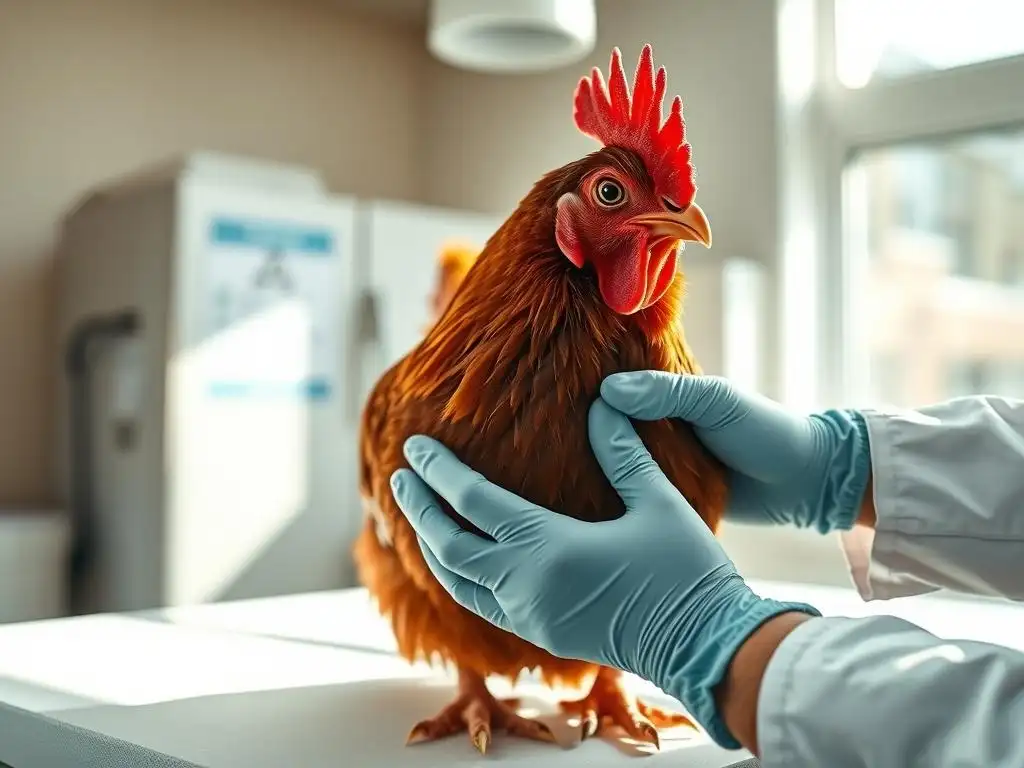
Ensuring the health and well-being of your backyard flock is crucial for a successful and productive "Healthy backyard chickens guide." A key component of responsible chicken ownership is knowing when and how to seek veterinary care. While many minor ailments can be managed at home, recognizing serious health issues and acting promptly is paramount. This section will guide you through identifying emergencies, locating avian vets, and preparing for a visit.
Recognizing Emergency Situations in Chickens
Prompt identification of emergency situations is critical in saving your chicken's life. Delaying treatment can significantly reduce the chances of recovery. Several signs indicate a need for immediate veterinary attention:
- Severe respiratory distress: Gasping for breath, open-mouthed breathing, and cyanosis (blue discoloration of the comb and wattles) are serious signs requiring immediate veterinary care. This can indicate several life-threatening conditions such as infectious bronchitis or avian influenza. Don't delay; seek immediate help.
- Severe diarrhea or bloody droppings: Persistent, watery droppings or droppings containing blood can indicate a serious intestinal infection or internal bleeding. These symptoms warrant immediate veterinary assessment. Observe the consistency, color, and frequency of the droppings to provide detailed information to the vet.
- Sudden paralysis or weakness: Inability to stand or walk, coupled with tremors or paralysis, could signal neurological issues, poisoning, or other serious problems. This requires immediate veterinary attention to determine the underlying cause and implement appropriate treatment.
- Severe trauma: Injuries like broken bones, deep wounds, or head injuries demand swift veterinary intervention. Carefully assess the injury and try to minimize further stress while transporting the bird.
- Sudden and significant drop in egg production: While a slight decrease is normal, a drastic reduction accompanied by other symptoms (like lethargy or poor appetite) indicates a potential underlying health problem. This should prompt a veterinary check-up, as it could signal a serious illness.
Remember, these are just some indicators. If you observe any unusual behavior, significant changes in your chicken's appearance, or any concerning symptoms not listed above, it's always best to err on the side of caution and consult an avian veterinarian. Early detection and intervention significantly improve the chances of a positive outcome. A proactive approach is key to maintaining a "Healthy backyard chickens guide".
Locating Local Avian Veterinarians
Finding a veterinarian experienced in treating poultry can be challenging, but it's essential for providing your chickens with the best possible care. Not all veterinary practices specialize in avian medicine, so proactive research is crucial.
Begin by contacting your local veterinary clinics. Inquire about their experience with poultry and whether they have avian specialists on staff or can refer you to one. Online searches using keywords like "avian vet near me" or "poultry veterinarian [your location]" can also be helpful. Check online reviews and ratings to gauge the experiences of other poultry owners.
Consider contacting local agricultural extension offices or poultry clubs. These organizations often have resources and networks that can help you locate qualified avian veterinarians in your area. Networking with other backyard chicken keepers can also be beneficial; they might be able to recommend a reliable vet from their own experiences. Building a network of supportive chicken owners can be invaluable for your overall "Healthy backyard chickens guide".
Preparing for a Veterinary Visit
When preparing for a veterinary visit, having all the necessary information ready will streamline the process and help the veterinarian diagnose the issue effectively. Before your visit:
- Gather relevant information: Note down the symptoms your chicken is exhibiting, when they started, and any changes you've observed. Include details about their diet, housing, and any recent changes in their environment.
- Collect a fresh sample: If possible, collect a fresh fecal sample for the veterinarian to analyze. This will help in diagnosing potential internal parasites or infections. Store the sample in a clean, airtight container.
- Transport safely: Use a sturdy carrier that's well-ventilated to transport your chicken to the veterinary clinic. Ensure the carrier is clean and comfortable to minimize stress during transit. If possible, use a towel to gently secure the chicken inside.
- Be prepared for costs: Veterinary care for poultry can be costly, so be prepared for associated expenses. Inquire about the fees beforehand to avoid surprises.
By following these steps, you can ensure that your chicken receives the best possible care when veterinary attention is needed. Remember, a healthy flock is a happy flock, and proactive care is essential for maintaining a thriving "Healthy backyard chickens guide".
Creating a Sustainable Ecosystem
This section delves into the symbiotic relationship between healthy backyard chickens and a thriving garden, a cornerstone of a truly sustainable and productive "Healthy backyard chickens guide". We'll explore how responsible chicken keeping contributes to a balanced ecosystem, minimizing the need for external inputs and maximizing resource utilization.
Integrating Chickens with Gardens for Pest Control
Chickens are voracious eaters, and their natural foraging habits can significantly reduce pest populations in your garden. This natural pest control is a key element of a sustainable gardening approach, reducing reliance on chemical pesticides. By strategically integrating your chicken coop and run with your garden, you can create a mutually beneficial system.
For example, consider planting pest-prone crops like lettuce and cabbage further from the coop, allowing chickens access to areas with slugs, snails, and other ground-dwelling pests. However, ensure that you rotate their access to different areas of your garden to prevent overgrazing or soil compaction in any one location. Monitor the plants closely to ensure the chickens aren't damaging desirable plants. Providing supplemental feed can also help manage their foraging behavior, preventing over-consumption of specific plants.
A well-planned setup can minimize the negative impacts of chickens on your garden. This might involve using movable chicken tractors to allow for controlled grazing and prevent over-grazing in any one area. The use of electric netting can also be effective in keeping chickens contained within designated areas of your garden.
This integration offers several benefits:
- Reduced pest pressure: Chickens consume a wide range of garden pests, decreasing the need for chemical interventions.
- Natural fertilization: Chicken droppings provide valuable nutrients for your garden soil, reducing the need for synthetic fertilizers.
- Improved soil health: Chicken scratching aerates the soil, improving drainage and nutrient availability.
- Reduced waste: Chicken manure can be composted, creating a nutrient-rich amendment for your garden.
Remember careful planning and observation are key to successful integration. Regular monitoring is crucial to adjust your approach as needed. This dynamic management is vital for maintaining a balanced and productive system. A successful integration reduces your environmental footprint and strengthens your garden's resilience.
Composting Chicken Manure for Soil Enrichment
Chicken manure is a fantastic source of nutrients for your garden, but it needs careful management. Improperly handled, it can burn plants due to its high nitrogen content. Composting is the key to safely harnessing its fertilizing power, creating a "Healthy backyard chickens guide" component that's both efficient and environmentally sound.
The composting process transforms raw chicken manure into a safe and effective soil amendment. This involves mixing the manure with carbon-rich materials like straw, wood chips, or dried leaves. The ratio should generally be around 2:1 (carbon to nitrogen). Regular turning and moisture management are crucial for proper decomposition. The process typically takes several months, depending on factors like temperature and moisture levels.
The resulting compost is rich in nitrogen, phosphorus, and potassium – essential nutrients for plant growth. It also improves soil structure, water retention, and microbial activity. Adding finished compost to your garden beds provides a slow-release fertilizer, nourishing your plants throughout the growing season.
Successfully composting chicken manure offers many benefits:
- Safe fertilizer: Reduces the risk of burning plants from high nitrogen levels.
- Nutrient-rich amendment: Provides essential nutrients for healthy plant growth.
- Improved soil structure: Enhances soil drainage, aeration, and water retention.
- Sustainable practice: Reduces reliance on synthetic fertilizers, minimizing environmental impact.
- Reduced waste: Turns a potential pollutant into a valuable resource.
By incorporating this into your "Healthy backyard chickens guide", you'll contribute to a more environmentally friendly and productive gardening system.
Sustainable Practices for Environmental Impact Reduction
Sustainable chicken keeping goes beyond pest control and composting. It encompasses a holistic approach that minimizes the environmental impact of your flock while maximizing their benefits. This includes responsible feed sourcing, waste management, and predator control.
Choosing organic and locally sourced feed reduces transportation emissions and supports sustainable agricultural practices. Proper waste management, including composting manure and minimizing food waste, reduces landfill burden. Implementing effective predator control strategies, such as secure coops and appropriate fencing, protects your chickens while minimizing harm to wildlife.
Consider these practices for a more sustainable approach:
- Source organic and local feed: Reduce your carbon footprint and support sustainable agriculture.
- Implement efficient waste management: Compost manure, minimize food waste, and recycle bedding materials.
- Employ humane predator control: Protect your flock without harming wildlife.
- Monitor water usage: Ensure responsible water consumption for cleaning and drinking.
- Consider breed selection: Choose breeds adapted to your climate and minimize resource needs.
By embracing these sustainable practices, you create a "Healthy backyard chickens guide" that prioritizes both the well-being of your chickens and the health of the environment. This holistic approach contributes to a more environmentally responsible and rewarding backyard farming experience.
Frequently Asked Questions
What are the most important factors to consider for healthy backyard chickens?
A healthy flock depends on proper nutrition, clean living conditions, and regular health checks. Providing a balanced diet, clean water, and a spacious coop free from parasites is crucial.
How can I prevent common chicken illnesses?
Vaccination is key to preventing many diseases. Maintaining cleanliness in the coop and run, quarantining new birds, and providing a balanced diet will also significantly reduce the risk of illness.
What are the signs of a sick chicken?
Look out for lethargy, loss of appetite, respiratory issues (coughing, sneezing), diarrhea, or unusual droppings. Immediate veterinary attention is recommended if you notice any significant changes in your chicken's behavior or appearance.
What is the best way to feed my backyard chickens for optimal health?
A balanced diet including commercial feed, supplements, and fresh greens is essential. Avoid feeding spoiled food or anything that might be toxic to chickens. Always provide access to fresh water.
How often should I check on my chickens' health?
Daily observation is ideal. Check for any signs of illness, injury, or parasites. Regularly inspect their droppings, feathers, and overall demeanor. A monthly weight check can help monitor their growth and overall health.
Final Reflection: Cultivating a Flourishing Flock
The health and well-being of our backyard chickens are not merely a matter of husbandry; they are a reflection of our responsibility and connection to the natural world. A thriving flock, free from disease and stress, offers not only delicious eggs but also a profound sense of satisfaction and a deeper understanding of the delicate balance within our ecosystems. This understanding is more crucial now than ever, as we face increasing concerns about food security and sustainable living.
The journey of caring for chickens, from chick to hen, is a continuous learning experience that fosters a deep appreciation for the interconnectedness of life. It's a journey that teaches patience, observation, and a profound respect for the creatures we share our lives with. The best things in life are not things.
This simple statement resonates deeply when considering the immeasurable value of a healthy, happy flock, a value that extends far beyond the monetary worth of their eggs. Their presence enriches our lives in countless ways, offering companionship, a connection to nature, and a tangible link to a simpler, more sustainable way of life.
Now, consider your own flock, or the potential for one. What steps can you take today to ensure the health and happiness of your feathered friends? Embrace the opportunity to learn, adapt, and grow alongside your chickens. By prioritizing their well-being, you not only contribute to their flourishing but also cultivate a deeper connection with the natural world and a more sustainable future for all. Let the journey of chicken keeping be a testament to your commitment to responsible stewardship and a celebration of the simple joys found in nurturing life.
Unlock Your Chicken's Full Potential!
Thank you for learning about keeping your flock happy and healthy! You've gained valuable insights into chicken wellness, and now it's time to put that knowledge into practice.
Here's how you can take the next steps:
- Prioritize Daily Wellness Checks: Spend just five minutes each day observing your chickens for any signs of illness or distress. Early detection is crucial for preventing major health problems.
- Share your favorite chicken care tips with other backyard chicken keepers! Let's build a thriving community of support and shared knowledge.
- Explore different foraging enrichment ideas to keep your chickens mentally and physically stimulated. Consider creative ways to enhance your flock's environment, promoting natural behaviors and reducing boredom.
What small change can you make today to improve your chickens' well-being?