
How to Read Organic Fertilizer Labels: A Guide for Beginners

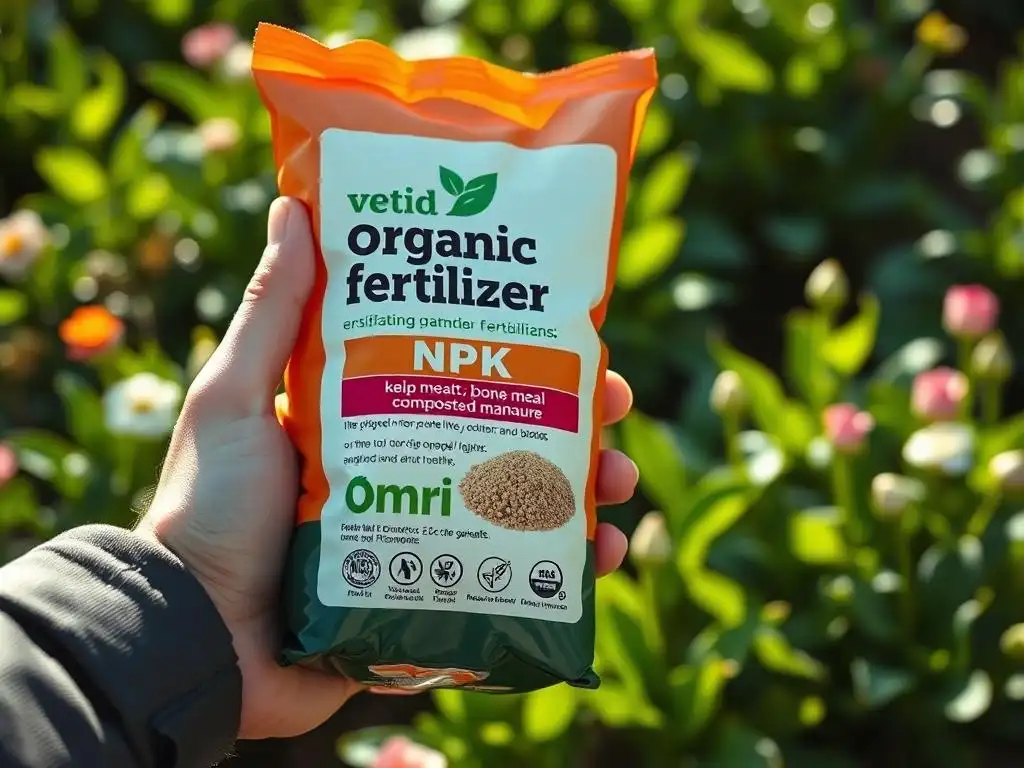
Ready to unlock the secrets of a thriving, organic garden? At CultivateYourFood, we empower you to grow your own fruits, vegetables, and herbs using sustainable methods. But before you plant that first seed, understanding what you're feeding your plants is crucial. This is why we've created a comprehensive guide on how to Understand Organic Fertilizer Labels, demystifying the often confusing world of organic gardening supplies. Dive in and discover the key to healthy, homegrown goodness!
- Understanding Organic Fertilizer Label Basics: Deciphering the Jargon
-
Different Types of Organic Fertilizers and Their Labels
- Liquid Organic Fertilizers: Reading Labels on Down to Earth Fish Emulsion
- Granular Organic Fertilizers: Interpreting Labels on FoxFarm Ocean Forest Potting Soil
- Slow-Release Organic Fertilizers: Understanding the Release Rate on Jobe's Organics All-Purpose Granules
- Comparing Label Information Across Brands: Down to Earth vs. FoxFarm
-
Choosing the Right Organic Fertilizer for Your Plants
- Matching Fertilizer to Plant Needs: Vegetables, Fruits, and Herbs
- Understanding Soil Testing Results: How to Use Them to Select Fertilizer
- Adjusting Fertilizer Application Based on Label Instructions
- Avoiding Over-Fertilization: The Risks and How to Understand Organic Fertilizer Labels to Prevent Them
- Practical Application: A Step-by-Step Guide
- Troubleshooting Common Fertilizer Issues
- Resources for Further Learning on Organic Gardening
- Frequently Asked Questions
- Final Reflection: Cultivating Understanding, Harvesting Abundance
- Unlock Your Garden's Potential: Get Growing!
Understanding Organic Fertilizer Label Basics: Deciphering the Jargon
Choosing the right organic fertilizer can feel overwhelming, especially when faced with a dense label full of unfamiliar terms and numbers. This guide will empower you to confidently select the best fertilizer for your fruits, vegetables, and herbs, ensuring a thriving, sustainable garden. Understanding organic fertilizer labels is crucial for successful home cultivation, allowing you to make informed decisions about nutrient content and application.
We'll break down the key components, explaining the jargon and helping you understand what those numbers and ingredients really mean for your plants' health and the overall success of your organic gardening efforts. By the end of this article, you'll be able to confidently navigate organic fertilizer labels and choose the perfect product for your specific needs, contributing to a healthier garden and a more sustainable lifestyle.
Key Components of an Organic Fertilizer Label: NPK Ratio Explained
Organic fertilizer labels, while appearing complex at first glance, follow a relatively standard format. A core component is the NPK ratio, representing the percentage of Nitrogen (N), Phosphorus (P), and Potassium (K) – three essential macronutrients for plant growth. This ratio is usually displayed as three numbers, for example, 5-3-1. This means the fertilizer contains 5% nitrogen, 3% phosphorus, and 1% potassium by weight.
Understanding the role of each nutrient is key:
- Nitrogen (N): Crucial for leafy green growth and overall plant vigor. A higher nitrogen content is beneficial for leafy vegetables and herbs.
- Phosphorus (P): Essential for root development, flowering, and fruiting. Higher phosphorus is beneficial during the flowering and fruiting stages of plant development.
- Potassium (K): Important for disease resistance, overall plant health, and fruit quality. Potassium contributes to strong stems and helps plants withstand stress.
The ideal NPK ratio varies depending on the plant's growth stage and needs. For example, young seedlings might benefit from a higher nitrogen ratio to promote leaf growth, while fruiting plants may require a higher phosphorus and potassium ratio to support fruit production. Always check the specific recommendations for your chosen plants. 🌱
Identifying Organic Ingredients: Compost, Fish Emulsion, Seaweed Extract
Beyond the NPK ratio, the ingredient list reveals the source of nutrients. Look for recognizable organic materials such as:
- Compost: A rich, nutrient-dense amendment derived from decomposed organic matter. Compost provides a slow-release source of nutrients and improves soil structure.
- Fish Emulsion: A liquid fertilizer derived from processed fish, providing a readily available source of nitrogen and other micronutrients. It's known for its effectiveness in promoting strong growth.
- Seaweed Extract: Extracted from seaweed, this contains numerous micronutrients and growth hormones that enhance plant health and resilience.
- Bone Meal: A slow-release source of phosphorus, ideal for plants requiring more phosphorus during flowering and fruiting.
- Blood Meal: A natural source of nitrogen, providing a readily available boost for leafy growth.
The specific ingredients will vary depending on the brand and type of fertilizer. Look for a diverse blend of organic materials to ensure a balanced supply of nutrients. The more diverse the ingredient list, the more likely the fertilizer will provide a broader range of nutrients to support healthy plant growth.
Understanding Guaranteed Analysis: What the Numbers Really Mean
The "Guaranteed Analysis" section of the label provides the minimum percentage of each nutrient present in the fertilizer. This is crucial for comparing different products and ensuring you're getting what you pay for. For example, a guaranteed analysis of 5-3-1 means the fertilizer guarantees at least 5% nitrogen, 3% phosphorus, and 1% potassium. This is legally binding information, so you can rely on these numbers when making your purchasing decisions.
Pay close attention to this section; it's the most reliable indicator of the fertilizer's nutrient content. Remember that the actual nutrient content may be higher than the guaranteed analysis, but it will never be lower. This section ensures transparency and helps you make informed choices for your garden's needs. ⚖️
Certifications and Standards: Looking for Organic Seals (e.g., USDA Organic)
Understanding organic fertilizer labels requires recognizing the certifications and standards that guarantee the product's organic composition. The presence of a certification seal is crucial for verifying that the fertilizer meets specific criteria for organic production. The most widely recognized seal in the United States is the USDA Organic seal. This seal signifies that the product has been produced and handled according to the USDA's National Organic Program (NOP) standards.
These standards dictate everything from the sourcing of ingredients (e.g., no synthetic pesticides or fertilizers allowed) to the handling and processing procedures. The NOP standards ensure that the fertilizer you're using truly aligns with your sustainable gardening goals. Looking for this seal helps you avoid products that might be misleadingly labeled as "organic" but don't meet the stringent requirements.
Beyond the USDA Organic seal, other certifications might exist depending on your region or the specific standards followed by the manufacturer. These certifications often reflect similar principles of sustainable agriculture, prioritizing environmentally friendly practices and avoiding harmful chemicals. For example, some organizations focus on specific aspects of organic production, such as soil health or water conservation. It’s beneficial to research the certifications relevant to your geographical location to ensure you are making an informed choice that aligns with local regulations and standards.
Always check the details of the certification on the label or the manufacturer's website to fully understand what it entails. Don't hesitate to contact the manufacturer if you have any questions about their certification process and the specific criteria they meet. Choosing organically certified fertilizers ensures you're contributing to a healthier environment and promoting sustainable practices in your garden. 🌱
Different Types of Organic Fertilizers and Their Labels
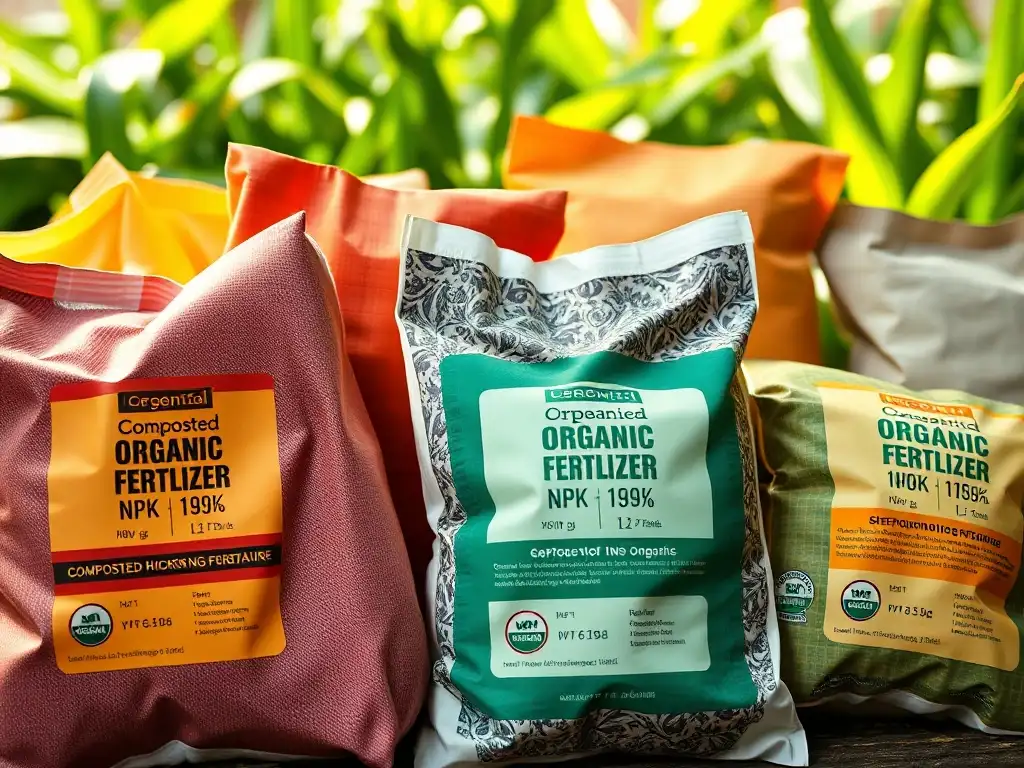
This section delves into the specifics of reading labels on different types of organic fertilizers, providing concrete examples to illustrate the key information you should look for. Understanding these labels is crucial for successful gardening, ensuring you provide your plants with the precise nutrients they need for optimal growth. Successfully understanding organic fertilizer labels empowers you to make informed choices, leading to a thriving and bountiful harvest.
Liquid Organic Fertilizers: Reading Labels on Down to Earth Fish Emulsion
Liquid fertilizers, like Down to Earth Fish Emulsion, offer a readily available source of nutrients for your plants. However, their labels require careful interpretation. Let's examine a typical label to understand its components. You'll typically find information on:
- Guaranteed Analysis: This section is crucial. It lists the minimum percentage of primary macronutrients—Nitrogen (N), Phosphorus (P), and Potassium (K)—present in the fertilizer. For example, a Down to Earth Fish Emulsion label might show something like:
N-5-1-1. This means it contains at least 5% Nitrogen, 1% Phosphorus, and 1% Potassium. The remaining percentage consists of other nutrients, water, and other organic matter. Always look for this guaranteed analysis; it's the cornerstone of understanding the fertilizer's nutrient content. - Other Nutrients: Many liquid organic fertilizers also contain secondary macronutrients (like sulfur, calcium, and magnesium) and micronutrients (like iron, zinc, and manganese). While not always guaranteed in a percentage like NPK, their presence is beneficial for overall plant health. Fish emulsion, in particular, is known for its rich amino acid profile, which enhances plant growth and disease resistance.
- Application Rate: The label will specify the recommended dilution rate for various plants and growth stages. This is crucial to avoid over-fertilizing, which can damage your plants. Pay close attention to the instructions, as using too much can lead to nutrient burn, while using too little may not provide the needed nutrients. Always follow the manufacturer's recommendations.
- Ingredients: Organic fertilizers will list their ingredients. In the case of fish emulsion, expect to see something like "fish hydrolysate," indicating the source of the nutrients. Understanding the ingredients helps you understand the source and potential benefits of the organic components.
Remember, consistency is key when using liquid fertilizers. Regular, diluted applications are generally more effective than infrequent, concentrated ones. Always check the label for specific instructions related to the product you are using.
Granular Organic Fertilizers: Interpreting Labels on FoxFarm Ocean Forest Potting Soil
Granular organic fertilizers, such as FoxFarm Ocean Forest Potting Soil, present a different labeling scenario. While they still contain NPK values, the focus often shifts to the overall composition and amendment properties.
- NPK Ratio: Similar to liquid fertilizers, you'll find the NPK ratio, but this might be less prominent than the overall composition description. For instance, FoxFarm Ocean Forest Potting Soil might boast a blend of ingredients, rather than a precise NPK percentage upfront. This is because the nutrient release is slower and less immediately quantifiable than in liquid fertilizers.
- Organic Matter Content: The label will emphasize the organic matter content, highlighting ingredients like composted manure, peat moss, and other organic materials. This is critical because the organic matter contributes to soil structure, water retention, and nutrient availability over time. The higher the organic matter content, generally the healthier the soil.
- pH Level: The soil's pH level is also important. This indicates the soil's acidity or alkalinity and impacts nutrient availability. A suitable pH range is crucial for optimal nutrient uptake by your plants. The label should indicate the pH range of the product.
- Specific Ingredients: The label will list specific ingredients which can provide additional information about the product's composition. For example, you might see mentions of bat guano, worm castings, or other beneficial soil amendments. Understanding these ingredients can help you assess the fertilizer's suitability for your specific plants and soil conditions.
Granular fertilizers are often incorporated directly into the soil, providing a slow-release source of nutrients. Therefore, understanding the ingredients and organic matter content is equally important as the NPK ratio.
Slow-Release Organic Fertilizers: Understanding the Release Rate on Jobe's Organics All-Purpose Granules
Slow-release organic fertilizers, like Jobe's Organics All-Purpose Granules, are designed to provide nutrients over an extended period. This minimizes the need for frequent applications and reduces the risk of nutrient runoff or leaching.
- Nutrient Release Rate: The key information on slow-release fertilizer labels is the release rate. This indicates how quickly the nutrients are released into the soil. The label might specify a duration, such as "3-4 months," indicating the approximate timeframe over which the nutrients will be available to the plants. This is a crucial factor in determining application frequency.
- Coated Granules: Many slow-release fertilizers use coated granules to control the release rate. The coating protects the nutrients from rapid decomposition and leaching, ensuring a more consistent nutrient supply. The label may describe the coating material and its mechanism for controlled release.
- NPK Ratio and Other Nutrients: As with other organic fertilizers, the NPK ratio and other nutrients are listed, but the focus is less on immediate availability and more on the long-term nutrient supply.
Understanding the release rate is paramount when using slow-release fertilizers. Over-application can still lead to issues, even with slow-release products, so carefully following the label's instructions is essential for achieving the desired results. Remember, while these fertilizers provide sustained nutrition, they still need to be supplemented with other soil amendments and organic matter for optimal soil health.
Comparing Label Information Across Brands: Down to Earth vs. FoxFarm
Understanding organic fertilizer labels requires comparing different brands to see how information is presented. Let's take two popular brands, Down to Earth and FoxFarm, as examples. Both offer a variety of organic fertilizers, each with its own unique label design and information presentation. However, the core elements – guaranteed analysis, ingredients, and application instructions – remain consistent, albeit with stylistic differences.
Down to Earth often uses a visually clean label, prioritizing clear, concise information. Their guaranteed analysis is prominently displayed, usually in a table format, making it easy to compare nutrient ratios across their product line. The list of ingredients follows, often with a brief description of the source material (e.g., "feather meal," "kelp meal"). Application instructions are typically clear and straightforward, often including specific recommendations for different plant types. Their emphasis is on simplicity and transparency, making it easy for even beginner gardeners to understand.
FoxFarm, on the other hand, sometimes employs a more visually busy label, often incorporating images and branding elements alongside the essential information. While their guaranteed analysis is still present, it might be less visually prominent than on Down to Earth labels. FoxFarm's ingredient lists tend to be more detailed, sometimes specifying the origin of their ingredients or the processing methods used. Their application instructions can be more nuanced, offering a wider range of suggestions depending on the plant's growth stage or the gardener's specific needs. Their approach emphasizes a more comprehensive and potentially more complex understanding of the product.
A direct comparison reveals that while both brands provide the necessary information, their presentation styles cater to different preferences. Down to Earth prioritizes easy readability for beginners, focusing on clear, concise information. FoxFarm, while providing all the necessary data, often presents it within a more detailed and visually rich context, appealing to experienced gardeners who might appreciate the more in-depth information. Ultimately, understanding both styles is key to effectively using and comparing organic fertilizers.
The core information remains the same—it’s simply presented in different ways. Choosing between them depends on individual preferences and the level of detail desired. Both brands are reliable choices, and the best option depends on your gardening experience and specific plant needs.
Choosing the Right Organic Fertilizer for Your Plants
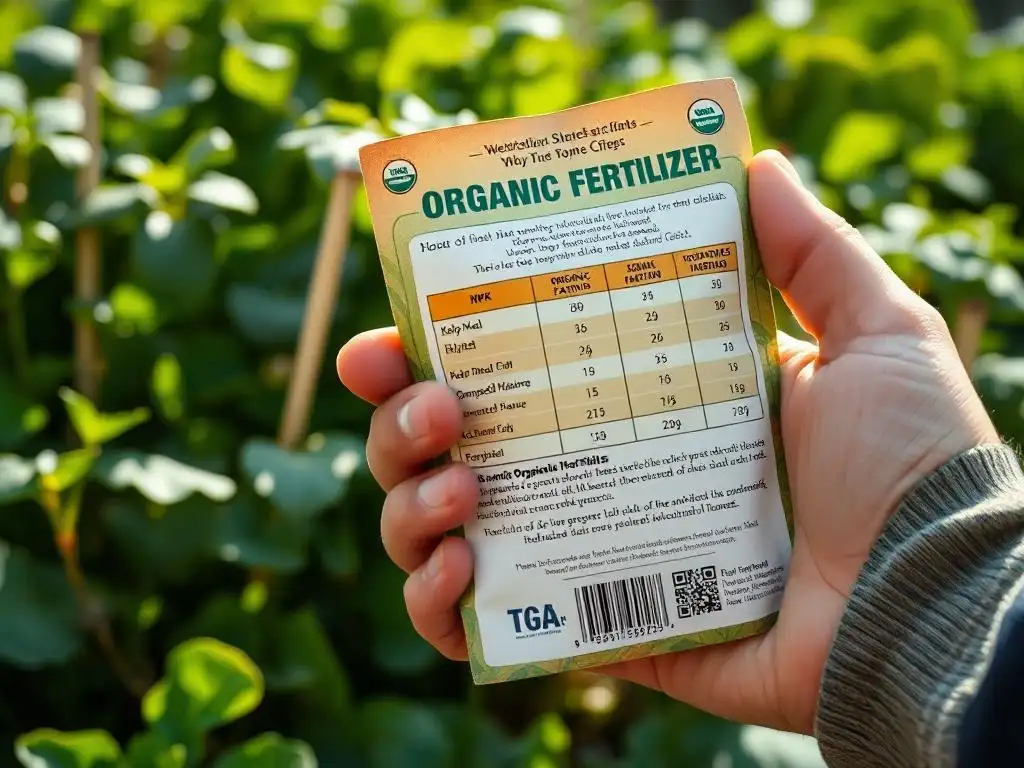
This section focuses on selecting the appropriate organic fertilizer based on your specific plant needs. Understanding your plants' requirements is crucial for successful cultivation and maximizing yield. Improper fertilization can lead to nutrient deficiencies or excesses, hindering growth and potentially harming your plants. Let's delve into how to choose the right organic fertilizer for vegetables, fruits, and herbs.
Matching Fertilizer to Plant Needs: Vegetables, Fruits, and Herbs
Different plants have varying nutrient demands throughout their growth cycles. Vegetables, for example, often require a higher nitrogen (N) content for vigorous leaf growth, while fruiting plants need more phosphorus (P) for flower and fruit development. Herbs generally prefer a balanced nutrient profile.
Consider these examples:
- Leafy Greens (e.g., lettuce, spinach): These thrive with a higher nitrogen content to support lush foliage. Look for fertilizers with an NPK ratio (Nitrogen-Phosphorus-Potassium) that emphasizes nitrogen, such as 5-1-1 or 4-2-1.
- Tomatoes and Peppers: These fruiting plants benefit from a higher phosphorus content during flowering and fruiting stages. A balanced fertilizer like 5-5-5 or even a slightly higher phosphorus ratio like 4-6-2 could be suitable.
- Herbs (e.g., basil, rosemary): Herbs generally prefer a balanced NPK ratio, such as 3-3-3 or 5-5-5. Over-fertilizing herbs can lead to less flavorful leaves.
Table 1: Example NPK Ratios for Different Plant Types
| Plant Type | Ideal NPK Ratio Range | Notes |
|---|---|---|
| Leafy Greens | 5-1-1 to 4-2-1 | High nitrogen for leafy growth |
| Fruiting Vegetables | 5-5-5 to 4-6-2 | Higher phosphorus for flower and fruit development |
| Herbs | 3-3-3 to 5-5-5 | Balanced nutrients for optimal flavor and growth |
| Root Vegetables | 2-3-4 to 3-4-5 | Emphasis on potassium for root development |
Remember, these are just examples. Always check the specific nutrient recommendations for your chosen plant varieties. Over-fertilization can be just as harmful as under-fertilization, so always follow label instructions carefully. Careful observation of your plants is key – if they show signs of nutrient deficiency (yellowing leaves, stunted growth), adjust your fertilization strategy accordingly.
Understanding Soil Testing Results: How to Use Them to Select Fertilizer
Soil testing provides invaluable information about your soil's nutrient content and pH level. This data is crucial for selecting the right organic fertilizer and avoiding unnecessary nutrient additions. A soil test will typically reveal the levels of macronutrients (nitrogen, phosphorus, potassium) and micronutrients (iron, zinc, manganese, etc. ).
Using soil test results involves:
- Identifying Deficiencies: The report will indicate whether your soil is deficient in any essential nutrients. For example, if your soil is low in phosphorus, you'll need to choose a fertilizer that is higher in phosphorus to correct the imbalance.
- Determining pH: Soil pH affects nutrient availability. If your soil is too acidic or alkaline, certain nutrients may be less accessible to your plants, even if present in the soil. Adjusting the pH through soil amendments might be necessary before fertilization.
- Choosing the Right Fertilizer: Based on your soil test results, select an organic fertilizer that complements your soil's existing nutrient profile. If your soil is already rich in a particular nutrient, you might not need to add more through fertilizer.
- Monitoring and Adjusting: Even with soil testing, regular monitoring of your plants is important. Observe for any signs of nutrient deficiencies or excesses and adjust your fertilization strategy accordingly. Consider performing soil tests periodically to track changes in your soil's nutrient levels over time.
Adjusting Fertilizer Application Based on Label Instructions
Organic fertilizer labels contain crucial information about application rates and methods. Always carefully read and follow the instructions to avoid over-fertilizing or under-fertilizing your plants.
Key information on the label includes:
- Guaranteed Analysis: This section shows the minimum percentage of each nutrient (N, P, K) present in the fertilizer. For example, a 5-3-1 fertilizer guarantees at least 5% nitrogen, 3% phosphorus, and 1% potassium by weight.
- Application Rates: The label specifies the recommended amount of fertilizer to apply per unit area (e.g., per square foot or per plant). These rates are crucial for preventing nutrient burn or deficiency. Always follow the manufacturer's recommendations for your specific plant type and growth stage.
- Application Methods: The label will indicate the appropriate application methods, such as broadcasting, side-dressing, or foliar feeding. Using the correct method ensures even nutrient distribution and maximizes effectiveness.
- Precautions and Warnings: Pay close attention to any precautions or warnings regarding handling, storage, and environmental impact. Some organic fertilizers may require specific safety measures.
Ignoring label instructions can lead to several problems: over-fertilization can burn plant roots and damage plants, while under-fertilization can result in nutrient deficiencies and stunted growth. Accurate application, guided by the label, is essential for optimal plant health and yield. Remember to always prioritize safe handling practices as indicated on the product label. 🌱
Avoiding Over-Fertilization: The Risks and How to Understand Organic Fertilizer Labels to Prevent Them
Over-fertilizing your plants, even with organic fertilizers, can be detrimental and lead to several negative consequences. It's a common mistake among beginner gardeners eager to see rapid growth. The truth is, too much of a good thing can actually harm your plants. Instead of thriving, they may exhibit signs of stress and even die.
One of the primary risks of over-fertilization is salt burn. Organic fertilizers, while natural, still contain salts. Excessive application builds up these salts in the soil, drawing water away from the plant's roots through osmosis. This dehydration process causes the leaves to wilt and eventually brown, a clear indication of salt burn. The damage can be irreversible, especially for young seedlings.
Another significant risk is nutrient imbalance. While organic fertilizers provide a range of nutrients, applying too much can disrupt the delicate balance your plants need. An excess of one nutrient can inhibit the uptake of others, leading to deficiencies despite the abundance of fertilizer. For instance, an overabundance of nitrogen can hinder the plant's ability to absorb phosphorus and potassium, essential for flowering and fruiting. This can result in stunted growth, poor yields, and weak plants susceptible to diseases and pests.
Furthermore, over-fertilization can negatively impact the soil's microbial life. The soil ecosystem is a complex network of beneficial microorganisms crucial for nutrient cycling and overall soil health. Excessive fertilizer can disrupt this delicate balance, potentially killing off beneficial bacteria and fungi. A healthy soil microbiome is essential for nutrient availability and disease suppression, so harming it undermines your gardening efforts in the long run. 🌱
To prevent over-fertilization, carefully read and understand your organic fertilizer labels. Pay close attention to the Guaranteed Analysis, which lists the percentage of primary nutrients (nitrogen, phosphorus, and potassium) and secondary nutrients. Start with a lower application rate than recommended, especially when using a new fertilizer or on young plants. Observe your plants closely for any signs of over-fertilization, such as leaf burn or excessive growth followed by wilting.
Adjust your application accordingly, remembering that it's always easier to add more fertilizer than to remove excess. Regular soil testing can also help you monitor nutrient levels and avoid imbalances. By understanding your fertilizer and practicing mindful application, you can cultivate healthy, thriving plants without the risks associated with over-fertilization.
Practical Application: A Step-by-Step Guide
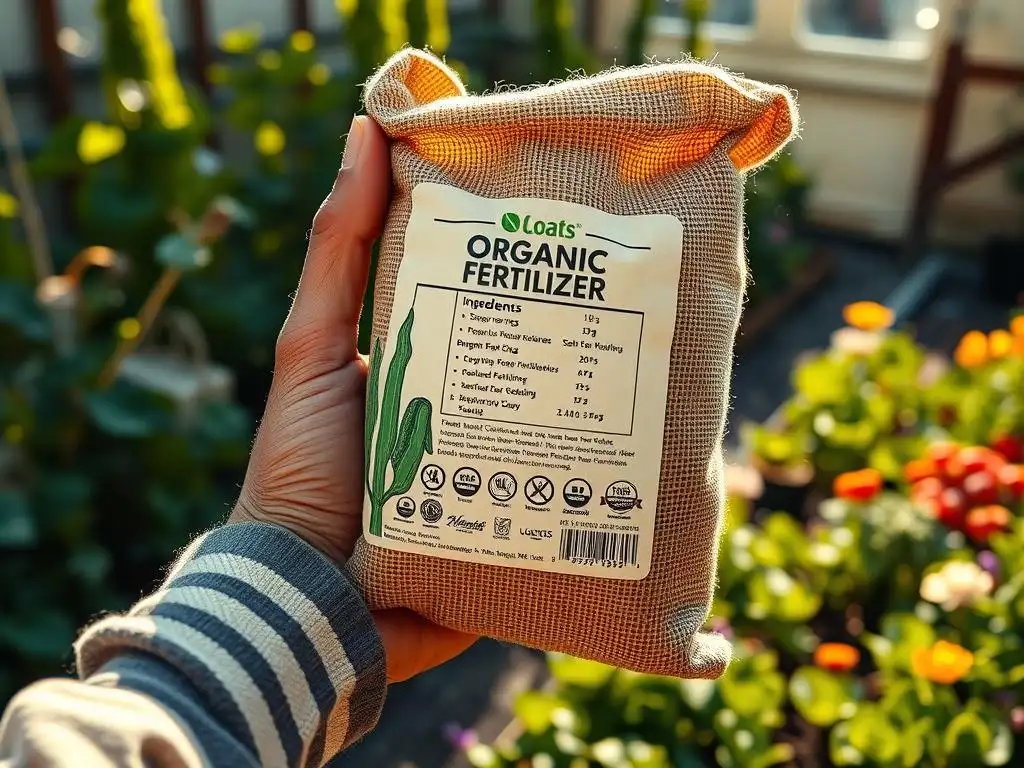
This section provides a practical, step-by-step guide to help you understand and apply organic fertilizers effectively. Mastering the art of reading and interpreting organic fertilizer labels is crucial for successful gardening, allowing you to nourish your plants optimally and avoid over-fertilization or deficiencies. Remember, understanding organic fertilizer labels is key to achieving thriving plants and a bountiful harvest!
Preparing Your Soil for Fertilization
Before applying any fertilizer, soil preparation is paramount. This ensures the fertilizer is utilized efficiently and your plants can readily access the nutrients. Proper soil preparation also helps improve soil structure, drainage, and aeration – all vital for healthy plant growth.
The process typically involves:
- Soil Testing: A soil test provides invaluable information on your soil's pH level and nutrient content. Knowing this allows you to choose the most appropriate organic fertilizer to address any deficiencies. Many local agricultural extension offices offer affordable soil testing services.
- Soil Amendment: Based on your soil test results, you might need to amend your soil. This could involve adding compost, aged manure, or other organic matter to improve soil structure and fertility. Compost, for example, improves water retention and provides a slow-release source of nutrients. Aim for a balance – well-draining but moisture-retentive soil.
- Tilling or Loosening: Lightly tilling or loosening the soil before fertilization helps improve aeration and allows the fertilizer to penetrate more effectively. Avoid over-tilling, which can damage soil structure. For delicate plants, a gentle loosening with a hand cultivator is sufficient.
- Weeding: Removing weeds before fertilization prevents competition for nutrients and ensures your plants receive the maximum benefit from the fertilizer. Weeds can deplete soil nutrients quickly, hindering plant growth.
Applying Organic Fertilizers According to Label Instructions
Always follow the label instructions precisely. Organic fertilizers come in various forms – powders, granules, liquids – each with its own application method. Ignoring these instructions can lead to nutrient burn or insufficient fertilization, negatively impacting plant health and yield.
Here's a breakdown:
- Understanding the NPK Ratio: The NPK ratio (Nitrogen-Phosphorus-Potassium) indicates the percentage of each nutrient in the fertilizer. For example, a 5-3-1 fertilizer contains 5% nitrogen, 3% phosphorus, and 1% potassium. This ratio guides your selection based on your plant's specific needs. Leafy greens often benefit from a higher nitrogen ratio, while fruiting plants require more phosphorus and potassium.
- Application Rate: The label specifies the recommended application rate, usually expressed as pounds or kilograms per square foot or per plant. Accurately measuring the fertilizer is critical to avoid over-fertilization. Use a measuring cup or scale for precise application.
- Application Method: The label indicates the best application method: top dressing (spreading on the soil surface), side dressing (applying alongside the plant rows), or incorporation (mixing into the soil). Each method has its advantages and disadvantages, so follow the manufacturer's recommendation for optimal results.
- Frequency: The label will suggest the frequency of application. Some fertilizers are slow-release, requiring less frequent applications, while others need more regular replenishment. Over-fertilizing can harm plants, leading to nutrient burn and stunted growth.
Watering After Fertilization: Best Practices
Proper watering after fertilization is crucial for dissolving and distributing the nutrients evenly throughout the soil. This ensures the plants can efficiently absorb the nutrients. Insufficient watering can result in fertilizer buildup, potentially damaging plant roots.
Consider these points:
- Gentle Watering: Water gently after applying the fertilizer to avoid washing it away. A slow, soaking watering method is preferable to ensure the fertilizer penetrates the soil effectively.
- Avoid Runoff: Ensure the water doesn't run off before it has a chance to soak into the soil. This prevents nutrient loss and protects the environment.
- Monitoring Soil Moisture: Regularly monitor the soil moisture level after fertilization to ensure it remains adequately moist but not waterlogged. Overwatering can lead to root rot and other plant diseases.
- Frequency: The frequency of watering after fertilization depends on several factors, including weather conditions, soil type, and the type of fertilizer used. Observe your plants and adjust your watering schedule accordingly. Signs of wilting indicate a need for more water.
Remember, consistent monitoring and observation are key to successful fertilization. By carefully following these steps and understanding your organic fertilizer labels, you'll cultivate healthy, thriving plants and enjoy a bountiful harvest. Happy gardening!
Monitoring Plant Growth and Adjusting Fertilizer Application
Understanding how to interpret organic fertilizer labels is only half the battle. The other half lies in observing your plants' response and adjusting your fertilization strategy accordingly. Regular monitoring is crucial for ensuring your plants receive the optimal amount of nutrients without over-fertilizing, which can lead to nutrient burn and potentially harm your plants. This process involves a combination of visual inspection and, in some cases, soil testing.
Visual inspection focuses on several key indicators. Look for vibrant, healthy green foliage. Yellowing leaves (chlorosis) can signal a nutrient deficiency, while excessively dark green leaves might indicate an overabundance of nitrogen. Examine the plant's overall growth rate; is it progressing as expected for its variety and stage of development? Stunted growth could point to a nutrient imbalance or insufficient fertilization. Finally, assess the fruit or vegetable production. Is the yield consistent with your expectations, or are you seeing smaller than usual fruits or vegetables? These observations provide valuable clues to guide your fertilization adjustments.
Soil testing offers a more precise assessment of nutrient levels in the soil. While not always necessary for home gardeners, soil tests can be invaluable for identifying specific deficiencies or excesses. These tests typically measure the levels of essential macronutrients (nitrogen, phosphorus, and potassium) and micronutrients. The results provide a quantitative measure of your soil's nutritional profile, allowing for a more informed adjustment of your fertilizer application. Remember to choose a soil testing method appropriate for your gardening context and needs—some tests are more comprehensive than others.
Adjusting fertilizer application based on your observations is a dynamic process. If you notice signs of nutrient deficiency, you might need to increase the frequency or amount of fertilizer application. Conversely, if your plants exhibit signs of over-fertilization, reduce the application rate or frequency, or switch to a fertilizer with a lower nutrient concentration. Always follow the instructions on the fertilizer label as a starting point, but don't hesitate to adjust your approach based on your plant's response.
Remember that organic fertilizers tend to release nutrients more slowly than synthetic fertilizers, so adjustments may take time to become apparent. Patience and careful observation are key to successful organic fertilization. Keep detailed records of your fertilizer applications and your observations to refine your approach over time. This will create a valuable resource for future growing seasons.
Troubleshooting Common Fertilizer Issues
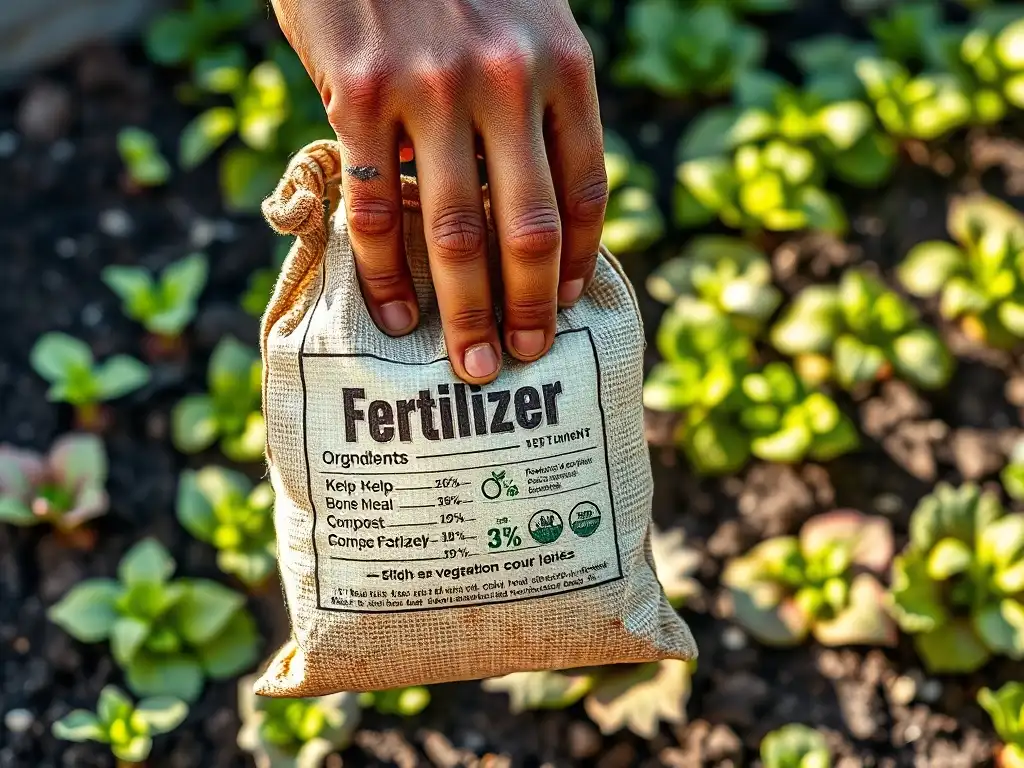
Understanding organic fertilizer labels is crucial, but even with careful selection, issues can arise. This section will guide you through common problems and their solutions, ensuring a bountiful and healthy harvest. Successfully navigating these challenges is key to mastering organic fertilization and achieving optimal plant growth. Let's delve into some common issues and how to address them effectively.
Signs of Over-Fertilization and How to Correct Them
Over-fertilization, while seemingly a positive thing (more nutrients! ), can actually harm your plants. Too many nutrients can burn roots, leading to stunted growth, yellowing leaves (though this can also indicate other issues), and even plant death. The signs often appear as scorched leaf edges, wilting despite adequate watering, and a general unhealthy appearance. Remember, less is often more when it comes to organic fertilizers.
Plants react differently to over-fertilization depending on the specific nutrient involved. For instance, excessive nitrogen can cause lush, leafy growth but delay flowering and fruiting. Conversely, an overabundance of phosphorus can lead to stunted root development. Potassium excess, while less common, can result in leaf chlorosis (yellowing between leaf veins).
How to correct over-fertilization:
- Flush the soil: Thoroughly water the affected plants to leach excess salts and nutrients from the root zone. This might require several deep waterings over a few days.
- Stop fertilizing: Immediately cease applying any fertilizer until the plant shows signs of recovery.
- Improve drainage: If your soil is poorly drained, excess fertilizer salts will accumulate more readily. Amend heavy clay soils with compost or other organic matter to improve drainage.
- Monitor carefully: Observe your plants closely for any further signs of stress. If the problem persists, consider repotting or transplanting into fresh soil. Always remember to follow the label instructions carefully – this is crucial for avoiding over-fertilization. Understanding the NPK ratio and applying the correct amount are key to preventing this issue.
Nutrient Deficiencies: Identifying and Addressing Them with Organic Amendments
Nutrient deficiencies manifest in various ways, depending on the specific nutrient lacking. Recognizing these signs is critical for timely intervention. Here's a breakdown of common deficiencies and how to address them organically:
- Nitrogen Deficiency: Stunted growth, pale green or yellow leaves (especially older leaves), and generally weak plants. Solution: Apply a nitrogen-rich organic fertilizer, such as composted manure or blood meal.
- Phosphorus Deficiency: Dark green leaves, often with purplish tints, stunted growth, and poor flowering or fruiting. Solution: Use bone meal or rock phosphate, which are slow-release sources of phosphorus.
- Potassium Deficiency: Yellowing and browning of leaf margins, weak stems, and increased susceptibility to disease. Solution: Incorporate wood ash or kelp meal into the soil. These are excellent sources of potassium.
| Nutrient Deficiency | Symptoms | Organic Amendment Solution |
|---|---|---|
| Nitrogen | Pale green or yellow leaves, stunted growth | Composted manure, blood meal |
| Phosphorus | Dark green leaves, poor flowering/fruiting | Bone meal, rock phosphate |
| Potassium | Yellowing/browning leaf margins | Wood ash, kelp meal |
It's important to note that nutrient deficiencies can be complex, and sometimes multiple deficiencies occur simultaneously. Soil testing can be a valuable tool for pinpointing specific nutrient imbalances. Organic amendments gradually improve soil health over time, making your plants more resilient to deficiencies.
Dealing with Pests and Diseases After Fertilization
While organic fertilizers promote healthy plant growth, they don't eliminate the risk of pests and diseases. In fact, sometimes over-fertilizing with nitrogen can make plants more susceptible to fungal infections. Therefore, a balanced approach is essential.
Prevention is key: Maintaining healthy soil through proper fertilization, composting, and mulching is the best defense against pests and diseases. Regularly inspect your plants for signs of infestation or disease. Early detection is crucial for effective treatment.
Organic Pest and Disease Control:
- Beneficial insects: Introduce beneficial insects like ladybugs or lacewings to control pests naturally.
- Neem oil: A natural insecticide and fungicide effective against many common garden pests and diseases.
- Compost tea: A liquid fertilizer that strengthens plants and enhances their natural defenses.
- Crop rotation: Rotating crops helps break pest and disease cycles.
Remember, a holistic approach to gardening is essential for successful organic cultivation. By understanding organic fertilizer labels, addressing nutrient imbalances effectively, and implementing proactive pest and disease management strategies, you can cultivate a thriving and healthy garden. This, in turn, will ensure a bountiful harvest. Enjoy the fruits – and vegetables – of your labor!
Resources for Further Learning on Organic Gardening
Understanding organic fertilizer labels is just one step in your journey towards successful organic gardening. To truly cultivate thriving plants, it's crucial to expand your knowledge base. This section provides resources to deepen your understanding of organic gardening practices and soil health. Mastering these techniques will allow you to effectively utilize organic fertilizers and achieve optimal plant growth. Remember, healthy soil is the foundation of healthy plants, and understanding your soil's needs is paramount to choosing the right fertilizer. Let's explore some avenues for further learning.
Recommended Books on Organic Gardening and Soil Health
Investing in quality books is a fantastic way to bolster your organic gardening knowledge. These resources often provide in-depth information, practical advice, and a wealth of experience from seasoned gardeners. Here are a few titles to consider, focusing on organic fertilizer usage and soil health:
- "Teaming with Microbes" by Jeff Lowenfels and Wayne Lewis: This book delves into the fascinating world of soil microbiology and explains how beneficial microbes contribute to healthy soil and plant growth. Understanding this crucial aspect will help you choose fertilizers that support a thriving soil ecosystem. It directly impacts your ability to understand organic fertilizer labels, as you'll grasp the importance of specific nutrients and their interaction with soil life.
- "The Vegetable Gardener's Bible" by Edward C. Smith: A comprehensive guide covering all aspects of vegetable gardening, including soil preparation, fertilization, and pest control. This book provides practical advice on using organic fertilizers effectively, helping you achieve abundant harvests. It offers detailed explanations that help you understand organic fertilizer labels and translate that information into actionable steps for your garden.
- "Rodale's All-New Encyclopedia of Organic Gardening" by the Editors of Rodale's Organic Life: A classic reference guide containing a wealth of information on various organic gardening techniques. Its section on fertilizers provides detailed explanations of different organic fertilizer types and their applications, improving your capacity to understand organic fertilizer labels and make informed decisions.
Websites and Blogs with Expert Advice on Organic Fertilizers
The online world offers a treasure trove of information on organic gardening. Many reputable websites and blogs provide expert advice, practical tips, and community forums where you can connect with other gardeners. Look for sites featuring articles and guides on organic fertilizer selection, application, and soil testing. Reliable sources will help you confidently understand organic fertilizer labels and apply that knowledge to your specific gardening needs. Always prioritize sites with verifiable credentials and a focus on scientific accuracy. Remember, not all online information is created equal.
Local Cooperative Extension Offices: Accessing Expert Advice in Your Area
Your local Cooperative Extension office is an invaluable resource for practical, localized information. These offices are typically staffed by agricultural experts who can provide tailored advice based on your specific region's climate, soil type, and pest pressures. They can help you understand organic fertilizer labels in the context of your local conditions, ensuring you choose the most effective fertilizers for your garden. They often offer workshops, soil testing services, and personalized consultations, making them an essential part of your organic gardening journey. Don't hesitate to reach out – their expertise can significantly enhance your gardening success.
Frequently Asked Questions
What information is crucial on an organic fertilizer label?
The most important information includes the guaranteed analysis, showing the percentages of nitrogen (N), phosphorus (P), and potassium (K). You should also look for the listing of organic ingredients and any certifications, like OMRI Listed.
How do I interpret the NPK numbers on an organic fertilizer label?
The NPK numbers (e.g., 5-3-1) represent the percentage by weight of nitrogen (N), phosphorus (P), and potassium (K). A higher number in a specific nutrient indicates a higher concentration of that nutrient.
What are the benefits of using organic fertilizers?
Organic fertilizers improve soil health by adding organic matter, which improves water retention and nutrient availability. They also support beneficial soil microbes and reduce environmental impact compared to synthetic fertilizers.
Are all organic fertilizers created equal?
No, different organic fertilizers offer varying nutrient profiles and release rates. Consider the specific needs of your plants and soil when selecting a product; some are better for leafy greens, while others are suited for fruiting plants.
Where can I find OMRI Listed organic fertilizers?
You can find OMRI Listed products at many garden centers, online retailers, and co-ops. Check the OMRI website for a searchable database of certified products to ensure authenticity and compliance with organic standards.
Final Reflection: Cultivating Understanding, Harvesting Abundance
Understanding organic fertilizer labels is not merely about deciphering numbers and percentages; it's about cultivating a deeper connection with the soil and the food we grow. The ability to interpret these labels empowers us to make informed choices, fostering healthier gardens and contributing to a more sustainable food system. This knowledge, once seemingly niche, is becoming increasingly crucial as more people embrace organic gardening and farming practices.
The shift towards organic practices reflects a growing awareness of the interconnectedness between our food, our environment, and our health. This journey of understanding fertilizer labels is a microcosm of a larger societal shift – a move away from reliance on synthetic inputs towards a more holistic and sustainable approach to agriculture. We do not inherit the earth from our ancestors, we borrow it from our children.
This quote encapsulates the responsibility we have to nurture the land and ensure its fertility for future generations. Understanding organic fertilizer labels is a crucial step in fulfilling that responsibility.
Now, consider your own garden, your own plot of land, however small. What steps can you take to enhance your understanding of the nutrients you're providing? Will you delve deeper into the world of organic fertilizers, researching specific nutrient needs for your plants? Will you share this knowledge with fellow gardeners, helping them to cultivate their own understanding and abundance? The journey towards sustainable gardening begins with a single seed of knowledge – and the power to interpret an organic fertilizer label is the perfect place to plant it.
Unlock Your Garden's Potential: Get Growing!
Thank you for learning about reading organic fertilizer labels! You now have the knowledge to make informed choices for a thriving garden. Ready to put this knowledge into practice?
- Craft your perfect fertilizer blend: Use your newfound expertise to select the best organic fertilizer for your specific plants and soil. This is key to healthier, happier plants.
- Share your knowledge: Tell your gardening friends what you've learned—spread the word about organic gardening!
- Explore different organic options: Research the various organic fertilizers available in your area to expand your gardening knowledge.
What organic fertilizer are you most excited to try in your garden this season?