
Seed Saving and the Circular Economy: Minimizing Waste in the Garden

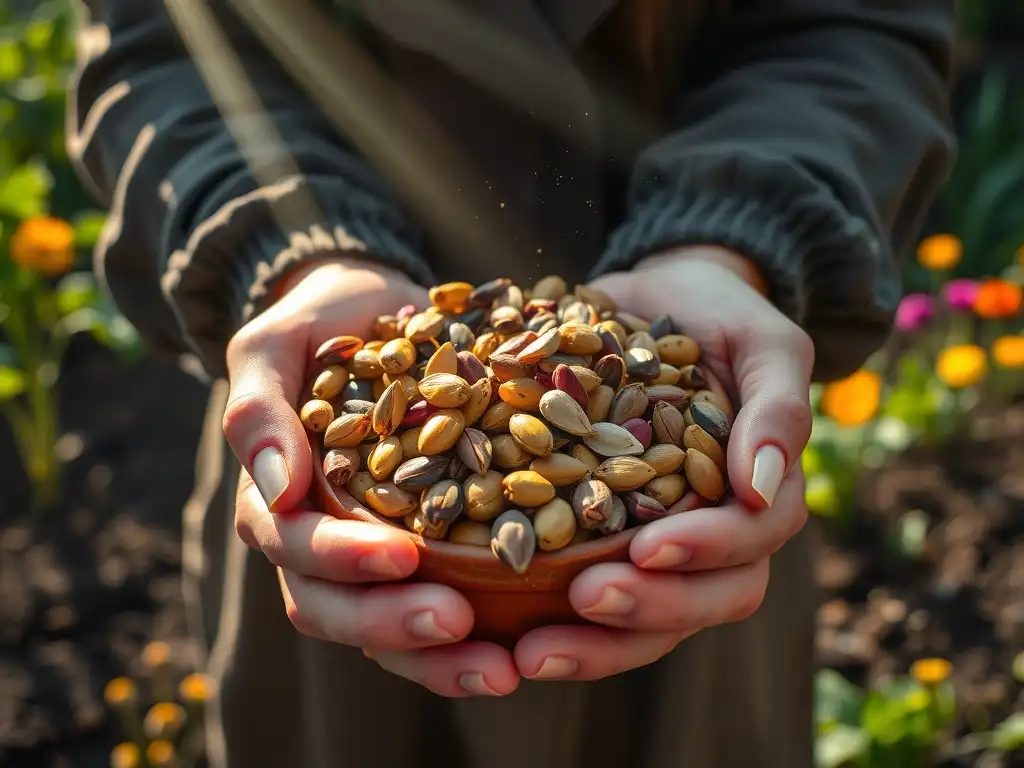
Welcome to CultivateYourFood, your guide to a thriving, sustainable garden! Are you ready to break free from the cycle of buying seeds each year and embrace a more self-sufficient approach? Learn how to save seeds organically at home and contribute to a circular economy in your own backyard. Discover the simple yet rewarding techniques that will transform your gardening experience and leave you with an abundance of seeds for future harvests. Let's cultivate a greener future, one seed at a time.
- The Importance of Saving Seeds Organically at Home
- Getting Started: Selecting Seeds for Saving
- Organic Seed Saving Techniques: A Step-by-Step Guide
- Seed Saving and the Circular Economy: Closing the Loop
- Resources and Further Learning: Expanding Your Seed Saving Knowledge
- Frequently Asked Questions
- Final Reflection: Reclaiming the Cycle: Seeds, Sustainability, and Our Future
- Unlock Your Garden's Potential: Start Saving Seeds Today!
The Importance of Saving Seeds Organically at Home
Saving your own seeds is a rewarding practice that aligns perfectly with sustainable and organic gardening. It allows you to actively participate in the lifecycle of your plants, fostering a deeper connection with your food source while significantly reducing waste and your environmental impact. This practice, often overlooked, is a cornerstone of the circular economy in gardening, minimizing reliance on external inputs and promoting self-sufficiency.
This guide explores the multifaceted benefits of saving seeds organically at home, focusing on practical techniques and the long-term advantages for both your garden and the planet. Learning to save seeds organically at home not only ensures a bountiful harvest for future seasons but also contributes to the preservation of biodiversity and reduces your carbon footprint associated with commercial seed production and distribution. We'll delve into the reasons why choosing this method is beneficial, how it reduces reliance on commercial seed companies, and how it helps preserve heirloom and unique varieties for generations to come.
Let's cultivate a more sustainable and resilient gardening future, one seed at a time. 🌱
Why Choose Seed Saving? Benefits for the Home Gardener
Saving seeds offers numerous advantages for the home gardener. It's more than just a cost-saving measure; it's a journey of discovery and connection with your plants. By selecting the healthiest and most productive plants in your garden, you are actively participating in the natural process of plant evolution, selecting for traits that thrive in your specific environment. This leads to higher yields and plants better adapted to your local climate and soil conditions.
Furthermore, saving seeds provides a sense of accomplishment and self-reliance, empowering you to become less dependent on external sources for your gardening needs. The process itself is educational, deepening your understanding of plant biology and the intricate relationships within your garden ecosystem. Consider these key benefits:
- Cost Savings: Over time, seed saving significantly reduces your annual seed expenditures.
- Improved Adaptability: Seeds saved from plants that have thrived in your garden will be better suited to your environment.
- Enhanced Genetic Diversity (within your selected variety): By selecting seeds from multiple plants, you maintain a degree of genetic diversity within your chosen variety, increasing resilience to disease and pests.
- Increased Self-Sufficiency: You become less reliant on commercial seed companies, building resilience in your food production system.
- A deeper connection with your garden: The process fosters a more intimate understanding of the plant life cycle.
Reducing reliance on commercial seed companies
The global seed industry is a complex system, often dominated by a few large corporations. These companies control the majority of seed production and distribution, impacting the availability and diversity of seeds. Saving your own seeds directly challenges this centralized control, fostering greater independence and resilience in your gardening practices. By reducing your reliance on commercial seed companies, you contribute to a more decentralized and sustainable seed system.
This also allows you to avoid potential issues associated with genetically modified organisms (GMOs) and hybrid seeds, ensuring the integrity of your seed stock and the organic nature of your garden. The reduction in transportation needs associated with purchasing seeds from afar also contributes to a smaller carbon footprint. Consider the environmental impact of shipping seeds across continents versus using seeds from your own garden. This simple act of seed saving contributes to a more localized and environmentally friendly food system.
Preserving Heirloom and Unique Varieties
Saving seeds plays a crucial role in preserving heirloom and unique plant varieties. Heirloom varieties, often passed down through generations, possess valuable genetic traits adapted to specific regions and climates. Many of these varieties are not commercially available, making seed saving essential for their continued existence. By saving seeds from these special plants, you are contributing to the preservation of biodiversity and the rich history of gardening.
Furthermore, you can maintain unique varieties that you have developed or acquired, safeguarding their characteristics for future generations. This active role in conservation contributes to the overall genetic diversity of our food crops, increasing resilience against climate change and disease. This process is not only about saving seeds; it's about safeguarding a piece of agricultural heritage. The act of saving seeds, therefore, becomes a vital contribution to the preservation of biodiversity and food security.
Seed Saving as a Sustainable Gardening Practice
Saving seeds organically at home is a cornerstone of sustainable gardening. It directly contributes to reducing our environmental footprint in several key ways. Firstly, it significantly minimizes the need for commercially produced seeds, which often involve intensive resource use in their production, packaging, and transportation. The manufacturing process, from seed processing to packaging, often relies on petroleum-based plastics and significant energy consumption. By saving your own seeds, you bypass this entire industrial chain, drastically reducing your reliance on these unsustainable practices.
Furthermore, saving seeds promotes biodiversity. Commercially available seeds often favor high-yield, uniform varieties, potentially leading to a decline in genetic diversity within plant populations. Saving seeds from your own organically grown plants helps preserve heirloom varieties and locally adapted strains, contributing to a more resilient and diverse ecosystem in your garden and beyond.
This is especially crucial for maintaining the health and vigor of plants in the face of changing environmental conditions, such as climate change. The act of selecting seeds from your healthiest and most productive plants also encourages natural selection, leading to stronger and more resilient varieties over time. This is a powerful tool in creating a thriving and self-sustaining garden ecosystem.
Cost Savings and Long-Term Benefits
The financial advantages of saving seeds organically at home are substantial, especially over the long term. While the initial investment in learning the techniques and acquiring basic supplies might seem small, the cumulative savings can be significant. The cost of purchasing seeds annually can add up quickly, particularly for gardeners with larger plots or diverse plantings. By saving your own seeds, you eliminate this recurring expense. Think of it as a long-term investment that pays dividends year after year.
Beyond the direct cost savings, saving seeds also contributes to increased self-sufficiency. Knowing you can reliably reproduce your favorite varieties year after year provides a level of security and independence. This is particularly valuable in times of economic uncertainty or supply chain disruptions.
It empowers you to maintain control over the quality and origin of your seeds, ensuring you’re planting seeds that are well-suited to your local climate and soil conditions. Moreover, saving seeds organically at home allows you to adapt your gardening practices to your specific needs and preferences, selecting for traits you value most, such as disease resistance or flavor profile. This level of control enhances your gardening experience and fosters a deeper connection with your food source.
Getting Started: Selecting Seeds for Saving
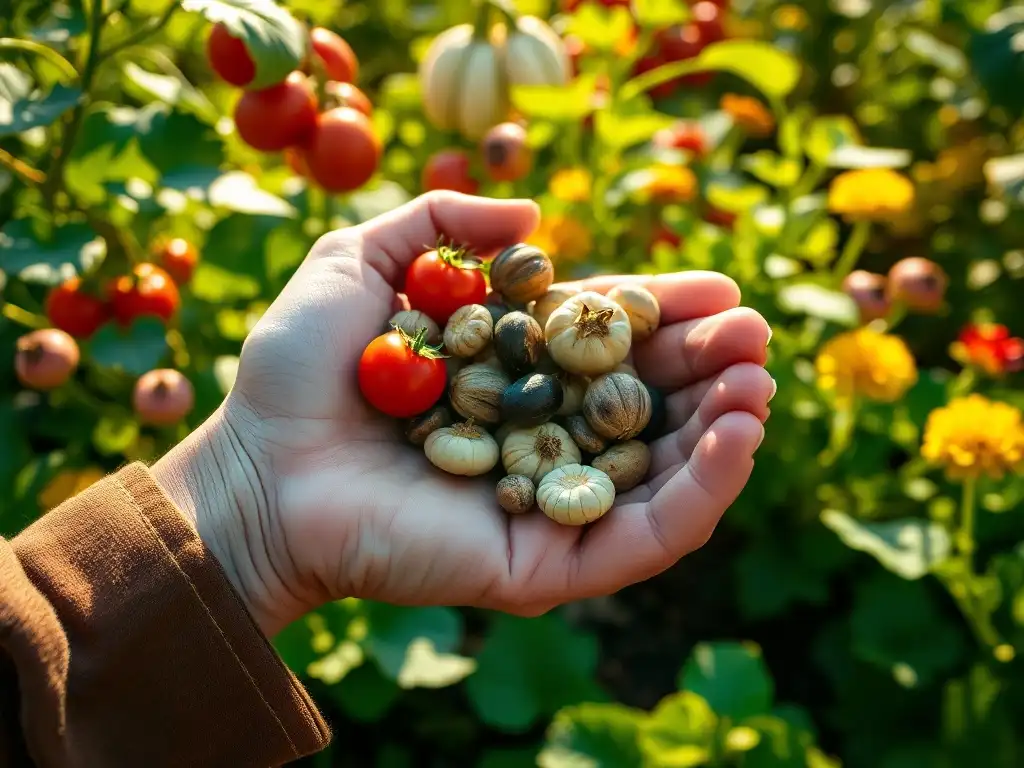
Saving seeds organically at home is a rewarding practice that contributes to both your garden's success and a more sustainable lifestyle. It's a crucial element of the circular economy, minimizing waste and reducing reliance on commercially produced seeds. But successful seed saving requires careful planning and execution. This section will guide you through the initial steps, focusing on seed selection and ensuring a bountiful harvest for future seasons.
Choosing the Right Plants for Seed Saving
Not all plants are equally suited for home seed saving. Open-pollinated varieties are your best bet. These plants, unlike hybrids (F1), will reliably produce offspring that closely resemble the parent plant. Hybrids, while often exhibiting desirable traits, often produce unpredictable results in the next generation. Therefore, carefully check seed packets or plant tags to confirm the variety is open-pollinated before planting. Look for descriptions such as "heirloom" or "open-pollinated."
Consider also the plant's pollination method. Some plants, like tomatoes and peppers, are self-pollinating, simplifying the seed-saving process. Others, such as beans and squash, are more easily cross-pollinated, requiring careful isolation to maintain the desired variety. For example, if you're saving seeds from a specific variety of zucchini, ensure that it's well-separated from other zucchini varieties to prevent cross-pollination.
This isolation is crucial to preserving the genetic integrity of your seeds. Failure to isolate varieties can lead to unpredictable results in subsequent seasons. The level of isolation needed depends on the specific plant; some require a distance of several hundred meters to prevent cross-pollination.
Identifying Mature Seeds: Recognizing Optimal Harvest Time
Harvesting seeds at the right time is critical for their viability. Premature harvesting leads to seeds that may not germinate, while overripe seeds can lose their viability. The optimal time varies depending on the plant.
For example, with tomatoes, the best time to harvest seeds is when the fruit is fully ripe and slightly overripe, often showing signs of softening. Beans should be harvested when the pods are fully dry and brown, easily rattling the seeds inside. Let's illustrate with a table:
| Plant Type | Sign of Maturity |
|---|---|
| Tomatoes | Fully ripe, slightly overripe, soft |
| Beans | Dry, brown pods; seeds rattle easily inside |
| Peppers | Pods fully colored and dry |
| Sunflower | Seed heads droop, and the back of the head turns brown |
| Lettuce | Seed heads turn brown and dry |
Careful observation is key. Examine your plants regularly, noting changes in color, texture, and the overall appearance of the seed pods or heads. Remember, patience is vital; rushing the process can compromise the quality of your seeds. The process of saving seeds organically at home is an iterative one; you'll learn to better recognize optimal harvest times with each season.
Understanding Seed Viability and Storage
Seed viability refers to the seed's ability to germinate and grow. Several factors affect viability, including the seed's age, storage conditions, and even the plant's health at the time of seed production. Proper storage is crucial for maintaining seed viability.
After harvesting, seeds generally need to be cleaned and dried thoroughly. This process involves removing any remaining fruit pulp or debris and allowing the seeds to dry completely in a cool, dark, and well-ventilated area. Avoid direct sunlight, which can damage the seeds. Proper drying is essential to prevent mold and rot.
Once dried, store your seeds in airtight containers in a cool, dark, and dry place. The ideal temperature is between 32°F and 41°F (0°C and 5°C). Properly stored seeds can maintain viability for several years, although the length of time varies greatly depending on the species. For example, some seeds, such as lettuce seeds, may only remain viable for a year or two, while others, like beans, can retain viability for many years under optimal conditions.
Always label your seed containers clearly, noting the plant type and the harvest date for effective tracking and optimal germination rates. The careful storage of seeds is a cornerstone of successful seed saving organically at home. 🌱
Organic Seed Saving Techniques: A Step-by-Step Guide
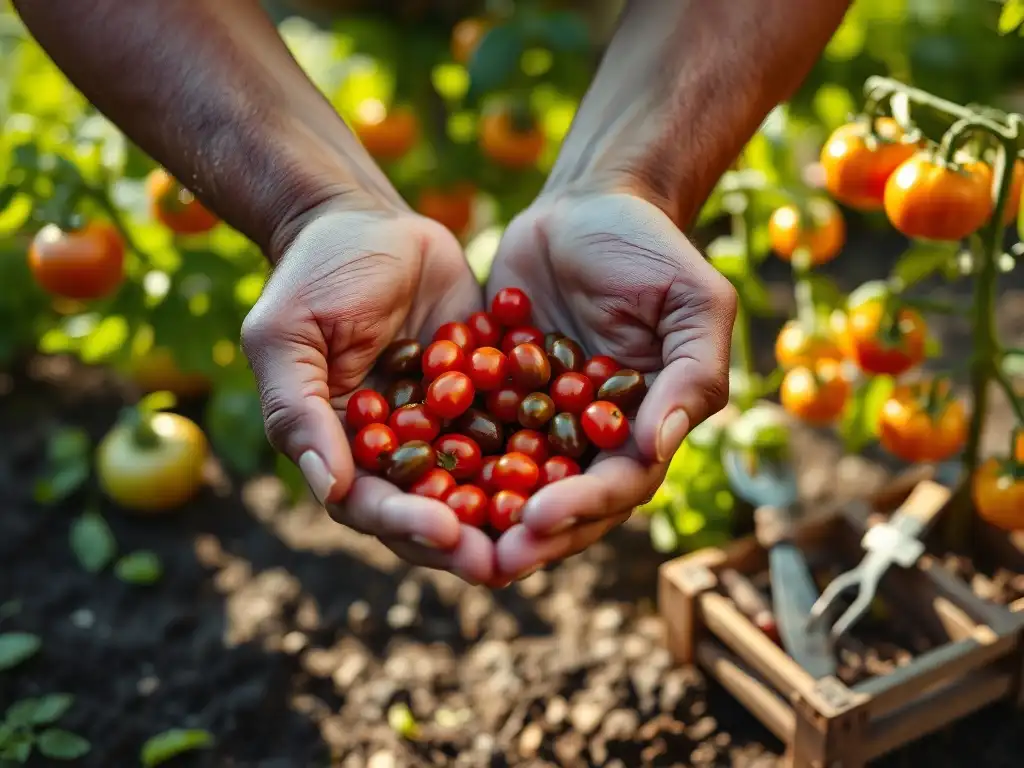
This section details the process of saving seeds organically at home, a crucial step towards building a self-sufficient garden and minimizing waste. By saving your own seeds, you contribute to a circular economy within your garden, reducing reliance on commercially produced seeds and promoting biodiversity. This guide focuses on organic practices, ensuring the integrity of your seeds and the health of your future plants. Remember, success in seed saving hinges on careful observation and attention to detail throughout the entire process.
Harvesting Seeds: Methods for Different Plant Types
Harvesting seeds at the optimal time is paramount for their viability. The timing varies significantly depending on the plant type. Here's a breakdown:
- Leafy Greens (Lettuce, Spinach): These generally don't produce seeds suitable for saving, as they often bolt (go to seed) before producing viable seeds for the next generation. Focus on selecting new plants regularly for continuous harvests.
- Root Vegetables (Carrots, Beets): Allow the root vegetables to fully mature in the ground. Once the foliage begins to yellow and die back, carefully lift the plants. Seeds are often found within the flower heads that develop after the root matures.
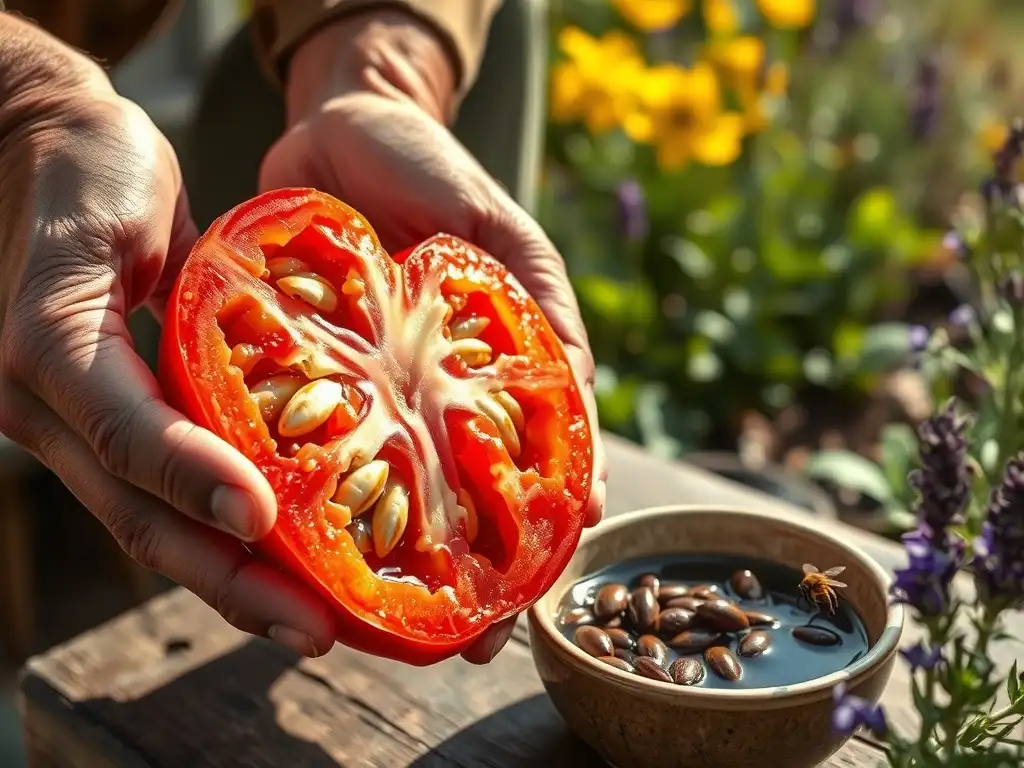
- Tomatoes: Allow tomatoes to fully ripen on the vine until they are deeply colored and slightly soft. Once ripe, carefully cut the tomato open. The seeds are embedded in a gelatinous pulp. Fermentation can be used to separate the seeds.
- Beans (Snap Beans, Bush Beans, Pole Beans): Allow the bean pods to dry completely on the plant until they turn brown and brittle. The pods will easily break open, revealing the seeds inside.
- Squash (Summer & Winter): For summer squash, allow a few fruits to fully mature on the vine. Winter squash should be left on the vine until fully mature and the rind is hard. Allow the fruit to dry before extracting seeds. Winter squash seeds often require additional cleaning to remove the pulp.
This table summarizes the optimal harvest time for different plant types:
| Plant Type | Harvest Timing | Key Considerations |
|---|---|---|
| Leafy Greens | Not typically suitable for seed saving | Focus on continuous planting for harvest |
| Root Vegetables | After foliage yellows and dies back | Carefully lift plants to avoid damaging seeds |
| Tomatoes | Fully ripe, deeply colored, slightly soft | Extract seeds from the gelatinous pulp |
| Beans (all types) | Pods completely dry, brown, and brittle | Pods will easily break open to reveal seeds |
| Squash (Summer & Winter) | Summer: Mature fruit; Winter: Hard rind, dried fruit | Requires careful cleaning to remove pulp (Winter) |
The process of saving seeds organically at home requires patience and attention to detail. Proper harvesting is the first crucial step in ensuring high-quality seeds for your next season's harvest.
Cleaning and Drying Seeds: Essential Steps for Preservation
After harvesting, seeds require thorough cleaning and drying to prevent rot and maintain viability. This process is critical for long-term seed storage. Here's a detailed guide:
- Cleaning: Remove any excess pulp, stems, or debris from the seeds. For seeds embedded in pulp (like tomatoes), fermentation can aid in separation. Rinse thoroughly with water and let air dry. For some seeds, rubbing them between your hands can effectively remove clinging material.
- Drying: Spread the cleaned seeds thinly on a screen or paper towel in a well-ventilated area, away from direct sunlight and moisture. Good airflow is crucial to prevent mold and mildew. Proper drying prevents fungal growth and ensures optimal germination rates. The drying time varies depending on the seed type, but generally ranges from 1 to 4 weeks. Check regularly for dryness.
The proper cleaning and drying techniques are essential for preserving your seeds. Neglecting these steps can drastically reduce germination rates and render your efforts futile.
Storing Seeds Properly: Techniques for Long-Term Viability
Proper storage is the final, yet crucial, step in saving seeds organically at home. Improper storage can lead to seed degradation and loss of viability. Here are some best practices:
- Containers: Use airtight containers made of glass or food-grade plastic. Avoid using materials that might leach chemicals into the seeds. Paper envelopes are suitable for short-term storage, but airtight containers are preferred for long-term storage.
- Environment: Store seeds in a cool, dark, and dry place. Ideal conditions are typically between 35°F and 40°F (2°C and 4°C) and with low humidity. A refrigerator is generally an excellent choice.
- Labeling: Clearly label each container with the plant species, variety, and harvest date. This information is crucial for proper identification and tracking of seed viability.
- Regular Checks: Periodically check your stored seeds for signs of mold, insect infestation, or deterioration. Discard any seeds that show signs of damage.
Following these steps will greatly increase the chances of successfully saving seeds organically at home and enjoying a bountiful harvest in the future. Remember, consistent practice and attention to detail are key to mastering this rewarding skill. Happy gardening! 🌱
Testing Seed Germination Rates: Ensuring Success for Next Season
Saving seeds organically at home is a rewarding practice, but ensuring their viability is crucial for a successful next season. Testing germination rates allows you to gauge the quality of your saved seeds and adjust your planting strategy accordingly. A high germination rate indicates healthy, viable seeds ready to sprout, while a low rate might necessitate planting more seeds to compensate for potential failures. This proactive approach minimizes waste and maximizes your harvest.
There are several methods to test seed germination rates, each offering varying levels of precision and convenience. The simplest method involves placing a small sample of seeds (around 20-30 seeds) on a damp paper towel in a sealed container or zip-top bag. Keep the paper towel consistently moist but not soggy – excess moisture can lead to rot. Place the container in a warm location (around 70-75°F or 21-24°C) and monitor daily.
Count the number of seeds that germinate within a week or two, depending on the species. Divide the number of germinated seeds by the total number of seeds tested, and multiply by 100 to calculate the germination percentage. For example, if 25 out of 30 seeds germinated, your germination rate is 83%.
A more sophisticated method involves using a germination tray or similar container with a well-draining medium like vermiculite or a seed-starting mix. This method mimics actual planting conditions more closely, providing a more accurate reflection of the seeds' performance in the garden. Plant the seeds according to the specific requirements of your plant species, maintaining consistent moisture levels. Monitor daily and count the germinated seeds over a suitable period. This method, while slightly more involved, offers a more reliable germination rate estimate, especially for seeds with specific environmental needs.
Remember that germination rates can vary depending on several factors, including seed age, storage conditions, and the species of plant. Some seeds have naturally higher germination rates than others, even under optimal conditions. For instance, seeds from certain tomato varieties might consistently show 90% germination rates, while others might only reach 70%. Understanding these variations is key to planning your planting.
Keeping meticulous records of your seed-saving process, including germination test results, allows you to track the performance of different seed batches and refine your techniques over time. This data-driven approach makes your seed-saving efforts progressively more efficient and successful, contributing to a truly sustainable and circular gardening practice. 📈
Seed Saving and the Circular Economy: Closing the Loop
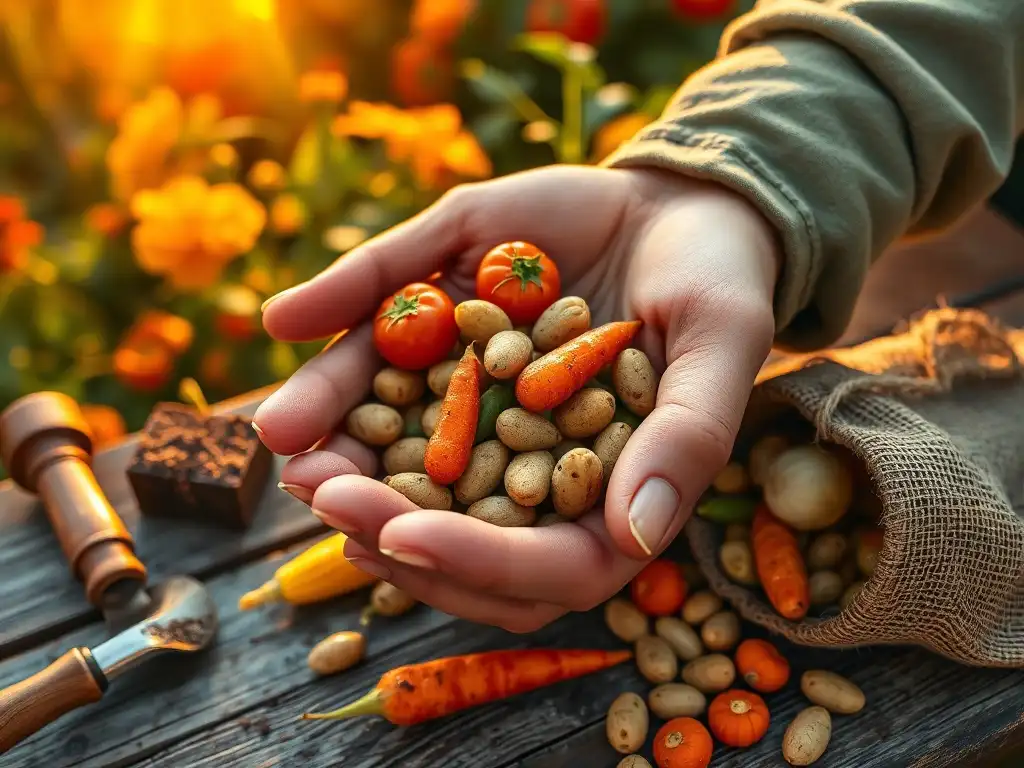
This section explores how saving seeds organically at home contributes to the circular economy, a model that aims to minimize waste and maximize resource utilization. By saving seeds, gardeners actively participate in a closed-loop system, reducing reliance on commercially produced seeds and decreasing the environmental impact associated with their production and distribution. This practice fosters self-sufficiency and contributes to a more sustainable gardening approach. The benefits extend beyond the individual garden, impacting local ecosystems and the global food system.
Minimizing Waste in the Garden Through Seed Saving
Saving seeds is a powerful tool for minimizing waste within your garden. Commercially produced seeds often come in plastic packaging, contributing significantly to plastic waste. Furthermore, the transportation of these seeds from large-scale farms to retailers generates carbon emissions.
By saving seeds from your own plants, you drastically reduce this waste stream. Consider the following example: If you successfully save seeds from 10 tomato plants, you've effectively avoided the purchase of at least 10 seed packets, potentially saving several grams of plastic and a significant amount of transportation-related emissions. This translates to a smaller carbon footprint and a more environmentally friendly gardening practice.
Moreover, saving seeds allows you to select and preserve the varieties best suited to your specific climate and soil conditions, reducing the need for resource-intensive adaptations. This process of selection and preservation directly contributes to reducing waste by ensuring higher yields and healthier plants tailored to your environment.
Reducing Your Environmental Footprint Through Sustainable Practices
Saving seeds organically at home is intrinsically linked to reducing your environmental footprint. The process itself minimizes the need for pesticides and chemical fertilizers, which can contaminate soil and water sources. Using your own saved seeds promotes biodiversity by maintaining heirloom varieties and locally adapted plants.
This contrasts sharply with the monoculture practices often employed in large-scale seed production, which can deplete soil nutrients and increase vulnerability to pests and diseases. By choosing to save seeds organically, you're actively promoting healthier ecosystems within your garden and beyond. Furthermore, the act of seed saving itself encourages mindful gardening practices, leading to a more holistic and sustainable approach to food production.
The reduced reliance on external inputs directly translates to a decrease in your overall environmental impact, aligning with principles of sustainable living and responsible resource management. Data on the reduction in pesticide usage alone shows a significant impact on water quality and biodiversity in surrounding areas.
Building a Resilient and Self-Sufficient Garden
Saving seeds organically at home builds resilience and self-sufficiency in your garden. By preserving seeds from your most successful plants, you create a genetic library tailored to your specific environment. This ensures a consistent supply of seeds year after year, reducing your dependence on external seed suppliers. This is particularly crucial in times of seed shortages or supply chain disruptions.
Imagine a scenario where a particular variety of pepper is unavailable commercially. If you've saved seeds from that pepper, you can continue to cultivate it, maintaining a consistent yield and ensuring food security for your household. Moreover, saving seeds allows you to adapt to changing environmental conditions. By selecting seeds from plants that thrive in your specific climate, you create a more resilient garden that's better equipped to withstand environmental challenges.
This proactive approach to seed saving contributes to a self-sufficient food system, reducing vulnerability to external factors and promoting long-term sustainability. The process of saving seeds and cultivating those seeds becomes a cycle of growth and preservation, strengthening your garden's resilience over time. This cycle of growth directly contributes to a more independent and sustainable gardening practice.
Resources and Further Learning: Expanding Your Seed Saving Knowledge
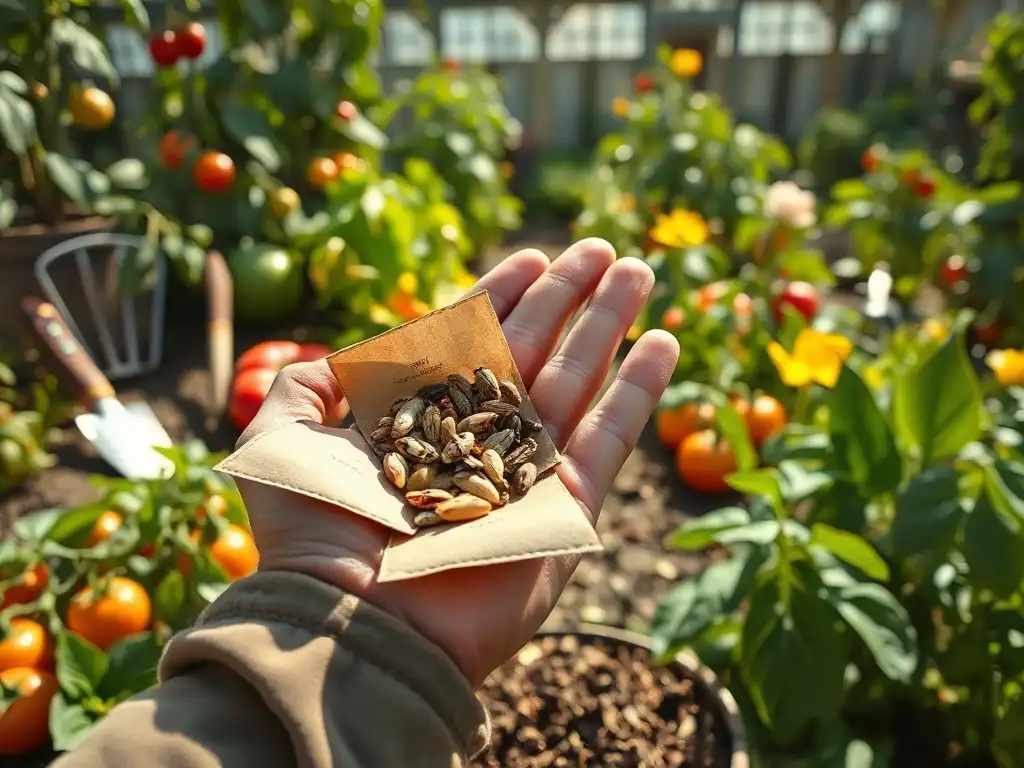
This section delves into valuable resources to further your knowledge and skills in organic seed saving. Mastering this practice not only reduces waste but also contributes to biodiversity and food security. Let's explore avenues for expanding your expertise in saving seeds organically at home.
Recommended Books and Online Resources for Seed Saving
Expanding your knowledge on seed saving techniques requires access to credible and comprehensive resources. Fortunately, numerous books and online platforms offer invaluable insights into this practice. Below, you'll find a selection of recommended resources categorized for easy navigation:
Books:
- "Seed to Seed: Seed Saving and Growing Techniques for Vegetable Gardeners" by Suzanne Ashworth: A classic guide covering a wide range of seed saving techniques, including detailed instructions and troubleshooting tips for various vegetables. This book is highly regarded for its practical approach and comprehensive coverage.
- "The Seed Saver's Handbook" by Carole B. Clement: A practical manual filled with information on selecting parent plants, harvesting seeds, cleaning and storing them. It emphasizes organic practices and addresses challenges specific to various climates.
- "Seed Saving for the Home Gardener" by Eliot Coleman: Known for his expertise in organic farming, Coleman's approach focuses on practical methods for preserving genetic diversity and ensuring the viability of seeds.
Online Resources:
- Websites dedicated to seed saving: Several websites offer detailed articles, tutorials, and forums dedicated to seed saving. These platforms often feature expert advice, tips from experienced seed savers, and opportunities for connecting with fellow enthusiasts.
- University Extension Programs: Many universities offer online resources and workshops on sustainable agriculture, often including sections dedicated to seed saving. These resources usually provide research-based information and practical guidance tailored to specific regions.
- Online Courses and Workshops: Several online platforms host courses and workshops on seed saving, offering structured learning experiences with expert instruction. These courses often include interactive elements and opportunities for feedback.
Local Seed Saving Communities and Workshops
Connecting with local seed saving communities provides invaluable opportunities for learning, sharing experiences, and exchanging seeds. These communities often organize workshops, seed swaps, and other events that facilitate knowledge transfer and collaborative learning. The benefits of joining such a community include:
- Learning from experienced seed savers: Direct interaction with seasoned practitioners allows you to learn practical techniques, troubleshoot challenges, and gain valuable insights.
- Access to diverse seed varieties: Seed swaps within local communities provide access to a wider range of seeds than might be available commercially, promoting biodiversity in your garden.
- Building a supportive network: Connecting with like-minded individuals fosters a sense of community and provides a valuable support system for tackling the challenges of seed saving.
To locate local seed saving communities, consider searching online for terms like "seed saving group [your city/region]", "organic gardening clubs [your city/region]", or "sustainable agriculture networks [your city/region]".
Connecting with fellow seed savers
The online world offers several avenues for connecting with fellow seed savers, fostering collaboration and knowledge exchange. Consider engaging with these platforms:
- Online Forums and Discussion Groups: Many online forums and discussion groups are dedicated to seed saving, offering opportunities to ask questions, share experiences, and learn from others. These platforms provide a space for collaborative problem-solving and knowledge sharing.
- Social Media Groups: Numerous social media groups focus on seed saving and organic gardening. These groups can be excellent sources of information, support, and inspiration. Actively engaging in conversations, sharing your experiences, and asking questions can significantly enhance your learning process.
- Seed Exchange Networks: Several online platforms facilitate seed exchanges, allowing you to connect with seed savers from around the world and exchange seeds of different varieties. This is a fantastic way to diversify your seed collection and contribute to broader genetic diversity.
By actively participating in these communities and utilizing the available resources, you can deepen your understanding of seed saving and enhance your ability to save seeds organically at home. Remember, consistent learning and sharing are key to mastering this valuable skill. 🌱
Frequently Asked Questions
How can I save seeds organically at home?
Saving seeds organically involves selecting healthy, mature plants from your garden. Allow fruits or seed pods to fully dry on the plant before harvesting. Then, clean and store the seeds in a cool, dry, and dark place in airtight containers.
What types of seeds are easiest to save at home?
Heirloom varieties are generally the easiest to save, as they are open-pollinated, meaning they won't cross-pollinate easily with other varieties. Examples include beans, peas, and tomatoes. Avoid hybrid varieties.
How do I prevent cross-pollination when saving seeds?
To prevent cross-pollination, maintain a good distance between different varieties of the same plant species. For some plants, hand-pollination can help ensure purity. Isolate plants that are likely to cross-pollinate.
How long can I store saved seeds before planting?
Seed viability varies by species, but many seeds will remain viable for one to three years when stored properly. Store them in a cool, dark, and dry area in airtight containers. Check for viability before planting.
What are the benefits of saving seeds organically at home?
Saving your own seeds contributes to the circular economy by reducing waste and promoting biodiversity. It also allows you to grow your favorite varieties year after year and save money on seeds!
Final Reflection: Reclaiming the Cycle: Seeds, Sustainability, and Our Future
The practice of saving seeds organically at home is not merely a gardening technique; it's a powerful act of reclaiming our food sovereignty and actively participating in a circular economy. In a world grappling with climate change and dwindling biodiversity, the simple act of saving seeds becomes a potent symbol of resilience and a tangible step towards a more sustainable future. This seemingly small action has far-reaching consequences, impacting everything from our food security to the health of our planet.
The profound shift towards industrial agriculture has severed the intimate connection between people and their food sources. Seed saving, however, offers a pathway back to that connection, fostering a deeper understanding of the natural world and our place within it. The future of agriculture depends on the diversity of seeds, and the diversity of seeds depends on the diversity of farmers.
This quote highlights the crucial role individual seed saving plays in maintaining biodiversity and ensuring food security for generations to come. It's a responsibility we all share, a legacy we can build, one seed at a time.
You now hold the power to cultivate not just plants, but also a more sustainable and resilient future. Consider the seeds you save as more than just genetic material; see them as threads woven into the fabric of a circular economy, connecting past practices with future possibilities. Start small, experiment, learn from your successes and failures, and share your knowledge with others. The journey of seed saving is a journey of self-discovery, a testament to our capacity for innovation, and a vital contribution to a healthier planet. Begin your journey today.
Unlock Your Garden's Potential: Start Saving Seeds Today!
Thank you for exploring the world of seed saving and its connection to a more sustainable lifestyle! You've learned how to minimize waste and increase your garden's yield – fantastic! Ready to put this knowledge into action?
- Start saving seeds from your favorite varieties this season: This is the foundation of building your own seed bank and reducing reliance on commercially produced seeds. Begin with one or two easy-to-save plants.
- Share your seed-saving journey with friends and family: Inspire others to adopt more environmentally friendly practices and contribute to a more resilient food system.
- Explore creative uses for saved seeds: Go beyond planting! Use seeds in crafts, as a natural dye, or as a unique ingredient in your cooking.
What's the first seed you plan to save, and what creative project will you undertake?