
Organic Caterpillar Control: Safe Methods for Your Garden

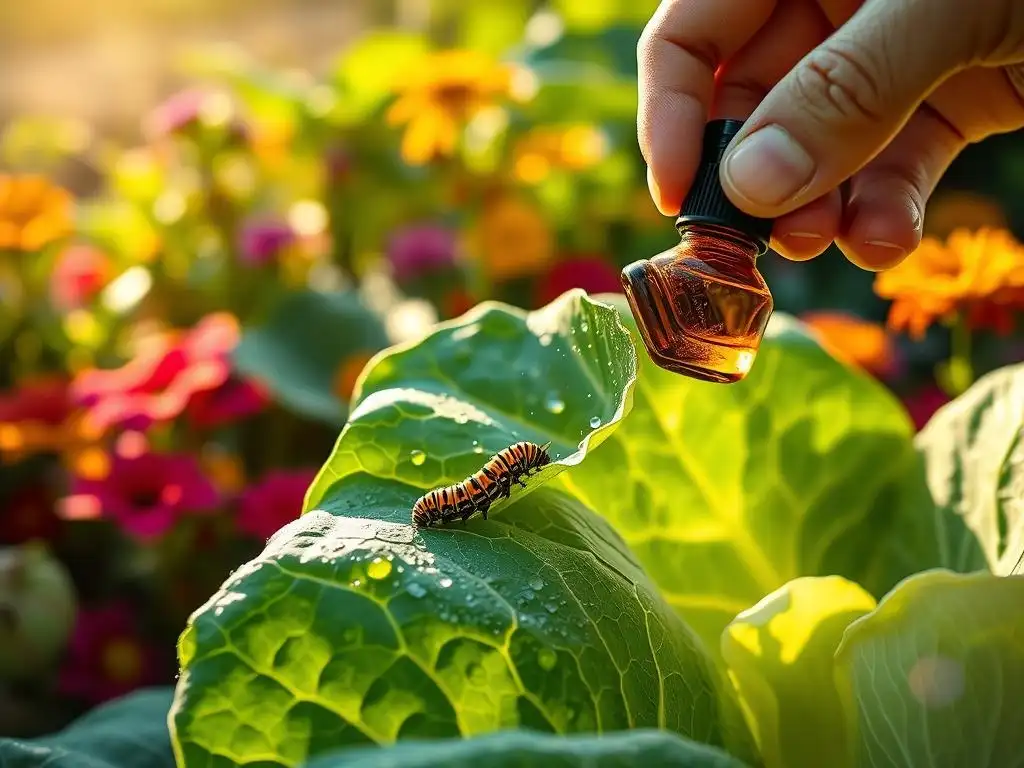
Welcome to CultivateYourFood, your guide to a thriving, sustainable garden! Are you battling pesky caterpillars threatening your precious fruits and vegetables? We understand the frustration. Learn about effective and completely organic caterpillar control methods, ensuring a bountiful harvest without harmful chemicals. Discover safe and sustainable solutions in our comprehensive guide to Organic Caterpillar Control, and start cultivating the garden of your dreams today!
- Identifying Common Garden Caterpillars
- Organic Caterpillar Control Methods: A Holistic Approach
- Preventing Caterpillar Infestations: Proactive Strategies
- Assessing the Effectiveness of Organic Caterpillar Control
-
Frequently Asked Questions
- What are caterpillars and why are they a problem in my garden?
- What are some organic methods to control caterpillars?
- How effective is Bacillus thuringiensis (Bt) for caterpillar control?
- Are there any natural predators that can help control caterpillars?
- What preventative measures can I take to reduce caterpillar infestations?
- Final Reflection: Nurturing a Thriving Ecosystem, Naturally
- Unleash Your Garden's Potential: Natural Pest Control Now!
Identifying Common Garden Caterpillars
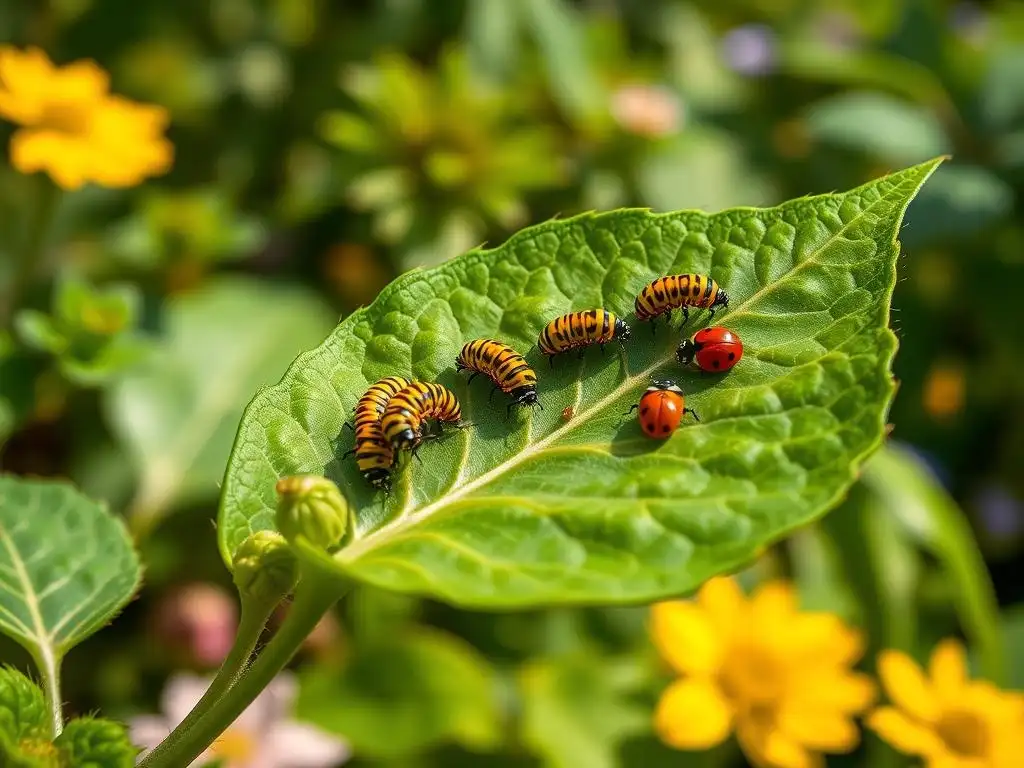
Caterpillars, while a vital part of the ecosystem, can quickly decimate a home gardener's precious fruits, vegetables, and herbs. This comprehensive guide explores effective, organic caterpillar control methods, helping you protect your harvest without resorting to harmful chemicals. We'll delve into identifying common culprits, understanding their life cycles, and implementing sustainable solutions that promote a healthy garden ecosystem. Choosing organic methods not only safeguards your produce and family but also contributes to a more environmentally responsible approach to gardening.
This guide focuses on practical, hands-on techniques that minimize environmental impact while maximizing the effectiveness of your pest control strategy. Learning to identify specific caterpillars is the first step towards effective, targeted control, ensuring you address the problem at its source. Remember, prevention is key – implementing proactive strategies can significantly reduce the need for intervention later in the growing season. Let's get started with identifying some common garden invaders!
Recognizing Cabbage White Butterfly Larvae
Cabbage white butterflies ( Pieris rapae) are a common sight in many gardens, and their larvae – small, green caterpillars – are notorious for munching on brassica family plants like cabbage, broccoli, and kale. These caterpillars are typically light green to yellowish-green with tiny black dots along their bodies. They can be easily identified by their relatively small size (up to 1 inch long) and their preference for feeding on the leaves of these plants, often leaving behind characteristic holes and skeletonized foliage.
Early detection is crucial. Regularly inspect the undersides of leaves, where they often hide. Handpicking is an effective method for small infestations. Simply remove the caterpillars and dispose of them in soapy water. For larger infestations, consider using row covers to prevent butterflies from laying eggs on your plants. Introducing beneficial insects like ladybugs or lacewings can also help control populations naturally. These predators feed on caterpillars and other garden pests, offering a sustainable and environmentally friendly approach to pest management.
Identifying Tomato Hornworms
Tomato hornworms ( Manduca quinquemaculata) are large, green caterpillars with a distinctive horn-like projection at their rear end. They can grow up to 4 inches long and are voracious feeders on tomato plants, often stripping them bare in a short amount of time. These caterpillars are usually a vibrant green, sometimes with diagonal white stripes along their sides. They blend remarkably well with tomato foliage, making them difficult to spot at times.
Monitoring your tomato plants regularly is essential. Look closely for signs of feeding damage, such as large holes in the leaves or missing leaves entirely. Handpicking is again an effective control method, especially for smaller infestations. Bacillus thuringiensis (Bt) is a naturally occurring bacterium that is toxic to hornworms and other caterpillars; it's a safe and effective organic control option. Consider using diatomaceous earth, a fine powder made from fossilized algae, as a physical barrier; it abrades the caterpillars' bodies, leading to dehydration and death.
Spotting the Armyworm Moths
Armyworms ( Mythimna unipuncta) are notorious for their swarming behavior and voracious appetites. Their larvae are dark-colored caterpillars with light stripes running along their bodies. They typically feed in large groups, causing extensive damage to grasses and crops such as corn, wheat, and other cereals. They are characterized by their rapid feeding and ability to quickly defoliate entire plants. Identifying them early is crucial to prevent widespread damage.
Monitoring for signs of feeding damage, like patchy areas of dead or dying grass, is the first step. Natural predators such as parasitic wasps and flies can help control armyworm populations. Maintaining healthy soil and planting diverse vegetation can also enhance the resilience of your garden ecosystem, making it less susceptible to armyworm infestations. For larger infestations, consider using organic insecticides, such as neem oil, which disrupts the caterpillars' feeding and development. Always follow the instructions carefully when applying any insecticide. 🐛
Distinguishing Cutworms from Other Pests
Cutworms, despite their name, aren't always easy to identify. Their nocturnal habits and tendency to hide during the day can make spotting them challenging. However, understanding their key characteristics is crucial for effective organic caterpillar control. Unlike many other caterpillars that feed openly on leaves, cutworms are often found at the soil line, chewing through stems at the base of plants. This leads to wilting and sudden plant death, a key indicator of their presence. This behavior differentiates them from leaf-eating caterpillars like cabbage loopers or tomato hornworms, which are more visible and feed on foliage.
Another distinguishing feature is their appearance. Cutworms are typically plump and greasy-looking, with a cylindrical body that often lacks distinct markings. They can vary in color, ranging from shades of gray and brown to almost black. This contrasts with many other caterpillars that have vibrant colors, stripes, or other easily identifiable features. For example, the monarch caterpillar is easily recognized by its distinctive black, yellow, and white stripes. Conversely, the subtle coloration of cutworms makes them masters of camouflage, blending seamlessly with the soil.
Finally, the damage they inflict is a telltale sign. While other caterpillars leave behind chewed leaves or skeletonized foliage, cutworms cause plants to collapse or wilt unexpectedly. This is because they sever the stems near the soil level, disrupting the plant's water and nutrient uptake.
Careful examination of the base of affected plants often reveals the characteristic chewing marks and the presence of the cutworm itself, often hiding amongst the soil and debris. Paying close attention to these subtle differences in behavior, appearance, and damage patterns will significantly improve your ability to identify cutworms and implement appropriate organic caterpillar control strategies. Accurate identification is the first step towards successful pest management.
Organic Caterpillar Control Methods: A Holistic Approach
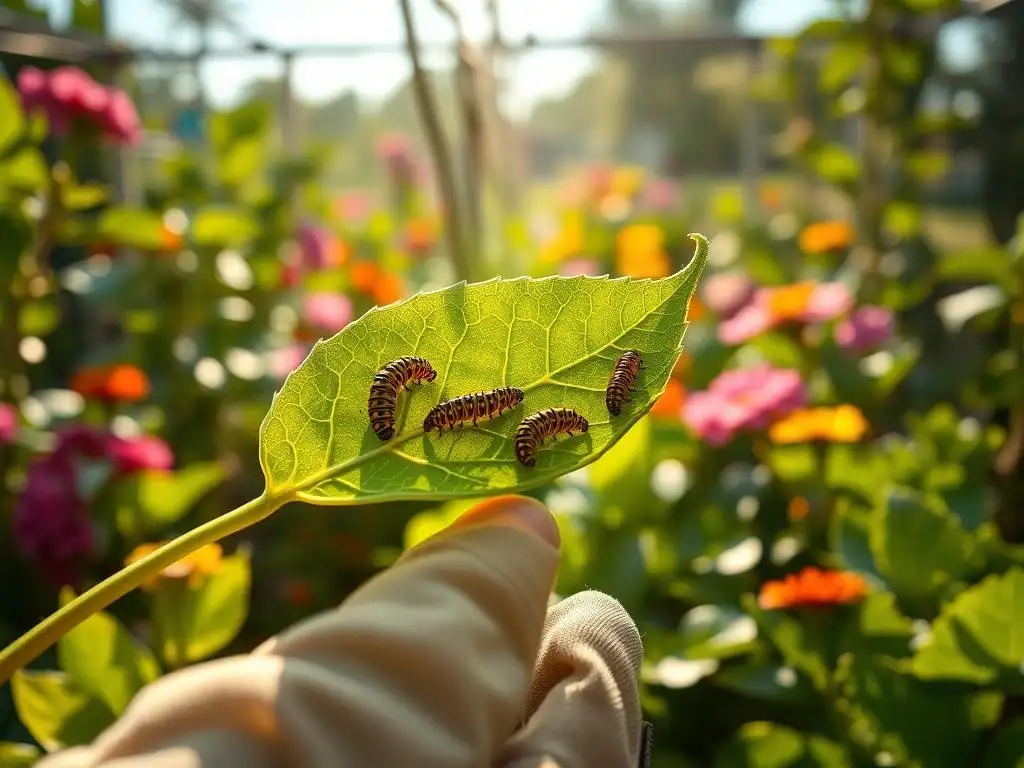
This section delves into effective, eco-friendly strategies for managing caterpillar infestations in your home garden. We'll explore various organic caterpillar control methods, minimizing harm to beneficial insects and the environment while protecting your precious plants. Remember, a proactive approach, combining preventative measures with reactive treatments, is key to successful organic pest management. Consistent monitoring is crucial for early detection, allowing for swift intervention before significant damage occurs.
Manual Removal and Physical Barriers
One of the simplest and most effective organic caterpillar control methods involves physically removing caterpillars from your plants. This is particularly useful for small infestations or when dealing with larger, easily spotted caterpillars. Early morning or late evening are ideal times, as caterpillars are often less active during these cooler periods. Simply handpick them and dispose of them in a bucket of soapy water.
For larger gardens or more extensive infestations, physical barriers can be highly effective preventative measures. Row covers, made from lightweight, breathable fabric, create a physical barrier preventing caterpillars from accessing your plants. These covers can be placed over plants while they are young and vulnerable, offering protection until they mature.
Remember to remove the covers when plants flower to allow for pollination by bees and other beneficial insects. Another option includes using collars around the base of individual plants, preventing caterpillars from climbing upwards. These collars can be made from cardboard, metal, or plastic, ensuring they are securely fastened to prevent caterpillars from crawling underneath.
Beneficial Insects for Natural Pest Control
Introducing beneficial insects into your garden ecosystem is a cornerstone of organic caterpillar control. These natural predators help maintain a balanced environment, reducing the need for chemical interventions. Several beneficial insects effectively target caterpillars, offering a sustainable and environmentally responsible approach to pest management.
Introducing Ladybugs to Your Garden
Ladybugs are voracious predators of aphids and other soft-bodied insects, including some small caterpillars. Attracting ladybugs to your garden involves providing suitable habitats. Plant flowering plants that attract them, such as dill, fennel, and yarrow. Avoid using pesticides, as these will harm ladybugs along with the pests. You can also purchase ladybug larvae or adults from reputable suppliers and release them strategically in your garden. However, remember that the effectiveness of ladybug introduction depends on the existing ecosystem and the severity of the infestation. They are most effective as part of a broader integrated pest management strategy.
Attracting Praying Mantises
Praying mantises are highly effective predators, feeding on a wide range of insects, including caterpillars. They are ambush predators, patiently waiting for their prey to come within striking distance. To attract praying mantises, provide a habitat rich in vegetation and shelter. Avoid disturbing their natural habitat within your garden. Leaving some areas slightly unkempt can provide suitable hiding places for these beneficial insects. Unlike ladybugs, releasing praying mantises isn't always practical or effective, as they are less readily available commercially and can be challenging to establish in a new environment.
Utilizing parasitic wasps
Parasitic wasps are tiny insects that lay their eggs inside or on caterpillars. The wasp larvae then feed on the caterpillar, eventually killing it. These wasps are highly specific in their host preferences, targeting particular caterpillar species. Encouraging biodiversity in your garden is key to attracting these beneficial insects.
Avoid using broad-spectrum insecticides, which can harm parasitic wasps along with their target pests. Planting a diverse range of flowering plants will attract a wider variety of insects, including the beneficial parasitic wasps. While you can't directly introduce parasitic wasps in the same way as ladybugs, creating a healthy garden ecosystem will naturally attract them. Their presence is a good indicator of a thriving and balanced garden environment.
Bacillus thuringiensis (Bt) for Caterpillar Control
Bacillus thuringiensis (Bt) is a naturally occurring bacterium that produces toxins lethal to various insect larvae, including caterpillars. This makes it a powerful and effective tool in organic caterpillar control. Bt is highly specific, meaning it primarily targets caterpillars and poses minimal risk to beneficial insects, birds, mammals, and humans. Several formulations of Bt are commercially available, often labeled as "Bt," "Dipel," or "Thuricide." These products come in different forms, including powders, liquids, and granules, allowing for versatile application methods.
For instance, the powder form can be directly dusted onto plants, while liquid formulations are ideal for spraying. The effectiveness of Bt is heavily reliant on proper application. Caterpillars must ingest the Bt crystals to be affected; therefore, thorough coverage of the plant foliage is crucial. Furthermore, optimal application timing is key – treating plants when caterpillars are young and actively feeding will yield the best results.
While Bt is generally considered safe, always follow the manufacturer's instructions carefully and wear appropriate protective gear during application. Remember that Bt's effectiveness can be influenced by environmental factors like temperature and rainfall, so monitoring the treated plants is essential. Repeated applications might be necessary, especially during periods of heavy infestation. Choosing the right Bt formulation for your specific needs and pest is also important as some strains are more effective against certain caterpillar species than others.
Homemade Organic Sprays for Caterpillar Repellent
Many effective caterpillar repellents can be made at home using readily available ingredients. These homemade sprays offer a safe and eco-friendly alternative to chemical pesticides, promoting a healthy garden ecosystem while effectively controlling caterpillar populations. The key to success with these sprays lies in consistent application and a proactive approach – applying the spray before significant damage occurs. Regular monitoring of your plants will help you identify infestations early, allowing for timely intervention and preventing widespread damage.
Remember that these organic sprays might not provide the same level of immediate knock-down power as chemical insecticides; consistent application is key to achieving satisfactory results. Furthermore, the effectiveness of homemade sprays can be influenced by weather conditions. Heavy rain can wash away the spray, requiring reapplication.
Using Neem Oil for Caterpillar Control
Neem oil, extracted from the neem tree, is a versatile organic pesticide with insecticidal and repellent properties. It works by disrupting the caterpillar's life cycle, impacting their feeding, molting, and reproduction. Neem oil isn't a quick-kill solution; instead, it acts as a growth inhibitor and repellent, making it crucial to apply it consistently.
When using neem oil, always dilute it according to the manufacturer's instructions to prevent damage to your plants. Avoid applying neem oil during the hottest part of the day, as it can scorch the foliage. Moreover, neem oil's effectiveness can be reduced by heavy rainfall, necessitating reapplication after significant precipitation.
While generally safe, neem oil can be harmful to some beneficial insects, so it's important to use it judiciously and focus application on areas with high caterpillar activity. Proper application techniques, such as spraying in the evening when temperatures are cooler and insects are more active, can improve effectiveness.
Creating a Garlic and Pepper Spray
A potent and effective caterpillar repellent can be made by combining garlic and hot pepper. The pungent oils in both ingredients act as natural deterrents, making your plants less appealing to caterpillars. To prepare this spray, blend several cloves of garlic and a few hot peppers (adjust the amount based on desired spiciness) with water. Strain the mixture to remove solids and then dilute it with additional water. This spray can be applied directly to plants, focusing on the foliage where caterpillars feed.
The strong odor will repel many caterpillars, reducing the risk of infestation. However, remember that this spray needs to be reapplied frequently, especially after rain, as its effectiveness diminishes over time. While this method is generally safe, it’s crucial to avoid contact with eyes and skin. Wearing gloves and protective eyewear during preparation and application is recommended.
Making a Soap Solution for Pest Control
A simple insecticidal soap solution is a readily available and effective organic method for controlling caterpillars. The soap disrupts the caterpillar's cell membranes, causing dehydration and death. To make this solution, mix a few tablespoons of insecticidal soap (specifically formulated for gardening) with a gallon of water.
Thoroughly spray the solution onto the affected plants, ensuring complete coverage of the foliage. This method is particularly effective against young caterpillars, but repeated applications might be necessary for larger infestations. Always test the solution on a small area of your plant first to ensure it doesn't cause damage before applying it broadly.
Remember that insecticidal soap can be harmful to beneficial insects, so use it sparingly and target only areas with caterpillar activity. The solution loses its effectiveness when exposed to direct sunlight and rain, so reapplication after heavy rainfall or extended sun exposure is recommended. Careful consideration of plant type and weather conditions will ensure optimal results.
Preventing Caterpillar Infestations: Proactive Strategies
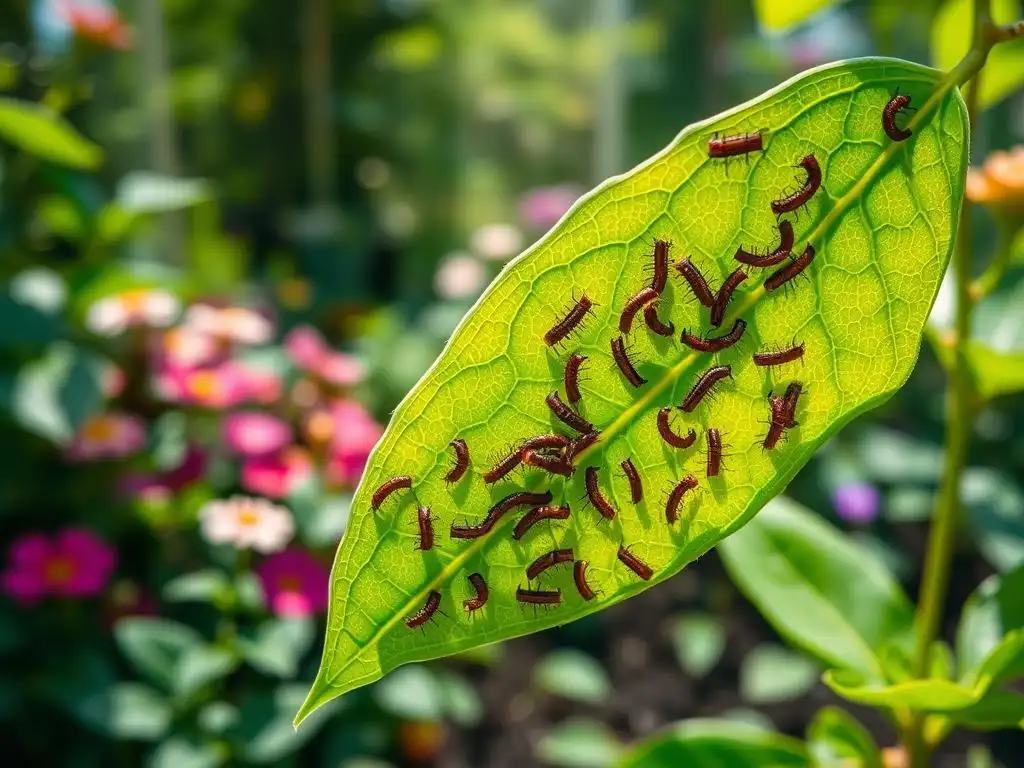
Preventing caterpillar infestations is far more effective and less stressful than dealing with a full-blown outbreak. A proactive approach leverages the principles of organic gardening to create an environment less hospitable to these pests. This involves a multi-pronged strategy focusing on ecosystem health, plant selection, and proper garden maintenance. By implementing these preventative measures, you significantly reduce the likelihood of needing to resort to more intensive control methods later. Organic caterpillar control methods prioritize prevention.
Maintaining a Healthy Garden Ecosystem
A thriving garden ecosystem naturally regulates pest populations. Beneficial insects, like ladybugs and lacewings, are voracious predators of caterpillars and their eggs. Encouraging biodiversity through companion planting is key. For example, planting herbs like dill, fennel, and parsley can attract beneficial insects while deterring some caterpillars. Similarly, flowers like calendula and yarrow provide nectar and pollen for these beneficial predators, keeping their populations healthy and active in your garden.
Avoid the overuse of broad-spectrum insecticides, as these kill both harmful and beneficial insects, disrupting the delicate balance. Think of your garden as a mini-food web; a healthy ecosystem will naturally control pest populations. This natural approach to organic caterpillar control is both effective and environmentally responsible. Remember to avoid using chemical pesticides which can harm beneficial insects and disrupt the natural balance, hindering your organic caterpillar control efforts.
Choosing Resistant Plant Varieties
Selecting caterpillar-resistant plant varieties is a crucial preventative measure. Many plant species have natural defenses against common caterpillar pests. Researching the specific caterpillars prevalent in your region and choosing plants known for their resistance is a proactive step towards minimizing infestations. For example, some tomato varieties exhibit greater resistance to tomato hornworms than others. Similarly, certain cabbage varieties are less susceptible to cabbage worms. This careful selection process significantly reduces the likelihood of significant infestations, minimizing the need for intervention later on. This is a vital aspect of effective organic caterpillar control, focusing on prevention rather than reaction.
Proper Watering and Soil Management
Maintaining optimal soil moisture and fertility levels is another critical aspect of preventing caterpillar infestations. Stressed plants, often resulting from improper watering or nutrient deficiencies, are more susceptible to pest attacks. Caterpillars thrive in dry, stressed environments. Consistent, deep watering promotes strong, healthy plant growth, making them less attractive to caterpillars.
Similarly, enriching your soil with compost and other organic matter improves its structure and nutrient content, bolstering the plants' natural defenses. Healthy soil equals healthy plants, which are better equipped to withstand pest pressure. This approach complements other organic caterpillar control methods, creating a holistic strategy for a thriving, pest-resistant garden. Remember that healthy soil is the foundation of a healthy plant, and healthy plants are less vulnerable to pests.
Regularly Inspecting Plants for Early Detection
Regularly inspecting your plants is the cornerstone of effective organic caterpillar control. Early detection significantly increases your chances of managing an infestation before it explodes into a widespread problem. Think of it as a proactive health check for your garden. Aim for at least twice-weekly inspections, more frequently if you notice signs of damage or if you're experiencing particularly humid or rainy weather – conditions that caterpillars thrive in.
During your inspections, carefully examine the undersides of leaves, as caterpillars often hide there to avoid predators and the sun. Look for tell-tale signs of feeding, such as holes in leaves, chewed edges, or frass (caterpillar droppings). These are clear indicators of caterpillar activity, even if you don't spot the culprits immediately.
Pay close attention to young seedlings and tender new growth, which are particularly vulnerable to caterpillar attacks. Remember that different caterpillars feed on different plants, so focusing your inspection on the specific plants known to be susceptible in your region is key. For example, cabbage white butterflies lay their eggs on brassica family plants, so prioritize those during your inspections.
Don't limit your inspection to just the leaves. Check stems and buds as well. Some caterpillars bore into stems or create nests within flower buds, making early detection more challenging. A thorough inspection requires patience and a keen eye, but it's a crucial step in preventing a major infestation and minimizing the need for more drastic control measures.
Early detection allows you to intervene with less disruptive methods, such as handpicking or using natural deterrents, before resorting to stronger, potentially harmful pesticides. This approach aligns perfectly with the principles of organic gardening, protecting both your plants and the environment. The time invested in regular inspections will pay off handsomely in healthier, more productive plants.
Assessing the Effectiveness of Organic Caterpillar Control
Effective organic caterpillar control requires a multifaceted approach, going beyond simply applying a treatment. A crucial element is carefully assessing the impact of your chosen methods. This involves monitoring the caterpillar population after treatment and evaluating the overall health of your plants. By closely observing these factors, you can refine your strategy for optimal results and minimize future infestations. Remember, consistent monitoring is key to successful organic gardening. This section details how to effectively assess the success of your organic caterpillar control efforts.
Monitoring Caterpillar Populations After Treatment
After implementing your chosen organic caterpillar control method (e.g., Bacillus thuringiensis, neem oil, handpicking), consistent monitoring is vital. Begin by establishing a baseline. Before treatment, count the number of caterpillars present on a representative sample of your plants. Note their size and location. Record this data in a garden journal or a spreadsheet.
A week after treatment, repeat the count. Compare this post-treatment count to your baseline. A significant reduction indicates the effectiveness of your method. However, a minimal change or an increase in caterpillar numbers suggests the need for adjustments to your strategy. Consider the following factors when assessing your results:
- Caterpillar mortality: Note the number of dead caterpillars. Are there more dead caterpillars than live ones? This directly indicates the efficacy of your chosen method.
- Caterpillar size: Are the caterpillars smaller than before treatment? This suggests the control method is affecting their growth and development.
- Location of caterpillars: Have the caterpillars moved to different parts of your plants? This could indicate the effectiveness of the treatment in some areas but not others.
- Presence of new eggs: Check for any newly laid eggs. This suggests that the control measure may not be completely effective, and you may need to repeat the treatment or explore other options.
Regular monitoring, ideally every 3-5 days, allows for early detection of any resurgence in caterpillar populations. This enables timely intervention before the infestation causes significant damage. Remember to document your observations meticulously to track progress and inform future decisions. Consistent data collection improves your ability to prevent future problems.
Evaluating the Health of Your Plants
Organic caterpillar control isn’t just about eliminating pests; it’s also about maintaining the health and vitality of your plants. While effectively controlling caterpillars is crucial, it’s equally important to assess the impact of your chosen methods on the overall health of your plants. Signs of plant stress could indicate that the treatment is too harsh or ineffective.
Look for the following indicators:
- Leaf damage: Even after caterpillar control, assess the extent of existing leaf damage. Significant damage could indicate a late intervention or an ineffective control method.
- Wilting: Check for signs of wilting, which can be caused by stress from infestation or the control method itself. Note the severity and location of the wilting.
- New growth: Observe the rate of new growth. Healthy plants will continue to produce new leaves and stems even after an infestation. Stunted growth could indicate lingering effects of the infestation or damage from the treatment.
- Overall vigor: Evaluate the overall appearance of the plants. Do they appear healthy and robust, or are they weak and struggling?
If you observe any signs of plant stress, consider adjusting your approach. This might involve switching to a milder organic control method, reducing the frequency of application, or providing supplemental care like watering and fertilizing to help your plants recover. Remember, a thriving plant is better equipped to withstand pest pressure.
Adjusting Your Strategy Based on Results
The effectiveness of organic caterpillar control methods can vary depending on several factors, including the type of caterpillar, the severity of the infestation, weather conditions, and the specific method employed. Therefore, flexibility in your approach is crucial.
Based on your monitoring and plant health assessment, make necessary adjustments to your strategy. For instance:
| Scenario | Possible Adjustments |
|---|---|
| Minimal caterpillar reduction | Increase the frequency of treatment, try a different organic method, or combine methods. |
| Significant plant stress | Reduce the concentration or frequency of treatment, or switch to a gentler method. |
| Effective control, but new eggs | Repeat the treatment, possibly with a preventative measure (e.g., row covers). |
| No noticeable effect | Consider consulting a local agricultural extension office for advice on specific solutions. |
Remember, consistent monitoring and data recording are crucial for making informed decisions. By adapting your strategy based on observed results, you'll improve the effectiveness of your organic caterpillar control and promote a healthy and thriving garden. Organic gardening is a learning process; embrace the need for adjustments and continuous improvement. 🌱
Frequently Asked Questions
What are caterpillars and why are they a problem in my garden?
Caterpillars are the larval stage of moths and butterflies. While some are beneficial, many are destructive pests that can devour your plants, leaving them stunted or dead. Early detection and intervention are crucial.
What are some organic methods to control caterpillars?
Several organic control methods exist, including handpicking caterpillars, using beneficial insects like ladybugs, applying Bacillus thuringiensis (Bt), or creating physical barriers like row covers.
How effective is Bacillus thuringiensis (Bt) for caterpillar control?
Bt is a naturally occurring bacterium highly effective against many caterpillar species. It's safe for humans and beneficial insects, but its effectiveness depends on the caterpillar species and application timing.
Are there any natural predators that can help control caterpillars?
Yes! Introducing beneficial insects such as ladybugs, lacewings, and parasitic wasps into your garden can significantly reduce caterpillar populations. Providing habitats that attract these insects is vital.
What preventative measures can I take to reduce caterpillar infestations?
Regular garden maintenance, including removing weeds and plant debris where caterpillars may hide, is crucial. Healthy plants are also more resilient to infestations. Consider using row covers to protect young plants.
Final Reflection: Nurturing a Thriving Ecosystem, Naturally
The delicate balance between protecting our gardens and preserving the environment is more critical than ever. The rise of pesticide resistance and growing awareness of the harmful effects of synthetic chemicals on beneficial insects and human health underscores the urgency of exploring organic caterpillar control methods. Our gardens are not isolated entities; they are integral parts of a larger ecosystem, and their health directly reflects our own.
The shift towards organic gardening practices represents a profound change in our relationship with nature. We are moving away from a model of dominance and control towards one of collaboration and understanding. This journey requires patience, observation, and a willingness to learn from the natural world. The earth laughs in flowers.
– Ralph Waldo Emerson. This quote beautifully encapsulates the joy and reward of nurturing a healthy garden using methods that respect the intricate web of life within it. It's a reminder that even in managing pests, we can find harmony and beauty.
Consider the impact of your choices. Will you continue to rely on harmful chemicals, or will you embrace the challenge of learning and implementing organic methods? You have the power to create a garden that thrives not only in abundance but also in ecological balance. Start small, experiment with different techniques, and observe the results. Each step you take towards organic caterpillar control is a step towards a healthier planet and a more fulfilling gardening experience. Let your garden become a testament to the power of sustainable practices.
Unleash Your Garden's Potential: Natural Pest Control Now!
Thank you for learning about safe and effective organic caterpillar control! You now have the knowledge to protect your plants without harmful chemicals. Ready to put your new skills into action?
- Start your chosen caterpillar control method today! Whether you handpick caterpillars, introduce beneficial insects like ladybugs, or use a natural repellent like neem oil, take the first step towards a thriving, pest-free garden.
- Share your successes (and challenges!) with our community. Let's learn from each other—your experience can help other gardeners!
- Consider creating a simple monitoring system to detect caterpillars early and prevent future infestations. Early detection is crucial for effective pest control.
Ready to watch your garden flourish naturally? What's your next step towards a healthier, more vibrant space?