
What You Should Know About Vegetable Garden Problems

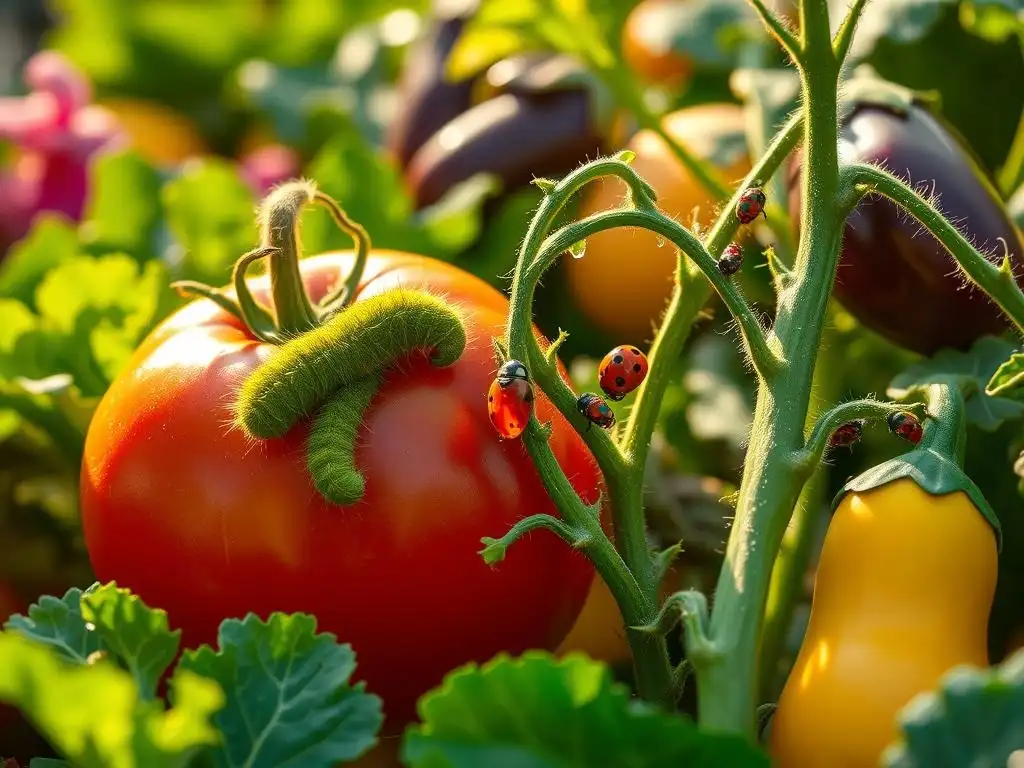
Welcome to CultivateYourFood, your guide to a thriving, sustainable home garden! Are you ready to unlock the secrets to bountiful harvests? Then prepare to delve into the world of organic gardening, starting with our crucial guide on Common Vegetable Garden Pests. Learn how to identify and combat these tiny invaders, ensuring your fruits, vegetables, and herbs flourish. Discover the simple yet effective strategies that will transform your garden from a battleground to a bountiful paradise. Let's get growing!
- Identifying Common Vegetable Garden Pests and Diseases
- Preventing Common Vegetable Garden Problems
- Solving Common Vegetable Garden Pests and Diseases
- Specific Vegetable Problems and Solutions
- When to Call in the Experts: Recognizing Severe Problems
- Maintaining a Healthy Vegetable Garden for a Bountiful Harvest
- Frequently Asked Questions
- Final Reflection: Cultivating Resilience in the Garden and in Life
- Unleash Your Green Thumb: Conquer Garden Challenges!
Identifying Common Vegetable Garden Pests and Diseases
Cultivating a thriving vegetable garden, brimming with healthy fruits and vegetables, is a rewarding experience. However, the journey isn't always smooth sailing. Understanding and addressing common vegetable garden problems is crucial for a successful harvest. This article focuses on identifying common pests and diseases that can plague your vegetable patch, providing you with the knowledge to effectively manage these challenges using sustainable and organic methods.
We'll delve into recognizing common insect pests, identifying fungal diseases, and diagnosing bacterial and viral infections, equipping you with the tools to maintain a healthy and productive garden. Learning to identify these issues early is key to preventing widespread damage and ensuring a bountiful harvest. Remember, prevention is always better than cure, and understanding the common culprits will help you proactively protect your precious plants. Let's get started!
Recognizing Common Pests: Aphids, Spider Mites, and Whiteflies
Aphids, spider mites, and whiteflies are tiny but tenacious pests that can quickly decimate a vegetable garden. Early detection is key to preventing significant damage. Let's look at how to identify each:
- Aphids: These small, pear-shaped insects usually cluster on the undersides of leaves, sucking sap and causing stunted growth and leaf curling. They can appear in various colors, including green, black, and brown. Look for sticky honeydew excreted by the aphids, which can attract ants and lead to sooty mold.
- Spider Mites: These minuscule arachnids are difficult to see with the naked eye, but their presence is revealed by fine webbing on leaves and stippling (small, light-colored spots) on the leaf surfaces. Infestations can cause leaf yellowing and browning.
- Whiteflies: These tiny, white, flying insects congregate on the undersides of leaves. They also suck plant sap and leave behind a sticky honeydew. A strong puff of air will often dislodge them, revealing their presence.
Here's a table summarizing the key characteristics of these common pests:
| Pest | Appearance | Symptoms | Control Methods (Organic) |
|---|---|---|---|
| Aphids | Small, pear-shaped, various colors | Stunted growth, leaf curling, honeydew | Insecticidal soap, neem oil |
| Spider Mites | Tiny arachnids, fine webbing | Stippling, leaf yellowing and browning | Horticultural oil, predatory mites |
| Whiteflies | Tiny, white, flying insects | Sap sucking, honeydew | Yellow sticky traps, insecticidal soap |
Effective pest management requires consistent monitoring and prompt action. Regularly inspect your plants for signs of infestation, and implement control methods at the first sign of trouble. Remember, a healthy plant is less susceptible to pest attacks, so ensuring proper watering, fertilization, and spacing is crucial for preventative care.
Identifying Fungal Diseases: Powdery Mildew and Blight
Fungal diseases are a common problem in vegetable gardens, often thriving in humid conditions. Powdery mildew and blight are two prevalent examples:
- Powdery Mildew: This disease is characterized by a white, powdery coating on leaves and stems. It weakens plants, reducing their vigor and yield. It often appears in late spring and summer, especially in areas with poor air circulation.
- Blight: Blight encompasses various fungal diseases that cause rapid leaf death and stem decay. Symptoms vary depending on the specific type of blight, but often include brown or black lesions on leaves, stems, and fruits. Early blight often starts with leaf spots, while late blight can cause rapid collapse.
The management of fungal diseases often involves a combination of cultural practices and organic treatments. These include ensuring good air circulation, avoiding overhead watering, removing infected plant material promptly, and applying appropriate organic fungicides like copper sprays or baking soda solutions. [Specific information pending on efficacy rates for various organic fungicides]
Bacterial and viral diseases can be more challenging to manage than fungal diseases. These diseases often spread quickly, and effective control often relies on preventative measures and resistant varieties:
- Bacterial Diseases: Symptoms can vary widely depending on the specific bacteria, but often include wilting, leaf spots, and soft rots. Bacterial diseases often thrive in warm, humid conditions.
- Viral Diseases: Viral diseases are typically spread by insects or contaminated seeds. Symptoms can include mosaic patterns on leaves, stunted growth, and deformed fruits. Unfortunately, there are often limited effective treatments for viral diseases once they become established.
Preventing bacterial and viral diseases is crucial. This involves using disease-free seeds, practicing crop rotation, and managing insect vectors effectively. Maintaining good sanitation practices, such as removing infected plant debris, also helps prevent the spread of these diseases. [Further research is needed on specific bacterial and viral diseases affecting common vegetables and their organic treatment options]. Choosing disease-resistant varieties can also be a very effective preventive strategy.
Visual Guides to Common Vegetable Garden Problems (with images)
While a detailed description of pests and diseases is crucial, visual identification is often the quickest and most effective way to diagnose problems in your vegetable garden. Unfortunately, I cannot include images here. However, I can provide detailed descriptions to help you identify common issues, which you can then cross-reference with images found online through a simple image search using the pest or disease name. Remember to always use reputable sources for image identification.
Imagine you're examining your tomato plants. You notice small, yellowing leaves with webbing between them. This is a classic sign of spider mites, tiny arachnids that suck the sap from leaves, causing them to yellow and eventually die. A good visual guide would show you the fine webbing and the minuscule, almost invisible mites themselves. A magnifying glass can be incredibly helpful in identifying these pests.
Another common problem, easily identified visually, is aphids. These small, pear-shaped insects cluster on the undersides of leaves and stems, often appearing as a dense mass. They're usually green, but can also be black, brown, or even pink, depending on the plant they infest. A visual guide would show you the clusters of aphids and the characteristic damage they cause – curled or distorted leaves, stunted growth, and honeydew (a sticky substance they excrete).
Leaf miners, on the other hand, leave behind a telltale sign: winding, serpentine trails within the leaves themselves. These trails are the result of the larvae of various flies or moths feeding between the leaf surfaces. A visual guide would highlight these characteristic trails and possibly even show the small larvae themselves.
Fungal diseases, such as powdery mildew or early blight, also have distinct visual characteristics. Powdery mildew creates a white, powdery coating on leaves and stems, while early blight manifests as brown spots with concentric rings on leaves and stems. A good visual guide would clearly showcase the differences in appearance between these diseases and other potential problems.
Finally, insect damage can often be identified by the type of damage. Chewing insects, like caterpillars, leave ragged holes in leaves, while sucking insects, like aphids, cause yellowing and distortion. A visual guide should demonstrate these different types of damage to help you pinpoint the culprit. Always remember to check both the tops and undersides of leaves, as many pests prefer to hide in less visible locations. Using a visual guide in conjunction with a good reference book or online resource will dramatically increase your success in identifying and treating common vegetable garden problems.
Preventing Common Vegetable Garden Problems
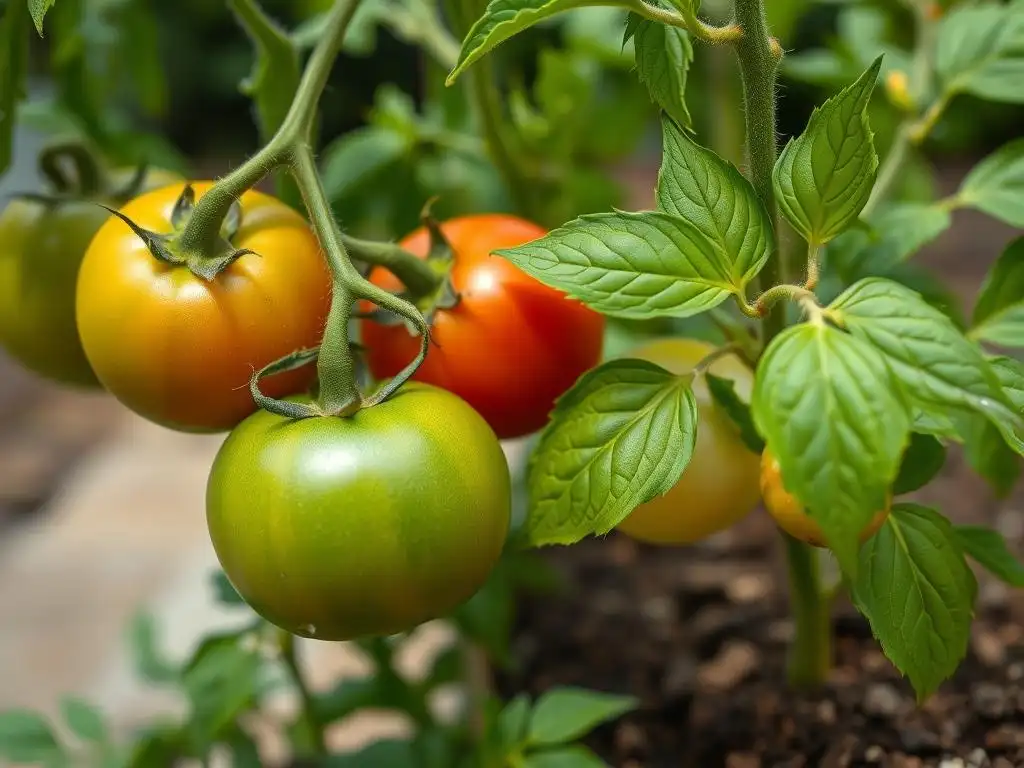
This section focuses on proactive strategies to minimize the impact of common vegetable garden pests and diseases, ultimately leading to a healthier and more productive harvest. By implementing preventative measures, you can significantly reduce the need for reactive interventions later in the growing season. Remember, a healthy plant is much better equipped to withstand pest and disease pressures.
Implementing Preventative Measures: Crop Rotation and Companion Planting
Crop rotation is a cornerstone of sustainable gardening. It involves planting different types of vegetables in the same area each year. This simple practice disrupts the life cycle of many soilborne pests and diseases. For example, planting tomatoes one year, followed by legumes (like beans or peas) the next, then brassicas (like broccoli or cabbage) the following year, helps prevent the buildup of specific pathogens or pests associated with each family. This rotation strategy minimizes the risk of diseases like verticillium wilt in tomatoes, which can persist in the soil for years.
Companion planting, the practice of strategically planting certain plant species together, can also be incredibly effective in pest control. For instance, basil planted near tomatoes is known to repel tomato hornworms and whiteflies. Marigolds, with their pungent scent, deter many nematodes and other soil-dwelling pests. Careful planning and research into beneficial companion plant pairings can significantly reduce your reliance on chemical pest control methods. Understanding the specific benefits of various companion plants—such as attracting beneficial insects that prey on common pests—is crucial for successful implementation.
Choosing Disease-Resistant Vegetable Varieties
Selecting disease-resistant varieties is another crucial preventative measure. Many seed catalogs and plant nurseries clearly label varieties with enhanced resistance to common diseases. For example, look for tomato varieties resistant to early blight or fusarium wilt. Similarly, choosing pepper plants resistant to bacterial spot can significantly reduce the risk of crop loss.
While no variety offers complete immunity, selecting resistant options greatly minimizes the likelihood of widespread disease outbreaks, reducing the need for chemical interventions and promoting healthier plants. This approach is particularly valuable for gardeners facing recurring problems with specific plant diseases in their region. Investing time in researching disease-resistant cultivars tailored to your specific climate and soil conditions is a wise investment.
Maintaining Soil Health for Strong Plants
Healthy soil is the foundation of a thriving vegetable garden. Nutrient-rich soil fosters strong, vigorous plants better able to resist pests and diseases. This involves several key practices:
- Regular Composting: Adding compost to your garden regularly improves soil structure, aeration, and nutrient content. Compost acts as a natural fertilizer and helps retain moisture, creating a more hospitable environment for beneficial soil microbes.
- Soil Testing: Periodic soil testing helps determine nutrient deficiencies and pH imbalances. Addressing these issues through targeted amendments ensures your plants receive the necessary nutrients for optimal growth and disease resistance. Soil testing provides valuable data-driven insights to guide your soil management practices.
- Mulching: Applying a layer of mulch (such as straw, wood chips, or shredded leaves) helps regulate soil temperature, suppress weeds, and retain moisture. This creates a more stable and less stressful environment for your plants, enhancing their resilience against pests and diseases. Mulching also improves soil structure over time, contributing to long-term soil health.
By focusing on these preventative strategies, you can significantly reduce the incidence of common vegetable garden pests and diseases, cultivating a healthier and more productive garden while minimizing your environmental impact. Remember, a proactive approach is always more effective and sustainable than reactive problem-solving. 🌱
Proper Watering Techniques to Prevent Diseases
Proper watering is crucial for preventing many common vegetable garden diseases. Overwatering, as much as underwatering, creates an environment conducive to fungal growth and bacterial infections. Soggy soil lacks sufficient oxygen, weakening plant roots and making them vulnerable to pathogens. Conversely, drought-stressed plants are also more susceptible to disease because their weakened condition makes them easier targets.
The key is consistent moisture, not constantly saturated soil. Aim for deeply watering your vegetable garden less frequently, rather than shallow watering every day. Deep watering encourages roots to grow deeper, seeking moisture, making plants more resilient to temporary dry spells and less prone to diseases that thrive in consistently damp conditions. This deeper root system also improves nutrient uptake, leading to healthier, more disease-resistant plants.
Consider using a soaker hose or drip irrigation system to deliver water directly to the roots, minimizing leaf wetness. Wet leaves provide an ideal breeding ground for fungal spores. Avoid overhead watering, especially during the evening, as this keeps foliage wet for extended periods, increasing the risk of fungal diseases like powdery mildew and blight.
The frequency of watering depends on several factors, including your climate, soil type, and the specific vegetable plants you're growing. Clay soils retain moisture longer than sandy soils, requiring less frequent watering. Observe your plants carefully; wilting leaves are a clear indication of underwatering, while yellowing leaves and stunted growth can suggest overwatering.
Adjust your watering schedule based on these observations to maintain consistently moist, but not waterlogged, soil. This proactive approach significantly reduces the likelihood of many common vegetable garden diseases, leading to a healthier and more productive harvest. Remember, prevention is always better than cure when it comes to common vegetable garden pests and diseases.
Solving Common Vegetable Garden Pests and Diseases
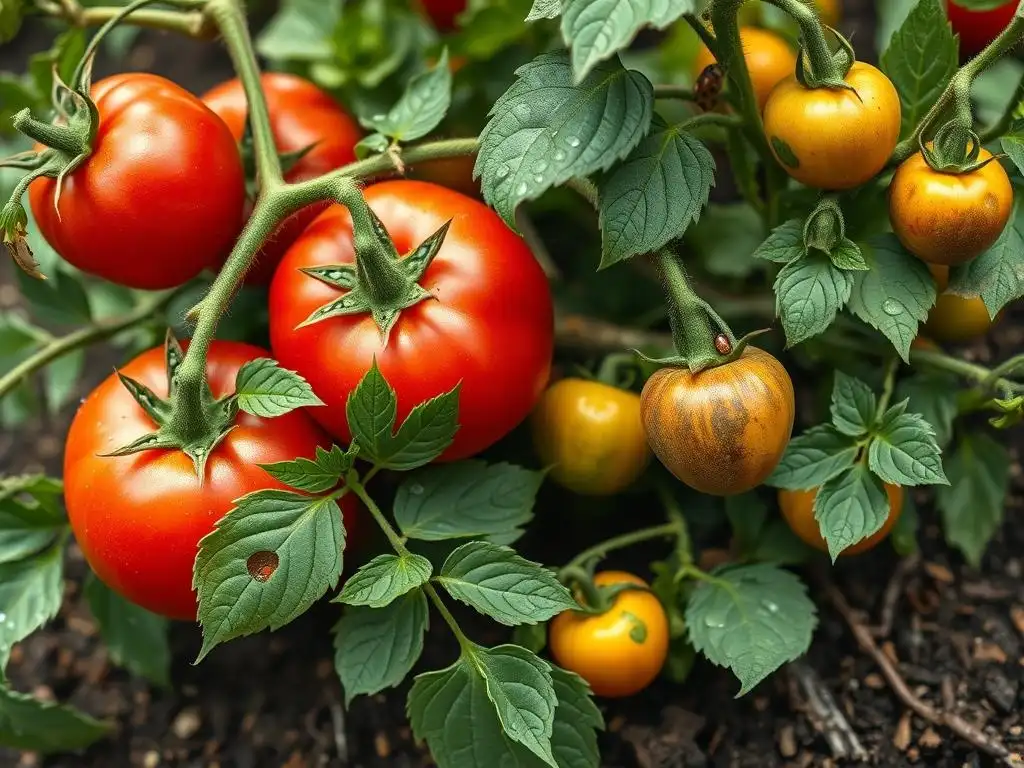
This section dives deep into practical solutions for common vegetable garden pests and diseases, focusing on sustainable and organic approaches. We'll explore natural pest control methods, effective home remedies, and organic ways to manage fungal diseases, empowering you to cultivate a thriving and healthy garden without harmful chemicals. Remember, early detection is key to successful pest and disease management. Regular monitoring of your plants is crucial for identifying problems before they escalate.
Organic Pest Control Methods: Natural Pesticides and Beneficial Insects
Organic pest control prioritizes the health of your plants and the environment. Instead of harsh chemicals, we can leverage nature's own defenses. This involves a two-pronged approach: using natural pesticides and introducing beneficial insects.
Natural pesticides offer a safe and effective way to control pests. Many readily available ingredients can deter or eliminate common garden invaders. For example, neem oil is a powerful insecticide derived from the neem tree, effective against aphids, whiteflies, and other soft-bodied insects. It disrupts their life cycle, preventing reproduction and ultimately controlling their populations. Another effective option is insecticidal soap, a milder solution that works by suffocating soft-bodied insects. Always follow label instructions carefully when using any natural pesticide.
Introducing beneficial insects into your garden can create a natural balance. These insects act as predators or parasites, controlling pest populations without the need for chemical intervention. Ladybugs, for instance, are voracious aphid eaters, significantly reducing aphid infestations. Lacewings are equally effective, their larvae feeding on various soft-bodied insects. Attracting these beneficial insects requires creating a habitat that supports their survival. Planting flowering plants that provide nectar and pollen, such as dill, fennel, and yarrow, will attract and sustain these helpful creatures. Avoid broad-spectrum insecticides, as these will harm beneficial insects along with the pests.
Effective Home Remedies for Common Garden Pests
Many common garden pests can be effectively managed using simple home remedies. These methods are not only environmentally friendly but often readily available and cost-effective.
- Aphids: A strong spray of water can dislodge aphids from plants. Alternatively, a solution of mild dish soap and water can suffocate them.
- Slugs and Snails: Create a barrier around your plants using crushed eggshells, coffee grounds, or diatomaceous earth. These materials create a physical barrier that slugs and snails find difficult to cross. Beer traps can also be effective; the beer attracts the slugs and snails, drowning them.
- Cabbage White Butterflies: Handpicking the caterpillars is a straightforward method. Row covers can prevent the butterflies from laying eggs on your plants.
- Spider Mites: A strong spray of water can help control spider mites. Neem oil is also effective against these tiny pests.
Remember to always test any home remedy on a small section of your plants first to ensure it doesn't harm them. Consistent application is key to success with home remedies, as they may require more frequent treatments than commercial pesticides. Regular monitoring is crucial to detect infestations early and prevent them from spreading.
Dealing with Fungal Diseases: Organic Fungicides and Cultural Practices
Fungal diseases, such as powdery mildew and blight, can significantly impact vegetable yields. While chemical fungicides exist, organic approaches offer a safer and more sustainable solution.
Organic fungicides, such as copper fungicide and potassium bicarbonate, can effectively control fungal diseases. These products are less harmful to beneficial organisms and the environment compared to synthetic fungicides. However, it's important to note that organic fungicides often require more frequent applications than their synthetic counterparts. Always follow label instructions carefully.
Beyond the use of organic fungicides, cultural practices play a crucial role in preventing and managing fungal diseases. These practices focus on creating an environment that is less conducive to fungal growth.
- Proper Spacing: Adequate spacing between plants improves air circulation, reducing humidity and minimizing the risk of fungal infections.
- Watering Techniques: Avoid overhead watering, which can spread fungal spores. Instead, water at the base of the plants.
- Crop Rotation: Rotating crops yearly helps break the cycle of fungal diseases.
- Sanitation: Remove and destroy infected plant debris to prevent the spread of fungal spores.
By combining organic fungicides with sound cultural practices, you can effectively manage fungal diseases in your vegetable garden, promoting healthy plant growth and abundant harvests. Remember that prevention is always better than cure, so prioritizing these cultural practices will significantly reduce your need for fungicide applications. Monitoring your plants regularly remains crucial for early detection and timely intervention.
Bacterial and viral diseases in vegetable gardens can be devastating, often leading to significant crop losses. Unlike fungal diseases which can sometimes be treated with fungicides, bacterial and viral infections are far more challenging to manage once established. The emphasis, therefore, should always be on prevention and sanitation. Proactive measures are far more effective than reactive treatments.
One of the most crucial preventative strategies is maintaining impeccable sanitation within your garden. This includes removing and properly disposing of infected plants immediately. Don't simply toss them onto a compost heap – many bacterial and viral pathogens can persist in the compost, potentially infecting future crops. Instead, bag the infected plants securely and dispose of them in the household trash. Burning infected plant material is another option, but always check local regulations before doing so.
Furthermore, proper sanitation extends to your gardening tools. After working with infected plants, thoroughly clean and disinfect your tools with a solution of diluted bleach (1 part bleach to 9 parts water) or rubbing alcohol. This prevents the spread of pathogens to healthy plants via contaminated equipment. Regularly sterilizing your tools is a simple yet powerful preventative measure against numerous garden diseases.
Beyond sanitation, preventative measures also include selecting disease-resistant varieties of vegetables. Seed companies often provide information on the disease resistance of their seeds. Choosing these varieties can significantly reduce the risk of infection. Rotating your crops annually is another effective strategy. This prevents the build-up of pathogens in the soil, which can occur when the same type of vegetable is planted in the same location year after year. Crop rotation disrupts the disease cycle and minimizes the risk of infection for subsequent crops.
Finally, ensuring proper plant spacing and air circulation is crucial. Overcrowded plants are more susceptible to disease because they create a humid environment favorable to pathogen growth. Adequate spacing allows for better air circulation, reducing humidity and thus minimizing the risk of disease outbreaks. Regular monitoring of your plants for early signs of disease is also paramount.
Early detection allows for swift intervention, potentially limiting the spread of the infection. Remember, prevention is key when it comes to managing bacterial and viral diseases in your vegetable garden. A proactive approach, combining sanitation, disease-resistant varieties, crop rotation, and proper plant spacing, will significantly contribute to a healthy and productive garden.
Specific Vegetable Problems and Solutions
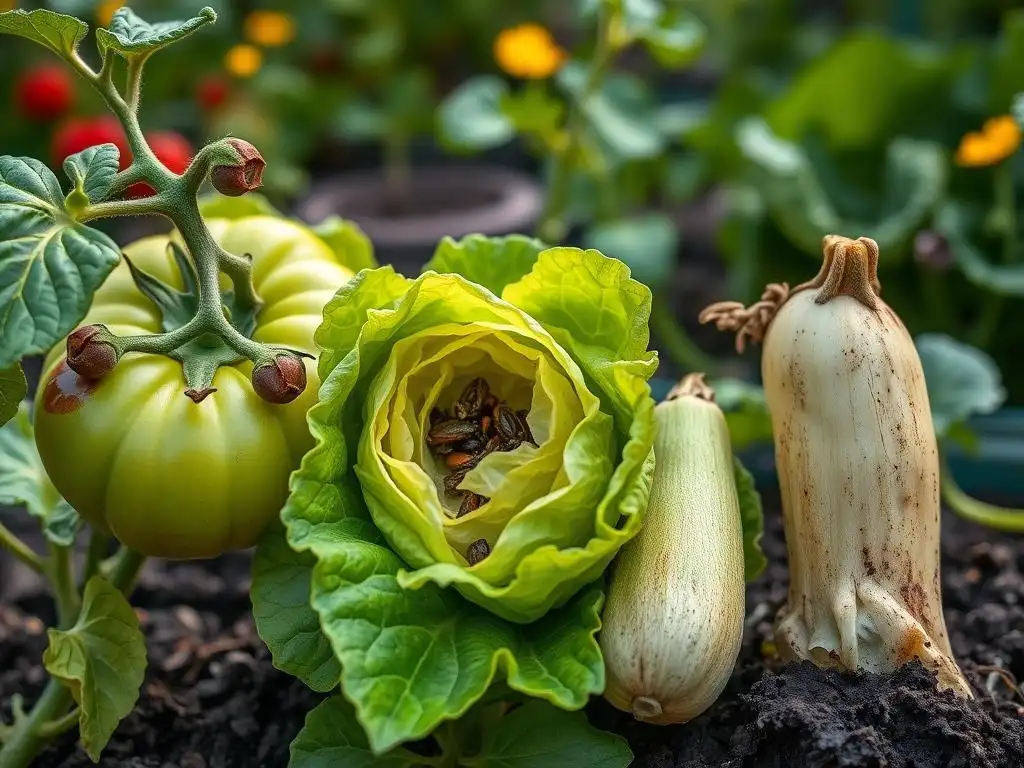
This section delves into the most prevalent issues affecting specific vegetable types, offering practical solutions for a thriving, organic garden. We'll explore common problems and effective, sustainable pest control methods, focusing on tomatoes, cucumbers, and leafy greens. Remember, early detection and prompt action are key to minimizing damage and maximizing your harvest.
Troubleshooting Tomato Problems: Blossom End Rot, Early Blight, and Pests
Tomatoes, beloved for their versatility and flavor, are susceptible to several common problems. Let's tackle three major issues: blossom end rot, early blight, and pests.
Blossom end rot, characterized by a dark, leathery spot at the blossom end of the fruit, is often caused by inconsistent watering. This leads to calcium deficiency in the plant. The solution? Maintain consistent soil moisture. Deep, infrequent watering is better than shallow, frequent watering. Mulching helps retain soil moisture and regulate temperature. Adding a calcium-rich fertilizer can also be beneficial. Think of it like giving your tomatoes a calcium supplement! 🍅
Early blight, a fungal disease, manifests as brown spots on leaves and stems, often with concentric rings. It spreads quickly under humid conditions. Good garden hygiene is crucial. Remove and destroy infected leaves promptly to prevent the spread of the disease. Ensure good air circulation by spacing plants appropriately. Consider using copper-based fungicides as a last resort, always following label instructions carefully. Prevention is key – choose blight-resistant tomato varieties whenever possible.
Common tomato pests include aphids, tomato hornworms, and whiteflies. Aphids can be controlled with strong water sprays or insecticidal soap. Tomato hornworms, large green caterpillars, can be handpicked and destroyed. Whiteflies are more challenging, requiring more intensive management strategies like yellow sticky traps or introducing beneficial insects like ladybugs, which naturally prey on whiteflies. Remember to monitor your plants regularly for early signs of infestation!
Common Cucumber Issues: Downy Mildew, Powdery Mildew, and Pests
Cucumbers, another popular garden vegetable, are prone to fungal diseases and pests. Let's examine downy mildew, powdery mildew, and common cucumber pests.
Downy mildew appears as yellowing and browning patches on leaves, often accompanied by a purplish-gray fuzz on the underside. It thrives in humid conditions. Ensure good air circulation by spacing plants properly and avoiding overhead watering. Resistant varieties are a great preventative measure. Unfortunately, once downy mildew takes hold, it's difficult to eradicate completely. Removing infected plants is often the best course of action to prevent further spread.
Powdery mildew, another fungal disease, coats leaves with a white, powdery substance. It also thrives in humid conditions. Similar to downy mildew, good air circulation and avoiding overhead watering are essential preventative measures. Using a horticultural oil or neem oil spray can help control the spread, but again, resistant varieties are your best bet.
Cucumber beetles, aphids, and spider mites are common cucumber pests. Row covers can protect young plants from beetles. For aphids and spider mites, insecticidal soap or neem oil can be effective. Regular monitoring and early intervention are vital for successful pest control. Consider companion planting with herbs like basil or marigolds, which can deter some pests.
Addressing Common Issues with Leafy Greens: Pests and Diseases
Leafy greens like lettuce, spinach, and kale are susceptible to various pests and diseases. Let's explore some of the most common problems and effective solutions.
Pests commonly affecting leafy greens include aphids, slugs, and caterpillars. Aphids can be controlled with insecticidal soap or strong water sprays. Slugs can be deterred with diatomaceous earth or beer traps. Caterpillars can be handpicked or controlled with Bacillus thuringiensis (Bt), a naturally occurring bacterium that is toxic to caterpillars but harmless to humans and beneficial insects.
Diseases like downy mildew and various leaf spots can also affect leafy greens. Similar to cucumbers, good air circulation, avoiding overhead watering, and choosing disease-resistant varieties are crucial preventative measures. Rotating crops can also help reduce the build-up of pathogens in the soil. Remember to practice good garden hygiene, removing and destroying infected leaves promptly. Early detection and prompt action are key to minimizing the impact of diseases on your leafy greens harvest. Regularly inspect your plants for any signs of disease or pest infestation. Early intervention is always the most effective strategy.
Solving Problems with Root Vegetables: Pests, Diseases, and Storage Issues
Root vegetables, with their delicious bounty hidden beneath the soil, present unique challenges for the home gardener. Understanding the common pests, diseases, and storage issues specific to these crops is crucial for a successful harvest and minimizing losses.
One of the most prevalent problems is pests. Wireworms, the larval stage of click beetles, are notorious for tunneling into carrots, potatoes, and beets, rendering them unmarketable. Their damage appears as irregular holes and channels within the root. Prevention is key; practicing crop rotation, removing weeds that serve as host plants, and using beneficial nematodes can significantly reduce wireworm populations. For existing infestations, handpicking is labor-intensive but effective for small gardens. In larger plots, insecticidal nematodes offer a more sustainable control method.
Root rot, caused by various soilborne fungi, is a significant disease concern. Symptoms include wilting, discoloration, and a soft, mushy texture of the roots. Maintaining good soil drainage is crucial in preventing root rot. Avoid overwatering, ensure proper spacing between plants for good air circulation, and consider using raised beds or containers to improve drainage. Crop rotation also helps break the disease cycle. In severe cases, fungicides may be necessary, but organic options like compost tea or neem oil can offer some level of control.
Storage is another crucial aspect. Improper storage can lead to spoilage and significant losses. Root vegetables need cool, dark, and relatively humid conditions to stay fresh. Proper curing, allowing the roots to dry slightly before storage, is important for extending their shelf life. Storing them in a cool cellar, root cellar, or even a refrigerator (in perforated plastic bags) can help maintain their quality for several weeks or even months, depending on the vegetable.
Proper cleaning and removing any damaged portions before storage is also essential to prevent the spread of rot. Consider using sand or sawdust to help keep the roots from drying out during storage. Potatoes, for example, require slightly drier conditions than carrots or beets to avoid sprouting and rotting. Careful observation and adjustment of storage conditions are crucial for optimal preservation.
The successful cultivation of root vegetables requires vigilance and attention to detail. By understanding the specific challenges posed by pests, diseases, and storage issues, home gardeners can significantly improve their yields and enjoy a healthy harvest throughout the year. Careful planning, preventative measures, and proper post-harvest handling are all key components of successful root vegetable gardening.
When to Call in the Experts: Recognizing Severe Problems
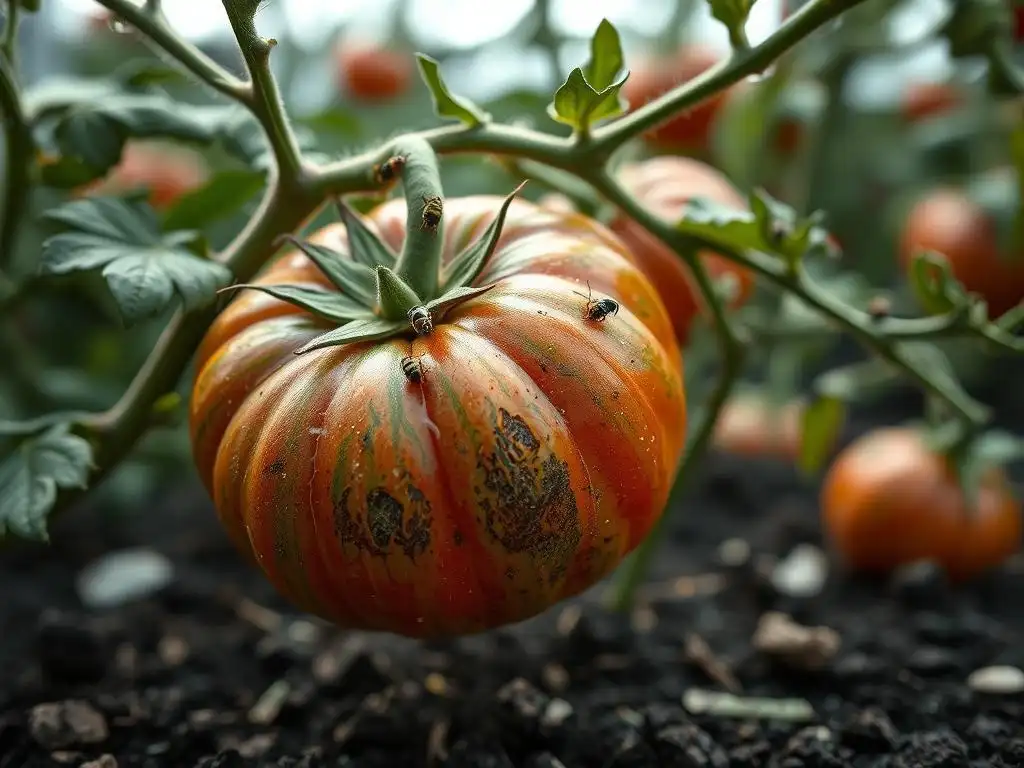
Even with diligent care, sometimes your vegetable garden faces challenges beyond your expertise. Knowing when to seek professional help is crucial to saving your plants and preventing further issues. This section focuses on identifying situations that necessitate the assistance of a horticultural expert or garden consultant. Early intervention is key when dealing with severe infestations or diseases, preventing widespread damage and ensuring the long-term health of your garden. Ignoring serious problems can lead to crop failure and potential spread to neighboring plants or gardens.
Identifying Situations Requiring Professional Assistance
Several signs indicate the need for professional intervention. These aren't merely minor setbacks; they represent significant threats to your garden's health and productivity. Consider calling in the experts if you encounter:
- Widespread and Unidentified Disease: If your plants exhibit unusual symptoms like wilting, discoloration, or lesions that you can't identify, professional diagnosis is necessary. A trained expert can accurately identify the pathogen and recommend effective treatment strategies, preventing the disease from spreading. For example, a sudden blight affecting a significant portion of your tomato plants requires immediate professional attention.
- Severe Pest Infestation: While minor pest infestations are manageable with home remedies, a severe infestation requires specialized intervention. This includes situations where you've tried common pest control methods (like companion planting or insecticidal soap) without success, or when the pest population is overwhelming and rapidly spreading. For instance, a large-scale aphid infestation or a heavy infestation of cabbage worms affecting multiple plants calls for professional help. They might employ more advanced techniques or recommend stronger, targeted solutions.
- Unexplained Plant Death: The sudden and unexplained death of multiple plants, especially when they're seemingly healthy initially, warrants professional investigation. This could indicate a soilborne disease, nutrient deficiency, or another underlying issue requiring specialized knowledge to diagnose and treat effectively. This situation requires quick action to prevent further loss.
- Soil Issues Beyond Your Control: Problems like soil compaction, extreme pH imbalances, or severe nutrient deficiencies can be difficult to address without specialized testing and intervention. A soil test from a professional lab can provide detailed analysis, guiding the appropriate remediation strategies. This is crucial for long-term garden health and successful cultivation.
Finding Qualified Local Horticulturalists and Garden Consultants
Locating reliable horticultural experts and garden consultants is vital for receiving effective assistance. Several avenues can help you find qualified professionals in your area:
- Local nurseries and garden centers: Many nurseries employ horticulturalists or have partnerships with consultants who can provide expert advice and services. They often have firsthand knowledge of local pests and diseases, making them valuable resources.
- University extension offices: University extension offices frequently offer gardening workshops, consultations, and access to specialists who can diagnose problems and provide tailored solutions. They often provide unbiased, research-based recommendations.
- Online directories and professional associations: Many online directories list certified horticulturalists and garden consultants. Check for certifications and reviews to ensure you're hiring a qualified professional. Professional associations can also direct you to qualified individuals in your region.
- Word-of-mouth referrals: Ask fellow gardeners, neighbors, or local community groups for recommendations. Personal referrals can be invaluable in finding trustworthy and experienced professionals.
Remember, seeking professional help is not a sign of failure but rather a proactive step towards ensuring a healthy and productive vegetable garden. By promptly addressing severe problems, you protect your investment of time, effort, and resources, maximizing your chances of a bountiful harvest. Investing in expert advice can save you from significant losses in the long run and foster a thriving garden ecosystem.
Maintaining a Healthy Vegetable Garden for a Bountiful Harvest
This section focuses on proactive strategies to minimize common vegetable garden pests and diseases, ensuring a thriving and productive garden. A healthy garden is the best defense against pests and diseases, significantly reducing the need for harsh chemical interventions. By focusing on preventative measures, you'll cultivate a robust ecosystem that naturally resists infestations. This approach aligns perfectly with sustainable and organic gardening practices, creating a healthier environment for your plants and for you.
Regular Garden Maintenance for Disease Prevention
Regular garden maintenance is crucial in preventing the establishment and spread of diseases. This involves several key practices, including:
- Consistent Weeding: Weeds compete with your vegetables for nutrients, water, and space, weakening them and making them more susceptible to diseases. Regular weeding, ideally by hand to avoid disturbing the soil unnecessarily, is essential. Removing weeds promptly also prevents the spread of weed-borne diseases.
- Proper Watering Techniques: Overwatering creates a humid environment that encourages fungal diseases. Conversely, underwatering stresses plants, making them more vulnerable to pests and diseases. Aim for deep, infrequent watering, allowing the soil to dry slightly between waterings. Consider using drip irrigation or soaker hoses for efficient water delivery, minimizing leaf wetness.
- Rotating Crops: Rotating your crops yearly helps break pest and disease cycles. Different plant families have different disease and pest susceptibilities. By rotating, you prevent the buildup of pathogens and pests specific to one plant type in the soil. For example, if you planted tomatoes in a particular bed this year, avoid planting tomatoes or other members of the nightshade family (like peppers and eggplants) in that same bed next year.
- Sanitation: Remove and destroy any diseased plant material immediately. Don't compost diseased plants; this can spread the disease to healthy plants. Clean your gardening tools regularly with a diluted bleach solution to prevent the spread of pathogens. This simple step can make a significant difference in maintaining a healthy garden.
- Mulching: Applying a layer of mulch around your plants helps retain soil moisture, suppress weeds, and regulate soil temperature, creating a less hospitable environment for many pests and diseases. Organic mulches, like straw or shredded leaves, also improve soil health over time.
Importance of Observation and Early Intervention
Early detection is key to successfully managing vegetable garden problems. Regular observation of your plants is paramount. Look for signs of disease or pest infestation, such as:
- Wilting: Sudden wilting can indicate a number of problems, including root rot, pest infestations (like aphids sucking sap), or even lack of water.
- Discoloration: Yellowing, browning, or spotting of leaves can be symptoms of various diseases or nutrient deficiencies.
- Holes or Damage to Leaves: Holes or chewed leaves are clear signs of insect activity. Identify the culprit to determine the appropriate control measures.
- Unusual Growth: Stunted growth or distorted plant structures can also signal a problem.
- Presence of Pests: Directly observing pests, such as aphids, slugs, caterpillars, or beetles, is crucial for effective pest management.
Early intervention is vital. Addressing problems early on often prevents them from escalating and causing widespread damage. For example, a small aphid infestation can be easily controlled with a strong water spray, but a large infestation may require more intensive measures. Regular monitoring allows you to address minor problems before they become major headaches.
Sustainable Practices for Long-Term Garden Health
Sustainable practices are essential for creating a resilient and healthy vegetable garden that thrives year after year. These practices minimize the reliance on harmful chemicals and promote a balanced ecosystem:
- Beneficial Insects: Attract beneficial insects, like ladybugs and lacewings, to your garden. These insects prey on many common garden pests, providing natural pest control. Planting flowers that attract these beneficial insects can significantly reduce pest populations.
- Companion Planting: Certain plant combinations can enhance each other's growth and deter pests. For example, basil planted near tomatoes is said to repel tomato hornworms. Researching companion planting strategies can greatly benefit your garden's health.
- Composting: Composting kitchen and garden waste creates nutrient-rich soil amendment, improving soil health and reducing the need for chemical fertilizers. Compost also supports beneficial microorganisms that help suppress diseases.
- Natural Pest Control: Explore natural pest control methods, such as neem oil, insecticidal soap, or diatomaceous earth. These options are less harmful to beneficial insects and the environment compared to synthetic pesticides. Always follow label instructions carefully.
By implementing these sustainable practices, you create a robust and resilient garden ecosystem that is less susceptible to common vegetable garden pests and diseases, leading to a more bountiful and satisfying harvest. Remember that a healthy garden is a proactive garden! 🌱
Frequently Asked Questions
What are some common vegetable garden pests?
Many insects can plague vegetable gardens. Aphids, whiteflies, slugs, and caterpillars are frequent culprits, along with beetles and borers. Identifying the specific pest is crucial for effective control.
How can I prevent pests organically?
Companion planting is a great preventative measure. Using beneficial insects like ladybugs, and maintaining a healthy soil ecosystem also helps deter pests. Regular inspection of your plants is also key to early detection.
What are some organic pest control methods?
Consider using neem oil, insecticidal soap, or diatomaceous earth. These are environmentally friendly options to control pests without harming beneficial insects or pollinators. Always follow product instructions carefully.
How do I identify pest damage on my plants?
Look for holes in leaves, wilting plants, unusual discoloration, or presence of insects themselves. Photos can be helpful for identifying the specific pest causing the damage. Consult online resources or gardening experts if needed.
What should I do if I have a severe pest infestation?
For severe infestations, crop rotation can be beneficial for the next growing season. In the short term, you may need to use stronger organic control methods or consider removing severely affected plants. Prevention is always the best approach.
Final Reflection: Cultivating Resilience in the Garden and in Life
The battle against common vegetable garden pests is far more than just a fight for bountiful harvests; it's a microcosm of the resilience we need to cultivate in all aspects of our lives. Understanding the intricacies of pest control, from identifying the culprits to implementing effective, sustainable solutions, equips us with valuable problem-solving skills that extend far beyond the garden fence.
The ongoing struggle against pests highlights the interconnectedness of our ecosystems and the delicate balance we must strive to maintain. The glory of gardening: hands in the dirt, head in the sun, heart with nature. To nurture a garden is to feed not just the body, but the soul.
This quote perfectly encapsulates the deeper meaning behind tending a garden, a meaning that extends to our personal growth and our relationship with the world around us. The challenges we face in our gardens—the unexpected blight, the relentless pests—mirror the unexpected challenges we encounter in life, teaching us patience, adaptability, and the importance of observation and careful planning.
Now, consider the lessons learned within these pages. Think about the specific pests you've encountered, the strategies you've employed, and the successes and failures you've experienced. Take this knowledge and apply it to your own life. Identify the "pests" that hinder your progress, be they procrastination, negative self-talk, or external pressures.
Develop your own strategies for combating these challenges, drawing on the principles of observation, prevention, and sustainable solutions. Embrace the inevitable setbacks as learning opportunities, and remember that even the most resilient gardens require consistent care and attention. The harvest, both in your garden and in your life, will be well worth the effort.
Unleash Your Green Thumb: Conquer Garden Challenges!
Thank you for learning about common vegetable garden problems! We hope you feel confident in your ability to cultivate thriving plants. Ready to put your new knowledge into practice?
- Tackle your biggest challenge: Identify the most pressing issue affecting your garden right now and dedicate this week to resolving it. Remember the detailed troubleshooting guide we provided?
- Share your greatest gardening success (or setback!) with our community in the comments below. Let's learn from each other's experiences!
- Explore our other articles on organic pest control – you might find a surprising and effective solution you haven't considered before!
What small step will you take today to further improve your vegetable garden?