
Watering Strategies for Feeding Your Family From a Home Garden

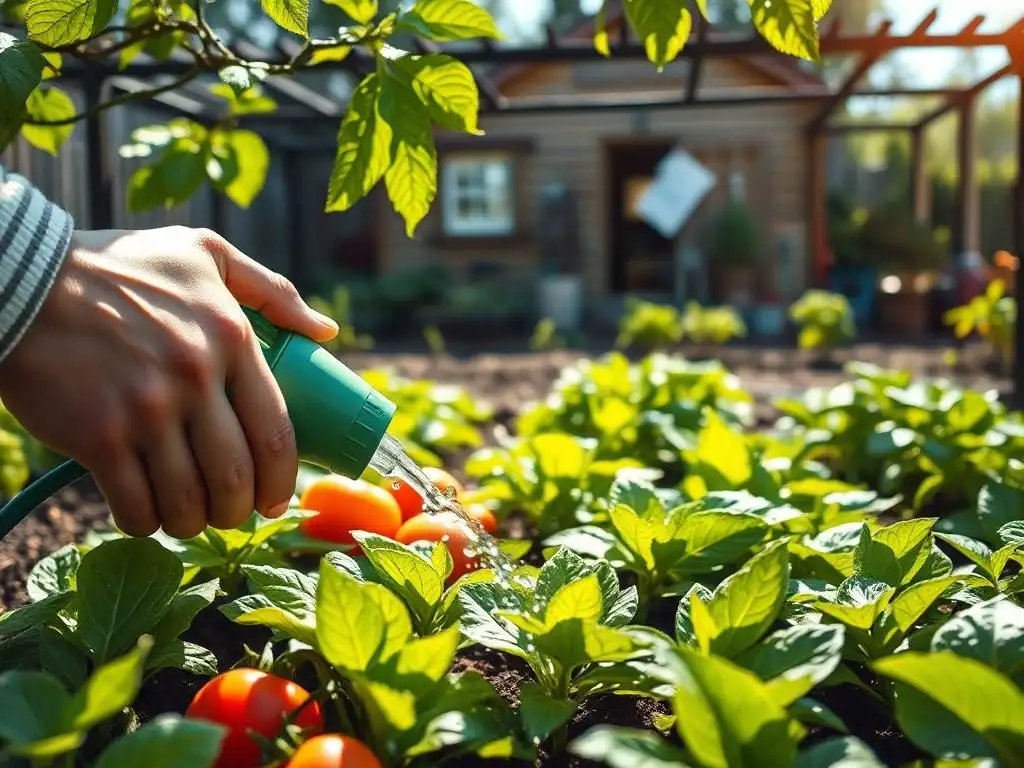
Ready to transform your backyard into a thriving oasis of fresh, organic produce? At CultivateYourFood, we empower you to grow your own food sustainably. But mastering the art of home gardening hinges on one crucial element: water. Discover the secrets to a perfect home garden watering schedule and unlock the potential of your garden, ensuring a bountiful harvest for your family. Let's dive into the details and learn how to nurture your plants to their fullest potential!
- Understanding Your Home Garden's Water Needs
- Developing a Home Garden Watering Schedule
- Water Conservation Techniques for Home Gardens
- Troubleshooting Common Watering Problems
- Optimizing Your Home Garden Watering Schedule for Maximum Yield
- Long-Term Water Management Strategies for Your Home Garden
- Frequently Asked Questions
- Final Reflection: The Bountiful Harvest of Conscious Watering
- Unlock Your Garden's Bounty: Nurture & Grow!
Understanding Your Home Garden's Water Needs
Cultivating a thriving home garden that yields enough produce to feed your family requires a deep understanding of your plants' needs, and water is arguably the most crucial element. This article delves into effective watering strategies to ensure your fruits, vegetables, and herbs receive the optimal hydration they require for robust growth and bountiful harvests. We'll explore how to assess your garden's unique characteristics—from soil type to sun exposure—to develop a personalized watering schedule that promotes healthy plant development while conserving water and minimizing waste, aligning with sustainable and organic gardening principles.
Mastering the art of home garden watering is key to achieving self-sufficiency and enjoying the freshest, most delicious produce possible. This guide will help you develop a personalized home garden watering schedule that maximizes yield and minimizes water waste. Let's get started!
Assessing Soil Type and Drainage for Optimal Watering
The foundation of any successful watering strategy lies in understanding your soil. Different soil types retain moisture at vastly different rates. Sandy soils, for instance, drain quickly, requiring more frequent watering, but in smaller amounts, to prevent runoff. Conversely, clay soils retain water for extended periods, necessitating less frequent, but potentially deeper, watering to avoid waterlogging and root rot. The key is to strike a balance.
To determine your soil type, you can perform a simple “squeeze test.” Take a handful of moist soil and squeeze it gently. If it crumbles easily, you likely have sandy soil. If it forms a ball that readily breaks apart, it's likely loamy soil (a desirable blend). If it forms a hard, compact ball, you have clay soil.
Proper drainage is equally crucial. Poor drainage leads to waterlogged soil, suffocating plant roots and increasing the risk of fungal diseases. Amend heavy clay soils with organic matter like compost to improve drainage and aeration. For sandy soils, consider adding organic matter to increase water retention. Observing how quickly water drains after a rainfall or watering session provides valuable insight into your garden's drainage capabilities. Remember to adjust your watering schedule accordingly; more frequent, less intense watering is often better for poor drainage conditions.
Evaluating Sunlight Exposure and its Impact on Moisture Retention
Sunlight significantly influences moisture retention in your garden. Areas exposed to full sun (6-8 hours of direct sunlight) will dry out much faster than those in partial shade (4-6 hours) or full shade (less than 4 hours). Plants in full sun will require more frequent watering, especially during hot, dry periods. Plants in shadier areas will need less frequent watering, but it's important to monitor soil moisture to avoid underwatering, especially during extended dry spells.
Consider the specific needs of your plants. Sun-loving vegetables like tomatoes and peppers will require more frequent watering than shade-tolerant crops like lettuce and spinach. Observe your garden throughout the day to identify areas that dry out more quickly, and adjust your watering schedule accordingly. For example, a south-facing garden in a hot climate will need a drastically different watering schedule than a north-facing one in a cooler climate. Regular monitoring is key to adapting to changing weather conditions and ensuring your plants receive adequate hydration.
Choosing the Right Watering Method for Your Garden
The method you choose for watering your garden greatly impacts efficiency and effectiveness. Overhead watering, using sprinklers or a hose, is convenient but can lead to water waste through evaporation and runoff, and can also promote fungal diseases. Drip irrigation systems deliver water directly to the roots, minimizing water loss and promoting healthier plants. Soaker hoses offer a good compromise, providing more targeted watering than sprinklers while being easier to install than drip irrigation.
For small gardens, watering by hand with a watering can allows for precise control and allows you to check the soil moisture before watering. Regardless of your chosen method, the goal is to water deeply and less frequently, encouraging deep root growth and drought tolerance. Avoid shallow, frequent watering, which can lead to shallow root systems and increased susceptibility to stress.
Consider using a moisture meter to check soil moisture levels before watering, ensuring that you only water when necessary. 💧 This helps to avoid overwatering, a common mistake that can harm plants. A consistent and tailored watering strategy is the cornerstone of successful home gardening.
Developing a Home Garden Watering Schedule
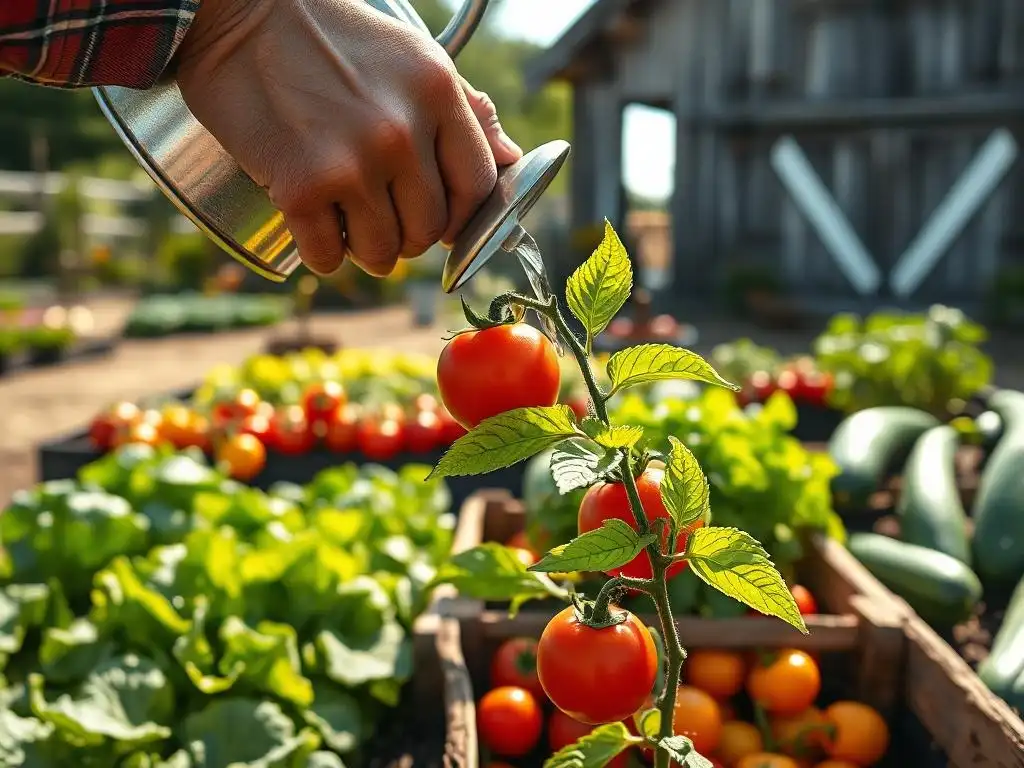
Efficient watering is crucial for a thriving home garden, maximizing yield and minimizing water waste. A well-defined watering schedule, tailored to your specific needs, is the cornerstone of successful home gardening. This section will guide you through creating and adapting a schedule that ensures your plants receive the optimal amount of water, leading to a bountiful harvest. Remember, consistent moisture is key, but overwatering can be just as detrimental as underwatering. Finding the sweet spot requires observation and adjustment.
Creating a Baseline Watering Schedule Based on Climate and Plant Type
Establishing a baseline watering schedule begins with understanding your local climate and the specific water requirements of your chosen plants. Your climate dictates the frequency of watering; hotter, drier climates necessitate more frequent watering than cooler, more humid ones. Consult resources like your local agricultural extension office or reputable gardening websites for information on the water needs of different plant species.
Consider these factors when creating your baseline schedule:
- Climate: High temperatures and low humidity will require more frequent watering. Conversely, cooler temperatures and high humidity may reduce the need for watering. Pay close attention to rainfall – a heavy downpour might postpone your regular watering.
- Plant Type: Different plants have different water requirements. For instance, leafy greens generally need more frequent watering than drought-tolerant vegetables like tomatoes. Seedlings are especially sensitive to dehydration and require more frequent, lighter watering.
- Soil Type: Sandy soils drain quickly, requiring more frequent watering than clay soils, which retain moisture longer. Well-drained soil is crucial to prevent root rot.
- Sunlight Exposure: Plants in full sun generally need more water than those in partial shade. The intensity and duration of sunlight directly impact water evaporation from the soil.
Here's a sample baseline schedule (adjust based on your specific circumstances):
| Plant Type | Watering Frequency (in warm weather) | Notes |
|---|---|---|
| Leafy Greens | Daily or every other day | Monitor soil moisture closely; don't let soil dry out completely. |
| Tomatoes | Every 2-3 days | Water deeply at the base of the plant. |
| Peppers & Cucumbers | Every 2-3 days | Consistent moisture is crucial for fruit production. |
| Herbs | Every 2-3 days | Allow soil to dry slightly between waterings. |
Remember, this is a baseline. Regular observation and adjustment are key to optimizing your watering schedule.
Adjusting Your Watering Schedule Based on Weather Conditions
Your baseline watering schedule should be regularly adjusted based on prevailing weather conditions. Unexpected heat waves, prolonged periods of rain, or strong winds can significantly impact your plants' water needs.
- Heat Waves: During extreme heat, increase watering frequency and consider watering during cooler parts of the day (early morning or evening) to minimize evaporation. Mulching can also help retain soil moisture.
- Rainy Periods: Reduce or temporarily suspend watering during prolonged periods of rain. Overwatering can lead to root rot and other fungal diseases. Monitor soil moisture carefully to determine when to resume your regular schedule.
- Windy Conditions: Strong winds increase evaporation, necessitating more frequent watering. Windbreaks can help protect your plants from excessive wind exposure.
Consistent monitoring is crucial. Don't rigidly adhere to your schedule; let the plants and weather guide you. Observe signs of wilting or leaf droop – these are clear indicators that your plants need water.
Monitoring Soil Moisture Levels for Precise Watering
Rather than relying solely on a schedule, regularly check soil moisture to ensure your plants are receiving the appropriate amount of water. This prevents both underwatering and overwatering, two common mistakes that can significantly impact plant health and yield.
Several methods can be employed:
- Finger Test: Stick your finger about an inch into the soil. If the soil feels dry, it's time to water. If it feels moist, you can wait.
- Moisture Meter: A soil moisture meter provides a more precise measurement of soil moisture levels. These are readily available at most garden centers.
- Visual Inspection: Observe the plants themselves. Wilting leaves are a clear sign of underwatering. Yellowing leaves can indicate overwatering.
By combining scheduled watering with regular soil moisture checks, you'll develop a precise and efficient watering strategy, leading to a healthier and more productive home garden. Remember, consistent monitoring and adjustments are essential for achieving optimal results and maximizing your home garden's potential. A well-watered garden is a happy garden! 🌱
Water Conservation Techniques for Home Gardens
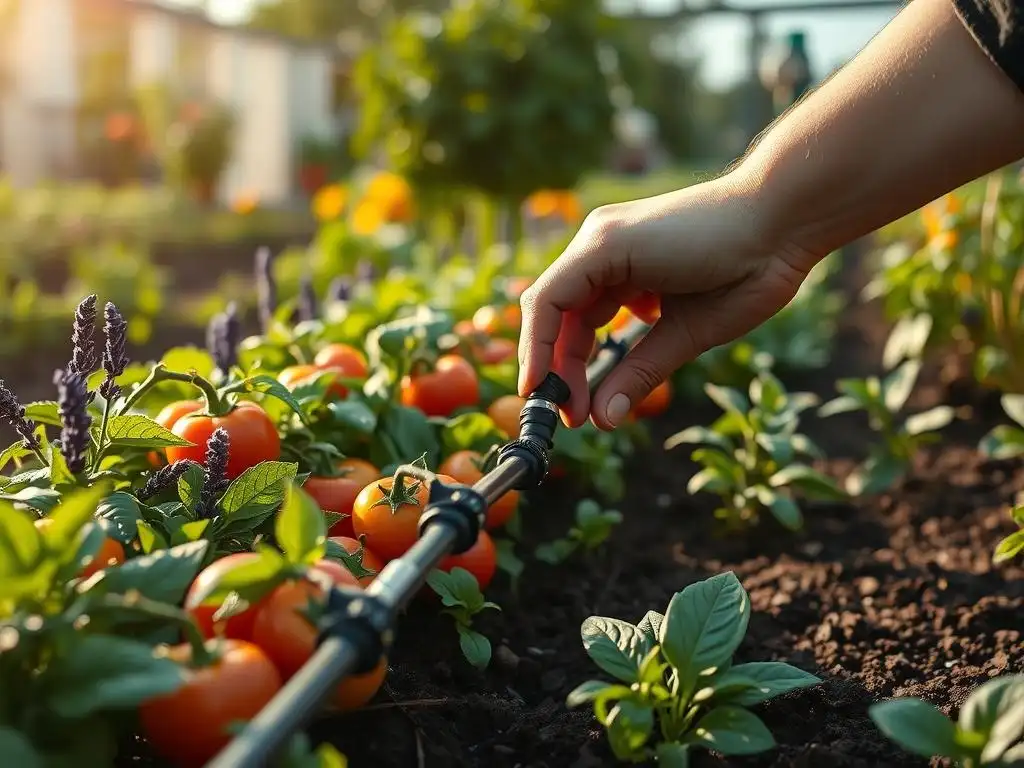
Efficient water management is crucial for a thriving home garden, especially when aiming for self-sufficiency. Overwatering can lead to root rot and wasted resources, while underwatering stunts growth. Finding the right balance is key, and employing water conservation techniques is essential for both your plants' health and environmental responsibility. A well-planned home garden watering schedule is only half the battle; smart water use strategies are equally important. Let's explore some effective methods.
Implementing Drip Irrigation for Efficient Water Delivery
Drip irrigation is a highly effective method for delivering water directly to the roots of your plants. Unlike overhead watering, which leads to significant water loss through evaporation and runoff, drip irrigation minimizes waste. This system uses a network of tubes and emitters to deliver water slowly and consistently, keeping the soil moist without saturating it. The benefits are numerous:
- Reduced water consumption: Studies show drip irrigation can reduce water usage by up to 50% compared to traditional methods. This translates to significant savings on your water bill and a smaller environmental footprint.
- Improved plant health: Consistent moisture at the root zone promotes healthy root development and leads to stronger, more productive plants. This is particularly beneficial for drought-sensitive plants.
- Targeted watering: You can customize the water delivery to individual plants or groups of plants based on their specific needs. This is especially helpful when dealing with plants with varying water requirements within the same garden.
- Weed suppression: By focusing water delivery to the base of plants, drip irrigation helps to keep the surrounding soil drier, suppressing weed growth.
Consider the initial investment cost; however, the long-term savings in water and improved plant health often outweigh the upfront expense. Proper installation and maintenance are key to maximizing the effectiveness of a drip irrigation system.
Utilizing Mulch to Reduce Evaporation and Improve Soil Health
Mulching is a simple yet powerful technique for conserving water and improving soil health in your home garden. A layer of mulch—organic materials like straw, wood chips, or shredded leaves—placed around your plants acts as a barrier, reducing evaporation from the soil surface. This keeps the soil consistently moist, reducing the frequency of watering.
The benefits extend beyond water conservation:
- Reduced weed growth: Mulch suppresses weed growth, minimizing competition for water and nutrients. This simplifies garden maintenance and reduces the need for herbicides.
- Improved soil structure: Organic mulch gradually decomposes, enriching the soil with organic matter. This improves soil structure, aeration, and water retention capacity.
- Temperature regulation: Mulch helps regulate soil temperature, protecting plant roots from extreme heat and cold. This is particularly important during hot summer months.
- Erosion control: Mulch helps prevent soil erosion, especially on slopes or in areas exposed to wind and rain.
The optimal mulch depth is typically 2-4 inches. Avoid piling mulch directly against plant stems, as this can promote fungal diseases. Regularly replenish the mulch layer as it decomposes to maintain its effectiveness throughout the growing season. Choosing the right type of mulch for your garden and climate is also important.
Harvesting Rainwater for Sustainable Irrigation
Rainwater harvesting is an environmentally friendly and cost-effective way to supplement your home garden's watering needs. Collecting rainwater reduces reliance on municipal water supplies, conserving precious resources. The process involves collecting rainwater from rooftops or other surfaces and storing it in tanks or barrels.
Here's how to effectively utilize harvested rainwater:
- Tank selection: Choose a food-grade tank to avoid contaminating your water supply. Consider the size of your garden and rainfall patterns when choosing the tank capacity.
- Filtration: Filtering the rainwater is essential to remove debris and prevent clogging of your irrigation system. A simple filter can be added to the tank's inlet.
- Irrigation method: Rainwater can be used with any irrigation method, including drip irrigation, soaker hoses, or watering cans.
- Water quality: Regularly check the water quality to ensure it remains free from contaminants.
While initial setup might require some investment, the long-term benefits of reduced water bills and environmental responsibility make rainwater harvesting a worthwhile endeavor for any serious home gardener committed to a sustainable home garden watering schedule. This practice significantly contributes to water conservation and aligns perfectly with organic gardening principles.
Troubleshooting Common Watering Problems
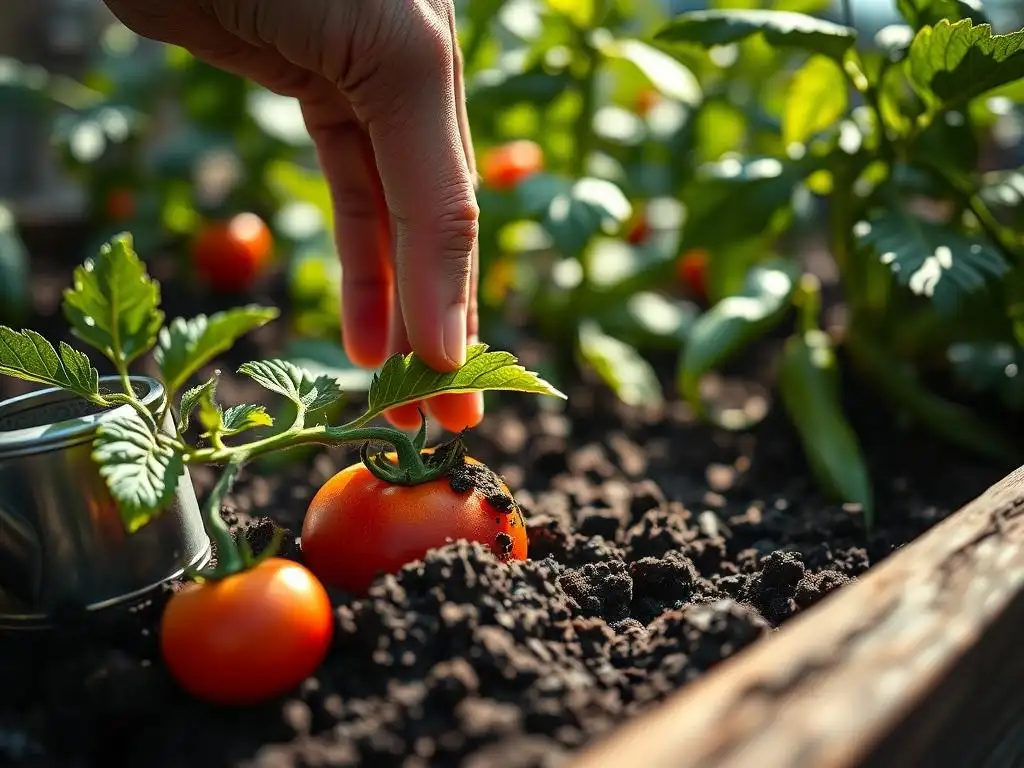
This section delves into the practical aspects of diagnosing and rectifying common watering issues encountered in home gardens, ensuring optimal growth and yield for your family's sustenance. A consistent and appropriate home garden watering schedule is crucial, but even the best plans can encounter problems. Let's explore some of the most frequent challenges and how to overcome them. Mastering these techniques will significantly improve your chances of a bountiful harvest.
Identifying and Addressing Overwatering Issues in Your Garden
Overwatering, a surprisingly common mistake, can lead to a cascade of problems, ultimately hindering the growth of your plants and potentially leading to crop failure. The telltale signs are often subtle at first, but become increasingly obvious as the issue worsens. Look for these key indicators:
- Yellowing leaves: While nutrient deficiencies can also cause yellowing, in the case of overwatering, the leaves will often appear pale and droopy, even when the soil is visibly wet.
- Soggy soil: This is the most obvious sign. The soil will be waterlogged, clinging to your fingers and lacking the crumbly texture of healthy soil.
- Root rot: This is a serious consequence of overwatering. Roots require oxygen to thrive, and excessive moisture suffocates them, leading to decay and ultimately killing the plant. You might notice a foul odor emanating from the soil.
- Stunted growth: Plants struggling from overwatering will exhibit slow or stunted growth, failing to reach their full potential.
- Mushy stems: The stems of affected plants may become soft and mushy, a clear indication of root rot setting in.
Addressing overwatering requires immediate action. Here's a step-by-step approach:
- Improve Drainage: If your soil is consistently waterlogged, amend it with organic matter like compost to improve drainage and aeration. This helps the soil absorb water more efficiently and prevents waterlogging.
- Reduce Watering Frequency: Adjust your home garden watering schedule to reduce the frequency of watering. Instead of frequent, shallow watering, opt for less frequent, deeper watering that encourages deeper root growth.
- Monitor Soil Moisture: Use your finger to check soil moisture before watering. Insert your finger a couple of inches into the soil; if it feels dry, it's time to water.
- Mulch: Applying a layer of mulch helps retain soil moisture and regulate temperature, reducing the need for frequent watering.
- Choose Appropriate Containers: If growing in containers, ensure they have adequate drainage holes to prevent water from accumulating at the bottom.
Remember, prevention is key. By carefully monitoring soil moisture and adjusting your watering habits, you can avoid the pitfalls of overwatering and ensure healthy, thriving plants.
Recognizing and Resolving Underwatering Problems in Your Garden
Underwatering, while seemingly the opposite of overwatering, is equally detrimental to your plants. The effects can be just as severe, leading to stunted growth, reduced yields, and even plant death. Key indicators of underwatering include:
- Wilting leaves: This is a classic symptom. Leaves will droop and appear limp, even after watering. However, unlike overwatering, the soil will be dry to the touch.
- Dry soil: The soil will be visibly dry and cracked, especially on the surface.
- Brown leaf edges: The edges of leaves may turn brown and crisp, indicating a lack of moisture.
- Stunted growth: Plants deprived of sufficient water will struggle to grow and may remain small and underdeveloped.
- Premature fruit drop: Fruiting plants may drop their fruits prematurely due to stress from insufficient water.
Remedying underwatering involves a more immediate and direct approach:
- Deep Watering: Provide a thorough, deep watering to ensure the water reaches the roots. This might involve using a soaker hose or drip irrigation system for more efficient water delivery.
- Adjust Watering Schedule: Re-evaluate your home garden watering schedule and increase the frequency or duration of watering, particularly during hot and dry periods.
- Mulching: As mentioned before, a layer of mulch helps retain soil moisture, reducing the frequency of watering needed.
- Monitor Soil Moisture: Regularly check the soil moisture using your finger or a soil moisture meter to avoid letting the soil dry out completely.
- Consider Microclimates: Remember that different areas of your garden might experience different levels of sun exposure and wind, leading to variations in soil moisture. Adjust your watering accordingly.
Consistent monitoring and proactive adjustments to your watering strategy are crucial to prevent underwatering and maintain healthy, productive plants.
Dealing with Uneven Watering and Soil Moisture Variations
Maintaining consistent soil moisture across your garden can be challenging, particularly in areas with uneven terrain or varying sun exposure. Uneven watering can lead to inconsistent growth and yield, with some plants thriving while others struggle. Several factors contribute to this issue:
- Inconsistent Sprinkler Coverage: Traditional sprinklers often provide uneven water distribution, leaving some areas dry while others are overwatered.
- Sloped Terrain: Water tends to run downhill, leaving higher areas drier and lower areas waterlogged.
- Varying Soil Types: Different soil types retain moisture differently. Sandy soil drains quickly, while clay soil retains water for longer periods.
- Tree Roots: Large tree roots can compete with garden plants for water, leading to uneven moisture distribution.
To address uneven watering, consider these solutions:
| Method | Description | Advantages | Disadvantages |
|---|---|---|---|
| Drip Irrigation | Delivers water directly to the roots. | Efficient water use, consistent moisture, reduces weed growth. | Initial cost, requires installation. |
| Soaker Hoses | Slowly release water along their length. | Easy to install, relatively inexpensive, good for long rows of plants. | Can be cumbersome to move around the garden. |
| Hand Watering | Precise control over water application. | Allows for targeted watering based on individual plant needs. | Time-consuming, requires more effort. |
| Mulching (Strategic) | Apply thicker mulch in drier areas to help retain moisture. | Low cost, improves soil health. | Needs regular replenishing, might not be suitable for all plant types. |
| Soil Amendments | Improve soil structure to enhance water retention or drainage. | Long-term solution, improves soil health. | Requires effort and knowledge of soil type. |
By carefully assessing your garden's unique conditions and employing appropriate watering techniques, you can overcome uneven watering and ensure a healthy and productive harvest for your family. Remember, consistent monitoring and adaptation are key to success in your home garden. 🌱
Optimizing Your Home Garden Watering Schedule for Maximum Yield
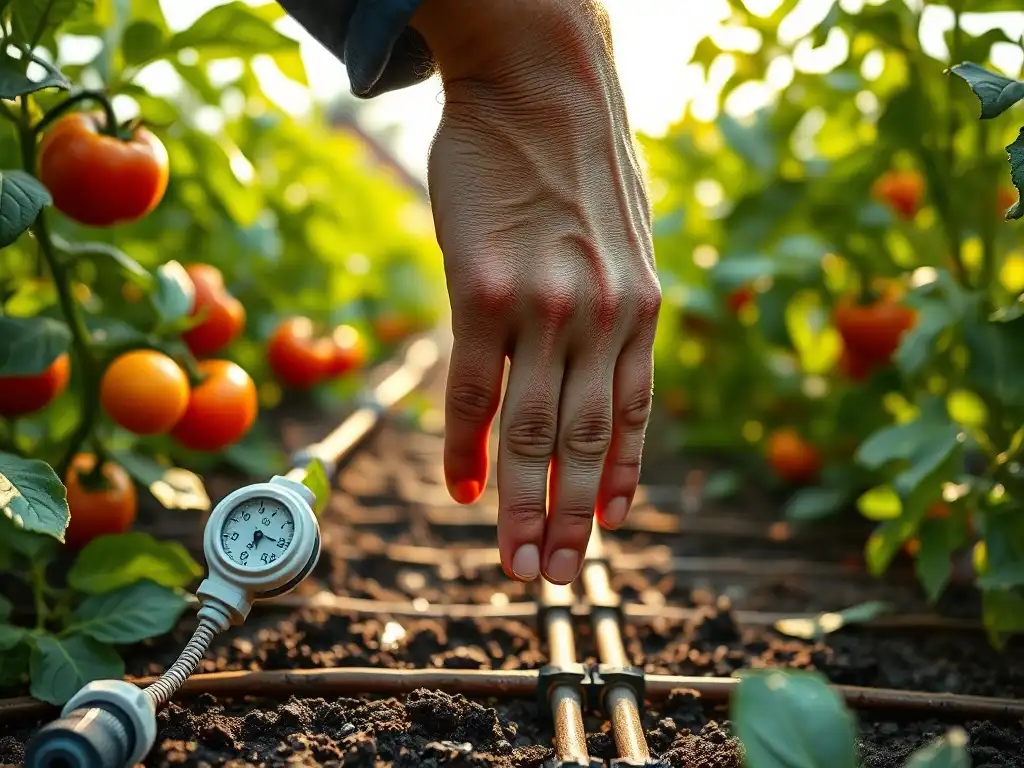
Efficient watering is crucial for a thriving home garden, directly impacting the yield and overall health of your plants. A well-defined home garden watering schedule is not a one-size-fits-all solution; it requires careful observation and adaptation based on various factors. Overwatering can lead to root rot and fungal diseases, while underwatering stunts growth and reduces fruit production.
The goal is to provide the optimal amount of water at the right frequency to keep the soil consistently moist but not waterlogged. This section will explore strategies to achieve this balance and maximize your harvest. Remember, the key to success is understanding your specific garden environment and the individual needs of your plants.
Tailoring Watering Schedules to Different Growth Stages
Plants have varying water requirements throughout their life cycle. Seedlings, for example, are particularly vulnerable to dehydration and require more frequent, lighter watering to avoid washing away the delicate seeds. Once established, seedlings will need less frequent but deeper watering to encourage root growth. During the vegetative stage (when plants are growing leaves and stems), consistent moisture is essential for robust growth. As plants enter the flowering and fruiting stages, their water needs increase significantly. Insufficient water during these critical periods can lead to fewer flowers, smaller fruits, and reduced overall yield.
Consider this example: lettuce, a cool-season crop, requires consistent moisture throughout its growing period. However, as it nears maturity, reduce watering slightly to prevent bolting (premature flowering). Conversely, tomatoes, a warm-season crop, need more water during fruit development, and inconsistent watering can result in blossom-end rot.
To effectively manage watering during each stage, consider using a combination of techniques: frequent shallow watering for seedlings, and deeper, less frequent watering for mature plants. This approach ensures that the root system develops properly and the plants have access to sufficient moisture for optimal growth. Monitoring soil moisture regularly, using a moisture meter or by simply sticking your finger into the soil, is key to successful watering.
Adjusting Watering Based on Specific Plant Needs (e.g., tomatoes, leafy greens)
Different plant types have different water requirements. Leafy greens, for example, generally prefer consistently moist soil and may require more frequent watering than other plants. Conversely, some vegetables, like tomatoes, are more drought-tolerant once established but still need consistent watering during periods of intense heat and fruit development. Herbs, depending on the variety, can range from needing quite a bit of water to being quite drought tolerant. Understanding your plant's specific needs is crucial for optimizing your home garden watering schedule.
| Plant Type | Watering Frequency (Average) | Soil Moisture Preference | Notes |
|---|---|---|---|
| Leafy Greens | Every 1-2 days | Consistently moist | Avoid letting the soil dry out completely. |
| Tomatoes | Every 2-3 days | Moist, not waterlogged | Water deeply at the base of the plant to avoid fungal diseases. |
| Peppers | Every 2-3 days | Moist, not waterlogged | Similar to tomatoes, avoid overhead watering. |
| Cucumbers | Every 1-2 days | Consistently moist | Requires consistent moisture for optimal fruit production. |
| Herbs (e.g., basil) | Every 1-2 days (Basil) | Varies by herb | Some herbs are more drought tolerant than others; research your specific herbs. |
Observing your plants for signs of stress, such as wilting or leaf discoloration, is crucial. These are clear indicators that your plants need more water. Remember that these are averages and your actual watering frequency may vary depending on your local climate, soil type, and the intensity of sunlight. Experimentation and careful observation are key to finding the sweet spot for your specific plants and conditions.
Integrating Fertilization with Your Watering Schedule
Combining fertilization with your watering schedule can significantly enhance nutrient uptake and improve overall plant health. Using a liquid fertilizer diluted in water during irrigation is a highly efficient method of delivering nutrients directly to the roots. This method, often called fertigation, avoids nutrient runoff and ensures that your plants receive the nutrients they need when they need them. The frequency of fertilization will depend on the specific fertilizer used and the nutritional needs of your plants.
Always follow the instructions on your chosen fertilizer product carefully to avoid over-fertilizing, which can damage or kill your plants. Consider soil testing to determine the nutrient levels in your soil and adjust your fertilization strategy accordingly. Remember that over-fertilizing can be just as damaging as under-fertilizing, leading to plant burn and reduced yields. A balanced approach, using both organic and inorganic fertilizers, can ensure that your plants receive a complete range of essential nutrients.
Regular soil testing and careful observation of your plants' growth and health are vital for successful nutrient management in your home garden. Proper watering and fertilization are essential components of a successful home garden, leading to a bountiful harvest. 🥕🍅🥬
Long-Term Water Management Strategies for Your Home Garden
This section focuses on developing a resilient and sustainable watering plan for your home garden, ensuring a thriving harvest even in the face of challenges like drought or water restrictions. Effective long-term water management goes beyond simply knowing when to water; it's about understanding how to optimize water use for maximum yield and minimal environmental impact. A well-planned approach will safeguard your home garden's health and productivity for years to come.
Planning for Drought Conditions and Water Restrictions
Proactive planning is key to navigating drought and water restrictions. Don't wait until restrictions are imposed; prepare in advance. This involves several crucial steps:
- Understanding your local climate: Knowing your area's average rainfall, typical dry periods, and potential for drought is crucial. Research historical weather patterns to anticipate potential water shortages. This information will inform your planting choices and watering schedule.
- Choosing drought-tolerant plants: Selecting plants naturally adapted to drier conditions significantly reduces your water needs. Many vegetables, herbs, and fruits exhibit impressive drought tolerance. Consider options like zucchini, beans, rosemary, and oregano. Research varieties specifically bred for water efficiency.
- Developing a backup water source: Explore options like rainwater harvesting. Installing rain barrels can collect significant amounts of water for irrigation during dry spells. This reduces reliance on municipal water supplies, especially during restrictions. Consider the size of your garden when determining the number and size of barrels needed.
- Creating a detailed watering schedule: A well-defined schedule, adjusted for seasonal changes and plant needs, is critical. This schedule should consider factors like soil type, plant stage (seedling, vegetative, fruiting), and weather conditions. Don't forget to factor in the potential for water restrictions – having a plan B in place is essential.
- Implementing water-wise irrigation techniques: Drip irrigation and soaker hoses are far more efficient than overhead sprinklers, minimizing water loss through evaporation. These methods deliver water directly to the roots, promoting deeper root growth and drought resistance.
Implementing Sustainable Water Management Practices for the Future
Sustainable water management isn't just about conserving water during droughts; it's about building a long-term strategy that minimizes environmental impact and ensures the long-term health of your garden. Key practices include:
- Soil improvement: Healthy soil retains water more effectively. Adding organic matter like compost improves soil structure, increasing its water-holding capacity. This reduces the frequency of watering and enhances nutrient availability.
- Mulching: A layer of mulch (organic matter like straw or wood chips) helps retain soil moisture, reducing evaporation and the need for frequent watering. Mulch also suppresses weeds, further conserving water.
- Xeriscaping: This landscaping technique emphasizes the use of drought-tolerant plants and water-wise design principles. It minimizes water consumption while creating an attractive and functional garden.
- Greywater recycling (where permitted): In some areas, using greywater (reclaimed water from showers and sinks) for irrigation is permissible. This requires proper filtration and treatment to avoid contaminating the soil. Always check local regulations before implementing greywater systems. This can significantly reduce your reliance on potable water for irrigation.
Monitoring Plant Health and Adjusting Watering Accordingly
Regular monitoring is vital for optimizing your watering schedule and ensuring your plants thrive. Signs of underwatering include wilting leaves, dry soil, and stunted growth. Overwatering, on the other hand, can lead to root rot and fungal diseases.
- Visual inspection: Regularly check the soil moisture level by inserting your finger a few inches into the soil. If the soil feels dry, it's time to water.
- Using a soil moisture meter: These tools provide a more accurate measurement of soil moisture content. They are especially helpful for determining when to water in different parts of your garden.
- Observing plant behavior: Healthy plants exhibit vibrant growth and lush foliage. Changes in leaf color, wilting, or drooping can indicate watering problems. Adjust your watering schedule accordingly, increasing or decreasing the amount of water as needed.
- Record keeping: Maintain a detailed log of your watering schedule, noting the amount of water used, weather conditions, and plant responses. This helps refine your watering strategy over time, improving its efficiency and effectiveness. This data will be invaluable in predicting future water needs and adjusting your approach based on experience. This process is iterative and improves with time.
This comprehensive approach to home garden watering ensures a bountiful harvest while promoting sustainable practices. Remember that consistent monitoring and adaptation are essential for long-term success in cultivating your food.
Frequently Asked Questions
How often should I water my home garden?
There's no single answer; it depends on factors like weather, soil type, and plant type. Aim for consistently moist soil, but avoid overwatering, which can lead to root rot. Check soil moisture regularly.
What's the best time of day to water my garden?
Early morning is generally best. This allows plants to absorb water before the heat of the day causes evaporation. Watering in the evening can increase the risk of fungal diseases.
How much water should I give my plants?
Water deeply and less frequently to encourage deep root growth. The amount needed varies greatly by plant; consider using a soaker hose or drip irrigation for efficient watering.
What are the signs of underwatering or overwatering?
Wilting leaves and dry soil indicate underwatering, while yellowing leaves, soggy soil, and foul odors signal overwatering. Adjust your watering schedule accordingly.
How can I create a watering schedule for my specific garden?
Observe your plants and soil closely. Consider using a soil moisture meter to accurately gauge moisture levels. Adjust your schedule based on weather conditions and plant needs, creating a flexible plan.
Final Reflection: The Bountiful Harvest of Conscious Watering
The future of food security, even on a small scale, hinges on understanding and mastering the art of efficient irrigation. A well-watered home garden isn't just a source of fresh produce; it's a testament to mindful resource management and a powerful symbol of self-sufficiency in an increasingly uncertain world. This knowledge, once considered a niche skill, is rapidly becoming a vital life skill for anyone committed to sustainable living.
The impact of conscious watering extends far beyond the immediate yield of our gardens. It's a microcosm of larger ecological conversations surrounding water conservation and responsible land stewardship. The earth provides enough to satisfy every man's needs but not every man's greed.
- Mahatma Gandhi. This quote resonates deeply, highlighting the importance of mindful consumption and the interconnectedness of our actions with the health of our planet. Understanding the nuances of watering schedules allows us to participate actively in this conversation, contributing to a more sustainable future, one carefully watered plant at a time.
Now, consider your own garden, or even a single potted herb. What adjustments can you make to your watering routine to maximize efficiency and minimize waste? Will you experiment with different watering techniques, perhaps embracing rainwater harvesting or drip irrigation? The journey towards a thriving, sustainably-watered garden is a personal one, filled with learning, adaptation, and the immense satisfaction of nurturing life from the ground up. Embrace the challenge, and let your garden flourish.
Unlock Your Garden's Bounty: Nurture & Grow!
Thank you for exploring smarter watering techniques for a thriving home garden! You now have the knowledge to cultivate an abundance of fresh, healthy food for your family. Ready to put this into practice?
- Prioritize your watering schedule: Begin implementing a watering plan, focusing on the plants that need it most. Consistent, deep watering is crucial for healthy growth.
- Experiment with a new watering method: Consider using drip irrigation or soaker hoses to minimize water waste and maximize plant health. This approach is both efficient and beneficial for your plants.
- Share your garden's progress: Post a photo of your flourishing vegetables on social media and tag #CultivateYourFood – let's inspire each other!
What's the most exciting change you'll make to your watering routine this week?