
Nematodes: Biological Control for Root Maggots

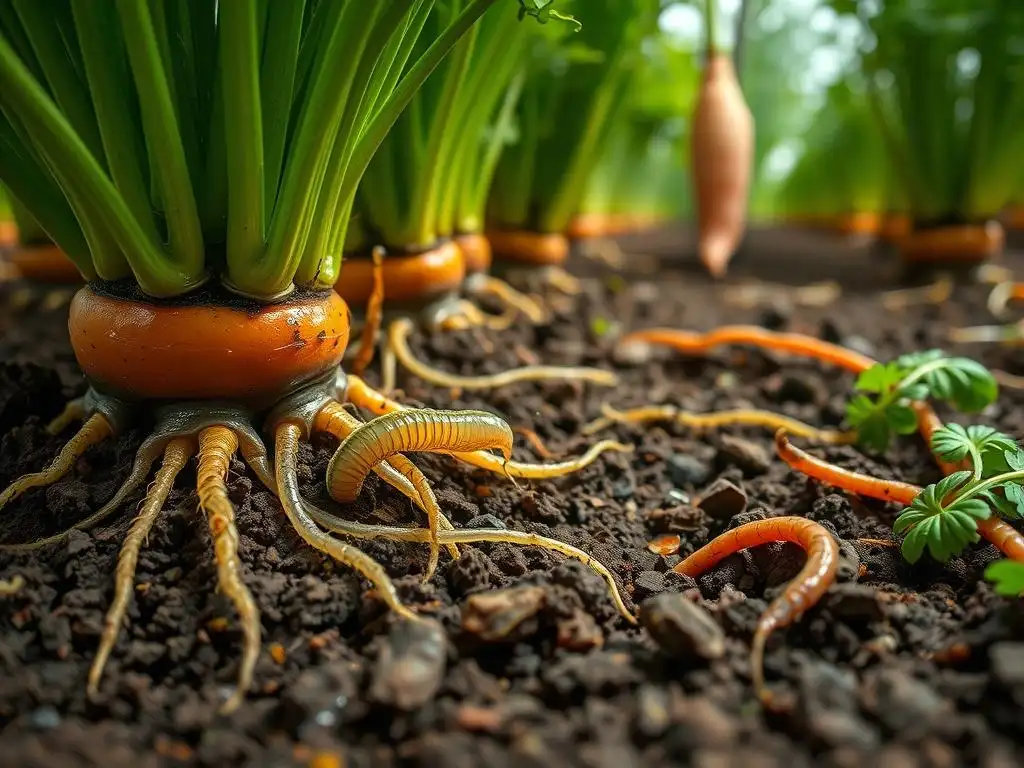
Ready to unlock the secrets of a thriving, organic garden? At CultivateYourFood, we empower you to grow your own delicious fruits, vegetables, and herbs using sustainable methods. This website is your guide to home cultivation, from seed to harvest. But what happens when pests threaten your precious plants? Learn how organic pest control nematodes offer a powerful, natural solution against root maggots and other garden invaders. Discover the fascinating world of biological pest control and start cultivating a healthier, more abundant harvest today!
- Understanding Root Maggot Damage and its Impact on Your Crops
- Introducing Nematodes: A Natural Solution for Root Maggot Control
- Selecting and Applying Nematodes for Effective Root Maggot Management
- Maximizing the Success of Your Nematode Treatment
- Organic Pest Control Nematodes: Long-Term Benefits and Sustainability
- Frequently Asked Questions
- Final Reflection: The Tiny Warriors of Sustainable Agriculture
- Unleash Your Garden's Natural Defenders!
Understanding Root Maggot Damage and its Impact on Your Crops
Root maggots, the larval stage of several fly species, pose a significant threat to home gardens practicing organic pest control. These insidious pests burrow into the roots of various plants, including vegetables like cabbages, carrots, and radishes, as well as herbs and some fruits.
Their feeding activity disrupts nutrient uptake, leading to stunted growth, wilting, and ultimately, crop failure. This article will explore the devastating effects of root maggots and introduce a sustainable and effective biological control method utilizing beneficial nematodes – a key component of effective organic pest control.
We’ll delve into identifying infestations, understanding the economic impact on your home garden, and examining the limitations of traditional control methods, paving the way for a deeper understanding of nematode-based solutions for organic pest control. This eco-friendly approach helps you cultivate healthy, thriving plants without resorting to harmful chemicals, aligning perfectly with the principles of sustainable gardening and the goal of achieving organic pest control.
Identifying Root Maggot Infestations: Signs and Symptoms
Recognizing root maggot infestations early is crucial for effective management. Several telltale signs can indicate their presence:
- Wilting plants: Even with adequate watering, plants infested with root maggots may exhibit wilting due to damaged root systems.
- Stunted growth: Infested plants often fail to reach their full potential size, exhibiting noticeably stunted growth compared to healthy plants.
- Yellowing or discoloration of foliage: Nutrient deficiency caused by root damage can lead to yellowing or discoloration of leaves.
- Presence of small, white larvae: Carefully examining the root system of affected plants might reveal small, creamy-white larvae, which are the root maggots themselves.
- Holes in roots: Root maggots create tunnels and holes within the plant roots, which can be visible upon close inspection.
Early detection is key. Regularly inspect your plants, paying close attention to the root systems, particularly during the growing season when root maggots are most active. A proactive approach to monitoring your plants significantly increases the chances of successful organic pest control.
The Economic Impact of Root Maggot Damage on Home Gardens
While the economic impact might seem small compared to commercial agriculture, root maggot damage can significantly affect the yield and quality of your homegrown produce. Consider the following:
- Reduced harvest: Infestations can lead to a substantial reduction in the quantity of harvestable fruits, vegetables, and herbs.
- Compromised quality: Damaged roots often result in smaller, misshapen, or less flavorful produce, reducing its overall value.
- Replanting costs: In severe cases, entire crops might need to be replanted, incurring additional costs for seeds, seedlings, and labor.
- Lost time and effort: Time and effort invested in cultivating a crop are lost if it is severely damaged by root maggots.
The cumulative effect of these factors can translate into a considerable loss for home gardeners, highlighting the importance of preventative measures and effective organic pest control strategies like the use of beneficial nematodes. These costs extend beyond just monetary value; the loss of anticipated homegrown produce represents a loss of enjoyment and the satisfaction of self-sufficiency.
Traditional Root Maggot Control Methods: Their Limitations and Drawbacks
Traditional methods for root maggot control often involve the use of chemical insecticides. However, these methods present several significant limitations and drawbacks, particularly for those committed to organic gardening practices:
| Method | Limitations | Drawbacks |
|---|---|---|
| Chemical Insecticides | Can harm beneficial insects and pollinators; can contaminate soil and water. | Environmental damage; potential health risks; ineffective against established infestations |
| Soil sterilization | Disrupts soil ecosystem; can be costly and labor-intensive. | Kills beneficial microbes; long-term soil health impact. |
| Physical barriers (row covers) | Can be cumbersome to use, especially for large gardens; may not be fully effective. | Labor intensive; can limit plant access to sunlight and pollinators. |
These conventional methods often fail to provide a sustainable and environmentally friendly solution. Furthermore, they can negatively impact the overall health of your garden ecosystem, making the adoption of organic pest control methods, such as the use of nematodes, an increasingly attractive and responsible choice. The following sections will explore how nematodes offer a viable and effective alternative.
Introducing Nematodes: A Natural Solution for Root Maggot Control
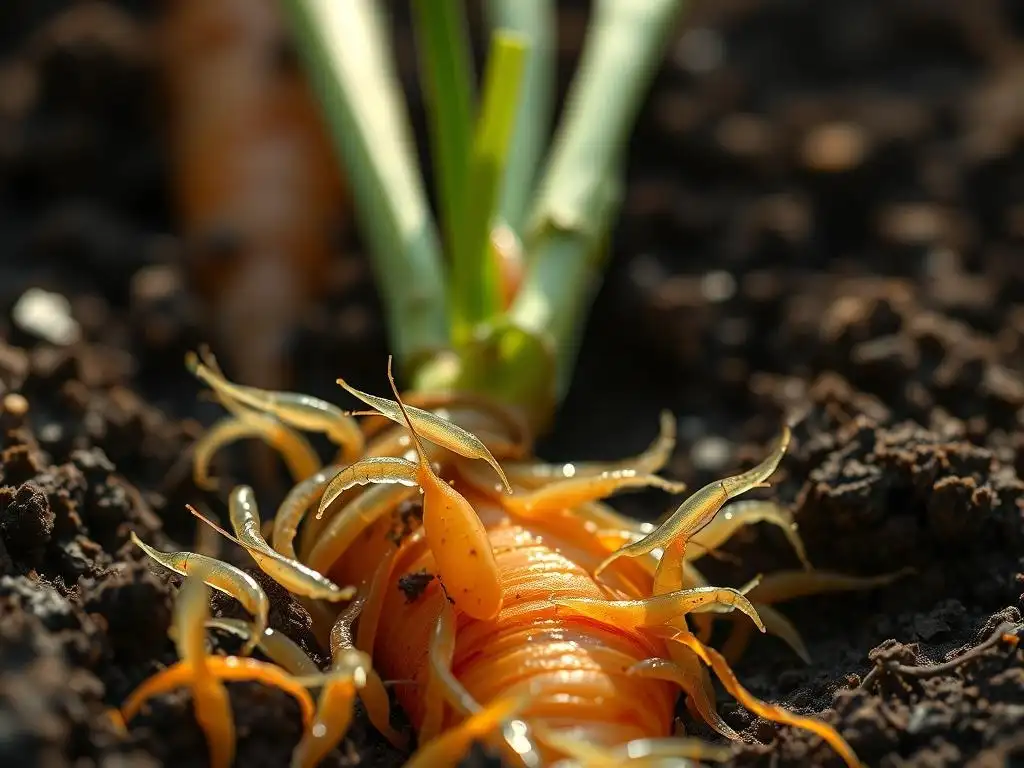
Root maggots, those pesky larvae that feast on the roots of your precious vegetables, can decimate a harvest in no time. Traditional chemical pesticides offer a quick fix, but they often harm beneficial insects and pollute the soil, conflicting with the sustainable and organic principles of CultivateYourFood. Fortunately, there's a powerful, environmentally friendly alternative: organic pest control nematodes.
These microscopic worms are a natural and effective way to combat root maggots and other soil-dwelling pests, offering a sustainable solution for your garden. This section will delve into the specifics of using nematodes for organic pest control, explaining their mechanism, benefits, and how to distinguish beneficial nematodes from their harmful counterparts. By understanding the nuances of this biological control method, you can effectively protect your crops while upholding your commitment to organic gardening practices.
What are Entomopathogenic Nematodes?
Entomopathogenic nematodes (EPNs), often simply called "beneficial nematodes," are microscopic roundworms that live in the soil. Unlike many other nematodes, EPNs are not plant parasites; instead, they are natural predators of various soil insects, including root maggots. These tiny warriors actively seek out and infect their prey, ultimately leading to the pest's demise. Several species of EPNs are commercially available and specifically formulated for controlling various garden pests.
The most commonly used genera include Steinernema and Heterorhabditis. These nematodes are incredibly effective because they target specific pests, leaving beneficial insects and other soil organisms unharmed. Think of them as tiny, targeted biological weapons against root maggots, working tirelessly to protect your plants without the harmful side effects of chemical pesticides. Their use represents a significant advancement in organic pest control strategies, offering a sustainable and effective alternative.
How Nematodes Work: The Biological Control Process
The process by which EPNs control root maggots is fascinating and efficient. It begins when the nematodes, either in their infective juvenile (IJ) stage or their dauer stage (a resting stage), locate their host. They use a combination of chemotaxis (following chemical signals) and thermotaxis (following temperature gradients) to find their target.
Once contact is made, the nematodes actively penetrate the root maggot's body. Once inside, they release symbiotic bacteria (e.g., Xenorhabdus for Steinernema and Photorhabdus for Heterorhabditis) which quickly multiply within the insect's hemolymph (insect blood). These bacteria produce toxins that paralyze and kill the root maggot within 24-48 hours.
The bacteria then provide sustenance for the nematodes, allowing them to reproduce within the dead insect. The next generation of nematodes then emerges from the cadaver to seek out new hosts, continuing the cycle of biological control. This process is highly effective and ensures that the root maggot population is significantly reduced, protecting your plants from damage.
Beneficial Nematodes vs. Harmful Nematodes: Understanding the Difference
While the vast majority of nematodes are beneficial to the soil ecosystem, some species are plant parasites and can cause damage. It's crucial to understand the difference between beneficial nematodes (like EPNs) and harmful nematodes to ensure you're using the correct product for organic pest control. Harmful nematodes typically exhibit feeding behaviors that directly harm plant roots, causing stunted growth, wilting, and even plant death.
Conversely, EPNs are obligate parasites of insects, meaning they only feed on and reproduce within insect hosts. They pose no threat to plants or beneficial soil organisms. When choosing a nematode product, always verify that it contains Steinernema or Heterorhabditis species, specifically designated for pest control.
Look for reputable suppliers that provide detailed information about the nematode species and their target pests. Using the correct type of nematode is key to effective and safe organic pest management. Choosing the wrong type could lead to unintended consequences for your garden's health.
Selecting and Applying Nematodes for Effective Root Maggot Management
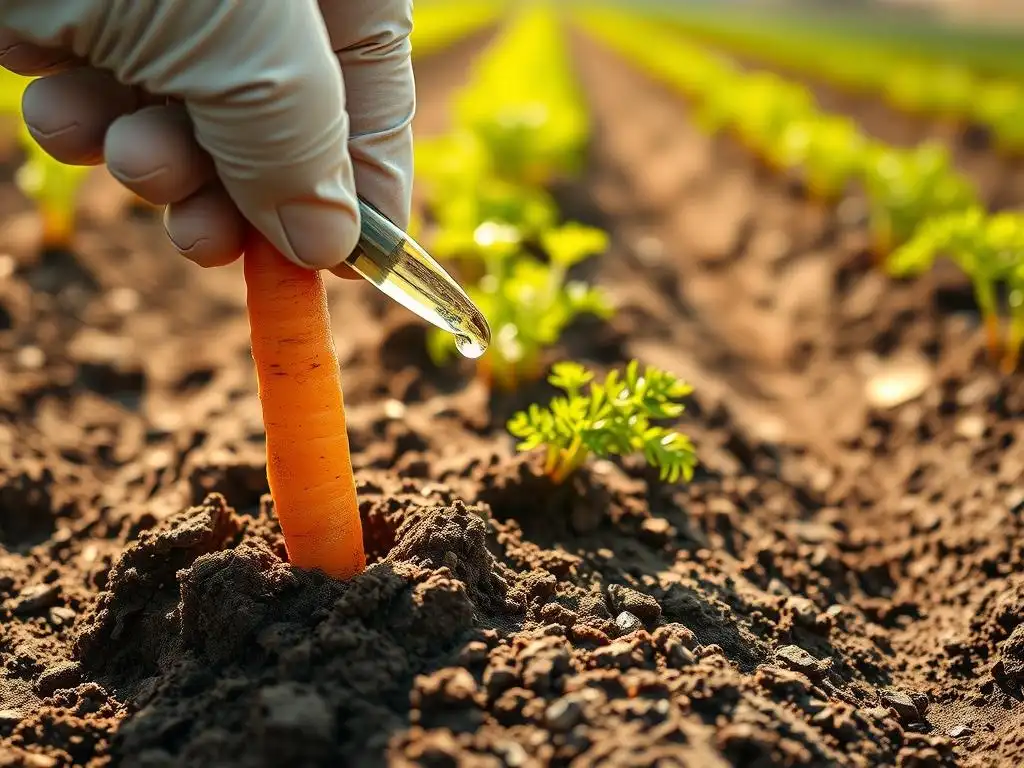
This section delves into the practical aspects of using nematodes for organic pest control, specifically targeting root maggots. We'll explore how to select the appropriate nematode species, various application methods, and the optimal timing for maximum impact. Remember, effective nematode application is crucial for successful organic pest control. Understanding these details will significantly improve your chances of eradicating root maggots and safeguarding your crops.
Choosing the Right Nematode Species for Root Maggot Control
Several nematode species are effective against root maggots, but Steinernema carpocapsae and Heterorhabditis bacteriophora are frequently recommended. The choice often depends on factors such as soil type, climate, and the specific root maggot species infesting your garden. Understanding these nuances is vital for effective organic pest control using nematodes.
- Steinernema carpocapsae: This species is known for its broad effectiveness against a wide range of insect pests, including many root maggot species. It thrives in a variety of soil conditions and is relatively easy to apply. Its efficacy is often slightly better in warmer soils.
- Heterorhabditis bacteriophora: This species is also effective against root maggots, and sometimes exhibits better performance in cooler, wetter soils than S. carpocapsae. It's crucial to research the specific strains within each species, as efficacy can vary.
It's advisable to consult with a local agricultural extension office or a reputable supplier of beneficial nematodes to determine the best species for your specific situation. Providing them with details about your soil type, climate, and the type of root maggot you're dealing with will help them make an informed recommendation. This precise approach is key to successful organic pest control. Don't hesitate to ask questions; selecting the right nematode is paramount for effective root maggot management.
Application Methods: Soil Drenching, Incorporation, and Watering
The application method significantly impacts the success of nematode treatment. Three primary methods exist: soil drenching, incorporation, and watering. Each has its advantages and disadvantages. Choosing the right method is a crucial aspect of organic pest control using nematodes.
| Method | Description | Advantages | Disadvantages |
|---|---|---|---|
| Soil Drenching | Applying a nematode suspension directly to the soil surface. | Simple and relatively quick application. | Less effective at deeper infestations. |
| Incorporation | Mixing nematodes into the soil before planting. | Provides more uniform distribution. | Requires more effort and may be less effective in heavy clay soils. |
| Watering (Irrigation) | Applying nematodes through your irrigation system (drip or sprinkler). | Efficient for large areas; good distribution. | Requires specialized equipment; may not be suitable for all systems. |
The best method depends on your garden's size, soil type, and the severity of the infestation. For small gardens, soil drenching or incorporation might suffice. Larger areas often benefit from the efficiency of irrigation application. Regardless of the method, ensuring the nematodes reach the root zone is critical for effective control.
Optimal Timing for Nematode Application: Maximizing Effectiveness
Timing is crucial for maximizing the effectiveness of nematode application. Root maggots typically attack plants during specific stages of their life cycle. Applying nematodes at the optimal time will ensure they encounter the vulnerable larval stages of the pest. This precise timing is essential for effective organic pest control.
Nematodes are most effective when applied when root maggot eggs are hatching and larvae are actively feeding. This usually coincides with the planting of susceptible crops. For example, if you're planting brassicas (cabbage, broccoli, cauliflower), apply nematodes at the time of planting or shortly thereafter. Detailed knowledge of the root maggot's life cycle in your specific region is essential.
Monitor your garden closely for signs of root maggot activity (wilting plants, damaged roots) to time your application accurately. Consult local resources to determine the optimal planting and nematode application window in your area. This proactive approach is crucial for successful organic pest control. Remember, precision in timing significantly increases the chances of a successful outcome.
Environmental Factors Affecting Nematode Efficacy: Temperature and Moisture
Nematodes, while effective biological control agents for root maggots, are sensitive creatures whose effectiveness is heavily influenced by environmental conditions. Understanding these factors is crucial for successful organic pest control using nematodes. Two of the most critical environmental factors are temperature and moisture.
Temperature plays a significant role in nematode survival and activity. Optimal soil temperatures for many beneficial nematode species lie within a relatively narrow range, typically between 50°F and 80°F (10°C and 27°C). Below 50°F, nematode activity slows considerably, and they may enter a dormant state. Conversely, temperatures above 80°F can be lethal to many nematode species, leading to significantly reduced efficacy.
Therefore, timing the application of nematodes to coincide with optimal soil temperatures is paramount. This often means applying them in the spring or fall, when soil temperatures are more moderate. Checking soil temperature with a reliable soil thermometer before application is highly recommended. Avoid applying nematodes when soil temperatures are too extreme.
Soil moisture is equally crucial. Nematodes require sufficient soil moisture to survive and move effectively through the soil to reach their target pests. Dry soil can desiccate and kill nematodes before they can find and infect root maggots. Conversely, waterlogged soil can reduce oxygen levels, creating an anaerobic environment that is detrimental to their survival.
The ideal soil moisture level is usually described as "moist," similar to a wrung-out sponge. Overwatering or underwatering can significantly compromise the effectiveness of nematode applications. Regular monitoring of soil moisture levels using a moisture meter or by simply feeling the soil is essential for successful nematode application and subsequent pest control.
Maintaining consistent soil moisture throughout the nematode application process and the following few weeks is key to maximizing their effectiveness in controlling root maggots. Effective irrigation strategies, such as drip irrigation, can help maintain optimal soil moisture levels without causing waterlogging. Consider mulching to help retain soil moisture.
Ignoring these environmental factors can lead to a significant reduction in nematode efficacy, rendering the treatment largely ineffective. Careful monitoring and management of temperature and moisture are vital components of a successful organic pest control strategy utilizing nematodes against root maggots. This proactive approach ensures a higher chance of achieving satisfactory results and protecting your crops from root maggot damage.
Maximizing the Success of Your Nematode Treatment
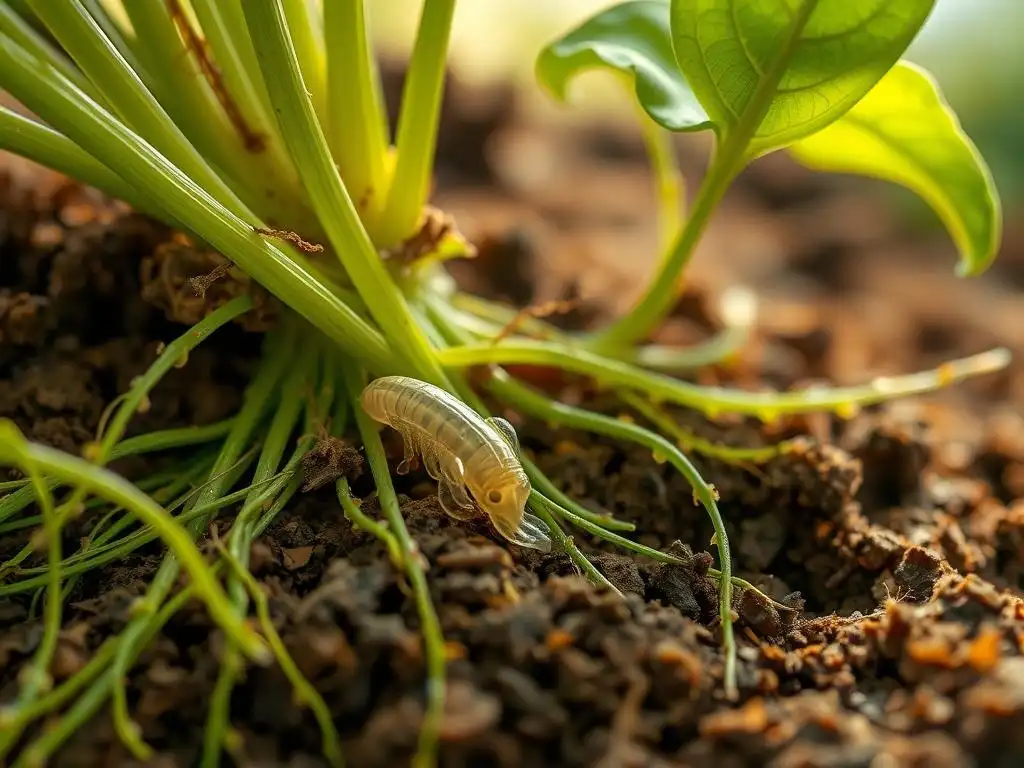
Successfully employing organic pest control nematodes against root maggots hinges on several key factors. Understanding and implementing these strategies will significantly improve your chances of achieving effective pest control and a healthy harvest. The efficacy of nematodes is directly related to environmental conditions and application techniques.
Monitoring Your Garden for Root Maggot Activity After Treatment
Post-treatment monitoring is crucial to assess the effectiveness of your nematode application. Root maggots, the larvae of various fly species, can cause significant damage to plant roots, leading to wilting, stunted growth, and even plant death. Regular inspections should begin approximately two weeks after application. Look for signs of root maggot activity, such as:
- Wilting plants: Sudden wilting, especially in localized areas, can be an early indicator.
- Yellowing leaves: Discoloration of leaves, often starting at the base of the plant, suggests root damage.
- Stunted growth: Plants failing to grow at the expected rate may indicate root system compromise.
- Small holes in stems and roots: Careful examination of the roots may reveal tiny holes or tunnels, characteristic of root maggot feeding.
Keep a detailed garden journal noting the date of nematode application, plant species affected, and any observed signs of root maggot activity. This detailed record will help you track the effectiveness of your treatment and inform future pest management strategies. Consider taking photographs of affected plants to document the extent of the infestation. This visual record will be beneficial for comparing the efficacy of different treatments over time.
Remember, early detection is key to preventing widespread damage. Consistent monitoring allows for prompt intervention if necessary. Even with successful nematode application, a small number of root maggots might survive. Continuous monitoring ensures that any re-infestation is addressed promptly.
Complementary Organic Pest Control Strategies for Root Maggot
While organic pest control nematodes are highly effective, integrating them with other organic pest control methods can enhance their efficacy and provide a more comprehensive approach to root maggot management. These complementary strategies can help suppress root maggot populations and create a less hospitable environment for their development. These include:
- Beneficial nematodes: Employing different species of beneficial nematodes targeting various life stages of the root maggot can increase control.
- Crop rotation: Rotating crops can disrupt the life cycle of root maggots, reducing their population density in subsequent seasons. Avoid planting susceptible crops in the same location year after year.
- Soil mulching: Applying a thick layer of organic mulch, such as straw or wood chips, can create a physical barrier, hindering the access of adult flies to lay eggs. It also helps maintain soil moisture and temperature, which can indirectly impact root maggot development.
- Traps: Sticky traps placed near vulnerable plants can catch adult flies, reducing the number of eggs laid.
- Handpicking: Regularly inspect plants for root maggots and handpick any visible larvae.
Preventing Future Root Maggot Infestations: Proactive Measures
Preventing root maggot infestations is far more effective and less resource-intensive than treating established problems. Proactive measures significantly reduce the risk of future infestations and minimize the need for intensive pest control interventions. These preventive techniques include:
- Sanitation: Thoroughly clean up garden debris at the end of the growing season. Remove any remaining plant material and dispose of it properly to eliminate potential overwintering sites for root maggots. This simple step dramatically reduces the number of root maggots entering the next growing season.
- Healthy soil: Maintaining healthy soil through proper fertilization and composting promotes strong plant growth, making them more resilient to root maggot damage. Strong, healthy plants are better equipped to withstand root maggot attacks.
- Resistant varieties: Choose plant varieties known for their resistance to root maggots. Check seed catalogs or consult with local gardening experts for recommendations on resilient crop options. This proactive measure can significantly minimize the risk of infestation.
- Beneficial insects: Encourage beneficial insects, such as ladybugs and lacewings, in your garden, as they can prey on root maggot eggs and larvae. Planting flowers that attract these beneficial insects can create a natural pest control system. This approach promotes biodiversity and helps maintain a balanced ecosystem in your garden.
By combining these proactive measures with effective nematode treatments, you can significantly reduce root maggot infestations and cultivate a thriving, healthy garden using completely organic pest control nematodes methods.
Organic Pest Control Nematodes: Long-Term Benefits and Sustainability
This section delves into the long-term advantages of employing organic pest control nematodes, specifically focusing on their environmental and economic sustainability. Choosing biological control methods like nematodes offers a significant shift from traditional, often harmful, chemical pesticides. This approach fosters a healthier ecosystem within your garden, leading to more resilient and productive plants. Let's explore the specific benefits.
Environmental Benefits of Using Nematodes for Pest Control
The use of organic pest control nematodes offers a plethora of environmental benefits compared to synthetic pesticides. Nematodes are naturally occurring microscopic organisms; their application doesn't introduce harmful chemicals into the soil or water systems. This minimizes the risk of harming beneficial insects, pollinators (like bees 🐝), earthworms 🪱, and other crucial components of a healthy soil ecosystem. Unlike chemical pesticides which can leach into groundwater, contaminating drinking water supplies, nematodes pose no such threat.
Moreover, nematodes help to maintain soil biodiversity, promoting a thriving environment for plant growth and nutrient cycling. The reduction in pesticide use also contributes to cleaner air and a decreased carbon footprint, aligning perfectly with sustainable gardening practices. The long-term impact is a healthier, more balanced garden environment.
Economic Advantages: Cost-Effectiveness of Nematode Treatments
While the initial investment in organic pest control nematodes might seem slightly higher than some chemical pesticides, the long-term economic benefits are considerable. Firstly, nematodes offer a highly targeted approach, focusing solely on the pest population, unlike broad-spectrum pesticides that can kill beneficial insects as well, requiring further intervention and expense. Secondly, the reduced need for repeated applications, common with chemical pesticides, translates to significant savings over time.
Consider this example: A single application of nematodes can effectively control root maggots for an extended period, potentially saving you the cost and effort of multiple pesticide applications throughout the growing season. Furthermore, healthy plants resulting from nematode treatment translate to higher yields and better-quality produce, increasing your overall economic return. The long-term cost-effectiveness of nematodes makes them a financially sound choice for the environmentally conscious gardener.
Promoting Soil Health Through Biological Control Methods
The application of organic pest control nematodes plays a crucial role in promoting long-term soil health. Unlike chemical pesticides which can disrupt the delicate balance of the soil ecosystem, nematodes work within the system to control pests. Their presence encourages beneficial microbial activity, improving soil structure, aeration, and water retention. This leads to healthier, more vigorous plants that are better equipped to resist diseases and pests.
The improved soil structure also reduces the need for excessive watering and fertilization, further contributing to cost savings and environmental sustainability. By fostering a thriving soil environment, nematodes contribute to a self-regulating ecosystem, reducing the reliance on external inputs and promoting long-term sustainability in your garden. The data shows a clear correlation between nematode application and improved soil health indicators, making them a cornerstone of sustainable gardening practices. This is a key benefit often overlooked when considering pest control options.
The Role of Nematodes in Integrated Pest Management (IPM Strategies)
Nematodes, microscopic worms, play a crucial role in effective Integrated Pest Management (IPM) strategies for organic gardening. IPM emphasizes a holistic approach, minimizing pesticide use while maximizing natural pest control methods. Beneficial nematodes fit perfectly into this philosophy, offering a sustainable and environmentally friendly solution for controlling root maggots and other soil-dwelling pests. Instead of relying on broad-spectrum chemical insecticides that can harm beneficial insects and disrupt the delicate soil ecosystem, IPM leverages the natural predatory capabilities of nematodes. This targeted approach ensures that only the harmful pests are affected, leaving beneficial organisms unharmed.
The use of organic pest control nematodes within an IPM framework is particularly valuable because it avoids the potential negative consequences of synthetic pesticides. These consequences include the development of pesticide resistance in pest populations, soil contamination, and harm to pollinators and other beneficial insects. Nematodes, on the other hand, offer a bio-degradable and self-regulating control method. Once introduced, their populations naturally fluctuate based on the availability of their prey, ensuring a balanced ecosystem.
Furthermore, incorporating nematodes into an IPM program often involves other complementary practices. For instance, proper crop rotation can help to disrupt the life cycle of root maggots, reducing their overall population and making the nematodes' job significantly easier. Similarly, maintaining healthy soil through composting and mulching encourages a thriving microbial community that supports the nematodes' survival and effectiveness.
This synergistic approach, combining multiple organic pest control techniques, creates a resilient and robust defense against root maggots and other pests, showcasing the power of a well-designed IPM strategy. The long-term benefits of this approach are undeniable: healthier soil, stronger plants, and a reduced reliance on harmful chemical interventions. This is the essence of sustainable gardening practices.
Frequently Asked Questions
What are nematodes?
Nematodes are microscopic worms that live in the soil. Some species are beneficial, acting as natural pest control agents against root maggots and other soilborne pests. These beneficial nematodes are used in organic pest control.
How do nematodes control root maggots?
Beneficial nematodes infect and kill root maggot larvae. They are applied to the soil, where they seek out and destroy the pests. This method offers a sustainable and environmentally friendly alternative to chemical pesticides.
Are nematodes harmful to humans or pets?
No, the nematodes used for pest control are harmless to humans, pets, and beneficial insects. They are specific to certain pest insects and pose no threat to other organisms. They are a safe and effective organic solution.
When is the best time to apply nematodes?
The optimal time to apply nematodes is during the root maggot's active larval stage. This usually coincides with the planting or early growth stages of your vulnerable crops. Check the product instructions for specific timing recommendations.
Where can I buy beneficial nematodes?
Beneficial nematodes for organic pest control are available from many online retailers and garden centers. Look for products specifically targeting root maggots and ensure they are suitable for your climate and soil conditions. Read reviews before purchasing.
Final Reflection: The Tiny Warriors of Sustainable Agriculture
The use of beneficial nematodes as a cornerstone of organic pest control is not merely a niche practice; it represents a crucial shift towards environmentally responsible agriculture. Their effectiveness against devastating root maggots, coupled with their inherent biodegradability, offers a powerful alternative to harmful chemical pesticides, a solution urgently needed in our increasingly fragile ecosystem.
The impact of nematodes on the agricultural landscape extends beyond simply controlling pests; they represent a fundamental change in our relationship with nature. We are moving away from a model of dominance and control towards one of collaboration and balance. This shift is vital, not only for the health of our soil and crops but also for the long-term sustainability of our food systems. Nature always wears the colors of the spirit.
– Ralph Waldo Emerson. This quote perfectly encapsulates the symbiotic relationship we must cultivate with the natural world, and nematodes are a prime example of harnessing nature's power for good.
Consider the potential. Imagine a future where farmers confidently rely on these microscopic allies to protect their crops, reducing their reliance on harmful chemicals and fostering biodiversity. This future is not a utopian dream; it is a tangible possibility within our reach. You, the reader, have the power to contribute to this change. Learn more about beneficial nematodes, advocate for their wider adoption, and support sustainable agricultural practices. Let us cultivate a future where the tiny warriors of the soil protect our food supply and the health of our planet.
Unleash Your Garden's Natural Defenders!
Thanks for exploring the world of nematodes and their incredible power in controlling root maggots! You've gained valuable knowledge to cultivate a healthier, more vibrant garden. Ready to put this new understanding into action?
- Order beneficial nematodes today! This is the most effective way to begin protecting your plants from damaging root maggots. Choose a nematode species appropriate for your region and the specific pests you're combating.
- Share your experiences! Join our community forum and share your successes (and challenges!) with using nematodes. Your insights will help other gardeners overcome these persistent pests.
- Explore other natural pest control methods. Discover additional ways to create a thriving garden ecosystem using organic, sustainable practices. This will further reduce your reliance on harmful chemicals.
What's your biggest challenge in managing root maggots, and how can nematodes help you overcome it?