
Organic Pest Control: Preventing Pests Through Garden Hygiene

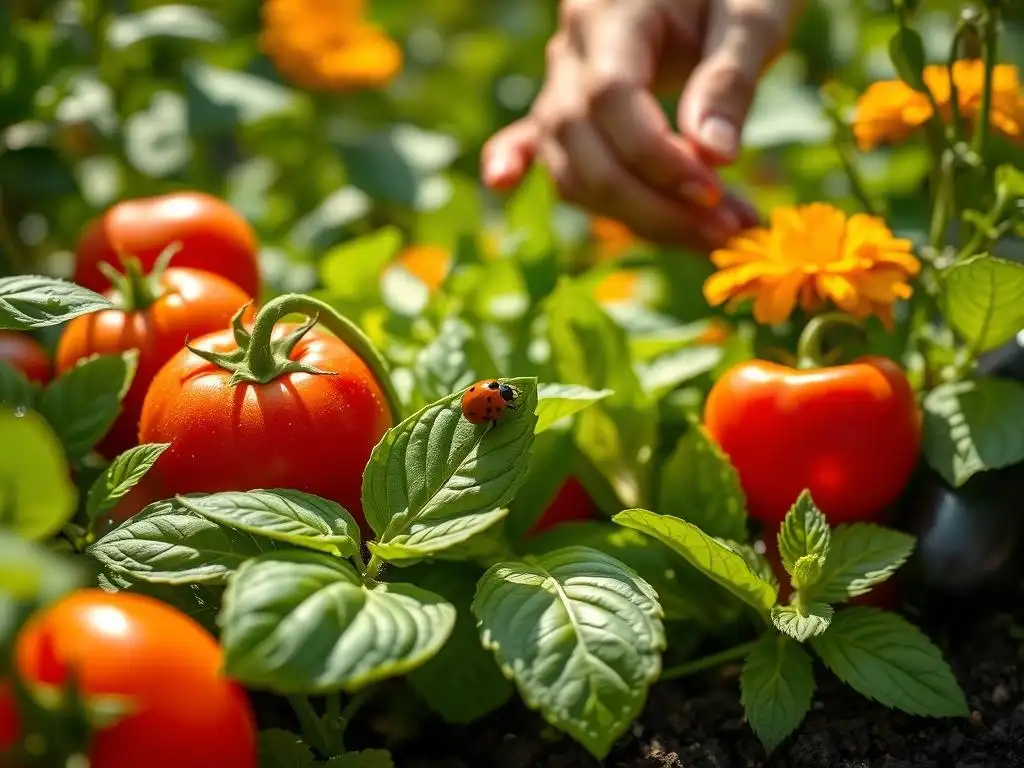
Ready to transform your backyard into a thriving, organic oasis? CultivateYourFood is your guide to growing delicious fruits, vegetables, and herbs at home. But what about those pesky garden invaders? Learn how simple garden hygiene is the key to effective organic garden pest prevention in our latest article on pest and disease control – and discover the secrets to a bountiful harvest free from harmful chemicals. Dive in and unlock the power of sustainable gardening!
- Understanding Organic Garden Pest Prevention
- Maintaining Cleanliness in Your Garden: The Foundation of Organic Pest Control
- Choosing the Right Plants for Pest Resistance: Organic Pest Control Strategies
- Natural Pest Control Methods: Safe and Effective Solutions
- Monitoring Your Garden for Pests: Early Detection and Intervention
- Harvesting and Post-Harvest Practices for Organic Pest Control
-
Frequently Asked Questions
- What is the most important aspect of organic garden pest prevention?
- How can I prevent pests organically without using chemicals?
- What role does composting play in organic pest prevention?
- Are there any specific plants that deter pests naturally?
- What should I do if I discover pests in my organic garden?
- Final Reflection: Cultivating a Healthier Future, One Garden at a Time
- Unleash Your Garden's Natural Power: Pest-Free Planting Starts Now!
Understanding Organic Garden Pest Prevention
Maintaining a thriving and productive garden while adhering to organic principles requires a proactive approach to pest control. Organic garden pest prevention isn't about reacting to infestations; it's about creating an environment where pests are less likely to thrive in the first place. This involves understanding the lifecycle of common garden pests, recognizing early warning signs of infestation, and implementing preventative measures that promote a healthy ecosystem within your garden.
By focusing on garden hygiene and sustainable practices, you can significantly reduce the need for chemical interventions, ensuring both a healthy harvest and a healthy planet. This article will delve into the key strategies for organic garden pest prevention, empowering you to cultivate a vibrant and pest-resistant garden.
We'll explore practical techniques that minimize pest pressure, allowing your plants to flourish naturally. Remember, a healthy garden is a resilient garden, and proactive pest control is the cornerstone of organic gardening success.
Identifying Common Garden Pests and Their Habitats
Understanding the pests that commonly target your specific region and the plants you grow is crucial for effective prevention. Knowing their preferred habitats allows you to target preventative measures to those areas. For instance, aphids often congregate on the undersides of leaves, while slugs and snails prefer damp, shaded areas.
Let's examine some common garden pests and their typical habitats:
| Pest | Habitat | Preferred Plants |
|---|---|---|
| Aphids | Undersides of leaves, young shoots | Many plants, especially roses and brassicas |
| Spider mites | Undersides of leaves | Many plants, especially tomatoes and beans |
| Slugs & Snails | Damp, shaded areas, under mulch | Leafy greens, strawberries, and other low-lying plants |
| Whiteflies | Undersides of leaves | Tomatoes, cucumbers, and other vegetables |
| Cabbage worms | Cabbage and other brassica plants | Cabbage, broccoli, cauliflower, kale |
Knowing these details allows you to focus your efforts on preventative measures like improving air circulation (to deter aphids and spider mites), removing mulch in high-risk areas (to discourage slugs and snails), and using row covers (to protect plants from cabbage worms). Regular inspection, particularly of vulnerable plants and their undersides, is key to early detection. Remember to check for pest damage, frass (insect droppings), and the pests themselves.
Recognizing Early Signs of Infestation
Early detection is paramount in organic pest control. Catching an infestation early means you can often address it with less intensive methods, minimizing the impact on your plants and the environment. Early signs might be subtle, but learning to recognize them can make a huge difference.
Some common early warning signs include:
- Holes in leaves: This indicates chewing insects like caterpillars or beetles.
- Stippled leaves: Tiny, pale spots on leaves suggest spider mite activity.
- Wilting plants: This could indicate root damage from pests like nematodes or excessive aphid feeding.
- Sticky residue (honeydew): This sweet substance is excreted by aphids and attracts ants and other secondary pests.
- Webbing: The presence of webbing signals spider mites or other web-spinning pests.
- Distorted growth: Plants might show unusual growth patterns as a result of pest feeding.
Regular garden inspections, ideally weekly, are vital for early detection. Pay close attention to the undersides of leaves, stems, and the soil around your plants. A magnifying glass can be helpful in identifying tiny pests like spider mites. Early intervention with simple methods like handpicking pests or using insecticidal soap can often prevent a minor problem from escalating into a major infestation.
The Importance of Proactive Pest Control
Proactive pest control focuses on preventing infestations before they start. This strategy is far more effective and environmentally friendly than reacting to an existing problem. It involves creating a garden environment that is naturally resistant to pests. This includes several key practices:
- Crop rotation: Rotating crops annually helps to disrupt pest life cycles and reduce pest populations.
- Companion planting: Planting certain plants together can deter pests. For example, marigolds are known to repel nematodes.
- Maintaining healthy soil: Healthy soil supports healthy plants, which are more resistant to pests.
- Proper watering techniques: Avoid overhead watering, which can create ideal conditions for fungal diseases and some pests.
- Sanitation: Regularly remove weeds, dead leaves, and plant debris to eliminate potential pest habitats.
- Beneficial insects: Attract beneficial insects like ladybugs and lacewings, which prey on many common garden pests.
By implementing these proactive strategies, you significantly reduce the likelihood of pest infestations and create a more resilient and sustainable garden. This approach minimizes the need for any intervention, allowing your plants to thrive naturally while protecting the environment.
Maintaining Cleanliness in Your Garden: The Foundation of Organic Pest Control
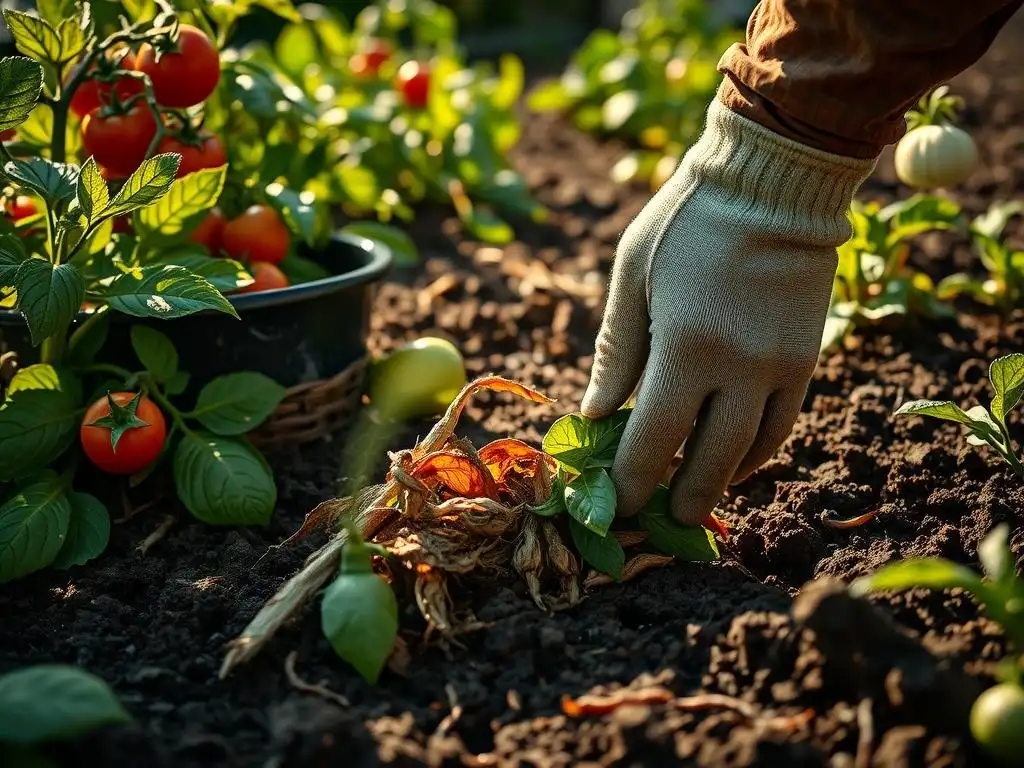
Maintaining a clean and organized garden is paramount for effective organic garden pest prevention. A tidy space significantly reduces pest habitats and breeding grounds, minimizing the need for harsh chemical interventions. This proactive approach forms the cornerstone of successful organic pest control, allowing for healthier plants and a more enjoyable gardening experience. By focusing on preventative measures, you can cultivate a thriving ecosystem that naturally resists pest infestations. Let's delve into specific practices that contribute to a cleaner, healthier garden.
Regular Weeding
Regular weeding is not merely an aesthetic practice; it's a crucial component of organic garden pest prevention. Weeds compete with your crops for vital resources like water, nutrients, and sunlight. Weakened plants are more susceptible to pest attacks. Moreover, many weeds act as hosts for pests, providing shelter and food sources. Think of common culprits like chickweed, which harbors slugs and snails, or lamb's quarters, a haven for aphids.
Thorough and consistent weeding disrupts this cycle. Removing weeds before they go to seed prevents the spread of unwanted plants and the pests they attract. The frequency of weeding depends on your climate and the type of weeds present. In warmer climates, more frequent weeding may be necessary.
Consider using a combination of methods: hand-weeding for smaller areas and hoeing for larger patches. Remember to dispose of weeds properly, avoiding composting those known to harbor significant pest populations. This proactive approach ensures a healthier growing environment for your plants, significantly reducing the risk of pest infestations and promoting stronger, more resilient crops. This contributes directly to your overall strategy for organic garden pest prevention.
Removing Fallen Leaves and Debris
Fallen leaves, dead plant matter, and other debris create ideal hiding places and overwintering sites for various pests and their eggs. Leaving this organic matter to decompose in place can inadvertently nurture pest populations, leading to a surge in infestations come springtime. For example, fallen leaves can harbor overwintering eggs of many common garden pests, including aphids and spider mites.
Regular removal of this debris is therefore essential. Composting is a great option for many types of plant material, but it's crucial to be selective. Avoid composting heavily infested materials to prevent spreading pests throughout your garden. Instead, dispose of these items appropriately, such as by bagging them and discarding them in the trash.
A clean garden floor significantly reduces the overwintering sites available to pests, leading to fewer problems during the growing season. This contributes significantly to your successful organic garden pest prevention plan. The effort invested in this cleanup will pay dividends in a healthier and more productive garden.
Proper Plant Spacing
Proper plant spacing is often overlooked but plays a vital role in organic garden pest prevention. Overcrowded plants create a humid microclimate that favors fungal diseases and pest infestations. Good air circulation is crucial for preventing many common issues. When plants are too close together, they compete for resources and weaken, becoming more vulnerable to pests. Moreover, the dense foliage provides ideal hiding places for pests.
Adequate spacing allows for better airflow, reducing humidity and making it harder for pests to spread. It also ensures that each plant receives sufficient sunlight and nutrients, promoting healthy growth and natural pest resistance. Consult the specific planting instructions for each plant variety to determine the appropriate spacing. This simple practice, often overlooked in the initial planning stages, can significantly impact the overall health and pest resilience of your garden. By optimizing plant spacing, you actively contribute to organic garden pest prevention, creating a healthier and more productive garden environment. This is a fundamental aspect of preventative organic gardening.
Compost Management
Effective compost management is crucial for organic garden pest prevention. Improperly managed compost piles can become breeding grounds for various pests, including slugs, snails, and fungus gnats. These pests can then migrate from the compost heap to your valuable plants, causing significant damage. Therefore, maintaining a clean and well-aerated compost system is paramount.
Firstly, ensure your compost bin is well-constructed and allows for adequate airflow. Poorly aerated compost becomes anaerobic, leading to unpleasant odors and the proliferation of undesirable organisms. Regular turning of the compost is essential to promote aerobic decomposition and prevent the build-up of harmful pathogens. Aim to turn your compost at least once a week, especially during warmer months. This process introduces oxygen, accelerates decomposition, and helps to regulate temperature, discouraging pest infestations.
Secondly, avoid adding diseased plants or weeds to your compost pile. These materials can harbor pest eggs, larvae, or fungal spores, contaminating the entire compost and potentially spreading diseases to your healthy plants. Instead, diseased plants should be removed from the garden entirely and disposed of responsibly, perhaps through burning (check local regulations) or burying them deeply. Only add healthy, brown and green materials to your compost. A good rule of thumb is a 50/50 ratio of "browns" (dried leaves, twigs, cardboard) and "greens" (grass clippings, vegetable scraps, fruit peels).
Thirdly, the location of your compost bin matters. Avoid placing it too close to your vegetable beds, as this increases the risk of pests migrating from the compost to your plants. Ideally, position your compost bin in a slightly shaded area with good drainage to prevent waterlogging, which can create a breeding ground for unwanted insects and diseases. Furthermore, regularly inspect your compost for signs of pest activity, such as excessive numbers of flies or unusual smells.
If you notice any problems, you may need to adjust your composting techniques or consider removing and replacing some of the compost material. Remember, proactive compost management is a key component of a successful organic garden pest prevention strategy. A healthy compost pile contributes to soil fertility and plant health, while a neglected one can become a source of pest infestations.
Choosing the Right Plants for Pest Resistance: Organic Pest Control Strategies
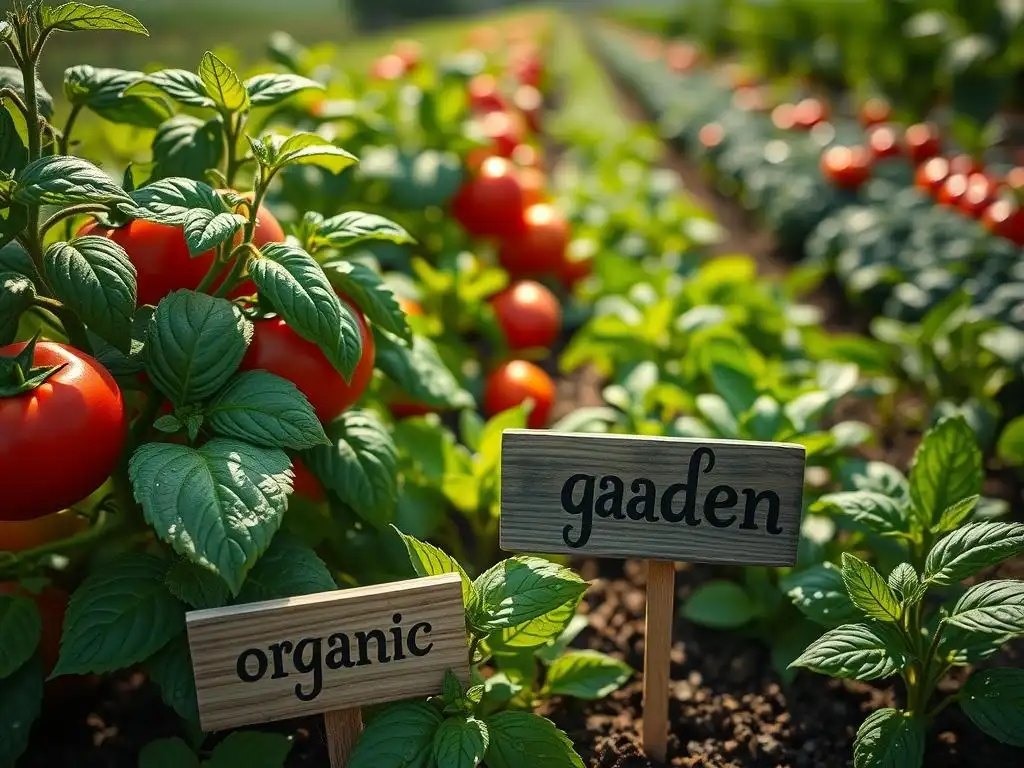
Selecting the right plants is a cornerstone of effective organic garden pest prevention. By choosing varieties known for their natural pest resistance, you significantly reduce the likelihood of infestations and minimize the need for chemical interventions. This proactive approach aligns perfectly with sustainable gardening practices and contributes to a healthier ecosystem within your garden. Remember, a healthy plant is less susceptible to pests.
Selecting Pest-Resistant Varieties
Many plant varieties have been developed or selected specifically for their resistance to common garden pests. These varieties often possess natural defenses, such as thicker leaves, stronger stems, or chemical compounds that repel insects. For example, certain tomato varieties exhibit resistance to late blight, a devastating fungal disease often spread by pests. Similarly, some squash varieties are bred to resist squash bugs and vine borers. Before planting, research varieties known for their pest resistance specific to your region and the plants you intend to grow.
Seed catalogs and local nurseries are excellent resources for this information. Look for terms like "disease resistant," "pest resistant," or specific pest names mentioned on seed packets or plant labels. This careful selection process is a crucial step in organic garden pest prevention. Investing time in research upfront will save you considerable time and effort later in the growing season.
Companion Planting
Companion planting leverages the synergistic relationships between different plant species to deter pests. Certain plants, when grown together, can repel or confuse insects, reducing the incidence of pest problems. For example, planting basil near tomatoes is a classic companion planting technique. Basil's strong scent is believed to repel tomato hornworms and other tomato pests. Similarly, marigolds are known for their ability to repel nematodes and other soil-borne pests.
Careful planning and strategic placement of companion plants can create a more resilient and pest-resistant garden ecosystem. Consider the specific needs and pest vulnerabilities of your chosen plants when planning your companion planting strategy. There are many resources available online and in gardening books that detail effective companion planting combinations. Experimentation is key to finding what works best in your unique garden environment. 🎉
Crop Rotation
Crop rotation is a vital organic garden pest prevention technique that disrupts the life cycle of many pests. By rotating the types of plants you grow in a particular area each year, you prevent the buildup of pest populations specific to certain plant families. For instance, planting a legume (like beans) in an area previously occupied by a susceptible crop (like tomatoes) can help break the cycle of certain pests. Legumes also improve soil health, further enhancing pest resistance.
A well-planned crop rotation schedule is a powerful tool for long-term organic garden pest prevention. It's crucial to keep detailed records of your planting history to ensure effective rotation. A simple chart or spreadsheet can track which plant families were grown in each area over time.
This detailed record will help you create a rotation plan that minimizes pest pressure and maximizes soil health. This sustainable practice contributes significantly to the overall health and productivity of your garden over time. 🌱
Natural Pest Control Methods: Safe and Effective Solutions
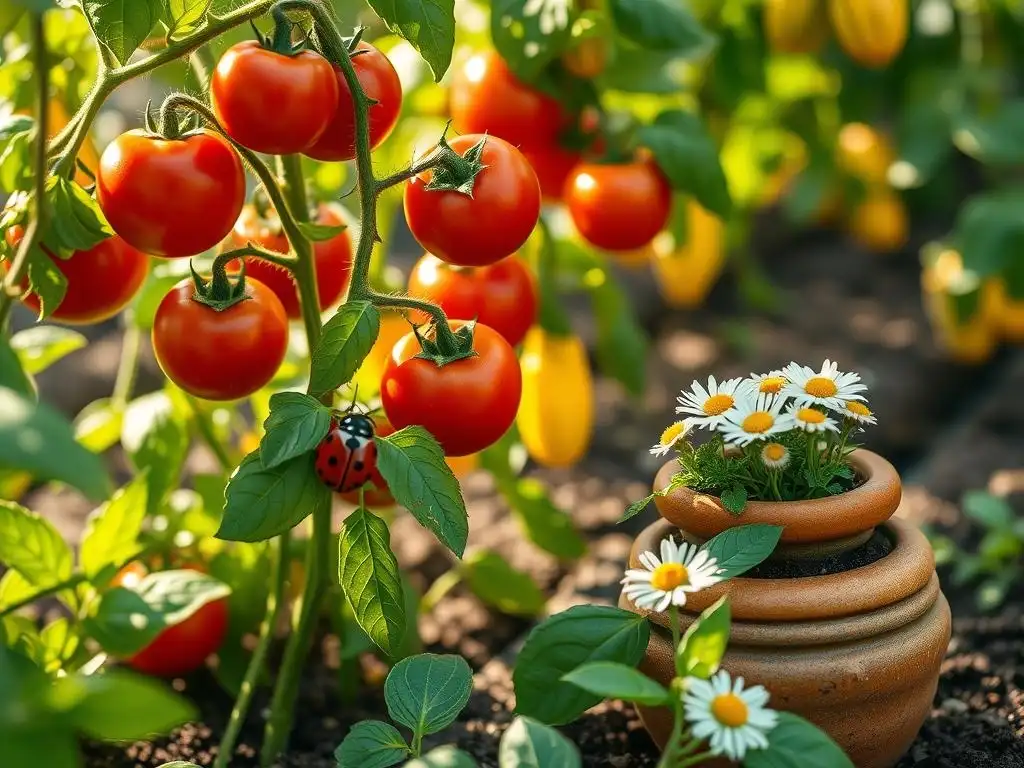
This section delves into practical, effective, and environmentally friendly methods for organic garden pest prevention. We'll explore how to leverage the power of nature itself to keep your fruits, vegetables, and herbs thriving without resorting to harmful chemicals. Remember, proactive garden hygiene is key to minimizing pest problems before they even begin. This approach to organic garden pest prevention is both sustainable and rewarding.
Introducing Beneficial Insects
Beneficial insects are your secret weapons in the fight against garden pests. These tiny allies can significantly reduce pest populations, often eliminating the need for any other intervention. By attracting and supporting these helpful creatures, you're creating a naturally balanced ecosystem within your garden. This organic garden pest prevention strategy is incredibly effective and environmentally responsible.
Several strategies can be employed to attract beneficial insects:
- Plant a diverse range of flowering plants: Many beneficial insects, such as ladybugs and lacewings, are attracted to nectar and pollen. Include plants like dill, fennel, yarrow, and calendula to provide a buffet for your insect allies. The variety ensures a continuous supply of food throughout the growing season. This is a crucial aspect of organic garden pest prevention.
- Provide nesting habitats: Some beneficial insects, such as ground beetles and solitary bees, require specific nesting sites. Leaving patches of bare ground, providing hollow stems, or using insect hotels can encourage them to take up residence in your garden. This organic approach to pest prevention offers long-term benefits.
- Avoid the use of broad-spectrum insecticides: These chemicals indiscriminately kill both harmful and beneficial insects, disrupting the natural balance of your garden ecosystem. This undermines your organic garden pest prevention efforts. Choose targeted methods only when absolutely necessary.
Consider these beneficial insects and their prey:
| Beneficial Insect | Prey |
|---|---|
| Ladybugs | Aphids, mites, mealybugs |
| Lacewings | Aphids, spider mites, whiteflies |
| Praying Mantises | A wide variety of insects |
| Ground Beetles | Slugs, snails, caterpillars |
Remember, patience is key. It may take some time to establish a thriving population of beneficial insects, but the long-term rewards are well worth the wait. This holistic approach to organic garden pest prevention is sustainable and environmentally sound.
Using Natural Repellents
Natural repellents offer a safe and effective way to deter pests from your plants without harming beneficial insects or the environment. These are crucial components of organic garden pest prevention. Many readily available ingredients can be used to create effective repellents.
- Garlic spray: Garlic is a powerful natural repellent for many common garden pests. Simply blend a few cloves of garlic with water, let it steep, and then spray directly onto your plants. This is a simple and effective method of organic garden pest prevention.
- Peppermint oil: Peppermint oil is another strong repellent, effective against aphids, ants, and other pests. Dilute a few drops of peppermint oil in water and spray on affected plants. This is a readily available and easily implemented method of organic garden pest prevention.
- Neem oil: Neem oil is derived from the neem tree and acts as both a repellent and a mild pesticide. It disrupts the life cycle of many insects, making it a valuable tool in your organic garden pest prevention arsenal. It's a more potent solution, so follow dilution instructions carefully.
- Diatomaceous earth: This naturally occurring sedimentary rock is effective against slugs and snails. Simply sprinkle it around the base of your plants to create a barrier. This is a low-maintenance method for organic garden pest prevention.
Remember to always test any repellent on a small area of your plants first to ensure it doesn't cause any damage. This cautious approach is paramount for successful organic garden pest prevention. Regular application, particularly after rain, is often necessary for optimal results.
Homemade Organic Pesticides
While prevention is always the best approach, sometimes pests become established despite your best efforts. In such cases, homemade organic pesticides can provide a safe and effective solution. These are a last resort in your organic garden pest prevention strategy.
Remember that these are generally less potent than commercially available pesticides, so consistent application may be needed. Always test on a small area first and observe for any adverse effects.
- Soap spray: A solution of insecticidal soap and water is effective against many soft-bodied insects like aphids and spider mites. Be sure to use a soap specifically formulated for gardening purposes. This is a readily available method for organic garden pest prevention.
- Baking soda solution: Baking soda can be used to control powdery mildew and some fungal diseases. Mix baking soda with water and spray directly onto affected plants. This is a simple and effective method for organic garden pest prevention.
- Hot pepper spray: This pungent spray can deter many chewing insects. Combine hot peppers with water and a little dish soap to create a potent repellent. Wear gloves when preparing this spray! This is a powerful, but readily available method for organic garden pest prevention.
These homemade organic pesticides are valuable tools in your overall strategy for organic garden pest prevention. However, remember that consistent monitoring and preventative measures are still the most effective methods. A proactive approach is always the best way to maintain a healthy and thriving garden.
Monitoring Your Garden for Pests: Early Detection and Intervention
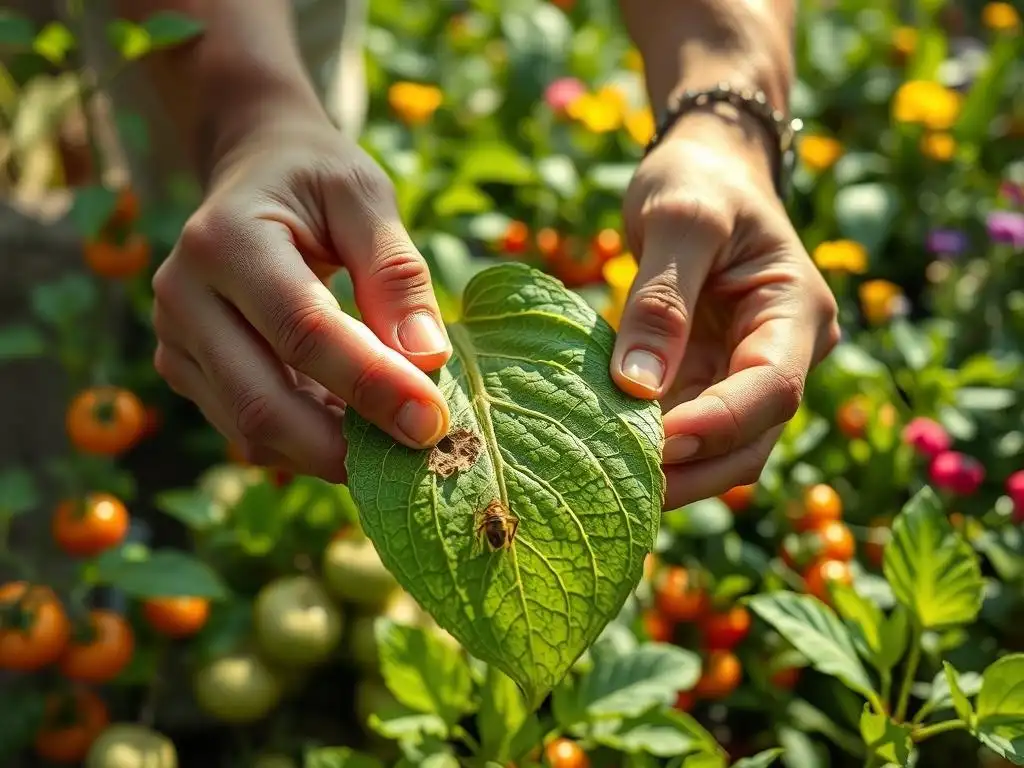
Effective organic garden pest prevention hinges on early detection. A proactive approach, focusing on regular monitoring and swift intervention, is far more effective and less damaging to your plants than reacting to a full-blown infestation. Ignoring early warning signs can lead to significant crop losses and necessitate more aggressive (and potentially less organic) control measures. This section details how to establish a robust monitoring system and act quickly when problems arise.
Regular Garden Inspections
Regular garden inspections are the cornerstone of organic garden pest prevention. Aim for at least twice a week, increasing frequency during periods of high pest activity (typically spring and summer). A thorough inspection involves more than just a casual glance. You need to actively look for signs of pest activity on all parts of your plants, from the roots to the fruits.
Here's a checklist to guide your inspections:
- Leaves: Examine both the upper and lower surfaces for holes, discoloration, webbing, or unusual spots. Look for tiny insects, eggs, or frass (insect droppings).
- Stems and Branches: Check for signs of boring insects, wilting, or unusual growths.
- Flowers and Buds: Inspect for damage, discoloration, or the presence of pests feeding on blossoms.
- Fruits and Vegetables: Look for blemishes, holes, or signs of insect activity. Check for any evidence of rot or decay, which can attract pests.
- Soil: Observe the soil surface for signs of insect activity, such as tunnels or mounds. Look for unusual wilting patterns that might indicate root damage.
Remember to check all plants, even those that appear healthy. Early detection often means catching pests before they cause significant harm. Consider using a magnifying glass to aid in identifying smaller pests or eggs. Keep detailed notes of your observations, including the date, location in the garden, plant affected, and type of damage or pest observed. This will help you track pest populations and tailor your preventative measures.
Implementing a Pest Monitoring System
Beyond regular visual inspections, consider implementing a more structured pest monitoring system. This can significantly improve your organic garden pest prevention efforts. Several methods can be employed:
- Sticky Traps: These are particularly useful for monitoring flying insects like aphids and whiteflies. Place sticky traps strategically throughout your garden to capture and identify pests. Regularly check the traps and replace them as needed. The number of insects caught can indicate the level of infestation.
- Pheromone Traps: These traps utilize synthetic pheromones to attract specific insect pests. They’re highly effective for monitoring populations of certain insects, allowing for early intervention before significant damage occurs. These traps are species-specific, so you'll need to choose traps designed for the types of pests prevalent in your area.
- Visual Checklists and Logs: Maintain a detailed log of your inspections. Record the date, location within the garden, the plant affected, the type of pest or damage observed, and any actions taken. This data provides valuable insights into pest activity patterns and informs your preventative strategies. You can use a simple notebook or a dedicated gardening app.
- Neighborly Networking: Talk to your neighbors who also garden. Sharing information about pest activity in the area can provide early warning signs and allow for coordinated preventative efforts. This community approach enhances the effectiveness of organic garden pest prevention.
Implementing these monitoring strategies will significantly enhance your ability to detect and address pest problems early, minimizing the need for harsh chemical interventions and maximizing the success of your organic gardening efforts. Remember that consistent observation is key to successful organic garden pest prevention.
Harvesting and Post-Harvest Practices for Organic Pest Control
Proper harvesting and post-harvest handling are crucial components of a comprehensive organic garden pest prevention strategy. Neglecting these steps can inadvertently invite pests and diseases, undermining your efforts to maintain a healthy and productive garden. By focusing on cleanliness and careful handling, you can significantly reduce pest pressure and ensure the longevity of your harvest. This section details best practices to minimize pest infestations stemming from harvesting and storage.
Proper Harvesting Techniques
Harvesting at the optimal time is key to minimizing pest attraction. Overripe or damaged fruits and vegetables are significantly more susceptible to infestation. For example, leaving overly ripe tomatoes on the vine longer than necessary can attract fruit flies and other pests. Similarly, leaving damaged or bruised produce in the garden provides breeding grounds for various insects and fungi.
To prevent this, adhere to these guidelines:
- Harvest regularly: Frequent harvesting prevents produce from overripening and becoming vulnerable. Aim for harvests every 2-3 days, depending on the plant and its growth rate.
- Inspect carefully: Before harvesting, carefully inspect each plant for signs of pest damage or disease. Remove any affected leaves, fruits, or vegetables immediately. This proactive approach prevents the spread of infestations.
- Use clean tools: Always use clean and sanitized harvesting tools. Contaminated tools can transfer pests and diseases from one plant to another. Consider wiping your tools with rubbing alcohol between harvests.
- Harvest in the morning: Morning harvesting allows harvested produce to dry slightly before being stored, reducing the risk of fungal growth. This is particularly relevant for leafy greens and berries.
- Gentle handling: Handle produce gently to avoid bruising or damage, which can attract pests. Use appropriate containers to avoid crushing.
Post-Harvest Cleaning and Storage
Post-harvest cleaning and storage are equally important in organic garden pest prevention. Failing to properly clean and store your harvest can lead to rapid spoilage and pest infestations. Think of it as the final line of defense in protecting your hard work.
Here's a breakdown of essential post-harvest practices:
- Thorough cleaning: Wash all harvested produce thoroughly under running water. For fruits and vegetables with tough skins, scrubbing with a vegetable brush can remove clinging insects and soil. For delicate produce, a gentle rinse is sufficient.
- Inspection and removal: After washing, carefully inspect the produce again for any hidden pests or damage. Remove any affected items immediately to prevent contamination.
- Proper storage: Store harvested produce in appropriate conditions to maintain freshness and prevent spoilage. This might involve refrigeration, cool, dark storage, or specific containers depending on the type of produce. For instance, storing tomatoes at room temperature helps prevent them from chilling, while leafy greens benefit from refrigeration.
- Separate storage: Store different types of produce separately to prevent cross-contamination. For example, storing apples and bananas together can accelerate ripening and spoilage.
- Pest-proof storage: Consider using airtight containers or breathable bags to prevent pest access. This is especially important for storing produce long-term. Regularly check stored produce for signs of pest infestation.
By meticulously following these harvesting and post-harvest practices, you significantly enhance your chances of successful organic garden pest prevention. Remember, a clean and well-maintained harvest is a crucial element of a healthy and productive garden. This conscientious approach is a testament to your dedication to sustainable and organic gardening practices. 🍎🥕🥦
Frequently Asked Questions
What is the most important aspect of organic garden pest prevention?
Maintaining excellent garden hygiene is key. This includes removing weeds, diseased plants, and fallen leaves promptly to eliminate pest habitats and food sources.
How can I prevent pests organically without using chemicals?
Employ cultural controls like companion planting, crop rotation, and providing beneficial insects with habitats. Physical barriers, such as netting or row covers, can also be effective.
What role does composting play in organic pest prevention?
Proper composting helps reduce pest populations by breaking down organic matter and eliminating potential breeding grounds. Compost tea, when used correctly, can also bolster plant health and resistance.
Are there any specific plants that deter pests naturally?
Yes! Many plants act as natural pest repellents. Examples include marigolds, basil, and lavender. Strategically planting these can help reduce pest pressure.
What should I do if I discover pests in my organic garden?
First, identify the pest to determine the best control method. Then, try non-toxic solutions like insecticidal soap or neem oil before resorting to more drastic measures. Remember to always monitor and adjust your strategy as needed.
Final Reflection: Cultivating a Healthier Future, One Garden at a Time
The principles of organic pest control, focusing on garden hygiene, are not merely nostalgic gardening practices; they are a vital component of a sustainable and resilient food system. Ignoring the interconnectedness of plant health and ecosystem balance leaves us vulnerable to pest outbreaks and the escalating need for harmful chemical interventions. This approach is crucial for protecting both our environment and our own well-being.
The shift towards organic pest prevention reflects a growing awareness of the long-term consequences of our actions on the environment. We are increasingly recognizing the importance of biodiversity and the delicate balance within our ecosystems. The land nourishes us. We must nourish the land.
This simple truth underscores the responsibility we have to cultivate healthy gardens, not just for the bounty they provide, but for the health of the planet itself. The impact extends beyond our individual gardens, influencing local ecosystems and contributing to a larger movement towards sustainable agriculture.
Consider the simple act of removing weeds and diseased plants. It's not just about tidiness; it's about proactively preventing pest infestations and fostering a thriving garden ecosystem. You have the power to make a difference. By embracing the principles outlined in this article, you can contribute to a healthier environment, reduce your reliance on harmful chemicals, and experience the satisfaction of nurturing a truly vibrant and resilient garden. Start small, observe your garden closely, and let the natural world guide you towards a more sustainable and fulfilling gardening journey.
Unleash Your Garden's Natural Power: Pest-Free Planting Starts Now!
Thank you for learning about organic pest control through improved garden hygiene! You now have the knowledge to cultivate a thriving, pest-resistant garden. Ready to put your new skills to the test?
- Prioritize preventative hygiene: Start implementing the cleaning and maintenance strategies discussed earlier in your garden right away. Even small improvements can make a significant difference!
- Share your success (or challenges!): Let's build a supportive community of gardeners. Share your experiences and advice in the comments below—we'd love to hear from you!
- Explore companion planting: Research plants that naturally repel common pests in your area and plan your next planting accordingly. This is a fun and effective way to enhance your garden's ecosystem.
What simple hygiene practice will you prioritize first to create a healthier, more abundant harvest?