
Natural Remedies for Chlorosis: Addressing Iron and Nutrient Deficiencies

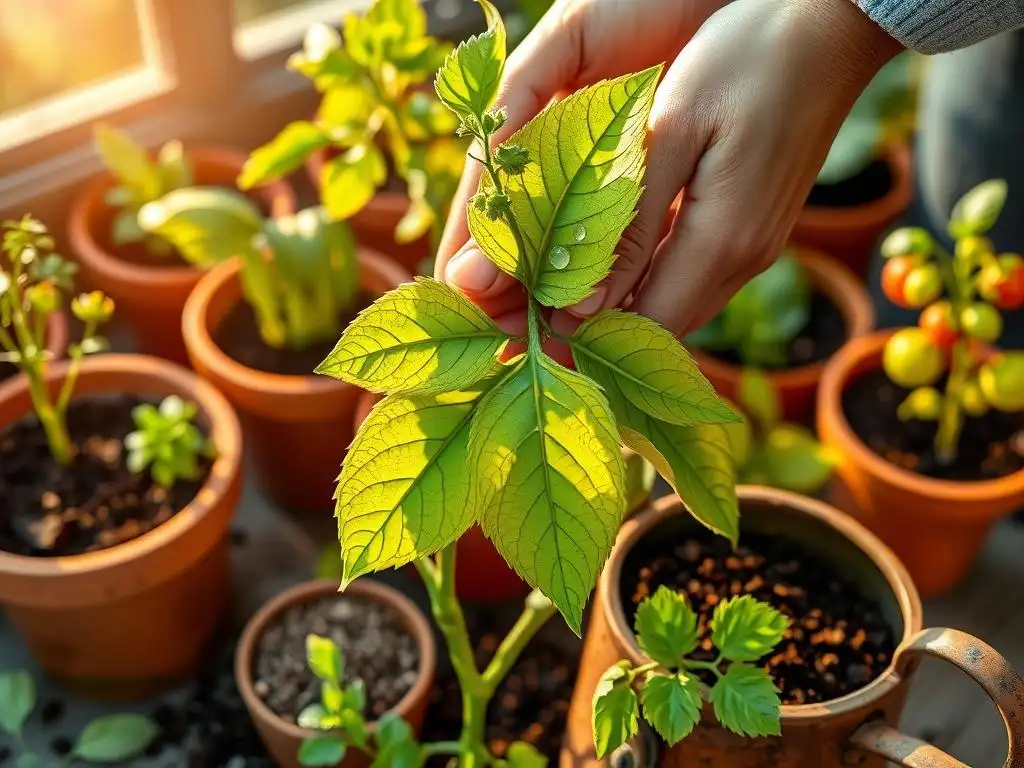
Ready to unlock the secrets to a thriving, homegrown harvest? At CultivateYourFood, we empower you to cultivate vibrant fruits, vegetables, and herbs using sustainable methods. But what happens when your plants start to show signs of distress? Learn how to tackle common issues, starting with our in-depth guide on homegrown plant iron deficiency cure, a crucial step in ensuring healthy and bountiful yields. Discover the natural remedies you need to prevent and overcome chlorosis – and prepare for a garden bursting with life!
- Understanding Chlorosis: Iron Deficiency in Plants
- Natural Remedies for Iron Deficiency in Plants
- Preventing Iron Deficiency in Your Homegrown Plants
- Effective Homegrown Plant Iron Deficiency Cure Strategies
- Case Study: Rose Bush Recovery from Chlorosis
- Frequently Asked Questions
- Final Reflection: Cultivating Healthier Plants, Cultivating a Healthier Future
- Unlock Your Plants' Full Potential: Nurture Vibrant Growth
Understanding Chlorosis: Iron Deficiency in Plants
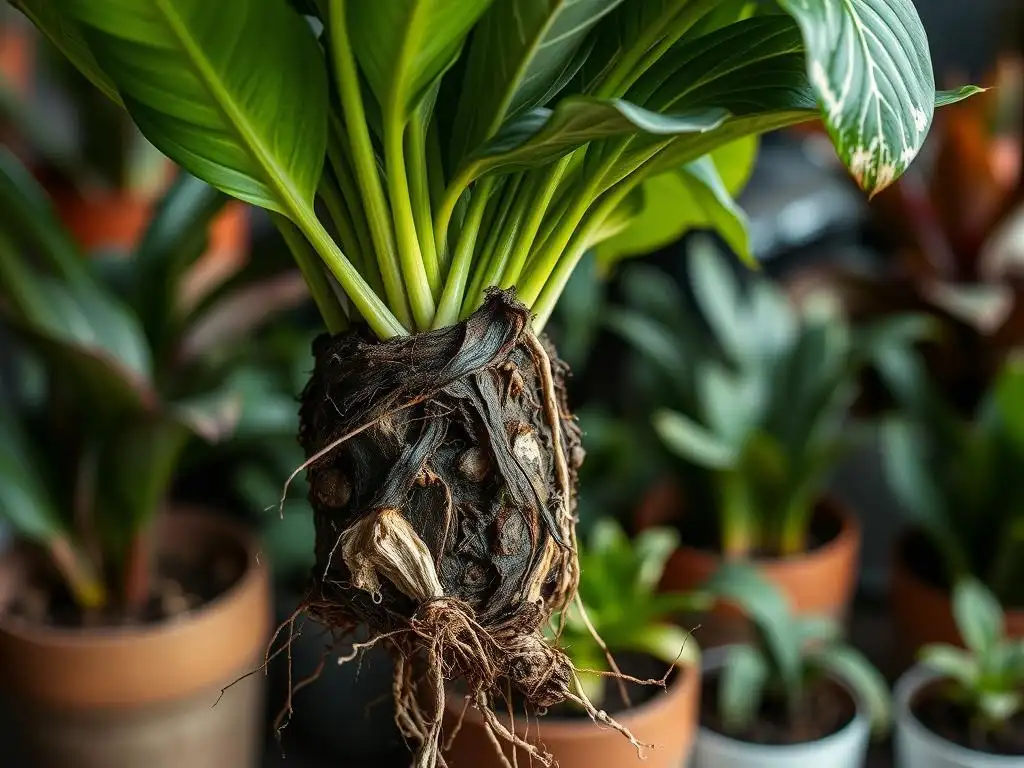
Chlorosis, the yellowing of plant leaves, is a common problem faced by home gardeners, often signaling a nutritional deficiency. While several factors can cause chlorosis, iron deficiency is a particularly prevalent culprit, especially in plants grown in alkaline soils. This article focuses on naturally addressing iron deficiency – a crucial aspect of ensuring healthy and productive homegrown fruits, vegetables, and herbs.
We'll explore how to identify iron deficiency, differentiate it from other nutrient deficiencies like manganese deficiency, and delve into the vital role iron plays in plant health, specifically focusing on effective and sustainable homegrown plant iron deficiency cures. Successfully treating iron deficiency is vital for maximizing yields and ensuring the vibrant health of your homegrown produce, aligning perfectly with the sustainable and organic practices championed by CultivateYourFood.
Ignoring chlorosis can lead to stunted growth, reduced yields, and even plant death, so understanding and addressing this issue is paramount for any successful home gardener. Let's explore effective, natural solutions to restore the health and vitality of your plants.
Identifying Chlorosis Symptoms in Roses
Roses, with their vibrant green foliage, often serve as a clear indicator of nutrient deficiencies. Iron deficiency in roses manifests as interveinal chlorosis, meaning the leaf veins remain green while the tissue between the veins turns yellow. This yellowing often begins on the younger, newer leaves first. The intensity of the yellowing can vary, ranging from a pale yellow to a distinct golden hue. Severely affected roses may exhibit leaf drop, stunted growth, and reduced flowering.
It's crucial to distinguish iron deficiency from other issues. For example, a uniformly yellowed leaf might indicate a different problem altogether, such as a lack of sunlight. Careful observation of the pattern of yellowing, coupled with an understanding of your soil's pH and other growing conditions, is essential for accurate diagnosis. Remember to examine the entire plant, paying close attention to leaf age and the progression of symptoms.
Diagnosing Iron Deficiency vs. Manganese Deficiency
Both iron and manganese deficiencies can cause similar symptoms, making differentiation crucial for effective treatment. While both manifest as interveinal chlorosis, there are key distinctions. Iron deficiency typically affects younger leaves first, while manganese deficiency often starts on the older, lower leaves. Furthermore, the yellowing in manganese deficiency can sometimes be accompanied by brown spots or necrotic areas on the leaf edges.
The best way to confirm the diagnosis is through a soil test, which will reveal the precise levels of iron and manganese in your soil. This test can also provide valuable information about other nutrient levels, helping you develop a comprehensive approach to plant nutrition. A soil test is an inexpensive but invaluable tool for any serious home gardener.
The Role of Iron in Chlorophyll Production
Iron is an essential micronutrient for plants, playing a critical role in chlorophyll production. Chlorophyll, the pigment responsible for the green color of leaves, is crucial for photosynthesis – the process by which plants convert sunlight into energy. Without sufficient iron, chlorophyll synthesis is impaired, leading to the characteristic yellowing of leaves observed in chlorosis.
Iron is also involved in various other enzymatic processes within the plant, affecting overall growth, development, and fruit production. A healthy iron supply is directly linked to the overall vigor and productivity of your plants – making addressing iron deficiency a priority for any home grower aiming for bountiful harvests. Understanding this fundamental role of iron highlights the importance of proactive soil management and nutritional supplementation when necessary.
Natural Remedies for Iron Deficiency in Plants
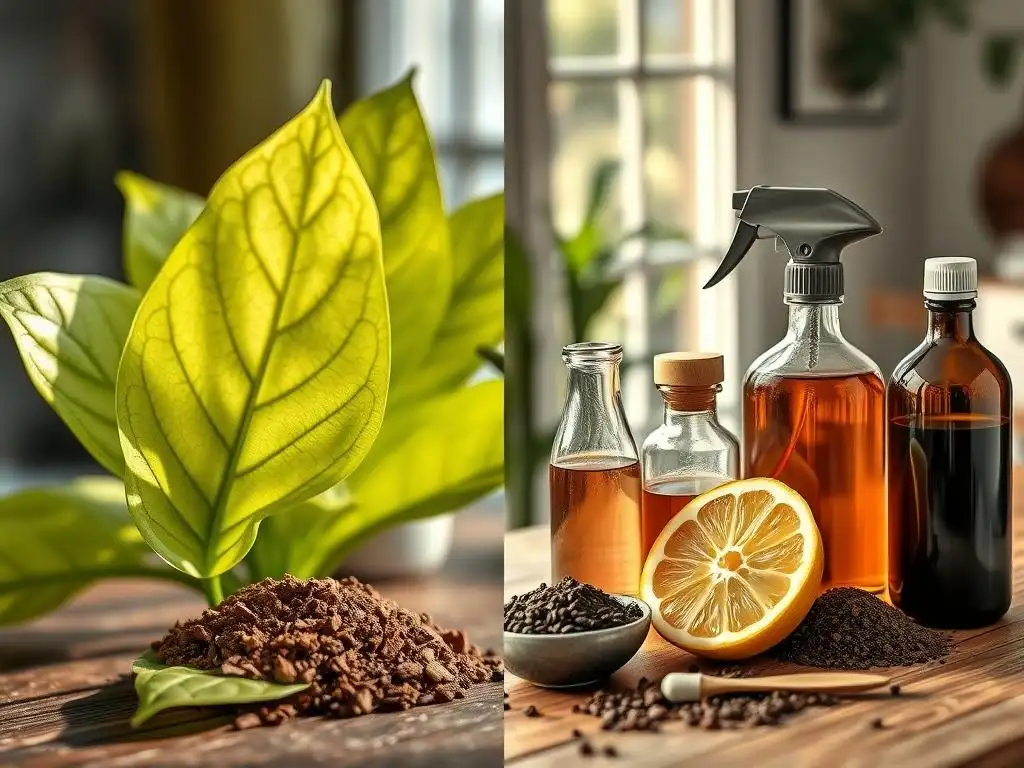
This section explores effective, natural methods to combat iron deficiency, a common problem hindering the healthy growth of homegrown fruits, vegetables, and herbs. We will focus on solutions that align with sustainable and organic gardening practices, offering a safe and effective "homegrown plant iron deficiency cure." Understanding the underlying causes of iron deficiency is crucial before implementing any remedy. Often, it stems from poor soil conditions, such as high pH levels (alkaline soil) which restrict iron uptake by plant roots. Other factors may include overwatering, compacted soil, or nutrient imbalances.
Chelated Iron: A Natural Solution for Iron Uptake
Chelated iron is a readily available form of iron that plants can easily absorb. Unlike inorganic iron, which is often less bioavailable, chelated iron is bound to an organic molecule, making it more soluble and mobile in the soil. This improved solubility is key to addressing iron deficiency, allowing plants to quickly access the necessary nutrients.
Several natural chelating agents exist, including those derived from amino acids and humic substances found in compost. Applying chelated iron directly to the soil or as a foliar spray can provide rapid relief from iron deficiency symptoms like yellowing leaves (chlorosis). Remember, however, that applying too much chelated iron can be detrimental, so following product instructions carefully is essential.
The application method will depend on the specific product used and the severity of the deficiency. For mild cases, a soil application might suffice, while severe chlorosis may require a foliar spray for quicker results. Observing your plants' response after application is key to determining the effectiveness of the treatment and adjusting the application accordingly.
Using Compost Tea to Improve Soil Health and Iron Availability
Compost tea, a liquid extract of compost, is a powerful tool in organic gardening that naturally improves soil health and enhances nutrient availability, including iron. It's rich in beneficial microorganisms, such as bacteria and fungi, that break down organic matter, making nutrients more accessible to plant roots. The microorganisms in compost tea also help to improve soil structure, aeration, and water retention, creating an environment more conducive to iron uptake.
Brewing your own compost tea is surprisingly simple; you'll need well-aged compost, water, and an aeration system (though simple methods exist without specialized equipment). Regular application of compost tea can prevent iron deficiency, promoting vigorous and healthy plant growth. The frequency of application depends on factors like soil type and the severity of the deficiency.
For example, sandy soils, which tend to drain quickly, may require more frequent applications than clay soils. Keep a detailed record of your compost tea application and observe your plants' response to gauge its effectiveness. This detailed record keeping will aid in refining your approach for future applications.
Organic Soil Amendments: Adding Peat Moss to Acidify Soil
High pH (alkaline) soil is a major culprit behind iron deficiency in plants. Peat moss is an excellent organic soil amendment that helps lower the soil's pH, making iron more available to plants. Peat moss is naturally acidic and improves soil structure by increasing water retention and aeration. Incorporating peat moss into the soil helps create a more favorable environment for iron uptake, thus preventing and correcting iron deficiency.
The amount of peat moss needed will vary depending on the soil's initial pH level and texture. A soil test is highly recommended to determine the current pH and guide the amount of peat moss to be added. This precise approach is crucial for successful soil amendment. Remember, over-amendment can also be harmful, so following the guidelines provided by a soil test is crucial.
Along with peat moss, other organic matter such as well-rotted manure can also contribute to improving soil structure and fertility, indirectly aiding in better iron absorption. Consistent monitoring of soil pH after amendment is essential to ensure the desired effect and prevent future iron deficiency issues. Regular soil testing is therefore a crucial component of a successful "homegrown plant iron deficiency cure."
Adjusting Soil pH for Optimal Iron Availability
Iron deficiency, a common culprit behind chlorosis, often stems from soil pH imbalances. Plants struggle to absorb iron when the soil is too alkaline (high pH). Optimal iron uptake generally occurs in slightly acidic to neutral soil conditions, with a pH range of 6.0 to 6.8 being ideal for most plants. However, this range can vary depending on the specific plant species; some prefer slightly more acidic conditions.
Knowing your plant's specific needs is crucial. You can easily test your soil pH using a home soil testing kit readily available at most garden centers. These kits typically provide clear instructions and a color chart for accurate pH determination.
Addressing high pH involves lowering the soil's alkalinity. One effective method is the application of organic matter, such as compost or well-rotted manure. These materials not only improve soil structure and drainage but also help to naturally acidify the soil over time. The organic acids released during the decomposition process gradually lower the pH. Consistent application of compost, perhaps several times a year, can significantly improve iron availability. This approach is entirely sustainable and aligns perfectly with organic gardening principles.
Another approach involves the use of elemental sulfur. Sulfur oxidizes in the soil, producing sulfuric acid, which lowers the pH. However, it's crucial to use elemental sulfur judiciously and follow the package instructions carefully. Over-application can drastically lower the pH, potentially harming your plants. Start with a small amount and monitor the pH regularly to avoid unintended consequences. Remember, patience is key; lowering soil pH is a gradual process, and significant changes won't happen overnight.
For particularly alkaline soils, you might consider adding acidifying agents like iron sulfate or chelated iron. These products directly provide iron and also help to lower the pH. However, it is important to note that these chemicals should be used sparingly and only as a last resort, as overuse can negatively impact soil microbial life and overall soil health. Always prioritize organic methods first, before turning to chemical solutions.
Regular soil testing will help you monitor the effectiveness of your chosen method and ensure that you maintain the optimal pH range for your plants. Careful monitoring and a phased approach are key to successfully adjusting your soil pH and improving iron uptake in your homegrown plants. Remember that healthy soil is the foundation for healthy plants!
Preventing Iron Deficiency in Your Homegrown Plants
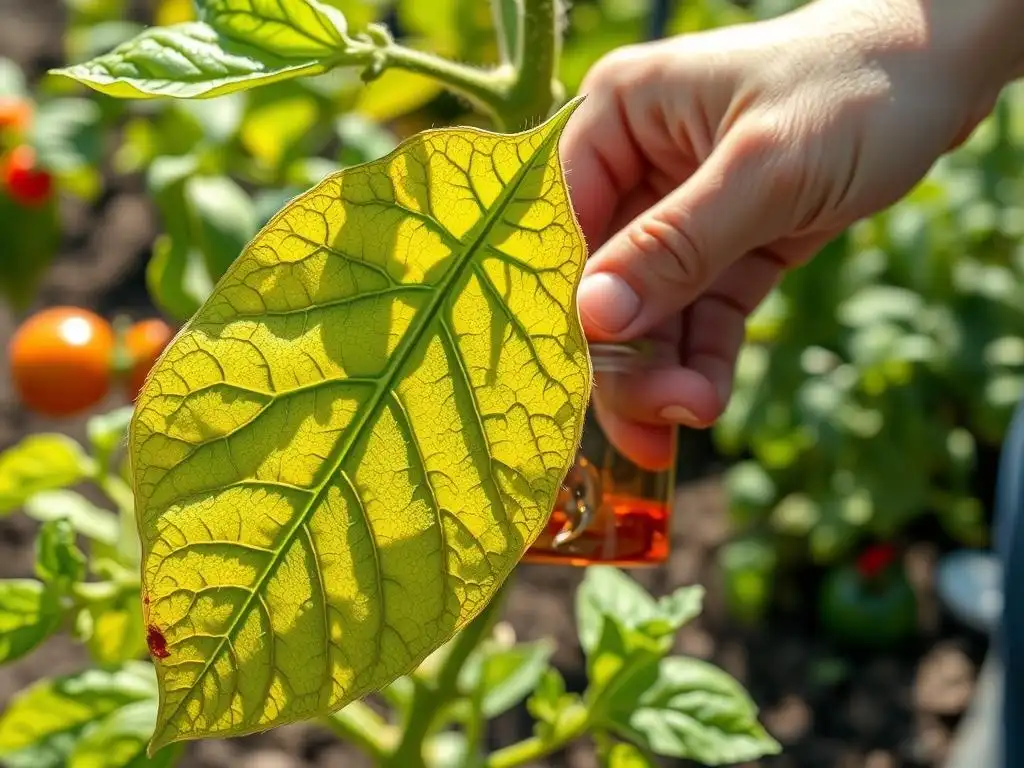
Iron deficiency, a common ailment among homegrown plants, often manifests as chlorosis—a yellowing of leaves while veins remain green. This section focuses on proactive measures to prevent iron deficiency, ensuring your plants thrive. A proactive approach is far more effective than reactive treatment, leading to healthier, more productive plants. We'll explore crucial techniques to bolster your plants' iron uptake and overall nutrient absorption, ultimately achieving a robust and vibrant garden. Understanding the underlying causes of iron deficiency is key to effective prevention, and we'll delve into those factors here.
Choosing the Right Planting Location: Sunlight and Drainage
The foundation of healthy plants lies in selecting the optimal planting location. Sunlight and drainage are paramount in preventing iron deficiency. Insufficient sunlight hinders chlorophyll production, impacting the plant's ability to absorb nutrients, including iron. Conversely, excessively shaded areas can also increase the risk of iron deficiency. Azaleas, for example, require partial shade, but too much shade will lead to nutrient deficiencies. The ideal location balances sufficient sunlight for photosynthesis with protection from harsh, direct rays.
Furthermore, poor drainage is a significant contributor to iron deficiency. Waterlogged soil creates anaerobic conditions, restricting iron's availability to plant roots. Roots require oxygen for nutrient uptake. Stagnant water deprives roots of oxygen, thereby inhibiting the absorption of essential nutrients, including iron.
Before planting, amend heavy clay soils with organic matter like compost to improve drainage and aeration. This ensures adequate oxygen flow to the roots, promoting healthy growth and preventing iron deficiency. Sandy soils, on the other hand, while well-draining, may require more frequent watering to prevent dehydration, which can also affect nutrient uptake. Careful soil preparation and location selection are crucial first steps in preventing iron deficiency in your homegrown plants.
Remember, observing your plants closely is vital. Notice any changes in leaf color or growth patterns. These subtle signals can indicate potential nutrient imbalances before they become serious problems. Early detection allows for timely intervention, minimizing the impact on your plants' health.
Implementing a Balanced Fertilization Plan for Azaleas
Azaleas, known for their vibrant blooms, are particularly susceptible to iron deficiency. Their preference for acidic soil often leads to iron-related issues if the pH isn't carefully managed. A balanced fertilization plan tailored to azaleas is essential for preventing iron deficiency. Avoid using fertilizers high in phosphorus, as this can hinder iron absorption. Instead, opt for fertilizers specifically formulated for acid-loving plants, often containing chelated iron, which enhances iron uptake.
A typical fertilization schedule might involve applying a slow-release granular fertilizer in early spring, followed by a liquid feed containing chelated iron every few weeks during the growing season. Always follow the product instructions carefully. Over-fertilizing can be just as damaging as under-fertilizing.
Regular soil testing is highly recommended to monitor nutrient levels and adjust your fertilization strategy accordingly. Soil testing provides valuable insight into the precise nutrient needs of your plants, enabling you to create a truly tailored fertilization plan, minimizing the risk of iron deficiency and maximizing plant health. Remember, a healthy soil is the foundation for healthy plants.
The use of organic fertilizers, such as compost tea, can also contribute to a balanced nutrient profile and enhance overall soil health, reducing the likelihood of iron deficiency. Organic matter improves soil structure, aeration, and water retention, creating an ideal environment for healthy root development and efficient nutrient uptake.
Mulching Techniques to Improve Soil Health and Nutrient Retention
Mulching is a powerful technique to improve soil health and prevent iron deficiency. A layer of organic mulch, such as shredded leaves, wood chips, or straw, helps retain soil moisture, moderates soil temperature, and suppresses weeds. By reducing water evaporation, mulching minimizes the leaching of essential nutrients, including iron, from the soil. The decomposition of organic mulch also gradually releases nutrients into the soil, enriching it over time.
Different mulches have varying effects on soil pH. For acid-loving plants like azaleas, using pine bark mulch can help maintain the optimal pH for iron availability. Avoid using alkaline mulches, which can raise the soil pH and further exacerbate iron deficiency. Applying a 2-3 inch layer of mulch around your plants is generally recommended, ensuring adequate coverage without smothering the base of the plants.
Regularly replenishing the mulch layer as it decomposes helps maintain its effectiveness. This consistent approach ensures sustained soil improvement, contributing to long-term prevention of iron deficiency and overall plant health. Mulching is a simple yet highly effective practice that significantly enhances your garden's overall health and resilience, making it a crucial element in preventing nutrient deficiencies. Careful selection and application of mulch are vital for its success.
Regular Soil Testing to Monitor Nutrient Levels
Regular soil testing is crucial for proactive management of iron deficiency and other nutrient imbalances in your homegrown plants. Ignoring this vital step can lead to significant setbacks, impacting yield and the overall health of your crops. Think of soil testing as a preventative health checkup for your garden – it allows you to identify potential problems before they become major issues. A simple soil test kit, readily available at most garden centers, can provide valuable insights into your soil's composition, revealing its pH level and the concentrations of essential nutrients, including iron.
The frequency of soil testing depends on several factors, including your soil type, the types of plants you're growing, and your gardening practices. For instance, sandy soils tend to lose nutrients more quickly than clay soils, requiring more frequent testing. Similarly, heavy feeders like tomatoes and peppers will deplete soil nutrients faster than less demanding plants.
If you're using organic amendments regularly, you might need to test less frequently than if you rely solely on chemical fertilizers. A good rule of thumb is to conduct a comprehensive soil test at least once a year, ideally in the spring before planting. More frequent testing, perhaps every three months, can be beneficial for particularly demanding plants or soils known to have nutrient deficiencies.
Interpreting the results of your soil test is key to effective treatment. Pay close attention to the iron levels, but also consider other nutrients like nitrogen, phosphorus, and potassium, as deficiencies in these can also contribute to or exacerbate iron chlorosis. A low iron level, indicated by a reading below the recommended range for your specific plants, signals the need for intervention.
Don't solely rely on visual symptoms; a soil test provides a quantitative measurement, offering a more precise understanding of your soil's nutritional status. This allows you to tailor your approach to correcting the deficiency effectively, ensuring your plants receive the precise amount of iron they need, avoiding over-fertilization which can cause other problems.
Remember to always follow the instructions provided with your soil testing kit for accurate results and interpretation. Accurate soil testing is an investment in the long-term health and productivity of your homegrown plants, helping you avoid the frustration and losses associated with nutrient deficiencies.
Effective Homegrown Plant Iron Deficiency Cure Strategies
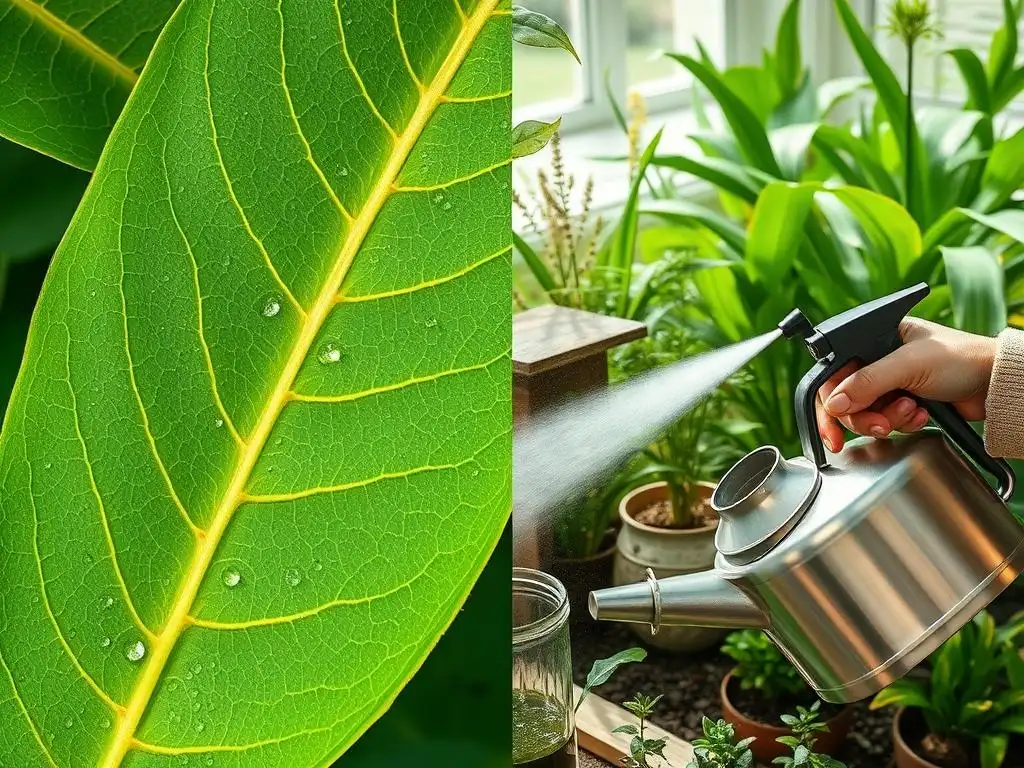
Chlorosis, the yellowing of plant leaves due to nutrient deficiencies, is a common problem for home gardeners. A prevalent cause is iron deficiency, hindering photosynthesis and overall plant health. Fortunately, effective homegrown plant iron deficiency cures exist, leveraging readily available natural remedies. This section focuses on practical strategies to combat iron deficiency in your homegrown plants, boosting their vitality and yield. We'll explore synergistic effects, soil health, and adaptive treatment adjustments for optimal results. Understanding these strategies is key to achieving a thriving garden and a bountiful harvest, effectively addressing the "homegrown plant iron deficiency cure" challenge.
Combining Natural Remedies for Synergistic Effects
Treating iron deficiency effectively often involves a multi-pronged approach. Combining various natural remedies can create synergistic effects, enhancing nutrient uptake and plant recovery. For instance, applying a chelated iron solution alongside compost tea can significantly improve results. Chelated iron, where iron is bound to an organic molecule, enhances its bioavailability, making it easier for plants to absorb. Simultaneously, compost tea provides beneficial microbes that improve soil structure and nutrient availability. This combination tackles the problem from two angles: directly supplying iron and indirectly improving the soil's ability to deliver nutrients.
Another powerful combination involves using seaweed extract alongside a soil amendment rich in organic matter. Seaweed extract is a rich source of micronutrients, including iron, and growth hormones. Pairing this with compost or well-rotted manure improves soil drainage and aeration, further promoting root growth and nutrient absorption. Remember to always follow product instructions for application rates to prevent potential harm to your plants. Detailed observation of your plants' response to these combined treatments is crucial for refining your approach over time.
Consider this example: A gardener noticed chlorosis in their tomato plants. Instead of relying on a single solution, they implemented a combined approach. They applied a chelated iron spray directly to the leaves, supplementing this with regular applications of compost tea to the soil. Within two weeks, they observed a significant improvement in leaf color and overall plant vigor. This demonstrates the power of combining treatments for a more effective "homegrown plant iron deficiency cure."
Addressing Underlying Soil Compaction Issues
Soil compaction significantly impacts nutrient uptake, contributing to iron deficiency and other nutritional problems. Compacted soil restricts root growth, limiting the plant's ability to access essential nutrients, including iron, even if they are present in the soil. Addressing soil compaction is therefore a crucial aspect of a long-term "homegrown plant iron deficiency cure."
Improving soil structure involves several techniques. Regular tilling or aeration, especially for heavier clay soils, helps break up compacted layers. However, excessive tilling can be detrimental, so a balanced approach is key. Adding organic matter, such as compost, aged manure, or leaf mold, improves soil structure, aeration, and water retention. Organic matter acts as a sponge, improving drainage while retaining moisture, creating an ideal environment for root growth and nutrient uptake.
Furthermore, cover cropping can be beneficial. Planting cover crops like clover or rye between growing seasons helps improve soil structure by adding organic matter and breaking up compacted soil. These plants also fix nitrogen in the soil, providing an additional benefit. The choice of cover crop will depend on your climate and soil type. Regular soil testing will help determine the severity of compaction and the effectiveness of your chosen remediation strategies. This proactive approach to soil health is a fundamental component of a sustainable and effective "homegrown plant iron deficiency cure".
Monitoring Plant Health and Adjusting Treatments as Needed
Successfully addressing iron deficiency requires ongoing monitoring and adjustment. Regularly inspect your plants for signs of chlorosis or other nutrient deficiencies. Note the color of the leaves, their texture, and overall plant vigor. Changes in plant health can indicate the need for adjustments in your treatment plan.
Keep a detailed record of your treatments, including the type and amount of remedies used, the application dates, and the observed plant response. This record helps you track progress and identify what works best for your specific plants and soil conditions. A simple logbook or spreadsheet can be invaluable in this process.
Remember that environmental factors, such as soil pH, can influence iron availability. If your soil is too alkaline, iron may become less available to plants, even if sufficient iron is present. Regular soil testing can help identify and address such issues. Adjusting your treatment based on these observations is crucial for a successful and lasting "homegrown plant iron deficiency cure." This iterative process of monitoring, recording, and adapting your strategy ensures your plants receive the optimal care they need to thrive.
Preventing Recurrence of Iron Deficiency Through Soil Amendments
Preventing iron deficiency in your homegrown plants requires a proactive approach focusing on soil health. Simply treating the deficiency isn't enough; you must address the underlying causes to prevent its return. One of the most effective strategies is amending your soil with materials that improve its ability to both retain iron and make it readily available to plant roots.
Soil pH plays a crucial role in iron availability. Iron is less soluble in alkaline soils (high pH), making it difficult for plants to absorb. Conversely, slightly acidic soils (pH between 6.0 and 6.5) are ideal for iron uptake. Regular soil testing is vital to monitor your soil's pH.
If your soil is too alkaline, you can lower the pH through the addition of organic matter like compost, peat moss, or well-rotted manure. These materials not only acidify the soil slightly but also improve its overall structure, aeration, and water retention – all factors that contribute to better nutrient uptake. Remember to test your soil regularly to ensure that your amendments are having the desired effect. Too much amendment can swing the pH too far in the other direction, causing other problems.
Furthermore, incorporating iron-rich materials directly into the soil can provide a long-term reservoir of this essential nutrient. Examples include iron sulfate, chelated iron, and even iron-rich compost. However, it's crucial to follow the recommended application rates carefully, as an overabundance of iron can be just as harmful as a deficiency.
Chelated iron, for instance, offers the advantage of being more readily available to plants compared to inorganic iron sources. The chelating agent protects the iron from becoming bound to other soil components, ensuring its slow and steady release to the plant roots over time. Always follow the instructions on the product label for proper application rates and methods to avoid harming your plants.
Finally, consider the type of soil you're working with. Sandy soils, for example, tend to have poor water retention and nutrient-holding capacity, making them more prone to iron deficiencies. Adding organic matter like compost to these soils not only helps improve their structure but also enhances their ability to retain iron and other essential nutrients. Clay soils, on the other hand, can sometimes suffer from poor drainage, which can lead to iron deficiency as well.
Improving drainage through amending with organic materials and ensuring proper soil aeration can help alleviate this issue. Understanding your specific soil type and its limitations is crucial for effective long-term management of iron deficiency. Regular soil testing, combined with appropriate soil amendments, will help you cultivate healthy and thriving plants year after year.
Case Study: Rose Bush Recovery from Chlorosis
This case study details the successful treatment of iron deficiency chlorosis (a common cause of yellowing leaves in plants) in a rose bush using entirely natural homegrown methods. We will explore the initial symptoms, the implemented treatment plan, and finally, the observed results, demonstrating a practical approach to solving this common gardening problem. This exemplifies a successful "homegrown plant iron deficiency cure".
Initial Symptoms and Diagnosis
The rose bush, a Rosa 'Knock Out' variety, initially exhibited interveinal chlorosis – yellowing between the leaf veins while the veins themselves remained green. This is a classic symptom of iron deficiency. The leaves were also smaller than usual and lacked the vibrant green color characteristic of healthy rose bushes. The soil, a heavy clay loam, was tested using a home soil testing kit which confirmed low levels of available iron, further supporting the diagnosis of iron chlorosis.
Other nutrient levels were within acceptable ranges, ruling out broader nutrient deficiencies as the primary cause. The symptoms appeared gradually over several weeks, worsening progressively until intervention was deemed necessary. The plant showed no signs of pest infestations, eliminating that possibility. The initial assessment clearly pointed towards iron deficiency as the root cause of the observed chlorosis.
Treatment Plan and Implementation
Given the diagnosis of iron chlorosis, a natural treatment plan was implemented focusing on increasing the soil's iron availability and improving soil drainage. This plan avoided chemical fertilizers and pesticides, aligning with the sustainable practices promoted on CultivateYourFood.
The following steps were taken:
- Soil Amendment: A significant amount of compost (approximately 2 gallons) was incorporated into the soil around the rose bush to improve soil structure and organic matter content. Compost helps to unlock nutrients, including iron, making them more readily available to the plant.
- Acidification: The soil pH was slightly alkaline, hindering iron uptake. To address this, elemental sulfur was worked into the soil to gradually lower the pH. The aim was to achieve a slightly acidic pH (around 6.0-6.5), ideal for iron solubility.
- Chelated Iron Application: A natural chelated iron supplement, derived from seaweed extract, was applied to the soil and foliarly sprayed onto the leaves. Chelated iron is more easily absorbed by plants than inorganic iron. The application was repeated every two weeks for a month.
- Improved Drainage: To address the poor drainage of the clay soil, the planting area was amended with perlite to improve aeration and water infiltration. This ensured that the roots were not waterlogged.
The entire process was meticulously documented, including dates, quantities of amendments used, and observations on weather conditions. This detailed approach was crucial in assessing the effectiveness of the treatment.
Results and Observations
Within two weeks of implementing the treatment plan, a noticeable improvement was observed. New growth exhibited a significantly healthier, deeper green color. The interveinal chlorosis in older leaves gradually diminished, although some yellowing persisted for several more weeks. By the end of one month, the rose bush had largely recovered, exhibiting robust growth and abundant flowering.
The improved soil structure, resulting from the addition of compost and perlite, also contributed to the plant's overall health and vigor. This successful resolution demonstrates the effectiveness of natural methods in addressing iron deficiency in plants, providing a viable and sustainable "homegrown plant iron deficiency cure". The detailed record-keeping allowed for a precise evaluation of the treatment's success, highlighting the importance of careful monitoring and documentation in sustainable gardening practices. This case study underscores the potential of natural remedies in effectively managing common plant diseases, promoting healthy growth and a bountiful harvest.
Lessons Learned and Future Prevention Strategies
The experience of reviving our rose bush from chlorosis provided invaluable insights into effective plant care and proactive disease prevention. We learned that early detection is crucial. Regular observation of leaf color, growth patterns, and overall plant health is essential for identifying potential problems before they become severe. A pale green or yellowing between the leaf veins, particularly in younger leaves, should immediately raise suspicion of iron deficiency or other nutrient imbalances. Ignoring these subtle signs can lead to significant damage and even plant death.
Furthermore, we discovered the importance of soil testing. While visual inspection is helpful, a soil test provides a precise understanding of the nutrient composition of the soil. This allows for targeted solutions, preventing unnecessary applications of fertilizers or amendments. Our initial assumption that the problem was solely iron deficiency was incorrect; the soil test revealed a broader nutrient imbalance. Addressing these multiple deficiencies, not just the iron, was key to the rose bush's full recovery.
For future prevention, we will implement a comprehensive strategy. This includes regular soil testing, ideally annually, to monitor nutrient levels. We will also amend the soil with organic matter, like compost, to improve drainage and overall soil health.
Compost not only provides essential nutrients but also enhances the soil structure, making it easier for roots to absorb nutrients efficiently. The addition of chelated iron will be part of our spring fertilization routine, ensuring the plant receives the necessary iron even if the soil pH is slightly alkaline. We'll also be mindful of watering practices, avoiding both overwatering and underwatering, which can both hinder nutrient uptake.
Finally, we've learned the importance of choosing the right plants for our specific soil conditions. While the rose bush thrived initially, its susceptibility to chlorosis highlights the need for careful plant selection to match soil properties and local climate. Selecting varieties known for their tolerance to particular soil conditions can significantly reduce the risk of nutrient deficiencies and associated diseases.
This proactive approach, combining soil testing, proper fertilization, and informed plant selection, is fundamental to preventing future occurrences of chlorosis in our garden. The successful recovery of our rose bush serves as a testament to the effectiveness of diligent observation, informed decision-making, and a commitment to sustainable gardening practices.
Frequently Asked Questions
What is chlorosis in plants?
Chlorosis is a condition where plants exhibit yellowing leaves due to insufficient chlorophyll production. This is often caused by nutrient deficiencies, particularly iron. It can significantly impact plant health and yield.
What causes iron deficiency in homegrown plants?
Iron deficiency, a common cause of chlorosis, can stem from alkaline soil pH, poor soil drainage, or overwatering, preventing plants from absorbing iron effectively. Nutrient imbalances can also contribute.
How can I naturally cure iron deficiency in my plants?
Several natural remedies exist, including applying chelated iron (easily absorbed by plants), adjusting soil pH to a more acidic range, and improving soil aeration and drainage. Using compost tea can also help.
What are the signs of iron deficiency in my homegrown plants?
Look for interveinal chlorosis, where the leaf veins remain green while the tissue between them yellows. This is a classic indicator. You may also observe stunted growth and reduced yield.
Are there any preventative measures against iron deficiency?
Yes! Regular soil testing helps monitor pH levels and nutrient content. Using organic fertilizers rich in iron and improving soil structure through composting and mulching are proactive steps to prevent deficiencies.
Final Reflection: Cultivating Healthier Plants, Cultivating a Healthier Future
The fight against chlorosis, a widespread plant ailment stemming from iron and nutrient deficiencies, is far more than just tending to our gardens; it's a reflection of our responsibility towards a sustainable and thriving ecosystem. Understanding the natural remedies outlined in this article is crucial, not only for the beauty and productivity of our homegrown plants but also for promoting environmentally conscious gardening practices. The health of our plants directly mirrors the health of our planet.
Witnessing the vibrant transformation of a chlorotic plant after implementing simple, natural remedies is deeply rewarding. It's a tangible reminder of the interconnectedness of life and the power of observation. The earth laughs in flowers.
– Ralph Waldo Emerson. This quote encapsulates the joy and profound connection we experience when nurturing life, whether it's a single plant or a vast ecosystem. The knowledge shared in this article empowers us to participate more actively in this nurturing process, moving beyond chemical solutions towards more holistic and sustainable approaches.
Now, consider your own garden, your own plants. What steps can you take today to ensure their health and vitality? Perhaps it's a simple soil test, a change in watering habits, or the introduction of a natural iron supplement. Embrace the opportunity to become a more mindful gardener, one who understands the delicate balance of nature and actively contributes to its flourishing. By choosing natural remedies, you are not only improving the health of your plants but also contributing to a healthier planet for generations to come.
Unlock Your Plants' Full Potential: Nurture Vibrant Growth
Thank you for exploring natural remedies for chlorosis! You've learned valuable techniques to improve your plants' health and vibrancy. Now, let's put that knowledge into action. Ready to see the results?
- Improve your soil's nutrient levels: Begin by assessing your soil's nutrient content. Addressing any deficiencies, particularly iron, is crucial. Amend the soil with compost or a chelated iron product as needed. This is a vital first step.
- Enhance soil drainage and aeration: Well-drained soil is essential for healthy root systems and efficient nutrient absorption. Improving soil structure will significantly boost your plants' health.
- Share your experience: Connect with other gardeners! Post photos of your thriving plants online and share your successes and challenges. Inspire others on their gardening journey.
What will you do today to revitalize your plants and help them flourish?