
Mint Tea: A Guide to Brewing a Perfect Cup

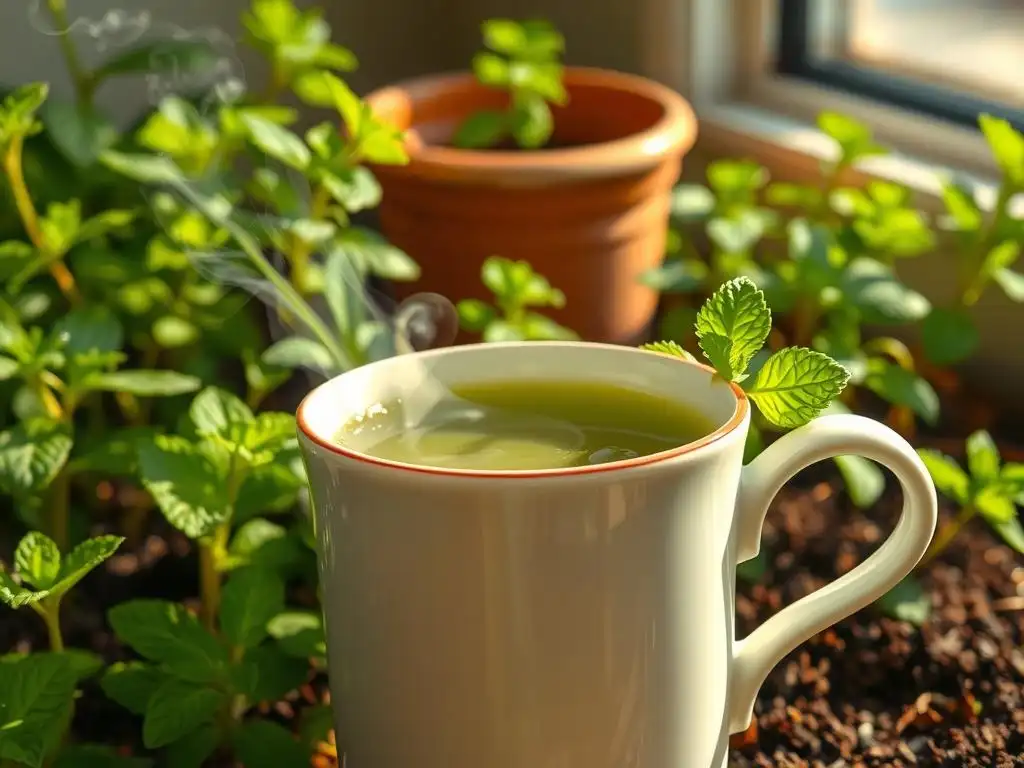
Ready to transform your backyard into a fragrant oasis? At CultivateYourFood, we empower you to grow your own delicious and healthy produce organically. Learn how to cultivate your own vibrant herb garden, starting with our guide on how to Grow organic mint tea. Discover the secrets to a bountiful harvest and brewing the perfect cup – your journey to fresher, tastier, and more sustainable living begins now!
- Understanding Your Homegrown Mint for the Perfect Cup of Organic Mint Tea
- Brewing the Perfect Cup of Organic Mint Tea: A Step-by-Step Guide
- Beyond the Brew: Exploring the Uses of Your Homegrown Mint
- Growing Organic Mint for Tea: Tips for a Bountiful Harvest
- Troubleshooting Common Problems with Homegrown Mint
- Frequently Asked Questions
- Final Reflection: The Enduring Allure of Homegrown Mint Tea
- Unleash Your Inner Tea Master: Brew the Perfect Cup Today
Understanding Your Homegrown Mint for the Perfect Cup of Organic Mint Tea
Growing your own organic mint offers unparalleled freshness and flavor for brewing the perfect cup of tea. This guide will walk you through the process, from selecting the right mint variety to harvesting and preparing your homegrown bounty for optimal aroma and taste.
Learning to cultivate organic mint not only provides you with a delicious and healthy beverage but also connects you with the natural world, fostering a deeper appreciation for sustainable and organic practices. This comprehensive guide focuses on maximizing the quality of your homegrown mint to ensure your organic mint tea is truly exceptional.
We will cover everything from choosing the best mint variety for tea to the proper techniques for harvesting, cleaning, and storing your mint leaves to preserve their freshness and flavor. Ultimately, this guide aims to help you cultivate and enjoy the most flavorful and aromatic organic mint tea possible, directly from your garden to your cup.
Selecting the Right Mint Variety for Tea
Choosing the right mint variety is crucial for a superior cup of tea. Not all mints are created equal when it comes to flavor and aroma. Some popular choices for tea include:
- Spearmint ( Mentha spicata): Known for its sweet, refreshing flavor, spearmint is a versatile choice for both hot and iced tea. Its milder taste makes it a great option for those new to mint tea.
- Peppermint ( Mentha × piperita): Offers a strong, invigorating flavor with a noticeable cooling sensation. Peppermint tea is often preferred for its potent aroma and ability to aid digestion.
- Apple Mint ( Mentha suaveolens): Possesses a sweeter, fruitier profile than spearmint or peppermint, making it a delightful addition to herbal tea blends.
Consider your personal preferences when making your selection. Do you prefer a milder, sweeter taste or a more intense, invigorating flavor? Experimenting with different varieties will help you discover your favorite! Remember to source your mint plants from reputable nurseries that prioritize organic growing practices to ensure the purity of your tea.
Harvesting Mint for Optimal Flavor and Aroma in Your Organic Mint Tea
The timing of your mint harvest significantly impacts the flavor and aroma of your tea. For the best results, harvest mint leaves in the morning after the dew has dried. This is when the essential oils responsible for mint's distinctive aroma are most concentrated.
Here's how to harvest your mint:
- Use clean, sharp scissors or pruning shears to cut the stems just above a node (the point where leaves sprout from the stem). This encourages bushier growth.
- Harvest only the top 4-6 inches of the stems, leaving the lower portion of the plant intact to promote continued growth.
- Avoid harvesting more than one-third of the plant at any given time to prevent stressing it.
Remember, consistent harvesting encourages bushier growth and a more abundant yield over time. Harvesting regularly also helps prevent the mint from becoming woody and losing its flavor.
Preparing Your Homegrown Mint for Brewing: Cleaning and Storage
Once you've harvested your mint, proper cleaning and storage are essential for maintaining its freshness and preventing spoilage.
- Cleaning: Rinse the harvested mint leaves gently under cool, running water to remove any dirt or debris. Gently pat them dry with a clean towel or allow them to air dry completely before storing.
- Storage: For immediate use, store the cleaned mint leaves in a sealed container in the refrigerator for up to 3 days. For longer storage, consider freezing the leaves. To freeze, spread the leaves on a baking sheet and freeze them until solid. Then, transfer the frozen leaves to a freezer-safe bag or container for longer preservation (up to 6 months). You can also dry the mint leaves by hanging them upside down in a cool, dark, and well-ventilated area. Once dried, store them in an airtight container in a cool, dark place. Dried mint can be stored for several months.
By following these guidelines, you'll be well on your way to brewing exceptional cups of organic mint tea, grown and prepared with care, from your own garden. 🌱🍵
Brewing the Perfect Cup of Organic Mint Tea: A Step-by-Step Guide
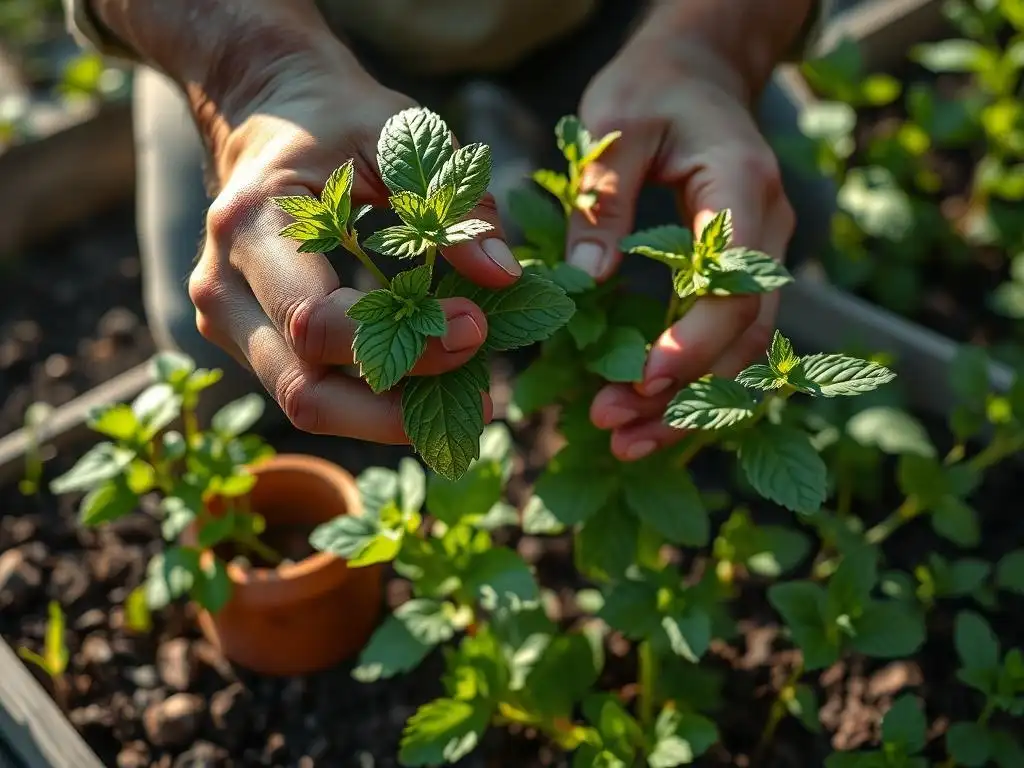
This section delves into the art of brewing the perfect cup of organic mint tea, using your homegrown, sustainably cultivated mint. We'll explore the crucial elements that transform simple leaves into a fragrant and flavorful beverage. Remember, the quality of your tea is directly linked to the quality of your grow organic mint tea, so careful attention to detail throughout the process is key.
Water Temperature: The Key to Unlocking Mint's Flavor
The temperature of your water significantly impacts the taste and aroma of your mint tea. Using water that's too hot can result in a bitter, astringent brew, while water that's too cool will yield a weak, underwhelming infusion. The ideal temperature for brewing mint tea is between 175°F (80°C) and 195°F (90°C). This temperature range allows for the extraction of the essential oils and flavorful compounds without scorching the leaves.
To achieve this precise temperature, you can use a thermometer or simply allow freshly boiled water to cool for a few minutes. A good rule of thumb is to let boiled water sit for about 3-5 minutes before using it. Experiment to find the temperature you prefer, as this can vary slightly depending on the type of mint you're using and your personal taste preferences. For instance, spearmint might tolerate slightly higher temperatures than peppermint. Remember, you're aiming for a delicate balance—a fragrant, refreshing brew, not a bitter disappointment! 🍵
Steeping Time: Finding the Sweet Spot for Your Organic Mint Tea
Steeping time is another critical factor influencing the taste of your mint tea. Over-steeping can lead to bitterness, while under-steeping results in a weak, flavorless drink. The ideal steeping time for most mint varieties is typically between 3-5 minutes. However, this can depend on factors such as the type of mint, the fineness of the leaves, and your preferred strength.
Consider these variations:
- Fresh Mint Leaves: Fresh leaves generally require a shorter steeping time (3-4 minutes) to prevent bitterness.
- Dried Mint Leaves: Dried leaves might need a slightly longer steeping time (4-5 minutes) to fully release their flavor.
- Finely Chopped Leaves: Finely chopped leaves release their flavor more quickly, requiring a shorter steeping time.
Experimentation is key! Start with the recommended steeping time and adjust according to your taste. If you find your tea is too strong, reduce the steeping time in subsequent brews. If it's too weak, increase the steeping time. Keep detailed notes on your experiments to refine your brewing technique and consistently achieve your perfect cup.
Experimenting with Brewing Methods for Your Homegrown Mint Tea
Beyond water temperature and steeping time, you can explore different brewing methods to enhance your mint tea experience. The simplest method is using a tea infuser or strainer. This allows for easy removal of the mint leaves once steeped, preventing any lingering bitterness.
However, you can also experiment with other techniques:
- Cold Brew: Steep your mint leaves in cold water for 12-24 hours in the refrigerator. This method produces a smoother, less bitter tea, ideal for those who prefer a milder flavor.
- Double Brewing: Brew the mint leaves once, remove them, and then add fresh leaves for a second brewing. This will yield a more concentrated and flavorful tea.
- Adding Other Ingredients: Experiment by adding other herbs or fruits to your mint tea, such as lemon balm, chamomile, or berries, to create unique flavor combinations.
Remember, brewing the perfect cup of organic mint tea is a journey of discovery. By carefully controlling the water temperature, steeping time, and brewing method, and by understanding the nuances of your grow organic mint tea, you can craft a consistently delicious and refreshing beverage. Enjoy the process and savor the results! 🌿
Enhancing Your Organic Mint Tea: Adding Flavor and Sweetness
Growing organic mint for tea offers a unique opportunity to customize your brew. The inherent fresh, clean flavor of homegrown mint lends itself beautifully to experimentation. Beyond the pure, unadulterated taste of your organically grown mint, there are several ways to enhance your tea experience, adding layers of complexity and delight.
One popular method is incorporating complementary herbs and spices. A pinch of dried chamomile flowers can add a subtle floral note and calming properties, creating a wonderfully soothing evening beverage. Similarly, a few sprigs of lemon balm, easily grown alongside your mint, can introduce a lemony zest that brightens the overall flavor profile.
For a more robust and slightly spicy tea, consider adding a small piece of fresh ginger, finely grated or thinly sliced. The ginger's pungent warmth balances the mint's coolness, creating a complex and invigorating drink. Remember to adjust the quantities of these additions to your preference; a little goes a long way.
Sweetening your organic mint tea is another avenue for customization. While many prefer the pure taste of the mint itself, a touch of sweetness can elevate the experience. Raw honey is an excellent choice, offering not only sweetness but also potential health benefits and a subtle floral undertone that complements the mint. A small amount of maple syrup provides a richer, more complex sweetness.
Consider using agave nectar for a milder, slightly more subtle sweetness. Avoid refined white sugar, as it clashes with the delicate nuances of the organically grown mint. Experiment with different sweeteners to find your perfect balance. Remember that the sweetness should enhance, not overpower, the delicate flavor of your homegrown mint.
Start with small amounts and add more to taste. The best sweetener will depend on your personal preferences and the specific mint variety you're using. For example, a sweeter mint variety might require less added sugar than a more subtly flavored one.
Beyond the Brew: Exploring the Uses of Your Homegrown Mint
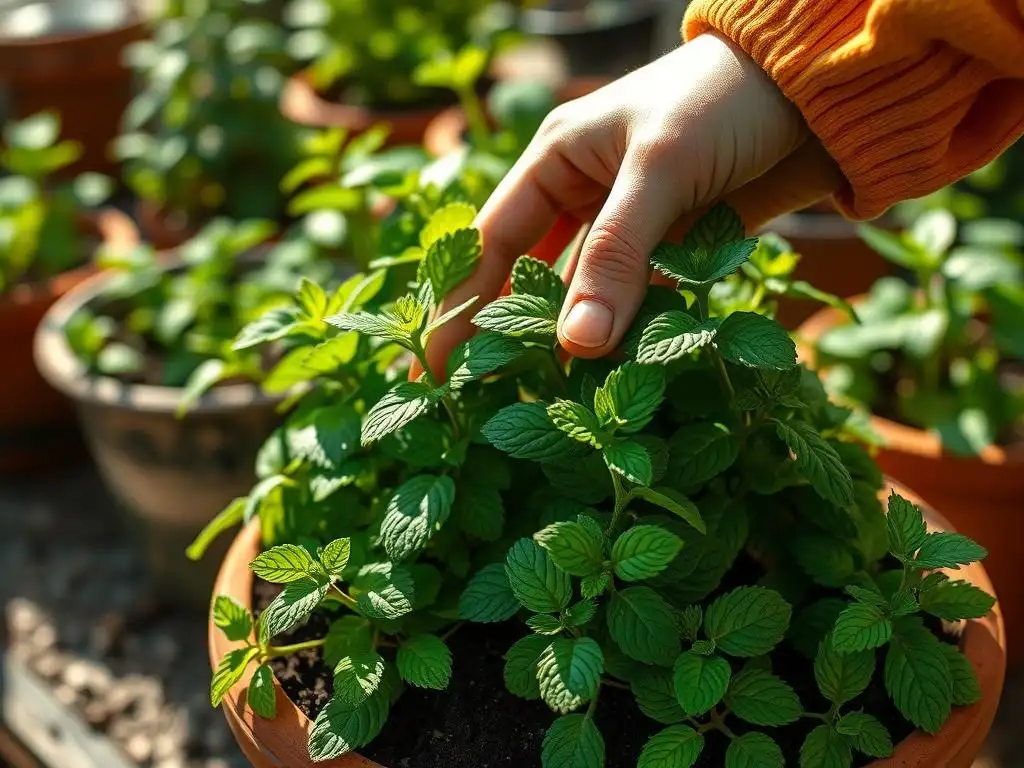
Growing organic mint for tea is rewarding, but the culinary and therapeutic applications of this versatile herb extend far beyond a simple cuppa. Your bountiful harvest offers a wealth of possibilities, transforming your garden's bounty into a range of delightful products and experiences. This section explores avenues beyond the traditional mint tea, highlighting the diverse ways you can utilize your homegrown organic mint. We'll delve into creative recipes, preservation techniques, and unexpected uses, maximizing the potential of your mint harvest and minimizing waste. Think of it as unlocking the full potential of your Mentha investment!
Organic Mint Tea Recipes: Beyond the Basics
While a simple cup of mint tea is delightful, experimenting with different brewing methods and flavor combinations can elevate your experience. Consider these variations to expand your organic mint tea repertoire:
- Spiced Mint Tea: Infuse your organic mint with cinnamon sticks, cloves, and star anise for a warm, comforting beverage, perfect for colder months. The subtle spice notes complement the refreshing mint beautifully. Experiment with ratios to find your perfect blend. A good starting point is 1 teaspoon of spice blend per cup of water.
- Citrus Mint Tea: Add slices of lemon, lime, or orange to your brewing process for a zesty twist. The citrus cuts through the mint's sweetness, creating a vibrant and invigorating drink. Consider muddling the citrus before steeping for a more intense flavor.
- Herbal Mint Blends: Combine your organic mint with other calming herbs like chamomile or lavender for a relaxing evening tea. Experiment with proportions to balance flavors, aiming for a harmonious blend that appeals to your palate. A 2:1 ratio of mint to chamomile is a good starting point for a soothing blend.
- Iced Mint Tea: Brew a strong batch of mint tea, allow it to cool, and then chill it in the refrigerator for a refreshing summer beverage. Add sweeteners like honey or maple syrup to taste, or enhance it with fresh fruit slices. This is a perfect way to enjoy your organic mint on a hot day.
Preserving Your Homegrown Mint for Year-Round Enjoyment
The abundance of your mint harvest shouldn't be limited to the growing season. Preserving your organic mint allows you to enjoy its flavor and benefits throughout the year. Here are several effective preservation methods:
- Freezing: Wash and dry your mint thoroughly. Chop it finely and freeze it in ice cube trays filled with water or a simple syrup (equal parts water and sugar, gently heated). Once frozen, transfer the cubes to a freezer bag for easy storage. This method retains the mint's vibrant color and flavor remarkably well.
- Drying: Bundle small sprigs of mint together and hang them upside down in a cool, dark, and well-ventilated area. Allow them to dry completely, which typically takes 1-2 weeks. Once dry, crumble the leaves and store them in an airtight container in a cool, dark place. Dried mint loses some of its vibrant color, but retains a significant portion of its flavor.
- Mint Syrup: Combine equal parts water and sugar in a saucepan and bring to a simmer. Add fresh mint leaves and simmer for 10-15 minutes. Strain and bottle the syrup. This syrup can be added to drinks, used as a sweetener, or as a base for cocktails.
Using Mint in Cooking and Other Applications
The culinary uses of organic mint extend beyond beverages. Its refreshing flavor complements a wide array of dishes. Consider these applications:
- Salads: Add chopped fresh mint to salads for a touch of freshness. It pairs well with tomatoes, cucumbers, and feta cheese.
- Desserts: Incorporate finely chopped mint into chocolate desserts, ice cream, or fruit salads for a unique flavor profile.
- Sauces: Mint can be used in sauces, particularly those accompanying lamb or other grilled meats. A mint chimichurri sauce is a delicious example.
- Garnishes: Use fresh mint sprigs as a garnish for various dishes to add visual appeal and a hint of freshness.
Remember, the key to successfully growing organic mint tea is consistent care and attention. By nurturing your plants and employing these tips, you can enjoy the benefits of your homegrown harvest all year round. 🌱
Growing Organic Mint for Tea: Tips for a Bountiful Harvest
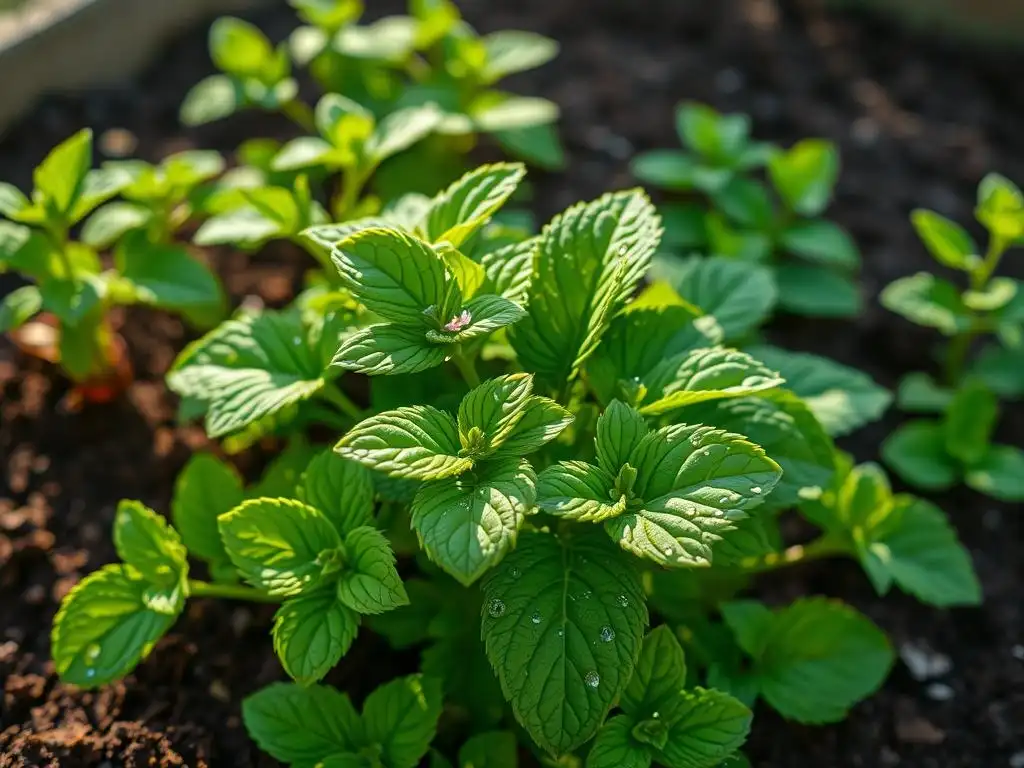
This section focuses on cultivating organic mint specifically for tea production. High-quality tea starts with high-quality mint, so understanding optimal growing conditions is crucial. We'll explore location selection, soil preparation, and plant care to ensure a bountiful harvest of flavorful, pesticide-free leaves for your perfect cup. Growing organic mint for tea is a rewarding experience, offering both delicious beverages and the satisfaction of cultivating your own ingredients.
Choosing the Right Location for Your Mint Patch
Sunlight is key when growing organic mint for tea. Mint thrives in areas that receive at least six hours of direct sunlight daily, but it can tolerate some shade, especially during the hottest parts of the day. Too much shade, however, can result in leggy growth and reduced essential oil production, impacting the flavor and aroma of your tea. Consider the overall light conditions of your garden when choosing a location. Remember, consistent sunlight is essential for producing robust, flavorful mint leaves ideal for brewing.
The location should also be well-drained to prevent root rot, a common problem for mint. Standing water can suffocate the roots and lead to plant disease. Slightly moist soil is preferable, but soggy conditions are detrimental. Observe your garden's drainage patterns – areas that collect water after rain should be avoided. Well-drained soil ensures healthy root development, crucial for a successful mint harvest.
Finally, consider the proximity to other plants. Mint is a vigorous grower and can spread rapidly. Choose a location where it won't encroach on other plants, or consider planting it in a container to contain its growth. This prevents it from becoming invasive and allows for easier harvesting. Careful site selection will greatly enhance your organic mint-growing experience.
Soil Preparation and Planting Techniques for Organic Mint
Successful organic mint cultivation begins with proper soil preparation. Mint prefers loose, fertile soil rich in organic matter. Before planting, amend your soil with compost or other organic materials to improve drainage and fertility. This will provide essential nutrients for healthy growth and flavorful leaves. A soil pH between 6.0 and 7.0 is ideal. You can test your soil pH using a home testing kit to ensure it falls within this optimal range. Amendments such as lime (to raise pH) or sulfur (to lower pH) can be added if necessary.
Planting techniques are also crucial. You can start mint from seeds, but it's often easier and faster to propagate using cuttings. Take 4-6 inch cuttings from healthy, established mint plants, removing the lower leaves. Plant these cuttings directly into the prepared soil, ensuring at least 2 inches of stem are buried. Keep the soil consistently moist until the cuttings root. Alternatively, you can start cuttings in water, allowing roots to develop before transplanting. This method increases the success rate, especially for beginners. Proper soil preparation and planting techniques will set the stage for a successful harvest of organic mint.
Watering and Fertilizing Your Organic Mint Plants
Consistent watering is essential for healthy mint growth. Keep the soil evenly moist, but avoid overwatering, which can lead to root rot. Water deeply and less frequently, allowing the top inch of soil to dry out slightly between waterings. The frequency will depend on your climate and soil type; more frequent watering may be needed during hot, dry periods. Regular, deep watering promotes strong root growth and prevents stress on the plants. Remember, consistent moisture is crucial, but avoid waterlogged conditions.
Fertilizing your organic mint plants is important for optimal growth and flavor. Use an organic fertilizer, such as compost tea or aged manure, to provide essential nutrients. Avoid using synthetic fertilizers, as they can negatively impact the flavor of the mint leaves and contaminate your organic harvest. Apply fertilizer according to package instructions, typically every 4-6 weeks during the growing season.
Over-fertilizing can negatively affect the plant's health and the essential oil content of the leaves. Therefore, moderation is key to achieving a balanced nutrient supply for your mint plants. Regular fertilization, using organic methods, helps ensure a bountiful harvest of flavorful, high-quality mint leaves for your tea.
Pest and Disease Control for Organic Mint Cultivation
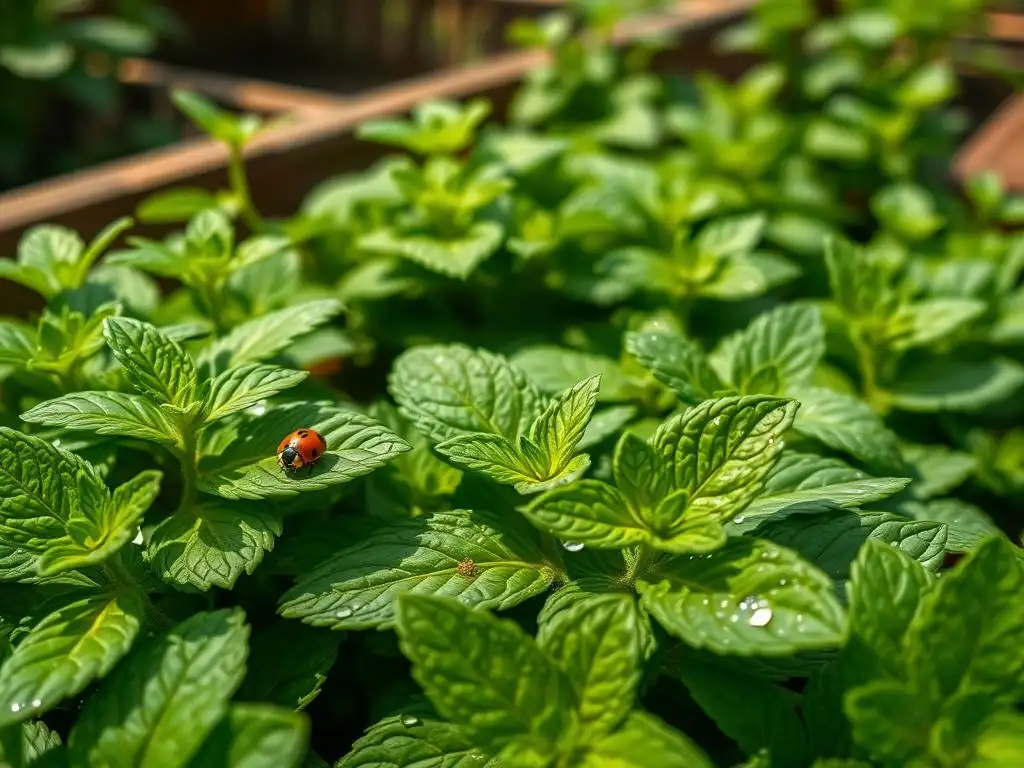
Growing organic mint means prioritizing natural pest and disease control methods. Chemical pesticides are a no-go for organic cultivation, and thankfully, there are many effective alternatives. One of the most common issues with mint is aphids. These tiny sap-sucking insects can quickly infest your plants, leading to stunted growth and wilting. A strong spray of water can dislodge many aphids, and introducing beneficial insects like ladybugs can help control their population naturally. Ladybugs are voracious aphid predators, significantly reducing the need for any intervention.
Another effective organic pest control method is the use of neem oil. Neem oil is a natural insecticide derived from the neem tree, and it's effective against a wide range of pests, including aphids, spider mites, and whiteflies. Always dilute neem oil according to the product instructions, and apply it in the early morning or evening to avoid scorching the leaves.
Regularly inspecting your plants for signs of pests is crucial for early detection and intervention. Early detection allows for less invasive control methods, minimizing the impact on the plant and the environment. For diseases, ensuring proper spacing between plants promotes good air circulation, reducing the risk of fungal diseases like powdery mildew.
Good air circulation helps prevent moisture buildup, a major contributing factor to fungal growth. If powdery mildew does appear, a diluted solution of baking soda and water can help control its spread. Remember to always monitor your plants carefully and adjust your approach as needed; proactive organic pest and disease management is key to a healthy and productive mint patch.
Harvesting and Drying Your Organic Mint for Tea
Harvesting your organic mint at the right time is crucial for achieving the best flavor and aroma in your tea. The ideal time to harvest is just before the plant flowers, typically in the early morning after the dew has dried. This is when the essential oils are at their peak concentration, resulting in a more flavorful and aromatic tea.
To harvest, simply snip the stems just above a leaf node, leaving about 4-6 inches of the stem to encourage further growth. Harvesting regularly, every few weeks, will keep your mint plants productive and prevent them from becoming woody and less flavorful.
Once harvested, you have several options for drying your mint. Air drying is a simple and effective method. Gather your harvested mint sprigs into small bunches, and tie them together with twine or rubber bands. Hang the bunches upside down in a cool, dark, and well-ventilated area for about 1-2 weeks, or until the leaves are completely dry and crumble easily.
Avoid direct sunlight, as this can diminish the essential oils and fade the color of the leaves. Alternatively, you can use a food dehydrator, setting it to a low temperature (around 95°F or 35°C) for several hours, or until completely dry. Proper drying is essential to preserve the mint's flavor and aroma for use in your tea.
Once completely dry, store your organic mint leaves in airtight containers in a cool, dark, and dry place, away from strong odors. This will help maintain their quality and flavor for several months, ensuring you have a ready supply of organic mint for your homemade tea throughout the year. Properly dried mint will retain its vibrant green color and its characteristic aroma, making it ideal for crafting your perfect cup of organic mint tea.
Troubleshooting Common Problems with Homegrown Mint
Growing your own organic mint for tea offers a rewarding experience, but challenges can arise. Successfully cultivating vibrant, flavorful mint requires understanding and addressing potential problems proactively. This section focuses on troubleshooting common issues, ensuring a bountiful harvest of high-quality mint for your perfect cup of tea.
Dealing with Pests and Diseases Affecting Mint Production
Mint, while generally hardy, can be susceptible to certain pests and diseases. Early detection and appropriate intervention are crucial for maintaining a healthy crop. Common culprits include aphids, spider mites, and fungal diseases like powdery mildew.
Aphids, tiny sap-sucking insects, can quickly infest mint plants, causing stunted growth and leaf distortion. Regularly inspect your plants, particularly the undersides of leaves, for signs of infestation. A strong spray of water can often dislodge aphids. For more severe infestations, consider introducing beneficial insects like ladybugs, which prey on aphids. Organic insecticidal soaps are another effective, environmentally friendly option.
Spider mites, another common pest, are microscopic and create fine webbing on leaves. These mites also suck plant sap, leading to yellowing and browning of leaves. Similar to aphid control, a strong water spray can help, along with increasing humidity around the plants. Neem oil, a natural pesticide, can also be effective in controlling spider mite populations.
Powdery mildew, a fungal disease, appears as a white, powdery coating on leaves. This fungus thrives in humid conditions with poor air circulation. Improving air circulation by spacing plants appropriately and avoiding overhead watering can help prevent powdery mildew. For existing infections, removing affected leaves and applying a baking soda solution (1 tablespoon baking soda, ½ teaspoon liquid soap, 1 gallon water) can help control the spread.
Remember to always prioritize organic pest and disease control methods to maintain the integrity of your organic mint. Consistent monitoring and prompt action are key to preventing significant damage to your mint plants. This careful approach ensures a plentiful harvest of high-quality organic mint for brewing your tea.
Addressing Common Issues Affecting Mint Flavor and Aroma
The flavor and aroma of your homegrown mint are crucial for a delicious cup of tea. Several factors can influence the quality of your mint, impacting the overall taste and fragrance of your brew. Understanding these factors is vital for optimizing your mint cultivation and consistently producing superior organic mint tea.
Nutrient deficiencies can significantly affect mint's flavor and aroma. A lack of essential nutrients like nitrogen can lead to pale, weak growth and a less intense flavor. Regular soil testing and the use of organic fertilizers can help ensure your mint receives the necessary nutrients. Composting is an excellent way to naturally enrich your soil and provide sustained nutrient release.
Watering practices also play a crucial role. Consistent moisture is essential for optimal growth, but overwatering can lead to root rot and negatively impact flavor. Well-drained soil and mindful watering practices are critical. Observe your soil moisture regularly and water deeply but infrequently, allowing the soil to dry slightly between waterings.
Sunlight exposure also impacts mint's quality. Mint thrives in full sun to partial shade. Too little sunlight can lead to weak growth and less intense flavor, while excessive sun can scorch leaves. Choose a location that provides adequate sunlight without harsh midday sun exposure. Proper sunlight management will contribute to developing a robust flavor profile in your mint. Remember, growing organic mint prioritizes natural methods, leading to a more flavorful and aromatic tea.
Harvesting and Storing Mint to Maintain its Quality for Tea
Proper harvesting and storage techniques are essential for preserving the quality and flavor of your homegrown organic mint for tea. Harvesting at the right time and employing appropriate storage methods ensures that your mint retains its vibrant aroma and taste, leading to a consistently delicious cup of tea.
The optimal time to harvest mint for tea is when the plants are actively growing and the leaves are young and tender. This is typically in the morning after the dew has dried. Harvest by snipping the stems just above a leaf node, leaving a few leaves on the stem to encourage new growth. Avoid harvesting more than one-third of the plant at a time to allow for continued healthy growth.
To maintain the freshness of your harvested mint, store it properly. The best method is to rinse the mint gently, pat it dry, and store it in an airtight container in the refrigerator. It can also be frozen to preserve it for longer periods. To freeze mint, blanch it briefly in boiling water, then quickly cool it in an ice bath.
This process helps retain its color and flavor. After blanching, dry the mint thoroughly and store it in freezer-safe bags or containers. Proper storage will maximize the lifespan of your harvested mint, ensuring you always have fresh, flavorful organic mint on hand for your tea. This mindful approach to harvesting and storage directly impacts the quality of your homemade organic mint tea.
Frequently Asked Questions
How can I grow organic mint for my tea?
To grow organic mint, start with certified organic seeds or cuttings. Plant them in a sunny spot with well-drained soil, ensuring consistent watering. Avoid using chemical pesticides or fertilizers.
What type of mint is best for tea?
Many mint varieties are suitable, but spearmint and peppermint are popular choices for tea. Consider your personal preference for flavor.
How do I harvest mint for tea?
Harvest mint leaves by snipping them just above a leaf node, ideally in the morning after the dew has dried. This encourages bushier growth and avoids bruising the leaves.
How do I dry mint for later use in tea?
After harvesting, lay the leaves out in a single layer in a cool, dry, and well-ventilated area. Once completely dry, store them in an airtight container away from light and moisture.
Can I grow mint indoors for tea?
Yes, mint can be grown indoors in containers with ample sunlight or grow lights. Ensure proper drainage and consistent watering. Consider a larger pot as mint can spread quickly.
Final Reflection: The Enduring Allure of Homegrown Mint Tea
The journey from seed to steaming cup, as detailed in this guide, reveals more than just a brewing method; it highlights the power of connection between nature, nurture, and the simple pleasures of life. Growing your own organic mint, and subsequently crafting a perfect cup, offers a tangible link to the earth and a rewarding escape from the frenetic pace of modern life. This isn't merely about a beverage; it's about cultivating mindfulness and appreciating the process.
The act of tending to a mint plant, watching it flourish, and then transforming its leaves into a soothing brew is deeply satisfying. It's a practice that resonates across cultures and generations, a testament to the enduring appeal of natural remedies and simple joys. The earth laughs in flowers.
– Ralph Waldo Emerson. This quote perfectly encapsulates the joy and abundance that can be found in cultivating your own herbs, and the resulting feeling of accomplishment when you enjoy the fruits (or leaves!) of your labor.
Now, consider your own journey. Will you embark on the adventure of growing your own organic mint? Imagine the fragrant leaves, the refreshing taste, and the quiet satisfaction of creating something beautiful and beneficial with your own hands. This isn't just about a perfect cup of tea; it's about cultivating a connection with nature, fostering self-sufficiency, and enriching your life with a simple, yet profound, act of creation. Take the first step, plant a seed, and discover the rewarding world of homegrown mint tea.
Unleash Your Inner Tea Master: Brew the Perfect Cup Today
Thank you for exploring the wonderful world of mint tea with us! We hope you feel confident and inspired to create your own perfect cup. Ready to elevate your tea skills?
- Brew the perfect cup of mint tea now! Experiment with different mint varieties and brewing methods to discover your new favorite blend. Don't be afraid to get creative! For example, try adding a sprig of lemon balm or a few berries for a unique flavor profile.
- Share your tea brewing adventures with us! Tell us about your favorite mint tea recipe or brewing tip in the comments below. We'd love to hear about your experiences and any innovative techniques you've discovered.
- Incorporate your freshly brewed mint tea into a refreshing dessert or cocktail. The possibilities are endless! Imagine a mint tea panna cotta or a mojito variation using your homemade brew.
What unique ingredient will you add to enhance your next cup of mint tea? Perhaps a touch of honey, a squeeze of lime, or even a dash of spice?