
Using Coffee Grounds in Your Garden: Benefits and Howto

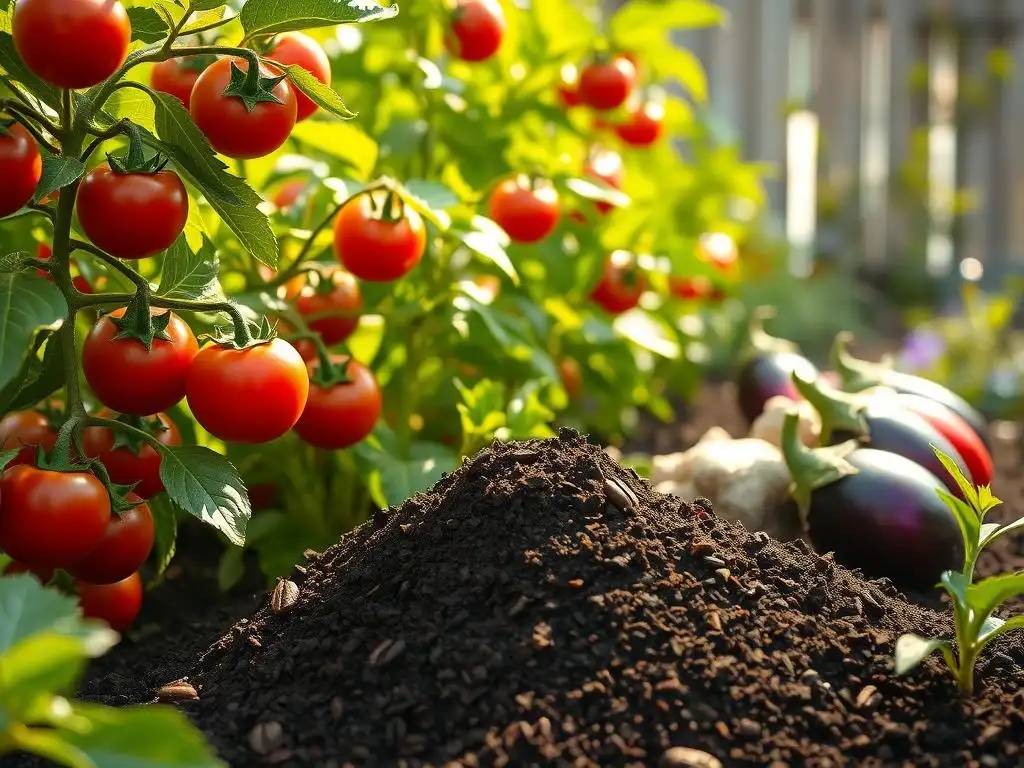
Ready to transform your garden and reduce your waste? At CultivateYourFood, we empower you to grow your own delicious and healthy produce using sustainable methods. Discover the surprising benefits of incorporating coffee grounds into your gardening routine – from enriching your soil to naturally deterring pests. Learn how this simple, readily available resource can unlock a world of vibrant growth in our comprehensive guide, "Using Coffee Grounds in Your Garden: Benefits and Howto," found within our Gardening Supplies & Resources section. Let's cultivate a greener, more abundant future, together!
- The Amazing Benefits of Coffee Grounds for Your Garden
-
How to Use Coffee Grounds in Your Garden: A Step-by-Step Guide
- Collecting and Preparing Coffee Grounds for Your Garden
- Incorporating Coffee Grounds into Your Existing Garden Soil
- Using Coffee Grounds as Mulch
- Making Coffee Ground Compost Tea
- Using Coffee Grounds for Seed Starting
- Coffee Grounds for Specific Plants: Roses, Tomatoes, and More
- Addressing Potential Drawbacks
- Choosing the Right Coffee for Your Garden: Organic vs. Conventional
- Where to Buy Organic Coffee Grounds for Gardening
- Frequently Asked Questions
- Final Reflection: Brewing a Better Garden, One Ground at a Time
- Unlock Your Garden's Potential: Give Your Plants a Coffee Boost!
The Amazing Benefits of Coffee Grounds for Your Garden
Coffee grounds, often discarded as waste, are a treasure trove of nutrients for your garden! This article delves into the surprising benefits of using coffee grounds as an organic fertilizer and soil amendment, helping you cultivate a thriving and sustainable home garden. We'll explore how this readily available byproduct can improve soil health, structure, and even pH levels, ultimately leading to healthier, more productive plants. Learning to utilize coffee grounds effectively is a simple yet powerful step towards more sustainable and rewarding gardening practices.
From boosting soil health to enhancing drainage, this guide provides a comprehensive look at how to harness the power of spent coffee grounds to cultivate your fruits, vegetables, and herbs organically. This aligns perfectly with our commitment at CultivateYourFood to provide you with practical, sustainable, and effective gardening techniques. Let's explore the numerous ways coffee grounds can benefit your garden and transform your homegrown produce!
Boosting Soil Health with Spent Coffee Grounds
Spent coffee grounds are a fantastic source of organic matter, significantly improving soil health. They're rich in nitrogen, phosphorus, and potassium – essential macronutrients for plant growth. Additionally, they contain beneficial micronutrients like magnesium and copper. The organic matter in coffee grounds improves soil structure, increasing its water retention capacity.
This means your plants will receive a more consistent supply of moisture, reducing the frequency of watering and promoting healthy root development. Furthermore, the addition of coffee grounds helps to feed beneficial soil microbes, leading to a healthier and more active soil ecosystem. These microbes break down organic matter, releasing further nutrients into the soil, creating a positive feedback loop that benefits your plants.
Think of it as a natural, slow-release fertilizer that works with nature to enhance your garden's fertility. The improved soil health translates directly into healthier, more vigorous plants, resulting in a more abundant harvest. The amount of coffee grounds to use will depend on the size of your garden and the type of soil, but a general guideline is to incorporate a thin layer around your plants, avoiding over-application.
Improving Soil Structure and Drainage with Coffee Grounds
The addition of coffee grounds can dramatically improve soil structure, especially in heavy clay soils. Coffee grounds help to aerate the soil, creating spaces between soil particles. This improved aeration allows for better water drainage, preventing waterlogging which can damage plant roots.
Conversely, in sandy soils, coffee grounds help to improve water retention. The organic matter in the grounds acts like a sponge, holding onto moisture and making it available to plants over time. This enhanced drainage and water retention lead to a more balanced soil environment, ideal for healthy root growth and nutrient uptake.
The improved soil structure also makes it easier for roots to penetrate and access essential nutrients throughout the soil profile. This results in stronger, more resilient plants, better able to withstand environmental stresses such as drought and excessive rainfall. Regular application of coffee grounds can lead to a significant improvement in soil structure over time, making your garden more productive and sustainable.
Enhancing Soil pH for Acid-Loving Plants
Many gardeners are unaware that coffee grounds are slightly acidic, with a pH of around 6.5. This slightly acidic nature makes them particularly beneficial for acid-loving plants such as blueberries, azaleas, rhododendrons, and camellias. These plants thrive in slightly acidic soil conditions (pH 4.5-6.0), and coffee grounds can help to achieve and maintain this optimal pH range. Adding coffee grounds to the soil can help to lower the pH, making it more suitable for these plants.
However, it’s important to monitor the soil pH regularly to prevent it from becoming too acidic. Over-application of coffee grounds can lead to an excessively acidic environment, which can harm plants. Therefore, a balanced approach is crucial. Start with smaller amounts and observe the effects on your plants.
Soil testing kits are readily available to help you monitor the pH and ensure your plants are receiving the ideal conditions for healthy growth. Remember, a happy soil equals happy plants! ☕
Repelling Garden Pests with Coffee Grounds
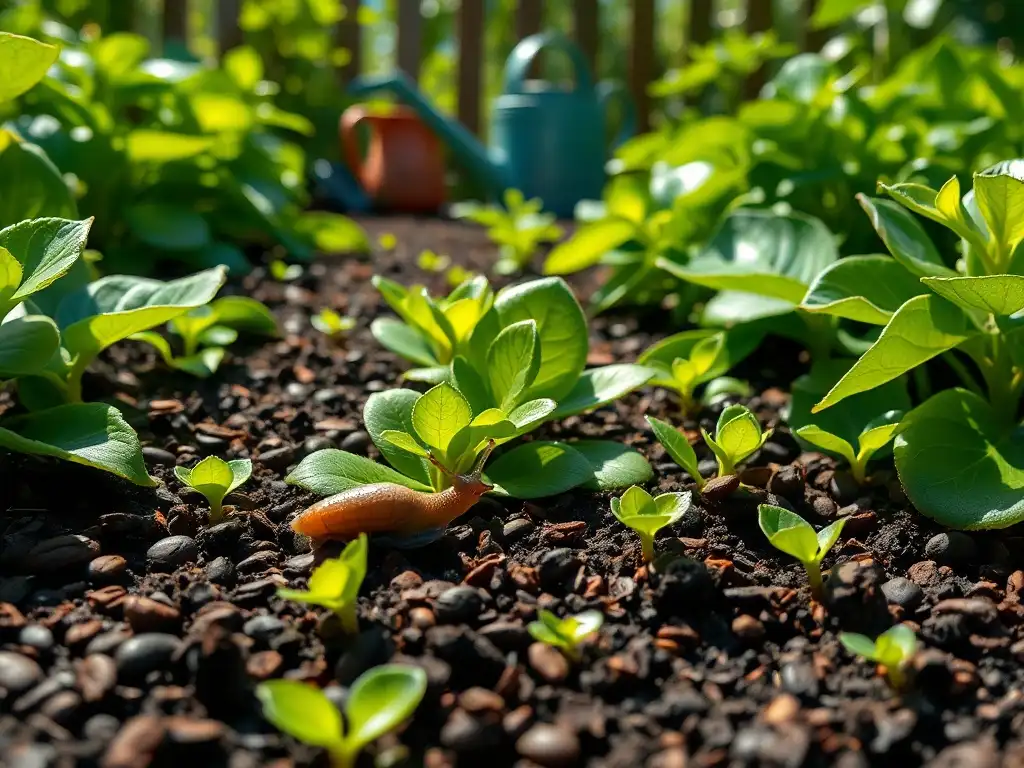
Coffee grounds possess a unique ability to deter certain garden pests. The caffeine in coffee grounds acts as a natural insecticide, disrupting the nervous systems of some insects and making your plants less appealing as a food source or breeding ground. This effect is particularly noticeable against slugs, snails, and some types of fungus gnats. While it won't eliminate all pests, it provides a valuable layer of natural pest control, reducing the need for harsh chemicals.
The slightly acidic nature of the grounds also helps to create an unfavorable environment for some pest species. For example, ants often avoid areas with coffee grounds due to their acidity and the disruption of their pheromone trails. However, it's important to remember that the effectiveness varies depending on the pest and the concentration of coffee grounds.
Over-application can also negatively impact the soil's microbial life, so moderation is key. A light dusting around vulnerable plants is generally sufficient. Remember to avoid using grounds from coffee that contains additives like sweeteners or flavorings, as these can have unintended consequences for your garden.
Attracting Beneficial Worms and Microbes
Beyond pest control, coffee grounds offer significant benefits in enriching your soil's ecosystem. They are a rich source of nitrogen, an essential nutrient for plant growth. Adding coffee grounds to your compost pile or directly to your garden beds improves soil structure and aeration.
This improvement facilitates better water drainage and oxygen circulation, creating an ideal environment for beneficial worms and microbes to thrive. These organisms are crucial for breaking down organic matter, releasing nutrients, and improving soil fertility. The organic matter in the grounds provides sustenance for these beneficial soil dwellers, contributing to a more vibrant and healthy garden.
Worms, in particular, are attracted to the slightly acidic environment and the abundant food source, leading to improved soil tilth and nutrient cycling. By incorporating coffee grounds, you're not just adding nutrients; you're actively cultivating a thriving underground ecosystem that supports the overall health and productivity of your garden. The improved soil structure also enhances water retention, reducing the need for frequent watering and promoting sustainable gardening practices.
How to Use Coffee Grounds in Your Garden: A Step-by-Step Guide
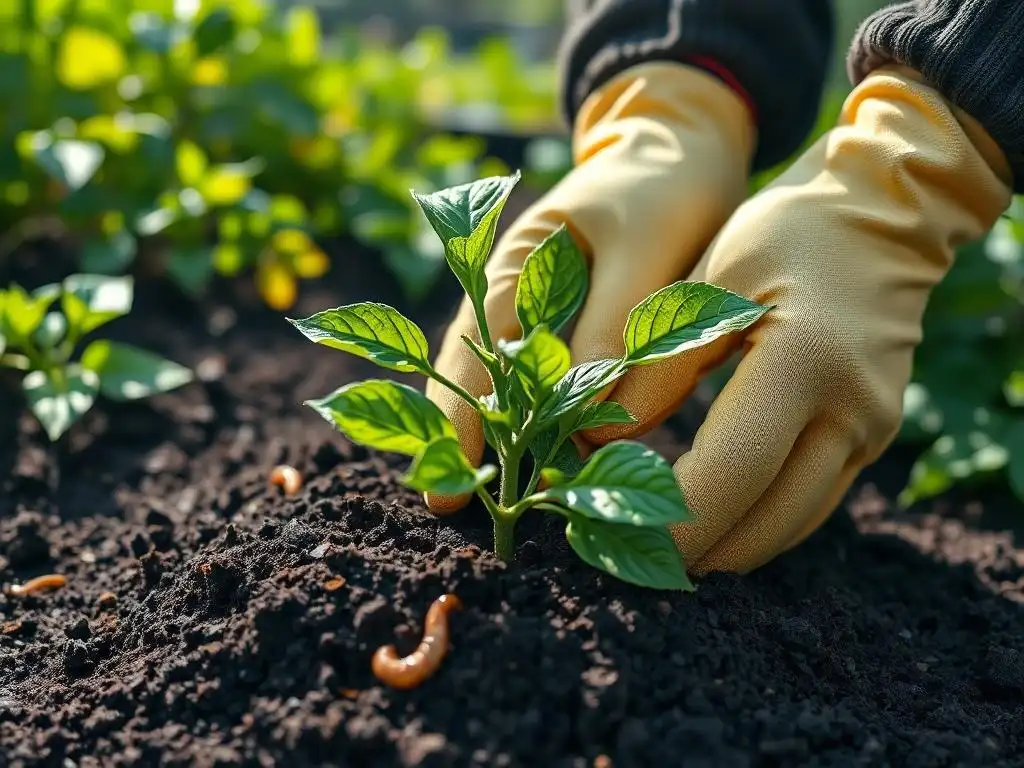
This section details the practical application of coffee grounds as a soil amendment, focusing on safe and effective techniques. Remember, while coffee grounds offer numerous coffee grounds garden benefits, proper handling is crucial for optimal results and to avoid potential pitfalls.
Collecting and Preparing Coffee Grounds for Your Garden
Before enriching your soil, proper collection and preparation of coffee grounds are essential. Avoid using grounds that have been treated with chemicals or additives. Ideally, source your grounds from a local cafe or collect your own, ensuring they are fresh and free from mold or other contaminants. Aim for a consistent supply to avoid overwhelming your garden with a large batch at once.
The preparation process is straightforward:
- Let them cool: Hot coffee grounds can damage delicate plant roots. Allow them to cool completely before adding them to your garden.
- Dry them (optional): While not strictly necessary, drying grounds (spread thinly on a tray for a day or two) can reduce the risk of mold and make them easier to handle and incorporate into the soil.
- Break up clumps: Use a garden fork or your hands to break up any large clumps to ensure even distribution and better soil incorporation.
Avoiding Mold and Other Issues
While coffee grounds are generally beneficial, improper handling can lead to problems. Mold growth is a primary concern, especially in damp or poorly aerated conditions. To mitigate this risk:
- Avoid over-application: Too many coffee grounds can create an overly acidic environment and hinder plant growth. Start with small amounts and gradually increase as needed.
- Mix with other materials: Combining coffee grounds with other organic matter like compost or shredded leaves improves aeration and reduces the risk of mold. This also helps balance the pH level.
- Proper aeration: Ensure your soil has good drainage and aeration to prevent waterlogging, a breeding ground for mold. Regular tilling or the use of raised beds can help.
- Monitor for mold: Regularly check your garden beds for signs of mold. If mold appears, remove the affected area and allow the soil to dry out before reintroducing coffee grounds. The appearance of white fuzzy mold indicates a problem that needs addressing.
Incorporating Coffee Grounds into Your Existing Garden Soil
Integrating coffee grounds into established garden beds requires a thoughtful approach to maximize coffee grounds garden benefits and avoid negative impacts. The method you choose depends on your garden's specific needs and the nature of your soil.
- Top-dressing: A simple method involves lightly spreading a thin layer of coffee grounds over the surface of the soil. This is ideal for improving soil structure and adding nutrients gradually. This method is particularly suitable for established plants, where disturbing the roots is undesirable.
- Mixing into the soil: For new plantings or when amending heavier soils, thoroughly mix the coffee grounds into the top few inches of soil. This ensures better nutrient distribution and improves soil structure. This is more labor-intensive but provides more immediate benefits.
- Composting: Adding coffee grounds to your compost pile is another excellent option. They break down relatively quickly and contribute to a nutrient-rich compost which can then be added to your garden. This indirect method is a great way to avoid potential issues with direct application.
Remember to observe your plants closely after applying coffee grounds. Monitor for any signs of stress, such as wilting or discoloration, and adjust your application accordingly. Consistent observation and careful management are key to unlocking the full potential of coffee grounds as a valuable addition to your sustainable gardening practices.
Using Coffee Grounds as Mulch
Coffee grounds, when used correctly, can be an excellent addition to your garden as mulch. Their dark color helps suppress weeds by reducing sunlight penetration to the soil surface. This is particularly effective for smaller weeds that struggle to compete with the established plants for resources. The organic matter in the coffee grounds also helps retain moisture in the soil, reducing the frequency of watering, especially beneficial during dry spells.
This moisture retention is crucial for healthy plant growth, leading to increased yields and healthier plants. Remember, however, that coffee grounds alone don't provide all the necessary nutrients; they are best used in conjunction with other organic matter and fertilizers. Applying a layer of coffee grounds around the base of your plants, avoiding direct contact with the stems to prevent rot, creates a protective barrier against weed growth and helps maintain consistent soil moisture levels.
The slow decomposition of the grounds also contributes valuable nutrients to the soil over time. The effectiveness of coffee grounds as mulch is enhanced when combined with other organic materials like shredded leaves or straw, creating a more robust and nutrient-rich mulch layer. This layered approach ensures optimal soil health and plant growth.
Coffee Ground Mulch vs. Other Organic Mulches
Choosing the right mulch is crucial for successful gardening. Coffee grounds offer several advantages compared to other options. Unlike wood chips, which can sometimes be slow to decompose, coffee grounds break down relatively quickly, releasing nutrients into the soil more rapidly. This faster decomposition rate makes them particularly suitable for plants with high nutrient needs.
Compared to straw mulch, coffee grounds offer better weed suppression due to their darker color and denser texture. However, straw mulch provides superior insulation and moisture retention in colder climates. Compared to peat moss, which is a non-renewable resource, coffee grounds are readily available and sustainable. Peat moss also has a slightly acidic pH, which may not be suitable for all plants, whereas coffee grounds offer a more neutral pH.
Ultimately, the best choice depends on your specific needs and garden conditions. Consider factors like climate, soil type, and the nutrient requirements of your plants to determine the most effective mulch for your garden. A blend of mulches can often provide the best results, harnessing the unique benefits of each material.
Making Coffee Ground Compost Tea
Coffee ground compost tea is a liquid fertilizer rich in beneficial microbes and nutrients derived from composted coffee grounds. This nutrient-rich brew provides a boost to your plants, promoting healthy growth and increased yields. The process involves steeping composted coffee grounds in water, allowing beneficial microorganisms to proliferate. These microorganisms play a crucial role in breaking down organic matter in the soil, making nutrients more readily available to your plants.
A properly brewed coffee ground compost tea is a powerful tool for improving soil health and promoting vibrant plant growth. The tea is best applied directly to the soil around your plants, ensuring even distribution. Avoid spraying directly onto the leaves to prevent fungal diseases. The frequency of application depends on the needs of your plants and the overall health of your soil.
Best Practices for Brewing Coffee Ground Compost Tea
Brewing effective coffee ground compost tea requires attention to detail. First, ensure your coffee grounds are fully composted. Uncomposted grounds can introduce unwanted pathogens into your brew. Composting reduces the risk of introducing pests or diseases into your garden. Use a ratio of approximately 1 cup of composted coffee grounds to 1 gallon of water.
Aerate the mixture regularly during brewing, either by stirring or using an aquarium pump. This aeration is essential for promoting the growth of beneficial aerobic microorganisms. Aeration prevents the growth of anaerobic bacteria which can be harmful to your plants. The brewing process typically takes 24-72 hours, depending on the temperature and aeration levels. A cloudy, slightly sweet-smelling tea indicates a successful brew.
A foul odor, however, indicates potential problems, possibly due to insufficient aeration or uncomposted grounds. After brewing, strain the tea to remove the coffee grounds before applying it to your garden. Always test a small area before applying the tea to your entire garden to ensure it doesn't negatively affect your plants. Consistent monitoring of your plants' response to the tea is essential for optimizing application methods and achieving optimal results.
Using Coffee Grounds for Seed Starting
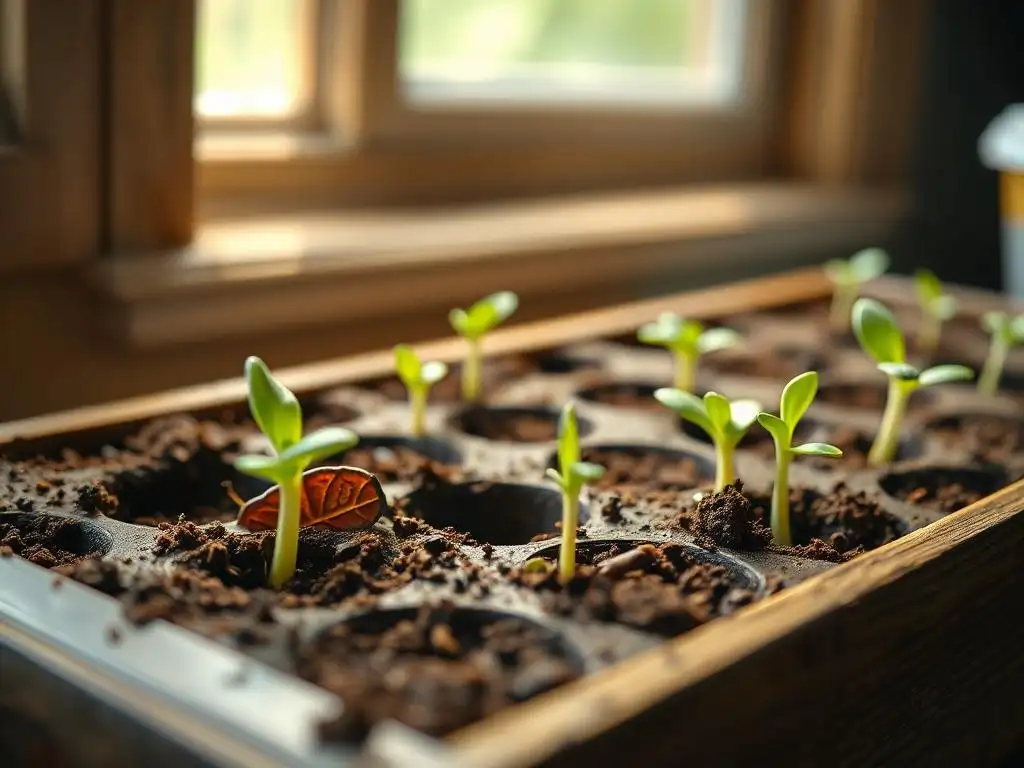
Coffee grounds can be a valuable addition to your seed-starting mix. Their slightly acidic nature benefits many plants, while their organic matter improves soil structure, drainage, and water retention. However, it's crucial to use them sparingly when starting seeds. Too much coffee grounds can create a dense, compacted mix that hinders root development and can lead to damping-off disease, a fungal infection that often kills seedlings.
A good approach is to mix a small amount of coffee grounds – approximately 10-20% of the total volume – into a well-draining seed-starting mix. This will provide a boost of nutrients without creating overly dense conditions. Remember to thoroughly mix the grounds into the potting mix to ensure even distribution. Always start with a small amount and observe your seedlings' growth; you can always add more in later stages if needed.
Alternatively, you can use coffee grounds as a top dressing after seedlings emerge, providing a slow-release nutrient boost. This method minimizes the risk of compaction and damping-off. Pay close attention to watering, as coffee grounds can retain moisture. Overwatering can lead to root rot, so ensure your seed starting mix drains efficiently.
Coffee Grounds for Specific Plants: Roses, Tomatoes, and More
Different plants react differently to coffee grounds. While many benefit from the added nutrients and improved soil structure, some might be more sensitive to their acidity. Roses, for example, thrive in slightly acidic soil, making coffee grounds an excellent amendment. The addition of coffee grounds can improve the soil's structure, leading to better drainage and aeration, crucial for healthy root development. Moreover, the nitrogen content in coffee grounds can stimulate vigorous growth and abundant blooms. However, it's important to avoid over-application, as excessively acidic conditions can harm rose bushes.
Tomatoes, on the other hand, also appreciate the added nutrients from coffee grounds, but their reaction can be more nuanced. While coffee grounds provide nitrogen and other essential nutrients, their acidity may not be ideal for all tomato varieties. Some tomato cultivars prefer a slightly more alkaline soil pH. Therefore, it’s important to monitor the soil pH when using coffee grounds around tomatoes and adjust accordingly with other amendments if needed.
The optimal approach is to incorporate coffee grounds into the soil before planting, mixing them well with other compost or organic matter to balance the acidity. Observe your plants closely; if you notice signs of stress (e.g., yellowing leaves), you might need to adjust your approach. Many other plants, such as azaleas, blueberries, and rhododendrons, which prefer acidic soil, benefit greatly from the addition of coffee grounds. Always start with small amounts and monitor your plants' response.
Case Study: Using Coffee Grounds to Improve Tomato Yield
A local organic farmer, [Farmer's Name pending], reported a noticeable increase in tomato yield after incorporating coffee grounds into their soil preparation. For three consecutive years, they used a control group of tomato plants grown in standard soil and an experimental group grown in soil amended with coffee grounds (approximately 1 cup per plant, mixed with compost). The results showed a consistent 15-20% increase in the average weight of tomatoes harvested from plants grown in coffee ground-amended soil.
This was attributed to the improved soil structure, better water retention, and the slow-release nitrogen provided by the coffee grounds. However, the farmer also emphasized the importance of proper soil testing and adjusting the soil pH as needed, highlighting that the success was also due to careful monitoring and adjustments to their gardening practices.
This case study demonstrates the potential benefits of using coffee grounds for improving tomato yields, but also highlights the need for a holistic approach to soil management. The success wasn't solely due to the coffee grounds; it was a combination of factors, including careful soil preparation and monitoring.
Addressing Potential Drawbacks
While coffee grounds offer numerous benefits for your garden, it's crucial to be aware of potential drawbacks and how to mitigate them. One significant concern is the acidity of coffee grounds. Fresh coffee grounds have a pH level ranging from 4.5 to 5.0, making them quite acidic. While this acidity can benefit acid-loving plants like blueberries and azaleas, it can be detrimental to plants that prefer neutral or alkaline soil.
To counteract this, consider mixing the coffee grounds with other organic matter like compost or aged manure, which helps to buffer the acidity and provide a more balanced soil environment. Alternatively, you can test your soil's pH regularly and adjust accordingly, perhaps adding lime to raise the pH if necessary. Regular soil testing is key to successful gardening, regardless of amendments used. Remember that over-application of coffee grounds can lead to soil compaction and nutrient imbalances.
Another potential issue is the nitrogen imbalance. Although coffee grounds provide nitrogen, it's released slowly and may not be sufficient for all plants, especially those with high nitrogen demands. To supplement this, consider combining coffee grounds with other nitrogen-rich fertilizers, such as well-rotted compost or blood meal.
Avoid using fresh coffee grounds exclusively as your primary nitrogen source. The slow release of nitrogen means plants won't get an immediate boost, which can be crucial during certain growth stages. Observe your plants carefully; if they show signs of nitrogen deficiency (yellowing leaves, stunted growth), supplement with a readily available nitrogen source.
Finally, pests and diseases can sometimes be associated with improperly used coffee grounds. If the coffee grounds are not properly composted or aged, they can attract pests or provide a breeding ground for fungal diseases. Always ensure your coffee grounds are properly composted or at least partially decomposed before adding them directly to your garden beds. This decomposition process eliminates potential disease vectors and improves the overall quality of the amendment. Composting coffee grounds with other organic materials accelerates the decomposition process and creates a rich, nutrient-dense soil amendment. ☕
Choosing the Right Coffee for Your Garden: Organic vs. Conventional
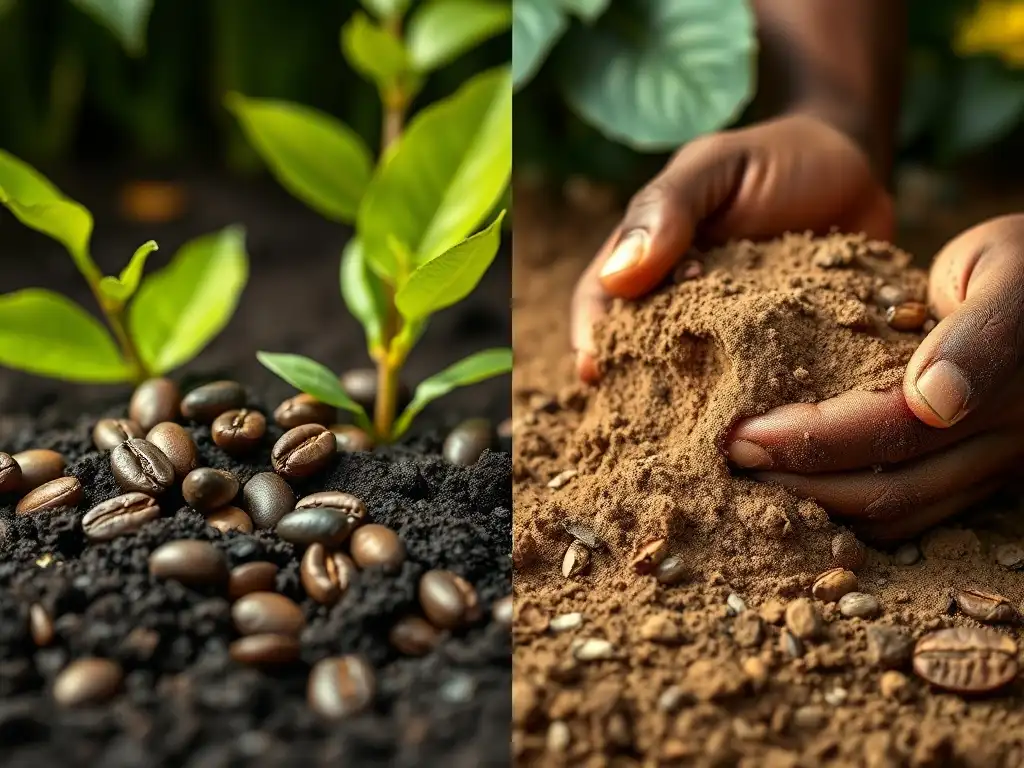
The benefits of using coffee grounds in your garden hinge significantly on the type of coffee used. Choosing organic coffee grounds offers several advantages over conventional options, impacting both your plants and the environment. This section will explore these crucial differences and help you make an informed decision.
The Importance of Organic Coffee Grounds
Organic coffee grounds are cultivated without the use of synthetic pesticides, herbicides, or fertilizers. This is a crucial distinction because conventional coffee production often employs harsh chemicals that can leach into the soil and negatively affect beneficial microorganisms. These chemicals can also harm earthworms, vital for soil aeration and nutrient cycling.
Using organic coffee grounds ensures you're adding a nutrient-rich amendment without introducing potentially harmful substances into your garden ecosystem. This minimizes the risk of contaminating your fruits, vegetables, and herbs, aligning perfectly with the sustainable and organic practices promoted by CultivateYourFood. Think of it as a natural way to improve soil health and boost plant growth without compromising the quality of your homegrown produce.
The difference in nutrient content might not be drastic, but the absence of harmful residues is a significant benefit for organic gardening. Consider the long-term impact on your soil's microbiome – organic coffee grounds support its thriving biodiversity, creating a healthier and more resilient garden environment.
Finding Locally Sourced Coffee Grounds
Sourcing your coffee grounds locally offers multiple advantages. Firstly, it reduces your carbon footprint by minimizing transportation distances. This aligns with the sustainable practices emphasized on CultivateYourFood. Secondly, it often allows for a more direct connection with the source, potentially enabling you to inquire about their growing and processing methods, ensuring the coffee grounds are indeed organic and free from harmful chemicals.
Local coffee shops or roasters are excellent places to start your search. Many are happy to donate their used grounds, reducing their waste and benefiting your garden simultaneously. Building relationships with local businesses can create a mutually beneficial system – you get a valuable resource for your garden, and they reduce their waste disposal costs.
This collaborative approach fosters a stronger sense of community and reinforces sustainable practices within your local area. Don't underestimate the power of local networks in supporting your organic gardening goals. Even better, inquire if they use organic beans; this ensures your coffee grounds are truly free from harmful chemicals.
Composting Coffee Filters
While coffee grounds themselves are a valuable addition to your garden, don't forget about the coffee filters! Many coffee filters are made from biodegradable materials like paper, which can be composted alongside the grounds. This adds additional organic matter to your compost pile, enriching it further.
However, be mindful that some filters may contain plastic or other non-biodegradable components. Always check the packaging to ensure your filters are compostable before adding them to your pile. Adding coffee filters alongside the grounds accelerates the composting process, creating a richer and more nutrient-dense compost for your garden.
This practice reflects the core values of CultivateYourFood, emphasizing the importance of minimizing waste and maximizing resource utilization in your gardening endeavors. Remember, proper composting is key to harnessing the full potential of coffee grounds and filters for your garden's success. A well-managed compost pile will break down these materials efficiently, providing a nutrient-rich amendment that enhances soil structure and fertility.
Where to Buy Organic Coffee Grounds for Gardening
Securing a consistent supply of high-quality, organic coffee grounds is crucial for maximizing their benefits in your garden. Fortunately, several avenues exist to acquire this valuable gardening resource. Let's explore the best options to source organic coffee grounds for your home gardening projects. Remember, always confirm the grounds are truly organic and free from pesticides or other harmful chemicals before use. This is vital for maintaining the integrity of your sustainable gardening practices.
Local Coffee Shops and Roasters
Your neighborhood coffee shops and roasters are often happy to donate their used coffee grounds. Many establishments are environmentally conscious and actively seek ways to reduce waste. Simply contacting them directly—either in person or via phone—to inquire about their used grounds disposal practices is a great first step. You might be surprised by their willingness to help! This method offers several advantages: it's convenient, supports local businesses, and reduces their waste footprint.
However, availability can fluctuate depending on the shop's size and customer volume. You might need to establish a regular pickup schedule to ensure a consistent supply. Furthermore, be sure to check if they use organic beans; not all do. Ask directly about their sourcing practices to ensure you're getting truly organic coffee grounds for your garden.
Online Retailers Specializing in Organic Coffee Grounds for Gardening
For a more reliable and consistent supply, consider online retailers specializing in organic gardening supplies. These businesses often offer bulk bags of coffee grounds specifically for gardening purposes. This ensures a consistent source of high-quality, organic material. The convenience of online ordering and delivery is a significant benefit, especially if local options are limited or inconsistent. However, this method usually involves higher upfront costs due to shipping and packaging.
It also relies on the integrity of the online retailer's labeling and claims. Always check reviews and ensure the company has a strong reputation for providing authentic organic products. Look for certifications such as USDA Organic to verify the grounds meet your sustainability standards. Consider the environmental impact of shipping when comparing options.
Bulk Buying Options
Purchasing coffee grounds in bulk can provide significant cost savings and reduce packaging waste in the long run. This option is particularly advantageous if you have a large garden or plan to use coffee grounds extensively. Bulk suppliers often offer discounted pricing compared to smaller quantities purchased from local shops or online retailers. However, bulk buying requires sufficient storage space and careful management to prevent spoilage. Proper storage in a cool, dry place is essential to maintain the quality and prevent mold growth.
The increased volume also requires more effort in terms of transportation and handling. Before committing to bulk purchasing, carefully assess your storage capacity and your actual needs to avoid unnecessary waste. Consider co-opting with fellow gardeners to share the bulk purchase and reduce individual storage and transportation burdens. This approach fosters community and further enhances sustainable practices.
Remember, using organic coffee grounds effectively requires understanding their properties and how to properly incorporate them into your soil. Proper application is key to reaping the full benefits for your plants. While coffee grounds offer numerous advantages, they should be used in conjunction with a balanced approach to soil amendment and fertilization.
Frequently Asked Questions
What are the benefits of using coffee grounds in my garden?
Coffee grounds offer several benefits! They improve soil structure by adding organic matter, enhancing drainage and aeration. They also provide a slow-release source of nitrogen, beneficial for plant growth.
Do coffee grounds make my soil acidic?
Yes, coffee grounds are slightly acidic, which can benefit plants that prefer acidic soil like blueberries and azaleas. However, the acidity is usually not strong enough to harm most plants, and the benefits often outweigh the drawbacks.
How much coffee grounds should I use per plant?
A thin layer, about 1/4 inch, spread around the base of the plant is generally sufficient. Avoid piling them directly against the stems to prevent rot. Adjust the amount based on the size of your plant and the type of soil.
Can I use coffee grounds with all types of plants?
While beneficial for many, some plants are sensitive to the acidity. Avoid overusing them on plants that prefer alkaline soil. It's always best to research the specific needs of your plants before applying coffee grounds generously.
How do I properly compost coffee grounds?
Coffee grounds are excellent additions to a compost pile. They provide nitrogen and help maintain moisture. Mix them with other "brown" materials like dried leaves for a balanced compost. Avoid using grounds that contain dairy products or oils.
Final Reflection: Brewing a Better Garden, One Ground at a Time
The sustainable practice of using coffee grounds in your garden isn't just a quirky trend; it's a powerful way to enrich our soil and reduce waste, contributing directly to a healthier planet. This simple act, readily accessible to coffee lovers everywhere, offers significant benefits ranging from improved soil structure and nutrient content to enhanced plant growth and pest deterrence. The impact is tangible, both for individual gardeners and the environment as a whole.
The journey from discarded coffee grounds to thriving garden plants is a testament to the interconnectedness of our actions and their consequences. It's a small change that can yield significant results, reminding us that even seemingly insignificant waste products can be repurposed for good. This resonates deeply with the growing global movement towards sustainable living and mindful consumption. The earth laughs in flowers.
– Ralph Waldo Emerson. This quote beautifully encapsulates the joy and reward of nurturing life, even through such a simple act as utilizing coffee grounds.
Now, consider your own garden, your own coffee routine. What small changes can you implement to make a positive impact? I invite you to embrace the potential of your coffee grounds, transforming them from waste into a valuable resource for a more vibrant and sustainable garden. Start small, experiment, and observe the remarkable transformation that awaits. Let's cultivate a future where even our daily rituals contribute to a healthier, more beautiful world.
Unlock Your Garden's Potential: Give Your Plants a Coffee Boost!
Discover how repurposing your coffee grounds can dramatically improve the health and vibrancy of your plants. Ready to put this simple, yet effective technique into action?
- Start composting your coffee grounds immediately! Combining them with other organic materials like fruit and vegetable scraps, yard waste, and even shredded paper creates a nutrient-rich soil amendment that will help your plants thrive.
- Share your coffee-ground gardening journey with our community! Join the CultivateYourFood forum and connect with fellow gardeners to exchange tips and inspire each other.
- Experiment with different ways to incorporate coffee grounds into your gardening routine. Observe how your plants respond to various application methods, and share your findings—it's all about learning and growing together.
What amazing results will you achieve by adding coffee grounds to your garden?