
Cooking with Frozen Garden Vegetables: Tips and Recipes

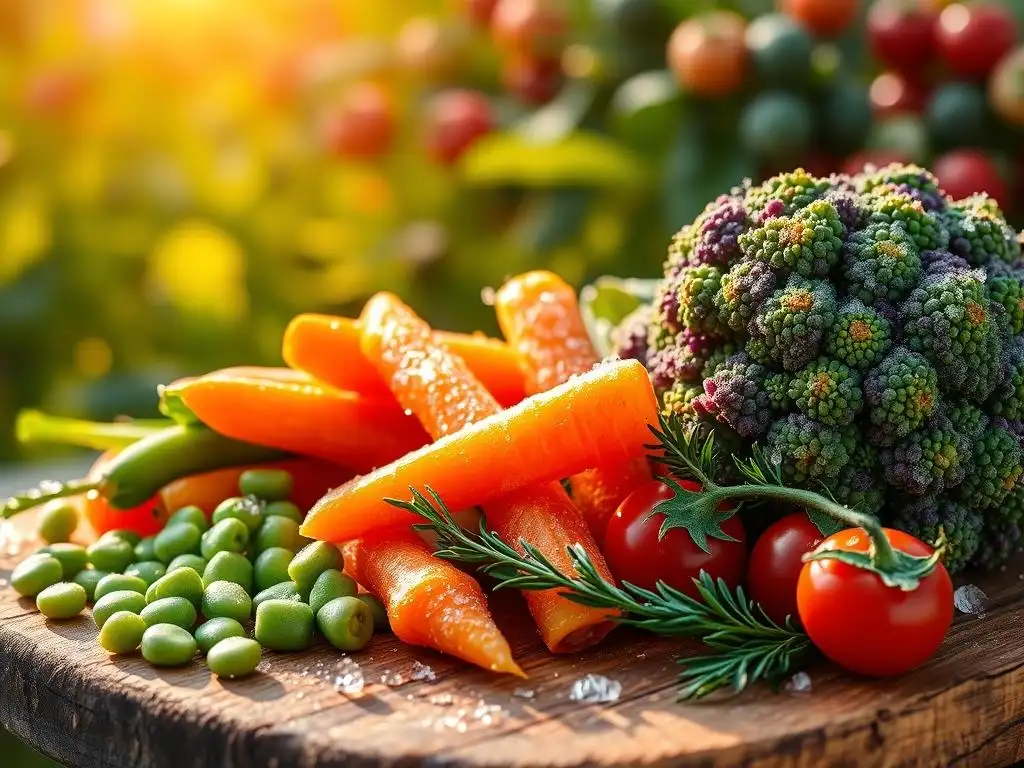
Ready to unlock the secrets to a bountiful harvest, even after the growing season ends? At CultivateYourFood, we believe everyone can enjoy fresh, homegrown goodness year-round. Learn the best practices for freezing your garden vegetables and preserving their vibrant flavors with our comprehensive guide on "Freeze garden vegetables best practices." Discover how to transform your summer bounty into delicious meals all winter long— your taste buds (and your garden) will thank you!
- Freeze Garden Vegetables Best Practices: Preparation for Optimal Flavor
- Delicious Recipes Using Frozen Garden Vegetables
- Tips for Cooking with Frozen Garden Vegetables
- Maximizing Nutritional Value in Frozen Garden Vegetables
- Beyond the Basics: Advanced Freezing Techniques for Garden Vegetables
- Troubleshooting Common Issues with Frozen Vegetables
- Frequently Asked Questions
- Final Reflection: The Enduring Bounty of the Frozen Garden
- Unlock Your Freezer's Freshness: Start Cooking Today!
Freeze Garden Vegetables Best Practices: Preparation for Optimal Flavor
Freezing your homegrown fruits and vegetables is a fantastic way to extend your harvest and enjoy the bounty of your garden year-round. This comprehensive guide focuses on the best practices for freezing garden vegetables, ensuring you retain maximum flavor, color, and nutritional value. We'll cover everything from selecting the perfect produce to proper packaging techniques, empowering you to savor the taste of summer even in the depths of winter.
Mastering these techniques will transform your freezer into a vibrant extension of your garden, allowing you to enjoy fresh, homegrown goodness whenever you desire. This guide will help you achieve optimal results, maximizing the quality and longevity of your frozen garden harvest, ensuring you get the most out of your hard work. Let's dive into the details to ensure you successfully preserve your delicious, homegrown vegetables.
Selecting the Right Vegetables for Freezing
Choosing the right vegetables is the cornerstone of successful freezing. Not all vegetables freeze equally well. Some maintain their texture and flavor better than others. Prioritize vegetables at their peak ripeness but before they are overripe. Overripe vegetables will have a mushy texture after freezing. Here's a breakdown of excellent choices and some considerations:
- Excellent Choices: Peas, green beans, corn (kernels only), broccoli florets, carrots (sliced or diced), bell peppers (chopped), zucchini (diced), spinach (packed tightly), and herbs (chopped).
- Good Choices (with modifications): Asparagus (blanching is crucial), cauliflower (blanching is crucial), and summer squash (may become slightly softer after freezing).
- Vegetables to Avoid: Leafy greens (except spinach) generally don't freeze well due to wilting, and potatoes tend to become watery.
Remember to thoroughly wash and inspect your vegetables before freezing, removing any damaged or spoiled portions. The quality of your starting materials directly impacts the final product. Harvesting in the morning, after the dew has dried, is also recommended for optimal vegetable quality.
Blanching Techniques for Preserving Color and Nutrients
Blanching is a crucial step in preserving the color, texture, and nutritional value of your frozen vegetables. This process involves briefly boiling or steaming the vegetables to deactivate enzymes that cause discoloration and loss of nutrients during freezing. Improper blanching can lead to mushy vegetables or off-flavors.
Here's a step-by-step guide to effective blanching:
- Prepare an ice bath: Fill a large bowl with ice water.
- Boil water: Bring a large pot of water to a rolling boil.
- Blanch: Add the vegetables to the boiling water and cook for the recommended time (see table below). Don't overcrowd the pot; work in batches if necessary.
- Ice bath shock: Immediately transfer the blanched vegetables to the ice bath to stop the cooking process.
- Drain thoroughly: Once cooled, drain the vegetables completely. Excess moisture will contribute to freezer burn.
| Vegetable | Blanching Time (seconds) |
|---|---|
| Green Beans | 1-2 minutes |
| Peas | 1-2 minutes |
| Broccoli Florets | 2-3 minutes |
| Corn Kernels | 2-3 minutes |
| Carrots (sliced) | 2-3 minutes |
| Zucchini (diced) | 1-2 minutes |
Proper blanching is key to maintaining the vibrant color and fresh taste of your frozen vegetables. Under-blanching can lead to enzymatic degradation, while over-blanching can result in a loss of texture and nutrients. Use a timer to ensure consistent results.
Proper Packaging for Long-Term Storage of Frozen Vegetables
Packaging is the final, yet equally crucial step in preserving your frozen vegetables. The goal is to minimize exposure to air, which can cause freezer burn and reduce the quality of your produce. Here are some best practices:
- Use airtight containers: Opt for freezer-safe containers, such as plastic freezer bags or rigid containers. Ensure they are properly sealed to prevent air from entering.
- Portioning: Freeze vegetables in smaller, usable portions to avoid thawing and refreezing large quantities. This is particularly important for preventing waste.
- Label and date: Clearly label each container with the type of vegetable and the date of freezing. This will help you track the age of your frozen vegetables and ensure you use the oldest ones first.
- Flat packaging: Arrange vegetables in a single layer whenever possible to facilitate quick and even freezing. This minimizes ice crystal formation.
By following these packaging guidelines, you'll ensure your frozen vegetables maintain their quality and flavor for many months. Remember, proper packaging is as important as proper blanching in preserving your delicious homegrown harvest.
Freezing Vegetables: Step-by-Step Guide for Beginners
Freezing your homegrown vegetables is a fantastic way to preserve their goodness and enjoy the fruits (or vegetables!) of your labor throughout the year. This process, while seemingly simple, requires careful attention to detail to maintain optimal flavor and texture. Let's walk through a step-by-step guide perfect for beginners.
First, harvest your vegetables at their peak ripeness. This is crucial for achieving the best flavor in your frozen bounty. Overripe vegetables will result in a less-than-desirable taste and texture after freezing. For example, pick your beans when they are plump and vibrant green, avoiding any that are starting to yellow or become dry. Similarly, harvest your peppers when they are firm and brightly colored. The timing of harvest significantly impacts the final product.
Next, thoroughly wash and clean your vegetables. Remove any dirt, debris, or insects. A gentle rinse under cool running water is usually sufficient. For leafy greens, consider soaking them in a bowl of cold water for a few minutes to remove any lingering dirt particles before rinsing. Remember, cleanliness is paramount in preserving your harvest. Contamination can lead to spoilage even after freezing.
Then comes the blanching process. Blanching is a crucial step that helps to inactivate enzymes that can cause loss of color, flavor, and texture during freezing. This involves briefly submerging the vegetables in boiling water, then immediately plunging them into an ice bath to stop the cooking process. The blanching time varies depending on the vegetable; for example, green beans typically need 1-2 minutes, while broccoli might require 3-5 minutes. Always refer to a reliable resource for specific blanching times for your chosen vegetables. Improper blanching can affect the final texture and taste.
After blanching, pat the vegetables completely dry using clean kitchen towels or paper towels. Excess moisture can lead to ice crystal formation during freezing, which can affect texture. This seemingly small step is significant in achieving the best possible result. Make sure the vegetables are as dry as possible before proceeding.
Finally, package your vegetables for freezing. Use airtight freezer bags or containers, removing as much air as possible. Label and date each package clearly, indicating the type of vegetable and the date of freezing. Proper packaging is essential for preserving freshness and preventing freezer burn, which can negatively impact the quality of your vegetables.
Consider using smaller portions to make it easier to thaw and use the frozen vegetables later. This is especially helpful for single-serving portions or for recipes that only require a small amount of a particular vegetable. Freezing your garden vegetables using these best practices will ensure you enjoy their full flavor and nutritional value throughout the year. The process, while requiring attention to detail, is well worth the effort.
Delicious Recipes Using Frozen Garden Vegetables
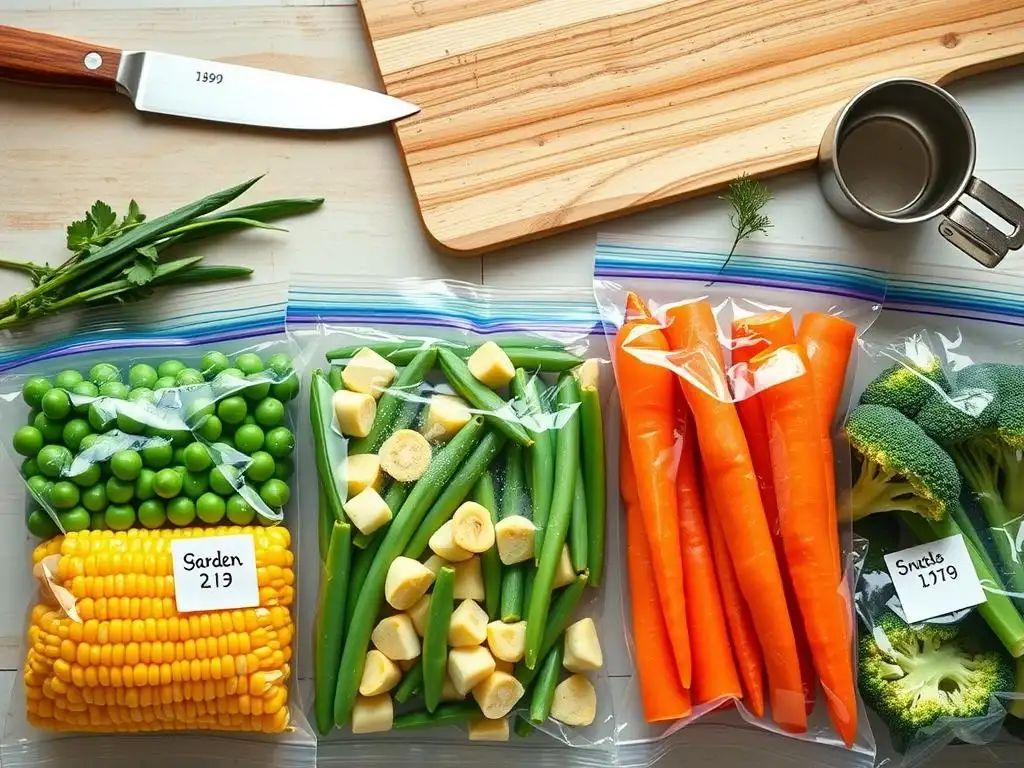
This section explores the culinary versatility of your homegrown, frozen vegetables. Following best practices for freezing garden vegetables ensures you retain maximum flavor and nutrients, making them perfect for a wide array of dishes. We'll delve into some simple yet delicious recipes that highlight the convenience and quality of your frozen harvest. Remember, using properly frozen vegetables allows you to enjoy the taste of summer all year round! Let's get cooking!
Simple and Flavorful Frozen Vegetable Stir-Fry
A quick and easy stir-fry is the perfect way to showcase the vibrant flavors of your frozen garden vegetables. This recipe is adaptable to whatever you have on hand—the beauty of using frozen vegetables lies in their readily available convenience.
This recipe emphasizes speed and simplicity, perfect for a weeknight meal. The key is to use high heat to quickly cook the vegetables while retaining their crispness. We'll use a combination of frozen peas, carrots, and green beans, but feel free to substitute with your own frozen vegetable blend!
Ingredients:
- 1 tablespoon olive oil
- 1 cup frozen mixed vegetables (peas, carrots, green beans)
- 2 cloves garlic, minced
- 1/2 inch ginger, grated
- 2 tablespoons soy sauce (or tamari for gluten-free)
- 1 tablespoon honey or maple syrup
- 1/4 teaspoon red pepper flakes (optional)
- Cooked rice or noodles, for serving
- Sesame seeds, for garnish (optional)
Instructions:
- Heat the olive oil in a wok or large skillet over medium-high heat.
- Add the frozen vegetables and stir-fry for 3-5 minutes, until heated through and slightly tender. Do not overcook!
- Add the minced garlic and grated ginger and stir-fry for another minute, until fragrant.
- Stir in the soy sauce, honey/maple syrup, and red pepper flakes (if using). Cook for another minute, allowing the sauce to thicken slightly.
- Serve immediately over cooked rice or noodles. Garnish with sesame seeds, if desired.
This simple stir-fry is a testament to the ease and deliciousness of cooking with frozen garden vegetables. The quick cooking time preserves the nutrients and bright flavors, resulting in a healthy and satisfying meal. Remember to adjust seasonings to your preference. Experiment with different sauces and spices to create your own unique variations! 🥕😋
Hearty Frozen Vegetable Soup Recipe
This recipe demonstrates how easily frozen vegetables can be incorporated into a hearty and nourishing soup. Using a base of vegetable broth and a blend of your frozen vegetables, you can create a comforting and flavorful soup perfect for a chilly evening. This recipe is easily customizable—add beans, lentils, or grains for extra protein and fiber.
This soup is a great way to use up a variety of frozen vegetables, minimizing food waste and maximizing flavor. The longer the soup simmers, the more the flavors meld together, creating a richer and more complex taste.
Ingredients:
- 4 cups vegetable broth
- 1 cup frozen mixed vegetables (broccoli, cauliflower, corn, peas)
- 1 onion, chopped
- 2 carrots, chopped
- 2 celery stalks, chopped
- 1 teaspoon dried thyme
- 1/2 teaspoon dried rosemary
- Salt and pepper to taste
- Optional additions: 1 can diced tomatoes, 1 cup cooked lentils or beans
Instructions:
- In a large pot or Dutch oven, sauté the onion, carrots, and celery in a little olive oil until softened.
- Add the vegetable broth, frozen vegetables, thyme, and rosemary. Bring to a boil, then reduce heat and simmer for 20-30 minutes, or until the vegetables are tender.
- Season with salt and pepper to taste. If using, add diced tomatoes, lentils, or beans during the last 10 minutes of simmering.
- Serve hot with crusty bread, if desired.
This hearty soup is packed with nutrients and flavor, a perfect example of how to transform simple frozen vegetables into a delicious and satisfying meal. The combination of herbs and vegetables creates a complex and comforting flavor profile, ideal for a cozy night in. Don't be afraid to experiment with different vegetable combinations and herbs to create your own unique variations! 🍲
Creamy Frozen Vegetable Pasta Sauce
This recipe showcases the versatility of frozen vegetables in creating a rich and creamy pasta sauce. By using a combination of frozen vegetables and a simple cream sauce, you can create a delicious and satisfying meal in minutes. The frozen vegetables add both flavor and texture to the sauce, resulting in a dish that's both healthy and delicious.
This recipe utilizes the natural sweetness of the vegetables to create a creamy sauce without the need for heavy cream. The result is a lighter, healthier pasta sauce that's still incredibly flavorful and satisfying.
Ingredients:
- 1 tablespoon olive oil
- 1 cup frozen mixed vegetables (peas, carrots, zucchini)
- 2 cloves garlic, minced
- 1/2 cup vegetable broth
- 1/4 cup nutritional yeast (for cheesy flavor)
- 1/4 cup lemon juice
- Salt and pepper to taste
- Cooked pasta, for serving
- Fresh basil, for garnish (optional)
Instructions:
- Heat the olive oil in a large skillet over medium heat.
- Add the frozen vegetables and cook until softened, about 5-7 minutes.
- Stir in the minced garlic and cook for another minute until fragrant.
- Add the vegetable broth, nutritional yeast, and lemon juice. Bring to a simmer and cook for 5 minutes, or until the sauce has slightly thickened.
- Season with salt and pepper to taste.
- Serve immediately over cooked pasta. Garnish with fresh basil, if desired.
This creamy pasta sauce is a testament to the versatility and deliciousness of frozen garden vegetables. The simple ingredients combine to create a flavorful and satisfying meal that's perfect for a quick weeknight dinner. Enjoy the ease and deliciousness of cooking with your frozen garden harvest! 🍝
Frozen Vegetable Curry with Coconut Milk and Chickpeas
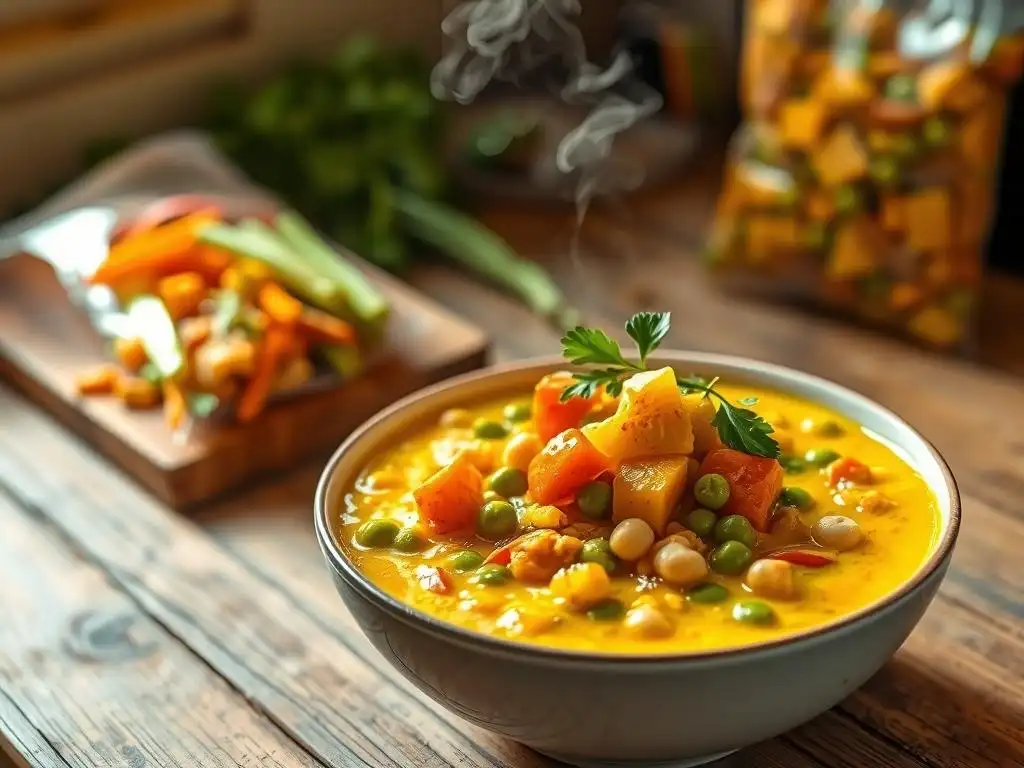
This vibrant and flavorful curry is a fantastic way to use up your frozen garden vegetables. The beauty of this recipe lies in its adaptability; you can easily swap out vegetables based on what you have on hand. Feel free to experiment with different spice blends to create your own unique flavor profile. The coconut milk adds a creamy richness that perfectly complements the earthy spices and the slightly sweet frozen vegetables.
The key to a successful frozen vegetable curry is to ensure the vegetables are thoroughly thawed before adding them to the pan. This prevents them from releasing too much water and making the curry watery. We recommend gently thawing them in the refrigerator overnight. If you're short on time, you can quickly thaw them in a microwave-safe bowl, stirring occasionally to prevent uneven heating.
For this recipe, we'll assume a mix of frozen peas, carrots, green beans, and corn. However, you could also incorporate broccoli florets, cauliflower, or even diced bell peppers. The addition of chickpeas provides extra protein and texture. The recipe below serves four people and takes approximately 45 minutes to prepare and cook.
Frozen Vegetable Quiche with Gruyere and Caramelized Onions
This elegant quiche is a delicious way to showcase the versatility of frozen garden vegetables. The caramelized onions add a touch of sweetness that balances beautifully with the savory Gruyere cheese and the slightly sweet frozen vegetables. The crust provides a satisfying contrast in texture, making this a truly delightful dish.
The success of this quiche hinges on achieving perfectly caramelized onions. This process takes time and patience, but the result is well worth the effort. Start by slicing the onions thinly and cooking them over low heat in a pan with butter or olive oil. Stir frequently to prevent burning. The onions are ready when they are deeply golden brown and have a sweet, almost jam-like consistency. This can take anywhere from 30-45 minutes depending on the heat and the type of onion.
This recipe works well with a variety of frozen vegetables, including peas, carrots, and spinach. Avoid using vegetables that are particularly watery, as this can make the quiche soggy. If you are using a mix of vegetables, it’s best to thaw them slightly before adding them to the quiche filling to prevent uneven cooking. Remember to pre-bake the crust for 10-15 minutes before adding the filling to prevent a soggy bottom. This recipe serves six and takes about an hour to prepare and bake. The final quiche is best served warm, but also tastes delicious at room temperature.
Tips for Cooking with Frozen Garden Vegetables
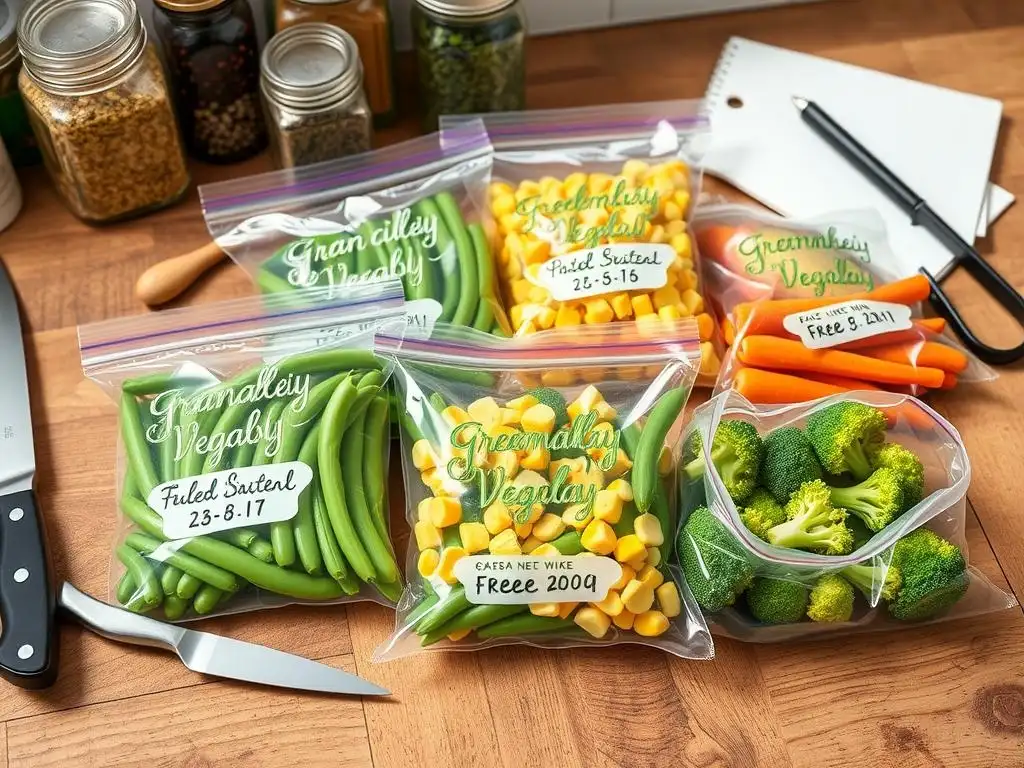
This section focuses on maximizing the flavor and nutritional value of your homegrown vegetables after freezing them using best practices. Proper handling and cooking techniques are crucial for achieving delicious and healthy meals. Remember, freezing your garden vegetables is a fantastic way to preserve your hard work and enjoy the bounty of your harvest year-round. Mastering these techniques will elevate your frozen vegetable dishes to a whole new level.
Thawing Frozen Vegetables Properly
Thawing frozen vegetables correctly is paramount to preventing mushy textures and preserving their vibrant color and nutrients. Rushing the process can lead to uneven cooking and a loss of valuable vitamins. There are several methods, each with its own advantages:
- Refrigerator Thawing: This is the recommended method for most vegetables. Simply transfer the frozen vegetables from the freezer to the refrigerator 12-24 hours before you plan to cook them. This slow thaw allows for even temperature distribution, minimizing cell damage and preserving texture.
- Cold Water Thawing: If you're short on time, you can thaw vegetables in cold water. Place the frozen vegetables in a sealed bag and submerge them in a bowl of cold water. Change the water every 30 minutes until completely thawed. This method is quicker than refrigerator thawing but still gentler than using warm water or microwaving.
- Microwave Thawing (Use Sparingly): While convenient, microwave thawing can lead to uneven thawing and overcooking, especially for delicate vegetables like peas or green beans. If you must use this method, use the defrost setting and check frequently to prevent overcooking.
Important Note: Never thaw vegetables at room temperature. This promotes bacterial growth and can compromise the safety and quality of your vegetables. Always prioritize food safety when thawing and cooking your frozen garden harvest. Following these "freeze garden vegetables best practices" will ensure optimal results.
Avoiding Overcooking Frozen Vegetables
Overcooked frozen vegetables are a culinary crime! They lose their vibrant color, become mushy, and their nutritional value diminishes significantly. The key is to cook them just until tender-crisp. Here are some tips to avoid overcooking:
- Start with Cold Water: When boiling frozen vegetables, start with cold water and bring it to a boil. This gentler approach helps prevent them from becoming overcooked or falling apart.
- Don't Overcrowd the Pan: Overcrowding the pan prevents even heat distribution, leading to uneven cooking. Cook in batches if necessary to ensure all vegetables cook evenly.
- Use a Timer: Set a timer to avoid overcooking. The cooking time for frozen vegetables is generally shorter than for fresh vegetables, usually ranging from 3-7 minutes depending on the vegetable and cooking method. Refer to your recipe for specific timing recommendations.
- Stir Frequently: Stirring the vegetables during cooking helps ensure even heating and prevents sticking.
- Steam or Sauté: Steaming and sautéing are excellent alternatives to boiling, offering a healthier and more flavorful way to cook frozen vegetables. These methods help retain more nutrients and produce a more appealing texture.
Enhancing Flavor with Herbs and Spices in Frozen Vegetable Dishes
Even though your vegetables were frozen at peak freshness, adding herbs and spices can significantly boost their flavor profile. Experimentation is key, but here are some ideas to inspire you:
| Vegetable | Suggested Herbs & Spices | Flavor Profile Enhancement |
|---|---|---|
| Green Beans | Garlic powder, onion powder, thyme | Savory, earthy |
| Peas | Mint, dill, lemon zest | Fresh, bright |
| Corn | Chili powder, cumin, smoked paprika | Smoky, spicy |
| Mixed Vegetables | Italian seasoning, oregano, basil | Classic, aromatic |
| Broccoli | Garlic, parmesan cheese, red pepper flakes | Savory, cheesy, spicy |
Remember that the flavor intensity of herbs and spices can vary, so start with small amounts and adjust to your taste. Adding herbs and spices towards the end of the cooking process helps preserve their aromatic qualities. Don't be afraid to experiment and create your own unique flavor combinations! By following these "freeze garden vegetables best practices" you can ensure your frozen vegetable dishes are both delicious and nutritious.
Incorporating Frozen Vegetables into Different Cuisine Styles
Frozen garden vegetables, while convenient, sometimes get a bad rap for lacking the vibrancy of fresh produce. However, with a little culinary know-how, you can seamlessly integrate them into a wide array of dishes, preserving their nutritional value and enhancing your meals. The key lies in understanding how different cooking methods affect texture and flavor.
For instance, when making stir-fries, frozen vegetables are a fantastic time-saver. Since they're already cut and ready to go, you can add them directly to the wok towards the end of the cooking process. This prevents overcooking and maintains a pleasant crispness. Consider using a variety of colorful vegetables like peas, carrots, and green beans for a visually appealing and nutritionally balanced dish. Remember to adjust your cooking time slightly, as frozen vegetables will cook faster than fresh.
Similarly, frozen vegetables are ideal for soups and stews. Their quick cooking time means you can add them during the last 15-20 minutes of simmering, allowing them to soften without becoming mushy. This is particularly beneficial for hearty winter soups where the addition of frozen vegetables adds both flavor and nutritional depth. Think of a robust beef stew enhanced with frozen corn, carrots, and potatoes, or a vibrant minestrone soup brimming with frozen spinach, zucchini, and beans.
Frozen vegetables also shine in baked dishes. They're perfect for casseroles, gratins, and even quiches. The longer cooking time of these dishes allows the vegetables to fully integrate with the other ingredients, resulting in a harmonious blend of flavors and textures. For example, a classic vegetable lasagna can be easily enhanced with frozen peas, spinach, and mushrooms, adding layers of flavor and texture without any compromise in taste.
Finally, don't forget about smoothies and sauces. Frozen vegetables are a sneaky way to add extra nutrients to your daily diet. Their frozen state makes them ideal for blending into smoothies, lending a slightly icy texture and a boost of vitamins and minerals. Similarly, they can be pureed into flavorful sauces for pasta or other dishes, adding a hidden vegetable boost without altering the overall taste dramatically. This is a great strategy for incorporating vegetables into meals for picky eaters. Remember to experiment with different combinations to discover your preferred flavor profiles! The possibilities are truly endless.
Maximizing Nutritional Value in Frozen Garden Vegetables
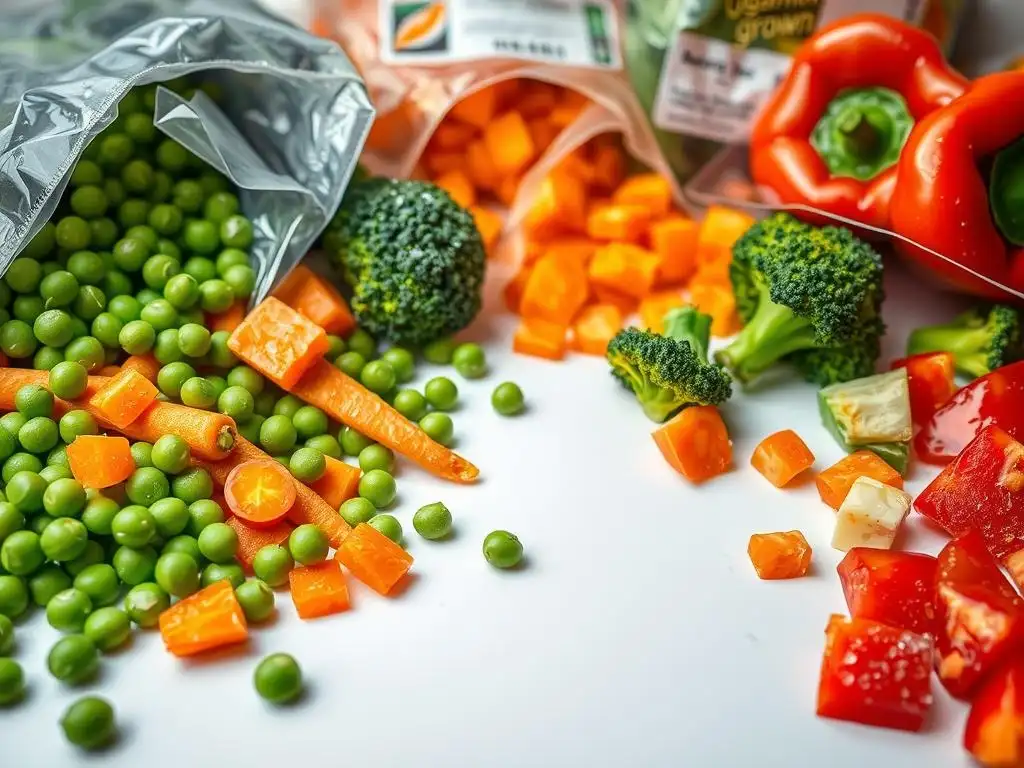
Freezing your homegrown vegetables is a fantastic way to enjoy the bounty of your garden year-round. But did you know that the way you freeze and cook your vegetables significantly impacts their nutritional content? Following best practices for freezing garden vegetables ensures you retain the maximum amount of vitamins, minerals, and antioxidants, making your frozen produce a truly nutritious addition to your meals.
This section will explore techniques to maximize the nutritional value of your frozen garden harvest, focusing on preserving those precious nutrients. Mastering these techniques will allow you to enjoy the taste and health benefits of your garden long after the growing season ends.
Nutrient Retention During Freezing and Cooking
Freezing itself doesn't destroy all the nutrients in your vegetables. However, some nutrient loss is inevitable. Exposure to air and light, as well as fluctuating temperatures, can degrade vitamins like vitamin C and certain B vitamins. The key is to minimize this loss. Rapid freezing is crucial; the faster your vegetables freeze, the smaller the ice crystals formed within the cells. Smaller ice crystals cause less damage to cell walls, leading to better nutrient retention during thawing and cooking.
Consider these points for optimal nutrient preservation during freezing:
- Pre-freezing preparation: Wash and thoroughly dry your vegetables before freezing to remove excess moisture which can promote enzymatic degradation and ice crystal formation.
- Packaging: Use airtight, freezer-safe containers or bags to prevent freezer burn and reduce exposure to oxygen. Smaller portions are preferable for easier thawing and cooking.
- Thawing: Thaw vegetables gently in the refrigerator whenever possible. Rapid thawing methods, such as using warm water, can cause greater nutrient loss.
- Cooking methods: Steaming or microwaving frozen vegetables are generally better than boiling, as boiling can leach out water-soluble vitamins into the cooking water. Aim for shorter cooking times to minimize nutrient degradation. Adding frozen vegetables towards the end of cooking also helps retain more nutrients.
Choosing the Right Freezing Method to Preserve Nutrients
Different freezing methods impact nutrient retention differently. While flash freezing is ideal for commercial operations, home gardeners can achieve excellent results with a few simple techniques.
Here's a comparison of common home freezing methods and their impact on nutrient retention:
| Freezing Method | Nutrient Retention | Pros | Cons |
|---|---|---|---|
| Individual Quick Freezing (IQF): Spreading vegetables on a baking sheet before freezing. | 👍👍👍 | Minimizes clumping, easy thawing | Time-consuming, requires extra space |
| Blanching and Freezing: Blanching before freezing. | 👍👍👍 | Inactivates enzymes, extends shelf life, better color & texture | Requires extra step, slight nutrient loss during blanching |
| Freezing in Bags/Containers: Freezing directly in bags or containers. | 👍👍 | Convenient, less prep work | Potential for clumping, uneven freezing |
As you can see, individual quick freezing (IQF) generally yields the best results in terms of nutrient retention, although it requires more time and effort. Blanching, while slightly reducing some nutrients during the process, offers significant advantages in terms of preserving color, texture, and overall shelf life, making it a worthwhile trade-off for many gardeners.
Understanding the Impact of Blanching on Vitamin Content
Blanching involves briefly submerging vegetables in boiling water, followed by an immediate ice bath. This process inactivates enzymes that cause loss of color, texture, and nutrients during freezing and storage. While some water-soluble vitamins might leach out during blanching, the overall benefit of preventing further degradation during freezing outweighs this minor loss.
Consider these factors when blanching:
- Time: Blanching times vary greatly depending on the vegetable and its size. Over-blanching leads to excessive nutrient loss. Use a timer and follow recommended blanching times for specific vegetables.
- Water Volume: Use enough boiling water to ensure the vegetables are fully submerged and the water temperature doesn't drop significantly.
- Ice Bath: The ice bath is crucial to stop the cooking process immediately and prevent further cooking which can damage the cells and cause nutrient loss.
By carefully following these guidelines, you can significantly improve the nutritional value of your frozen garden vegetables, ensuring that your hard work translates into healthy and delicious meals throughout the year. Remember, the goal is to minimize exposure to oxygen and temperature fluctuations, to preserve your vegetables' vibrant colors, textures and, most importantly, their nutritional goodness! 🥕🥦🫑
Beyond the Basics: Advanced Freezing Techniques for Garden Vegetables
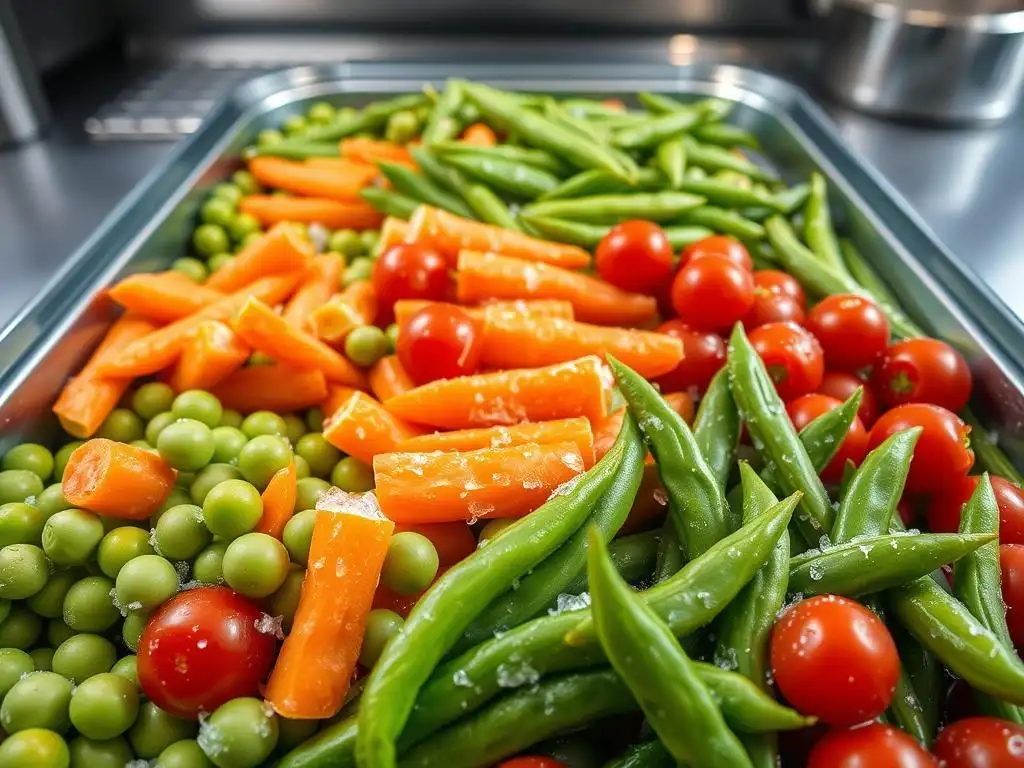
This section delves into more advanced techniques for freezing your homegrown vegetables, ensuring optimal quality and longevity. Mastering these methods will elevate your freezer harvests from simply preserved to truly exceptional. We'll explore strategies to maximize flavor, texture, and nutritional value, ultimately leading to delicious meals year-round. Remember, even with the best practices, regular freezer inventory and rotation is key to preventing freezer burn and ensuring freshness.
Freezing Individual Vegetables vs. Mixed Vegetable Bags
The choice between freezing individual vegetables and creating mixed vegetable bags depends on your culinary preferences and storage space. Freezing individual vegetables offers greater versatility in meal planning. You can easily grab only the amount needed for a particular recipe, avoiding waste. This method also preserves the unique texture and flavor profile of each vegetable.
For instance, freezing broccoli florets separately allows for even cooking and prevents mushiness when compared to a mixed bag where cooking times might vary significantly. Similarly, peas maintain their vibrant green color and sweetness better when frozen individually.
Conversely, mixed vegetable bags offer convenience. They're perfect for quick stir-fries, soups, or stews. However, careful consideration of cooking times is crucial. Consider blanching vegetables separately before combining them in a bag to ensure even cooking. A well-balanced mixed bag might include diced carrots, green beans, corn kernels, and peas, all blanched to the same degree of tenderness.
| Method | Advantages | Disadvantages | Best Suited For |
|---|---|---|---|
| Individual Veggies | Versatility, preserves individual textures/flavors | More space-consuming, requires more prep time | Specific recipes, maximizing flavor & texture |
| Mixed Vegetable Bags | Convenient, quick meal prep | Less versatile, potential for uneven cooking | Stir-fries, soups, stews |
Utilizing Vacuum Sealing for Enhanced Preservation
Vacuum sealing offers superior preservation compared to traditional freezer bags. By removing air, vacuum sealing minimizes freezer burn, significantly extending the shelf life of your frozen vegetables. Freezer burn, characterized by discoloration and loss of flavor and texture, is a common enemy of frozen food. Vacuum sealing creates an airtight barrier, preventing this degradation.
The impact is substantial. Independently conducted studies show that vacuum-sealed vegetables retain their color, texture, and nutritional value for up to 18 months, compared to 12 months or less for vegetables stored in standard freezer bags. This extended shelf life translates to less waste and more consistent meal preparation throughout the year.
Furthermore, vacuum sealing helps maintain the integrity of delicate vegetables like spinach or herbs. These are particularly prone to damage and oxidation during freezing. The process ensures that these ingredients retain their vibrant green color and fresh taste for considerably longer. This is a significant advantage for those aiming to preserve the maximum flavor and quality of their harvest.
Long-Term Storage and Freezer Organization for Garden Vegetables
Proper organization is crucial for efficient long-term storage of frozen garden vegetables. Labeling each bag or container with the contents and freezing date is paramount. This simple step dramatically improves your ability to rotate stock effectively, preventing waste and ensuring that you utilize the oldest items first.
Consider using clear freezer containers or bags to easily identify contents at a glance. A well-organized freezer promotes efficient meal planning. You'll be able to quickly assess your inventory and plan meals accordingly. For example, you might dedicate one section of your freezer specifically to frozen vegetables, further enhancing organization and ease of access.
Employing a first-in, first-out (FIFO) system is essential. Place newly frozen vegetables at the back of the freezer, pushing older items to the front. This system ensures that the oldest items get used before they experience significant quality degradation. Regularly check your freezer inventory, noting expiration dates and discarding any items that show signs of freezer burn. This proactive approach minimizes waste and ensures that you always have high-quality frozen vegetables readily available. This diligent approach to "Freeze garden vegetables best practices" guarantees optimal results.
Troubleshooting Common Issues with Frozen Vegetables
Freezing your garden harvest is a fantastic way to enjoy the bounty of your labor year-round. However, even with the best "freeze garden vegetables best practices," some issues can arise. Let's address some common problems and their solutions. Proper freezing techniques are crucial to maintaining the quality and taste of your vegetables. This section will focus on troubleshooting common problems to help you maximize the shelf life and palatability of your frozen vegetables.
Addressing Texture Changes in Frozen Vegetables
One of the most frequent complaints about frozen vegetables is a change in texture after thawing. Vegetables like green beans, peas, and corn can become mushy or lose their desirable firmness. This is often due to improper blanching before freezing. Blanching, a quick dip in boiling water followed by an ice bath, helps to inactivate enzymes that cause softening during freezing. Insufficient blanching time leads to enzymatic activity continuing even during freezing, resulting in a softer texture upon thawing.
To prevent this, ensure you are following the correct blanching times for your specific vegetables. These times vary depending on the vegetable's size and type. For instance, green beans might require 3-5 minutes of blanching, while peas only need 1-2 minutes. Always use a timer and immediately plunge the vegetables into an ice bath after blanching to stop the cooking process. Over-blanching can also lead to mushy textures, so precision is key. Another factor is the rate of freezing. Rapid freezing, such as using a flash freezer, significantly helps preserve texture compared to slower methods.
Dealing with Freezer Burn and Preventing it
Freezer burn, characterized by white, icy patches and a dry, leathery texture on frozen vegetables, is a common problem. It occurs when the vegetables are exposed to air within the freezer, leading to moisture loss through sublimation (the transition of ice directly to water vapor). This not only affects texture but also diminishes flavor and nutritional value.
Preventing freezer burn requires proper packaging. Use airtight containers or freezer bags designed for food storage, ensuring you remove as much air as possible before sealing. Overfilling containers can also contribute to freezer burn, as it restricts air circulation and increases the surface area exposed to the cold, dry air. Smaller portions in multiple containers are generally preferable to one large container.
Furthermore, always label and date your packages to track their age and prioritize older items for use. This helps reduce the likelihood of freezer burn developing over extended periods. Consider using vacuum sealers for optimal protection against freezer burn.
Maintaining the Freshness of Frozen Vegetables Over Time
Even with perfect freezing techniques, the quality of frozen vegetables will gradually decline over time. While freezing significantly extends shelf life, it's essential to use your frozen vegetables within a recommended timeframe to maintain optimal quality and flavor. Most frozen vegetables retain their best quality for 8-12 months, but some, like leafy greens, may degrade faster.
To maximize freshness, always store frozen vegetables in the coldest part of your freezer, away from the door. Temperature fluctuations can affect the quality of frozen foods. Avoid repeatedly freezing and thawing vegetables, as this compromises their texture and nutritional value.
Finally, consider rotating your frozen vegetable stock, using the oldest items first to prevent prolonged storage. A simple system of labeling with dates can be highly effective for managing your frozen inventory and ensuring you consume your vegetables at peak quality. This proactive approach, combined with proper freezing techniques, will help you enjoy delicious and nutritious frozen vegetables for months to come.
Frequently Asked Questions
How do I properly prepare garden vegetables for freezing?
To prepare vegetables for freezing, blanch them first by briefly submerging in boiling water, then immediately plunging into ice water. This inactivates enzymes that cause loss of quality during freezing. Finally, pat them completely dry before packaging.
What are the best vegetables to freeze from my garden?
Many vegetables freeze well! Leafy greens, peas, beans, corn, and squash are excellent choices. Avoid freezing vegetables with high water content like cucumbers or tomatoes unless you are making a specific recipe that includes processing.
What's the best way to package frozen garden vegetables?
Use airtight freezer bags or rigid containers to prevent freezer burn. Remove as much air as possible before sealing. Clearly label and date the packages for easy identification.
How long can I store frozen garden vegetables?
Frozen vegetables generally maintain their best quality for 8-12 months. However, they remain safe to consume beyond that time, although the texture and flavor might start to degrade.
What are some tips for using frozen garden vegetables in cooking?
Frozen vegetables often require less cooking time than fresh. Add them towards the end of cooking to maintain their texture and nutritional value. They work great in soups, stews, stir-fries, and casseroles.
Final Reflection: The Enduring Bounty of the Frozen Garden
Freezing garden vegetables isn't just a practical solution for preserving summer's abundance; it's a vital act of sustainability and resourcefulness in a world facing food insecurity and climate change. The simple act of blanching, freezing, and storing your homegrown produce transforms fleeting moments of harvest into year-round access to nutritious, flavorful meals. This practice, once relegated to grandmothers' kitchens, is experiencing a well-deserved resurgence.
The impact of preserving our own food extends far beyond the immediate benefit of having vegetables on hand throughout the year. It fosters a deeper connection to the land, to the seasons, and to the very act of creating something nourishing from scratch. We must learn to live in harmony with nature, not dominate it.
This sentiment, though applicable to many aspects of life, resonates deeply with the mindful approach to food preservation that freezing our garden bounty represents. It's a small act of rebellion against the wasteful practices of modern food systems, a reclaiming of control over our food sources, and a celebration of the simple joys of homegrown goodness.
Consider the possibilities: Imagine the vibrant colors and flavors of summer bursting forth in the dead of winter, a testament to your foresight and dedication. Think about the satisfaction of knowing exactly where your food came from, and the reduced environmental impact of minimizing food waste. You, too, can become a steward of your own food supply, ensuring a healthy and delicious future for yourself and your family.
Start small, experiment with a few varieties, and experience the transformative power of preserving your garden's bounty. The rewards are far greater than just a freezer full of vegetables; they are a connection to the earth, a commitment to sustainability, and a legacy of mindful eating.
Unlock Your Freezer's Freshness: Start Cooking Today!
Thanks for exploring the world of frozen garden vegetables with us! We hope you've discovered new ways to enjoy fresh flavors all year round. Ready to put your knowledge into practice?
- Master a new recipe: Choose one of the delicious recipes highlighted in the article and prepare it tonight. Challenge yourself to use ingredients you might not typically consider, like adding butternut squash to your chili or experimenting with a vibrant pea and mint risotto.
- Share your frozen food creations: Show us your culinary triumphs! Share a picture on social media using #CultivateYourFreezer and inspire others to get creative with frozen ingredients.
- Expand your culinary horizons: Try incorporating a new frozen vegetable into your next meal. Get adventurous – you might be surprised at how delicious frozen edamame can be in a stir-fry, or how easily frozen spinach can be incorporated into a creamy pasta sauce!
So, what delicious frozen vegetable dish will you create first?