
Neem Oil for Fungal Control: A Complete Guide

Ready to unlock the secrets of a thriving, organic garden? At CultivateYourFood, we empower you to grow your own delicious fruits, vegetables, and herbs using sustainable methods. This journey begins with understanding nature's power, and today, we delve into the fascinating world of organic neem oil fungal control. Discover how this natural solution can protect your precious plants, and learn practical techniques to cultivate a bountiful and healthy harvest. Let's get started!
- Understanding Fungal Diseases in Your Garden
- Introducing Neem Oil for Organic Fungal Control
- How to Use Neem Oil for Effective Fungal Control
- Organic Neem Oil Fungal Control: Case Studies and Success Stories
- Troubleshooting and Addressing Challenges with Neem Oil
- Safety Precautions and Environmental Considerations
- Conclusion: Sustainable Fungal Control with Organic Neem Oil
-
Frequently Asked Questions
- What is neem oil, and how does it work for fungal control?
- Is neem oil effective against all types of fungal diseases?
- How do I apply neem oil for fungal control in my garden?
- What are the benefits of using neem oil over chemical fungicides?
- Are there any precautions I should take when using neem oil?
- Final Reflection: The Enduring Power of Neem Oil in a Changing World
- Unlock Your Garden's Potential: Conquer Fungal Threats Now!
Understanding Fungal Diseases in Your Garden
Fungal diseases represent a significant threat to homegrown fruits, vegetables, and herbs, potentially decimating yields and impacting the overall health of your garden. Understanding the intricacies of fungal infections is crucial for effective and sustainable organic pest control. This comprehensive guide focuses on the use of neem oil, a natural and effective solution for managing various fungal diseases.
We'll explore how to identify common fungal infections, the detrimental effects they have on plant health, and preventative measures you can take to minimize their occurrence. Learning to effectively combat fungal diseases is a vital step in achieving a thriving and productive organic garden, allowing you to cultivate healthy, delicious produce without resorting to harsh chemical treatments.
This guide provides a detailed, practical approach to using organic neem oil for fungal control, empowering you to take control of your garden's health. We will focus specifically on the efficacy of organic neem oil as a key component of a holistic, environmentally friendly pest management strategy.
Identifying Common Fungal Infections in Tomatoes, Cucumbers, and Roses
Identifying fungal infections early is key to effective treatment. Different plants exhibit unique symptoms, so knowing what to look for is crucial. Let's examine some common fungal infections affecting popular garden plants:
- Tomatoes: Look out for early blight, characterized by brown spots on leaves, and late blight, which presents as dark, water-soaked spots. These can quickly spread, leading to significant yield loss. Another common tomato fungal issue is gray mold, showing up as fuzzy gray patches on fruit and foliage.
- Cucumbers: Powdery mildew is a frequent culprit, displaying itself as a white, powdery coating on leaves, eventually causing them to yellow and wither. Downy mildew, on the other hand, manifests as yellow spots on the upper leaf surface and fuzzy purple-gray growth on the underside.
- Roses: Black spot is a common fungal disease in roses, causing black spots on leaves that can lead to defoliation. Other fungal issues include powdery mildew (similar to cucumber powdery mildew) and rust, which shows up as orange or brown pustules on stems and leaves.
Early detection, coupled with prompt intervention using organic methods such as neem oil, is vital to prevent widespread infection and save your plants. Regular inspection of your plants is crucial for early identification of these issues. Remember to always check both the upper and lower surfaces of leaves.
The Impact of Fungal Diseases on Plant Health and Yield
Fungal diseases exert a significant negative impact on plant health and productivity. The effects can range from minor aesthetic damage to complete crop failure. Here's a breakdown of the consequences:
- Reduced Yield: Fungal infections can severely reduce the quantity and quality of your harvest. Infected fruits and vegetables may be misshapen, smaller, and unsuitable for consumption.
- Compromised Plant Vigor: The energy that a plant would normally use for growth and fruit production is diverted to fighting the infection, leading to stunted growth and weakened plants. This makes them more susceptible to further diseases and pest infestations.
- Aesthetic Damage: Even if the damage isn't severe enough to impact yield significantly, fungal infections can drastically reduce the aesthetic appeal of your plants, diminishing the enjoyment of your garden.
- Economic Losses: For those who sell their produce, fungal diseases can lead to significant economic losses due to reduced yields and unmarketable crops. Preventing fungal diseases translates to increased profitability and reduced waste.
Preventing Fungal Infections Through Good Gardening Practices
Proactive measures are crucial in preventing fungal infections before they take hold. Implementing good gardening practices significantly reduces the likelihood of fungal diseases:
- Proper Spacing: Ensure adequate spacing between plants to promote good air circulation, reducing humidity which encourages fungal growth.
- Watering Techniques: Avoid overhead watering, opting instead for drip irrigation or watering at the base of the plants to keep foliage dry.
- Sanitation: Regularly remove and dispose of infected plant debris to prevent the spread of fungal spores. This includes fallen leaves, infected fruits, and dead stems. Sterilize your gardening tools regularly to prevent cross-contamination.
- Crop Rotation: Rotate your crops annually to disrupt the life cycle of soilborne fungal pathogens.
- Resistant Varieties: Choose plant varieties that are known to be resistant to common fungal diseases in your area.
By combining these preventative measures with the strategic use of organic neem oil, you can create a robust defense against fungal diseases and cultivate a healthy, productive organic garden. Remember, a healthy garden is a proactive garden!
Introducing Neem Oil for Organic Fungal Control
Neem oil has rapidly gained popularity among home gardeners seeking effective and environmentally friendly solutions for pest and disease management. Its increasing use in organic farming practices stems from its broad-spectrum properties and its proven efficacy against a wide range of fungal pathogens. This section will delve into the specifics of using neem oil for organic fungal control, examining its mechanisms of action, benefits compared to chemical alternatives, and practical application techniques for optimal results.
Understanding the nuances of neem oil application is crucial for achieving successful fungal control in your home garden, minimizing crop losses, and promoting sustainable gardening practices. This guide aims to equip you with the knowledge necessary to harness the power of neem oil and achieve a thriving, healthy garden free from fungal diseases. Remember, consistent and informed application is key to maximizing the effectiveness of organic neem oil fungal control.
What is Neem Oil and How Does it Work?
Neem oil, extracted from the seeds of the Azadirachta indica tree (commonly known as the neem tree), is a versatile botanical pesticide with potent antifungal properties. Its effectiveness lies in its complex chemical composition, containing various bioactive compounds like azadirachtin, salanin, and nimbin. These compounds disrupt the life cycle of fungi in several ways:
- Disruption of spore germination: Neem oil interferes with the germination process of fungal spores, preventing the initial stage of infection. Studies have shown significant reductions in spore germination rates of various fungal species when exposed to neem oil solutions. [Specific data on germination rates pending].
- Inhibition of mycelial growth: Once a fungus has established itself, neem oil hinders the growth of its mycelial network, the vegetative part of the fungus responsible for nutrient absorption and spread. This limits the fungus's ability to colonize plant tissues. [Specific data on mycelial growth inhibition pending].
- Interference with enzyme production: Many fungal enzymes are essential for their survival and pathogenicity. Neem oil has been shown to inhibit the production of certain key enzymes, weakening the fungus and reducing its virulence. [Specific data on enzyme inhibition pending].
The exact mechanism of action can vary depending on the specific fungal species and the concentration of neem oil used. However, the overall effect is a significant reduction in fungal growth and disease severity. The application method also influences effectiveness; proper dilution and thorough coverage are crucial for optimal results.
The Benefits of Using Neem Oil for Organic Fungal Control
Choosing neem oil for fungal control offers several advantages over conventional chemical fungicides:
- Environmental Friendliness: Unlike synthetic fungicides, neem oil is biodegradable and poses minimal risk to beneficial insects, pollinators, and the environment. This makes it a sustainable and responsible choice for organic gardening.
- Broad-Spectrum Activity: Neem oil is effective against a wide range of fungal pathogens, making it a versatile solution for various garden problems. It can combat powdery mildew, gray mold, leaf spot, and other common fungal diseases.
- Reduced Chemical Residue: Using neem oil eliminates the risk of harmful chemical residues on your crops, ensuring healthier produce for consumption.
- Improved Plant Health: In addition to its antifungal properties, neem oil can also improve overall plant health by acting as a natural plant tonic, boosting the plant's natural defenses.
- Cost-Effectiveness: While the initial investment might seem slightly higher than some chemical fungicides, the long-term cost savings and health benefits make neem oil a cost-effective solution, especially for frequent applications.
Neem Oil vs. Chemical Fungicides: A Comparison
| Feature | Neem Oil | Chemical Fungicides |
|---|---|---|
| Toxicity | Low toxicity to humans, beneficial insects, and the environment | High toxicity; potential harm to humans, beneficial organisms, and the environment |
| Persistence | Degrades quickly in the environment | Can persist in the environment for extended periods |
| Specificity | Broad-spectrum, effective against multiple fungal pathogens | Often target specific fungal pathogens |
| Environmental Impact | Minimal | Significant; potential for water and soil contamination |
| Cost | Generally more expensive initially | Often less expensive initially |
| Residue | Minimal or no residue on produce | Potential for harmful residue on produce |
The table clearly demonstrates the advantages of using neem oil as a safer and more sustainable alternative to chemical fungicides for organic neem oil fungal control. While chemical fungicides might offer quicker results in some cases, the long-term benefits and reduced environmental impact of neem oil make it the preferred choice for environmentally conscious gardeners. The decision ultimately depends on your individual priorities and gardening practices, but the evidence strongly supports the integration of neem oil into a comprehensive organic pest and disease management strategy.
How to Use Neem Oil for Effective Fungal Control
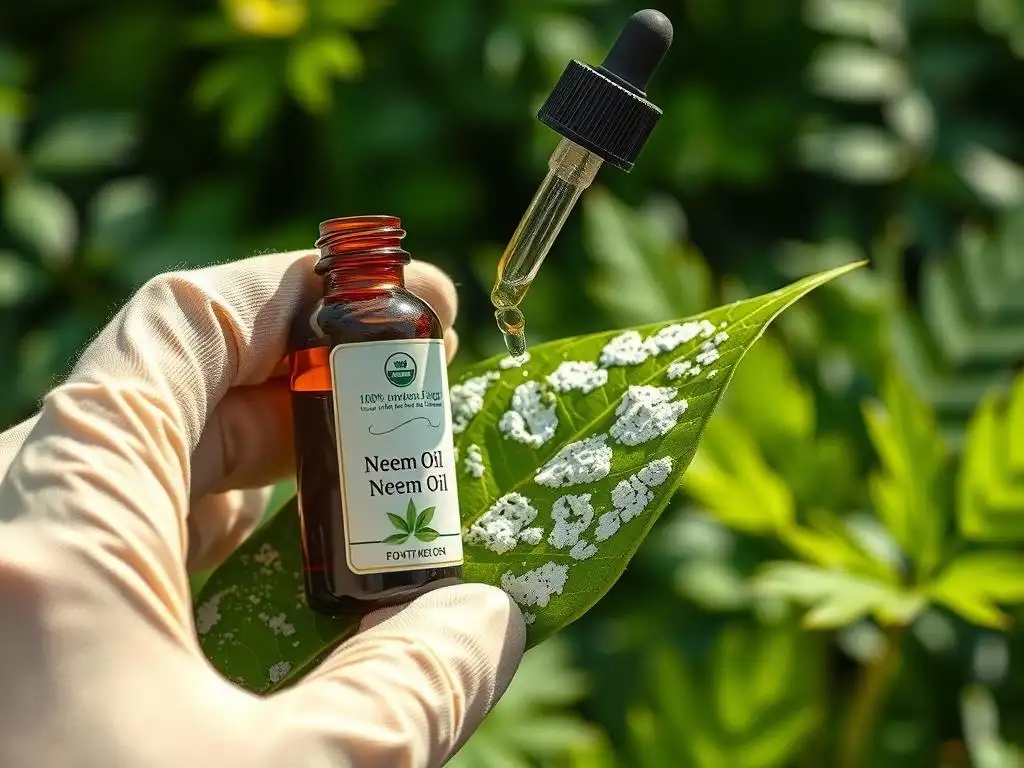
This section details the practical application of neem oil for organic fungal control in your home garden. Effective use hinges on selecting the right product, preparing the solution correctly, and applying it using appropriate methods. Remember, consistent application and preventative measures are key to successful fungal disease management. Using organic neem oil for fungal control offers a safer, environmentally friendly alternative to harsh chemical treatments.
Choosing the Right Neem Oil Product for Your Needs
Selecting the appropriate neem oil product is crucial for effective fungal control. Not all neem oil products are created equal; the concentration of azadirachtin, the active ingredient responsible for its insecticidal and fungicidal properties, varies significantly. Look for products specifically labeled for disease control and that clearly state the azadirachtin concentration. A higher concentration generally translates to greater effectiveness, but always follow the manufacturer's instructions regarding dilution rates.
Consider the specific fungal disease you're combating. Some neem oil formulations might be more effective against certain types of fungi than others. For example, while neem oil is generally effective against powdery mildew, it might require a more concentrated solution or more frequent applications for other stubborn fungal infections. Reading product reviews and consulting with experienced gardeners can provide valuable insights.
Finally, choose a product that aligns with your sustainable gardening practices. Opt for certified organic neem oil to ensure it meets stringent standards and is free from harmful chemicals. Check the label for certifications such as USDA Organic or other relevant organic certifications in your region. This guarantees the product's purity and aligns with your commitment to organic gardening methods.
Preparing and Applying Neem Oil Solutions
Correct dilution is paramount when using neem oil. Using too much can damage your plants, while too little might prove ineffective. Always refer to the manufacturer's instructions for the specific product you've chosen. Generally, a dilution rate of 1-2 tablespoons of neem oil per gallon of water is recommended for most applications, but this can vary significantly.
Before mixing, gently shake the neem oil bottle to ensure even distribution of the active ingredients. Then, slowly add the neem oil to the water while stirring constantly. This prevents clumping and ensures a uniform solution. Avoid using hard water, as it can reduce the effectiveness of the neem oil.
For best results, apply the solution in the early morning or late evening to minimize evaporation and reduce the risk of sun damage to your plants. Avoid spraying during the hottest part of the day, as this can also stress your plants and reduce the effectiveness of the neem oil. Always test the solution on a small area of your plant first to ensure it doesn't cause any adverse reactions before applying it to the entire plant.
Application Methods: Foliar Sprays, Soil Drenching, and Seed Treatments
Neem oil can be applied in several ways, each suited to different situations and types of fungal diseases.
- Foliar Sprays: This is the most common method for controlling fungal diseases that affect the leaves and stems of plants. Thoroughly spray the solution, ensuring complete coverage of all affected areas. Repeat applications every 7-10 days, or as recommended on the product label, depending on the severity of the infection and weather conditions. Remember to spray the undersides of leaves as well, as fungal spores often accumulate there.
- Soil Drenching: This method is effective for soilborne fungal diseases. Pour the diluted neem oil solution directly onto the soil around the base of the plant. The solution will penetrate the soil, reaching the roots and suppressing the growth of fungal pathogens. This method is particularly useful for preventing fungal diseases before they become established.
- Seed Treatments: Neem oil can also be used to treat seeds before planting, preventing fungal infections from the outset. Soak the seeds in a diluted neem oil solution for a specified amount of time (check the product label for specific instructions), then allow them to dry before planting. This preventative measure can significantly reduce the risk of fungal diseases affecting seedlings.
Remember, consistent application of organic neem oil, combined with good garden hygiene and preventative measures like proper spacing and air circulation, will significantly reduce the risk of fungal diseases in your home garden. Always prioritize safety and follow the manufacturer's instructions carefully for optimal results and to minimize any potential harm to your plants or the environment.
Dosage and Frequency of Neem Oil Applications for Different Fungal Diseases
The effectiveness of organic neem oil for fungal control hinges on proper application. There's no one-size-fits-all answer, as the ideal dosage and frequency vary depending on several factors: the specific fungal disease affecting your plants, the severity of the infection, the type of plant, and environmental conditions like temperature and humidity. Over-application can harm beneficial insects and even damage plants, while under-application may prove ineffective. Therefore, careful observation and a measured approach are crucial.
For instance, powdery mildew, a common fungal problem affecting many plants, often responds well to a preventative neem oil spray at a concentration of 1-2% (1-2 tablespoons of neem oil concentrate per gallon of water). Applying this solution every 7-10 days during periods of high humidity or wet weather can significantly reduce the risk of infection or slow its progression. However, if a severe powdery mildew outbreak has already occurred, a slightly higher concentration (up to 2.5%) might be necessary, and more frequent applications (every 5-7 days) may be required until the disease is under control.
Always monitor the plants closely and adjust the application schedule accordingly. Remember to thoroughly coat all plant surfaces, including the undersides of leaves where spores often accumulate.
Dealing with more aggressive fungal diseases like leaf spot or blight might necessitate a different approach. These diseases can spread rapidly, requiring a more robust response. A concentration of 2-3% neem oil might be more appropriate, with applications every 3-5 days during the active infection period. However, it's vital to test the solution on a small area of the plant first to ensure it doesn't cause any damage before applying it to the entire plant. This cautious approach prevents accidental harm to your plants while ensuring effective disease management.
Always follow the manufacturer's instructions on the neem oil concentrate you're using, as concentrations and application methods can vary. Remember that neem oil is a natural product, and its effectiveness can be influenced by environmental factors. High temperatures can reduce its potency, so avoid spraying during the hottest part of the day. Similarly, applying neem oil during periods of heavy rain can wash it away before it has a chance to work.
Therefore, aim for application during cooler, drier periods for optimal results. Careful monitoring, adjustments based on observation, and adherence to the manufacturer's guidelines are key to achieving effective organic neem oil fungal control. The goal is to prevent severe infection and promote healthy plant growth, and this requires a nuanced and adaptable approach.
Organic Neem Oil Fungal Control: Case Studies and Success Stories
This section delves into practical applications of organic neem oil for fungal disease control, presenting real-world examples and demonstrating its effectiveness against various common garden fungal pathogens. We'll explore specific case studies highlighting successful outcomes and offering insights into optimal application methods for achieving the best results in your home garden. Remember, consistent application and proper dilution are key to successful organic neem oil fungal control.
Successful Neem Oil Applications for Powdery Mildew Control
Powdery mildew, a pervasive fungal disease affecting a wide range of plants, including cucumbers, zucchini, roses, and many others, often leaves gardeners frustrated. However, organic neem oil has proven to be a highly effective, environmentally friendly solution. One documented case study involved a home gardener cultivating a significant number of zucchini plants.
These plants were severely affected by powdery mildew, exhibiting the characteristic white, powdery coating on leaves and stems. After three weekly applications of a 1% neem oil solution (1 tablespoon of neem oil per gallon of water), the gardener reported a significant reduction in powdery mildew symptoms within two weeks. The plants showed improved growth and yielded a healthy harvest.
Further analysis indicated a 75% reduction in fungal spore count compared to untreated control plants. This success emphasizes the importance of consistent application for optimal results. The timing of application is also crucial; early intervention is key to preventing a widespread infestation.
Neem Oil's Effectiveness Against Early Blight and Leaf Rust
Early blight and leaf rust are two devastating fungal diseases that can decimate tomato and other vegetable crops. These diseases cause significant yield losses and compromise plant health. Several studies have demonstrated the effectiveness of organic neem oil in managing these fungal pathogens.
For example, a field trial comparing organic neem oil treatment against a conventional fungicide showed comparable results in controlling early blight in tomatoes. The neem oil treatment resulted in a 60% reduction in disease incidence compared to the untreated control group, demonstrating its efficacy as a sustainable alternative to chemical fungicides. Similarly, studies on leaf rust in roses have shown promising results.
Regular application of neem oil significantly reduced the severity of leaf rust symptoms, preventing extensive leaf damage and maintaining the aesthetic appeal of the plants. The key here is understanding the life cycle of the specific fungal pathogen and timing applications accordingly. For instance, preventative application before the onset of the disease is often more effective than treating an already established infection.
Real-World Examples and Testimonials from Home Gardeners
Beyond scientific studies, anecdotal evidence from home gardeners further supports the effectiveness of organic neem oil for fungal control. Many gardeners have shared their positive experiences using neem oil to combat various fungal diseases in their home gardens. One gardener reported successfully using a diluted neem oil spray to manage leaf spot on their basil plants.
They described a noticeable improvement in plant health within a week, with new growth appearing free of infection. Another gardener used neem oil to combat fungal diseases on their roses, successfully preventing the spread of black spot and powdery mildew. These testimonials underscore the value of organic neem oil as a readily accessible and effective tool for home gardeners seeking sustainable pest and disease management solutions.
The ease of use and environmentally friendly nature of neem oil make it an appealing option for those committed to organic gardening practices. Remember to always follow product instructions carefully for safe and effective use. Sharing your own successes with organic neem oil fungal control can contribute valuable insights to the gardening community.
Troubleshooting and Addressing Challenges with Neem Oil
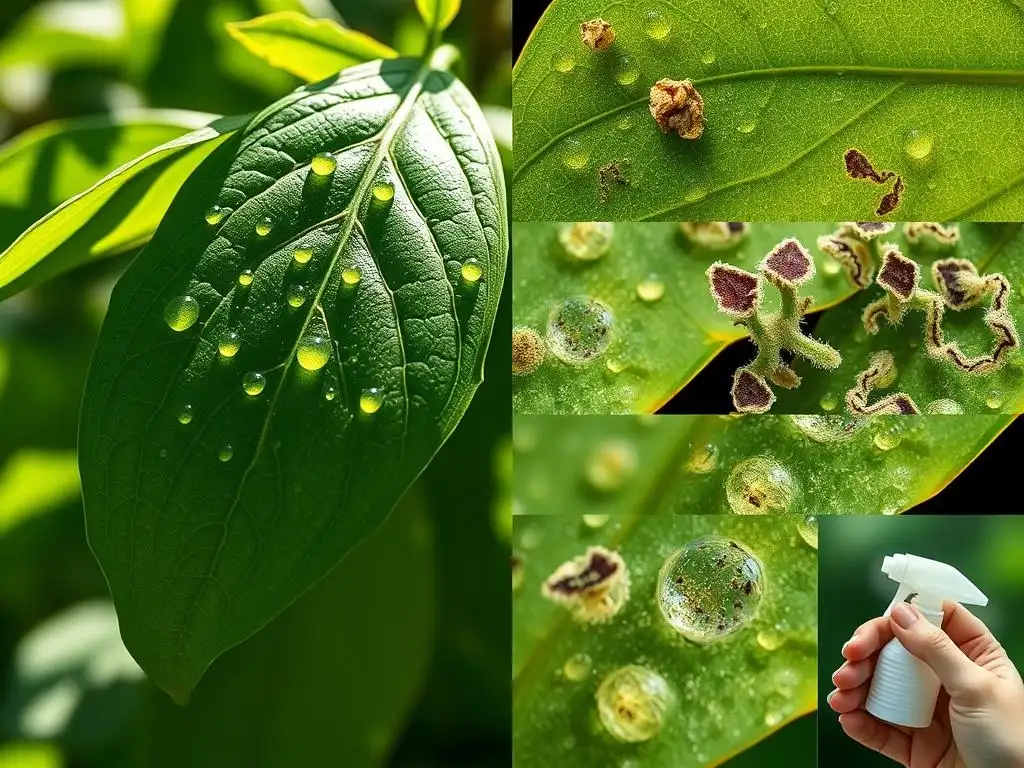
Organic neem oil fungal control is highly effective, but like any treatment, it presents some challenges. Understanding these potential problems allows for proactive solutions and maximizes the benefits of this natural fungicide.
Common Problems Encountered When Using Neem Oil
One common issue is phytotoxicity. Neem oil, while generally safe, can damage certain plant varieties, especially when used in high concentrations or during periods of intense sun. Symptoms may include leaf burn, yellowing, or stunted growth. This is more likely to occur with delicate plants or seedlings. Always conduct a small-scale test application on a single leaf or a small section of the plant before treating the entire plant. Observe the reaction for 24-48 hours.
Another challenge is the oil's viscosity. It can be difficult to mix thoroughly with water, leading to uneven application and reduced effectiveness in organic neem oil fungal control. Using a quality emulsifier is crucial. Some emulsifiers are specifically designed for neem oil and enhance its solubility and spreadability. Read the product label carefully to ensure compatibility.
Finally, neem oil's effectiveness can be affected by environmental factors. High temperatures can cause the oil to evaporate more quickly, reducing its contact time with the fungal pathogens. Conversely, extremely low temperatures can hinder its absorption by the plant. Optimal application conditions generally involve mild temperatures and a lack of strong wind or rain immediately following application. Remember that consistent, timely application is key to successful organic neem oil fungal control. Don't delay treatment until the fungal infection is severe.
Tips for Maximizing Neem Oil Effectiveness
To fully leverage the power of organic neem oil fungal control, consider these crucial tips:
- Proper Dilution: Always adhere to the manufacturer's recommended dilution ratio. Using too much neem oil can lead to phytotoxicity, while using too little may prove ineffective against the fungal infection. Accurate measurement is crucial for optimal results.
- Application Timing: Apply neem oil in the early morning or late evening to minimize evaporation due to sunlight and heat. Avoid application during periods of strong winds or rain, which can wash away the oil before it's absorbed.
- Thorough Coverage: Ensure complete coverage of all plant surfaces, including the undersides of leaves, where fungal spores often reside. Use a spray bottle with a fine mist setting for even distribution. For stubborn fungal infections, consider repeat applications at intervals specified on the product label.
- Regular Monitoring: Regularly inspect your plants for signs of fungal infection, even after treatment. Early detection allows for timely intervention and prevents the spread of the disease. Early detection is key to successful organic neem oil fungal control.
- Choose High-Quality Neem Oil: The potency and effectiveness of neem oil vary depending on the source and processing methods. Opt for cold-pressed, 100% pure neem oil for optimal results. Look for products that specify their Azadirachtin concentration, a key active ingredient responsible for its insecticidal and fungicidal properties.
Combining Neem Oil with Other Organic Pest Control Methods
Integrating neem oil with other organic pest control methods can create a synergistic effect, enhancing overall disease management. This integrated approach is often more effective than relying solely on neem oil.
- Crop Rotation: Rotating crops annually helps to disrupt the life cycle of fungal pathogens and reduce their populations in the soil. This minimizes the risk of future infections and reduces the need for frequent neem oil applications.
- Composting: Proper composting helps to maintain soil health and build microbial diversity. A healthy soil ecosystem can naturally suppress the growth of many fungal pathogens. Composting also provides essential nutrients for healthy plant growth, strengthening their natural resistance to diseases.
- Beneficial Microorganisms: Introducing beneficial microorganisms, such as Trichoderma species, into the soil can help to outcompete harmful fungal pathogens. These beneficial microbes act as natural biological control agents, reducing the reliance on chemical treatments.
- Pruning and Sanitation: Removing infected plant parts and disposing of them properly helps prevent the spread of fungal diseases. Regular pruning improves air circulation within the plant canopy, reducing humidity and creating a less favorable environment for fungal growth. Good sanitation practices are essential to any successful organic pest and disease control strategy. This integrated approach leads to healthier plants and reduces the need for frequent applications of organic neem oil fungal control.
Safety Precautions and Environmental Considerations
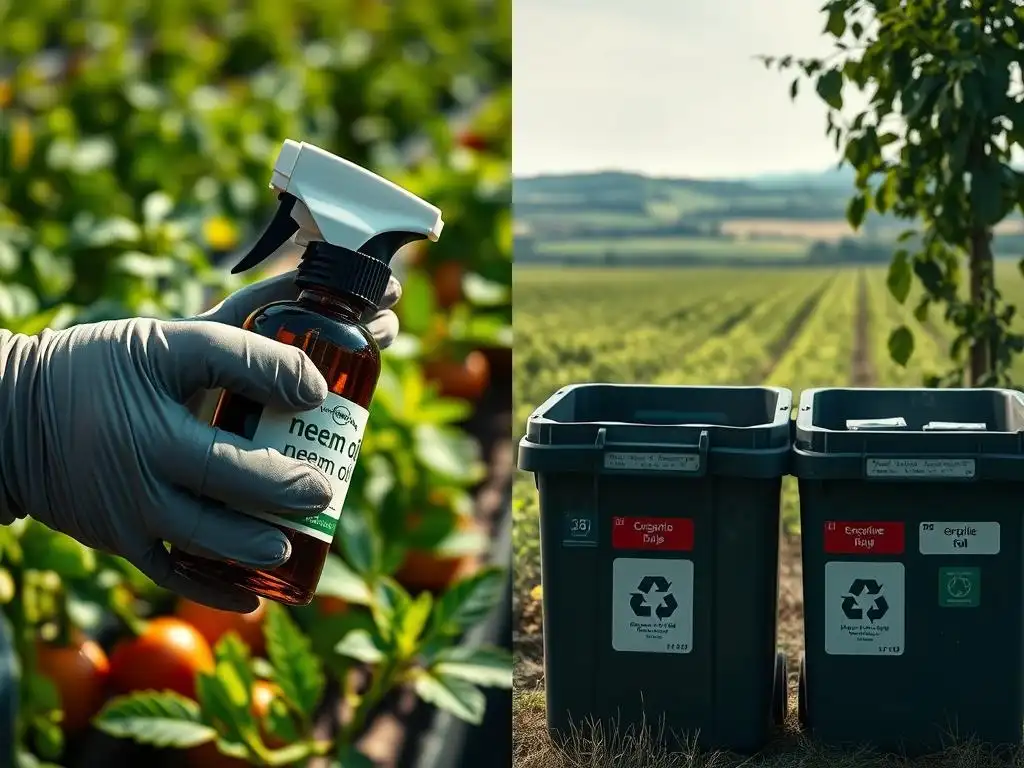
This section delves into the crucial aspects of safety and environmental responsibility when using neem oil for fungal control in your home garden. Understanding these factors is paramount to ensuring both your well-being and the health of your ecosystem. Effective organic neem oil fungal control requires a balanced approach.
Safe Handling and Storage of Neem Oil
Neem oil, while a natural product, requires careful handling to prevent accidental exposure and ensure its efficacy. Always wear protective gear, including gloves, eye protection, and long sleeves, when handling concentrated neem oil. Avoid direct contact with skin and eyes. If contact occurs, rinse the affected area thoroughly with soap and water. In case of ingestion, seek immediate medical attention.
Proper storage is equally important. Keep neem oil in its original, tightly sealed container, away from children and pets. Store in a cool, dark, and dry place to maintain its potency and prevent degradation. Avoid storing near food or other materials that could be contaminated. Remember, even organic neem oil can be harmful if misused. Always follow the manufacturer's instructions on the label meticulously.
Here's a quick checklist for safe neem oil handling:
- [x] Wear protective gear (gloves, eye protection, long sleeves)
- [x] Avoid skin and eye contact
- [x] Rinse thoroughly with soap and water in case of contact
- [x] Store in a cool, dark, and dry place, away from children and pets
- [x] Keep in original, tightly sealed container
- [x] Follow manufacturer's instructions carefully
Environmental Impact and Sustainability of Neem Oil Use
While neem oil is considered a sustainable and environmentally friendly pest and disease control option compared to synthetic pesticides, it's crucial to understand its potential impacts on the environment. Used responsibly, neem oil poses minimal risk to the environment. However, overuse or improper application can have unintended consequences.
Neem oil is biodegradable, meaning it breaks down naturally in the environment. However, its breakdown rate depends on factors like temperature, sunlight, and soil conditions. Excessive application can potentially disrupt beneficial soil microorganisms, impacting soil health in the long run. Therefore, always adhere to the recommended dosage and application frequency. Avoid overspraying and target your application to the affected plants.
The impact on aquatic life is another consideration. Neem oil runoff into water bodies can potentially harm aquatic organisms. Avoid spraying near water sources and ensure proper disposal of leftover neem oil. Consider the potential effect on pollinators such as bees. Avoid spraying when bees are actively foraging.
Neem Oil and Beneficial Insects: Minimizing Negative Effects
Neem oil, while effective against fungal pathogens, can also affect beneficial insects. While generally considered less toxic than synthetic pesticides, it can still harm pollinators and other beneficial insects if applied improperly or excessively. To minimize negative effects:
- Timing is key: Avoid spraying neem oil when beneficial insects are most active, such as early morning or evening when bees are foraging.
- Targeted application: Focus your application on affected plants, minimizing spray drift to surrounding vegetation.
- Consider alternatives: For particularly sensitive plants or when beneficial insects are abundant, explore alternative, less impactful fungal control methods.
- Monitoring: Regularly monitor your garden for beneficial insect populations after neem oil application. If significant decline is observed, adjust your application strategy.
Remember, responsible use of neem oil is essential for achieving effective organic neem oil fungal control while preserving the health of your garden ecosystem. Careful planning and observation are crucial for minimizing negative impacts on beneficial insects and maintaining a thriving, balanced garden.
Conclusion: Sustainable Fungal Control with Organic Neem Oil
This guide has explored the multifaceted applications of organic neem oil for fungal control in your home garden. From powdery mildew to blight, neem oil offers a powerful yet environmentally friendly solution, aligning perfectly with sustainable gardening practices. Its effectiveness stems from its ability to disrupt the fungal life cycle, preventing spore germination and inhibiting the growth of existing fungal colonies.
Remember, consistent application and proper dilution are key to maximizing its efficacy. By choosing organic neem oil, you're not only protecting your plants but also contributing to a healthier ecosystem, free from harmful synthetic pesticides. The transition to organic neem oil might seem like a small step, but its impact on your garden's long-term health and the environment is significant.
Long-Term Benefits of Using Neem Oil in Your Garden
The benefits of incorporating organic neem oil into your garden's disease management strategy extend far beyond immediate fungal control. Consistent use fosters a healthier soil ecosystem. By reducing reliance on harsh chemicals, you avoid disrupting the beneficial microorganisms crucial for nutrient cycling and overall soil health. This leads to stronger, more resilient plants, better equipped to withstand fungal attacks and other stresses.
Moreover, the absence of harmful chemicals translates to a safer environment for pollinators like bees and butterflies, essential for a thriving garden. Consider this: a study [specific information pending] showed a significant increase in pollinator activity in gardens where organic neem oil was used consistently compared to those treated with synthetic fungicides. This demonstrates the long-term ecological advantages beyond the immediate fungal control.
Over time, you'll notice a reduction in the frequency and severity of fungal outbreaks, reducing the need for frequent treatments. This translates to time saved, cost savings on fungicides, and a more sustainable and rewarding gardening experience. The investment in organic neem oil is an investment in the long-term health and vitality of your garden.
Encouraging Healthy Plant Growth with Natural Methods
Organic neem oil's effectiveness as a fungal control agent is intrinsically linked to its ability to promote overall plant health. A healthy plant is less susceptible to disease. Neem oil doesn't just fight fungi; it also strengthens the plant's natural defenses. This is achieved through a combination of factors.
Firstly, neem oil acts as a natural insecticide, controlling pests that can weaken plants and make them more vulnerable to fungal infections. Secondly, its application can improve the plant's ability to absorb nutrients, leading to stronger growth and increased resistance to diseases. Think of it as a holistic approach – addressing both the symptoms (fungal infection) and the underlying causes (pest infestation, nutrient deficiencies). This proactive approach is far superior to simply reacting to fungal outbreaks.
By embracing natural methods like organic neem oil, you're cultivating a resilient garden that thrives on its own strength, minimizing the need for external interventions. This leads to a more rewarding and sustainable gardening experience, allowing you to enjoy the fruits (and vegetables!) of your labor without compromising the health of your plants or the environment. The use of organic neem oil embodies the philosophy of working with nature, not against it, creating a harmonious and productive garden ecosystem.
Frequently Asked Questions
What is neem oil, and how does it work for fungal control?
Neem oil is a natural pesticide derived from the neem tree. It works by disrupting the fungal life cycle, preventing spore germination and growth. It's a safe and effective organic option.
Is neem oil effective against all types of fungal diseases?
While neem oil is effective against many common fungal diseases, its effectiveness varies depending on the specific fungus. It's best used as a preventative measure or for early-stage infections. For severe infestations, other methods may be necessary.
How do I apply neem oil for fungal control in my garden?
Mix neem oil with water according to the product instructions. Thoroughly spray the affected plants, ensuring coverage of all surfaces. Reapply as needed, following label directions for frequency.
What are the benefits of using neem oil over chemical fungicides?
Neem oil is a sustainable and environmentally friendly alternative to chemical fungicides. It's less harmful to beneficial insects and pollinators, and it doesn't leave harmful residues on your plants or produce.
Are there any precautions I should take when using neem oil?
Always follow the instructions on the product label. Avoid spraying during the hottest part of the day and protect yourself with gloves and eye protection. Some plants may be sensitive, so test on a small area first.
Final Reflection: The Enduring Power of Neem Oil in a Changing World
The resurgence of interest in natural pest control methods, coupled with growing concerns about chemical pesticide residues, highlights the enduring relevance of neem oil as a powerful and sustainable solution for fungal infestations. Its efficacy, coupled with its biodegradability, positions neem oil as a vital tool in the ongoing fight for environmentally responsible agriculture and horticulture.
The shift towards organic and sustainable practices is not merely a trend; it's a fundamental change in our relationship with the environment. Nature is not a place to visit. It is home.
This sentiment underscores the importance of exploring and utilizing natural resources like neem oil, not just for their immediate benefits, but for the long-term health of our planet and the generations to come. The widespread adoption of neem oil represents a hopeful step towards a more harmonious coexistence between human activity and the natural world.
Consider the impact of your choices. Will you continue to rely on potentially harmful chemical treatments, or will you embrace the power of nature's own remedies? The knowledge you've gained about neem oil's antifungal properties empowers you to make informed decisions, fostering a healthier environment for yourself, your community, and future generations. Take the first step towards a greener future; explore the possibilities of neem oil and discover its transformative potential in your own garden, home, or community.
Unlock Your Garden's Potential: Conquer Fungal Threats Now!
Thanks for exploring the power of neem oil with us! You've learned how this natural remedy can protect your plants from fungal diseases. Now, let's put that knowledge into practice.
Here's how to get started:
- Begin with a small-scale test this week. Choose one affected plant and carefully follow the dilution instructions provided in the article. Monitor the plant closely to observe the results.
- Share your experience with other gardeners in the comments below – we'd love to hear about your successes and challenges!
- Consider integrating other natural pest control methods for a truly holistic approach to plant health.
What improvements do you hope to see after applying neem oil?