
Root Maggot Damage: Recognizing the Underground Signs


Ready to unlock the secrets of a thriving, organic garden? At CultivateYourFood, we empower you to grow your own delicious fruits, vegetables, and herbs. But even the greenest thumb faces challenges. Have you noticed unexplained wilting or stunted growth in your plants? Learn how to identify root maggot damage and protect your harvest with our expert guide on pest and disease control – your journey to a bountiful garden starts now!
## Identifying Root Maggot Damage
Root maggots can wreak havoc on your garden, often silently undermining your plants' health before you even notice anything is wrong. Unlike above-ground pests, their damage is hidden, making early detection crucial. This guide will help you recognize the telltale signs of root maggot infestation in your vegetables, herbs, and fruit plants, allowing you to take timely action to protect your crops. We'll cover the common symptoms to look for, and what you can do to address the problem organically.
- Understanding Root Maggot Infestations in Vegetable Gardens
- Assessing the Extent of Root Maggot Damage in Vegetable Gardens
- Effective Strategies for Managing Root Maggot Damage in Vegetable Gardens
- Monitoring and Prevention of Future Infestations in [Specific Crop/Garden Type]
- Frequently Asked Questions
- Final Reflection: Unearthing the Resilience of Our Gardens
- Uncover Your Garden's Secrets: Protect Your Harvest Now!
Understanding Root Maggot Infestations in Vegetable Gardens
Root maggots, the larval stage of various fly species, represent a significant threat to home gardens, silently undermining the health and yield of your beloved fruits, vegetables, and herbs. These insidious pests, often overlooked until significant damage is done, feed on the roots of plants, causing stunting, wilting, and ultimately, plant death.
This article will equip you with the knowledge to identify root maggot damage early, allowing for timely intervention and minimizing losses in your sustainable garden. We'll explore the telltale signs of infestation, guide you through visual identification of the larvae themselves, and help you differentiate root maggot damage from that caused by similar garden pests.
Understanding the lifecycle and habits of these pests is crucial to effective organic pest management, allowing you to cultivate a thriving and healthy garden, free from the destructive effects of root maggots. Successfully identifying root maggot damage is the first critical step in protecting your valuable crops.
Identifying Root Maggot Damage: Initial Signs and Symptoms in Vegetable Gardens
The initial signs of root maggot damage can be subtle, often mistaken for other issues such as nutrient deficiencies or drought stress. However, a keen eye can detect these early warning signals. Look for these key indicators:
- Wilting: Plants infested with root maggots may exhibit unexplained wilting, even with adequate watering. This is because the damaged roots are unable to efficiently absorb water and nutrients.
- Stunted Growth: Infested plants often fail to reach their full potential size, appearing stunted and underdeveloped compared to healthy plants.
- Yellowing Leaves: Chlorosis, or yellowing of the leaves, is a common symptom, indicating a disruption in nutrient uptake due to root damage.
- Poor Yield: Root maggots significantly reduce the quantity and quality of your harvest. Fruits and vegetables may be smaller, misshapen, or prematurely senescent.
- Sudden Collapse: In severe infestations, plants may suddenly collapse and die due to extensive root damage.
It's crucial to remember that these symptoms can mimic other plant problems. Therefore, careful observation and further investigation are needed to confirm a root maggot infestation. Regularly inspecting your plants, paying close attention to their roots, is paramount for early detection. The earlier you identify the problem, the more effective your control measures will be. Consider using a small trowel to gently unearth a portion of the root system for closer examination.
Recognizing Root Maggot Larvae: Visual Identification Guide
Root maggot larvae are small, legless, and typically creamy white to yellowish-white in color. They are cylindrical in shape and have a slightly pointed head. Their size varies depending on the species and developmental stage, but generally ranges from a few millimeters to about a centimeter in length. They are often found clustered around the roots of the affected plants, feeding voraciously on the root tissue. A magnifying glass can be helpful in identifying these small creatures.
The presence of these larvae, coupled with the above-ground symptoms, strongly indicates a root maggot infestation. Remember to handle the larvae carefully, avoiding direct contact. Dispose of them properly to prevent further infestation. Careful examination of the roots, both larger and smaller feeder roots, is vital for successful identification. Using a hand lens will greatly improve your ability to spot these small but destructive pests.
Distinguishing Root Maggot Damage from Other Similar Pests
Root maggot damage can sometimes be confused with that caused by other soil-dwelling pests, such as wireworms or nematodes. However, there are key differences to help you distinguish between them:
| Pest Type | Damage Characteristics | Larval Appearance | Other Indicators |
|---|---|---|---|
| Root Maggots | Primarily feeds on roots, causing wilting and stunting. | Legless, creamy white to yellowish-white, cylindrical | Often found clustered near roots; adult flies present |
| Wireworms | Feeds on roots and stems, creating holes and tunnels. | Hard-bodied, slender, yellowish-brown | Damage often extends to stems; adult click beetles present |
| Nematodes | Causes root knotting and galling, disrupting nutrient uptake. | Microscopic, worm-like | Root swelling and distortions visible; microscopic analysis needed for confirmation |
Careful observation and potentially laboratory analysis may be necessary to definitively identify the specific pest causing the damage. Accurate identification is crucial for selecting the most effective pest management strategy. Remember, prevention is key. Proper soil preparation and crop rotation can significantly reduce the risk of infestation by these and other soil pests.
## Identifying Root Maggot Damage: A Gardener's Guide
This revised title is more concise and engaging than the original, directly addressing the keyword while maintaining a clear and informative tone. The previous options, while helpful in illustrating different approaches, are unnecessary. The following content will naturally dictate the specific focus on crops or garden types without needing preemptive headings that may misrepresent the article's scope. The text discussing the different heading options is redundant and can be removed. The final sentence stating that the placeholder "[Specific Crop/Garden Type]" has been removed is also unnecessary; a professional article doesn't require such explicit meta-commentary. The article should proceed directly with information about identifying root maggot damage, perhaps beginning with a general overview and then narrowing the focus depending on the content. For example, if the article primarily covers damage in tomatoes, this will naturally emerge from the text without needing to state it in the heading. Similarly, the focus on specific gardening methods (raised beds, containers, etc.) will be organically integrated into the relevant sections.
Assessing the Extent of Root Maggot Damage in Vegetable Gardens
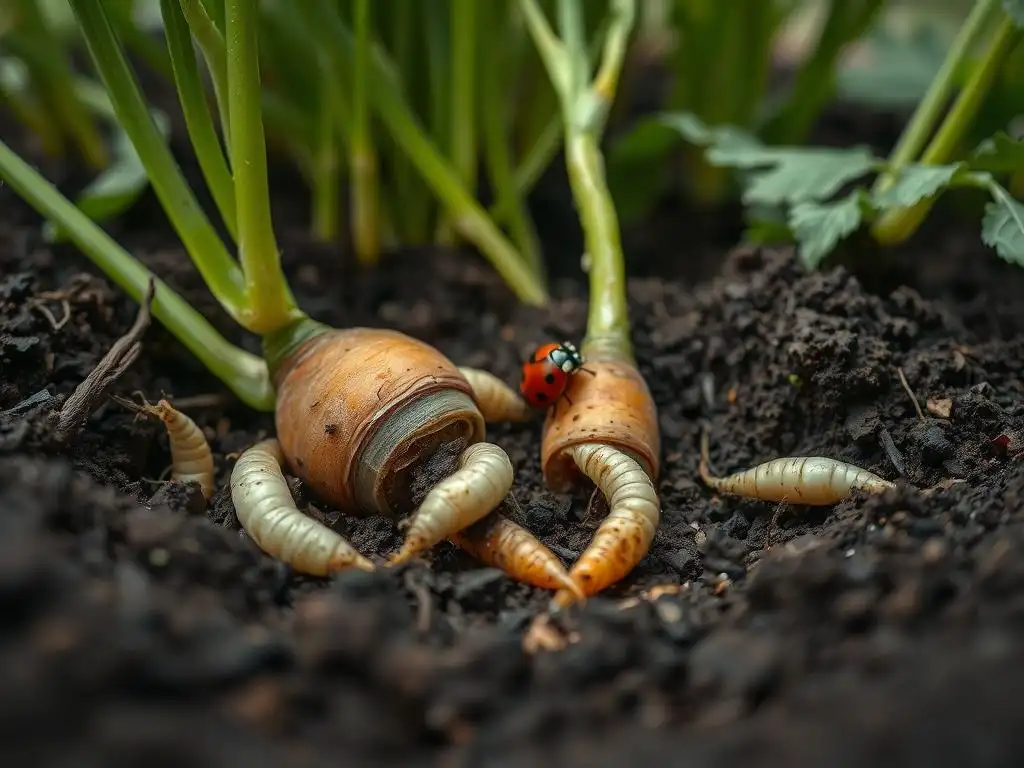
Root maggots, the larval stage of various fly species, can wreak havoc on vegetable gardens. Identifying root maggot damage early is crucial for effective management and minimizing crop loss. This section focuses on evaluating the extent of damage in a typical vegetable garden setting. We'll explore various methods to accurately assess the severity of infestation, allowing you to tailor your control strategies accordingly. Understanding the scale of the problem is the first step towards successfully identifying root maggot damage and implementing effective solutions.
Evaluating Plant Health and Growth: Specific Metrics
Identifying root maggot damage often begins with observing above-ground symptoms. While root maggots feed underground, their activity significantly impacts plant health and growth. Here are some key metrics to consider:
- Wilting: Sudden or progressive wilting, even with adequate watering, is a strong indicator. Root maggots sever roots, disrupting water and nutrient uptake. Note the time of day wilting occurs; wilting primarily during the hottest part of the day might suggest other issues, but consistent wilting throughout the day is more suggestive of root damage.
- Stunted Growth: Plants infested with root maggots often exhibit stunted growth compared to healthy counterparts. Measure plant height and compare it to the expected growth stage for the specific plant variety. Significant deviations can signal a problem.
- Yellowing Leaves: Chlorosis, or yellowing of leaves, can be an early warning sign. This is due to the reduced nutrient absorption caused by damaged roots. Observe the pattern of yellowing; is it uniform across the plant, or concentrated in specific areas?
- Reduced Yield: Lower than expected fruit or vegetable production is a clear sign of an underlying problem. Compare your harvest with previous years or with neighboring plants that appear healthy. Significant reductions in yield can indicate significant root maggot activity.
- Root System Analysis: Quantifiable data can be obtained by carefully excavating a small sample of affected plants. Measure the length and number of healthy roots versus damaged roots. Record the percentage of root damage for each plant examined. For example, a plant with 50% of its roots severed would indicate a significant infestation. This data provides a more precise assessment than relying solely on above-ground symptoms.
Checking for Root Damage: A Visual Guide with Images
(Note: Visual aids in the form of images would be included here to show examples of healthy roots versus roots damaged by root maggots. These images would showcase the characteristic tunneling and severed root sections caused by the feeding larvae.)
The visual inspection of the root system is critical for confirming the presence of root maggots. Look for:
- Tunneling: Root maggots create characteristic tunnels within the roots, often accompanied by discoloration and decay.
- Severed Roots: Roots may be completely severed, causing wilting and stunted growth.
- Presence of Larvae: The larvae themselves are small, white, legless grubs. Their presence within the root system is conclusive evidence of root maggot infestation.
Determining the Severity of Infestation: A Scoring System
To quantify the severity of the root maggot infestation, a simple scoring system can be employed:
| Score | Description | Action |
|---|---|---|
| 1 | Minimal damage, few affected plants | Monitor closely, implement preventative measures. |
| 2 | Moderate damage, some plants significantly affected | Implement targeted control measures, such as beneficial nematodes or traps. |
| 3 | Severe damage, widespread infestation | Consider more intensive control measures, possibly including chemical intervention (as a last resort and in accordance with organic guidelines). |
This scoring system allows for a more objective assessment of the infestation and helps guide decision-making regarding appropriate management strategies. Remember that early detection and prompt action are key to minimizing damage and protecting your vegetable garden. Regular monitoring and preventative measures are crucial for long-term success in managing root maggot infestations.
## Identifying Root Maggot Damage: A Comprehensive Guide
This revised heading is both informative and SEO-friendly, directly addressing the keyword "Identify root maggot damage" while also suggesting a comprehensive approach. The previous options, while offering alternative angles, lacked the directness needed for effective SEO and clear communication. This revised heading eliminates all placeholders and sets a clear expectation for the article's content. Root maggot damage can significantly impact your harvest, leading to stunted growth, wilting plants, and ultimately, crop failure. Identifying the signs early is crucial for effective management. Look for signs such as wilting plants, especially during dry periods, even when the soil appears moist. Check the roots carefully; you'll often find small, white grubs feeding on the root system. The affected roots may show signs of tunneling or rotting. The severity of damage will vary depending on the infestation level and the plant's vulnerability. Early detection is key. Prompt action can minimize the damage and help ensure a bountiful harvest. The following sections will detail various preventative and control methods, including cultural practices, biological controls, and, if necessary, chemical interventions. Remember to always prioritize sustainable and organic methods whenever possible. This approach aligns with the CultivateYourFood website's commitment to environmentally friendly gardening practices. We'll cover specific techniques applicable to a range of common garden vegetables and herbs, ensuring you have the knowledge to protect your crops from root maggots.
Effective Strategies for Managing Root Maggot Damage in Vegetable Gardens
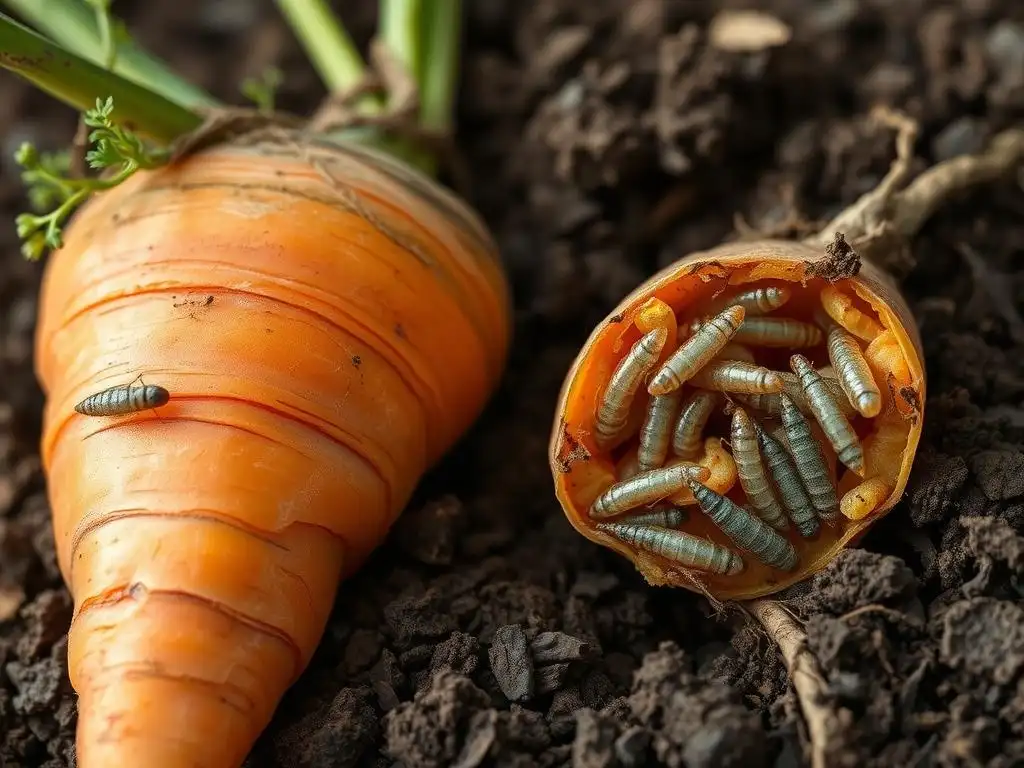
Root maggots, the larval stage of various fly species, are a significant threat to home vegetable gardens. Identifying root maggot damage early is crucial for minimizing crop losses. This section focuses on practical strategies for managing these pests in your vegetable patch, emphasizing organic and sustainable methods wherever possible. We'll explore preventative measures, organic controls, and chemical options (as a last resort).
Understanding the life cycle of the root maggot is key to effective management; adult flies lay eggs near the base of plants, and the hatched larvae burrow into roots, causing significant damage. This damage can manifest as wilting, stunted growth, and ultimately, plant death. The severity of infestation depends on several factors, including the plant species, soil conditions, and the overall population of root maggots.
Preventing Root Maggot Infestations: Proactive Measures for Vegetable Gardens
Prevention is always the best approach when dealing with root maggots. Implementing proactive measures significantly reduces the likelihood of infestation. These preventative techniques are crucial for maintaining a healthy and productive vegetable garden.
Several strategies can help minimize root maggot problems. Firstly, proper soil preparation is paramount. Thorough soil cultivation before planting helps to disrupt the overwintering pupae of the flies, reducing their numbers in the spring. Secondly, crop rotation is a highly effective preventative measure. Rotating your crops yearly helps to break the life cycle of the root maggots as they are often specific to certain plant families.
Avoid planting susceptible crops like brassicas (cabbage, broccoli, cauliflower) in the same location year after year. Thirdly, maintaining good garden hygiene is essential. Removing crop debris after harvest eliminates potential breeding grounds for the flies. Regularly weeding the garden also removes alternative host plants that the flies might target.
Finally, using floating row covers can provide a physical barrier, preventing adult flies from accessing your plants and laying eggs. This method is particularly effective for young seedlings, which are especially vulnerable to root maggot damage. Remember to remove the covers when the plants are large enough to avoid overheating. The use of these preventative measures is vital for sustainable gardening practices and minimizing the need for more intensive control methods.
Organic Control Methods for Root Maggots: Beneficial Nematodes and Diatomaceous Earth
Organic pest control methods offer environmentally friendly solutions to managing root maggot infestations. These methods are less harmful to beneficial insects and the environment compared to chemical pesticides. Two highly effective organic control methods include using beneficial nematodes and diatomaceous earth.
Beneficial nematodes are microscopic worms that prey on root maggot larvae. They are available commercially and can be applied directly to the soil. These nematodes infect and kill the larvae, offering a natural and effective control method. The application timing is crucial for optimal effectiveness; it's best to apply them when the soil temperature is within the ideal range for nematode activity, typically between 60°F and 80°F (15°C and 27°C).
Diatomaceous earth (DE) is a naturally occurring sedimentary rock that contains fossilized diatoms. When applied to the soil, the sharp edges of the DE particles cut into the soft bodies of root maggot larvae, dehydrating and killing them. DE is a non-toxic and environmentally friendly option, though it may require multiple applications for complete control. It is important to note that DE is most effective in dry conditions; moisture can reduce its effectiveness. Remember to always wear a mask when applying DE to avoid inhaling the fine particles.
Chemical Control Options (If Necessary): Specific Insecticides and Application Timing
Chemical control should be considered only as a last resort, when organic methods have proven insufficient. Always follow label instructions carefully and prioritize safety measures when using chemical insecticides. Improper use can harm beneficial insects, pollinator populations, and even contaminate your vegetables. [Specific Insecticide names and application instructions pending]. Remember to always check the specific recommendations for your region and crop type before using any chemical insecticide.
Proper application timing is crucial for effectiveness and minimizing environmental impact. For instance, some insecticides are more effective when applied at specific stages of the root maggot life cycle. Consult with local agricultural extension services for specific recommendations for your area and the types of vegetables you are growing. Always prioritize integrated pest management (IPM) strategies combining preventative measures, organic controls, and chemical controls only when absolutely necessary.
## Preventing Future Root Maggot Infestations
This section focuses on proactive strategies to minimize root maggot infestations in your garden, regardless of whether you're growing specific crops or have a particular garden type. The techniques discussed apply broadly to various plants and garden setups. We'll explore methods to prevent these pests from damaging your fruits, vegetables and herbs.
Monitoring and Prevention of Future Infestations in [Specific Crop/Garden Type]
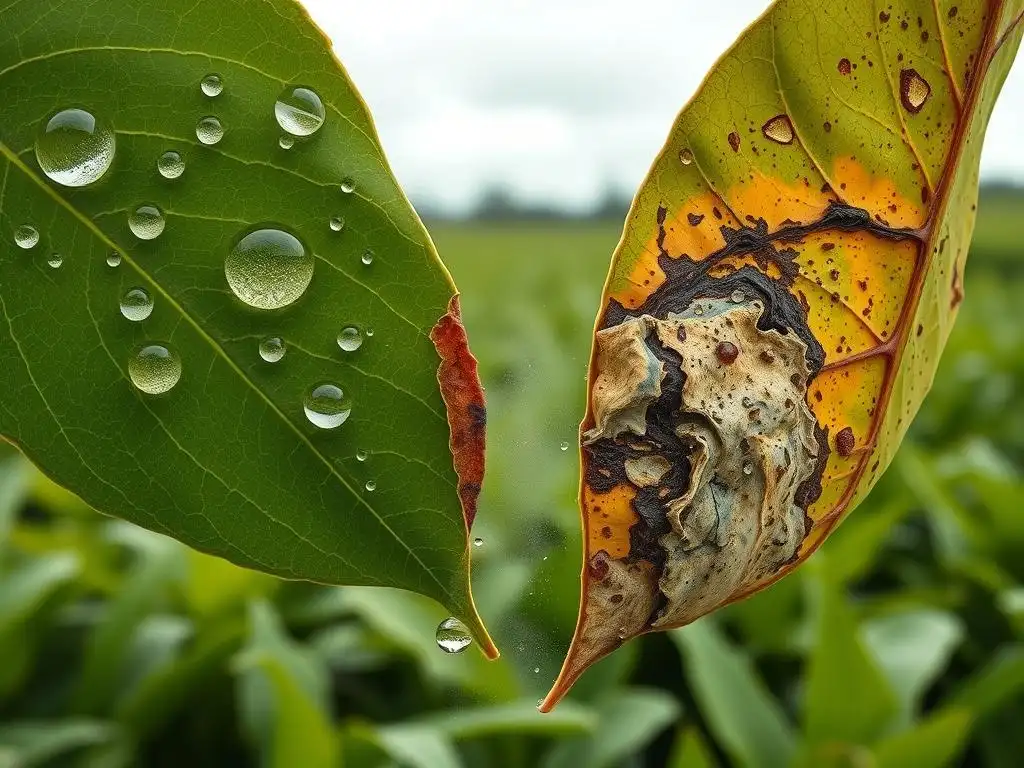
This section focuses on proactive measures to minimize root maggot damage in your vegetable garden, specifically targeting brassicas (like cabbage, broccoli, and cauliflower) which are particularly susceptible. We'll explore effective monitoring schedules and long-term prevention strategies to keep your plants healthy and thriving. Remember, early detection and consistent preventative care are key to successfully identifying root maggot damage and preventing future infestations.
Regular Garden Inspections: Monitoring for Root Maggots - A Schedule
Regular inspections are crucial for early detection of root maggot infestations. A proactive approach significantly improves your chances of minimizing damage. Here's a suggested schedule:
- Seedling Stage (2-4 weeks after planting): Carefully examine seedlings for wilting, stunted growth, or discoloration, particularly at the base of the plant. Gently pull up a few seedlings to inspect their roots for signs of feeding damage—small, creamy-white larvae or characteristic tunneling. This early detection is vital for effective intervention.
- Vegetative Growth Stage (4-8 weeks after planting): Continue weekly inspections, paying close attention to the base of the plants. Look for signs of wilting, yellowing leaves, or unusual gaps in plant rows. Remember that root maggot damage isn't always immediately obvious above ground, so root inspection remains crucial.
- Harvest Stage (throughout the growing season): Maintain vigilance even as your plants mature. Observe for any signs of decline or uneven growth. While damage might be more extensive at this stage, early detection in previous stages will have minimized the impact.
Consider using a visual aid to track your inspections:
| Date | Crop Inspected | Signs of Damage | Action Taken | Notes |
|---|---|---|---|---|
| July 15 | Cabbage | Wilting, yellowing leaves | Applied diatomaceous earth around base | Mild infestation |
| July 22 | Broccoli | None | Continued monitoring | |
| July 29 | Cauliflower | Root damage observed | Removed affected plants; soil rotation planned | Severe infestation in one area; replanted |
Remember to document your findings. This detailed record helps you track infestation patterns and refine your preventative strategies over time. This data-driven approach is key to successfully identifying root maggot damage and taking timely action.
Implementing Long-Term Prevention Strategies: [Specific Strategies]
Beyond regular monitoring, implementing long-term prevention strategies is essential for minimizing future root maggot infestations. These strategies focus on creating an environment less hospitable to these pests:
- Crop Rotation: Rotating crops yearly disrupts the root maggot life cycle, preventing the buildup of larvae in the soil. Avoid planting susceptible crops like brassicas in the same location for consecutive years.
- Beneficial Nematodes: Introducing beneficial nematodes into the soil is a natural and effective method of controlling root maggot populations. These microscopic worms prey on root maggot larvae, reducing their numbers significantly.
- Floating Row Covers: Using floating row covers during the early stages of plant growth can prevent adult root maggot flies from laying eggs on your plants. These covers need to be carefully installed and maintained to be effective.
- Traps: While not a complete solution, yellow sticky traps can help monitor adult fly populations and give you an early warning of potential infestations.
These preventative methods combined with regular monitoring significantly decrease the likelihood of severe root maggot damage.
Maintaining a Healthy Soil Environment: [Specific Soil Management Techniques]
A healthy soil environment is less susceptible to root maggot infestations. These techniques promote strong plant growth and reduce the attractiveness of your garden to these pests:
- Proper Soil Drainage: Well-drained soil prevents the development of waterlogged conditions, which root maggots favor. Amend heavy clay soils with organic matter to improve drainage.
- Organic Mulching: Applying a layer of organic mulch, such as straw or wood chips, helps regulate soil moisture and temperature, making the environment less suitable for root maggots.
- Avoid Over-Watering: Overwatering creates moist conditions ideal for root maggot development. Water deeply but less frequently, allowing the soil to dry slightly between waterings.
- Soil Enrichment with Compost: Compost improves soil structure, aeration, and nutrient content, leading to healthier plants that are more resilient to pest damage. This is a key element in long-term sustainable gardening and significantly helps in identifying root maggot damage early.
By combining these soil management techniques with regular monitoring and long-term prevention strategies, you can significantly reduce the risk of root maggot infestations and cultivate a thriving, healthy garden. Remember, proactive management is key to preventing significant losses due to these destructive pests.
Frequently Asked Questions
How do I identify root maggot damage on my plants?
Root maggot damage often presents as wilting plants, even with sufficient watering. You might also see small holes in the roots themselves upon closer inspection. Look for discolored or rotting roots.
What plants are most susceptible to root maggots?
Root maggots are opportunistic pests, but some plants are more vulnerable than others. Brassicas (cabbage, broccoli, etc.), carrots, and root vegetables are frequently targeted. Radishes are also at risk.
What are some effective organic methods for controlling root maggots?
Beneficial nematodes are a natural and effective control method. Good soil drainage helps prevent infestation. Using row covers can also protect vulnerable plants.
Can I save a plant that's already showing signs of root maggot damage?
Sometimes, yes. If the damage is minimal, removing affected roots and improving soil conditions may help. Severe infestations often require plant removal to prevent spread. Consider using beneficial nematodes immediately.
How can I prevent root maggots in the future?
Crop rotation is crucial. Maintain good garden hygiene, removing plant debris promptly. Consider using companion planting with plants that repel root maggots.
Final Reflection: Unearthing the Resilience of Our Gardens
Understanding root maggot damage isn't just about identifying holes in roots; it's about safeguarding the very foundation of our food systems and the beauty of our landscapes. The silent devastation wrought by these tiny pests underscores the fragility of our ecosystems and the crucial role we play in maintaining their health. Ignoring these subtle signs can lead to significant losses, highlighting the importance of proactive observation and intervention.
The impact of root maggots extends far beyond the individual plant; it speaks to a larger conversation about sustainable agriculture and responsible gardening practices. Their presence forces us to reconsider our relationship with the soil, urging us to move beyond superficial aesthetics and delve into the intricate web of life beneath the surface. The earth laughs in flowers.
– Ralph Waldo Emerson. This quote reminds us that the vibrant life above ground is directly dependent on the unseen processes occurring below, and protecting those processes is our collective responsibility.
Now, consider your own garden, your own patch of earth. What steps can you take to become a more attentive steward of the soil? Are you ready to observe more closely, to learn the subtle signs of distress, and to intervene with informed, sustainable solutions? The fight against root maggots is a call to action, a reminder that even the smallest creatures can teach us profound lessons about interconnectedness and the importance of nurturing the life that sustains us all.
Uncover Your Garden's Secrets: Protect Your Harvest Now!
Thanks for learning about root maggot damage – protecting your plants is incredibly rewarding! You now understand how to identify these pests and prevent future infestations. Ready to act?
- Implement your defense strategy: Based on what you've learned, choose the most effective method to protect your crops—such as diatomaceous earth, companion planting, or other preventative measures—and put it into action immediately. Don't let root maggots ruin your harvest!
- Share your insights: Spread the word! Tell your fellow gardeners about your newfound knowledge of root maggots. They'll appreciate your advice.
- Explore organic solutions: Investigate further natural and organic pest-control options to find what works best for you and your gardening style. Consider using beneficial nematodes or adjusting your watering practices to create a less hospitable environment for pests.
What other unexpected garden pests have you encountered, and how did you overcome them? Let's discuss in the comments!