
Pickling Radishes: A Zesty and Colorful Addition to Your Preserving Repertoire

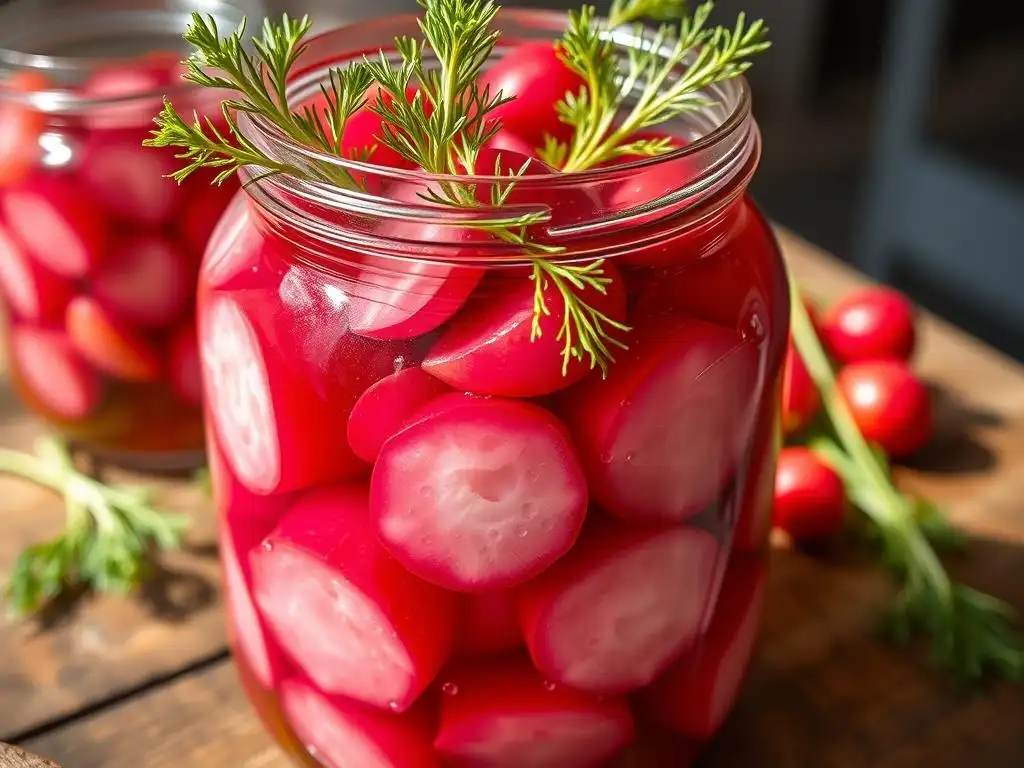
Welcome to CultivateYourFood, your guide to growing a thriving, sustainable garden! Ready to transform your harvest into something truly special? Discover the secrets to creating vibrant, organic pickled radishes with our in-depth recipe – a zesty and colorful addition to your preserving repertoire. Learn how to maximize your harvest and enjoy the fruits (and vegetables!) of your labor all year round. Let's get started!
- Why Pickle Radishes? The Benefits of Organic Radish Pickling
- Selecting the Perfect Radishes for Pickling: A Guide for Organic Gardening
-
Pickling Radishes Organically: A Step-by-Step Recipe
- Gathering Your Ingredients: Organic and Sustainable Sourcing
- Preparing the Radishes: Cleaning, Trimming, and Slicing
- Creating the Brine: A Simple Recipe for Organic Pickled Radishes
- The Pickling Process: Step-by-Step Instructions for Perfect Pickled Radishes
- Sterilizing Jars for Safe and Long-lasting Storage
- Storing and Enjoying Your Homemade Pickled Radishes
- Troubleshooting Common Pickling Problems
- Expanding Your Pickling Repertoire: Beyond Radishes
- Resources for Organic Gardening and Pickling
- Frequently Asked Questions
- Final Reflection: The Enduring Allure of Pickled Radishes
- Unleash Your Inner Pickler: Zesty Radish Adventures Await!
Why Pickle Radishes? The Benefits of Organic Radish Pickling
Pickling radishes offers a delightful way to preserve the vibrant flavors and crisp texture of your homegrown harvest, extending their enjoyment far beyond the peak season. This guide explores the art of organic radish pickling, providing a simple yet effective recipe that ensures you can savor the zesty goodness of your radishes throughout the year. We'll delve into the nutritional benefits of pickled radishes, the unique flavor profile that makes them so appealing, and the importance of using organic ingredients to maintain the highest quality and health benefits.
Learning to pickle radishes is a rewarding experience, allowing you to transform a bountiful harvest into a delicious and healthy condiment perfect for adding a unique zest to your meals. This "Pickling radishes organic recipe" will guide you through the process step-by-step, ensuring even beginner preservers achieve success. Let's explore the wonderful world of pickled radishes!
The Delightful Crunch and Flavor Profile of Pickled Radishes
Pickled radishes boast a unique combination of textures and tastes that make them a truly captivating addition to any meal. The pickling process enhances the radish's natural peppery bite, transforming it into a tangy and slightly sweet treat. The firm crunch of the radish remains largely intact, offering a satisfying textural contrast to the soft, acidic brine. The vibrant color of the radishes is also preserved, adding a splash of visual appeal to your culinary creations.
The overall flavor profile is a delightful balance of sweet, sour, and spicy notes, creating a complex and intriguing taste experience. This makes them a versatile addition to sandwiches, salads, charcuterie boards, and even as a standalone snack. Their bright color also makes them a visually appealing addition to any dish.
Nutritional Value of Pickled Radishes: Vitamins and Minerals
While the pickling process does alter some of the nutritional content, pickled radishes still retain valuable nutrients. Radishes themselves are a good source of Vitamin C, an antioxidant crucial for immune function. They also contain folate, important for cell growth and development, and potassium, which contributes to healthy blood pressure. While some vitamin loss occurs during pickling, the fermentation process can actually increase the bioavailability of certain nutrients, making them easier for the body to absorb.
The brine itself can also contribute beneficial probiotics, supporting gut health. Using organic radishes ensures you avoid harmful pesticides and maximize the nutritional benefits of your homemade pickles. Remember to always consult with a healthcare professional for personalized dietary advice.
Preserving Your Harvest: Extending the Life of Your Homegrown Radishes
Preserving your homegrown radishes through pickling is an excellent way to extend their shelf life significantly. Properly pickled radishes can last for several months, allowing you to enjoy the flavors of your garden long after the growing season has ended. This is particularly valuable for those who cultivate a surplus of radishes or want to enjoy the taste of their summer harvest during the colder months. Pickling acts as a natural preservation method, inhibiting the growth of harmful bacteria and preventing spoilage.
This method allows you to minimize food waste and maximize the enjoyment of your hard work in the garden. By following a reliable "Pickling radishes organic recipe", you can confidently preserve your harvest and savor the fruits (or rather, vegetables!) of your labor for months to come. The satisfaction of enjoying your own homegrown, organically pickled radishes is unparalleled.
Selecting the Perfect Radishes for Pickling: A Guide for Organic Gardening
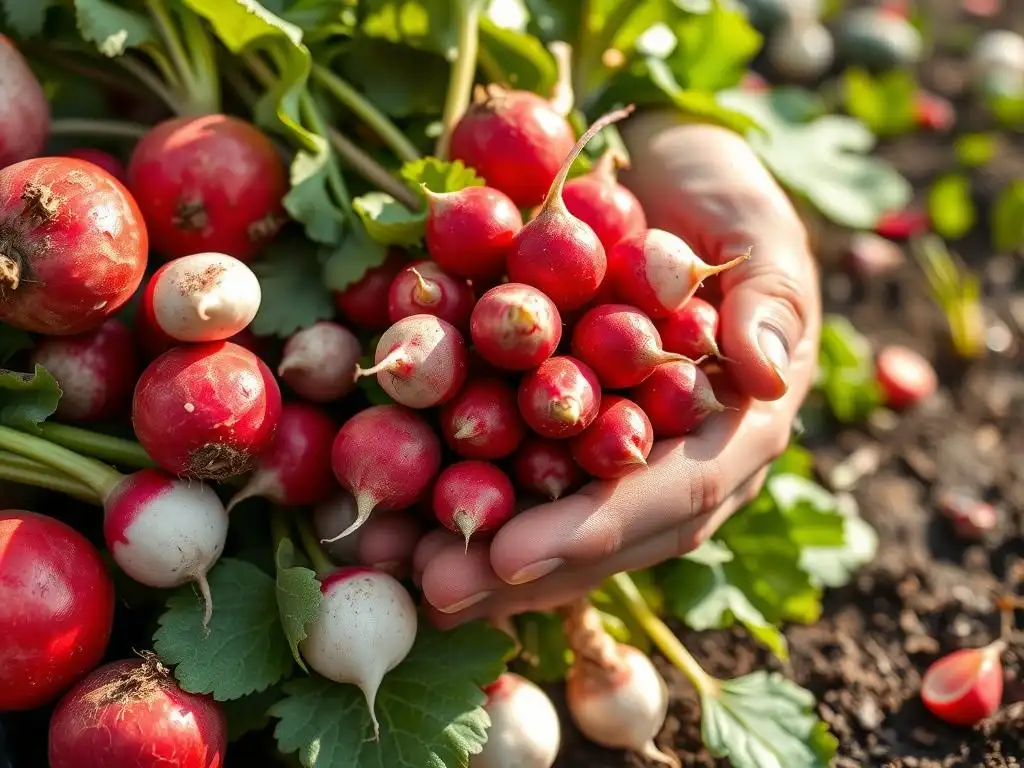
This section focuses on choosing the ideal radishes for pickling, ensuring a vibrant and flavorful final product. The key is selecting varieties known for their crispness, small size, and intense flavor – all crucial for a successful organic pickling radish recipe.
Choosing the Right Radish Variety for Pickling
Not all radishes are created equal when it comes to pickling. While many varieties are delicious eaten fresh, some are better suited for preserving. Look for varieties that are known for their firm texture and spicy flavor. Avoid larger, milder varieties, as these tend to become mushy during the pickling process.
Here's a breakdown of radish types ideal for pickling, emphasizing their unique qualities:
- French Breakfast Radishes: These are a classic choice, prized for their bright red color and spicy, peppery bite. Their small size makes them perfect for pickling whole.
- Cherry Belle Radishes: These round, vibrant red radishes are another excellent option. Their compact size and intense flavor contribute to a superior pickled product.
- White Icicle Radishes: While less common for pickling, these long, white radishes offer a unique visual contrast and milder flavor profile in a mixed pickle. Their crispness holds up well during the pickling process.
- Black Spanish Radishes: These large, dark-colored radishes are less ideal for pickling whole, but can be diced or sliced for a more complex flavor profile in a mixed pickle. Their slightly bitter note adds depth to the overall taste.
Remember to prioritize organic seeds when selecting your radish variety to ensure your pickling radishes are grown with sustainable and organic practices.
Harvesting Radishes at Their Peak for Optimal Pickling
Timing is everything when it comes to harvesting radishes for pickling. Harvesting at the perfect stage ensures optimal crispness and flavor, resulting in a superior pickled product. Overripe radishes will become pithy and lose their vibrant color.
Here are some tips for harvesting radishes at their peak:
- Check regularly: Begin checking your radishes for readiness approximately 21-28 days after sowing, depending on the variety.
- Size matters: Harvest radishes when they reach the desired size specified on the seed packet. Generally, smaller radishes are preferable for pickling.
- Avoid cracking: Overly mature radishes are prone to cracking, which can negatively impact their texture and appearance once pickled.
- Gentle harvesting: Use a garden trowel or your hands to carefully lift the radishes from the soil, avoiding damage to the delicate roots.
- Clean thoroughly: Wash the harvested radishes immediately under cool, running water to remove any soil.
Organic Gardening Practices for Healthier Radishes
Growing healthy, flavorful radishes organically is crucial for creating delicious pickled radishes. This section outlines key organic gardening practices to ensure your radishes thrive and yield a bountiful harvest.
Here's a summary of essential practices:
| Practice | Description | Benefit |
|---|---|---|
| Soil Preparation | Amend your soil with compost to improve drainage and fertility. Choose a location with well-drained soil and plenty of sunlight. | Promotes healthy root development and enhances radish flavor. |
| Seed Starting | Sow seeds directly into the garden bed or start indoors, ensuring proper spacing to avoid overcrowding. | Prevents competition for resources and maximizes yield. |
| Watering | Water regularly, keeping the soil consistently moist but not waterlogged. | Prevents stress and ensures optimal growth. |
| Weed Control | Regularly remove weeds to prevent competition for nutrients and water. Use organic mulching techniques like straw or wood chips to suppress weeds. | Minimizes competition for resources, leading to healthier and more flavorful radishes. |
| Pest and Disease Control | Monitor for pests and diseases. Employ organic pest control methods such as companion planting or beneficial insects, avoiding harmful chemicals. | Protects radishes from pests and diseases without resorting to harmful chemicals, resulting in a cleaner, healthier, and tastier final product. |
Following these organic practices will enhance the quality and flavor of your radishes, making your homemade pickled radishes a truly exceptional culinary experience. Remember, a "Pickling radishes organic recipe" relies heavily on the quality of the ingredients, making organic cultivation crucial.
Pickling Radishes Organically: A Step-by-Step Recipe
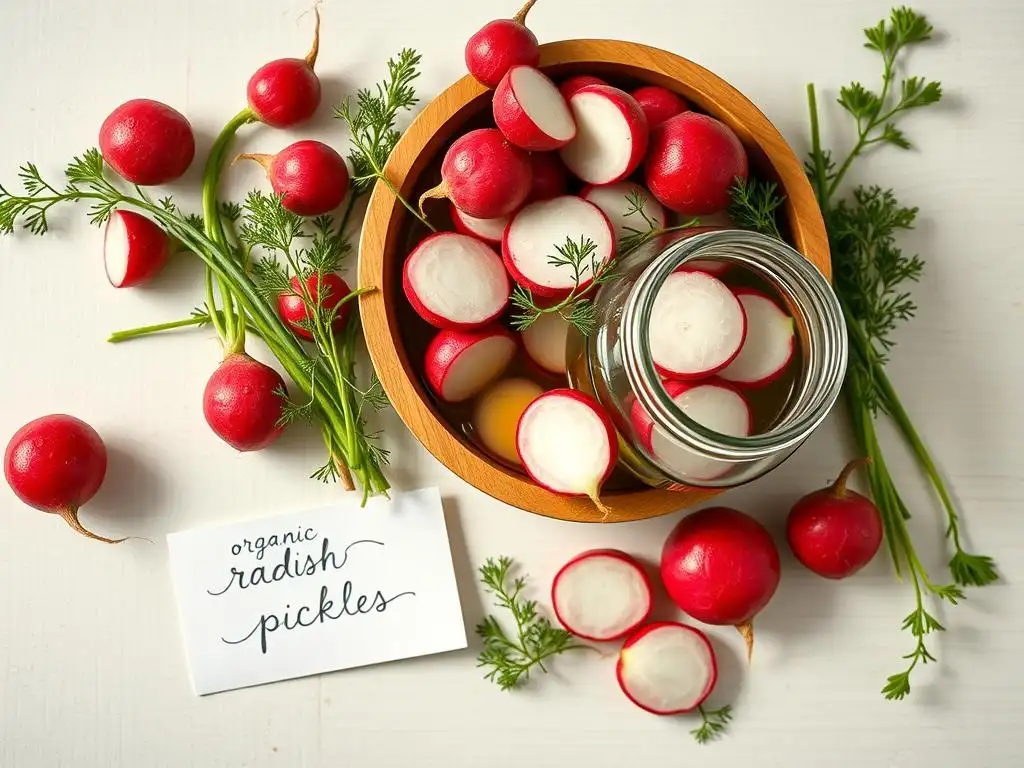
This section details a straightforward yet flavorful recipe for pickling radishes organically, ensuring a delicious and healthy addition to your pantry. We'll focus on sustainable practices, emphasizing the importance of organic ingredients and minimizing waste. This recipe is perfect for utilizing the abundance of radishes harvested from your own organic garden, contributing to a zero-waste lifestyle and reducing your environmental footprint. The resulting pickled radishes are vibrant, crunchy, and bursting with zesty flavor, ideal as a condiment or a delightful snack.
Gathering Your Ingredients: Organic and Sustainable Sourcing
The success of any organic pickling recipe hinges on the quality of your ingredients. Prioritizing organic produce ensures you're avoiding potentially harmful pesticides and supporting sustainable farming practices. For this recipe, we'll need:
- Radishes: Approximately 1 pound of small to medium-sized radishes. Choose a variety you enjoy, considering color and flavor profiles. Aim for fresh, firm radishes without blemishes or signs of decay. Organic certification is key here.
- White Vinegar: 2 cups of organic white vinegar (5% acidity). Look for brands committed to sustainable production methods.
- Water: 2 cups of filtered water. Using filtered water ensures a cleaner taste and avoids potential chlorine interference.
- Salt: 1/4 cup of unrefined sea salt or kosher salt. Avoid iodized salt, as it can cloud the brine. Organic sea salt is preferable.
- Sugar: 1/4 cup of organic cane sugar or raw honey. This adds a touch of sweetness to balance the acidity. Honey offers a more complex flavor profile.
- Garlic: 4-6 cloves of organic garlic, lightly crushed. This adds a wonderful pungent aroma and flavor.
- Black Peppercorns: 1 teaspoon of organic black peppercorns. These add a subtle spice that complements the radishes beautifully.
- Optional additions: Consider adding other organic herbs and spices for a more complex flavor. Dill seeds, mustard seeds, or red pepper flakes can enhance the pickling experience.
Remember to check labels carefully to ensure all ingredients are certified organic. Support local farmers markets whenever possible to reduce transportation emissions and contribute to your community's sustainability efforts.
Preparing the Radishes: Cleaning, Trimming, and Slicing
Before pickling, meticulous preparation is essential to ensure optimal results. Thoroughly wash the radishes under cool running water to remove any dirt or debris. Trim the radish greens; these can be composted or used in other recipes. For a more uniform pickle, trim the radish roots as well.
The slicing method influences the final texture and appearance of your pickled radishes. You have several options:
- Thinly sliced: Creates delicate, quick-to-pickle slices, ideal for salads or as a condiment.
- Thickly sliced: Results in heartier slices, maintaining a satisfying crunch.
- Quartered or halved: Works well for larger radishes, offering a good balance of texture and pickling time.
Choose your preferred method based on your taste and the size of your radishes. Consistent slicing ensures even pickling. Remember to handle the radishes gently to avoid bruising.
Creating the Brine: A Simple Recipe for Organic Pickled Radishes
The brine is the heart of the pickling process, infusing the radishes with flavor and preserving them. In a medium saucepan, combine the organic white vinegar, filtered water, salt, and sugar. Bring the mixture to a boil over medium heat, stirring constantly until the salt and sugar dissolve completely. Remove from heat and allow the brine to cool slightly before adding the prepared radishes.
Once the brine has cooled somewhat (but is still warm), carefully add the garlic and peppercorns to the sterilized jar. Pack the sliced radishes tightly into the jar, leaving about 1/2 inch of headspace. Pour the cooled brine over the radishes, ensuring they are fully submerged. Leave about 1/2 inch of headspace at the top of the jar.
Seal the jar tightly and allow the pickled radishes to rest at room temperature for 24 hours. This initial period allows the flavors to meld. After 24 hours, transfer the jar to the refrigerator for at least a week to continue the pickling process and develop a deeper, more complex flavor. The radishes will continue to improve in flavor over time, reaching peak deliciousness after several weeks. Enjoy your homemade organic pickled radishes! 🥕😋
The Pickling Process: Step-by-Step Instructions for Perfect Pickled Radishes
This section details the process of pickling radishes organically, ensuring a vibrant and flavorful result. We'll focus on a simple recipe that maximizes the radish's natural zest. Remember, organic produce contributes significantly to the overall quality and taste of your pickled radishes.
First, thoroughly wash your freshly harvested organic radishes. Remove any damaged leaves or roots. Smaller radishes are ideal for pickling as they pickle more quickly and evenly. For larger radishes, consider slicing them into thin rounds or sticks for optimal pickling. This ensures even brine penetration and a consistent texture throughout.
Next, prepare the pickling brine. A basic recipe involves combining equal parts water and white vinegar (ideally organic and unfiltered). Add salt (approximately 2 tablespoons per cup of water/vinegar mixture) and a generous amount of your favorite pickling spices. Common additions include black peppercorns, mustard seeds, dill seeds, and bay leaves.
Feel free to experiment with other organic spices like coriander or red pepper flakes to achieve your desired flavor profile. Bring the mixture to a boil, stirring until the salt is completely dissolved. Then, remove from heat and allow to cool completely. This cooling step is crucial to prevent the radishes from becoming overly soft or losing their vibrant color.
Once the brine has cooled, gently pack your prepared radishes into sterilized jars (see the next section for sterilization instructions). Leave about ½ inch of headspace at the top of each jar. Carefully pour the cooled brine over the radishes, ensuring they are completely submerged. Remove any air bubbles that might have formed. Wipe the rims of the jars clean, then secure the lids tightly.
Finally, process the jars in a boiling water bath for 10-15 minutes to create a vacuum seal, ensuring the longest possible shelf life. This step is essential for safe and long-lasting storage. After processing, allow the jars to cool completely. You should hear a satisfying "pop" sound as the jars seal.
Check for proper sealing by pressing down on the center of each lid; if it doesn't flex, the jar is sealed. Store your pickled radishes in a cool, dark place. Enjoy your delicious, organically pickled radishes after at least 2-3 weeks for optimal flavor development, although they will be enjoyable sooner.
Sterilizing Jars for Safe and Long-lasting Storage
Proper sterilization of jars is paramount for the safety and longevity of your pickled radishes. This prevents the growth of harmful bacteria and ensures your pickled vegetables remain safe to consume for an extended period. Using clean, sterilized jars is a critical component of successful pickling; neglecting this step can lead to spoilage and compromise the quality of your preserved food.
There are several methods for sterilizing jars, but two are particularly effective and widely recommended. The first method involves washing the jars and lids thoroughly in hot, soapy water. Then, place the jars and lids in a large pot and cover them with enough water to completely submerge them.
Bring the water to a rolling boil and let them boil for at least 10 minutes. Use tongs or jar lifter to carefully remove the sterilized jars and lids from the boiling water, placing them upside down on a clean towel to drain and air dry completely before filling. Avoid touching the inside of the jars or lids after sterilization.
Alternatively, you can sterilize your jars and lids in the dishwasher. Run your dishwasher on a high-heat sanitize cycle. Ensure the jars and lids are properly placed to allow for complete cleaning and sterilization. This method offers convenience but may not be as effective as the boiling water method, especially if your dishwasher doesn't have a high-temperature sanitize option.
Regardless of the method you choose, always ensure the jars and lids are completely dry before filling them with your pickled radishes to prevent contamination and ensure a successful seal. Remember, meticulous attention to detail during sterilization significantly impacts the shelf life and safety of your pickled radishes. This organic pickling recipe relies on maintaining hygienic conditions throughout the process.
Storing and Enjoying Your Homemade Pickled Radishes
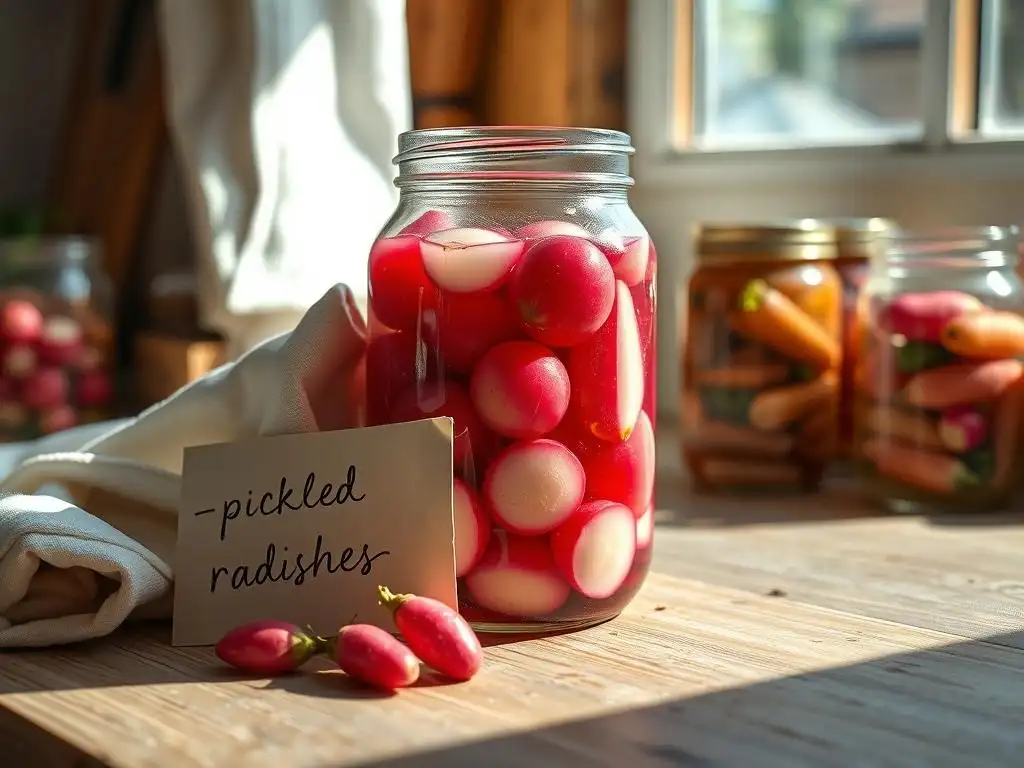
Proper Storage Techniques for Long-Term Preservation
Once your pickled radishes have completed the fermentation process (or, if using a quick-pickle method, have sufficiently cooled), proper storage is crucial for maintaining their vibrant color, crisp texture, and delightful flavor. Improper storage can lead to spoilage, mold growth, or a significant decline in quality. The goal is to keep them cool, dark, and away from fluctuating temperatures.
Optimal storage involves transferring your pickled radishes from their fermentation vessel (if applicable) into clean, sterilized glass jars with airtight lids. Ensure the jars are completely filled, leaving minimal headspace to prevent the formation of air pockets. This minimizes oxidation and helps maintain the desired acidity levels.
Refrigeration is essential for extending the shelf life of your pickled radishes. Refrigerate your jars immediately after sealing. Under optimal refrigeration (35-40°F or 2-4°C), your organic pickled radishes can be stored for up to 6 months, maintaining their freshness and flavor. However, it’s always recommended to taste-test them periodically to ensure quality. Discard any jars showing signs of spoilage, such as mold growth, unusual bubbling, or a sour, off-putting odor. Remember, safety is paramount when dealing with preserved foods.
Here's a simple checklist for optimal storage:
- ✅ Use sterilized jars.
- ✅ Fill jars completely, minimizing headspace.
- ✅ Seal tightly with airtight lids.
- ✅ Refrigerate immediately.
- ✅ Regularly check for spoilage.
- ✅ Discard any spoiled jars.
Serving Suggestions for Your Delicious Organic Pickled Radishes
Your homemade organic pickled radishes are incredibly versatile and can be enjoyed in various ways. Their zesty, slightly spicy flavor profile complements a wide range of dishes and culinary styles.
A simple yet delightful way to enjoy them is as a condiment. Serve them alongside grilled meats, fish, or poultry. Their tangy flavor cuts through richness, adding a refreshing contrast to savory dishes. They also make a fantastic addition to sandwiches, salads, and burgers, providing a welcome burst of flavor and texture.
Consider serving your pickled radishes as part of a charcuterie board. Their vibrant color adds visual appeal, while their unique flavor profile offers a delightful counterpoint to cheeses, cured meats, and olives. This is a perfect appetizer or snack for gatherings.
Another great option is to use them as a garnish. A few slices of pickled radishes can elevate the presentation of soups, stews, or even simple bowls of rice. Their bright color adds a pop of visual interest, while their flavor adds a subtle yet noticeable depth.
Remember, the beauty of homemade pickled radishes lies in their adaptability. Feel free to experiment with different serving suggestions based on your preferences and the dishes you are preparing.
Creative Culinary Uses for Pickled Radishes: Beyond the Basic
While enjoying your pickled radishes as a simple condiment or garnish is perfectly acceptable, their unique flavor profile opens doors to a world of culinary creativity. Let's explore some more inventive ways to incorporate these zesty delights into your cooking:
- Radish Relish: Finely chop your pickled radishes and combine them with other ingredients like finely diced red onion, cilantro, and a touch of lime juice. This makes a fantastic relish to accompany tacos, burritos, or grilled fish.
- Pickled Radish Salad: While seemingly counterintuitive, incorporating your pickled radishes into a fresh salad can add a unique dimension. The tangy, slightly spicy flavor contrasts beautifully with the crispness of fresh greens and the creaminess of a vinaigrette dressing.
- Radish and Avocado Toast: Elevate your avocado toast by adding a few slices of pickled radishes. The creamy avocado and the tangy radishes create a balanced and flavorful combination.
- Pickled Radish Pizza Topping: Think outside the box and use your pickled radishes as a unique pizza topping. Their bright color and distinct flavor profile make them an unexpected yet delicious addition to a variety of pizza combinations. Consider pairing them with goat cheese, arugula, and a balsamic glaze.
- Bloody Mary Garnish: Add a sophisticated twist to your Bloody Mary by using pickled radishes as a garnish. The vibrant color and tangy flavor complement the savory cocktail perfectly.
The possibilities are truly endless. Experiment with different flavor combinations and culinary applications to discover your own favorite ways to enjoy your homemade organic pickled radishes. Don't be afraid to get creative! The key is to embrace the versatility of this delightful preserving project and let your culinary imagination run wild.
Troubleshooting Common Pickling Problems
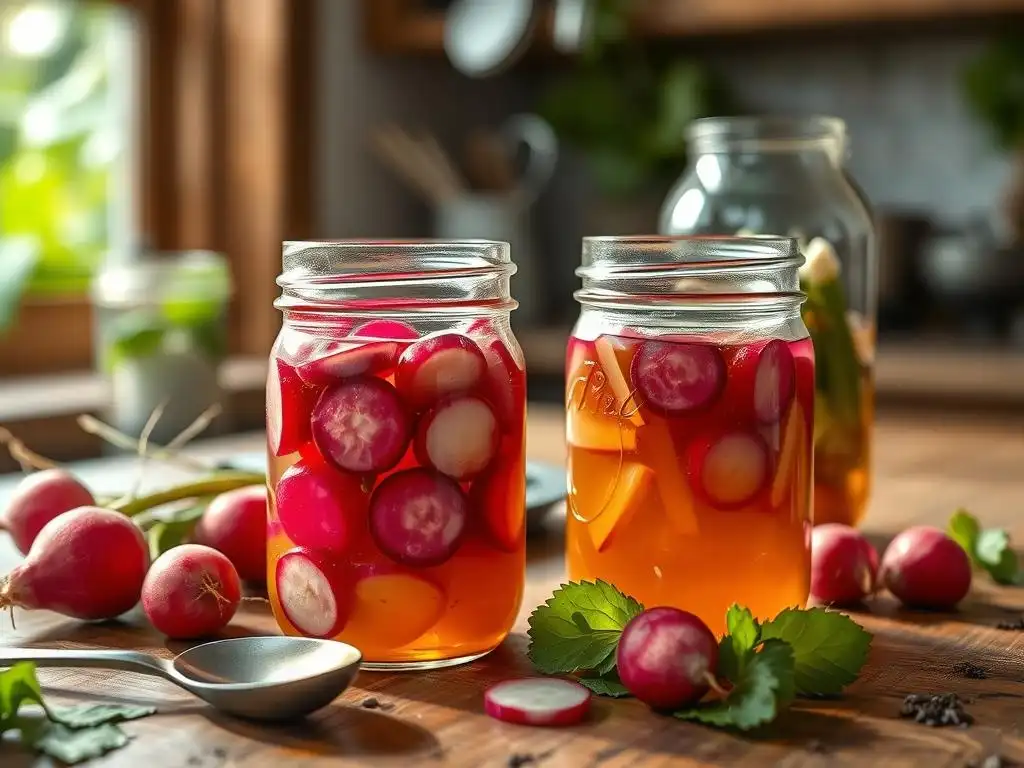
Pickling radishes, while generally straightforward, can sometimes present challenges. Understanding these potential issues and how to prevent or correct them is key to achieving perfectly crisp, vibrant, and delicious pickled radishes every time. This section focuses on three common problems: cloudy brine, mold growth, and soft/mushy radishes. Using organic ingredients and following proper sanitation techniques significantly reduces the likelihood of these issues.
Dealing with Cloudy Brine in Your Pickled Radishes
A cloudy brine in your pickled radishes is often a sign of bacterial growth, although not always indicative of spoilage. Several factors can contribute to this:
- Insufficient Brine Strength: A weak brine (not enough salt) doesn't effectively inhibit bacterial growth. Ensure you're using the correct salt-to-water ratio for your recipe. Using a reliable organic pickling salt is crucial. Using iodized table salt can lead to cloudiness.
- Improper Cleaning: Radishes that weren't thoroughly cleaned before pickling can introduce bacteria into the brine. Always wash radishes meticulously, removing any soil or debris.
- Temperature Fluctuations: Significant temperature changes during the pickling process can also cause cloudiness. Consistent, cool storage temperatures are essential for maintaining brine clarity.
- Air Exposure: Air exposure to the brine can introduce unwanted organisms. Ensure your jars are completely sealed to prevent this.
How to address cloudy brine: Unfortunately, there's no way to "fix" a cloudy brine. If the cloudiness is significant or accompanied by an off-odor, it's best to discard the batch. Prevention is key. Always meticulously follow your recipe, ensuring correct sanitation and brine strength, and maintaining consistent storage temperatures.
Preventing Mold Growth in Your Homemade Pickled Radishes
Mold in pickled radishes is a serious issue, indicating spoilage and potentially harmful bacteria. This is often caused by:
- Contaminated Equipment: Unclean jars, lids, or utensils can introduce mold spores. Sterilize all equipment thoroughly before use. A boiling water bath for jars and lids is recommended.
- Under-Processed Radishes: Insufficiently clean radishes or improper pickling methods can leave behind microorganisms which can support mold growth.
- Improper Storage: Storing pickled radishes at room temperature significantly increases the risk of mold growth. Always store them in a cool, dark place.
Preventing mold: Maintaining a high level of sanitation is paramount. Thoroughly clean and sterilize all equipment. Ensure the radishes are impeccably clean before pickling. Use a reliable recipe with a proper salt concentration, and store your jars in a cool, dark location. Regularly inspect your jars for any signs of mold.
Correcting Soft or Mushy Pickled Radishes
Soft or mushy pickled radishes are usually a result of:
- Insufficient Brine Acidity: If your brine isn't acidic enough (not enough vinegar), it won't effectively prevent enzymatic activity that leads to softening. Ensure you are using a recipe with the correct amount of vinegar – usually 5% acidity white vinegar.
- Overripe Radishes: Using overripe radishes will result in softer textures, even with proper pickling. Select firm, fresh radishes for pickling.
- Improper Storage Temperature: High storage temperatures accelerate the softening process. Storing in a cool place is crucial.
Fixing soft radishes: Unfortunately, you cannot reverse the softening process. The only solution is to prevent it from happening in the first place. Use only firm, fresh, organic radishes. Follow your pickling recipe precisely, ensuring the correct balance of salt and vinegar. Store the jars in a consistently cool environment. Properly sanitized equipment is also key to success. Remember, a successful organic pickling radishes recipe relies on precision and cleanliness.
Expanding Your Pickling Repertoire: Beyond Radishes
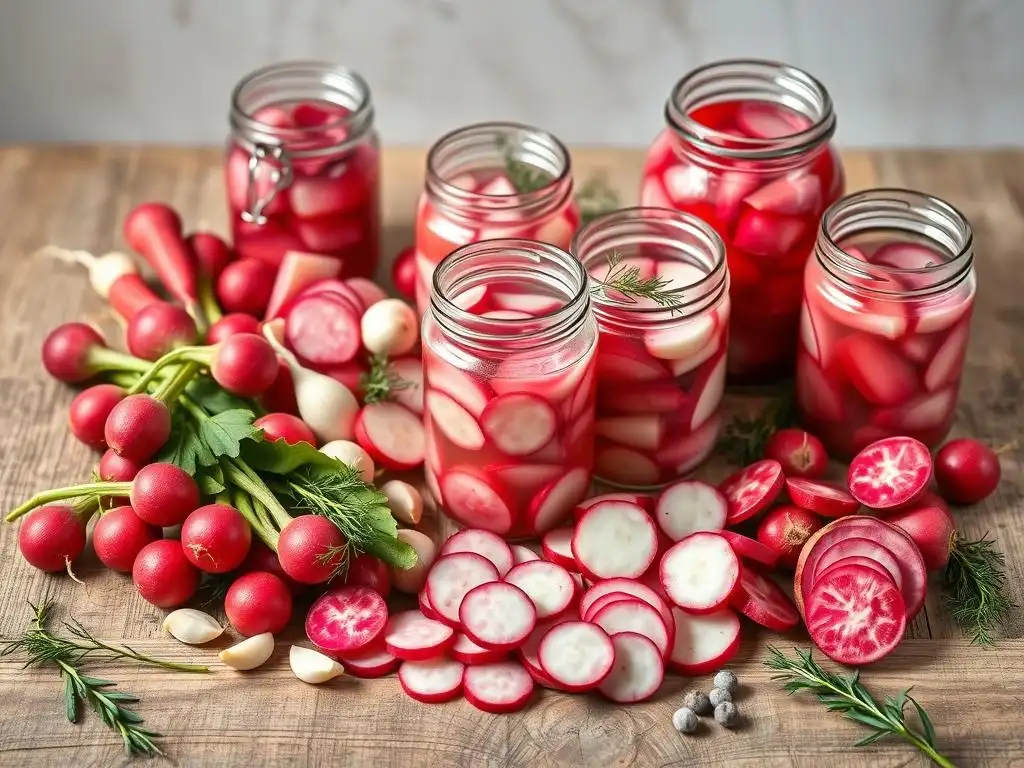
This section explores the exciting world of pickling, extending beyond the delightful radish to encompass a wider array of vegetables you can cultivate in your own organic garden. Pickling offers a fantastic way to preserve the bounty of your harvest, ensuring you can enjoy the flavors of summer long after the growing season ends. The process is surprisingly simple, and the results are incredibly rewarding – a colorful and flavorful addition to any meal. Many vegetables, grown with care and attention to organic principles, lend themselves beautifully to pickling.
Pickling Other Vegetables from Your Organic Garden
The beauty of pickling lies in its versatility. While radishes are an excellent starting point, the possibilities are virtually endless when you consider the array of vegetables suitable for pickling. Think of the vibrant crunch of pickled green beans, the sweet tang of pickled carrots, or the spicy kick of pickled jalapeños. The key is to select firm, young vegetables free from blemishes. Here's a quick guide to some excellent candidates:
- Cucumbers: A classic pickling choice, cucumbers provide a crisp, refreshing base for various brine combinations. Choose pickling cucumbers for their smaller size and firmer texture.
- Carrots: Their sweetness complements a variety of brine flavors, resulting in a delightful sweet and sour pickle. Baby carrots work particularly well.
- Green Beans: Their bright green color and tender texture make them a visually appealing and delicious addition to your pickled collection.
- Onions: Adding thinly sliced onions to your pickles provides a pungent and savory element that balances the sweetness and acidity of the brine. Red onions add a beautiful color contrast.
- Cauliflower: While less common, cauliflower florets can be pickled, offering a unique textural element to your preserved vegetable selection.
- Beets: Beets add a vibrant color and earthy sweetness to your pickled creations. Their deep red hue creates a stunning visual contrast.
Remember to always prioritize organic produce to ensure the highest quality and flavor in your pickles. Using organically grown vegetables means you're avoiding harmful pesticides and ensuring a healthier, more sustainable approach to preserving your harvest. This aligns perfectly with the ethos of CultivateYourFood, emphasizing organic gardening practices.
Experimenting with Different Brine Recipes and Flavor Profiles
Once you've mastered the basic technique of pickling radishes, the next step is experimenting with different brine recipes and flavor profiles. The beauty of pickling lies in its adaptability; you can customize your brine to create unique flavor combinations to suit your palate. Consider adding herbs like dill, thyme, or rosemary for an aromatic twist. Garlic cloves add a pungent kick, while peppercorns contribute a subtle heat.
Here's a table illustrating some possible variations on a basic pickling brine:
| Ingredient | Basic Brine | Spicy Brine | Herbaceous Brine | Sweet & Sour Brine |
|---|---|---|---|---|
| Water | 2 cups | 2 cups | 2 cups | 2 cups |
| White Vinegar | 1 cup | 1 cup | 1 cup | ½ cup |
| Sugar | ½ cup | ¼ cup | ¼ cup | ¾ cup |
| Salt | 2 tablespoons | 2 tablespoons | 2 tablespoons | 2 tablespoons |
| Jalapeños (sliced) | - | 2-3, sliced | - | - |
| Dill Sprigs | - | - | 4-5 sprigs | 2 sprigs |
| Garlic Cloves | 2-3 cloves, smashed | 2-3 cloves, smashed | 2-3 cloves, smashed | 1-2 cloves, smashed |
| Black Peppercorns | 1 teaspoon | 1 teaspoon | 1 teaspoon | 1 teaspoon |
Experimenting with different ratios of vinegar, sugar, and salt will allow you to fine-tune the taste of your pickles to your preferences. Remember to always prioritize safety and follow proper canning procedures.
The Art of Fermenting Vegetables: A Natural Preservation Method
While pickling involves submerging vegetables in a brine solution, fermentation offers a different, equally effective, and naturally occurring preservation method. Fermentation uses beneficial bacteria to preserve vegetables, resulting in a tangy, complex flavor profile often described as "sour." This method requires less vinegar and relies on the natural fermentation process to preserve the vegetables. Fermented vegetables, like fermented radishes, offer a unique textural experience and a probiotic boost.
The process involves packing vegetables tightly in a jar, adding a brine solution (usually just salt and water), and allowing them to ferment at room temperature for several days or weeks. This method requires careful monitoring to ensure the proper fermentation process occurs. It's crucial to follow precise instructions to avoid spoilage. While more challenging than pickling, the rewards are a delicious, unique, and healthy addition to your preserving repertoire.
The intense, sour flavors are a testament to the power of natural preservation techniques. The resulting pickles, bursting with complex flavors, are a true testament to the art of natural preservation. The slightly sour taste, achieved through this natural process, is a delightful change from the more traditional vinegar-based pickling. 🥕 This method is an excellent way to extend the life of your organic harvest, adding a new dimension to your culinary adventures.
Resources for Organic Gardening and Pickling
This section delves into the crucial resources needed for successfully growing organic radishes and creating delicious, organic pickled radishes. We'll explore sustainable gardening practices, sourcing organic ingredients, and connecting with online communities for support and inspiration. Remember, the success of your pickling project hinges on the quality of your ingredients and your gardening methods.
Sustainable Gardening Practices for Abundant Harvests
Achieving a bountiful radish harvest, essential for your pickling endeavors, relies heavily on sustainable gardening practices. These methods not only ensure a healthy crop but also contribute to a healthier environment. Let's examine some key strategies:
- Soil Health: The foundation of any successful garden is healthy soil. Prioritize soil testing to understand its pH and nutrient levels. Amend your soil with compost—rich in organic matter—to improve drainage, aeration, and nutrient retention. Consider cover cropping with plants like clover or rye to further enrich the soil between radish plantings. This helps prevent soil erosion and improves its structure.
- Water Management: Radishes thrive in consistently moist soil but hate soggy conditions. Employ efficient irrigation techniques like drip irrigation or soaker hoses to deliver water directly to the roots, minimizing water waste and preventing fungal diseases. Mulching around your radish plants helps retain soil moisture and suppress weeds.
- Pest and Disease Control: Implementing integrated pest management (IPM) is vital for organic gardening. This involves monitoring your plants regularly for pests and diseases and employing preventative measures before problems escalate. Beneficial insects like ladybugs can help control aphid populations. Consider using natural pest control methods such as neem oil or insecticidal soap, always following label instructions carefully. Crop rotation can also help prevent the build-up of soilborne diseases.
- Seed Starting: Starting your radish seeds indoors a few weeks before the last expected frost can give you a head start on the growing season, resulting in an earlier harvest. Use organic seed starting mix and ensure proper spacing to avoid overcrowding.
- Organic Fertilizers: Avoid synthetic fertilizers. Instead, use organic options like compost tea or aged manure to provide your radishes with the essential nutrients they need for optimal growth. Remember, organic farming is a holistic approach that prioritizes the health of the entire ecosystem.
Sourcing Organic Ingredients for Your Pickling Projects
Beyond the radishes themselves, the success of your organic pickled radish recipe depends on the quality of your other ingredients. Using organic vinegar, salt, and any additional spices ensures that your final product aligns with your commitment to organic principles.
- Organic Vinegar: Opt for organic apple cider vinegar or white wine vinegar for the best flavor and to maintain the integrity of your organic pickling process. Avoid vinegars containing artificial preservatives or additives.
- Organic Salt: Use unrefined sea salt or kosher salt, ensuring it's certified organic to avoid any unwanted chemicals. The type of salt you use can impact the final taste and texture of your pickled radishes.
- Organic Spices: If you're adding spices like dill, peppercorns, or garlic to your pickling brine, source organic versions to ensure the purity of your recipe.
Finding organic ingredients may require visiting farmers' markets, local health food stores, or online retailers specializing in organic produce and ingredients. This extra effort is a testament to your dedication to producing truly organic pickled radishes.
Online Communities and Resources for Home Preserving Enthusiasts
Connecting with other home preserving enthusiasts can provide invaluable support, inspiration, and troubleshooting assistance. Numerous online communities and resources are dedicated to home canning, pickling, and fermenting.
- Online Forums: Many online forums cater specifically to home preserving enthusiasts. These platforms offer a space to share recipes, ask questions, and learn from others' experiences. You can find advice on everything from troubleshooting common issues to refining your pickling techniques.
- Social Media Groups: Social media platforms like Facebook and Instagram host numerous groups dedicated to home preserving. These groups often feature recipe sharing, tips, and discussions on various aspects of pickling and preserving. Engaging in these communities can provide a supportive and educational environment.
- Blogs and Websites: Numerous blogs and websites offer detailed instructions, recipes, and tips on various preserving techniques. These resources can provide valuable information on the science behind pickling, different methods, and potential pitfalls to avoid. Remember to always cross-reference information from multiple reputable sources to ensure accuracy.
Participating in these online communities fosters a sense of shared passion and provides a valuable resource for continued learning and improvement in your home preserving journey. The collective knowledge and support available within these groups can significantly enhance your success with organic pickling projects like your pickled radishes.
Frequently Asked Questions
What makes this pickling radish recipe organic?
This recipe emphasizes organic growing practices for the radishes. We recommend using radishes grown without pesticides or synthetic fertilizers. The pickling brine itself uses only natural ingredients.
Can I use different types of radishes for pickling?
Yes! While the recipe features a specific type, many small, firm radishes work well for pickling. Experiment with different colors and varieties to create a vibrant, flavorful mix.
How long will my pickled radishes last?
Properly stored in a cool, dark place, your pickled radishes should last for several weeks or even months. Ensure the jars are completely sealed to prevent spoilage.
What are some ways to use my pickled radishes?
Pickled radishes make a delicious addition to salads, sandwiches, and charcuterie boards. They also work well as a garnish or a side dish.
Are there any substitutions for the ingredients in the recipe?
While the recipe uses specific ingredients for optimal flavor, you can experiment with slightly altering the spices to suit your taste. However, avoid significant substitutions that could compromise the pickling process.
Final Reflection: The Enduring Allure of Pickled Radishes
The vibrant crunch of a perfectly pickled radish is more than just a culinary delight; it's a testament to the enduring power of preserving tradition in a fast-paced world. This simple act of pickling, passed down through generations, connects us to a history of resourcefulness and a celebration of seasonal bounty. From the organic radishes bursting with flavor to the satisfying tang of the brine, the process itself becomes a mindful ritual, a counterpoint to the frenetic energy of modern life.
The impact of home preserving, and specifically pickling radishes, extends beyond the simple act of creating delicious food. It fosters a deeper connection to our food sources, encouraging us to appreciate the journey from seed to table. The best things in life are simple,
a phrase often repeated, rings especially true when considering the profound satisfaction derived from transforming humble radishes into a culinary masterpiece. This simple act reminds us of the importance of slowing down, appreciating the process, and savoring the fruits (or rather, vegetables!) of our labor.
Now, I invite you to consider your own culinary journey. Will you embark on the adventure of pickling your own organic radishes? Perhaps you'll experiment with different spices and brines, creating your own unique signature recipe. More than just a recipe, this is an invitation to connect with the earth, to engage in a time-honored tradition, and to experience the simple joy of creating something delicious and beautiful with your own hands. The vibrant colors and zesty flavors await – embrace the adventure!
Unleash Your Inner Pickler: Zesty Radish Adventures Await!
Thank you for exploring the vibrant world of pickled radishes! We hope you've found delicious inspiration and gained confidence in your preserving skills. Now it's time to put your knowledge to the test!
- Start your first batch of pickled radishes: Gather your ingredients, follow your favorite recipe (or one of ours! ), and enjoy the satisfaction of creating something truly special. Feel free to experiment with different spices and flavors!
- Share your pickled radish creations: Show off your culinary skills and inspire others by sharing photos of your finished product on social media – use #CultivateYourFood to connect with our community!
- Expand your preserving projects: Now that you've mastered pickled radishes, why not try pickling other seasonal vegetables? The possibilities are endless!
What exciting flavor combinations will you try in your next batch of pickled radishes? Let us know in the comments!