
The Complete Guide to Growing Frisee Lettuce

Ready to transform your backyard into a thriving haven of fresh, organic produce? At CultivateYourFood, we empower you to grow your own food sustainably. Discover the secrets to a bountiful harvest with our comprehensive guide on how to grow frisee lettuce organically. Learn the simple yet effective techniques that will leave you with crisp, delicious lettuce, all while respecting the environment. Let's get started on your journey to homegrown goodness!
- Understanding Frisee Lettuce: A Cultivator's Guide
- Planning Your Frisee Lettuce Garden
- Growing Frisee Lettuce Organically: A Step-by-Step Approach
- Harvesting and Storing Your Organic Frisee Lettuce
- Advanced Techniques for Growing Frisee Lettuce Organically
- Troubleshooting Common Frisee Lettuce Growing Challenges
- Recipes and Culinary Uses of Your Homegrown Frisee Lettuce
- Frequently Asked Questions
- Final Reflection: Harvesting the Bounty of Organic Frisee
- Unlock Your Inner Gardener: Grow Luscious Frisee!
Understanding Frisee Lettuce: A Cultivator's Guide
Growing your own frisee lettuce organically offers a rewarding experience, connecting you directly with nature and providing you with fresh, nutrient-rich greens. This comprehensive guide will walk you through every step, from selecting the right variety to harvesting your delicious crop, all while emphasizing sustainable and organic practices. We'll explore the unique characteristics of frisee lettuce, its nutritional benefits, and how to cultivate it successfully in your home garden, ensuring a bountiful harvest of this delightful, slightly bitter, curly-leafed green.
This guide is designed to help you confidently answer the question: "How do I grow frisee lettuce organically?" and achieve success in your gardening endeavors. We'll cover everything you need to know to cultivate this popular salad green sustainably and organically, minimizing your environmental impact while maximizing your yield.
What is Frisee Lettuce and Why Grow It Organically?
Frisee lettuce ( Cichorium endivia var. crispum), also known as curly endive, is a chicory variety prized for its uniquely curled, slightly bitter leaves. Its distinctive appearance and slightly pungent flavor make it a popular addition to salads and other dishes. But why grow it organically? Organic cultivation avoids synthetic pesticides and fertilizers, resulting in a healthier product for you and a healthier environment.
By choosing organic methods, you're reducing your exposure to potentially harmful chemicals and contributing to a more sustainable food system. Growing frisee organically also enhances the flavor profile, producing a lettuce with a more intense, nuanced taste compared to conventionally grown varieties. Furthermore, organic farming practices promote biodiversity and soil health, contributing to a more resilient and sustainable ecosystem. The satisfaction of nurturing your frisee from seed to plate, knowing it's free from harmful chemicals, is an added bonus!
Frisee Lettuce Varieties: Choosing the Right One for Your Garden
Choosing the right frisee lettuce variety is crucial for success. Several varieties exist, each with slightly different characteristics. Consider factors such as your climate, growing season length, and personal preferences when making your selection. Some popular varieties include:
- 'Green Curled': A classic variety known for its deeply curled leaves and slightly bitter taste.
- 'Broadleaf': This variety boasts wider, more loosely curled leaves than the 'Green Curled' type.
- 'Rouge de Lyon': A striking variety with reddish-brown leaves, offering a slightly sweeter flavor than green varieties.
When selecting seeds or seedlings, look for reputable organic suppliers to ensure the integrity of your growing process. Understanding the specific needs of your chosen variety, such as its ideal spacing and maturity time, will contribute significantly to a successful harvest. Remember to check the seed packet or plant tag for detailed information about your chosen variety's specific requirements. This attention to detail is key to growing healthy, vibrant frisee lettuce organically.
Frisee Lettuce Nutritional Benefits and Culinary Uses
Frisee lettuce is not just delicious; it's also packed with nutrients. It's a good source of vitamins A, C, and K, as well as fiber and antioxidants. These nutrients contribute to overall health and well-being. Moreover, its slightly bitter flavor adds a unique dimension to various dishes.
Beyond salads, frisee lettuce can be used in a wide range of culinary applications:
- Salads: Its texture and flavor make it a perfect addition to mixed green salads.
- Soups: Frisee adds a delightful crunch to soups, particularly those with a creamy base.
- Sandwiches: Its slightly bitter taste pairs well with creamy fillings.
- Sautéed: Lightly sautéed frisee adds a unique flavor and texture to side dishes.
The versatility of frisee lettuce makes it a valuable addition to any home garden. Its nutritional value and culinary uses make it a rewarding crop to cultivate organically. 🌱
Planning Your Frisee Lettuce Garden
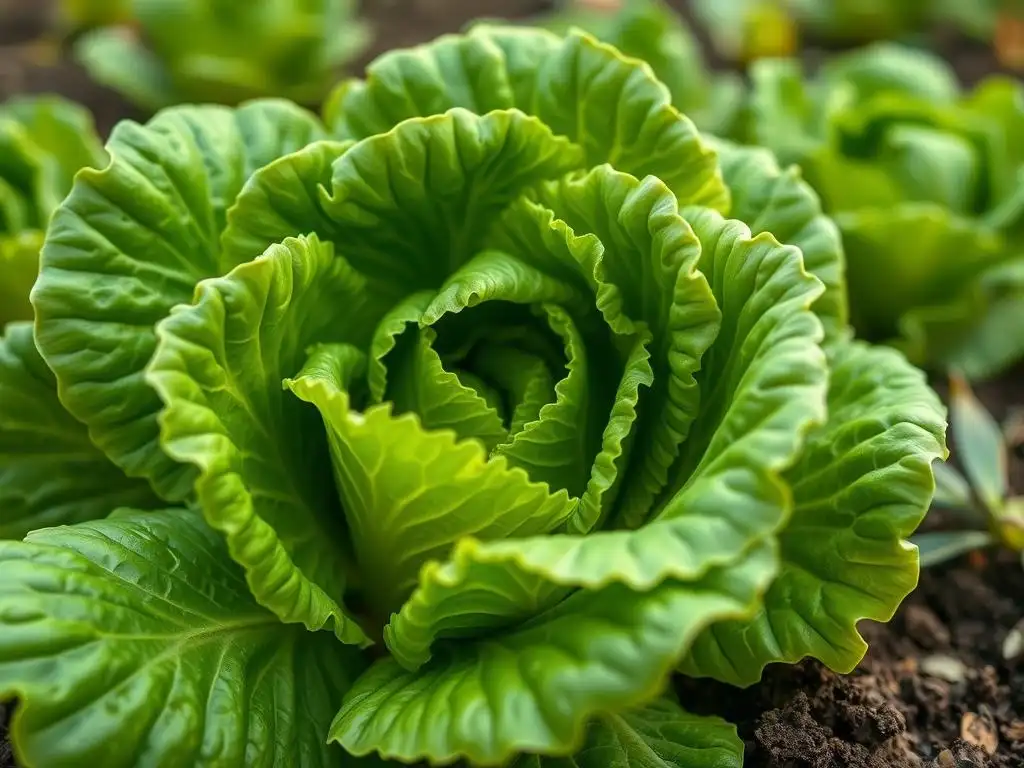
Growing frisee lettuce organically requires careful planning to ensure a bountiful harvest. This section details the crucial steps to take before you even think about planting your seeds. Successfully growing frisee organically hinges on understanding its specific needs and providing optimal conditions from the outset. Let's delve into the essential planning stages.
Selecting the Ideal Location and Soil Conditions for Organic Frisee
Frisee lettuce thrives in cool weather, preferring temperatures between 60°F and 75°F (15°C and 24°C). Direct sunlight should be carefully considered; while frisee needs ample sunlight for optimal growth, excessive heat can lead to bolting (premature flowering), resulting in bitter leaves. Therefore, select a location that receives at least six hours of sunlight daily but offers some afternoon shade, especially during the hottest months. This might involve planting frisee in a partially shaded area or using shade cloth during peak sun hours.
The soil should be rich in organic matter, well-drained, and slightly acidic (pH 6.0-6.8). Heavy clay soils should be amended with compost or other organic materials to improve drainage and aeration, crucial aspects for preventing root rot—a common problem for lettuce grown in poorly drained soil. Sandy soils, on the other hand, benefit from the addition of organic matter to retain moisture.
Remember, organic frisee cultivation necessitates avoiding chemical fertilizers and pesticides; soil health is paramount. Regular soil testing throughout the growing season can help monitor nutrient levels and pH, ensuring your frisee receives the optimal growing conditions. This proactive approach to soil management is key to organic frisee production.
Preparing the Soil: Organic Amendments and Soil Testing for Frisee
Preparing the soil for your frisee lettuce is a critical step in organic gardening. Begin by clearing the area of weeds, rocks, and debris. Then, incorporate generous amounts of well-rotted compost or other organic matter, such as aged manure. This improves soil structure, water retention, and nutrient availability. Aim for at least 2-4 inches of compost worked into the top layer of soil.
Soil testing is highly recommended before planting. A soil test kit from a local garden center can determine your soil's pH and nutrient levels. This allows you to amend the soil accordingly. For instance, if the pH is too high (alkaline), you can add organic sulfur to lower it.
Conversely, if the pH is too low (acidic), you can add lime. Nutrient deficiencies can be addressed with organic fertilizers like bone meal, fish emulsion, or seaweed extract. These organic amendments provide the essential nutrients frisee needs for vigorous growth without the harmful effects of synthetic fertilizers. Remember to till the soil to a depth of about 8-10 inches to ensure proper aeration and root penetration, making sure to avoid compacting the soil.
Starting Frisee Lettuce Seeds Indoors: A Step-by-Step Guide
Starting frisee seeds indoors gives you a head start and allows for earlier harvests. Here's a step-by-step guide:
- Choose high-quality organic seeds: Select seeds from a reputable supplier that specifically states they are organically grown. This ensures you're maintaining the integrity of your organic growing practices.
- Seed Starting Mix: Use a seed-starting mix, not garden soil. A seed starting mix is lighter, drains better, and is less prone to damping-off (a fungal disease that can kill seedlings).
- Planting: Sow seeds about ¼ inch deep and 1 inch apart in seed trays or small pots. Gently cover with the seed-starting mix.
- Watering: Water gently but thoroughly, ensuring the soil is consistently moist but not soggy. Avoid overwatering, which can lead to fungal diseases.
- Light and Temperature: Provide ample indirect light. A sunny windowsill or grow lights are ideal. Maintain a temperature between 65-70°F (18-21°C).
- Thinning: Once seedlings develop their first true leaves (after the cotyledons), thin them to one seedling per pot or cell, spacing them appropriately for healthy growth.
- Hardening Off: Before transplanting outdoors, gradually acclimate the seedlings to outdoor conditions over a period of 7-10 days. This process, known as hardening off, reduces transplant shock. Start by placing them outdoors for a few hours each day, gradually increasing the exposure time.
- Transplanting: Once the danger of frost has passed and the soil has warmed, transplant the seedlings outdoors, maintaining appropriate spacing (usually 8-12 inches apart) for optimal growth. Remember to gently handle the seedlings to avoid damaging their delicate roots. Following these steps carefully will greatly increase your chances of a successful organic frisee harvest. 🌱
Direct Sowing Frisee Lettuce: Timing and Technique
Direct sowing frisee lettuce seeds is a straightforward method, particularly suitable for those seeking a simple and organic approach to growing this delicious salad green. The key to success lies in precise timing and proper technique. Frisee thrives in cool weather, making spring and fall the ideal seasons for planting. Avoid planting during the hottest summer months, as the intense heat can negatively impact germination and growth, potentially leading to bolting (premature flowering).
To determine the optimal sowing time, consult your local frost dates. Generally, you can sow frisee seeds directly outdoors about 4-6 weeks before the expected last frost in spring, or 6-8 weeks before the first expected frost in fall. This allows ample time for germination and growth before the extreme temperatures arrive. In regions with mild winters, you may even be able to cultivate frisee year-round with successive sowings.
Preparing the soil is crucial for successful direct sowing. Frisee prefers loose, well-drained soil rich in organic matter. Amend heavy clay soils with compost or other organic materials to improve drainage and aeration. Sandy soils may benefit from the addition of peat moss or other soil amendments to retain moisture. Before sowing, ensure the soil is evenly moist but not waterlogged. Overly wet soil can hinder germination and lead to fungal diseases.
Sow the seeds about ¼ inch deep and 1-2 inches apart. Gently cover the seeds with soil and firm the ground lightly to ensure good seed-to-soil contact. Water gently after sowing, taking care not to dislodge the seeds. Maintain consistent soil moisture throughout the germination period, which typically takes 7-10 days. Avoid overwatering, as this can lead to damping-off, a fungal disease that can kill young seedlings.
Once the seedlings emerge, thin them to a spacing of 6-8 inches apart to allow for adequate growth. Regular weeding is also essential to prevent competition for nutrients and water. Remember, consistent monitoring and gentle care are essential for establishing a thriving frisee lettuce crop from seed. By following these guidelines, you'll be well on your way to enjoying a bountiful harvest of organically grown frisee.
Growing Frisee Lettuce Organically: A Step-by-Step Approach
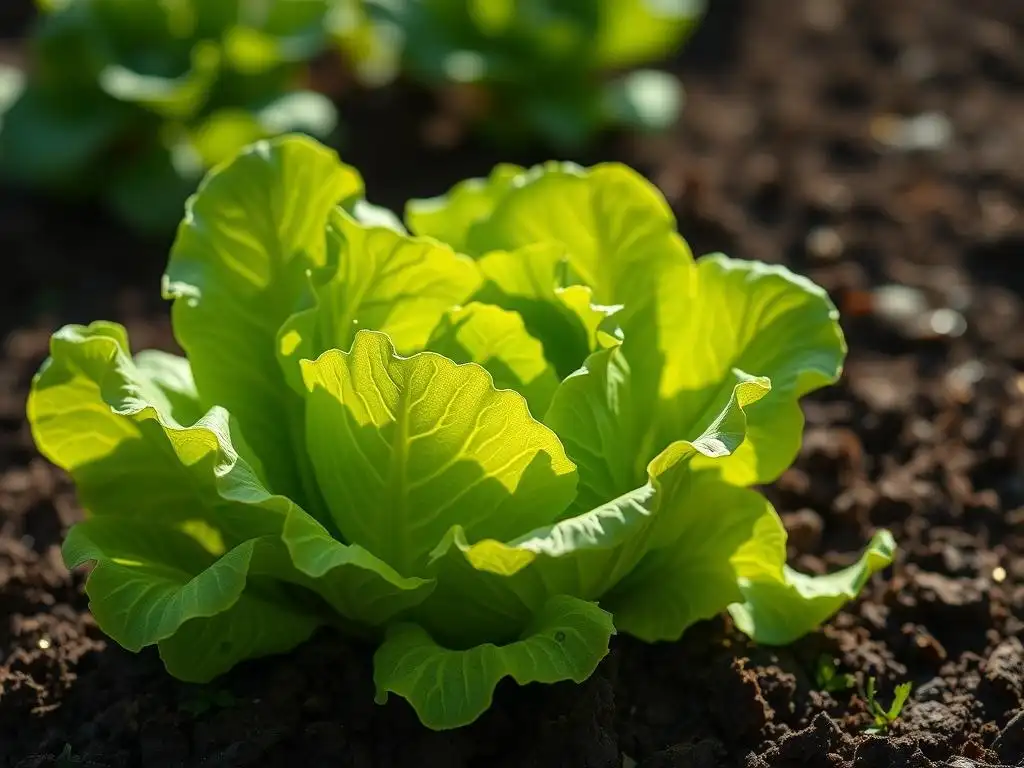
This section details the organic cultivation of frisee lettuce, focusing on sustainable practices to achieve a healthy and bountiful harvest. We'll explore crucial aspects like watering, fertilization, and pest control, all within the framework of organic gardening. Remember, consistent attention to detail is key to successfully growing frisee lettuce organically.
Watering Your Frisee Lettuce: Maintaining Optimal Moisture Levels
Frisee lettuce thrives in consistently moist, but not waterlogged, soil. Overwatering can lead to root rot, while underwatering results in stunted growth and wilting. The ideal soil moisture level should be consistently damp to the touch, about an inch or two below the surface. Avoid letting the soil dry out completely.
To achieve optimal moisture, consider these strategies:
- Regular watering: Water deeply and less frequently rather than shallowly and often. Deep watering encourages deeper root growth, making the plant more drought-tolerant. Aim for about 1 inch of water per week, adjusting based on rainfall and weather conditions.
- Mulching: Applying a layer of organic mulch, such as straw or shredded leaves, helps retain soil moisture, suppresses weeds, and regulates soil temperature. This reduces the frequency of watering.
- Drip irrigation: This method delivers water directly to the roots, minimizing water waste and reducing the risk of fungal diseases. It's particularly beneficial for frisee lettuce due to its shallow root system.
- Observe your plants: The best indicator of watering needs is the plant itself. Wilting leaves are a clear sign of underwatering, while yellowing leaves can indicate overwatering. Adjust your watering schedule accordingly.
Remember, the specific watering needs may vary depending on your climate, soil type, and the time of year. Consistent monitoring and adjustment are crucial for successful organic frisee lettuce cultivation. Pay close attention to your plants and adapt your watering strategy as needed.
Fertilizing Frisee Lettuce Organically: Nutrient Requirements and Best Practices
Frisee lettuce is a relatively light feeder, but providing adequate nutrients is essential for healthy growth and optimal yield. Organic fertilizers provide the necessary nutrients without harming the environment or introducing harmful chemicals.
Several excellent organic options exist:
- Compost: Adding well-rotted compost to your soil before planting improves soil structure, drainage, and nutrient content. Compost provides a slow-release source of essential nutrients.
- Worm castings: These are the excrement of earthworms and are a rich source of nutrients and beneficial microorganisms. They can be added to the soil before planting or as a top dressing.
- Seaweed extract: This liquid fertilizer is rich in micronutrients and promotes strong, healthy growth. It can be applied as a foliar spray or directly to the soil.
- Fish emulsion: This liquid fertilizer is derived from fish and provides a readily available source of nitrogen. Use it sparingly, as it can have a strong odor.
Avoid over-fertilizing, as this can lead to excessive vegetative growth at the expense of head formation. Follow the instructions on your chosen fertilizer carefully. A balanced approach, combining compost and a liquid fertilizer, often yields the best results. Remember to always prioritize soil health when selecting and applying organic fertilizers. Healthy soil is the foundation for healthy plants.
Protecting Your Frisee Lettuce from Pests and Diseases Naturally
Organic pest and disease control relies on preventative measures and natural remedies. Here are some effective strategies to protect your frisee lettuce organically:
| Pest/Disease | Organic Control Methods |
|---|---|
| Aphids | Introduce ladybugs or lacewings (beneficial insects), use insecticidal soap. |
| Slugs & Snails | Create barriers with copper tape or diatomaceous earth, handpick them at night. |
| Downy Mildew | Ensure good air circulation, avoid overhead watering, use a copper-based fungicide (organic). |
| Leaf Miners | Handpick affected leaves, encourage beneficial insects that prey on leaf miners. |
Implementing these strategies proactively reduces the likelihood of pest infestations and disease outbreaks. Regular monitoring is crucial for early detection and intervention. Remember that a healthy plant is less susceptible to pests and diseases. Prioritize soil health, proper watering, and balanced nutrition to build resilient frisee lettuce plants. Organic gardening provides a sustainable and environmentally friendly way to grow delicious and healthy frisee lettuce. By following these guidelines, you can enjoy a bountiful harvest while promoting ecological balance.
Common Frisee Lettuce Growing Problems and Organic Solutions
Growing frisee lettuce organically presents unique challenges, but with careful observation and proactive solutions, you can overcome them and enjoy a bountiful harvest. Many problems stem from improper soil conditions, pest infestations, or diseases. Let's explore some common issues and their organic solutions.
One frequent problem is bolting, where the lettuce plant prematurely flowers, resulting in bitter leaves and stunted growth. Bolting is often triggered by heat stress. To prevent this, ensure your frisee lettuce receives consistent moisture and is planted in partial shade, especially during the hottest parts of the day. Consider using shade cloth during peak sun hours to regulate temperature. Selecting a heat-tolerant frisee variety is also crucial for warmer climates.
Another common issue is pest infestations. Aphids, slugs, and caterpillars are particularly fond of tender frisee leaves. Organic pest control methods are essential. Introduce beneficial insects like ladybugs, which prey on aphids. Manually remove slugs and caterpillars in the early morning or evening when they are most active. Consider using row covers to protect your plants from flying insects. Diatomaceous earth, a natural powder made from fossilized algae, can also be effective against slugs and other crawling insects. Remember to always follow product instructions carefully.
Disease can also impact your frisee lettuce crop. Downy mildew and leaf spot are common fungal diseases that can thrive in damp conditions. To prevent these diseases, ensure good air circulation around your plants by spacing them appropriately. Avoid overhead watering, which can create a humid environment conducive to fungal growth. If you notice signs of disease, remove and destroy affected leaves promptly to prevent the spread. Consider using a copper-based fungicide as a last resort, but always follow label instructions meticulously, as overuse can negatively affect beneficial soil microbes.
Finally, nutritional deficiencies can lead to stunted growth and pale leaves. Regular soil testing is crucial to understand your soil's nutritional profile. Amend your soil with compost or other organic matter to improve its structure and provide essential nutrients. Side-dressing with organic fertilizers like fish emulsion or seaweed extract can provide a boost of nutrients throughout the growing season.
Remember that healthy soil is the foundation of healthy plants. By carefully monitoring your frisee lettuce and implementing these organic solutions, you can cultivate a thriving and productive crop. Remember to be patient and observant; addressing problems early is key to success.
Harvesting and Storing Your Organic Frisee Lettuce
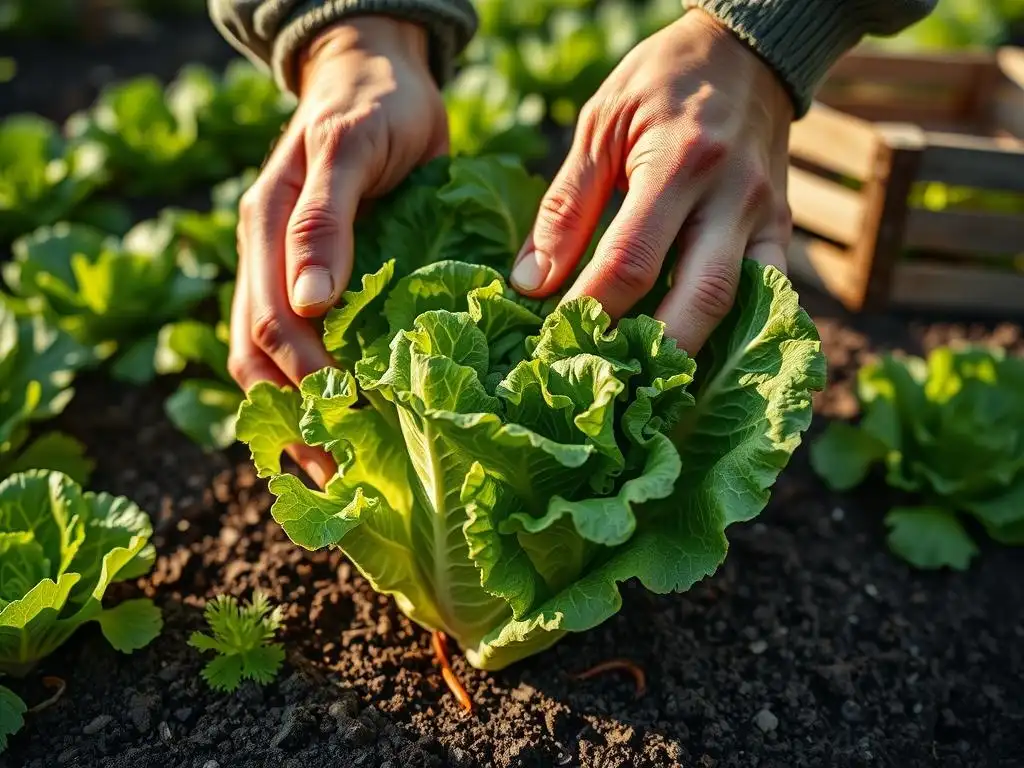
This section focuses on the crucial final stages of growing organic frisee lettuce: harvesting and storage. Proper harvesting maximizes flavor and minimizes damage, while correct storage extends the shelf life of your delicious, homegrown greens. Learning these techniques will ensure you enjoy the fruits (or rather, leaves!) of your labor for as long as possible. Growing frisee lettuce organically means taking pride in the entire process, from seed to plate.
Knowing When to Harvest Frisee Lettuce for Optimal Flavor
The ideal time to harvest frisee lettuce is when the outer leaves are fully developed, exhibiting the characteristic frilly texture and dark green color. Avoid harvesting when the leaves are too small or underdeveloped, as this will compromise both yield and flavor. Conversely, letting the lettuce bolt (flower) will result in bitter, tough leaves unsuitable for consumption.
The size of the mature plant depends on the specific variety you've chosen, but generally, you should aim for plants that are approximately 6-8 inches in diameter. You can gently tug on an outer leaf; if it pulls away easily without tearing, the plant is ready for harvesting.
Consider the following factors when determining harvest readiness:
- Leaf Size and Texture: Look for fully expanded leaves with the characteristic frilly, curled edges.
- Plant Size: Aim for the recommended mature size for your specific variety.
- Leaf Color: Deep green leaves generally indicate optimal flavor and maturity.
- Bolting: Avoid harvesting if the plant has begun to bolt (flower). This negatively impacts taste.
Regular observation of your plants is key to ensuring you harvest at peak flavor. You may find that some outer leaves are ready for harvest before the entire plant is mature. This allows for multiple harvests from a single plant, extending your frisee enjoyment.
Harvesting Techniques for Frisee Lettuce: Minimizing Damage
Harvesting frisee lettuce requires a gentle touch to avoid damaging the remaining leaves and the plant's heart. Rough handling can lead to bruising, wilting, and reduced shelf life. Here are some best practices for minimizing damage:
- Use Sharp Scissors or a Knife: Clean, sharp tools make for clean cuts, reducing the risk of tearing or bruising. Avoid pulling leaves, as this can damage the plant's base.
- Harvest Outer Leaves First: Begin by harvesting the largest, outermost leaves, leaving the smaller, inner leaves to continue growing. This allows for multiple harvests from a single plant.
- Cut Close to the Base: Make clean cuts close to the base of the plant, but avoid cutting the crown itself. This preserves the growing point and allows for continued growth and future harvests.
- Handle Gently: Avoid squeezing or crushing the harvested leaves. Place them carefully in a container to prevent bruising.
Storing Your Harvested Frisee Lettuce: Tips for Extending Freshness
Proper storage is essential to maintain the quality and freshness of your organically grown frisee lettuce. Here's how to keep your harvest crisp and delicious for longer:
- Rinse and Dry: Gently rinse the harvested leaves under cool water to remove any dirt or debris. Thoroughly dry the leaves using a salad spinner or by patting them dry with a clean kitchen towel. Excess moisture promotes decay.
- Refrigerate Properly: Store the dried leaves in a perforated plastic bag or a container lined with paper towels in the crisper drawer of your refrigerator. This helps maintain moisture levels and prevents wilting. Avoid storing in an airtight container, as this can lead to condensation and spoilage.
- Avoid Overcrowding: Do not overcrowd the storage container, as this will trap moisture and accelerate decay. Allow for adequate air circulation around the leaves.
- Use Within a Few Days: Even with proper storage, frisee lettuce is best consumed within a few days of harvesting for optimal flavor and texture. Consider using a portion of your harvest immediately to maximize freshness.
By following these harvesting and storage tips, you can enjoy the delicious flavor of your organically grown frisee lettuce for a longer period. Remember, growing frisee lettuce organically isn't just about the growing process; it’s about appreciating every stage, from harvest to consumption.
Advanced Techniques for Growing Frisee Lettuce Organically
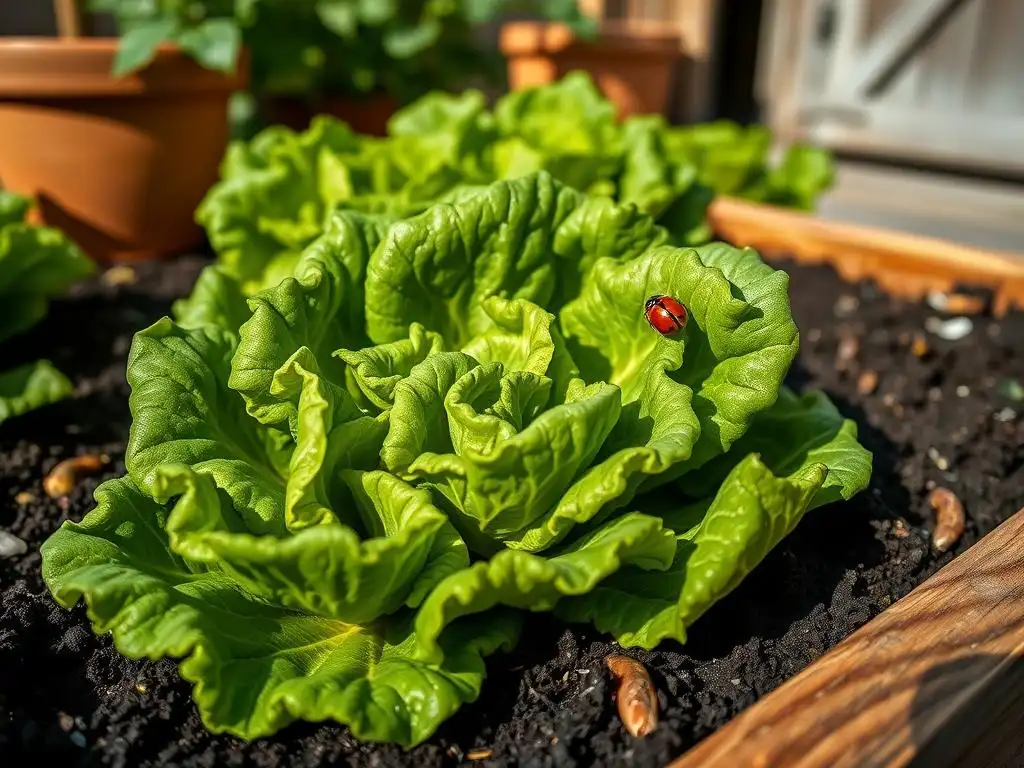
This section delves into advanced techniques to optimize your organic frisee lettuce cultivation, maximizing yield and quality while adhering to sustainable practices. We'll explore companion planting, crop rotation, and season extension strategies, all crucial for achieving exceptional results in your home garden.
Companion Planting for Frisee Lettuce: Beneficial Plant Combinations
Companion planting leverages the synergistic relationships between different plants to enhance growth and deter pests. For frisee lettuce, strategically chosen companions can significantly improve your harvest. Certain plants repel common lettuce pests, while others improve soil health, creating a mutually beneficial environment.
Here are some excellent companion plants for frisee lettuce:
- Marigolds: These vibrant flowers repel aphids, whiteflies, and nematodes – common frisee lettuce pests. Their bright colors add a cheerful touch to your garden, too! 🌼
- Rosemary: Known for its strong aroma, rosemary deters cabbage moths and other insects that might target your lettuce. The scent is also beneficial for humans!
- Radishes: These fast-growing plants help loosen the soil, improving aeration and drainage – crucial for frisee lettuce's delicate roots. Plus, you get a tasty bonus crop!
- Chives: Chives help repel aphids and other small insects, protecting your frisee lettuce from damage. They also add a delicious flavor to your culinary creations.
Avoid planting frisee lettuce near strong-smelling herbs like sage or strong brassicas (cabbage, broccoli, cauliflower) as they may compete for resources or attract unwanted pests. Careful planning is key to successful companion planting.
Crop Rotation for Frisee Lettuce: Improving Soil Health and Pest Control
Crop rotation is a cornerstone of sustainable gardening. By rotating your crops annually, you prevent the buildup of soilborne diseases and pests specific to lettuce. This practice significantly improves soil health and reduces the need for chemical interventions.
A typical crop rotation plan might look like this:
| Year | Crop Family | Example Crop(s) | Notes |
|---|---|---|---|
| 1 | Asteraceae | Frisee Lettuce, Sunflowers | Improves soil structure and fertility. |
| 2 | Fabaceae (Legumes) | Peas, Beans, Clover | Fixes nitrogen in the soil, enriching it. |
| 3 | Solanaceae | Tomatoes, Peppers | Different nutrient requirements, breaks pest cycles |
| 4 | Cucurbitaceae | Cucumbers, Squash | Further diversifies nutrient uptake and pest control |
This example demonstrates a four-year rotation. Adapt it to your specific needs and available space. Remember to avoid planting lettuce in the same spot for consecutive years to minimize pest and disease pressure. Growing cover crops, such as clover or rye, between lettuce plantings further enhances soil health and suppresses weeds.
Extending the Frisee Lettuce Growing Season: Techniques and Strategies
Frisee lettuce thrives in cooler temperatures. However, with some clever techniques, you can extend its growing season beyond its natural limitations. This allows you to enjoy fresh, homegrown frisee lettuce for a longer period.
- Early Spring Planting: Start seeds indoors 6-8 weeks before the last expected frost. This gives your plants a head start, allowing them to mature earlier in the season.
- Fall Planting: Plant another batch in late summer/early fall for a harvest before the first frost. Choose varieties known for their tolerance to cooler temperatures.
- Row Covers: Protect your plants from frost and extreme temperatures using floating row covers. These lightweight fabrics create a microclimate that keeps your lettuce warm and protected.
- Shade Cloth: During the hottest summer months, shade cloth can prevent your lettuce from bolting (going to seed prematurely) by reducing the intensity of direct sunlight.
- Succession Planting: Plant new seeds or seedlings every few weeks to ensure a continuous harvest throughout the season. This approach provides a staggered harvest, maintaining a consistent supply of fresh frisee lettuce.
By implementing these advanced techniques, you can significantly enhance your ability to grow frisee lettuce organically, achieving higher yields, healthier plants, and a longer harvest season. Remember that careful observation and adaptation to your specific environment are key to success.
Troubleshooting Common Frisee Lettuce Growing Challenges
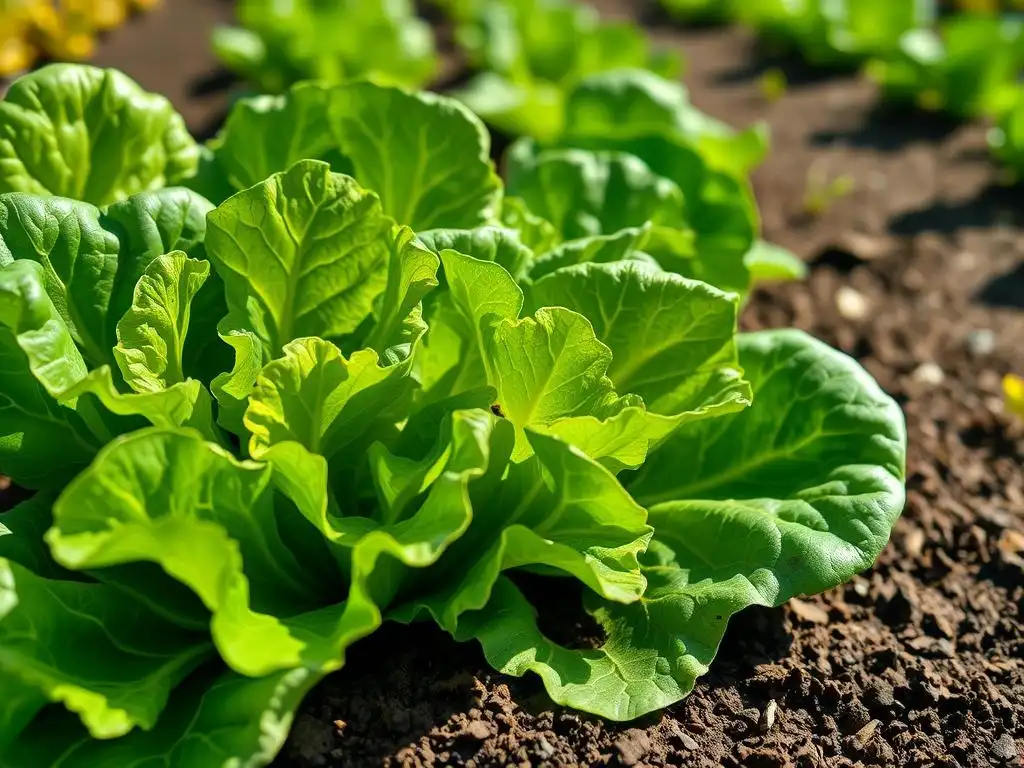
Growing frisee lettuce organically can present unique challenges. Understanding these potential problems and implementing preventative measures, or effective organic solutions, is key to a successful harvest. This section focuses on addressing common issues, providing practical, organic solutions to ensure a healthy and thriving frisee crop. Remember, prevention is always the best approach when growing organically. Regular monitoring of your plants is crucial for early detection and intervention.
Dealing with Common Frisee Lettuce Pests and Diseases Organically
Frisee lettuce, like other leafy greens, is susceptible to certain pests and diseases. However, organic methods offer effective control.
Several pests, such as aphids, slugs, and caterpillars, can damage frisee leaves. Aphids, tiny sap-sucking insects, can cause leaf curling and stunted growth. Slugs and snails leave slimy trails and chew holes in the leaves. Caterpillars can devour entire leaves. Organic solutions include:
- Beneficial insects: Introducing ladybugs or lacewings to your garden can help control aphids.
- Diatomaceous earth: This natural powder effectively dehydrates slugs and snails. Sprinkle it around your plants, especially after watering or in damp conditions.
- Neem oil: A natural insecticide derived from the neem tree, neem oil is effective against various pests, including caterpillars. Always follow label instructions carefully.
- Row covers: Using floating row covers can protect your frisee from many pests. Ensure proper ventilation to avoid overheating.
- Handpicking: Regularly inspect your plants and handpick any visible pests.
Diseases like downy mildew and leaf spot can also affect frisee lettuce. Downy mildew appears as fuzzy white patches on the underside of leaves, while leaf spot manifests as brown or black spots. Organic disease management strategies include:
- Crop rotation: Rotating your crops annually helps to break disease cycles.
- Good air circulation: Ensure adequate spacing between plants to promote air circulation and reduce humidity, minimizing the risk of fungal diseases.
- Copper fungicides: These are available organically and can be used to control fungal diseases, but always follow label instructions meticulously. It's crucial to apply as a preventative measure or at the first sign of infection.
- Resistant varieties: Choosing frisee lettuce varieties known for disease resistance can significantly reduce the risk of infection.
Remember to always monitor your plants for signs of pests or diseases. Early detection significantly improves the success of organic control methods. Regularly inspect the undersides of leaves, as pests and diseases often hide there.
Addressing Nutrient Deficiencies in Frisee Lettuce Organically
Nutrient deficiencies can hinder frisee lettuce growth and affect leaf quality. Organic gardening emphasizes soil health as the foundation for nutrient availability.
- Nitrogen deficiency: This is characterized by pale green or yellowish leaves, especially older leaves. Organic solutions include using compost tea, adding well-rotted manure, or using nitrogen-rich organic fertilizers like blood meal or feather meal.
- Potassium deficiency: This deficiency often results in leaf margins browning and scorching. Adding organic potassium sources like wood ash (in moderation) or banana peels to the compost can help.
- Phosphorus deficiency: This can lead to stunted growth and dark green leaves. Bone meal or rock phosphate are good organic sources of phosphorus.
Soil testing is crucial to determine specific nutrient levels. A soil test will pinpoint deficiencies and guide the selection of appropriate organic amendments. Avoid over-fertilizing, as this can also harm your plants. Regular soil testing and careful amendment application are vital components of organic frisee cultivation.
Proper watering and soil conditions are vital for healthy frisee lettuce. Overwatering or underwatering, as well as poor soil drainage, can lead to various problems.
- Overwatering: Leads to root rot, evidenced by wilting, yellowing leaves, and a foul odor from the soil. Ensure proper drainage by amending heavy clay soils with compost or perlite. Water deeply but less frequently, allowing the soil to dry slightly between waterings.
- Underwatering: Results in wilting, stunted growth, and crispy leaves. Water consistently, especially during hot, dry periods. Mulching can help retain soil moisture.
- Poor soil drainage: Can lead to root rot and other problems. Improve drainage by amending heavy clay soils with organic matter like compost or peat moss. Raised beds can also improve drainage.
- Soil pH: Frisee lettuce thrives in slightly acidic soil (pH 6.0-6.8). Adjust soil pH using organic methods like adding lime for alkaline soil or sulfur for overly acidic soil. A soil test will guide you on the necessary amendments.
Consistent monitoring of soil moisture and pH levels is essential for successful organic frisee cultivation. Regular watering, appropriate soil amendments, and attention to drainage will contribute to a robust and healthy frisee crop. Remember that consistent observation and timely adjustments are crucial for success in organic gardening.
Recipes and Culinary Uses of Your Homegrown Frisee Lettuce
This section explores the delightful culinary versatility of your organically grown frisee lettuce. From simple salads that highlight its unique, slightly bitter flavor, to more complex dishes where it adds a textural and taste contrast, frisee lettuce offers a rewarding culinary experience. Learning to preserve your harvest will also extend its enjoyment throughout the year. Growing frisee lettuce organically ensures a superior taste and texture, far exceeding what you find in commercially produced varieties.
Simple Frisee Salad Recipes: Showcasing the Unique Flavor
Frisee lettuce's slightly bitter, nutty flavor and wonderfully crisp texture make it a star in simple salads. Its delicate leaves hold up well to light vinaigrettes, allowing the natural flavors to shine. Here are a few ideas to get you started:
- Classic Frisee Salad with Bacon and a Simple Vinaigrette: This timeless combination highlights the frisee's bitterness beautifully. Simply toss the frisee with crispy bacon lardons, a simple vinaigrette (olive oil, Dijon mustard, red wine vinegar, salt, and pepper), and perhaps some toasted walnuts for added crunch.
- Frisee Salad with Pears and Blue Cheese: The sweetness of pears perfectly complements the bitterness of frisee, while the creamy tang of blue cheese adds a delightful complexity. A light honey-mustard vinaigrette ties everything together.
- Frisee Salad with Roasted Beets and Goat Cheese: The earthy sweetness of roasted beets and the tangy creaminess of goat cheese create a stunning flavor profile when paired with the frisee. A simple lemon vinaigrette adds brightness.
Remember to wash your organically grown frisee lettuce thoroughly before use. Avoid over-dressing, as this can wilt the delicate leaves. Enjoy the freshness and superior taste of your homegrown produce! 🥗
Incorporating Frisee Lettuce into More Complex Dishes
Beyond simple salads, frisee lettuce's unique texture and slightly bitter taste profile make it a wonderful addition to a variety of more complex dishes. Its delicate leaves hold their shape well when cooked gently, adding a delightful textural contrast.
Here are some ideas for incorporating frisee lettuce into more elaborate recipes:
- Frisee and Mushroom Quiche: The slightly bitter frisee complements the earthy mushrooms perfectly in a creamy quiche. Adding some caramelized onions enhances the flavor profile.
- Frisee Lettuce in a Warm Salad with Roasted Chicken or Fish: The frisee’s texture holds up well in a warm salad, adding a refreshing counterpoint to the richness of roasted chicken or fish. A light vinaigrette, herbs, and toasted nuts can complete this dish.
- Frisee and Potato Soup: Adding frisee lettuce to a creamy potato soup towards the end of cooking adds a subtle bitterness and lovely texture, deepening the overall flavor profile.
Experiment with different combinations and explore the delightful ways frisee lettuce can enhance your culinary creations. The organic cultivation method ensures a superior flavor that elevates these dishes.
Preserving Frisee Lettuce: Methods for Extending its Shelf Life
While frisee lettuce is best enjoyed fresh, there are ways to extend its shelf life and enjoy your harvest even longer. Proper storage and preservation techniques are key to maintaining its quality and flavor.
Here are a few methods for preserving frisee lettuce:
- Refrigeration: Store your harvested frisee lettuce in a perforated plastic bag in the crisper drawer of your refrigerator. This will help maintain freshness for up to a week.
- Freezing: Blanch the frisee lettuce briefly in boiling water, then immediately plunge it into ice water to stop the cooking process. Once cooled, squeeze out excess water and store in freezer bags for later use in soups or stews. Note that freezing may slightly alter the texture.
- Drying: While not ideal for preserving the texture and flavor of frisee lettuce as well as other methods, you can dry it for later use in powdered form. This is best done using a dehydrator for consistent results.
By employing these preservation techniques, you can savor the deliciousness of your organically grown frisee lettuce for longer, maximizing the yield from your garden and minimizing waste. Remember, proper handling and storage are crucial for maintaining the quality and extending the shelf life of your organically grown produce.
Frequently Asked Questions
How do I grow frisee lettuce organically?
To grow frisee lettuce organically, start with certified organic seeds and use organic soil. Avoid using chemical pesticides and fertilizers; instead, utilize natural pest control methods and compost for nutrients.
What type of soil is best for frisee lettuce?
Frisee lettuce thrives in loose, well-draining soil that's rich in organic matter. Amend heavy clay soils with compost to improve drainage and aeration. A slightly acidic pH (around 6.0-6.8) is ideal.
When is the best time to plant frisee lettuce?
The best time to plant frisee lettuce is in the spring or fall, when temperatures are cooler. Avoid planting during hot summer months, as this can cause the lettuce to bolt (go to seed).
How often should I water my frisee lettuce?
Keep the soil consistently moist, but not waterlogged. Water deeply and regularly, especially during dry periods. Use a soaker hose or drip irrigation to prevent wetting the leaves and reduce the risk of fungal diseases.
How do I harvest frisee lettuce?
You can begin harvesting frisee lettuce when the outer leaves are about 4-6 inches long. Cut the outer leaves at the base of the plant, allowing the inner leaves to continue growing for a continuous harvest. Harvest regularly for the best results.
Final Reflection: Harvesting the Bounty of Organic Frisee
The resurgence of interest in homegrown, organic produce is not just a trend; it's a vital step towards a healthier, more sustainable future. Learning to cultivate your own food, even a seemingly simple crop like frisee lettuce, empowers you to take control of your diet and reduce your environmental footprint. This guide has provided you with the tools to successfully grow this delicious and nutritious green, organically.
The journey of growing frisee, from seed to plate, is a deeply rewarding experience. It connects us to the earth, fosters patience, and offers a tangible connection to the food we consume. The glory of gardening: hands in the dirt, head in the sun, heart with nature. To nurture a garden is to feed not just the body, but the soul.
This quote perfectly encapsulates the profound satisfaction derived from nurturing life from a tiny seed to a vibrant, healthy plant. The process itself, beyond the delicious harvest, cultivates mindfulness and appreciation for the natural world.
Now, it's your turn. Take what you've learned here and embark on your own frisee-growing adventure. Don't be afraid to experiment, to learn from your mistakes, and to savor the taste of your organically grown harvest. The journey might have its challenges, but the rewards – both culinary and spiritual – are immeasurable. Embrace the earth, embrace the process, and embrace the deliciousness of homegrown frisee.
Unlock Your Inner Gardener: Grow Luscious Frisee!
Thanks for exploring the world of frisee lettuce with us! We hope you've gained valuable insights into cultivating this unique and flavorful green. Now it's time to put your knowledge into practice.
- Plant your frisee today! Even a small patch can yield a surprising harvest of delicious greens. Imagine the fresh salads you'll enjoy!
- Share your frisee-growing experience! Tell us about your journey – which varieties are you growing? What challenges (or triumphs!) have you faced?
- Experiment with companion planting. Consider which herbs or vegetables might thrive alongside your frisee. For example, basil or carrots are often good choices.
Ready to experience the joy of homegrown frisee? What's your first step towards a thriving crop?