
Cold Frames vs. Polytunnels: Which is Best for Your Garden?

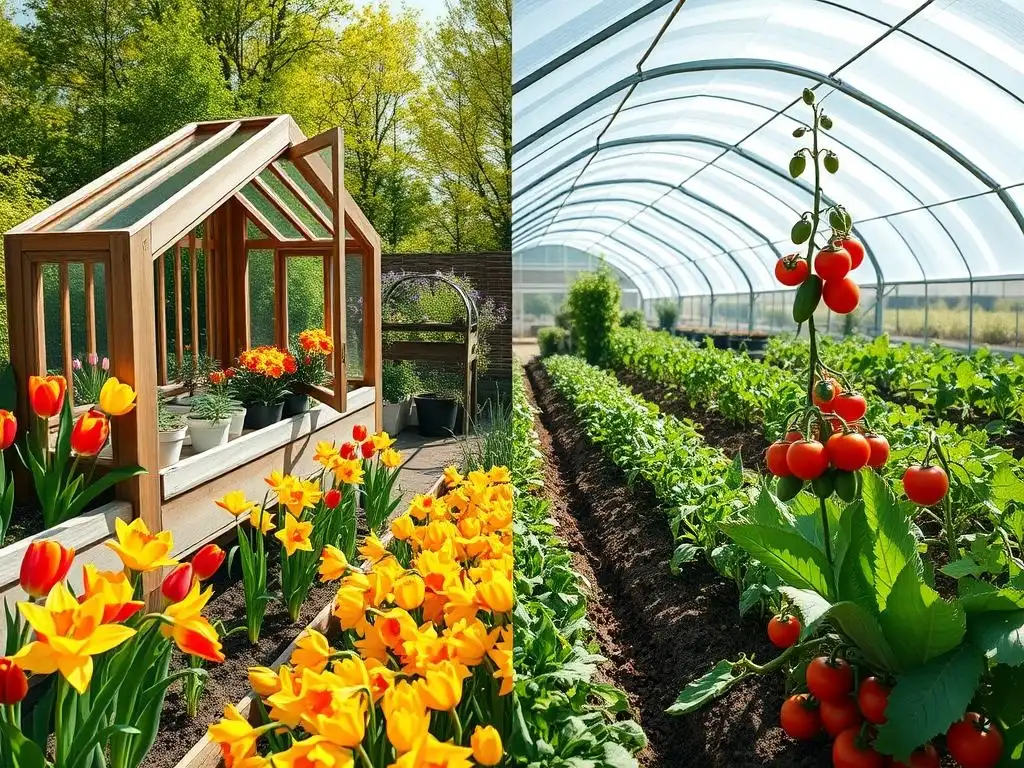
Welcome to CultivateYourFood, your guide to thriving homegrown harvests! Ready to unlock the secrets to bountiful, organic yields? We're passionate about sustainable gardening, and this is where you'll discover practical advice and expert insights. But first, a crucial decision awaits – should you choose a cold frame or a polytunnel for your garden? Dive into our comprehensive Cold Frame vs. Polytunnel guide and discover which structure perfectly complements your gardening aspirations. Let's cultivate a greener future, together!
- Understanding Your Needs: Cold Frame vs. Polytunnel Comparison
- Cold Frame Deep Dive: A Detailed Look at Functionality and Benefits
- Polytunnel Exploration: Advantages and Considerations for Serious Gardeners
- Cold Frame vs. Polytunnel: A Head-to-Head Comparison of Features
- Making the Right Choice: Factors to Consider Before Purchasing
- Recommended Products and Resources for Your Growing Needs
- Frequently Asked Questions
- Final Reflection: Choosing the Right Path to Bountiful Harvests
- Unlock Your Garden's Potential: Choose the Perfect Growing Structure!
Understanding Your Needs: Cold Frame vs. Polytunnel Comparison
Choosing the right structure for your homegrown haven can significantly impact your success in cultivating fruits, vegetables, and herbs. This comprehensive guide will delve into the key differences between cold frames and polytunnels, helping you determine which option best suits your gardening goals, space constraints, budget, and local climate. We'll explore the unique capabilities of each structure, examining their applications for seed starting, overwintering, extending the growing season, and boosting overall crop production.
By the end, you'll be equipped to make an informed decision, maximizing your yield and enjoyment of your organic garden, all while optimizing your "cold frame vs polytunnel guide" research. This detailed comparison will cover essential aspects, allowing you to confidently select the perfect structure for your sustainable gardening journey. Let's get started!
Choosing the Right Structure for Your Gardening Goals: Space, Budget, and Climate Considerations
The initial decision hinges on several critical factors. Firstly, space is paramount. Cold frames, typically smaller and more compact, are ideal for smaller gardens or patios. They're perfect for starting seeds or protecting vulnerable plants. Polytunnels, on the other hand, offer significantly more space, suitable for larger-scale gardening projects and the cultivation of a wider variety of crops. Consider the dimensions of your available space and the number of plants you intend to cultivate.
Next, consider your budget. Cold frames are generally less expensive to purchase and construct than polytunnels. This makes them an excellent entry point for beginner gardeners or those on a tighter budget. Polytunnels, with their larger size and more robust construction, represent a more significant investment.
Finally, evaluate your climate. Cold frames provide excellent frost protection and are suitable for temperate climates. However, they may not offer sufficient protection against extreme weather conditions. Polytunnels, with their larger size and the ability to regulate temperature, are better suited for harsher climates and can extend the growing season considerably. Think about your local weather patterns and the level of protection your plants will require. This careful consideration will ensure you choose the most effective structure for your needs.
Cold Frame Applications: Seed Starting and Overwintering Protection
Cold frames are incredibly versatile structures, particularly effective for:
- Seed Starting: Providing a controlled environment for seed germination, cold frames shield seedlings from harsh weather, promoting healthy growth and higher germination rates. This allows for earlier planting and a longer growing season.
- Overwintering Protection: Protecting tender plants during colder months, cold frames help them survive freezing temperatures, ensuring they thrive when spring arrives. This is especially valuable for perennials and plants sensitive to frost.
- Hardening Off Seedlings: Gradually acclimating seedlings to outdoor conditions before transplanting, cold frames play a crucial role in preparing young plants for the rigors of the garden. This process reduces transplant shock and improves survival rates.
The relatively simple design and ease of use make cold frames a popular choice for both novice and experienced gardeners.
Polytunnel Capabilities: Extended Growing Season and Crop Production
Polytunnels, also known as high tunnels, offer a range of advantages for serious gardeners:
- Extended Growing Season: The controlled environment created inside a polytunnel allows for planting earlier in the spring and extending the harvest well into the autumn. This significantly increases the growing season, maximizing yield and crop diversity.
- Crop Production: The larger space and enhanced climate control facilitate the cultivation of a wider variety of crops, including those that require specific temperature and humidity levels. This can significantly expand the range of vegetables, fruits, and herbs you can grow successfully.
- Pest and Disease Control: The enclosed environment of a polytunnel helps to control pests and diseases, minimizing the need for chemical treatments and contributing to sustainable, organic gardening practices. This improves crop health and reduces reliance on potentially harmful pesticides.
Polytunnels represent a significant investment, but the increased yield and extended growing season often justify the cost for many gardeners. Careful consideration of your specific needs, including space, budget, and climate, is crucial for selecting the best structure for your home garden.
Cold Frame Deep Dive: A Detailed Look at Functionality and Benefits
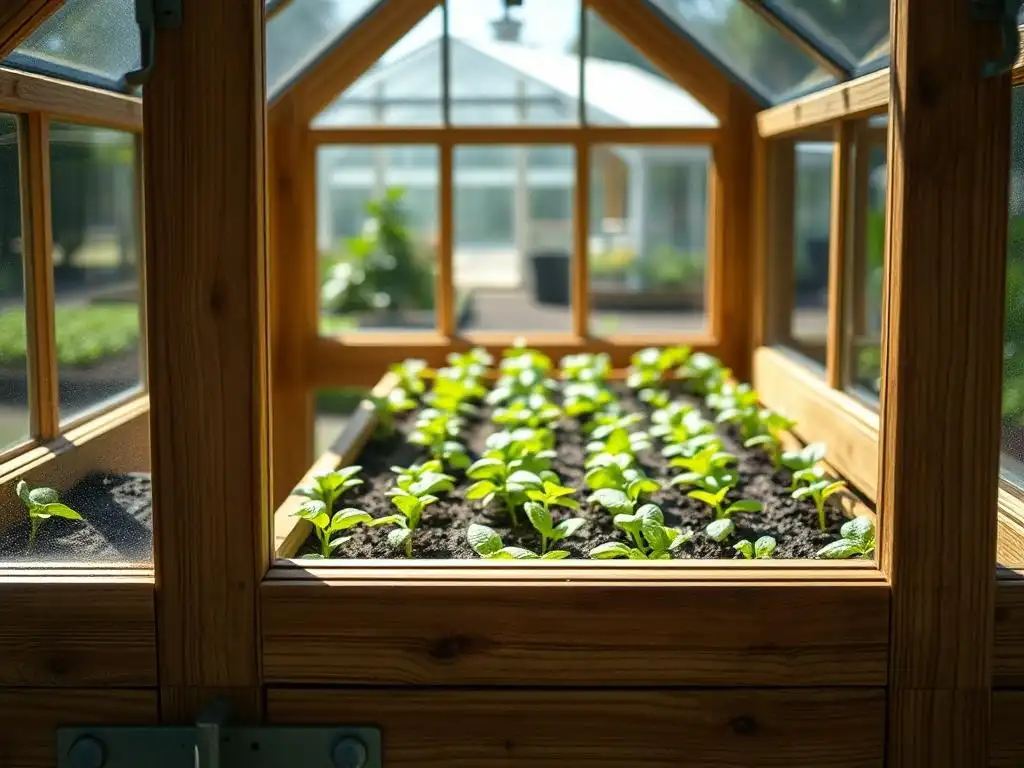
Cold frames, simple yet effective structures, offer a significant boost to the gardening season, extending it both earlier in spring and later into autumn. They achieve this by creating a microclimate warmer than the ambient air temperature, protecting delicate seedlings and young plants from frost and harsh weather conditions. This "cold frame vs polytunnel guide" section will focus specifically on cold frames. Understanding their functionality is key to maximizing their benefits.
Essentially, a cold frame acts as a miniature greenhouse, trapping solar radiation and increasing the temperature inside. This warmth encourages faster germination and growth, allowing you to get a head start on the growing season and enjoy a longer harvest period. The design, typically featuring a sloped glass or plastic cover, facilitates sunlight penetration while providing protection from wind, rain, and extreme temperatures.
Cold Frame Construction Materials: Wood, Plastic, and Glass Options
The choice of materials significantly impacts a cold frame's durability, cost, and thermal performance. Let's examine the most common options:
- Wood: Wooden cold frames offer a classic, aesthetically pleasing look and excellent insulation. However, they require regular maintenance, including painting or staining to prevent rot and insect damage. Cedar and redwood are particularly durable choices due to their natural resistance to decay. The initial cost might be higher compared to plastic, but the longevity can justify the investment. A well-built wooden cold frame can last for many years, even decades, with proper care.
- Plastic: Plastic cold frames are generally more affordable and lightweight than wooden ones. They're easy to assemble and require minimal maintenance. However, plastic can degrade over time due to UV exposure, becoming brittle and prone to cracking. The insulation properties are typically lower than wood, meaning temperature fluctuations can be more significant. Look for cold frames made from high-quality, UV-resistant plastics to extend their lifespan.
- Glass: Glass cold frames offer superior insulation and light transmission compared to plastic. This results in optimal growing conditions, particularly beneficial for seed starting. However, glass is more fragile and expensive than other materials. It's also heavier and more difficult to handle. Glass cold frames require careful handling to avoid breakage, and the higher cost might be a deterrent for some gardeners.
The table below summarizes the pros and cons of each material:
| Material | Pros | Cons |
|---|---|---|
| Wood | Durable, good insulation, aesthetically pleasing | Requires maintenance, higher initial cost |
| Plastic | Affordable, lightweight, easy to assemble | Can degrade with UV exposure, lower insulation |
| Glass | Excellent insulation and light transmission | Fragile, expensive, heavier |
Choosing the right material depends on your budget, gardening experience, and aesthetic preferences. Consider the climate in your region; in colder climates, superior insulation provided by wood or glass might be preferable.
Cold Frame Ventilation and Temperature Regulation: Maintaining Optimal Growing Conditions
Effective ventilation is crucial for preventing overheating and maintaining optimal humidity levels within the cold frame. Insufficient ventilation can lead to dampness, fungal diseases, and plant stress. Conversely, excessive ventilation can expose plants to cold temperatures and drafts. Many cold frames incorporate vents, often adjustable, to control airflow.
These can be simple openings, sliding panels, or more sophisticated mechanisms. Proper ventilation is a key aspect of successful cold frame management. Careful monitoring of temperature and humidity levels inside the frame is essential. A simple thermometer and hygrometer can help you track conditions and adjust ventilation accordingly.
On sunny days, opening vents during the warmest part of the day will prevent overheating. Conversely, on cooler days or during nighttime, closing the vents helps retain heat and protect plants from frost. Experimentation is key to finding the optimal ventilation strategy for your specific cold frame and local climate. Consider the type of plants you're growing; some plants are more sensitive to temperature fluctuations than others.
Best Cold Frames for Seed Starting in 2024: Reviews and Recommendations
Choosing the best cold frame for seed starting in 2024 requires considering several factors, including size, material, features, and budget. While specific product recommendations are beyond the scope of this general guide, consider focusing your research on features that enhance seed starting success. Look for models with good ventilation, adequate light transmission, and easy access for planting and harvesting. Larger cold frames offer more space for growing a wider variety of seedlings.
Features like built-in shelving can improve organization and maximize space utilization. Reviews from other gardeners can provide valuable insights into the performance and durability of different cold frame models. Pay close attention to details like the ease of assembly and the quality of construction. Remember, investing in a high-quality cold frame will pay off with healthier seedlings and a successful growing season.
Consider the longevity of the product as well as any warranty offered by the manufacturer. Prioritize models with robust construction to ensure they withstand the elements and provide years of reliable service. Don't hesitate to compare prices and features from different brands before making your final decision. A well-chosen cold frame can significantly improve your gardening success, providing a protected and controlled environment for your seedlings to thrive.
Cold Frame Maintenance and Longevity: Protecting Your Investment
Regular maintenance is key to extending the lifespan of your cold frame and ensuring its continued effectiveness. Neglect can lead to structural damage, reduced functionality, and ultimately, a shorter lifespan. This is especially true considering the often harsh conditions cold frames are subjected to – fluctuating temperatures, potential for moisture buildup, and exposure to the elements. A proactive approach will pay dividends in the long run.
One crucial aspect of cold frame maintenance is cleaning. Regularly remove any accumulated debris, such as fallen leaves, dirt, and dead plants. This prevents the buildup of pests and diseases which can harm your plants and compromise the cold frame's structure. A simple sweep and wipe down with a damp cloth will suffice for most cleaning tasks. For more stubborn dirt, a gentle solution of water and mild soap can be used, ensuring thorough rinsing afterwards to prevent any residue from harming your plants. Annual deep cleaning, ideally in late autumn or early spring, is recommended for thorough sanitization.
Another important factor is structural integrity. Regularly inspect the frame for any signs of damage, such as cracks, loose screws, or rotting wood. Address these issues promptly to prevent further deterioration. Tighten loose screws, repair cracks with appropriate sealant, and replace any severely damaged components. For wooden cold frames, consider applying a protective layer of wood stain or sealant every few years to protect against moisture damage and extend its lifespan. This preventative measure can significantly impact the longevity of your cold frame.
Finally, consider the environmental impact. The materials used in your cold frame impact its longevity and environmental footprint. Opting for durable, weather-resistant materials like treated wood or robust polycarbonate glazing will significantly extend the lifespan of your cold frame. Choosing recycled or sustainably sourced materials further minimizes the environmental impact of your gardening practices.
Remember that a well-maintained cold frame contributes to sustainable gardening practices by extending its useful life and reducing the need for frequent replacements. By investing time and effort in proper maintenance, you'll not only protect your investment but also contribute to a more environmentally conscious gardening approach. A well-maintained cold frame can provide years of reliable service, helping you cultivate healthy plants year after year.
Polytunnel Exploration: Advantages and Considerations for Serious Gardeners
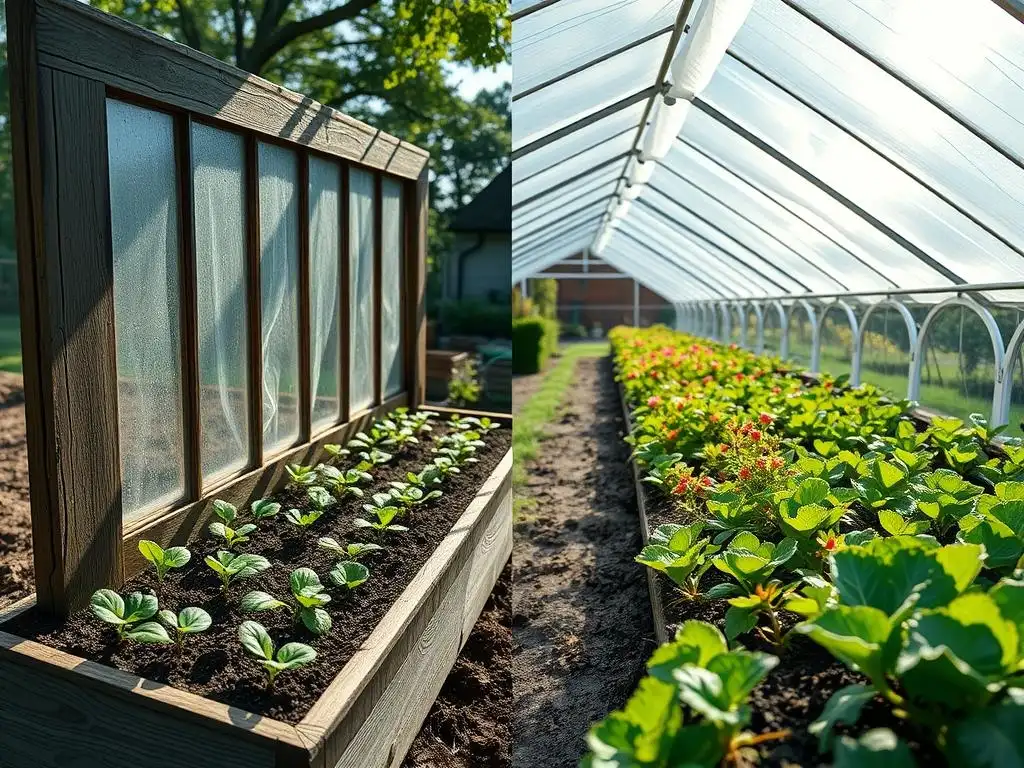
Polytunnels, also known as hoop houses, offer a significant step up from cold frames in terms of scale and growing potential. They provide a much larger protected area, allowing for the cultivation of a wider variety of plants and a more substantial harvest. This makes them particularly attractive to serious gardeners aiming for increased yields and extended growing seasons. However, their larger size and more complex construction also mean greater upfront investment and ongoing maintenance. This section delves into the key advantages and considerations involved in choosing a polytunnel for your garden.
Polytunnel Size and Design: Choosing the Right Dimensions for Your Space
Selecting the appropriate polytunnel size is crucial. A poorly sized structure can limit productivity or become unwieldy to manage. Consider the following factors when determining the dimensions:
- Available space: Measure your garden carefully, accounting for access paths and surrounding structures. Leaving sufficient space around the polytunnel for ease of access is vital for maintenance and harvesting.
- Growing needs: Determine the types and quantities of plants you intend to grow. Different plants have varying space requirements. For example, taller tomato plants need more vertical space than low-growing strawberries.
- Budget: Larger polytunnels naturally cost more, impacting both initial purchase and potential future upgrades.
- Design features: Consider walk-in access versus a smaller structure requiring entry from one end. Walk-in designs are generally more convenient, particularly for larger polytunnels.
A well-designed polytunnel maximizes usable space while minimizing wasted area. Think about optimizing the layout to accommodate different plant types and growth stages. Consider using trellises or hanging baskets to utilize vertical space efficiently. This strategic planning can significantly enhance the productivity of your polytunnel. For instance, a 10ft x 20ft polytunnel might comfortably accommodate several rows of tomatoes, peppers, and cucumbers, while a smaller 6ft x 8ft structure might be better suited for herbs and seedlings.
Polytunnel Materials: Durable and Weather-Resistant Options
The longevity and performance of your polytunnel are heavily reliant on the quality of its materials. The covering material, frame, and groundsheet all play critical roles in its durability and weather resistance.
| Material | Advantages | Disadvantages |
|---|---|---|
| Polythene Film | Relatively inexpensive, readily available | Shorter lifespan, susceptible to tearing |
| Polycarbonate | Greater durability, better light transmission | More expensive, heavier than polythene |
| Steel Frame | Robust, long-lasting, withstands strong winds | Can rust if not properly treated |
| Galvanized Steel | Rust-resistant, durable | More expensive than untreated steel |
| Groundsheet | Protects plants from soilborne diseases, weeds | Can be damaged by sharp objects, needs replacing |
Choosing high-quality materials is an investment that pays off in the long run. A durable polytunnel will withstand harsh weather conditions, minimizing the need for frequent repairs or replacements. Consider the climate in your area when selecting materials. Areas with strong winds or heavy snowfall require sturdier frames and potentially thicker covering materials. Proper anchoring and groundsheet installation are also crucial for stability and longevity.
Polytunnel Ventilation and Climate Control: Managing Temperature and Humidity
Effective ventilation and climate control are essential for optimal plant growth within a polytunnel. High temperatures and humidity can lead to disease and reduced yields. Conversely, insufficient warmth can hinder growth, especially during colder months.
Several strategies can be employed to manage the internal climate:
- Ventilation: Polytunnels typically incorporate vents or windows that can be opened to allow for air circulation. Properly sized and positioned vents are critical for regulating temperature and humidity. Consider automated ventilation systems for larger polytunnels or for situations requiring more precise climate control.
- Shading: During hot summer months, shading can be necessary to prevent overheating. This can be achieved using shade cloth or other appropriate materials.
- Heating: In colder climates, supplemental heating may be required, especially during the early and late growing seasons. Various heating options exist, including electric heaters, propane heaters, and even geothermal systems. The choice depends on budget, energy availability, and the size of the polytunnel.
Monitoring temperature and humidity levels regularly is crucial. Using simple thermometers and hygrometers will allow you to track conditions and adjust ventilation or heating as needed. This proactive approach ensures optimal growing conditions and maximizes the productivity of your polytunnel. Regular maintenance, including cleaning vents and ensuring proper sealing, is also essential for effective climate control.
Best Polytunnels for Vegetable Production: A Comprehensive Guide
Choosing the right polytunnel for vegetable production significantly impacts your yield and ease of gardening. Several factors influence this decision, including size, material quality, and features. A larger polytunnel, while more expensive upfront, offers more space for diverse crops and potentially higher yields. However, a smaller structure might be more manageable for beginners or those with limited space. Consider the specific vegetables you intend to grow; taller plants like tomatoes and peppers will require more vertical space than low-growing leafy greens.
The material used in the polytunnel's construction is crucial for durability and longevity. High-quality polyethylene film offers better UV resistance and tear strength, leading to a longer lifespan and reduced maintenance. Look for polytunnels with reinforced frames, often made of galvanized steel, to withstand strong winds and heavy snow loads. These robust frames are essential for protecting your investment and ensuring the structure's longevity, especially in areas prone to harsh weather conditions. Investing in a higher-quality frame will often save money in the long run by reducing the need for frequent repairs or replacements.
Beyond basic size and material, consider additional features that can enhance vegetable production. Ventilation is paramount for regulating temperature and humidity within the polytunnel, preventing fungal diseases and ensuring optimal growing conditions. Look for polytunnels with multiple vents or automated ventilation systems for better climate control. Some polytunnels also include features like integrated gutter systems for water collection, which can be beneficial in drier climates. These features, while adding to the initial cost, can significantly improve your gardening experience and yield.
Furthermore, consider the ease of assembly and maintenance. Some polytunnels are designed for easy setup, making them ideal for beginners. Others may require more technical expertise. Regular maintenance, such as cleaning the film and repairing minor damage, is essential to maintain the polytunnel's effectiveness and longevity.
Choose a design that allows for easy access to all parts of the structure for cleaning and maintenance. A well-maintained polytunnel will provide years of reliable service, protecting your crops and maximizing your harvest. Consider the overall cost-benefit analysis when making your selection; a slightly more expensive, high-quality polytunnel may prove more economical in the long run due to increased durability and ease of maintenance. Remember to factor in the cost of any additional accessories, such as shelving or grow lights, which can further enhance your vegetable production.
Cold Frame vs. Polytunnel: A Head-to-Head Comparison of Features
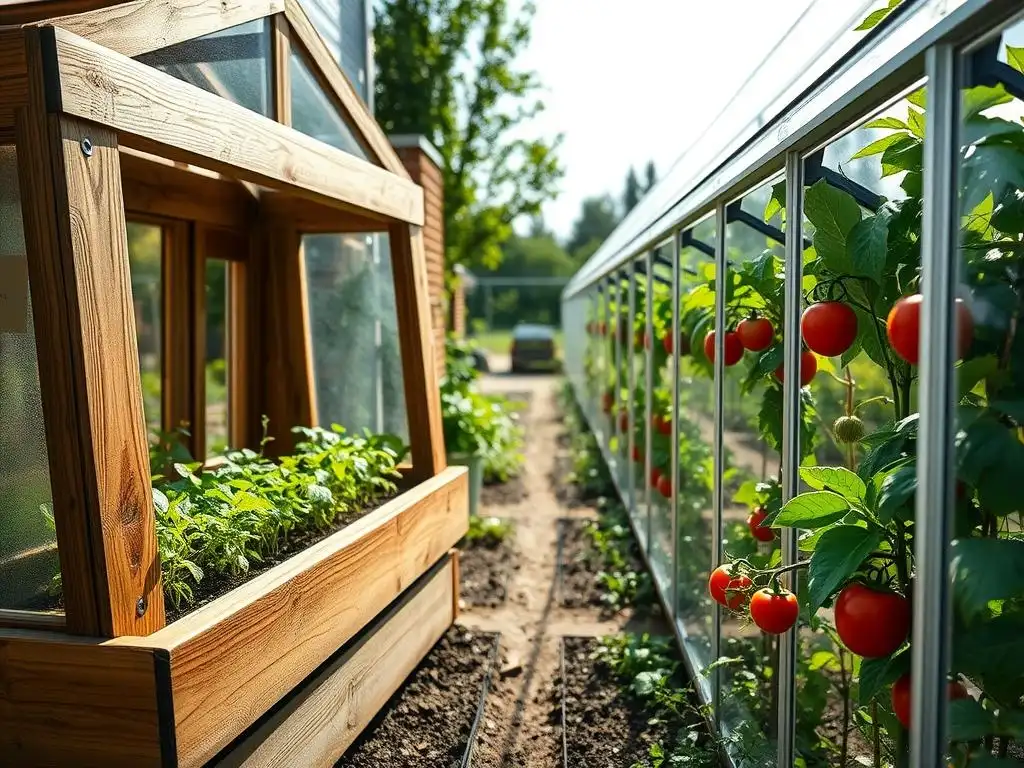
This section delves into a detailed comparison of cold frames and polytunnels, focusing on key features to help you decide which structure best suits your gardening needs and budget. We'll analyze the core differences to inform your choice, providing a comprehensive cold frame vs polytunnel guide.
Initial Investment Costs: Comparing Cold Frame and Polytunnel Prices
The initial outlay for a cold frame or polytunnel varies significantly depending on size, materials, and features. Generally, cold frames represent a substantially lower investment. A basic, DIY cold frame can be constructed for under $100 using reclaimed materials, while more sophisticated models made from durable wood or polycarbonate can cost between $200 and $800.
Polytunnels, on the other hand, are considerably more expensive. A small polytunnel suitable for a beginner gardener might cost between $500 and $1500, while larger, more robust models with added features like automatic ventilation systems can easily exceed $3000. This price difference stems from the larger size, more complex construction, and the use of specialized materials like polyethylene film or reinforced PVC.
The following table summarizes the typical cost range:
| Structure Type | Cost Range (USD) | Factors Affecting Cost |
|---|---|---|
| Cold Frame | $100 - $800 | Material quality, size, features (e.g., automatic vents) |
| Polytunnel | $500 - $3000+ | Size, material (polythene, PVC), features (e.g., automatic ventilation, reinforced frame) |
Choosing between a cold frame and a polytunnel often comes down to budget. A cold frame provides a more affordable entry point into protected cultivation, making it ideal for those starting out or working with limited resources.
Ease of Assembly and Installation: DIY vs. Professional Installation
The ease of assembly differs dramatically between cold frames and polytunnels. Cold frames, particularly smaller, simpler models, are often straightforward DIY projects. Many designs require minimal tools and can be assembled within a few hours. Detailed instructions are readily available online, and numerous tutorials demonstrate the construction process. This ease of assembly contributes to the overall affordability of cold frames.
Polytunnels, conversely, are more complex structures requiring more time, tools, and potentially expertise for assembly. While some smaller polytunnels can be assembled by a reasonably handy individual, larger models often necessitate professional installation. This adds to the overall cost and can introduce delays. The process typically involves erecting a frame, securing the polythene covering, and anchoring the structure to the ground. Improper installation can lead to structural instability and reduced longevity.
Maintenance and Longevity: Comparing the Lifespan of Each Structure
Maintenance requirements and longevity also differ substantially. Cold frames, especially those made of durable materials like cedar or treated lumber, can last for many years with minimal maintenance. Regular cleaning, occasional repairs, and repainting (if necessary) are the main upkeep tasks. However, the lifespan of the covering (glass or polycarbonate) might be shorter, depending on exposure to the elements. Replacing the covering is a relatively simple and inexpensive process.
Polytunnels, while offering a longer growing season, demand more diligent maintenance. The polyethylene covering is susceptible to tears and UV degradation, requiring replacement every few years. The frame itself, while often robust, needs regular inspection for damage, especially during storms. Repairing tears in the covering and addressing frame issues can be more complex than maintaining a cold frame. Therefore, while a polytunnel provides a longer growing season, its overall lifespan and maintenance costs should be carefully considered. The initial investment savings of a cold frame can be significant in the long run, due to lower ongoing maintenance demands.
Space Requirements: Optimizing Your Garden Layout with Cold Frames and Polytunnels
Cold frames and polytunnels differ significantly in their space requirements, a crucial factor to consider when planning your garden layout. Cold frames, by their nature, are smaller and more compact. Their footprint is typically measured in square feet, ranging from a few square feet for smaller models to perhaps 20 square feet for larger designs.
This makes them ideal for smaller gardens or for supplementing existing growing areas with focused microclimates for specific plants. You could easily fit several cold frames into a relatively small backyard, optimizing space by strategically positioning them to maximize sunlight exposure and minimize shading. Careful planning allows for efficient use of even limited space, making cold frames a versatile option for urban or suburban gardening.
Polytunnels, however, occupy a much larger footprint. Their size varies greatly, from small hobbyist models measuring a few hundred square feet to large-scale structures covering thousands of square feet, suitable for commercial-level operations. Before installing a polytunnel, it's essential to have a detailed plan that accounts for not only the tunnel's dimensions but also the necessary space for access, maintenance, and potential expansion. Consider the proximity to water sources, accessibility for equipment, and the potential impact on surrounding garden areas.
The substantial size of a polytunnel demands careful consideration of your overall garden design and available space. Unlike cold frames, which can be easily rearranged or relocated, a polytunnel represents a more significant, long-term commitment to a specific area. Therefore, careful planning is paramount to avoid overcrowding or hindering other garden activities.
The larger space needed for a polytunnel often necessitates a more extensive garden area than is needed for cold frames. The difference between the two is substantial, with a polytunnel requiring significantly more space. This is a key factor in deciding which structure best suits your available space and gardening needs.
Making the Right Choice: Factors to Consider Before Purchasing
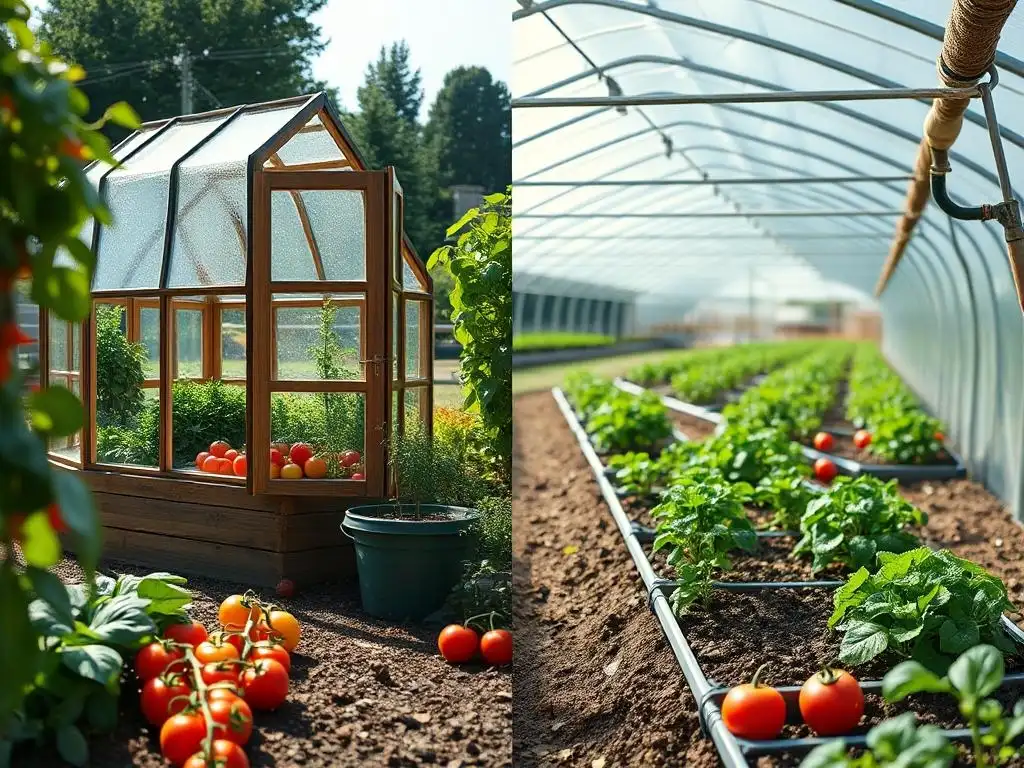
Choosing between a cold frame and a polytunnel is a significant decision for any home gardener. This choice isn't simply about size or cost; it hinges on a careful assessment of your individual needs and gardening circumstances. This section will guide you through key factors to ensure you select the structure that best suits your gardening journey.
Understanding these factors will help you make an informed decision and maximize your gardening success, whether you're a seasoned expert or a budding enthusiast. This cold frame vs polytunnel guide will equip you with the knowledge to make the right choice for your garden.
Your Gardening Experience Level: Choosing the Structure That Suits Your Skill Set
Your gardening experience significantly influences the type of structure best suited for you. A cold frame, with its simpler design and smaller scale, is generally more forgiving for beginners. It allows for easier management and observation of plants. You can more readily monitor moisture levels, temperature fluctuations, and the overall health of your seedlings. Minor adjustments are easier to implement in a smaller space.
Conversely, a polytunnel, with its larger size and more complex environmental controls, requires a greater level of understanding and management. Maintaining optimal humidity, ventilation, and temperature within a polytunnel necessitates a more experienced hand. Tasks such as watering, pest control, and plant support become more labor-intensive in a larger structure. For example, effective ventilation in a polytunnel is crucial to prevent overheating and disease, requiring a more nuanced understanding of climate control than a cold frame. Therefore, if you are new to gardening, starting with a cold frame offers a gentler learning curve.
| Structure | Experience Level | Advantages | Disadvantages |
|---|---|---|---|
| Cold Frame | Beginner-Friendly | Easier to manage, smaller scale, better for learning basic gardening skills | Limited space, less protection from extreme weather conditions |
| Polytunnel | Intermediate-Advanced | Larger growing area, better protection from weather, more advanced climate control | Requires more expertise, higher maintenance, greater initial investment |
Your Climate and Growing Zone: Selecting a Structure that Adapts to Local Conditions
Your local climate and growing zone directly impact the effectiveness of a cold frame versus a polytunnel. In milder climates with less extreme temperature swings, a cold frame might suffice. It provides adequate protection from light frosts and extends the growing season without the need for extensive climate control.
However, in areas with harsh winters or intensely hot summers, a polytunnel offers superior protection. Its robust construction and ability to regulate temperature and humidity create a more stable microclimate, allowing for year-round growing in many regions. For instance, in areas prone to strong winds, the sturdier structure of a polytunnel provides better protection for your plants. The ability to manage ventilation effectively in a polytunnel is also crucial in hotter climates to prevent overheating and plant stress. Consider the average rainfall in your area as well; a polytunnel might require more attention to drainage than a cold frame.
Your Budget and Long-Term Gardening Goals: Choosing a Sustainable Solution
The initial investment and long-term maintenance costs differ significantly between cold frames and polytunnels. Cold frames are generally much more affordable to purchase and maintain. Their simple design means fewer repairs and less ongoing upkeep. This makes them a cost-effective choice, especially for those starting out or with limited budgets.
Polytunnels, on the other hand, represent a more substantial initial investment. Their larger size and more sophisticated construction contribute to higher upfront costs. Additionally, ongoing maintenance, such as replacing damaged plastic sheeting or repairing the frame, can add to the long-term expenses. However, the increased yield and extended growing season achievable with a polytunnel can offset these costs over time, especially for those aiming for a more significant harvest or year-round production. Think carefully about your long-term gardening goals: Do you envision expanding your garden significantly in the future?
If so, a polytunnel's greater capacity might be a worthwhile investment. If you are focused on a smaller, manageable space with lower costs, a cold frame is the more prudent option. Consider the potential return on investment before making your decision. 🌱
Recommended Products and Resources for Your Growing Needs
This section provides a curated list of reputable suppliers and manufacturers for cold frames and polytunnels, along with essential accessories to enhance your gardening experience. Choosing high-quality materials and equipment is crucial for maximizing the lifespan and effectiveness of your chosen structure, contributing to a bountiful and sustainable harvest. Remember to always check reviews and compare prices before making a purchase. This guide aims to help you navigate the market and find the perfect fit for your needs and budget.
Top Cold Frame Suppliers and Retailers
Finding the right cold frame can significantly impact your gardening success. Several suppliers offer a variety of sizes, materials, and features to suit different garden spaces and plant types. Consider factors like durability, ease of use, and ventilation when making your selection. Here are some examples of what to look for in reputable suppliers:
- Focus on Quality Materials: Look for cold frames constructed from robust materials like treated wood, durable polycarbonate, or high-grade glass. These materials offer better insulation and longevity, protecting your plants from harsh weather conditions. Avoid flimsy plastic options that may crack or break easily.
- Ventilation Options: Adequate ventilation is vital for preventing overheating and maintaining optimal humidity levels within the cold frame. Look for models with adjustable vents or hinged lids that allow for easy airflow control. Proper ventilation is key to preventing fungal diseases and promoting healthy plant growth.
- Size and Design: Choose a cold frame size that's appropriate for your garden space and the number of plants you intend to grow. Consider the overall design, ensuring easy access for planting, watering, and harvesting. Some models offer additional features like built-in shelving or seed starting trays.
- Customer Reviews: Before purchasing, always check online reviews from previous customers. This will give you a valuable insight into the quality, durability, and overall performance of the product. Pay attention to comments on ease of assembly, longevity, and customer service.
Here's a table summarizing key features to consider when comparing cold frame suppliers:
| Feature | Important Considerations |
|---|---|
| Material | Durability, insulation, longevity (wood, polycarbonate, glass) |
| Ventilation | Adjustable vents, ease of airflow control |
| Size & Design | Garden space, plant quantity, accessibility |
| Assembly | Ease of setup, clear instructions |
| Warranty | Length of warranty, coverage of defects |
| Price | Value for money, compare prices from multiple suppliers |
Remember to research specific suppliers in your region to find the best options available to you.
Leading Polytunnel Manufacturers and Distributors
Polytunnels, also known as high tunnels, offer a more substantial growing environment compared to cold frames. They're ideal for extending the growing season and cultivating a wider range of plants. Selecting a reputable manufacturer is crucial for ensuring the structural integrity and longevity of your polytunnel. Key factors to consider include:
- Frame Material: The frame is the backbone of the polytunnel, so choose a robust material like galvanized steel or powder-coated steel for resistance to rust and corrosion. The frame should be strong enough to withstand high winds and snow loads.
- Covering Material: The covering material should be durable, UV-resistant, and allow for sufficient light transmission. Look for high-quality polyethylene film or other materials designed for polytunnel use. Consider the thickness of the film for added durability.
- Size and Features: Choose a polytunnel size that suits your needs and garden space. Consider additional features like roll-up sidewalls for ventilation, reinforced hoops for added strength, and ground anchors for stability.
- Installation Support: Some manufacturers offer installation support or detailed instructions, which can be particularly helpful for first-time users. Consider whether this is a crucial factor for you.
This table highlights key considerations for choosing a polytunnel manufacturer:
| Feature | Important Considerations |
|---|---|
| Frame Material | Galvanized steel, powder-coated steel, rust and corrosion resistance |
| Covering | Durable polyethylene film, UV resistance, light transmission |
| Size & Features | Garden space, ventilation, strength, ground anchors |
| Installation | Support offered, ease of assembly, detailed instructions |
| Warranty | Length of warranty, coverage of structural integrity |
Finding a local manufacturer or distributor can often provide advantages in terms of installation support and quicker delivery times.
Essential Accessories for Cold Frames and Polytunnels
Investing in the right accessories can significantly improve the functionality and productivity of your cold frame or polytunnel. These additions can optimize growing conditions and enhance your overall gardening experience. Consider these essential items:
- Watering Systems: Drip irrigation or soaker hoses can provide efficient and consistent watering, minimizing water waste and ensuring optimal soil moisture. This is especially beneficial for larger polytunnels.
- Heating Systems: For extending the growing season even further, consider supplemental heating systems, such as electric heaters or propane heaters, for cold frames and polytunnels. These can be especially useful in colder climates.
- Temperature Monitoring: Accurate temperature monitoring is crucial for maintaining optimal growing conditions. Thermometers and humidity gauges can help you adjust ventilation and heating as needed.
- Pest Control Measures: Consider using appropriate pest control methods, such as insect netting or beneficial insects, to protect your plants from pests and diseases.
- Shelving and Trellises: Shelving units within cold frames and trellises within polytunnels can maximize space and support climbing plants.
This list provides a starting point for equipping your cold frame or polytunnel. Remember to research additional accessories based on your specific plant types and growing needs. The right accessories can transform your growing space into a highly efficient and productive environment. 🌱
Frequently Asked Questions
What is the main difference between a cold frame and a polytunnel?
A cold frame offers basic protection from frost and cold winds, while a polytunnel provides a more controlled environment, allowing for extended growing seasons and the cultivation of more heat-loving plants. Cold frames are generally smaller and less expensive.
Which is better for starting seeds?
Both are excellent for starting seeds, but a polytunnel offers more consistent temperatures and humidity, making it ideal for delicate seedlings. Cold frames are suitable but require more attention to temperature fluctuations.
What about pest and disease control?
Both structures offer some protection, but a polytunnel's enclosed environment can make pest and disease control more challenging. Good ventilation and careful monitoring are crucial in a polytunnel to prevent problems.
How much space do I need for each structure?
Cold frames are compact and ideal for smaller gardens, while polytunnels require significantly more space. Consider the size of your garden and the number of plants you intend to grow when choosing.
Which is more expensive to build or buy?
Generally, cold frames are significantly cheaper than polytunnels to purchase or construct. Polytunnels require more materials and often professional installation, increasing the overall cost.
Final Reflection: Choosing the Right Path to Bountiful Harvests
The choice between a cold frame and a polytunnel ultimately boils down to your specific gardening needs and ambitions, but the impact of this decision extends far beyond the simple structure itself. It's a decision that reflects your commitment to growing your own food, your level of experience, and your vision for a thriving garden. This seemingly small choice has significant consequences for the yield, quality, and overall enjoyment of your gardening journey.
The enduring appeal of both cold frames and polytunnels lies in their ability to extend the growing season and provide a more controlled environment for delicate plants. They represent a tangible connection to the land and a deeper understanding of the natural world. This connection, I believe, is vital in a world increasingly disconnected from its food sources. The glory of gardening: hands in the dirt, head in the sun, heart with nature. To nurture a garden is to feed not just the body, but the soul.
This quote perfectly encapsulates the profound satisfaction derived from cultivating one's own produce, regardless of the chosen structure.
Now, consider your own gardening aspirations. Do you dream of early spring lettuce or late autumn tomatoes? Do you envision a small, manageable space or a larger, more ambitious project? The answers to these questions will guide you towards the perfect structure for your garden. Take the time to reflect on your needs, your resources, and your vision. Choose wisely, and may your harvests be bountiful and your gardening journey filled with joy and rewarding experiences.
Unlock Your Garden's Potential: Choose the Perfect Growing Structure!
Thanks for exploring the world of cold frames and polytunnels with us! You now have the knowledge to make an informed decision about boosting your garden's yield. Ready to take the next step?
- Choose the right structure: Consider your needs and available space to determine whether a cold frame or polytunnel best suits your gardening goals. This is the most crucial decision.
- Share your decision: Let fellow gardeners know which structure you've chosen and why! Discuss your choice on our CultivateYourFood community forum—it will help others too!
- Plan your garden layout: Begin sketching your ideal setup, considering the size and placement of your chosen structure within your garden.
So, which growing structure will you choose to unlock your garden's potential this season, and what exciting plants will you nurture within it?