
Mastering the Art of Jam & Jelly: Advanced Techniques for Experts

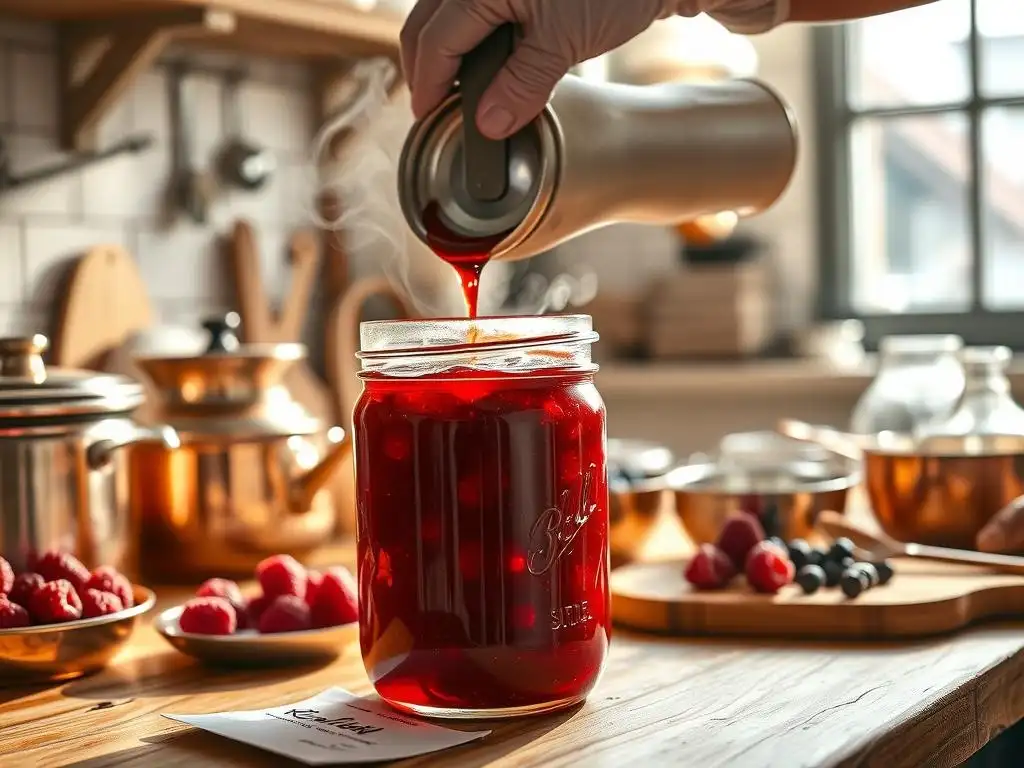
Welcome to CultivateYourFood, your guide to nurturing a thriving home garden! Ready to elevate your preserving skills beyond the basics? Discover the secrets behind advanced jam making techniques – from achieving perfect texture to unlocking unique flavor profiles – within our comprehensive guide on harvesting and preserving your bountiful harvest. Prepare to transform your homegrown fruits into exquisite culinary creations. Let's delve into the art of jam making together!
- Achieving Perfect Set: Advanced Jam Making Techniques for a Superior Texture
- Elevating Flavor Profiles: Advanced Techniques for Gourmet Jams and Jellies
- Preserving and Storing Your Creations: Long-Term Storage Strategies for Expert Jam Makers
- Troubleshooting Common Jam-Making Problems: Expert Solutions
- Exploring Innovative Jam and Jelly Recipes: Beyond the Basics
- Advanced Jam and Jelly Techniques for Commercial Production (Optional Section)
- Frequently Asked Questions
- Final Reflection: The Enduring Sweetness of Craft and Innovation
- Unleash Your Inner Jam Master: Craft Your Next Culinary Triumph!
Achieving Perfect Set: Advanced Jam Making Techniques for a Superior Texture
Creating exquisite jams and jellies that boast a perfect set, vibrant color, and exquisite flavor is an art form perfected over time. This guide delves into advanced jam-making techniques, moving beyond basic recipes to explore the nuances that elevate your preserves from good to exceptional. We'll uncover the secrets to mastering gelling agents, balancing sugar and acid, and precisely controlling temperature—all crucial elements for achieving that coveted, luxurious texture that defines truly superior jams and jellies. This guide is specifically designed for experienced home preservers looking to refine their skills and create truly outstanding results from the fruits of their garden harvest.
We’ll explore techniques that ensure not only a perfect set but also a longer shelf life and a depth of flavor that will impress even the most discerning palates. Get ready to elevate your jam-making game to a whole new level! 🍓
Understanding Gelling Agents Beyond Pectin: Exploring Alternatives and Their Applications
Pectin, while a reliable gelling agent, isn't the only option for achieving the perfect set in your jams and jellies. Many fruits naturally contain varying levels of pectin, influencing their ability to gel. However, understanding how to supplement or enhance natural pectin levels, or even explore alternatives, is key to achieving consistent results across different fruits.
For example, high-pectin fruits like apples and quinces can be used to boost the gelling power of lower-pectin fruits like berries. This requires a precise understanding of the pectin content of your chosen fruits and strategic recipe adjustments. Alternatively, explore natural gelling agents like agar-agar or carrageenan. These offer unique properties and can be used either in conjunction with pectin or as standalone solutions, particularly useful for vegan or specialized jam-making applications.
Careful experimentation and precise measurements are crucial for success when using these alternatives. Detailed recipes and ratios will be explored in later sections, focusing on specific fruit combinations and achieving optimal results. The choice of gelling agent impacts not only the texture but also the final flavor profile, which is why selecting the right one is crucial for achieving your desired outcome.
Mastering the Sugar-Acid Balance: Fine-Tuning Your Recipes for Optimal Results
The ratio of sugar to acid is paramount in jam making. It significantly impacts not only the gelling process but also the flavor and shelf life of your preserves. Too much sugar results in a syrupy consistency, while insufficient sugar may prevent proper setting. Similarly, an imbalance in acidity can lead to spoilage or an unpleasant taste.
Understanding the pH level of your fruit is crucial. Highly acidic fruits generally require less sugar to achieve a good set, while less acidic fruits need more. Using a pH meter can provide precise measurements, allowing for accurate adjustments to your recipe.
Furthermore, adding additional acids like lemon juice (citric acid) or vinegar (acetic acid) can be essential for achieving the ideal balance, particularly with lower-acid fruits. We will explore specific examples of how to adjust recipes based on fruit type and pH levels, providing precise measurements and guidance for achieving a perfect balance. This mastery of sugar-acid balance is the key to creating truly exceptional, long-lasting jams and jellies.
Temperature Control for Expert Jam Makers: Achieving the Perfect Consistency
Precise temperature control is the cornerstone of creating jams and jellies with the perfect consistency. The "setting point" is critical, and achieving it consistently requires careful monitoring and control. Using a reliable thermometer is essential for accurate readings. We'll delve into the science behind the setting point, explaining how temperature affects pectin's gelling properties and the overall texture of your preserves.
Understanding the different stages of jam making—from initial heating to the final setting point—is vital. Overheating can degrade pectin and lead to a runny jam, while underheating may result in a weak set or incomplete gelation. We'll provide detailed instructions on how to manage the heating process, including techniques like using a double boiler to prevent scorching and ensure even heat distribution.
Mastering temperature control is the final key to unlocking the secrets of consistently producing exquisite jams and jellies, achieving that perfect balance between smooth, spreadable texture and a firm, delightful set. This precise control distinguishes an expert jam maker from the rest.
Elevating Flavor Profiles: Advanced Techniques for Gourmet Jams and Jellies
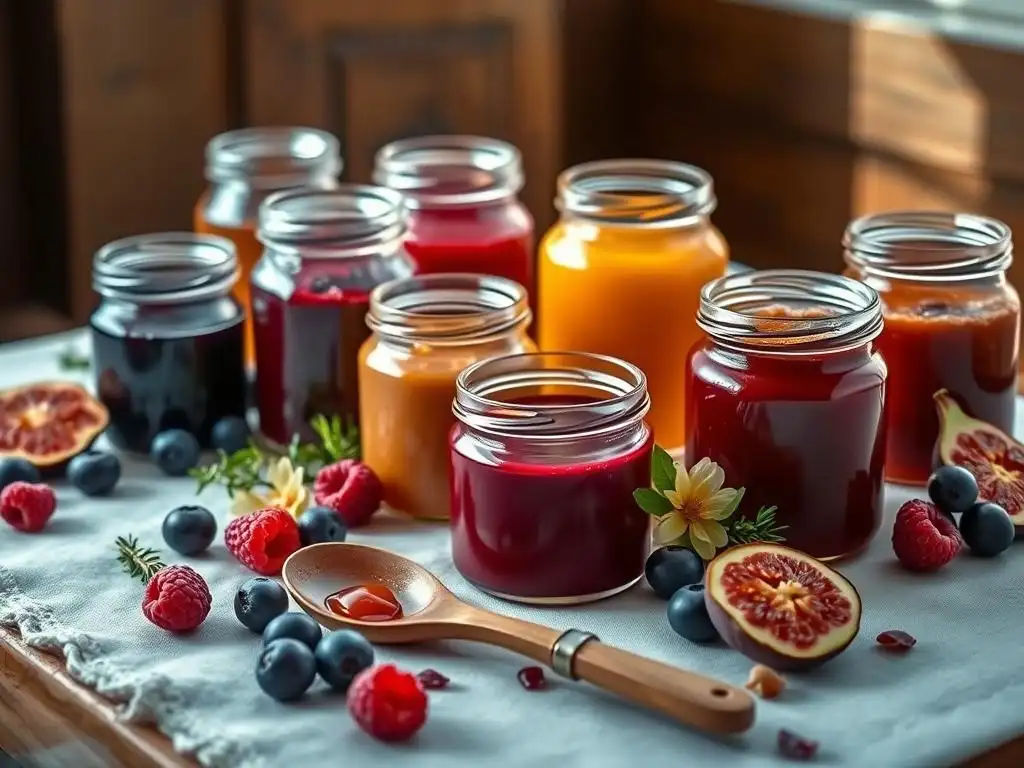
This section delves into advanced techniques to elevate your jam and jelly-making skills beyond the basics, transforming ordinary preserves into gourmet delights. We'll explore methods to enhance flavor profiles, focusing on techniques that go beyond simple sugar and fruit combinations. Mastering these techniques will allow you to create truly unique and sophisticated preserves showcasing the bounty of your garden. The key to advanced jam making techniques lies in understanding the delicate balance of sweetness, acidity, and complexity.
Incorporating Spices and Herbs for Unique Flavor Combinations
The addition of spices and herbs can dramatically alter the flavor profile of your jams and jellies. Experimenting with different combinations is key to discovering your signature creations. A small amount of spice can go a long way; start with a conservative quantity and taste-test frequently.
Consider these flavor pairings:
- Lavender and Blackberry: The floral notes of lavender beautifully complement the tartness of blackberries. Use dried lavender buds, adding a teaspoon per pound of fruit.
- Ginger and Peach: A touch of fresh ginger adds a spicy warmth to sweet peaches. Finely grate the ginger and add it during the cooking process.
- Rosemary and Apple: Rosemary offers a sophisticated herbaceous note that works well with apples. Add a few sprigs during cooking, removing them before canning.
- Cardamom and Apricot: The warm, aromatic spice of cardamom enhances the sweetness of apricots. Use ground cardamom, adding a pinch to taste.
- Chili and Strawberry: For a spicy kick, add a finely chopped chili pepper to your strawberry jam. The level of heat depends on the chili variety, so start small and adjust to your preference.
Remember to always prioritize the quality of your ingredients. Using fresh, organic herbs and spices will result in a superior final product. Proper storage of your spices is also crucial to maintaining their flavor and aroma.
Fruit Selection and Preparation: Maximizing Flavor and Texture in Your Jams
The foundation of any exceptional jam or jelly lies in the quality of the fruit. Choosing ripe, flavorful fruit at its peak season is paramount. The ripeness of your fruit directly impacts the sweetness and texture of the final product. Overripe fruit can lead to a mushy consistency, while underripe fruit may lack the desired sweetness.
Beyond selection, preparation plays a vital role in maximizing flavor and texture. Properly preparing your fruit ensures even cooking and prevents undesirable outcomes.
- Washing and Sorting: Thoroughly wash and sort your fruit, discarding any bruised or damaged pieces.
- Removing Seeds and Cores: Depending on the fruit, removing seeds and cores is essential for a smoother texture. For example, you'll want to core and chop apples, and remove seeds from berries.
- Macerating: Consider macerating your fruit (allowing it to sit in sugar for a period) before cooking. This draws out juices and enhances flavor development. The maceration time varies depending on the fruit; experiment to find what works best for your chosen fruits.
- Consistent Size: Cutting your fruit into consistent sizes ensures even cooking and prevents some pieces from becoming overcooked while others remain undercooked.
Using these advanced techniques will significantly improve the quality and consistency of your homemade jams and jellies. Careful attention to detail in this stage will make a noticeable difference in your final product.
Using Infusions and Extracts to Enhance Your Jams and Jellies
Infusing and extracting flavors adds another layer of complexity to your preserves. This technique allows you to incorporate subtle nuances that elevate the overall taste experience.
Infusing involves steeping ingredients in a liquid, such as alcohol or vinegar, to extract their flavors. Extracts, on the other hand, are concentrated flavorings. Both methods offer unique opportunities to create sophisticated and unique jams and jellies.
Here are some ideas:
- Citrus Infusions: Infuse vodka or white wine vinegar with lemon zest, orange peel, or lime wedges for a bright, citrusy note in your jams and jellies.
- Vanilla Bean Extract: A high-quality vanilla bean extract adds depth and complexity to many fruit combinations.
- Rosewater Extract: A few drops of rosewater can create a delicate floral aroma and flavor, especially in jams made with berries or stone fruits.
- Spiced Infusions: Create a spiced infusion by steeping cinnamon sticks, cloves, and star anise in apple cider vinegar for a warm, comforting flavor in apple or cranberry jams.
Remember to use high-quality ingredients and experiment with different combinations to create your signature flavor profiles. Always start with small amounts and adjust to taste. The subtle flavors created using these techniques can truly transform your preserves into extraordinary culinary creations. Careful measurement and experimentation are key to mastering this technique.
Preserving and Storing Your Creations: Long-Term Storage Strategies for Expert Jam Makers
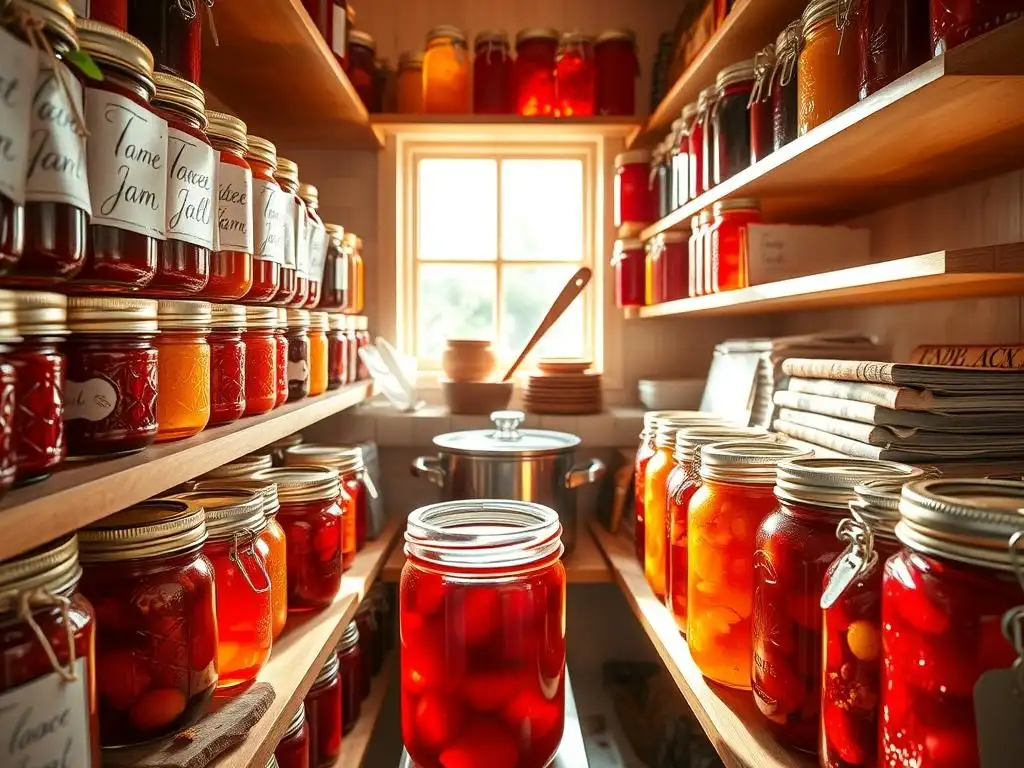
This section delves into the crucial aspects of long-term storage for your expertly crafted jams and jellies, moving beyond basic preservation methods to explore advanced techniques that guarantee quality and safety. Proper storage is paramount in maintaining the vibrant flavors and textures of your homemade preserves, ensuring they remain a delicious treat for months, even years, to come. We'll explore both advanced canning techniques and creative presentation strategies to elevate your jam-making expertise.
Advanced Canning Techniques: Ensuring Safe and Long-lasting Preservation
Advanced jam making techniques extend beyond simply filling jars; they encompass a thorough understanding of safe canning practices to prevent spoilage and ensure the long-term preservation of your delicious creations. Improper canning can lead to botulism, a severe and potentially fatal foodborne illness. Therefore, meticulous attention to detail is crucial. This includes using the correct canning equipment, following precise processing times based on altitude, and carefully monitoring the seal of each jar.
Beyond the basics, expert jam makers utilize several advanced strategies:
- Pressure canning for low-acid jams: Many fruit jams, particularly those with lower acidity, require pressure canning to reach temperatures high enough to destroy harmful bacteria. This differs from the water bath method often used for high-acid jams like strawberry or raspberry. Understanding the difference is vital for safe preservation. Pressure canners allow for higher temperatures, ensuring complete sterilization and a longer shelf life. The pressure cooker's gauge is critical; ensure it's properly calibrated for accurate pressure readings.
- Vacuum sealing for extended shelf life: While not a replacement for proper canning, vacuum sealing jars after processing further reduces the risk of spoilage by removing air. This creates an anaerobic environment, inhibiting microbial growth and prolonging the shelf life of your jams. A good vacuum sealer is a worthwhile investment for the serious jam maker.
- Testing for proper seal: After processing, each jar must be thoroughly checked for a proper seal. The lid should be concave (pushed down) and shouldn't budge when pressed. Improperly sealed jars should be refrigerated and consumed within a few days to avoid spoilage. Learning to identify a good seal is a crucial skill for advanced jam making.
A properly sealed jar should have a satisfying pop sound when opened. This indicates a successful vacuum seal and confirms the safety of your product. Remember, safety is paramount in food preservation – never compromise on these crucial steps. Regularly check your stored jams for any signs of spoilage, such as mold, discoloration, or unusual odors. Discard any jars showing signs of spoilage immediately.
Creative Jar Presentation: Enhancing the Aesthetics of Your Homemade Jams
The visual appeal of your homemade jams significantly enhances their enjoyment. Moving beyond simple labels, consider these advanced presentation techniques:
- Custom labels with detailed information: Go beyond a simple name and include details such as the date of production, ingredients, and perhaps even a small batch number. This adds a touch of sophistication and provides valuable information to the recipient. Consider using high-quality label paper and a clear, elegant font.
- Decorative jar bands: Add decorative bands around the jars, using ribbons, twine, or even fabric scraps. This adds a rustic charm and elevates the overall presentation. The color and texture of the band should complement the jam's color and flavor profile. For example, a burlap band might suit a plum jam, whereas a pastel ribbon might be better for a strawberry jam.
- Personalized gift tags: For gifting purposes, include handwritten tags with personalized messages. This adds a personal touch and makes your homemade jams even more special. You could even include a short recipe suggestion using your jam.
- Arranging jars for visual impact: When presenting multiple jars, consider carefully arranging them to create a visually appealing display. You might group jars by color or flavor profile, or arrange them in a pyramid shape for a more dramatic effect. This enhances the overall aesthetic and makes your jams stand out.
Table 1: Comparison of Canning Methods
| Method | Acidity Level | Processing Method | Shelf Life (approx.) |
|---|---|---|---|
| Water Bath Canning | High-acid jams | Boiling water bath | 1 year |
| Pressure Canning | Low-acid jams | Pressure canner | 1-2 years |
By mastering these advanced techniques, you'll not only preserve your harvest safely but also create beautifully presented jams and jellies that are as visually appealing as they are delicious. This attention to detail elevates your jam-making from a hobby to a true craft. The combination of safe preservation and attractive presentation will ensure that your homemade jams are treasured for their quality and artistry.
Troubleshooting Common Jam-Making Problems: Expert Solutions
This section dives into advanced troubleshooting for experienced jam and jelly makers. We'll tackle some of the most persistent challenges, offering detailed solutions to ensure your preserves achieve perfect texture and consistency every time. Mastering these techniques will elevate your jam-making skills to a professional level, ensuring consistently delicious results. Remember, even experienced jam makers encounter occasional setbacks – understanding the why behind these issues is key to preventing them in the future. This is where advanced jam making techniques truly shine.
Dealing with Crystallization and Other Texture Issues
Sugar crystallization is a common problem in jam making, often resulting in a grainy or sandy texture. This usually occurs due to an imbalance in the sugar-to-pectin ratio, or insufficient cooking time. Let's explore some solutions:
- Insufficient Pectin: Insufficient pectin leads to weak gel formation, allowing sugar crystals to form more readily. For fruit low in natural pectin (like strawberries or raspberries), consider adding a commercial pectin product, following the manufacturer's instructions carefully. This is a crucial element of advanced jam making techniques.
- Over-Ripening Fruit: Using overripe fruit can also contribute to crystallization. Overripe fruit has a lower pectin content and a higher water content, disrupting the balance needed for proper gel formation. Choose firm, slightly underripe fruit for optimal results.
- Inadequate Cooking Time: Insufficient cooking time prevents the pectin from fully dissolving and forming the necessary gel structure. Always adhere to the recommended cooking time for your recipe, using a thermometer to ensure the correct temperature is reached.
- Improper Storage: Even perfectly made jams can crystallize if stored improperly. Ensure your jars are properly sealed and stored in a cool, dark place. Fluctuations in temperature can also contribute to crystallization.
- Types of Sugar: The type of sugar used can influence crystallization. Granulated sugar is most common, but using a mixture of granulated and powdered sugar can help prevent crystallization. Experiment to find the optimal blend for your recipes.
Here's a table summarizing the causes and solutions for grainy texture in jams:
| Problem | Cause | Solution |
|---|---|---|
| Grainy Texture | Insufficient pectin | Add commercial pectin or use high-pectin fruits |
| Sandy Texture | Overripe fruit, improper cooking time | Use firm fruit, cook to proper temperature |
| Crystallization | Imbalance in sugar-pectin ratio | Adjust recipe, use a pectin test |
| Rough Texture | Improper mixing, insufficient cooking time | Mix thoroughly, cook to the correct setting point |
Addressing Issues with Setting and Consistency in Your Jams and Jellies
Achieving the perfect set is paramount in jam making. A properly set jam will have a smooth, firm consistency, neither too runny nor too stiff. Problems with setting often stem from inaccurate measurements, improper cooking techniques, or using incorrect ingredients.
- Runny Jam: This indicates insufficient pectin or inadequate cooking time. Use a reliable pectin test (such as the wrinkle test or plate test) to ensure the jam has reached the proper setting point. A digital thermometer is also invaluable for monitoring temperature.
- Too-Firm Jam: Over-cooking or using excessive pectin can result in a jam that's too firm. Follow your recipe carefully, paying close attention to cooking time and pectin amounts. Practicing advanced jam making techniques involves knowing when to stop cooking.
- Syneresis (Weeping): Syneresis is the separation of liquid from the gel, resulting in a watery layer on top of the jam. This is often caused by an imbalance in ingredients or inadequate cooking. Using high-quality pectin and ensuring proper cooking temperature are key to preventing this. Sometimes, using a slightly higher sugar concentration can help.
- Inconsistent Set: This suggests inconsistent heating or uneven distribution of pectin throughout the jam. Stir frequently during cooking to ensure even distribution of heat and pectin.
Remember, practice and attention to detail are crucial in mastering advanced jam making techniques. Careful observation, accurate measurements, and a good understanding of the scientific principles involved will lead to consistently perfect results. Enjoy the process and the delicious rewards!
Exploring Innovative Jam and Jelly Recipes: Beyond the Basics
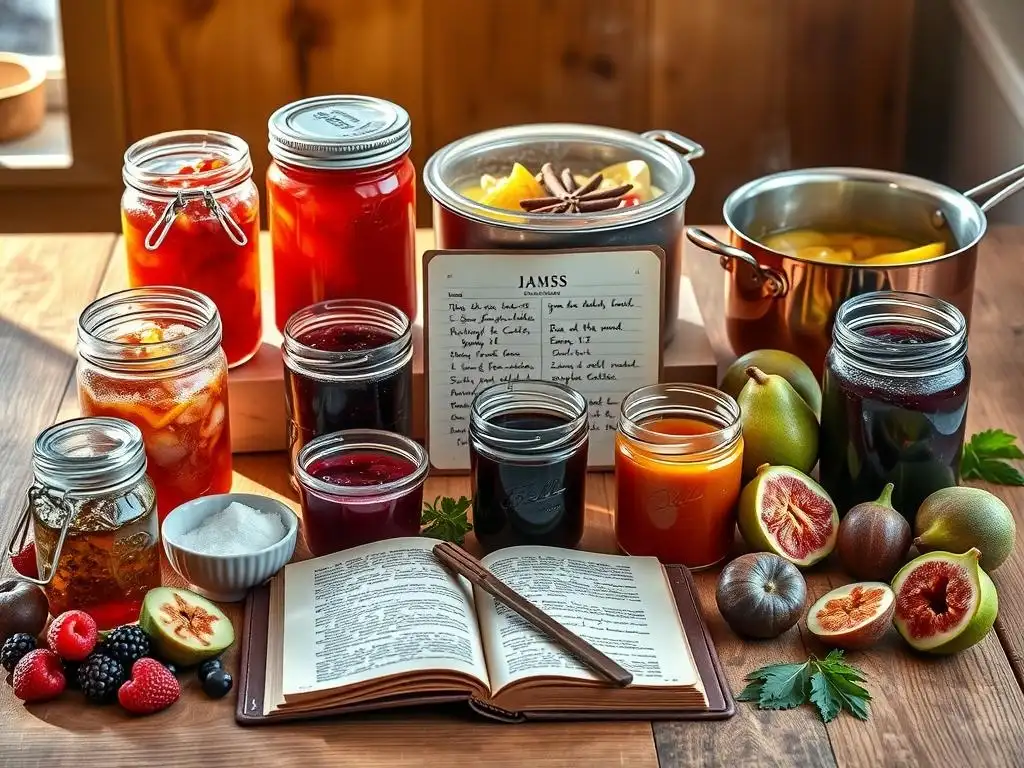
This section delves into the exciting world of advanced jam and jelly making, moving beyond traditional recipes to explore unique flavor combinations and presentation techniques. We'll uncover the secrets to crafting truly exceptional preserves that will impress even the most discerning palates. Mastering these advanced jam making techniques will elevate your preserving skills to a new level.
Unique Flavor Combinations Using Unusual Fruits and Vegetables
Forget the predictable strawberry and raspberry jams! The world of fruit and vegetable preserves is vast and ripe for exploration. Consider these unique flavor combinations for your next batch:
- Spicy Pineapple and Jalapeño Jam: The sweetness of pineapple perfectly balances the fiery kick of jalapeño. Adjust the amount of jalapeño to your preferred level of heat. A touch of lime juice brightens the overall flavor profile. This jam is fantastic with grilled chicken or as a topping for goat cheese.
- Roasted Carrot and Ginger Jelly: This savory-sweet jelly is a surprising delight. Roasting the carrots intensifies their natural sweetness, which complements the warm, spicy notes of ginger. A hint of orange zest adds complexity. Use this jelly as a glaze for roasted meats or as a unique accompaniment to cheeses.
- Tomatillo and Cilantro Jam: This vibrant green jam boasts a refreshing, slightly tangy flavor. The tomatillos provide a unique sweetness, while the cilantro adds a herbaceous, aromatic touch. This jam pairs well with grilled fish or as a condiment for tacos.
The key to success with unusual combinations is careful balancing of flavors. Start with small test batches to refine your ratios and ensure a harmonious blend. Remember to always use ripe, high-quality ingredients for the best results. Experimentation is key – don't be afraid to try unexpected pairings! Your garden’s bounty offers endless possibilities for innovative jams and jellies.
Creating Layered Jams and Jellies: Advanced Techniques for Visual Appeal
Layered jams and jellies offer a stunning visual appeal and an exciting textural experience. Achieving perfectly defined layers requires careful technique and attention to detail. Here's how to master the art of layering:
| Layer | Fruit/Vegetable | Considerations |
|---|---|---|
| Bottom Layer | Roasted Red Peppers | Puree for a smooth base. |
| Middle Layer | Blackberries | Use a slightly less firm set than subsequent layers. |
| Top Layer | Raspberry and Peach | Use a firm set to create a distinct top layer. |
Steps:
- Prepare each layer individually, ensuring each achieves the desired setting point before layering.
- Sterilize your jars thoroughly.
- Carefully pour each layer into the jar, allowing it to settle before adding the next. Use a spoon or spatula to gently guide the layers.
- Leave a small headspace and process according to your usual canning method.
The success of layered jams and jellies lies in the careful control of the setting point of each layer. Using a good quality pectin and paying close attention to your jam thermometer are critical for achieving crisp, defined layers. This technique transforms a simple preserve into a work of art.
Infusing Jams with Botanicals and Spices for Complex Flavor Profiles
Adding botanicals and spices infuses your jams and jellies with depth and complexity. This technique allows you to create truly unique and sophisticated preserves.
- Lavender Honey Jam: The floral aroma of lavender complements the sweetness of honey beautifully. Use culinary lavender and add it towards the end of the cooking process to avoid bitterness.
- Cardamom and Fig Jam: The warm, slightly spicy notes of cardamom enhance the rich sweetness of figs. A touch of lemon zest brightens the flavor.
- Ginger and Apple Jelly: The pungent ginger adds a spicy kick to the sweetness of the apple. A pinch of cinnamon complements the flavors.
Important Considerations:
- Quantity: Start with small amounts of botanicals and spices, gradually increasing until you achieve the desired flavor intensity.
- Timing: Add botanicals and spices at the appropriate stage of cooking to ensure optimal flavor extraction and prevent bitterness.
- Quality: Use high-quality, culinary-grade ingredients for the best results.
Experiment with different combinations to create your signature infused jams and jellies. The possibilities are endless! These advanced jam making techniques will help you create preserves that are not only delicious but also visually stunning and incredibly flavorful.
Advanced Jam and Jelly Techniques for Commercial Production (Optional Section)
This section explores the challenges and strategies involved in scaling up your jam and jelly-making operations for commercial purposes. While the core principles remain the same, the demands of mass production necessitate a different approach to recipe scaling, quality control, and packaging. This information is geared towards those aspiring to turn their passion into a profitable business, offering advanced jam making techniques for a larger scale.
Scaling Up Recipes for Larger Batches
Scaling up jam and jelly recipes from home-sized batches to commercial quantities requires careful consideration. Simply multiplying ingredients proportionally doesn't always guarantee consistent results. Factors like cooking time, heat distribution, and pectin concentration change significantly with increased volume.
For instance, a recipe yielding 6 half-pint jars might require a different pectin-to-fruit ratio when scaled to produce 100 half-pint jars. Using a larger pot, perhaps a jacketed kettle for precise temperature control, is crucial. Insufficient heat transfer in a large, single-vessel setup can lead to uneven cooking and inconsistent setting.
Consider using a standardized recipe management system, perhaps a spreadsheet or dedicated software, to track ingredient ratios at various scales. This will ensure repeatability and minimize errors. Thorough testing at each scaled level is vital to fine-tune the recipe and identify potential issues before full-scale production. Documenting each test batch's results — including setting time, texture, and flavor profile — is an essential part of this process. This meticulous record-keeping is crucial for maintaining consistent quality and complying with food safety regulations.
Maintaining Consistent Quality in Mass Production
Maintaining consistent quality in mass production is paramount for building a reputable brand. This requires rigorous quality control measures at every stage of the process, from fruit selection and preparation to packaging.
- Fruit Selection and Preparation: Implement strict standards for fruit quality and ripeness. Establish clear guidelines for sorting, washing, and preparing the fruit to ensure uniformity. This reduces variability in the final product's flavor and texture. Consider using a standardized grading system to categorize fruit based on size, ripeness, and condition.
- Process Control: Employ precise temperature monitoring and control throughout the cooking process. Using automated systems, such as temperature controllers and timers, ensures consistency. Regular calibration of equipment is essential to maintain accuracy.
- Quality Checks: Implement a comprehensive quality assurance (QA) program that includes regular testing of the finished product. This may involve sensory evaluation (taste, texture, appearance), pH testing, and microbial testing to ensure safety and meet regulatory standards. A detailed QA checklist should be developed and strictly followed.
Packaging and Labeling for Commercial Sales
Proper packaging and labeling are critical for preserving the quality of your jam and jelly and complying with legal requirements. The packaging must protect the product from contamination and spoilage while also being attractive to consumers.
| Packaging Material | Advantages | Disadvantages |
|---|---|---|
| Glass Jars | Elegant, reusable, preserves flavor well | Breakable, expensive, heavy to ship |
| Plastic Jars | Lightweight, unbreakable, cost-effective | Can leach chemicals, less appealing |
| Flexible Pouches | Lightweight, cost-effective, space-saving | Less visually appealing, not reusable |
Labeling must adhere to all relevant regulations and clearly display the following information:
- Product Name
- Net Weight
- Ingredients List
- Manufacturer's Information
- Nutritional Information
- Best Before Date
Attractive and informative labeling can significantly enhance your product's appeal and brand recognition. Consider using high-quality printing and design to create a professional and memorable label. Remember to clearly communicate your brand's commitment to sustainable and organic practices. This is a key selling point for many consumers interested in advanced jam making techniques and high-quality products.
Frequently Asked Questions
What are some advanced techniques for achieving a perfect jam set?
Achieving a perfect set involves understanding the pectin levels in your fruit and using a reliable setting point test. Adding additional pectin or acid may be necessary depending on your fruit choice and desired consistency.
How can I prevent my jam from crystallizing?
Crystallization is often caused by an imbalance of sugar and acid. Ensure you use the correct sugar-to-fruit ratio and add enough lemon juice or another acidulant. Proper sterilization of jars also helps.
What are some creative ways to incorporate herbs and spices into my jams?
Experiment with aromatic herbs like lavender or rosemary, or warming spices like cinnamon or ginger. Remember to add them towards the end of cooking to preserve their flavor and aroma.
How do I achieve a smooth, seedless jam?
For a smooth texture, strain your cooked fruit through a fine-mesh sieve or cheesecloth after cooking. This removes seeds and skins, resulting in a velvety jam.
What's the best way to store homemade jam to ensure its longevity?
Properly sterilized jars are crucial. Store your jam in a cool, dark, and dry place to maintain its quality and prevent spoilage. Always check for any signs of mold before consumption.
Final Reflection: The Enduring Sweetness of Craft and Innovation
The art of jam and jelly making, far from being a relic of the past, is experiencing a vibrant resurgence, fueled by a renewed appreciation for handcrafted goods and a desire to connect with the source of our food. This renewed interest isn't just about preserving fruit; it's about mastering a skill, understanding the delicate balance of nature, and creating something beautiful and delicious from scratch. The techniques explored in this article represent a gateway to a deeper understanding of this craft, pushing beyond the basic recipes to unlock a world of flavor and creativity.
The journey of perfecting jam and jelly making is a testament to the power of patience, precision, and a deep respect for the ingredients. It's a process that mirrors life itself – requiring careful attention to detail, the ability to adapt to unexpected challenges (like a sudden temperature spike! ), and the unwavering commitment to achieving a desired outcome. As the renowned chef Alice Waters once said, Food is a powerful medium for bringing people together, for creating community, and for sharing stories.
This sentiment perfectly encapsulates the spirit of jam and jelly making – a process that connects us to our heritage, our community, and the simple pleasures of life.
Now, it's your turn. Consider the techniques you've learned, the flavors you've explored, and the satisfaction you've gained. Don't be afraid to experiment, to push the boundaries of traditional recipes, and to create your own signature jams and jellies. Embrace the challenges, celebrate the successes, and share the sweet fruits of your labor with those you love. The journey of mastering the art of jam and jelly making is a lifelong pursuit, filled with endless possibilities and the enduring sweetness of creation.
Unleash Your Inner Jam Master: Craft Your Next Culinary Triumph!
Thank you for exploring the world of advanced jam and jelly making! We hope you've gained valuable insights and inspiration to improve your preserving skills. Now it's time to put your knowledge into practice.
- Experiment with a new fruit combination: Get creative! Try a unique blend—perhaps a fig and lavender jam, or a spicy blackberry and ginger jelly. Record your results!
- Share your jam-making journey: Tell us (and others!) about your successes and challenges in the comments below. What new techniques did you try? What worked well, and what could be improved?
- Challenge a fellow jam enthusiast to a friendly competition: See who can create the most innovative and delicious spread.
Ready to transform your kitchen into a jam-making haven? What exciting flavors will you create next?