
Planning for a MultiPurpose Garden: Fresh Eating and Preservation

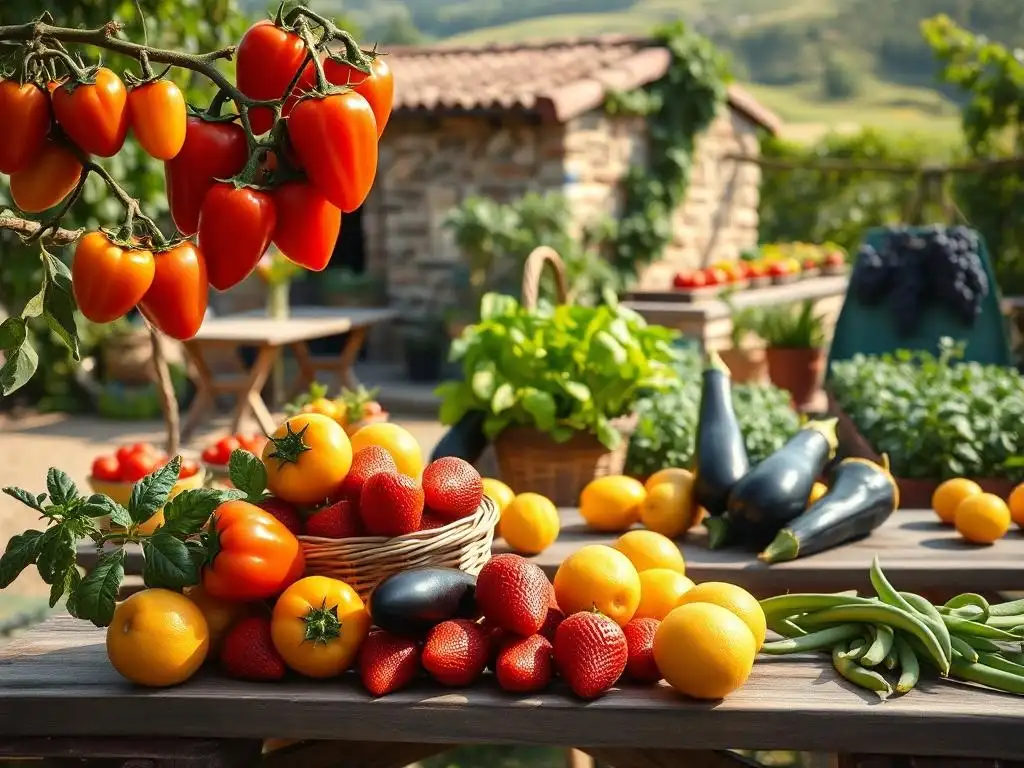
Welcome to CultivateYourFood, your guide to a thriving, sustainable garden! Are you ready to transform your backyard into a bountiful source of fresh, organic produce? This season, go beyond simply enjoying your harvest—discover the secrets to preserving homegrown fruits and vegetables, ensuring year-round access to the fruits of your labor. Learn how to maximize your garden's potential and achieve true self-sufficiency by exploring our insightful articles on gardening for self-sufficiency. Let's cultivate a future where your table is always filled with the delicious rewards of your own hard work.
- Maximizing Your Harvest: Fresh Produce and Preserving Homegrown Fruits and Vegetables
- Planning Your Planting Schedule: Timing for Fresh Eating and Peak Preservation
- Preserving Homegrown Fruits and Vegetables: Methods and Techniques
- Storage Solutions for Preserved Produce: Maintaining Quality and Longevity
- Pest and Disease Management: Protecting Your Harvest for Preservation
- Composting and Soil Health: Sustainable Practices for Abundant Yields
- Sustainable Gardening Practices: Eco-Friendly Preservation
- Frequently Asked Questions
- Final Reflection: Harvesting Abundance: From Garden to Table to Jar
- Unleash Your Inner Gardener: Grow, Preserve, and Enjoy!
Maximizing Your Harvest: Fresh Produce and Preserving Homegrown Fruits and Vegetables
Planning a garden isn't just about enjoying fresh, homegrown food; it's also about maximizing your harvest to provide for your family throughout the year. This guide focuses on strategically designing your garden to produce an abundance of fruits, vegetables, and herbs, both for immediate consumption and for preserving homegrown fruits and vegetables through various methods like canning, freezing, drying, and pickling. We'll explore how to assess your available space, select the right plant varieties, and optimize your planting strategies to ensure a bountiful yield that extends far beyond the growing season.
Learning to preserve homegrown fruits and vegetables not only reduces food waste but also provides a connection to the land and a deeper appreciation for the food you consume. This holistic approach to gardening embraces sustainable practices, ensuring both immediate enjoyment and long-term food security. Let's delve into the key steps to creating a truly multipurpose garden.
Assessing Your Space: Garden Size and Layout for Optimal Yield
Before even thinking about which plants to grow, understanding your available space is paramount. The size of your garden directly impacts the quantity of produce you can cultivate. Consider factors like sunlight exposure, soil type, and water access. A well-planned layout maximizes space utilization and ensures each plant receives adequate sunlight and nutrients. For example, taller plants should be positioned to avoid shading shorter ones.
Consider incorporating raised beds or vertical gardening techniques to optimize space in smaller areas. Careful planning now will significantly influence the quantity of fruits and vegetables you'll be able to preserve later. Accurate measurements of your garden area are crucial for effective planning, allowing you to accurately estimate the number of plants you can accommodate and the potential yield. Remember to factor in pathways for easy access to all parts of your garden.
Choosing the Right Plants: Selecting Varieties Suitable for Fresh Eating and Preservation
Selecting the right plants is crucial for both fresh consumption and successful preservation. Certain varieties are better suited for specific preservation methods. For example, some tomatoes are ideal for canning, while others are better for drying or making sauces. Similarly, certain fruit varieties are better suited for jams and jellies, while others excel in freezing.
Consider the climate in your region and choose varieties that thrive in your specific conditions. Researching the characteristics of different plant varieties is key to a successful harvest. Choosing varieties known for their high yields and suitability for preservation will maximize the amount of food you can store for later use.
High-Yielding Vegetables for Canning and Freezing
Several vegetables are excellent choices for canning and freezing, offering high yields and preserving well. These include:
- Beans (bush and pole): Both green beans and snap beans freeze and can well, offering a substantial harvest.
- Tomatoes: Choose varieties known for their high yields and thick flesh, ideal for canning and sauce-making.
- Peppers (bell peppers, jalapeños): These can be frozen or canned, adding flavor and versatility to your preserved foods.
- Squash (summer and winter): Summer squash can be frozen, while winter squash can be stored for extended periods.
Fruit Trees and Bushes Ideal for Jams, Jellies, and Drying
Fruit trees and bushes offer a wide array of options for preserving. Consider:
- Berries (strawberries, blueberries, raspberries): These are perfect for jams, jellies, and freezing. High-yielding varieties are essential for maximizing your yield for preserving.
- Stone fruits (peaches, plums, cherries): These are excellent for jams, jellies, and drying.
- Apples: Apples are versatile, suitable for applesauce, pies, and drying.
Herbs for Flavoring and Preservation: Drying and Freezing Techniques
Herbs add flavor and aroma to many dishes. Drying and freezing are excellent methods for preserving herbs:
- Drying: Many herbs, such as basil, rosemary, thyme, and oregano, dry well, retaining their flavor and aroma.
- Freezing: Herbs like parsley, chives, and mint can be frozen to preserve their freshness and vibrant color. Freezing herbs in ice cube trays with oil or water is a convenient method.
The careful consideration of these factors will allow you to plan a garden that provides a plentiful supply of fresh produce and a substantial amount of preserved food for the months to come. Remember that consistent monitoring and maintenance of your garden are crucial throughout the growing season.
Planning Your Planting Schedule: Timing for Fresh Eating and Peak Preservation
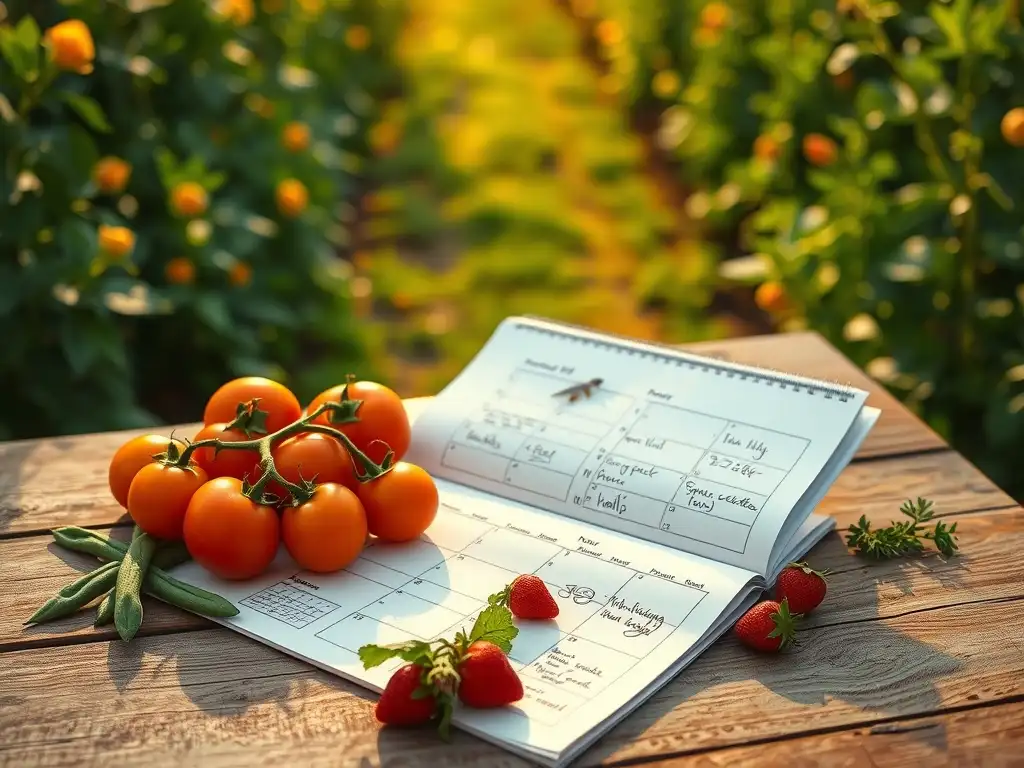
Efficient preserving of homegrown fruits and vegetables hinges on meticulous planning. A well-structured planting schedule maximizes yield at optimal ripeness for both immediate consumption and preservation. This means considering not just the individual plant's needs, but also the staggered maturation times to ensure a continuous supply throughout the growing season. Failing to plan this aspect can result in a glut of produce at one time, leading to spoilage, and a lack of produce at other times.
Staggering Planting for Continuous Harvest: Extending the Season
The key to successful preserving is a continuous harvest. Instead of planting everything at once, stagger your planting. This involves planting the same crop in smaller batches at intervals of several weeks. For example, instead of planting all your tomatoes on the same day, plant a third of your tomato plants now, another third in three weeks, and the final third in six weeks.
This technique extends the harvest period, providing ripe produce consistently for both immediate enjoyment and preserving activities. This approach is crucial for preserving homegrown fruits and vegetables, as it prevents overwhelming surpluses and ensures a steady supply of produce for canning, freezing, or drying. This method works particularly well with quick-growing crops such as lettuce, bush beans, and zucchini. For slower-maturing crops like tomatoes and peppers, two or three staggered plantings might be sufficient to provide a long harvest season.
Consider the specific needs of each plant variety. Some varieties have shorter growing seasons than others, impacting the ideal planting schedule. For instance, early-season varieties of beans might only need a six-week gap between plantings, while later-season varieties might benefit from a longer interval. Careful observation of plant growth and maturation times is key to perfecting this technique. Accurate record-keeping from year to year will help you refine your planting schedule and optimize your harvest.
Understanding Plant Maturation Times: Optimizing for Fresh Consumption and Preservation
Knowing the maturation time for each plant is paramount. This information, readily available on seed packets or from online resources, dictates when you can expect a harvest suitable for both eating fresh and preserving. For example, some early-maturing beans are ready to pick within 50-60 days of planting, making them ideal for successive planting and regular fresh consumption.
Meanwhile, certain tomato varieties might require 70-90 days, suggesting a more strategic planting schedule focusing on canning or freezing at the peak of ripeness. Precise knowledge of these times allows you to plan your planting schedule to coincide with your desired preservation methods.
| Crop | Maturation Time (approx.) | Ideal Preservation Method(s) |
|---|---|---|
| Bush Beans | 50-60 days | Freezing, canning |
| Tomatoes | 70-90 days | Canning, freezing, drying |
| Peppers | 70-80 days | Freezing, drying, pickling |
| Zucchini | 50-60 days | Freezing, pickling |
| Strawberries | 60-70 days | Freezing, jam making |
This information helps you avoid planting everything at once, leading to a surplus of produce that may spoil before you can preserve it. Careful planning maximizes the yield for your chosen preservation methods and minimizes waste.
Planning for Succession Planting: Ensuring a Steady Supply
Succession planting is a crucial element of preserving homegrown fruits and vegetables. It involves planting a new batch of a particular crop after harvesting the previous batch. This method extends the growing season and ensures a constant supply of produce. For instance, after harvesting an early crop of lettuce, immediately plant another batch to ensure a continuous supply throughout the summer. This continuous cycle maximizes the yield and minimizes the gaps between harvests. This is especially useful for crops with relatively short growing seasons like leafy greens and certain herbs.
Consider using a planting calendar to help visualize this process. A simple chart can outline the planting dates, estimated harvest dates, and the intended preservation method for each crop. This visual aid helps ensure that you maintain a consistent supply of produce for both fresh eating and preserving throughout the entire growing season.
Careful planning using succession planting, combined with staggered plantings, is the cornerstone of successful home preservation. Remember that different crops have varying requirements, so adjust your approach based on the specific needs of each plant. Careful observation and meticulous record-keeping will help you fine-tune your approach year after year, leading to an abundance of preserved goodness from your garden.
Preserving Homegrown Fruits and Vegetables: Methods and Techniques
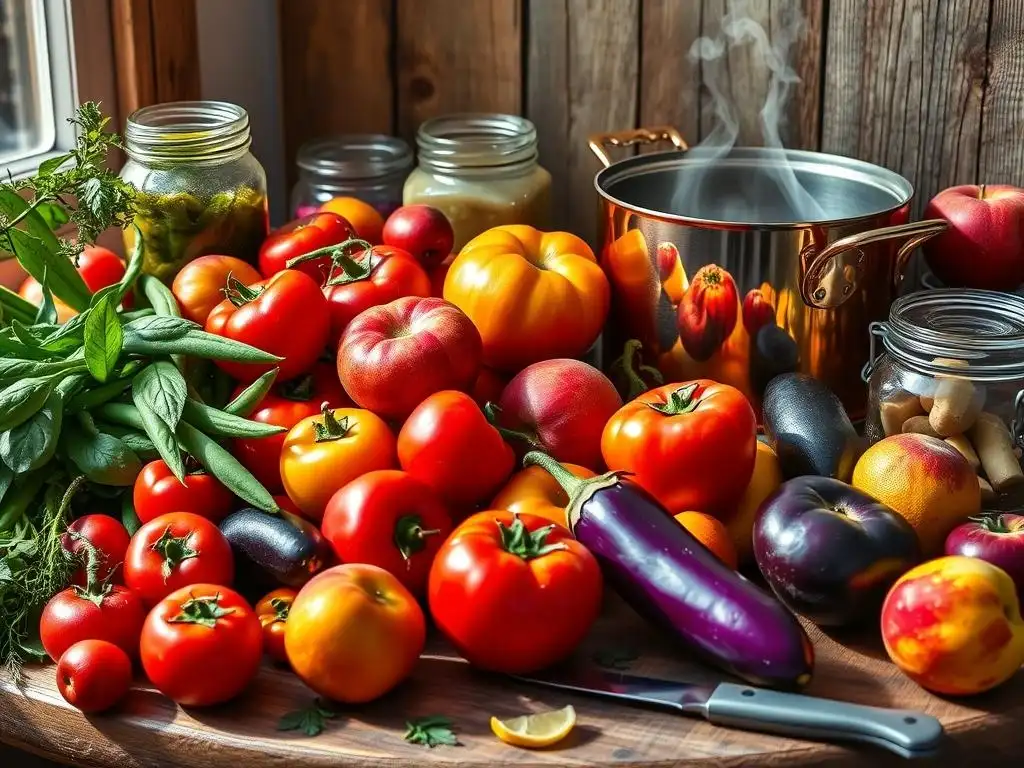
This section delves into practical methods for preserving your homegrown harvest, ensuring you enjoy the fruits (and vegetables!) of your labor throughout the year. We'll explore canning and freezing, two popular and effective preservation techniques, focusing on best practices to maintain quality and safety. Successfully preserving homegrown fruits and vegetables not only extends their lifespan but also allows you to savor the peak flavors of your garden long after the growing season ends. This is key to maximizing your yield and minimizing food waste, core tenets of sustainable gardening.
Canning: A Comprehensive Guide to Safe and Effective Canning
Canning, a time-honored method of food preservation, involves sealing food in airtight jars and processing them in boiling water to eliminate harmful bacteria and create a vacuum seal. This ensures long-term storage, often for a year or more, if done correctly. Proper canning techniques are crucial for food safety; improper canning can lead to spoilage and potential health risks. Let's explore the essential steps.
Choosing the Right Jars and Lids for Canning
Selecting the appropriate jars and lids is paramount for successful canning. Reusable glass jars, specifically designed for canning, are essential. Look for jars with a wide mouth for easier filling and cleaning. Avoid using jars with chips, cracks, or irregularities, as these can compromise the seal. The lids, typically consisting of a flat metal disc and a screw band, are single-use items.
Always use new lids for each canning batch to ensure a proper seal. Using old lids increases the risk of spoilage. Remember, a good seal is crucial for preventing bacterial growth and maintaining the quality of your preserved food. Investing in high-quality jars and lids is a worthwhile investment in the success of your preserving efforts.
Canning Recipes for Common Garden Vegetables and Fruits
Numerous resources offer canning recipes tailored to various fruits and vegetables. However, adapting recipes to your specific harvest is crucial. For example, the processing time for high-acid fruits like tomatoes and berries differs significantly from that of low-acid vegetables like green beans. Always consult reliable sources, such as university extension services or reputable canning guides, for tested and proven recipes.
These resources often provide detailed instructions, including processing times and safety guidelines, specific to different types of produce. Accurate measurements and careful adherence to these instructions are vital for successful and safe canning. Consider experimenting with different recipes to diversify your preserved foods and enjoy a variety of flavors throughout the year. Remember to always label your jars with the contents and date of canning for easy identification and inventory management.
Freezing: Preserving Nutrients and Flavor Through Freezing
Freezing is another efficient method for preserving homegrown fruits and vegetables, offering a relatively quick and straightforward approach. While canning provides long-term storage, freezing often retains more of the original nutrients and flavor, making it ideal for preserving delicate produce. However, proper preparation is key to achieving optimal results.
Best Practices for Freezing Fruits and Vegetables
Effective freezing hinges on several best practices. Firstly, quick freezing is crucial. This minimizes the formation of ice crystals, which can damage the cell structure of the produce and impact texture upon thawing. Use a high-quality freezer with consistent temperatures well below 0°F (-18°C).
Secondly, proper packaging is essential to prevent freezer burn, a condition that causes dehydration and flavor loss. Use airtight containers or freezer bags, removing as much air as possible before sealing. Lastly, appropriate labeling, including the contents and date, is critical for inventory management and preventing confusion. Following these best practices significantly improves the quality and longevity of your frozen produce.
Preparing Produce for Freezing: Blanching and Packaging
Blanching, a crucial step for many vegetables before freezing, involves briefly submerging them in boiling water, then immediately plunging them into ice water. This process helps deactivate enzymes that can cause deterioration during freezing, maintaining color, flavor, and texture. Not all fruits and vegetables require blanching; berries, for example, often freeze well without it. However, vegetables like green beans, peas, and corn benefit significantly from blanching.
After blanching, allow the produce to cool completely before packaging. Use freezer-safe containers or bags, ensuring they are tightly sealed to prevent freezer burn. Proper preparation, including blanching when necessary, and careful packaging significantly improve the quality and longevity of your frozen produce. Remember to always label your packages clearly with the contents and date of freezing.
Storage Solutions for Preserved Produce: Maintaining Quality and Longevity
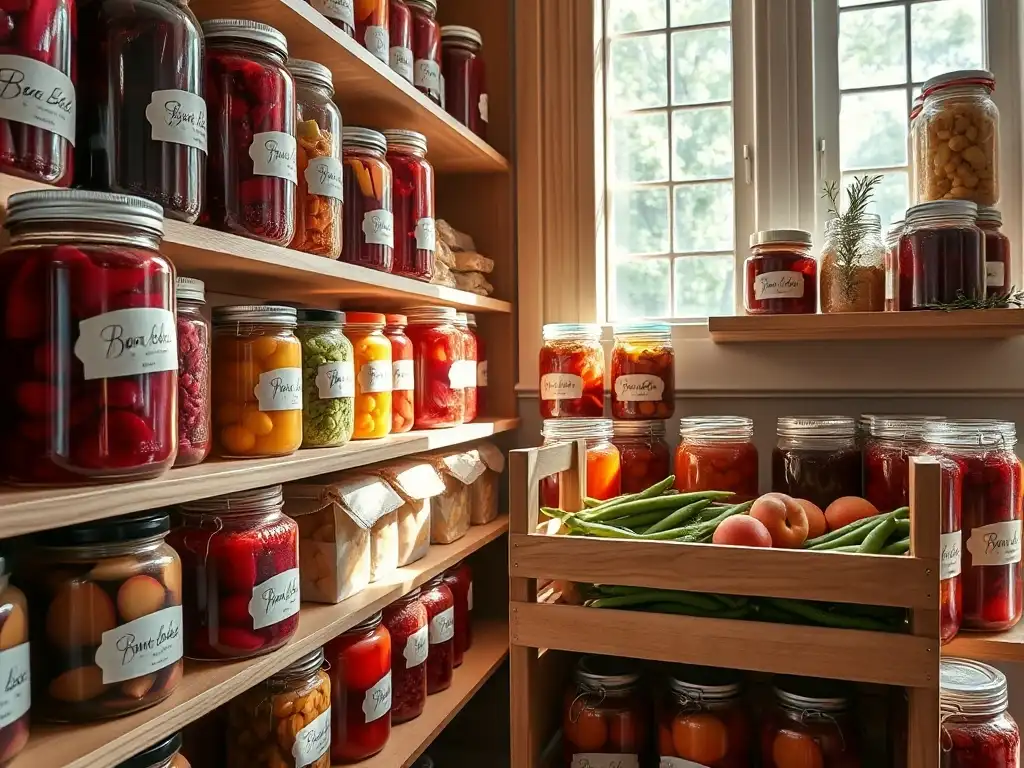
Preserving homegrown fruits and vegetables extends their usability far beyond the harvest season, but proper storage is crucial to maintain their quality and prevent spoilage. Understanding the best practices for storing your preserved goods is as important as the preservation methods themselves. This section details optimal storage conditions for canned and frozen produce, ensuring your hard work translates into delicious, nutritious meals throughout the year.
Proper Storage Conditions for Canned Goods: Avoiding Spoilage
Canned goods, whether they're vibrant tomato sauce or sweet pickled peppers, require careful storage to maintain their safety and quality. Improper storage can lead to spoilage, bacterial growth, and a compromised product. Here's a breakdown of best practices:
- Cool, Dark, and Dry Location: The ideal storage environment for canned goods is a cool, dark, and dry pantry or basement. Temperatures between 50°F and 70°F (10°C and 21°C) are optimal. Avoid direct sunlight, which can degrade the quality and color of the contents. Fluctuations in temperature should also be minimized.
- Rotation: FIFO (First In, First Out): Employ the FIFO method. Place newly canned goods at the back of your shelves and bring older cans to the front. This ensures that you use older items before they expire, minimizing waste and maximizing freshness.
- Inspect Regularly: Regularly inspect your canned goods for any signs of damage, such as dents, rust, or bulging lids. Bulging lids indicate spoilage and the can should be discarded immediately. Even minor dents can compromise the seal, increasing the risk of contamination.
- Shelf Life Considerations: While properly canned goods can last for years, their quality will gradually decline over time. Aim to use canned goods within one to two years for optimal flavor and nutrient retention. Always check the labels for any specific recommendations from the manufacturer, especially for low-acid foods.
Optimal Storage for Frozen Produce: Maintaining Freshness
Freezing is a fantastic method for preserving homegrown fruits and vegetables, locking in nutrients and extending their shelf life significantly. However, even frozen produce requires careful handling and storage to prevent freezer burn and maintain quality.
- Proper Packaging is Key: Using airtight, freezer-safe containers or bags is paramount. Avoid leaving excess air in the packaging; this can lead to freezer burn. Consider using vacuum sealers for optimal results. Proper labeling with the date is essential for effective inventory management.
- Temperature Consistency is Crucial: Maintain a consistent temperature in your freezer. Avoid frequent opening and closing, as this can cause temperature fluctuations. A temperature of 0°F (-18°C) or lower is ideal for long-term storage.
- Blanching Before Freezing: Blanching (briefly boiling) many vegetables before freezing helps inactivate enzymes that can cause loss of color, flavor, and texture during storage. This step is crucial for maximizing the quality of your frozen produce. Research specific blanching times for different fruits and vegetables.
- Shelf Life and Quality: While frozen produce can last for extended periods, its quality will gradually degrade over time. Aim to use frozen fruits and vegetables within 6-12 months for optimal flavor, texture, and nutrient retention. Again, proper labeling with dates is key to maximizing the use of your preserved foods and minimizing waste. Remember, even after freezing, the clock is ticking on preserving the quality of your homegrown bounty. Enjoy the fruits (and vegetables!) of your labor! 🥕🍎
Pest and Disease Management: Protecting Your Harvest for Preservation
Preserving homegrown fruits and vegetables requires a healthy harvest. Pest and disease management is crucial, not only for maximizing yield but also for ensuring the quality of your produce for long-term storage. Damage from pests and diseases can significantly reduce the shelf life of preserved foods, leading to spoilage and waste. A proactive approach to pest and disease control is essential for successful preserving. This section will explore effective strategies, focusing on organic and sustainable methods.
Organic Pest Control Methods: Protecting Your Plants Naturally
Organic pest control methods prioritize plant health and ecosystem balance. Instead of relying on harsh chemicals, these methods utilize natural deterrents and beneficial organisms to manage pest populations. Effective organic pest control strategies often involve a combination of techniques:
- Companion Planting: Strategically planting certain species together can deter pests. For example, basil planted near tomatoes repels tomato hornworms, while marigolds deter nematodes. Careful planning of your garden layout can significantly reduce pest pressure. Researching companion planting combinations specific to your chosen fruits and vegetables is crucial for maximizing its effectiveness.
- Beneficial Insects: Introducing beneficial insects like ladybugs (which prey on aphids) and lacewings (which control various soft-bodied insects) can help maintain a natural balance within your garden ecosystem. These insects act as natural predators, significantly reducing the need for chemical interventions. Consider purchasing beneficial insects from reputable suppliers and releasing them strategically throughout your garden.
- Physical Barriers: Row covers, netting, and traps can physically prevent pests from accessing your plants. These barriers are particularly effective for preventing damage during vulnerable stages of plant growth. The type of barrier required depends on the specific pest and the size of your garden.
- Home Remedies: Simple home remedies, such as neem oil sprays or insecticidal soap, can effectively control many common garden pests. These options are less toxic than chemical pesticides and are readily biodegradable, minimizing the environmental impact. Always follow the instructions carefully and test a small area before widespread application.
Disease Prevention Strategies: Maintaining Healthy Plants for a Bountiful Harvest
Disease prevention focuses on creating a healthy environment for your plants to thrive. A strong, healthy plant is far more resistant to disease than a stressed or weakened one. Key strategies include:
- Crop Rotation: Rotating crops annually helps to break the cycle of soilborne diseases. Different plant families have different disease susceptibilities, so rotating crops minimizes the build-up of pathogens in the soil. A well-planned rotation schedule is crucial for long-term garden health.
- Proper Watering: Overwatering can lead to fungal diseases, while underwatering stresses plants and makes them more susceptible to pests and diseases. Consistent, appropriate watering is essential for maintaining plant vigor and disease resistance. Consider using drip irrigation or soaker hoses for efficient and targeted watering.
- Good Sanitation: Removing diseased plant material promptly and disposing of it properly prevents the spread of diseases. Clean garden tools regularly to avoid transferring pathogens between plants. This simple practice can make a significant difference in overall plant health.
- Soil Health: Healthy soil is the foundation of healthy plants. Adding compost and organic matter improves soil structure, drainage, and nutrient availability, boosting plant resistance to diseases. Regular soil testing can help you identify any deficiencies and adjust your soil management practices accordingly. Maintaining optimal soil pH is also essential for plant health and disease resistance.
The combination of organic pest control and disease prevention strategies ensures a healthy harvest, maximizing your yield for preserving and ultimately increasing your self-sufficiency in food production. Remember that consistent observation and proactive management are key to protecting your homegrown fruits and vegetables. Careful planning and attention to detail will lead to a bountiful harvest suitable for preserving and enjoying throughout the year.
Composting and Soil Health: Sustainable Practices for Abundant Yields
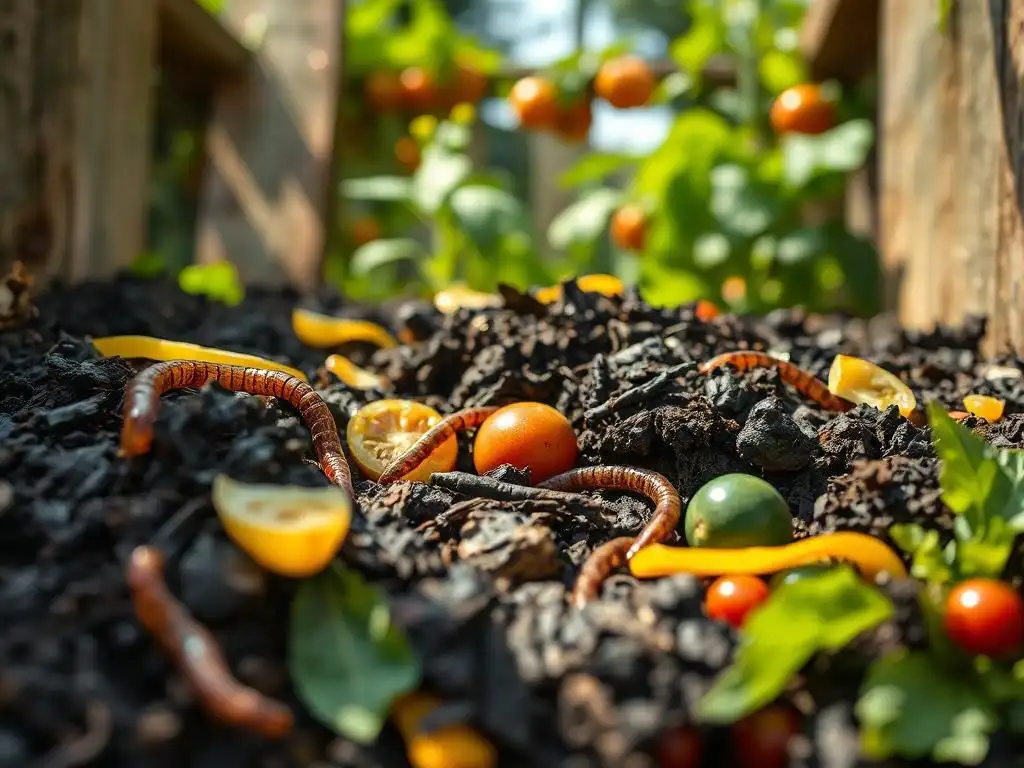
Preserving homegrown fruits and vegetables isn't just about canning and freezing; it starts with the soil. Healthy, nutrient-rich soil is the foundation of abundant harvests, crucial for maximizing your yield and ensuring high-quality produce suitable for long-term preservation. Composting plays a pivotal role in achieving this goal, transforming garden waste into a valuable resource that enhances soil structure, fertility, and water retention. This, in turn, leads to healthier plants, bigger yields, and produce better suited for preserving methods like canning, freezing, and drying.
Creating a Compost Bin: Utilizing Garden Waste for Soil Enrichment
Building a compost bin is surprisingly easy and offers numerous benefits. You can construct a simple bin using readily available materials like pallets, wire mesh, or even repurposed containers. The key is ensuring good airflow for decomposition. A three-bin system is ideal: one for fresh waste, one for actively composting material, and one for finished compost.
Here's a breakdown of the process:
- Layer it Up: Alternate layers of "greens" (grass clippings, vegetable scraps) and "browns" (dried leaves, twigs, shredded paper). Maintain a roughly equal ratio. Avoid adding meat, dairy, or oily foods, as these can attract pests and create unpleasant odors.
- Moisture Control: The compost pile should be consistently moist, like a wrung-out sponge. Add water if it's too dry.
- Turning the Pile: Regularly turning the compost pile (every few weeks) accelerates decomposition by introducing oxygen and distributing moisture. A pitchfork or garden spade works well.
- Monitoring Temperature: The ideal temperature for composting is between 130-160°F (54-71°C). A thermometer can help monitor the process. A hot pile indicates active decomposition.
- Harvesting Compost: Once the compost has reached a dark, crumbly consistency (typically 6-12 months), it's ready to use. This rich, nutrient-dense material is perfect for amending your garden beds, providing essential nutrients for your fruits, vegetables, and herbs.
Improving Soil Fertility: Nutrient-Rich Soil for Optimal Growth
Compost isn't just a waste management solution; it's a vital component of sustainable gardening practices. By enriching your soil with compost, you significantly improve its fertility, supporting vigorous plant growth and maximizing your harvest. This directly impacts the quality of your produce, making it ideal for preserving.
Consider these key aspects of soil fertility improvement through composting:
- Enhanced Drainage and Aeration: Compost improves soil structure, creating spaces for better water drainage and air circulation around plant roots. This reduces the risk of root rot and promotes healthy root development. This is particularly important for preserving vegetables like carrots and potatoes, as good drainage prevents rot and improves storage life.
- Increased Water Retention: Compost helps the soil retain moisture, reducing the need for frequent watering. This is crucial during dry spells and contributes to consistently healthy plants, resulting in higher-quality produce for preservation.
- Nutrient Provision: Compost is a natural source of essential nutrients like nitrogen, phosphorus, and potassium. These nutrients are vital for plant growth and fruit/vegetable development, leading to larger, healthier yields perfect for canning, freezing, or drying.
- Beneficial Microorganism Boost: Compost introduces beneficial microorganisms into the soil, improving its overall health and promoting nutrient uptake by plants. This contributes to healthier plants, less susceptible to diseases, and better suited to long-term storage.
By diligently composting and focusing on soil health, you are not only practicing sustainable gardening but also laying the groundwork for abundant harvests of high-quality fruits and vegetables, perfectly suited for preserving and enjoying throughout the year. This approach to preserving homegrown fruits and vegetables ensures both quantity and quality, maximizing your self-sufficiency efforts.
Sustainable Gardening Practices: Eco-Friendly Preservation
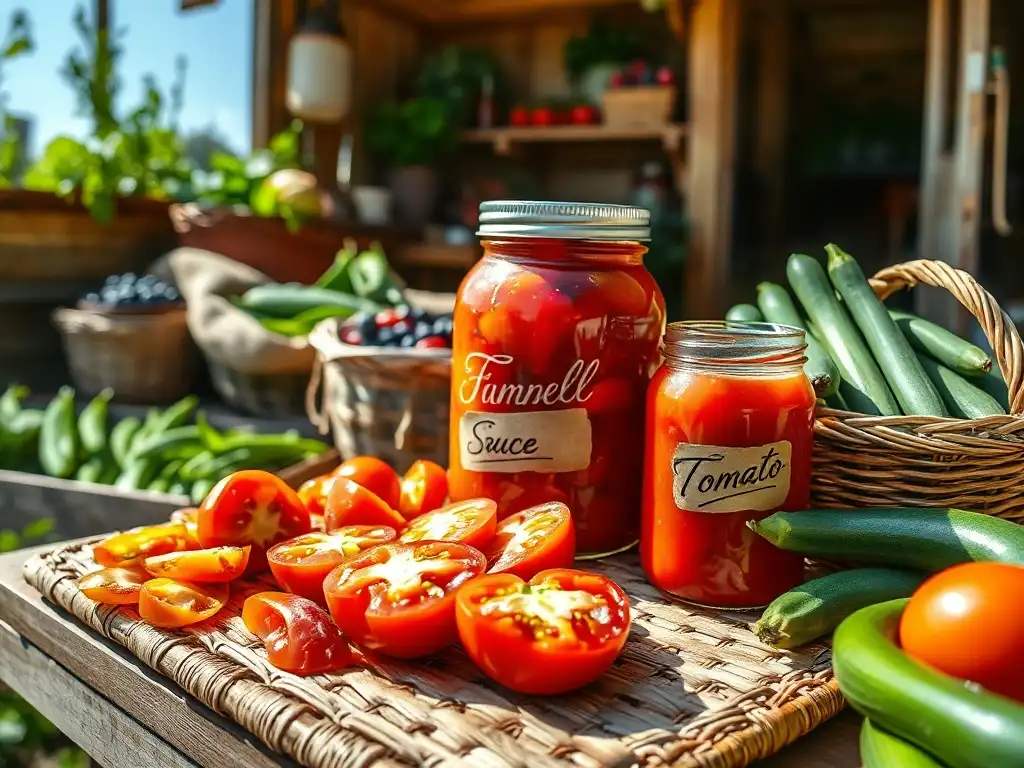
Sustainable practices are paramount when preserving homegrown fruits and vegetables. It's not just about canning or freezing; it's about minimizing your environmental impact throughout the entire process, from seed to shelf. This section will explore key eco-friendly methods to ensure your preserving efforts align with your commitment to sustainable gardening.
Water Conservation Techniques: Efficient Irrigation Methods
Efficient irrigation is crucial for minimizing water waste, a significant concern in sustainable gardening. Overwatering leads to reduced yields and increased susceptibility to diseases, impacting the quality and quantity of produce available for preserving. Implementing water-wise irrigation strategies significantly reduces your water footprint.
Consider these techniques:
- Drip irrigation: This method delivers water directly to the roots, minimizing evaporation and runoff. This precision ensures your plants receive the necessary hydration without wasting water on surrounding areas. Studies have shown that drip irrigation can reduce water consumption by up to 50% compared to traditional overhead sprinklers.
- Soaker hoses: Similar to drip irrigation, soaker hoses slowly release water along their length, providing consistent moisture to the root zone. They are particularly effective for row crops and are less prone to clogging than drip systems.
- Rainwater harvesting: Collecting rainwater for irrigation is a highly sustainable practice. Installing a rain barrel system allows you to capture and store rainwater for use during dry spells, significantly reducing reliance on municipal water supplies. A single rain barrel can collect hundreds of gallons of water per rainfall event.
- Mulching: Applying mulch around plants helps retain soil moisture, reducing the frequency of watering. Organic mulches, such as straw or wood chips, also improve soil health and suppress weed growth, further enhancing water efficiency. Research indicates that mulching can decrease water needs by as much as 30%.
Minimizing Waste: Reducing Food Waste and Maximizing Preservation
Reducing food waste is a cornerstone of sustainable preserving. Careful planning and efficient preservation techniques are vital to minimize losses and maximize the use of your harvest. This involves careful harvesting, proper storage, and selecting appropriate preservation methods for each type of fruit or vegetable.
Here's how to minimize waste:
- Harvest at the peak of ripeness: Harvesting fruits and vegetables at their optimal ripeness ensures the best flavor and quality for preserving. Overripe or damaged produce should be composted rather than wasted.
- Proper storage: Store harvested produce appropriately to extend its shelf life before processing. This includes using appropriate containers, maintaining proper temperatures, and ensuring good air circulation. For example, storing tomatoes at room temperature prevents premature rotting.
- Choose appropriate preservation methods: Different preservation methods are suitable for various fruits and vegetables. Freezing is ideal for preserving delicate produce while canning is better suited for preserving robust items like tomatoes and pickles. Dehydration is excellent for extending the shelf life of herbs and certain fruits. Consider the characteristics of your produce when selecting a method to reduce waste.
- Composting scraps: Instead of discarding unusable parts of your harvest, such as fruit peels and vegetable scraps, compost them. This nutrient-rich material enriches your soil, improving its fertility and reducing the need for chemical fertilizers, thus closing the loop on your sustainable gardening cycle. A well-maintained compost bin can significantly reduce your reliance on external inputs. 🍎🥕🧅
The careful consideration of these strategies ensures that preserving your homegrown fruits and vegetables becomes an integral part of your sustainable gardening practices, minimizing environmental impact while maximizing the benefits of your harvest.
Frequently Asked Questions
How can I plan my garden for both fresh eating and preserving?
To maximize your harvest for both immediate consumption and preservation, designate specific areas for different crops based on their preservation suitability. Plant high-yielding varieties ideal for canning, freezing, or drying alongside those you'll eat fresh. Consider your family's preferences and preservation methods.
What fruits and vegetables are best suited for preserving?
High-acid fruits like berries, tomatoes, and apples are excellent for canning and freezing. Root vegetables such as carrots, beets, and potatoes store well. Herbs can be dried or frozen. Choose varieties known for their robustness and long shelf life.
What are some common home preserving methods?
Popular methods include canning (water bath or pressure), freezing, drying (dehydrating or air drying), and pickling. Research each method to understand the best practices for your chosen fruits and vegetables and ensure safe food preservation.
How can I prevent pest damage to my produce intended for preserving?
Employ organic pest control methods such as companion planting, beneficial insects, and natural sprays. Regularly inspect plants for pests and diseases, harvesting affected produce promptly to prevent widespread damage. Proper crop rotation also helps reduce pest pressure.
What's the best time to harvest produce for preserving?
The ideal harvest time depends on the specific fruit or vegetable and the chosen preservation method. Generally, harvest when produce is at its peak ripeness and quality, but before it becomes overripe or damaged. Check your chosen preservation method's guidelines for optimal harvest timing.
Final Reflection: Harvesting Abundance: From Garden to Table to Jar
The art of preserving homegrown fruits and vegetables is experiencing a powerful resurgence, a testament to our growing desire for sustainable living and a deeper connection with our food. This renewed interest isn't just a trend; it's a vital step towards food security, healthier eating habits, and a reduced environmental footprint. The ability to extend the bounty of our gardens far beyond the harvest season offers a tangible reward for our efforts, a taste of summer in the dead of winter.
The journey from seed to preserved product is more than just a process; it's a deeply satisfying experience that connects us to the rhythms of nature and the history of human ingenuity. The satisfaction of transforming fresh produce into jams, pickles, or frozen delights is immeasurable. It's a legacy passed down through generations, a skill that fosters self-reliance and a profound appreciation for the land. The glory of gardening: hands in the dirt, head in the sun, heart with nature. To nurture a garden is to feed not just the body, but the soul.
– Alfred Austin. This quote perfectly encapsulates the holistic benefits of preserving our homegrown harvest.
Now, consider your own garden, or even a single potted herb. What steps can you take to preserve its bounty? Perhaps it's starting small, with a single batch of jam or a few jars of pickled peppers. Don't be intimidated by the process; embrace the learning curve, and savor the journey. The rewards – both culinary and personal – are well worth the effort. Start planning your next harvest, and let the abundance of your garden nourish you throughout the year.
Unleash Your Inner Gardener: Grow, Preserve, and Enjoy!
Thank you for exploring the world of multipurpose gardening with us! We hope you've gained valuable insights into maximizing your space and yield. Now it's time to put your knowledge into practice.
- Start designing your ideal garden layout today! Consider incorporating preservation techniques like a dedicated area for drying herbs or a convenient spot for your canning equipment.
- Share your garden design ideas with our community! Let's inspire each other with creative solutions and helpful tips.
- This year, consider experimenting with an unusual crop, such as an heirloom tomato or a rare pepper variety.
What exciting new plant will you grow this season?