
The Future of Soil Microbiology in Sustainable Agriculture

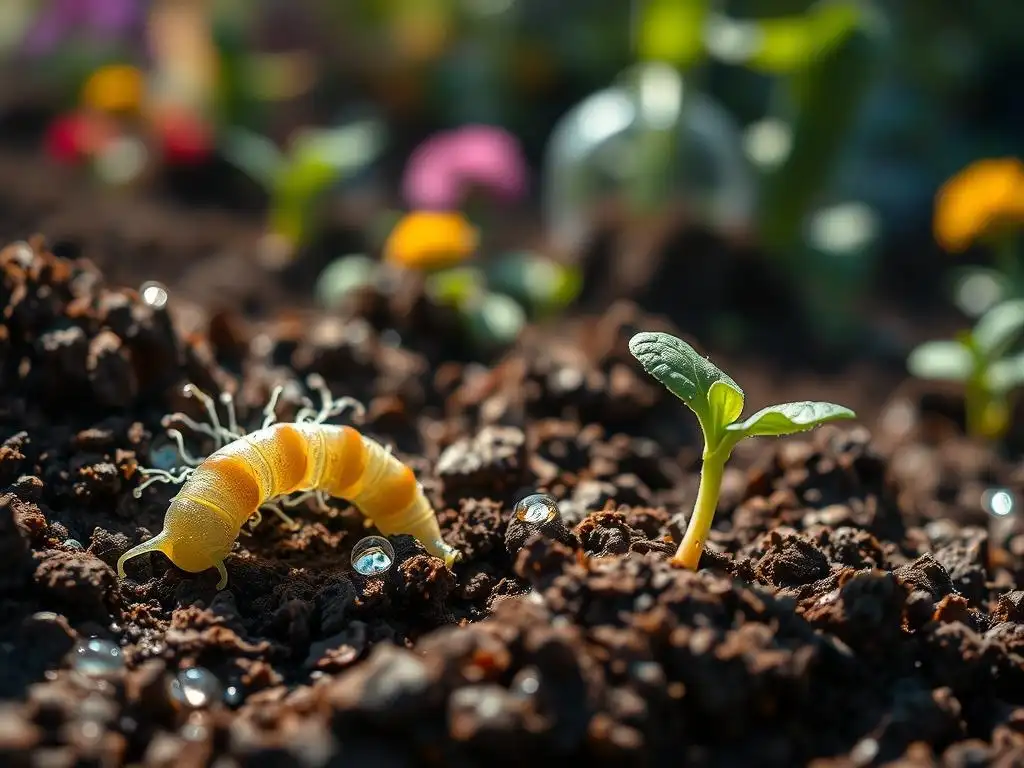
Welcome to CultivateYourFood, your guide to nurturing a thriving garden using sustainable and organic methods! Are you ready to unlock the secrets to a bountiful harvest? We delve into the fascinating world of sustainable gardening soil microbes—the microscopic heroes that hold the key to healthy, vibrant plants. Discover how understanding these tiny organisms can revolutionize your approach to gardening and lead to a more fruitful and environmentally friendly experience. Dive in and explore the Advanced Topics in Soil Science to cultivate the garden of your dreams!
- Understanding the Role of Soil Microbes in Sustainable Gardening
- Harnessing Soil Microbiology for Enhanced Crop Production
- Advanced Techniques in Soil Microbiology for Sustainable Gardening
- Challenges and Opportunities in Sustainable Soil Microbiology
- Conclusion: The Future of Sustainable Agriculture Hinges on Soil Health
-
Frequently Asked Questions
- What are soil microbes, and why are they important for sustainable gardening?
- How can I encourage beneficial soil microbes in my garden?
- What is the role of soil microbes in nutrient uptake by plants?
- How do soil microbes help protect plants from diseases?
- Are there specific types of soil microbes particularly beneficial for sustainable gardening?
- Final Reflection: Cultivating a Sustainable Future Through Soil Microbiology
- Cultivate Your Knowledge: Unlock the Secrets of Soil Health
Understanding the Role of Soil Microbes in Sustainable Gardening
The health of your garden hinges on more than just sunlight, water, and nutrients. Beneath the surface lies a teeming world of microscopic organisms—bacteria, fungi, archaea, and protozoa—collectively known as soil microbes. These tiny inhabitants play a crucial role in the fertility and overall health of your soil, directly impacting the success of your sustainable gardening efforts.
Understanding their function is key to cultivating thriving plants organically and sustainably. This article delves into the fascinating world of soil microbiology, exploring how these often-overlooked organisms contribute to healthy, productive gardens, and how you can harness their power to create a truly sustainable growing environment. We'll explore the importance of beneficial microbes, the diversity within the soil microbiome, and the vital role they play in nutrient cycling.
Optimizing your soil's microbial life is the cornerstone of truly sustainable gardening, and mastering this aspect will significantly improve your yields and reduce your environmental impact. Let's unearth the secrets to a thriving soil ecosystem!
The Importance of Beneficial Soil Microbes for Plant Health
Beneficial soil microbes are essential for plant health, acting as a crucial support system for growth and resilience. These microscopic allies perform a multitude of vital functions. For example, nitrogen-fixing bacteria convert atmospheric nitrogen into forms usable by plants, reducing the need for synthetic fertilizers.
This is a significant step towards sustainable gardening, minimizing reliance on environmentally impactful chemical inputs. Furthermore, mycorrhizal fungi form symbiotic relationships with plant roots, extending their reach into the soil to access water and nutrients more efficiently. This enhanced nutrient uptake leads to healthier, more vigorous plants, better able to withstand environmental stresses.
Other beneficial microbes produce antibiotics that suppress plant diseases, reducing the need for chemical pesticides and promoting natural pest control. The presence and activity of these beneficial microbes are directly correlated with improved plant growth, increased yields, and enhanced overall plant health. A thriving microbial community acts as a natural defense system, bolstering the resilience of your plants and reducing your reliance on external inputs.
Soil Microbe Diversity and its Impact on Sustainable Gardening Soil Microbes
The diversity of soil microbes is paramount to a healthy and sustainable garden. A diverse microbiome, rich in various bacterial, fungal, and other microbial species, creates a resilient ecosystem less susceptible to disease and environmental fluctuations. Think of it as a complex web of life, where different microbes interact and complement each other's functions. A monoculture of microbes, on the other hand, lacks this resilience and is more vulnerable to disruptions.
Maintaining diversity involves various sustainable practices, such as avoiding the overuse of chemical fertilizers and pesticides, practicing crop rotation, and adding compost regularly. Compost introduces a wide array of beneficial microbes into the soil, enriching its biodiversity. The more diverse your soil microbiome, the more robust and adaptable your garden will be.
This biodiversity is also crucial for nutrient cycling, as different microbes specialize in breaking down various organic matter components. A lack of diversity can lead to nutrient deficiencies and an increased susceptibility to pests and diseases. Therefore, nurturing a rich and diverse soil microbiome is a cornerstone of sustainable gardening.
Nutrient Cycling and Soil Microbe Interactions in Sustainable Agriculture
Soil microbes are the unseen architects of nutrient cycling in sustainable agriculture. They break down organic matter—dead plants, leaves, and other organic materials—into simpler compounds that plants can readily absorb. This process, known as decomposition, releases essential nutrients like nitrogen, phosphorus, and potassium back into the soil, making them available for plant uptake.
Different microbes specialize in breaking down specific components of organic matter. For example, some bacteria excel at nitrogen mineralization, while others specialize in phosphorus solubilization. The intricate interactions between these microbes ensure a continuous flow of nutrients, reducing the need for synthetic fertilizers.
This natural nutrient cycling system is a fundamental aspect of sustainable agriculture, promoting soil health and minimizing environmental impact. Understanding these microbial interactions and fostering a thriving soil ecosystem is crucial for maximizing nutrient availability and creating a truly sustainable garden. The efficiency of nutrient cycling directly impacts plant growth and overall garden productivity, highlighting the critical role of soil microbes in sustainable agriculture.
Harnessing Soil Microbiology for Enhanced Crop Production
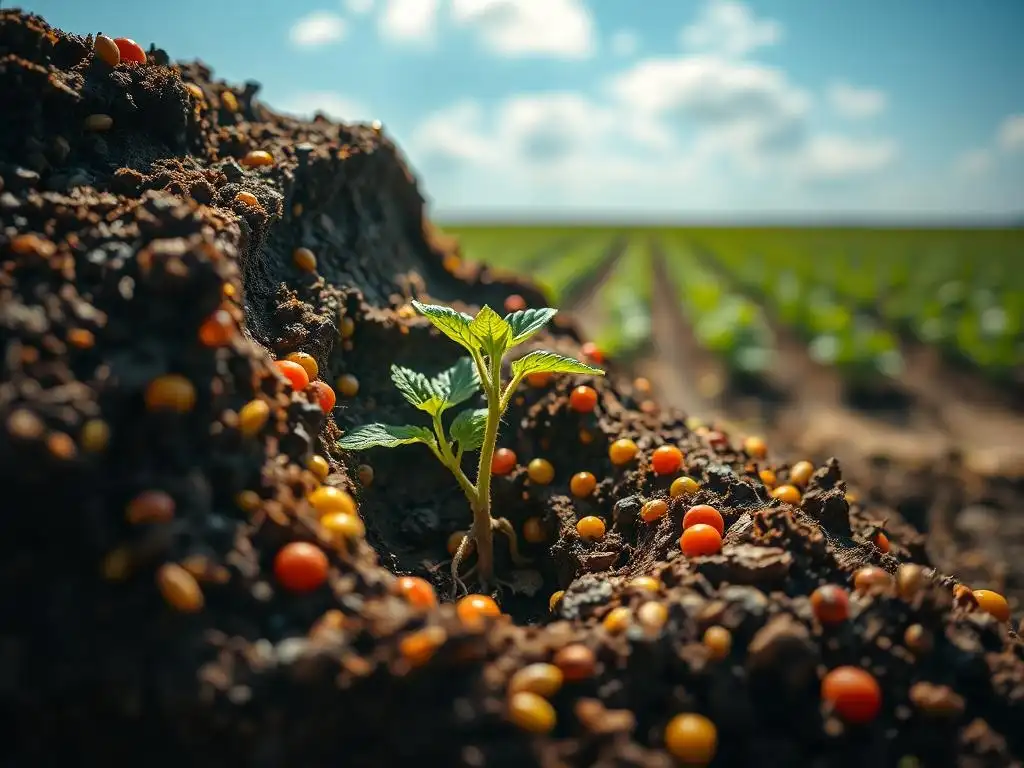
Sustainable gardening relies heavily on understanding and leveraging the power of soil microbes. These microscopic organisms are essential for nutrient cycling, disease suppression, and overall soil health, making them crucial for achieving high yields while minimizing environmental impact. This section delves into specific applications of soil microbiology in sustainable agriculture, focusing on how we can harness the power of these beneficial organisms for enhanced crop production and sustainable gardening soil microbes.
Biofertilizers: A Sustainable Alternative to Chemical Fertilizers
Chemical fertilizers, while effective in boosting short-term yields, often lead to soil degradation, water pollution, and harm to beneficial soil organisms. Biofertilizers offer a sustainable alternative. These are essentially preparations containing living microorganisms that, when applied to seeds, plant surfaces, or soil, colonize the rhizosphere (the zone of soil around plant roots) and promote plant growth by increasing nutrient availability.
Several types of biofertilizers exist, each targeting specific nutrient deficiencies:
- Nitrogen-fixing biofertilizers: These contain bacteria (like Rhizobium and Azotobacter) that convert atmospheric nitrogen into forms usable by plants, reducing the need for synthetic nitrogen fertilizers. Studies have shown that using Rhizobium-based inoculants on legumes can increase nitrogen fixation by 20-30%, leading to significant yield improvements and reduced reliance on chemical nitrogen.
- Phosphorous-solubilizing biofertilizers: These contain microorganisms (like Bacillus and Pseudomonas species) that solubilize insoluble forms of phosphorus in the soil, making this essential nutrient more accessible to plants. This is particularly beneficial in phosphorus-deficient soils, where the application of these biofertilizers can significantly improve crop yields. For instance, research indicates that using Bacillus species as biofertilizers can increase phosphorus uptake by 15-25% in certain crops.
- Potassium-solubilizing biofertilizers: While less common than nitrogen and phosphorus-solubilizing biofertilizers, these are also being developed to enhance potassium uptake in plants. The effectiveness of these biofertilizers is still under investigation, but initial results are promising for specific crops and soil conditions.
The use of biofertilizers also contributes to improved soil structure, increased water retention, and enhanced overall soil health, making them a key component of sustainable gardening soil microbes strategies.
Biopesticides: Utilizing Soil Microbes for Natural Pest Control
Synthetic pesticides pose significant risks to human health and the environment. Biopesticides, derived from naturally occurring microorganisms, offer a safer and more sustainable approach to pest control. These biopesticides can target a wide range of pests, including insects, fungi, and nematodes, without harming beneficial organisms or contaminating the environment.
Several types of soil microbes are used in biopesticides:
- Bacillus thuringiensis (Bt): This bacterium produces insecticidal toxins that are highly effective against specific insect pests. Bt-based biopesticides are widely used in organic farming and are considered a safe and environmentally friendly alternative to chemical insecticides.
- Enthomopathogenic nematodes (EPNs): These microscopic worms infect and kill various insect pests, making them a valuable tool for soilborne pest management. Their effectiveness depends on various factors, including soil moisture and temperature.
- Fungi: Certain fungi, like Beauveria bassiana and Metarhizium anisopliae, are pathogenic to insects and can be used as biopesticides. These fungi infect insects, causing disease and death, offering an effective and sustainable pest management strategy.
The development and application of biopesticides are crucial for integrated pest management (IPM) strategies, emphasizing a preventative and ecological approach to pest control, which is integral to the concept of sustainable gardening soil microbes.
Mycorrhizal Fungi: Enhancing Nutrient Uptake and Plant Resilience
Mycorrhizal fungi form symbiotic relationships with plant roots, extending the root system's reach and improving nutrient uptake. These fungi colonize plant roots, forming a network that increases the surface area available for nutrient absorption. This enhanced nutrient uptake leads to improved plant growth, increased stress tolerance, and enhanced resilience to diseases.
There are two main types of mycorrhizal fungi:
- Arbuscular mycorrhizal fungi (AMF): These fungi penetrate the root cells, forming structures called arbuscules where nutrient exchange occurs. AMF are highly beneficial for nutrient acquisition, especially phosphorus and micronutrients. Research suggests that AMF can increase phosphorus uptake by 50-100% in some plant species.
- Ectomycorrhizal fungi (ECM): These fungi form a sheath around the root tips, but do not penetrate the root cells. ECM fungi are particularly beneficial in forest ecosystems and are known for their ability to enhance nutrient uptake and improve plant water relations.
The incorporation of mycorrhizal fungi into sustainable agricultural practices is a crucial step toward promoting healthy soils and resilient plants. Their role in improving nutrient uptake, enhancing plant health, and reducing the need for fertilizers makes them a cornerstone of sustainable gardening soil microbes. The use of mycorrhizal fungi in sustainable agriculture is gaining traction as research continues to reveal their multifaceted benefits.
Advanced Techniques in Soil Microbiology for Sustainable Gardening
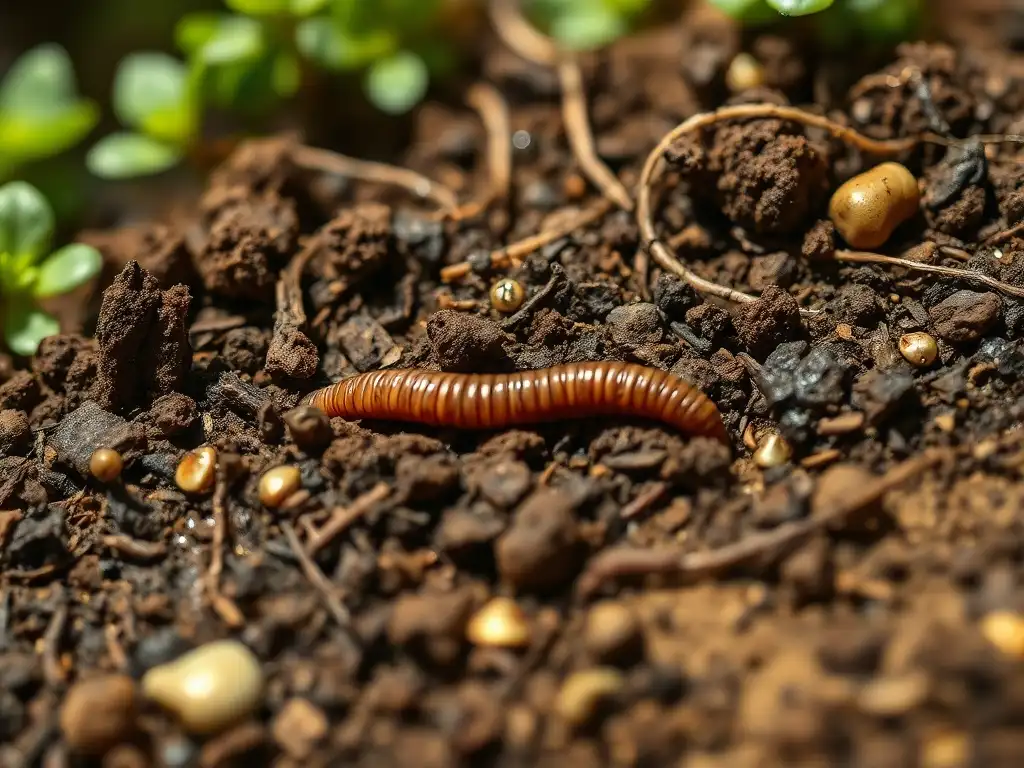
This section delves into sophisticated methods used to harness the power of soil microbes for sustainable gardening. Understanding and manipulating the soil microbiome is crucial for optimizing plant health, reducing reliance on synthetic inputs, and building resilient ecosystems in your garden. We will explore advanced techniques that move beyond basic soil testing and delve into the intricate world of microbial communities. The effective application of these techniques leads to healthier plants, richer harvests, and a more environmentally friendly approach to gardening. This is key to achieving truly sustainable gardening soil microbes management.
Microbial Community Analysis for Optimized Soil Health
Analyzing the microbial community within your soil provides a detailed snapshot of its health and potential. Traditional soil tests often focus on macro-nutrients, overlooking the crucial role of the diverse microbial community. Advanced techniques, however, allow for a much deeper understanding. For example, Next-Generation Sequencing (NGS) technologies allow researchers and advanced gardeners to identify and quantify the vast array of bacteria, fungi, archaea, and other microorganisms present in a soil sample. This provides invaluable information on the functional diversity of the microbiome, indicating its capacity for nutrient cycling, disease suppression, and overall soil health.
The data generated through NGS can be used to create a microbial fingerprint for your garden soil. This fingerprint can then be compared to those of healthy soils, identifying potential imbalances or deficiencies. For instance, a low abundance of mycorrhizal fungi might indicate a need for improved soil structure and nutrient uptake. Similarly, a dominance of pathogenic bacteria could highlight the need for preventative measures. This detailed analysis allows for targeted interventions, maximizing the benefits of sustainable gardening soil microbes.
Furthermore, analyzing the metabolic activity of the microbial community can reveal even more about soil health. Techniques like stable isotope probing (SIP) can track the flow of nutrients through the food web, highlighting which microorganisms are actively involved in key processes like nitrogen fixation or organic matter decomposition. This information is crucial for developing tailored soil management strategies.
Precision Soil Management Based on Microbial Data
The data obtained from microbial community analysis can be leveraged for precision soil management. Instead of a blanket approach to soil amendment, precision management uses this data to tailor interventions to the specific needs of your garden soil. This approach minimizes resource waste and maximizes the effectiveness of soil management practices.
For instance, if NGS reveals a deficiency in nitrogen-fixing bacteria, targeted inoculation with beneficial strains can be employed. This reduces the need for synthetic nitrogen fertilizers, promoting sustainable practices. Similarly, if analysis reveals an overabundance of specific pathogens, targeted biocontrol agents can be introduced to restore balance, reducing the need for chemical pesticides.
Precision soil management also extends to irrigation and fertilization. By understanding the microbial community's response to water and nutrient availability, you can optimize irrigation schedules and fertilization strategies to maximize plant growth while minimizing environmental impact. This level of detail allows for a far more efficient and sustainable approach compared to conventional methods. This is a prime example of effectively utilizing sustainable gardening soil microbes.
Developing Sustainable Soil Management Practices Based on Microbial Insights
The insights gained from advanced soil microbiology techniques empower the development of truly sustainable soil management practices. By understanding the complex interactions within the soil microbiome, we can design strategies that enhance its functionality and resilience. This involves a shift from managing soil chemistry to managing the soil's biological community.
For example, incorporating cover crops can significantly enhance soil microbial diversity and activity. The roots of cover crops exude compounds that feed soil microbes, while their decomposition adds organic matter, improving soil structure and nutrient retention. Regular composting also plays a critical role, providing a constant supply of organic matter that fuels microbial activity and enhances overall soil health.
Furthermore, minimizing soil disturbance through practices like no-till gardening can protect the delicate balance of the soil microbiome. Tilling can disrupt microbial communities, leading to reduced soil health and increased reliance on external inputs. By adopting these practices, we can create a self-regulating and resilient soil ecosystem that supports healthy plant growth without the need for intensive interventions. This approach exemplifies the core principles of sustainable gardening soil microbes management. This integrated approach is essential for long-term soil health and sustainable food production.
Challenges and Opportunities in Sustainable Soil Microbiology
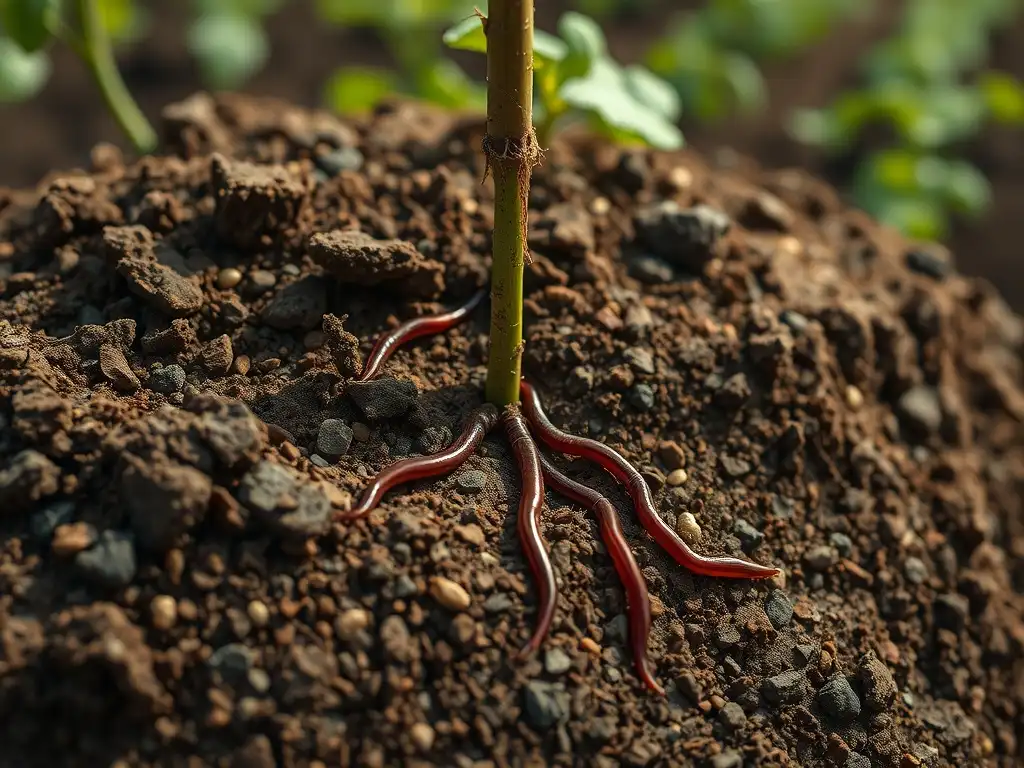
Sustainable gardening hinges on healthy soil, and healthy soil depends heavily on a thriving microbial community. Understanding and harnessing the power of soil microbes is crucial for the future of sustainable agriculture. However, several challenges impede progress in this area. This section explores these challenges and highlights the exciting opportunities that lie ahead in leveraging soil microbiology for environmentally friendly and productive gardening.
The Impact of Climate Change on Soil Microbial Communities
Climate change presents a significant threat to soil microbial diversity and function. Rising temperatures, altered precipitation patterns, and increased frequency of extreme weather events all disrupt the delicate balance of soil ecosystems. For example, prolonged droughts can lead to soil desiccation, drastically reducing microbial activity and potentially causing irreversible damage to soil structure. Conversely, intense rainfall events can lead to soil erosion and nutrient leaching, further impacting microbial populations.
The consequences are multifaceted: reduced nutrient cycling, decreased plant growth, and increased susceptibility to pests and diseases. Studies have shown a significant decline in the abundance of beneficial soil microbes, such as nitrogen-fixing bacteria and mycorrhizal fungi, in regions experiencing severe climate change impacts. This decline directly translates to reduced crop yields and increased reliance on synthetic fertilizers and pesticides – undermining the very principles of sustainable gardening.
Understanding these impacts is crucial for developing climate-resilient strategies for soil management and microbial preservation. Further research is needed to identify specific microbial species that are most vulnerable to climate change and to develop effective adaptation measures. This includes exploring methods for enhancing soil resilience, such as improving soil organic matter content and promoting biodiversity.
Developing Sustainable Practices for Soil Microbe Preservation
Preserving and enhancing soil microbial communities requires a holistic approach that integrates various sustainable practices. These practices should aim to minimize soil disturbance, maximize organic matter input, and promote biodiversity. No-till farming, for instance, is a key strategy for protecting soil structure and microbial habitats. By avoiding tillage, we prevent the disruption of soil aggregates and maintain the intricate network of pores that are essential for microbial activity and water infiltration.
The incorporation of cover crops is another valuable tool. Cover crops not only protect the soil from erosion but also contribute significant amounts of organic matter upon decomposition, providing a rich food source for soil microbes. Moreover, the diverse root systems of cover crops create a more complex and resilient soil structure, supporting a wider range of microbial species. Composting plays a vital role in providing organic matter and enhancing microbial activity.
Homemade compost, rich in diverse organic materials, introduces a wide array of beneficial microbes into the soil, boosting nutrient cycling and overall soil health. Furthermore, avoiding the use of synthetic pesticides and herbicides is essential for protecting beneficial soil microbes from harmful chemicals. These chemicals can disrupt microbial communities, leading to imbalances that can negatively impact soil health and plant growth. Adopting integrated pest management strategies that prioritize biological control methods is crucial for maintaining a healthy soil ecosystem.
Future Research Directions in Sustainable Gardening Soil Microbes
Future research in sustainable gardening soil microbes needs to focus on several key areas. Firstly, a deeper understanding of the complex interactions between different microbial species and their responses to environmental changes is needed. This requires advanced molecular techniques, such as metagenomics and metatranscriptomics, to characterize microbial communities in detail and identify key functional genes and pathways. Secondly, research should focus on developing innovative strategies for enhancing the resilience of soil microbial communities to climate change.
This could involve exploring the use of microbial inoculants containing specific strains that are tolerant to drought, heat, or other stress factors. Thirdly, more research is needed on the practical application of sustainable soil management practices in diverse agricultural settings. This includes developing tailored recommendations for different soil types and climatic conditions. Finally, collaborative efforts between researchers, farmers, and policymakers are essential for translating scientific findings into practical solutions that promote sustainable agriculture and enhance food security.
Investing in research and development of sustainable gardening soil microbes is an investment in the future of food production and environmental stewardship. The potential benefits are immense, ranging from increased crop yields and improved soil health to reduced reliance on synthetic inputs and mitigation of climate change impacts. The path forward requires a dedicated and collaborative effort to unlock the full potential of sustainable soil microbiology.
Conclusion: The Future of Sustainable Agriculture Hinges on Soil Health
The future of sustainable agriculture is inextricably linked to the health of our soils. Ignoring the vital role of soil microbiology in this equation is akin to building a house without a foundation. We've explored the intricate world of beneficial microbes, their synergistic relationships, and their crucial contributions to nutrient cycling, disease suppression, and overall soil fertility.
Understanding and harnessing the power of these microscopic organisms is no longer a niche pursuit; it's a necessity for ensuring food security and environmental sustainability. Failing to do so will result in decreased yields, increased reliance on synthetic inputs, and ultimately, a less resilient and productive agricultural system. The shift towards sustainable practices necessitates a paradigm shift in our approach to soil management, prioritizing the health of the soil ecosystem above all else.
Integrating Soil Microbiology into Sustainable Farming Practices
Integrating soil microbiology into sustainable farming practices requires a multi-pronged approach. Firstly, minimizing soil disturbance through techniques like no-till farming is crucial. Tilling disrupts the delicate balance of the soil microbiome, damaging beneficial fungal networks and reducing microbial diversity. Secondly, adopting diverse crop rotations helps maintain a healthy and resilient soil microbial community.
Different crops have different nutrient requirements and release various organic compounds into the soil, fostering a wider range of microbial populations. Thirdly, incorporating cover crops not only prevents erosion but also adds organic matter, which serves as a food source for beneficial microbes. Fourthly, the use of compost and other organic amendments provides essential nutrients and enhances microbial activity. Finally, avoiding the excessive use of synthetic pesticides and fertilizers is imperative, as these can significantly harm beneficial soil microbes.
A holistic approach that considers the interconnectedness of soil biology, plant health, and environmental sustainability is key to successful integration. Specific examples of successful integration include the use of biochar to enhance microbial activity and the inoculation of seeds with beneficial bacteria to promote plant growth. These practices represent a move away from purely chemical-based solutions toward a more ecologically sound approach to agriculture.
The Importance of Education and Collaboration in Promoting Sustainable Soil Management
Promoting sustainable soil management requires a concerted effort involving education, collaboration, and policy changes. Education is paramount in raising awareness among farmers, gardeners, and the general public about the importance of soil health and the role of soil microbes. This includes providing accessible information on sustainable soil management practices, such as composting, cover cropping, and reduced tillage.
Collaboration is crucial between researchers, farmers, policymakers, and educators to share knowledge, develop innovative solutions, and implement effective strategies. This necessitates a shift from individualistic farming practices towards a more collaborative and community-based approach. Furthermore, supportive policies that incentivize sustainable farming practices, such as subsidies for organic farming and the development of sustainable soil management standards, are essential.
The creation of networks and platforms for knowledge sharing and technological exchange can further accelerate the adoption of sustainable soil management practices. We need to invest in research that investigates the intricate workings of soil microbial communities and their interactions with plants, pests, and the environment. This will provide the scientific foundation for developing more effective and sustainable agricultural practices.
Sustainable Gardening Soil Microbes: A Path Towards a Healthier Planet
Sustainable gardening, deeply intertwined with the health of its soil, relies heavily on the activity of beneficial sustainable gardening soil microbes. These microscopic organisms are the unsung heroes of a thriving garden ecosystem. They break down organic matter, making nutrients available to plants, suppress plant diseases, and improve soil structure. By understanding and nurturing these microbial communities, gardeners can create fertile, resilient, and productive gardens without relying on synthetic inputs.
This approach not only enhances the health of individual gardens but also contributes to broader environmental sustainability. The reduced need for chemical fertilizers and pesticides minimizes pollution of water sources and protects biodiversity. Furthermore, healthy soils act as carbon sinks, helping to mitigate climate change. The emphasis on organic matter and diverse planting strategies fosters a resilient ecosystem that is better equipped to withstand environmental stresses.
Ultimately, nurturing sustainable gardening soil microbes is a step towards creating a healthier planet, one garden at a time. The positive impacts extend beyond the individual garden to the wider environment, contributing to a more sustainable and resilient agricultural system. This holistic approach ensures not just bountiful harvests, but also environmental responsibility.
Frequently Asked Questions
What are soil microbes, and why are they important for sustainable gardening?
Soil microbes are microscopic organisms like bacteria and fungi that live in the soil. They are crucial for nutrient cycling, disease suppression, and overall soil health, making them essential for sustainable gardening practices. Healthy soil means healthy plants.
How can I encourage beneficial soil microbes in my garden?
Employing sustainable practices like composting, using organic matter, avoiding chemical pesticides, and practicing crop rotation significantly boosts beneficial microbial populations. Diverse plant life also helps.
What is the role of soil microbes in nutrient uptake by plants?
Soil microbes break down organic matter, releasing essential nutrients like nitrogen, phosphorus, and potassium into forms plants can absorb. This natural process reduces the need for synthetic fertilizers.
How do soil microbes help protect plants from diseases?
Many beneficial microbes compete with or directly attack plant pathogens, acting as a natural defense mechanism. This reduces the need for chemical pesticides and promotes plant resilience.
Are there specific types of soil microbes particularly beneficial for sustainable gardening?
While many microbes contribute, mycorrhizal fungi form symbiotic relationships with plant roots, enhancing nutrient and water uptake. Nitrogen-fixing bacteria convert atmospheric nitrogen into usable forms for plants.
Final Reflection: Cultivating a Sustainable Future Through Soil Microbiology
The health of our soil is inextricably linked to the health of our planet, and understanding the intricate world of soil microbiology is paramount to achieving truly sustainable agricultural practices. The future of food security rests on our ability to harness the power of these microscopic organisms, not just for increased yields, but for building resilient and environmentally responsible farming systems. Ignoring this crucial connection is simply not an option.
The profound impact of soil microbes on our food systems and the environment is only beginning to be fully understood. Their role extends far beyond nutrient cycling; they influence plant health, disease resistance, and even carbon sequestration, playing a vital role in mitigating climate change. The soil is the great connector of lives, the source and destination of all.
This quote, while not explicitly about microbes, perfectly encapsulates their unseen yet fundamental role in connecting the living world. The more we learn about these microscopic architects of life, the more we appreciate their intricate contribution to a thriving ecosystem.
Consider the implications of this knowledge for your own gardening practices. Are you nurturing the microbial life in your soil? Are you using practices that promote biodiversity and soil health? You have the power to make a difference, starting right in your own backyard. By understanding the importance of soil microbiology, you can contribute to a more sustainable future, one healthy plant and one thriving ecosystem at a time. Let's cultivate a future where sustainable gardening practices, informed by the wonders of soil microbiology, become the norm, not the exception.
Cultivate Your Knowledge: Unlock the Secrets of Soil Health
Thanks for exploring the fascinating world of soil microbiology and its vital role in sustainable agriculture! You've gained valuable insights into how these tiny organisms power plant growth and protect the environment. Now it’s time to apply this knowledge.
- Improve your soil: Start with a small, manageable change. Consider adding compost to your garden, or explore no-till farming techniques. Even a minor adjustment can significantly benefit your soil.
- Share your knowledge: Discuss this information with fellow gardeners, farmers, or anyone interested in sustainable practices. Let's build a community dedicated to healthier soil!
- Continue learning: Explore the resources mentioned in this article to discover more about specific soil microbes and their impact on plant health and the environment.
What small step will you take today to cultivate healthier soil and a more sustainable future?