
Soil Microbiology in Urban Gardens: Challenges and Solutions

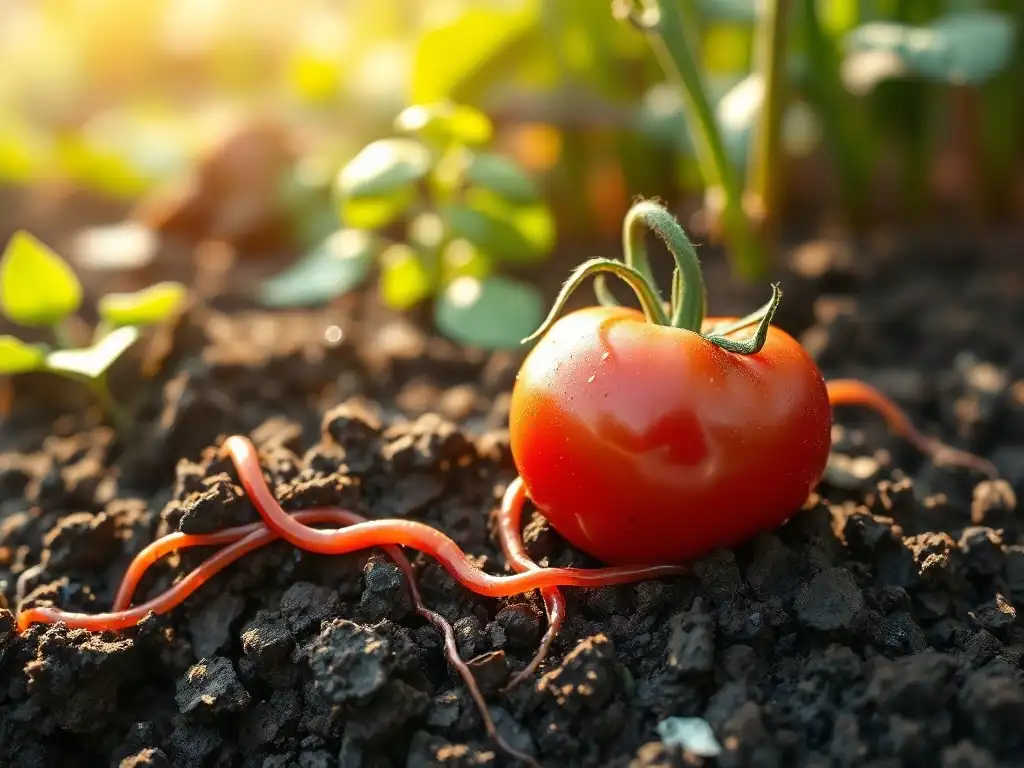
Welcome to CultivateYourFood, your guide to nurturing thriving home gardens! Are you ready to unlock the secrets to a bountiful harvest? We delve into the fascinating world of soil microbiology, crucial for achieving success in your gardening endeavors. Learn how to improve urban garden soil health and transform your growing space into a vibrant ecosystem. Discover the techniques and solutions that will propel your gardening journey to the next level – explore our Advanced Topics in Soil Science and begin cultivating your dream garden today!
-
Understanding Urban Soil Challenges: A Microbiological Perspective
- Nutrient Deficiencies in Urban Soils and Their Impact on Plant Growth
- The Role of Soil pH in Affecting Microbial Communities and Plant Health
- Heavy Metal Contamination in Urban Soils: Sources and Consequences for Microbial Life
- Compacted Soils and Their Impact on Microbial Activity and Root Development
-
Enhancing Urban Garden Soil Health Through Beneficial Microbes
- Introducing Beneficial Microorganisms to Improve Soil Structure
- Using Compost Tea to Boost Microbial Diversity and Nutrient Availability
- Mycorrhizal Fungi: Their Role in Nutrient Uptake and Disease Suppression
- Utilizing Cover Crops to Improve Soil Health and Microbial Communities
- Biochar Application: Enhancing Soil Structure and Microbial Habitat
-
Practical Strategies for Improving Soil Health in Urban Gardens
- Simple Soil Testing Methods for Home Gardeners
- Organic Soil Amendments for Improving Soil Fertility and Microbial Life
- Water Management Techniques to Optimize Microbial Activity
- Sustainable Pest Control Strategies That Support Beneficial Microbes
- Monitoring Soil Health: Indicators of Microbial Activity and Soil Health
- Case Study: Transforming a Contaminated Urban Plot into a Thriving Garden
- Frequently Asked Questions
- Final Reflection: Cultivating a Greener Future, One Healthy Soil Microbe at a Time
- Unleash Your Garden's Potential: Nurture Thriving Soil
Understanding Urban Soil Challenges: A Microbiological Perspective
Improving urban garden soil health is crucial for successful cultivation. Urban environments present unique challenges to soil microbiology, impacting plant growth and overall garden productivity. This article delves into the specific microbiological hurdles faced by urban gardeners, exploring the complex interplay between soil health, microbial communities, and plant well-being.
We'll examine key issues like nutrient deficiencies, pH imbalances, and heavy metal contamination, offering practical solutions for cultivating thriving urban gardens using sustainable and organic methods. Understanding the intricate world of soil microbiology is key to unlocking the potential of your urban garden and nurturing a vibrant ecosystem. Let's explore the specific challenges and how to overcome them.
Nutrient Deficiencies in Urban Soils and Their Impact on Plant Growth
Urban soils often suffer from nutrient deficiencies due to several factors. Years of construction, compacted soil from foot traffic, and the lack of natural nutrient replenishment from decaying organic matter contribute to this problem. This depletion directly impacts the diversity and activity of beneficial soil microbes.
For example, nitrogen-fixing bacteria, crucial for providing plants with readily available nitrogen, thrive in soils rich in organic matter. Without this organic matter, their populations dwindle, leading to nitrogen deficiency in plants, resulting in stunted growth, yellowing leaves (chlorosis), and reduced yields. Phosphorus and potassium deficiencies are also common, further hindering plant development and the overall health of the soil ecosystem.
The lack of these essential nutrients also impacts the ability of beneficial microbes to perform their vital roles in nutrient cycling and disease suppression. To address these deficiencies, urban gardeners should prioritize adding compost, well-rotted manure, and other organic amendments to their soil regularly. Soil testing can help identify specific deficiencies, allowing for targeted supplementation with appropriate organic fertilizers.
The Role of Soil pH in Affecting Microbial Communities and Plant Health
Soil pH plays a pivotal role in determining the activity and diversity of soil microorganisms. An optimal pH range (generally between 6.0 and 7.0) allows for the thriving of a broad spectrum of beneficial microbes, while extreme pH values—both acidic and alkaline—can inhibit microbial activity. In urban areas, soil pH can be significantly altered due to pollution, construction debris (e.g., concrete dust), and the use of chemical fertilizers.
A soil that is too acidic can negatively affect the availability of essential nutrients like phosphorus, while an alkaline soil can limit the uptake of iron and other micronutrients. This, in turn, impacts plant health and the overall soil ecosystem. The imbalance also affects the composition of microbial communities, potentially leading to a decrease in beneficial microbes and an increase in harmful pathogens.
Regular soil testing is crucial for determining the pH level and making appropriate adjustments using organic amendments such as lime (to raise pH) or elemental sulfur (to lower pH). Monitoring pH levels and adjusting them as needed is a crucial aspect of improving urban garden soil health.
Heavy Metal Contamination in Urban Soils: Sources and Consequences for Microbial Life
Heavy metal contamination poses a significant threat to soil health in urban environments. Sources include industrial emissions, vehicle exhaust, and paint residues. These heavy metals, such as lead, cadmium, and zinc, can accumulate in the soil, significantly impacting microbial communities. Heavy metals are toxic to many beneficial microbes, inhibiting their growth and activity.
This disruption of the soil's microbial balance can lead to a decrease in nutrient cycling, increased susceptibility to plant diseases, and reduced overall soil fertility. Furthermore, heavy metals can accumulate in plants, posing risks to human health through the consumption of contaminated produce. Addressing heavy metal contamination requires a multifaceted approach. Phytoremediation, using plants to absorb and remove heavy metals from the soil, can be a sustainable solution.
Adding organic matter, such as compost and biochar, can help bind heavy metals, reducing their bioavailability to plants and microbes. In severe cases, soil remediation may be necessary, involving professional removal and replacement of contaminated soil. Regular soil testing for heavy metals is essential to monitor contamination levels and guide remediation efforts. Prioritizing sustainable practices and minimizing exposure to heavy metal sources are crucial for preserving the health of urban soils.
Compacted Soils and Their Impact on Microbial Activity and Root Development
Compacted soils, a common issue in urban gardening, present significant challenges to healthy microbial communities and plant growth. The process of compaction reduces the pore space within the soil, limiting both air and water infiltration. This directly impacts microbial activity because many beneficial microorganisms require oxygen for respiration. Anaerobic conditions, resulting from compaction, favor the growth of harmful microorganisms while inhibiting the beneficial bacteria and fungi responsible for nutrient cycling and disease suppression. The lack of oxygen also reduces the rate of decomposition of organic matter, leading to a slower release of essential nutrients for plants.
Furthermore, compacted soils hinder root development. Plant roots require space to grow and explore the soil profile in search of water and nutrients. Compaction creates physical barriers that restrict root penetration, leading to stunted root systems.
These restricted root systems are less efficient at absorbing water and nutrients, resulting in smaller, less vigorous plants. The reduced root exploration also limits the plant's ability to access beneficial microbes in deeper soil layers, further impacting its overall health and resilience. This creates a vicious cycle: poor root growth exacerbates soil compaction, which in turn further inhibits root growth and microbial activity.
The resulting decrease in soil biodiversity weakens the plant's ability to resist diseases and pests, ultimately reducing crop yields and overall garden success. Improving the soil structure through techniques like amending with compost and avoiding heavy foot traffic is crucial for addressing this common urban gardening challenge and improving urban garden soil health. The improvement in aeration and water infiltration allows for a more thriving microbial community, supporting healthy plant growth and nutrient uptake.
Enhancing Urban Garden Soil Health Through Beneficial Microbes
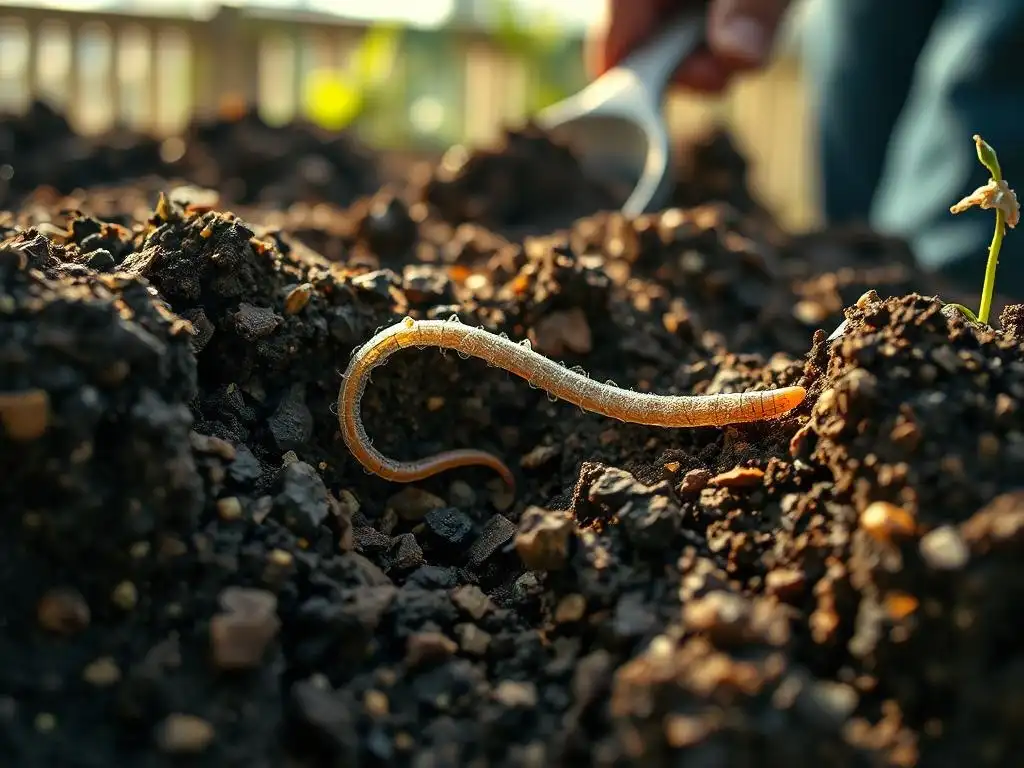
Urban gardening presents unique challenges to soil health. Concrete, compacted soil, limited space, and pollution often lead to nutrient-poor and less biologically active soil compared to its rural counterparts. However, understanding and leveraging the power of soil microbiology offers a crucial pathway to improve urban garden soil health. By introducing beneficial microorganisms and fostering a thriving soil ecosystem, we can create fertile and resilient growing environments, even in the heart of the city.
This section focuses on practical strategies to enhance microbial activity and, consequently, plant growth and overall garden productivity. We will explore specific techniques to improve soil structure, nutrient availability, and disease resistance. The key is to cultivate a balanced and diverse microbial community that supports healthy plant life. Improving urban garden soil health requires a proactive approach, focusing on building a robust soil food web.
Introducing Beneficial Microorganisms to Improve Soil Structure
Improving soil structure is paramount for healthy plant growth. Compacted urban soils often lack the porosity necessary for good aeration and water infiltration. Beneficial microorganisms play a vital role in improving soil structure. Bacteria and fungi produce sticky substances called extracellular polymeric substances (EPS) that bind soil particles together, creating aggregates. These aggregates improve soil aeration, water retention, and root penetration.
Several methods can introduce beneficial microbes:
- Compost addition: Mature compost is teeming with beneficial bacteria, fungi, and other microorganisms. Adding compost significantly improves soil structure and microbial diversity. Aim for a minimum of 2-3 inches of compost per year, incorporated into the top layer of soil.
- Cover cropping: Planting cover crops like legumes (e.g., clover, alfalfa) or grasses (e.g., rye, oats) adds organic matter and enhances microbial activity. The decaying plant material feeds microbes, improving soil structure and nutrient content. Remember to till in the cover crop before planting your main crops.
- Worm castings: Worm castings are the excrement of earthworms and are rich in beneficial microbes and nutrients. They improve soil aeration, water retention, and nutrient availability. Adding worm castings to your garden beds can significantly boost microbial activity.
- Biochar: Biochar is a charcoal-like material produced from the pyrolysis of biomass. It improves soil structure by increasing porosity and water retention, while also providing a habitat for beneficial microorganisms.
The visible impact of these methods is a more crumbly, less compacted soil that is easier to work with and provides a better environment for root development. Regular soil testing can help monitor improvements in soil structure and nutrient levels.
Using Compost Tea to Boost Microbial Diversity and Nutrient Availability
Compost tea is a liquid extract of compost, rich in beneficial microorganisms and nutrients. It’s a potent tool for boosting microbial diversity and nutrient availability in urban gardens. Brewing compost tea involves steeping compost in water, often with aeration, to encourage microbial growth. The resulting tea is a concentrated solution of beneficial bacteria, fungi, protozoa, and other microorganisms, along with readily available nutrients.
Applying compost tea to the soil introduces a diverse population of microbes directly to the root zone, improving nutrient uptake and plant health. It's particularly effective in addressing nutrient deficiencies and promoting vigorous growth. The increased microbial activity also enhances the decomposition of organic matter, further improving soil fertility.
Effective use of compost tea requires attention to detail:
- Proper brewing techniques: Aeration is crucial during brewing to ensure sufficient oxygen for aerobic microbial growth. Insufficient aeration can lead to the dominance of anaerobic microbes, which can be detrimental to plant health.
- Appropriate application: Compost tea should be applied directly to the soil, ideally near the base of plants. Avoid overwatering, as this can lead to problems with root rot.
- Regular application: For optimal results, compost tea should be applied regularly, perhaps every 2-4 weeks during the growing season. Adjust the frequency based on your specific garden conditions and plant needs.
Regular soil testing can help determine the nutrient levels and the overall health of the soil microbiome after compost tea application.
Mycorrhizal Fungi: Their Role in Nutrient Uptake and Disease Suppression
Mycorrhizal fungi are symbiotic fungi that form a mutually beneficial relationship with plant roots. These fungi colonize plant roots, extending their reach into the soil and greatly increasing the surface area available for nutrient and water uptake. In return, the fungi receive carbohydrates from the plant. Mycorrhizal fungi are particularly important in urban gardens, where nutrient availability can be limited.
Mycorrhizal fungi improve nutrient uptake by:
- Increasing the surface area of the root system: The fungal hyphae extend far beyond the reach of the plant roots, accessing nutrients and water that would otherwise be unavailable.
- Improving phosphorus uptake: Mycorrhizal fungi are particularly efficient at acquiring phosphorus, a crucial nutrient often limiting in urban soils.
- Enhancing the uptake of other nutrients: Mycorrhizal fungi also assist in the uptake of other essential nutrients, such as nitrogen, potassium, and micronutrients.
Furthermore, mycorrhizal fungi help suppress soilborne diseases by:
- Competing with pathogenic fungi: Mycorrhizal fungi can outcompete pathogenic fungi for resources and space, reducing the incidence of disease.
- Producing antibiotics: Some mycorrhizal fungi produce antibiotics that inhibit the growth of pathogenic microorganisms.
- Strengthening plant defenses: Mycorrhizal fungi can enhance the plant's natural defense mechanisms, making it more resistant to diseases.
Introducing mycorrhizal fungi into urban gardens can be achieved through the use of mycorrhizal inoculants, which are commercially available products containing spores or mycelium of beneficial mycorrhizal fungi. These inoculants can be added to the soil during planting or as a topdressing. The effectiveness of mycorrhizal fungi is enhanced by maintaining good soil health and avoiding excessive use of chemical fertilizers and pesticides.
Utilizing Cover Crops to Improve Soil Health and Microbial Communities

Cover cropping is a powerful technique to improve urban garden soil health and foster a thriving microbial community. By planting specific species—like legumes (peas, beans, clover), brassicas (mustard, kale), or grasses (rye, oats)—between main crops or during fallow periods, we can significantly enhance soil structure and fertility. These plants, when incorporated back into the soil (often through tilling or mowing), act as green manure, adding organic matter that fuels microbial activity. The increased organic matter improves soil structure, increases water retention, and provides essential nutrients for both plants and microbes.
Legumes are particularly beneficial because their roots harbor nitrogen-fixing bacteria. These bacteria convert atmospheric nitrogen into forms usable by plants, reducing the need for synthetic fertilizers and improving soil nitrogen levels. This nitrogen enrichment, in turn, supports a broader range of soil organisms.
Brassicas, on the other hand, help suppress certain soilborne pests and diseases, contributing to a healthier soil ecosystem. The choice of cover crop depends largely on the specific needs of the garden and the climate. For example, fast-growing crops like rye are ideal for winter cover, while slower-growing legumes may be better suited for longer fallow periods.
Careful planning and selection of cover crops are crucial for maximizing their positive impact on soil microbiology and overall garden health. Regular soil testing can help monitor nutrient levels and guide cover crop selection, ensuring optimal results. Improper implementation, such as leaving cover crops to become too mature, can lead to nutrient depletion instead of enrichment, highlighting the importance of understanding the life cycle of the chosen species.
Biochar Application: Enhancing Soil Structure and Microbial Habitat
Biochar, a charcoal-like material produced from the pyrolysis of biomass (organic matter), offers a unique approach to improving urban garden soil health. Its porous structure provides an extensive surface area, creating a haven for beneficial microbes. This increased habitat availability leads to a more diverse and active microbial community, directly impacting nutrient cycling and soil health.
The addition of biochar also enhances soil structure, improving drainage and aeration. Compacted urban soils often lack sufficient aeration, hindering root growth and microbial activity. Biochar's ability to improve soil structure mitigates this problem, creating a more favorable environment for both plants and microbes.
Furthermore, biochar's high carbon content contributes to long-term soil carbon sequestration, a crucial aspect of sustainable gardening practices. This carbon storage helps improve soil fertility and reduces the need for external inputs. The application of biochar can vary depending on the soil type and the desired outcome.
However, it is generally recommended to incorporate biochar into the soil before planting, allowing sufficient time for it to interact with the soil and microbial community. While biochar offers numerous benefits, it's important to note that the source material and production methods can significantly impact its quality and effectiveness. Choosing high-quality biochar produced from sustainable sources is crucial to maximize its positive impact on soil health and minimize any potential negative consequences.
Studies have shown that the application of biochar can significantly increase the population of beneficial microbes like mycorrhizal fungi, further enhancing nutrient uptake and plant growth. This makes biochar a valuable tool in the quest to improve urban garden soil health.
Practical Strategies for Improving Soil Health in Urban Gardens

Urban gardening presents unique challenges to soil health, often involving compacted soil, limited space, and exposure to pollutants. However, with the right strategies, it's entirely possible to cultivate thriving, microbially rich soil even in the heart of the city. Improving urban garden soil health requires a holistic approach, focusing on enhancing soil structure, fertility, and microbial diversity. This section details practical steps you can take to achieve this.
Simple Soil Testing Methods for Home Gardeners
Before embarking on soil improvement, understanding your soil's current condition is crucial. While professional lab tests offer comprehensive analysis, several simple methods can provide valuable insights for home gardeners seeking to improve urban garden soil health.
A basic assessment involves visually inspecting your soil. Is it compacted and clay-like, or loose and sandy? Its color can also be indicative of its health; dark brown or black soil generally indicates high organic matter content, while light-colored soil may suggest a lack of nutrients. You can also perform a simple "squeeze test": take a handful of moist soil and squeeze it. If it forms a firm ball that holds its shape, it's likely clay-rich. If it crumbles easily, it's sandy.
Beyond visual inspection, a simple pH test can be performed using a home soil testing kit readily available at most garden centers. These kits typically involve adding a soil sample to a solution and observing a color change, which corresponds to a pH level on a provided chart. Knowing your soil's pH is essential, as it affects nutrient availability and microbial activity. Most plants thrive in a slightly acidic to neutral pH range (6.0-7.0). Soil pH outside this range may need adjustment through amendments like lime (to raise pH) or sulfur (to lower pH).
Finally, observing your plants themselves can be a valuable indicator of soil health. Stunted growth, yellowing leaves, or other signs of distress can suggest nutrient deficiencies or other soil-related problems. Addressing these issues promptly can prevent further damage and improve urban garden soil health. Remember, consistent monitoring and adjustments are key to maintaining healthy soil.
Organic Soil Amendments for Improving Soil Fertility and Microbial Life
Organic soil amendments are vital for improving urban garden soil health. These amendments not only improve soil fertility but also stimulate beneficial microbial activity. The key is to choose amendments that are sustainable and readily available.
- Compost: Compost is the gold standard of soil amendments. It improves soil structure, aeration, and water retention, while providing a rich source of nutrients. Composting kitchen scraps and yard waste is a sustainable way to create your own compost, reducing waste and improving urban garden soil health.
- Worm Castings (Vermicompost): These are the excrement of earthworms and are exceptionally nutrient-rich, containing high levels of beneficial microorganisms. Adding worm castings boosts microbial activity and enhances nutrient availability.
- Aged Manure: Well-rotted animal manure (cow, horse, or sheep) adds organic matter and nutrients to the soil. Ensure the manure is fully composted to avoid burning your plants.
- Cover Crops: Planting cover crops like legumes (peas, beans) or rye in the off-season helps to improve soil structure, prevent erosion, and fix nitrogen in the soil.
| Amendment | Benefits | Sustainability | Availability |
|---|---|---|---|
| Compost | Improves structure, aeration, water retention, nutrients | High | High |
| Worm Castings | Nutrient-rich, boosts microbial activity | High | Medium |
| Aged Manure | Adds organic matter and nutrients | Medium to High | Medium |
| Cover Crops | Improves structure, prevents erosion, fixes nitrogen | High | High (seasonal) |
Remember that the amount of amendment needed depends on your soil's condition. Start with a moderate amount and observe the results before adding more. Over-amendment can be detrimental.
Water Management Techniques to Optimize Microbial Activity
Appropriate water management is crucial for supporting a thriving soil microbiome. Overwatering can lead to anaerobic conditions, harming beneficial microbes, while underwatering stresses plants and limits microbial activity, hindering efforts to improve urban garden soil health.
Effective watering techniques include:
- Deep Watering: Instead of frequent shallow watering, water deeply and less often. This encourages roots to grow deeper, accessing more nutrients and moisture. Deep watering also promotes better drainage, preventing waterlogging.
- Drip Irrigation or Soaker Hoses: These methods deliver water directly to the roots, minimizing water loss through evaporation and runoff. They also help to keep the soil surface moist, creating a favorable environment for microbes.
- Mulching: Applying a layer of mulch (organic matter like straw, wood chips, or shredded leaves) helps retain soil moisture, reduce evaporation, and regulate soil temperature, creating a more stable environment for beneficial microbes. Mulching also suppresses weeds, reducing competition for resources.
- Rainwater Harvesting: Collecting rainwater provides a sustainable source of water for your garden, reducing reliance on municipal water supplies and conserving resources.
By implementing these water management strategies, you create an environment that supports abundant microbial life, leading to healthier plants and improved urban garden soil health. Remember that consistent monitoring and adjustments based on weather conditions and your specific garden are key to success. The goal is to maintain consistently moist but not waterlogged soil.
Sustainable Pest Control Strategies That Support Beneficial Microbes
Sustainable pest control is paramount for maintaining a thriving soil microbiome in urban gardens. Aggressive chemical pesticides decimate beneficial microbes alongside the target pests, disrupting the delicate balance of the soil ecosystem. This imbalance can lead to a decline in soil fertility, increased susceptibility to diseases, and a reduction in overall plant health. Therefore, prioritizing integrated pest management (IPM) strategies is crucial for improving urban garden soil health.
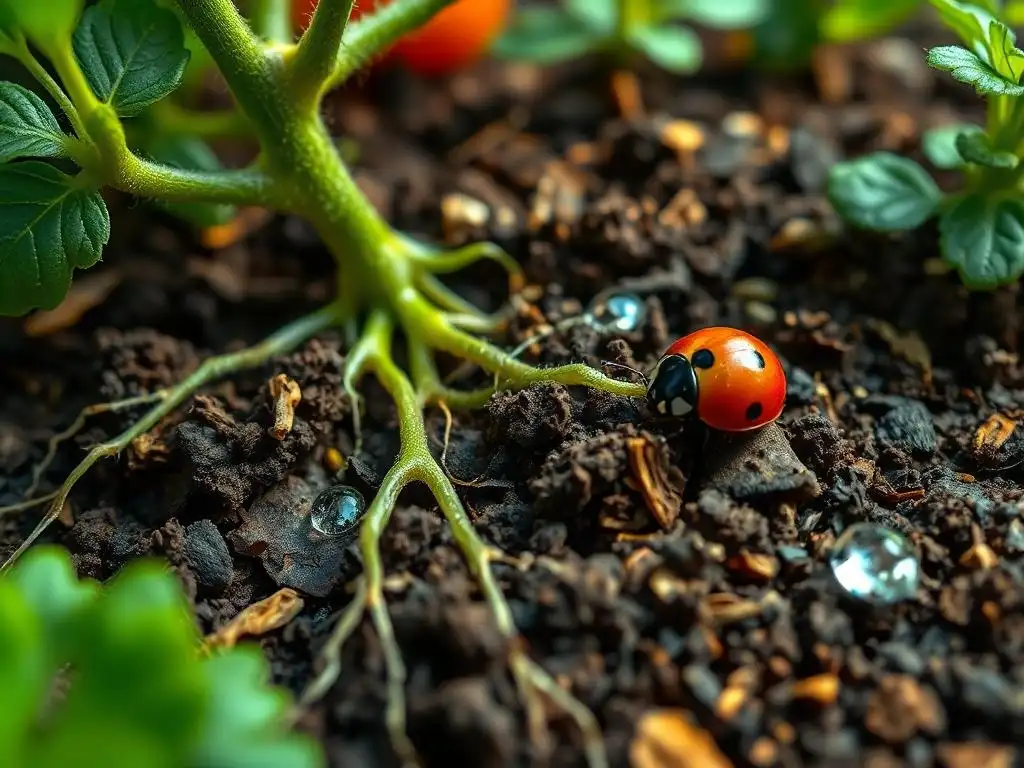
IPM emphasizes prevention and monitoring, employing less toxic methods only when necessary. This might involve using physical barriers like row covers to protect plants from pests, or employing cultural controls such as crop rotation to disrupt pest life cycles. Encouraging natural predators, like ladybugs that feed on aphids, is another effective strategy. These beneficial insects are integral components of a healthy soil ecosystem and contribute significantly to natural pest control.
Introducing beneficial nematodes, microscopic worms that prey on specific soilborne pests, is a powerful biocontrol method. These nematodes can effectively manage populations of certain insects and their larvae without harming beneficial microbes or the environment. Similarly, the use of microbial pesticides, such as Bacillus thuringiensis (Bt), targets specific pests while leaving other organisms unharmed. Bt produces toxins that are lethal to certain insect larvae but are harmless to mammals, birds, and beneficial microbes.
Regular soil testing and monitoring can help identify pest pressure early, allowing for timely intervention with less harmful methods. This proactive approach minimizes the need for harsh chemicals, preserving the vital microbial community and promoting long-term soil health. By prioritizing sustainable pest control, gardeners can foster a vibrant soil ecosystem that supports plant growth and resilience, ultimately improving urban garden soil health.
Monitoring Soil Health: Indicators of Microbial Activity and Soil Health
Regular monitoring is crucial for understanding the health of your urban garden soil and its microbial community. Several key indicators can provide valuable insights into the soil's biological activity and overall health, thus guiding your efforts to improve urban garden soil health.
One primary indicator is soil structure. Healthy soil with a robust microbial population exhibits a crumbly, well-aggregated structure. This structure facilitates good aeration, water infiltration, and root penetration. Conversely, compacted soil with poor structure often indicates a less active microbial community and lower overall soil health. Visual inspection and simple tests like the "squeeze test" can help assess soil structure.
Another important indicator is soil organic matter (SOM). SOM is a crucial component of healthy soil, providing a food source for microbes and improving soil fertility. Measuring SOM levels through soil testing can reveal the overall health and activity of the microbial community. Higher SOM levels generally correlate with a more active and diverse microbial population. Improving SOM can be achieved through practices like composting and mulching.
Microbial biomass itself can be assessed through laboratory tests, although this is typically more complex and expensive than other methods. These tests measure the total amount of living microorganisms in the soil, providing a direct indication of microbial activity. While less accessible to home gardeners, this data can be invaluable for research purposes and in-depth soil health assessments.
Furthermore, observing earthworm activity is a simple and effective way to gauge soil health. Earthworms are ecosystem engineers, crucial for improving soil structure and nutrient cycling. Their presence indicates a healthy, well-aerated soil environment conducive to microbial growth. A lack of earthworms may suggest problems with soil compaction, pH, or other factors affecting microbial life.
Finally, monitoring plant growth is a direct and readily accessible indicator of soil health. Vigorous, healthy plants are a clear sign that the soil is providing the necessary nutrients and conditions for optimal growth. This is indirectly linked to the health of the soil microbial community. By carefully observing these indicators, gardeners can gain valuable insights into their soil's health and make informed decisions to improve urban garden soil health through targeted interventions.
Case Study: Transforming a Contaminated Urban Plot into a Thriving Garden
This case study details the successful rehabilitation of a severely compacted and contaminated urban garden plot in a densely populated area, demonstrating practical strategies to improve urban garden soil health. The project highlights the importance of understanding soil microbiology in achieving sustainable urban gardening. We'll examine the initial soil analysis, the remediation techniques employed, and the long-term monitoring of microbial community changes. This real-world example showcases how even seemingly hopeless urban soil can be revitalized for productive and healthy gardening.
Initial Soil Assessment and Identification of Challenges
The initial soil assessment revealed several significant challenges hindering the establishment of a healthy garden. The plot, previously used as a parking area, suffered from severe compaction, resulting in poor aeration and water infiltration. Analysis indicated significantly elevated levels of heavy metals, particularly lead and copper, likely due to past vehicular traffic and industrial runoff.
The soil pH was highly alkaline (pH 8.5), further restricting nutrient availability and microbial activity. Furthermore, the organic matter content was exceptionally low (less than 1%), reflecting the lack of previous biological activity. This combination of factors created a hostile environment for beneficial soil microorganisms crucial for nutrient cycling and plant growth.
The lack of beneficial microbes directly impacted the soil's ability to support healthy plant life, making it vital to address these issues. Initial microbial analysis showed a dominance of stress-tolerant, but less productive, bacterial species. The lack of diverse microbial communities further highlighted the need for soil remediation.
Implementation of Soil Remediation Strategies
To improve urban garden soil health, a multi-pronged approach was adopted. First, to address compaction, the soil was deeply forked and amended with generous amounts of compost (approximately 5 cubic meters per 100 square meters). This improved aeration and water retention.
To counteract the elevated heavy metal levels, phytoremediation techniques were employed using plants known for their metal-accumulating properties. Sunflowers and Indian mustard were planted in the affected areas to absorb the contaminants. Simultaneously, the soil pH was adjusted using elemental sulfur, gradually lowering it to a more optimal range (6.0-7.0) over several months.
The addition of compost and other organic amendments, such as well-rotted manure and leaf mold, significantly boosted the organic matter content, providing a food source for beneficial microorganisms. Regular applications of beneficial microbes, such as Bacillus subtilis and Trichoderma harzianum, were introduced to stimulate microbial activity and suppress soilborne pathogens. This process of introducing beneficial microbes is a key step in improving the overall soil health and enhancing plant growth.
Monitoring Microbial Community Changes Over Time
Following the implementation of the remediation strategies, regular soil samples were analyzed to monitor changes in the microbial community composition and abundance. Over a period of two years, a significant increase in the diversity and abundance of beneficial microorganisms was observed. The initial dominance of stress-tolerant bacteria gradually shifted towards a more balanced community, including a greater representation of mycorrhizal fungi and nitrogen-fixing bacteria.
This positive shift reflected the improved soil conditions and the successful establishment of a healthier soil ecosystem. The enhanced microbial activity contributed to improved nutrient cycling, enhanced plant growth, and increased overall soil fertility. The improved soil structure, resulting from increased organic matter and reduced compaction, further facilitated microbial activity and enhanced water retention.
This long-term monitoring demonstrated the effectiveness of the remediation strategies in enhancing soil health and fostering a thriving microbial community, leading to a productive and sustainable urban garden. This case study strongly supports the importance of understanding and actively improving the soil microbiome for successful urban gardening.
Long-Term Sustainability and Maintenance of Soil Health
Maintaining the improved soil health in an urban garden requires a long-term commitment to sustainable practices. Simply improving the soil once isn't enough; consistent effort is crucial for continued success in growing healthy plants. This involves a multifaceted approach that considers several key factors. Regular soil testing is paramount.
Annual testing allows gardeners to monitor nutrient levels, pH balance, and the overall microbial community. This data provides valuable insights into the soil's health and informs necessary adjustments to the gardening plan. For example, a soil test might reveal a deficiency in specific micronutrients, prompting the addition of compost tea or specific organic fertilizers tailored to address the identified shortfall.
Furthermore, continuous composting is essential. Composting kitchen scraps and yard waste not only reduces waste but also provides a continuous source of nutrient-rich organic matter. This organic matter is vital for improving soil structure, water retention, and aeration – all key factors in supporting a thriving microbial community. Adding compost regularly helps maintain the soil's beneficial bacteria, fungi, and other microorganisms, creating a resilient ecosystem that protects against diseases and pests.
The addition of cover crops, such as clover or rye, between planting seasons also plays a significant role. These crops help prevent soil erosion, suppress weeds, and add valuable organic matter back into the soil through their decomposition. They also enhance soil structure and improve nutrient cycling.
Beyond these core practices, regular observation of the plants themselves is crucial. Healthy plants are indicative of healthy soil. Signs of nutrient deficiencies, such as yellowing leaves or stunted growth, can point to imbalances in the soil that require attention.
Similarly, the presence of pests or diseases can indicate a weakened microbial community that needs support. Addressing these issues promptly through appropriate organic pest control methods and soil amendments helps prevent larger problems down the line. Finally, responsible water management is crucial for maintaining soil health.
Overwatering can lead to compaction and anaerobic conditions that harm beneficial microbes, while underwatering can stress plants and reduce their ability to thrive. Careful monitoring of soil moisture and implementing efficient irrigation techniques are crucial for maintaining a healthy soil environment that supports robust plant growth and long-term sustainability. By consistently employing these techniques, urban gardeners can cultivate truly flourishing and resilient gardens year after year, improving urban garden soil health in a sustainable and impactful way.
Frequently Asked Questions
What are the biggest challenges to soil health in urban gardens?
Urban soils often face high compaction, pollution from heavy metals, and lack of organic matter, hindering beneficial microbial activity crucial for healthy plant growth. Addressing these issues is key to improving soil health.
How can I improve the soil structure in my urban garden?
Adding compost and other organic materials is crucial. This improves soil structure, aeration, and water retention. Consider also no-till gardening techniques to avoid further compaction.
What role do microbes play in improving my urban garden's soil?
Soil microbes are essential for nutrient cycling, disease suppression, and overall soil health. They break down organic matter, making nutrients available to plants and improving soil structure.
How can I test my urban garden soil's health?
A simple soil test can reveal essential nutrient levels and pH. This allows you to address deficiencies and tailor your amendments accordingly. Many local agricultural extension offices offer affordable testing services.
Are there specific organic methods to improve my urban garden soil?
Yes, composting food scraps and yard waste, using cover crops, and practicing crop rotation are all effective organic methods to enhance soil health and reduce the need for chemical fertilizers. These methods support beneficial microbial life.
Final Reflection: Cultivating a Greener Future, One Healthy Soil Microbe at a Time
The health of our urban soils directly impacts the sustainability and resilience of our cities. A thriving soil microbiome isn't just beneficial for bountiful harvests; it's crucial for mitigating climate change, improving air quality, and fostering stronger, more connected communities. Ignoring the unseen world beneath our feet means missing a vital opportunity to build a more sustainable urban environment.
The journey into the fascinating world of soil microbiology has profoundly shifted my perspective on urban gardening. It's no longer simply about planting seeds and watering; it's about understanding and nurturing a complex ecosystem teeming with life. This intricate web of interactions, from bacteria to fungi, underscores the interconnectedness of all living things. The land is not merely soil; it is a living entity, a complex organism.
This quote resonates deeply, reminding us that our actions directly influence the health and vitality of the soil, and consequently, the well-being of our urban spaces.
Now, it's your turn to cultivate this knowledge. Consider the soil in your own backyard, balcony, or community garden. What steps can you take to improve its health? Perhaps it's composting food scraps, introducing beneficial microbes, or simply reducing the use of harmful chemicals. Every small action contributes to a larger movement – a collective effort to build healthier, more vibrant urban ecosystems, one healthy soil microbe at a time. Let's nurture the life beneath our feet and, in doing so, nurture a brighter future for ourselves and generations to come.
Unleash Your Garden's Potential: Nurture Thriving Soil
Thanks for exploring the fascinating world of soil microbiology and its impact on your urban garden! You've learned how vital healthy soil is for bountiful harvests. Now, let's put that knowledge into practice.
- Start with a soil test: Understanding your soil's needs is the crucial first step to a successful garden. Knowing your soil's pH and nutrient levels will guide your gardening approach.
- Share your soil testing experience: Tell us about your soil testing journey – what were your biggest surprises? What challenges did you encounter and how did you overcome them? Connect with our community and share your insights!
- Boost soil health with compost tea: Brewing your own compost tea is surprisingly easy and a powerful way to enhance microbial activity and improve soil fertility.
Ready to transform your urban garden into a thriving ecosystem? What's the first step you'll take to improve your soil's health?