
Soil Testing and Biodiversity: Maintaining a Thriving Ecosystem


Welcome to CultivateYourFood, your guide to nurturing a thriving garden using sustainable and organic methods! Are you ready to unlock the secrets to a truly bountiful harvest? We delve into the fascinating world of soil health, and in this article, we explore the crucial role of boost soil biodiversity testing in achieving exceptional results. Discover how understanding your soil's biodiversity can transform your garden from good to extraordinary. Let's cultivate a healthier planet, one vibrant plant at a time.
- Understanding the Link Between Soil Health and Biodiversity
- Boost Soil Biodiversity Testing: Methods and Techniques
- Improving Soil Biodiversity Through Sustainable Practices
- Boost Soil Biodiversity Testing: Interpreting Your Results
- Case Study: Improving Soil Biodiversity in a Home Garden
- Maintaining a Thriving Ecosystem Through Consistent Soil Testing
-
Frequently Asked Questions
- What is soil biodiversity, and why is it important for my garden?
- How does soil testing help me understand my soil's biodiversity?
- Can I boost soil biodiversity without soil testing?
- What are the best practices for boosting soil biodiversity after testing reveals low levels?
- Where can I find reliable soil testing services for assessing biodiversity?
- Final Reflection: Cultivating a Future Rich in Soil Biodiversity
- Unlock Your Garden's Potential: Start Soil Testing Today!
Understanding the Link Between Soil Health and Biodiversity
Boosting soil biodiversity is crucial for sustainable and productive gardening. A healthy, biodiverse soil isn't just about fertile ground; it's a complex ecosystem teeming with life that directly impacts plant health, nutrient availability, and overall garden success. This article explores the vital connection between soil health and biodiversity, providing practical steps for assessing and improving your soil's microbial community.
We'll delve into the importance of soil biodiversity testing as a cornerstone of organic and sustainable gardening practices, allowing you to cultivate thriving plants and a flourishing garden ecosystem. Understanding your soil's biodiversity is key to unlocking its full potential and achieving optimal yields while minimizing environmental impact. This understanding forms the basis for informed decision-making regarding fertilization, pest control, and overall soil management.
The Importance of Soil Biodiversity for Plant Growth
A diverse soil ecosystem is essential for healthy plant growth. Think of it as a bustling underground city! A thriving soil microbiome, composed of bacteria, fungi, protozoa, nematodes, and other microorganisms, works tirelessly to support plant life. These organisms perform various vital functions, including:
- Nutrient Cycling: Microbes break down organic matter, releasing essential nutrients like nitrogen, phosphorus, and potassium in forms readily available to plants. This natural process reduces the need for synthetic fertilizers, contributing to more sustainable gardening practices.
- Improved Soil Structure: The activity of soil organisms enhances soil structure, creating a crumbly texture that promotes better aeration and water retention. This leads to stronger root systems and improved drought tolerance.
- Disease Suppression: Beneficial microbes compete with harmful pathogens, reducing the incidence of plant diseases and minimizing the need for chemical pesticides. A diverse microbial community acts as a natural defense mechanism.
- Enhanced Water Availability: The improved soil structure created by microbial activity leads to better water infiltration and retention, meaning your plants are less susceptible to drought stress. This is especially critical during periods of low rainfall.
- Increased Nutrient Uptake: Certain microbes form symbiotic relationships with plant roots, directly transferring nutrients and enhancing the plants' ability to absorb them. This symbiotic relationship is a key factor in healthy plant growth.
Soil Microbes and Nutrient Cycling: A Closer Look
The intricate relationship between soil microbes and nutrient cycling is fundamental to a healthy garden. Different microorganisms specialize in breaking down specific organic materials. For example:
- Bacteria: Many bacteria are involved in nitrogen fixation, converting atmospheric nitrogen into a form usable by plants. This is a critical process, as nitrogen is a key component of plant proteins and chlorophyll.
- Fungi: Fungi play a crucial role in decomposing complex organic matter, such as leaf litter and woody debris. Their thread-like hyphae extend throughout the soil, increasing its surface area and facilitating nutrient release. Mycorrhizal fungi form symbiotic relationships with plant roots, enhancing nutrient and water uptake.
- Protozoa and Nematodes: These organisms feed on bacteria and fungi, regulating their populations and releasing nutrients back into the soil. They play a vital role in the overall nutrient cycle.
Understanding the roles of these diverse microbial communities allows for targeted soil management practices. For instance, practices that encourage the growth of nitrogen-fixing bacteria can reduce the need for nitrogen fertilizers, while promoting mycorrhizal fungi can improve nutrient uptake and water retention. Careful management of organic matter inputs is key to sustaining this intricate web of life.
Indicators of Healthy Soil Biodiversity: What to Look For
Assessing soil biodiversity can be done through various methods, including visual observation and soil testing. Some key indicators of a healthy and biodiverse soil include:
| Indicator | Description |
|---|---|
| Abundant Earthworms | A high earthworm population indicates good soil structure and organic matter content. |
| Crumbly Soil Structure | A well-aggregated soil with a crumbly texture indicates good aeration and water retention. |
| Dark Soil Color | Dark soil color often indicates high levels of organic matter, which supports microbial activity. |
| Abundant Plant Growth | Vigorous plant growth, particularly of diverse species, suggests a healthy and productive soil ecosystem. |
| Presence of Diverse Insects | A variety of beneficial insects, such as beetles and spiders, indicates a balanced ecosystem. |
| Minimal Soil Erosion | Minimal soil erosion signifies good soil structure and stability, which are directly impacted by soil organisms. |
While visual inspection provides a general assessment, laboratory soil testing provides more precise data on microbial communities. Soil biodiversity testing can reveal the relative abundance of different microbial groups, providing a deeper understanding of soil health and helping gardeners make informed decisions to improve their soil's biodiversity. This detailed analysis is particularly useful for identifying potential deficiencies or imbalances within the soil ecosystem. Regular soil testing, combined with informed management practices, is essential for maintaining a thriving and biodiverse soil environment. Remember, a healthy soil is the foundation of a productive and sustainable garden! 🎉
Boost Soil Biodiversity Testing: Methods and Techniques
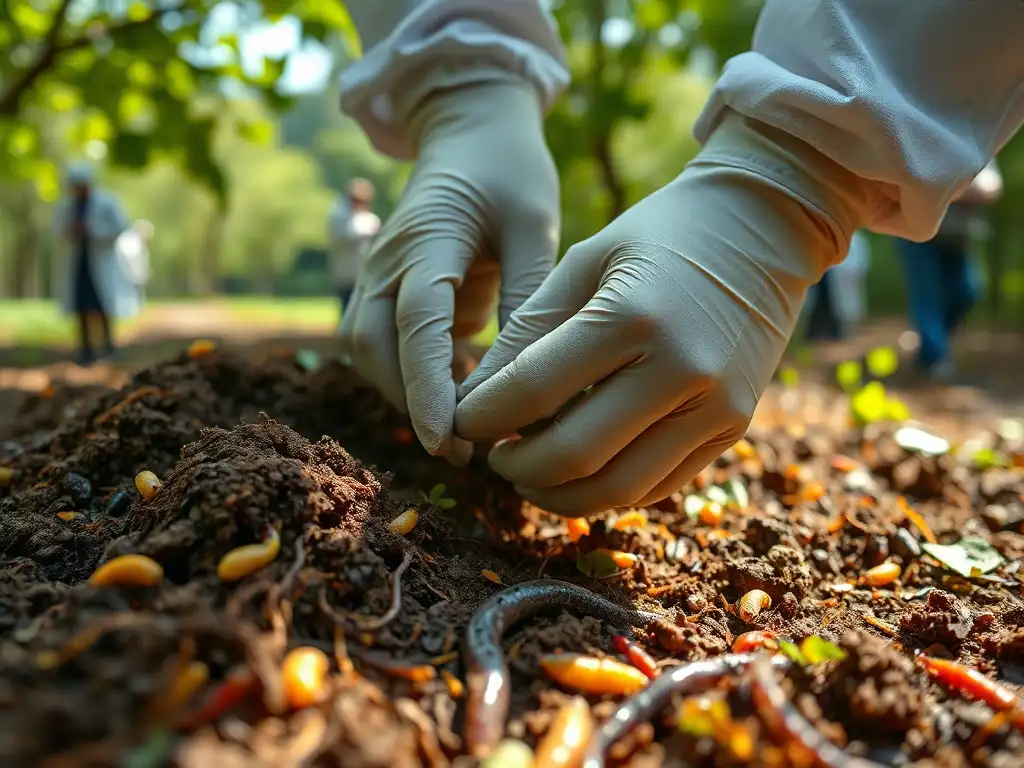
Understanding and boosting soil biodiversity is crucial for thriving home gardens. Healthy soil teeming with diverse microorganisms is the foundation of robust plant growth and resilience against pests and diseases. This section delves into the methods and techniques for assessing and improving soil biodiversity, focusing on practical approaches for home gardeners and small-scale cultivators. Effective "boost soil biodiversity testing" involves a multi-pronged approach, from careful sample collection to interpreting lab results and utilizing simple DIY methods.
Soil Sample Collection for Biodiversity Analysis: Best Practices
Accurate soil biodiversity assessment begins with proper sample collection. Improper techniques can significantly skew results, leading to misinterpretations and ineffective management strategies. To obtain a representative sample reflecting the true biodiversity of your garden, follow these best practices:
- Multiple Sampling Points: Avoid collecting samples from a single location. Instead, take at least five to ten subsamples from different areas of your garden, ensuring representation from various plant communities and soil textures. This approach accounts for the inherent variability within your soil ecosystem.
- Sampling Depth: The depth of your samples is critical. Most soil biodiversity, particularly microbial life, resides in the topsoil (0-15 cm). However, for a more comprehensive analysis, consider collecting samples from deeper layers as well (15-30 cm). Carefully label each sample with its depth to facilitate accurate analysis and interpretation.
- Sterile Equipment: Use clean, sterilized tools to prevent contamination. Contamination can introduce extraneous organisms, distorting the results and providing an inaccurate representation of your soil's natural biodiversity. Sterilize your tools with 70% isopropyl alcohol before each sampling.
- Sample Storage: Proper storage is essential to preserve the integrity of your samples. Once collected, store samples in airtight, sterile containers and refrigerate them at 4°C (39°F) until you can submit them for laboratory analysis or conduct your DIY tests. Prolonged storage at room temperature can alter the microbial composition of your sample.
- Detailed Records: Maintain meticulous records of your sampling procedure. Note the date, time, location (GPS coordinates if possible), depth, and any relevant observations about the surrounding environment (e.g., plant type, soil texture, moisture level). This detailed information is crucial for accurate interpretation of your results.
Laboratory Analysis for Soil Biodiversity Assessment: Understanding the Results
Laboratory analysis provides the most comprehensive assessment of soil biodiversity, offering quantitative data on various microbial groups and their relative abundance. Specialized labs employ advanced techniques like DNA sequencing (metagenomics) and phospholipid fatty acid (PLFA) analysis to identify and quantify the microorganisms present in your soil samples. Understanding the results requires familiarity with the methods used and the types of data provided.
| Analysis Method | Description | Data Provided |
|---|---|---|
| DNA Sequencing | Identifies microbial species through DNA analysis. | Taxonomic composition, relative abundance of different microbial groups. |
| PLFA Analysis | Measures the abundance of specific fatty acids, indicating microbial biomass and composition. | Microbial biomass, community structure, functional groups (e.g., bacteria, fungi). |
| Microbial Counts | Directly counts specific microbial groups (e.g., bacteria, fungi, actinomycetes). | Abundance of target groups. |
Interpreting the results requires expertise. A high abundance of diverse microbial groups generally indicates healthy soil. However, the specific composition and ratios of different groups can reveal valuable information about soil health and potential limitations. A detailed report from the laboratory will provide the necessary insights and recommendations for improvement.
DIY Soil Biodiversity Tests: Simple Methods for Home Gardeners
While laboratory analysis is comprehensive, simple DIY tests can offer valuable insights into soil health and biodiversity for home gardeners. These methods don't provide the same level of detail as laboratory analysis, but they can provide a useful indication of soil health and guide management decisions.
- Worm Count: A simple count of earthworms in a specific area gives a rough estimate of soil health. Abundant earthworms indicate good soil structure and organic matter content.
- Soil Texture Analysis: Assess soil texture by feeling a handful of moist soil. Sandy soil feels gritty, clay soil feels sticky, and loam (a mixture) feels smooth. Optimal soil texture supports a diverse range of organisms.
- Visual Inspection: Examine your soil for signs of microbial activity, such as fungal hyphae (thin, thread-like structures) and aggregates (clumps of soil particles bound together by organic matter and microbial activity). The presence of these indicates a thriving microbial community.
Remember that DIY tests provide only a preliminary assessment. For a more comprehensive understanding of your soil's biodiversity, consider professional laboratory analysis, especially if you're dealing with persistent soil health issues or aiming to optimize your gardening practices for maximum yield and sustainability. These simple tests, however, can be a great starting point for understanding and improving your soil's health. Regularly performing these tests and taking note of changes over time will help you monitor the impact of your soil management practices on the overall biodiversity of your garden.
Improving Soil Biodiversity Through Sustainable Practices
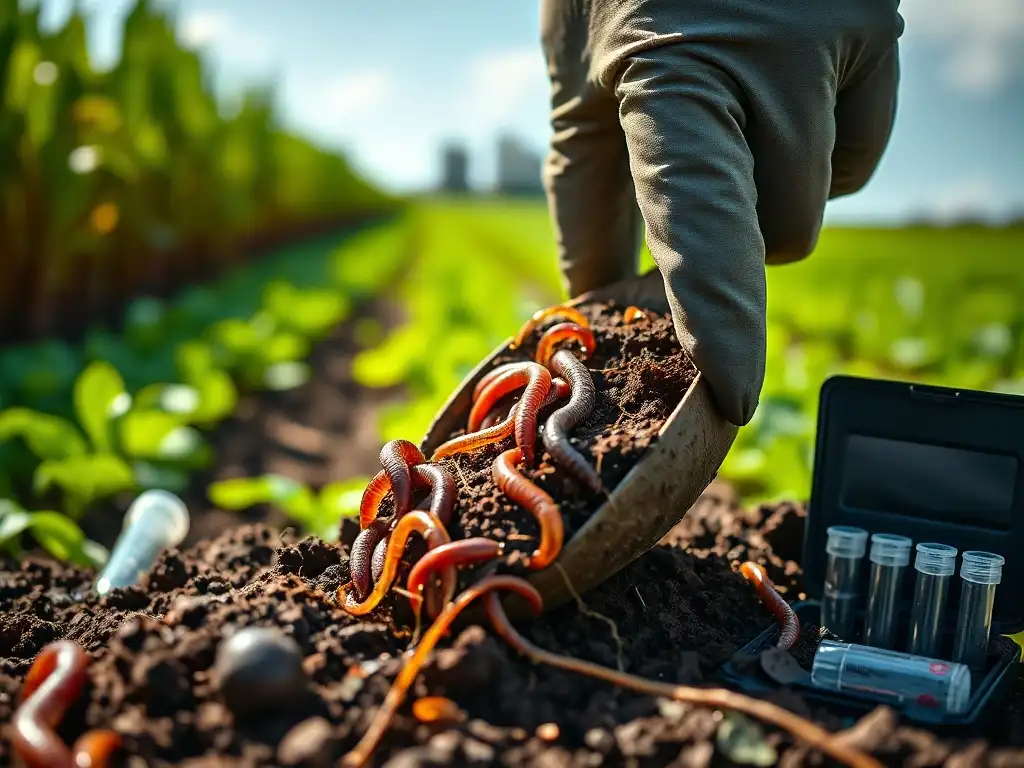
This section delves into practical methods for boosting soil biodiversity, a crucial aspect of successful and sustainable home gardening. Healthy soil teeming with diverse microbial life is the foundation of vigorous plant growth and robust yields. By implementing these techniques, you'll not only improve your soil's health but also contribute to a more resilient and productive garden ecosystem. Remember, "Boost soil biodiversity testing" is key to understanding your progress and adjusting your approach.
Organic Matter Enrichment: Compost and Mulch for Biodiversity
Organic matter is the lifeblood of a biodiverse soil. Compost and mulch act as vital sources of nutrients and create a welcoming habitat for beneficial organisms. Compost, teeming with bacteria, fungi, and other microorganisms, introduces a diverse community directly into the soil. This improves soil structure, aeration, and water retention, creating ideal conditions for plant roots and soil life to thrive. The decomposition process also releases nutrients gradually, feeding plants over time.
Regularly adding compost – aim for at least 2-3 inches per year – is crucial. The type of compost also matters; a mature, well-rotted compost with a variety of ingredients will offer a more diverse microbial community than a less developed one. Consider incorporating a variety of "green" (nitrogen-rich) and "brown" (carbon-rich) materials into your compost pile for optimal results.
Mulching plays a complementary role. Organic mulches like straw, wood chips, or shredded leaves suppress weeds, regulate soil temperature and moisture, and slowly decompose, adding organic matter to the soil. The mulch layer provides shelter for beneficial insects and other soil organisms, protecting them from harsh weather conditions and promoting their activity. Different mulches have different decomposition rates, so choose one appropriate for your specific needs and soil type. For example, straw decomposes more quickly than wood chips.
Cover Cropping for Soil Biodiversity Enhancement
Cover cropping is a powerful technique to boost soil biodiversity and improve soil health. Cover crops are plants grown specifically to improve soil conditions rather than for harvest. They are planted during fallow periods or between main crops. Their roots help break up compacted soil, improving aeration and drainage. Their decaying biomass adds organic matter, enhancing soil structure and fertility. Crucially, different cover crops attract and support different soil organisms. For example, legumes like clover fix nitrogen in the soil, benefitting both the cover crop and subsequent plantings.
Consider rotating your cover crops to maximize biodiversity benefits. For instance, a sequence of legumes (nitrogen-fixers), grasses (improving soil structure), and brassicas (pest suppression) can provide a diverse range of benefits to your soil ecosystem. Remember to incorporate cover crop residues back into the soil by tilling them in or by leaving them on the surface as mulch. This ensures the release of nutrients and the addition of organic matter. Careful planning of cover crop selection and implementation is vital for maximizing the positive impacts on your soil.
Avoiding Harmful Practices: Protecting Beneficial Soil Organisms
Maintaining soil biodiversity requires actively avoiding practices that harm beneficial soil organisms. Overuse of synthetic pesticides and fertilizers is detrimental to soil health. These chemicals can kill beneficial microbes, fungi, and insects, disrupting the delicate balance of the soil ecosystem. The long-term consequences of such practices include decreased soil fertility, increased susceptibility to pests and diseases, and reduced crop yields. This is why "Boost soil biodiversity testing" is not just about measuring, but also about understanding the consequences of harmful practices.
Excessive tillage also disrupts the soil structure and damages the delicate network of fungal hyphae and other organisms. No-till or minimal tillage practices, which disturb the soil as little as possible, are far more beneficial for soil biodiversity. These methods protect existing soil organisms and create a more favorable environment for their growth and activity. Furthermore, compaction from heavy machinery can also negatively impact soil biodiversity.
Consider alternative methods like using hand tools or lighter equipment to minimize compaction. Protecting beneficial soil organisms is as important as actively enhancing their numbers. A holistic approach is key to building a thriving soil ecosystem.
Boost Soil Biodiversity Testing: Interpreting Your Results

Understanding the biodiversity of your soil is crucial for cultivating healthy and productive plants. Boosting soil biodiversity testing allows you to gain insights into the unseen world teeming within your garden beds, revealing the complex interactions that underpin plant growth. This section focuses on deciphering the results of a soil biodiversity test, enabling you to take targeted action to improve your soil's health. A comprehensive test will go beyond basic nutrient levels, providing a more holistic picture of your soil ecosystem.
Understanding Your Soil Test Report: Key Metrics for Biodiversity
A comprehensive soil biodiversity test won't simply report nutrient levels; it will delve into the microbial community itself. Key metrics to look for include:
- Total Microbial Biomass: This indicates the overall abundance of microorganisms in your soil. A higher biomass generally suggests a healthier, more active soil ecosystem. A low biomass might indicate problems like compaction or nutrient deficiencies. Think of it as the overall "population" of your soil's tiny inhabitants.
- Microbial Diversity: This measures the variety of different microbial species present. High diversity is essential for resilience; a diverse community can better withstand environmental stresses and disease. A low diversity score might signify a monoculture effect, where a few dominant species outcompete others.
- Specific Microbial Groups: The report should identify the presence and abundance of key microbial groups, such as bacteria, fungi, actinomycetes, and protozoa. Each group plays a unique role in nutrient cycling and soil structure. For example, mycorrhizal fungi are crucial for nutrient uptake by plants. A significant imbalance in these groups can signal underlying issues.
- Enzyme Activity: Enzymes produced by microorganisms are indicators of their activity. Measuring enzyme activity provides insights into the rate of crucial processes like nutrient mineralization and decomposition. Low enzyme activity can suggest a sluggish soil ecosystem.
| Metric | Interpretation | Ideal Range |
|---|---|---|
| Total Microbial Biomass | Higher values indicate a healthier soil. | [Specific range pending further research] |
| Microbial Diversity | Higher values indicate greater resilience and stability. | [Specific range pending further research] |
| Mycorrhizal Fungi Presence | Essential for nutrient uptake by plants; high presence is beneficial. | [Specific range pending further research] |
| Enzyme Activity (e.g., phosphatase) | Indicates the rate of nutrient cycling; higher activity suggests a more active soil ecosystem. | [Specific range pending further research] |
Remember, the interpretation of these metrics requires expertise. While the report provides valuable data, consulting with a soil scientist or experienced gardener can ensure you accurately understand and act upon the results. Consider it a roadmap to a healthier garden.
Addressing Low Biodiversity Levels: Targeted Improvement Strategies
If your soil biodiversity test reveals low levels in any of the key metrics, don't despair! There are several effective strategies to boost microbial activity and diversity. These methods are all compatible with sustainable and organic gardening practices.
- Composting: Incorporating compost is a cornerstone of improving soil biodiversity. Compost adds organic matter, providing food for microorganisms and improving soil structure. Aim for regular compost additions throughout the growing season.
- Cover Cropping: Planting cover crops like legumes (peas, beans) or grasses between main crops adds organic matter, improves soil structure, and introduces beneficial microorganisms. They also help suppress weeds and prevent soil erosion.
- Crop Rotation: Rotating crops helps prevent the buildup of pests and diseases and promotes a more diverse microbial community. Varying the types of plants you grow prevents the depletion of specific nutrients and encourages a wider range of microorganisms.
- No-Till Farming: Avoiding tilling helps preserve soil structure and the existing microbial community. Tilling can disrupt the delicate balance of the soil ecosystem, harming beneficial organisms.
- Mulching: Applying mulch, such as straw or wood chips, helps retain moisture, suppress weeds, and regulate soil temperature, creating a favorable environment for microbial growth.
The key is to adopt a holistic approach, combining several of these techniques for optimal results. Remember that improving soil biodiversity is an ongoing process, not a one-time fix. Regular soil testing and monitoring are crucial for tracking progress and adjusting your strategies as needed.
Monitoring Soil Health: Long-Term Biodiversity Assessment
Regular monitoring of your soil’s biodiversity is essential for maintaining its health and productivity. Think of it like a check-up for your garden. 🌍 Repeated soil testing over time allows you to track the effectiveness of your soil improvement strategies and identify any emerging issues.
Consider implementing a routine testing schedule, perhaps annually or every two years, depending on your gardening practices and the specific needs of your soil. By tracking changes in key metrics like microbial biomass and diversity over time, you can gain a deeper understanding of your soil's response to your management practices. This long-term perspective is crucial for adapting your approach and ensuring the continued success of your garden.
Regular assessment isn't just about numbers; it's about observing changes in plant health and growth. Vigorous, healthy plants are a strong indicator of a thriving soil ecosystem. Pay attention to plant vigor, yields, and disease resistance – these are all linked to the health of the soil beneath them. By combining regular soil testing with keen observation, you can cultivate a truly thriving garden ecosystem.
Case Study: Improving Soil Biodiversity in a Home Garden

This case study details the process of boosting soil biodiversity in a typical home garden setting, highlighting the importance of regular soil testing and the implementation of targeted strategies. We'll examine the journey from initial soil analysis to the creation of a thriving ecosystem, showcasing how proactive soil management can significantly impact garden health and yield. The focus is on practical application and measurable results, demonstrating the effectiveness of a "Boost soil biodiversity testing" approach.
Initial Soil Analysis: Identifying Challenges
Before embarking on any biodiversity-boosting initiatives, a comprehensive soil test is crucial. This provides a baseline understanding of the soil's current state, revealing potential limitations that hinder microbial activity and overall soil health. In this particular home garden, the initial analysis revealed several key challenges:
- Low Organic Matter: The soil contained significantly less organic matter than ideal (under 3%). This directly impacts nutrient availability and water retention, limiting the habitat for beneficial microorganisms. Low organic matter often correlates with reduced soil biodiversity.
- Compacted Soil Structure: The soil exhibited a compacted structure, hindering root penetration and aeration. This anaerobic environment restricts the growth of many beneficial soil organisms that require oxygen.
- Imbalanced Nutrient Levels: The test indicated a deficiency in key nutrients like phosphorus and potassium, further limiting microbial growth and plant health. Nutrient deficiencies directly affect the composition and abundance of soil organisms.
- pH Imbalance: The soil pH was slightly acidic (5.5), which can inhibit the activity of certain beneficial bacteria and fungi. Optimal pH range for most soil organisms is between 6.0 and 7.0.
The results clearly indicated a need for a multifaceted approach to improve soil biodiversity, addressing the identified deficiencies and promoting a healthier, more balanced soil ecosystem. The data emphasized the critical role of "Boost soil biodiversity testing" in guiding effective soil management practices.
Implementing Biodiversity-Boosting Strategies
Based on the initial soil analysis, a strategic plan was implemented to enhance soil biodiversity. The following strategies were employed:
- Amendment with Organic Matter: Compost, aged manure, and leaf mold were incorporated into the soil to increase organic matter content. This provided essential nutrients, improved soil structure, and created a more hospitable environment for microorganisms. We aimed for a 5% increase in organic matter over six months.
- Soil Aeration: Regular tilling and the introduction of earthworms helped improve soil aeration and drainage. This alleviated compaction and created a more oxygen-rich environment for aerobic microorganisms.
- Nutrient Management: A balanced fertilizer program was implemented to address the identified nutrient deficiencies. This involved applying appropriate amounts of phosphorus and potassium, ensuring a sufficient supply of essential nutrients for both plants and soil organisms.
- pH Adjustment: Lime was applied to gradually raise the soil pH to the optimal range. This created a more favorable environment for a wider range of beneficial soil organisms.
- Cover Cropping: Planting cover crops like clover and rye helped improve soil structure, suppress weeds, and add organic matter. Cover crops are known to significantly increase soil biodiversity.
Results and Observations: A Thriving Garden Ecosystem
After six months of implementing these strategies, a follow-up soil test revealed significant improvements in soil biodiversity indicators:
| Indicator | Before Improvement | After Improvement |
|---|---|---|
| Organic Matter (%) | 2.8 | 7.2 |
| Total Microbial Count (CFU/g) | 1.5 x 10⁶ | 4.8 x 10⁶ |
| Earthworm Population Density | Low | High |
| Soil Structure | Compacted | Improved |
| pH | 5.5 | 6.8 |
The increased organic matter, improved soil structure, balanced nutrient levels, and adjusted pH created a thriving environment for a diverse range of soil organisms. The visual evidence was equally compelling: plants exhibited improved growth, increased yields, and enhanced resilience to pests and diseases. This case study powerfully demonstrates the value of "Boost soil biodiversity testing" as a cornerstone of sustainable gardening practices.
The data clearly shows that targeted interventions, guided by accurate soil analysis, can transform a compromised soil ecosystem into a vibrant and productive one. The success underscores the importance of proactive soil management in achieving a truly thriving home garden. 🌱
Maintaining a Thriving Ecosystem Through Consistent Soil Testing
Consistent soil testing is paramount for boosting soil biodiversity and achieving a thriving garden ecosystem. Ignoring this crucial step can lead to nutrient deficiencies, imbalances, and ultimately, a less productive and less resilient garden. Regular testing allows for proactive management, preventing problems before they significantly impact your plants and the overall health of your soil.
Think of it as a yearly check-up for your garden's lifeblood – the soil. By understanding the composition of your soil, you can make informed decisions that directly support a rich and diverse microbiome. This proactive approach is key to long-term success in organic gardening and sustainable food production.
The Role of Regular Soil Testing in Biodiversity Management
Regular soil testing provides a snapshot of your soil's health, revealing crucial details about its composition. This includes vital information on nutrient levels (nitrogen, phosphorus, potassium, etc. ), pH, organic matter content, and the presence of potentially harmful substances. Understanding these factors is essential for fostering biodiversity. For instance:
- Nutrient Levels: A balanced nutrient profile supports a wider range of beneficial microorganisms. Deficiencies can limit the growth of certain species, while excesses can harm others. Regular testing helps identify these imbalances and allows for targeted amendment with organic fertilizers, like compost tea or well-rotted manure, to promote a diverse microbial community.
- pH Levels: Soil pH significantly influences the availability of nutrients and the activity of microorganisms. Different organisms thrive in different pH ranges. Consistent testing helps maintain an optimal pH for maximum biodiversity. For example, mycorrhizal fungi, crucial for nutrient uptake in many plants, are sensitive to pH fluctuations.
- Organic Matter: High organic matter content is a cornerstone of healthy soil and biodiversity. Organic matter provides food for microorganisms, improves soil structure, and enhances water retention. Soil tests can quantify organic matter, guiding practices like composting and cover cropping to increase its levels and support a thriving ecosystem.
The data obtained from soil testing provides concrete evidence to guide your decisions. Instead of relying on guesswork, you can precisely tailor your soil management practices to the specific needs of your garden, maximizing its biodiversity and productivity. For example, if your test reveals a low level of phosphorus, you can amend your soil with a phosphorus-rich compost, promoting the growth of phosphorus-dependent soil organisms.
This targeted approach, guided by data from your soil tests, ensures you are efficiently boosting soil biodiversity. Remember, healthy soil is teeming with life – the more diverse that life, the healthier and more productive your garden will be.
Adapting Your Approach Based on Test Results
Soil test results are not just numbers; they are a roadmap to guide your soil management strategies. Different results call for different actions. Let's explore some examples:
| Test Result | Interpretation | Action |
|---|---|---|
| Low Nitrogen (N) | Indicates a potential deficiency, limiting plant growth and microbial activity. | Amend with nitrogen-rich compost, cover crops like legumes (nitrogen fixers), or organic nitrogen fertilizers. |
| High Phosphorus (P) | May indicate an imbalance, potentially harming microbial diversity. | Reduce phosphorus input, improve soil drainage to prevent buildup, and consider soil amendments to balance levels. |
| Low Organic Matter | Signifies poor soil structure and reduced microbial life. | Increase organic matter through composting, cover cropping, and mulching. |
| High Soil pH (Alkaline) | Limits the availability of certain nutrients. | Amend with organic matter and sulfur to lower pH. |
| Low Soil pH (Acidic) | Limits the availability of other essential nutrients. | Amend with lime or wood ash to raise pH. |
Remember, consistency is key. Regular soil testing allows you to track changes over time, monitoring the effectiveness of your soil management practices. This iterative approach enables continuous improvement and ensures your garden's soil remains a thriving ecosystem. This ongoing monitoring and adjustment is crucial for sustaining healthy soil biodiversity.
Resources for Further Learning and Support
For those seeking more in-depth knowledge, exploring additional resources is beneficial. Numerous books, online courses, and workshops focus on soil health and biodiversity. Local agricultural extension offices often offer free or low-cost soil testing services and expert advice tailored to your region.
Engaging with local gardening communities and experienced gardeners can also provide valuable insights and support. Remember, learning about and improving your soil health is an ongoing journey, and the more you know, the better you can cultivate a thriving and biodiverse ecosystem. The rewards of healthy soil, reflected in vibrant plants and bountiful harvests, make the effort more than worthwhile.
Frequently Asked Questions
What is soil biodiversity, and why is it important for my garden?
Soil biodiversity refers to the variety of organisms living in your soil, including bacteria, fungi, insects, and earthworms. A diverse soil ecosystem is crucial for nutrient cycling, water retention, and disease suppression, leading to healthier plants.
How does soil testing help me understand my soil's biodiversity?
While a standard soil test doesn't directly measure biodiversity, it provides crucial information about soil health indicators like organic matter content and nutrient levels. These indirectly reflect the health and activity of the soil's biological community. High organic matter generally correlates with higher biodiversity.
Can I boost soil biodiversity without soil testing?
Yes! Adding compost, practicing cover cropping, and avoiding harmful pesticides are excellent ways to improve soil biodiversity. However, testing can help you tailor your approach based on your specific soil's needs.
What are the best practices for boosting soil biodiversity after testing reveals low levels?
Based on your test results, you can implement targeted strategies. This might include adding specific soil amendments to improve nutrient levels or introducing beneficial microbes through compost tea or inoculants. Rotating crops is also beneficial.
Where can I find reliable soil testing services for assessing biodiversity?
Many local agricultural extension offices and private labs offer soil testing services. Look for labs that provide comprehensive analyses beyond basic nutrient levels, potentially including tests for microbial biomass or enzyme activity to better assess biodiversity.
Final Reflection: Cultivating a Future Rich in Soil Biodiversity
The health of our soil directly impacts the health of our planet, and understanding its biodiversity is no longer a niche interest but a critical necessity for a sustainable future. Ignoring the intricate web of life beneath our feet jeopardizes food security, climate resilience, and the overall well-being of ecosystems worldwide. The urgent need for widespread soil biodiversity testing is undeniable.
The profound impact of soil health on our lives is often overlooked, yet it underpins everything from the food we eat to the air we breathe. The nation that destroys its soil destroys itself.
– Franklin D. Roosevelt. This quote, though decades old, rings truer than ever in a world facing unprecedented environmental challenges. My own journey in researching this topic has underscored the interconnectedness of soil health, biodiversity, and human survival, highlighting the urgent need for a shift in perspective and action. We must move beyond simply viewing soil as inert matter and recognize it as a vibrant, living ecosystem deserving of our utmost care and attention.
Consider the implications of this knowledge. What steps can you take to advocate for better soil management practices? Will you incorporate soil testing into your gardening or farming practices? Will you share this information with others, inspiring them to become stewards of the soil? The future of our planet depends on our collective commitment to understanding and protecting the incredible biodiversity hidden beneath our feet. Let's cultivate a future where soil health is not just a concern, but a celebrated cornerstone of a thriving world.
Unlock Your Garden's Potential: Start Soil Testing Today!
Understanding the vital link between soil health and a thriving garden is the first step towards cultivating a truly biodiverse ecosystem. Ready to put this knowledge into action?
- Take the first step: Order a soil testing kit to analyze your soil's composition. The results will guide you towards a healthier, more productive garden.
- Share your soil testing experience and discoveries with our CultivateYourFood community forum. Let's inspire each other to create thriving gardens!
- Explore sustainable fertilization and gardening practices to nurture biodiversity without harmful chemicals. This is where you'll see the greatest impact.
Ready to transform your garden into a vibrant, biodiverse haven? What's your next step?