
Soil Testing and Crop Rotation: A Strategy for LongTerm Soil Health


Welcome to CultivateYourFood, your guide to nurturing a thriving garden using sustainable methods! Are you ready to unlock the secrets to a bountiful harvest? We delve into the crucial techniques needed to improve soil health through crop rotation, a cornerstone of organic gardening. Discover how this powerful strategy, explored in our "Advanced Topics in Soil Science" section, can transform your garden from barren to breathtaking. Learn more and begin your journey towards healthier soil and healthier crops!
- Understanding Soil Health and its Importance for Crop Yields
- The Power of Soil Testing for Informed Decisions
- Implementing Crop Rotation for Improved Soil Health
- Combining Soil Testing and Crop Rotation: A Synergistic Approach
- Advanced Techniques for Soil Health Improvement
- Case Study: Improving Soil Health Through Crop Rotation and Testing
- Maintaining Soil Health: Long-Term Strategies for Sustainable Gardening
- Frequently Asked Questions
- Final Reflection: Cultivating a Legacy of Healthy Soil
- Unlock Your Soil's Potential: Grow Healthier Crops Today!
Understanding Soil Health and its Importance for Crop Yields
Improving soil health through practices like crop rotation is crucial for long-term gardening success. Healthy soil is the foundation of a thriving garden, directly impacting the yield and quality of your fruits, vegetables, and herbs. This article delves into the importance of soil testing and crop rotation as cornerstones of a sustainable and productive organic gardening strategy.
We'll explore how understanding your soil's composition and employing strategic crop rotation can significantly improve soil health and, consequently, boost your harvests year after year. Ignoring soil health is akin to building a house on a weak foundation – it might stand for a while, but ultimately, it will crumble.
By proactively managing your soil's health, you're investing in the long-term viability and productivity of your garden, ensuring abundant and healthy yields for years to come. This approach not only benefits your plants but also contributes to a more sustainable and environmentally friendly gardening practice.
The Role of Essential Nutrients in Plant Growth
Plants, like all living organisms, require a balanced diet of essential nutrients to thrive. These nutrients are absorbed from the soil through the roots and are vital for various aspects of plant growth, including:
- Root Development: Strong, healthy roots are essential for nutrient and water uptake. Nutrients like phosphorus (P) play a crucial role in root development. Deficiencies can lead to stunted growth and reduced yields.
- Leaf and Stem Growth: Nitrogen (N) is a key player in leaf and stem development. Nitrogen deficiency manifests as yellowing leaves (chlorosis) and weak stems.
- Flowering and Fruiting: Potassium (K) is vital for flowering and fruiting. A potassium deficiency can result in fewer flowers and smaller, less flavorful fruits.
- Overall Plant Health: Micronutrients, such as iron (Fe), zinc (Zn), and manganese (Mn), are needed in smaller quantities but are still crucial for various enzymatic processes and overall plant health. Deficiencies can lead to various symptoms, including leaf discoloration and stunted growth.
Understanding the role of these essential nutrients is the first step in assessing your soil's health and making informed decisions about fertilization and crop rotation. A soil test can provide valuable insights into the levels of these nutrients in your soil, allowing you to address any deficiencies proactively.
Recognizing Signs of Poor Soil Health
Recognizing the signs of poor soil health is crucial for implementing corrective measures. Several indicators can point towards unhealthy soil, including:
- Poor Drainage: Waterlogging indicates compacted soil, limiting root growth and oxygen availability. This can lead to root rot and reduced nutrient uptake. 💧
- Compacted Soil: Hard, compacted soil restricts root penetration, hindering nutrient and water absorption. This often results in stunted plant growth. 🧱
- Erosion: Loss of topsoil exposes underlying layers, reducing the soil's fertility and leading to nutrient depletion. 💨
- Nutrient Deficiencies: Visible symptoms like yellowing leaves (chlorosis), stunted growth, and poor fruiting indicate nutrient deficiencies in the soil. 🍂
- Pest and Disease Problems: Unhealthy soil can make plants more susceptible to pests and diseases, further compromising yields. 🐛
Observing these signs allows you to intervene early and prevent further deterioration of your soil's health. Implementing strategies such as adding organic matter, improving drainage, and rotating crops can help address these issues effectively.
The Long-Term Benefits of Healthy Soil for Sustainable Gardening
Investing in soil health yields substantial long-term benefits for sustainable gardening:
- Increased Yields: Healthy soil provides plants with the necessary nutrients and conditions for optimal growth, leading to significantly higher yields. 📈
- Improved Crop Quality: Nutritious soil leads to healthier, more flavorful, and more nutritious produce. 🥕🍅
- Reduced Reliance on Chemical Fertilizers and Pesticides: Healthy soil reduces the need for synthetic inputs, promoting environmentally friendly gardening practices. 🌱
- Enhanced Water Retention: Healthy soil with good structure retains more water, reducing the need for frequent watering. 💦
- Increased Resilience to Pests and Diseases: Strong, healthy plants are more resistant to pests and diseases, reducing the need for chemical controls. 💪
By prioritizing soil health through practices like soil testing and crop rotation, you're not just improving your current harvest; you're building a foundation for a thriving and sustainable garden for years to come. This approach ensures abundant yields, high-quality produce, and a healthier environment.
The Power of Soil Testing for Informed Decisions

Soil testing is the cornerstone of successful and sustainable gardening. It empowers you to make informed decisions about soil amendments, fertilizer application, and crop selection, ultimately leading to healthier plants and higher yields. Ignoring soil testing is akin to navigating without a map – you might stumble upon success, but a strategic approach, guided by data, significantly increases your chances of a bountiful harvest.
By understanding your soil's composition – its pH, nutrient levels, and organic matter content – you can tailor your gardening practices to optimize plant growth and improve soil health crop rotation. This proactive approach minimizes guesswork, reduces waste, and contributes to a more environmentally friendly gardening practice.
Regular soil testing, ideally annually or even biannually depending on your soil type and gardening intensity, allows you to monitor changes over time and adjust your strategy accordingly. This continuous feedback loop is key to long-term soil health management and sustainable gardening.
Choosing the Right Soil Test Kit for Your Needs
Selecting the appropriate soil test kit is crucial for accurate results. The market offers a wide variety, ranging from simple home kits testing basic pH and nutrient levels to more comprehensive laboratory analyses. Home kits are convenient and cost-effective for basic assessments, perfect for casual gardeners focusing on improving soil health crop rotation. They typically provide a quick overview of your soil's pH and the levels of essential macronutrients like nitrogen (N), phosphorus (P), and potassium (K).
However, they may lack the detail and precision of professional laboratory tests. For more in-depth analysis, including micronutrients and potentially harmful elements, consider sending a soil sample to a certified laboratory. Laboratory tests offer a more comprehensive picture of your soil's health, identifying potential deficiencies or toxicities that home kits might miss.
When choosing a kit, carefully consider your gardening goals and budget. Read reviews, compare features, and ensure the kit is suitable for your soil type (e.g., sandy, clay, loamy). Remember that accuracy is paramount; investing in a reliable kit is an investment in the health of your garden.
Understanding Soil Test Results: pH, Nutrient Levels, and Organic Matter
Soil test results typically report several key parameters crucial for understanding your soil's health. pH, measured on a scale of 0 to 14, indicates the soil's acidity or alkalinity. Most plants thrive in a slightly acidic to neutral pH range (6.0-7.0), but optimal pH varies depending on the specific plant.
Nutrient levels, expressed in parts per million (ppm) or pounds per acre, show the concentrations of essential macronutrients (N, P, K) and micronutrients (e.g., iron, zinc, manganese). Low levels indicate deficiencies, while excessively high levels can be detrimental to plant growth and potentially harmful to the environment. Organic matter content, usually expressed as a percentage, is a vital indicator of soil health.
High organic matter improves soil structure, water retention, nutrient availability, and microbial activity, all contributing to a thriving ecosystem within your soil. Understanding these parameters allows you to address specific issues and improve your soil health crop rotation strategies. For example, low organic matter might indicate a need for composting or the addition of organic amendments.
Interpreting Your Soil Test: Identifying Deficiencies and Excesses
Once you have your soil test results, carefully analyze each parameter. A low pH might necessitate the application of lime to raise the pH, while a high pH might require the use of elemental sulfur to lower it. Nutrient deficiencies are addressed by applying specific fertilizers or amendments.
For instance, low nitrogen levels might be corrected with a nitrogen-rich fertilizer, while phosphorus deficiencies might require bone meal or rock phosphate. However, avoid over-fertilizing! Excess nutrients can harm plants and pollute groundwater.
Similarly, high levels of certain elements may require remediation strategies, possibly including soil dilution or the use of chelating agents. The interpretation of soil test results requires careful consideration, and if unsure, consulting with a local agricultural extension office or experienced gardener can provide valuable guidance. Remember, soil testing is an iterative process; regular monitoring and adjustments based on test results are crucial for maintaining optimal soil health and achieving successful crop rotation for improved soil health.
Implementing Crop Rotation for Improved Soil Health

Crop rotation, a cornerstone of sustainable agriculture, is a powerful technique to improve soil health and boost crop yields. By strategically sequencing different plant families in a given area over several growing seasons, we can disrupt pest and disease cycles, improve soil structure, and enhance nutrient availability. This practice directly addresses the need to improve soil health and is a crucial component of any long-term gardening strategy. This section will delve into the practical aspects of implementing crop rotation for optimal results.
Basic Principles of Crop Rotation: Understanding Plant Families
Understanding plant families is crucial for effective crop rotation. Different plant families have varying nutrient requirements and susceptibility to pests and diseases. Rotating crops from different families helps break the cycle of nutrient depletion and pest infestations. For instance, heavy feeders like brassicas (cabbage, broccoli, cauliflower) deplete soil nutrients, particularly sulfur and nitrogen. Following them with legumes (peas, beans, clover), which fix nitrogen in the soil, replenishes these vital nutrients.
Here's a simplified example of plant families and their nutrient needs:
| Plant Family | Nutrient Needs | Potential Issues |
|---|---|---|
| Brassicas | High nitrogen, sulfur | Clubroot, aphids |
| Legumes | Moderate nitrogen (fixers) | Few serious issues, can be susceptible to pests |
| Solanaceae (Nightshades) | Potassium, phosphorus | Blight, verticillium wilt |
| Cucurbits (Squash, melons) | Potassium, phosphorus | Powdery mildew, squash vine borers |
| Asteraceae (Sunflowers, lettuce) | Moderate nutrients | Relatively low pest and disease pressure |
Knowing these nuances allows you to strategically plan your rotations. For example, avoid planting plants from the same family consecutively, as this increases the risk of disease buildup and nutrient depletion. This mindful approach is key to improving soil health crop rotation.
Creating a Crop Rotation Plan for Your Garden
Designing a successful crop rotation plan requires careful consideration of several factors. First, assess your garden's size and layout. A small garden might necessitate a simpler, shorter rotation, while a larger garden offers more flexibility. Next, consider your climate and growing season. Some crops require longer growing periods than others.
A sample 3-year rotation plan for a moderate-sized garden could look like this:
Year 1: Legumes (peas, beans) in one section, followed by heavy feeders (brassicas) in another, and root vegetables (carrots, beets) in the remaining area.
Year 2: Switch the sections. Plant root vegetables where the legumes were, brassicas where the root vegetables were, and a light-feeding family (e.g., Asteraceae) where the brassicas were.
Year 3: Rotate again, ensuring no plant family occupies the same space for two consecutive years. Consider incorporating cover crops during fallow periods to enhance soil health. This consistent rotation helps to improve soil health crop rotation.
Remember to keep detailed records of your planting schedule, noting any pest or disease issues. This will help you refine your plan over time and optimize your approach to improving soil health crop rotation. Careful documentation is vital for long-term success.
Selecting Appropriate Cover Crops for Soil Improvement
Cover crops play a vital role in improving soil health. These plants, grown specifically to improve soil conditions, are often planted during fallow periods or between main crops. They help prevent erosion, suppress weeds, and add organic matter to the soil. Legumes are particularly beneficial as they fix nitrogen, while other cover crops like rye or oats improve soil structure and water retention.
Choosing the right cover crop depends on your soil type, climate, and the needs of your following crops. For example:
- Sandy soils: Consider using crops with extensive root systems, like rye or clover, to improve soil structure and water retention.
- Clay soils: Legumes can help break up compacted clay soils, while oats can add organic matter.
- Nutrient-poor soils: Legumes are an excellent choice to increase nitrogen levels.
By carefully selecting and incorporating cover crops into your crop rotation strategy, you significantly contribute to improving soil health crop rotation, leading to healthier soil and more vigorous plants. The benefits extend beyond the immediate growing season, creating a positive feedback loop that sustains soil fertility over the long term. This holistic approach is essential for long-term gardening success.
Combining Soil Testing and Crop Rotation: A Synergistic Approach
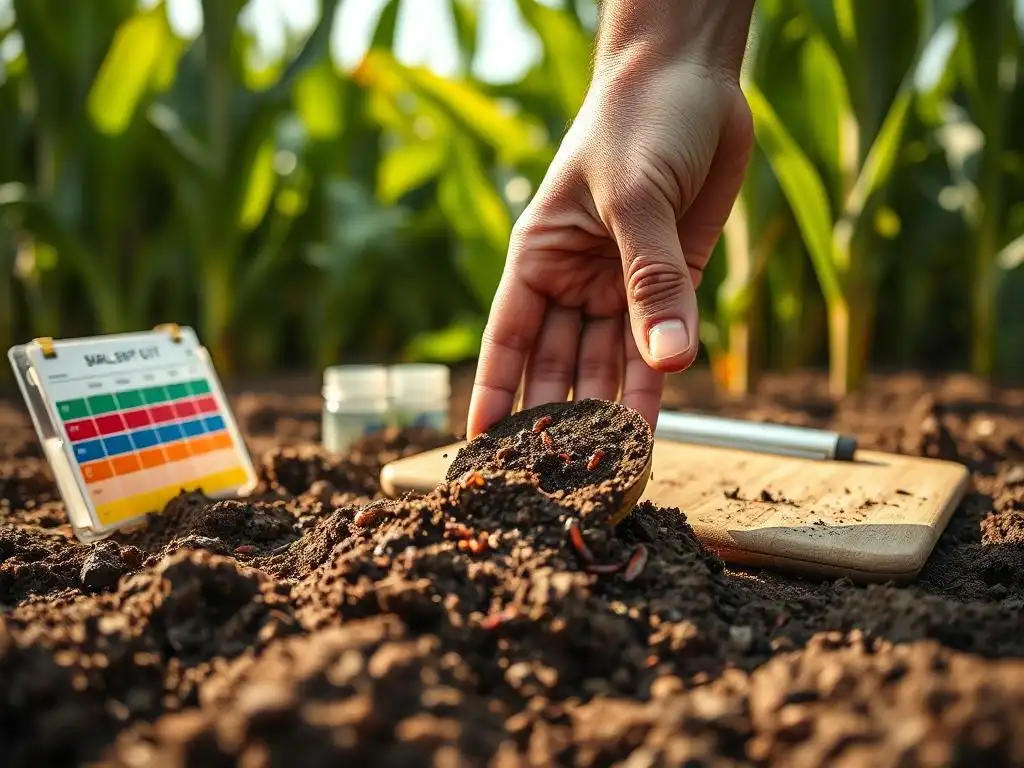
Improving soil health through crop rotation is a cornerstone of sustainable agriculture, but its effectiveness is significantly enhanced when combined with regular soil testing. This synergistic approach allows for a data-driven, targeted strategy, maximizing the benefits of both practices. Soil testing provides the crucial baseline information – the current state of your soil's nutrients, pH levels, and potential problems – while crop rotation strategically manipulates the soil ecosystem to address those issues and improve its overall health.
This isn't simply about rotating crops; it's about intelligently rotating crops based on informed decisions derived from accurate soil analysis. The combination offers a powerful tool for long-term soil fertility and improved yields. Ignoring either component diminishes the overall impact on soil health.
Using Soil Test Results to Guide Crop Rotation Planning
Your soil test results are your roadmap to successful crop rotation for improving soil health. They illuminate nutrient deficiencies and excesses, providing the insight needed to select appropriate crops for each planting season. For example, a soil test revealing low phosphorus levels might guide you to plant legumes (like beans or peas) in the next rotation. Legumes, through their symbiotic relationship with nitrogen-fixing bacteria, naturally enrich the soil with phosphorus and other essential nutrients. Conversely, if your soil test shows high levels of potassium, you might choose crops with lower potassium requirements to prevent an imbalance.
Consider this example:
| Crop | Nutrient Needs (High) | Nutrient Needs (Low) |
|---|---|---|
| Leafy Greens | Nitrogen, Potassium | Phosphorus |
| Root Vegetables | Phosphorus, Potassium | Nitrogen |
| Legumes | Nitrogen | Phosphorus, Potassium |
By carefully examining your soil test results and cross-referencing them with the nutrient requirements of different crops, you can create a rotation plan that addresses specific deficiencies and prevents imbalances. This precise approach is far more effective than a generalized crop rotation plan. Remember, the goal is to improve soil health crop rotation, not just to rotate crops.
Addressing Specific Soil Issues Through Targeted Crop Rotation
Crop rotation isn't just about nutrient management; it's also a powerful tool for addressing other soil health issues. Soil testing can identify problems like compaction, salinity, or pest infestations. Targeted crop rotation can then be used as a remediation strategy.
- Compaction: Deep-rooted crops, such as alfalfa or sunflowers, can help break up compacted soil, improving aeration and drainage.
- Salinity: Salt-tolerant crops can be strategically included in the rotation to help manage salinity levels.
- Pest and Disease Management: Rotating crops can disrupt the life cycle of many common soilborne pests and diseases, reducing their impact on subsequent crops. For instance, rotating away from susceptible plants to break disease cycles is crucial in improving soil health. This preventative approach is far more sustainable than relying solely on chemical pesticides.
The key here is understanding the specific issues revealed by your soil test and selecting crops known for their ability to address those issues. This approach not only improves soil health but also reduces reliance on external inputs, aligning with sustainable agricultural practices. The data-driven approach ensures that your efforts are focused and effective.
Monitoring Soil Health Over Time: The Importance of Regular Testing
The benefits of combining soil testing and crop rotation are not a one-time event; they are cumulative. Regular soil testing is essential to monitor the progress of your soil improvement efforts. Annual or bi-annual testing allows you to track changes in nutrient levels, pH, and other key indicators of soil health. This ongoing monitoring allows for adjustments to your crop rotation plan, ensuring its continued effectiveness in improving soil health.
Think of it as a feedback loop: test, rotate, test, adjust, repeat. This iterative process ensures that your soil remains healthy and productive over the long term, maximizing the benefits of your efforts. By consistently monitoring and adapting your strategy based on data, you can achieve a truly sustainable and productive growing system. This proactive approach is key to long-term soil health and significantly improves your chances of success.
Advanced Techniques for Soil Health Improvement
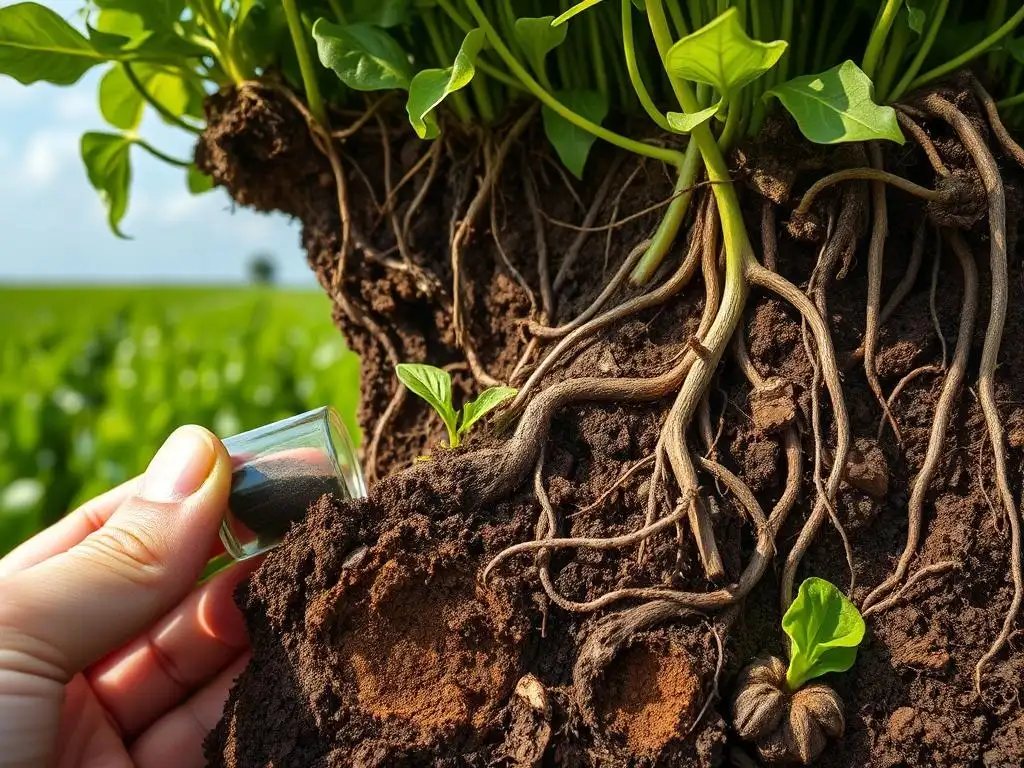
This section delves into advanced techniques beyond basic soil testing and crop rotation to significantly improve soil health and promote sustainable gardening practices. We will explore methods that enhance fertility, improve soil structure, and manage pests and diseases organically. These practices are crucial for long-term success in cultivating healthy, productive plants. Improving soil health through crop rotation is just one piece of the puzzle; implementing these advanced techniques will elevate your gardening to the next level.
Composting and its Role in Enhancing Soil Fertility
Composting is a cornerstone of sustainable gardening, offering a powerful way to improve soil fertility and build healthy soil ecosystems. By breaking down organic matter, composting creates nutrient-rich humus, a dark, crumbly substance teeming with beneficial microorganisms. These microorganisms are essential for nutrient cycling, improving water retention, and creating a robust soil structure.
The process involves layering "browns" (carbon-rich materials like dried leaves and twigs) and "greens" (nitrogen-rich materials such as grass clippings and vegetable scraps) in a compost bin or pile. Regular turning and moisture management are crucial for optimal decomposition.
The benefits of compost are multifaceted:
- Improved Soil Structure: Compost improves soil aeration and drainage, preventing compaction and waterlogging. This leads to better root growth and nutrient uptake.
- Increased Water Retention: Compost acts like a sponge, holding onto water and releasing it slowly to plants. This is particularly beneficial during dry periods.
- Enhanced Nutrient Availability: Compost provides a slow-release source of essential nutrients, feeding plants throughout the growing season. This reduces the need for synthetic fertilizers.
- Suppressed Soilborne Diseases: The beneficial microorganisms in compost can help suppress harmful pathogens, reducing the incidence of soilborne diseases.
- Increased Biological Activity: Compost boosts the population of beneficial soil organisms, further enhancing nutrient cycling and soil health.
A well-managed compost pile can significantly reduce the need for external fertilizers, creating a closed-loop system that minimizes environmental impact and maximizes resource efficiency. For example, a gardener who diligently composts kitchen and yard waste can reduce their reliance on purchased fertilizers by 50% or more, depending on the size of their garden and composting practices.
Utilizing Organic Amendments to Improve Soil Structure
Organic amendments, in addition to compost, play a vital role in improving soil structure and fertility. These materials, such as aged manure, cover crops, and biochar, enhance soil tilth, water infiltration, and nutrient availability.
Different amendments offer unique benefits:
- Aged Manure: Provides a slow-release source of nutrients and improves soil structure. Ensure it's well-rotted to avoid burning plants.
- Cover Crops: Plants like legumes (e.g., clover, alfalfa) fix nitrogen in the soil, enriching it naturally. They also improve soil structure and suppress weeds.
- Biochar: A charcoal-like material produced from the pyrolysis of biomass, biochar enhances soil drainage, water retention, and nutrient retention. It also provides a habitat for beneficial soil organisms.
The selection of appropriate organic amendments depends on the specific needs of your soil. For example, sandy soils benefit from amendments that improve water retention (e.g., compost, aged manure), while clay soils require amendments that improve drainage (e.g., biochar, sand). Regular soil testing can help determine the specific needs of your garden and guide your amendment choices. Careful consideration of your soil’s texture, drainage, and nutrient levels will lead to optimal results. This targeted approach to soil improvement is key to achieving long-term soil health.
Managing Soil Pests and Diseases Through Integrated Pest Management (IPM)
Integrated Pest Management (IPM) is a holistic approach to pest and disease control that minimizes the use of synthetic pesticides. It emphasizes prevention, monitoring, and the use of natural controls to maintain a healthy balance in the garden ecosystem.
IPM strategies include:
- Cultural Practices: Rotating crops, maintaining proper soil health, and practicing good sanitation can prevent many pest and disease problems.
- Biological Control: Introducing beneficial insects, such as ladybugs and lacewings, can control pest populations naturally.
- Mechanical Control: Handpicking pests, using traps, or employing physical barriers can effectively manage pest numbers.
- Biopesticides: Using naturally derived pesticides, such as neem oil or Bacillus thuringiensis (Bt), can control pests without harming beneficial organisms.
Employing IPM techniques not only protects beneficial insects and pollinators but also reduces the risk of pesticide residue on your crops, ensuring healthier and safer food for you and your family. For instance, using a combination of crop rotation to disrupt pest life cycles and introducing beneficial nematodes to control certain soil pests can dramatically reduce the need for chemical interventions. A well-planned IPM strategy is crucial for sustainable and environmentally friendly pest management, contributing significantly to the overall improvement of soil health.
Case Study: Improving Soil Health Through Crop Rotation and Testing
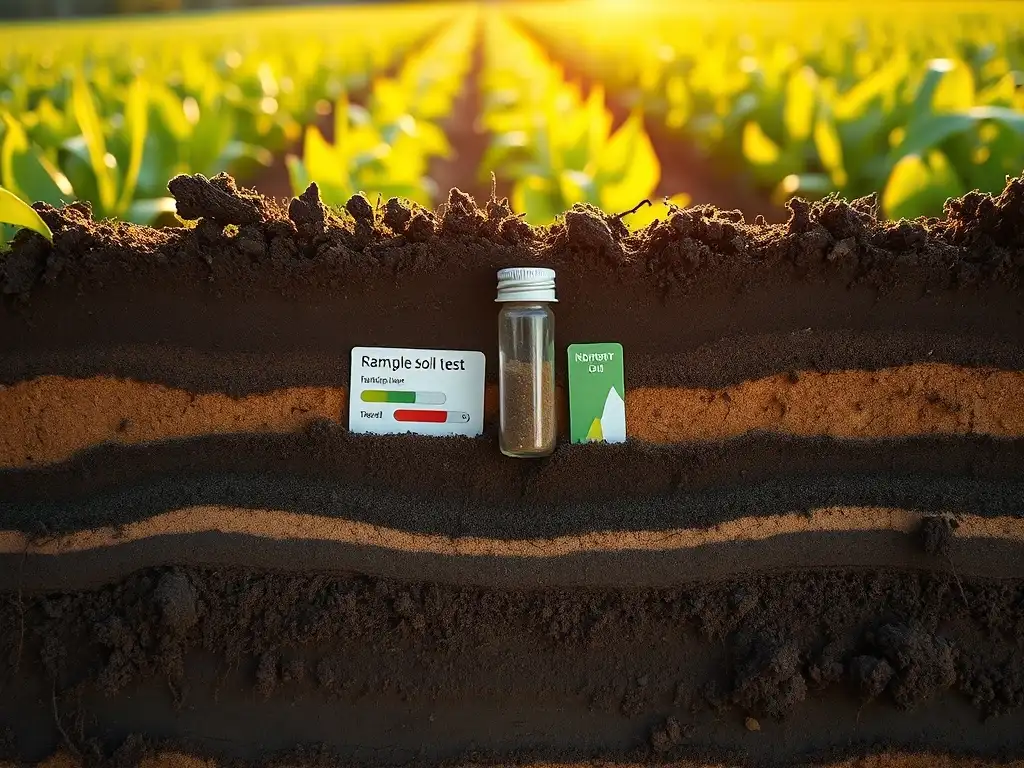
This case study details how a combination of regular soil testing and a carefully planned crop rotation strategy dramatically improved soil health and increased crop yields on a small, organic farm. The farm, specializing in diverse vegetable production, experienced declining yields and visible signs of nutrient depletion in its soil over several years. This highlighted the critical need for proactive soil management techniques to ensure long-term sustainability and profitability. The "Improve soil health crop rotation" strategy employed here demonstrates a successful approach for home gardeners and small-scale farmers alike.
Initial Soil Analysis and Challenges Identified
Before implementing any changes, a comprehensive soil test was conducted. The analysis revealed several key challenges:
- Low Organic Matter: The soil's organic matter content was significantly below the optimal level for healthy vegetable growth. This resulted in poor water retention, reduced nutrient availability, and increased susceptibility to erosion. The test showed only 2% organic matter, compared to the ideal range of 4-6% for vegetable production.
- Nutrient Deficiencies: The test indicated deficiencies in several essential macronutrients, including phosphorus (P) and potassium (K). Micronutrient levels, while not critically low, were also below the recommended range for optimal plant health. Specific deficiencies included low levels of available phosphorus (10 ppm) and potassium (50 ppm), while ideal levels are typically above 25 ppm and 100 ppm respectively.
- Suboptimal pH: The soil pH was slightly acidic (5.5), falling outside the ideal range (6.0-7.0) for most vegetables. This impacted nutrient availability and could have contributed to the observed nutrient deficiencies.
The following table summarizes the key findings of the initial soil analysis:
| Nutrient/Parameter | Measured Value | Ideal Range |
|---|---|---|
| Organic Matter (%) | 2 | 4-6 |
| Phosphorus (ppm) | 10 | >25 |
| Potassium (ppm) | 50 | >100 |
| pH | 5.5 | 6.0-7.0 |
| Soil Texture | Sandy Loam | Sandy Loam |
These findings clearly indicated a need for soil amendment and a strategic approach to improve soil fertility and overall health. The low organic matter content was a particularly significant concern, as it underpins many other aspects of soil health.
Implementation of Crop Rotation Strategy
To address the identified issues, a four-year crop rotation plan was implemented. The plan focused on incorporating cover crops, nitrogen-fixing legumes, and diverse vegetable families to improve soil structure, fertility, and suppress pests and diseases.
The rotation schedule was as follows:
Year 1: Legumes (fava beans, clover) - to fix atmospheric nitrogen and increase organic matter. Year 2: Brassicas (broccoli, kale) - to improve soil structure and break pest cycles. Year 3: Root vegetables (carrots, beets) - to improve soil aeration and drainage. Year 4: Solanaceae (tomatoes, peppers) - a nutrient-demanding family, benefiting from the improved soil conditions from previous years.
This cycle was then repeated. Furthermore, composting was implemented, with all organic waste from the farm being composted and returned to the soil to boost organic matter content. Regular soil testing (every six months) allowed for monitoring progress and adjustments to the plan as needed. This iterative approach, combining observation and data-driven decisions, is crucial for successful soil improvement. The addition of compost also helped to buffer the soil pH, moving it closer to the ideal range.
Results: Improved Soil Health and Increased Crop Yields
After two years of implementing the crop rotation and soil amendment strategy, the results were significant:
- Increased Organic Matter: Soil testing revealed a substantial increase in organic matter content to 4.5%, a 125% improvement from the initial 2%. This improvement directly contributed to better water retention and nutrient availability.
- Improved Nutrient Levels: Levels of phosphorus and potassium showed significant increases, exceeding the ideal ranges. Micronutrient levels also improved considerably. This demonstrated the effectiveness of the legume cover crops in fixing nitrogen and the overall contribution of the diverse crop rotation to nutrient cycling.
- Optimal pH: The soil pH had risen to 6.2, falling within the ideal range for most vegetables.
- Higher Crop Yields: Crop yields increased by an average of 30% compared to the previous years, demonstrating the direct link between improved soil health and increased productivity. This increase was particularly noticeable in the solanaceae family, which previously suffered the most from nutrient deficiencies. The improved soil structure also enhanced root development, leading to healthier and more productive plants.
The success of this case study reinforces the importance of integrating soil testing and crop rotation as core components of sustainable and organic farming practices. Regular monitoring and adjustments based on soil test results are key to long-term soil health and increased yields. This holistic approach to soil management is not only environmentally friendly but also economically beneficial, leading to greater profitability and sustainability for the farm. The "Improve soil health crop rotation" approach is a proven method for enhancing soil quality and building a resilient and productive agricultural system.
Lessons Learned and Future Recommendations
Analyzing the data from our case study on improving soil health through crop rotation and regular soil testing revealed several key lessons. Firstly, the importance of consistent soil testing cannot be overstated. While initial tests provided a baseline understanding of the soil's composition, the subsequent tests, conducted after each rotation cycle, highlighted the dynamic nature of soil health.
Nutrient levels fluctuated, demonstrating the impact of different crops on soil fertility. This underscores the need for ongoing monitoring to adapt fertilization strategies and ensure optimal nutrient availability for each crop in the rotation. Ignoring this dynamic aspect could lead to nutrient deficiencies or imbalances, hindering crop yields and overall soil health.
We observed that the most significant improvements in soil health, as measured by organic matter content and overall nutrient balance, occurred after implementing the three-year rotation plan, emphasizing the importance of long-term commitment to sustainable soil management practices. Rushing the process or implementing short-term solutions will likely yield less impressive results.
Furthermore, we learned that the selection of appropriate cover crops played a crucial role in improving soil structure and fertility. The inclusion of legumes in the rotation significantly increased nitrogen levels, reducing the need for synthetic fertilizers. This not only improved the soil's health but also contributed to cost savings and reduced the environmental impact of farming.
However, careful selection of cover crops is essential; inappropriate choices can lead to unintended consequences, such as the introduction of weeds or the depletion of specific nutrients. Therefore, thorough research and careful planning are crucial before implementing a crop rotation strategy. This includes understanding the specific needs of the crops to be grown and selecting cover crops that complement those needs.
Looking ahead, future research should focus on expanding the scope of this study. Specifically, we recommend investigating the effects of different crop rotation sequences on various soil types and climates. The current study focused on a specific region and soil type; however, the principles of crop rotation and soil testing are widely applicable. Further research could provide valuable insights into the optimal rotation strategies for diverse agricultural settings.
We also suggest exploring the long-term economic benefits of implementing sustainable soil management practices, including crop rotation and regular soil testing. While we observed improvements in soil health, quantifying the long-term economic impact on yields and profitability would strengthen the argument for wider adoption of these practices. Finally, future studies could explore the integration of other sustainable agricultural techniques, such as composting and integrated pest management, to further enhance the effectiveness of crop rotation and soil testing in improving soil health and promoting sustainable agriculture.
This holistic approach is crucial for achieving long-term soil health and environmental sustainability. The data collected will contribute significantly to refining best practices for "improve soil health crop rotation" strategies. 🌱
Maintaining Soil Health: Long-Term Strategies for Sustainable Gardening
This section delves into the crucial aspects of maintaining vibrant soil health over the long term, focusing on how consistent soil testing and adaptable crop rotation plans contribute to sustainable gardening practices. Ignoring soil health is akin to neglecting the foundation of your garden; proactive management ensures bountiful harvests year after year. Improving soil health through crop rotation is a cornerstone of this approach.
Ongoing Soil Monitoring and Testing Schedule
Regular soil testing is paramount for understanding your soil's nutritional needs and identifying potential problems before they significantly impact your crops. A consistent schedule allows you to track changes over time, providing valuable insights into the effectiveness of your soil management practices. Think of it as a yearly check-up for your garden's health.
A recommended schedule might involve testing in the early spring before planting and again in the late fall after harvesting. This allows you to adjust your fertilization and amendment strategies based on the most up-to-date information. For example, a spring test might reveal a deficiency in phosphorus, prompting you to incorporate bone meal or other phosphorus-rich amendments into your planting plan. A fall test, on the other hand, could highlight an excess of nitrogen, informing your choices for the following year's cover crops.
Consider these factors when establishing your testing schedule:
- Crop type: Heavy feeders like tomatoes and peppers require more frequent testing than less demanding plants like lettuce.
- Soil type: Sandy soils tend to leach nutrients faster, necessitating more frequent monitoring than clay soils.
- Climate: Extreme weather conditions can affect nutrient availability, potentially requiring more frequent testing.
Remember to send your soil samples to a reputable laboratory for accurate analysis. The results will typically include levels of essential macronutrients (nitrogen, phosphorus, potassium), micronutrients, and pH. Don't hesitate to consult with local agricultural extension offices for guidance on interpreting your results and developing a tailored soil management plan. Accurate analysis is key to truly improving soil health through crop rotation.
Adapting Your Crop Rotation Plan Based on Results
Your crop rotation plan shouldn't be static; it should be a dynamic system that responds to the feedback you receive from your soil tests. For example, if your soil tests consistently reveal low levels of potassium, you might incorporate potassium-rich crops like potatoes or bananas into your rotation more frequently. Conversely, if you find an excess of a particular nutrient, you can adjust your rotation to include crops that are heavy feeders of that nutrient.
Let's illustrate this with an example: Suppose your soil test reveals low levels of organic matter and high levels of nitrogen after growing heavy nitrogen-fixing legumes (like beans) for two consecutive years. This indicates that while the legumes boosted nitrogen levels, they may have depleted other vital components in the soil. You could then adjust your crop rotation by including cover crops known for improving soil structure and organic matter content, such as rye or clover, for a year before returning to nitrogen-demanding vegetables. This iterative process is vital for long-term soil health and sustainable gardening.
Here’s a simplified table showing how you might adapt your rotation:
| Year | Crop Type | Soil Health Impact |
|---|---|---|
| 1 | Heavy Nitrogen Feeders (e.g., beans) | Increases nitrogen, may deplete other nutrients |
| 2 | Cover Crops (e.g., rye, clover) | Improves organic matter, soil structure |
| 3 | Moderate Nutrient Feeders (e.g., leafy greens) | Balances nutrient levels |
This flexible approach ensures that you are continuously improving soil health through informed crop rotation and prevents nutrient imbalances from becoming significant problems.
Continued Education and Resources for Soil Health Management
Improving soil health is an ongoing journey, not a destination. Staying informed about the latest research and best practices is crucial for maintaining vibrant soil and maximizing your gardening success. There are countless resources available to help you deepen your understanding of soil science and sustainable gardening techniques. This continuous learning process ensures that you can adapt your strategies as needed and stay ahead of potential challenges.
Consider exploring these avenues for continued education:
- Local agricultural extension offices: These offices often provide free workshops, consultations, and resources tailored to your specific region's climate and soil conditions.
- Online courses and workshops: Numerous online platforms offer courses on soil science, sustainable gardening, and organic farming practices.
- Books and journals: Explore the extensive literature available on soil health, crop rotation, and sustainable agriculture.
- Master Gardener programs: These programs provide in-depth training and practical experience in various aspects of gardening, including soil management.
By combining regular soil testing, adaptive crop rotation, and continuous learning, you can cultivate a thriving garden while nurturing the long-term health of your soil. This holistic approach is not just environmentally responsible; it also guarantees healthier plants, more abundant harvests, and a more rewarding gardening experience. 🌱
Frequently Asked Questions
What is crop rotation, and why is it important for soil health?
Crop rotation is the practice of planting different types of crops in a planned sequence on the same plot of land over several growing seasons. This is crucial because it helps improve soil fertility, prevents pest and disease buildup, and reduces soil erosion.
How does crop rotation improve soil health?
Different plants have different nutrient needs and root systems. Rotating crops helps to balance soil nutrients, prevents depletion of specific nutrients, and enhances soil structure through diverse root activity.
What are some examples of good crop rotation sequences?
A simple example is rotating a heavy feeder like brassicas (cabbage family) with a legume like beans or peas which fix nitrogen in the soil. Consider your specific climate and soil type when planning your rotation.
How often should I rotate my crops?
The optimal rotation length depends on several factors, including your specific soil type, the crops you're growing, and the presence of pests and diseases. A 2-3 year rotation is often recommended as a good starting point.
How does soil testing fit into a crop rotation plan?
Soil testing helps you understand your soil's nutrient levels before you begin rotating. This allows you to tailor your crop choices to address specific deficiencies or excesses, maximizing the benefits of crop rotation and improving overall soil health.
Final Reflection: Cultivating a Legacy of Healthy Soil
The future of our food systems hinges on the health of our soil, and the practices we adopt today will directly impact generations to come. Ignoring the vital connection between soil health and agricultural sustainability is no longer an option; it's a recipe for ecological disaster and food insecurity. The simple yet powerful techniques of soil testing and crop rotation, explored throughout this article, offer a practical and accessible path towards a more resilient and productive agricultural future.
The impact of soil degradation is far-reaching, affecting not only agricultural yields but also biodiversity, water quality, and even climate change. The interconnectedness of these issues underscores the urgency of adopting sustainable soil management practices. As we continue to grapple with the challenges of a growing global population and a changing climate, the importance of healthy soil becomes even more profound. The nation that destroys its soil destroys itself.
- Franklin D. Roosevelt. This quote, though decades old, rings truer than ever in the face of modern agricultural challenges.
You, the reader, now hold the key to making a difference. Consider the information presented here – the insights gained from soil testing and the benefits of strategic crop rotation – and apply them to your own context, whether you're a farmer, gardener, or simply a concerned citizen. Let us all commit to nurturing the soil, not just for our own benefit, but for the enduring health and prosperity of our planet. Start small, educate yourself, and share your knowledge. The journey towards healthier soil begins with a single step, and the rewards are immeasurable.
Unlock Your Soil's Potential: Grow Healthier Crops Today!
Congratulations on taking the first steps toward healthier soil and bigger harvests! You've learned about soil testing and crop rotation—powerful tools for improving your garden's success. Ready to put your new knowledge into action?
- Begin your soil testing journey today! Collect soil samples and find a local testing lab or use a convenient at-home kit. This crucial first step will reveal your soil's unique needs.
- Share your experiences with our online community! Your insights on soil testing and crop rotation can help others avoid common mistakes and achieve better results.
- Develop a simple crop rotation plan tailored to your garden. Even a small change in your planting strategy can lead to significant improvements.
What new crop rotation technique will you experiment with, and how will you evaluate its effectiveness?