
Chicken Breeds for Gardeners: Choosing the Right Fowl for Your Space

Welcome to CultivateYourFood, your guide to a thriving, sustainable garden! Ready to transform your backyard into a bountiful oasis? We're diving deep into the world of homegrown fruits, vegetables, and herbs, and today, we're exploring a fascinating connection: the best chicken breeds for your backyard garden. Discover how choosing the right fowl can significantly enhance your gardening experience and contribute to a truly self-sufficient lifestyle. Let's unlock the secrets to a flourishing garden – and a happy flock – together!
- Best Chicken Breeds for Backyard Gardens: A Comprehensive Guide
- Top Chicken Breeds for Small-Scale Gardening: A Detailed Comparison
- Choosing the Right Chicken Breed for Pest Control in Your Garden
- Building a Chicken Coop for Your Garden: Space-Saving Design Tips
- Maintaining a Healthy and Productive Flock in a Small Garden
- Harvesting and Utilizing Chicken Eggs and Meat in Your Sustainable Garden
- Beyond the Basics: Advanced Tips for Backyard Chicken Keeping
- Frequently Asked Questions
- Final Reflection: Cultivating Harmony: Chickens, Gardens, and the Good Life
- Unleash Your Inner Farmer: Start Raising Backyard Chickens Today!
Best Chicken Breeds for Backyard Gardens: A Comprehensive Guide
Choosing the right chicken breed for your backyard garden can significantly impact your success in both poultry keeping and gardening. This comprehensive guide will help you select breeds that thrive in smaller spaces while contributing to a vibrant and productive ecosystem. We'll explore key factors like space requirements, temperament, egg production, and overall compatibility with your garden's size and your lifestyle. Successfully integrating chickens into your backyard garden offers numerous benefits, from natural pest control and fertilization to the rewarding experience of fresh, homegrown eggs.
Finding the perfect breed is the first step towards achieving a harmonious and productive urban farming experience. This guide focuses on selecting the best chicken breeds for backyard gardens, specifically addressing the needs of those with limited space. We'll delve into the specific characteristics of various breeds, helping you make an informed decision that aligns with your space and gardening goals.
Understanding Your Space and Needs: Garden Size and Chicken Breed Compatibility
Before selecting a chicken breed, accurately assess your available space. Consider not only the coop's size but also the run area where your chickens will forage and exercise. Different breeds have varying space requirements. Larger, more active breeds need significantly more room than smaller, more docile breeds. A small garden might only accommodate a few bantam chickens, while a larger garden could support several standard-sized hens.
Furthermore, consider the layout of your garden. Will the chickens have access to the entire area, or will specific areas be off-limits? Planning for potential damage to plants is also crucial; some breeds are more prone to scratching and digging than others. Carefully measuring your space and understanding the needs of different breeds is crucial for a successful integration. Remember, overcrowding leads to stress, disease, and reduced egg production.
Factors to Consider When Choosing Chicken Breeds for Small Spaces
Several key factors influence the suitability of a chicken breed for a small backyard garden. These factors go beyond just physical size and include temperament, egg-laying capabilities, and overall hardiness. Choosing wisely ensures a positive experience for both you and your flock. Ignoring these factors can lead to challenges such as aggressive birds, poor egg production, or even the need to rehome your chickens. Let's delve deeper into these crucial considerations.
Space Requirements: Comparing Breed Sizes and Activity Levels
Breed size significantly impacts space needs. Bantam breeds, such as the Sebright or Cochin Bantam, are much smaller than standard-sized breeds like Rhode Island Reds or Orpingtons. Bantams require less space, making them ideal for smaller gardens. However, even within bantam varieties, activity levels differ.
Some are more prone to digging and scratching, requiring more secure run areas to prevent garden damage. Standard breeds, while needing more space, can be managed effectively in larger gardens with well-designed runs and foraging areas. Consider the breed's foraging habits; some breeds are more likely to stay within their designated run, while others are more adventurous and might require more robust fencing. Careful consideration of these factors is key to ensuring a positive experience for both your chickens and your garden.
Temperament and Handling: Choosing Docile Breeds for Close Proximity
In a small garden, gentle and docile breeds are preferred. Aggressive or flighty birds can be challenging to manage in close proximity to other animals or humans. Breeds known for their calm temperaments, such as Orpingtons or Wyandottes, are better suited for small spaces and family interactions.
Conversely, breeds with a more independent or nervous nature might not thrive in a smaller, more confined environment. Regular handling and socialization from a young age can help to tame even some of the more spirited breeds, but selecting a naturally docile breed from the outset will significantly reduce the potential for conflict or stress. Remember that a happy chicken is a productive chicken.
Egg Production: Balancing Egg Yield with Space Constraints
While egg production is a primary reason for keeping chickens, it's crucial to balance yield with space limitations. Some breeds are known for their prolific egg-laying abilities, but these breeds often require more space to maintain their health and productivity. Consider breeds that offer a good balance between egg production and space requirements.
Smaller breeds may lay fewer eggs overall, but their smaller size compensates for this by reducing the overall space needed. Before making a decision, research the average egg production for different breeds and align your choice with your space constraints and expectations. Remember, even a small flock of well-chosen chickens can provide a substantial amount of fresh eggs.
Top Chicken Breeds for Small-Scale Gardening: A Detailed Comparison
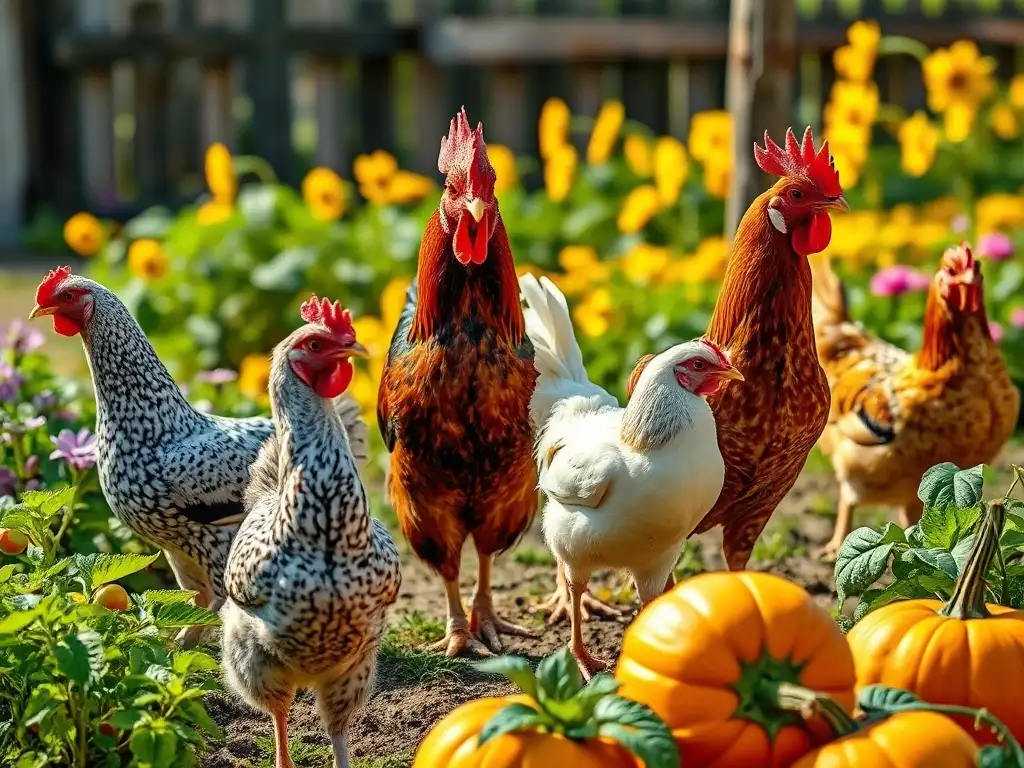
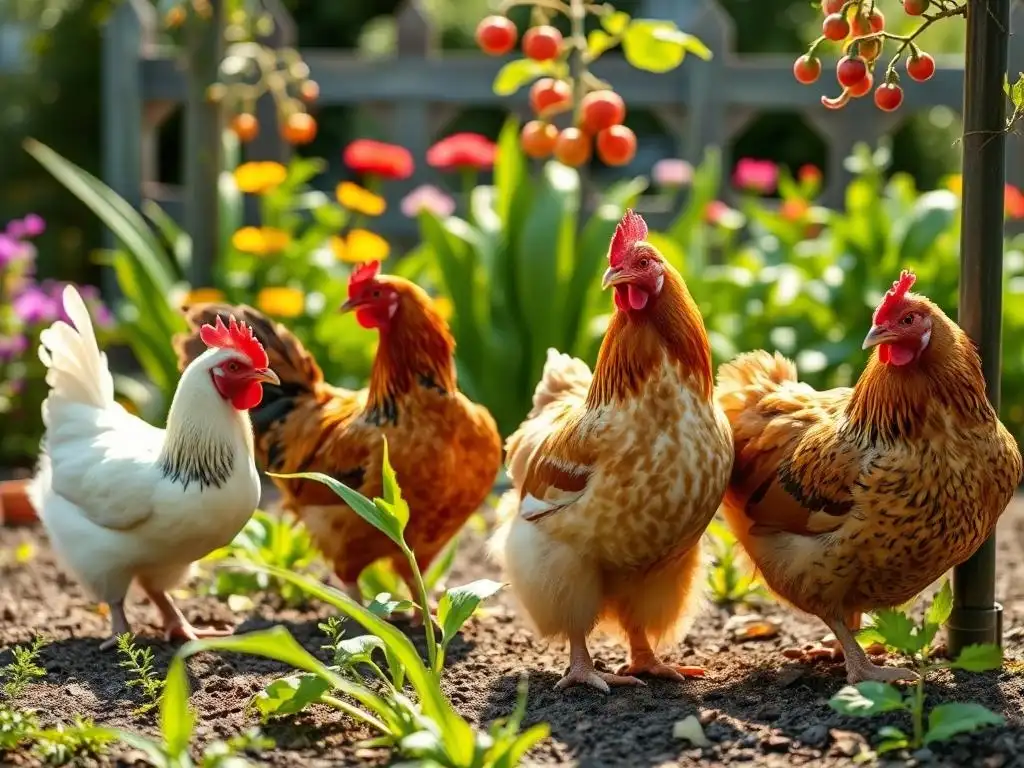
This section dives deep into specific chicken breeds well-suited for backyard gardens, focusing on their suitability for limited spaces and their contributions to a thriving, sustainable ecosystem. Choosing the right breed is crucial for maximizing your gardening efforts and minimizing any potential negative impacts on your plants. We'll examine breeds excelling in egg production, meat production, or a balanced combination of both, considering factors like space requirements, temperament, and hardiness. Remember, the "best" breed depends entirely on your specific needs and available resources.
Bantam Breeds: Ideal for Limited Space and Urban Gardening
Bantam chickens are miniature versions of standard breeds, making them perfect for small gardens and urban settings where space is at a premium. Their smaller size translates to less feed consumption and less manure to manage, while still providing a delightful contribution to your homestead.
Silkie Chickens: Their Gentle Nature and Low Space Requirements
Silkie chickens are renowned for their docile and friendly nature, making them excellent choices for families with children or those new to chicken keeping. Their fluffy plumage and unique appearance add to their charm. While not the highest egg producers, Silkies are relatively low-maintenance and adaptable to confined spaces, thriving even in small coops. They require a minimum of 4 square feet per bird. Their gentle nature minimizes the risk of them damaging delicate garden plants. Expect around 100 small, brown eggs per year.
Sebright Chickens: Miniature Beauty and Excellent Egg Layers
Sebright bantams are prized for their exquisite, laced plumage, making them a visually stunning addition to any garden. Beyond their beauty, these tiny birds are surprisingly productive egg layers, producing a respectable number of eggs considering their size. They are known for their hardiness and adaptability, though they can be a bit more demanding in terms of coop cleanliness due to their feathering. They need similar space requirements to Silkies, approximately 4 square feet per bird, and produce around 100 small, brown eggs annually.
Dual-Purpose Breeds: Meat and Eggs in a Compact Package
Dual-purpose breeds offer a versatile solution for gardeners seeking both eggs and meat. These breeds strike a balance between egg production and meat yield, providing a more sustainable approach to poultry keeping.
Orpingtons: Hardy, Friendly, and Productive Egg Layers
Orpingtons are a popular dual-purpose breed known for their calm temperament and excellent egg-laying capabilities. They are relatively large birds but still manageable in a reasonably sized backyard. Their hardy nature makes them resilient to various weather conditions, and their friendly disposition makes them enjoyable to care for. They require approximately 8 square feet per bird and produce between 180-200 large, brown eggs per year. They also provide a good amount of meat when the time comes to process them.
Wyandottes: Reliable Layers with Beautiful Plumage
Wyandottes are another excellent dual-purpose breed, appreciated for their reliable egg-laying consistency and beautiful plumage. They are known for their hardiness and adaptability, making them suitable for a range of climates and living conditions. Their gentle nature makes them suitable for backyard settings near gardens, although their larger size (compared to bantams) demands a bit more space; approximately 8 square feet per bird is recommended. Expect a solid egg production of approximately 180-200 large, brown eggs per year, with good meat yield as well. Their calm demeanor means less chance of garden damage.
Choosing the right chicken breed for your backyard garden requires careful consideration of your space limitations, desired egg and meat production, and personal preferences. Remember to always research thoroughly and prepare adequately before bringing any chickens home. Enjoy the rewards of fresh eggs and perhaps delicious meat while enhancing the biodiversity of your garden!
Choosing the Right Chicken Breed for Pest Control in Your Garden
Choosing the right chicken breed can significantly enhance your garden's pest control efforts, contributing to a more sustainable and productive growing experience. Not all chickens are created equal when it comes to pest consumption; some breeds are naturally more inclined to hunt and forage for insects and other garden nuisances than others. Selecting a breed that aligns with your specific pest challenges and garden size is crucial for optimal results.
This section will guide you through selecting the best chicken breeds for your backyard garden, focusing on their pest-control capabilities. Remember, integrating chickens into your pest management strategy is a holistic approach, complementing rather than replacing other methods.
Chicken Breeds Known for Pest Consumption
Several chicken breeds are renowned for their voracious appetites and natural inclination to hunt for insects and other garden pests. These breeds are often active foragers, spending considerable time scratching and pecking the ground, effectively controlling pest populations. Some of the top contenders for the title of "best chicken breeds backyard garden" in terms of pest control include:
- Orpingtons: Known for their docile nature and excellent foraging abilities, Orpingtons are a popular choice for backyard gardeners. Their robust build allows them to effectively search for insects hidden under leaves and in the soil.
- Wyandottes: These friendly and productive birds are also excellent foragers, readily consuming a wide variety of insects and slugs. Their relatively calm temperament makes them suitable for smaller gardens.
- Australorps: Australorps are another strong contender for best chicken breeds backyard garden. These active foragers are known for their efficiency in controlling insect populations, particularly in larger gardens.
- Rhode Island Reds: While known primarily for egg production, Rhode Island Reds are also capable foragers that will happily consume a range of garden pests.
The effectiveness of any breed will depend on factors like the size of your garden, the type of pests present, and the number of chickens you keep. More chickens will generally mean more effective pest control, but overcrowding can lead to other issues.
Identifying Common Garden Pests Chickens Can Help Control
Chickens are remarkably effective at controlling a wide array of common garden pests. Understanding which pests your chosen breed targets can help you maximize their impact. Here's a list of common garden pests that chickens readily consume:
- Insects: Many insect pests, including beetles, caterpillars, grasshoppers, and aphids, are readily consumed by chickens. Their pecking and scratching effectively disrupts insect life cycles.
- Slugs and Snails: These garden mollusks are a common nuisance. Chickens relish the opportunity to hunt and consume these pests, significantly reducing their numbers.
- Weeds: While not strictly pests, chickens can help control weed growth by consuming seeds and seedlings. This contributes to a cleaner and more organized garden.
- Grubs and larvae: Chickens are adept at detecting and consuming grubs and larvae hidden beneath the soil surface, disrupting the life cycle of many insect pests.
It’s important to note that chickens are not a silver bullet solution for all pest problems. Serious infestations may still require additional pest management strategies. The use of chickens should be considered a valuable component of an integrated pest management (IPM) strategy.
Effective Strategies for Integrating Chickens into Your Pest Management Plan
Successfully integrating chickens into your pest management plan requires careful consideration and planning. Here are some effective strategies to maximize their pest-control benefits:
- Controlled Access: Provide access to your garden areas strategically, using fencing or movable poultry netting to prevent overgrazing or damage to delicate plants.
- Supplementary Feeding: While chickens will forage extensively, providing supplemental feed ensures they remain healthy and productive. This is especially important during periods when pest populations are low.
- Monitoring and Adjustment: Regularly monitor the effectiveness of your chickens in controlling pests. Adjust your approach as needed, perhaps adding more birds or implementing supplemental pest control methods if necessary.
- Rotation: Regularly rotating your chickens' access to different areas of the garden can help prevent overgrazing and promote even pest control across your entire growing space. This also helps prevent soil compaction in any one area.
By carefully selecting the right chicken breeds and employing these strategies, you can harness the natural pest-control abilities of chickens to cultivate a healthier, more productive, and more sustainable backyard garden. Remember, integrating chickens is a long-term commitment, offering significant benefits in terms of pest control and sustainable gardening practices. 🐔
Building a Chicken Coop for Your Garden: Space-Saving Design Tips
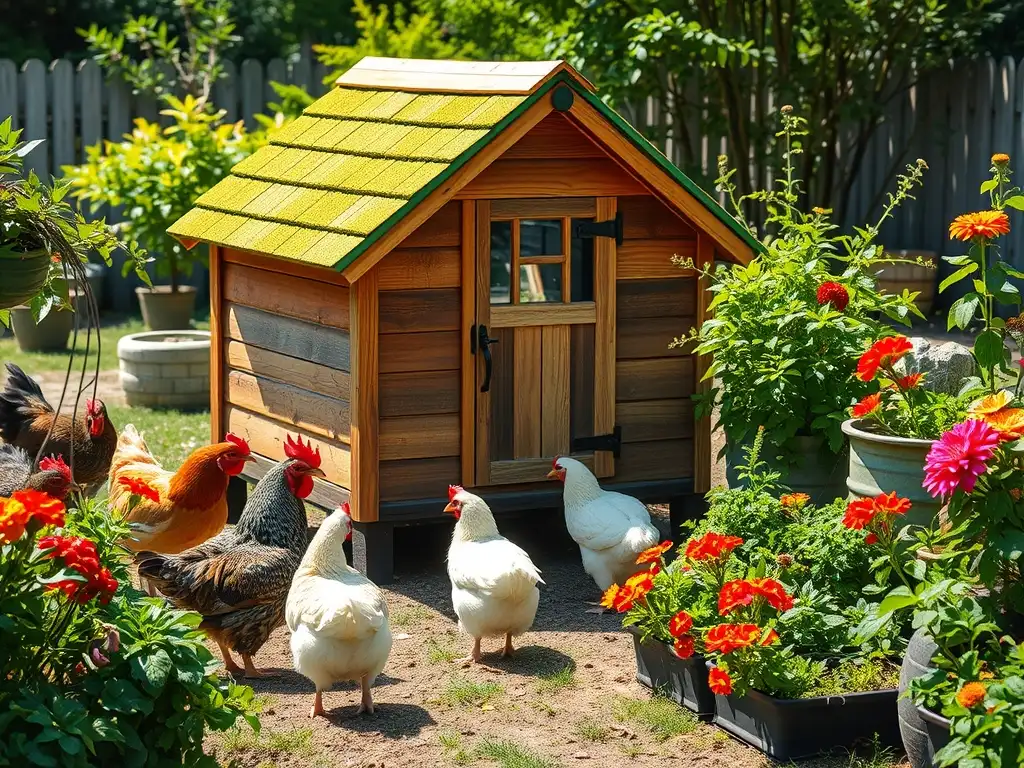
This section focuses on designing a chicken coop that seamlessly integrates into your backyard garden without overwhelming your space. Choosing the best chicken breeds for your backyard garden also involves careful consideration of the coop's footprint. Efficient coop design is crucial for maximizing your garden's productivity while providing a comfortable home for your flock.
Coop Size and Design Considerations for Small Gardens
The ideal coop size depends heavily on the number of chickens you plan to keep. Overcrowding leads to stress, disease, and poor egg production – undermining the very purpose of integrating chickens into your sustainable gardening practices. For small gardens, vertical designs are often the most space-efficient solution. Consider a multi-tiered coop, utilizing height to maximize capacity within a smaller footprint.
Think about the layout too. A long, narrow coop might fit better along a fence line than a square one. Remember to factor in space for nesting boxes, roosting bars, and easy access for cleaning.
A good rule of thumb is to allow at least 4 square feet of floor space per chicken in a free-range setup, although this may need to be adjusted depending on breed size and your local regulations. For example, a compact breed like a Bantam might require less space than a larger Orpington. Planning for future expansion is also wise; you might want to add more chickens later.
Materials and Construction: Sustainable Options for Your Chicken Coop
Sustainability should be at the forefront when building your chicken coop. Using reclaimed or recycled materials not only reduces your environmental impact but also often saves you money. Consider these options:
- Reclaimed wood: Old pallets, fence posts, or even salvaged lumber can form the base of a sturdy and attractive coop. Ensure the wood is treated appropriately to prevent rot and pest infestation.
- Recycled metal: Metal roofing sheets or discarded metal containers can provide durable and weather-resistant siding.
- Natural insulation: Straw bales or hempcrete offer excellent insulation, maintaining a comfortable temperature inside the coop throughout the year. This is particularly important for the best chicken breeds for your backyard garden during harsh weather conditions.
- Bamboo: This rapidly renewable resource provides a lightweight yet strong building material, perfect for creating a frame or supports.
Remember to prioritize materials that are easy to clean and disinfect, essential for maintaining a healthy environment for your chickens.
Creating a Safe and Comfortable Environment for Your Chickens
Beyond the structure itself, creating a safe and comfortable living space for your chickens is paramount. This directly impacts egg production and the overall health of your flock, enhancing your gardening efforts.
- Predator Protection: Secure your coop against predators like foxes, raccoons, and weasels. Use strong wire mesh, bury the bottom of the coop's foundation, and ensure all entry points are securely fastened. Consider adding a secure run attached to the coop, allowing for safe outdoor access.
- Ventilation and Light: Adequate ventilation is crucial to prevent ammonia buildup and maintain a healthy atmosphere. Proper airflow minimizes the risk of respiratory problems. Natural light is also important for chicken health and egg production; however, ensure there's sufficient shade to prevent overheating during hot weather.
- Nesting Boxes: Provide sufficient nesting boxes, ideally one for every 3-4 hens, filled with soft bedding like straw or wood shavings. The boxes should be dark, quiet, and easily accessible for egg collection. This is especially important for breeds known for their excellent laying capabilities, often considered among the best chicken breeds for your backyard garden.
- Roosting Bars: Offer sturdy roosting bars, slightly angled to allow chickens to comfortably perch. The bars should be spaced appropriately to avoid overcrowding.
By following these guidelines, you can create a chicken coop that's both functional and aesthetically pleasing, enhancing your backyard garden and providing a thriving home for your chickens. Remember, a happy chicken is a productive chicken!
Maintaining a Healthy and Productive Flock in a Small Garden
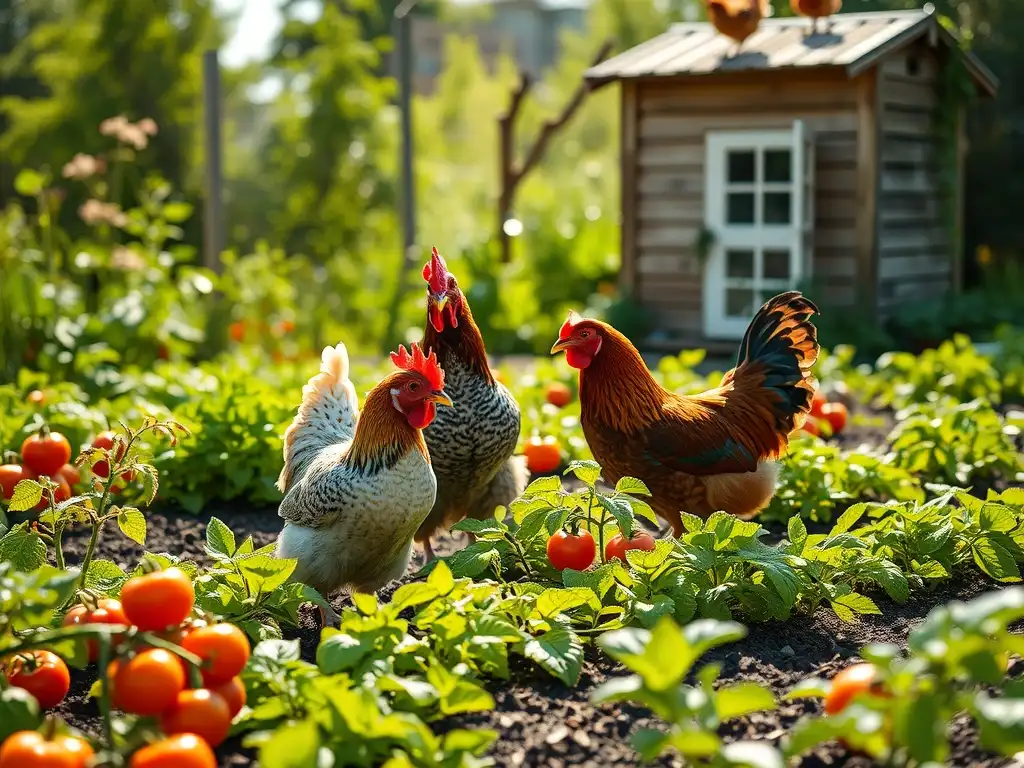
This section focuses on the practical aspects of keeping chickens in a small backyard garden, emphasizing health, nutrition, and waste management for a thriving flock and a productive garden. Successfully integrating chickens into your gardening requires careful planning and consistent attention to their well-being. Choosing the best chicken breeds for your backyard garden is only the first step; maintaining a healthy flock is crucial for both their happiness and the success of your garden.
Feeding and Nutrition: Choosing the Right Feed for Your Chickens
Providing your chickens with a balanced and nutritious diet is paramount to their health and egg production. Commercial chicken feed is readily available and formulated to meet their nutritional needs, but supplementing with kitchen scraps and foraging opportunities can further enhance their diet and reduce feed costs. Always ensure that any supplemental food is fresh and free from harmful substances. Spoiled food can lead to illness, impacting your flock's health and potentially contaminating your garden soil.
Avoid feeding your chickens:
- Processed meats and dairy: These can introduce unwanted bacteria and parasites.
- Avocado: This fruit contains persin, which is toxic to chickens.
- Chocolate: Contains theobromine, which is poisonous to chickens.
- Raw potatoes: Contain solanine, a toxin harmful to chickens.
- Rhubarb: Contains oxalic acid, which is toxic.
A good rule of thumb is to offer a variety of feed types, including:
- Commercial layer feed: Provides essential nutrients for egg-laying hens. Look for feeds specifically formulated for laying hens and consider organic options to align with sustainable practices.
- Scratch grains: Provides a supplemental source of energy and fiber. Wheat, oats, and cracked corn are good choices.
- Kitchen scraps: Offer small amounts of vegetable scraps, such as lettuce leaves, carrot tops, and fruit peels (avoid citrus peels). Always ensure scraps are fresh and clean. Never feed moldy or spoiled food.
- Foraging opportunities: Allow your chickens access to a designated area where they can forage for insects and greens. This contributes to their natural foraging behavior and adds variety to their diet.
Proper nutrition is crucial for preventing health problems and maximizing egg production. Regularly monitor your chickens' feed intake and adjust as needed based on their age, breed, and activity level. A healthy chicken will have bright eyes, shiny feathers, and a robust appetite.
Health and Disease Prevention: Keeping Your Flock Healthy and Happy
Regular health checks are essential for preventing and addressing health issues in your flock. Early detection of illness can prevent outbreaks and reduce mortality rates. Look for signs of illness, such as lethargy, loss of appetite, respiratory distress, or unusual droppings. If you suspect an illness, isolate the affected bird and consult a veterinarian specializing in poultry.
Implementing proactive measures is key to preventing disease:
- Cleanliness: Maintain a clean coop and run, regularly removing droppings and soiled bedding. This helps minimize the risk of parasitic infestations and bacterial infections.
- Vaccination: Consult your veterinarian about recommended vaccinations for your area and breed. Vaccinations can protect your flock from common poultry diseases.
- Quarantine: Quarantine any new birds for at least 30 days before introducing them to your existing flock. This helps prevent the introduction of diseases.
- Parasite control: Regularly check your chickens for parasites such as mites and lice. Use appropriate treatments as needed. Natural methods, such as diatomaceous earth, can be explored as alternatives to chemical treatments.
Remember, a healthy flock contributes to a healthy garden. Sick chickens can spread disease, impacting both your birds and your plants. Prioritizing their health is an investment in the overall success of your integrated system. Consider keeping a simple record of your flock's health, noting any unusual behaviors or symptoms. This will help you track potential problems and respond effectively.
Waste Management: Composting Chicken Manure for Garden Enrichment
Chicken manure is a rich source of nutrients for your garden, but it must be composted properly to avoid burning your plants. Fresh chicken manure is high in nitrogen and can be harmful to plants if applied directly. The composting process breaks down the manure, reducing its ammonia content and making it safe for use as a fertilizer.
Here's how to effectively compost chicken manure:
- Composting Method: Use a layered composting method. Alternate layers of chicken manure with carbon-rich materials such as dried leaves, straw, or wood chips. This helps balance the nitrogen content and promotes proper decomposition. Maintain a carbon-to-nitrogen ratio of approximately 30:1.
- Moisture Level: Keep the compost pile moist but not soggy. Too much moisture can lead to anaerobic decomposition and foul odors. Regularly turn the pile to ensure adequate aeration.
- Temperature: The compost pile should reach temperatures of 130-160°F (54-71°C) to kill pathogens. Use a compost thermometer to monitor the temperature.
- Turning: Regularly turning the compost pile every few weeks helps to aerate the material, speed up decomposition, and maintain optimal temperature.
- Time: The composting process can take several months, depending on factors such as the size of the pile, the materials used, and the ambient temperature.
Once the compost has fully decomposed, it can be safely used as a fertilizer for your garden. It provides essential nutrients such as nitrogen, phosphorus, and potassium, improving soil health and plant growth. This closed-loop system minimizes waste and maximizes resource utilization, aligning perfectly with sustainable gardening practices. Composting chicken manure is a crucial step in creating a truly self-sufficient garden ecosystem.
Harvesting and Utilizing Chicken Eggs and Meat in Your Sustainable Garden
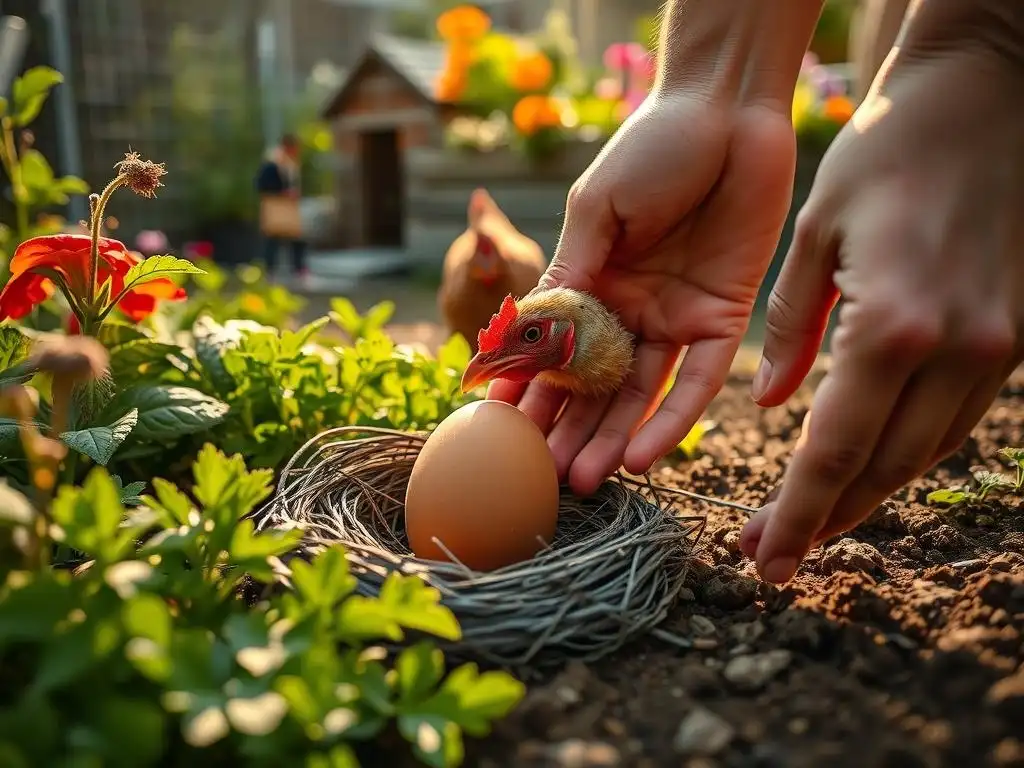
This section focuses on maximizing the benefits of your backyard chickens, transforming them from garden companions into valuable contributors to your self-sufficient lifestyle. We'll explore efficient egg collection, optimal storage techniques, and sustainable meat processing methods, all within the context of your organic garden. The goal is to show you how to seamlessly integrate your chickens into your overall sustainable food production strategy. This is crucial for achieving the "Best chicken breeds backyard garden" setup.
Collecting and Storing Fresh Eggs
Collecting fresh eggs daily is key to maintaining quality and minimizing the risk of spoilage. The frequency of collection depends on your breed and the number of hens. For example, a prolific layer like an Orpington might require twice-daily collection during peak laying periods, while a smaller breed might only need once-a-day checks. Always collect eggs gently, avoiding cracks or jarring. Use a sturdy basket or carton to protect the eggs during transport to your storage area.
Proper storage is essential to maintain egg freshness and quality. Ideally, store eggs in a cool, dry place with a consistent temperature between 40-50°F (4-10°C). A refrigerator is the best option for long-term storage. Avoid washing eggs unless absolutely necessary, as washing can remove the natural protective cuticle, increasing the risk of bacterial contamination. Eggs stored correctly can generally last 3-5 weeks. Always refrigerate eggs as soon as possible after collection. Proper egg handling is a crucial aspect of achieving a truly sustainable and productive "Best chicken breeds backyard garden."
Sustainable Meat Production and Processing
While eggs are a primary product, integrating chicken meat into your sustainable garden plan adds another layer of self-sufficiency. When deciding on processing, consider the ethical implications and choose methods that minimize the bird's suffering. Humanely raising your chickens is paramount to aligning with the principles of a sustainable and organic garden. Processing should be done quickly and efficiently, ensuring the meat is handled hygienically to avoid spoilage and bacterial contamination.
Planning for meat production requires careful consideration. You need to account for the age of your birds, breed characteristics impacting meat yield, and the overall size of your flock. Some breeds are known for their superior meat quality, while others are better suited for egg production. Researching and selecting breeds appropriate for dual-purpose (meat and eggs) is vital for a balanced approach to maximizing resources within your "Best chicken breeds backyard garden." Proper butchering techniques, including scalding, plucking, and evisceration, are essential for obtaining high-quality meat. You can learn these techniques through online resources or local workshops.
Integrating Chicken Byproducts into your Composting Strategy
Chicken manure is a highly valuable resource for composting and enriching your garden soil. It's rich in nitrogen, phosphorus, and potassium, essential nutrients for healthy plant growth. However, fresh chicken manure is high in nitrogen and needs to be composted properly to avoid burning your plants. Never directly apply fresh manure to your garden beds.
Effective composting involves layering chicken manure with carbon-rich materials like straw, wood chips, or dried leaves. This creates a balanced composting environment promoting efficient decomposition and reducing the risk of ammonia buildup. The composting process requires regular turning to ensure proper aeration. The resulting compost provides a slow-release fertilizer, promoting healthy, vigorous plant growth.
This significantly reduces the need for chemical fertilizers, aligning perfectly with the principles of a sustainable, organic "Best chicken breeds backyard garden." Regular monitoring of the compost pile's temperature and moisture levels is crucial for optimal decomposition. Using chicken byproducts for composting is a vital component of a truly closed-loop sustainable garden system.
Beyond the Basics: Advanced Tips for Backyard Chicken Keeping
This section delves into more advanced techniques for successfully integrating chickens into your backyard garden ecosystem, moving beyond the basics of breed selection and housing. We'll explore strategies for maximizing the benefits of your flock while minimizing potential challenges. Optimizing your setup for the "best chicken breeds backyard garden" requires careful planning and ongoing management.
Breeding Chickens for Your Garden Needs
Breeding your own chickens can be a rewarding experience, allowing you to select for specific traits beneficial to your garden. This isn't just about getting more eggs; it's about tailoring your flock to your specific needs and maximizing their contribution to your sustainable gardening practices. For example, if pest control is a major concern, you might selectively breed for chickens known for their voracious appetites for certain insects. Conversely, if you prioritize egg production, you'll focus on breeds known for high egg-laying rates.
Careful record-keeping is crucial. Maintain detailed records of your chickens' laying rates, egg size, temperament, and resistance to disease. This data will inform your breeding decisions and help you improve your flock over time. Consider using a spreadsheet or dedicated poultry-breeding software to track this information effectively. Remember, consistent monitoring and selection are key to achieving your breeding goals. Don't expect immediate results; it takes time and patience to develop a flock optimized for your garden.
The process of breeding for specific traits requires understanding basic genetics. While not necessary to be a genetics expert, a basic understanding of dominant and recessive genes will help you make more informed decisions about which birds to breed together. For example, if you want to increase the size of your eggs, you would select hens known for larger eggs and breed them with roosters that have a history of producing offspring with larger eggs.
Protecting Your Flock from Predators
Protecting your flock from predators is paramount for the success of your backyard chicken operation. This involves a multi-pronged approach, combining preventative measures with active deterrents. The "best chicken breeds backyard garden" strategy often includes a secure coop and run.
- Coop Security: A robust coop with a secure roof, strong walls, and a predator-proof door is essential. Consider using hardware cloth (small mesh wire) to reinforce any potential weak points. The coop should be raised off the ground to prevent digging predators from accessing the chickens.
- Run Security: The run should be equally secure, using similar materials to the coop. Bury the wire mesh at least a foot deep to prevent digging predators from undermining the fence. Consider adding an electric net around the perimeter for an extra layer of protection.
- Predator Deterrents: Motion-activated lights, noisemakers, and even guard animals (such as a large dog) can be effective deterrents. Regularly inspect your coop and run for any signs of damage or intrusion.
- Natural Predators: Understanding the local predators in your area is crucial. Raccoons, foxes, coyotes, and even birds of prey can pose a threat. Tailoring your security measures to the specific threats in your environment is key.
Failing to adequately protect your flock can lead to significant losses, both financially and emotionally. Investing in robust security measures is a worthwhile investment in the long-term success of your backyard chicken operation.
Troubleshooting Common Problems in Backyard Chicken Keeping
Even with careful planning and management, you're likely to encounter some challenges when keeping chickens in your backyard. Being prepared to troubleshoot common problems will help you maintain a healthy and productive flock.
- Egg Production Issues: A sudden drop in egg production can be caused by several factors, including stress, poor nutrition, illness, or molting. Ensure your chickens have access to adequate food and water, a comfortable environment, and are free from disease.
- Parasites and Diseases: Regularly check your chickens for signs of parasites (mites, lice) or disease. Consult with a veterinarian for diagnosis and treatment. Good hygiene practices in the coop and run can help prevent parasite infestations.
- Pecking Order Problems: Pecking order disputes are common, particularly in overcrowded conditions. Ensuring sufficient space for each chicken can help minimize these issues. Providing enrichment activities, such as dust baths, can also help divert attention away from aggressive behavior. Severe cases may require intervention to separate aggressive birds.
- Broodiness: Some hens become broody, meaning they want to sit on eggs and hatch them. While this is a natural behavior, it can disrupt egg production. If you don't want your hens to hatch eggs, you can gently remove them from the nest and provide distractions.
Addressing these common problems promptly and effectively is crucial for maintaining a thriving flock that contributes positively to your garden. Regular monitoring, proactive preventative measures, and access to veterinary care are essential components of responsible backyard chicken keeping. Remember, a healthy flock is a productive flock, contributing significantly to the overall success of your “best chicken breeds backyard garden” endeavor. 🐔
Frequently Asked Questions
What chicken breeds are best suited for a backyard garden?
Many breeds excel in a backyard setting! Orpingtons, Australorps, and Wyandottes are known for their docile nature and good egg production, making them ideal for smaller spaces. Consider your space and desired egg output when choosing.
How much space do I need for backyard chickens?
The amount of space needed depends on the number of chickens. A general guideline is 4-6 square feet per chicken in a coop and 10-15 square feet per chicken in a run. Ensure you have enough room for comfortable movement and foraging.
Will chickens damage my garden?
Chickens can benefit your garden by controlling pests and providing fertilizer from their droppings. However, they can also damage plants if not properly managed. Careful planning and providing a separate foraging area can minimize damage.
How many chickens can I keep in my backyard?
Local ordinances often restrict the number of chickens allowed in residential areas. Check your local regulations before acquiring any chickens. Start with a smaller flock and expand as you gain experience.
What are the best ways to protect my garden from chickens?
Use fencing to create separate areas for chickens and garden plants. You can also use protective netting over vulnerable plants or plant chicken-resistant vegetables. Proper planning and management are key.
Final Reflection: Cultivating Harmony: Chickens, Gardens, and the Good Life
The symbiotic relationship between backyard chickens and thriving gardens is more relevant than ever, a testament to the growing desire for sustainable living and self-sufficiency. In a world increasingly disconnected from its food sources, raising chickens offers a tangible link to nature and a rewarding path towards greater food security, even on a small scale. The careful selection of chicken breeds, as explored in this article, is the cornerstone of this harmonious coexistence.
The impact of backyard chickens extends far beyond the fresh eggs and nutrient-rich fertilizer they provide; they enrich our lives in countless ways. They bring a sense of calm and connection to the natural world, fostering a deeper appreciation for the cycles of life and the simple pleasures of self-reliance. As Wendell Berry so eloquently put it: The practice of gardening, like the practice of any art, is a practice of attention.
This attention, extended to our feathered friends and the garden they help nurture, cultivates a mindful approach to living that resonates far beyond the backyard fence.
Now, consider your own space, your own dreams of a more sustainable and fulfilling life. What kind of garden do you envision? What role could chickens play in bringing that vision to life? Take the time to research the breeds discussed, or explore others that might suit your specific needs and environment. The journey towards a thriving garden and a happy flock is a deeply personal one, filled with learning, growth, and the immeasurable satisfaction of nurturing life in all its forms. Embrace the opportunity to cultivate harmony, both in your garden and within yourself.
Unleash Your Inner Farmer: Start Raising Backyard Chickens Today!
Thank you for learning about choosing the perfect chicken breed for your garden! We hope you feel confident selecting birds that will thrive in your space and enhance your gardening experience. Ready for the next step?
- Building your flock: Research local hatcheries or breeders offering breeds mentioned in the article. Start small, perhaps with two or three hens, to gain experience.
- Sharing your knowledge: Tell your friends and family about the joys of backyard chickens and sustainable gardening! Encourage them to start their own flocks.
- Deepening your knowledge of chicken care: Explore online resources (including our website's extensive chicken-keeping section) and connect with local chicken keepers for ongoing support and advice.
What breed are you most excited to raise, and what's your biggest concern about starting? Let's discuss!