
Choosing the Right Varieties for Your Family's Needs and Preferences

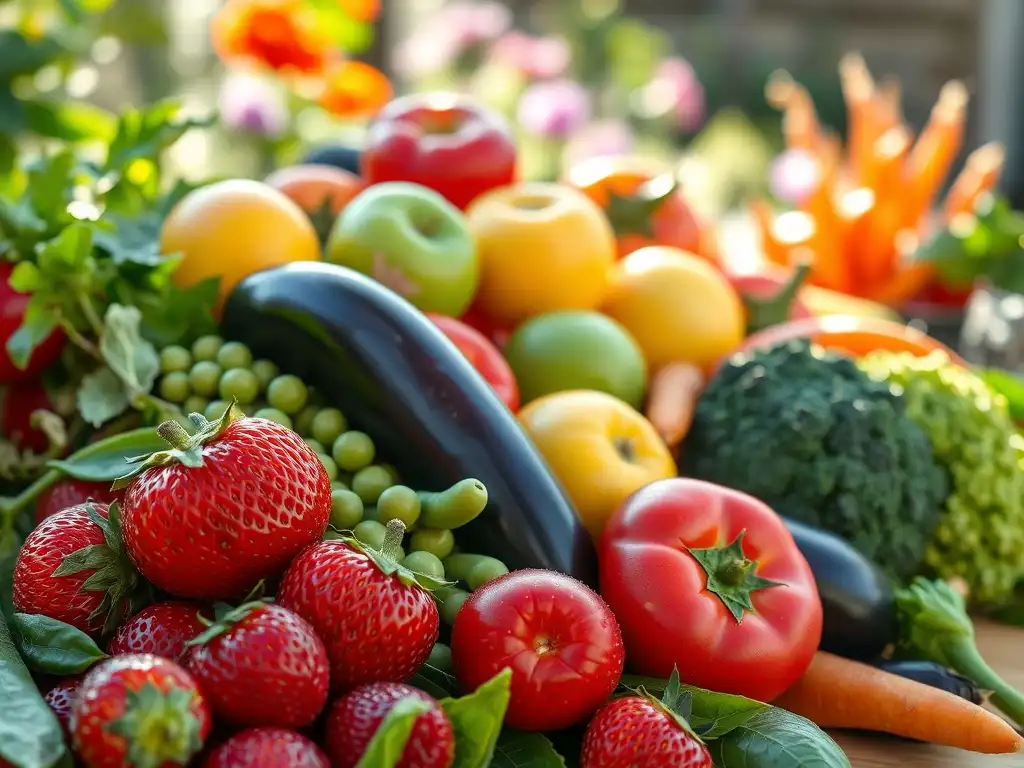
Welcome to CultivateYourFood, your guide to a bountiful and sustainable harvest! Are you dreaming of fresh, homegrown produce bursting with flavor? Then you're in the right place. Discover the secrets to growing your own fruits, vegetables, and herbs organically, from seed to table. This journey begins with selecting the perfect varieties for your family – learn about the Best fruit vegetable varieties families to cultivate and unlock the joy of self-sufficiency. Let's get growing!
-
Understanding Your Family's Needs: The Foundation for Successful Home Gardening
- Assessing Your Family's Dietary Habits and Preferences: Best Fruit Vegetable Varieties Families Consume
- Determining Your Family's Consumption Rates: Planning for Adequate Yields of Best Fruit Vegetable Varieties
- Considering Storage and Preservation Methods: Extending the Harvest Season with the Best Fruit Vegetable Varieties
-
Selecting High-Yielding and Adaptable Fruit Varieties for Your Family
- Choosing Fruit Varieties Suitable for Your Climate: Best Fruit Varieties for Your Region
- Selecting Disease-Resistant and Pest-Tolerant Fruit Varieties: Minimizing Maintenance with the Best Fruit and Vegetable Varieties
- Prioritizing Easy-to-Grow Fruit Varieties for Beginners: Best Fruit Vegetable Varieties for First-Timers
-
Choosing Productive and Flavorful Vegetable Varieties for Your Family
- Selecting Vegetable Varieties That Thrive in Your Growing Conditions: Best Vegetable Varieties for Your Soil
- Choosing Vegetables That Match Your Family's Taste Preferences: Best Vegetable Varieties Families Love
- Prioritizing Nutrient-Rich Vegetable Varieties: Best Vegetable Varieties for Nutritional Value
-
Optimizing Your Garden Layout for Maximum Yield and Accessibility
- Planning for Efficient Space Utilization: Best Fruit Vegetable Varieties for Small Gardens
- Organizing Your Garden for Easy Harvesting and Maintenance: Best Fruit Vegetable Varieties for Ease of Access
- Integrating Companion Planting for Enhanced Growth: Best Fruit Vegetable Varieties for Companion Planting
- Beyond the Basics: Exploring Heirloom and Specialty Varieties
- Planning for Seasonal Variety: A Year-Round Harvest
-
Frequently Asked Questions
- What are some of the best fruit and vegetable varieties for families?
- How do I choose varieties suitable for my climate?
- What are some low-maintenance fruit and vegetable options for busy families?
- Where can I find reliable seeds or plants for these varieties?
- How can I ensure my family enjoys the fruits and vegetables we grow?
- Final Reflection: Cultivating a Harvest of Family Happiness
- Unleash Your Inner Gardener: Grow Your Dream Harvest!
Understanding Your Family's Needs: The Foundation for Successful Home Gardening
Growing your own food is a rewarding endeavor, offering fresh, healthy produce and a deeper connection to nature. However, successfully cultivating enough food for your family requires careful planning and consideration of individual needs and preferences. This article guides you through the process of selecting the best fruit and vegetable varieties to meet your family's specific dietary requirements and consumption patterns, ensuring a bountiful and satisfying harvest. Choosing the right varieties is crucial for maximizing your yield, minimizing waste, and ultimately, enjoying the fruits (and vegetables!)
of your labor. We'll explore how to assess your family's eating habits, estimate consumption rates, and consider practical storage and preservation methods to get the most from your homegrown produce. This approach ensures you're planting what your family will actually eat, making your gardening efforts more efficient and enjoyable. Let's get started on selecting the best fruit vegetable varieties families rely on!
Assessing Your Family's Dietary Habits and Preferences: Best Fruit Vegetable Varieties Families Consume
Before you even think about planting, take some time to understand your family's culinary landscape. What are your family's favorite fruits and vegetables? Are there any allergies or dietary restrictions to consider? Do you prefer certain colors, textures, or flavors? Keeping a food journal for a week or two can be incredibly helpful. Note down everything your family eats, paying attention to what gets consumed quickly and what might linger. This will give you valuable insight into the best fruit and vegetable varieties for your family.
Consider these questions:
- Do you have picky eaters? If so, what are their preferences? Perhaps focusing on a few kid-friendly varieties initially might be a good strategy.
- What are your family's favorite recipes? This can help you identify specific varieties that are ideal for those dishes. For example, a specific tomato variety for your favorite pasta sauce or a particular pepper for your go-to salsa.
- Are there any fruits or vegetables that are consistently wasted? This indicates varieties that might not be ideal choices for your family.
- Do you have any dietary restrictions or preferences, such as vegetarian, vegan, or gluten-free? This will influence the types of produce you choose to grow.
Creating a simple table can help organize your findings:
| Fruit/Vegetable | Family Preference (High/Medium/Low) | Dietary Considerations | Recipes Using This Produce |
|---|---|---|---|
| Tomatoes | High | None | Pasta sauce, salads, sandwiches |
| Lettuce | Medium | None | Salads, wraps |
| Strawberries | High | None | Jams, desserts, snacks |
| Peppers | Medium | None | Salsa, stir-fries |
This detailed assessment forms the bedrock of your planting plan, ensuring you cultivate the best fruit vegetable varieties your family truly enjoys.
Determining Your Family's Consumption Rates: Planning for Adequate Yields of Best Fruit Vegetable Varieties
Understanding your family’s consumption rates is crucial for planting the right amount of each variety. Overplanting leads to wasted produce, while underplanting leaves you wanting more. Refer back to your food journal to estimate how much of each fruit and vegetable your family consumes weekly or monthly. Consider factors like seasonal availability – you’ll need more of a summer squash variety than a winter squash variety.
For example:
- If your family consumes 2 pounds of tomatoes per week, and your chosen variety yields approximately 5 pounds per plant, you might need to plant 1-2 tomato plants.
- If you consume a head of lettuce per week and your chosen variety produces one head per plant, you would need to plant several plants to ensure a continuous supply throughout the growing season.
Remember to account for potential losses due to pests, diseases, or unfavorable weather conditions. It's always better to slightly overplant than to come up short. This meticulous planning will ensure you have enough of the best fruit vegetable varieties for your family's needs throughout the year. Don't forget to factor in the space you have available in your garden!
Considering Storage and Preservation Methods: Extending the Harvest Season with the Best Fruit Vegetable Varieties
Even with careful planning, you'll likely have a surplus of certain fruits and vegetables at peak harvest time. Planning ahead for storage and preservation methods is crucial to maximize the life of your homegrown produce. Consider these options:
- Refrigeration: Many fruits and vegetables store well in the refrigerator, extending their shelf life by several days or even weeks.
- Freezing: Freezing is an excellent method for preserving many fruits and vegetables for longer periods. Blanching before freezing helps to retain color, flavor, and nutrients.
- Canning: Canning is a traditional method for preserving fruits and vegetables, allowing you to enjoy them throughout the year.
- Drying: Drying is a simple and effective way to preserve herbs, tomatoes, and other fruits and vegetables.
- Pickling and Fermenting: Pickling and fermenting are excellent ways to add flavor and extend the shelf life of various vegetables.
By considering these methods, you can effectively utilize your harvest, reducing waste and enjoying the fruits of your labor for months to come. Proper storage and preservation techniques are crucial components in successfully growing enough food for your family using the best fruit vegetable varieties.
Selecting High-Yielding and Adaptable Fruit Varieties for Your Family
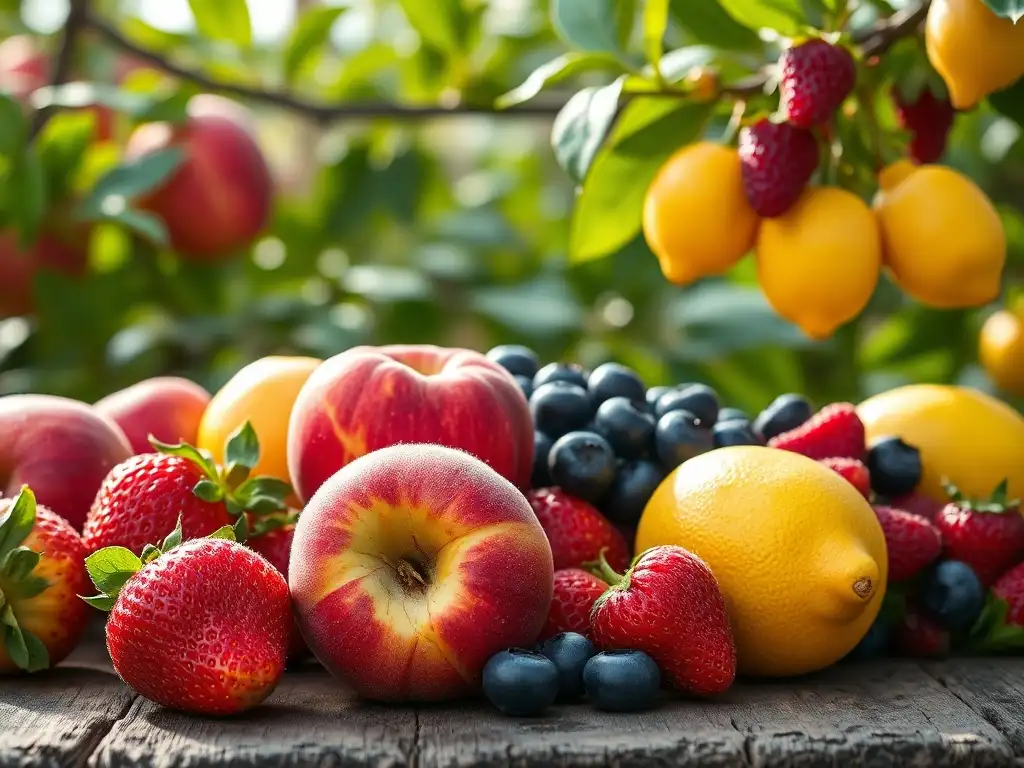
Choosing the best fruit vegetable varieties families rely on often boils down to maximizing yield and adapting to various growing conditions. High-yielding varieties ensure you harvest enough to feed your family, while adaptability guarantees success even with less-than-ideal circumstances. Let's explore some key considerations:
Choosing Fruit Varieties Suitable for Your Climate: Best Fruit Varieties for Your Region
Your climate dictates which fruits will thrive. Ignoring this crucial factor leads to disappointment and wasted effort. Before selecting any variety, research your USDA Plant Hardiness Zone. This zone indicates the average minimum winter temperature in your area, providing valuable information about suitable fruit trees and bushes. For example, peaches flourish in warmer zones, while apples tolerate cooler climates.
Furthermore, consider your specific microclimate – sunny slopes might support heat-loving fruits better than shaded areas. Detailed regional guides, often available from local agricultural extension offices or nurseries, offer invaluable insights into the best performing fruit varieties in your specific location. Don't hesitate to consult these resources; they are an invaluable tool for success in your gardening endeavors. Choosing the right variety from the start minimizes the risk of failure, ensuring a bountiful harvest.
Selecting Disease-Resistant and Pest-Tolerant Fruit Varieties: Minimizing Maintenance with the Best Fruit and Vegetable Varieties
Disease and pest resistance are crucial for minimizing maintenance and maximizing yield. Investing in disease-resistant varieties reduces the need for chemical pesticides, aligning with sustainable and organic practices. Many fruit varieties have been bred for enhanced resistance to common diseases and pests. For instance, some apple varieties exhibit strong resistance to apple scab, a fungal disease that can significantly reduce fruit quality.
Similarly, certain berry varieties are naturally more resilient to common pests like aphids. Researching disease and pest profiles for different varieties before planting is essential for long-term success. This preventative measure saves time, effort, and the potential environmental impact of chemical intervention. Remember, selecting resilient varieties is a key element in creating a thriving and productive fruit garden.
Prioritizing Easy-to-Grow Fruit Varieties for Beginners: Best Fruit Vegetable Varieties for First-Timers
If you're a beginner, starting with easy-to-grow varieties builds confidence and sets you up for success. Choosing low-maintenance options allows you to focus on mastering fundamental gardening techniques without being overwhelmed. Some fruits are naturally more forgiving than others. For example, bush beans and zucchini are known for their rapid growth and high yield, even with minimal care. Similarly, certain berry varieties, like raspberries and strawberries, are relatively easy to cultivate, providing a quick reward for your efforts.
Consult gardening guides or local nurseries to identify varieties specifically labeled as "easy-to-grow" or "beginner-friendly." Remember, early success fosters enthusiasm, encouraging you to expand your gardening endeavors in the future. Starting with simple, reliable varieties is the perfect way to build your skills and confidence, paving the way for a more diverse and productive garden in the years to come. 🍎🍓🍅
Choosing Productive and Flavorful Vegetable Varieties for Your Family
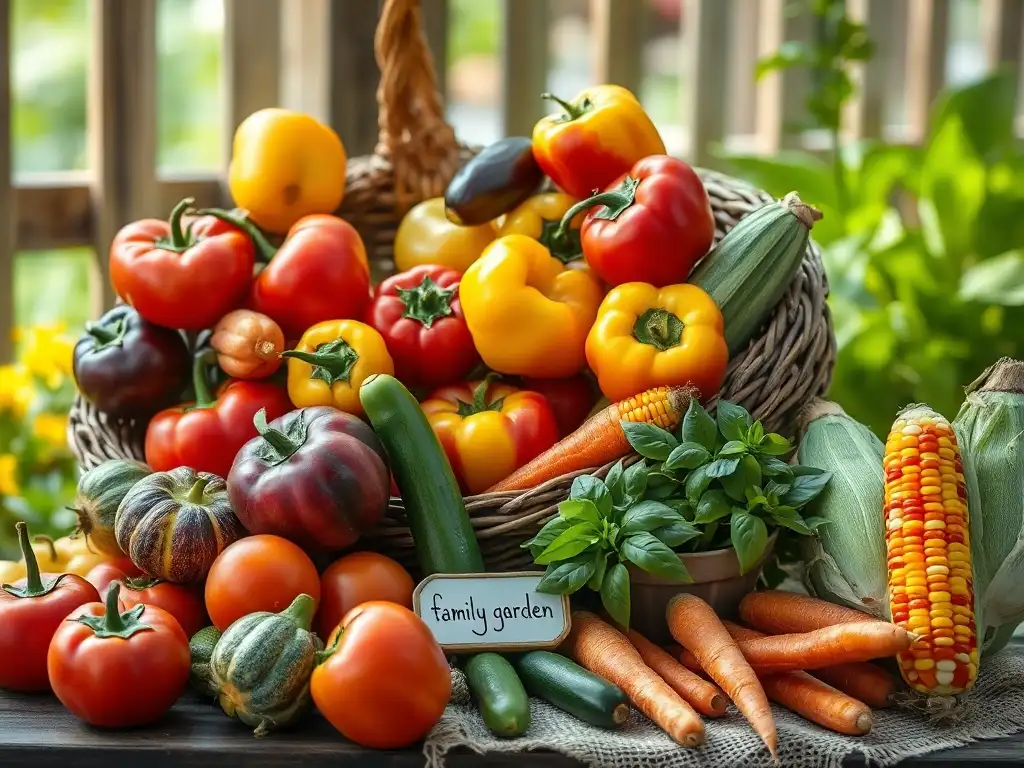
This section focuses on selecting vegetable varieties that maximize yield and taste, crucial aspects for families aiming for self-sufficiency. We'll explore factors to consider when choosing the best fruit vegetable varieties families can rely on for bountiful harvests and delicious meals. Finding the right balance between productivity and flavor is key to successful home gardening and ensuring your family enjoys the fruits (and vegetables!) of your labor.
Selecting Vegetable Varieties That Thrive in Your Growing Conditions: Best Vegetable Varieties for Your Soil
Understanding your soil type is paramount. Different vegetables have varying needs regarding soil pH, drainage, and nutrient content. For example, tomatoes thrive in well-drained, slightly acidic soil (pH 6.0-6.8), while potatoes prefer slightly alkaline soil (pH 5.5-7.0). Ignoring these needs can lead to poor yields and unhealthy plants.
Before selecting your seeds or seedlings, conduct a soil test. This simple test will reveal your soil's pH, nutrient levels (nitrogen, phosphorus, potassium), and overall composition. Based on the results, you can amend your soil accordingly. For instance, adding compost can improve drainage, aeration, and nutrient content, benefiting almost all vegetables.
Consider your climate as well. Choose varieties known for their resilience to your region's typical weather conditions, including temperature extremes, rainfall, and sunlight. Early-maturing varieties are ideal for shorter growing seasons. Local nurseries are excellent resources, as they carry varieties specifically adapted to your area.
Here's a simplified table illustrating suitable soil types for some popular vegetables:
| Vegetable | Ideal Soil pH | Soil Drainage Needs | Notes |
|---|---|---|---|
| Tomatoes | 6.0 - 6.8 | Well-drained | Amend heavy clay soils with compost. |
| Potatoes | 5.5 - 7.0 | Well-drained | Avoid waterlogged conditions. |
| Leafy Greens | 6.0 - 7.0 | Well-drained | Tolerates slightly acidic to neutral soil. |
| Peppers | 6.0 - 7.0 | Well-drained | Similar needs to tomatoes. |
| Root Vegetables | 6.0 - 7.0 | Well-drained | Loose, sandy loam is ideal. |
Choosing the right variety based on your soil's characteristics significantly increases your chances of a successful harvest. Remember, healthy soil is the foundation for thriving plants.
Choosing Vegetables That Match Your Family's Taste Preferences: Best Vegetable Varieties Families Love
This step is all about personal preference! There's no point in growing bushels of zucchini if nobody in your family enjoys it. Involve your family in the selection process. Consider what vegetables everyone likes and what new ones you might want to try.
Think about different cultivars within each vegetable type. For example, instead of just "tomatoes," consider heirloom varieties known for their unique flavors, like Brandywine or Cherokee Purple, or cherry tomatoes for snacking. Similarly, explore different types of lettuce—butterhead, romaine, or red leaf—to find your family's favorite.
Taste tests can be fun! Visit a local farmers market or a grocery store with a wide selection of produce and allow your family to sample different varieties. This hands-on approach can significantly influence your choices and lead to a more satisfying gardening experience. This participatory approach ensures everyone feels invested in the process, boosting morale and potentially inspiring future gardening efforts.
Prioritizing Nutrient-Rich Vegetable Varieties: Best Vegetable Varieties for Nutritional Value
Beyond taste and yield, prioritize nutrient density. Certain vegetables are nutritional powerhouses, offering a wealth of vitamins, minerals, and antioxidants. Incorporating these into your family's diet can contribute significantly to their overall health and well-being.
Dark leafy greens like kale, spinach, and collard greens are packed with vitamins A, C, and K, along with iron and fiber. Cruciferous vegetables such as broccoli, cauliflower, and Brussels sprouts are rich in antioxidants and fiber. Sweet potatoes are an excellent source of vitamin A and beta-carotene.
Consider rotating your crops to maximize nutrient diversity throughout the growing season. This strategy ensures a continuous supply of various nutrients, preventing nutritional deficiencies. Planning your planting schedule accordingly, considering the different growth cycles of different vegetable varieties, is vital for successful crop rotation. A well-planned garden yields both delicious and nutritious food for your family. Remember, a varied diet is a healthy diet!
Optimizing Your Garden Layout for Maximum Yield and Accessibility
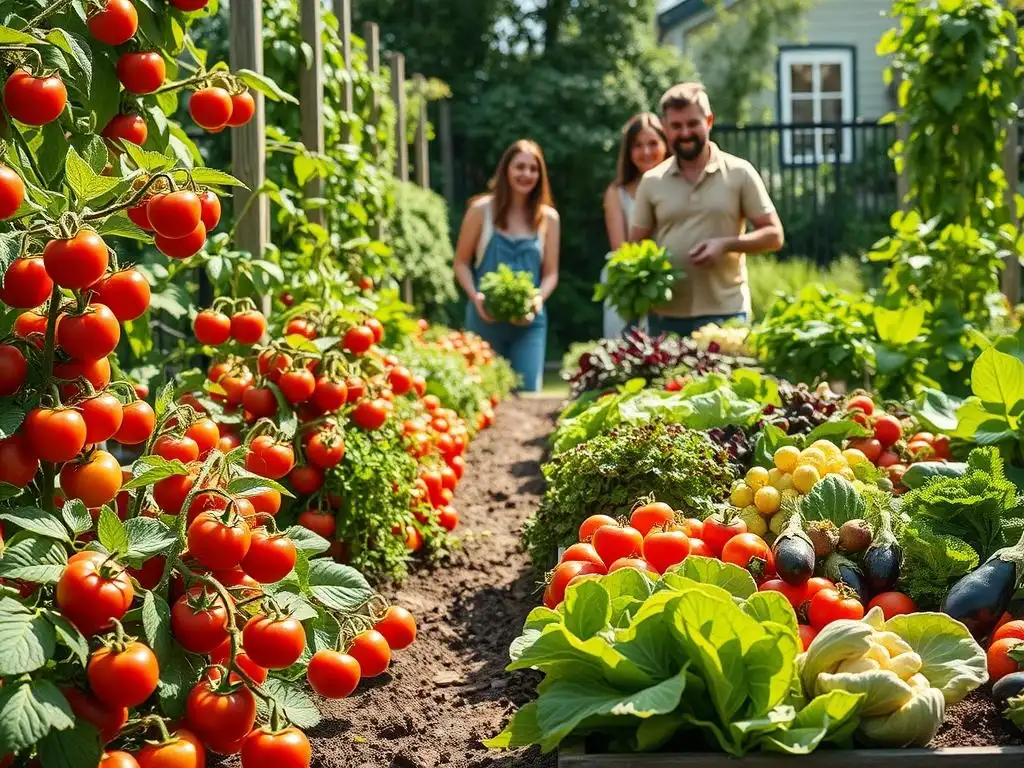
This section focuses on maximizing your garden's productivity and ease of use for your family. Choosing the right varieties is crucial for efficient space utilization, particularly if you have a smaller garden. We'll explore how to select the best fruit and vegetable varieties for optimal yield within the space available.
Planning for Efficient Space Utilization: Best Fruit Vegetable Varieties for Small Gardens
Space is often a limiting factor for home gardeners. To maximize yield in smaller gardens, consider compact and high-yielding varieties. Bush beans, for instance, require far less space than pole beans, offering a comparable harvest in a smaller footprint. Similarly, determinate tomato varieties, which produce their fruit in a concentrated period, are better suited to limited space than indeterminate varieties which grow continuously and require more sprawling support structures. Think vertically! Climbing cucumbers and bush squashes can utilize vertical space efficiently.
Here's a table comparing space requirements for some popular choices:
| Vegetable | Type | Space Requirement (sq ft/plant) | Yield (approx.) |
|---|---|---|---|
| Bush Beans | Determinate | 1-2 | High |
| Pole Beans | Indeterminate | 4-6 | High |
| Determinate Tomatoes | Determinate | 2-3 | Medium-High |
| Indeterminate Tomatoes | Indeterminate | 4-6+ | High |
| Bush Squash | Bush | 2-3 | Medium-High |
| Climbing Cucumber | Vining | 1 (with trellis) | High |
Remember that these are approximations, and actual space needs may vary depending on soil conditions, sunlight, and plant vigor. Careful planning and selection of compact varieties are key to a successful small-scale garden that produces ample food for your family. Choosing the best fruit vegetable varieties families often involves prioritizing compact growth habits.
Organizing Your Garden for Easy Harvesting and Maintenance: Best Fruit Vegetable Varieties for Ease of Access
Easy access to your crops is paramount for efficient harvesting and ongoing garden maintenance. Consider the mature size and growth habit of plants when planning your layout. Place frequently harvested items like lettuce and herbs within easy reach. Taller plants, such as sunflowers or corn, can be strategically placed to provide shade and structure without blocking access to shorter, more frequently harvested crops.
For ease of access, consider the following:
- Raised beds: These allow for easier access to plants, reducing bending and strain.
- Wide rows: Wider rows allow for easier movement and harvesting.
- Well-defined pathways: Clear pathways prevent damage to plants and make navigation easier.
Selecting varieties that are easy to harvest is also important. For example, bush beans are much easier to harvest than pole beans. Similarly, choosing open-pollinated varieties of tomatoes that ripen evenly can reduce harvesting time compared to heirloom varieties with uneven ripening. Prioritizing the best fruit vegetable varieties families from an ease-of-harvest perspective will save considerable time and effort.
Integrating Companion Planting for Enhanced Growth: Best Fruit Vegetable Varieties for Companion Planting
Companion planting leverages the beneficial relationships between different plants to improve growth, pest control, and overall yield. Careful selection of compatible varieties can significantly enhance your garden's success. For example, basil planted near tomatoes is said to repel certain pests and improve tomato flavor. Marigolds planted around vegetables repel nematodes and other harmful insects.
Understanding the symbiotic relationships is crucial for effective companion planting. Some examples of beneficial pairings:
- Tomatoes and Basil: Basil repels tomato hornworms.
- Carrots and Onions: Onions deter carrot root flies.
- Lettuce and Radishes: Radishes help loosen the soil for lettuce.
However, not all plant pairings are beneficial. Some plants can inhibit the growth of others. Thorough research is essential before implementing companion planting strategies. Selecting the best fruit vegetable varieties families also involves considering their compatibility within a companion planting scheme. Improper pairings can negate the benefits and even hinder growth. Careful planning and observation are key to maximizing the benefits of companion planting.
Beyond the Basics: Exploring Heirloom and Specialty Varieties
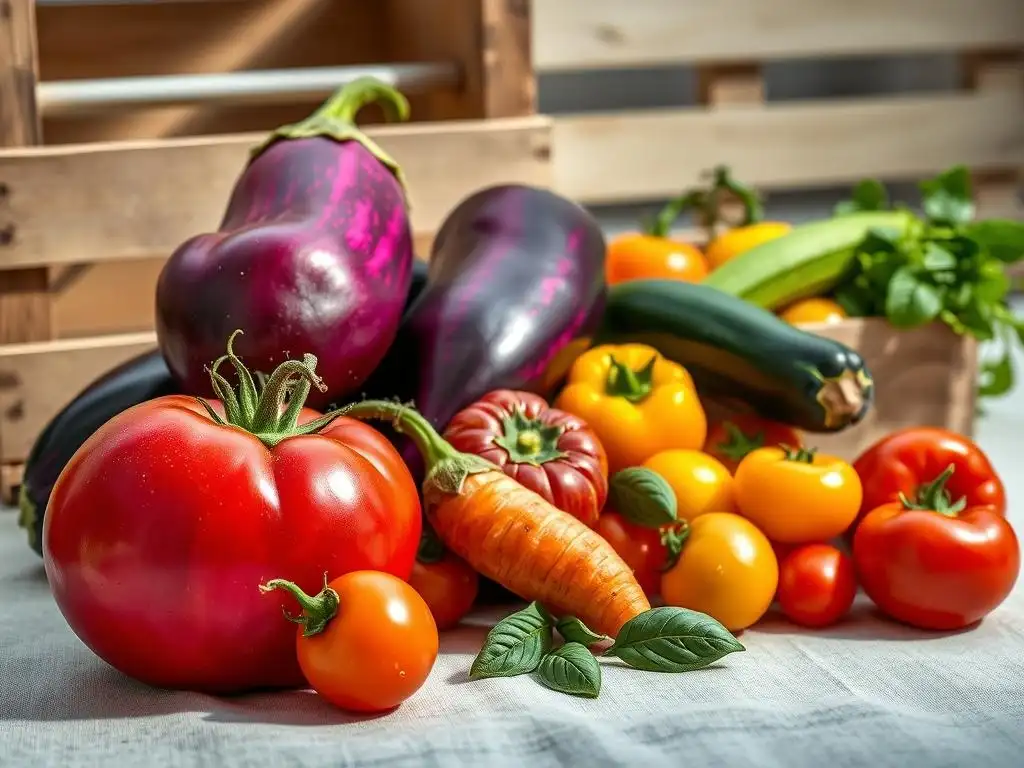
This section delves into the exciting world of heirloom and specialty varieties, offering families a chance to diversify their homegrown produce beyond the standard supermarket fare. Choosing the best fruit vegetable varieties for families involves considering not only yield but also flavor, nutritional value, and the unique characteristics that heirloom and specialty options provide. These varieties often boast superior taste and unique qualities unavailable in commercially produced hybrids. They also offer a fascinating connection to agricultural history and contribute to biodiversity.
The Benefits of Growing Heirloom Vegetables and Fruits: Best Heirloom Fruit Vegetable Varieties for Families
Heirloom varieties, defined as open-pollinated seeds passed down through generations, offer a compelling alternative to modern hybrids. Their appeal lies in their unique flavors, often richer and more complex than their hybrid counterparts. Furthermore, many heirloom varieties possess superior nutritional profiles and exhibit greater disease resistance, reducing the need for chemical interventions – a significant advantage for organic gardening. This aligns perfectly with the sustainable practices championed by CultivateYourFood.
Consider these examples of excellent heirloom choices for families:
- Tomatoes: 'Brandywine Pink' (known for its large, pink fruits and sweet flavor), 'Cherokee Purple' (a dark-colored, intensely flavorful variety), and 'Black Krim' (a dark-red, earthy-tasting tomato).
- Beans: 'Kentucky Wonder Pole Bean' (a prolific pole bean with excellent flavor) and 'Jacob's Cattle' (a striking multicolored bean with a delicious taste).
- Peppers: 'Hungarian Wax' (a sweet, mild pepper perfect for stuffing) and 'Poblano' (a versatile pepper used in many cuisines).
- Apples: Many heirloom apple varieties offer unique flavor profiles and extended harvest seasons, contributing to a longer enjoyment period. Research local heirloom varieties best suited to your climate.
Choosing heirloom varieties contributes to seed saving, a crucial aspect of sustainable gardening. Saving seeds from your harvest allows you to grow the same plants year after year, preserving genetic diversity and reducing reliance on commercial seed companies. This practice fosters a deeper connection to the food you grow and contributes to the long-term health of your garden and the environment.
Experimenting with Unique and Flavorful Varieties: Best Unique Fruit Vegetable Varieties for Families
Beyond heirlooms, numerous unique and flavorful varieties offer exciting opportunities for adventurous gardeners. These options may be less common but provide unique tastes and textures that can add variety to your family's diet. Expanding your repertoire beyond the typical supermarket selections enriches your culinary experiences and provides a deeper appreciation for the diversity of the plant kingdom. Exploring these best unique fruit vegetable varieties for families can lead to some exciting discoveries.
Here are some examples to spark your interest:
- Radishes: 'French Breakfast' (a colorful mix of red and white radishes) and 'Watermelon Radish' (a mild, sweet radish with a pink interior).
- Carrots: 'Purple Dragon' (a striking purple carrot with a slightly sweeter taste than orange carrots) and 'Chantenay' (a short, stubby carrot with a rich flavor).
- Cucumbers: 'Lemon Cucumber' (small, yellow cucumbers with a mild flavor) and 'Armenian Cucumber' (long, thin cucumbers with a slightly bitter taste, ideal for pickling).
- Squash: 'Pattypan' (a unique, flat-shaped squash with delicate flavor) and 'Delicata' (a sweet, creamy squash with edible skin).
Remember to consider your family's preferences and your garden's growing conditions when selecting unique varieties. Research the specific needs of each variety to ensure successful cultivation. The thrill of discovering new flavors and sharing the harvest with your family adds another layer of satisfaction to home gardening. The journey of discovering the best fruit vegetable varieties for families is a personal one, filled with experimentation and delightful surprises.
Planning for Seasonal Variety: A Year-Round Harvest
Growing enough food for your family requires careful planning to ensure a continuous supply of fresh produce throughout the year. This means selecting varieties that mature at different times, creating a staggered harvest that extends from early spring to late autumn. The best fruit vegetable varieties families choose often prioritize this aspect of succession planting. Simply planting everything at once will lead to a glut of produce at certain times, followed by a shortage later on.
Strategic planning is key to maximizing your yield and minimizing waste. Consider the length of your growing season – this will heavily influence which varieties you choose. For example, a short growing season might necessitate focusing on fast-maturing varieties, while a longer season offers more flexibility.
Staggering Planting Times for Continuous Harvesting: Best Fruit Vegetable Varieties for Succession Planting
Success in growing a year-round supply of fresh produce hinges on understanding the concept of succession planting. This involves planting several crops of the same variety at different times, ensuring a continuous harvest. Let's look at some examples of best fruit vegetable varieties families often utilize in succession planting:
- Lettuce: Fast-growing varieties like 'Black Seeded Simpson' and 'Red Sails' can be planted every two to three weeks for a consistent supply throughout the growing season. This allows you to harvest young, tender leaves continuously.
- Bush Beans: Plant bush beans in succession, every two weeks, to ensure a steady supply of fresh beans. Varieties like 'Blue Lake' and 'Contender' are excellent choices for their prolific yields.
- Tomatoes: While tomatoes are a longer-season crop, you can extend the harvest by planting early, mid-season, and late-season varieties. Consider 'Early Girl' for early harvests, 'Roma' for canning, and 'Brandywine' for later in the season. The best fruit vegetable varieties families grow often include a mix of these maturity types.
- Zucchini: Zucchini is another prolific producer. Planting several varieties with varying maturity dates can provide a continuous harvest throughout the summer.
| Vegetable | Variety | Maturity (Days) | Succession Planting Interval (Weeks) | Notes |
|---|---|---|---|---|
| Lettuce | Black Seeded Simpson | 45-55 | 2-3 | Fast-growing, excellent for succession planting |
| Bush Beans | Blue Lake | 50-60 | 2 | High yield, great for freezing |
| Tomatoes | Early Girl | 55-65 | Plant different varieties at different times | Extend the harvest by planting multiple types |
| Zucchini | Black Beauty | 50-60 | 2-3 | Prolific producer, suitable for many dishes |
To effectively plan your succession planting, create a planting schedule. This schedule should outline the planting dates for each variety, considering the days to maturity and the desired harvest time. A simple spreadsheet or garden journal can be incredibly helpful for this. Remember, the best fruit vegetable varieties families choose are those that fit their specific needs and climate.
Preserving Your Harvest: Methods for Storing and Utilizing Your Produce Year-Round
Even with careful planning, you'll likely have more produce than you can consume fresh at certain times of the year. Preserving your harvest is crucial for reducing waste and enjoying the fruits (and vegetables!) of your labor throughout the year. Several methods can help extend the shelf life of your produce:
- Freezing: Freezing is an excellent method for preserving many fruits and vegetables, maintaining their nutritional value. Blanching vegetables before freezing helps to retain color and texture.
- Canning: Canning is a more involved process but allows you to preserve produce for a longer period. It's particularly well-suited to tomatoes, jams, and pickles. Proper canning techniques are essential to ensure food safety.
- Drying: Drying is a simple method for preserving herbs, fruits, and some vegetables. Air drying, dehydrators, and even ovens can be used for this purpose.
- Pickling: Pickling is a great way to preserve vegetables like cucumbers, onions, and green beans, adding a unique flavor profile.
- Fermenting: Fermenting techniques like sauerkraut and kimchi are traditional methods of preserving vegetables, providing unique flavors and probiotics.
The best fruit vegetable varieties families often select are those that lend themselves well to these preservation methods. For example, Roma tomatoes are ideal for canning due to their meaty texture and low water content. Consider the preservation methods you prefer when selecting your varieties. By combining careful planning with effective preservation techniques, you can significantly increase your chances of enjoying a bountiful harvest all year round, ensuring your family has access to fresh, homegrown produce.
Frequently Asked Questions
What are some of the best fruit and vegetable varieties for families?
Choosing the best varieties depends on your family's preferences and your growing conditions. Consider easy-to-grow options like cherry tomatoes, zucchini, and bush beans for beginners. For experienced gardeners, explore heirloom varieties for unique flavors.
How do I choose varieties suitable for my climate?
Select varieties specifically suited to your hardiness zone and the amount of sunlight your garden receives. Check seed packets or plant tags for information on ideal growing conditions. Consider microclimates within your garden as well.
What are some low-maintenance fruit and vegetable options for busy families?
Opt for low-maintenance varieties that require minimal care. Examples include determinate tomatoes (produce a single harvest), bush beans, and easy-to-grow leafy greens like lettuce. Consider companion planting to deter pests naturally.
Where can I find reliable seeds or plants for these varieties?
Reliable sources include reputable online seed companies, local garden centers, and even farmers' markets. Look for companies specializing in organic and heirloom seeds.
How can I ensure my family enjoys the fruits and vegetables we grow?
Involve your family in the gardening process! Let them help choose varieties they'd like to try. Prepare delicious recipes using your harvest to make the experience rewarding and fun. Start small and expand as your confidence grows.
Final Reflection: Cultivating a Harvest of Family Happiness
The choices we make in our gardens—and in our kitchens—directly reflect the values we hold as families. The seemingly simple act of selecting the right fruit and vegetable varieties is far more significant than it might initially appear; it's a powerful statement about our commitment to health, sustainability, and shared experiences. This commitment, nurtured through careful selection, blossoms into a richer, more fulfilling family life.
The impact of shared meals, prepared with homegrown produce, extends far beyond mere sustenance. It fosters a deeper connection to the land, strengthens family bonds through collaborative efforts in the garden, and cultivates a sense of pride in creating something beautiful and delicious together. The best things in life are the people we love, the places we've been, and the memories we've made along the way.
This quote resonates deeply with the spirit of this article, highlighting the enduring legacy of shared experiences built around the simple act of growing and enjoying food together.
Now, consider your own family's needs and preferences. What varieties resonate most with your tastes and lifestyles? What challenges might you overcome by choosing specific, well-suited plants? Take this opportunity to plan your next garden, not just as a source of food, but as a vibrant expression of your family's unique identity and shared journey. Let the harvest you cultivate be a testament to the love and connection you share.
Unleash Your Inner Gardener: Grow Your Dream Harvest!
Thank you for exploring the world of vegetable gardening! We hope you feel confident in selecting seeds that perfectly suit your family's preferences and lifestyle. Ready to begin?
- Start planning your garden layout now! Consider companion planting—which vegetables thrive together—and the available space. Sketch your plot, noting the placement of each vegetable variety.
- Explore our online seed catalog to find the perfect varieties for your needs, and perhaps discover some exciting new additions for your garden!
- Share your planting plans and ask questions in our community forum—let's grow together!
What vegetable are you most excited to grow this year, and why?