
CultivateYourFood's StepbyStep Guide to Planning a YearRound Harvest

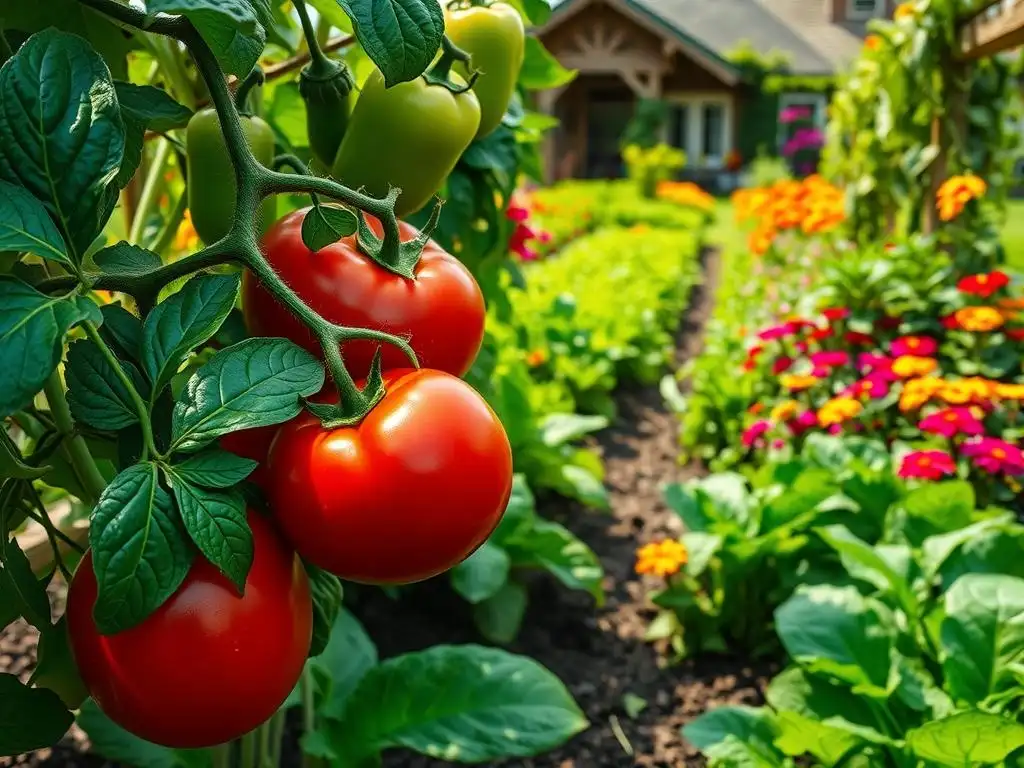
Welcome to CultivateYourFood, your guide to a greener, more fulfilling life through homegrown goodness! Are you dreaming of fresh, organic produce all year round? Then you've come to the right place. Our expert advice on building a year-round home vegetable garden, from seed to harvest, will empower you to cultivate your own sustainable food paradise. Discover the secrets to bountiful harvests, no matter the season – let's get growing!
- Assessing Your Growing Conditions for a Year-Round Home Vegetable Garden
- Choosing the Right Vegetables for a Year-Round Harvest
- Planning Your Year-Round Vegetable Garden Layout
-
Implementing Your Year-Round Gardening Plan: A Step-by-Step Guide
- Step 1: Soil Preparation and Amendment for Year-Round Vegetable Gardening
- Step 2: Seed Starting and Transplanting for Continuous Production
- Step 3: Implementing Irrigation and Water Management Techniques
- Step 4: Ongoing Pest and Disease Management Strategies
- Step 5: Harvesting and Preserving Your Year-Round Harvest
- Step 6: Compost Management for Sustainable Gardening Practices
- Maintaining Your Year-Round Home Vegetable Garden
- Harvesting and Preserving Your Abundant Year-Round Produce
- Frequently Asked Questions
- Final Reflection: Harvesting the Seeds of Self-Sufficiency
- Unlock Your Year-Round Harvest: Take the Next Step!
Assessing Your Growing Conditions for a Year-Round Home Vegetable Garden
Planning a year-round home vegetable garden requires careful consideration of your specific growing environment. Achieving a continuous harvest, regardless of seasonal changes, demands a deep understanding of your local climate, sunlight exposure, and soil composition. This comprehensive guide will walk you through the essential steps to assess your growing conditions, enabling you to create a thriving, productive garden that provides fresh produce all year long.
Successfully cultivating a year-round home vegetable garden is not just about planting; it's about understanding and adapting to the unique characteristics of your space and climate. This detailed assessment will lay the groundwork for a fruitful and sustainable gardening journey, maximizing your yield and minimizing challenges. Let's begin by examining the key factors that will influence your success in cultivating a year-round bounty.
Understanding Your Climate and Hardiness Zone
Knowing your hardiness zone is paramount for planning a successful year-round garden. This USDA Plant Hardiness Zone map designates areas based on average annual minimum winter temperatures. This information dictates which plants will thrive and survive the coldest months in your region. For example, a plant rated for Zone 7 will likely not survive the harsh winters of Zone 4.
Understanding your zone helps you select vegetables that can withstand your local climate's extremes. Beyond the hardiness zone, consider your specific microclimates within your garden. South-facing walls, for instance, can provide warmer spots even during colder months, allowing you to extend your growing season. Detailed weather data, including average rainfall, temperature fluctuations, and frost dates, should also be considered.
This information will inform your planting schedule and the selection of cold-hardy or heat-tolerant vegetables. Accurate climate data will be crucial for successful year-round harvests. Accurate records of past weather patterns in your specific location will also prove invaluable in making informed planting decisions.
Sunlight Exposure Analysis for Optimal Vegetable Growth
Sunlight is crucial for photosynthesis, the process by which plants produce energy. Most vegetables require at least six hours of direct sunlight daily for optimal growth. Before planting, meticulously analyze your garden's sunlight exposure throughout the day. Observe the sun's path across your garden at different times of the year, noting areas of full sun, partial shade, and full shade. Consider using a sun chart or app to track sunlight hours accurately.
Different vegetables have varying sunlight requirements. Leafy greens tolerate partial shade, while tomatoes and peppers need full sun. Planning your garden layout accordingly, placing sun-loving vegetables in the sunniest spots and shade-tolerant plants in less sunny areas, is vital. This careful planning ensures all your vegetables receive the appropriate amount of sunlight for healthy growth and abundant yields. Accurate sunlight assessment is a cornerstone of year-round vegetable gardening success.
Soil Testing and Amendment for Year-Round Productivity
Healthy soil is the foundation of a thriving garden. Before planting, conduct a soil test to determine its pH level, nutrient content, and texture. Soil testing kits are readily available, providing valuable insights into your soil's composition. A soil test will reveal deficiencies in essential nutrients like nitrogen, phosphorus, and potassium, crucial for plant growth. Based on the test results, amend your soil accordingly.
This might involve adding compost, manure, or other organic matter to improve soil structure, drainage, and nutrient levels. Amendments enhance soil fertility, supporting healthy plant growth throughout the year. Remember, consistent soil health is essential for a sustained year-round harvest. Regular soil testing and amendment will ensure your garden remains productive year after year. Consider also factors such as soil drainage and its capacity to retain moisture; these are vital aspects for maintaining a consistent and productive growing environment throughout the year.
Water Availability and Irrigation Strategies
Water is the lifeblood of any successful garden, especially one aiming for a year-round harvest. Understanding your water sources and developing effective irrigation strategies is crucial for maximizing yields and minimizing stress on your plants. Don't underestimate the importance of consistent moisture; even slight variations can significantly impact plant health and productivity. A year-round garden requires a more robust approach than a seasonal one.
First, assess your water sources. Do you have access to municipal water? Is well water an option? Consider the cost, availability, and water pressure of each source.
Municipal water is often convenient but can be expensive, especially during periods of high usage. Well water, while potentially cheaper, might require additional filtration or treatment depending on its mineral content. Rainwater harvesting is a fantastic sustainable option; collecting rainwater through gutters and storing it in barrels can significantly reduce your reliance on other sources and is ideal for a year-round home vegetable garden that promotes sustainability. However, remember to filter rainwater to prevent the spread of pathogens and ensure your plants receive clean water.
Next, plan your irrigation system. Drip irrigation is highly effective for a year-round garden because it delivers water directly to the roots, minimizing water waste and preventing fungal diseases often associated with overhead watering. Soaker hoses are another excellent choice, providing consistent moisture without wetting the foliage. For smaller gardens, watering cans can suffice, but for larger areas, a well-designed irrigation system is essential for efficient water management. Consider using timers to automate watering, ensuring consistent moisture levels even when you're away from home. This is especially important during hot and dry periods when plants need more frequent watering.
Furthermore, soil type significantly influences your irrigation strategy. Sandy soils drain quickly, requiring more frequent but lighter watering. Clay soils retain water longer, necessitating less frequent but deeper watering to prevent waterlogging. Understanding your soil's properties will allow you to tailor your watering schedule and avoid overwatering or underwatering, both of which can negatively impact plant growth and lead to reduced yields in your year-round home vegetable garden.
Regular soil moisture monitoring, using a moisture meter or by simply feeling the soil, is crucial for adjusting your irrigation plan as needed throughout the year. Remember, consistent monitoring and adjustments are key to success. Finally, consider mulching to help retain soil moisture and reduce the frequency of watering, especially during warmer months. Mulch acts as a natural insulator, helping to maintain a consistent soil temperature and reduce evaporation.
Choosing the Right Vegetables for a Year-Round Harvest
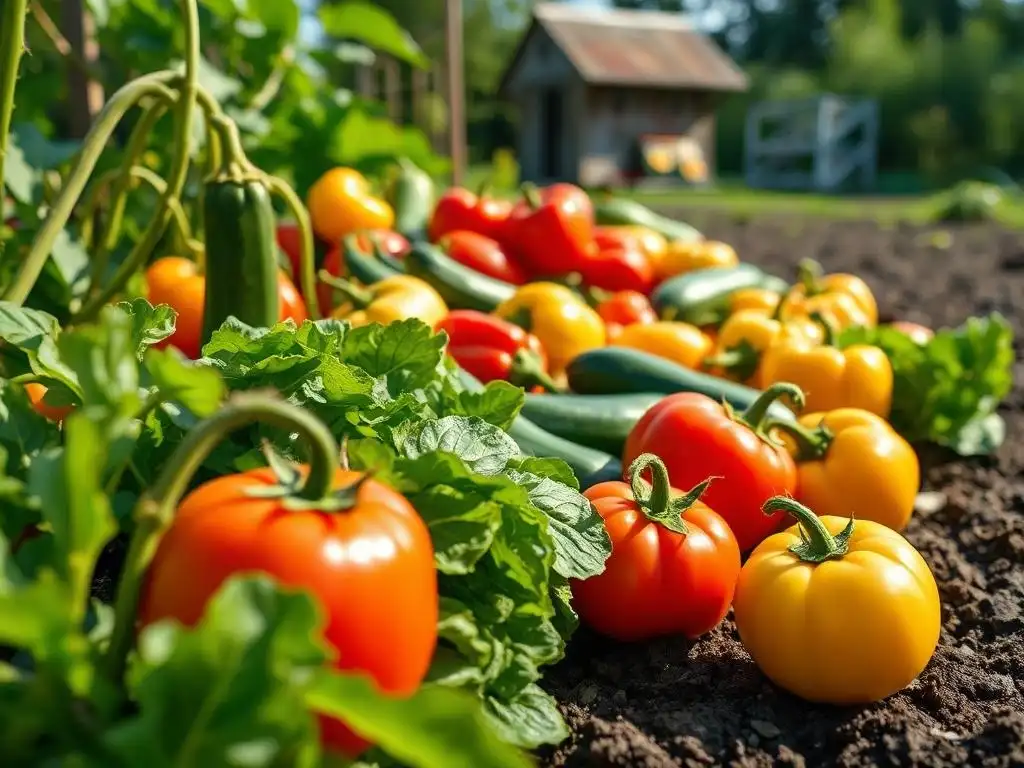
This section focuses on selecting vegetable varieties that thrive in your specific climate and allow for continuous harvests throughout the year. A successful year-round home vegetable garden hinges on this crucial first step. Ignoring your local climate can lead to significant setbacks and ultimately, a disappointing harvest.
Selecting Vegetables Suitable for Your Climate
The key to a successful year-round harvest is choosing vegetables that are well-suited to your region's climate. This includes understanding your average temperatures, rainfall, and the length of your growing season. For example, areas with mild winters might be able to cultivate leafy greens throughout the year, while colder climates might require focusing on root vegetables and cold-hardy crops during the winter months.
Consider your USDA Plant Hardiness Zone. This system divides North America into zones based on average annual minimum temperatures, providing valuable information about which plants are likely to survive and thrive in your area. Knowing your zone helps you narrow down your vegetable selections significantly.
Here's a table illustrating some examples of vegetables suitable for different climate types:
| Climate Type | Suitable Vegetables | Notes |
|---|---|---|
| Warm, Tropical | Peppers, Tomatoes, Eggplant, Cucumbers, Okra | May require shade during the hottest parts of the day. |
| Temperate, Mild | Lettuce, Spinach, Kale, Broccoli, Carrots, Peas | Can often be grown year-round with proper planning and protection. |
| Cold, Continental | Root vegetables (carrots, beets, potatoes), Cabbage, Brussel Sprouts | Require protection from frost and cold winds during winter months. |
Remember to choose varieties specifically bred for your region. Many seed companies offer varieties optimized for specific climates and growing conditions. Look for terms like "cold-hardy," "heat-tolerant," or "disease-resistant" on seed packets for optimal results. Proper selection is a crucial aspect of achieving a year-round home vegetable garden.
Succession Planting: A Key to Continuous Harvesting
Succession planting is a vital technique for maintaining a consistent supply of fresh vegetables throughout the year. This involves planting new crops at regular intervals to replace those that have matured or been harvested. By staggering plantings, you ensure a continuous flow of produce, maximizing your yield and minimizing gaps in your harvest.
For instance, you could plant a batch of lettuce seeds every two weeks to ensure a constant supply of fresh leaves. Similarly, you might plant beans in succession, with new plantings every few weeks to extend the harvest period. This approach is particularly beneficial for fast-growing crops like lettuce, radishes, and spinach. Planning a succession planting schedule requires careful consideration of the growth cycles of your chosen vegetables.
Proper spacing is also crucial in succession planting. Ensure adequate space for each plant to grow to its full potential without overcrowding. Overcrowding can lead to stunted growth, reduced yields, and increased susceptibility to diseases. Careful planning and monitoring are key to the success of this technique in your year-round home vegetable garden.
Extending the Growing Season with Cold Frames and Greenhouses
Extending the growing season beyond the natural limits of your climate is achievable with the use of cold frames and greenhouses. These structures provide protection from frost, harsh winds, and extreme temperatures, allowing you to grow heat-loving vegetables earlier in the spring and later in the fall, and even overwinter some hardier varieties.
A cold frame, a simple structure typically made of wood or plastic, is ideal for extending the growing season by a few weeks. It traps solar heat, creating a warmer microclimate inside. This is particularly useful for starting seedlings early in the spring or protecting tender plants during late-season frosts.
Greenhouses offer a more controlled environment, allowing for year-round cultivation in many climates. They provide protection from extreme weather conditions and enable you to regulate temperature and humidity more precisely, creating optimal growing conditions for a wider range of vegetables. The initial investment in a greenhouse can be significant, but the potential for extended harvest periods and increased yields often justifies the cost for those committed to a year-round home vegetable garden. Careful consideration of size, materials, and heating/cooling systems is essential when selecting a greenhouse.
Utilizing Vertical Gardening Techniques for Space Optimization
Vertical gardening is a game-changer for maximizing yield in a limited space, a crucial aspect of achieving a year-round home vegetable garden. This technique allows you to grow more plants in the same footprint, making the most of your available area, whether it's a small balcony, patio, or even a sunny windowsill. Think of it as stacking your crops, literally!
Several methods facilitate vertical gardening. Trellises are a classic choice, ideal for vining plants like cucumbers, tomatoes, and beans. These structures provide support, preventing the plants from sprawling on the ground and improving air circulation which minimizes fungal diseases. A simple trellis can be as easy as repurposing old lattice or building one from readily available materials like bamboo stakes and twine. The key is to choose a sturdy structure that can support the weight of the mature plants.
Another effective vertical gardening strategy involves using hanging baskets. These are particularly well-suited for herbs and smaller fruiting plants like strawberries. The hanging baskets themselves can be made from various materials, from readily available plastic containers to more decorative woven baskets, allowing for flexibility in aesthetics and cost. Proper drainage is crucial to prevent root rot, so ensure you use containers with adequate drainage holes.
Furthermore, consider using stacked planters. This involves using tiered planters or building your own system using various sized pots and containers. This creates a multi-level gardening system, maximizing vertical space. When choosing containers for stacked planters, ensure that the weight distribution is balanced to prevent tipping. The lower levels should ideally support heavier plants. Remember that the plants on higher tiers may require more frequent watering due to increased exposure to sunlight and wind.
Finally, don't overlook the potential of wall-mounted planters. These are becoming increasingly popular and can be used to grow herbs, lettuces, or even smaller fruiting vegetables. Wall-mounted planters often utilize pockets or shelves, allowing you to cultivate a vertical garden even on a wall with limited depth. Choose lightweight potting mix to avoid putting excessive stress on the wall structure.
Careful consideration of sunlight exposure is essential for this method, ensuring the plants receive adequate sunlight throughout the day. Proper installation is crucial to prevent damage to your walls. A well-planned vertical garden, employing these techniques, can significantly increase the productivity of your year-round home vegetable garden, offering a substantial boost to your harvest.
Planning Your Year-Round Vegetable Garden Layout
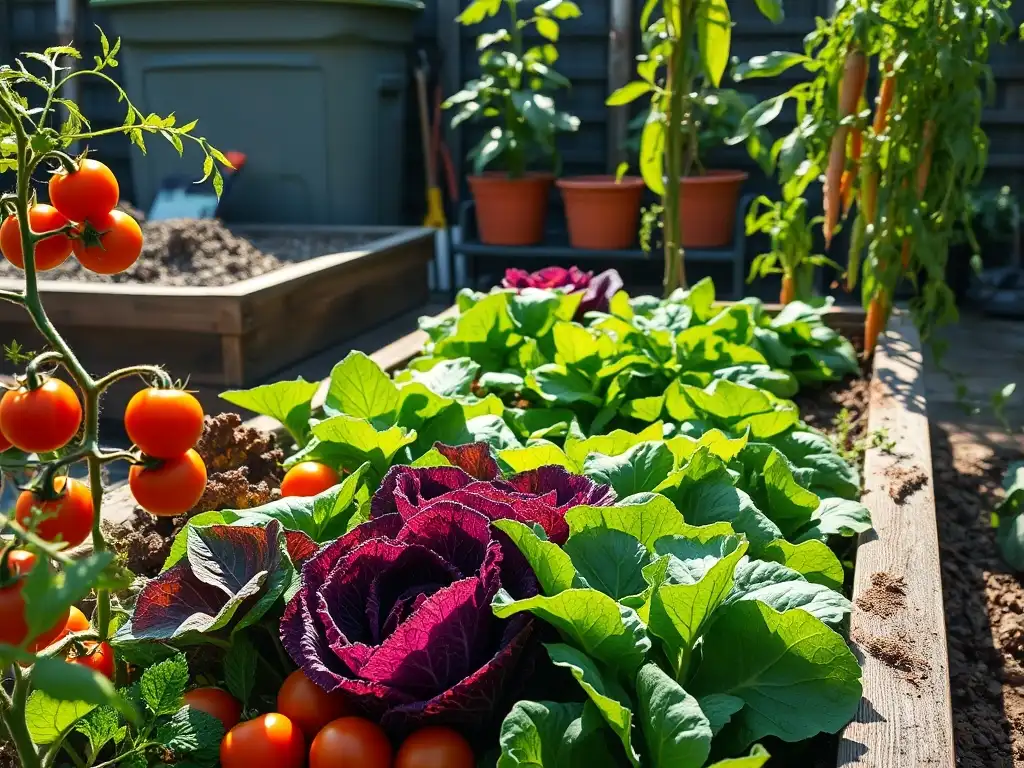
This section focuses on optimizing your garden space for maximum year-round productivity. A well-planned layout is crucial for a successful year-round home vegetable garden, maximizing sunlight exposure, minimizing wasted space, and ensuring efficient watering and pest management. Careful consideration of these factors will dramatically increase your chances of a bountiful harvest throughout the year.
Designing a Functional and Efficient Garden Layout
Designing a functional and efficient garden layout involves several key considerations. Firstly, sunlight is paramount. Most vegetables require at least six hours of direct sunlight daily. Observe your garden throughout the day to identify areas receiving the most sunlight. Orient your garden beds accordingly, placing sun-loving plants in the sunniest spots. Consider using a sun chart or app to accurately map sunlight exposure in your garden.
Secondly, soil quality plays a vital role. Before planting, conduct a soil test to determine its pH level and nutrient content. Amend the soil as needed with compost, manure, or other organic matter to improve its structure and fertility. This ensures optimal growing conditions for your vegetables, contributing to a thriving year-round harvest.
Thirdly, water access is essential. Efficient irrigation is key, particularly during dry spells. Consider installing a drip irrigation system or a soaker hose to deliver water directly to the roots, minimizing water waste and ensuring consistent moisture. Placement of water sources should also be considered to minimize the distance needed to water your plants.
Finally, accessibility is crucial. Design your garden beds so they're easy to reach for planting, weeding, harvesting, and pest control. Consider raised beds or vertical gardening techniques to improve accessibility, especially if you have mobility limitations. This accessibility will significantly impact your ability to maintain your year-round garden effectively.
Grouping Vegetables with Similar Needs
Grouping vegetables with similar needs is a cornerstone of efficient gardening. This includes considering their water requirements, sunlight exposure needs, and nutrient demands. Clustering vegetables with similar needs simplifies watering, fertilization, and pest management. For example, grouping drought-tolerant vegetables like tomatoes and peppers together allows for more efficient watering practices, conserving water and reducing labor.
Consider the following grouping strategies:
- High-water demand: Cucumbers, zucchini, and leafy greens need consistent moisture. Group these together for efficient watering.
- Moderate-water demand: Tomatoes, peppers, and eggplants require moderate watering.
- Low-water demand: Beans, peas, and certain herbs tolerate drier conditions.
This approach minimizes wasted resources and optimizes your gardening efforts, leading to a healthier and more productive year-round home vegetable garden. Remember to rotate crops yearly to prevent soil depletion and pest buildup.
Creating a Companion Planting Strategy
Companion planting involves strategically positioning plants that benefit each other. Some plants repel pests, attract beneficial insects, or improve the growth of neighboring plants. This technique can significantly reduce the need for pesticides and enhance overall plant health. For example:
| Plant | Beneficial Companion(s) | Detrimental Companion(s) |
|---|---|---|
| Basil | Tomatoes, peppers, eggplants | Fennel |
| Marigolds | Many vegetables | None known |
| Garlic | Roses, many vegetables | Beans, peas |
| Chamomile | Many vegetables | None known |
Implementing companion planting is a natural and effective way to enhance your year-round home vegetable garden's productivity and resilience. Research specific companion plant pairings to maximize the benefits for your chosen vegetables. Careful planning and observation are key to successful companion planting. Remember that the effectiveness of companion planting can vary depending on your specific climate and soil conditions. Experimentation and observation are key to finding what works best in your garden. 🌱
Incorporating Pest Control and Disease Prevention Measures into Your Plan
Planning for a year-round harvest of homegrown vegetables necessitates a proactive approach to pest and disease management. Ignoring this crucial aspect can quickly undermine your efforts, leading to significant crop losses and frustrating setbacks. A truly sustainable and productive year-round garden relies heavily on preventative measures, minimizing the need for harsh chemical interventions.
One of the most effective strategies is crop rotation. By strategically changing the location of different plant families each year, you disrupt the life cycles of many common pests and diseases. For instance, planting brassicas (like broccoli and cabbage) in a different area than where they were the previous year can significantly reduce the risk of infestations by cabbage white butterflies and other brassica-specific pests. Similarly, rotating root vegetables helps to minimize soilborne diseases. Careful planning of your rotation schedule is key; consider creating a detailed chart to track the location of each plant family over several years.
Another crucial element is companion planting. Certain plants naturally repel pests or attract beneficial insects. For example, basil is known to deter aphids and tomato hornworms, making it an excellent companion for tomatoes. Marigolds, with their strong scent, can help repel nematodes and other soil pests. Researching effective companion planting combinations for your chosen vegetables is crucial for natural pest control. Remember that the efficacy of companion planting can vary depending on your specific climate and soil conditions, so experimentation and observation are essential.
Beyond crop rotation and companion planting, maintaining a healthy soil ecosystem is paramount. Healthy soil, rich in organic matter, supports strong, resilient plants better able to withstand pest and disease pressure. Regular composting, mulching, and the avoidance of harsh chemical fertilizers are vital steps in creating this robust soil environment. Healthy soil also supports beneficial microorganisms that help suppress disease-causing pathogens.
Finally, regular monitoring is essential. Early detection of pests and diseases allows for swift intervention, often preventing widespread damage. Regularly inspect your plants for signs of infestation or disease, and take prompt action if necessary. This might involve handpicking pests, using insecticidal soap, or employing other organic pest control methods.
Remember to document your observations, noting the effectiveness of different strategies to refine your approach over time. A year-round harvest requires vigilance and proactive management to ensure a successful and sustainable garden. This preventative approach, focusing on soil health and natural pest control methods, is the cornerstone of a thriving year-round home vegetable garden.
Implementing Your Year-Round Gardening Plan: A Step-by-Step Guide
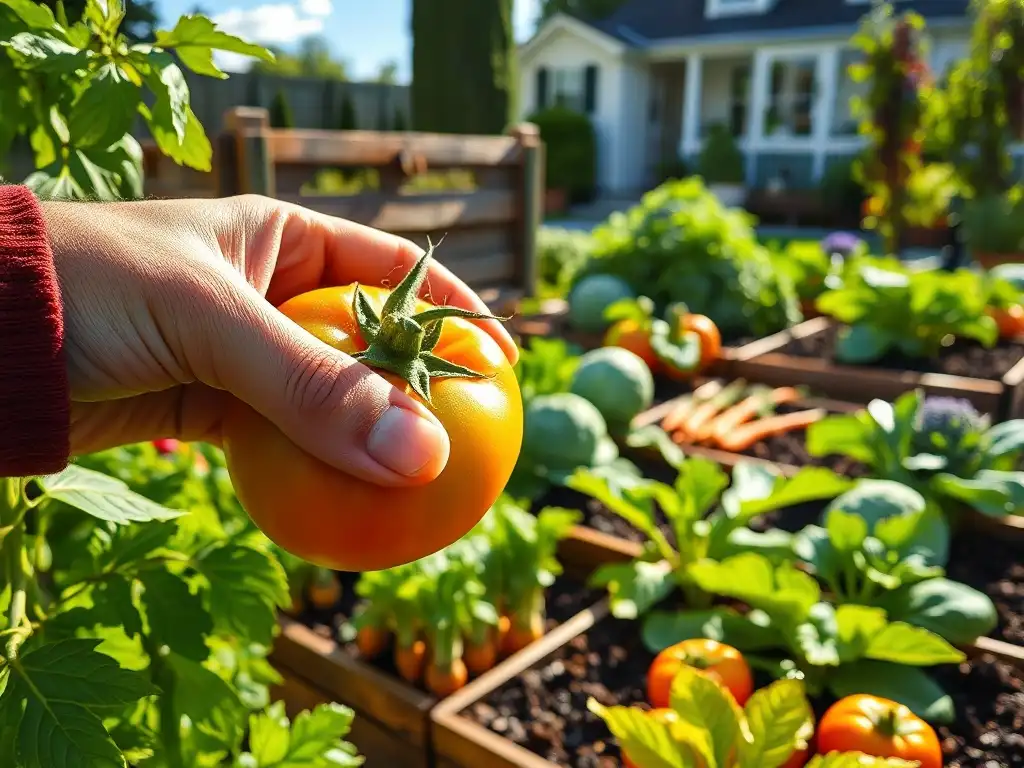
This section details the practical steps for successfully implementing a year-round home vegetable garden, maximizing your harvest throughout the year. Remember, consistent effort and careful planning are key to achieving a continuous yield of fresh produce. We'll cover soil preparation, seed starting, and crucial irrigation strategies to ensure your success in cultivating a year-round bounty.
Step 1: Soil Preparation and Amendment for Year-Round Vegetable Gardening
Optimizing your soil is paramount for a thriving year-round vegetable garden. Healthy soil provides the foundation for robust plant growth, regardless of the season. This involves more than just tilling; it's about building a soil ecosystem that supports continuous production.
First, you need to conduct a soil test. This will determine your soil's pH level and nutrient content. Knowing this information allows for precise amendment choices. For example, a soil test might reveal a deficiency in nitrogen, phosphorus, or potassium – essential macronutrients for plant growth. Based on the results, you can amend your soil with compost, aged manure, or commercial fertilizers tailored to address specific deficiencies. Aim for a well-balanced soil rich in organic matter.
Next, consider soil structure. Compacted soil restricts root growth and water infiltration. Improving soil structure involves incorporating organic matter like compost or leaf mold. This improves drainage, aeration, and overall soil health, crucial for year-round vegetable gardening. Regular tilling or no-till methods, depending on your preference, can also help.
Finally, consider crop rotation. Rotating crops annually prevents the depletion of specific nutrients and reduces the build-up of soilborne diseases and pests. A well-planned rotation schedule ensures your soil remains fertile and productive year after year, supporting your year-round home vegetable garden aspirations. For example, heavy feeders like tomatoes and peppers could be followed by lighter feeders like leafy greens.
Step 2: Seed Starting and Transplanting for Continuous Production
To achieve a year-round harvest, a staggered planting schedule is essential. This involves starting seeds indoors weeks before the last expected frost for early spring crops and continuing to sow seeds and transplant seedlings throughout the growing season. This ensures a continuous supply of produce.
Seed starting indoors provides a head start, allowing plants to establish strong root systems before transplanting outdoors. Use seed starting mixes specifically formulated for seedlings, ensuring good drainage and aeration. Maintain consistent moisture and warmth, and provide adequate light, either with grow lights or a sunny windowsill.
Transplanting should be done carefully, avoiding root damage. Harden off seedlings gradually before transplanting them into the garden to acclimate them to outdoor conditions. Choose appropriate planting times based on your region’s climate and the specific needs of each vegetable. Succession planting—planting new seeds or seedlings at regular intervals—is vital for maintaining a continuous supply of vegetables. For example, plant lettuce seeds every two weeks for a consistent harvest.
Consider using a combination of direct sowing and transplanting. Some vegetables, like lettuce and radishes, do well with direct sowing, while others, like tomatoes and peppers, benefit from starting indoors. A well-planned combination of both methods optimizes your year-round home vegetable garden.
Step 3: Implementing Irrigation and Water Management Techniques
Consistent moisture is vital for a successful year-round vegetable garden. However, overwatering can be as detrimental as underwatering. Therefore, implementing effective irrigation and water management techniques is crucial. This involves choosing the right irrigation system for your needs and monitoring soil moisture levels regularly.
Drip irrigation is an excellent choice for year-round gardening, delivering water directly to the roots, minimizing water waste and evaporation. Soaker hoses are another effective option, providing consistent moisture to the soil. For smaller gardens, hand watering with a watering can can also be effective, provided you are diligent.
Regardless of your chosen method, monitoring soil moisture is crucial. Use a soil moisture meter or simply stick your finger a few inches into the soil to check for dryness. Water deeply but less frequently, encouraging deeper root growth. Mulching around plants helps retain soil moisture, reducing the frequency of watering. This helps conserve water and reduces weed growth. Moreover, consider using rainwater harvesting techniques to supplement your irrigation needs, promoting sustainable practices for your year-round home vegetable garden.
Step 4: Ongoing Pest and Disease Management Strategies
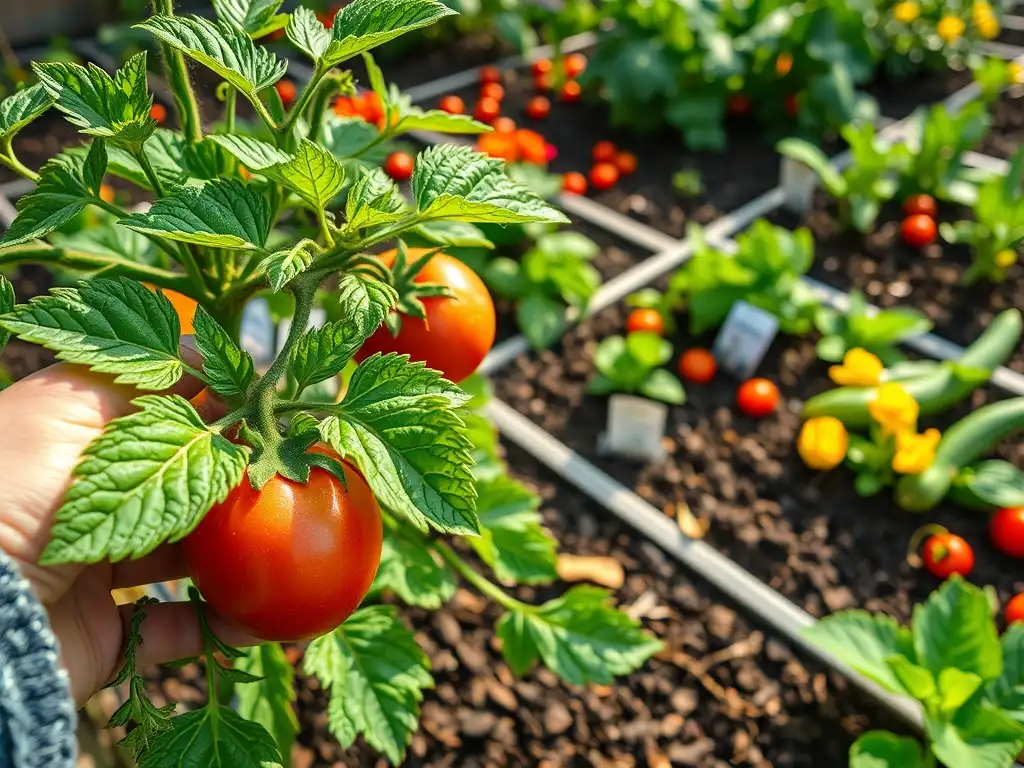
Maintaining a healthy and productive year-round vegetable garden requires diligent pest and disease management. Ignoring these issues can quickly decimate your yields and negate all your hard work. A proactive, integrated approach is key. This involves a combination of preventative measures and responsive treatments, always prioritizing organic and sustainable methods.
One crucial preventative measure is crop rotation. Rotating your crops annually helps disrupt pest and disease cycles. For instance, planting tomatoes in a bed this year, then switching to legumes (like beans or peas) next year, and then brassicas (like broccoli or cabbage) the following year helps prevent the buildup of soilborne pathogens and pests specific to each plant family. This simple technique can significantly reduce the need for interventions later.
Regular garden inspections are essential for early detection. A daily or bi-weekly walk-through allows you to identify pests or diseases in their early stages, when treatment is most effective. Look for unusual spots, wilting, holes in leaves, or the presence of insects. Early identification can prevent minor problems from becoming major infestations.
When dealing with pests, consider the least-toxic options first. This could involve introducing beneficial insects like ladybugs (which prey on aphids) or lacewings (which control mealybugs). Physical barriers, such as row covers or netting, can also protect plants from certain pests. Only resort to chemical pesticides as a last resort, and always choose organic options when available. Remember to carefully follow all instructions on any pest control product you decide to use.
For diseases, maintaining good sanitation practices is crucial. Remove and destroy infected plant material immediately to prevent the spread of disease. Ensure proper spacing between plants to allow for good air circulation, which reduces the risk of fungal diseases. Also, avoid overhead watering, which can promote fungal growth. Healthy soil is also crucial to disease resistance; healthy soil promotes healthy plants. The use of compost tea can enhance soil health and plant immunity.
Step 5: Harvesting and Preserving Your Year-Round Harvest
Harvesting your produce at its peak ripeness is crucial for both flavor and nutritional value. Knowing the optimal harvest time for each variety you grow is essential. This often involves checking for specific characteristics, such as color, size, and firmness, which vary depending on the vegetable or fruit. For example, tomatoes should be harvested when they are fully colored and slightly soft to the touch, while peppers should be harvested when they have reached their mature size and color. Regular harvesting also encourages continued production in many plants.
Preservation techniques are essential for enjoying your year-round harvest throughout the year. Different preservation methods suit different produce. Canning is ideal for tomatoes, pickles, and jams; freezing works well for most vegetables and some fruits; drying is perfect for herbs and some vegetables like beans and peppers. Dehydrating is another excellent way to preserve herbs and some fruits, extending their shelf life and allowing you to enjoy their flavors throughout the year.
Learning these techniques ensures you can enjoy the fruits (and vegetables!) of your labor even during the off-season. Proper storage is also key, so make sure you understand the best storage methods for each type of produce. For instance, root vegetables are best stored in a cool, dark, and dry place, whereas leafy greens will last longer if kept refrigerated in a crisper drawer.
Step 6: Compost Management for Sustainable Gardening Practices
Composting is a cornerstone of sustainable gardening, providing a rich, nutrient-rich amendment for your soil. It significantly reduces the need for chemical fertilizers, promoting healthy plant growth and improving soil structure. Effective compost management involves understanding the composting process and maintaining optimal conditions.
A successful compost pile requires a balance of "green" (nitrogen-rich) and "brown" (carbon-rich) materials. Green materials include kitchen scraps like fruit and vegetable peels, coffee grounds, and grass clippings. Brown materials include dried leaves, shredded paper, and cardboard. Aim for a roughly equal ratio of green to brown materials for optimal decomposition. Proper moisture content is also crucial. The compost should be damp, like a wrung-out sponge. Too dry, and decomposition slows; too wet, and it becomes anaerobic, producing unpleasant odors.
Regular turning of the compost pile is essential to aerate it and ensure even decomposition. This allows for better oxygen flow, which promotes the activity of beneficial microorganisms responsible for breaking down organic matter. The frequency of turning depends on several factors, including the size of the pile, the materials used, and the ambient temperature. A good rule of thumb is to turn the pile every 1-2 weeks.
With proper management, your compost will be ready in 3-6 months, providing a valuable resource to enrich your year-round garden. The finished compost will be dark brown, crumbly, and have an earthy smell. Avoid adding diseased plants or meat products to your compost pile, as these can attract pests and introduce harmful pathogens.
Maintaining Your Year-Round Home Vegetable Garden
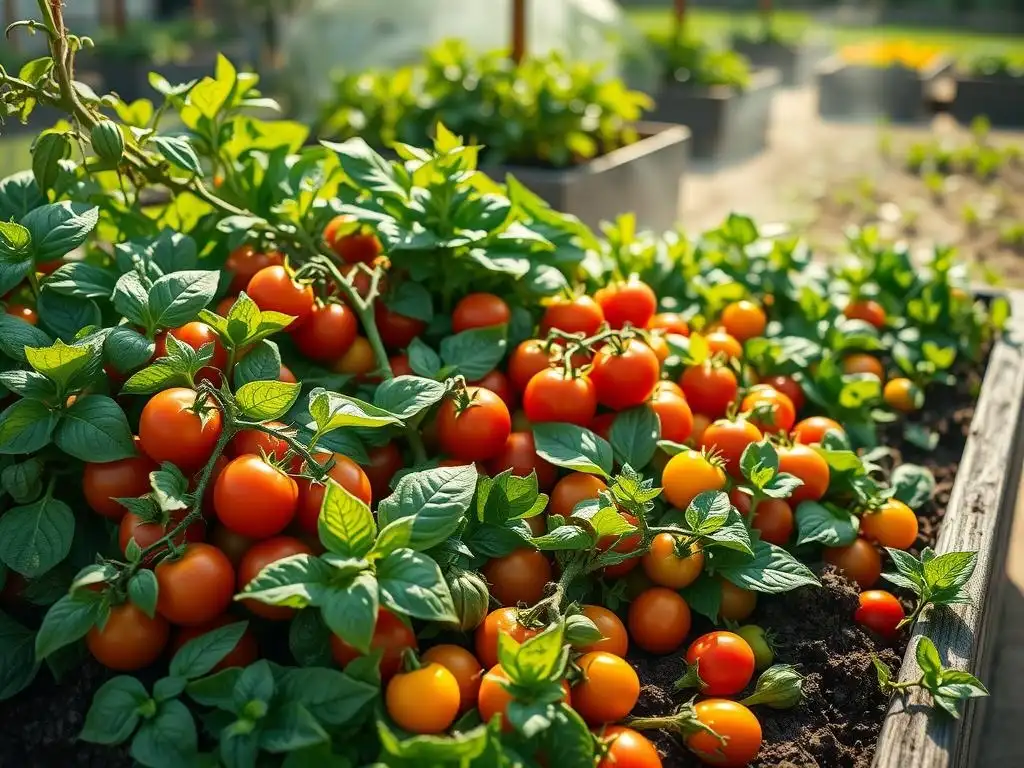
This section focuses on the ongoing care required to ensure a thriving year-round home vegetable garden. Maintaining consistent productivity demands vigilance and proactive management, addressing challenges as they arise. Success hinges on a combination of consistent effort and adaptability to changing seasonal conditions. Let's explore the key aspects of maintaining your garden's health and yield.
Regular Weeding and Pest Monitoring for Continuous Health
A healthy year-round garden requires diligent weeding and pest monitoring. Weeds compete with your vegetables for resources like water and nutrients, hindering growth and reducing yields. Regular weeding, ideally weekly, is crucial. This includes removing both visible weeds and their roots to prevent regrowth. Consider using organic mulching techniques to suppress weed growth and retain soil moisture. Mulch also helps regulate soil temperature, beneficial for both cold and warm seasons.
Beyond weeding, consistent pest monitoring is essential for early detection and intervention. Regularly inspect your plants for signs of infestation, such as holes in leaves, discoloration, or the presence of insects. Early detection allows for less intensive pest control measures. Implementing integrated pest management (IPM) strategies, which prioritize prevention and less-toxic control methods, is crucial for maintaining a healthy and sustainable garden.
This might involve introducing beneficial insects like ladybugs to control aphids or using homemade pest sprays like neem oil. Detailed records of pest activity, including the type of pest and the effectiveness of control measures, can help you refine your strategies over time. Remember, consistent observation is key to preventing major infestations and maintaining a healthy, productive garden. This proactive approach helps minimize crop losses and ensures your year-round harvest remains bountiful.
Fertilizing and Soil Enrichment for Optimal Growth
Maintaining fertile soil is paramount for a successful year-round vegetable garden. Consistent fertilization is crucial, as nutrient depletion occurs throughout the growing season. Soil testing is highly recommended to determine specific nutrient deficiencies. This allows you to tailor your fertilization strategy to the exact needs of your plants. Organic fertilizers, such as compost, aged manure, and bone meal, provide slow-release nutrients that benefit the soil’s long-term health. These methods improve soil structure, water retention, and microbial activity, contributing to healthier plants.
The frequency of fertilizing depends on the specific needs of your plants and the type of fertilizer used. Generally, a balanced fertilizer applied every 4-6 weeks during active growth periods is a good starting point. However, some plants, like heavy feeders such as tomatoes and peppers, may require more frequent applications. Always follow the instructions on the fertilizer packaging carefully to avoid over-fertilizing, which can damage plants and harm the environment.
Rotating crops each season is also a vital component of soil enrichment. This prevents the depletion of specific nutrients and reduces the risk of pest and disease buildup. By implementing these strategies, you can ensure your soil remains rich and productive, supporting a bountiful year-round harvest.
Dealing with Seasonal Challenges and Unexpected Issues
A year-round garden faces unique challenges across different seasons. Winter's cold temperatures can damage or kill frost-sensitive plants. Protecting vulnerable plants with row covers, cold frames, or by moving them indoors can mitigate this risk. Conversely, summer heat and drought can stress plants, requiring supplemental watering, especially during dry spells. Implementing efficient irrigation techniques, like drip irrigation, can conserve water and deliver moisture directly to plant roots.
Unexpected issues, like sudden pest outbreaks or disease infestations, require prompt action. Keep a detailed gardening journal to track plant health, pest activity, and weather conditions. This invaluable record helps identify patterns and predict potential problems.
When unexpected issues arise, consult reliable resources, such as local agricultural extension offices or experienced gardeners, to obtain appropriate advice and solutions. Remember, flexibility and adaptability are key to successfully navigating the challenges inherent in maintaining a year-round home vegetable garden. By proactively addressing seasonal variations and responding effectively to unexpected issues, you'll significantly increase your chances of achieving a continuous and abundant harvest.
Rotating Crops to Maintain Soil Health and Prevent Diseases
Rotating your crops is a cornerstone of sustainable gardening, and essential for achieving a year-round harvest. It's more than just moving plants around; it's a strategic approach to optimizing soil health and minimizing the risk of diseases and pest infestations. By systematically changing the location of plant families in your garden each season, you prevent the buildup of soilborne pathogens and pests specific to certain plant types.
For example, continuously planting tomatoes in the same spot year after year can lead to a buildup of soilborne diseases like fusarium wilt, dramatically reducing yields and potentially killing your plants. Rotating crops helps break these cycles.
The basic principle involves grouping plants into families. Members of the same plant family often share similar nutrient needs and are susceptible to the same diseases and pests. Therefore, you should avoid planting members of the same family in the same location consecutively. For instance, members of the nightshade family (tomatoes, peppers, eggplants, potatoes) should not follow each other in a particular plot. Instead, rotate them with members of different families, such as legumes (beans, peas), brassicas (broccoli, cabbage, kale), or cucurbits (cucumbers, squash, melons).
A well-planned crop rotation schedule considers several factors. First, you need to identify the plant families you’ll be growing. Then, create a rotation plan that ensures no member of the same family occupies the same spot for at least three years. This timeline is crucial because many soilborne pathogens have a life cycle of several years.
A three-year rotation significantly reduces the chance of disease buildup. Furthermore, consider the nutrient needs of different plant families. Legumes, for example, are nitrogen-fixing plants, enriching the soil and benefiting subsequent crops. By strategically placing them in your rotation, you can reduce your reliance on synthetic fertilizers, aligning with sustainable gardening practices.
Careful observation is key. Monitor your plants throughout the growing season. Note any signs of disease or pest infestation. This information will inform your future crop rotation plans, allowing you to make adjustments and prevent problems in subsequent years.
Maintaining detailed records of your planting schedule and observations will prove invaluable in refining your approach to crop rotation and maximizing the success of your year-round home vegetable garden. Remember, a healthy soil is the foundation of a thriving garden, and crop rotation is a fundamental practice for achieving that. It's a simple yet powerful technique that contributes significantly to your ability to cultivate a successful and productive year-round home vegetable garden.
Harvesting and Preserving Your Abundant Year-Round Produce
This section focuses on maximizing the yield from your year-round home vegetable garden by employing optimal harvesting techniques and effective preservation methods. A successful year-round harvest isn't just about planting strategically; it's about understanding when and how to harvest your produce at its peak ripeness and then preserving it for enjoyment throughout the year. This ensures you get the most nutritional value and flavor from your hard work. Let's delve into the specifics.
Techniques for Harvesting Different Vegetables at Their Peak
Harvesting at the optimal time is crucial for flavor, texture, and nutritional value. Different vegetables have different ideal harvesting windows. For example, harvesting tomatoes too early results in a lack of flavor, while leaving them too long can lead to splitting and disease. Here's a breakdown of techniques for peak harvesting:
- Leafy Greens (Lettuce, Spinach, Kale): Harvest younger leaves for a more tender texture. You can either harvest individual leaves as needed ("cut-and-come-again" method) or harvest the entire plant at maturity. Avoid harvesting when the leaves are wet to prevent disease. 🥬
- Root Vegetables (Carrots, Potatoes, Beets): Harvest root vegetables when they reach their desired size, typically indicated by the plant's maturity. Use a garden fork or trowel to carefully lift them from the soil, minimizing damage. Avoid pulling forcefully, which can break the roots. 🥕
- Tomatoes: Harvest tomatoes when they are fully colored and slightly soft to the touch. Avoid harvesting green tomatoes unless you plan to ripen them indoors. Use pruning shears or your hands to gently twist the tomato from the vine. 🍅
- Squash (Summer and Winter): Summer squash should be harvested when young and tender, while winter squash should be harvested after the skin has hardened and the vine has died back. Use a sharp knife to cut the squash from the vine. 🎃
- Beans (Snap and Dry): Snap beans should be harvested when they are young and tender, before the seeds inside swell. Dry beans should be harvested when the pods are dry and brown. Use pruning shears or your hands to carefully harvest the beans. 🫘
Methods for Preserving Your Harvest: Canning, Freezing, and Drying
Preserving your harvest ensures you can enjoy the fruits (and vegetables!) of your labor throughout the year. The best preservation method depends on the type of produce. Let's explore popular options:
| Preservation Method | Best for | Advantages | Disadvantages |
|---|---|---|---|
| Canning | Tomatoes, pickles, jams | Long shelf life, retains flavor and texture | Requires specialized equipment and knowledge |
| Freezing | Most vegetables and fruits | Convenient, preserves nutrients | Can alter texture of some vegetables |
| Drying | Herbs, beans, tomatoes | Long shelf life, simple process | Can require considerable space and time |
Proper preparation is essential before preserving. Thorough cleaning, blanching (for freezing), and proper processing techniques (for canning) are crucial for food safety and quality. Always follow established guidelines for each method to avoid spoilage or contamination. Remember, safety is paramount when preserving food.
Utilizing Your Harvest in Year-Round Recipes
The beauty of a year-round home vegetable garden is the constant supply of fresh ingredients for delicious meals. Here are some ideas to inspire your culinary creativity:
- Winter Squash Soup: Utilize your winter squash harvest for a hearty and flavorful soup, perfect for chilly evenings.
- Frozen Berry Smoothies: Blend frozen berries from your summer harvest into refreshing and nutritious smoothies.
- Dried Herb Infusions: Steep dried herbs from your garden in hot water for aromatic and flavorful teas.
- Pickled Vegetables: Enjoy the tangy flavors of pickled vegetables throughout the year, using your homegrown produce.
- Tomato Sauce: Preserve your abundant tomato harvest by making homemade tomato sauce or paste.
Planning your meals around your seasonal harvest ensures minimal food waste and maximizes the deliciousness of your year-round home vegetable garden. Remember to experiment with different recipes and find your favorites! 🎉
Frequently Asked Questions
Can I really grow vegetables year-round at home?
Yes! With careful planning, including choosing the right crops, utilizing protective structures like greenhouses or cold frames, and employing techniques like succession planting, you can enjoy a continuous harvest. It depends on your climate and available resources.
What are the most important factors for a successful year-round garden?
The key factors are climate control, soil health, adequate sunlight, proper watering, and pest and disease management. Understanding your local climate is crucial for selecting appropriate plants.
Which vegetables are easiest to grow year-round?
Leafy greens like spinach and kale are generally easy to grow in cooler months, while root vegetables like carrots and radishes can tolerate some frost. Consider hardy varieties specifically selected for your region.
What about lighting for a year-round garden in winter?
Supplemental lighting, such as grow lights, is often necessary during shorter winter days to ensure adequate photosynthesis for your plants. Proper light placement and duration are critical for optimal plant growth.
How do I protect my plants from pests and diseases during winter?
Regular inspection is key. Use organic pest control methods and consider protective coverings to shield plants from harsh weather and pests. Maintaining good sanitation practices in your garden is also crucial.
Final Reflection: Harvesting the Seeds of Self-Sufficiency
The ability to cultivate your own food, even on a small scale, is no longer a quaint hobby; it's a vital skill for navigating an increasingly uncertain future. The knowledge and practices outlined in this guide—from soil preparation to pest management—are not merely steps in a gardening process, but crucial elements of food security and resilience in the face of climate change and global supply chain vulnerabilities.
The journey of planning and maintaining a year-round home vegetable garden is deeply rewarding, extending far beyond the simple act of growing food. It's a connection to the earth, a testament to human ingenuity, and a powerful reminder of our dependence on the natural world. The glory of gardening: hands in the dirt, head in the sun, heart with nature. To nurture a garden is to feed not just the body, but the soul.
This quote perfectly encapsulates the profound impact this practice has had on my life, and I believe it can have on yours as well. The satisfaction of harvesting your own produce, knowing exactly where it came from and how it was grown, is an unparalleled experience.
Now, consider the seeds you've sown within yourself through reading this guide. What steps will you take to cultivate your own year-round harvest? Perhaps you'll start with a single raised bed, or maybe you'll dedicate a corner of your yard to a small herb garden.
No matter the scale, the act of planting and nurturing life is a powerful act of self-sufficiency and a profound connection to the natural world. Embrace the challenge, embrace the learning, and embrace the bounty that awaits you. The journey to a year-round harvest begins with a single seed, and the time to plant is now.
Unlock Your Year-Round Harvest: Take the Next Step!
Thank you for exploring the possibilities of year-round harvesting! We hope you feel inspired and ready to revolutionize your gardening approach. Now it's time to put your knowledge into practice.
- Start planning your next garden season today! Grab a pen and paper or use your favorite digital calendar to create your ideal planting schedule, incorporating the techniques we've discussed. This is the crucial first step towards a bountiful year.
- Share your gardening successes and challenges with our community on social media. Use #CultivateYearRoundHarvest to connect with other gardeners and share your experiences.
- Consider experimenting with unusual companion planting combinations. Try a new pairing and share your results in the comments below!
Ready to enjoy the fruits and vegetables of your labor all year long? What will you plant first, or which aspect of your garden plan will you adjust immediately?