
How to Grow a Diverse Garden That Will Feed Your Family Well

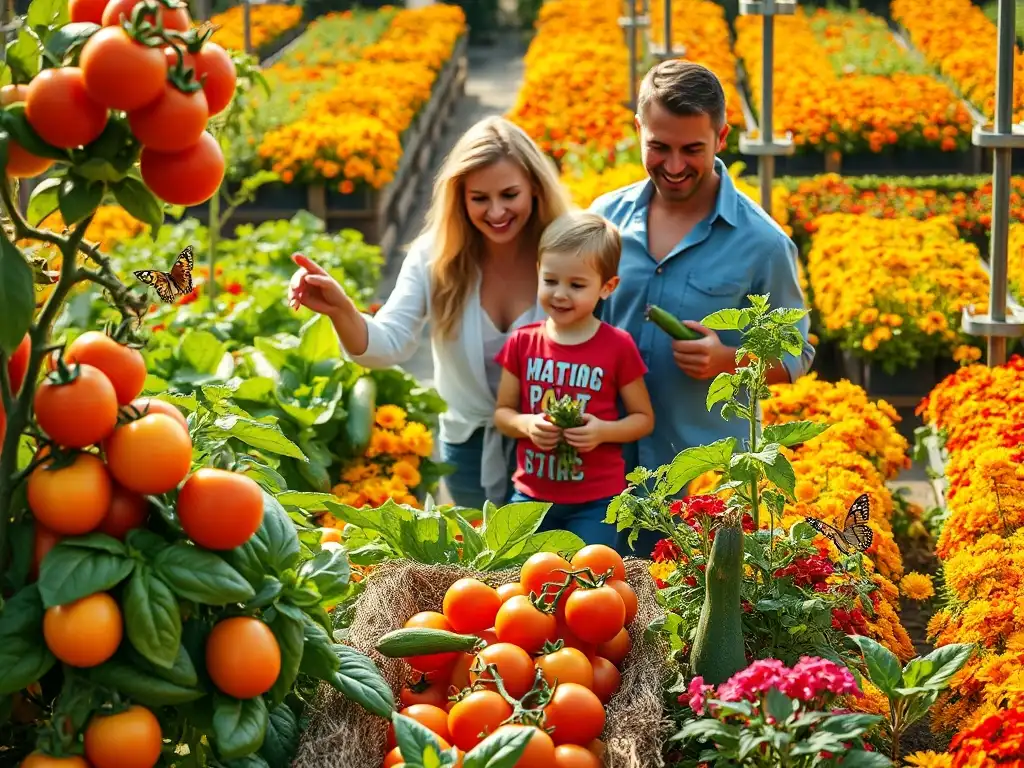
Welcome to CultivateYourFood, your guide to a thriving, sustainable home garden! Are you ready to experience the unparalleled satisfaction of harvesting your own fruits, vegetables, and herbs? Learn how to cultivate a truly diverse family-feeding garden, brimming with fresh, organic produce, and discover the secrets to successful planting, harvesting, composting, and natural pest control. Embark on your journey towards self-sufficiency – let's get growing!
- Planning Your Diverse Family-Feeding Garden
- Preparing Your Soil for Abundant Vegetable Production
- Planting Your Diverse Vegetable Garden
- Maintaining Your Thriving Family Garden
- Harvesting and Preserving Your Bountiful Harvest
- Extending Your Growing Season
- Growing a Diverse Family-Feeding Garden: A Year-Round Approach
- Troubleshooting Common Garden Challenges
-
Frequently Asked Questions
- How much space do I need to grow a diverse family-feeding garden?
- What are the best vegetables to grow for a family garden?
- How can I ensure my garden is diverse and sustainable?
- What is the best time of year to start my family-feeding garden?
- What are some essential tools for a successful family garden?
- Final Reflection: Cultivating Abundance: A Diverse Garden, A Diverse Table
- Unleash Your Inner Gardener: Grow a Bountiful Harvest!
Planning Your Diverse Family-Feeding Garden
Growing enough food to feed your family is a rewarding and increasingly popular goal. This comprehensive guide will walk you through the process of planning and cultivating a diverse garden that not only provides a bountiful harvest but also nourishes your family with a wide range of essential vitamins and minerals. We'll explore how to maximize your space, select high-yielding and nutritionally diverse vegetables, and ultimately create a thriving, sustainable food source right in your backyard.
This approach to gardening prioritizes organic and sustainable methods, minimizing environmental impact while maximizing the health benefits for your family. Learning to grow a diverse family-feeding garden is an investment in your family's health and well-being, reducing reliance on commercially produced food and fostering a deeper connection with nature. Let's get started on your journey towards self-sufficiency and a healthier lifestyle!
Assessing Your Space and Sunlight for Optimal Vegetable Growth
Before even thinking about seeds, you need to understand your growing space. The success of your diverse family-feeding garden hinges on accurately assessing sunlight exposure and available square footage. Different vegetables have different sunlight requirements. Some thrive in full sun (6-8 hours of direct sunlight daily), while others prefer partial shade (4-6 hours). Knowing this is crucial for optimal yield.
Consider these factors:
- Sunlight: Observe your yard throughout the day. Note which areas receive the most direct sunlight and for how long. Use a sun chart or app to get a more precise measurement if needed. Document this data carefully.
- Space: Measure your available garden space. Consider not only the horizontal area but also the vertical space, as some vegetables can be grown vertically using trellises or other support systems. This can significantly increase your yield in limited spaces.
- Soil: Analyze your soil type. Is it clay, sandy, or loamy? Knowing your soil type allows you to amend it appropriately, ensuring optimal nutrient levels for healthy growth. A soil test kit can provide valuable insights into your soil's composition. Amendments might include compost, manure, or other organic materials.
Remember, accurate assessment is key! Poor planning can lead to disappointing yields. Take your time to carefully analyze these factors. A well-planned garden is a successful garden. Don't underestimate the importance of this crucial first step.
Choosing High-Yielding Vegetables for Family Consumption
Once you understand your space, it's time to select high-yielding vegetables. The goal is to maximize your harvest to feed your family effectively. Focus on varieties known for their prolific production.
Here are some examples of high-yielding vegetables perfect for a family-feeding garden:
| Vegetable | Yield Characteristics | Planting Considerations |
|---|---|---|
| Bush Beans | Abundant harvest over a period of weeks. | Plant in succession for continuous harvest. |
| Zucchini | Extremely prolific; requires regular harvesting. | Needs plenty of space and water. |
| Tomatoes (e.g., heirloom varieties) | High yields, especially determinate varieties. | Requires staking or caging. |
| Potatoes | High yield per plant; consider different potato types. | Requires ample space for proper growth and harvesting. |
| Leaf Lettuce | Fast-growing and easy to replant for continuous harvest. | Plant in succession or use "cut and come again" varieties. |
Consider your family's preferences when making your selection. Remember to prioritize varieties suitable for your climate and growing season.
Selecting a Variety of Vegetables for Nutritional Diversity
A truly diverse family-feeding garden goes beyond high yield; it prioritizes nutritional diversity. Including a wide range of vegetables ensures your family receives a comprehensive array of vitamins, minerals, and antioxidants.
Think about including:
- Leafy Greens: Spinach, kale, collard greens – excellent sources of vitamins A, C, and K.
- Cruciferous Vegetables: Broccoli, cauliflower, cabbage – rich in fiber and antioxidants.
- Root Vegetables: Carrots, beets, potatoes – provide essential vitamins and minerals.
- Fruiting Vegetables: Tomatoes, peppers, cucumbers – packed with vitamins and antioxidants.
- Legumes: Beans, peas – excellent sources of protein and fiber.
By incorporating a diverse range of vegetables, you create a garden that not only feeds your family but also contributes significantly to their overall health and well-being. Remember that variety is the spice of life (and the key to a healthy diet)! 🥕🍅🥦
Creating a Planting Schedule for Successive Harvesting
Creating a planting schedule for successive harvesting is key to ensuring a continuous supply of fresh produce throughout the growing season. This strategy involves planting crops in stages, rather than all at once. This way, as one crop finishes, another is ready to take its place. This maximizes your yield and minimizes wasted space. For a family-feeding garden, this is particularly crucial, as it guarantees a consistent supply of food for your household.
To create an effective successive planting schedule, you need to understand the growing season in your region. Consult local gardening resources or online tools to determine the average frost dates and the number of days to maturity for each crop you plan to grow. This information will be crucial in determining the optimal planting times for each successive planting. For example, if you want to have tomatoes throughout the summer, you might start with an early-season variety and then plant a mid-season and late-season variety a few weeks apart. This ensures a continuous harvest.
Consider the spacing requirements for each plant. Overcrowding can hinder growth and reduce yields. Therefore, carefully plan the spacing according to the mature size of each plant to allow for adequate airflow and sunlight penetration. This is especially important when planting in succession, as you'll have multiple generations of plants growing simultaneously.
Don't forget to factor in the crop rotation. Rotating crops helps to prevent soilborne diseases and pest infestations. Avoid planting the same crop family (e.g., tomatoes, peppers, eggplants) in the same spot year after year. A well-planned rotation improves soil health and helps to ensure a bountiful harvest year after year.
A good record-keeping system – whether a digital spreadsheet or a simple notebook – is invaluable for tracking your planting schedule and crop rotation. This will help you optimize your garden's productivity and prevent common gardening mistakes. Remember, planning for successive harvests significantly increases the amount of food you can grow in your garden, making it a more effective and efficient method for a family-feeding garden. 🌱
Preparing Your Soil for Abundant Vegetable Production
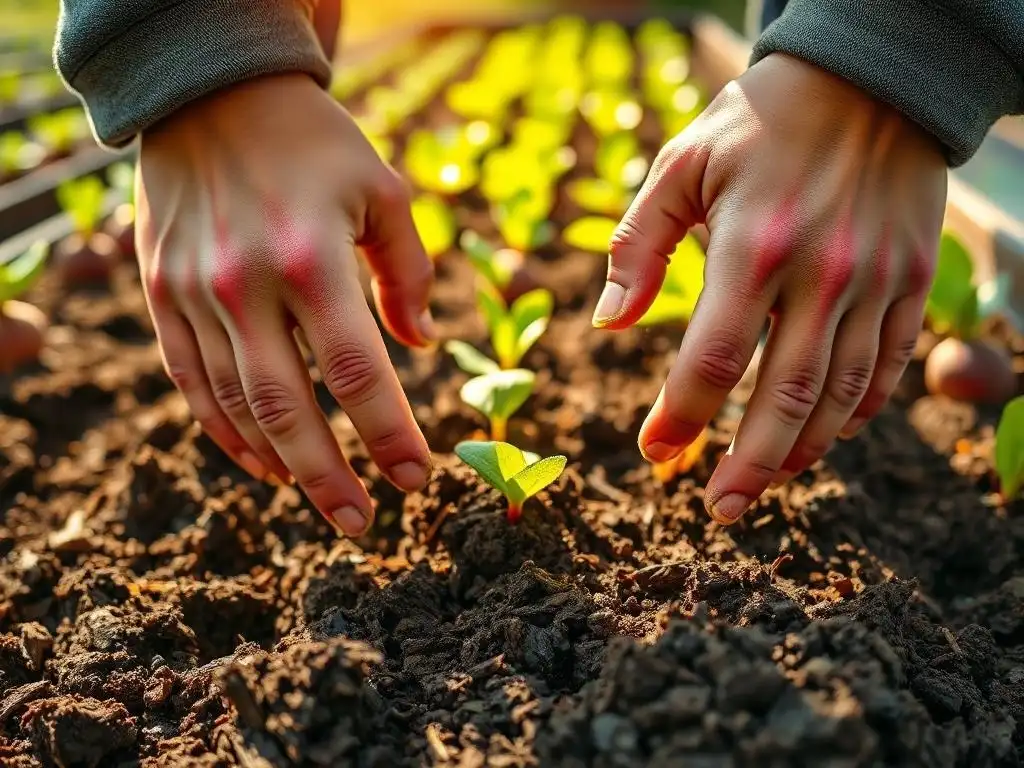
Growing a diverse, family-feeding garden hinges on healthy soil. A nutrient-rich soil structure is the foundation for robust plant growth, leading to a bountiful harvest. Neglecting soil preparation is a common mistake that can significantly impact yield and the overall health of your plants. This section details crucial steps to ensure your soil is optimally prepared for a thriving garden. We'll explore soil testing, composting, and appropriate planting methods to maximize your yield and ensure your garden thrives. Remember, healthy soil equals healthy plants, leading to a plentiful harvest to feed your family.
Soil Testing and Amendment for Nutrient-Rich Soil
Before you even think about planting seeds, understanding your soil's composition is paramount. A simple soil test can reveal crucial information about its pH level, nutrient content (nitrogen, phosphorus, potassium – the “NPK”), and overall structure. Many local agricultural extension offices offer affordable soil testing services. Alternatively, you can purchase home soil testing kits from garden supply stores.
The results of your soil test will guide your soil amendment strategy. For example:
- Low pH (acidic soil): Amend with lime to raise the pH to a more neutral range (ideally between 6.0 and 7.0 for most vegetables). The amount of lime needed will depend on the severity of the acidity, as indicated by your test results. Apply according to package instructions.
- High pH (alkaline soil): Amend with elemental sulfur to lower the pH. Again, follow package instructions carefully, as the application rate will vary based on your test results.
- Nutrient deficiencies: Soil tests will pinpoint specific nutrient deficiencies. You can address these by incorporating organic fertilizers like compost, aged manure, or commercially available fertilizers formulated to correct the identified deficiencies. Always follow the recommended application rates on fertilizer packaging to avoid over-fertilizing, which can harm plants.
Remember to till the amendments into the soil thoroughly to ensure even distribution. This process of improving your soil’s structure and nutrient content is an essential step in your journey to a successful, family-feeding garden. The investment in soil testing and amendment will pay dividends in the form of healthy, productive plants. A well-amended soil provides the ideal environment for strong root development, leading to increased yields. 🌱
Composting and Organic Matter Incorporation for Healthy Soil
Composting is a cornerstone of sustainable gardening and crucial for building healthy soil. Compost enriches the soil with essential nutrients, improves drainage and aeration, and enhances the soil's water-holding capacity. This organic matter acts like a sponge, retaining moisture during dry spells and preventing waterlogging during heavy rains. Incorporating compost into your garden beds before planting significantly improves soil structure and fertility, boosting your chances of a successful harvest.
Creating your own compost is surprisingly easy. You can start a simple compost bin using readily available materials like pallets or wire mesh. Layer "browns" (dried leaves, twigs, shredded paper) and "greens" (grass clippings, vegetable scraps, coffee grounds) in your compost bin. Maintain moisture levels (think damp sponge), and turn the compost regularly to aid decomposition. The process typically takes several months, but the resulting compost is invaluable for your garden.
The benefits of using compost extend beyond nutrient enrichment. It improves soil structure by creating air pockets, allowing better root penetration and oxygen uptake. Compost also promotes beneficial soil microbes, which are crucial for nutrient cycling and disease suppression. This contributes to healthier plants, requiring less intervention and fewer pesticides, aligning with your sustainable gardening goals. Using compost is a simple yet powerful way to enhance your soil and grow a thriving, family-feeding garden.
Choosing the Right Planting Method for Your Garden Space
The planting method you choose will significantly impact the success of your diverse garden. Consider your available space, the types of vegetables you're growing, and your personal preferences. Several options exist, each with its advantages and disadvantages:
- Raised Beds: Excellent for improving drainage and soil quality, particularly in areas with poor soil. They are also easier to manage and weed than in-ground gardens. Raised beds require an initial investment in materials (wood, stone, etc. ), but the benefits often outweigh the costs.
- In-Ground Gardening: The most traditional method, requiring less initial investment. However, it may require more intensive soil preparation and weed control. This approach is suitable for larger spaces with good soil drainage.
- Container Gardening: Ideal for small spaces or areas with poor soil. Containers offer flexibility and portability, allowing you to move plants as needed. However, containers require more frequent watering and fertilization.
- Vertical Gardening: Space-saving solutions for small gardens or patios. Vertical gardens utilize trellises, walls, or hanging baskets to maximize vertical space. This method is particularly suitable for climbing plants like beans, tomatoes, and cucumbers.
Choosing the right planting method is a critical decision influencing the overall success and productivity of your garden. Consider your available resources, the types of plants you wish to grow, and the climate in your region when making your selection. Careful planning in this stage ensures you create a garden layout conducive to a thriving and diverse family-feeding garden.
Planting Your Diverse Vegetable Garden
This section delves into the practical aspects of establishing your diverse, family-feeding garden. We'll explore different planting methods to maximize your yield and ensure a bountiful harvest throughout the growing season. Remember, a successful "grow diverse familyfeeding garden" strategy relies on careful planning and execution of these crucial steps.
Starting Seeds Indoors for an Early Start
Starting seeds indoors offers a significant advantage: an earlier harvest. This is especially valuable for longer-season crops like tomatoes, peppers, and eggplant, which require a longer growing period to reach maturity. By starting seeds indoors 6-8 weeks before the last expected frost, you can give your plants a head start and enjoy ripe produce earlier in the summer.
To begin, you'll need seed starting mix (not garden soil! ), small pots or seed trays, and a warm, sunny location. Ensure the pots have drainage holes to prevent root rot. Follow the seed packet instructions carefully regarding planting depth and spacing. Consistent moisture is key; keep the soil evenly moist but not soggy.
A humidity dome or plastic wrap can help maintain humidity levels, especially for delicate seedlings. Once seedlings develop their first true leaves (not the cotyledons), you can gradually harden them off before transplanting them outdoors. This process involves slowly acclimating them to outdoor conditions over a week or so to prevent shock. Hardening off might involve placing them outside for a few hours each day, gradually increasing the time until they can withstand full sun and temperature fluctuations.
Remember to consider your local climate and the specific needs of each plant when determining your indoor seeding timeline. Consult a planting calendar tailored to your region for optimal results in your "grow diverse familyfeeding garden" endeavor. Proper lighting is crucial; supplement natural sunlight with grow lights if necessary, especially during shorter winter days.
Direct Sowing Techniques for Easy Planting
Direct sowing, the process of planting seeds directly into the garden bed, is a simpler method for many vegetables. This technique works well for fast-growing crops like lettuce, radishes, and beans that don't transplant well. It also saves time and effort compared to starting seeds indoors.
Before sowing, prepare your soil by loosening it and removing any weeds or debris. Ensure the soil is well-drained and fertile. Follow seed packet instructions for spacing and depth. For smaller seeds, consider mixing them with sand to improve distribution. Water gently after sowing, avoiding dislodging the seeds.
Keep the soil consistently moist until germination. Thinning seedlings is often necessary to provide adequate space for healthy growth. This involves carefully removing weaker seedlings to allow the stronger ones to thrive. Think of it as a form of natural selection within your "grow diverse familyfeeding garden." Regular weeding is also crucial to prevent competition for resources.
Some vegetables particularly suited for direct sowing include carrots, peas, corn, and sunflowers. Remember to choose the right time of year, considering the optimal temperature and sunlight requirements for each plant. A successful direct sowing strategy contributes significantly to the efficiency and ease of managing your family-feeding garden.
Transplanting Seedlings for Optimal Growth
Transplanting seedlings, whether started indoors or purchased from a nursery, is a crucial step in establishing a thriving garden. Proper transplanting ensures the seedlings have the best chance of establishing strong root systems and producing a healthy yield. This is especially important for crops that benefit from a longer growing season, like tomatoes, peppers, and cucumbers.
Before transplanting, prepare the soil by amending it with compost or other organic matter to enhance drainage and fertility. Dig holes slightly larger than the root ball of the seedling. Gently remove the seedling from its container, taking care not to damage the roots. Plant the seedling at the same depth it was growing in its container. Water thoroughly after transplanting to settle the soil around the roots.
Consider using a plant support system, like stakes or cages, for vining or tall plants to prevent them from sprawling and to improve air circulation, reducing the risk of fungal diseases. Mulching around the plants helps retain moisture, suppress weeds, and regulate soil temperature. Regular watering and fertilization are essential to support healthy growth. Choosing the right time to transplant, considering the weather conditions and avoiding frost, is crucial for success in cultivating your diverse family-feeding garden. Proper spacing between plants is also vital to ensure adequate sunlight and air circulation for each plant.
Spacing Plants for Maximum Yield and Air Circulation
Proper spacing is crucial for a thriving and productive garden. Cramped plants compete for resources like sunlight, water, and nutrients, leading to smaller yields and increased susceptibility to diseases. Adequate spacing promotes healthy air circulation, which helps prevent fungal diseases that thrive in humid, stagnant conditions. Think of it like this: a crowded garden is a breeding ground for problems, while a well-spaced one allows for healthy growth and robust harvests.
Consider the mature size of each plant when planning your spacing. For example, sprawling cucumbers need significantly more space than compact bush beans. Check the seed packet or plant tag for recommended spacing guidelines. These guidelines usually provide a range, allowing you to adjust based on your specific growing conditions and the variety you've chosen. For instance, a particularly vigorous variety might need slightly more space than a more compact one.
Air circulation is equally important. Good airflow helps to dry leaves quickly after watering or rain, reducing the risk of fungal infections like powdery mildew. This is especially crucial in humid climates or during periods of prolonged rainfall. Poor air circulation can also lead to increased pest infestations as pests find it easier to hide and breed in dense foliage. Strategic spacing ensures a free flow of air, improving overall plant health and reducing the need for chemical interventions.
Implementing proper spacing also simplifies other garden tasks. Weeding, harvesting, and pest monitoring become much easier when plants aren't overcrowded. You'll have better access to individual plants, allowing for more effective pest control and timely harvesting. The ease of access also makes it easier to spot any signs of disease or nutrient deficiencies early on, allowing for prompt action to prevent widespread problems. Planning for sufficient spacing is an investment in time and effort that pays off handsomely in the form of a healthier, more productive, and easier-to-manage garden. This is key to growing a diverse family-feeding garden.
Maintaining Your Thriving Family Garden
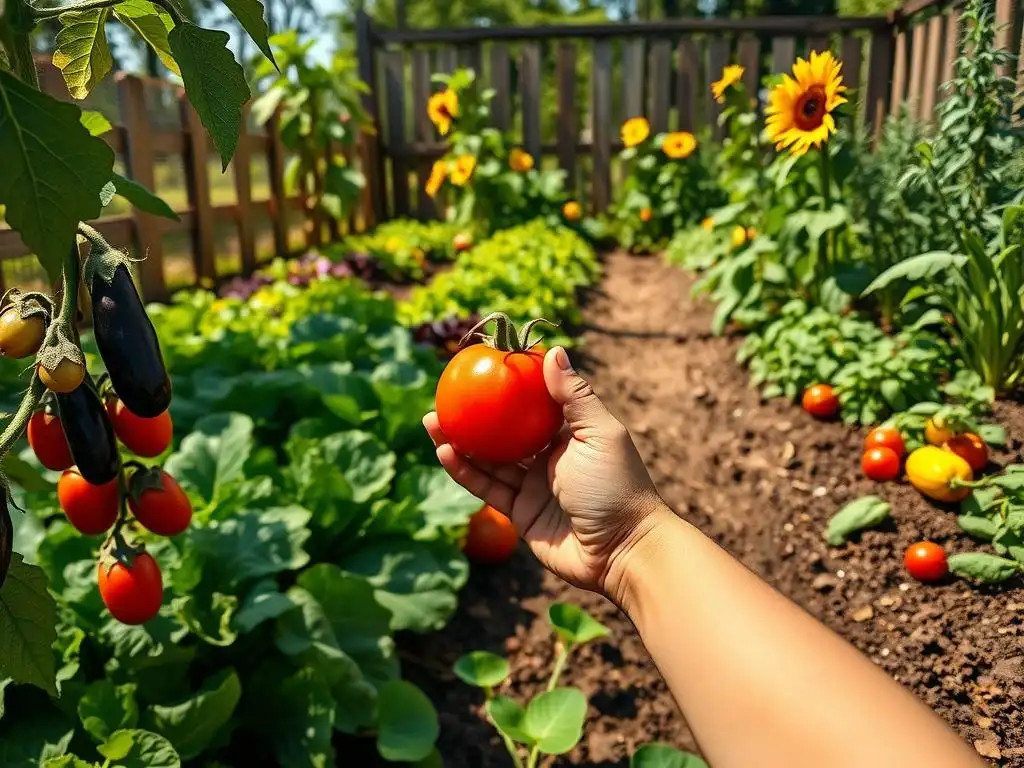
This section focuses on the ongoing care needed to ensure your diverse garden continues to produce a bountiful harvest for your family. Consistent effort in watering, pest control, and weed management will significantly impact your yield and the overall health of your plants. Remember, a healthy garden is a productive garden! Let's dive into the specifics.
Watering Strategies for Consistent Moisture
Maintaining consistent soil moisture is crucial for a thriving family-feeding garden. Overwatering can lead to root rot, while underwatering stunts growth and reduces yields. The key is to water deeply and less frequently, encouraging deep root growth. The best time to water is early morning, minimizing evaporation and allowing the foliage to dry before nightfall, reducing the risk of fungal diseases.
Several factors influence watering needs: soil type (sandy soils drain faster than clay soils), weather conditions (hot, sunny days require more frequent watering), and the plant's stage of growth (young seedlings require more frequent, lighter watering than mature plants).
Consider using a soil moisture meter to accurately gauge soil moisture levels before watering. This prevents overwatering and ensures your plants receive the optimal amount of water. For larger gardens, consider installing a drip irrigation system for efficient and targeted watering. This method conserves water and delivers it directly to the roots, reducing water waste. Remember to adjust your watering schedule based on rainfall; less supplemental watering is needed after significant rainfall.
Natural Pest Control Methods for a Healthy Garden
Protecting your garden from pests without resorting to harmful chemicals is essential for a healthy and family-friendly harvest. A diverse garden naturally attracts beneficial insects that help control pest populations. However, proactive measures are crucial to minimize pest damage.
Here are some effective natural pest control methods:
- Companion Planting: Strategically planting certain plants together can deter pests. For example, marigolds planted amongst tomatoes repel nematodes and other insects.
- Beneficial Insects: Encourage the presence of ladybugs, lacewings, and praying mantises, which prey on common garden pests like aphids and caterpillars. Provide habitat for these beneficial insects by leaving some areas of your garden slightly wild.
- Homemade Sprays: Simple sprays can effectively control pests. A solution of water, dish soap, and neem oil can be effective against many common garden pests. Always test a small area first to ensure it doesn't harm your plants.
- Physical Barriers: Row covers can protect seedlings from pests like slugs and caterpillars. Handpicking pests, especially in the early stages of infestation, can also be effective.
- Crop Rotation: Rotating crops annually helps to disrupt pest life cycles and reduce pest pressure.
Regularly inspect your plants for signs of pest infestation. Early detection and intervention are key to preventing widespread damage. Remember to document your successes and challenges to refine your approach each growing season.
Weed Management for Optimal Plant Growth
Weeds compete with your crops for water, nutrients, and sunlight, reducing yields and overall garden health. Proactive weed management is crucial for a productive family-feeding garden.
Effective weed control strategies include:
- Mulching: Applying a layer of mulch (straw, wood chips, or compost) around your plants suppresses weed growth, retains soil moisture, and improves soil health.
- Hand Weeding: Regularly hand-weeding, especially when weeds are young, is an effective way to prevent them from establishing themselves. Focus on removing weeds before they go to seed.
- Hoeing: Hoeing can be effective for shallow-rooted weeds, cutting them off at the surface.
- Cover Cropping: Planting cover crops during the off-season can help suppress weeds and improve soil health.
A combination of these methods usually yields the best results. Prioritize hand weeding for delicate plants and use mulching and cover cropping as preventative measures to minimize the need for frequent weeding. Regular weeding, though time-consuming, is an investment in the health and productivity of your garden, ultimately increasing your harvest and ensuring a plentiful supply of fresh, homegrown food for your family.
Fertilizing Your Garden with Organic Methods
Maintaining a thriving garden that feeds your family relies heavily on providing your plants with the right nutrients. Synthetic fertilizers, while offering a quick boost, can harm the soil's long-term health and introduce potentially harmful chemicals into your food. Organic fertilization, however, nourishes the soil and plants in a sustainable way, leading to healthier, more robust crops.
This approach mimics natural processes, building soil fertility over time rather than relying on short-term chemical fixes. The benefits extend beyond healthier plants; organic methods contribute to a healthier environment and a more sustainable gardening practice. A diverse family-feeding garden thrives on healthy soil.
One effective organic fertilizer is compost. Composting kitchen scraps, yard waste, and other organic materials creates a rich, nutrient-dense soil amendment. The process breaks down organic matter, releasing essential nutrients like nitrogen, phosphorus, and potassium in a slow-release form that plants can absorb gradually. This prevents nutrient burn, a common problem with synthetic fertilizers.
Regular composting significantly reduces the need for other fertilizers, saving you money and reducing your environmental impact. Aim for a compost pile that's consistently moist but not soggy, turning it regularly to promote aeration and decomposition. A well-maintained compost pile is a valuable asset to any grow diverse familyfeeding garden.
Beyond compost, consider cover cropping. Planting nitrogen-fixing cover crops like clover or beans between growing seasons adds nitrogen to the soil, enriching it for the next planting cycle. These plants naturally draw nitrogen from the atmosphere and store it in their roots and leaves. When the cover crops are tilled into the soil, this nitrogen becomes available to your food crops. This practice is particularly beneficial for heavy feeders like tomatoes and peppers. Cover cropping also improves soil structure, reducing erosion and improving water retention – crucial aspects of maintaining a healthy and productive grow diverse familyfeeding garden.
Another excellent organic fertilizer option is using aged manure. Well-rotted manure from animals like cows, horses, or chickens provides a wealth of nutrients. However, it's crucial to use aged manure, as fresh manure can contain harmful pathogens that could damage your plants. Aged manure has undergone decomposition, making it safe and beneficial for your garden.
Ensure you spread it evenly to avoid burning your plants. Remember to always source manure from reputable sources to guarantee its quality and freedom from harmful contaminants. Using aged manure is a time-tested method to build soil fertility and enhance the overall health of your grow diverse familyfeeding garden. Finally, consider using natural rock powders, such as basalt or granite dust, to supplement essential minerals in your soil.
These powders slowly release micronutrients over time, contributing to the long-term health and fertility of your soil. This method also improves soil structure and water retention, further enhancing the productivity of your garden. These diverse techniques are key to building and maintaining the soil fertility necessary for a bountiful grow diverse familyfeeding garden.
Harvesting and Preserving Your Bountiful Harvest
Growing a diverse, family-feeding garden is incredibly rewarding, but the work doesn't stop once your plants mature. Proper harvesting and preservation are crucial to maximizing your yield and ensuring you can enjoy the fruits (and vegetables!) of your labor throughout the year. This section will guide you through the process, helping you get the most out of your garden's bounty. We'll cover optimal harvesting times, techniques for different crops, and effective preservation methods for a year-round supply of fresh, homegrown goodness. This ensures your hard work translates into delicious and nutritious meals for your family, all year long.
Knowing When to Harvest for Peak Flavor and Nutrition
The timing of your harvest significantly impacts the taste and nutritional value of your produce. Harvesting too early results in bland, underdeveloped flavors, while harvesting too late can lead to tough, woody textures or nutrient loss. The key is to harvest at the peak of ripeness. This often involves understanding the specific characteristics of each plant.
For example, tomatoes should be harvested when they are fully colored and slightly soft to the touch. A gentle squeeze will reveal their ripeness. Don't wait for them to become overly soft, as this indicates over-ripeness and potential spoilage. On the other hand, peppers are best harvested when they've reached their mature color, whether it's red, yellow, green, or another hue. Their skins should be firm and glossy.
Leafy greens, such as lettuce and spinach, are typically harvested when they reach a desirable size, usually before they bolt (flower). Regular harvesting of outer leaves encourages continued growth. Root vegetables like carrots and beets are ready for harvest when they've reached their mature size and the tops have begun to wilt slightly. This usually happens in the fall for many varieties. Knowing these subtle cues for each plant is key to a successful harvest. Careful observation and a little research into your specific plant varieties will greatly improve the quality of your harvest.
Different Harvesting Techniques for Various Vegetables
Harvesting techniques vary depending on the type of vegetable you're growing. Some require delicate handling, while others can withstand more forceful methods. Consistent and proper harvesting techniques ensure the health and longevity of your plants, and minimize damage to the produce.
- Root Vegetables: Carefully loosen the soil around the roots using a garden fork or trowel to avoid damaging them. Gently lift the vegetables out of the ground.
- Leafy Greens: Use sharp scissors or a knife to cut the leaves at the base of the plant, leaving some leaves behind to encourage regrowth. For larger plants, you can harvest outer leaves without affecting the plant's core.
- Fruits (Tomatoes, Peppers, etc.): Gently twist or snap the fruit from the vine, leaving the stem attached to the plant. Avoid pulling or tugging, which can damage the plant.
- Beans: Harvest beans when they are young and tender, usually before the pods become fully plump. Snap beans off the plant at the stem.
- Squash: Harvest squash when the skin is hard and the fruit has reached its mature size and color. Use a sharp knife to cut the squash from the vine.
Understanding these specific techniques will not only improve your yield but also contribute to the overall health of your garden. Remember to always use clean tools to prevent the spread of disease. Consider using gloves to protect your hands and prevent the spread of soil-borne pathogens.
Preserving Your Harvest: Canning, Freezing, and Drying Techniques
Preserving your harvest allows you to enjoy the flavors of your garden throughout the year. Several methods exist, each with its own advantages and disadvantages. Choosing the best preservation method depends on the type of produce and your available resources.
| Preservation Method | Advantages | Disadvantages | Suitable Produce |
|---|---|---|---|
| Canning | Long shelf life, retains flavor and texture | Requires specialized equipment, time-consuming | Tomatoes, pickles, jams, fruits, and vegetables |
| Freezing | Relatively quick, retains nutrients | Can alter texture slightly, requires freezer space | Most fruits and vegetables |
| Drying | Long shelf life, easy storage, minimal equipment | Requires good ventilation and low humidity | Herbs, fruits, vegetables |
Remember to prioritize food safety when preserving your harvest. Proper sanitation and processing techniques are crucial to preventing spoilage and ensuring the safety of your preserved food. For detailed instructions on each method, consult reliable resources on food preservation. This commitment to safe preservation practices will allow you to enjoy the fruits of your labor safely and deliciously for many months to come. Proper preservation techniques are crucial to extending the life of your harvest and allowing you to enjoy the bounty of your grow diverse familyfeeding garden all year long.
Storing Your Harvest for Year-Round Enjoyment
Harvesting your diverse garden is only half the battle; preserving your hard work for year-round enjoyment is equally crucial for a truly self-sufficient "grow diverse familyfeeding garden". Proper storage techniques extend the shelf life of your fruits, vegetables, and herbs, ensuring your family benefits from your efforts long after the growing season ends. This involves understanding the unique needs of each type of produce.
For example, root vegetables like carrots, potatoes, and beets thrive in cool, dark, and dry environments. A root cellar is ideal, but a cool, well-ventilated basement or even a carefully placed bin in a garage can suffice. Properly cured onions and garlic, on the other hand, prefer a well-ventilated area with low humidity to prevent rotting. Avoid storing them in airtight containers.
Many fruits, particularly apples and pears, require specific temperature and humidity control to prevent spoilage. A cool, dark pantry might be adequate for short-term storage, but for longer preservation, consider using a refrigerator or even freezing. Freezing is an excellent option for berries, which are highly perishable. Blanching them briefly before freezing helps retain their color and texture.
Herbs, both fresh and dried, require different approaches. Fresh herbs can be stored in the refrigerator for a short period, preferably wrapped in damp paper towels. Drying herbs, a traditional preservation method, extends their shelf life significantly. Hang small bunches upside down in a dark, well-ventilated area until they are completely dry and brittle. Store dried herbs in airtight containers in a cool, dark place.
Beyond these basic methods, consider more advanced techniques such as canning, pickling, and fermenting. Canning, for instance, allows you to preserve fruits and vegetables for extended periods. It requires careful attention to sterilization to ensure safety. Pickling, using vinegar and spices, is a delicious way to preserve cucumbers, onions, and other vegetables. Fermentation, a natural preservation method using beneficial bacteria, creates unique flavors and extends the shelf life of foods like sauerkraut and kimchi.
Learning these diverse techniques will greatly enhance your ability to enjoy the fruits (and vegetables!) of your labor throughout the year, maximizing the output of your "grow diverse familyfeeding garden". Careful planning and execution of your preservation strategies are key to ensuring a continuous supply of fresh and nutritious food for your family. This not only saves money but also allows you to savor the taste of homegrown goodness all year long.
Extending Your Growing Season
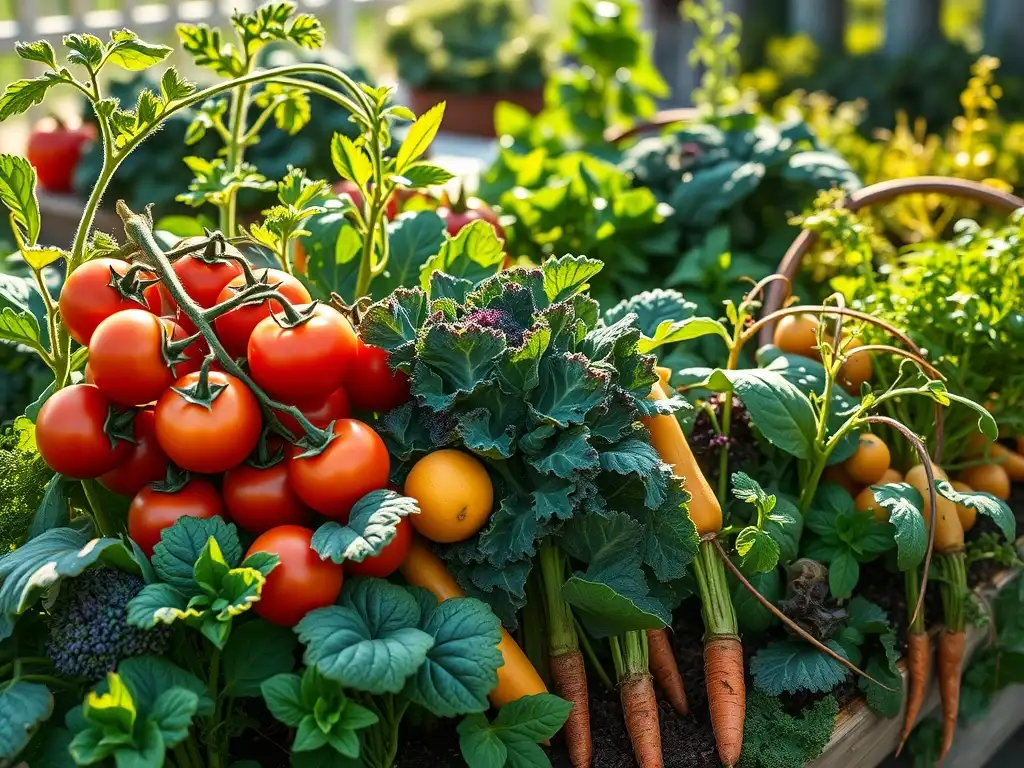
Growing a diverse family-feeding garden means maximizing your harvest throughout the year. One key strategy is extending the growing season beyond the typical summer months. This allows you to enjoy fresh produce for a longer period and increases your overall yield. This section will explore practical methods to achieve this goal.
Utilizing Cold Frames and Greenhouses to Extend the Growing Season
Cold frames and greenhouses offer excellent protection against frost and temperature fluctuations, allowing you to start seeds earlier in the spring and continue growing certain crops well into the fall. A cold frame, a simple structure typically made of glass or plastic, provides a warmer microclimate than the surrounding environment. This is ideal for hardening off seedlings before transplanting them outdoors, or for overwintering certain hardy vegetables. Greenhouses, on the other hand, offer more sophisticated climate control, allowing for year-round cultivation of heat-loving plants like tomatoes and peppers, even in colder regions.
The benefits of using these structures for a diverse family-feeding garden are significant. You can plant heat-loving crops earlier in the spring, giving them a head start on the growing season and resulting in an earlier harvest. In the fall, you can protect tender plants from early frosts, extending their productive life by several weeks. This translates directly into a more abundant and sustained supply of fresh produce for your family. Proper ventilation is crucial in both cold frames and greenhouses to prevent overheating and the build-up of humidity, which can lead to disease.
Choosing Frost-Tolerant Vegetables for Fall and Spring Planting
Selecting the right plant varieties is critical for a successful extended growing season. Many vegetables boast remarkable frost tolerance, allowing them to thrive even in cooler temperatures. For spring planting, consider hardy greens like spinach, kale, lettuce, and arugula. These crops can withstand light frosts and will provide you with fresh greens long before summer vegetables are ready. For fall planting, choose varieties known for their ability to mature quickly before the first frost. Examples include:
- Radishes: A quick-growing root vegetable that can be harvested in as little as a month.
- Turnips: Another fast-maturing root crop that tolerates cooler temperatures.
- Kale and collard greens: These hardy greens continue to produce leaves even after light frosts.
- Chard: Similar to kale and collards, chard is remarkably cold-hardy.
Planning your planting schedule carefully, considering the average first and last frost dates in your region, is essential for maximizing your harvest. Consult your local agricultural extension office or gardening resources to determine the ideal planting times for your specific location and chosen varieties. This careful planning is a cornerstone of building a truly diverse family-feeding garden capable of providing sustenance throughout the year.
Succession Planting for Continuous Harvesting
Succession planting is a technique that involves planting crops in stages, ensuring a continuous supply of fresh produce throughout the growing season. Instead of planting all your seeds or seedlings at once, you stagger plantings every few weeks. This means you'll have a constant stream of harvests, preventing periods with little or no yield. For example, you might plant a batch of lettuce seeds every two weeks, ensuring that you always have young lettuce ready to harvest. Similarly, you can stagger plantings of bush beans or other quick-growing vegetables.
This strategy is particularly effective when combined with the use of cold frames and greenhouses. You can start seeds indoors and transplant them outdoors in stages, further extending your harvest. Careful planning is key to success. Consider the growth cycle of each vegetable and plan your succession accordingly.
For instance, a crop with a short growing period, like radishes, can be planted between rows of slower-growing vegetables like carrots or tomatoes, maximizing space utilization and yield in your diverse family-feeding garden. Accurate record-keeping will help you monitor your planting schedule and track the progress of your crops. This method of planting is a key element to optimizing your garden's output year-round.
Growing a Diverse Family-Feeding Garden: A Year-Round Approach
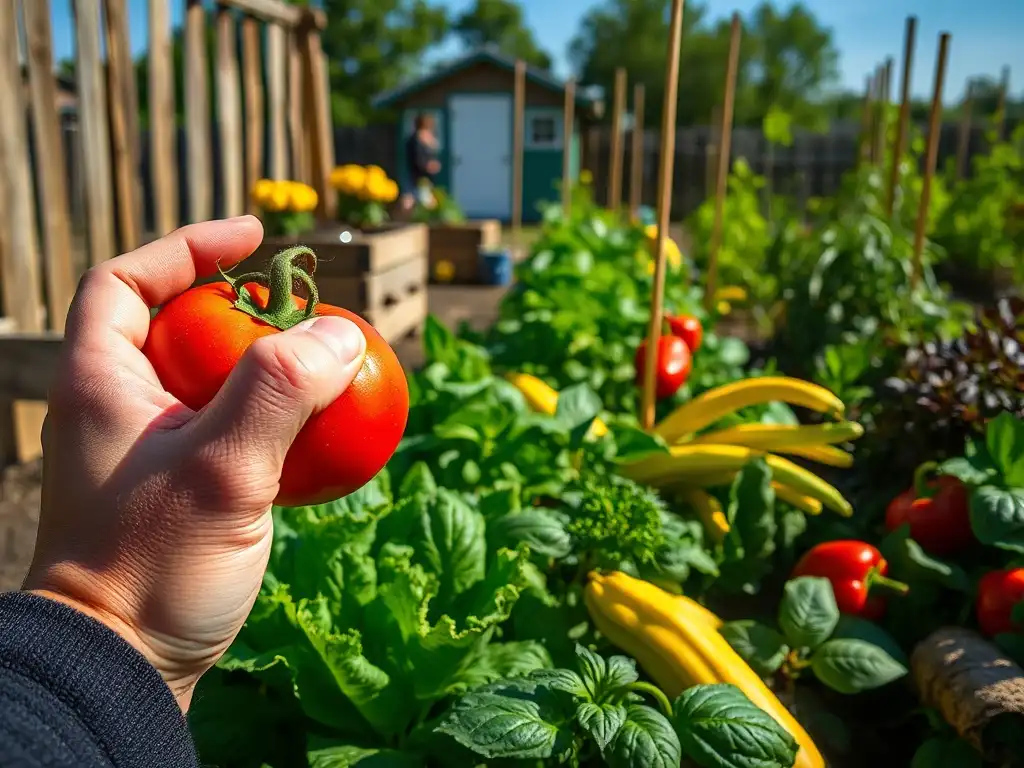
This section focuses on strategies for cultivating a diverse garden that provides a continuous harvest throughout the year, ensuring your family has access to fresh, nutritious produce. We'll explore techniques to maximize yield and minimize pest problems, all while adhering to sustainable and organic principles. The goal is to create a thriving, productive garden that truly feeds your family well, aligning with the "grow diverse family-feeding garden" ideal.
Planning for Seasonal Vegetable Variety
Careful planning is crucial for a successful, year-round harvest. Understanding your local climate's growing seasons is paramount. This involves identifying the frost-free period – the number of days between the last spring frost and the first autumn frost. Knowing this allows you to select vegetables that mature within that timeframe.
For example, in a region with a short growing season, you might prioritize fast-maturing varieties like bush beans, radishes, and summer squash. Longer-season crops like tomatoes and peppers could be started indoors and transplanted out after the last frost. Conversely, in warmer climates, you can extend your growing season by utilizing techniques like succession planting (planting new crops as others finish) and utilizing cool-season crops during the cooler months.
To ensure a diverse range of nutrients, plan your garden to include vegetables from different plant families. This reduces the risk of nutrient depletion in the soil and minimizes the impact of pests and diseases. Consider incorporating:
- Leafy Greens: Spinach, kale, lettuce (various types for different seasons)
- Root Vegetables: Carrots, beets, potatoes, turnips
- Fruits: Tomatoes, peppers, cucumbers, squash
- Legumes: Beans (bush and pole), peas
- Alliums: Onions, garlic, shallots (excellent companion plants)
A sample planting schedule, adjusted to your specific region's climate, is essential. This could be a simple calendar or a more detailed spreadsheet tracking planting dates, expected harvest times, and plant spacing. Remember to account for the space each vegetable requires to reach its full potential. This detailed planning is crucial to achieve a thriving, family-feeding garden.
Utilizing Vertical Gardening Techniques to Maximize Space
Limited space shouldn't limit your gardening ambitions! Vertical gardening is a fantastic solution for maximizing yield in smaller areas. This technique involves growing plants upwards, rather than horizontally, utilizing vertical structures like trellises, walls, and hanging planters.
Several vertical gardening methods exist, each suited to different plants and spaces:
- Trellises: Ideal for climbing plants like beans, peas, cucumbers, and tomatoes. They provide support, improve air circulation, and prevent fungal diseases.
- Vertical planters: These can be as simple as repurposed containers stacked vertically or more elaborate systems with integrated watering. They are perfect for herbs, strawberries, and smaller vegetables.
- Wall-mounted planters: Utilize otherwise unused wall space, particularly effective for smaller gardens or balconies.
The benefits are numerous:
| Benefit | Description |
|---|---|
| Increased Space | Grow more plants in the same footprint. |
| Improved Airflow | Reduces fungal diseases and improves plant health. |
| Easier Harvesting | Plants are at a more accessible height. |
| Aesthetic Appeal | Adds visual interest to your garden. |
By strategically implementing vertical gardening, you can significantly increase the productivity of your garden, even if you have limited square footage. This is a key element in achieving a truly diverse and productive family-feeding garden.
Incorporating Companion Planting for Pest Control and Increased Yields
Companion planting involves strategically placing certain plants together to improve their growth and deter pests. This ecologically sound technique minimizes the need for harmful pesticides, promoting a healthy and sustainable garden environment. The principle is based on the synergistic relationships between different plant species.
Some effective companion plant pairings include:
- Marigolds and Tomatoes: Marigolds repel nematodes and other pests that can harm tomatoes.
- Basil and Tomatoes: Basil improves tomato flavor and repels certain insects.
- Garlic and Roses: Garlic helps deter pests that attack roses.
- Lettuce and Radishes: Radishes help loosen the soil for lettuce, while lettuce provides shade for the radishes.
Planning your garden layout with companion planting in mind can significantly reduce pest problems and improve yields. Careful observation of your plants will help you identify beneficial pairings specific to your garden's environment and the specific pests you encounter. This holistic approach aligns perfectly with the sustainable and organic principles of cultivating a diverse family-feeding garden. Remember to research specific companion plant combinations relevant to your region and chosen crops to maximize the effectiveness of this technique.
Troubleshooting Common Garden Challenges
Growing a diverse, family-feeding garden requires dedication, but it also necessitates proactive problem-solving. Unexpected challenges can arise, impacting your yield and the overall health of your plants. This section focuses on common issues and provides organic solutions to keep your garden thriving. Successfully navigating these hurdles is key to achieving a bountiful harvest that nourishes your family. Remember, a healthy garden is a productive garden!
Dealing with Pests and Diseases Organically
Pests and diseases are inevitable in gardening, but organic methods can effectively manage them without resorting to harmful chemicals. A proactive approach is crucial. Regular inspection of your plants is the first line of defense. Early detection allows for quicker intervention, minimizing damage.
Here's a breakdown of common organic pest and disease control strategies:
- Beneficial Insects: Introducing beneficial insects like ladybugs (which feed on aphids) and lacewings (which prey on many soft-bodied insects) can significantly reduce pest populations. Consider creating a habitat that attracts these helpful creatures, such as planting flowering herbs like dill and yarrow.
- Natural Pesticides: Several natural substances act as effective pesticides. Neem oil is a powerful, broad-spectrum insecticide, while insecticidal soap can effectively control aphids, mealybugs, and spider mites. Always follow the instructions carefully.
- Companion Planting: Strategic planting of certain plants together can deter pests. For example, planting basil near tomatoes can repel tomato hornworms, while marigolds can repel nematodes and other soilborne pests.
- Crop Rotation: Rotating your crops annually helps break pest and disease cycles. Avoid planting the same type of vegetable in the same location year after year.
- Disease Resistance: Choosing disease-resistant varieties of vegetables is a crucial preventative measure. Seed catalogs often indicate disease resistance levels.
Example: Let's say you notice aphids on your lettuce. First, try physically removing them with a strong spray of water. If the infestation persists, introduce ladybugs or use insecticidal soap. Remember to monitor the situation closely.
Addressing Nutrient Deficiencies in Your Soil
Healthy soil is the foundation of a thriving garden. Nutrient deficiencies can manifest in various ways, impacting plant growth and overall yield. Regular soil testing is essential to identify any imbalances. This allows for targeted intervention, ensuring your plants receive the necessary nutrients for optimal growth.
Here are some common nutrient deficiencies and their symptoms:
| Nutrient | Deficiency Symptoms | Organic Solutions |
|---|---|---|
| Nitrogen (N) | Stunted growth, yellowing leaves | Compost, cover crops (like legumes), fish emulsion |
| Phosphorus (P) | Dark green leaves, stunted root growth, delayed flowering | Bone meal, rock phosphate |
| Potassium (K) | Yellowing and browning of leaf edges, weak stems | Wood ash, banana peels (composted) |
Understanding these signs and applying appropriate organic amendments ensures your plants receive a balanced diet, leading to a more abundant harvest. For example, yellowing leaves often indicate nitrogen deficiency, easily addressed with compost tea or other nitrogen-rich organic fertilizers.
Managing Common Vegetable Diseases
Vegetable diseases can significantly impact your garden's productivity. Early detection and appropriate management are key to minimizing losses. Many diseases are favored by specific environmental conditions, such as excessive moisture or poor air circulation.
Some common vegetable diseases and their management:
- Blight (various types): Characterized by leaf spots, wilting, and stem lesions. Good air circulation, resistant varieties, and removing infected plant material are crucial for management.
- Powdery Mildew: A white powdery coating on leaves, often appearing in humid conditions. Improving air circulation and using a baking soda spray can help control it.
- Root Rot: Caused by fungal pathogens in waterlogged soil. Well-draining soil, proper spacing to allow for air circulation, and avoiding overhead watering are essential preventative measures.
Maintaining a healthy garden ecosystem through organic practices helps prevent disease outbreaks. Remember, a strong, healthy plant is better equipped to resist diseases. Regular monitoring of your plants and prompt action are crucial for maintaining a productive and disease-free "Grow diverse familyfeeding garden".
Frequently Asked Questions
How much space do I need to grow a diverse family-feeding garden?
The space needed depends on your family size and desired yield. A small plot of 10x10 feet can produce a surprising amount of food, but larger is always better. Consider vertical gardening to maximize space.
What are the best vegetables to grow for a family garden?
Focus on high-yield, versatile vegetables like tomatoes, zucchini, beans, potatoes, and leafy greens. Choose varieties suited to your climate and growing season. Consider incorporating herbs for flavor and pest control.
How can I ensure my garden is diverse and sustainable?
Diversity is key! Plant a variety of crops with different nutrient needs and growth habits. Rotate crops yearly to prevent soil depletion and pest buildup. Employ organic pest control methods.
What is the best time of year to start my family-feeding garden?
The best time depends on your climate. Start seeds indoors 6-8 weeks before the last expected frost for cool-season crops. Warm-season crops should be planted after the last frost. Check your local frost dates.
What are some essential tools for a successful family garden?
Essential tools include a good quality shovel and trowel, a garden hoe, watering can or hose, and gardening gloves. Consider adding a compost bin for sustainable soil enrichment.
Final Reflection: Cultivating Abundance: A Diverse Garden, A Diverse Table
The pursuit of a diverse, family-feeding garden is not merely a horticultural endeavor; it's a powerful act of self-sufficiency and resilience in a world facing increasing food insecurity. The principles outlined in this article—from thoughtful soil preparation to strategic crop selection and pest management—are more critical than ever in the face of climate change and global supply chain vulnerabilities. Building a resilient food system, starting in our own backyards, is an investment in our future.
The journey of growing a diverse garden has profoundly impacted my own understanding of food systems and the interconnectedness of nature. It's a humbling experience, witnessing the delicate balance of life unfold in the soil and the rewarding feeling of harvesting food grown with your own hands. The glory of gardening: hands in the dirt, head in the sun, heart with nature. To nurture a garden is to feed not just the body, but the soul.
This quote resonates deeply, encapsulating the spiritual and emotional nourishment that comes from cultivating a thriving garden.
Now, I invite you to consider the seeds of change you can sow. Don't be intimidated by the scale; even a small patch of land, a few containers on a balcony, can make a difference. Begin with a single new variety, experiment with companion planting, and learn from your successes and failures.
Embrace the journey, for the true harvest lies not only in the abundance of food but also in the deepened connection you'll forge with the earth and the nourishment it provides. Let your garden become a testament to your commitment to a healthier, more sustainable future, one delicious, diverse meal at a time.
Unleash Your Inner Gardener: Grow a Bountiful Harvest!
Thank you for exploring the exciting world of diverse gardening! We hope you've discovered the potential of a thriving, family-friendly garden. Now it's time to put your knowledge into practice.
- Start your seeds today! Choose three new varieties based on what you've learned, and watch them sprout. This is the first step towards a diverse and delicious harvest.
- Share your gardening journey with our vibrant community on social media! Use #CultivateYourFood and inspire others to grow their own food.
- Consider experimenting with companion planting – a surprising way to increase yields and improve soil health.
What exciting new vegetable or herb will you plant first? Let us know in the comments below!