
Integrating Chickens into Raised Beds: A Complete Guide

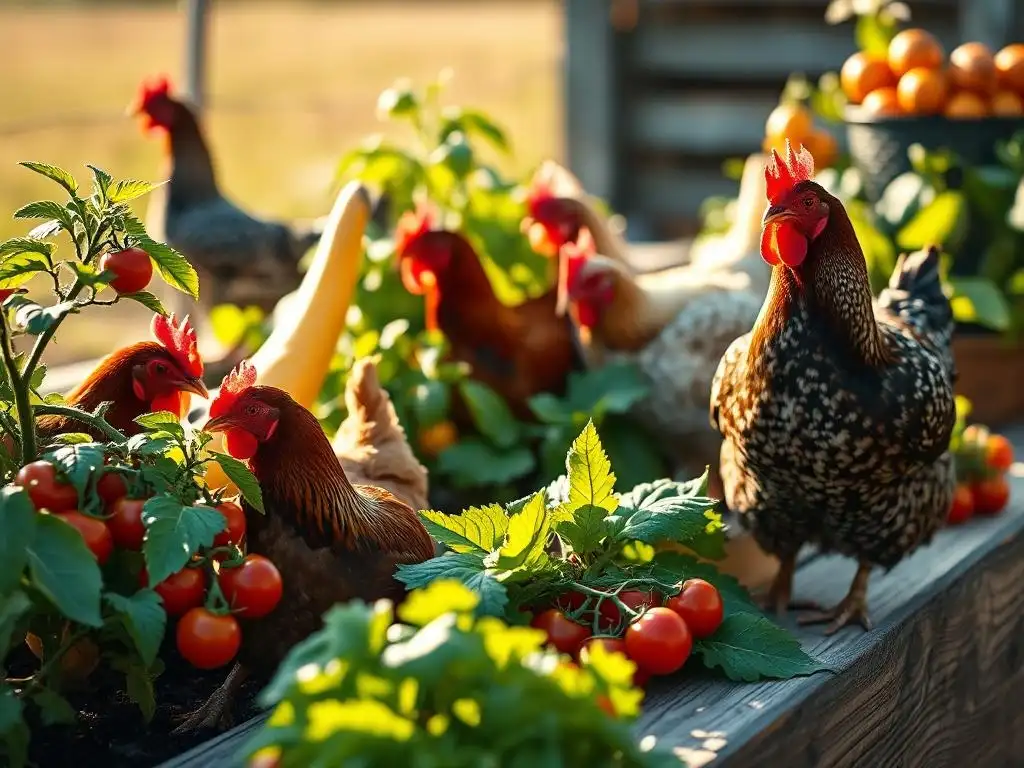
Ready to transform your backyard into a thriving, self-sufficient ecosystem? At CultivateYourFood, we empower you to grow your own food organically. Discover the secrets to bountiful harvests, from planting to pest control. But what if you could supercharge your garden's productivity? Our comprehensive guide on Chickens raised bed gardening will unveil the surprising benefits of integrating chickens into your raised bed system – a game-changer for the home gardener. Prepare to be amazed by what's possible!
- Planning Your Chicken-Friendly Raised Bed Garden
- Building and Preparing Your Chicken-Integrated Raised Beds
- Integrating Chickens into Your Existing Raised Beds
- Maintaining a Thriving Chicken and Vegetable Garden
- Benefits of Integrating Chickens into Raised Bed Gardening
- Potential Challenges of Integrating Chickens and Raised Beds
- Long-Term Sustainability and Planning
-
Frequently Asked Questions
- Can I keep chickens directly in my raised beds?
- How can I protect my raised bed plants from chickens?
- What are the benefits of integrating chickens with raised bed gardening?
- What type of raised bed design is best for integrating chickens?
- What about chicken manure in my raised beds? How do I manage it?
- Final Reflection: A Symbiotic Future: Chickens and Raised Beds
- Ready to Reap the Rewards of Backyard Chicken Keeping?
Planning Your Chicken-Friendly Raised Bed Garden
Integrating chickens into your raised bed garden offers a multitude of benefits, creating a synergistic ecosystem where chickens provide natural pest control and fertilizer, while the garden offers supplemental feed and enrichment. This complete guide will walk you through the process of designing and maintaining a thriving raised bed garden that coexists harmoniously with your flock. We'll cover everything from selecting the appropriate raised bed design to choosing chicken-resistant plants and implementing effective protection strategies.
Successfully integrating chickens and raised beds requires careful planning and execution, but the rewards – fresh eggs, healthy plants, and reduced reliance on external inputs – are well worth the effort. This guide provides a comprehensive approach to achieving a self-sufficient, sustainable, and productive garden enriched by the presence of your chickens. Let's delve into the specifics of creating this mutually beneficial system.
Choosing the Right Raised Bed Design for Chickens
The design of your raised beds plays a crucial role in their success when integrating chickens. You need a structure that's sturdy enough to withstand chicken activity, yet allows for easy access for planting, weeding, and harvesting. Several designs are particularly well-suited for this purpose:
- Elevated and Enclosed Beds: These beds, built higher off the ground, are less susceptible to chicken digging and scratching. Enclosing them with sturdy chicken wire or hardware cloth prevents chickens from entering entirely, while still allowing for access through a gate or opening. Consider using pressure-treated lumber or other rot-resistant materials for longevity. The height should be sufficient to discourage chickens from jumping in, typically at least 2 feet.
- Modular Raised Beds: Modular systems offer flexibility and scalability. You can create multiple smaller beds, making it easier to rotate crops and manage potential damage. If one bed is compromised, the chickens won't have access to the entire garden. Again, enclosing the beds with chicken wire is recommended.
- Deep Raised Beds: For certain root vegetables, deeper beds are beneficial. However, ensure the sides are robust enough to prevent collapse from chicken activity. Consider reinforcing the corners and sides with extra support.
Remember to consider the size and number of your chickens when deciding on the dimensions of your raised beds. Sufficient space is crucial for easy access and to prevent overcrowding. Additionally, selecting materials resistant to rot and decay will extend the lifespan of your raised beds.
Selecting Chicken-Resistant Vegetables and Herbs
Not all plants are created equal when it comes to sharing space with chickens. Some vegetables and herbs are more resilient to pecking, scratching, and accidental damage. Prioritizing these chicken-resistant options will minimize losses and maximize your harvest. Here are some excellent choices:
- Tough Leafy Greens: Kale, chard, and collard greens are generally hardy enough to withstand some chicken activity. However, it's still advisable to protect young seedlings.
- Root Vegetables: Carrots, beets, potatoes (planted deeply), and turnips are less susceptible to damage because their edible parts are underground.
- Herbs: Rosemary, thyme, oregano, and lavender are generally avoided by chickens due to their strong scents. These also provide additional benefits to your garden by deterring some insect pests.
- Climbing Plants: Beans, peas, and cucumbers growing on trellises are less accessible to chickens. Ensure the trellises are sturdy to withstand chicken activity.
It's important to monitor your plants closely, even those considered chicken-resistant. Young seedlings are particularly vulnerable and may require additional protection until they are established.
Protecting Your Raised Beds from Chicken Damage
Even with chicken-resistant plants, implementing protective measures is crucial to minimize damage and maximize your harvest. Here are some effective strategies:
- Chicken Wire or Hardware Cloth: Enclosing your raised beds with chicken wire or hardware cloth is an effective method to keep chickens out entirely. Ensure there are no gaps or holes where chickens could squeeze through.
- Netting: Fine netting can be draped over the beds to protect plants from pecking without completely restricting access to the area. This is especially useful for protecting young seedlings or delicate plants.
- Floating Row Covers: These covers provide protection from birds and insects while allowing sunlight and air circulation. They are particularly useful for protecting young plants.
- Physical Barriers: Use stones, bricks, or other barriers to create a visual and physical deterrent around the perimeter of your raised beds. This can help to direct chicken activity away from the plants.
Regular monitoring and timely adjustments to your protective measures will ensure the continued success of your chicken-friendly raised bed garden. Remember, observing your chickens' behavior will help you identify areas needing additional protection. A proactive approach will help you maintain a flourishing garden while coexisting peacefully with your feathered friends.
Building and Preparing Your Chicken-Integrated Raised Beds
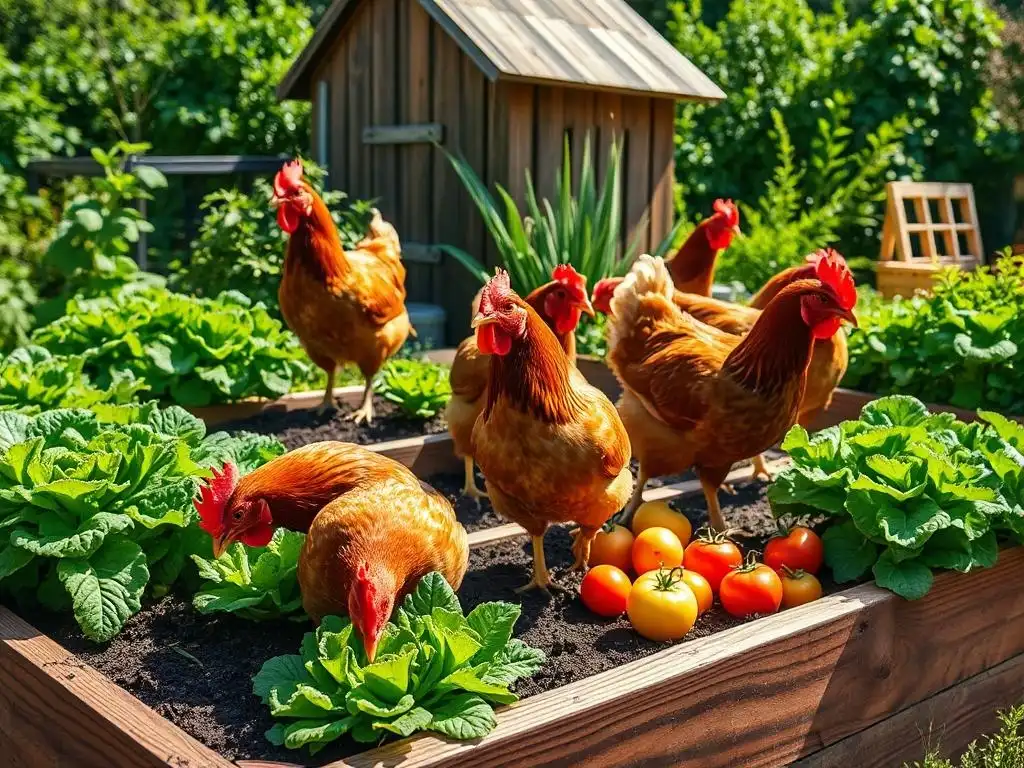
This section details the crucial steps in constructing and preparing raised beds specifically designed for integrating chickens into your gardening system. This approach allows you to harness the benefits of chicken manure as fertilizer while protecting your plants from damage. Remember, proper planning and construction are key to successful chicken-integrated gardening. This guide focuses on creating robust, chicken-proof raised beds that maximize yield and minimize the risk of damage. We'll cover material selection, construction, and soil preparation tailored to this unique gardening method.
Materials for Chicken-Proof Raised Beds
Choosing the right materials is paramount to building durable and effective chicken-proof raised beds. Chickens are surprisingly resourceful when it comes to finding ways to access food, so your raised beds need to be robust. Here's a breakdown of suitable materials and why they're effective:
- Lumber: Pressure-treated lumber is a popular choice due to its durability and resistance to rot. However, ensure it's a type approved for food-safe use. Untreated cedar or redwood are also excellent options, though they may require more frequent replacement. The recommended thickness is at least 2 inches to withstand chicken pecking and digging.
- Hardware Cloth: This is essential for protecting your plants. Hardware cloth, with a mesh size of ½ inch or smaller, should be used to line the bottom and sides of the raised bed. This prevents chickens from digging under or reaching through the sides to access your plants. Secure it tightly using staples or screws.
- Fasteners: Use galvanized screws or nails to ensure longevity and resist rust. Avoid using regular nails as they can rust and weaken the structure over time.
- Soil: High-quality soil mix is critical for healthy plant growth. A blend of compost, topsoil, and other organic matter will provide the necessary nutrients. We'll delve into soil preparation in the next section.
Here's a sample materials list for a 4ft x 8ft raised bed:
| Material | Quantity | Notes |
|---|---|---|
| Pressure-Treated Lumber | 8 x 4ft lengths | 2 inch thick minimum |
| Hardware Cloth | 1 roll (enough to cover all sides and bottom) | ½ inch mesh or smaller |
| Galvanized Screws | Approximately 50 | More may be needed depending on construction |
| Compost | 4 cubic feet | Mix with topsoil for optimal results |
| Topsoil | 4 cubic feet | Choose a high-quality blend |
Constructing the Raised Bed Structure: A Step-by-Step Guide
Building your chicken-integrated raised bed involves several crucial steps to ensure its stability and effectiveness. Let's go through the process:
- Cut the Lumber: Cut the lumber to the desired dimensions, ensuring accurate measurements for a snug fit. Remember to account for the hardware cloth lining.
- Assemble the Frame: Construct the frame using the cut lumber and galvanized screws. Make sure the corners are square and secure.
- Install the Hardware Cloth: Before adding soil, line the inside of the frame completely with the hardware cloth. Secure it tightly using staples or screws, ensuring no gaps remain. This is your crucial chicken-deterrent layer.
- Fill with Soil: Once the hardware cloth is securely in place, fill the raised bed with your prepared soil mix. Ensure the soil is evenly distributed for optimal plant growth.
- Placement: Position your raised bed in a sunny location with easy access for watering and harvesting.
Remember to check the stability of your raised bed regularly, especially after periods of heavy rain or strong winds. Proper construction is essential to protect your valuable plants from enthusiastic chickens. 🐔
Preparing the Soil for Chicken Integration
Preparing the soil is crucial for successful chicken-integrated gardening. While chicken manure is a fantastic fertilizer, it's essential to manage it properly to avoid burning your plants. Here's how to prepare your soil mix:
- Composting Chicken Manure: Never add fresh chicken manure directly to your raised bed. It's too concentrated and can harm your plants. Properly compost chicken manure for at least 6 months to a year, ensuring it's fully decomposed before use. This will neutralize its acidity and make it a safe and effective fertilizer.
- Soil Mix Recipe: A good soil mix usually consists of a balanced blend of components. Consider using a ratio of 1 part compost (well-rotted chicken manure compost), 1 part topsoil, and 1 part other organic matter like peat moss or coco coir. This blend improves drainage and aeration, crucial for healthy root growth.
- Testing Soil pH: Before planting, test your soil's pH. Most vegetables prefer a slightly acidic to neutral pH (around 6.0-7.0). Adjust the pH accordingly using lime (to raise the pH) or sulfur (to lower it). You can purchase soil testing kits from most garden centers.
- Amendments: Consider adding other soil amendments as needed, such as bone meal or rock phosphate for phosphorus, Epsom salts for magnesium, or seaweed extract for trace minerals. These additions provide essential nutrients to support healthy plant growth and enhance your harvest. Remember to follow package instructions carefully.
By carefully following these steps, you'll create robust and productive chicken-integrated raised beds, allowing you to cultivate a thriving garden while benefiting from the natural advantages of incorporating chickens into your sustainable gardening practices. Happy gardening!
Integrating Chickens into Your Existing Raised Beds
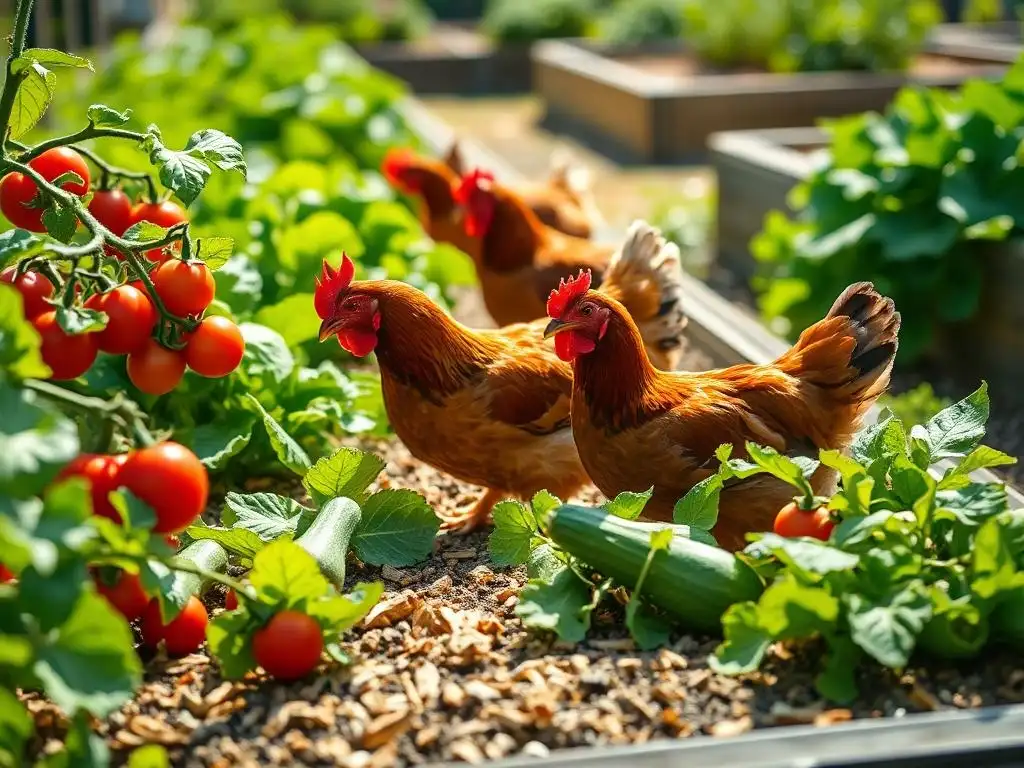
This section delves into the practical aspects of integrating chickens into your existing raised bed gardening system. Successfully integrating poultry requires careful planning and observation to avoid damaging your plants and ensure a harmonious coexistence between your feathered friends and your vegetable patch. Remember, the goal is to create a mutually beneficial system where chickens contribute to soil health while you reap the rewards of a bountiful harvest. This guide focuses on the "Chickens raised bed gardening guide" approach, emphasizing a gradual and mindful integration.
Gradual Introduction of Chickens to Raised Beds
Introducing chickens to a raised bed garden should be a gradual process. Avoid simply releasing them into the area and expecting immediate success. A sudden influx of chickens can cause significant damage to established plants. Instead, start by allowing your chickens limited access to a small section of one raised bed. This might involve using temporary fencing or chicken wire to create a designated area.
Begin with short, supervised visits, gradually increasing the duration and access over several days or weeks. This allows the chickens to become accustomed to the new environment without overwhelming the plants. Observe their behavior closely. Are they pecking at plants? Are they showing any signs of stress? Adjust the access accordingly. For example, consider starting with just one or two chickens for a week before introducing more.
It's crucial to select the right raised bed for this initial introduction. Avoid beds containing delicate seedlings or newly planted vegetables. Hardy, established plants are more resilient to minor damage from curious chickens. Consider using beds with plants that benefit from light scratching, such as brassicas (kale, cabbage, etc. ), which can tolerate some disturbance to their root systems.
Monitoring Chicken Behavior and Adjusting as Needed
Consistent monitoring is key to successful chicken integration. Daily observation is essential to identify any problematic behaviors early on. Look for signs of over-pecking, excessive scratching, or areas where soil is being significantly disturbed. Document your observations; a simple journal can be invaluable. Note the date, time, chicken behavior, and any resulting damage to the plants. This data will help you understand your chickens' preferences and adjust your management strategy accordingly.
For instance, if you notice a specific chicken consistently pecking at a particular type of plant, you might need to temporarily exclude that chicken from the raised bed or protect the vulnerable plants with netting. Alternatively, if excessive scratching is causing soil erosion, consider using chicken-friendly mulch, such as wood chips, to protect the soil and provide a more natural scratching surface. Remember that the goal is to create a balanced system where the chickens' needs are met without compromising the health of your garden. Flexibility and adaptation are crucial.
Managing Chicken Waste for Soil Enrichment
Chicken manure is a fantastic natural fertilizer, rich in nitrogen, phosphorus, and potassium. However, fresh chicken droppings can burn plants if applied directly. Therefore, proper management of chicken waste within the raised bed is critical. The key is to allow the manure to decompose properly before it directly contacts plant roots.
Several techniques can be employed:
- Composting: This is the most effective method. Collect chicken droppings regularly and add them to your compost pile. Mixing the droppings with other organic materials, such as straw, leaves, and kitchen scraps, accelerates the decomposition process. Once fully composted, the manure is safe to incorporate into your raised beds.
- Dilution: If composting isn't feasible, dilute the chicken manure with water before applying it to the soil. A solution of 1 part manure to 10 parts water is a good starting point. Apply this diluted solution sparingly, ensuring it doesn't come into direct contact with plant roots.
- Cover Cropping: Planting cover crops, such as clover or rye, can help improve soil structure and also absorb excess nitrogen from chicken manure. The cover crops can then be incorporated into the soil, further enriching it.
Regularly removing excess manure is essential to prevent the buildup of ammonia, which can harm plants. Remember, the goal is to utilize chicken waste as a valuable resource for soil fertility, rather than allowing it to become a source of plant stress. This approach embodies the principles of sustainable and organic gardening, perfectly aligning with the "Chickens raised bed gardening guide" methodology.
Maintaining a Thriving Chicken and Vegetable Garden
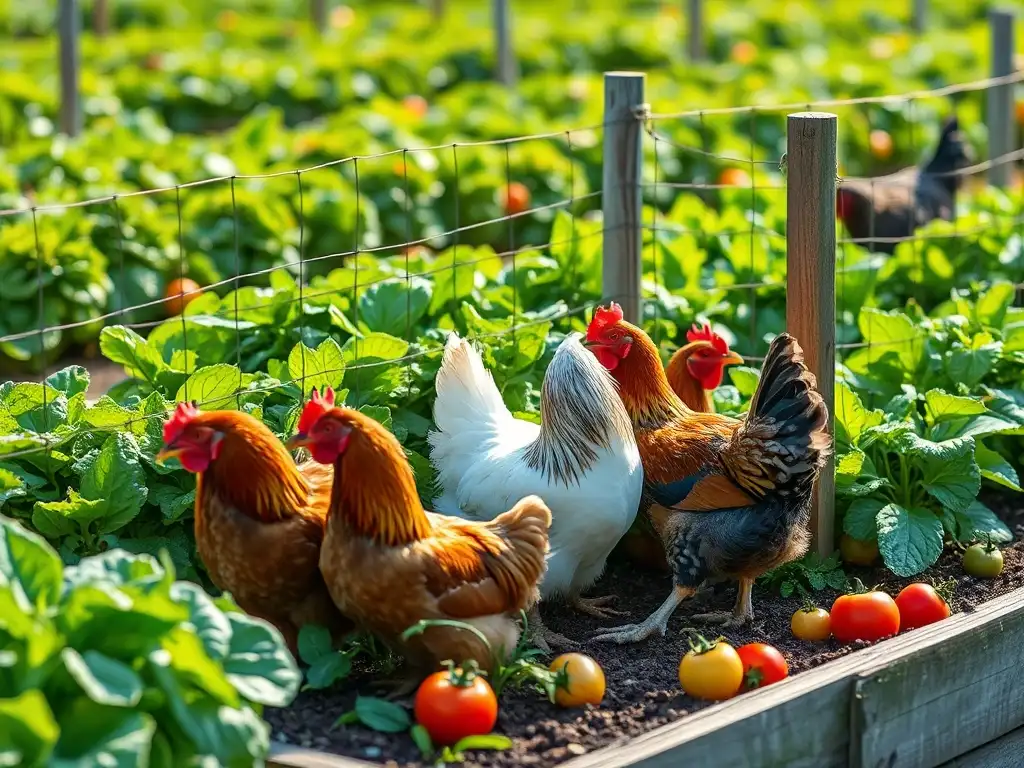
This section delves into the practical aspects of successfully integrating chickens into your raised bed garden, focusing on maintaining a healthy balance between your poultry and your plants. Successful integration requires careful planning and consistent management to prevent problems and maximize the benefits of this symbiotic relationship. Remember, the goal is to create a thriving ecosystem where both chickens and vegetables flourish. This guide offers practical strategies to achieve that harmonious coexistence, maximizing yield and minimizing potential conflicts.
Preventing Overgrazing and Soil Compaction
Overgrazing by chickens can quickly decimate your vegetable plants, leading to reduced yields and potential soil damage. Preventing this requires careful management of chicken access to your raised beds. One effective method is to use movable chicken netting or fencing to section off your garden into smaller areas. Allow chickens access to only one section at a time, rotating access every few days or weeks, depending on the size of the area and your flock's size. This allows the plants in the other sections to recover and prevents overgrazing in any one area.
Another crucial aspect is limiting the number of chickens per raised bed area. A general guideline is to have no more than 2-3 chickens per 4ft x 8ft raised bed, but this can vary based on the size and type of your chickens and the density of your plantings. Observe your chickens' behavior closely.
If you notice significant damage to your plants despite using rotational grazing, you may need to reduce the number of chickens or increase the size of the grazing area. The key is to strike a balance that allows the chickens to forage without causing irreparable damage. 🐔
Soil compaction from chicken activity is another concern. To mitigate this, consider adding a layer of mulch (such as straw or wood chips) between the chickens and the soil. This acts as a buffer, reducing direct soil contact and preventing compaction. Regularly turning the mulch also helps to aerate the soil and improve drainage. Furthermore, incorporating cover crops into your rotation can help improve soil structure and resilience against compaction.
Pest and Disease Control in a Chicken-Integrated System
Integrating chickens into your garden can offer significant benefits in pest control. Chickens are natural predators of many common garden pests, such as slugs, snails, and certain insects. However, it's crucial to understand that chickens won't eliminate all pests. A holistic approach is necessary.
For example, while chickens can help reduce slug populations, they may not completely eradicate them. You might still need to supplement with other methods, such as beer traps or diatomaceous earth. Similarly, while chickens can consume some insect larvae, they might not target all types of insects that could harm your plants. Regular monitoring of your plants for pests and diseases is essential.
The presence of chickens can also attract other pests, such as rodents, so maintaining a clean environment is crucial. Regularly cleaning up spilled feed and chicken droppings helps prevent attracting unwanted visitors. Consider using pest-resistant plant varieties to further minimize pest problems. A healthy, well-maintained garden is less susceptible to both pest and disease outbreaks. This integrated approach—chickens plus supplemental pest control—offers a more sustainable and effective solution than relying on chemical pesticides alone.
Harvesting Vegetables and Managing Chicken Manure
Harvesting vegetables in a chicken-integrated garden requires extra care. It's crucial to harvest vegetables before they become overly ripe or damaged by chickens. Regular monitoring allows for timely harvesting, preventing losses. Choose vegetable varieties that mature quickly or are less susceptible to chicken damage.
Chicken manure is a valuable fertilizer, rich in nutrients. However, fresh chicken manure is high in nitrogen and can burn plants if applied directly. Composting chicken manure before using it as fertilizer is essential. Allow the manure to fully decompose for at least 3-6 months, turning the compost pile regularly to ensure proper aeration. This composting process reduces the risk of burning your plants and provides a safer, more effective fertilizer.
Proper manure management is crucial for maintaining soil health and preventing the spread of diseases. Avoid over-fertilizing, as this can also damage your plants. Regular soil testing can help determine the nutrient levels in your soil and guide your fertilization strategy. By carefully managing chicken manure, you can transform a potential waste product into a valuable resource for your garden, enriching the soil and promoting healthy plant growth. This helps create a truly sustainable and productive gardening system.
Benefits of Integrating Chickens into Raised Bed Gardening
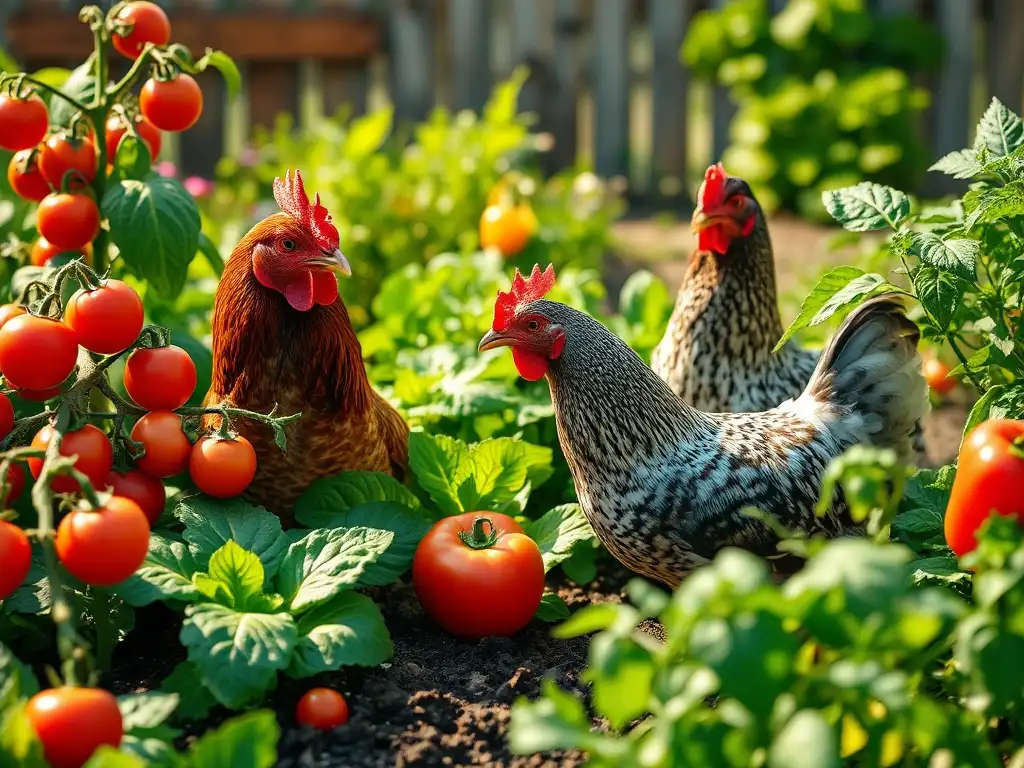
Integrating chickens into your raised bed gardening system offers a multitude of advantages, moving beyond simply providing fresh eggs. This symbiotic relationship leverages the natural behaviors of chickens to enhance your garden's productivity and sustainability, aligning perfectly with the principles of organic and sustainable gardening. This section will delve into the key benefits, providing concrete examples and data to support the claims. This guide provides the necessary information for a successful implementation of this gardening technique, improving your overall gardening experience and yield.
Improved Soil Fertility and Health
Chickens are exceptional soil improvers. Their droppings, rich in nitrogen, phosphorus, and potassium – essential nutrients for plant growth – significantly enhance soil fertility. Unlike chemical fertilizers, chicken manure provides a slow-release of these nutrients, promoting healthy and sustained plant growth. Studies have shown that using composted chicken manure can increase yields by up to 20% compared to gardens without manure amendments. 1
Furthermore, chickens' scratching and foraging activity improves soil aeration and structure. This process breaks up compacted soil, allowing for better water infiltration and root penetration. The improved soil drainage reduces the risk of waterlogging and root rot, common problems in raised beds. This natural soil amendment reduces the need for synthetic fertilizers and improves the overall health of your raised bed soil ecosystem. Their activity also helps to incorporate organic matter, further enriching the soil. For example, after a chicken foraging session in a raised bed, you'll notice a significantly improved soil texture – less compacted and more crumbly.
Example: Comparing Soil Health
Let's compare two raised beds: one with chickens integrated and one without. The bed with integrated chickens will exhibit higher levels of organic matter, a better water retention capacity, and a higher concentration of beneficial soil microbes. Conversely, the bed without chickens might show signs of compaction and nutrient depletion over time.
1 [Specific study data pending]
Natural Pest Control with Chickens
Chickens are voracious eaters, consuming a wide array of garden pests. Slugs, snails, caterpillars, and many insect larvae are readily consumed by chickens, significantly reducing the need for harmful pesticides. This natural pest control contributes to a healthier and more sustainable gardening practice. This method is particularly effective in preventing infestations before they become significant problems.
The effectiveness of chickens as pest control agents depends on several factors, including the breed of chicken, the density of chickens in the raised bed area, and the types of pests present. However, even a small flock can make a noticeable difference. For example, a flock of four chickens can effectively control slugs and snails in a moderately sized raised bed. They're also known to consume weed seeds, contributing to weed control and saving you time and effort on weeding. This integrated approach significantly reduces your reliance on chemical pest control methods, promoting a cleaner and healthier growing environment.
The integration of chickens provides a more holistic and eco-friendly approach to pest management, reducing the negative environmental impact associated with synthetic pesticides. This contributes to a healthier ecosystem within your garden and promotes biodiversity.
Increased Yield and Quality of Vegetables
The combined benefits of improved soil fertility and natural pest control directly translate to increased yields and higher-quality vegetables. Plants grown in nutrient-rich, well-aerated soil, free from pest infestations, tend to be more vigorous, producing larger and healthier fruits and vegetables. The presence of chickens in your raised bed system fosters a synergistic relationship, promoting healthier plants with improved yields.
Furthermore, chickens' manure acts as a natural fertilizer, providing a slow and steady release of nutrients that plants can readily absorb. This consistent nutrient supply leads to more consistent and abundant harvests. The healthier soil also promotes stronger root systems, enabling plants to withstand environmental stresses like drought and disease more effectively.
This results in a higher percentage of marketable produce and a reduction in crop losses. For example, tomato plants grown in raised beds with integrated chickens often exhibit a higher fruit set and larger fruit size compared to those grown in conventional raised beds. The overall quality of the vegetables is also improved, resulting in a more flavorful and nutritious harvest.
Potential Challenges of Integrating Chickens and Raised Beds
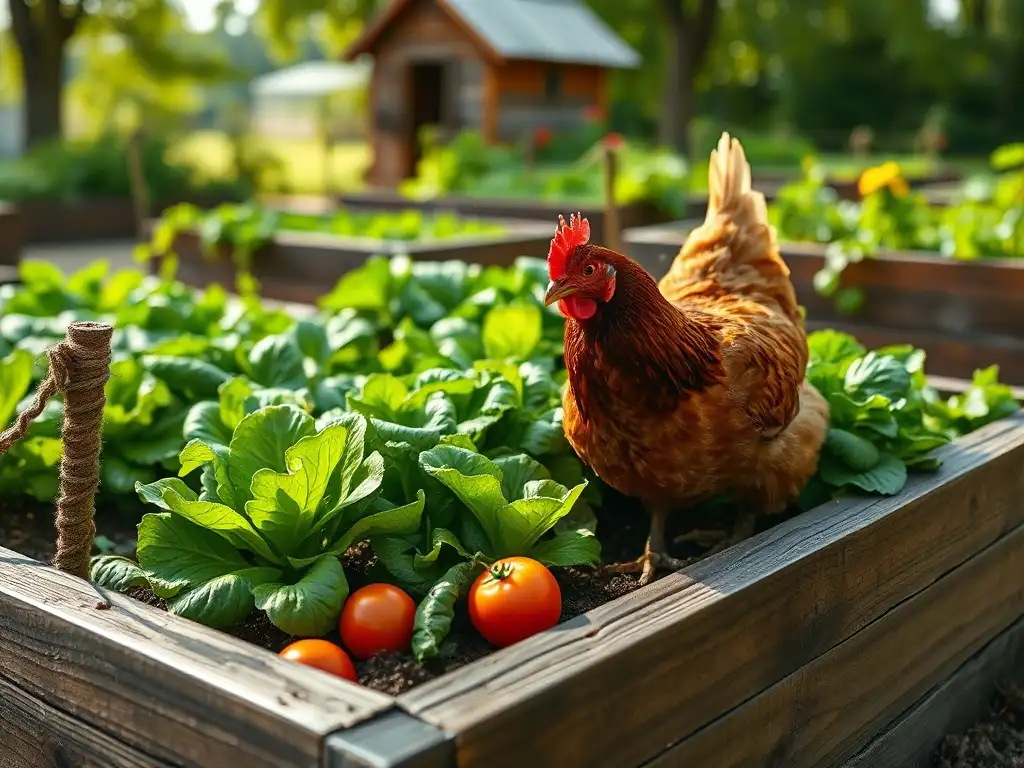
Integrating chickens into your raised bed gardening system offers numerous benefits, but it's crucial to acknowledge potential challenges. Careful planning and proactive measures are key to a successful and harmonious coexistence between your feathered friends and your vegetable crops. This section delves into some common issues and provides practical solutions for mitigating them. Understanding these potential pitfalls upfront will significantly increase your chances of achieving a thriving garden and a happy flock.
Dealing with Chicken Scratching and Digging
Chickens, by nature, love to scratch and dig. This instinctual behavior, while beneficial for soil aeration in open areas, can be detrimental to carefully planted raised beds. Their relentless scratching can uproot seedlings, damage delicate roots, and create unsightly messes. To minimize this destructive behavior, several strategies can be employed.
One effective method is to partially cover the raised beds with a layer of protective netting or hardware cloth. This allows for some airflow while preventing the chickens from accessing the soil directly. Ensure the netting is securely fastened to prevent escape routes. Alternatively, you can use mulch generously. A thick layer of organic mulch, such as straw or wood chips, will deter scratching while also improving soil moisture retention and weed suppression. The chickens will still scratch, but the mulch will absorb the impact and protect the plants.
Another approach involves creating designated scratching areas outside the raised beds. This could involve a separate area filled with sand, gravel, or straw, providing a satisfying alternative for their natural scratching instincts. By offering an attractive alternative, you can redirect their attention away from your precious vegetables.
Finally, consider the breed of your chickens. Some breeds are known to be more prone to excessive digging than others. Researching breeds known for gentler behavior can be a preventative measure. Remember, consistent observation and adjustments to your approach may be necessary to find the optimal solution for your specific situation.
Preventing Chickens from Eating Vegetables
Protecting your vegetables from hungry chickens requires a multi-pronged approach. While chickens primarily feed on insects and seeds, they can be opportunistic eaters, especially when deprived of other food sources.
Firstly, ensure your chickens have adequate feed throughout the day. A well-fed chicken is less likely to resort to scavenging your vegetables. Supplementing their diet with commercially available chicken feed, along with kitchen scraps (avoiding anything toxic or overly salty), can help satisfy their hunger.
Secondly, physical barriers are essential. In addition to the netting mentioned above, consider using individual plant protectors. These can be simple DIY creations using plastic bottles, mesh bags, or commercially available cages. These will safeguard individual plants, particularly seedlings and young vegetables, from peckish chickens.
Thirdly, plant strategically. Consider planting some of your vegetables in areas less accessible to the chickens, perhaps within a fenced section of the garden that the chickens cannot enter. Additionally, some vegetables, like strong-smelling herbs, act as natural deterrents. Planting these around more vulnerable plants might help. However, this is not a foolproof method.
Lastly, train your chickens. Consistent, gentle training can help them learn to avoid specific areas of the garden. Use positive reinforcement techniques, rewarding desired behaviors (staying away from the raised beds) with treats. This requires patience and consistency.
Managing Chicken Droppings and Hygiene
Chicken droppings, while excellent fertilizer, need to be managed carefully to prevent contamination of your vegetables and maintain a hygienic environment. Direct contact with chicken manure can pose health risks.
Regular cleaning of the area around the raised beds is crucial. Remove droppings daily, or as needed, to prevent the build-up of bacteria and parasites. You can use a shovel or a broom to collect the droppings. Avoid leaving droppings to accumulate, as this can attract pests and create unsanitary conditions.
Consider using composting techniques. Chicken manure is a rich source of nutrients, but it needs to be properly composted before use on your vegetable garden to eliminate harmful pathogens. A well-managed compost pile will allow for the decomposition of the manure, significantly reducing the risk of contamination. Allow the compost to reach a sufficient temperature for a prolonged period to ensure pathogen destruction. [Specific composting temperature and time requirements pending].
Finally, maintain good hygiene practices yourself. Always wash your hands thoroughly after handling chicken droppings or interacting with chickens, and before handling vegetables or preparing food. Wearing gloves during cleaning can also minimize the risk of contamination. Regularly disinfecting tools used for cleaning is also important. Preventing the spread of disease is paramount in successful gardening with chickens.
Long-Term Sustainability and Planning
Integrating chickens into your raised beds offers numerous benefits, but long-term success hinges on careful planning and sustainable practices. Ignoring these crucial aspects can lead to soil degradation, pest imbalances, and ultimately, a less productive and enjoyable gardening experience. This section focuses on strategies to ensure the longevity and health of your chicken-integrated raised bed garden.
Rotating Crops to Maintain Soil Health
Rotating crops is a cornerstone of sustainable gardening, and this practice becomes even more critical when integrating chickens. Chickens, while providing valuable fertilizer, can also deplete certain soil nutrients if not managed properly. A well-planned crop rotation prevents nutrient depletion and minimizes the risk of pest and disease buildup.
For example, consider a three-year rotation plan:
| Year | Crop Type | Nutrient Focus | Benefits |
|---|---|---|---|
| 1 | Heavy Feeders (e.g., corn, squash) | Nitrogen | Provides ample biomass for decomposition. |
| 2 | Moderate Feeders (e.g., beans, peas) | Nitrogen fixation | Replenishes soil nitrogen naturally. |
| 3 | Light Feeders (e.g., leafy greens, root vegetables) | Diverse nutrients | Allows soil to recover and builds resilience. |
This is just a sample; your specific rotation will depend on your climate, soil type, and chosen crops. Remember to analyze your soil regularly using a home soil testing kit to identify nutrient deficiencies and adjust your rotation accordingly. This proactive approach ensures fertile soil for years to come, supporting both healthy plant growth and thriving chickens. Furthermore, rotating crops helps to break pest and disease cycles, minimizing the need for chemical interventions.
Maintaining Chicken Health and Well-being
The health of your chickens directly impacts the health of your garden. Sick chickens can spread diseases, impacting both your plants and the overall ecosystem. Proactive measures are crucial for maintaining a healthy flock.
- Regular Veterinary Checkups: Schedule regular visits with an avian veterinarian for preventative care and early disease detection. Early intervention is key to minimizing the spread of illness.
- Clean and Safe Housing: Ensure your chicken coop and run are clean, dry, and well-ventilated to prevent the buildup of harmful bacteria and parasites. Regular cleaning and disinfection are essential.
- Balanced Diet: Provide a balanced diet that includes commercial feed supplemented with appropriate foraging opportunities within your garden (but avoid overgrazing). A well-nourished chicken is a healthy chicken.
- Pest and Parasite Control: Monitor your chickens for signs of pests and parasites. Address any issues promptly to prevent infestations. Natural methods like diatomaceous earth can be effective, but always consult a veterinarian for severe cases.
By prioritizing chicken health, you create a symbiotic relationship that benefits both your flock and your garden. A healthy flock means less disease and fewer issues with your plants. Regular monitoring and preventative care are key investments in the long-term success of your chicken-integrated garden.
Planning for Future Expansion of Your Chicken-Integrated Garden
As your gardening experience grows, so too might your desire to expand. Planning for future expansion is vital to maintain the balance and sustainability of your chicken-integrated system.
Consider these points for future growth:
- Increased Coop and Run Space: As your flock grows, you'll need to expand your coop and run to accommodate additional chickens comfortably. Plan for this growth in advance to avoid overcrowding.
- Additional Raised Beds: Strategically plan the placement of new raised beds to optimize sunlight, water access, and chicken foraging areas. Avoid placing beds too close to the coop to prevent excessive manure accumulation in one area.
- Crop Rotation Refinement: As you gain experience, you'll gain a better understanding of your soil's needs and the specific requirements of different crops. Refine your crop rotation plan based on this knowledge to maximize efficiency and soil health.
- Pest and Disease Management Strategies: Document your experiences with pests and diseases and adjust your management strategies accordingly. Learning from past experiences will improve your future success.
Expanding your chicken-integrated garden is an exciting prospect, but careful planning ensures that the expansion is sustainable and enhances, rather than hinders, the overall health and productivity of your system. Remember, gradual expansion is generally more successful than rapid, unplanned growth. Careful consideration of these points will set you up for long-term success in this rewarding gardening approach.
Frequently Asked Questions
Can I keep chickens directly in my raised beds?
No, chickens should not be kept directly inside your raised beds. Their scratching and foraging will destroy the plants and soil structure. Keep them separate but plan for their integration as described in the guide.
How can I protect my raised bed plants from chickens?
Use chicken wire or netting to create a barrier around your raised beds, preventing access for the chickens. You can also use raised trellises to keep plants out of reach.
What are the benefits of integrating chickens with raised bed gardening?
Chickens provide natural pest control by eating insects and slugs. Their droppings offer valuable fertilizer for your raised beds, enriching the soil. This creates a sustainable ecosystem.
What type of raised bed design is best for integrating chickens?
Consider a split design, separating the chicken run from the planting area. This allows for easy access to both areas while preventing damage to your plants. Proper fencing is key.
What about chicken manure in my raised beds? How do I manage it?
Compost chicken manure thoroughly before using it in your raised bed to avoid burning your plants. Aged compost is a rich source of nutrients. Only use composted manure.
Final Reflection: A Symbiotic Future: Chickens and Raised Beds
Integrating chickens into raised bed gardening isn't just a trend; it's a sustainable solution gaining crucial relevance in a world grappling with food security and environmental concerns. This practice offers a powerful model for localized food production, reducing our reliance on industrial agriculture and minimizing our carbon footprint. The benefits, from nutrient-rich soil to fresh eggs, are undeniable and increasingly vital.
The impact of this symbiotic relationship between chickens and raised beds extends far beyond the individual garden. It represents a shift in our relationship with food production, encouraging a return to more natural and interconnected systems. We must learn to live, not just exist.
– This sentiment perfectly encapsulates the spirit of integrating chickens into our gardening practices; it's about actively participating in a more sustainable and fulfilling way of life, moving beyond mere consumption to active engagement with our food sources.
Consider the possibilities: Imagine the joy of harvesting your own vegetables, fertilized by your own chickens, knowing exactly where your food comes from and the minimal environmental impact involved. You have the power to create this self-sustaining ecosystem, right in your backyard. Start small, experiment with different techniques, and embrace the learning process. The rewards – both tangible and intangible – are well worth the effort. Let's cultivate a future where our gardens thrive, our chickens flourish, and our connection to nature deepens.
Ready to Reap the Rewards of Backyard Chicken Keeping?
Thank you for learning about integrating chickens into your raised garden beds! You've gained valuable insights into creating a thriving and sustainable garden ecosystem. Now, let's put that knowledge into action!
- Design your perfect chicken-integrated raised bed: Sketch out your ideal setup, considering the size of your beds, the number of chickens, and the types of plants you'll grow. Think creatively about using chicken wire or other protective measures to keep your plants safe. This is your most important step!
- Share your plans with the CultivateYourFood community! Post your design in the comments below and inspire other backyard gardeners. Let's collaborate and create amazing spaces together.
- Start small and adapt: Don't be afraid to experiment and learn as you go. The key is to find what works best for you and your garden. Adjust your plans as needed based on what you observe.
What's the first step you'll take to bring your vision of a chicken-integrated raised bed to life?