
Maximize Your Yield: YearRound Harvest Planning with CultivateYourFood

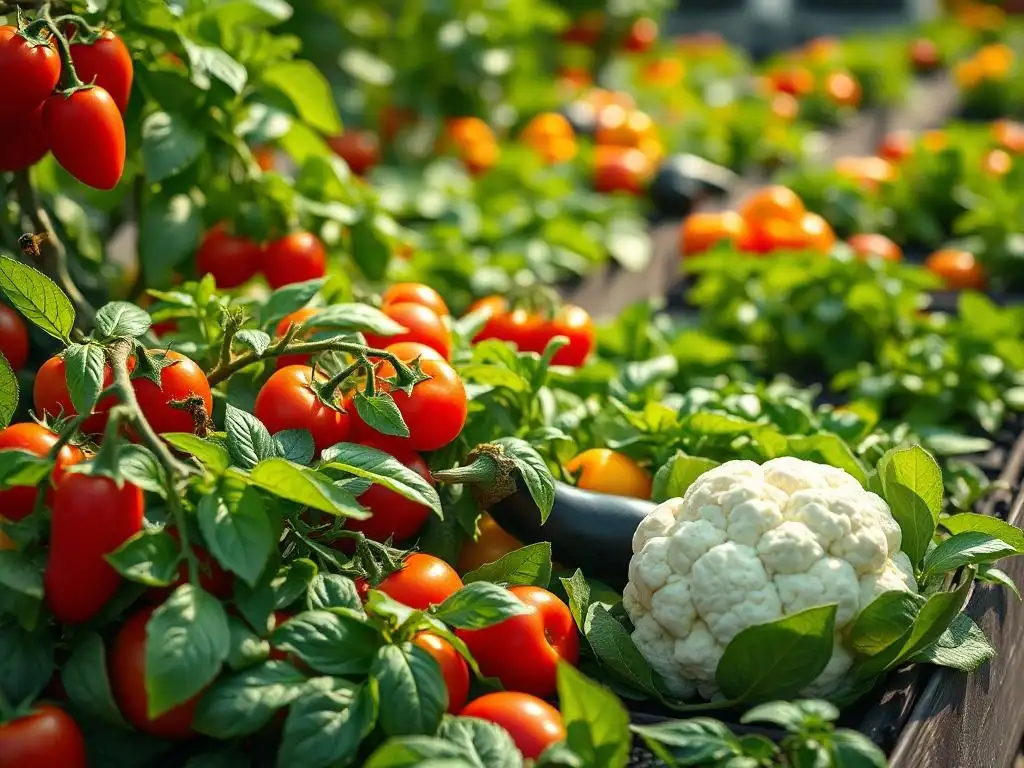
Welcome to CultivateYourFood, your guide to a thriving, sustainable garden! Are you dreaming of fresh, organic produce all year round? Then you've come to the right place. Discover the secrets to year-round harvest garden planning and unlock the potential of your own backyard oasis. Learn how simple, sustainable practices can transform your garden into a source of abundant, healthy food – let's get started!
- Understanding Year-Round Harvest Garden Planning
- Designing Your Year-Round Garden Layout
- Selecting High-Yielding Vegetables and Herbs for Continuous Harvesting
- Implementing Succession Planting Techniques for a Year-Round Harvest
- Implementing Essential Year-Round Garden Maintenance
- Harvesting and Preserving Your Year-Round Harvest
- Strategies for Extending Your Growing Season
- Troubleshooting Common Challenges in Year-Round Gardening
- CultivateYourFood Resources for Year-Round Gardening Success
-
Frequently Asked Questions
- How can I plan for a year-round harvest in my garden?
- What are some essential crops for a year-round harvest?
- How important is soil health for year-round gardening success?
- What pest and disease control strategies are effective for year-round gardening?
- What role does climate play in year-round harvest planning?
- Final Reflection: Cultivating Abundance, Year-Round
- Unleash Your Inner Gardener: Plan Your Bountiful Harvest Today!
Understanding Year-Round Harvest Garden Planning
Planning a year-round harvest garden is a rewarding endeavor, allowing you to enjoy fresh, homegrown produce throughout the year. This comprehensive guide will walk you through the essential steps to design and maintain a thriving garden that provides a continuous supply of fruits, vegetables, and herbs, regardless of the season. We'll explore how to assess your climate, identify your growing season, select suitable plants, and implement sustainable practices to maximize your yield and minimize environmental impact. Achieving a year-round harvest requires careful planning and understanding of your local conditions, but the result—a constant stream of fresh, organic produce—is well worth the effort.
This guide will equip you with the knowledge and strategies to cultivate a truly self-sufficient garden, bringing the joy of fresh, homegrown food to your table all year long. Let's begin the journey towards a bountiful, year-round harvest! 🥕
Assessing Your Climate and Growing Zone for Year-Round Gardening
Understanding your local climate and growing zone is paramount for year-round gardening success. Your growing zone, determined by your average annual minimum winter temperature, dictates which plants can survive and thrive in your area. This information, readily available online through resources like the USDA Plant Hardiness Zone Map, is crucial for selecting plants that are appropriate for your region.
Beyond the growing zone, consider your specific microclimates within your garden. South-facing slopes, for example, tend to be warmer and sunnier than north-facing ones, allowing for extended growing seasons for certain heat-loving plants. Analyzing factors like average rainfall, sunlight hours, and prevailing winds will further refine your understanding of your garden's potential.
Detailed weather data from previous years can provide valuable insights into potential challenges like unexpected frosts or extended periods of drought. This comprehensive assessment will inform your plant selection and help you adapt your gardening techniques to optimize your yield. Remember to also consider the effects of windbreaks and the use of cold frames or greenhouses to extend your growing season.
Identifying Your Ideal Growing Season Length and Frost Dates
Knowing your last spring frost date and first fall frost date is crucial for planning your planting schedule. These dates define the length of your frost-free growing season, which directly impacts the types of crops you can successfully cultivate. This information is typically available from local agricultural extensions or weather services.
Once you know your frost dates, you can determine the planting times for various crops, ensuring they have ample time to mature before the first frost. For example, crops with longer growing seasons, such as tomatoes or peppers, need to be started indoors or in a greenhouse before the last frost, while shorter-season crops can be directly sown after the last frost.
Understanding your growing season length allows you to plan a succession of plantings, ensuring continuous harvests throughout the year. For extending your growing season, consider using techniques like row covers, cold frames, or low tunnels to protect plants from early or late frosts.
Choosing the Right Vegetables and Herbs for Continuous Harvesting
Selecting the right vegetables and herbs is key to achieving a year-round harvest. Prioritize varieties known for their continuous production or those that can be harvested multiple times throughout the growing season. Consider these options:
- Leafy Greens: Many leafy greens, such as spinach, kale, and lettuce, can tolerate cooler temperatures and can be planted in early spring and again in the fall.
- Root Vegetables: Root vegetables like carrots, beets, and radishes can be stored for extended periods, providing a harvest even during winter months.
- Cold-Hardy Crops: Choose cold-hardy vegetables like broccoli, cabbage, and Brussels sprouts for fall and winter harvests.
- Succession Planting: Employ succession planting—planting new crops at regular intervals—to ensure a continuous supply of vegetables throughout the growing season. For example, plant a new batch of lettuce every few weeks to maintain a consistent harvest.
- Herbs: Many herbs, such as parsley, chives, and rosemary, are quite hardy and can survive mild winters. Consider planting them in containers that can be moved indoors during severe weather.
By carefully considering these factors and implementing appropriate techniques, you can significantly increase your chances of enjoying a bountiful harvest throughout the year. Remember, consistent monitoring and adaptation are key to success in year-round gardening! 🌱
Designing Your Year-Round Garden Layout
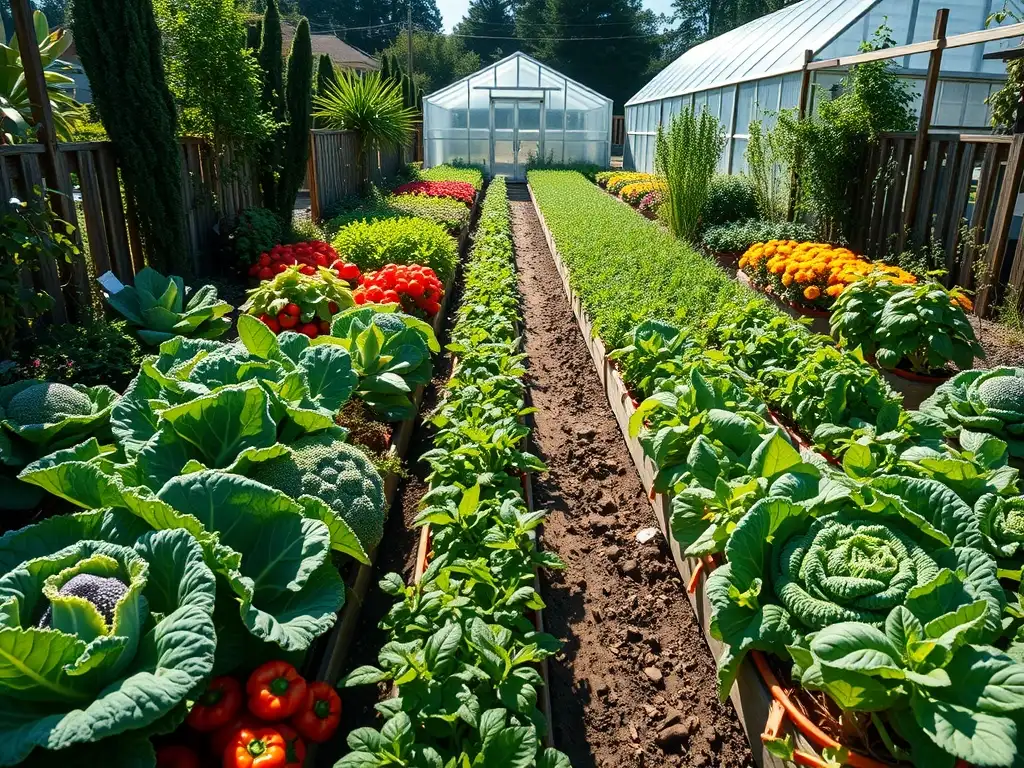
This section focuses on the spatial arrangement of your garden to maximize year-round harvests. Effective planning is crucial for efficient resource utilization and optimal yield. We'll explore strategies to ensure your garden thrives throughout the year, regardless of seasonal changes. Successful yearround harvest garden planning hinges on intelligent design.
Optimizing Space for Succession Planting and Crop Rotation
Efficient space utilization is paramount for a productive year-round garden. Succession planting, where you plant new crops as others are harvested, is key to maintaining a continuous supply of fresh produce. This requires careful planning and understanding of each plant's growth cycle. For example, you could plant fast-growing lettuces between rows of slower-maturing tomatoes, maximizing the space used.
Crop rotation is another vital strategy. Rotating crops prevents soil depletion and reduces pest and disease buildup. Consider a three-year rotation plan. For instance:
| Year 1 | Year 2 | Year 3 |
|---|---|---|
| Leafy greens (lettuce, spinach) | Legumes (beans, peas) | Root vegetables (carrots, beets) |
| Solanaceae (tomatoes, peppers) | Brassicas (cabbage, broccoli) | Leafy greens |
This cyclical approach ensures soil health and reduces the likelihood of pest infestations, contributing significantly to a successful yearround harvest. Careful observation and record-keeping are essential to fine-tune your rotation based on your specific location and climate. Remember, planning for succession planting and crop rotation is fundamental for maximizing your yearround harvest garden planning efforts.
Utilizing Raised Beds, Vertical Gardening, and Trellises for Maximum Yield
Maximizing space isn't just about efficient planting schedules; it's also about using all available space creatively. Raised beds provide excellent drainage and soil warming, extending the growing season. Their structured design allows for better control over soil composition and water management. Additionally, raised beds are easily accessible, reducing strain during planting and harvesting.
Vertical gardening techniques, such as using stacked planters or wall-mounted systems, significantly increase growing space, especially in smaller gardens. This is particularly useful for vining plants like cucumbers, beans, and tomatoes. Vertical gardening allows you to grow more plants in a limited area, improving the overall yearround harvest garden planning.
Trellises offer support for climbing plants, preventing overcrowding and maximizing sunlight exposure. Using trellises improves air circulation, reducing the risk of fungal diseases. They also make harvesting easier and safer. Properly utilizing these techniques ensures you're making the most of every square foot in your garden.
Planning for Adequate Sunlight and Water Access
Sunlight and water are fundamental to successful plant growth. Careful consideration of these factors during garden design is crucial for a bountiful yearround harvest. Most vegetables require at least six hours of direct sunlight daily. Therefore, orient your garden to maximize sun exposure, especially during the shorter days of winter. Consider using solar trackers or reflective surfaces to supplement sunlight in shaded areas.
Water access is equally important. Install an efficient irrigation system, such as drip irrigation or soaker hoses, to conserve water and deliver it directly to the plant roots. This minimizes water waste and reduces the risk of fungal diseases. Proper water management is essential for a successful yearround harvest garden planning strategy.
Consider using rainwater harvesting techniques to supplement your water supply and reduce reliance on municipal water. A well-planned irrigation system is a key investment for any year-round garden. Remember, sunlight and water are the cornerstones of successful plant growth, so plan accordingly for a consistently productive garden. 🌱
Selecting High-Yielding Vegetables and Herbs for Continuous Harvesting
This section focuses on choosing the right plants to maximize your year-round harvest. Strategic plant selection is paramount for achieving a continuous supply of fresh produce. We'll explore how to select varieties that thrive in your specific conditions, ensuring a bountiful harvest throughout the year. Remember, careful planning is key to a successful year-round garden. This means considering not only yield but also the plant's growth habit and its tolerance to various environmental conditions.
Choosing Varieties Suitable for Your Climate and Growing Season
Understanding your local climate is crucial for successful year-round gardening. Different plants have different needs regarding temperature, sunlight, and rainfall. For instance, leafy greens like spinach and kale thrive in cooler temperatures, making them ideal for fall and spring plantings in many regions. Conversely, heat-loving crops such as tomatoes, peppers, and cucumbers flourish during the summer months. Knowing your USDA Plant Hardiness Zone is a great starting point. This will help you determine which plants will survive and thrive in your area.
Consider the length of your growing season. In areas with short summers, you might need to focus on fast-maturing varieties to ensure you get a harvest before the first frost. Conversely, longer growing seasons allow for more options, including those with longer maturation periods.
Here's a table illustrating suitable plant choices for different seasons, keeping in mind that specific varieties will vary based on your location:
| Season | High-Yielding Vegetables | High-Yielding Herbs | Considerations |
|---|---|---|---|
| Spring | Lettuce, Spinach, Radishes, Peas, Kale | Parsley, Chives, Mint | Start seeds indoors early for an earlier harvest. |
| Summer | Tomatoes, Cucumbers, Zucchini, Peppers, Beans | Basil, Cilantro, Dill, Oregano | Ensure adequate watering and sun exposure. |
| Autumn | Broccoli, Cauliflower, Cabbage, Swiss Chard | Thyme, Rosemary, Sage | Choose cold-hardy varieties for late harvests. |
| Winter (Mild) | Kale, Spinach (some varieties), Leeks | Winter Savory, Parsley (some varieties) | Utilize cold frames or greenhouses for protection. |
Remember to always check seed packets or plant tags for specific growing requirements and expected harvest times. Accurate information will contribute greatly to the success of your year-round harvest.
Prioritizing Quick-Maturing and Cold-Hardy Crops
For a consistent supply of fresh produce throughout the year, prioritizing quick-maturing and cold-hardy crops is essential. Quick-maturing varieties allow for multiple harvests within a single growing season. For example, bush beans mature relatively quickly, enabling you to plant several successive crops. Similarly, radishes are a fast-growing root vegetable, perfect for filling gaps between larger crops.
Cold-hardy crops extend your harvest into the cooler months. Kale, spinach, and certain lettuces can tolerate light frosts, allowing for harvest well into autumn and even early winter in some climates. These plants can often be overwintered with appropriate protection.
Consider succession planting—planting new crops as others finish their harvest—to maintain a continuous supply. This technique ensures that you always have something growing and ready to harvest. Planning your succession planting requires understanding the growth cycle of each plant.
Incorporating Cold Frames and Greenhouses for Extended Growing Seasons
Extending your growing season using cold frames and greenhouses significantly increases the potential for a year-round harvest. Cold frames are low-cost structures that provide protection from frost and harsh weather, allowing you to start seeds earlier in the spring and extend the growing season into the fall. They offer a simple and effective way to improve your year-round harvest planning.
Greenhouses, while more expensive, offer greater climate control and allow for the cultivation of even more heat-loving or delicate plants year-round. With proper ventilation and temperature regulation, you can successfully grow tomatoes, peppers, and other warm-season crops throughout the winter months in many areas.
The use of these structures is a pivotal part of successful year-round gardening, particularly in regions with shorter growing seasons or harsh winters. By strategically using these tools, you can significantly increase the variety and quantity of your harvest, maximizing your yield and achieving a truly year-round garden. Careful planning and understanding the specific needs of your chosen plants will ensure success.
Implementing Succession Planting Techniques for a Year-Round Harvest
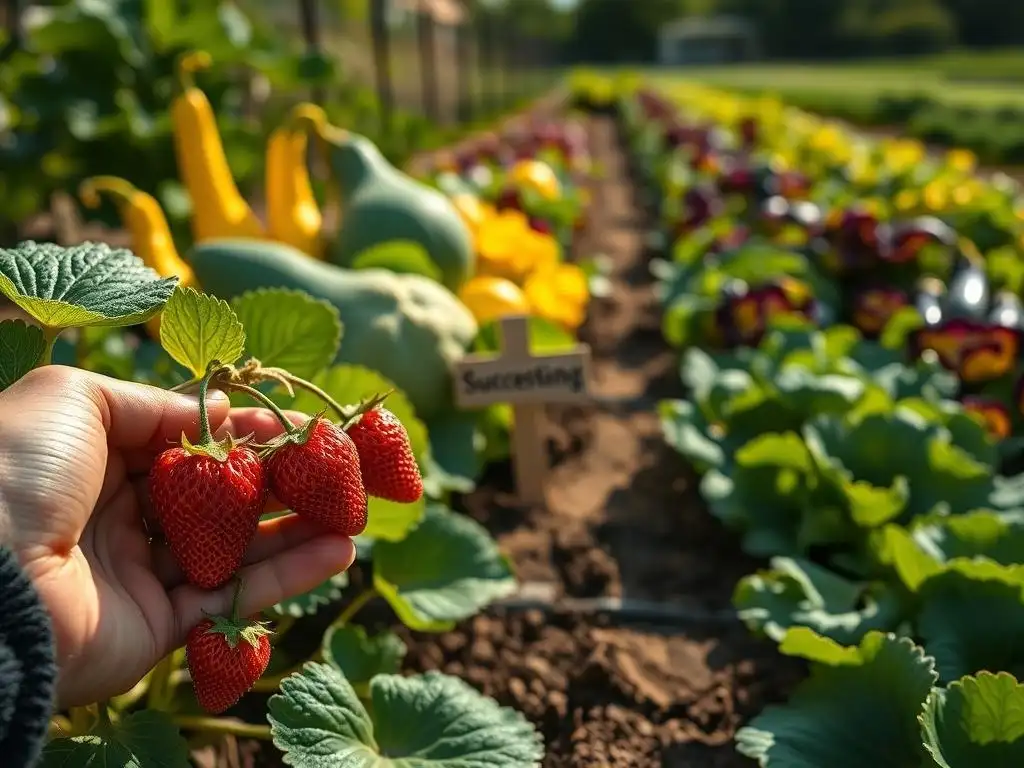
Succession planting is the cornerstone of year-round harvesting. It involves planting crops in stages, ensuring a continuous supply of produce throughout the growing season. Instead of planting an entire bed of tomatoes at once, for example, you stagger plantings every 2-3 weeks. This means you'll have ripe tomatoes for a longer period, rather than a single, large harvest. Mastering this technique is crucial for maximizing your yield and achieving a year-round harvest garden. Effective succession planting requires careful planning and consideration of your specific climate and the growth cycles of your chosen plants.
Creating a Detailed Planting Schedule for Overlapping Harvests
A precise planting schedule is paramount for successful succession planting. This schedule should consider the specific needs of each plant, including its germination time, maturity period, and ideal growing conditions. For instance, lettuce has a short growing season, allowing for multiple plantings throughout the year. Conversely, crops like tomatoes require a longer time to mature and benefit from warmer temperatures.
To create your schedule, consider using a spreadsheet or a gardening journal. List each crop you plan to grow, its planting dates, expected harvest dates, and the spacing needed between plants. Remember to account for potential delays due to weather conditions or unexpected pests. The goal is to create an overlapping harvest, where one crop is finishing its cycle just as the next one is ready to be harvested. This provides a constant supply of fresh produce. Below is a sample table illustrating this concept:
| Crop | Planting Date (Spring) | Harvest Date (Spring) | Planting Date (Fall) | Harvest Date (Fall) | Notes |
|---|---|---|---|---|---|
| Lettuce | March 15 | April 15 | September 15 | October 15 | Plant every 2 weeks for continuous harvest |
| Spinach | March 15 | May 1 | September 15 | November 1 | Similar to lettuce, plant in succession |
| Bush Beans | April 15 | June 15 | July 15 | September 1 | Multiple plantings for continuous harvest |
| Tomatoes | May 15 | August 15 | (Not suitable for fall) | Requires longer growing season | |
| Radishes | March 15 | April 1 | September 15 | October 1 | Quick-growing, can be planted frequently |
Remember to adapt this sample to your specific climate and the varieties you choose. Accurate data for your region is key to success.
Utilizing Seed Starting and Transplanting Strategies
Seed starting and transplanting are essential components of a successful year-round harvest strategy. Starting seeds indoors allows you to get a head start on the growing season, especially for crops with longer maturity periods. This method offers better control over the growing environment, protecting seedlings from harsh weather conditions and pests. Transplanting, on the other hand, involves moving seedlings from their starting containers to the garden bed. This technique is particularly useful for crops that are sensitive to frost or require specific soil conditions.
Careful consideration of timing is crucial. For example, tomatoes, peppers, and eggplant benefit greatly from starting seeds indoors 6-8 weeks before the last expected frost. This ensures that they are robust enough to withstand transplantation and thrive outdoors. Hardening off seedlings – gradually acclimating them to outdoor conditions – is a vital step before transplanting to prevent shock. This involves exposing them to increasing amounts of sunlight and wind over a period of 7-10 days. Transplanting should be done when the soil is warm and moist, and ideally on a cloudy day to minimize stress on the plants.
Managing Plant Spacing and Density for Optimal Growth
Proper plant spacing and density are critical for maximizing yield and preventing overcrowding. Overcrowded plants compete for resources like sunlight, water, and nutrients, resulting in stunted growth and reduced yields. Conversely, plants that are spaced too far apart might not utilize the available space efficiently.
The optimal spacing varies depending on the plant type. Compact varieties require less space than larger, spreading plants. For example, bush beans can be planted closer together than pole beans. Consult seed packets or gardening guides for recommended spacing for each crop. Proper spacing ensures good air circulation, reducing the risk of fungal diseases. Regular thinning, especially for crops like lettuce and carrots, is often necessary to maintain optimal spacing and encourage vigorous growth.
This involves removing some seedlings to create more space for the remaining ones. Careful observation and timely intervention are key to achieving a healthy and productive year-round harvest. Remember to adjust your planting strategies based on your experiences and observation of your plants' growth throughout the year. The learning process is continuous! 🌱
Implementing Essential Year-Round Garden Maintenance
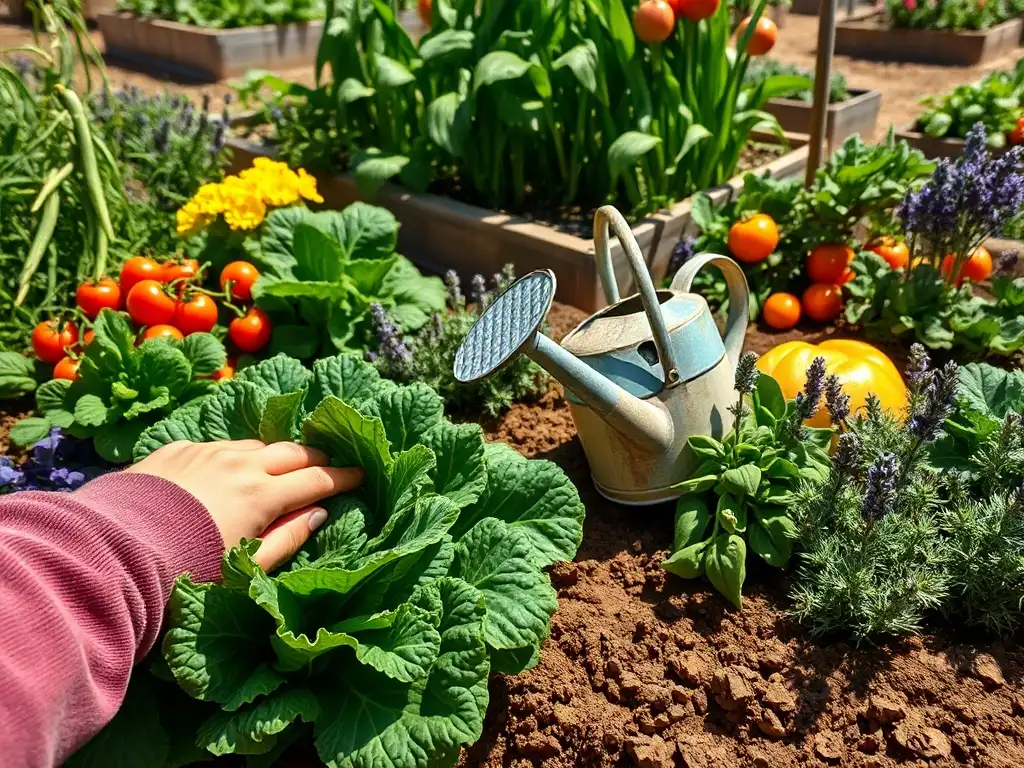
This section focuses on the crucial maintenance tasks needed to achieve a year-round harvest. Neglecting these fundamental aspects can significantly impact your yield, regardless of your meticulous planning. Consistent effort in these areas is key to maximizing your garden's potential throughout the entire year. Effective year-round harvest garden planning hinges on proactive maintenance.
Consistent Watering and Soil Moisture Management
Maintaining consistent soil moisture is paramount for healthy plant growth and a bountiful harvest, especially during periods of extreme weather. Overwatering can lead to root rot, while underwatering results in stunted growth and reduced yields. The key is finding the right balance.
Several factors influence watering needs: soil type, climate, plant type, and the time of year. Clay soils retain moisture longer than sandy soils, requiring less frequent watering. Hot, dry climates demand more frequent watering than cooler, humid ones. Different plants have varying water requirements; for example, leafy greens generally need more frequent watering than tomatoes. During the hotter summer months, you'll need to water more frequently and deeply, while in the cooler months, less frequent, shallower watering may suffice.
Consider using a soil moisture meter to accurately gauge soil moisture levels before watering. This prevents overwatering and ensures plants receive the optimal amount of water. Implementing a drip irrigation system or soaker hoses can help deliver water directly to the roots, minimizing water waste and evaporation. Mulching around plants helps retain soil moisture, reducing the frequency of watering and suppressing weeds. Remember, the goal is to keep the soil consistently moist, not soggy. Observing your plants for signs of wilting or yellowing leaves can also indicate watering needs.
Pro Tip: Adjust your watering schedule based on weather conditions. A sudden downpour might mean you can skip a scheduled watering.
Implementing Organic Pest and Disease Control Strategies
Protecting your plants from pests and diseases is crucial for maintaining a healthy and productive year-round garden. Organic methods are preferred for their environmental friendliness and safety for you and your family. A proactive approach, rather than a reactive one, is vital for effective pest and disease management.
Regular inspection is the first line of defense. Look for signs of pests like aphids, spider mites, or caterpillars, and diseases like powdery mildew or fungal leaf spots. Early detection allows for prompt intervention, preventing widespread damage. Many pests can be controlled by manually removing them from plants. Beneficial insects, such as ladybugs and lacewings, can be introduced to your garden to help control pest populations naturally.
Organic pest control methods include using insecticidal soaps, neem oil, or diatomaceous earth. These are effective against many common garden pests and are less harmful to beneficial insects and pollinators. Rotating crops annually helps break pest and disease cycles, preventing the buildup of specific pathogens in the soil. Maintaining good garden hygiene, such as removing plant debris and weeds, also reduces the risk of pest and disease infestations. Composting properly also helps reduce pest and disease pressure.
| Pest/Disease | Organic Control Method(s) | Prevention Strategies |
|---|---|---|
| Aphids | Insecticidal soap, neem oil | Introduce beneficial insects, companion planting |
| Spider mites | Neem oil, insecticidal soap | Maintain proper humidity levels |
| Powdery mildew | Baking soda spray, neem oil | Ensure good air circulation |
| Cabbage worms | Bacillus thuringiensis (Bt) | Row covers, handpicking |
Providing Adequate Nutrients Through Compost and Soil Amendments
Healthy soil is the foundation of a thriving garden. Providing adequate nutrients through composting and soil amendments ensures your plants have the essential elements needed for robust growth and high yields throughout the year.
Composting is a natural and effective way to recycle organic matter, creating nutrient-rich soil amendments. Compost improves soil structure, aeration, and water retention. It also provides a slow-release source of nutrients, feeding your plants throughout the growing season. Adding compost regularly, ideally before planting, enriches the soil and promotes healthy root development.
Soil testing can help determine your soil's nutrient levels. Based on the results, you can add specific amendments to address deficiencies. For example, adding lime increases soil pH, while adding sulfur lowers it. Other soil amendments, such as bone meal or blood meal, provide specific nutrients like phosphorus and nitrogen.
Choosing organic fertilizers avoids introducing harmful chemicals into your garden and the environment. Remember that consistent soil improvement is a long-term process requiring regular attention and monitoring. The benefits of healthy soil will be reflected directly in the quality and abundance of your harvest. A healthy soil ecosystem is a key component of year-round harvest garden planning.
Harvesting and Preserving Your Year-Round Harvest
This section focuses on maximizing the yield from your year-round garden by implementing efficient harvesting and preservation techniques. Proper harvesting not only ensures you get the best quality produce but also promotes healthier plant growth for future harvests. Effective preservation methods extend the lifespan of your bounty, allowing you to enjoy the fruits (and vegetables!) of your labor throughout the year. This is crucial for achieving a truly successful year-round harvest garden planning strategy.
Implementing a Regular Harvesting Schedule for Optimal Yield
A consistent harvesting schedule is paramount for maximizing yield and maintaining plant health. Regular harvesting prevents over-ripening, which can reduce the quality and quantity of subsequent harvests. Think of it like this: continuously removing ripe produce signals the plant to focus its energy on producing more. Different plants have different harvesting needs, demanding a tailored approach.
For example, lettuces and spinach benefit from frequent "cut-and-come-again" harvesting, where outer leaves are picked regularly, leaving the inner leaves to continue growing. This method can extend your harvest period by several weeks. Conversely, tomatoes should be harvested when fully ripe to ensure optimal flavor and prevent damage to the plant. A good rule of thumb is to check your plants daily, especially during peak growing seasons.
Here's a sample schedule to illustrate the importance of consistent harvesting:
| Crop | Harvesting Frequency | Notes |
|---|---|---|
| Lettuce | Every 3-5 days | Harvest outer leaves only; avoid pulling. |
| Spinach | Every 3-5 days | Similar to lettuce. |
| Tomatoes | Daily or every other day | Harvest when fully ripe. |
| Beans | Every 2-3 days | Harvest before pods become too large. |
| Zucchini | Every 2-3 days | Harvest young, small zucchini for best taste. |
Remember to use sharp, clean tools to avoid damaging the plant. This will help prevent the spread of disease and promote healthy regrowth. Regular harvesting is an investment in the long-term health and productivity of your year-round garden. Proper yearround harvest garden planning hinges on this aspect.
Utilizing Proper Harvesting Techniques to Avoid Damaging Plants
Gentle harvesting is key to avoiding damage to your plants and ensuring a bountiful future harvest. Rough handling can stress the plant, leading to reduced yields and increased susceptibility to pests and diseases. Different plants require different harvesting techniques.
- Leafy Greens: Use sharp scissors or a knife to cut leaves cleanly, avoiding pulling or tearing. This helps prevent damage to the root system and encourages new growth.
- Fruits and Vegetables: Gently twist or cut fruits and vegetables at their stem or base. Avoid pulling or tugging, as this can damage the plant. Using appropriate tools, like pruning shears for tomatoes, is crucial.
- Root Vegetables: Use a garden fork or trowel to carefully loosen the soil around the roots before gently lifting the vegetable. Avoid damaging the roots of neighboring plants.
A well-maintained garden tool collection, including sharp knives, pruning shears, and garden forks, is essential for efficient and damage-free harvesting. Regular sharpening and cleaning of these tools will further minimize the risk of injury to your plants. This meticulous approach contributes directly to the success of your yearround harvest garden planning.
Preserving Your Harvest Through Freezing, Canning, and Dehydration
Preserving your harvest is crucial for enjoying the fruits of your labor throughout the year. Freezing, canning, and dehydration are all effective methods for extending the shelf life of your produce. Each method has its advantages and disadvantages, making it beneficial to utilize a combination of techniques depending on the type of produce and personal preferences.
Freezing is a simple and effective method for preserving many fruits and vegetables. Blanching (briefly boiling) vegetables before freezing helps retain their color, texture, and nutrients. Fruits can be frozen whole, sliced, or pureed.
Canning is a more involved process but allows for longer-term storage. Proper canning techniques are essential to prevent spoilage and ensure food safety. This involves processing food in a boiling water bath or pressure canner to destroy harmful bacteria.
Dehydration is ideal for preserving herbs and some fruits and vegetables. Dehydrated foods have a longer shelf life than fresh produce and are lightweight and easy to store. A dehydrator is the preferred method, but you can also sun-dry food in a well-ventilated area.
The choice of preservation method depends on several factors: the type of produce, available resources, and personal preference. A well-rounded yearround harvest garden planning strategy incorporates all three methods to maximize the utilization of your harvest. Careful consideration of these preservation techniques is essential for a successful year-round harvest.
Strategies for Extending Your Growing Season
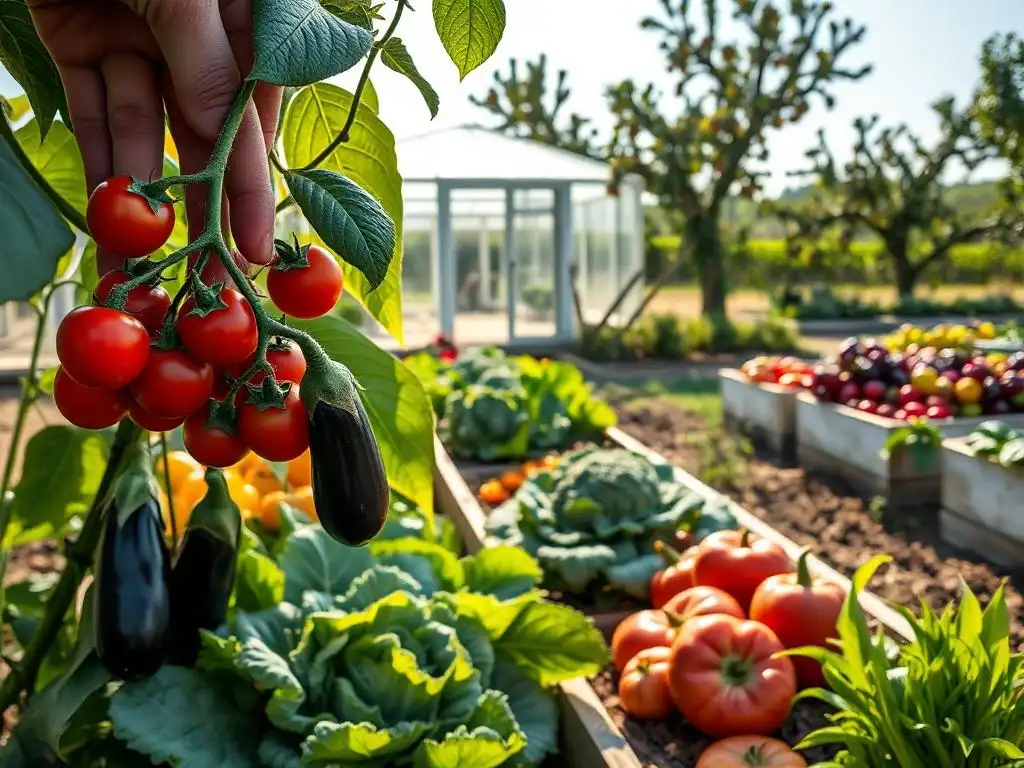
This section delves into practical strategies for extending your growing season, maximizing your harvest throughout the year. Achieving a year-round harvest garden requires careful planning and the implementation of techniques that protect your plants from the vagaries of weather, especially frost and extreme temperatures. This allows for continuous yields of fresh produce, reducing reliance on commercially grown options and increasing your self-sufficiency. We'll explore several key methods to help you cultivate a thriving year-round garden.
Utilizing Cold Frames and Greenhouses for Frost Protection
Frost can decimate a garden's yield, particularly in colder climates. Cold frames and greenhouses offer excellent protection, extending the growing season significantly. A cold frame, essentially a miniature greenhouse, utilizes solar energy to warm the enclosed space, creating a microclimate that's several degrees warmer than the surrounding air.
This simple structure, often made from wood or repurposed materials, is ideal for extending the life of tender plants in the spring and fall, and even overwintering some hardier varieties. Greenhouses, on the other hand, provide more comprehensive climate control, allowing for the cultivation of heat-loving plants even during winter months. Proper ventilation is crucial in both cold frames and greenhouses to prevent overheating and humidity issues, which can lead to fungal diseases.
Consider the following when selecting and using cold frames and greenhouses:
- Size and Location: Choose a size appropriate to your needs and the available space. Locate them in a sunny area with good drainage. South-facing locations are generally optimal in the Northern Hemisphere.
- Materials: Durable materials are essential for longevity. Consider the cost and maintenance requirements of various materials such as wood, polycarbonate, or glass.
- Ventilation: Adequate ventilation is critical to regulate temperature and humidity, preventing mold and mildew. Consider vents or adjustable openings.
- Heating (Greenhouses): For winter growing in greenhouses, supplemental heating may be necessary, depending on your climate and chosen plants. Consider options such as electric heaters or propane heaters.
Successful implementation of these structures requires careful monitoring of temperature and humidity levels. Regular checks and adjustments will ensure optimal conditions for your plants, maximizing yield and protecting your investment.
Employing Row Covers and Cloches to Extend the Growing Season
Row covers and cloches are lightweight, inexpensive options for protecting plants from frost and light freezes. Row covers, typically made from spun-bonded polypropylene, are draped over rows of plants, creating a protective barrier. Cloches, which are individual covers for individual plants or small groups of plants, can be made from various materials, including plastic bottles, glass jars, or commercially available plastic cloches. Both methods provide insulation, increasing the temperature around the plants and protecting them from cold winds. They are particularly useful for extending the growing season in early spring and late fall.
Effective use of these tools involves:
- Proper Installation: Ensure the covers are securely fastened to avoid them being blown away by wind. Use hoops or stakes to maintain adequate clearance above the plants.
- Ventilation: On warmer days, remove the covers to allow for adequate ventilation and prevent overheating.
- Material Selection: Choose materials appropriate for your climate and the plants you are protecting. Heavier covers offer more protection against frost than lighter ones. Consider the light transmission properties of the material as well; some materials allow more light penetration than others.
By strategically employing row covers and cloches, you can protect your plants from unexpected temperature drops and extend the harvest season without the significant investment required for cold frames or greenhouses.
Planning for Fall and Winter Crops for a Continuous Harvest
Planning for fall and winter crops is crucial for a year-round harvest. Many vegetables thrive in cooler temperatures, and careful selection of these varieties allows for continuous harvesting even during the colder months. Consider these points for successful fall and winter gardening:
- Choosing the Right Varieties: Select cold-hardy varieties specifically suited to your region's climate. Examples include kale, spinach, chard, Brussels sprouts, and root vegetables like carrots and parsnips.
- Soil Preparation: Ensure your soil is well-prepared before planting. Amend the soil with compost to improve drainage and fertility.
- Planting Timing: Plant fall crops according to their specific needs and your region's frost dates.
- Protecting Plants from Frost: Utilize cold frames, row covers, or other frost protection methods as needed. Mulching around plants can also help insulate the soil and protect roots from freezing temperatures.
| Crop | Planting Time (Approximate) | Harvest Time (Approximate) | Cold Hardiness |
|---|---|---|---|
| Kale | Early Fall | Late Fall/Winter | Very High |
| Spinach | Early Fall | Late Fall/Winter | High |
| Chard | Early Fall | Late Fall/Winter | High |
| Brussels Sprouts | Early Summer | Late Fall/Winter | High |
| Carrots | Early Summer/Early Fall | Late Fall/Winter | High |
| Parsnips | Early Summer | Late Fall/Winter | Very High |
Careful planning and the selection of appropriate varieties will ensure a continuous harvest throughout the year. Remember to monitor your plants closely and adjust your practices as needed based on weather conditions and plant growth. With a little planning and effort, you can enjoy fresh, homegrown produce year-round!
Troubleshooting Common Challenges in Year-Round Gardening
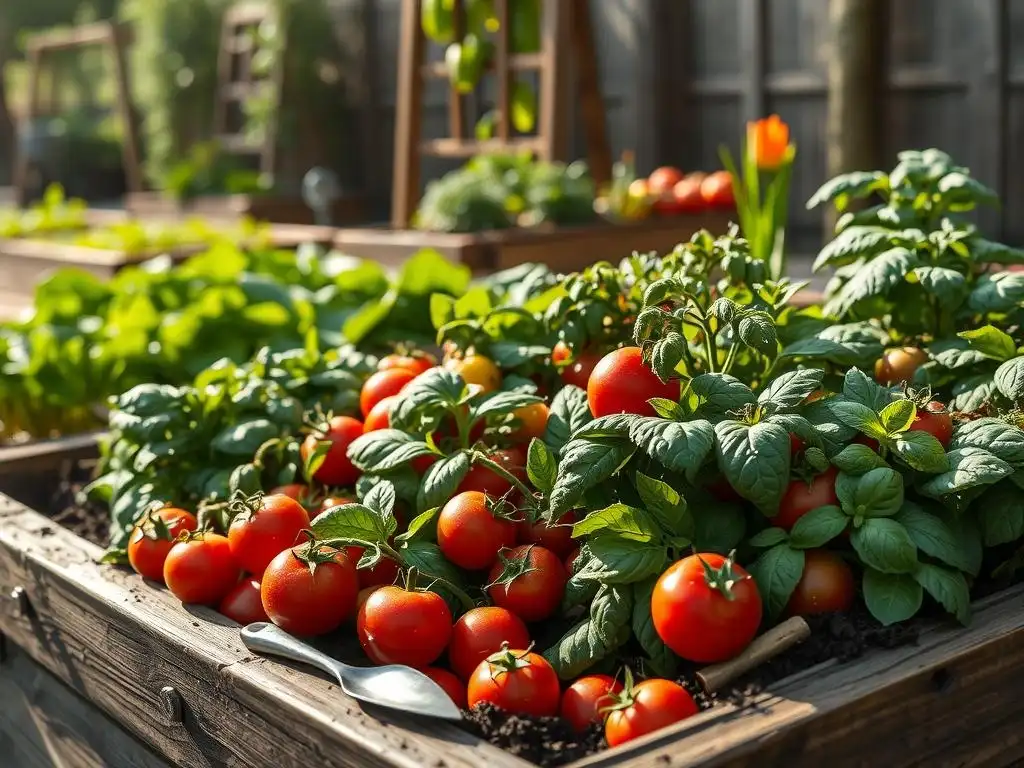
Year-round harvest garden planning requires meticulous attention to detail and proactive problem-solving. While the rewards of fresh produce throughout the year are substantial, successfully navigating the challenges inherent in extended growing seasons necessitates a robust understanding of potential issues and effective mitigation strategies. This section delves into some of the most common hurdles encountered by those striving for continuous harvests and offers practical solutions to overcome them. Optimizing your yearround harvest garden planning hinges on anticipating and addressing these challenges effectively.
Addressing Common Pest and Disease Issues in Different Seasons
Pest and disease pressure fluctuates significantly throughout the year, demanding a season-specific approach to integrated pest management (IPM). For example, aphids might be prevalent during spring and early summer, while fungal diseases like powdery mildew might become more problematic in the humid conditions of late summer and fall. A well-planned yearround harvest garden planning strategy should incorporate preventative measures alongside targeted interventions.
Here's a seasonal breakdown of common issues and management techniques:
- Spring: Aphids, slugs, and early blight are common threats. Preventative measures include companion planting (e.g., marigolds to deter aphids), careful watering to avoid fungal diseases, and crop rotation to disrupt pest life cycles. Organic insecticidal soaps can be effective against aphids and slugs.
- Summer: Spider mites, whiteflies, and various fungal diseases (e.g., blossom end rot, powdery mildew) become more significant. Regular monitoring of plants, ensuring good air circulation to prevent fungal growth, and the use of neem oil or insecticidal soaps can help manage infestations.
- Autumn: Fungal diseases often persist, exacerbated by cooler, wetter conditions. Cleaning up fallen leaves and plant debris helps minimize overwintering pathogens. Consider using resistant varieties of plants and ensuring proper spacing for optimal airflow.
- Winter: While pest activity is generally reduced, certain insects may overwinter in the soil or on plants. Protecting vulnerable plants with row covers or cold frames can help mitigate damage. Proper soil preparation and sanitation before planting the next season is crucial.
Effective yearround harvest garden planning requires a proactive and adaptable approach to pest and disease management, tailored to the specific challenges of each season. Regular inspection and early intervention are key to preventing widespread problems.
Managing Soil Fertility and Nutrient Levels for Consistent Growth
Maintaining optimal soil fertility is paramount for year-round productivity. Continuous harvesting depletes soil nutrients, necessitating a robust soil management plan. This involves regular soil testing to determine nutrient deficiencies and implementing strategies to replenish essential elements.
The following techniques are crucial for maintaining soil health and consistent growth throughout the year:
- Composting: Regular composting of kitchen scraps, yard waste, and other organic materials provides a natural and sustainable source of nutrients. Compost improves soil structure, water retention, and microbial activity, all essential for healthy plant growth.
- Cover Cropping: Planting cover crops during fallow periods helps prevent soil erosion, suppress weeds, and fix nitrogen in the soil. Leguminous cover crops, such as clover or beans, are particularly beneficial for nitrogen enrichment.
- Mulching: Applying a layer of organic mulch (e.g., straw, wood chips) helps retain soil moisture, suppress weeds, and regulate soil temperature. Mulch also contributes organic matter to the soil over time, improving its structure and fertility.
- Crop Rotation: Rotating crops annually helps prevent nutrient depletion and reduces the buildup of pests and diseases associated with specific plant families.
Careful monitoring of soil nutrient levels through regular testing and the implementation of these strategies are key components of effective yearround harvest garden planning. Remember, healthy soil is the foundation for a thriving garden.
Adapting to Unexpected Weather Conditions and Climate Changes
Unpredictable weather events, including extreme temperatures, drought, and excessive rainfall, pose significant challenges to year-round gardening. A resilient yearround harvest garden planning approach must incorporate strategies to mitigate the impact of these unforeseen circumstances.
Here are some vital considerations:
- Microclimates: Utilize microclimates within your garden to protect plants from harsh weather. South-facing walls can provide warmth in winter, while shaded areas can offer protection from intense summer sun.
- Protective Structures: Cold frames, greenhouses, and row covers can extend the growing season and protect plants from frost, strong winds, and excessive heat.
- Water Management: Implement efficient irrigation systems to ensure adequate watering during dry periods. Consider using water-wise gardening techniques such as drip irrigation or rainwater harvesting.
- Drought-Tolerant Varieties: Select plant varieties that are adapted to your local climate and exhibit drought tolerance.
- Monitoring and Adjustment: Regularly monitor weather forecasts and adjust your gardening practices accordingly. This might involve adjusting watering schedules, providing additional shade or protection, or harvesting crops early in anticipation of extreme weather.
Successfully navigating the unpredictable nature of weather requires adaptability and planning. By incorporating these strategies into your yearround harvest garden planning, you can significantly increase the resilience of your garden and ensure a more consistent harvest, even in the face of unexpected challenges.
CultivateYourFood Resources for Year-Round Gardening Success
This section details the valuable resources available on CultivateYourFood to help you achieve a year-round harvest. We understand that planning for continuous yields requires careful consideration and access to reliable information. That's why we've developed a suite of tools and community features designed to support your gardening journey, from novice to expert. Mastering the art of year-round harvest garden planning is within your reach!
Accessing Our Comprehensive Planting Guides and Resources
CultivateYourFood boasts an extensive library of planting guides tailored to various climates and growing seasons. These guides are not just simple lists; they delve into the specifics of each plant, providing detailed information crucial for year-round success. We offer:
- Detailed Plant Profiles: Each profile includes optimal planting times, spacing requirements, sunlight needs, soil preferences, and potential challenges specific to your region. For instance, the profile for tomatoes will detail the best varieties for early and late harvests, while the kale profile will advise on overwintering techniques. We even provide information on companion planting 🌱 to maximize yield and minimize pest issues.
- Regional Growing Calendars: Our interactive calendars provide customized planting schedules based on your location's USDA hardiness zone. This ensures you're planting at the ideal time for optimal growth and yield, considering factors such as frost dates and average temperatures.
- Step-by-Step Growing Instructions: We provide comprehensive, step-by-step instructions for each stage of plant growth, from seed starting to harvesting. This ensures you have the knowledge to handle every aspect of cultivation, leading to a bountiful year-round harvest.
- Sustainable and Organic Practices: All our guides emphasize sustainable and organic practices, including natural pest control methods and soil enrichment techniques. We believe in nurturing healthy soil for healthy plants, leading to a more abundant and sustainable harvest.
Joining Our Community Forum for Support and Advice
Our thriving community forum is a treasure trove of knowledge and support. Connect with fellow gardeners, experienced professionals, and our team of experts to share tips, ask questions, and troubleshoot challenges. This collaborative space is designed to foster learning and problem-solving, ensuring you always have the support you need.
Here’s what you can expect from our forum:
- Expert Advice: Our team of horticultural experts actively participates in the forum, answering questions and providing guidance on various gardening topics.
- Peer-to-Peer Support: Connect with other gardeners facing similar challenges and learn from their experiences. Sharing success stories and overcoming setbacks together is a key part of our community.
- Regional Discussions: Participate in regional forums to discuss climate-specific issues and techniques relevant to your area. This ensures you receive advice tailored to your local conditions.
- Seasonal Tips and Tricks: Stay updated with timely tips and tricks for each season, ensuring you're always prepared for the unique challenges and opportunities of every month.
Utilizing Our Interactive Year-Round Garden Planner Tool
Our interactive year-round garden planner is a powerful tool that streamlines the entire planning process. This user-friendly tool allows you to:
- Customize Your Garden: Input your location, available space, and desired crops to create a personalized planting plan.
- Track Plant Progress: Monitor the growth of your plants throughout the year, ensuring you're on track for a continuous harvest.
- Manage Tasks: Set reminders for planting, watering, fertilizing, and harvesting, keeping you organized and efficient.
- Analyze Your Yields: Track your harvests to identify successful strategies and areas for improvement, refining your approach over time. This data-driven approach helps to maximize the efficiency of your year-round harvest garden planning.
The planner uses algorithms to consider factors like sunlight exposure, soil type, and frost dates to provide optimized planting schedules and crop rotations, helping you achieve the year-round harvest you desire. It’s a dynamic tool that adapts to your specific needs and helps you make informed decisions every step of the way. This tool is a game-changer for effective yearround harvest garden planning.
Frequently Asked Questions
How can I plan for a year-round harvest in my garden?
Planning for a year-round harvest involves succession planting, choosing cold-hardy and heat-tolerant varieties, and understanding your local growing season. Consider using protective structures like cold frames or greenhouses to extend your growing season.
What are some essential crops for a year-round harvest?
Leafy greens like kale and spinach are cold-hardy, while root vegetables like carrots and potatoes can be stored for winter. Include fruits and herbs that thrive in your climate; consider succession planting to ensure continuous yields.
How important is soil health for year-round gardening success?
Healthy soil is crucial! Amend your soil with compost regularly to improve its structure and nutrient content. This ensures strong plant growth throughout the year.
What pest and disease control strategies are effective for year-round gardening?
Prevention is key: choose disease-resistant varieties, practice crop rotation, and monitor your plants regularly. Utilize organic pest control methods like companion planting and beneficial insects.
What role does climate play in year-round harvest planning?
Understanding your local climate is paramount. It dictates which plants will thrive, necessitating careful selection of cold-hardy and heat-tolerant varieties. Consider using microclimates in your garden to extend the growing season for certain crops.
Final Reflection: Cultivating Abundance, Year-Round
The ability to harvest fresh, nutritious food throughout the year is no longer a luxury, but a vital skill for building resilient communities and ensuring food security. This is especially true in a world facing increasing climate instability and supply chain vulnerabilities. The principles of year-round harvest planning, as explored through the lens of CultivateYourFood, offer a powerful pathway towards self-sufficiency and a deeper connection with the natural world.
The impact of understanding seasonal planting and preservation techniques extends far beyond the individual garden. It fosters a sense of responsibility towards our environment and encourages mindful consumption. We are reminded of the intricate dance between nature's rhythms and human ingenuity. The miracle of the harvest is the miracle of life itself.
This simple truth, often overlooked in our fast-paced modern lives, is brought sharply into focus when actively participating in the cycle of planting, nurturing, and reaping. The knowledge gained through careful planning empowers us to break free from dependence on industrial food systems and embrace a more sustainable, fulfilling way of life.
Now, consider your own space, your own potential. What small step can you take today to begin your journey towards a year-round harvest? Perhaps it's researching microgreens for winter growing, or learning a new preserving technique. Maybe it's simply dedicating a small corner of your yard or even a windowsill to cultivating life. Embrace the challenge, embrace the abundance, and discover the profound satisfaction of nurturing your own food, one season at a time. The journey towards a year-round harvest is a journey towards a more resilient, connected, and fulfilling future.
Unleash Your Inner Gardener: Plan Your Bountiful Harvest Today!
Thank you for exploring year-round harvesting with CultivateYourFood! We hope you feel inspired and ready to transform your garden. Now, let's put that knowledge into action.
Here's how to get started:
- Create a personalized planting calendar: This is crucial for success! Use the principles from the article to plan continuous harvests throughout the year. Experiment with different succession planting techniques.
- Share your plans (and any questions!) with our community: Join the CultivateYourFood forum and connect with fellow gardeners for support and inspiration. Let's grow together!
- Try a new vegetable: Challenge yourself to grow something unfamiliar—perhaps a rare heirloom variety or an unusual crop like Romanesco broccoli or cucamelons.
Ready to watch your garden thrive year-round? What exciting new vegetable will you be planting first?