
Planning a Cucumber Garden for Preservation: Pickles, Relish, and More

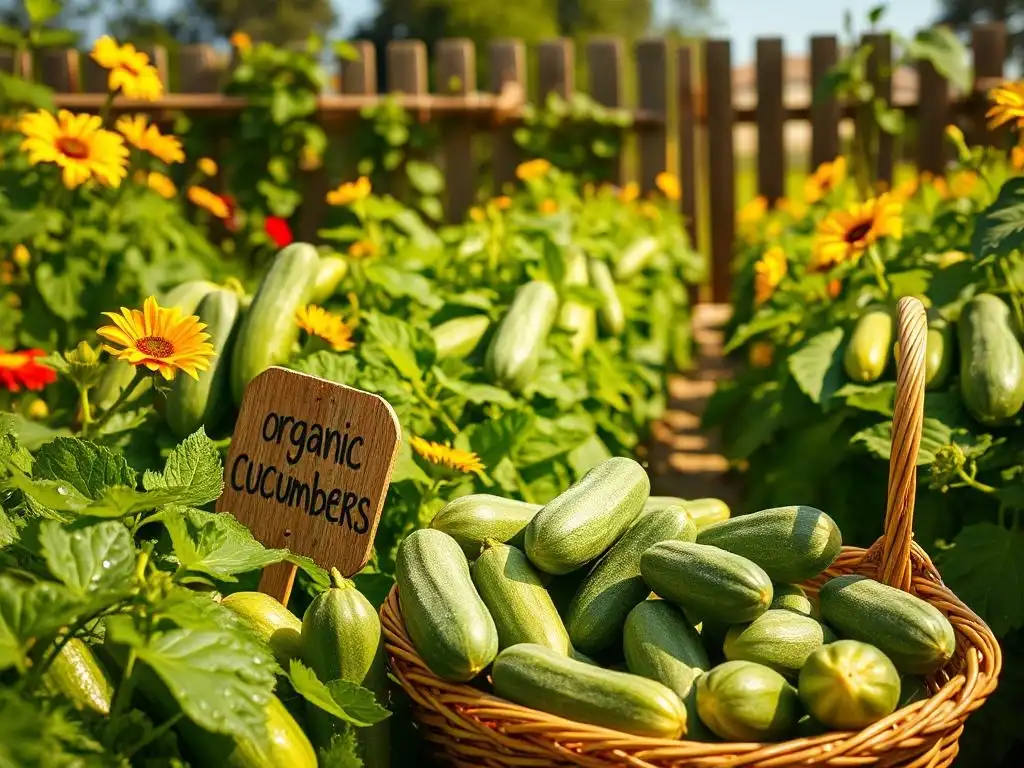
Welcome to CultivateYourFood, your guide to a thriving, sustainable garden! Are you ready to transform your backyard into a bountiful oasis? We'll show you how, starting with the essential steps to planning your own organic cucumber garden. Discover the secrets to a flourishing harvest, perfect for preserving those crisp cucumbers into delicious pickles, relish, and so much more—all while embracing eco-friendly practices. Let's dive into the world of Gardening for Self-Sufficiency and unlock the joys of homegrown goodness!
Organic Cucumber Garden Planning: Site Selection and Soil Preparation
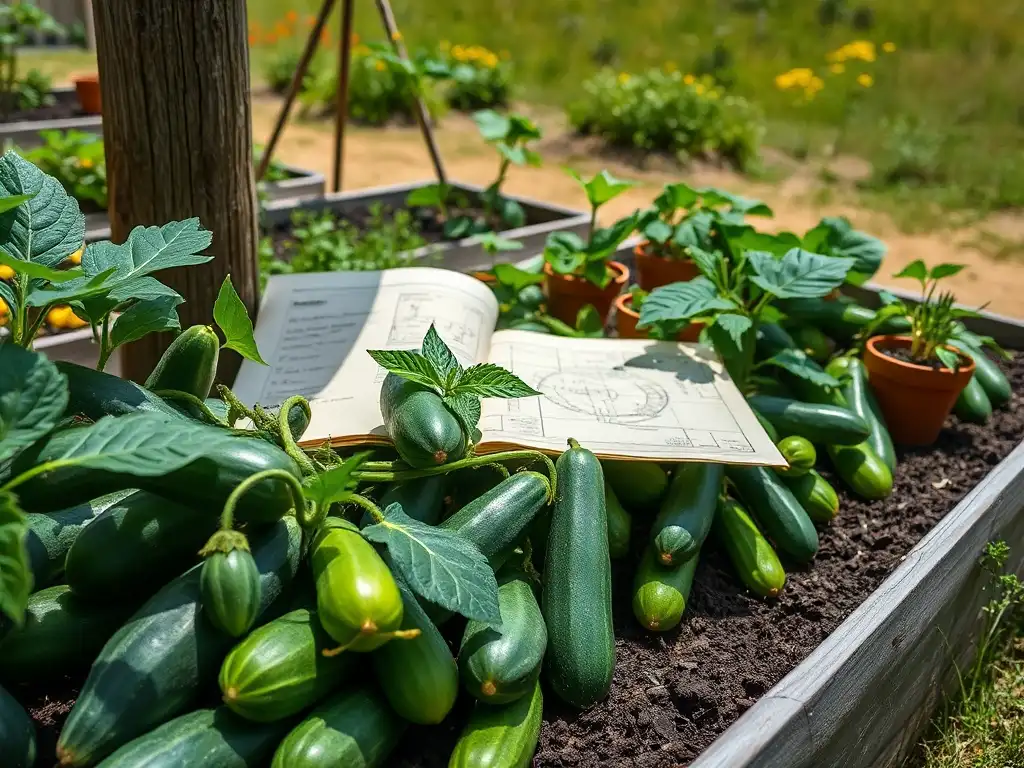
Planning an organic cucumber garden specifically for preservation—think crisp pickles, vibrant relish, and other delicious culinary creations—requires careful consideration of several key factors. This guide delves into the essential steps for establishing a thriving cucumber patch that yields an abundance of fruit perfect for preserving. From choosing the ideal location and preparing the soil to selecting the right cucumber variety and implementing sustainable pest control, we'll cover everything you need to know to ensure a bountiful harvest.
Successfully cultivating cucumbers organically not only provides you with healthy, flavorful produce but also contributes to a more sustainable and environmentally friendly food system. This approach minimizes your environmental impact while maximizing the quality and taste of your homegrown pickles and other preserved goods. Let's get started on your journey to homegrown, organic cucumber preservation!
Choosing the Perfect Spot: Sunlight, Space, and Soil Drainage
Cucumbers are sun-worshippers! They need at least six to eight hours of direct sunlight daily to thrive and produce a generous yield. Select a location in your garden that receives ample sunlight throughout the day. Additionally, consider the space required. Cucumber vines can spread significantly, so ensure you have enough room for them to grow without overcrowding.
A trellis or other support system can help manage space and improve air circulation, reducing the risk of fungal diseases. Finally, good soil drainage is crucial. Cucumbers don't tolerate soggy soil, which can lead to root rot. Amend heavy clay soils with organic matter like compost to improve drainage and aeration.
Soil Preparation: The Foundation for a Healthy Harvest
Preparing the soil properly is paramount for successful organic cucumber cultivation. Begin by conducting a soil test to determine its pH level and nutrient content. Cucumbers prefer slightly acidic to neutral soil with a pH between 6.0 and 6.8. Amend the soil as needed to reach the optimal pH range. Incorporate generous amounts of well-rotted compost or other organic matter to enrich the soil with essential nutrients and improve its structure.
This organic amendment also enhances water retention and drainage, creating the ideal environment for healthy root development. Till the soil to a depth of about 12 inches, removing any weeds or rocks in the process. This ensures a smooth, weed-free bed for planting your cucumber seedlings or seeds. Remember, healthy soil translates to healthy plants and a bountiful harvest!
Selecting the Right Cucumber Variety for Preservation
Not all cucumbers are created equal when it comes to preservation. Certain varieties are better suited for pickling and relishing than others. Consider the following characteristics when selecting your cucumber seeds or seedlings:
- Size and Shape: Pickling cucumbers are typically smaller and have a shorter, more compact shape than slicing cucumbers. Their firmness and crisp texture are ideal for preserving.
- Disease Resistance: Choosing disease-resistant varieties minimizes the need for chemical interventions, aligning with your organic gardening goals. Look for varieties known for their resistance to common cucumber diseases like downy mildew and powdery mildew.
- Yield: Select a variety known for its high yield to ensure you have enough cucumbers for your preserving projects.
Organic Pest and Disease Management
Maintaining a healthy, organic cucumber garden requires a proactive approach to pest and disease management. Prevention is key! Employ strategies like crop rotation to break pest and disease cycles. Mulching around the plants helps regulate soil moisture, suppress weeds, and deter some pests.
Regularly inspect your plants for signs of pests or diseases. If you encounter problems, opt for organic pest control methods such as introducing beneficial insects, using insecticidal soap, or employing other natural remedies. Avoid using chemical pesticides, as they can harm beneficial insects and contaminate your harvest. Remember, patience and careful observation are your best allies in maintaining a healthy organic cucumber garden.
Frequently Asked Questions
What is the best time to plant cucumbers for pickling?
The best time to plant cucumbers is after the last spring frost, when soil temperatures are consistently warm (around 65-70°F). This ensures optimal growth and a bountiful harvest for your pickling needs.
How much space do cucumber plants need?
Cucumber plants require ample space to climb and spread. Allow at least 2-3 feet between each plant, and consider using a trellis or other support system to maximize space and yield.
What are the best organic methods for pest control in a cucumber garden?
Employ natural pest control methods such as companion planting (e.g., basil, nasturtiums), introducing beneficial insects (ladybugs), and using insecticidal soap or neem oil when necessary. Avoid synthetic pesticides.
What type of soil is best for growing organic cucumbers?
Cucumbers thrive in well-draining, fertile soil rich in organic matter. Amend your soil with compost before planting to improve its structure and nutrient content. A slightly acidic to neutral pH (6.0-7.0) is ideal.
How can I ensure a successful harvest for pickling cucumbers?
Choose a pickling cucumber variety specifically bred for that purpose. Harvest cucumbers regularly, when they are young and firm, to encourage continued production and prevent overgrowth. This ensures optimal flavor and texture for pickling.
Final Reflection: The Enduring Bounty of the Organic Cucumber Garden
The resurgence of homegrown food, particularly organic produce, speaks volumes about our desire for healthier living and a deeper connection to nature. Growing your own cucumbers, a seemingly simple act, becomes a powerful statement about self-sufficiency and a commitment to quality. It's more than just pickles; it's a journey towards mindful consumption and a richer understanding of where our food comes from.
The impact of knowing exactly what goes into your food, free from pesticides and artificial fertilizers, is profound. It's a return to simpler times, a rediscovery of the satisfaction derived from nurturing life from seed to harvest. This connection to the land, to the cycle of growth and decay, is something deeply enriching. The glory of gardening: hands in the dirt, head in the sun, heart with nature. To nurture a garden is to feed not just the body, but the soul.
This quote perfectly encapsulates the emotional reward of tending an organic cucumber garden, a reward that extends far beyond the delicious fruits of your labor.
Now, consider your own space, your own potential. Perhaps a small patch of sun-drenched earth, a balcony container, or even a few strategically placed pots. You have the power to cultivate not only cucumbers, but also a deeper appreciation for the natural world and a greater sense of self-reliance. Start small, learn as you go, and savor the journey. The crisp crunch of a homegrown cucumber, the tang of your own homemade pickles – these are the rewards that await you, a testament to your dedication and a taste of true, organic abundance.
Unleash Your Inner Pickle Pro: Preserve the Bounty of Your Cucumber Garden!
This guide has shown you how to cultivate a thriving cucumber patch. Now, let's transform those cucumbers into delicious pickles, relishes, and more!
- Start Pickling! Use the quick dill pickle recipe we discussed as a starting point. It's surprisingly easy!
- Share your success! Post photos of your flourishing cucumber plants or your homemade pickles on social media using #CultivateYourFood to inspire others to embark on their own preservation journey.
- Expand your skills. Experiment with fermentation or different brining techniques to develop your culinary expertise and create unique flavors.
What delicious cucumber recipe will you create this year to capture the taste of summer?