
Planning a Garden with Children: Involving the Whole Family in the Process

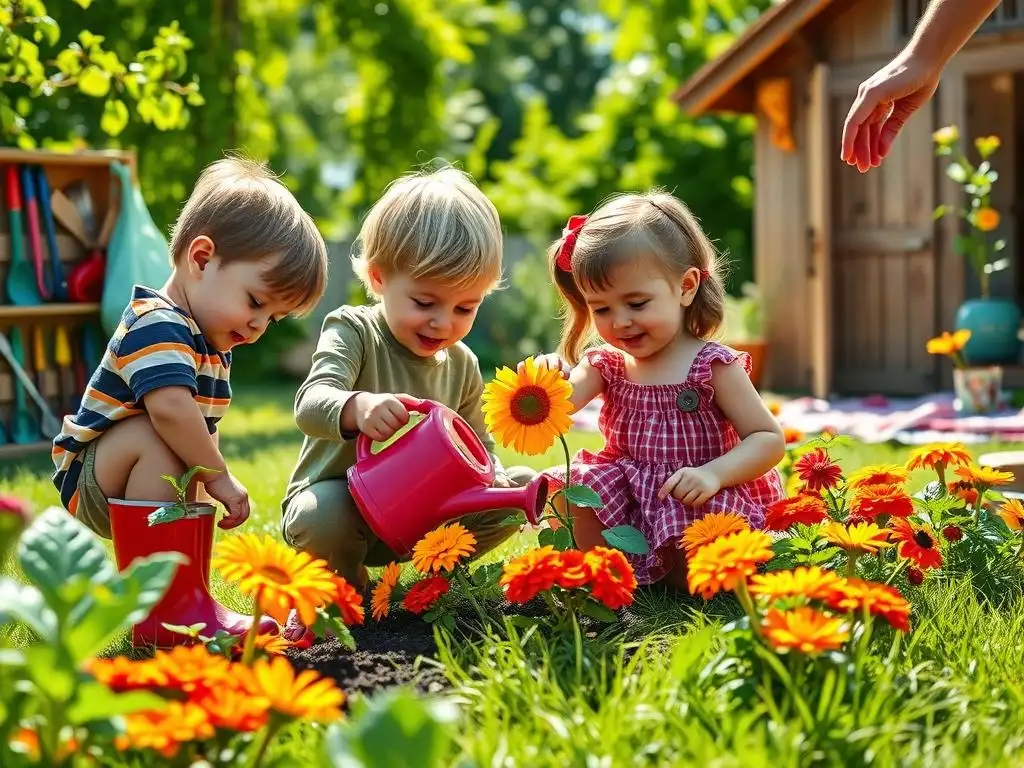
Welcome to CultivateYourFood, your guide to a greener, more fulfilling life through homegrown goodness! Are you ready to transform your backyard into a thriving oasis? We believe everyone can experience the joy of harvesting their own fruits, vegetables, and herbs – and what better way to start than with a Kids gardening project planning? Discover how to involve the whole family in this rewarding journey, fostering a love for nature and sustainable living while enjoying fresh, organic produce. Let's cultivate a brighter future, together!
- Kids Gardening Project Planning: Age-Appropriate Tasks
- Choosing the Right Plants for a Family Garden: Kids Gardening Project Ideas
- Designing a Child-Friendly Garden Space: Kids Gardening Project Layout
- Engaging Kids in the Gardening Process: Kids Gardening Project Participation
- Maintaining a Family Garden: Kids Gardening Project Maintenance
- Harvesting and Enjoying the Fruits (and Vegetables!) of Your Labor: Kids Gardening Project Results
-
Frequently Asked Questions
- How can I get my kids involved in every stage of the gardening process?
- What are some easy-to-grow plants suitable for a kids' gardening project?
- How do I make a kids' gardening project safe and enjoyable?
- What are some creative ways to engage children in a gardening project?
- How can I maintain children's interest in the garden throughout the growing season?
- Final Reflection: Cultivating More Than Just Plants
- Unleash Your Family's Green Thumbs!
Kids Gardening Project Planning: Age-Appropriate Tasks
Planning a garden with children isn't just about growing food; it's about cultivating a love for nature, fostering responsibility, and creating lasting family memories. This comprehensive guide provides a roadmap for successful "Kids gardening project planning," ensuring that every family member, regardless of age, can contribute meaningfully to your homegrown harvest.
We'll explore age-appropriate tasks, turning your garden into a vibrant learning environment where children learn about the lifecycle of plants, the importance of sustainability, and the joy of reaping what they've sown. This approach not only boosts children's understanding of where their food comes from but also instills valuable life skills, promoting healthy eating habits and a connection to the natural world.
From toddlers exploring textures to tweens managing complex gardening projects, this guide offers a framework for incorporating the whole family into your gardening efforts, making it a truly enriching and rewarding experience for everyone involved. Let's embark on this journey to create a thriving garden and a thriving family connection!
Toddlers and Preschoolers: Sensory Exploration in the Garden
This age group thrives on sensory experiences. Instead of focusing on complex tasks, prioritize activities that engage their senses and introduce them to the wonders of the garden. Think of this as the "discovery phase."
- Sensory Bins: Create sensory bins filled with soil, smooth stones, and various plant materials (leaves, petals). This allows them to explore textures and develop a tactile understanding of nature.
- Watering Can Fun: Let them use a small watering can to water the plants, focusing on the process rather than precision. The act of pouring water and seeing the plants respond is a captivating experience.
- Planting Seeds in Small Pots: Supervise them as they help plant large seeds like beans or sunflowers in small, individual pots. The sense of accomplishment from nurturing a seed is incredibly rewarding.
- Nature Walks: Take regular nature walks around the garden, pointing out different plants, flowers, insects, and other fascinating elements of the natural world. This sparks curiosity and a sense of wonder.
- Story Time in the Garden: Read books about plants and gardening while sitting amongst the greenery, making the learning experience fun and engaging.
Remember, patience is key. Toddlers and preschoolers have short attention spans, so keep activities brief and fun. The goal is to foster a positive association with the garden and its wonders.
Early Elementary (Ages 5-8): Simple Planting and Watering Tasks
Children in this age group are developing fine motor skills and a sense of responsibility. They can now participate in more involved gardening tasks, but supervision is still necessary.
- Planting Seeds and Seedlings: Guide them in planting seeds according to the instructions on the seed packets. They can learn about seed spacing and depth. Planting seedlings is also a great task, allowing them to see the immediate impact of their work.
- Regular Watering: Assign them the responsibility of watering specific plants regularly. Teach them how to check the soil moisture and water accordingly, avoiding overwatering or underwatering.
- Weeding: Introduce them to the concept of weeding, explaining the importance of removing weeds to help plants thrive. Start with easily identifiable weeds and supervise closely.
- Basic Harvesting: Let them harvest easy-to-pick crops like strawberries or cherry tomatoes. This is a rewarding experience and connects them directly to the fruits of their labor.
- Simple Composting: Involve them in the composting process, teaching them about organic matter and decomposition. They can help collect kitchen scraps and add them to the compost bin.
Late Elementary (Ages 9-12): More Advanced Gardening Responsibilities
Older elementary school children are capable of undertaking more complex gardening tasks and can take on greater responsibility.
- Planning and Designing Garden Beds: Involve them in the planning stages of the garden. They can help design the layout, choose plants, and decide on planting locations.
- Advanced Planting Techniques: Teach them more advanced planting techniques, such as transplanting seedlings, using trellises, and companion planting.
- Pest and Disease Control: Introduce them to basic pest and disease control methods, emphasizing organic and sustainable practices. They can learn to identify common pests and diseases and implement solutions.
- Record Keeping: Encourage them to keep a garden journal, recording planting dates, harvesting dates, and observations about plant growth. This develops scientific thinking and record-keeping skills.
- Harvesting and Food Preservation: Involve them in the harvesting process and teach them basic food preservation techniques, such as freezing or drying, to extend the life of their harvest. This creates a deeper appreciation for the value of homegrown food.
By tailoring gardening tasks to their developmental stages, you'll not only create a beautiful and productive garden, but you'll also cultivate a lifelong love of gardening and nature in your children. 🌱👨👩👧👦
Teenagers: Garden Design and Project Management
Teenagers are capable of taking on significant responsibility in a kids' gardening project. Their burgeoning independence and problem-solving skills make them ideal for tasks requiring planning and execution. Instead of assigning simple, repetitive tasks, engage them in the more complex aspects of garden design and project management. This fosters a sense of ownership and accomplishment, making the entire gardening experience more rewarding.
For example, you can involve teenagers in the initial garden planning phase. This could include researching suitable plants for your climate and soil conditions, considering the available space, and creating a detailed garden layout. They can use online resources, gardening books, or even consult with local experts to gather information and make informed decisions about plant selection and garden design. This process helps them learn about plant needs, companion planting, and sustainable gardening practices. They can even design a visually appealing and functional garden layout, perhaps incorporating raised beds, trellises, or other creative elements.
Beyond the design phase, teenagers can manage critical aspects of the project. They can be responsible for ordering seeds or seedlings, tracking planting schedules, and maintaining detailed records of plant growth and yield. This involves learning about record-keeping, data analysis, and responsible resource management. Furthermore, delegating tasks such as building or repairing garden structures (like a small greenhouse or compost bin) or designing an irrigation system can teach valuable practical skills and enhance their understanding of sustainable gardening practices.
This hands-on experience allows them to apply their knowledge and contribute meaningfully to the project's success. Finally, they can even take the lead in presenting the project's progress and results to the family, honing their communication and presentation skills. This active participation not only contributes to a successful garden but also equips teenagers with valuable life skills.
Choosing the Right Plants for a Family Garden: Kids Gardening Project Ideas
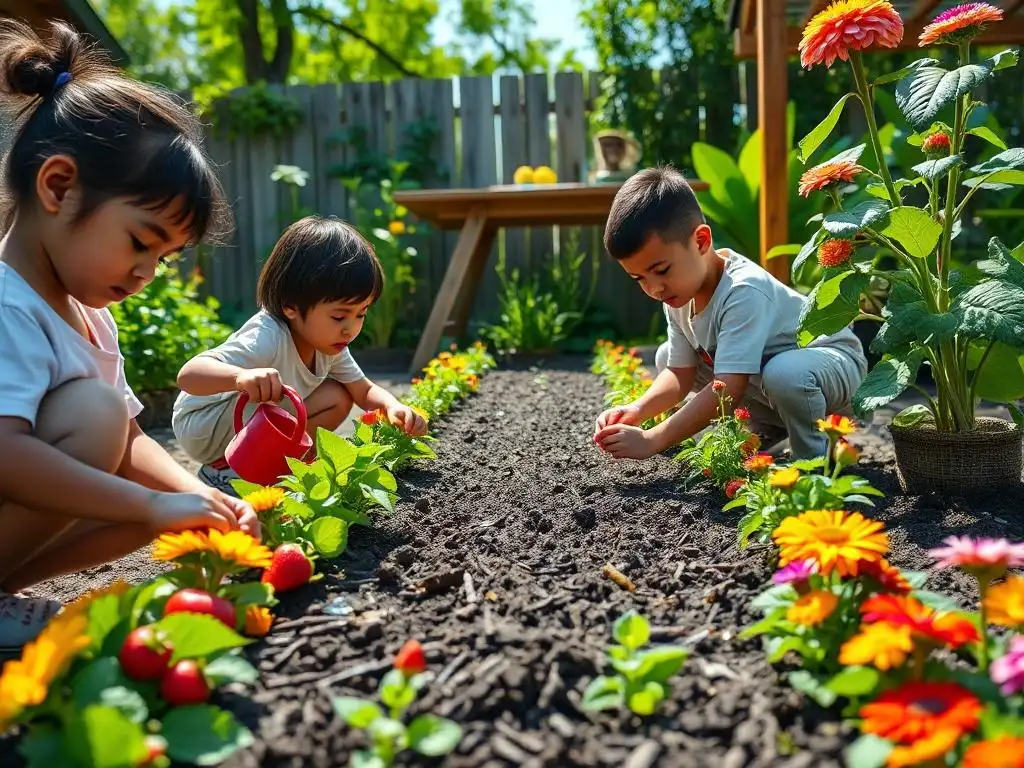
This section focuses on selecting plants suitable for a family garden, emphasizing ease of cultivation and engaging children in the process. Successful "Kids gardening project planning" hinges on choosing plants that are both rewarding and manageable for young gardeners. We'll explore vegetables, herbs, and flowers perfect for involving children of different ages and abilities. The goal is to foster a sense of accomplishment and instill a lifelong love for gardening.
Easy-to-Grow Vegetables for Young Gardeners
Young children thrive on quick results. Fast-growing vegetables offer immediate gratification and keep their enthusiasm high. Consider these options for your "Kids gardening project planning":
- Radishes: These root vegetables mature in as little as three weeks! Their vibrant colors and peppery taste are appealing to children. Planting and harvesting are simple tasks, perfect for little hands. You can even try different radish varieties for a fun, colorful harvest.
- Lettuce: Loose-leaf lettuce varieties are easy to grow and can be harvested gradually, providing a continuous supply of fresh greens. Children can enjoy the process of picking leaves as needed, fostering a connection to where their food comes from.
- Zucchini: These prolific plants produce an abundance of fruit, offering ample opportunities for harvesting. The large size makes them easy for children to handle and the rapid growth keeps them engaged. Be prepared for a bountiful harvest!
- Cherry Tomatoes: These small, sweet tomatoes are perfect for snacking and are visually appealing to children. Their compact size also makes them ideal for small garden spaces.
Remember to choose varieties suited to your climate and growing season. Always supervise young children while gardening, emphasizing safe handling of tools and plants. Consider creating a small, dedicated section of the garden specifically for the kids' projects. This will give them ownership and encourage their participation in the "Kids gardening project planning" process.
Fun and Engaging Herbs for Kids
Herbs offer a sensory experience that captivates children. Their aromatic leaves and varied uses in cooking make them an exciting addition to the family garden. For your "Kids gardening project planning," consider these options:
- Basil: This fragrant herb is easy to grow and its large, broad leaves are easy for small hands to handle. Children can participate in harvesting and using fresh basil in their favorite dishes. Experiment with different basil varieties – Genovese, Thai, or lemon basil – to add variety and excitement.
- Mint: Mint's strong scent and rapid growth make it a fun herb for kids. However, it's important to plant it in a container to prevent it from spreading uncontrollably. Children can help with watering and harvesting, and the refreshing taste of mint in drinks or desserts is a delightful reward.
- Chives: These delicate herbs offer a mild onion flavor and their grassy foliage is visually appealing. Children can snip chives directly from the plant for use in dips, salads, or eggs.
Involving children in herb gardening provides opportunities for learning about culinary uses and the importance of fresh ingredients. Consider creating a small herb garden near the kitchen for easy access and frequent use.
Flower Power: Attracting Pollinators and Adding Beauty
Flowers are essential for a thriving garden ecosystem, attracting pollinators like bees and butterflies which are vital for fruit and vegetable production. Integrating flowers into your "Kids gardening project planning" adds beauty and educational value.
- Sunflowers: These cheerful giants are a favorite among children. Their large, bright blooms are captivating and their seeds provide a tasty snack once they mature. Planting sunflowers teaches children about the life cycle of plants and the importance of pollinators.
- Zinnias: These easy-to-grow flowers come in a wide array of colors and attract many beneficial insects. Their vibrant hues brighten up the garden and their long blooming period provides continuous interest for children.
- Marigolds: Marigolds are not only beautiful but also act as natural pest repellents. Their bright colors add a cheerful touch to the garden and their presence helps protect vegetables from certain pests. Children can participate in planting, watering, and deadheading, learning about plant care and pest management.
Incorporating flowers into the garden enhances its aesthetic appeal and provides valuable learning experiences for children. Discuss the role of pollinators and the interconnectedness of plants within the garden ecosystem. This aspect of "Kids gardening project planning" promotes environmental awareness and appreciation for nature's beauty.
Fruit Trees and Bushes: Long-Term Projects for the Whole Family
Planting fruit trees and bushes offers a unique opportunity to engage children in a long-term gardening project. The extended timeframe involved teaches patience, responsibility, and the rewards of sustained effort – valuable life lessons beyond the simple act of gardening. Children can participate in every stage, from selecting the saplings at the nursery (a fun outing in itself! ), to digging the holes, carefully planting the trees, and providing regular watering and care. The anticipation of the first harvest years down the line fosters excitement and a deep connection to the land and their contribution.
Consider the size and growth habit of the chosen fruit trees and bushes. Dwarf varieties are ideal for smaller gardens and offer quicker harvests, making them more appealing for children with shorter attention spans. Choose varieties known for their ease of care and disease resistance to minimize frustration. Apples, cherries, blueberries, and raspberries are excellent choices for beginner gardeners and are relatively low maintenance. Remember to involve the children in researching suitable varieties for your climate and soil conditions; this encourages research skills and a sense of ownership.
The process of caring for the fruit trees and bushes can be divided into age-appropriate tasks. Younger children can assist with watering, weeding around the base, and even collecting fallen fruit. Older children can take on more advanced tasks such as pruning (with proper supervision, of course!
), pest control (using organic methods), and soil enrichment. Documenting the growth of the trees and bushes through photographs, drawings, or a journal creates a tangible record of their efforts and provides a lasting memory of the project. This collaborative documentation process further strengthens family bonding and provides a visual representation of their commitment to sustainable gardening.
The final reward, of course, is the delicious fruit harvested and shared together – a true testament to their collective hard work and patience. The sweet taste of success, literally, will reinforce the value of commitment and the joy of shared accomplishment. This long-term project will not only yield delicious fruit but also cultivate valuable life skills in your children.
Designing a Child-Friendly Garden Space: Kids Gardening Project Layout
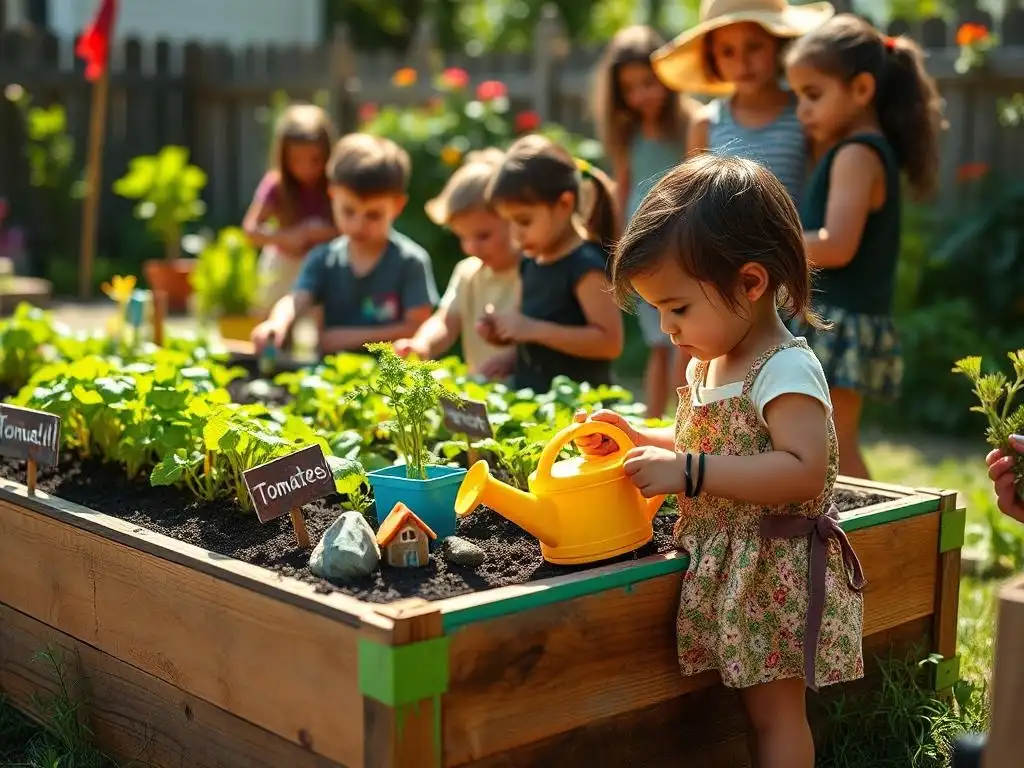
This section focuses on creating a garden layout specifically designed to engage children in the gardening process. Successful "Kids gardening project planning" necessitates considering children's physical capabilities and their inherent curiosity. The goal is to foster a sense of ownership and responsibility while ensuring safety and fun.
Creating Safe and Accessible Garden Beds
Safety is paramount when planning a garden for children. Raised garden beds are ideal; they're easier for little ones to reach and avoid the need for bending or kneeling extensively. Consider the height – approximately 24-30 inches is generally suitable for children aged 4-10. The dimensions should also be manageable; a bed around 4 feet wide and 8 feet long provides ample space without being overwhelming.
Building the beds from readily available materials like reclaimed wood adds a sustainable element, aligning with the website's focus on organic practices. Ensure all edges are smooth and free of splinters for safety. Using a soft, weed-suppressing fabric underneath the bed reduces weeding and makes the process easier for children. Furthermore, selecting non-toxic paints or stains for the wood is crucial, ensuring the garden remains safe for children to interact with directly.
Consider using different bed sizes to cater to different age groups and abilities. Smaller beds can be allocated for younger children to cultivate simpler plants like sunflowers or radishes, while larger beds can accommodate more complex projects for older children. This approach encourages a sense of accomplishment and fosters age-appropriate participation. Finally, clearly labeling each bed with the plant type helps children understand and manage their responsibilities.
Incorporating Playful Elements into the Garden Design
Transforming the garden into a fun and engaging space is key to keeping children involved. Integrating playful elements enhances their interest and encourages active participation. Consider adding a small, child-sized watering can, brightly colored gardening tools, and whimsical garden decorations like painted rocks or small birdhouses.
A designated area for playing near the garden can further enhance the experience. A sandpit adjacent to the garden beds could provide a supplementary activity, linking the gardening project with other engaging outdoor activities. Installing a small, sturdy bench allows for rest breaks and provides a space for children to observe the plants' growth. Furthermore, incorporating a miniature scarecrow or other playful elements adds character and encourages a sense of ownership. Remember, the goal is to create a space where children feel comfortable, safe, and excited to participate.
Adding Educational Features: Learning Through Gardening
Integrating educational aspects into the garden design transforms it into a learning environment. Labeling plants with both their common and scientific names introduces children to botany. A small whiteboard or chalkboard can be used to record observations about plant growth, weather conditions, or harvest yields. This fosters data collection and analysis skills.
Creating a simple insect hotel provides an opportunity to learn about beneficial insects and their role in a healthy ecosystem. This can be an excellent way to introduce concepts of biodiversity and ecological balance. Furthermore, a small composting bin nearby allows children to learn about decomposition and the importance of recycling organic waste.
This hands-on experience enhances their understanding of sustainable practices and the interconnectedness of nature. Finally, consider including a small library of children's books on gardening or nature, encouraging independent learning and exploration. This multifaceted approach ensures that the garden is not only a place for growing food but also a platform for learning and discovery – a truly successful "Kids gardening project planning" initiative.
Engaging Kids in the Gardening Process: Kids Gardening Project Participation
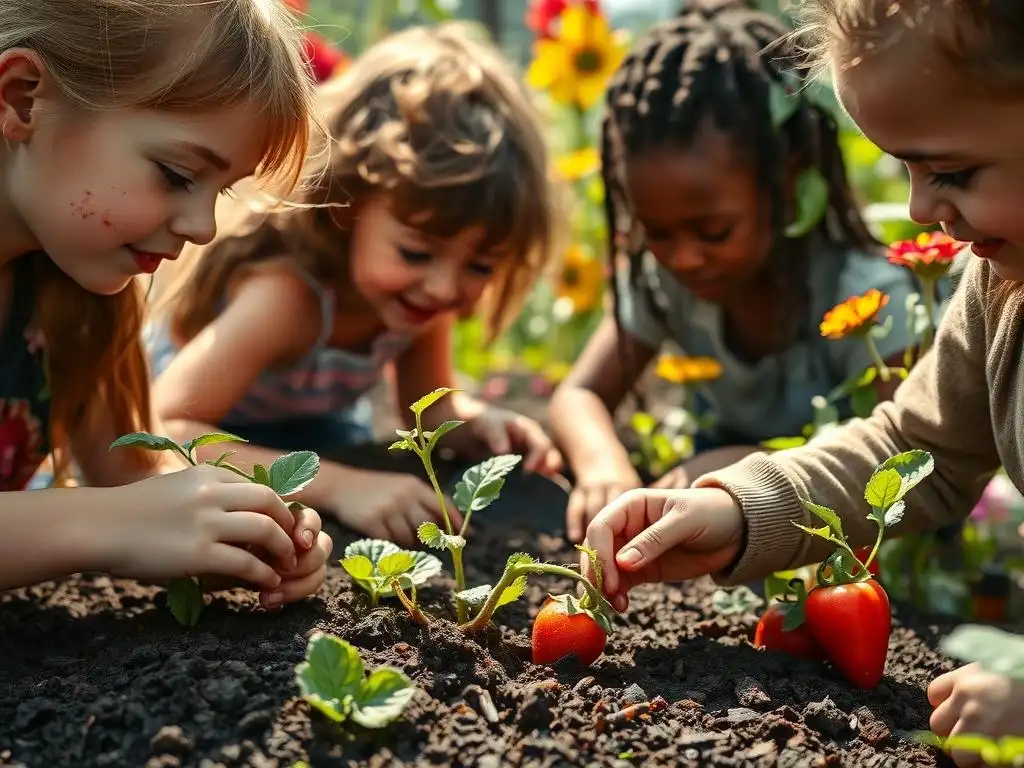
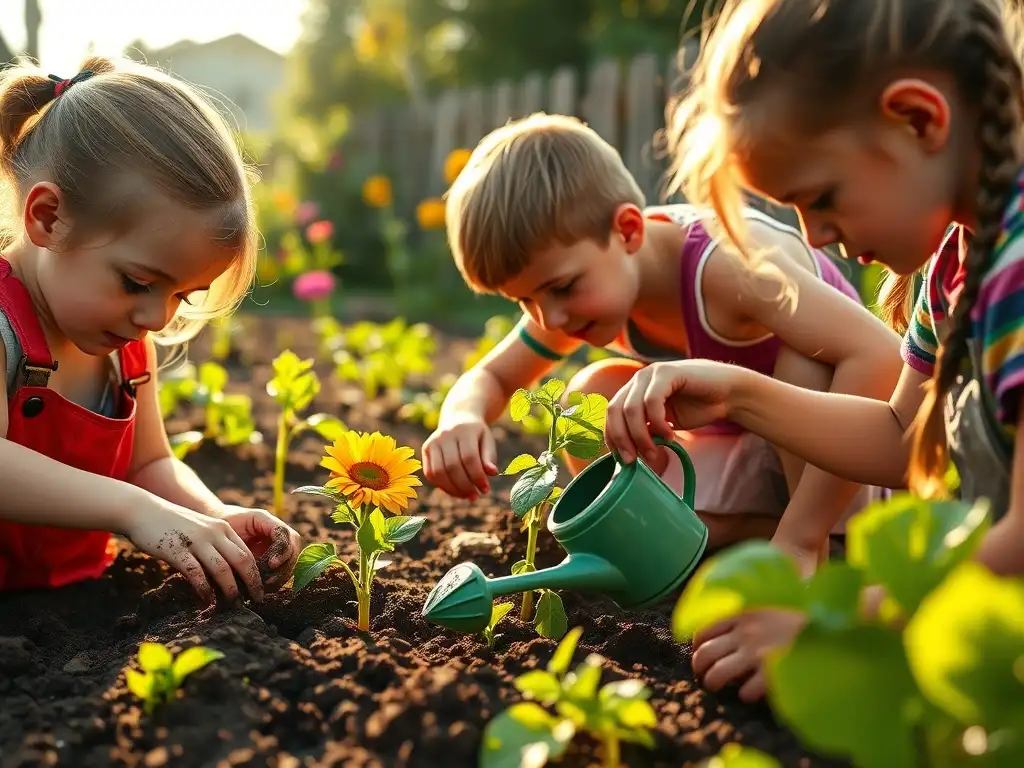
This section focuses on practical strategies for involving children in every stage of your kids gardening project, maximizing their engagement and fostering a lifelong appreciation for gardening. Successful kids gardening project planning hinges on making the process fun, educational, and rewarding for young participants. Remember, the goal isn't just to grow food; it's to cultivate a love for nature and sustainable living.
Making Gardening Fun and Educational
Turning a kids gardening project into an enjoyable learning experience is key. Instead of assigning chores, frame activities as exciting adventures. For example, planting seeds can become a "treasure hunt," with each seed representing a hidden gem waiting to sprout.
Labeling plants with colorful markers transforms a mundane task into a creative endeavor. Consider creating a "Plant Passport" for each child, where they can document their plants' growth, water needs, and any observations. This adds a scientific element, transforming the garden into a living science experiment.
You can even integrate storytelling; tell them myths and legends associated with the plants you're growing, or create fictional stories about the plants' adventures. Remember to tailor the activities to the children's age and abilities; younger children might enjoy simple tasks like watering, while older children can participate in more complex activities like composting or pest control. The more fun and engaging you make it, the more likely they are to remain involved and develop a passion for gardening.
Involving children in the selection of plants is another crucial step in a successful kids gardening project. Let them choose their favorite vegetables, fruits, or herbs from seed catalogs or garden centers. This fosters ownership and responsibility. Consider starting with fast-growing plants like radishes or sunflowers to provide quick gratification and encourage continued participation.
The immediate visual rewards of quickly growing plants can significantly boost a child's enthusiasm and commitment to the project. Don't underestimate the power of visual aids; charts illustrating plant growth cycles or diagrams showing how plants produce food can make learning more engaging. Remember, learning should be an integral part of the experience, not an afterthought.
Rewarding Effort and Celebrating Success
Positive reinforcement is crucial for maintaining children's enthusiasm in a kids gardening project. Regularly acknowledge their efforts and celebrate their successes, no matter how small. A simple "Great job watering the plants!" can go a long way. Consider creating a reward system, such as a sticker chart or a small prize for completing specific tasks.
This doesn't have to be expensive; homemade rewards, like a special garden-themed snack or a fun outdoor activity, can be just as effective. Celebrating milestones, like the first sprout or the first harvest, is equally important. Organize a small party or simply enjoy the fruits (or vegetables!) of their labor together.
This reinforces the connection between effort and reward, making the gardening experience more positive and fulfilling. Consider taking photos throughout the process to document the growth and celebrate the achievements of the kids gardening project. These photos will serve as a visual reminder of their hard work and success, encouraging them to continue their gardening endeavors. The feeling of accomplishment is a powerful motivator, and celebrating it appropriately is essential for long-term engagement.
Overcoming Challenges and Learning from Mistakes
Kids gardening projects are rarely without setbacks. Plants might wilt, pests might appear, or unexpected weather conditions might impact the harvest. These challenges, however, present valuable learning opportunities. Instead of viewing these setbacks as failures, frame them as learning experiences.
Explain to the children why the plants might not be thriving and involve them in finding solutions. For example, if plants are wilting, discuss the importance of proper watering techniques. If pests are attacking the plants, explore organic pest control methods together. This approach teaches children problem-solving skills and resilience.
Moreover, it demonstrates that even in gardening, mistakes are inevitable and can be used as a foundation for growth and improvement. Documenting these challenges and solutions in the children's "Plant Passports" further enhances the learning experience, transforming the garden into a living laboratory where both success and failure provide valuable lessons. Remember to emphasize that persistence and patience are key to success in gardening, just as they are in many aspects of life. The ability to overcome challenges and learn from mistakes is a valuable life lesson that gardening can uniquely teach.
Maintaining a Family Garden: Kids Gardening Project Maintenance
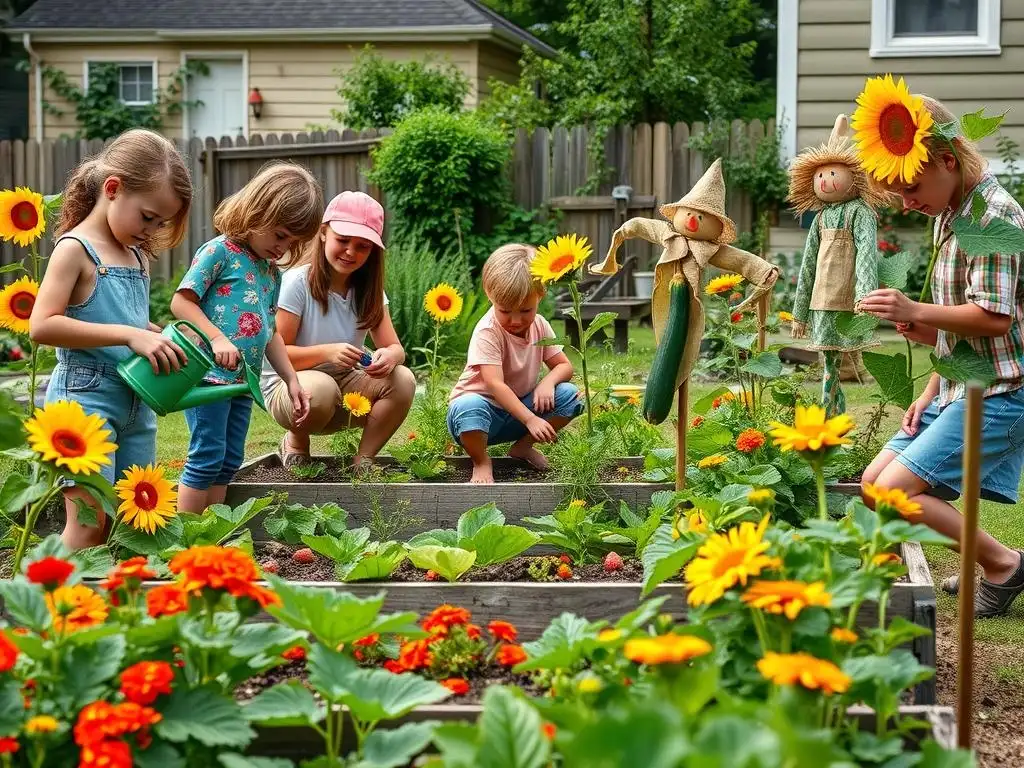
Maintaining a thriving family garden requires consistent effort, but it's also a fantastic opportunity to teach children valuable life skills and foster a deeper appreciation for nature. Involving kids in the ongoing maintenance not only lightens your load but also instills responsibility and a sense of ownership in the garden's success. This section focuses on strategies for incorporating children into the maintenance phase of your kids gardening project planning, ensuring a fun and educational experience for everyone.
Age-Appropriate Chores and Responsibilities
Assigning chores based on age and ability is crucial for a positive experience. Younger children (3-5 years old) can participate in simpler tasks like watering plants with a small watering can (under supervision! ), collecting fallen leaves, or weeding small areas. They can also help with harvesting easily accessible, low-growing crops like strawberries or radishes. Remember to make it fun! Let them decorate their own watering cans or wear gardening gloves with fun designs.
Older children (6-10 years old) can handle more complex tasks, such as weeding larger areas, planting seeds, and assisting with harvesting. They can learn about plant spacing and the importance of proper watering techniques. Consider creating a simple chart to track their progress and reward their efforts with small prizes or privileges. This fosters a sense of accomplishment and responsibility.
Teenagers (11-17 years old) can take on more advanced roles, including composting, pest control (under your guidance), and even basic soil testing. They can also help with planning and designing future garden layouts, contributing their ideas and creativity. Delegating more complex tasks empowers them and helps them develop valuable problem-solving skills. This contributes significantly to a successful kids gardening project planning.
Teaching Children about Sustainable Gardening Practices
Integrating sustainable gardening practices into your family garden is not only environmentally responsible but also provides a valuable learning opportunity for children. Start by explaining the importance of water conservation. Show them how to water deeply but less frequently, and encourage them to check the soil moisture before watering. They can learn about the benefits of using a rain barrel to collect rainwater for irrigation.
Composting is another crucial aspect of sustainable gardening. Involve children in the process of collecting kitchen scraps and yard waste, layering them in the compost bin, and turning the compost regularly. This teaches them about decomposition and the importance of recycling organic matter. Explain how compost enriches the soil and helps plants grow strong and healthy. This hands-on experience significantly enhances the educational value of your kids gardening project planning.
Finally, discuss the benefits of using organic pest control methods, such as introducing beneficial insects, using natural repellents, and practicing crop rotation. This helps children understand the interconnectedness of the ecosystem and the importance of protecting biodiversity.
Pest Control and Disease Prevention: A Family Approach
Preventing pest infestations and diseases is essential for a healthy and productive garden. Involve children in regular garden inspections to identify potential problems early. Teach them how to recognize common pests and diseases, and explain the importance of acting quickly to prevent widespread damage.
For younger children, focus on visual identification and reporting. Older children can assist with implementing preventative measures, such as hand-picking pests, using natural repellents (like neem oil or insecticidal soap), and removing infected plants. Always supervise children when using any pest control methods and emphasize the importance of safety.
Remember to explain the reasoning behind each action, connecting it to the overall health and well-being of the garden. This collaborative approach makes pest control a valuable lesson in responsibility and observation, greatly improving your kids gardening project planning. A successful kids gardening project planning necessitates a proactive approach to disease and pest management.
Harvesting and Enjoying the Fruits (and Vegetables!) of Your Labor: Kids Gardening Project Results
This section focuses on the rewarding culmination of your kids' gardening project: the harvest! The excitement of seeing seeds sprout into vibrant plants and finally yielding delicious, homegrown produce is a powerful learning experience. It fosters a deep appreciation for the food cycle and the effort involved in bringing food from the garden to the table. This isn't just about picking vegetables; it's about celebrating the fruits (and vegetables!) of your collective labor.
Celebrating the Harvest with Family Meals
The best way to celebrate a successful kids' gardening project is to enjoy the harvest together! Involve the children in every step, from washing and preparing the produce to setting the table. Consider these ideas to make it a memorable occasion:
- Theme Nights: Plan themed meals around the harvest. For example, if you've grown a bounty of tomatoes, have a "Tomato Fiesta" with homemade pasta sauce, bruschetta, and gazpacho. If zucchini is abundant, try zucchini bread, fritters, or even a zucchini lasagna.
- Involve Kids in Recipe Selection: Let the kids choose recipes using the harvested ingredients. This encourages them to explore different cuisines and cooking techniques. You can even make it a fun family vote!
- Potluck Style: If you have a large harvest, invite friends and family over for a potluck. Each family member can contribute a dish using the garden's bounty. This is a fantastic way to share the joy and the delicious results of your project.
- Harvest Festival: Organize a small "harvest festival" in your backyard, inviting neighbors and friends. Kids can proudly showcase their gardening achievements. Consider simple games and activities related to the harvest, such as a vegetable identification quiz or a "guess the weight" contest.
Remember to take plenty of photos to capture the memories of this special occasion. The photos will serve as a visual reminder of the hard work, dedication, and the delicious rewards of your kids' gardening project. This shared experience strengthens family bonds and creates lasting memories. The emphasis should be on fun and enjoyment, making the meal a celebration of the entire process.
Preserving the Harvest: Involving Kids in Canning and Freezing
Preserving the harvest extends the enjoyment of your kids' gardening project far beyond the initial harvest. Involving children in safe and age-appropriate preservation techniques teaches valuable life skills and reinforces the importance of reducing food waste.
Here's how to safely involve kids in preserving their bounty:
| Preservation Method | Kid-Friendly Tasks | Safety Considerations |
|---|---|---|
| Freezing | Washing, sorting, and preparing fruits and vegetables. | Adult supervision is crucial when using sharp knives and handling hot containers. |
| Canning | Washing jars, adding ingredients to jars (under supervision). | Canning requires strict adherence to safety guidelines. Adult supervision is paramount. Children should not handle hot jars or boiling water. |
Freezing: Freezing is a relatively easy method for kids to participate in. They can help wash and prepare the fruits and vegetables, learning about proper food handling techniques. Ensure they understand the importance of removing air from freezer bags to prevent freezer burn.
Canning: Canning requires more adult supervision due to the risk of burns and botulism. However, older children can assist with washing jars, adding ingredients (under close supervision), and labeling the canned goods. Always follow tested recipes and ensure the proper sterilization process is followed to avoid foodborne illnesses. This process offers a valuable lesson in food safety and preservation techniques.
Remember to make it a fun and educational experience. Explain the scientific principles behind each preservation method, emphasizing the importance of proper techniques to ensure food safety and quality. This will turn a chore into a valuable learning opportunity. The process of preserving the harvest teaches valuable life skills and promotes a deeper understanding of food sustainability. It's a wonderful way to extend the joy of your kids' gardening project for months to come. The preserved food can then be used throughout the year, reminding everyone of their hard work and accomplishments.
Frequently Asked Questions
How can I get my kids involved in every stage of the gardening process?
Children can help with planting seeds, watering, weeding, and harvesting. Assign age-appropriate tasks to keep them engaged and invested in the project. Remember to make it fun!
What are some easy-to-grow plants suitable for a kids' gardening project?
Radishes, sunflowers, and beans are excellent choices for beginner gardeners. They grow quickly, providing early successes and encouraging continued participation. Consider herbs like mint or basil too.
How do I make a kids' gardening project safe and enjoyable?
Prioritize child safety by using non-toxic pest control methods and choosing a location free from hazards. Always supervise young children while gardening and make it a fun, interactive experience.
What are some creative ways to engage children in a gardening project?
Use colorful markers to label plants, create a scarecrow together, or build a miniature fairy garden. Keep a garden journal to track plant growth and record observations. Let them decorate their own gardening tools.
How can I maintain children's interest in the garden throughout the growing season?
Celebrate milestones like the first sprout or the first harvest. Involve them in composting and pest control. Make it a family activity, sharing the rewards of your hard work together.
Final Reflection: Cultivating More Than Just Plants
The joy of gardening extends far beyond the harvest; it's a powerful lesson in patience, responsibility, and the interconnectedness of life, a lesson profoundly relevant in today's fast-paced world. We often underestimate the impact of simple acts, but nurturing a garden with children offers a tangible connection to nature and a profound sense of accomplishment that resonates far beyond the vegetable patch.
Witnessing the wonder in a child's eyes as a tiny seed sprouts into a vibrant plant is a privilege, a reminder of the magic inherent in the natural world. This shared experience fosters a deeper appreciation for where our food comes from, a connection often lost in our modern, industrialized society. The glory of gardening: hands in the dirt, head in the sun, heart with nature. To nurture a garden is to feed not just the body, but the soul.
This quote perfectly encapsulates the transformative power of involving children in gardening projects. It's not just about growing tomatoes; it's about growing empathy, understanding, and a lifelong love for the environment.
Now, consider your own space, your own family. What seeds of possibility can you plant today? Perhaps it's a single pot of herbs on a windowsill, or a small patch of wildflowers in your yard. No matter the scale, the act of nurturing life, of sharing the responsibility and the rewards with your children, will cultivate a richer, more meaningful experience for everyone involved. Embrace the mess, celebrate the small victories, and watch as your garden—and your family—flourishes.
Unleash Your Family's Green Thumbs!
Thank you for joining us on this journey into the wonderful world of family gardening! We hope you've found fun and practical ways to get your kids involved in creating a thriving garden. Now it's time to put those ideas into action.
- Design your dream garden together: Gather the family, grab some paper and crayons, and sketch out your ideal garden layout. Consider everyone's favorite plants and how best to arrange them. This is a great opportunity to brainstorm fun and creative garden features!
- Share your garden vision: Post a picture of your family's garden plan on social media and inspire other families to start growing! Use #CultivateYourFoodFamilyGarden to connect with our community.
- Plant your first seeds (or seedlings!): This is the most rewarding step! Visit your local nursery or start seeds indoors to get growing right away. Remember, even small successes build confidence and excitement.
What unique plant or feature will make your family garden truly special this year? Let us know in the comments!