
Planning Your YearRound Harvest: CultivateYourFood's Monthly Guide

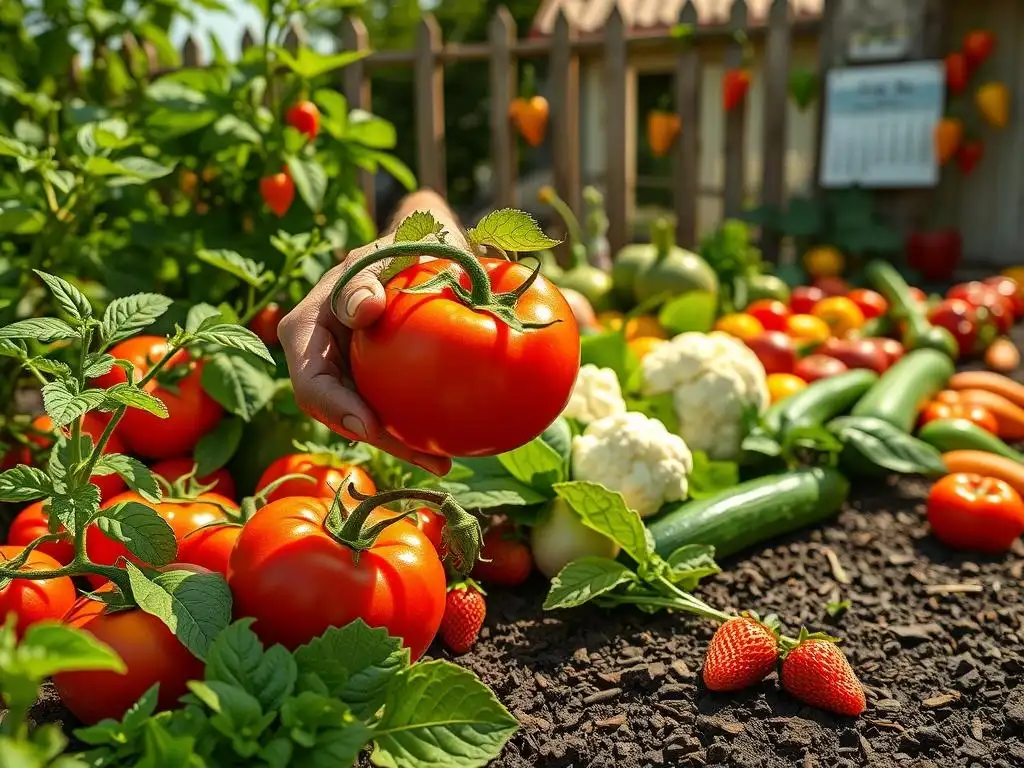
Ready to transform your backyard into a thriving, organic oasis? At CultivateYourFood, we empower you to grow your own delicious fruits, vegetables, and herbs using sustainable practices. Discover the secrets to a bountiful harvest with our comprehensive Monthly Organic Gardening Plan, designed to guide you through every season. Learn how to cultivate a year-round supply of fresh, healthy food – your journey to self-sufficiency starts now!
- A Comprehensive Monthly Organic Gardening Plan for Beginners
- January: Preparing for Spring's Bounty
- February: Starting Seeds Indoors and Protecting Existing Plants
- March: Transplanting Seedlings and First Outdoor Sowings
- April: Expanding Your Garden and Pest Control Strategies
- May: Summer Vegetables and Herbs – Planting and Maintenance
- June: Harvesting and Preserving Your Summer Bounty
- July: Summer Garden Maintenance and Pest Control
- August: Late Summer Planting and Harvesting
- September: Fall Harvest and Garden Clean-Up
- October: Protecting Plants from Frost and Preparing for Winter
- November: Winter Gardening and Seed Saving
- December: Planning for the Next Year's Organic Garden
- Resources and Further Learning: Cultivating Your Knowledge
- Frequently Asked Questions
- Final Reflection: Harvesting the Abundance of Sustainable Living
- Unlock Your Year-Round Bounty!
A Comprehensive Monthly Organic Gardening Plan for Beginners
Planning a year-round organic garden might seem daunting, but with a well-structured monthly plan, even beginners can enjoy a continuous harvest of fresh, healthy produce. This guide provides a framework for cultivating your own food organically, month by month, focusing on sustainable practices and maximizing yields throughout the year. We'll cover everything from assessing your growing conditions and selecting appropriate seeds to essential tools and techniques for pest control and composting.
This detailed approach will empower you to achieve self-sufficiency and enjoy the rewards of homegrown, organic fruits, vegetables, and herbs, all while minimizing your environmental impact. Following a monthly organic gardening plan allows you to adapt to seasonal changes, ensuring you're always planting and harvesting at the optimal times for maximum success.
This is your pathway to a thriving, sustainable, and productive organic garden, offering a delicious and rewarding journey throughout the seasons. Let's get started on your path to a bountiful, year-round harvest!
Getting Started: Assessing Your Climate and Garden Space
Before diving into planting, understanding your local climate and available garden space is crucial for a successful year-round harvest. This involves several key steps:
- Understanding your USDA Plant Hardiness Zone: This determines which plants will thrive in your area based on average minimum winter temperatures. Knowing your zone helps you select appropriate crops that can withstand the local climate. You can find your zone online using various USDA tools.
- Analyzing Sunlight Exposure: Most vegetables and herbs require at least six hours of direct sunlight daily. Observe your garden throughout the day to identify areas with optimal sun exposure. Consider using sun tracking apps or tools to help with this assessment.
- Evaluating Soil Conditions: Healthy soil is essential for organic gardening. Conduct a soil test to determine its pH level and nutrient content. Amend the soil with compost or other organic matter as needed to improve its structure and fertility. This ensures your plants have the nutrients they need to thrive.
- Determining Garden Space: Decide how much space you have available for your garden. This will influence the number and types of plants you can grow. Consider vertical gardening techniques to maximize space if necessary. Even small spaces can yield a substantial harvest with careful planning.
- Water Availability: Consistent watering is critical, especially during dry spells. Assess your water access and consider installing a drip irrigation system for efficient and consistent watering.
Choosing the Right Organic Seeds and Seedlings for Year-Round Growth
Selecting the right seeds and seedlings is paramount for a continuous harvest. This requires careful consideration of several factors:
- Variety Selection: Choose varieties suitable for your climate and growing season. Look for disease-resistant and pest-resistant varieties whenever possible to minimize the need for chemical interventions. Consider heirloom varieties for unique flavors and preserving genetic diversity.
- Seed Starting: For many crops, starting seeds indoors 6-8 weeks before the last expected frost allows for an earlier harvest. This gives your plants a head start and extends the growing season. Use organic seed-starting mix and provide adequate light and warmth.
- Seedling Selection: When purchasing seedlings, choose healthy plants free from diseases or pests. Look for vigorous growth and strong root systems. Support local nurseries that prioritize organic growing practices.
- Succession Planting: This involves planting new crops every few weeks to ensure a continuous supply of fresh produce throughout the growing season. Plan your succession planting schedule based on the maturation time of each crop.
- Crop Rotation: Rotating crops annually helps prevent soil depletion and reduces pest and disease build-up. Plan your crop rotation strategy to optimize soil health and prevent problems.
Essential Tools and Supplies for Your Organic Garden
Having the right tools and supplies makes organic gardening easier and more efficient. Here's a list of essentials:
| Tool/Supply | Description | Importance |
|---|---|---|
| Hand Trowel | For digging small holes and transplanting seedlings. | Essential for planting and transplanting. |
| Garden Fork | For turning over soil and aerating it. | Improves soil structure and drainage. |
| Watering Can | For gentle watering, especially for seedlings. | Ensures even watering and prevents soil erosion. |
| Compost Bin | For creating your own nutrient-rich compost from kitchen scraps and yard waste. | Provides organic fertilizer and improves soil health. |
| Organic Fertilizer | To supplement nutrients in the soil. | Essential for healthy plant growth. |
| Gardening Gloves | To protect your hands while working in the garden. | Prevents injury and protects from soil-borne pathogens. |
| Pest Control Supplies | Organic pest control options, such as neem oil or insecticidal soap. | Crucial for managing pests without harming beneficial insects or the environment. |
| Seed Starting Trays | For starting seeds indoors. | Allows for controlled conditions for seed germination. |
This initial planning sets the stage for a successful year-round organic garden. Remember, consistency and observation are key! Next month, we'll delve into the specific tasks for each month, providing detailed guidance to ensure your garden flourishes. 🌱
January: Preparing for Spring's Bounty
January, while seemingly dormant for many plants, is a crucial month for planning and preparing for the upcoming growing season. A well-planned January sets the stage for a bountiful and thriving garden throughout the year. This month focuses on laying the groundwork for spring's harvest, focusing on early starts, soil improvement, and strategic planting plans. Executing a solid monthly organic gardening plan in January is key to maximizing your yield.
Cold-Frame Gardening Techniques for Early Starts
Cold frames offer a fantastic way to get a head start on the growing season. By extending the growing period into early spring, you can enjoy fresh produce weeks earlier than your neighbors. Effective cold frame gardening requires understanding the principles of light, temperature regulation, and moisture control. Proper ventilation is paramount; too much heat can scorch seedlings, while insufficient ventilation can lead to fungal diseases.
Several techniques can improve cold frame efficiency. Consider using a double-layered cover, such as clear plastic sheeting over a layer of horticultural fleece, for increased insulation. This helps to moderate temperature fluctuations, particularly on colder nights. Monitoring soil temperature is also important.
Using a soil thermometer ensures you avoid planting seeds too early, before the soil has warmed sufficiently. Remember to harden off seedlings gradually before transplanting them into your main garden beds. This process acclimates them to outdoor conditions, reducing transplant shock and improving survival rates. Successful cold frame use requires diligence, but the rewards of early harvests make it worthwhile.
Soil Preparation and Amendment for Optimal Growth
January is an ideal time for soil preparation and amendment. While the ground may be frozen in many regions, you can still prepare for spring planting by analyzing and improving your soil's composition. Healthy soil is the foundation of a successful organic garden. Conduct a soil test to determine its pH level and nutrient content. This provides valuable data to guide your amendment choices.
Amendments enhance soil structure, drainage, and fertility. For example, adding compost improves soil aeration and water retention, while incorporating aged manure provides essential nutrients. The amount of amendment needed depends on your soil's specific needs, as indicated by your soil test. For clay soils that drain poorly, adding organic matter like peat moss or coconut coir can significantly improve drainage and aeration.
Conversely, sandy soils benefit from amendments that increase water retention, such as compost and well-rotted manure. Remember to till the amendments into the soil thoroughly for optimal results. Proper soil preparation now will greatly benefit your plants' growth and health throughout the year, contributing directly to a successful monthly organic gardening plan.
Planning Your Spring Vegetable and Herb Succession Planting
Successful gardening involves thoughtful planning, particularly when employing succession planting. Succession planting ensures a continuous harvest throughout the growing season. In January, begin planning your spring vegetable and herb succession planting schedule. Consider the days to maturity for different crops, ensuring a staggered planting schedule to optimize harvest times.
Create a planting chart outlining your plan. This chart should include the plant variety, planting date, expected harvest date, and the location in your garden. This detailed approach minimizes planting overlaps and maximizes space utilization. For instance, fast-maturing crops like radishes and lettuce can be followed by slower-growing plants like tomatoes or peppers in the same space. Additionally, plan for companion planting.
Certain plant combinations can enhance growth and deter pests. For example, basil planted near tomatoes can help repel insects. Careful planning and consideration of these factors are crucial elements of a successful monthly organic gardening plan, ensuring a steady supply of fresh produce all season long. 🌱
February: Starting Seeds Indoors and Protecting Existing Plants
February, while still wintry in many regions, marks a crucial time for the dedicated gardener aiming for a year-round harvest. This month focuses on jump-starting your growing season indoors and safeguarding any existing plants from potential frost damage. A well-executed February plan contributes significantly to a bountiful harvest later in the year. Let's explore the key tasks for a successful February in your organic gardening journey.
Indoor Seed Starting Techniques for a Head Start on the Season
Starting seeds indoors in February gives your plants a significant head start, allowing them to mature faster and potentially yielding earlier harvests. Success depends on providing the right conditions for germination and seedling growth. Here's a breakdown of effective techniques:
- Choosing the Right Seeds: Opt for seeds of vegetables that have a longer growing season, such as tomatoes, peppers, eggplants, and various herbs like basil and oregano. Consider your local climate and the expected last frost date when selecting varieties.
- Seed Starting Mix: Use a sterile, well-draining seed-starting mix, not garden soil. Garden soil often contains pathogens that can harm delicate seedlings. Many organic seed-starting mixes are available commercially.
- Containers and Trays: Use seed trays or individual small pots (e.g., peat pots or biodegradable containers) to avoid root disturbance during transplanting. Ensure adequate drainage holes.
- Sowing the Seeds: Follow the instructions on the seed packet regarding planting depth and spacing. Generally, cover seeds with a thin layer of the seed-starting mix.
- Light and Temperature: Provide ample light; a sunny windowsill might suffice for a small number of plants, but for larger quantities, consider using grow lights. Maintain a consistent temperature according to the seed packet instructions, usually between 65-75°F (18-24°C).
- Watering: Keep the seed-starting mix consistently moist, but not soggy. Overwatering can lead to damping-off disease. Use a gentle watering can or spray bottle to avoid washing away seeds.
Protecting Plants from Frost and Cold Weather
Even established plants in the ground or in protected areas need safeguarding from unexpected late-winter frosts. February's unpredictable weather requires vigilance. Here's how to protect your existing plants:
- Row Covers: Use floating row covers or low tunnels to create a microclimate that protects plants from frost. These lightweight fabrics allow sunlight to penetrate while preventing frost damage.
- Mulching: Applying a thick layer of organic mulch (such as straw or shredded leaves) around the base of plants insulates the soil and protects roots from freezing temperatures.
- Cold Frames: Cold frames are small, low structures that provide added protection for tender plants. They create a warmer environment than the surrounding air.
- Watering: Surprisingly, watering plants thoroughly before a predicted frost can help protect them. The water releases heat as it freezes, providing a slight insulating effect.
- Monitoring Temperatures: Regularly monitor the temperature forecast and take appropriate protective measures before a frost is expected. A simple thermometer placed near your plants is a worthwhile investment.
Planning Your Early Spring Harvest
February's efforts lay the groundwork for a bountiful spring harvest. Begin planning now to maximize your yield. Consider:
- Succession Planting: Plan for succession planting, sowing new seeds every few weeks to ensure a continuous supply of vegetables throughout the growing season.
- Crop Rotation: Plan your crop rotation for the coming season to prevent soil depletion and pest build-up. Different plant families have different nutrient needs and pest susceptibilities.
- Soil Testing: Consider having your soil tested to determine its nutrient levels and pH. This will help you amend the soil appropriately before planting. This ensures optimal conditions for healthy plant growth.
- Tool Maintenance: Inspect and maintain your gardening tools. Sharpen blades, clean and oil metal parts, and repair or replace any damaged tools. A well-maintained tool kit will make spring gardening much easier.
Planning your "monthly organic gardening plan" for February ensures a successful start to your year-round harvest. Careful seed starting and frost protection are key elements in achieving a bountiful yield. 🌱
March: Transplanting Seedlings and First Outdoor Sowings
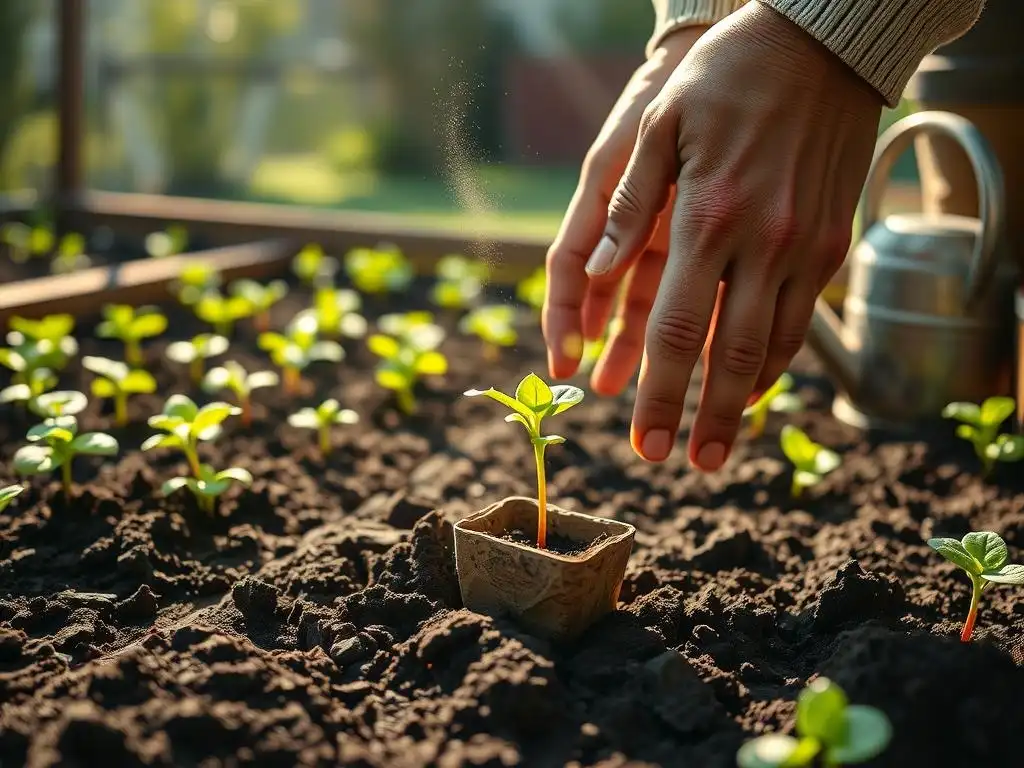
March marks a crucial transition in the gardening calendar, moving from the sheltered environment of the greenhouse or indoor seed tray to the unpredictable world outdoors. This month is all about carefully transplanting seedlings and making the first direct sowings of cold-hardy vegetables and herbs. A successful March planting lays the foundation for a bountiful and sustainable harvest throughout the year. This section focuses on optimizing your March gardening efforts for a thriving monthly organic gardening plan.
Hardening Off Seedlings Before Transplanting
Before venturing outdoors, seedlings require a period of "hardening off." This gradual acclimatization to outdoor conditions prevents shock and ensures survival. The process involves slowly exposing seedlings to increasing amounts of sunlight, wind, and temperature fluctuations over 7-10 days. Start by placing seedlings in a sheltered location for a few hours each day, gradually increasing the exposure time. Remember to bring them indoors overnight during this period.
Avoid sudden changes in temperature and light. A sudden transition from a warm, sheltered environment to full sun can scorch delicate leaves and damage the seedlings. Pay attention to weather forecasts and protect seedlings from frost or harsh winds. Consistent monitoring and careful adjustment are key to a successful hardening-off period. This careful approach is vital for a robust and productive monthly organic gardening plan.
Consider using a cold frame or a covered area to gradually acclimate your seedlings. This provides a controlled environment, shielding them from extreme weather while still allowing for increased exposure to sunlight and wind. This method is particularly useful for tender seedlings like tomatoes and peppers. Remember, patience during this stage is crucial for maximizing your chances of a successful transplant.
Choosing the Right Location for Your Vegetable and Herb Garden
Site selection significantly impacts the success of your monthly organic gardening plan. Your garden should receive at least six hours of direct sunlight daily. Observe your garden throughout the day to identify areas that receive the most sunlight. Consider factors like wind exposure; a sheltered location protects plants from damaging winds.
Soil quality is also paramount. Well-drained soil is essential to prevent root rot and other diseases. A soil test can help you determine the soil's pH and nutrient levels, allowing you to amend it with compost or other organic matter as needed. This ensures your plants receive the necessary nutrients for optimal growth. March is an ideal time to prepare the soil by turning it over and incorporating compost.
Furthermore, consider the proximity to water sources. Easy access to water simplifies watering, especially during dry spells. Plan your layout strategically, grouping plants with similar water requirements together. This improves irrigation efficiency and promotes overall garden health. Remember to take into account the mature size of your plants, ensuring adequate spacing for healthy growth.
Direct Sowing of Cold-Hardy Vegetables and Herbs
March offers the opportunity to directly sow seeds of cold-hardy vegetables and herbs. These resilient plants can tolerate cooler temperatures and even light frosts. Examples include spinach, lettuce, kale, peas, radishes, and many herbs like parsley and chives.
Before sowing, prepare the soil by removing any weeds or debris. Loosen the soil to a depth of about 6 inches to ensure good drainage and root penetration. Sow seeds according to the package instructions, ensuring appropriate spacing for optimal growth and minimizing competition for resources. Lightly cover the seeds with soil and gently water.
Maintain consistent soil moisture, especially during dry periods. Remember that seedlings are vulnerable to pests and diseases, so monitor regularly for any signs of infestation or illness. Early detection and prompt action are essential for protecting your plants. Employ organic pest control methods to address any issues and ensure a healthy and productive harvest. This approach is integral to a sustainable monthly organic gardening plan.
Remember to label your rows clearly to track your planting progress and easily identify each vegetable or herb. This will also be helpful when it comes time to harvest. A well-organized garden simplifies tasks and improves overall efficiency.
April: Expanding Your Garden and Pest Control Strategies
April marks a crucial transition in your monthly organic gardening plan, shifting from the initial stages of planting to actively managing growth and protecting your burgeoning crops. This month focuses on expanding your garden's capacity and implementing robust pest control strategies to ensure a bountiful harvest. We'll explore both preventative measures and effective organic solutions to safeguard your plants from common spring threats.
Protecting Your Plants from Common Spring Pests
Spring brings with it a resurgence of garden pests. Aphids, spider mites, and cabbage worms are particularly prevalent during this time. Early detection is key to preventing widespread infestation. Regularly inspect your plants, paying close attention to the undersides of leaves and the stems.
Look for signs of damage, such as discoloration, holes in leaves, or the presence of small insects. A magnifying glass can be incredibly helpful in identifying smaller pests. Early identification allows you to intervene before significant damage occurs, minimizing the need for aggressive pest control measures later in the season. Remember, a healthy plant is less susceptible to pests, so ensure your plants receive adequate sunlight, water, and nutrients.
For example, a common problem in April is aphid infestations on young lettuce plants. These small, pear-shaped insects suck the sap from leaves, causing wilting and stunted growth. Regular monitoring and prompt action, such as hand-picking aphids or using a strong spray of water to dislodge them, can effectively manage small infestations.
Organic Pest Control Methods and Natural Remedies
Your monthly organic gardening plan should prioritize organic pest control methods. Avoid harsh chemicals that harm beneficial insects and pollute the environment. Instead, leverage the power of nature to protect your plants. Here are some highly effective organic pest control strategies:
- Neem oil: A natural insecticide derived from the neem tree, effective against a wide range of pests, including aphids, spider mites, and whiteflies. Always dilute neem oil according to the manufacturer's instructions.
- Insecticidal soap: A readily available, biodegradable solution that disrupts the cell membranes of soft-bodied insects, effectively controlling aphids, mealybugs, and other similar pests.
- Diatomaceous earth: A natural, non-toxic powder made from fossilized diatoms. It works by physically abrading the exoskeletons of insects, leading to dehydration and death. Apply it as a dust around the base of plants or directly onto infested areas.
- Beneficial insects: Introduce ladybugs, lacewings, and praying mantises to your garden. These predatory insects feed on common garden pests, providing natural biological control.
Remember to always follow the instructions on any organic pesticide carefully. Applying too much product can be harmful to your plants and beneficial insects.
Planning for Summer Vegetables and Herbs
April is the ideal time to start planning for your summer vegetable and herb garden. Consider the space you have available and choose varieties that thrive in your climate and soil conditions. Seed starting indoors can give you a head start on the growing season, allowing you to transplant seedlings outdoors once the risk of frost has passed. Remember to harden off seedlings gradually before transplanting them to avoid shock.
This phase of your monthly organic gardening plan involves careful consideration of crop rotation. Avoid planting the same family of vegetables in the same location year after year to prevent soil depletion and the buildup of pests and diseases. Consider a crop rotation plan that maximizes nutrient cycling and minimizes pest pressure. For example, after planting heavy feeders like tomatoes or peppers, plant legumes like beans or peas the following year to enrich the soil with nitrogen.
This strategic planning contributes to a sustainable and productive garden, enhancing your chances of a successful year-round harvest. Careful planning now ensures a plentiful and healthy summer harvest, contributing to your overall year-round organic gardening success. 🌱
May: Summer Vegetables and Herbs – Planting and Maintenance
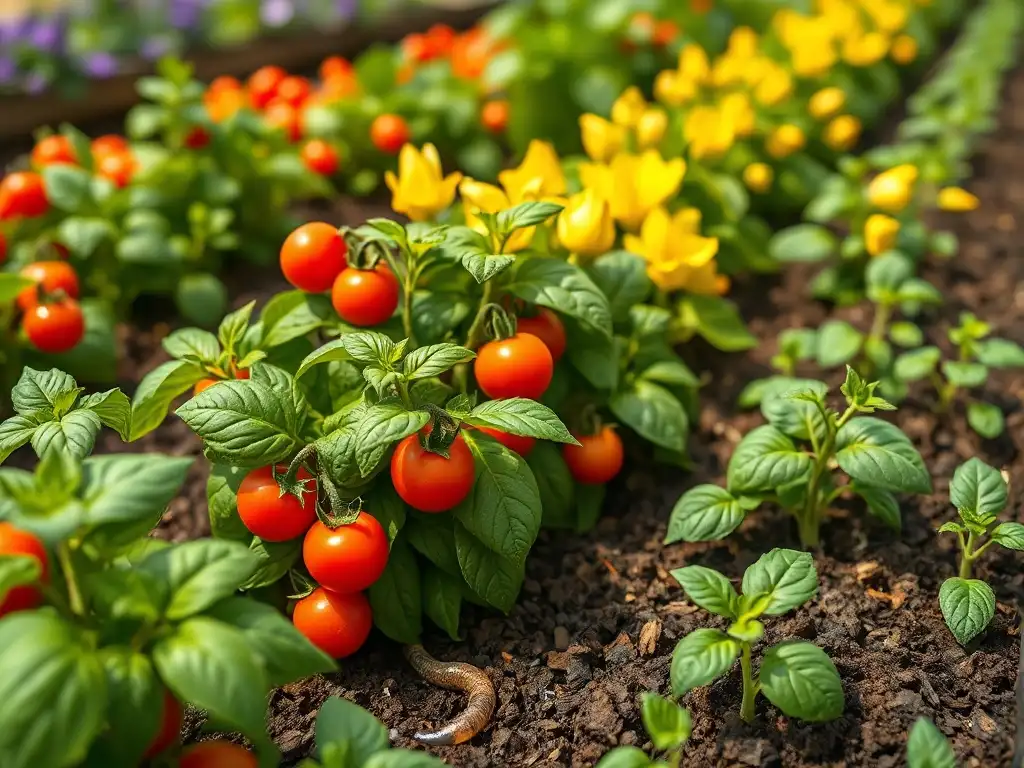
May marks the beginning of the peak growing season for many summer vegetables and herbs. This month is crucial for establishing strong, healthy plants that will yield a bountiful harvest throughout the summer. A well-executed May gardening plan is essential for maximizing your yield and enjoying a continuous supply of fresh produce. This monthly organic gardening plan focuses on ensuring your plants thrive.
Maintaining Soil Health and Moisture Levels
Maintaining optimal soil moisture is paramount in May. Consistent watering is key, but avoid overwatering, which can lead to root rot. The frequency of watering depends on your climate, soil type, and plant species. Clay soils retain moisture longer than sandy soils, requiring less frequent watering. However, consistent monitoring is crucial. A simple finger test—inserting your finger a couple of inches into the soil—can help determine if watering is needed. If the soil feels dry, it's time to water deeply and thoroughly.
Mulching is another effective strategy for moisture retention. Organic mulches, such as straw, shredded leaves, or wood chips, help to suppress weeds, regulate soil temperature, and retain moisture. A 2-3 inch layer of mulch applied around your plants will significantly reduce the frequency of watering needed, conserving water and minimizing water stress on your plants. Remember to avoid placing mulch directly against the plant stems to prevent rot.
Beyond moisture, soil health is crucial. Regular soil testing can reveal nutrient deficiencies, allowing for targeted amendments. Healthy soil is teeming with beneficial microorganisms that enhance nutrient uptake and disease resistance. Adding compost or other organic matter regularly enriches the soil and improves its structure, leading to healthier plants and a more abundant harvest. Consider incorporating cover crops in areas where you aren't actively planting to improve soil health for future plantings.
Supporting Plant Growth with Organic Fertilizers
Organic fertilizers provide essential nutrients to your plants in a slow-release manner, promoting steady and sustained growth. Avoid using chemical fertilizers, as they can harm beneficial soil organisms and contaminate your produce. Opt for natural options instead. Compost tea, a liquid fertilizer made by steeping compost in water, is a fantastic organic option, rich in nutrients and beneficial microbes.
Another excellent choice is worm castings, the byproduct of worm composting. These castings are packed with nutrients and improve soil structure. You can apply them directly to the soil around your plants or mix them into your compost. For specific nutrient deficiencies, consider using seaweed extract, bone meal, or blood meal, all of which provide specific nutrients vital for healthy plant growth. Always follow package instructions for application rates to avoid over-fertilizing. Over-fertilization can lead to excessive vegetative growth at the expense of fruit or flower production.
Planning for Fall Vegetables and Herbs
While focusing on your current summer crops, May is also the perfect time to start planning for your fall harvest. Many cool-season crops, such as broccoli, kale, spinach, and lettuce, can be sown directly into the garden in late summer for a fall harvest. Start seeds indoors for crops that require a longer growing season, such as cauliflower or Brussels sprouts. This allows you to get a head start and ensure a successful fall harvest.
Consider crop rotation to prevent the buildup of pests and diseases. Avoid planting the same crops in the same location year after year. A well-planned rotation ensures healthy soil and minimizes pest and disease issues.
Note the space requirements for your fall crops to ensure there's enough room for them to grow alongside your existing summer plantings, or make adjustments to your planting schedule as needed. A successful fall garden begins with thoughtful planning in May. Remember to check the average frost dates for your region to determine the ideal planting time for your fall crops to avoid early frost damage.
June: Harvesting and Preserving Your Summer Bounty
June marks the peak of the growing season for many fruits and vegetables. This month is all about harvesting your hard work and ensuring your summer bounty lasts throughout the year. A well-planned approach to preserving your harvest is key to maximizing your yield and minimizing waste. This is a crucial aspect of a successful monthly organic gardening plan.
Preserving Summer Harvest: Canning, Freezing, and Drying Techniques
Preserving your summer harvest extends the enjoyment of fresh produce far beyond the growing season. Several methods are available, each with its own advantages and disadvantages.
Canning: Canning involves sealing food in airtight jars and processing them in a boiling water bath or pressure canner to destroy harmful bacteria and enzymes. This method is ideal for preserving high-acid foods like tomatoes, jams, and pickles, and also works well with low-acid foods like vegetables when using a pressure canner. Proper canning techniques are crucial to prevent spoilage and ensure food safety. Detailed instructions for canning various fruits and vegetables can be found in numerous resources dedicated to home preserving. Remember to always sterilize your jars and lids before use.
Freezing: Freezing is a quick and easy method for preserving many fruits and vegetables. Blanching (briefly boiling) fruits and vegetables before freezing helps retain their color, texture, and nutrients. Proper packaging is key to prevent freezer burn. Freezing extends the shelf life considerably, and the produce can be used in smoothies, soups, and stews during the colder months.
Drying: Drying is an excellent method for preserving herbs, fruits, and some vegetables. Air drying, sun drying, or using a food dehydrator are all effective techniques. Dried produce can be stored in airtight containers in a cool, dark, and dry place for several months. This method is particularly useful for herbs, allowing you to easily incorporate fresh flavors into your winter recipes. Consider the optimal drying method for each produce type to preserve its flavor and nutritional value.
Dealing with Summer Pests and Diseases Organically
Summer's warm temperatures and humidity create ideal conditions for pests and diseases to thrive. Maintaining a vigilant eye on your garden is essential for timely intervention and to prevent widespread damage to your crops. An effective monthly organic gardening plan includes proactive pest and disease management.
A robust organic approach involves using preventative measures, such as companion planting (planting certain plants together to deter pests), crop rotation, and maintaining good garden hygiene. If pests or diseases do appear, consider organic solutions like insecticidal soaps, neem oil, or beneficial insects. Always identify the pest or disease accurately before applying any treatment. Overusing any treatment can negatively impact beneficial insects and the overall health of your garden. Regular inspection and careful monitoring are crucial for early detection and effective organic pest control.
Planning for Late Summer and Fall Crops
While enjoying the abundance of your summer harvest, it's also time to start planning for your late summer and fall crops. These crops will ensure a continued harvest well into autumn. This is an important component of a comprehensive monthly organic gardening plan.
Consider planting cool-season crops like kale, spinach, lettuce, and broccoli in late June or early July for a fall harvest. These crops will thrive in the cooler temperatures of late summer and autumn. Prepare the soil well by amending it with compost to ensure optimal growth. Succession planting is also a valuable technique to keep your garden productive.
This involves planting new seeds or seedlings at regular intervals to ensure a continuous supply of fresh produce. Plan your planting schedule carefully, considering the specific needs of each crop in terms of sunlight, water, and space. A well-thought-out plan will lead to a bountiful fall harvest, extending your gardening season and maximizing your yield.
July: Summer Garden Maintenance and Pest Control
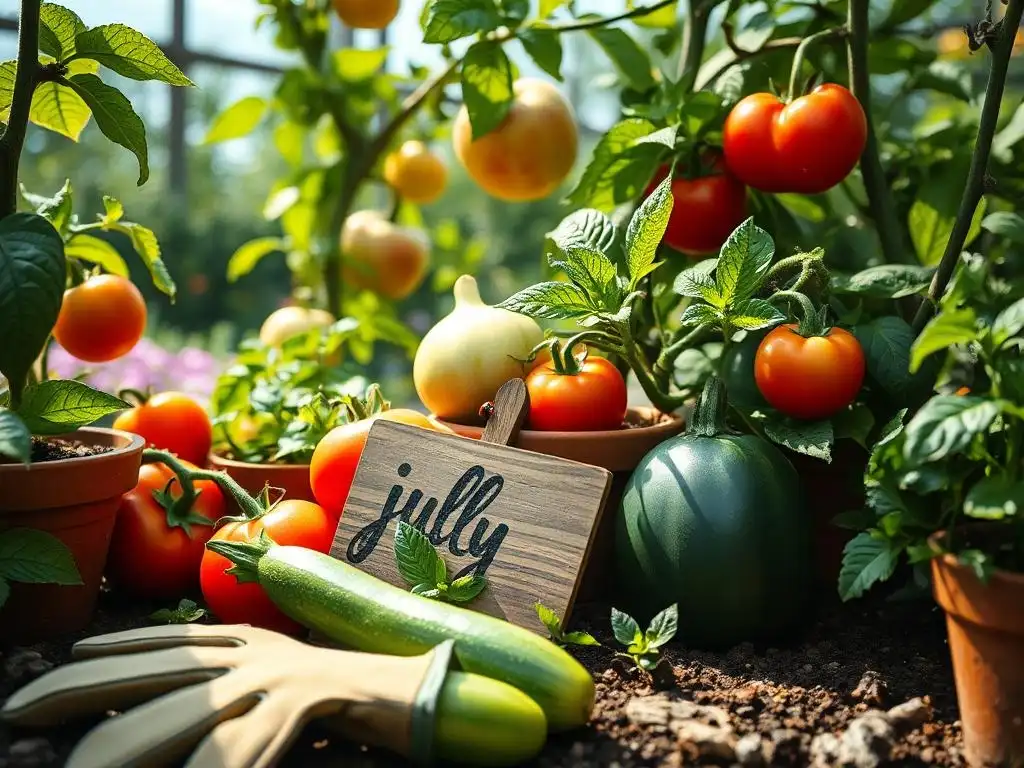
July marks the peak of the growing season for many crops. Maintaining a thriving garden in the summer heat requires diligent attention to detail. This month's focus is on protecting your precious plants from the intense summer sun and implementing effective, organic pest and weed control strategies while simultaneously preparing for the autumn harvest. A well-executed July gardening plan will contribute significantly to a bountiful harvest in the coming months. This is crucial for a successful Monthly organic gardening plan.
Protecting Plants from Heat Stress
High temperatures can severely impact plant growth and yield. Several strategies can mitigate heat stress and ensure your plants thrive. Providing adequate shade during the hottest parts of the day is vital. This can be achieved through the use of shade cloth, strategically placing taller plants to provide natural shade to more sensitive crops, or simply adjusting your watering schedule. Early morning or late evening watering is preferable, as it minimizes water loss through evaporation.
Furthermore, mulching around your plants is incredibly beneficial. A layer of organic mulch, such as straw or shredded leaves, helps retain soil moisture, regulates soil temperature, and suppresses weeds—all contributing to a healthier plant environment. Regular monitoring of soil moisture is essential. Allowing the soil to dry out completely can lead to stress, while overwatering can cause root rot.
Finding the right balance is key, and this often depends on the specific plant and soil type. Consider using a moisture meter to assist in monitoring soil conditions accurately. Remember, a healthy, well-hydrated plant is far more resilient to heat stress. This is key to your Monthly organic gardening plan.
Organic Weed Control Methods
Weeds compete with your crops for nutrients, water, and sunlight. Maintaining a weed-free garden is important for optimal growth. Several organic methods can effectively control weeds without resorting to harmful chemicals. Consistent weeding, ideally by hand, is the most effective approach. Regular weeding prevents weeds from going to seed, reducing their population in future months. However, for larger areas or particularly persistent weeds, mulching serves as an excellent preventative measure. The mulch layer acts as a physical barrier, preventing weed seeds from germinating.
Another organic approach involves using weed-smothering techniques. Covering the soil with cardboard or landscape fabric can effectively suppress weed growth. Remember to add a layer of organic mulch on top to improve the aesthetic appeal and retain soil moisture. For specific weeds, targeted organic herbicides may be considered. Always check the label to ensure compatibility with your crops and the environment. Careful selection and application are essential for effective weed control while maintaining the integrity of your organic garden. This is a vital component of a successful Monthly organic gardening plan.
Planning for the Fall Harvest
July is the perfect time to start planning for your fall harvest. Succession planting is crucial for maintaining a continuous harvest. Start seeds indoors for cool-season crops like kale, spinach, and lettuce, ensuring they’re ready to transplant in early autumn. Consider the timing of your first frost, which determines the planting window for these frost-tolerant vegetables.
Additionally, begin preparing the soil for fall planting. Amend the soil with compost or other organic matter to improve its fertility and structure. This will give your fall crops the best possible start. Plan for the space requirements of your fall crops, making sure to rotate your crops to prevent soil depletion and pest build-up. This forward-thinking approach contributes to a year-round supply of fresh, organically grown produce. A well-structured Monthly organic gardening plan ensures a successful transition from summer to fall harvests. 📅🌱
August: Late Summer Planting and Harvesting
August marks a pivotal point in the gardening year, a time of abundant harvests and strategic planning for the cooler months ahead. This month's focus is on maximizing late-summer yields while simultaneously preparing for the transition to fall planting. A well-executed August gardening plan ensures a continuous supply of fresh produce throughout the year, aligning perfectly with a Monthly organic gardening plan.
Planting Fall Vegetables and Herbs
August offers a final opportunity to sow cool-season crops that will thrive in the autumn weather. These crops, unlike their heat-loving summer counterparts, require fewer hours of sunlight and can tolerate cooler temperatures. Success hinges on selecting the right varieties and ensuring proper spacing to allow for optimal growth.
Consider planting these varieties in your garden this month:
- Leafy Greens: Spinach, kale, lettuce (choose varieties specifically bred for fall planting), arugula. These are fast-growing and can provide a harvest before the first frost.
- Root Vegetables: Carrots, radishes, turnips, beets. These need ample time to mature, so planting in August allows for a harvest in late fall or early winter.
- Brassicas: Broccoli, cauliflower, cabbage. These plants benefit from cooler temperatures and will produce well into the autumn months.
- Herbs: Parsley, cilantro, dill. These herbs are relatively cold-hardy and will continue to produce until the first hard frost.
Remember to amend your soil with compost before planting to ensure optimal nutrient levels. Organic fertilizers, such as bone meal or blood meal, can also provide additional nutrients for these cooler-season crops. Proper spacing is crucial; overcrowding can lead to disease and poor yields. Consult seed packets or plant tags for specific spacing guidelines. Planting in succession, with staggered planting dates, will extend your harvest window.
Preparing for the Transition to Cooler Weather
As the days shorten and temperatures begin to drop, it's crucial to prepare your garden for the transition to cooler weather. This involves several key steps to ensure your plants are resilient and continue to thrive.
One of the most important preparations is soil maintenance. Adding a layer of mulch around your existing plants helps retain moisture, regulate soil temperature, and suppress weeds. Organic mulches, such as straw, shredded leaves, or wood chips, are ideal.
Another crucial aspect is plant protection. As temperatures fluctuate, consider using row covers or cloches to protect vulnerable plants from frost. These lightweight coverings create a microclimate, shielding plants from sudden temperature drops. This is especially important for late-season crops like broccoli and cauliflower.
Finally, begin to clean up your garden beds. Remove spent plants to prevent the buildup of diseases and pests. Compost healthy plant material, and dispose of diseased plants properly to avoid contamination. This cleanup process will prepare your garden for the next planting season.
Extending the Growing Season with Protective Measures
Extending your harvest season into the fall and even winter months in some climates is achievable through the use of various protective measures. These techniques are vital for maximizing your yield from a Monthly organic gardening plan and enjoying homegrown produce throughout the year.
Here are some effective methods:
- Cold Frames: These low-cost structures provide a sheltered environment for extending the growing season. They trap solar heat during the day and provide insulation at night, protecting plants from frost and cold winds.
- High Tunnels/Hoophouses: These larger structures offer even greater protection from the elements, allowing you to grow a wider range of plants well into the fall and even winter (depending on your climate). They create a more stable microclimate, protecting plants from extreme temperatures and harsh weather conditions.
- Greenhouse: For a more significant extension of the growing season, a greenhouse provides the most controlled environment. It allows for year-round cultivation, although it requires more significant investment and maintenance.
The choice of protective measure depends on your budget, the size of your garden, and your climate. Even simple techniques like using row covers can significantly extend your harvest. Careful planning and preparation are key to maximizing the productivity of your garden throughout the year. Remember to monitor your plants closely and adjust your protective measures as needed based on weather conditions.
September: Fall Harvest and Garden Clean-Up
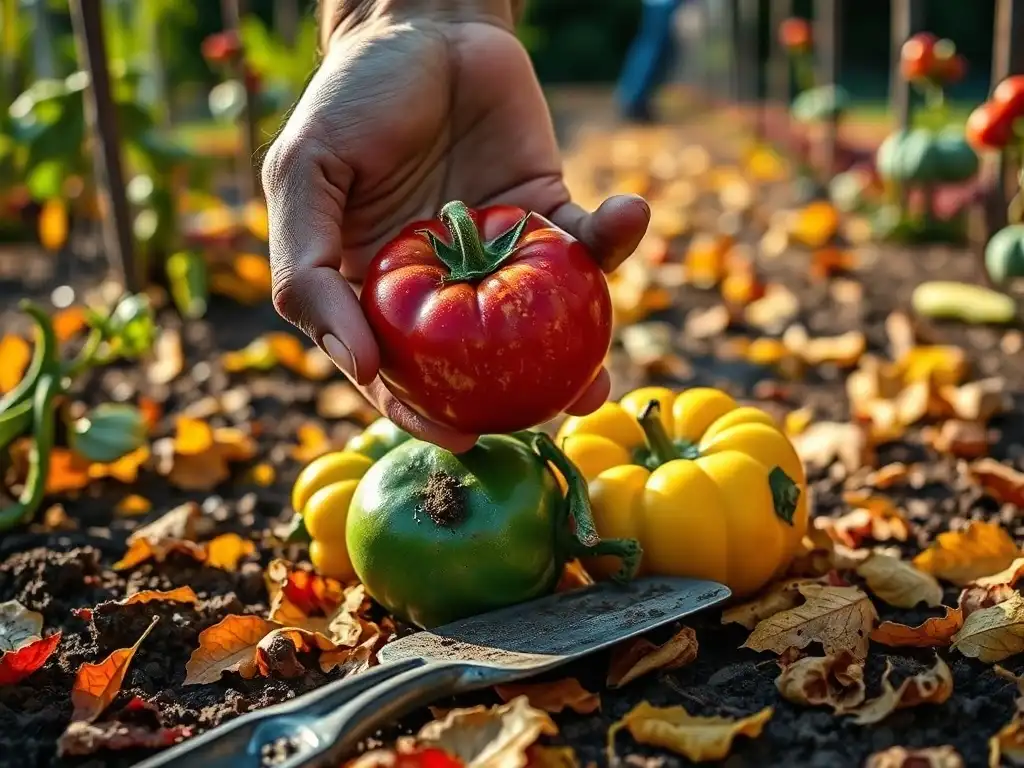
September marks the beginning of the fall harvest for many gardeners, a time of abundance and preparation for the coming winter months. A well-executed September gardening plan ensures you maximize your yield and protect your garden for the next growing season. This month's focus is on preserving your bounty and preparing your garden beds for a successful spring planting. This is crucial for any serious gardener aiming for a truly monthly organic gardening plan.
Preserving Fall Harvest: Canning, Freezing, and Drying Techniques
The fruits of your labor (literally!) are ready for harvesting. September brings a plethora of vegetables like pumpkins, squash, tomatoes (depending on your climate), peppers, and leafy greens to their peak ripeness. To enjoy these delicious harvests throughout the year, preserving techniques are essential. Let's explore three popular methods:
- Canning: Canning is a great way to preserve high-acid fruits and vegetables like tomatoes and pickles. It involves sterilizing jars, filling them with your produce and a preserving solution (often involving vinegar or sugar), sealing them tightly, and processing them in a boiling water bath to eliminate any bacteria. Proper canning techniques are crucial to ensure food safety. Improper canning can lead to spoilage and even botulism. Always consult a reliable guide or take a canning course before you begin.
- Freezing: Freezing is a simpler method suitable for a wide variety of produce. Blanching vegetables (briefly boiling them before freezing) helps retain their color, texture, and nutrients. Fruits can often be frozen without blanching, although some preparation—like slicing or pureeing—might be necessary. Properly labeling and dating your frozen produce ensures you know what's in your freezer and when it should be used.
- Drying: Drying is an excellent preservation method for herbs and some vegetables like peppers and tomatoes. You can dry produce using several techniques: air drying (allowing produce to dry naturally in a well-ventilated area), oven drying (using a low temperature oven), or a food dehydrator. Dried herbs and vegetables maintain their flavor and can be used in soups, stews, and other dishes throughout the winter. Remember that dried produce takes up less storage space than canned or frozen.
Preparing Your Garden for Winter
With the harvest mostly complete, it's time to prepare your garden for the winter months. This involves several crucial steps to ensure a healthy and productive garden next spring. A well-prepared garden is a cornerstone of any successful monthly organic gardening plan.
- Cleaning up: Remove all spent plants, weeds, and debris from your garden beds. This prevents the build-up of pests and diseases over the winter. Dispose of diseased plants properly to avoid spreading pathogens.
- Soil amendment: Improve your soil's structure and fertility by adding compost or other organic matter. This will enrich the soil, improve drainage, and prepare it for spring planting. Consider a soil test to determine any specific nutrient deficiencies.
- Cover cropping: Planting cover crops like rye or clover helps prevent soil erosion, suppress weeds, and add nutrients to the soil. These crops will be tilled into the soil in the spring, providing a natural fertilizer.
- Protecting vulnerable plants: If you have any plants that are sensitive to frost, take steps to protect them. This might involve covering them with frost cloth or moving them indoors.
Composting Fall Garden Debris
Instead of discarding your fall garden debris, consider composting it! Composting is a sustainable and environmentally friendly way to recycle plant material and create nutrient-rich soil amendment for your garden. It’s an essential practice in any monthly organic gardening plan focused on sustainability.
- What to compost: Most plant material, including leaves, stems, and vegetable scraps, can be added to your compost pile. Avoid adding diseased plants, meat, dairy products, or oily foods.
- Composting methods: You can create a compost pile using various methods, from simple heaps to more sophisticated bins. Regular turning of the compost pile helps speed up the decomposition process.
- Benefits of composting: Composting reduces landfill waste, improves soil fertility, and provides a natural alternative to chemical fertilizers. The resulting compost is rich in nutrients and beneficial microorganisms, creating healthier, more productive soil. This contributes directly to a successful harvest year after year, supporting your overall monthly organic gardening plan.
Remember, a successful September in the garden sets the stage for a bountiful harvest in the following year. By diligently following these steps, you'll be well on your way to achieving your year-round organic gardening goals! 🎉
October: Protecting Plants from Frost and Preparing for Winter
October marks a significant shift in the gardening calendar, transitioning from abundant harvests to preparing for winter's dormancy. This month is crucial for protecting your precious plants from the impending frost and ensuring your gardening tools are ready for the off-season. A well-executed October plan sets the stage for a successful next growing season, solidifying your commitment to a monthly organic gardening plan.
Protecting Tender Plants from Frost Damage
The first frost can strike unexpectedly, devastating tender plants that haven't been properly prepared. Protecting your vulnerable crops is paramount for preserving your harvest and ensuring the health of your plants going into winter. Several strategies can mitigate frost damage:
- Row Covers: Lightweight row covers provide excellent protection against light frosts. These breathable fabrics allow sunlight and air circulation while shielding plants from temperature drops. Ensure a snug fit around your plants to maximize effectiveness. Remember to remove the covers during the day when temperatures are above freezing to prevent overheating.
- Cold Frames: Cold frames offer more substantial protection than row covers, creating a microclimate that is warmer than the surrounding air. They are particularly useful for extending the growing season of more delicate plants like lettuces and spinach. Consider building a simple cold frame using readily available materials.
- Mulching: Applying a thick layer of mulch around the base of your plants helps insulate the soil, preventing temperature fluctuations and protecting roots from freezing. Organic mulches, such as straw or shredded leaves, are ideal for this purpose and contribute to soil health.
- Water Retention: Well-hydrated soil is less susceptible to freezing. A deep watering before a predicted frost can help protect your plants' roots from damage. This is especially important for plants that are already showing signs of stress.
- Relocation: For particularly delicate plants, consider relocating them indoors or to a sheltered location like a greenhouse or unheated garage. This offers the best protection from severe frost events.
Winterizing Your Garden Tools and Equipment
Properly storing your gardening tools and equipment is essential for extending their lifespan and ensuring they are ready for use in the spring. Neglecting this step can lead to rust, damage, and unnecessary expense. Here's a checklist to ensure your tools are winter-ready:
| Tool Type | Winterization Steps |
|---|---|
| Shovels & Spades | Clean thoroughly, dry completely, and apply a light coat of linseed oil to prevent rust. Store in a dry place. |
| Hand Tools (hoes, rakes) | Clean, dry, and sharpen blades. Store in a dry, well-ventilated area. |
| Watering Cans | Empty completely, rinse thoroughly, and store upside down to prevent standing water. |
| Hose | Drain completely and store in a protected area, preventing it from freezing. |
| Garden Furniture | Clean and store in a covered area or use protective covers to prevent damage from rain and snow. |
Remember to thoroughly clean and disinfect all tools before storing them to prevent the spread of diseases and pests next year. This is a crucial part of maintaining your organic gardening plan.
Planning for Next Year's Organic Garden
October provides the perfect opportunity to start planning for next year's garden. This proactive approach ensures a smooth transition into the new growing season and allows for thoughtful consideration of your garden's evolution.
- Seed Starting: For early spring crops, such as lettuce and spinach, you can start seeds indoors this month. This gives your plants a head start and allows for a longer growing season.
- Soil Testing: Conduct a soil test to determine nutrient levels and pH balance. This information will help you amend your soil accordingly, ensuring optimal conditions for your plants. Using organic amendments is crucial for maintaining the integrity of your monthly organic gardening plan.
- Compost Preparation: Begin composting yard waste and kitchen scraps to create nutrient-rich soil amendments for next year. A healthy compost pile is a cornerstone of sustainable and organic gardening practices.
- Garden Design: Review your past successes and failures, and plan your garden layout for next year. Consider crop rotation to minimize pest and disease problems and maximize yields. Sketch out your ideas, noting which plants you'll grow where, and consider companion planting strategies.
- Seed Ordering: Begin ordering seeds for next year's garden. Many seed companies offer catalogs and online ordering options, allowing you to plan ahead and secure your desired varieties.
By diligently following these steps, you'll ensure your garden thrives throughout the winter and is ready for a bountiful harvest next year. Remember, a successful monthly organic gardening plan requires consistent effort and thoughtful planning.
November: Winter Gardening and Seed Saving

November marks a transition in the gardening calendar for many, signaling the shift from abundant harvests to preparing for the dormant season. However, with careful planning, November can still be a productive month for the dedicated gardener, focusing on winter sowing techniques and preserving the bounty of the past growing season for future harvests. A well-executed November gardening plan contributes significantly to a successful year-round organic gardening strategy, ensuring a continuous supply of fresh produce. This month is crucial for implementing a robust monthly organic gardening plan.
Winter Sowing Techniques for Hardy Vegetables
Successfully cultivating vegetables through winter requires strategic planning and the selection of hardy varieties. Many root vegetables, such as carrots, parsnips, and beets, can overwinter in the ground, providing a delicious harvest even during freezing temperatures. The key is proper soil preparation and protection.
Here are some effective winter sowing techniques:
- Mulching: A thick layer (at least 4-6 inches) of organic mulch, such as straw or shredded leaves, provides insulation, preventing the soil from freezing completely and protecting roots from harsh weather. This method is particularly effective for preserving root crops.
- Cold Frames: Cold frames are simple structures that create a microclimate, extending the growing season into the colder months. These structures trap solar heat during the day and minimize heat loss at night. Hardy greens like kale, spinach, and chard thrive in cold frames.
- Row Covers: Lightweight row covers, also known as floating row covers, can be draped over vegetable beds to provide an extra layer of protection against frost and cold winds. These covers allow sunlight to penetrate while protecting plants from temperature fluctuations.
Remember that even with these techniques, some level of plant loss is possible during harsh winter conditions. Selecting cold-hardy varieties and providing adequate protection significantly increases your chances of success. Proper soil drainage is also crucial to prevent root rot. Monitoring your plants regularly and adjusting your protection strategies as needed will ensure optimal results. Consider supplementing your winter garden with greenhouse-grown seedlings for a more consistent supply of fresh produce.
Saving Seeds from Your Harvest for Next Year
Saving seeds from your organic harvest is a rewarding practice that saves money and ensures the continuation of your favorite varieties. November is an excellent time to focus on seed saving for many crops. However, the process differs depending on the plant.
Here's a simplified guide:
| Vegetable | Seed Saving Technique | Notes |
|---|---|---|
| Tomatoes | Allow fruits to fully ripen on the vine; extract seeds from the pulp, clean, and dry. | Select seeds from the healthiest and most productive plants. |
| Peppers | Similar to tomatoes; allow peppers to fully mature. | Ensure seeds are completely dry before storage to prevent mold. |
| Beans | Allow pods to dry completely on the plant; thresh to extract seeds. | Store seeds in a cool, dry, and dark place. |
| Lettuce | Allow some plants to bolt (flower); collect seeds from the seed heads. | Collect seeds when they are fully mature and brown. |
Remember to label your seeds clearly with the variety name and the year they were harvested. Proper storage is vital for seed viability. Storing seeds in airtight containers in a cool, dry, and dark place can extend their lifespan for several years. This practice contributes to the long-term sustainability of your monthly organic gardening plan.
Preparing Your Garden Beds for Winter
Preparing your garden beds in November is crucial for a successful next growing season. This involves several steps to improve soil health and prevent pest and disease problems.
- Clean-up: Remove all remaining plant debris and weeds from your garden beds. This helps prevent the overwintering of pests and diseases. Composting the healthy plant material adds valuable organic matter to your compost pile.
- Soil Amendment: Incorporate organic matter, such as compost or well-rotted manure, into your soil. This improves soil structure, drainage, and fertility, providing a nutrient-rich environment for your next season's plants. Adding a layer of compost also helps to suppress weeds.
- Cover Cropping: Planting cover crops, such as winter rye or clover, helps prevent soil erosion, suppress weeds, and improve soil health over the winter months. These crops add organic matter to the soil when tilled under in the spring.
By following these steps, you ensure your garden beds are well-prepared for the next growing season, setting the stage for a bountiful and sustainable harvest throughout the year. This preparation is a key component of a successful monthly organic gardening plan, ensuring healthy soil and thriving plants in the spring. Proper preparation now will significantly reduce your workload in the spring, allowing you to focus on planting and tending to your crops. 🌱
December: Planning for the Next Year's Organic Garden
December, the month of cozy evenings and holiday cheer, is also the perfect time for reflection and planning in the organic gardening world. While your garden might be dormant under a blanket of snow (depending on your climate), your mind should be buzzing with ideas for the coming year. This month is all about laying the groundwork for a bountiful, sustainable harvest in the months ahead. Let's dive into the key tasks for your December "Monthly organic gardening plan".
Reviewing Your Gardening Successes and Challenges
Before you start dreaming of lush tomato plants and vibrant peppers, take some time to assess your past year's gardening efforts. This crucial step in your monthly organic gardening plan will inform your decisions for the future. Grab a notebook and pen (or open a document on your computer) and honestly reflect on the following:
- What grew exceptionally well? Did you have a bumper crop of zucchini? Were your strawberries particularly sweet? Identifying your successes helps you repeat those wins next year. Perhaps you used a specific composting technique or a particular variety of seed that thrived – note it down!
- What struggled? Were certain plants susceptible to pests or diseases? Did you experience issues with soil drainage or nutrient deficiencies? Understanding your challenges is just as important as celebrating your successes. This allows you to proactively address potential problems before they arise next season. For example, if your tomatoes were plagued by blight, you might need to rotate your crops or choose blight-resistant varieties.
- What could you have done differently? Could you have improved your soil health? Did you water adequately? Perhaps you planted too densely, leading to competition for resources. Analyzing your mistakes will help you refine your techniques and achieve better results in the coming year.
Consider creating a simple table to organize your thoughts:
| Plant Type | Successes | Challenges | Lessons Learned |
|---|---|---|---|
| Tomatoes | Abundant yield, excellent flavor | Late blight infestation | Implement crop rotation and choose disease-resistant varieties |
| Zucchini | Very prolific, used many in recipes | Some squash borers | Monitor for pests and use organic pest control methods |
| Strawberries | Sweet berries, good yield | Some blossom end rot | Ensure consistent watering and adequate calcium levels |
This detailed review is a cornerstone of a successful "Monthly organic gardening plan," providing valuable insights for future planning.
Ordering Seeds and Seedlings for Next Year
With your past season's experiences analyzed, it's time to start planning for next year’s garden! December is an ideal time to order seeds and seedlings, especially if you're growing plants that require a longer growing season or need to be started indoors. Many seed companies offer catalogs and online ordering, allowing you to browse a vast selection of organic seeds and seedlings.
- Make a list: Based on your review, create a detailed list of the plants you want to grow next year. Consider diversifying your crops to ensure a year-round supply of fresh produce. Include quantities, varieties, and any specific requirements.
- Research varieties: Explore different varieties of your favorite plants. Some varieties might be better suited to your climate or have improved disease resistance.
- Consider starting seeds indoors: For plants with longer growing seasons, such as tomatoes, peppers, and eggplant, starting seeds indoors in late winter or early spring gives them a head start. This practice significantly extends the harvest season.
- Order early: Seed and seedling availability can be limited, particularly for popular varieties. Ordering early ensures you get what you need for your "Monthly organic gardening plan".
Setting Realistic Goals for Your Next Year's Garden
Finally, set realistic goals for your next year's organic garden. Avoid overwhelming yourself with ambitious plans that you might not be able to manage. Instead, focus on achievable objectives that will lead to a rewarding gardening experience.
- Start small if necessary: If you're a beginner, don't try to grow everything at once. Start with a few easy-to-grow vegetables and gradually expand your garden as you gain experience.
- Consider your time commitment: Gardening requires time and effort. Be realistic about how much time you can dedicate to your garden each week. Choose plants that are relatively low-maintenance if your time is limited.
- Plan for succession planting: Succession planting involves planting crops in stages to ensure a continuous harvest throughout the growing season. This technique maximizes your yield and extends the availability of fresh produce. This is vital for a comprehensive "Monthly organic gardening plan".
- Document your plan: Write down your goals, plant selection, planting schedule, and any other relevant information. This will serve as a valuable reference throughout the growing season. A well-documented plan ensures you stay organized and on track.
By carefully reviewing your past gardening experiences, ordering seeds and seedlings early, and setting realistic goals, you'll lay the foundation for a successful and rewarding organic gardening year. Remember, planning is key to a thriving "Monthly organic gardening plan"! 🎉
Resources and Further Learning: Cultivating Your Knowledge
This section provides valuable resources to deepen your understanding of organic gardening and help you refine your monthly organic gardening plan. We'll explore recommended reading, community engagement, and pathways to further self-sufficiency. Remember, consistent learning is key to a thriving garden and a bountiful harvest.
Recommended Books and Websites for Organic Gardening
Expanding your knowledge base is crucial for successful organic gardening. There's a wealth of information available, both online and in print, to support your journey. Here are some excellent starting points:
- Books:
- The Vegetable Gardener's Bible: A comprehensive guide covering various aspects of vegetable gardening, including organic practices. It's a great resource for beginners and experienced gardeners alike.
- Rodale's Illustrated Encyclopedia of Organic Gardening: This encyclopedia offers in-depth information on a wide range of organic gardening topics, making it an invaluable reference tool.
- Gaia's Garden: A permaculture-focused book that explores designing self-sustaining ecosystems in your garden, promoting biodiversity and reducing reliance on external inputs.
- Websites:
- Many reputable websites offer detailed guides and articles on organic gardening techniques. Look for websites with a strong focus on practical advice and verifiable information, often backed by scientific research. Be wary of sites promoting unproven methods.
- Consider joining online forums and communities dedicated to organic gardening. These platforms offer opportunities to connect with experienced gardeners, ask questions, and share your own experiences. The collective knowledge within these communities is invaluable.
The best resources will depend on your specific needs and preferences. Start with one or two resources and expand your reading list as you progress. Remember to critically evaluate the information you find and to prioritize sources with a strong track record of reliable information. This will ensure your monthly organic gardening plan is based on sound practices.
Joining Local Gardening Communities and Organizations
Connecting with other gardeners is an excellent way to learn, share experiences, and gain support. Local gardening communities offer a unique opportunity to learn from those with hands-on experience in your specific region.
- Local Gardening Clubs: Many towns and cities have gardening clubs that meet regularly. These clubs provide a platform to share knowledge, exchange seeds and plants, and receive advice from experienced gardeners. Participation often involves workshops, field trips, and social events.
- Community Gardens: Community gardens offer shared plots where you can cultivate your own plants while interacting with other gardeners. This collaborative environment fosters learning and shared responsibility for maintaining a healthy and productive garden.
- Master Gardener Programs: These programs, often run through universities or agricultural extensions, offer training and certification in various aspects of gardening, including organic practices. Master Gardeners often volunteer their time to assist the community with gardening projects and provide valuable advice.
Actively participating in these communities will significantly enhance your gardening skills and provide a supportive network for your monthly organic gardening plan. The exchange of knowledge and experiences is invaluable for continuous improvement.
Continuing Your Journey Towards Self-Sufficiency Through Organic Gardening
Self-sufficiency in food production is a rewarding goal, and organic gardening plays a vital role in achieving it. To sustain your efforts and expand your capabilities, consider these steps:
- Advanced Organic Techniques: Explore advanced techniques like composting, vermicomposting, and seed saving to reduce your reliance on external resources. Mastering these skills will significantly reduce your environmental impact and increase your self-sufficiency.
- Preservation Techniques: Learn how to preserve your harvest through canning, freezing, drying, and fermenting. This ensures you can enjoy the fruits (and vegetables!) of your labor throughout the year, maximizing the yields from your monthly organic gardening plan.
- Expanding Your Garden: As your skills and confidence grow, consider expanding your garden space to cultivate a wider variety of fruits, vegetables, and herbs. This will increase the diversity of your food supply and enhance your self-reliance.
Remember that self-sufficiency is a gradual process. Celebrate your successes along the way, and don't be afraid to experiment and learn from your mistakes. The journey towards greater self-sufficiency through organic gardening is both challenging and incredibly rewarding. Your commitment to a monthly organic gardening plan will be a significant step in this direction. 🌱
Frequently Asked Questions
What is a monthly organic gardening plan?
A monthly organic gardening plan is a schedule that outlines the tasks needed for your garden each month to ensure a consistent harvest of fruits, vegetables, and herbs throughout the year. It considers seasonal changes and organic growing practices.
How does this plan help me with my organic garden?
This plan helps you optimize your planting and harvesting, ensuring you get the most out of your garden all year round. It also guides you on organic pest control and soil management for healthy growth.
Are there different plans for different climates?
Yes, the specific tasks will vary based on your climate. Our guide provides general guidelines adaptable to various regions, but you should adjust based on your local growing season and weather conditions.
What kind of organic practices are included in the plan?
The plan emphasizes sustainable and organic practices, such as composting, natural pest control, and choosing organic seeds and fertilizers. It avoids the use of synthetic pesticides and herbicides.
Can beginners use this monthly organic gardening plan?
Absolutely! The plan is designed to be accessible to all levels of gardeners. It provides clear instructions and explanations, making it easy to follow even for beginners. It includes tips for success at each stage.
Final Reflection: Harvesting the Abundance of Sustainable Living
The pursuit of a year-round harvest isn't merely a hobby; it's a vital step towards reclaiming our connection with nature and building a more resilient food system. In a world grappling with climate change and food insecurity, understanding the rhythms of the earth and cultivating our own food becomes increasingly crucial. This knowledge empowers us to take control of our sustenance, reducing our reliance on often unsustainable industrial agriculture.
The journey of planning a monthly organic gardening plan has profoundly impacted my own life, shifting my perspective from a passive consumer to an active participant in the food cycle. It's a journey of constant learning, adaptation, and deep satisfaction. The rewards extend far beyond the bounty of fresh produce; it's about fostering a mindful relationship with the natural world. The glory of gardening: hands in the dirt, head in the sun, heart with nature. To nurture a garden is to feed not just the body, but the soul.
This quote perfectly encapsulates the transformative power of cultivating our own food.
Now, it's your turn. Consider the seeds of knowledge you've sown today. What small steps can you take to integrate sustainable practices into your life? Perhaps it's starting a small herb garden on your windowsill, joining a community garden, or simply learning more about seasonal eating. Embrace the opportunity to connect with the earth, nurture your own food, and contribute to a healthier, more sustainable future. The harvest awaits.
Unlock Your Year-Round Bounty!
Thank you for exploring the world of year-round harvesting with CultivateYourFood! We hope you've found valuable insights and inspiration to enhance your gardening. Now, let's put that knowledge into practice.
- Start planning your next garden now! Use the principles from this article to create a planting calendar suited to your climate and preferences. Consider which crops will thrive using succession planting.
- Share your gardening experiences—both successes and challenges—with our community in the comments below. Let's learn from one another!
- Explore our other resources on the CultivateYourFood website for more tips and tricks to maximize your harvest.
Ready to transform your garden into a year-round source of fresh, delicious food? What's your first step to realizing this vision?