
Seed Saving and Pest Management: Protecting Your Seeds from Infestations

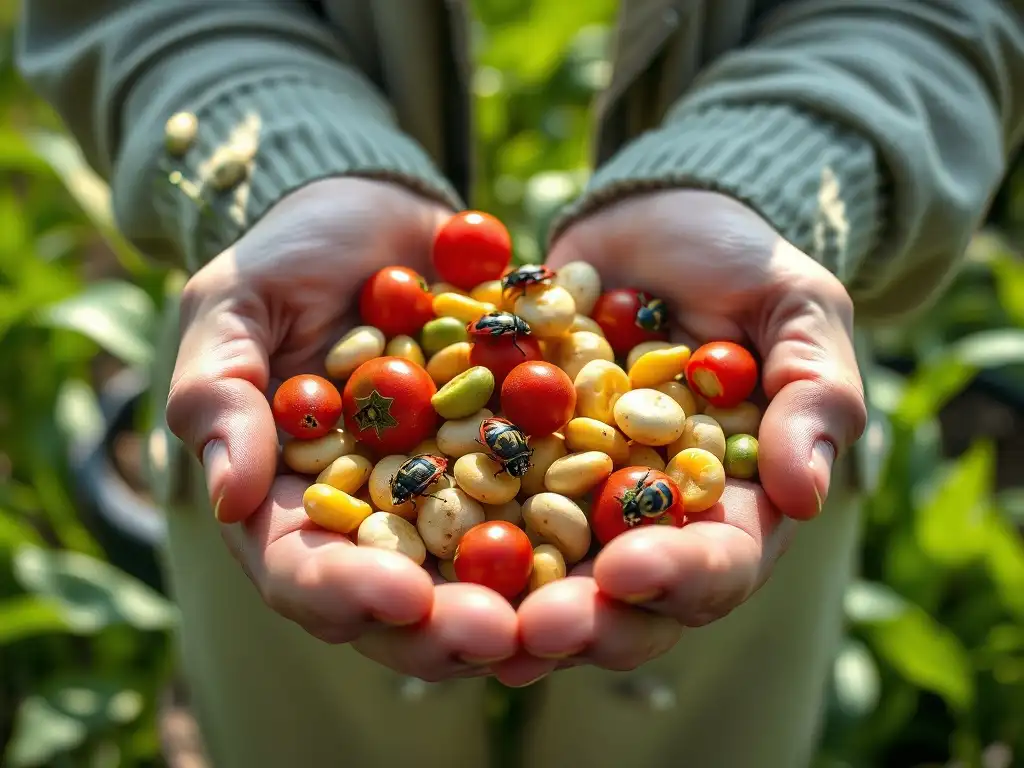
Welcome to CultivateYourFood, your guide to a bountiful and sustainable harvest! Are you ready to take control of your food source and embrace the rewarding journey of homegrown goodness? Learn how to save seeds and implement organic pest control methods, ensuring healthy plants and a thriving garden.
This is more than just gardening; it's about nurturing a connection with nature and building self-sufficiency, one seed at a time. Discover the secrets to saving seeds and protecting your precious crop from infestations in our comprehensive guide on "Seed Saving and Pest Management: Protecting Your Seeds from Infestations," a vital part of our Gardening for Self-Sufficiency series. Let's cultivate a greener future, together!
- Understanding the Importance of Organic Seed Saving and Pest Control
- Identifying Common Seed Pests and Diseases
- Organic Pest Management Strategies for Seed Saving
- Long-Term Seed Storage and Pest Prevention
- Dealing with Infested Seeds: Remediation Techniques
- Resources for Organic Seed Saving and Pest Control
- Frequently Asked Questions
- Final Reflection: The Enduring Legacy of Seed Saving
- Unlock Your Seed-Saving Success!
Understanding the Importance of Organic Seed Saving and Pest Control
Saving your own seeds is a rewarding aspect of gardening, offering a direct connection to the food you grow and contributing to biodiversity. This practice, however, requires careful consideration of pest control methods, especially if you aim to maintain the health and viability of your seeds for future planting seasons. This article explores the crucial intersection of seed saving and organic pest management, providing practical strategies to protect your precious seeds from infestations and ensure a bountiful harvest year after year.
We will delve into the benefits of saving your own seeds, the risks associated with pest contamination, and the selection of healthy parent plants to maximize your success in this sustainable gardening practice. By combining effective seed-saving techniques with organic pest control methods, you can cultivate a thriving garden while minimizing your environmental impact and ensuring the long-term health of your plants.
This holistic approach is essential for those aiming for self-sufficiency and a deeper understanding of the entire gardening process, from seed to table. Let's explore how to effectively integrate "Save seeds pest control organically" into your gardening routine.
Why Save Your Own Seeds? Benefits of Seed Saving for Home Gardeners
Saving seeds offers numerous advantages for the home gardener. It's a cost-effective way to replenish your seed supply, reducing reliance on commercially produced seeds which can sometimes be treated with chemicals. Saving seeds allows you to maintain specific plant varieties adapted to your local climate and soil conditions, ensuring better germination rates and stronger plants. Furthermore, seed saving contributes to the preservation of heirloom varieties and genetic diversity, safeguarding unique characteristics that might otherwise be lost.
It fosters a deeper connection with your garden and empowers you to actively participate in the cycle of life. The satisfaction of nurturing a plant from seed to harvest, then saving seeds for the next generation, is unparalleled. The act of saving seeds itself becomes a rewarding and educational experience, enriching your gardening journey.
Saving seeds also reduces your carbon footprint. By reducing the need for commercially produced and packaged seeds, you lessen the demand for transportation and manufacturing, contributing to a more sustainable gardening practice.
The Risks of Pests and Diseases in Seed Storage: Preventing Contamination
Storing seeds improperly can lead to significant losses due to pest infestations and diseases. Common culprits include insects like weevils, moths, and mites, which can feed on the seeds, rendering them unviable. Fungal diseases can also develop in damp or poorly ventilated storage conditions, leading to seed rot and decay. To mitigate these risks, proper seed cleaning and drying are crucial.
Thoroughly cleaning seeds removes debris and reduces the initial pest load. Subsequently, drying seeds to a low moisture content inhibits fungal growth and reduces the attractiveness of seeds to insects. Appropriate storage containers are essential. Airtight containers made of glass or metal help prevent moisture buildup and insect entry.
Storing seeds in a cool, dark, and dry location further minimizes the risk of damage. Regular inspection of stored seeds is also vital; any signs of infestation or fungal growth should be addressed promptly to prevent widespread contamination. Consider using natural repellents like cedar chips or diatomaceous earth in your storage containers to deter insects.
Choosing the Right Seeds for Saving: Selecting Healthy Parent Plants
The success of seed saving hinges on selecting healthy and vigorous parent plants. These plants should exhibit desirable traits, such as disease resistance, high yield, and desirable flavor. Avoid plants showing signs of disease or pest damage, as these characteristics can be passed on to the next generation.
Choose plants that are true to type, meaning they consistently exhibit the characteristics you want to preserve. It is advisable to select several plants within a variety, ensuring genetic diversity in your saved seeds. Observe the plants throughout the growing season, noting their performance and overall health.
Select seeds from the healthiest and most productive plants for the best results. By carefully choosing your parent plants, you lay the foundation for successful seed saving and the cultivation of healthy and productive plants in future seasons. This careful selection process is a cornerstone of preserving desirable plant characteristics and improving your garden's overall productivity over time.
Identifying Common Seed Pests and Diseases
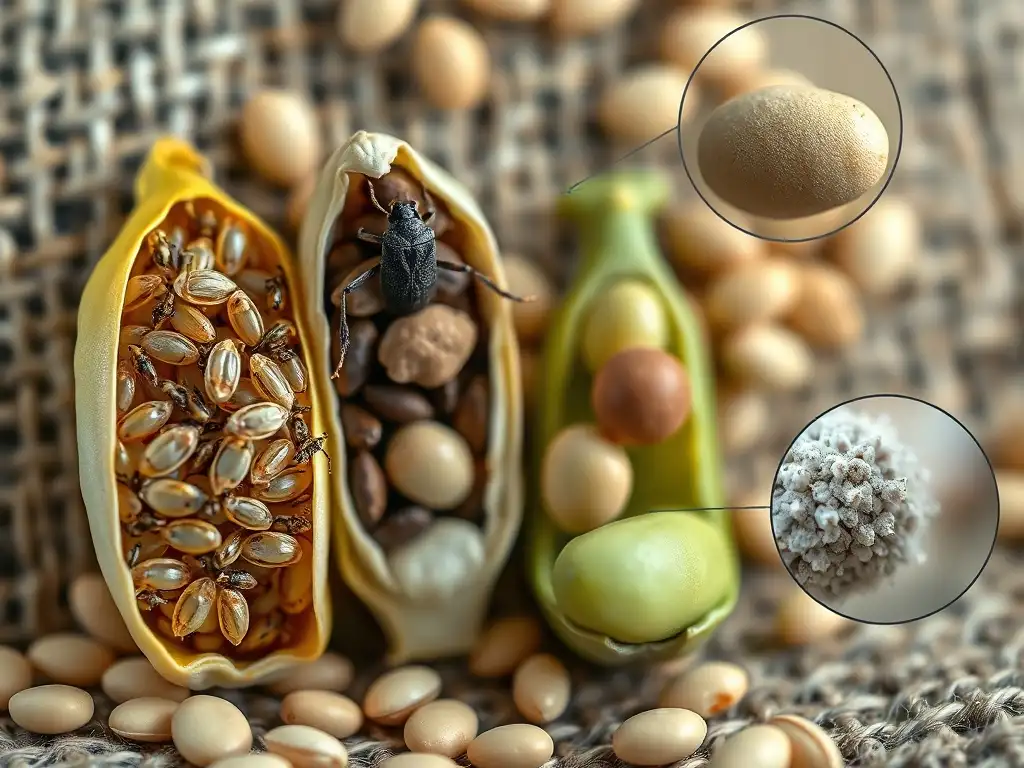
Saving seeds organically is a rewarding practice, but protecting your precious harvest from pests and diseases is crucial for success. Understanding the common threats to your seed collection is the first step towards effective, organic pest control. This section will equip you with the knowledge to identify and address these issues, ensuring a healthy and bountiful future harvest.
Recognizing Pests: Identifying Common Insects and Mites
Several insects and mites can infest stored seeds, causing significant damage and reducing germination rates. Early identification is key to preventing widespread problems. Here's a breakdown of some common culprits:
- Grain weevils (Sitophilus granarius): These small, brown beetles bore into seeds, leaving behind their larvae and causing significant damage. You'll often find small holes in infested seeds, along with the presence of adult weevils or their larvae. Look for fine, powdery frass (insect droppings) as another telltale sign.
- Saw-toothed grain beetles (Oryzaephilus surinamensis): These flat, elongated beetles are another common seed pest. They prefer seeds with higher moisture content and can quickly infest large quantities of seed. Their presence is often indicated by the presence of small, elongated holes in the seeds and noticeable chewing damage.
- Indian meal moths (Plodia interpunctella): These moths don't directly feed on seeds but their larvae spin webs and contaminate stored seeds with webbing and frass. Their presence is usually indicated by webbing in and around your seed storage containers, along with small, active larvae.
- Mites: Various mite species can infest seeds, feeding on seed oils and causing damage that reduces germination. These tiny arachnids are difficult to see with the naked eye, but their presence may be indicated by fine webbing or a visible dusting of fine particles on the seeds.
Recognizing Diseases: Spotting Fungal and Bacterial Issues in Seeds
In addition to insect pests, fungal and bacterial diseases can significantly impact seed viability. These pathogens can reduce germination rates, weaken seedlings, and even transmit diseases to future plants. Here are some common issues to watch out for:
- Seed rot: This is often caused by fungi and bacteria that thrive in damp conditions. Seeds affected by rot will appear soft, discolored, and may have a slimy or moldy texture. Preventing seed rot involves proper drying and storage in a cool, dry environment.
- Seedborne fungal diseases: Many fungi can survive on or within seeds, causing disease in the next generation of plants. These infections might not be visually apparent until seedlings emerge, showing symptoms such as damping-off (seedling death) or leaf spots. Careful seed selection and treatment can help mitigate this risk.
- Bacterial diseases: Bacteria can also contaminate seeds, causing various diseases in seedlings and mature plants. Symptoms can vary depending on the specific bacteria involved but often include wilting, discoloration, or stunted growth.
Maintaining seed cleanliness and proper storage conditions is vital for preventing the growth of fungal and bacterial pathogens.
Early Detection: Signs of Infestation in Your Seed Collection
Regular inspection of your seed collection is crucial for early detection of pests and diseases. Here are some key signs to watch for:
- Visible insects: The presence of adult insects, larvae, or pupae is a clear indication of infestation. Carefully examine your seeds and storage containers.
- Damage to seeds: Holes, webbing, or other signs of chewing or feeding damage suggest insect activity. Check for discoloration, unusual textures, or signs of decay.
- Dust and frass: Fine powdery particles or insect droppings indicate pest activity. Pay close attention to the bottom of storage containers.
- Unusual odors: A musty, sour, or otherwise unpleasant odor emanating from your seed collection can signal fungal or bacterial growth.
- Reduced germination rates: If a significant portion of your seeds fail to germinate, it could be due to pest damage or disease. Keep detailed records of germination rates to identify potential problems.
A proactive approach to seed saving, including careful cleaning, proper drying, and regular inspection, is essential for maintaining healthy seeds and preventing infestations. Remember, early detection is key to successful organic pest control and ensuring a thriving garden for years to come.
Organic Pest Management Strategies for Seed Saving
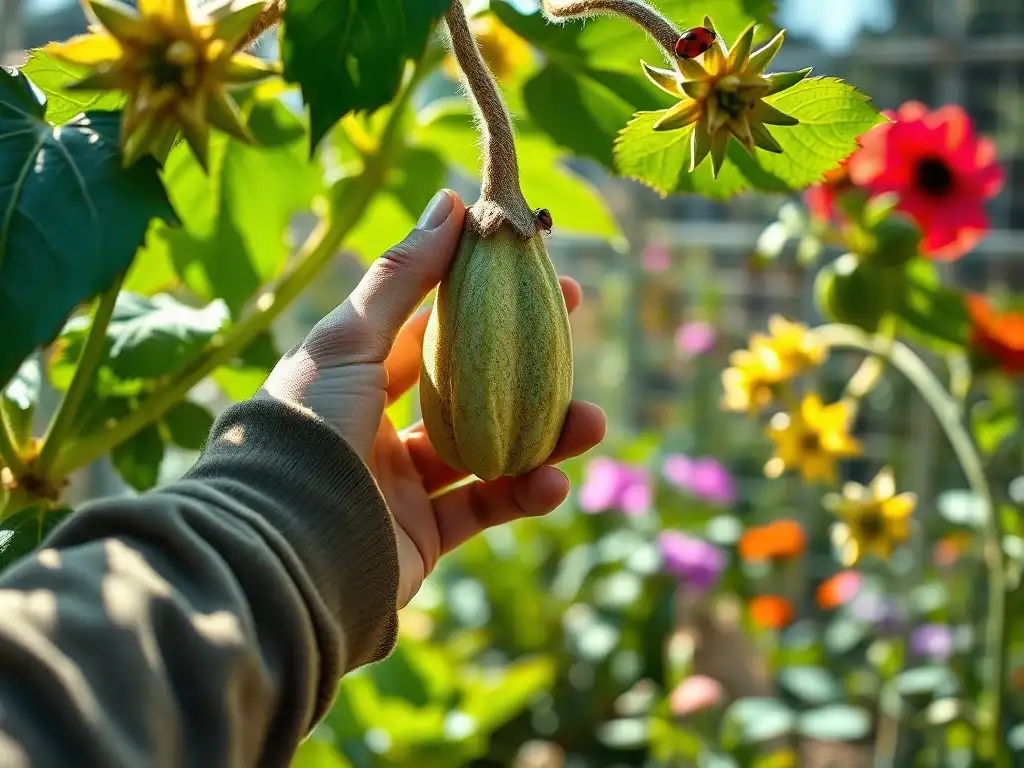
This section details organic pest control methods crucial for successful seed saving, ensuring healthy seeds for future harvests. Protecting your seeds from pests is vital for maintaining the genetic integrity and viability of your plants. We'll explore pre- and post-harvest techniques, focusing on environmentally friendly approaches to safeguard your valuable seed stock. Successfully implementing these strategies will allow you to Save seeds pest control organically, building a resilient and thriving garden year after year.
Pre-Harvest Strategies: Protecting Plants from Pests Before Seed Collection
Protecting your plants from pests before seed collection is the first line of defense in organic seed saving. A healthy plant produces healthy seeds. This involves proactive measures throughout the growing season. Regular plant inspections are paramount. Look for signs of infestation, such as chewed leaves, wilting, or the presence of insects or their larvae. Early detection allows for swift intervention, minimizing damage.
Several organic strategies can be employed:
- Companion Planting: Strategic planting of certain species can deter pests. For example, planting marigolds alongside tomatoes can repel tomato hornworms. Basil near peppers can also help deter pests. Experimentation and observation are key to finding the best companion plants for your specific garden and pest pressures.
- Beneficial Insects: Encouraging beneficial insects, such as ladybugs and lacewings, provides natural pest control. These insects prey on many common garden pests, reducing the need for chemical interventions. Providing habitat for these beneficials, such as leaving some areas slightly unkempt or planting flowering plants that attract them, is crucial.
- Physical Barriers: Row covers can protect seedlings and young plants from many pests. These lightweight fabrics allow sunlight and air to reach plants while preventing insects from accessing them. Additionally, hand-picking pests from plants is effective for smaller infestations, especially when dealing with caterpillars or slugs.
- Crop Rotation: Rotating your crops yearly disrupts pest life cycles. Pests often thrive on specific plants, so changing the location of your crops can significantly reduce their populations. This is a preventative measure that builds long-term pest resistance in your garden.
Post-Harvest Cleaning and Drying Techniques: Removing Debris and Pests
Once harvested, seeds require thorough cleaning and drying to eliminate any remaining pests and debris. This crucial step ensures the long-term viability and health of your saved seeds. Improper cleaning can lead to mold, infestation, and ultimately, seed failure.
The cleaning process typically involves several steps:
- Initial Cleaning: Remove any excess plant material, such as stems, leaves, and chaff. This can be done manually or with a simple sieve.
- Washing (When Necessary): Some seeds benefit from a gentle washing to remove clinging dirt and debris. Always allow seeds to thoroughly dry afterward to prevent mold growth.
- Drying: Proper drying is essential. Seeds should be spread thinly on a screen or tray in a well-ventilated area, away from direct sunlight. The drying process must be slow and gradual to prevent damage to the seeds. Regular monitoring is necessary to ensure proper drying and prevent mold. Consider using a dehydrator for optimal control over the drying process, especially in humid climates.
- Final Cleaning: After drying, a final inspection and cleaning may be necessary to remove any remaining debris or pests. A fine-mesh sieve can be helpful in this stage. Discard any seeds that show signs of damage or infestation.
Natural Repellents and Insecticides: Safeguarding Seeds with Organic Methods
Even with pre- and post-harvest measures, some pests may persist. Organic repellents and insecticides offer a safe and effective way to address lingering issues. These methods prioritize the health of your seeds and the environment, avoiding harmful chemicals.
Several effective options exist:
- Neem Oil: A natural insecticide derived from the neem tree, neem oil is effective against a wide range of pests. It disrupts insect life cycles, preventing reproduction and infestation. Always dilute neem oil according to package instructions.
- Diatomaceous Earth (DE): This naturally occurring sedimentary rock, when finely ground, acts as a desiccant, dehydrating insects and causing them to die. It's a safe and effective option for controlling crawling insects. Apply DE as a dust around plants or on stored seeds.
- Insecticidal Soap: This soap-based solution disrupts the cell membranes of insects, causing them to dehydrate and die. It's effective against soft-bodied insects like aphids and spider mites. Always follow instructions carefully, as improper use can damage plants.
- Peppermint Oil: The strong scent of peppermint oil repels many insects. You can use it as a spray, diluting a few drops of peppermint essential oil in water. This is a particularly effective repellent for ants and other crawling insects.
Remember, consistent monitoring and a multi-pronged approach are key to successful organic seed saving. By combining pre-harvest protection, thorough post-harvest cleaning, and natural pest control methods, you can ensure a bountiful harvest of healthy seeds for years to come, effectively implementing Save seeds pest control organically.
Storage Techniques to Prevent Pest Infestation: Maintaining Seed Viability
Proper storage is paramount in preventing pest infestations and maintaining seed viability for future planting seasons. Seeds, particularly those rich in oils or proteins, are attractive to a variety of pests, including insects, rodents, and even fungi. The goal is to create an environment that is both inhospitable to pests and conducive to long-term seed health. This involves controlling temperature, humidity, and light exposure.
One crucial aspect is maintaining a cool, dry environment. High temperatures accelerate seed aging and germination, reducing viability and increasing susceptibility to pests. Ideal storage temperatures typically range between 32°F and 41°F (0°C and 5°C). A refrigerator's crisper drawer often provides a suitable environment, although specific temperature monitoring is recommended. Avoid freezing seeds unless specifically recommended for the species, as freezing can damage cellular structures.
Humidity is another critical factor. High humidity fosters mold and fungal growth, which can quickly ruin a seed batch. Aim for a relative humidity level below 30%. Using airtight containers made of glass or food-grade plastic is vital. These containers prevent moisture from entering and protect seeds from atmospheric changes. Silica gel packets, commonly found in shoe boxes and other packaged goods, can be included in the containers to absorb excess moisture. Regularly checking for condensation is crucial; if present, it indicates too much humidity.
Light exposure also influences seed viability and attracts pests. Many seeds are sensitive to light, and prolonged exposure can reduce germination rates. Storing seeds in dark, opaque containers is essential. This could be a dark closet, a drawer, or even a purpose-built seed storage box lined with dark material. Remember to clearly label your containers with the seed type, variety, and date of harvest.
Finally, regular inspection is key. Periodically check your stored seeds for any signs of infestation, such as insect frass (insect droppings), webbing, or unusual odors. Early detection allows for prompt action, preventing widespread damage. If you notice any problems, immediately quarantine the affected seeds to prevent the spread of pests to other batches. Discard infested seeds to avoid contaminating future harvests. Implementing these storage techniques significantly improves the chances of having viable, pest-free seeds for your next planting season, ensuring the success of your organic gardening efforts and maximizing your “save seeds pest control organically” strategy.
Long-Term Seed Storage and Pest Prevention
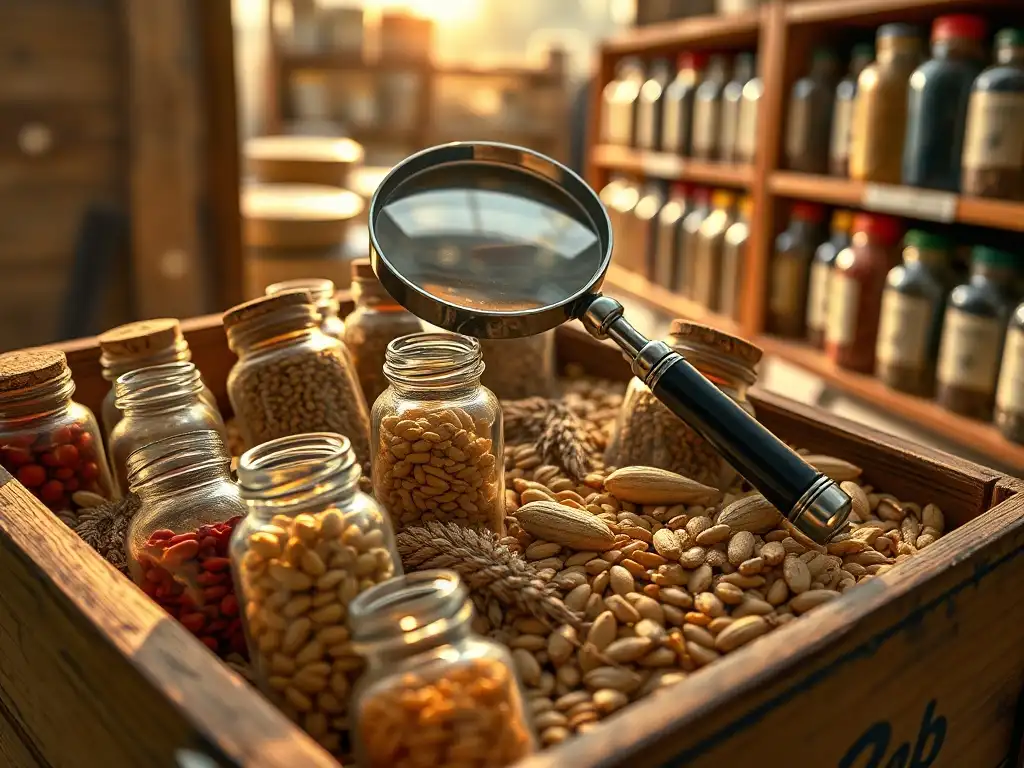
Saving seeds organically requires diligent effort not only during the growing season but also throughout the storage period. Proper storage is crucial for maintaining seed viability and preventing pest infestations that can compromise your future harvests. This section focuses on strategies to safeguard your precious seeds for years to come, allowing you to cultivate your food sustainably and organically. We'll explore the importance of optimal storage conditions and proactive pest management techniques to ensure the longevity and health of your saved seeds. Successfully implementing these methods will contribute significantly to your overall seed saving and pest control organically.
Proper Seed Storage Conditions: Temperature, Humidity, and Air Circulation
Maintaining the right temperature, humidity, and air circulation is paramount for long-term seed storage. Fluctuations in these factors can significantly impact seed viability and increase the risk of pest infestation. Ideal conditions mimic those found in nature during seed dormancy.
Optimal temperature for most seeds lies between 33°F and 41°F (0°C and 5°C). Consistent low temperatures slow down metabolic processes within the seeds, extending their lifespan. Avoid temperature extremes, as both freezing and excessively high temperatures can damage seeds. Consider using a refrigerator or a dedicated seed storage container that maintains a stable temperature.
Humidity is another critical factor. High humidity fosters mold growth and fungal diseases, while excessively low humidity can lead to seed desiccation and reduced germination rates. The ideal relative humidity for seed storage is generally between 30% and 40%. Using a humidity-controlled storage unit or employing desiccant packets within airtight containers can help regulate humidity levels.
Adequate air circulation prevents condensation and the build-up of moisture, which are both conducive to pest and mold growth. Avoid storing seeds in airtight containers without sufficient space for air movement. Slightly porous containers or the incorporation of small ventilation holes can improve air circulation without compromising seed protection.
Regular Inspection of Seeds: Monitoring for Signs of Infestation
Regular inspection of your stored seeds is crucial for early detection of any infestation. Even with optimal storage conditions, pests can occasionally find their way into your seed collection. Proactive monitoring allows for timely intervention and prevents widespread damage.
Ideally, inspect your seeds every three to six months. Look for signs of insect activity, such as webbing, frass (insect droppings), or the presence of adult insects or larvae. Check for mold growth, which appears as fuzzy patches or discoloration on the seeds. Inspect for unusual smells, as some pests can produce distinctive odors.
If you discover any signs of infestation, immediately isolate the affected seeds to prevent the spread of pests to other seed batches. Discard severely infested seeds. For seeds with minor infestations, consider gently cleaning them with a soft brush and then storing them in new, clean containers, ideally after treating them with appropriate organic methods (e.g., freezing for a few days). Remember to thoroughly clean and disinfect your storage containers before reusing them.
Rotation of Seed Stocks: Preventing Pest Build-up Over Time
Rotating seed stocks is a preventative measure that minimizes the risk of pest build-up and maintains seed quality over time. Similar to crop rotation in a garden, rotating your stored seeds prevents the accumulation of pests and pathogens that might be specific to certain seed types.
Instead of keeping large quantities of the same seed type stored for extended periods, consider using a "first-in, first-out" approach. Use the oldest seeds first and replenish your stock with newly saved seeds each year. This strategy minimizes the risk of pest infestations and ensures that you are always working with viable seeds.
Proper labeling is key to effective seed rotation. Clearly label each container with the seed type, year of harvest, and date of storage. This allows for easy tracking and ensures that you use the oldest seeds first. By implementing a system of seed rotation and regular inventory, you can significantly reduce the risk of pest problems and maximize the longevity of your seed collection, ensuring organic and successful harvests year after year.
Dealing with Infested Seeds: Remediation Techniques
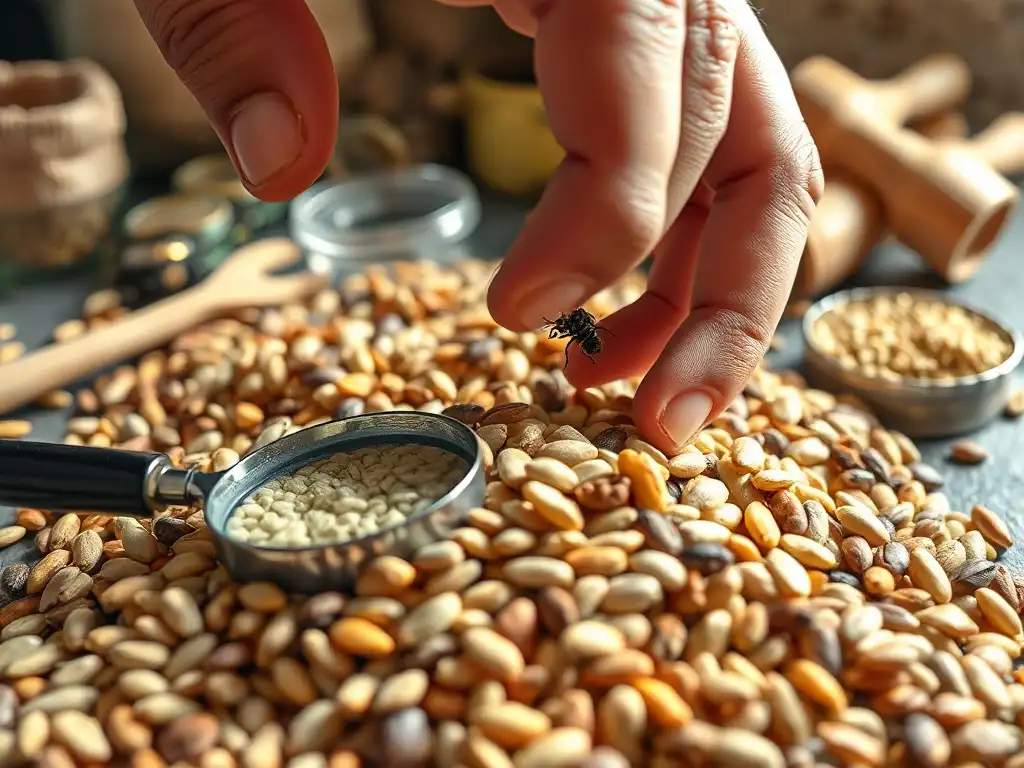
Seed saving, a cornerstone of sustainable gardening and a key practice for achieving self-sufficiency, can sometimes be challenged by pest infestations. Discovering insects or fungal diseases in your carefully saved seeds is disheartening, but not necessarily a reason to despair. Effective remediation techniques exist, allowing you to salvage many seeds and minimize losses.
The key is early detection and prompt action using organic methods that align with sustainable gardening principles. This section focuses on practical steps to address seed infestations organically, prioritizing the health of your future crops and the environment. Saving seeds pest control organically requires a multi-pronged approach.
Identifying the Source of Infestation: Tracing the Problem Back to its Origin
Before implementing any remediation strategy, understanding the source of the infestation is crucial. This detective work helps prevent future problems. Common culprits include:
- Improper Storage: High humidity and temperatures create ideal breeding grounds for insects and fungi. Seeds stored in damp, poorly ventilated containers are more susceptible.
- Infested Parent Plants: Pests present on the parent plant during seed development can easily contaminate the seeds themselves. Careful monitoring of plants during the growing season is essential for preventative seed saving pest control.
- Contaminated Storage Areas: Insects can infest entire storage areas, contaminating multiple seed batches. Regular cleaning and inspection of storage spaces are vital.
- Insufficient Drying: Seeds that haven't been thoroughly dried before storage retain moisture, promoting fungal growth and attracting insects.
Detailed records, including planting dates, harvest dates, storage conditions, and any observed pest activity on the parent plants, are invaluable in pinpointing the source. For example, if you consistently find weevils in your bean seeds, you might need to investigate the storage conditions or the health of your bean plants during the previous growing season. Careful observation and meticulous record-keeping are essential aspects of organic seed saving pest control.
Cleaning and Treating Infested Seeds: Organic Methods for Seed Purification
Once the source is identified, organic methods can effectively treat lightly infested seeds. Several techniques can be employed:
- Handpicking: For seeds with visible insect damage or infestation, carefully handpick and discard the affected seeds. This simple method is effective for small quantities and easily removes larger pests.
- Sifting: Using sieves with varying mesh sizes, separate seeds from debris and smaller insects. This is particularly useful for removing frass (insect droppings) and tiny insects.
- Air Drying: Spread infested seeds thinly on a clean, dry surface for several days to allow excess moisture to evaporate. This can help deter fungal growth and discourage some insects.
- Sunning: Expose seeds to direct sunlight for several hours. The heat can kill some insects and their larvae. Monitor carefully to avoid overheating and damaging seeds.
- Freezing: Place seeds in sealed containers and freeze them for several days. The sub-zero temperatures kill many insects and their eggs.
The effectiveness of these methods depends on the severity of the infestation and the type of pest. For example, freezing is highly effective against insects but may not eliminate fungal spores. Combining several methods often yields the best results. Remember, organic seed saving pest control requires patience and attention to detail.
Discarding Severely Infested Seeds: When to Cut Your Losses
Despite best efforts, some seed batches may be too severely infested to salvage. In these cases, it's crucial to avoid spreading the infestation. Discarding severely infested seeds is essential for protecting your other seed stocks and ensuring the health of your future crops. This step, while seemingly wasteful, is a vital part of responsible seed saving practices. Recognizing when to cut your losses prevents the spread of pests and diseases, ensuring the success of your future harvests.
Composting severely infested seeds is generally not recommended, as it risks spreading the infestation to your compost pile and subsequently to your garden. Instead, discard them in sealed bags and dispose of them appropriately. Remember, preventing future infestations is far more efficient than treating existing ones. Therefore, meticulous storage, regular inspection, and careful monitoring of parent plants are vital aspects of successful organic seed saving.
Resources for Organic Seed Saving and Pest Control
This section details resources crucial for successfully saving seeds organically while simultaneously managing pest infestations. Protecting your harvest and ensuring viable seeds for the next planting season requires a multifaceted approach, combining preventative measures with effective, environmentally friendly pest control. We'll explore both product recommendations and community support to empower your seed-saving journey.
Recommended Organic Pest Control Products for Seeds
Choosing the right organic pest control products is paramount for protecting your seeds without harming beneficial insects or contaminating your future crops. The effectiveness of each product depends heavily on the specific pest you're combating. Remember to always follow product instructions carefully.
Here's a breakdown of some commonly recommended options:
| Product Type | Specific Example(s) | Target Pests | Application Method | Precautions |
|---|---|---|---|---|
| Neem Oil | Various brands available | Aphids, mites, whiteflies, certain fungal diseases | Foliar spray (on plants, not directly on seeds) | Avoid spraying during hottest part of the day. |
| Insecticidal Soap | Many commercially available options | Aphids, mites, mealybugs | Foliar spray | Test on a small area first to check for plant sensitivity. |
| Diatomaceous Earth (DE) | Food-grade DE is essential for seed application | Various crawling insects | Dusting around plants and seed storage areas | Wear a mask during application to avoid inhalation. |
| Beneficial Insects | Ladybugs, lacewings, parasitic wasps | Aphids, mites, other specific pests | Introduce to your garden | Research which beneficial insects target your specific pests. |
| Botanical Sprays | Peppermint oil, garlic spray, etc. | Repels various insects | Foliar spray | Test on a small area first for plant compatibility. |
Remember that prevention is key! Proper seed storage in airtight containers in a cool, dry place significantly reduces pest issues.
Further Reading on Seed Saving Best Practices
Expanding your knowledge on seed saving techniques is crucial for long-term success. Several excellent resources offer in-depth information on best practices, covering everything from seed selection and cleaning to drying and storage. These resources often include detailed guides on identifying and preventing common seed-borne diseases, which are a significant threat to seed viability.
Here are some topics to research further:
- Seed cleaning techniques: Learn about different methods for effectively removing debris and chaff from seeds to improve their germination rate and longevity.
- Optimal seed storage conditions: Understand the importance of temperature, humidity, and airflow in preventing seed deterioration and pest infestation.
- Identifying and addressing seed-borne diseases: Learn to recognize symptoms of common seed diseases and implement preventative measures to protect your seeds.
- Seed viability testing: Discover methods for assessing the germination rate of your saved seeds to ensure their quality.
Investing time in studying these advanced techniques will significantly improve your seed saving success rate and contribute to the long-term health of your garden. The more you learn, the better equipped you'll be to protect your valuable seeds.
Community Resources and Support Networks for Seed Savers
Connecting with other seed savers is invaluable. Sharing knowledge, experiences, and resources helps build resilience and fosters a sense of community. Numerous online forums, local gardening groups, and seed-saving organizations offer support and guidance, creating a collaborative environment for learning and problem-solving.
Consider exploring these avenues:
- Online forums and communities: Many online platforms dedicated to gardening and seed saving provide a space to ask questions, share tips, and connect with experienced seed savers.
- Local gardening clubs and organizations: Joining a local gardening club can connect you with fellow gardeners in your area, offering opportunities for in-person learning and collaboration.
- Seed saving workshops and classes: Participating in workshops or classes can provide hands-on training and expert guidance on seed saving techniques.
Participating in these communities allows you to learn from others' successes and failures, fostering a collaborative approach to organic seed saving and pest control. This shared knowledge is a powerful tool for building a sustainable and thriving garden. 🌱
Frequently Asked Questions
How can I save seeds organically without pest infestations?
Proper seed cleaning and drying are crucial. Store seeds in a cool, dry, and airtight container to prevent pest damage. Regularly inspect your seeds for any signs of infestation.
What are common pests that affect saved seeds?
Weevils, moths, and mites are frequent culprits. These pests can quickly infest stored seeds, rendering them unusable. Proper storage is key to prevention.
What organic methods can I use for pest control in seed saving?
Use diatomaceous earth (food-grade) as a natural insecticide. Freezing seeds for several days can kill many pests. Maintaining a clean and dry storage environment is essential.
How can I tell if my saved seeds have been infested?
Look for small holes in the seeds, evidence of webbing, or live insects themselves. You may also notice unusual dust or frass (insect droppings).
Can I reuse containers for seed storage?
It's best to use clean, new containers for seed storage. Thoroughly wash and sterilize any reused containers to prevent cross-contamination with pests or diseases from previous harvests.
Final Reflection: The Enduring Legacy of Seed Saving
The practice of saving seeds, once a cornerstone of agricultural resilience, is experiencing a powerful resurgence in the face of climate change and dwindling biodiversity. This renewed interest highlights not only the practical benefits of seed saving – reduced costs, increased crop diversity, and enhanced food security – but also its profound connection to our relationship with the natural world. We are rediscovering the vital role of protecting our seeds, not just as a means of sustenance, but as a vital act of stewardship for future generations.
The journey of seed saving is deeply intertwined with the ongoing struggle for sustainable and ethical food systems. It's a journey that requires patience, observation, and a deep respect for the delicate balance of nature. Learning to identify and manage pests organically, without resorting to harmful chemicals, is an essential part of this process. It's about understanding the intricate web of life that supports our food production and actively participating in its preservation. The earth provides enough to satisfy every man's needs but not every man's greed.
- Mahatma Gandhi. This quote perfectly encapsulates the responsibility we bear in managing our resources wisely, and seed saving is a powerful step in that direction.
Now, consider your own garden, your own food choices. What seeds are you nurturing? What steps are you taking to protect them from pests? I urge you to embrace the ancient wisdom of seed saving and integrate organic pest management techniques into your practices. By doing so, you are not only securing your own food supply but also contributing to a more resilient, sustainable, and ecologically conscious future. Let us cultivate a legacy of abundance, not just for ourselves, but for generations to come.
Unlock Your Seed-Saving Success!
Thanks for exploring the world of seed saving and pest management! You've gained valuable knowledge to protect your precious seeds. Ready to put your new skills to the test?
- Start saving seeds today! Select your healthiest, most vibrant plants and begin collecting seeds for next year's harvest. Remember to carefully label and store your seeds properly.
- Share your seed-saving tips and experiences with our community! Let's build a supportive network of gardeners who can learn from each other's successes and challenges.
- Explore various pest management techniques. Experiment with natural repellents or companion planting to protect your seeds from pests.
What unexpected challenges or triumphs have you encountered while saving seeds, and how did you overcome them?