
Seed Saving and Plant Breeding: Experimenting with New Varieties

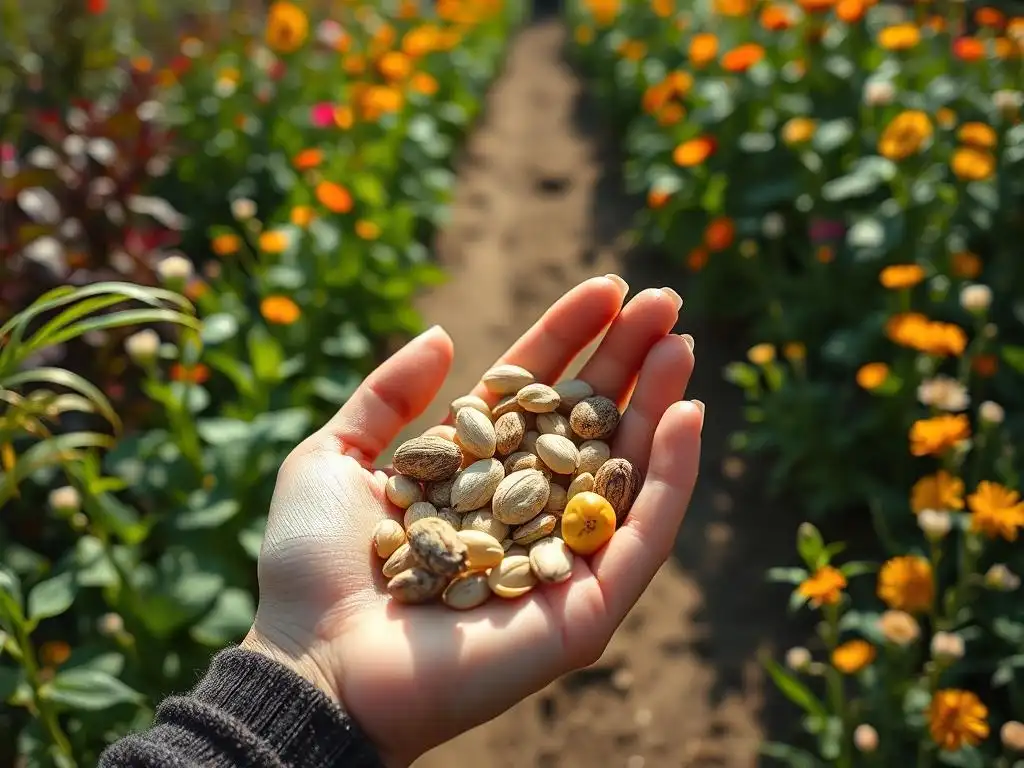
Welcome to CultivateYourFood, your guide to a greener, more self-sufficient life! Are you ready to take control of your food source and experiment with the wonders of nature? Learn how to save seeds and breed new plant varieties, unlocking the secrets to growing thriving fruits, vegetables, and herbs organically right in your own backyard. This journey into seed saving and plant breeding, part of our "Gardening for Self-Sufficiency" series, will empower you to cultivate a bountiful harvest. Discover the simple yet profound techniques that await you – read on to begin your adventure!
- Understanding the Basics of Seed Saving for Breeding New Plants
- Practical Steps in Seed Saving to Breed New Plant Varieties
- Breeding for Desired Traits in Your Homegrown Plants
- Challenges and Considerations in Home Plant Breeding
- Advanced Techniques in Plant Breeding for Home Gardeners
- The Rewards of Saving Seeds and Breeding Your Own Plants
- Frequently Asked Questions
- Final Reflection: The Enduring Legacy of the Seed
- Unleash Your Inner Plant Wizard: Grow Your Own Unique Varieties!
Understanding the Basics of Seed Saving for Breeding New Plants
Saving seeds isn't just about ensuring next year's harvest; it's the cornerstone of plant breeding, allowing gardeners to cultivate unique and superior plant varieties tailored to their specific needs and environment. This process, often referred to as "Save seeds breed new plants," empowers home gardeners to participate actively in the evolution of their crops, selecting for traits like disease resistance, improved flavor, and increased yield.
This article explores the fundamentals of seed saving and how these techniques can be utilized to develop new plant varieties, ultimately contributing to greater self-sufficiency and a deeper connection with your food source. We'll delve into the practical aspects, from selecting the best parent plants to ensuring the long-term viability of your carefully saved seeds.
By understanding the principles outlined here, you can embark on a rewarding journey of experimentation and innovation in your garden, creating unique plant varieties perfectly suited to your unique growing conditions. This process, while requiring patience and attention to detail, offers a profound sense of accomplishment and contributes to a more sustainable and resilient food system.
Selecting Parent Plants for Superior Seed Production
The success of your seed saving and breeding efforts hinges on choosing the right parent plants. You're not just collecting any seed; you're selecting plants exhibiting desirable traits you want to perpetuate. This requires careful observation throughout the growing season. Look for plants that:
- Exhibit strong vigor: These plants show robust growth, are resistant to common diseases, and produce an abundance of high-quality fruits or vegetables.
- Possess the desired characteristics: This could include things like large fruit size, exceptional flavor, early maturity, or specific color. Clearly define your goals before you start selecting.
- Show consistent performance: Select plants that consistently exhibit the desirable traits over time, indicating genetic stability. Avoid plants with inconsistent characteristics.
Consider maintaining a detailed record of your observations for each plant, noting its growth rate, disease resistance, yield, and other relevant characteristics. This information will prove invaluable in selecting the best candidates for seed saving in subsequent years. This meticulous record-keeping is crucial for tracking the progress of your breeding program and identifying successful combinations of traits. The more data you collect, the better informed your selection process will become.
Harvesting Tomato Seeds at Optimal Maturity for Best Germination
Harvesting seeds at the right time is critical for maximizing germination rates. For tomatoes, this means allowing the fruit to fully ripen on the vine. Underripe tomatoes will produce seeds with lower viability, while overripe tomatoes can become prone to rot and mold, compromising seed quality.
Here's a step-by-step guide for harvesting tomato seeds:
- Select fully ripe, healthy tomatoes exhibiting the desired characteristics.
- Cut the tomato open and scoop out the seeds and pulpy material into a container.
- Add water to the container, ensuring the seeds are fully submerged. Let the mixture sit for 24-72 hours. This allows the pulp to ferment and separate from the seeds.
- After fermentation, gently rinse the seeds under running water to remove the remaining pulp.
- Spread the clean seeds on a paper towel or screen to dry completely in a well-ventilated area, away from direct sunlight.
Properly dried tomato seeds should have a low moisture content, ensuring long-term viability. Improper drying can lead to mold and reduced germination rates. Remember to label your seeds clearly with the variety name and harvest date.
Seed Cleaning and Storage Techniques for Long-Term Viability
Once your seeds are dry, proper cleaning and storage are vital for maintaining their viability. Thorough cleaning removes any remaining debris or fungal spores that could compromise seed quality during storage.
- Cleaning: Use a fine-mesh sieve to remove any remaining pulp or small debris. A gentle air blower can further remove light debris.
- Storage: Store seeds in airtight containers in a cool, dark, and dry place. Ideal conditions are around 40°F (4°C) with low humidity. Seed packets are acceptable for short-term storage, but for longer-term storage (several years), consider using airtight glass jars or vacuum-sealed bags. Proper labeling is essential, including the seed variety, harvest date, and any relevant notes.
Remember to periodically check your seeds for any signs of mold or insect infestation. Regular inspection and proper storage significantly extend the lifespan of your seeds, ensuring you have a reliable supply for future planting and breeding endeavors. This careful attention to detail is a testament to your commitment to the long-term success of your seed-saving and plant-breeding efforts.
Practical Steps in Seed Saving to Breed New Plant Varieties
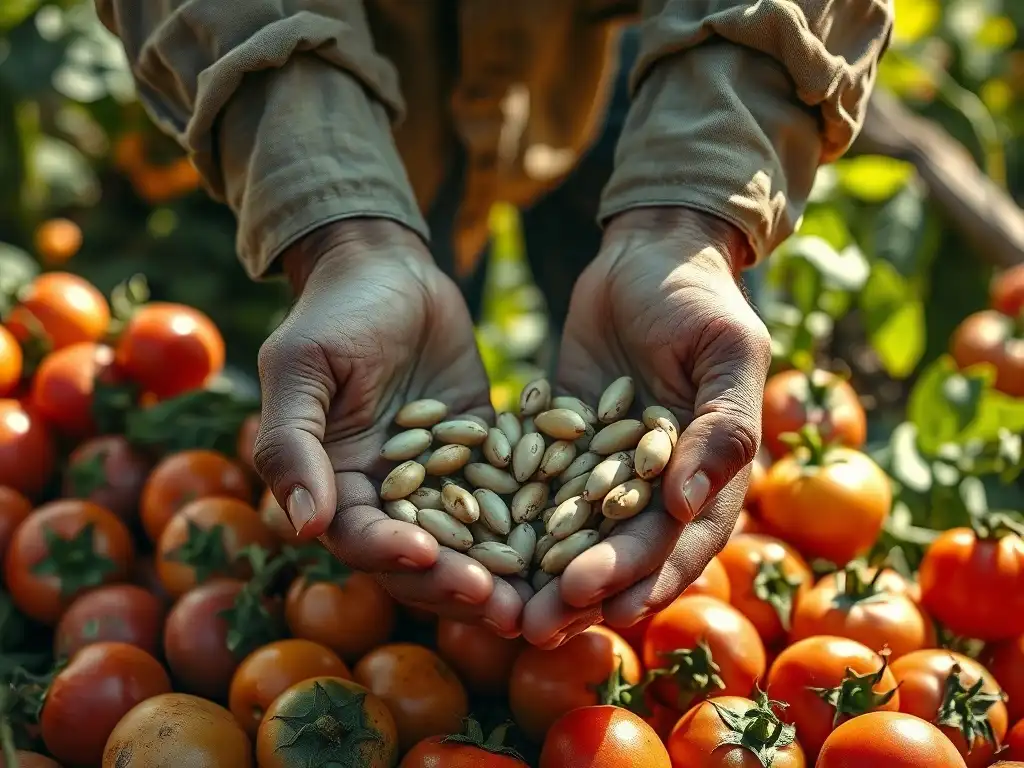
Saving seeds and breeding new plant varieties is a rewarding journey that allows gardeners to cultivate unique and resilient plants tailored to their specific environments. This process, crucial for preserving biodiversity and achieving self-sufficiency, involves meticulous attention to detail at every stage. Successfully "saving seeds to breed new plants" requires understanding the nuances of pollination and careful record-keeping. Let's explore the practical steps involved.
First, selecting parent plants is paramount. Choose robust, healthy specimens exhibiting desirable traits – disease resistance, fruit size, flavor profile, or early maturation, for example. These will be your foundation for creating new generations. Observe your plants throughout their growing season, noting their strengths and weaknesses. This initial assessment guides your breeding strategy. Consider factors like yield, pest resistance, and adaptation to your local climate when making your selections.
Next, isolation is critical, especially when working with open-pollinated varieties. Prevent unwanted cross-pollination by maintaining adequate spatial separation between different plant varieties or by using physical barriers like netting. This step is vital for maintaining the genetic integrity of your chosen parent plants and ensuring the offspring inherit the desired traits. The distance required depends on the plant species and how easily it cross-pollinates; some plants are more promiscuous than others! Researching your specific plants will give you the best isolation guidelines.
Finally, proper seed storage is crucial for preserving the viability of your harvested seeds. Store seeds in a cool, dry, and dark environment in airtight containers. Properly dried seeds can often maintain viability for several years, allowing you to continue your breeding experiments over multiple seasons. Label your containers clearly with the plant variety, the parent plants' characteristics, and the harvest date. This meticulous record-keeping is essential for tracking progress and understanding the inheritance patterns of your new plant varieties.
Hand-Pollination Techniques for Controlled Cross-Breeding of Peppers
Hand-pollination provides gardeners with precise control over which plants are crossed, allowing for the targeted development of new pepper varieties. This technique is particularly useful for creating hybrids with specific desirable traits, such as increased heat, unique color, or improved disease resistance. It requires patience and a gentle touch.
To hand-pollinate peppers, carefully remove the anthers (the pollen-bearing part) from the flower of the desired male parent plant using tweezers. Then, collect the pollen by gently rubbing the anthers against a clean surface, such as a piece of paper. Next, take a flower from the female parent plant, and carefully remove the petals to expose the stigma (the receptive part of the female reproductive organ). Using a fine brush or the tip of a toothpick, transfer the pollen from the male parent onto the stigma.
Gently cover the pollinated flower with a small bag to prevent accidental pollination from other sources. Repeat this process for multiple flowers to increase the chances of successful fertilization. Remember to clearly label the pollinated flowers for tracking purposes.
Careful observation is key to ensuring successful pollination. The pollinated flowers should develop into fruits containing seeds that carry the desired genetic combinations from both parent plants. By repeating this process over several generations, you can select and refine the traits of your pepper plants, eventually creating a new, unique variety. Documenting your progress, including parent plant characteristics and offspring phenotypes, is crucial for understanding the inheritance patterns and for selecting the most promising plants for future generations.
Open-Pollination Methods and Maintaining Genetic Diversity in Beans
Open-pollination in beans, unlike hand-pollination, relies on natural pollination mechanisms, primarily via insects and wind. This method is simpler but offers less control over the genetic combinations. However, it's vital for maintaining genetic diversity within bean populations, contributing to stronger, more resilient varieties. Understanding the pollination process is key to successful open-pollination seed saving.
To maximize genetic diversity, plant a wide range of bean varieties in close proximity to encourage cross-pollination. The resulting seeds will be a mixture of traits from different parent plants. While you won't have the same level of control as with hand-pollination, this natural process fosters genetic variation, increasing the chances of developing beans with improved resistance to pests and diseases. This approach is particularly valuable in preserving heirloom varieties and creating adaptable strains suited to your specific environment.
Regularly evaluate and select the most vigorous and productive plants from the resulting generation. These plants will serve as the parent plants for the next generation, contributing to the continuous improvement of your bean population. Keep detailed records of the parent plants' characteristics and the offspring's traits to track progress and identify desirable characteristics to focus on for future generations. The goal is not to create a specific hybrid, but to maintain a healthy and diverse gene pool within your bean population.
Record Keeping: Tracking Parent Plants and Offspring Traits in Squash
Meticulous record-keeping is crucial for successful plant breeding, particularly when working with squash, which exhibits significant variation in traits such as fruit size, shape, color, and flavor. This detailed documentation allows you to track the inheritance of desirable traits across generations, guiding your selection process and optimizing your breeding program. A well-organized system is key to making sense of the data and making informed decisions.
A simple spreadsheet or notebook can be used to record key information. For each parent plant, note the variety (if known), date of planting, flowering dates, fruit characteristics (size, shape, color, weight, taste), disease resistance, and yield. For the offspring (F1 generation), record the same information, noting the parent plants involved in each cross. Include observations on the offspring's uniformity and the extent to which they inherit traits from their parents. This data will help you identify plants with desirable combinations of traits and select them as parent plants for future generations.
Consider using a system of codes or abbreviations to streamline your record-keeping. For example, you might use "FS" for fruit size, "FC" for fruit color, and "DR" for disease resistance. Include photos or sketches of particularly noteworthy plants to aid in visual identification and comparison.
Regularly review your records to identify trends and assess the progress of your breeding program. This continuous evaluation is essential for refining your selection criteria and optimizing your approach to "saving seeds to breed new plants." The more data you collect, the better equipped you will be to make informed decisions and to create new squash varieties adapted to your specific needs.
Breeding for Desired Traits in Your Homegrown Plants
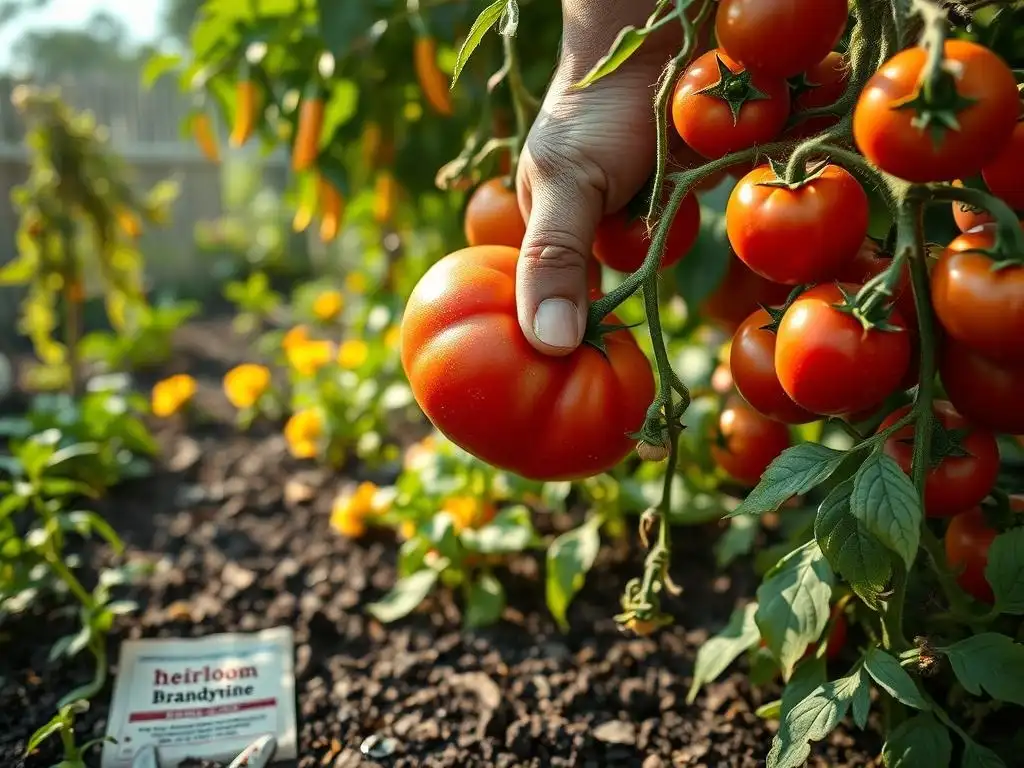
Saving seeds isn't just about preserving your favorite varieties for next year's garden; it's also a gateway to plant breeding, allowing you to create unique plants tailored to your specific needs and environment. This process, often called selective breeding, involves carefully choosing plants with desirable traits and using their seeds to cultivate the next generation. Over time, this method can lead to significant improvements in your plants' characteristics.
You can actively participate in "Save seeds breed new plants" efforts, contributing to the biodiversity of your garden and potentially even developing new, locally adapted varieties. The possibilities are as diverse as your garden itself!
Selecting for Disease Resistance in Lettuce Seeds
Lettuce is susceptible to various diseases, including downy mildew and leaf spot. To breed for disease resistance, meticulously inspect your lettuce plants throughout the growing season. Identify individual plants that show minimal or no signs of disease, even when surrounding plants are affected. These healthy plants are your candidates for seed saving. Make detailed notes on their performance—the severity of any infection, the overall vigor of the plant, and even the weather conditions during the growing period.
This selection process should be repeated over several generations. Each year, save seeds only from the healthiest plants, carefully isolating them to prevent cross-pollination with susceptible varieties. Through consistent selection, you'll gradually increase the disease resistance in your lettuce line. Remember, patience is key; significant improvements may take several years of dedicated seed saving and breeding. Documenting your progress with careful records is crucial for tracking the effectiveness of your breeding efforts and identifying successful lineages.
Improving Tomato Fruit Size and Yield Through Selective Breeding
Improving tomato fruit size and yield is a common goal for home gardeners. Start by identifying high-performing tomato plants—those with abundant fruit production and larger-than-average tomatoes. Consider factors beyond just size; a consistently high yield across multiple fruiting cycles is also a valuable trait. Record the number of fruits per plant, the average weight of the tomatoes, and the overall health and vigor of the plant. Use a simple spreadsheet or notebook to track this data.
The key here is to select parent plants that consistently exhibit desirable traits over multiple seasons. Don't just focus on a single plant; instead, choose several top performers to increase the genetic diversity within your breeding program and minimize inbreeding depression. This diverse approach reduces the risk of undesirable traits becoming prevalent in your future generations of tomatoes. Remember to keep detailed records of your seed saving and breeding efforts – this is crucial for tracking progress and identifying the most successful breeding lines.
Breeding for Enhanced Flavor and Nutritional Value in Basil
Basil's flavor and nutritional profile are highly variable. When breeding for enhanced flavor, rely heavily on your senses. Taste-test basil leaves from individual plants throughout the growing season, paying attention to subtleties in aroma and taste. Note the intensity of the basil flavor, and whether it has a pleasant, pungent, or sweet profile. Simultaneously, you might consider conducting simple tests to assess nutritional content (although lab testing is ideal for precise measurements). For instance, comparing leaf sizes and overall plant vigor can indicate potential differences in nutrient density.
This process requires careful sensory evaluation and record-keeping. Create a flavor profile for each plant, noting specific descriptors like "peppery," "anise," or "citrusy." Combine this qualitative data with observations on plant health and yield to select the most promising candidates for seed saving.
Remember that breeding for both flavor and nutritional value might require a multi-year commitment, but the results – a superior basil variety perfectly suited to your palate and needs – will be well worth the effort. Documenting your findings allows you to track the progress of your unique basil breeding program and analyze the effectiveness of your selection criteria.
Challenges and Considerations in Home Plant Breeding
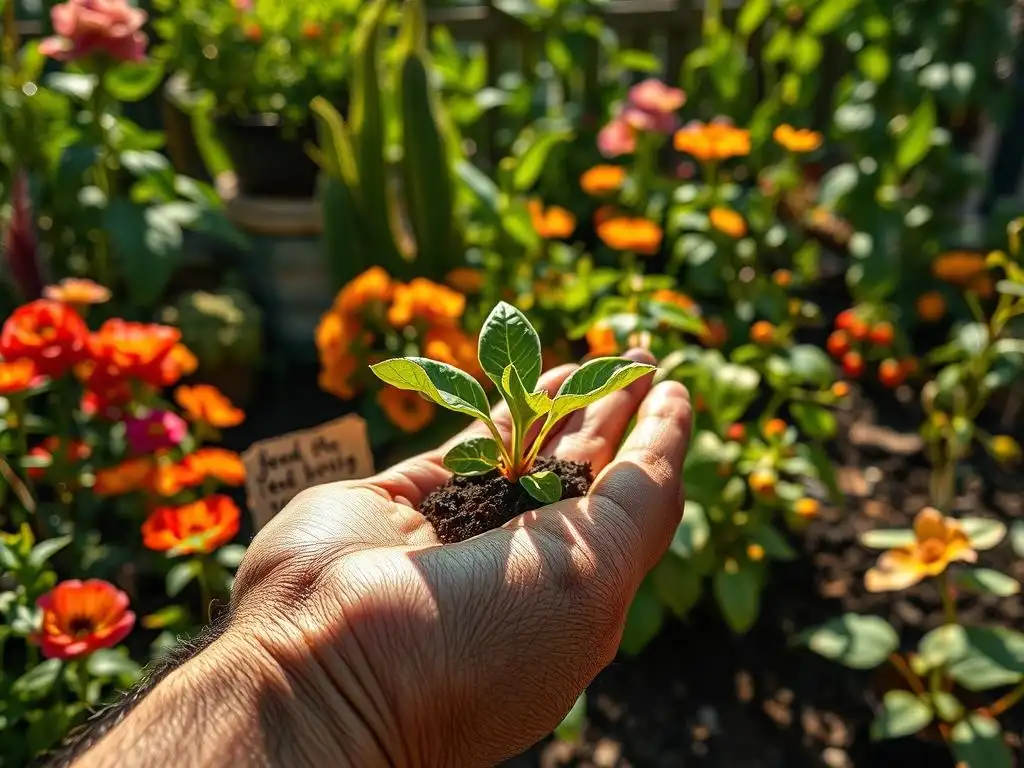
Home plant breeding, while rewarding, presents several unique challenges. Successfully saving seeds and breeding new plants requires meticulous attention to detail and a deep understanding of plant genetics and environmental factors. This section will explore some key hurdles and how to overcome them, empowering you to successfully Save seeds breed new plants.
Maintaining Genetic Purity in Seed Saving Projects
Maintaining genetic purity is paramount when saving seeds for future planting. Cross-pollination, the transfer of pollen between different plant varieties, can significantly alter the genetic makeup of your seeds, leading to unpredictable results in subsequent generations. This is especially true for open-pollinated plants. To avoid this, several strategies are crucial:
- Spatial Isolation: Maintain a significant distance between different plant varieties, especially those within the same species. The required distance varies depending on the plant species and the wind patterns in your area. For example, some sources suggest at least 1000 feet for certain crops to minimize cross-pollination. Consult resources specific to your chosen plants for optimal spacing.
- Temporal Isolation: Plant different varieties at different times. This can help reduce the chance of pollen transfer during overlapping bloom periods.
- Hand-Pollination: For particularly valuable or sensitive varieties, hand-pollination offers the most control. This involves carefully transferring pollen from one flower to another using a small brush, ensuring no unintended pollen contaminates your selection.
- Row Covers: Using row covers, such as netting or fabric, can help protect flowers from wind-borne pollen. This is especially effective for plants that are insect-pollinated.
- Roguing: Regularly inspect your plants and remove any individuals exhibiting undesirable traits. This preventative measure helps maintain the genetic consistency of your seed saving project.
Dealing with Seed Germination Rates and Environmental Factors
Seed germination rates can fluctuate significantly due to various factors. Understanding these factors and implementing appropriate strategies can significantly improve your success in Save seeds breed new plants.
Several key environmental factors influence germination:
- Seed Viability: Not all seeds will be viable, meaning capable of germinating. Seed viability decreases over time, and factors like improper storage conditions can further reduce it. Proper seed storage is essential for maintaining viability.
- Temperature: Different plants have optimal temperature ranges for germination. Maintaining the correct temperature is crucial; too hot or too cold will inhibit germination.
- Moisture: Seeds require adequate moisture to germinate but excessive moisture can lead to rot. Finding the right balance is essential.
- Light: Some seeds require light for germination, while others need darkness. Understanding the light requirements of your seeds is crucial.
- Soil Conditions: The soil must be well-drained and have the appropriate pH for optimal germination.
Consider these strategies to improve your germination rates:
- Seed Testing: Before planting, conduct a germination test to assess the viability of your seeds. This allows you to adjust your planting density accordingly.
- Stratification: Some seeds require a period of cold stratification (exposure to cold temperatures) before they will germinate.
- Scarification: Some seeds have hard seed coats that need to be scarified (lightly scratched or nicked) to allow water to penetrate and initiate germination.
Troubleshooting Common Problems in Seed Saving and Plant Breeding
Even with careful planning, challenges can arise. Here are some common problems and their solutions:
| Problem | Potential Cause(s) | Solution |
|---|---|---|
| Low Germination Rates | Poor seed viability, improper storage, environmental factors | Conduct seed testing, improve storage conditions, optimize environmental factors |
| Off-Type Plants | Cross-pollination, genetic drift | Implement spatial/temporal isolation, hand-pollination, roguing |
| Disease or Pest Infestation | Poor sanitation, inadequate pest control | Practice good sanitation, implement effective pest control strategies |
| Weak Seedlings | Nutrient deficiencies, improper watering | Ensure adequate nutrients and proper watering techniques |
Remember, patience and observation are key to successful seed saving and plant breeding. By understanding the challenges and implementing appropriate strategies, you'll significantly increase your chances of success in your home breeding endeavors and successfully Save seeds breed new plants. Keep detailed records of your experiments; these notes will be invaluable in future projects. Don't be discouraged by setbacks – each experience provides valuable learning opportunities. 🌱
Advanced Techniques in Plant Breeding for Home Gardeners
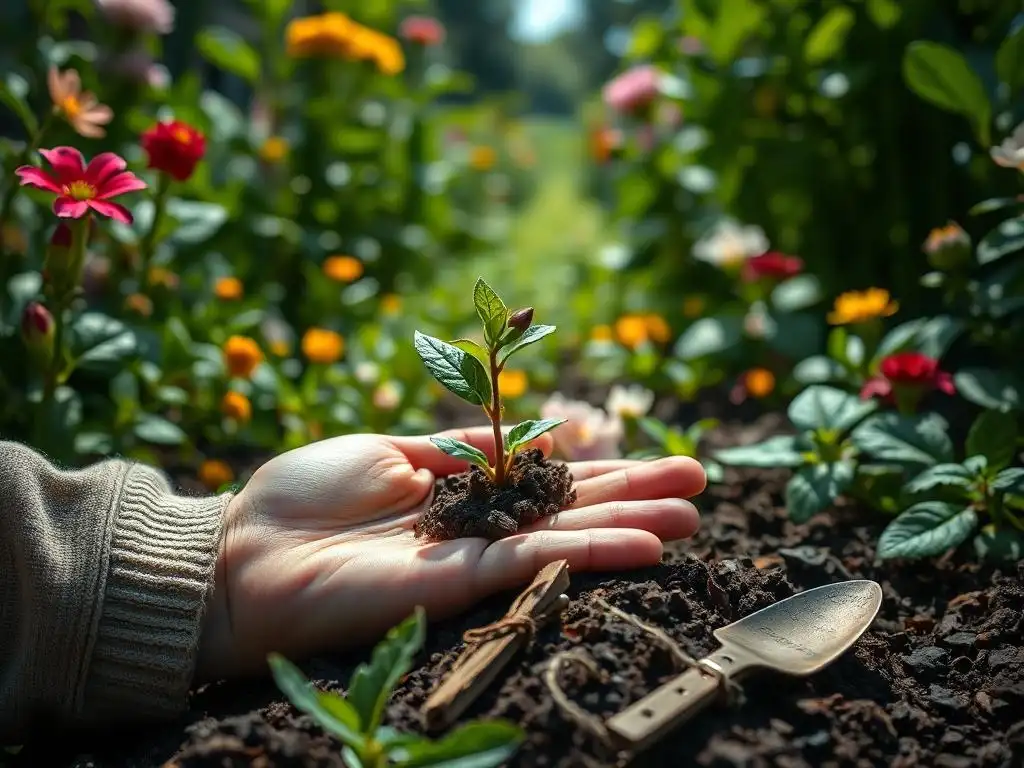
This section delves into more sophisticated methods for plant breeding suitable for enthusiastic home gardeners interested in saving seeds and breeding new plants. While basic seed saving is relatively straightforward, understanding the nuances of plant genetics can significantly enhance your success and allow you to develop unique and improved varieties tailored to your specific environment and needs. We'll explore some advanced concepts to elevate your seed saving and plant breeding game.
Introduction to Hybrid and Heirloom Seed Varieties
Understanding the difference between hybrid and heirloom seeds is crucial for successful plant breeding. Heirloom seeds are open-pollinated, meaning the offspring will generally retain the characteristics of the parent plant. This makes them ideal for saving seeds and maintaining a consistent variety over generations. They often exhibit greater genetic diversity and resilience to various environmental stresses. However, their yield might not be as high as hybrid varieties.
Conversely, hybrid seeds are the result of cross-pollination between two carefully selected parent plants. Hybrids often display superior traits like increased yield, disease resistance, and improved uniformity. However, saving seeds from hybrid plants usually results in offspring with unpredictable characteristics, often reverting to traits of the original parent plants, significantly deviating from the desired hybrid characteristics. Therefore, seed saving for future plantings is generally not recommended with hybrid varieties if you wish to maintain those specific hybrid traits.
| Seed Type | Characteristics | Seed Saving Suitability | Yield Potential |
|---|---|---|---|
| Heirloom | Open-pollinated, consistent offspring, diverse genetics | Excellent | Moderate |
| Hybrid | Cross-pollinated, superior traits, unpredictable offspring | Poor | High |
This knowledge is fundamental when planning your breeding projects. Choosing the right starting material—heirloom seeds for breeding—is the first critical step towards success in creating your own unique plant varieties. Careful selection, observation, and record-keeping are vital for the continued development of your chosen plant lines.
Exploring the Potential of Genetic Marker Assisted Selection (GMAS) [brief overview only]
Genetic Marker Assisted Selection (GMAS) represents a more advanced technique in plant breeding. It leverages DNA markers to identify desirable genes within a plant's genome. This allows breeders to select superior plants even before they exhibit the desired traits, significantly accelerating the breeding process. While GMAS is typically employed in large-scale agricultural settings using sophisticated laboratory equipment, a basic understanding of its principles can still benefit the dedicated home gardener.
For example, imagine you're trying to breed a tomato variety resistant to a specific fungal disease. Using GMAS, you could identify plants possessing the genetic markers associated with disease resistance, even before the disease manifests itself. This allows for early selection and faster development of a resistant variety. However, access to the necessary technology and expertise for GMAS is currently limited for home gardeners. It remains primarily a research-level technique. Future advancements might democratize access to these powerful tools.
Resources for Further Learning and Collaboration on Seed Saving and Breeding
Further expanding your knowledge of seed saving and plant breeding requires access to reliable information and opportunities for collaboration. Many online forums and communities are dedicated to these topics, providing a platform to share experiences, ask questions, and learn from others' successes and failures. Local gardening clubs and agricultural extension offices often offer workshops and resources on seed saving and plant breeding techniques, providing invaluable hands-on learning opportunities.
Exploring these resources will greatly enhance your abilities and assist in your journey of saving seeds and breeding new plants. Remember that meticulous record-keeping is essential throughout the entire process—from initial seed selection to the final harvest. This careful documentation allows you to track progress, identify successful strategies, and refine your techniques over time.
This commitment to detailed observation is key to success in this fascinating field. The journey of saving seeds and breeding new plants is a rewarding one, filled with opportunities for learning, experimentation, and the satisfaction of cultivating unique and resilient varieties. 🌱
The Rewards of Saving Seeds and Breeding Your Own Plants
Saving seeds and breeding your own plants offers a multitude of rewards that extend beyond simply having seeds for next year's garden. It's a journey of discovery, contributing to a more resilient and diverse food system, and deeply satisfying personal achievement. This section explores the tangible and intangible benefits of actively participating in this age-old practice of "Save seeds breed new plants".
Enjoying Unique and Adapted Plant Varieties
One of the most compelling reasons to save seeds and breed new plants is the opportunity to cultivate unique and locally adapted varieties. Commercially available seeds are often bred for uniformity, shelf life, and transportability, sometimes at the expense of flavor, resilience, and adaptability to specific climates and soil conditions. By saving seeds from your best-performing plants, you're selecting for traits that thrive in your unique environment.
This leads to plants better suited to your local conditions, resulting in higher yields and superior quality produce. For example, you might find that a particular tomato variety exhibits exceptional disease resistance in your garden, or a specific pepper plant consistently produces incredibly flavorful fruits. Saving seeds from these plants allows you to perpetuate these desirable traits, year after year.
This process of selection, over time, leads to plants uniquely adapted to your specific microclimate, a significant advantage in a changing climate. Imagine the pride in harvesting tomatoes bursting with flavor, perfectly adapted to your sun-drenched patio or your slightly shady backyard. This is the power of saving seeds and breeding your own plants: creating a garden tailored to your specific needs and preferences.
Contributing to Biodiversity and Seed Conservation
Beyond the personal benefits, saving seeds plays a vital role in biodiversity and seed conservation. The dominance of a few large seed corporations has led to a decline in the diversity of plant varieties available. By saving and sharing seeds, you become a custodian of genetic diversity, helping to preserve heirloom varieties and less common plants that might otherwise be lost. This is particularly important in the face of climate change, as diverse gene pools offer greater resilience to environmental challenges.
Participating in seed saving and breeding initiatives, even on a small scale, contributes to a larger effort to safeguard the future of our food supply and protect plant biodiversity. The act of "Save seeds breed new plants" is not just about your garden; it's about contributing to a healthier planet. The more diverse our gene pool, the more adaptable our crops become to future challenges.
The Satisfaction of Growing Food From Your Own Seeds
The satisfaction derived from growing food from seeds you've saved and perhaps even bred yourself is unparalleled. It's a deeply rewarding experience that connects you directly to the food you eat. It fosters a deeper appreciation for the natural world and the intricate processes involved in food production.
From the careful selection of the parent plants to the meticulous process of seed saving and storage, every step is imbued with a sense of accomplishment. The simple act of planting a seed you've saved yourself, knowing it carries the genetic legacy of your garden, is profoundly fulfilling. This connection to the origins of your food fosters a greater respect for the environment and a deeper understanding of the interconnectedness of life.
This is more than just gardening; it's a holistic experience that nourishes the soul as well as the body. The feeling of nurturing life from seed to harvest, knowing you played an integral part in the process, is a truly unique and deeply satisfying experience, a testament to the power of "Save seeds breed new plants".
Frequently Asked Questions
How can I save seeds from my plants to use next year?
Saving seeds is easier than you think! After harvesting mature fruits or vegetables, allow them to fully dry. Then, carefully extract the seeds and store them in a cool, dry, and dark place in airtight containers.
What are the benefits of saving my own seeds?
Saving seeds allows you to preserve heirloom varieties, experiment with plant breeding, and significantly reduce gardening costs over time. It also contributes to biodiversity and sustainable gardening practices.
What is the process of plant breeding, and how can I start?
Plant breeding involves selecting plants with desirable traits and crossing them to produce offspring with those improved characteristics. Start by selecting parent plants with the traits you want and then pollinating them manually.
Can I breed new plant varieties from saved seeds?
Yes! By cross-pollinating different plants with desirable traits (e.g., disease resistance and fruit size), you can create new and unique plant varieties over several generations. It requires patience and observation.
What resources are available to learn more about seed saving and plant breeding?
Numerous online resources like CultivateYourFood and books are available. You can also join local gardening groups or attend workshops for hands-on learning and expert advice. This will help you build your knowledge and improve your success rate.
Final Reflection: The Enduring Legacy of the Seed
The act of saving seeds and breeding new plants is not merely a horticultural practice; it is a vital act of resilience and a powerful statement about our relationship with the natural world. In a time of increasing climate instability and dwindling biodiversity, the ability to cultivate and adapt plant life to local conditions is more crucial than ever. This knowledge, once commonplace, is now a precious resource that we must actively protect and cultivate.
The profound impact of seed saving and plant breeding extends far beyond the garden gate. It represents a reclaiming of agency, a return to a deeper understanding of our food systems, and a connection to ancestral practices. It's a powerful counterpoint to the homogenization of agriculture driven by large corporations. The seed is the beginning of all things, and the end of all things.
This simple truth underscores the immense responsibility we hold in preserving genetic diversity and ensuring the future of our food supply. The act of nurturing a seed, watching it grow, and then saving its offspring for the next generation is a deeply satisfying and meaningful experience, fostering a connection to the earth and its rhythms that is often lost in modern life.
Consider the seeds you plant, not just as sources of food, but as living legacies. Think about the potential held within each tiny kernel – the possibility of creating a new variety uniquely suited to your environment, a plant that thrives in your specific conditions. Embrace the experimental spirit, the joy of discovery, and the profound satisfaction of contributing to the ongoing story of plant life. Start small, learn from your successes and failures, and share your knowledge with others. The future of our food security, and indeed our planet, depends on it.
Unleash Your Inner Plant Wizard: Grow Your Own Unique Varieties!
Thanks for exploring the exciting world of seed saving and plant breeding! You've now unlocked the secrets to creating your own unique plant varieties, perfectly suited to your garden and palate. Ready to put your newfound knowledge into practice?
- Start your seed-saving journey today! Select your favorite plants—tomatoes with intensely sweet flavor, peppers with unusual colors, or zinnias with uniquely patterned petals—and carefully collect their seeds, noting each plant's distinctive characteristics. This is your first step to creating a truly unique heirloom.
- Experiment with cross-pollination to discover amazing hybrid varieties. For example, try cross-pollinating a particularly disease-resistant tomato with a variety known for its exceptional flavor. Keep detailed notes to track your results and the characteristics of the resulting offspring.
- Share your experiences and discoveries with our community! Let's inspire each other to grow amazing, personalized plants, and build a vibrant network of plant enthusiasts.
What incredible plant traits will you cultivate and preserve for future generations? Will it be disease resistance, exceptional flavor, vibrant color, or a unique flower shape? The possibilities are endless!