
How to Store Leeks and Scallions for Maximum Flavor

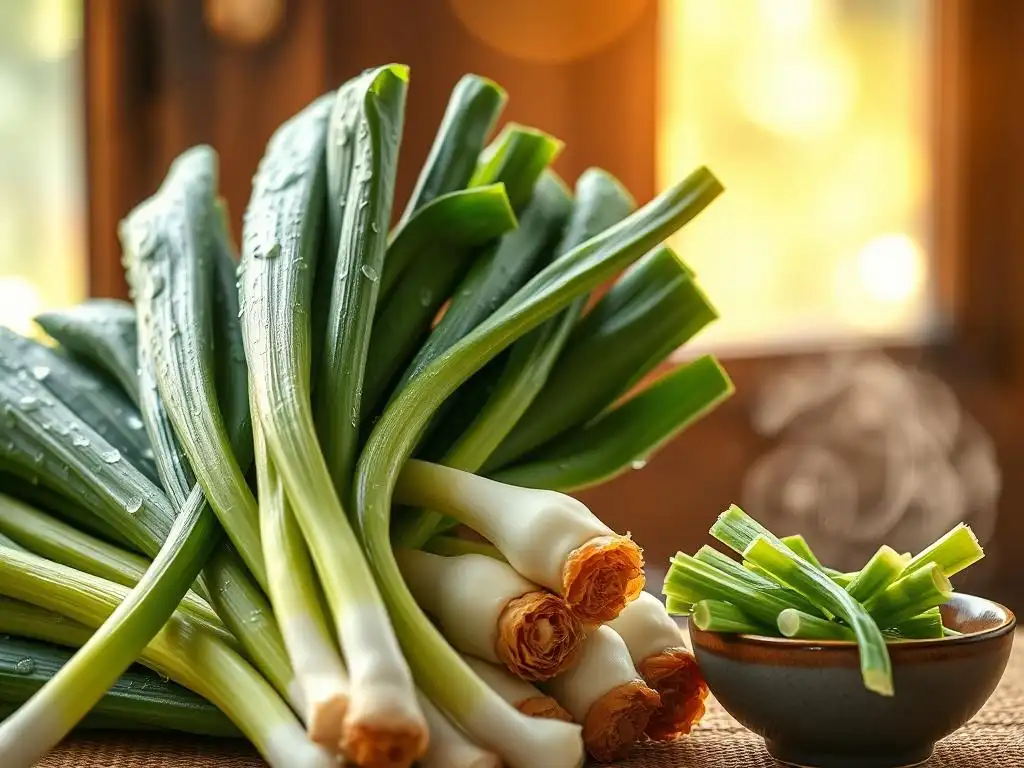
Welcome to CultivateYourFood, your guide to a thriving, sustainable garden! Are you tired of wilting leeks and limp scallions? Discover the secrets to keeping your harvest fresh for longer with our expert advice on how to properly store leeks and scallions. Learn practical techniques to maximize flavor and minimize waste, and embark on your journey towards greater self-sufficiency in the kitchen garden. Let's dive in and unlock the potential of your homegrown produce!
- Extending the Shelf Life of Leeks and Scallions: Essential Tips for Homegrown Produce
- Methods for Storing Leeks and Scallions: Maximizing Freshness
- Identifying Spoilage in Leeks and Scallions: Recognizing Signs of Deterioration
- Preventing Spoilage: Tips for Maintaining the Quality of Your Leeks and Scallions
- Creative Uses for Stored Leeks and Scallions: Recipes and Ideas
-
Frequently Asked Questions
- How can I store leeks to keep them fresh for longer?
- What's the best way to store scallions for extended freshness?
- How long can I expect leeks and scallions to stay fresh using these methods?
- Can I freeze leeks and scallions to preserve them?
- Are there any other tips for maintaining the freshness of leeks and scallions?
- Final Reflection: Harvesting the Bounty: Preserving the Flavor of Leeks and Scallions
- Unlock Your Onion Family's Full Potential!
Extending the Shelf Life of Leeks and Scallions: Essential Tips for Homegrown Produce
Harvesting your own leeks and scallions is incredibly rewarding, offering a fresh and flavorful addition to your culinary creations. However, maximizing the lifespan of these delicate vegetables requires careful attention to detail, from the moment you pull them from the earth to the way you store them in your kitchen. This comprehensive guide will equip you with the knowledge and techniques to keep your homegrown leeks and scallions at peak freshness for as long as possible, minimizing waste and maximizing the enjoyment of your hard work.
We'll explore proper harvesting methods, efficient cleaning and trimming techniques, and optimal storage solutions to ensure your leeks and scallions retain their vibrant green color, crisp texture, and delicious flavor for weeks to come. Learning how to effectively store leeks and scallions longer ensures you can enjoy the fruits (or rather, vegetables!)
of your labor to the fullest. This guide is tailored to help you successfully store leeks and scallions for longer freshness, optimizing your homegrown harvest.
Proper Harvesting Techniques for Longer Storage of Leeks and Scallions
The key to long-lasting leeks and scallions begins even before you bring them indoors. Harvesting at the right time and using the correct method significantly impacts their shelf life. For leeks, aim to harvest them when they've reached the desired size, typically 1-1.5 inches in diameter. Avoid harvesting during the hottest part of the day, as this can stress the plants and reduce their longevity.
Gently loosen the soil around the leek with a garden fork before carefully pulling the entire plant from the ground. Try to minimize damage to the roots and the delicate leaves. For scallions, you can harvest them at any stage of growth, simply snipping the desired amount from the top. However, for longer storage, harvest entire plants by gently pulling them from the soil.
Remember to always use clean tools to avoid introducing bacteria or fungi that could lead to spoilage. Careful harvesting is a crucial first step in storing leeks and scallions for longer freshness. Proper techniques ensure that the vegetables maintain their integrity and are less susceptible to early decay.
Initial Preparation: Cleaning and Trimming Leeks and Scallions for Optimal Preservation
After harvesting, proper cleaning and trimming are critical for extending the shelf life of your leeks and scallions. Begin by removing any excess soil clinging to the roots and leaves. For leeks, carefully cut off the root end and any damaged or wilted leaves. The tough outer layers of the leek can also be trimmed away, depending on your preference, leaving the tender inner layers.
Scallions should be cleaned gently under cool running water, ensuring all dirt and debris are removed. Trim the root end and remove any damaged or discolored leaves. It's essential to avoid over-washing, as excessive moisture can promote the growth of mold and bacteria.
Once cleaned and trimmed, gently pat the leeks and scallions dry with a clean cloth or paper towel before storing. This careful preparation significantly impacts how long you can successfully store leeks and scallions for longer freshness and prevent premature spoilage. The process removes contaminants that hasten decay and prepares the produce for optimal storage conditions.
Methods for Storing Leeks and Scallions: Maximizing Freshness
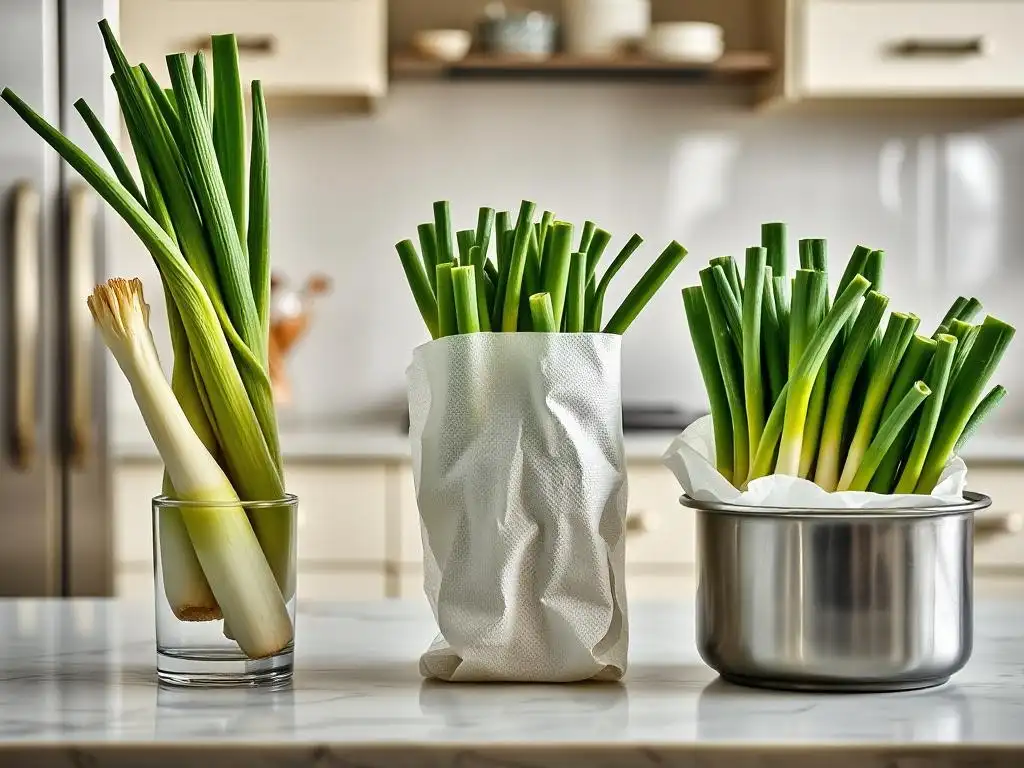
This section details effective methods for storing leeks and scallions, ensuring you enjoy their vibrant flavors and textures for as long as possible. We'll explore refrigeration, freezing, and other preservation techniques, optimizing your harvest and minimizing waste. Proper storage is key to extending the shelf life of these versatile alliums, allowing you to enjoy them in your cooking for weeks, even months. The key is to understand the unique needs of each vegetable to achieve optimal results in preserving their freshness. Let's dive into the best practices for storing leeks and scallions for maximum flavor and longevity.
Storing Leeks: Techniques for Preserving Flavor and Texture
Leeks, with their delicate flavor and tender texture, require careful handling to maintain their quality. Improper storage can lead to wilting, discoloration, and a loss of their characteristic sweetness. The following methods provide a range of options to suit your needs and storage space.
Refrigerating Leeks: The Best Practices for Optimal Freshness
Refrigeration is the most common and effective method for short-term leeks storage. To maximize freshness, trim the root end and the dark green, tough top leaves. Gently rinse the leeks under cold water and remove any excess soil. Do not submerge them completely, as this can lead to bacterial growth.
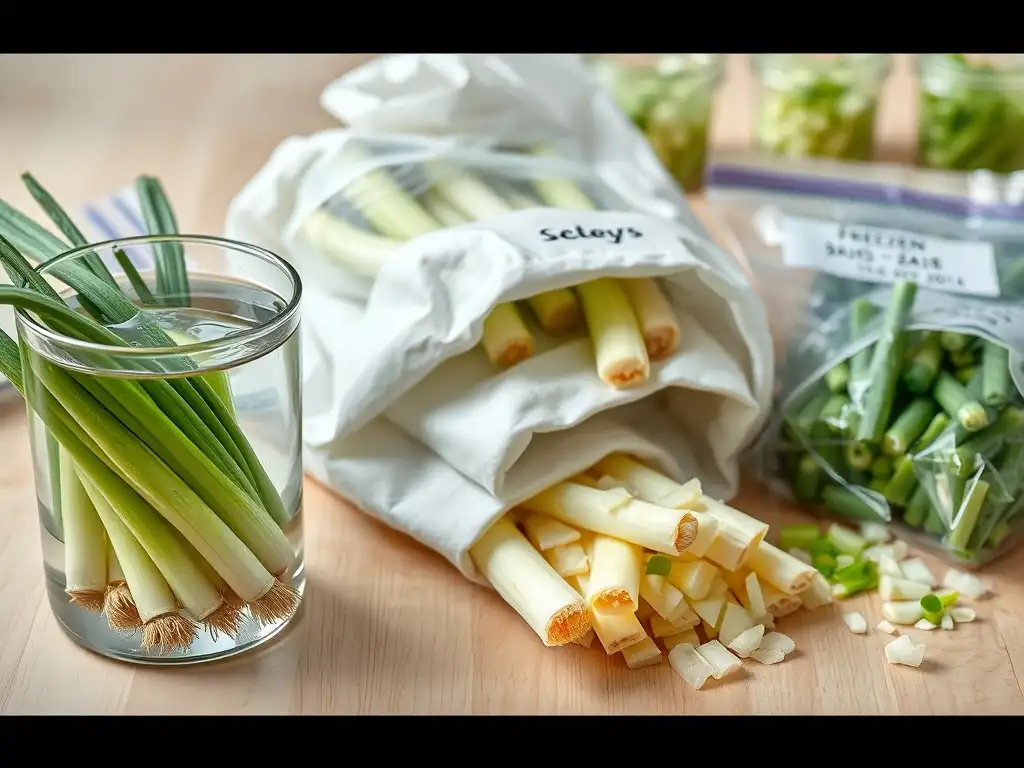
Wrap the cleaned leeks loosely in a paper towel to absorb excess moisture. Then, place them in a perforated plastic bag or an airtight container to prevent them from drying out. Store them in the crisper drawer of your refrigerator, where the temperature and humidity are carefully controlled. Stored this way, leeks can maintain their freshness for up to 10-14 days.
Remember to check them regularly for any signs of spoilage, such as slimy texture or unpleasant odor. Discard any leeks that show signs of decay to prevent contamination of other produce.
Freezing Leeks: A Guide to Long-Term Storage
Freezing leeks is an excellent way to preserve them for extended periods. Blanching before freezing is crucial to maintain texture and prevent enzymatic browning. To blanch, immerse the cleaned and sliced leeks in boiling water for 2-3 minutes, then immediately plunge them into an ice bath to stop the cooking process. After drying thoroughly with paper towels, package the blanched leeks in freezer-safe bags, removing as much air as possible.
Properly frozen leeks can maintain their quality for up to 6-8 months. When using frozen leeks, thaw them completely before cooking. They may become slightly softer after freezing, but this does not significantly affect their flavor.
Other Methods for Preserving Leeks: Pickling and Drying Leeks
Beyond refrigeration and freezing, you can explore other preservation techniques like pickling and drying. Pickled leeks offer a tangy and flavorful twist, ideal for adding to salads or sandwiches. Drying leeks, while preserving their flavor, results in a more intense, concentrated taste suitable for soups and stews. However, these methods require additional preparation and processing steps. Detailed instructions for pickling and drying leeks are available in other sections of this website. These methods offer a way to extend the lifespan of your leeks significantly beyond simple refrigeration.
Storing Scallions: Maintaining Crispness and Flavor
Scallions, with their milder, sweeter flavor than leeks, also benefit from proper storage to maintain their crispness and flavor. The following methods ensure your scallions remain fresh and vibrant.
Refrigerating Scallions: Simple Steps for Extended Shelf Life
For optimal freshness, store scallions in the refrigerator. Trim the root end and place the scallions in a glass of water, similar to how you would store cut flowers. Cover the top loosely with a plastic bag to maintain humidity. This method can keep scallions fresh for up to a week. Alternatively, wrap the scallions loosely in a damp paper towel and place them in a plastic bag. This will help to maintain their moisture content. Always ensure that the scallions are not tightly wrapped, as this can promote bacterial growth and reduce their shelf life.
Freezing Scallions: A Step-by-Step Guide
Freezing scallions is a convenient way to preserve them for longer periods. Similar to leeks, blanching is recommended to maintain quality. Chop the scallions into desired sizes. Blanch them for 1-2 minutes in boiling water and then plunge into an ice bath. Dry thoroughly before packaging in freezer-safe containers or bags. Frozen scallions can last for up to 4-6 months. Remember to thaw them completely before using them in your recipes.
Other Methods for Preserving Scallions: Infusing Scallions in Oil
Infusing scallions in oil is a less common but flavorful method for preserving scallions. This technique captures the aromatic essence of the scallions, creating a flavorful oil suitable for cooking and dressings. Clean and finely chop the scallions. Submerge them in a high-quality oil (such as olive oil) and store in a cool, dark place.
The infused oil will gradually absorb the flavor of the scallions, resulting in a delicious and aromatic condiment. This method extends the shelf life and adds a unique flavor dimension. However, it's important to note that this method requires careful attention to hygiene to prevent bacterial growth.
Identifying Spoilage in Leeks and Scallions: Recognizing Signs of Deterioration
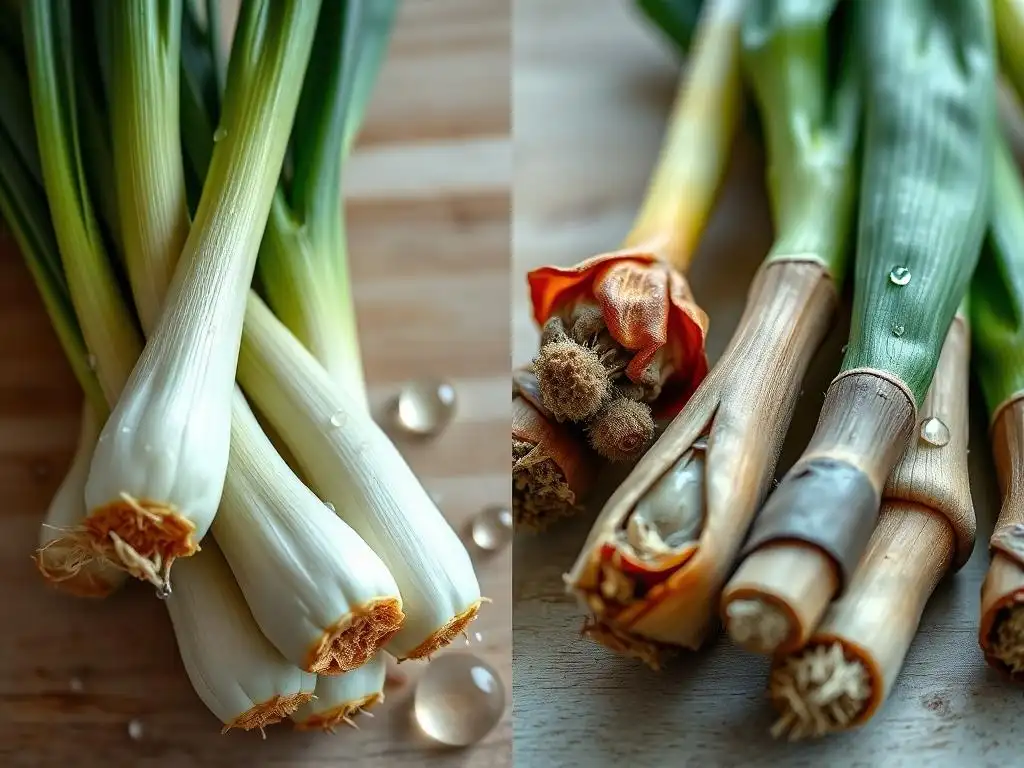
Knowing when your leeks and scallions are past their prime is crucial for preventing waste and ensuring you're using the freshest ingredients possible. While both are relatively hardy, several indicators signal spoilage. Learning to recognize these signs will help you maximize the shelf life of your homegrown bounty and minimize food loss. This is especially important when aiming to store leeks scallions longer for optimal freshness.
Visual Cues: Changes in Appearance
The most obvious signs of spoilage are visual. Look for:
- Wilting: Leeks and scallions that are wilting, limp, or have lost their firmness are showing signs of dehydration and are likely past their peak. The leaves will appear droopy and lack the crispness characteristic of fresh produce. This is often a gradual process, starting with the tips of the leaves.
- Discoloration: Changes in color can be a significant indicator. Brown or yellowing tips or bases are a clear sign of deterioration. For leeks, darkening of the white parts can also indicate spoilage. Avoid using any parts exhibiting these color changes.
- Molds and Fungi: The presence of any mold or fungal growth—fuzzy patches, discoloration, or slimy areas— is a definitive sign that the leeks or scallions have gone bad. Discard immediately to prevent cross-contamination. This is particularly important for maintaining the overall hygiene of your storage area. Remember, even a small amount of mold can spread quickly.
Textural Changes: Feel the Difference
Along with visual cues, paying attention to texture offers additional insights into the condition of your leeks and scallions.
- Softness: A loss of firmness and crispness is a key indicator. If the leeks or scallions feel soft or mushy when you gently squeeze them, it's a strong indication of spoilage.
- Slimy Texture: A slimy or sticky texture is a clear sign of bacterial growth and indicates that the produce is definitely not suitable for consumption. Discard immediately.
Smell Test: Trust Your Senses
Often, your nose can tell you more than your eyes. A strong, unpleasant odor is a clear indication that your leeks and scallions have gone bad.
- Off-putting Smell: While fresh leeks and scallions have a mild, slightly oniony aroma, a pungent, sour, or foul smell signifies spoilage. This is a crucial warning sign to discard the produce.
Preventing Spoilage: Tips for Maintaining the Quality of Your Leeks and Scallions
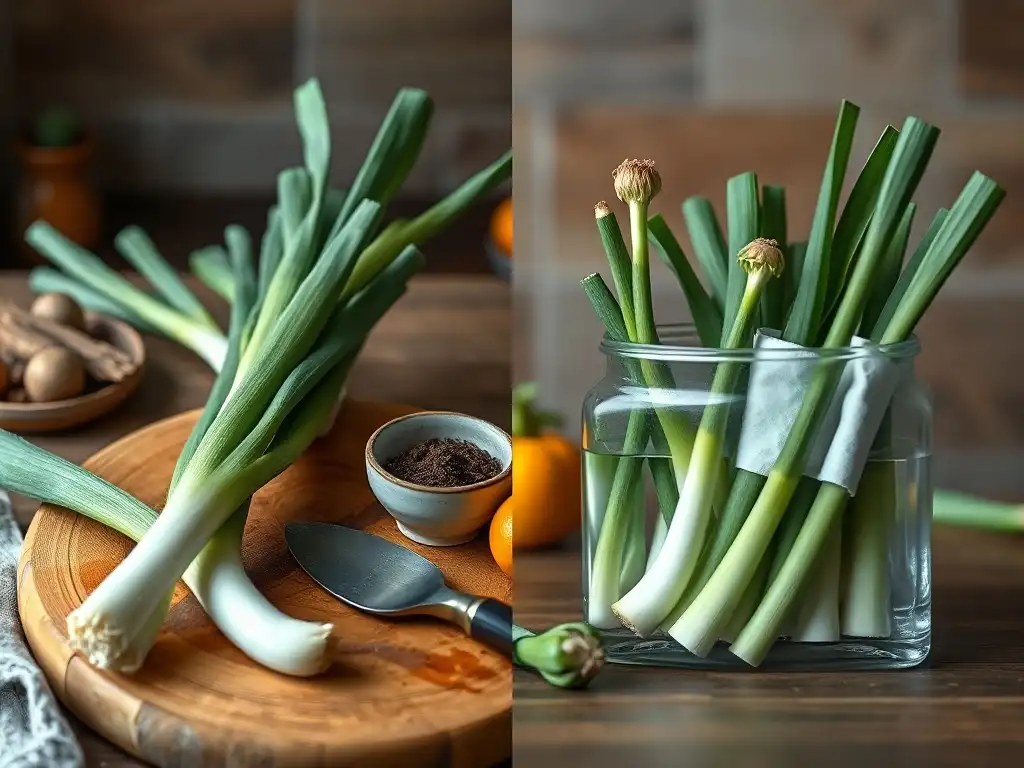
Proper storage techniques significantly impact how long your leeks and scallions retain their freshness and flavor. These strategies will help you store leeks scallions longer, keeping them vibrant and delicious for as long as possible.
Optimal Storage Conditions: Temperature and Humidity
The key to preserving the quality of your leeks and scallions lies in controlling temperature and humidity.
- Refrigeration: Refrigeration is essential. Store leeks and scallions in the crisper drawer of your refrigerator, ideally in a plastic bag with small holes to allow for some air circulation. This helps maintain moisture levels and prevents excessive wilting. Avoid storing them in airtight containers, as this can promote moisture buildup and increase the risk of spoilage.
- Temperature Control: Maintaining a consistent, cool temperature (around 35-40°F or 2-4°C) is crucial. Fluctuations in temperature can accelerate spoilage.
Preparation and Handling: Minimizing Damage
Proper handling and preparation significantly impact the shelf life of your leeks and scallions.
- Cleaning: Gently wash leeks and scallions under cool water before storing. Thoroughly remove any excess soil or debris. Avoid soaking them, as this can promote bacterial growth.
- Trimming: Trim off any damaged, bruised, or wilted parts before storing. This prevents the spoilage from spreading to the rest of the vegetable. A sharp knife is essential for clean cuts.
- Proper Wrapping: If not storing immediately after cleaning, wrap the cut ends in a damp paper towel to help them retain moisture. This simple step can make a significant difference in prolonging their freshness.
Extending Shelf Life: Freezing and Other Methods
For longer-term storage, consider freezing or using other preservation methods.
- Freezing: Leeks and scallions can be frozen for extended storage. Blanch them briefly before freezing to maintain their texture and color. Portion them into freezer bags for easy use later. This significantly extends the time you can store leeks scallions longer.
- Drying: While not ideal for maintaining optimal flavor, drying is an option for preserving leeks and scallions for a longer period. This method is best suited for longer-term storage where flavor is a secondary concern.
By following these tips, you can significantly extend the shelf life of your leeks and scallions, ensuring you enjoy the freshest, most flavorful produce from your garden for as long as possible. Remember, consistent attention to detail in handling and storage is key to maximizing the time you can store leeks scallions longer and reduce food waste.
Creative Uses for Stored Leeks and Scallions: Recipes and Ideas
This section explores innovative ways to utilize your stored leeks and scallions, maximizing their flavor and extending their shelf life even further. Proper storage techniques, as discussed previously, are crucial for preserving their quality, but knowing how to best use them once harvested is equally important. We'll delve into both simple and sophisticated applications, ensuring no part of these flavorful alliums goes to waste. Remember, even slightly wilted leeks and scallions can still add significant depth to many dishes.
Recipes Featuring Stored Leeks and Scallions: Leeks Vinaigrette and Scallion Pancakes
Let's start with two delicious and versatile recipes that showcase the unique flavors of stored leeks and scallions. These recipes are designed to utilize even slightly softened vegetables, proving that perfectly pristine produce isn't always necessary for culinary excellence.
Leeks Vinaigrette: This simple vinaigrette is perfect for salads, roasted vegetables, or even as a marinade for grilled chicken or fish. The subtle sweetness of the leeks complements the acidity of the vinegar beautifully.
- Ingredients:
- 1 cup finely chopped leeks (white and light green parts)
- ½ cup extra virgin olive oil
- ¼ cup apple cider vinegar
- 1 tablespoon Dijon mustard
- 1 teaspoon honey or maple syrup
- Salt and freshly ground black pepper to taste
- Instructions:
- Gently sauté the chopped leeks in a small pan over medium-low heat until softened, about 5-7 minutes. Be careful not to brown them.
- In a small bowl, whisk together the olive oil, apple cider vinegar, Dijon mustard, honey (or maple syrup), salt, and pepper.
- Add the sautéed leeks to the vinaigrette and stir well to combine.
- Taste and adjust seasoning as needed. The vinaigrette can be stored in an airtight container in the refrigerator for up to a week.
Scallion Pancakes: These savory pancakes are a delightful way to use up a bunch of scallions. Their delicate flavor pairs well with various dipping sauces.
- Ingredients:
- 1 cup all-purpose flour
- ½ teaspoon salt
- ¾ cup water
- 2 tablespoons vegetable oil, plus extra for frying
- 1 cup finely chopped scallions
- Instructions:
- In a large bowl, whisk together the flour and salt. Gradually add the water, whisking until a smooth batter forms.
- Stir in the vegetable oil and chopped scallions.
- Heat a lightly oiled griddle or frying pan over medium heat.
- Pour ¼ cup of batter onto the hot griddle for each pancake. Cook for 2-3 minutes per side, or until golden brown and cooked through.
- Serve hot with your favorite dipping sauce (soy sauce, sweet chili sauce, or even a simple yogurt dip).
These are just two examples; the possibilities are endless! Experiment with adding stored leeks and scallions to soups, stews, omelets, frittatas, and stir-fries. Their subtle oniony flavor enhances a wide variety of dishes, adding a touch of sophistication and depth. Remember to always taste and adjust seasoning to your liking. Enjoy the bounty of your homegrown harvest!
Frequently Asked Questions
How can I store leeks to keep them fresh for longer?
To maximize freshness, trim the roots and the dark green tops of your leeks. Wrap them loosely in a damp paper towel, then place them in a plastic bag in the refrigerator's crisper drawer. This will help them stay crisp for up to a week.
What's the best way to store scallions for extended freshness?
Similar to leeks, trim the root ends and any wilted greens. Place them in a glass of water in the refrigerator, similar to how you would store cut flowers. Alternatively, wrap them in a damp paper towel and seal in a plastic bag.
How long can I expect leeks and scallions to stay fresh using these methods?
Using these methods, you can expect leeks to last up to a week, and scallions for about 5-7 days. Proper storage significantly extends their shelf life compared to leaving them loose in a container.
Can I freeze leeks and scallions to preserve them?
Yes! Blanching leeks and scallions before freezing helps to retain their color and texture. Chop them before blanching and then freeze them in airtight containers or freezer bags for longer storage. This will extend their usability for months.
Are there any other tips for maintaining the freshness of leeks and scallions?
Avoid washing leeks and scallions until you are ready to use them, as excess moisture can promote spoilage. Choose firm, undamaged leeks and scallions when purchasing them to begin with. Proper handling from the beginning is key.
Final Reflection: Harvesting the Bounty: Preserving the Flavor of Leeks and Scallions
The simple act of storing leeks and scallions properly isn't just about extending their shelf life; it's about maximizing the vibrant flavors and nutritional benefits these versatile vegetables offer. In a world increasingly focused on reducing food waste and embracing sustainable practices, understanding how to best preserve our produce becomes a crucial skill, impacting both our wallets and our well-being.
The impact of mindful food storage extends far beyond the individual kitchen. It connects us to the origins of our food, fostering a deeper appreciation for the farmers and processes that bring these ingredients to our tables. We must eat to live, not live to eat.
- Socrates. While not directly about food preservation, this quote highlights the importance of appreciating the nourishment our food provides, and proper storage ensures we can fully utilize that nourishment. This simple act of preserving leeks and scallions becomes a small but significant contribution to a larger conversation about responsible consumption and minimizing waste.
Now, consider your own kitchen. Think about the wilted scallions you've discarded, the leeks that succumbed to premature rot. Imagine the possibilities: richer soups, vibrant salads, and flavorful stir-fries, all enhanced by the peak freshness of properly stored produce. I invite you to put these techniques into practice, not just to save money, but to cultivate a deeper relationship with your food and to savor the full potential of every ingredient. Let's work together to reduce food waste, one leek and scallion at a time.
Unlock Your Onion Family's Full Potential!
Thanks for exploring the world of leek and scallion storage! You now have the knowledge to keep these flavorful vegetables fresh and vibrant for longer. Ready to put your new skills to the test?
- Master the art of leek storage: Try wrapping your leeks in paper towels—you'll be amazed at how much longer they stay crisp!
- Share your results (or ask questions!): Let us know in the comments how your leeks and scallions are doing with this new storage method. Your experience could help others!
- Experiment with different storage options: Don't be afraid to try a few different methods depending on the season and available space to find what works best for you.
What's your best tip for keeping leeks and scallions at their freshest?