
Storing Broccoli and Cauliflower: Fresh and Preserved Options

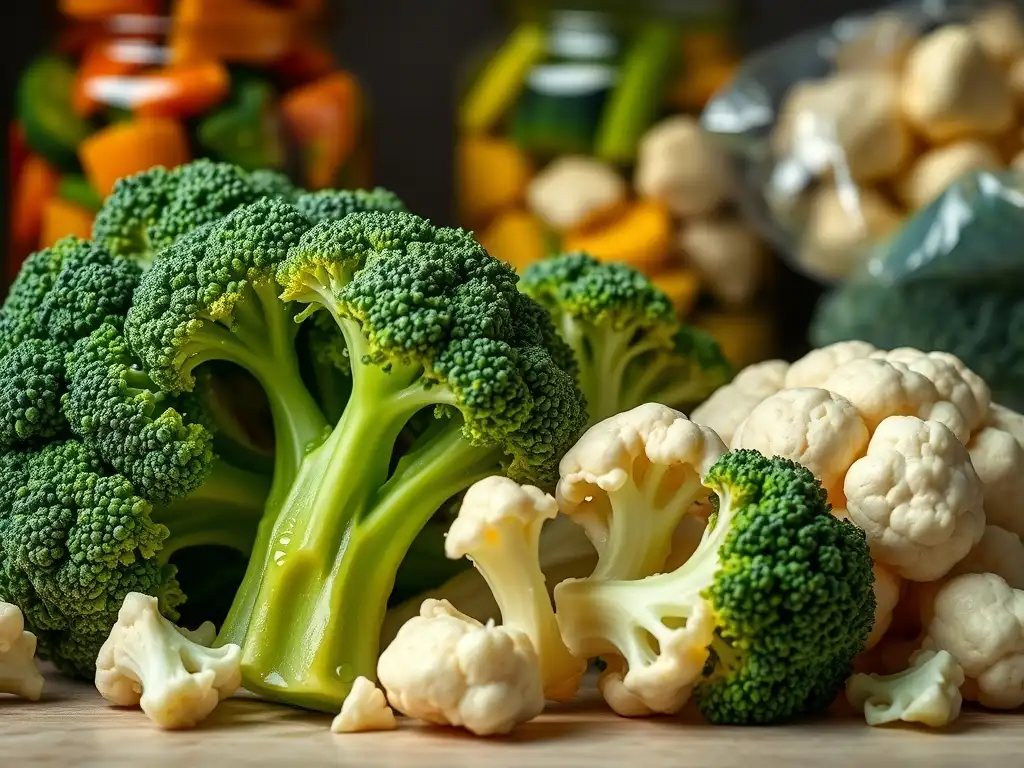
Welcome to CultivateYourFood, your guide to nurturing a thriving home garden! Ready to unlock the secrets to bountiful harvests and minimize food waste? Learn how to keep your freshly picked broccoli and cauliflower at their peak for longer – discover the surprising techniques to store broccoli and cauliflower longest in our latest article on Gardening for Self-Sufficiency. Explore our sustainable and organic gardening methods and embark on your journey towards homegrown goodness.
- Maximizing the Shelf Life of Your Broccoli and Cauliflower Harvest
-
Extending the Life of Your Broccoli and Cauliflower: Preservation Techniques
- Freezing Broccoli and Cauliflower for Long-Term Storage: A Step-by-Step Guide
- Blanching Broccoli and Cauliflower Before Freezing: Essential for Quality
- Packaging Frozen Broccoli and Cauliflower for Optimal Preservation
- Storing Frozen Broccoli and Cauliflower: Freezer Organization and Shelf Life
- Pickling Broccoli and Cauliflower: A Flavorful Preservation Method
- Dehydrating Broccoli and Cauliflower: A Guide to Crispy Vegetable Snacks
- Comparing Storage Methods: Fresh vs. Frozen vs. Preserved Broccoli and Cauliflower
- Troubleshooting Common Broccoli and Cauliflower Storage Issues
- Tips for Harvesting Broccoli and Cauliflower for Optimal Storage
-
Frequently Asked Questions
- How can I store broccoli and cauliflower to keep them fresh the longest?
- What's the best way to preserve broccoli and cauliflower for long-term storage?
- How long can I expect fresh broccoli and cauliflower to last in the refrigerator?
- Can I store broccoli and cauliflower together?
- Are there any signs that my broccoli and cauliflower have gone bad?
- Final Reflection: The Enduring Bounty of Brassicas
- Unlock the Secrets to Perfectly Preserved Vegetables!
Maximizing the Shelf Life of Your Broccoli and Cauliflower Harvest
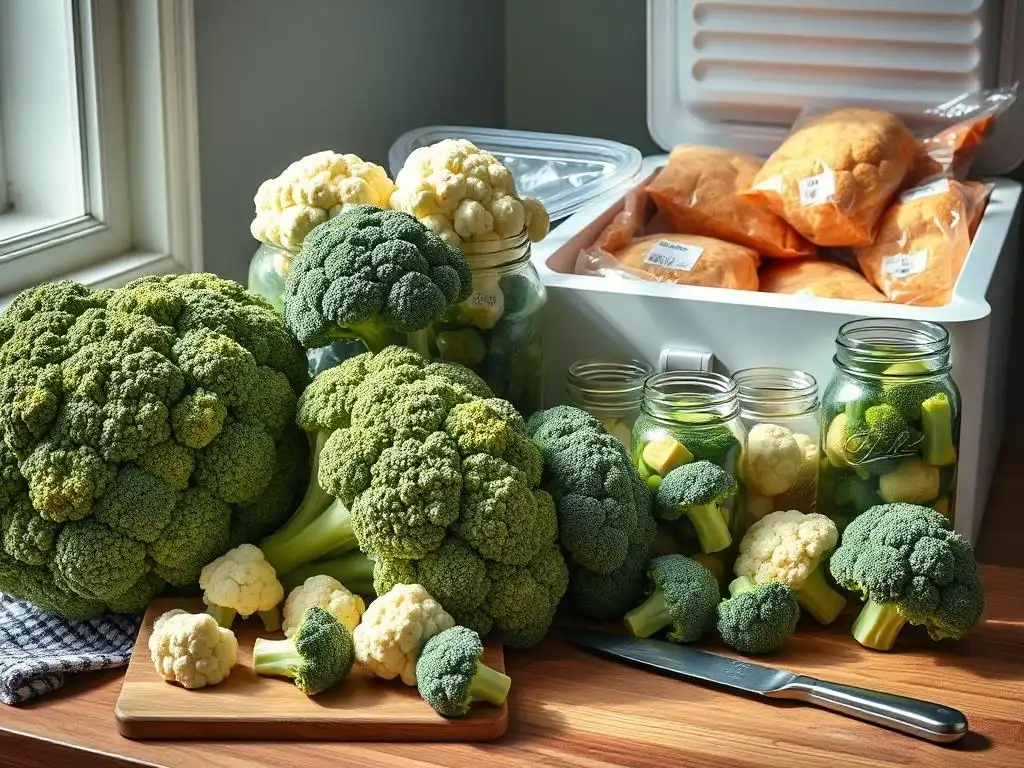
Harvesting your own broccoli and cauliflower is incredibly rewarding, offering a taste of freshness unmatched by store-bought produce. But the journey doesn't end with the harvest; preserving the quality and extending the shelf life of your precious bounty is crucial. This article will guide you through the best practices for storing broccoli and cauliflower, ensuring you enjoy the fruits (or rather, vegetables!) of your labor for as long as possible.
We'll explore methods for keeping your fresh produce at its peak, as well as effective preservation techniques to enjoy your harvest well into the future. Learning how to effectively store broccoli and cauliflower will help minimize waste and maximize the benefits of your homegrown vegetables, a key aspect of sustainable gardening and self-sufficiency. We'll cover everything from optimal storage conditions to preventing browning and wilting, ultimately helping you answer the question: how to Store broccoli cauliflower longest.
How to Properly Store Fresh Broccoli and Cauliflower for the Longest Time
Proper storage is paramount to prolonging the freshness of your broccoli and cauliflower. The key is to minimize exposure to air and moisture while maintaining a cool temperature. Avoid washing your broccoli and cauliflower before storing them, as excess moisture can accelerate spoilage. Instead, gently remove any damaged or wilted leaves.
Here's a step-by-step guide:
- Trim the stems: Cut the stems to remove any excess dirt and damaged areas. A clean cut will prevent bacterial growth.
- Loosely wrap: Wrap the broccoli and cauliflower heads loosely in paper towels. This will absorb excess moisture while allowing for some air circulation.
- Store in a plastic bag: Place the wrapped vegetables in a perforated plastic bag to further reduce moisture buildup. Avoid using airtight containers, as this can lead to condensation and rotting.
- Refrigerate: Store the bagged vegetables in the crisper drawer of your refrigerator. The crisper drawer maintains optimal humidity and temperature for extended freshness.
Following these steps will significantly extend the shelf life of your fresh broccoli and cauliflower, helping you enjoy their vibrant flavor and nutritional value for a longer period. Remember, the goal is to Store broccoli cauliflower longest while preserving their quality.
Optimal Storage Conditions for Broccoli and Cauliflower: Temperature and Humidity
Maintaining the right temperature and humidity is crucial for keeping your broccoli and cauliflower fresh. Fluctuations in either can lead to accelerated spoilage and wilting.
- Temperature: The ideal temperature for storing broccoli and cauliflower is between 32°F and 36°F (0°C and 2°C). This is typically the temperature maintained in the crisper drawer of most refrigerators. Avoid storing them near the door, as temperature fluctuations in this area can impact their longevity.
- Humidity: High humidity can lead to rotting, while low humidity can cause wilting. The crisper drawer usually provides the optimal balance. However, you can add a slightly damp paper towel to the bag if you notice excessive wilting. However, avoid over-dampening.
Maintaining these optimal storage conditions will significantly impact how long you can Store broccoli cauliflower longest. Even slight variations can make a noticeable difference in their freshness. Regularly check your produce and remove any showing signs of spoilage to prevent it from affecting the rest.
Preventing Browning and Wilting in Fresh Broccoli and Cauliflower
Browning and wilting are common problems when storing broccoli and cauliflower. These issues often indicate enzymatic activity and moisture loss. Here are some tips to minimize these issues:
- Quick blanch (for longer storage): For extended storage (beyond a week), consider blanching your broccoli and cauliflower before refrigerating. This involves briefly boiling the vegetables and then immediately plunging them into ice water to stop the cooking process. This inactivates enzymes that cause browning. However, blanching is best for vegetables intended for freezing or later use in cooking, as it alters the texture slightly.
- Proper wrapping: As mentioned earlier, proper wrapping is key. Ensure the vegetables are loosely wrapped to allow for air circulation but tightly enough to prevent excessive moisture loss.
- Avoid bruising: Handle the vegetables gently to avoid bruising, which can accelerate spoilage.
By following these tips, you can significantly reduce browning and wilting, contributing to your ability to Store broccoli cauliflower longest and maintain their quality. Remember that even with the best storage practices, some degree of degradation is inevitable, so regular checks are essential. 🥕🥦
Extending the Life of Your Broccoli and Cauliflower: Preservation Techniques
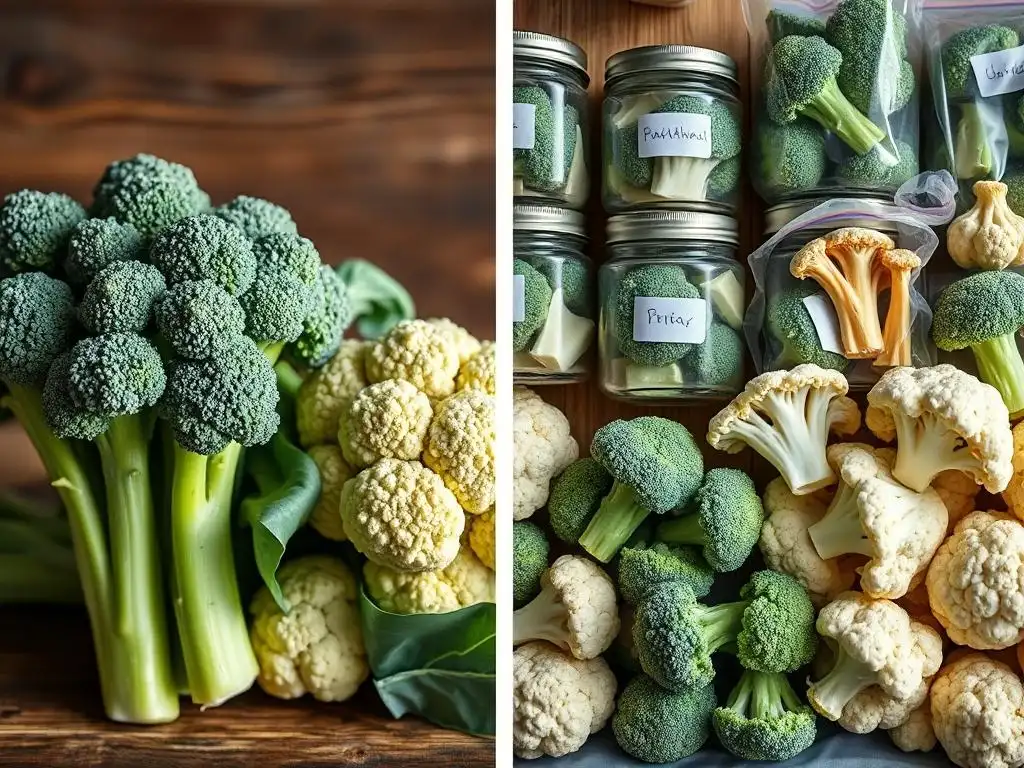
This section focuses on extending the shelf life of your homegrown broccoli and cauliflower, helping you to store broccoli cauliflower longest. We'll explore various preservation methods, emphasizing sustainable and organic practices aligned with the CultivateYourFood ethos. Proper storage is crucial not only to minimize waste but also to retain the nutritional value and delicious flavor of your hard-earned harvest. From simple refrigeration techniques to more involved preservation methods, we'll guide you through the best options for maximizing the lifespan of your broccoli and cauliflower. Remember, the fresher your produce starts, the longer it will last!
Freezing Broccoli and Cauliflower for Long-Term Storage: A Step-by-Step Guide
Freezing is a fantastic method for storing broccoli and cauliflower for extended periods, often allowing you to store broccoli cauliflower longest. This process effectively halts enzymatic activity that causes deterioration, preserving both the texture and nutritional content. Here's a step-by-step guide:
- Harvesting and Preparation: Harvest broccoli and cauliflower at their peak ripeness. For broccoli, choose heads that are firm and dark green, avoiding any yellowing. Cauliflower should be compact and creamy white, free from blemishes. Wash thoroughly and remove any damaged leaves or florets. Cut the broccoli into bite-sized florets and the cauliflower into similarly sized pieces.
- Blanching: Blanching is a crucial step in preserving the vibrant color, texture, and flavor of your vegetables. It involves briefly submerging the cut vegetables in boiling water, then immediately plunging them into ice water to halt the cooking process. (See the next section for detailed blanching instructions.)
- Drying: After blanching, spread the broccoli and cauliflower florets on a clean kitchen towel or a wire rack to air dry completely. Excess moisture can lead to ice crystal formation during freezing, affecting the texture.
- Packaging: Portion the vegetables into freezer-safe bags or containers, removing as much air as possible. Label each bag with the date to track freshness. Smaller portions are preferable for easier thawing and use.
- Freezing: Place the packaged broccoli and cauliflower into the freezer. They should remain frozen for up to 12 months, maintaining their quality and nutritional value.
Blanching Broccoli and Cauliflower Before Freezing: Essential for Quality
Blanching is a critical step in the freezing process, ensuring that your frozen broccoli and cauliflower retain their vibrant color, firm texture, and nutritional value. It's essential for preventing enzymatic activity that would otherwise lead to discoloration, softening, and loss of flavor during freezing. Here's how to blanch properly:
- Boiling Water Bath: Bring a large pot of water to a rolling boil. Add the cut broccoli and cauliflower florets, ensuring they're fully submerged. The blanching time is crucial and depends on the size of the pieces. For small florets, a 2-3 minute boil is usually sufficient. Larger pieces might require up to 4 minutes. Over-blanching can lead to mushy vegetables.
- Ice Water Bath: Prepare a large bowl filled with ice water. Immediately after boiling, transfer the vegetables from the boiling water to the ice water bath. This shock-cooling process stops the cooking process and helps to preserve the color and texture. Allow them to cool completely.
Proper blanching is key to successfully store broccoli cauliflower longest while maintaining optimal quality.
Packaging Frozen Broccoli and Cauliflower for Optimal Preservation
Proper packaging is just as important as blanching for long-term storage. The goal is to minimize air exposure and prevent freezer burn, which can compromise the flavor and texture of your frozen vegetables.
- Airtight Containers: Use freezer-safe containers with airtight lids. Make sure to remove as much air as possible before sealing to prevent freezer burn. Clearly label each container with the date and contents.
- Freezer Bags: Heavy-duty freezer bags are another excellent option. Remove as much air as possible before sealing. Consider using a vacuum sealer for the most effective air removal, further helping you store broccoli cauliflower longest.
- Portioning: Freezing in smaller portions is generally recommended. This allows for easier thawing and prevents unnecessary waste. Think about how much you typically use at one time and portion accordingly.
Choosing the right packaging method significantly impacts the longevity and quality of your frozen broccoli and cauliflower. By following these steps, you can successfully preserve your harvest and enjoy its goodness throughout the year. Remember, proper preparation is key to achieving the best results and helps you store broccoli cauliflower longest.
Storing Frozen Broccoli and Cauliflower: Freezer Organization and Shelf Life
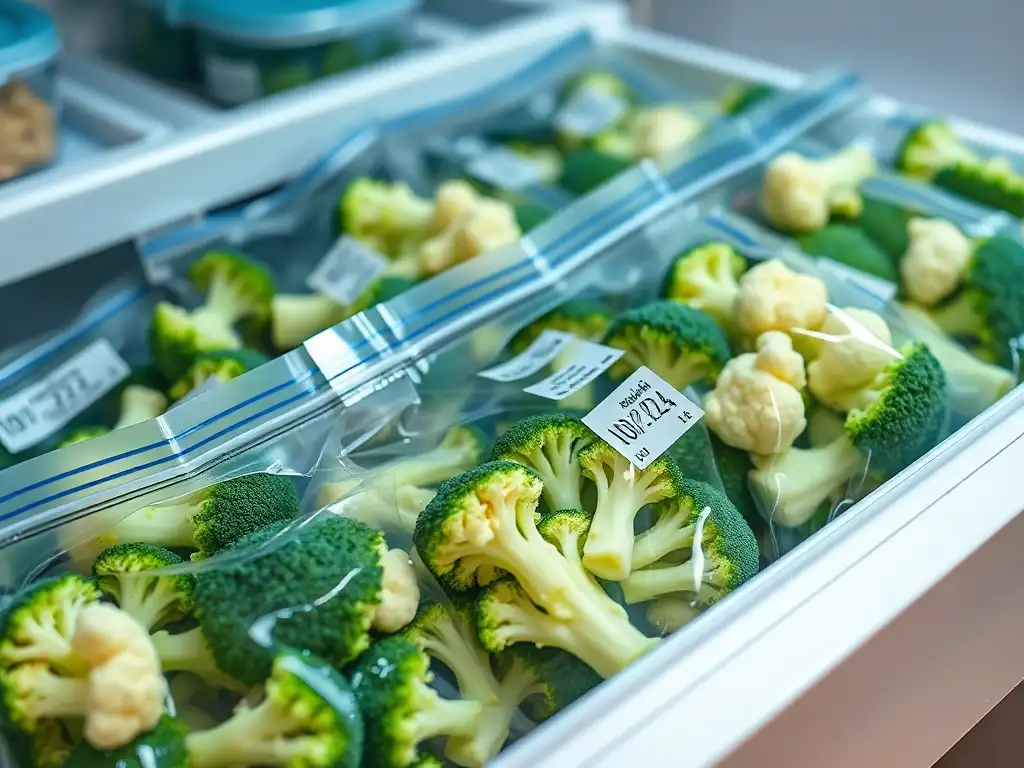
Freezing broccoli and cauliflower is an excellent method to significantly extend their shelf life, often up to a year if done correctly. Proper preparation is key to maintaining quality. Begin by washing your broccoli and cauliflower thoroughly, removing any damaged or wilted florets. Cut the vegetables into uniformly sized pieces for even freezing and optimal cooking later. Blanching—briefly submerging the cut vegetables in boiling water, then immediately plunging them into ice water—is highly recommended. This step inactivates enzymes that cause loss of color, flavor, and texture during freezing. After blanching, allow the vegetables to dry completely before packaging.
Use freezer-safe bags or containers, ensuring to remove as much air as possible to prevent freezer burn. Label each package clearly with the date to easily track their age. Organize your freezer strategically; placing smaller packages in front for easy access to older produce. While frozen broccoli and cauliflower can last for 10-12 months, for optimal quality, aim to consume them within 6-8 months. Remember, even with proper freezing techniques, some nutrient loss is inevitable over time. To minimize this, avoid repeated freezing and thawing cycles.
Pickling Broccoli and Cauliflower: A Flavorful Preservation Method
Pickling offers a delicious and surprisingly long-lasting way to preserve your homegrown broccoli and cauliflower. This method involves submerging the vegetables in a brine solution, creating a fermented environment that inhibits spoilage. The resulting pickled vegetables boast a tangy, slightly sour flavor that complements many dishes. For pickling, select firm, healthy broccoli and cauliflower heads. Cut them into bite-sized pieces, or use smaller florets for a more aesthetically pleasing result.
A basic pickling recipe typically includes vinegar (white or apple cider), water, salt, sugar, and optional spices like peppercorns, garlic, or dill. The exact ratios will vary depending on your preferred taste and the type of pickle you’re aiming for—from quick pickles ready in a few days to fermented pickles that mature over several weeks. Sterilization of jars is crucial to prevent mold growth.
The method involves boiling the jars and lids for several minutes before carefully packing the vegetables and filling them with the hot brine solution. Properly pickled broccoli and cauliflower can remain safe and palatable for several months, if stored in a cool, dark place.
Dehydrating Broccoli and Cauliflower: A Guide to Crispy Vegetable Snacks
Dehydration is another effective method for preserving broccoli and cauliflower, resulting in crunchy, shelf-stable snacks. This process removes moisture from the vegetables, inhibiting microbial growth and preventing spoilage. While the texture changes significantly, the dehydrated vegetables retain a good portion of their nutritional value. To dehydrate, you'll need a food dehydrator or a low oven with good air circulation.
Begin by thoroughly washing and cutting the broccoli and cauliflower into small, even pieces for consistent drying. Blanching, as in freezing, is beneficial here to maintain color and reduce drying time. Spread the pieces in a single layer on the dehydrator trays or baking sheets, ensuring adequate space between them for proper air circulation. The drying time varies depending on the equipment and the thickness of the pieces, ranging from several hours to a full day or more.
Once completely dry, the vegetables should be brittle and easily crumble. Store dehydrated broccoli and cauliflower in airtight containers in a cool, dark, and dry place. They can last for several months, providing a convenient and healthy snack option throughout the year. Remember to check regularly for any signs of moisture or mold.
Comparing Storage Methods: Fresh vs. Frozen vs. Preserved Broccoli and Cauliflower
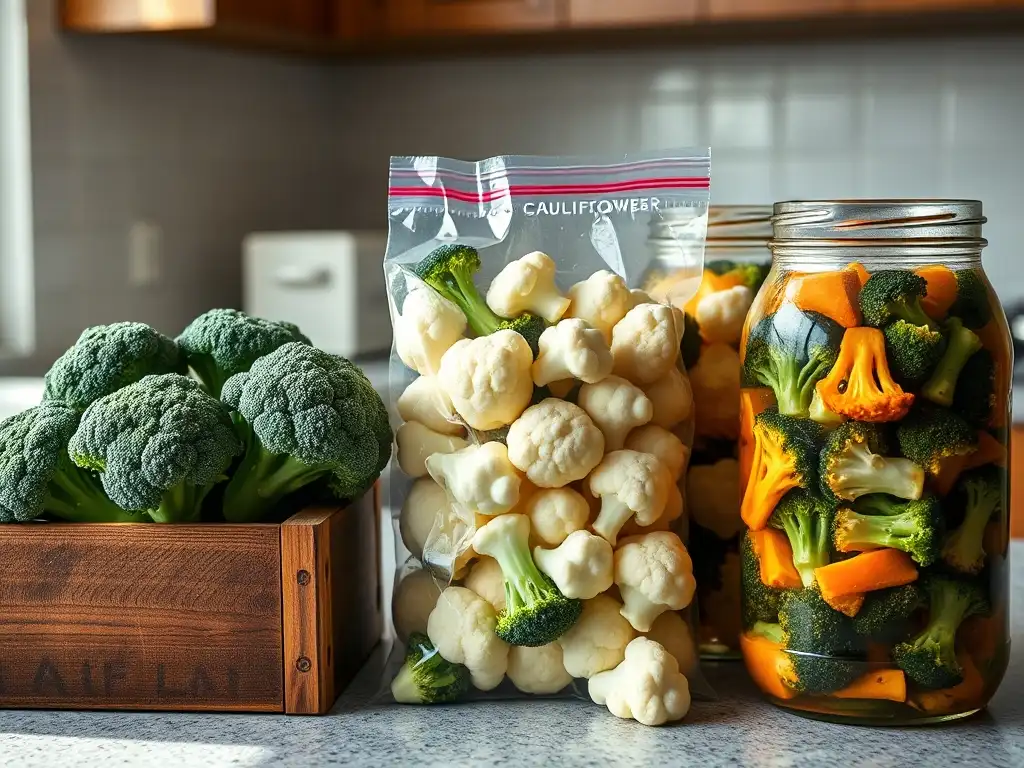
Choosing the best method to store broccoli and cauliflower hinges on several factors: how long you need to preserve your harvest, your available resources, and your priorities regarding taste, texture, and nutritional value. Let's compare three primary methods: fresh storage, freezing, and preserving (canning or pickling).
Fresh storage offers the simplest approach, ideal for immediate consumption or short-term storage (a few days). Freezing provides longer-term preservation, extending the shelf life to several months. Preserving techniques like canning or pickling can extend the shelf life for a year or more, but require more preparation and equipment. The optimal "Store broccoli cauliflower longest" strategy depends entirely on your needs.
Nutritional Value Comparison: Fresh vs. Frozen vs. Preserved Broccoli and Cauliflower
Nutritional content can vary slightly depending on the storage method. Generally, freezing broccoli and cauliflower retains most of their vitamins and minerals. Blanching before freezing helps to inactivate enzymes that cause nutrient loss during storage.
| Storage Method | Vitamin C Retention (%) | Vitamin A Retention (%) | Other Nutrient Impact |
|---|---|---|---|
| Fresh (optimal conditions, 3-5 days) | 80-90 | 90-95 | Minimal loss if stored properly |
| Frozen (properly blanched) | 75-85 | 85-90 | Minimal loss if stored properly |
| Preserved (canned/pickled) 1 | 60-75 | 70-80 | Some nutrient loss due to processing, varies greatly depending on the method. |
1 Note: The nutritional value of preserved broccoli and cauliflower significantly depends on the specific preserving method employed. Acidic pickling solutions, for instance, can affect certain vitamins more than others. Further research is needed to determine precise figures for all preserving methods. [Specific information pending on various pickling techniques].
Taste and Texture Comparison Across Different Storage Methods
The taste and texture of broccoli and cauliflower change noticeably depending on the storage method. Fresh broccoli and cauliflower offer the best flavor and crisp texture. However, this is only viable for short-term storage.
Freezing preserves much of the nutritional value but can lead to a slight softening of the texture upon thawing. Proper blanching minimizes this effect. The taste remains largely intact.
Preserving methods, particularly canning and pickling, impart unique flavors. Canning often results in a slightly softer texture, while pickling introduces a tangy, vinegary profile. The original flavor profile is altered significantly. Some individuals strongly prefer the unique taste of pickled broccoli and cauliflower.
Cost-Effectiveness Analysis of Different Broccoli and Cauliflower Preservation Methods
The cost-effectiveness of each storage method depends on factors such as initial investment in equipment (freezers, canning jars, etc. ), energy consumption (freezing), and time investment (processing for freezing and preserving).
Fresh storage is the cheapest option but offers the shortest shelf life, leading to potential waste if not consumed promptly. Freezing requires an initial investment in freezer space and electricity costs, but it offers a longer shelf life and minimizes waste compared to fresh storage. Preserving methods (canning, pickling) involve higher upfront costs for equipment (jars, lids, pressure canner, etc.)
and processing time but offer the longest storage period, potentially resulting in the lowest cost per serving over the long term, especially if you have a large harvest. The "Store broccoli cauliflower longest" strategy that is most cost-effective will depend on your volume of harvest and available resources. A cost-benefit analysis should be conducted based on individual circumstances.
Troubleshooting Common Broccoli and Cauliflower Storage Issues
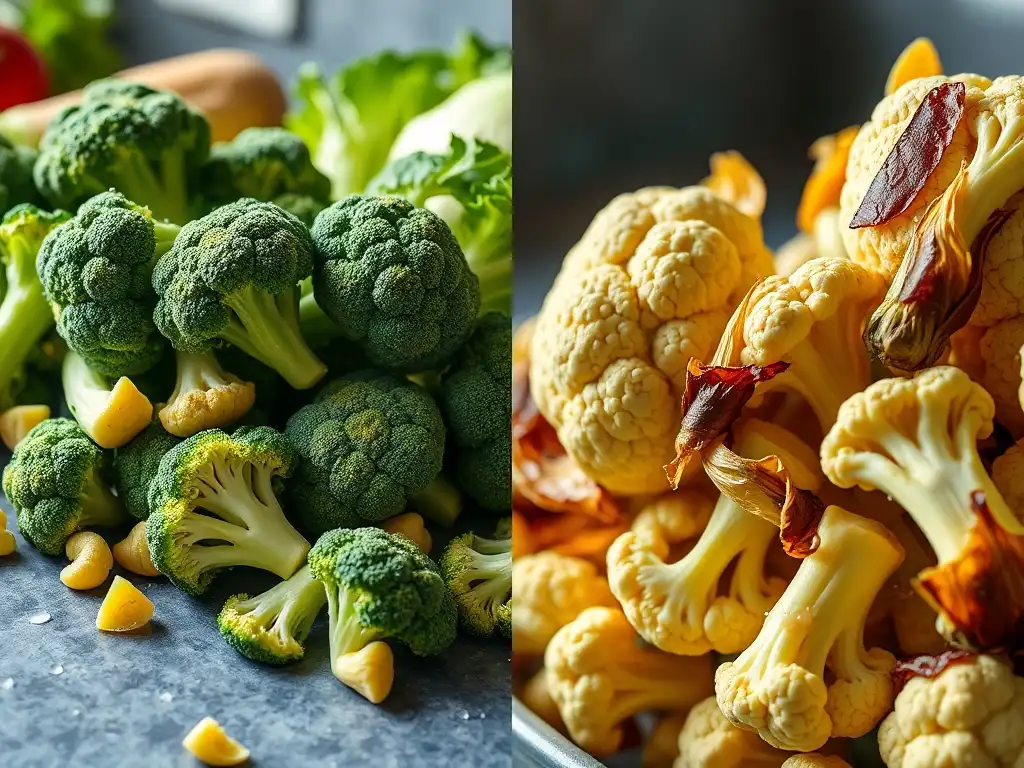
This section addresses common problems encountered when storing broccoli and cauliflower, offering practical solutions to maximize the shelf life and quality of your homegrown produce. Proper storage is crucial for preventing spoilage and preserving the nutritional value of these nutritious vegetables. Remember, the goal is to Store broccoli cauliflower longest possible while maintaining their freshness and taste.
Dealing with Broccoli and Cauliflower Browning and Wilting
Browning and wilting are common signs of deterioration in broccoli and cauliflower. These issues are often caused by improper storage conditions, such as exposure to excessive heat, humidity, or ethylene gas (released by ripening fruits). To minimize browning and wilting:
- Proper Refrigeration: Store broccoli and cauliflower in the crisper drawer of your refrigerator. This compartment maintains a consistent temperature and humidity level, slowing down the deterioration process. Ensure the vegetables are not tightly packed, allowing for proper air circulation.
- Wrapping Techniques: Wrap the broccoli and cauliflower loosely in paper towels or a breathable cloth, such as a cotton tea towel. Avoid using airtight plastic bags, as these can trap moisture, promoting bacterial growth and speeding up decay. Consider using perforated plastic bags as a compromise.
- Quick-Chill Method: For freshly harvested broccoli and cauliflower, a quick-chill method can help maintain freshness. Immerse the cut florets briefly in ice water before storage. This helps to slow down enzymatic activity that contributes to browning.
- Separate Storage: Keep broccoli and cauliflower away from fruits that produce ethylene gas, such as apples, bananas, and avocados. Ethylene accelerates ripening and senescence in vegetables, leading to faster browning and wilting.
Data suggests that broccoli and cauliflower stored under optimal conditions (crisper drawer, loosely wrapped) can last up to a week, sometimes longer. However, visual inspection is key; discard any florets showing significant signs of browning or wilting. Proper handling from the garden to the refrigerator significantly improves storage duration.
Preventing Insect Infestation in Stored Broccoli and Cauliflower
Insect infestation can ruin your carefully cultivated broccoli and cauliflower. Preventing infestations requires careful attention to detail throughout the process, from harvesting to storage. Here's how to minimize the risk:
- Thorough Inspection: Before storing, carefully inspect your broccoli and cauliflower for any signs of insect activity, such as larvae, eggs, or adult insects. Discard any heads showing infestation.
- Cleanliness is Key: Ensure your storage containers and surfaces are clean and free of debris. Insect eggs and larvae can easily hide in cracks and crevices. Regular cleaning of your refrigerator’s crisper drawer is essential.
- Proper Sealing (with caution): While airtight containers are generally discouraged to avoid moisture build-up, using mesh bags or loosely woven containers can help to deter insects while allowing for air circulation. This approach balances the need for air circulation with insect protection.
- Freezing as Prevention: Freezing broccoli and cauliflower is an excellent method to eliminate any existing pests and preserve the produce for extended periods. Freezing kills insects and their eggs, effectively preventing further infestation.
Addressing Freezer Burn in Frozen Broccoli and Cauliflower
Freezer burn, characterized by white, icy patches on frozen food, is a common issue that affects the quality and taste of frozen broccoli and cauliflower. It occurs when frozen food is exposed to air, causing moisture loss and a change in texture and flavor. Here’s how to minimize freezer burn:
- Proper Packaging: Use airtight, freezer-safe containers or heavy-duty freezer bags to prevent air exposure. Remove as much air as possible before sealing. Consider using vacuum-sealed bags for optimal protection.
- Portion Control: Freeze broccoli and cauliflower in smaller portions to facilitate quicker freezing and easier thawing. Smaller portions reach a lower temperature faster, reducing the risk of ice crystal formation.
- Labeling and Dating: Always label your frozen vegetables with the date of freezing. This helps you to use the oldest items first, minimizing the risk of extended freezer storage leading to freezer burn.
- Freezing Temperature: Ensure your freezer maintains a consistent temperature of 0°F (-18°C) or lower. Fluctuations in temperature can contribute to freezer burn.
By following these guidelines, you significantly increase the chances of enjoying high-quality, fresh-tasting broccoli and cauliflower for a longer period, maximizing the return on your homegrown efforts and answering the question of how to Store broccoli cauliflower longest.
Tips for Harvesting Broccoli and Cauliflower for Optimal Storage
Harvesting your broccoli and cauliflower at the peak of ripeness is crucial for maximizing storage life and ensuring optimal flavor and texture. This means understanding the visual cues that signal readiness and employing gentle harvesting techniques to avoid damage. Ignoring these steps can significantly reduce the time you can store broccoli cauliflower longest.
Preparing Broccoli and Cauliflower for Storage: Cleaning and Trimming Techniques
Proper cleaning and trimming are essential steps to prevent spoilage and extend the shelf life of your harvested broccoli and cauliflower. Begin by carefully inspecting each head for any signs of insect damage, disease, or blemishes. Remove any damaged leaves or florets.
Next, gently rinse the broccoli and cauliflower under cool, running water. Avoid soaking them, as excessive moisture can promote bacterial growth. Use a soft brush to remove any dirt or debris lodged between the florets.
Trimming is key. For broccoli, cut the stalk about an inch below the head, ensuring a clean cut to prevent bacterial entry. Remove any yellowing or wilted outer leaves. For cauliflower, cut the head from the stalk, leaving about an inch of stalk attached. Remove any damaged or discolored outer leaves.
Finally, allow the vegetables to air dry completely before storing. This will help prevent moisture buildup, which is a major contributor to spoilage. Pat them gently with a clean kitchen towel if needed to expedite the drying process. This meticulous preparation significantly contributes to how long you can successfully store broccoli cauliflower longest.
The Importance of Harvesting at the Right Time for Extended Shelf Life
The timing of your harvest directly impacts how long you can store broccoli cauliflower longest. Harvest broccoli when the heads are firm and compact, with tightly closed florets. The color should be a deep, vibrant green, and the florets should snap easily when bent. Avoid harvesting broccoli that shows signs of flowering, as this will negatively impact its quality and storage life.
For cauliflower, harvest when the curd (the head) is firm, white, and compact. The leaves should be tightly wrapped around the curd, protecting it from the elements. Avoid harvesting cauliflower that is showing signs of discoloration or browning.
Harvesting at the optimal time, coupled with proper storage techniques, is paramount to achieving the longest possible storage duration. Delayed harvesting can lead to rapid deterioration, while premature harvesting may result in smaller, less flavorful heads that don't store as well. Careful observation of the plants and understanding their growth stages are key to successfully extending the shelf life and answering the question of how to store broccoli cauliflower longest.
Frequently Asked Questions
How can I store broccoli and cauliflower to keep them fresh the longest?
To keep your broccoli and cauliflower fresh for as long as possible, store them in the refrigerator's crisper drawer in a plastic bag with small holes for ventilation. This helps maintain optimal humidity and prevents spoilage.
What's the best way to preserve broccoli and cauliflower for long-term storage?
Freezing is the best method for long-term preservation. Blanch the florets briefly before freezing to retain their color, texture, and nutrients. You can also can or pickle them, though these methods require more preparation.
How long can I expect fresh broccoli and cauliflower to last in the refrigerator?
Fresh broccoli and cauliflower typically last for 3-5 days in the refrigerator when stored properly. However, their quality will start to decline after a few days, so it's best to use them sooner rather than later.
Can I store broccoli and cauliflower together?
Yes, you can store broccoli and cauliflower together in the refrigerator, provided they are properly washed and dried before storage. Keep them in a ventilated container in the crisper drawer.
Are there any signs that my broccoli and cauliflower have gone bad?
Look for signs of wilting, discoloration, or slimy texture. A strong, unpleasant odor is another indication that your broccoli and cauliflower have spoiled and should be discarded.
Final Reflection: The Enduring Bounty of Brassicas
The ability to preserve the freshness and nutritional value of broccoli and cauliflower is not merely a culinary convenience; it's a vital step in reducing food waste and maximizing the benefits of these nutrient-rich vegetables. In a world increasingly focused on sustainable practices and healthy eating, understanding the optimal storage methods for these cruciferous powerhouses becomes even more crucial. We've explored various techniques, from simple refrigeration to more involved freezing and preserving methods, all aimed at extending the lifespan of these healthy vegetables.
The impact of readily available, fresh produce on our diets and overall well-being is undeniable. The simple act of preserving these vegetables connects us to a deeper appreciation for the seasons and the bounty of nature. We must cultivate our garden, not only for the sustenance it provides, but also for the nourishment it brings to the soul.
This quote speaks to the deeper meaning behind food preservation – it's not just about extending shelf life, but about nurturing a connection to our food sources and appreciating the effort involved in bringing healthy food to our tables.
Consider, for a moment, the possibilities. Imagine the satisfying crunch of perfectly preserved broccoli in a winter stew, or the creamy texture of cauliflower rice prepared from frozen florets months after harvest. You now possess the knowledge to make informed choices about how to best store your broccoli and cauliflower, ensuring you can enjoy their nutritional benefits for longer. Take this knowledge, experiment with different preservation methods, and discover the joy of extending the life – and the deliciousness – of these versatile vegetables.
Unlock the Secrets to Perfectly Preserved Vegetables!
Thanks for exploring the world of vegetable preservation! You've gained valuable knowledge to keep your harvest fresh and delicious for longer. Ready to put your new skills to the test?
- Master the art of blanching: This crucial step is key to preserving the vibrant color and texture of your vegetables. Try it now – you'll be amazed at the difference!
- Experiment with freezing techniques: Beyond basic freezing, explore methods like vacuum sealing or flash freezing for superior results. Share your experiences in the comments below!
- Consider fermentation: This ancient food preservation method not only extends the shelf life of your vegetables but also adds a delicious, tangy flavor.
So, which preservation method will you try first, and why? Let's share our experiences in the comments!