
The Ultimate Guide to Using Chickens to Boost Garden Yields

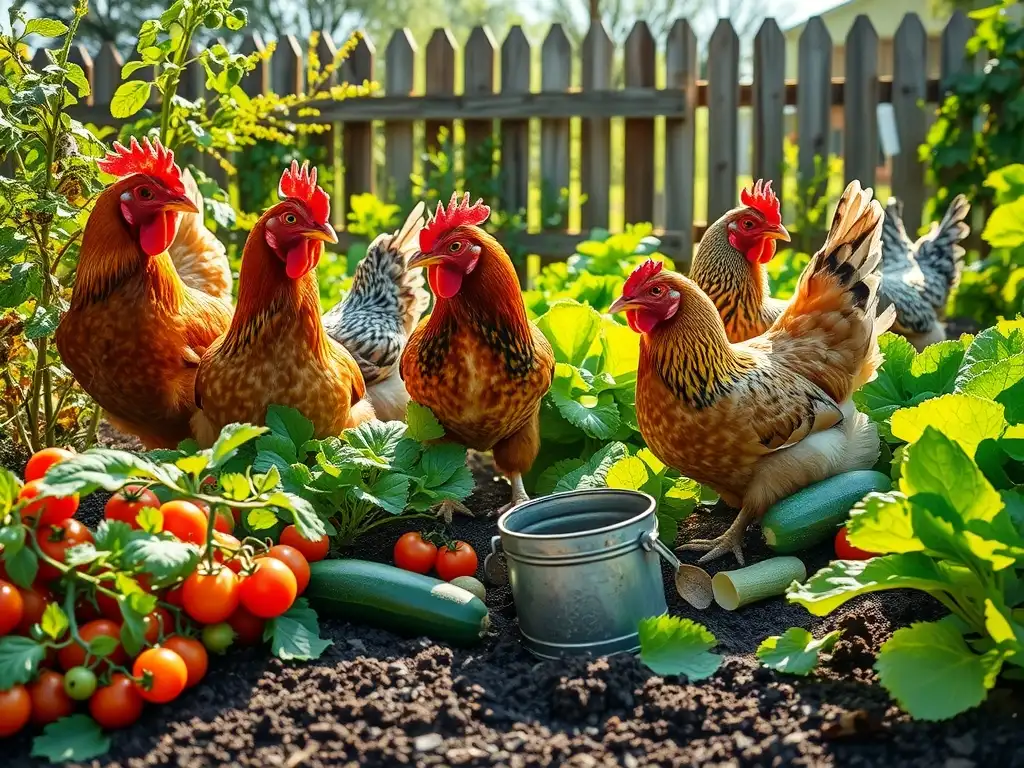
Ready to unlock the secrets to a thriving, abundant garden? At CultivateYourFood, we empower you to grow your own food organically and sustainably. Discover how integrating chickens into your gardening routine can dramatically increase your yields – learn the surprising ways chickens boost garden yield and transform your homegrown harvest. Prepare to be amazed by the symbiotic relationship between poultry and plants, and embark on a journey towards greater self-sufficiency!
- Understanding How Chickens Enhance Garden Productivity
- Planning Your Chicken-Integrated Garden System
- Implementing Your Chicken-Integrated Garden: Step-by-Step Guide
- Maintaining Your Chicken-Integrated Garden
- Harvesting and Maximizing Yields from Your Chicken-Integrated Garden
- Case Studies: Successful Chicken-Integrated Gardens
- Frequently Asked Questions about Chickens and Garden Yields (FAQ)
- Frequently Asked Questions
- Final Reflection: A Symbiotic Future: Chickens and Gardens Working Together
- Unlock Your Garden's Potential: Embrace the Power of Chickens!
Understanding How Chickens Enhance Garden Productivity
Integrating chickens into your backyard garden offers a surprisingly effective way to boost yields while embracing sustainable practices. This isn't just about collecting fresh eggs; chickens are dynamic components of a thriving, self-sufficient ecosystem. Their presence significantly improves soil health, provides natural pest control, and enhances soil structure – all contributing to healthier, more productive plants.
This ultimate guide explores the multifaceted ways chickens contribute to increased garden yields, helping you understand how to successfully integrate these feathered friends into your growing operation for a bountiful harvest. We'll delve into the specifics of how chicken manure enriches your soil, their predatory role in pest control, and the positive impact of their foraging behaviors on soil structure. By the end, you’ll be equipped to confidently assess whether integrating chickens is the right choice for maximizing your garden's potential and achieving a truly sustainable growing system.
Chicken Manure as a Natural Fertilizer: Improving Soil Health for Increased Yields
Chicken manure is a powerhouse of nutrients, providing a natural and sustainable alternative to synthetic fertilizers. Unlike chemical fertilizers that can damage soil structure and harm beneficial microorganisms, chicken manure improves soil health in several ways. It's rich in nitrogen (N), phosphorus (P), and potassium (K), the essential macronutrients plants need for vigorous growth. However, the exact NPK ratio varies depending on factors like the chicken's diet and the manure's age. For example, fresh manure generally has a higher nitrogen content, while composted manure offers a more balanced release of nutrients over time.
Composting chicken manure is crucial before applying it directly to your garden. Fresh manure can burn plants due to its high ammonia content. Proper composting reduces ammonia levels and creates a rich, nutrient-laden amendment. The composting process also eliminates potential pathogens.
The resulting compost can be incorporated into the soil before planting or used as a top dressing throughout the growing season. Using composted chicken manure consistently leads to healthier plants with increased yields, stronger root systems, and greater resistance to diseases. Remember, always test your soil regularly to adjust your fertilization strategy as needed. This ensures you're providing the perfect balance of nutrients without over-fertilizing.
Pest Control: Chickens as Natural Predators for Garden Pests
Chickens are voracious eaters, and this extends to many common garden pests. Their natural foraging behavior helps control insect populations, reducing the need for harmful pesticides. They happily consume slugs, snails, caterpillars, grubs, and many other insects that can damage plants. This natural pest control reduces crop losses and contributes to a healthier, more balanced garden ecosystem.
The effectiveness of chickens as pest control depends on several factors, including the density of the chicken population relative to the garden size, the type of pests present, and the overall garden design. For example, free-ranging chickens are generally more effective at pest control than confined chickens. However, care must be taken to prevent overgrazing or damage to delicate plants. Strategic planting, using chicken-resistant plants for vulnerable areas, and providing supplemental feed can help mitigate these potential issues. Observing your garden and adjusting your management practices accordingly is vital for maximizing the benefits of chicken-based pest control.
Improving Soil Structure and Aeration Through Chicken Activity
Chickens' constant scratching and foraging activity significantly improves soil structure and aeration. Their scratching loosens compacted soil, allowing for better water penetration and root growth. This improved aeration promotes healthy microbial activity, essential for nutrient cycling and overall soil health. The improved soil structure reduces water runoff and erosion, leading to more efficient water use and healthier plants.
Moreover, chicken droppings, even without composting, contribute to improved soil structure over time. Their activity creates small tunnels and channels in the soil, increasing porosity and drainage. This is particularly beneficial in heavy clay soils, which often suffer from poor drainage and aeration. By incorporating chickens into your garden, you're essentially providing a natural and effective form of soil cultivation, reducing the need for heavy tilling and promoting a more sustainable gardening practice. The result is a healthier soil environment that supports increased plant growth and yields.
Nutrient Cycling: A Closed-Loop System for Enhanced Garden Growth
Chickens are remarkably efficient at creating a closed-loop system for nutrient cycling in your garden, significantly boosting yields. Their droppings, rich in nitrogen, phosphorus, and potassium – essential macronutrients for plant growth – are a goldmine for your soil. Instead of relying on synthetic fertilizers, which can harm beneficial soil organisms and pollute waterways, you can harness the power of chicken manure to naturally enrich your garden beds. This organic approach not only nourishes your plants but also improves the overall soil health, leading to healthier, more productive plants.
The process is surprisingly simple. Chicken manure, whether collected directly from the coop or from a designated composting area, can be incorporated into the soil through various methods. You can spread a thin layer directly onto the garden beds and then till it in, or you can create a compost tea by steeping composted chicken manure in water.
This nutrient-rich tea can then be applied as a liquid fertilizer, providing a readily available source of nutrients for your plants. Remember to always compost chicken manure before direct application to avoid burning your plants due to its high nitrogen concentration. Composting reduces the risk of introducing harmful pathogens and allows for the beneficial breakdown of the manure, making the nutrients more readily available to your plants.
The impact of this closed-loop system extends beyond immediate nutrient availability. Improved soil structure, resulting from the addition of organic matter, enhances water retention and aeration, creating an ideal environment for root growth. This leads to healthier, more vigorous plants that are better equipped to withstand environmental stresses and produce higher yields.
By using chicken manure, you're not just fertilizing your garden; you're investing in long-term soil health, creating a sustainable system that will reward you with bountiful harvests for years to come. The reduction in reliance on external inputs, such as purchased fertilizers, also contributes to a more environmentally friendly and cost-effective gardening practice, aligning perfectly with the principles of sustainable agriculture. This truly showcases how chickens boost garden yield through a natural and efficient system of nutrient recycling.
Planning Your Chicken-Integrated Garden System
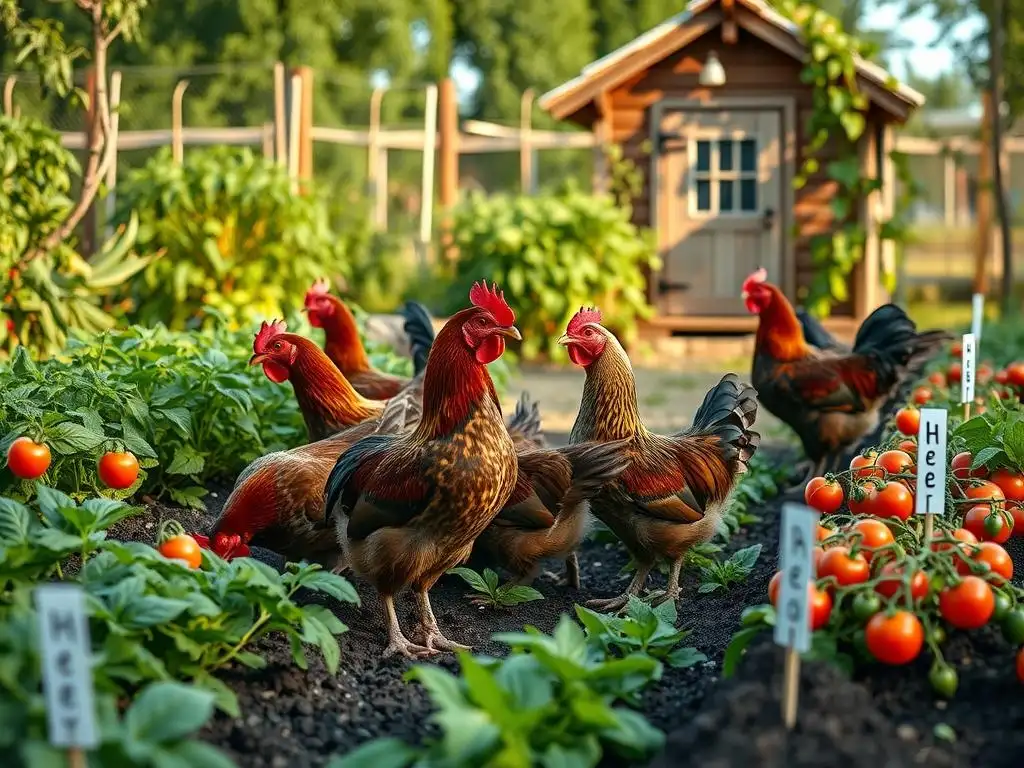
This section delves into the strategic planning required to successfully integrate chickens into your garden ecosystem to boost yields. Successfully implementing this system requires careful consideration of several key factors, ensuring both the health of your chickens and the flourishing of your plants. Remember, the goal is a symbiotic relationship where chickens contribute to garden fertility while enjoying a safe and enriching environment. Improper planning can lead to damaged crops and stressed poultry.
Choosing the Right Chicken Breeds for Your Garden
Selecting the appropriate chicken breed is paramount to a successful chicken-garden integration. Not all breeds are created equal when it comes to garden suitability. Some breeds are better foragers, contributing more effectively to pest control and soil fertilization. Others are less prone to damaging plants with their scratching.
Consider these factors when making your selection:
- Foraging Ability: Breeds known for their foraging instincts, like Orpingtons or Australorps, will actively seek out insects and weed seeds, reducing the need for chemical pest control and improving soil health. These breeds are excellent for pest control, naturally reducing the need for harmful pesticides.
- Scratching Behavior: While scratching is beneficial for soil aeration, some breeds are more prone to excessive scratching, potentially damaging delicate plants. Consider breeds known for gentler scratching habits, or plan your garden layout to protect vulnerable seedlings. Avoid breeds known for destructive scratching in areas with young plants.
- Temperament: Choose docile breeds that are less likely to be aggressive towards you or your plants. A calm flock is easier to manage and less likely to cause unintended damage. Aggressive breeds can stress plants and require more careful management.
- Egg Production: While not directly related to garden yield boosting, the egg production of your chosen breed will contribute to your overall self-sufficiency goals. Balancing foraging ability with egg production will help you optimize your system.
The table below summarizes the traits of three popular breeds:
| Breed | Foraging Ability | Scratching Behavior | Temperament | Egg Production |
|---|---|---|---|---|
| Orpington | Excellent | Moderate | Docile | Good |
| Australorp | Excellent | Moderate | Docile | Excellent |
| Rhode Island Red | Good | Moderate to High | Active | Excellent |
Remember to research breeds thoroughly before making your decision. Your local agricultural extension office can provide valuable breed-specific information relevant to your region's climate and pest pressures.
Designing Your Chicken Run for Optimal Garden Integration
The design of your chicken run is crucial for maximizing the benefits of chicken integration while minimizing potential damage to your garden. A well-planned run will allow chickens access to areas needing pest control and soil improvement, while keeping them away from vulnerable plants.
Consider these key design elements:
- Rotation: Divide your garden into sections and rotate your chicken run to prevent overgrazing in any one area. This allows areas to recover and promotes even soil enrichment. A rotational system helps prevent soil depletion and promotes healthy plant growth.
- Access to Foraging Areas: Ensure your chickens have access to areas where they can naturally forage for insects and weed seeds. This could involve designated areas within the run or controlled access to specific parts of the garden. Strategic placement of the run allows chickens to naturally control pest populations.
- Protection for Vulnerable Plants: Use barriers, such as raised beds or chicken wire cages, to protect young seedlings and delicate plants from scratching and pecking. This will prevent damage to your most vulnerable crops.
- Shelter and Shade: Provide adequate shelter and shade within the run to protect chickens from extreme weather conditions. A comfortable chicken run encourages healthy chickens, which are more effective at boosting your garden's yield.
- Water Source: Always ensure a clean and readily available water source within the run. Dehydrated chickens are less effective foragers and may become more prone to stress.
Creating a Safe and Effective Fencing System for Chickens and Plants
A secure and effective fencing system is non-negotiable for successful chicken-garden integration. This system must keep your chickens contained while protecting your plants from damage and preventing escapes. The fencing needs to be strong enough to withstand determined chickens while being safe for both chickens and plants.
Key considerations for your fencing system include:
- Height: Chickens can be surprisingly adept climbers, so your fence needs to be tall enough to prevent escapes. At least 4-5 feet is recommended, and even taller if you have particularly active breeds. Taller fences offer better security and prevent escape.
- Material: Choose a durable material that is resistant to digging and pecking. Welded wire mesh is a popular choice, but consider the possibility of burying a portion of the mesh to prevent digging under. The choice of materials impacts the durability and longevity of your fence.
- Gate Security: Ensure your gate is secure and well-latched to prevent chickens from escaping. A secure gate is essential for keeping your chickens safely contained.
- Plant Protection: Consider using additional barriers, such as chicken wire cages or raised beds, to protect particularly vulnerable plants from direct access by chickens. This provides an extra layer of security for your plants.
- Regular Inspection: Regularly inspect your fencing for any damage or weaknesses and repair them promptly. Regular maintenance prevents escapes and ensures your fence remains effective.
By carefully planning your chicken-integrated garden system, considering breed selection, run design, and fencing, you can create a mutually beneficial environment where chickens significantly boost your garden yields, contributing to a more sustainable and productive gardening experience. Remember that careful planning and attention to detail are key to a successful integration.
Determining the Optimal Chicken-to-Garden Ratio for Maximum Benefits
Determining the ideal number of chickens for your garden size is crucial for maximizing benefits while minimizing potential damage. Too few chickens, and you won't reap the full rewards of their manure and pest control. Too many, and they might overgraze your plants or compact the soil excessively. The optimal ratio isn't a fixed number; it depends heavily on several factors.
Firstly, consider the size of your garden. A small, intensively planted vegetable patch will require fewer chickens than a larger, more sprawling garden. A general guideline suggests starting with one chicken per 100 square feet of garden space. However, this is a very rough estimate. Experienced gardeners often adjust this based on their specific circumstances. For instance, if you have a high density of small, delicate plants, you might want to reduce the chicken-to-garden ratio. Conversely, a larger garden with robust plants could support a slightly higher density.
Secondly, the type of chickens plays a role. Larger breeds, like Orpingtons or Brahmas, will naturally consume more and potentially cause more soil compaction than smaller breeds like Bantam chickens. Therefore, you might need fewer larger chickens to achieve the same level of garden enrichment.
Thirdly, the type of gardening you practice influences the equation. If you primarily grow root vegetables, which are less susceptible to chicken damage, you can potentially support a higher chicken density. However, if you grow delicate seedlings or leafy greens, a lower density is recommended to prevent damage. Consider also the placement of your chicken coop and run in relation to your garden beds – strategic placement can minimize damage and maximize benefits.
Finally, your management practices are key. Rotating your chickens' access to different parts of the garden, providing supplemental feed, and regularly monitoring their activity will all influence the optimal ratio. For example, providing supplemental feed will reduce the likelihood of chickens scratching and damaging your plants. Regular monitoring allows for timely intervention should they start to damage your plants.
Careful observation and adjustment are vital. Start with a lower density and gradually increase the number of chickens as you assess their impact on your garden. Remember, the goal is a symbiotic relationship, where the chickens thrive and your garden flourishes. Don't be afraid to experiment and fine-tune your approach based on your specific needs and observations. The optimal chicken-to-garden ratio is a dynamic balance that requires ongoing attention and adaptation. 🐔
Implementing Your Chicken-Integrated Garden: Step-by-Step Guide
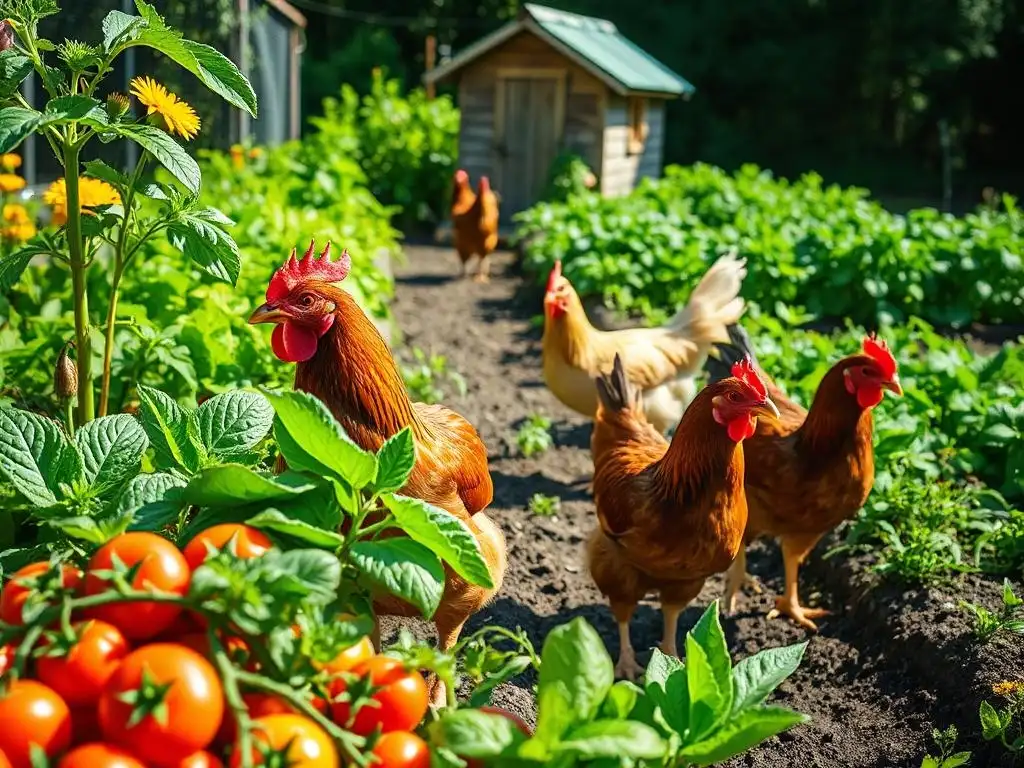
This section details the practical steps involved in successfully integrating chickens into your existing garden or designing a new garden around your chicken coop. Remember, the key to a thriving chicken-integrated garden is careful planning and a gradual introduction of your feathered friends to their new environment. The benefits of using chickens to boost garden yield are numerous, from natural pest control to soil enrichment. Let's explore how to maximize these benefits.
Setting Up Your Chicken Coop and Run: Location and Construction
Choosing the right location and building a suitable coop and run are crucial first steps. The ideal location maximizes sunlight for the chickens and minimizes disruption to your garden. Consider these factors:
- Sunlight: Aim for at least 6 hours of direct sunlight daily to keep the coop dry and warm, preventing the growth of harmful bacteria and parasites. This also aids in vitamin D production for your chickens, contributing to their overall health and egg production.
- Drainage: Poor drainage can lead to muddy conditions, attracting pests and diseases. Select a location with well-drained soil or create a raised coop base.
- Proximity to Garden: The run should be easily accessible to your garden beds, facilitating easy access for chickens to forage and enrich the soil. However, avoid placing the coop directly in the garden to prevent soil compaction and overgrazing.
- Predator Protection: Secure your coop and run from predators like foxes, raccoons, and weasels. Use sturdy materials, bury wire mesh around the base, and consider a secure locking mechanism.
- Coop Size: The size of your coop depends on the number of chickens you plan to keep. Allow ample space for roosting, nesting, and movement. A good rule of thumb is 4 square feet per chicken for floor space.
- Run Size: Similarly, the run size is crucial. A larger run provides more space for foraging and reduces soil compaction in any given area. Aim for at least 8-10 square feet per chicken.
Constructing your coop and run from durable, weather-resistant materials is essential for longevity. Consider using pressure-treated lumber or recycled materials for cost-effectiveness and sustainability. Remember that proper ventilation is critical to prevent ammonia build-up and maintain a healthy environment for your chickens.
Introducing Chickens to Your Garden Environment: A Gradual Approach
Introducing your chickens to the garden gradually minimizes stress for both your chickens and your plants. A sudden influx of chickens can lead to overgrazing and damage to delicate plants. Follow these steps for a smooth transition:
- Initial Confinement: Initially, confine your chickens to a small, enclosed area within the run, allowing them to acclimate to their new surroundings. This prevents them from immediately exploring and potentially damaging your entire garden.
- Gradual Expansion: After a few days, gradually expand their access to the run, allowing them to explore a larger area each day. This controlled introduction allows you to observe their foraging habits and identify any potential problem areas.
- Supervised Foraging: Initially, supervise their foraging, especially if you have young plants or seedlings. This allows you to redirect them away from vulnerable areas and prevent damage.
- Rotating Access: Rotate their access to different parts of the garden. This prevents overgrazing in any one area and allows for natural soil fertilization through their droppings. This helps to improve the soil's overall health and fertility, leading to increased yields.
- Monitoring Plant Health: Regularly monitor the health of your plants. If you notice any significant damage, adjust their access accordingly.
Protecting Vulnerable Plants from Overzealous Chickens: Implementing Protective Measures
Even with careful introduction, some plants may require additional protection. Here are several effective strategies:
- Chicken Wire Cages: Construct individual cages around vulnerable plants, especially seedlings and young transplants. This provides a physical barrier, preventing the chickens from reaching the plants.
- Floating Row Covers: Use floating row covers to protect entire rows of plants. These lightweight fabrics allow sunlight and water to reach the plants while keeping chickens out.
- Netting: Netting can be draped over plants or hung above raised beds to deter chickens from accessing them.
- Repellents: While less effective than physical barriers, commercially available chicken repellents may provide some protection. However, these often need frequent reapplication.
- Strategic Planting: Plant less vulnerable plants in areas frequented by chickens. Hardy vegetables and herbs are less likely to be damaged by foraging chickens. Consider planting herbs like rosemary and thyme, which chickens generally avoid.
Remember, patience and observation are key to successfully integrating chickens into your garden. By following these steps, you can harness the power of chickens to boost your garden yields while maintaining a healthy and thriving ecosystem. The benefits of this integrated system are substantial, leading to a more productive and sustainable garden.
Monitoring Chicken Activity and Adjusting Your Strategy as Needed
Regularly observing your chickens' behavior within the garden is crucial for optimizing the system and preventing potential problems. Chickens, like any livestock, have individual personalities and foraging preferences. Some might focus intensely on a particular area, potentially overgrazing or damaging specific plants. Others might be more passive foragers, leaving certain sections untouched. This uneven distribution of activity necessitates a flexible approach.
For example, you might notice your Rhode Island Reds are particularly fond of the newly planted lettuce bed, potentially causing damage to seedlings. In this case, consider implementing temporary fencing or covering the vulnerable plants with netting until they are more established. Alternatively, you could strategically plant less desirable greens, like kale or chard, near the lettuce to act as a buffer and divert the chickens' attention.
Observing their pecking patterns can also reveal areas where soil enrichment is needed. If they're consistently scratching in one spot, it might indicate a lack of essential nutrients in that area, signaling the need for additional compost or fertilizer.
Beyond foraging habits, monitor your chickens for signs of illness or stress. Changes in appetite, lethargy, or unusual feathering can indicate a problem that might indirectly affect your garden. Stressed chickens might become more destructive, while sick chickens might spread disease. Regular health checks are therefore essential for the overall success of your chicken-integrated garden.
A healthy flock is a productive flock, and a productive flock contributes significantly to a thriving garden. This integrated approach requires consistent vigilance; the garden's success is directly linked to the well-being of your feathered friends. Remember to adapt your strategy based on your observations, ensuring a harmonious coexistence between your chickens and your plants. This adaptive management is key to achieving a truly sustainable and productive chicken-integrated garden.
Maintaining Your Chicken-Integrated Garden
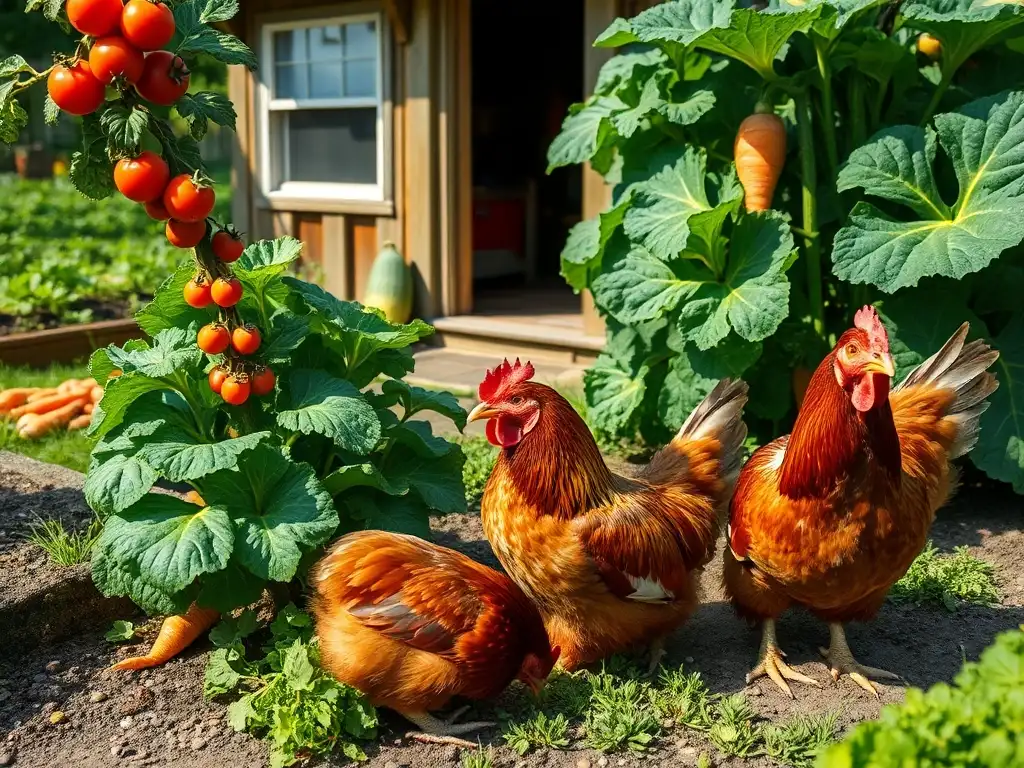
This section delves into the crucial aspects of maintaining a thriving garden integrated with chickens. Successfully implementing this system requires diligent attention to hygiene, nutrient management, and soil health. Ignoring these steps can quickly negate the benefits chickens offer, leading to soil degradation and potential disease. Let's explore the key practices for long-term success in boosting your garden yield with chickens.
Regularly Cleaning and Maintaining the Chicken Run: Hygiene and Waste Management
Maintaining a clean chicken run is paramount for both the chickens' well-being and the health of your garden. Neglecting hygiene can lead to the buildup of harmful pathogens and parasites, impacting both your flock and your plants. Regular cleaning prevents the spread of diseases like coccidiosis and reduces the risk of attracting unwanted pests. Effective waste management is also critical for maximizing the beneficial aspects of chicken manure.
Here's a breakdown of essential practices:
- Daily Cleaning: Remove fresh droppings from the chicken run daily. This prevents ammonia buildup, which is harmful to chickens and can damage plants. A simple shovel and wheelbarrow are sufficient for this task. Consider using a compost bin located conveniently near the run.
- Weekly Deep Cleaning: Once a week, thoroughly clean the entire run. Remove all accumulated manure and bedding. Use a pressure washer (if applicable) or a stiff brush to scrub the walls and floor of the run, removing any caked-on manure. Allow the run to dry completely before replacing fresh bedding.
- Bedding Management: Use absorbent bedding like wood shavings, straw, or shredded paper. Regularly turning and adding fresh bedding helps to absorb moisture and reduce odor. This also helps to break down manure more effectively, creating a richer compost.
- Waste Disposal: Composting chicken manure is a fantastic way to manage waste and create nutrient-rich fertilizer for your garden. However, avoid adding fresh manure directly to the garden. Allow it to properly compost for at least several months to reduce the risk of burning your plants. The composting process naturally reduces harmful pathogens.
- Pest Control: Regularly inspect the run for pests such as rodents or insects. Take appropriate steps to eliminate them to prevent them from contaminating the chicken's environment and potentially spreading disease.
Supplementing Chicken Diet for Optimal Manure Production
The quality of chicken manure directly impacts its effectiveness as a garden fertilizer. Feeding your chickens a balanced diet rich in nutrients ensures they produce high-quality manure packed with essential elements for plant growth. A balanced diet also helps maintain healthy chickens, reducing the risk of disease and improving overall egg production.
Consider these supplementary feeds to enhance manure quality:
- Kitchen Scraps: Offer a variety of vegetable scraps, fruit peels, and grains. Avoid giving them anything moldy or spoiled.
- Compost: Adding composted materials to their diet can significantly improve the nutrient content of their manure.
- Commercial Feed: Supplement their diet with high-quality commercial chicken feed to ensure they receive all the necessary nutrients. Look for feeds with higher protein content.
- Forage: Allow chickens access to areas where they can forage for insects and other natural food sources. This adds variety to their diet and boosts the natural nutrient content of their manure.
Remember to always monitor your chickens' health and adjust their diet accordingly. A healthy chicken produces the best manure for your garden. Observe their droppings; healthy droppings should be firm and dark brown.
Rotating Chicken Access to Different Garden Areas: Avoiding Soil Depletion
Rotating chicken access to different areas of your garden is crucial for preventing soil depletion and maintaining soil health. Concentrated chicken activity in one area can quickly deplete essential nutrients and potentially introduce harmful pathogens. Rotation helps to distribute the benefits of chicken manure evenly and prevents over-fertilization in specific areas.
Implementing a rotation system involves:
- Dividing your garden: Divide your garden into several sections.
- Controlled access: Use fencing or other barriers to control where the chickens can access at any given time.
- Rotation schedule: Establish a schedule for rotating chicken access to different sections, allowing sufficient time for each section to recover before the chickens return. A typical rotation might be 2-4 weeks per section, depending on soil type and chicken density.
- Monitoring soil health: Regularly monitor the soil's health in each section. Test the soil pH and nutrient levels to ensure it remains balanced.
- Cover cropping: Consider planting cover crops in sections after the chickens have left. These crops help to restore soil nutrients and improve soil structure.
This rotational grazing, or in this case, "rotational pecking," mimics natural ecosystems, leading to healthier soil and a more sustainable gardening practice. This contributes significantly to the overall goal of using chickens to boost garden yields in a holistic and sustainable manner. 🐔
Addressing Potential Challenges: Dealing with Overgrazing or Soil Compaction
Overgrazing by chickens, while a testament to their effectiveness in pest control and soil fertilization, can lead to soil compaction and damage to your plants. The key is proactive management and careful observation. Regularly assess the areas where your chickens roam. Look for signs of bare patches, trampled plants, or excessively compacted soil.
These are clear indicators that you need to adjust your management strategies. For instance, if you notice significant soil compaction in a particular area, you might need to temporarily restrict chicken access to that section and allow the soil to recover. This could involve using temporary fencing or simply moving their coop and run to a different location.
One effective method is to rotate your chickens' access to different areas of your garden. This rotational grazing technique mimics natural grazing patterns and prevents over-exploitation of any single area. Divide your garden into several sections and allow your flock access to only one section at a time. This gives the soil time to recover and prevents the chickens from concentrating their foraging in one spot.
The duration of access to each section depends on several factors such as soil type, chicken numbers, and plant density. You may need to experiment to find the optimal rotation schedule for your specific situation. Remember to monitor the soil's health throughout the process.
Soil compaction can also be mitigated through the introduction of cover crops. These plants, such as clover or rye, help improve soil structure and prevent erosion. Planting cover crops in areas where chickens have concentrated their foraging can help restore soil health and prevent further compaction. Furthermore, the cover crops themselves can provide additional food for your chickens, enriching their diet and contributing to a more sustainable ecosystem.
The added benefit is that as the cover crops decompose, they contribute to the organic matter content of your soil, improving its overall fertility. This holistic approach minimizes the negative impacts of chicken foraging while maximizing the benefits for both your chickens and your garden. Remember to consider the specific needs of your soil and choose cover crops accordingly.
Consulting with a local agricultural expert can be beneficial in selecting appropriate cover crops for your region and soil type. Careful planning and regular monitoring are essential for preventing overgrazing and ensuring a thriving chicken-integrated garden. The goal is to achieve a harmonious balance, maximizing the benefits of chickens while protecting the health of your soil and plants.
Harvesting and Maximizing Yields from Your Chicken-Integrated Garden
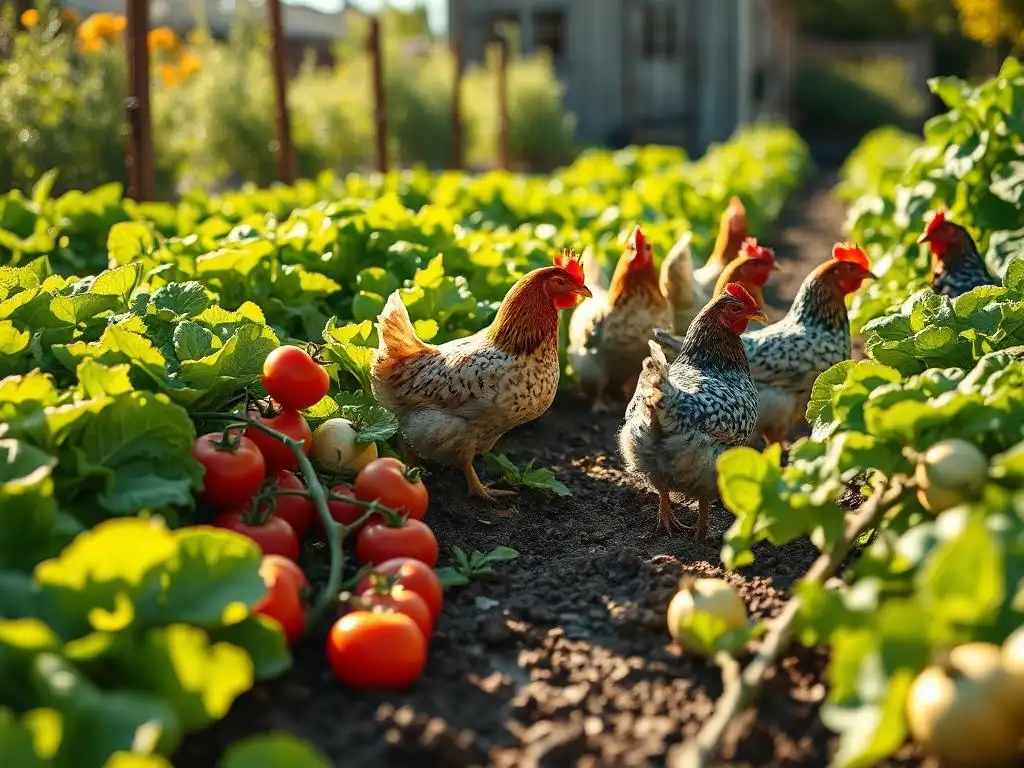
This section focuses on optimizing harvest times and techniques within a chicken-integrated garden, leveraging the symbiotic relationship between poultry and plants to maximize your yields. Understanding the interplay between chickens and your crops is key to reaping the benefits of this integrated system. Remember, the goal is to achieve a thriving ecosystem where chickens contribute to soil fertility while you enjoy abundant harvests.
Identifying the Best Times to Harvest Vegetables and Fruits
Harvesting at the optimal time is crucial for maximizing flavor, nutrient content, and overall yield. In a chicken-integrated garden, this becomes even more important because the chickens can help with pest control, but also potentially cause damage if they have access to your crops at the wrong time.
For instance, let's consider tomatoes. The best time to harvest tomatoes is when they're fully ripe, exhibiting their characteristic color and a slight give when gently squeezed. However, if your chickens have free-range access to your tomato plants, you may need to harvest slightly earlier to prevent pecking and damage. Consider using protective netting around particularly vulnerable plants, or harvesting frequently to minimize losses.
Similarly, leafy greens like lettuce should be harvested before they bolt (flower), which can make the leaves bitter. Regular harvesting, even just plucking outer leaves, encourages continuous growth and prevents bolting. This constant harvesting also creates a "chicken-friendly" environment as there are fewer mature, tempting leaves for them to damage.
Here's a simple table to illustrate optimal harvesting times for some common crops:
| Crop | Optimal Harvest Time | Chicken Integration Considerations |
|---|---|---|
| Tomatoes | Fully ripe, slight give when squeezed | Protect plants with netting or harvest frequently |
| Lettuce | Before bolting (flowering) | Regular harvesting encourages continuous growth |
| Beans (Snap) | When pods are plump and bright green | Harvest regularly to prevent over-ripening |
| Carrots | When fully mature (typically 60-70 days) | Protect tops from chickens, if necessary |
| Strawberries | When fully red and fragrant | Protect berries with netting or use raised beds |
Regular observation is key. Monitor your plants closely and adjust your harvesting schedule as needed based on the behavior of your chickens and the growth rate of your crops. Remember, patience and attention to detail are crucial for success in chicken-integrated gardening.
Utilizing Chicken Manure for Compost: Creating a Nutrient-Rich Soil Amendment
Chicken manure is a fantastic source of nitrogen, phosphorus, and potassium – essential nutrients for healthy plant growth. However, it's crucial to properly compost chicken manure before applying it directly to your garden to avoid burning your plants. Fresh manure is too high in nitrogen and ammonia, which can harm delicate seedlings.
The composting process breaks down the harmful components, transforming the manure into a safe and effective soil amendment. A well-managed compost pile should reach high temperatures, killing pathogens and weeds. The resulting compost is rich in beneficial microorganisms that further improve soil health.
Here's a simple guide to composting chicken manure:
- Layer your compost: Alternate layers of chicken manure with carbon-rich materials like straw, dried leaves, or wood chips. This balances the nitrogen in the manure. A good ratio is roughly 1 part manure to 3 parts carbon-rich material.
- Maintain moisture: Keep the compost pile moist, but not waterlogged. Regularly check moisture levels and add water as needed.
- Turn regularly: Turning the compost pile aerates it, speeding up the decomposition process and preventing unpleasant odors. Aim to turn it every few weeks.
- Monitor temperature: A healthy compost pile will reach temperatures of 130-160°F (54-71°C). Use a compost thermometer to monitor temperature.
This process significantly reduces the risk of plant damage associated with using fresh chicken manure. The resulting compost will be a treasure trove of nutrients that will significantly boost your garden's yield, showcasing the true power of chicken integration. Consider adding other organic materials like kitchen scraps (avoid meat and dairy) to further enrich your compost.
Maximizing the Benefits of Chicken Integration: Long-Term Strategies for Success
Successfully integrating chickens into your garden requires a long-term perspective and ongoing adjustments. It's a dynamic system that needs constant monitoring and adaptation. Thinking strategically about your garden layout, chicken access, and manure management will ensure long-term success.
For example, consider using raised beds or other methods to protect vulnerable plants from chickens while still allowing them access to areas where they can help with pest control and soil improvement. Regularly rotate your crops to prevent nutrient depletion and pest buildup. Also, consider diversifying your chicken breeds to optimize their contribution to your garden. Some breeds are better at pest control, while others produce more manure.
Remember, successful chicken integration isn't just about immediate results; it's about building a thriving ecosystem where chickens and plants work together to create a bountiful and sustainable garden. By embracing a holistic approach, you'll not only maximize your yields but also create a more resilient and rewarding gardening experience. Consistent monitoring, adaptable strategies, and a deep understanding of the chicken-plant dynamic will be key to achieving long-term success and reaping the rewards of a flourishing chicken-integrated garden. This approach will demonstrate the true power of “Chickens boost garden yield” in practice.
Assessing Your Garden's Overall Yield and Making Improvements for Future Seasons
Accurately assessing your garden's yield is crucial for understanding the effectiveness of your chicken integration strategy and planning for future seasons. This isn't just about counting tomatoes; it's about a holistic evaluation. Consider factors beyond simple quantity. For example, did you harvest enough food to meet your family's needs? Were the fruits and vegetables of high quality, exhibiting desirable size, color, and flavor? Did you experience any significant losses due to pests or diseases? Did the chickens contribute positively to the overall health of your soil? These are all important questions to consider.
To conduct a thorough assessment, maintain detailed records throughout the growing season. A simple garden journal can be invaluable. Note down planting dates, harvest dates, the quantity of each crop harvested, and any observations about plant health, pest infestations, or unusual weather conditions. Take photographs of your garden at various stages of growth, documenting both successes and challenges. This visual record will serve as a valuable reference for future planning.
Analyzing your records will highlight areas for improvement. Perhaps a particular crop yielded poorly due to insufficient sunlight or poor soil drainage. Maybe a specific pest was particularly problematic. Understanding these factors allows you to make informed decisions for the next growing season. For example, you might choose to rotate crops to break pest cycles, amend the soil with compost enriched by your chickens' manure, or adjust your planting schedule based on the sunlight conditions in your garden.
The data gathered will also help you refine your chicken integration techniques. Did the chickens' foraging help suppress certain pests more effectively than others? Did their scratching and manure improve soil fertility in specific areas of the garden more than others? Did the placement of chicken runs impact yield in any particular way? By carefully studying the interplay between your chickens and your garden, you can optimize their interaction for maximum benefit.
Remember, a successful chicken-integrated garden is a dynamic system. Continuous observation, meticulous record-keeping, and a willingness to adapt your strategies based on the data you collect are key to maximizing yields year after year. Don't be afraid to experiment and learn from both your successes and failures. Each season brings new opportunities to refine your approach and further improve the productivity of your chicken-integrated garden. The more data you collect and analyze, the better equipped you'll be to achieve your gardening goals.
Case Studies: Successful Chicken-Integrated Gardens
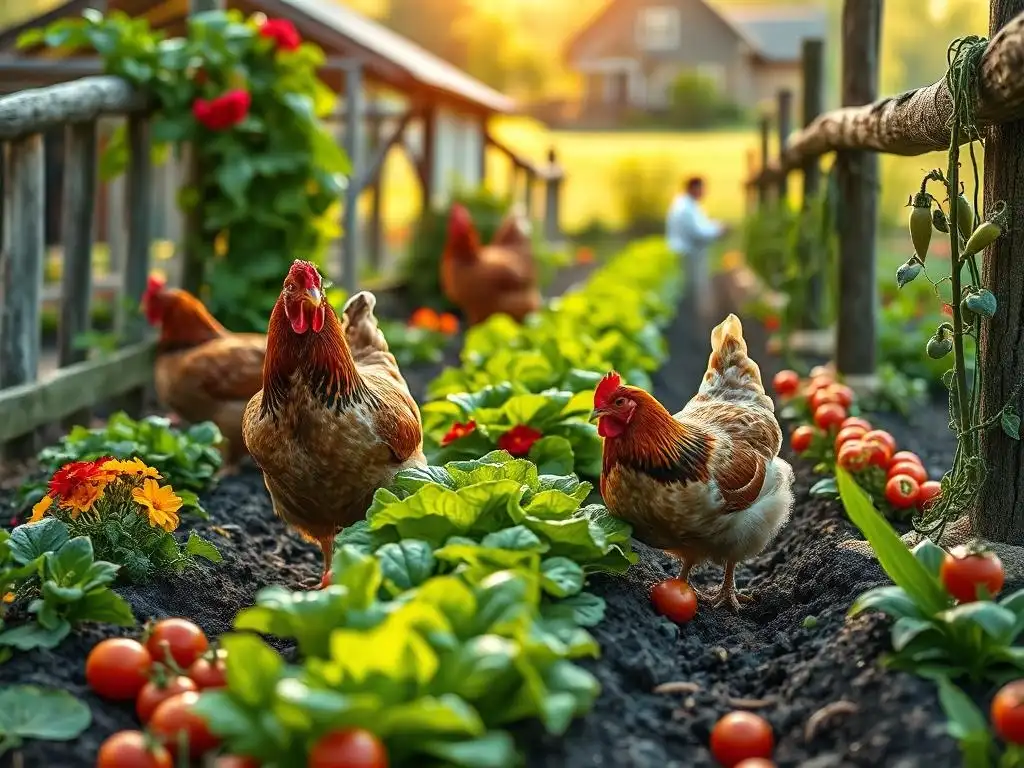
This section showcases real-world examples of how integrating chickens into gardening practices has significantly boosted yields. These case studies demonstrate the practical application of chicken-enhanced gardening, highlighting the diverse ways chickens can contribute to a thriving and productive garden, proving that chickens boost garden yield in various settings.
Case Study 1: A Small Urban Garden with Chickens
Maria, a resident of a densely populated city, transformed her small backyard into a productive urban oasis using a cleverly designed chicken coop and garden system. Her 4x6 meter plot initially yielded meager results with conventional methods. After introducing four hens, her yields dramatically increased. She implemented a rotational grazing system, moving the chickens to different sections of her garden every few days. This prevented overgrazing and allowed the chickens to naturally fertilize the soil with their droppings.
The chickens effectively controlled pests like slugs and snails, reducing the need for chemical pesticides. Maria also utilized the chicken manure to create a rich compost, further improving soil health and fertility. Her harvest of tomatoes, peppers, and herbs increased by approximately 60% within the first year of integrating chickens, a clear demonstration of how chickens boost garden yield even in limited spaces. She documented her yields meticulously:
| Vegetable | Yield Before Chickens (kg) | Yield After Chickens (kg) | Percentage Increase |
|---|---|---|---|
| Tomatoes | 5 | 8 | 60% |
| Peppers | 2 | 4 | 100% |
| Basil | 0.5 | 1.5 | 200% |
| Zucchini | 3 | 6 | 100% |
This success story shows that even in urban settings with limited space, chickens can significantly improve garden productivity and demonstrate the power of chickens boosting garden yield. The key was careful planning and management of the chicken coop and garden layout to ensure both the chickens' and plants' wellbeing.
Case Study 2: A Large-Scale Farm Utilizing Chickens for Soil Improvement
John, a farmer operating a 5-acre vegetable farm, integrated poultry into his operation to enhance soil health and improve overall yields. Instead of traditional chemical fertilizers, John uses his flock of 100 chickens to naturally improve soil fertility. He utilizes a system of mobile chicken tractors, moving the chickens across his fields in a planned rotation. The chickens' foraging and droppings enrich the soil with essential nutrients, reducing the need for external inputs.
This method significantly reduced the farm's reliance on synthetic fertilizers. John's soil tests showed a marked improvement in organic matter content and nutrient levels after implementing this chicken-integrated system. His overall crop yields increased by an average of 25%, with some crops, like corn and beans, showing even greater improvements. The reduction in pest pressure due to the chickens' foraging further contributed to this yield increase.
This large-scale example demonstrates the economic and environmental benefits of integrating chickens into agricultural practices, proving the effectiveness of chickens boosting garden yield on a commercial scale. Furthermore, the improved soil health leads to long-term sustainability and reduced farming costs. The healthier soil also promotes stronger, more resilient plants, leading to better quality produce and higher yields. This case study underscores the significant role chickens can play in sustainable agriculture and the substantial impact they have on boosting yields.
Frequently Asked Questions about Chickens and Garden Yields (FAQ)
This section addresses common concerns and questions regarding integrating chickens into your garden for enhanced yields. Understanding these points is crucial for successful and harmonious coexistence between your feathered friends and your flourishing plants. Remember, the benefits of chickens boosting garden yield are significant, but require thoughtful planning and management.
FAQ 1: What breeds of chickens are best for gardening?
Choosing the right chicken breed is paramount for maximizing the benefits of integrating poultry into your garden. Not all breeds are created equal when it comes to pest control and soil enrichment. Some breeds are naturally more docile and less prone to damaging plants, while others are better foragers. Consider these factors when making your selection:
- Foraging Ability: Breeds known for their foraging instincts, such as Orpingtons, Australorps, and Rhode Island Reds, excel at finding and consuming insects and weed seeds. Their natural inclination to scratch and peck helps aerate the soil and distribute organic matter. This contributes directly to improved soil health and increased plant yields.
- Temperament: Gentle breeds are less likely to uproot plants or damage established crops. Avoid aggressive breeds, as they might cause more harm than good. Silkies, for example, are known for their calm and friendly demeanor, making them ideal garden companions.
- Egg Production: While not directly related to gardening, consider egg-laying capabilities if you also desire a regular supply of fresh eggs. Many excellent foraging breeds are also prolific layers.
- Size: Smaller breeds are often less destructive to delicate plants. However, larger breeds can be more effective at controlling larger pests. The right choice depends on your specific garden layout and plant types.
Ultimately, the best breed for your garden depends on your specific needs and preferences. Research different breeds thoroughly to find the perfect fit for your sustainable gardening practices. Consider consulting with local poultry experts or experienced backyard chicken keepers for personalized advice.
FAQ 2: How do I prevent chickens from damaging my plants?
While chickens significantly contribute to a thriving garden ecosystem, preventing damage to your precious plants requires proactive measures. Implementing these strategies ensures a mutually beneficial relationship:
- Designated Foraging Areas: Restrict chicken access to certain areas of your garden using fencing or chicken wire. This prevents them from indiscriminately scratching and pecking in sensitive areas. Rotate these areas regularly to allow for even soil enrichment and prevent overgrazing.
- Protective Covers: Use row covers or netting to protect seedlings and delicate plants from scratching and pecking. These barriers provide effective protection without completely restricting chicken access to the rest of the garden.
- Plant Selection: Choose plants that are less susceptible to chicken damage. Sturdier plants with strong stems are less likely to be uprooted or damaged. Avoid planting seeds directly in areas where chickens frequently forage.
- Providing Alternative Food Sources: Ensure your chickens have access to sufficient supplemental feed, reducing their reliance on your garden plants. This minimizes the temptation to feed on your crops. A consistent supply of commercially available chicken feed or scraps helps manage their foraging behavior.
- Training and Observation: Consistent observation of your chickens' behavior allows you to identify potential problem areas and adjust your management strategies accordingly. Early intervention is crucial in preventing widespread damage.
FAQ 3: How much space do chickens need in a garden setting?
The space requirements for chickens in a garden setting depend on several factors, including the number of chickens, the size of your garden, and the type of housing you provide. Overcrowding can lead to increased stress, aggression, and damage to your plants.
- General Guidelines: A general guideline suggests providing at least 4 square feet of space per chicken in a run or coop. However, more space is always preferable, especially if you plan to let your chickens free-range in parts of your garden.
- Run or Coop Size: A well-designed coop provides shelter and protection from predators. The run should be adequately sized to allow for foraging and exercise. Consider the size of your garden and the amount of space you can dedicate to a chicken enclosure.
- Free-Ranging: If you allow your chickens to free-range in parts of your garden, it's crucial to monitor their activities to ensure they don't cause damage. Rotating their access to different areas helps prevent overgrazing and soil compaction in any one area.
- Legal Considerations: Check local ordinances and regulations regarding backyard chickens before you begin. Some municipalities have restrictions on the number of chickens allowed per property or the size of the required enclosure. Understanding these regulations is essential for ensuring compliance.
Remember, proper planning and management are key to reaping the benefits of chickens boosting garden yield. By carefully considering these factors, you can create a thriving ecosystem where your chickens and your garden flourish together. 🐔🌿
FAQ 4: What are the potential drawbacks of integrating chickens into my garden?
Integrating chickens into your garden, while offering numerous benefits for boosting yields, also presents some potential drawbacks that need careful consideration. One significant concern is the potential for damage to your plants. While chickens primarily focus on foraging for insects and weeds, they can also inadvertently scratch or uproot seedlings, particularly young, delicate plants.
This damage can be minimized through careful planning and the use of protective measures like chicken wire or raised garden beds. Furthermore, chickens' constant scratching can compact soil, reducing its aeration and drainage capabilities, potentially hindering plant growth. Regular soil testing and amending the soil with compost can help mitigate this issue.
Another aspect to consider is the potential for disease transmission. Chickens can carry various diseases that could affect your plants, although this is less common than plant damage. Maintaining a clean and healthy chicken coop, practicing good hygiene, and regularly inspecting your flock for signs of illness are crucial preventative measures. Additionally, the constant presence of chickens can attract other pests, such as rodents, which can present their own set of challenges for your garden.
Proper sanitation practices and secure storage of feed can help minimize this risk. Finally, the manure produced by chickens, while beneficial as fertilizer, needs to be managed correctly. Excessive amounts of manure can burn plants, and improperly composted manure can introduce harmful pathogens.
Careful application and composting techniques are essential to harness the benefits of chicken manure without harming your plants. It's important to weigh these potential drawbacks against the benefits before integrating chickens into your garden ecosystem. Proper planning and management can effectively minimize these risks, ensuring a mutually beneficial relationship between your chickens and your garden.
Frequently Asked Questions
How do chickens actually boost garden yields?
Chickens provide valuable fertilizer in the form of manure, which is rich in nutrients. They also control pests by eating insects and slugs, reducing the need for harmful pesticides. This leads to healthier, more productive plants.
What kind of chickens are best for gardening?
While any breed can help, smaller breeds are often preferred as they're less likely to cause significant damage to plants through over-foraging. Consider breeds known for their docile nature for easier integration into your garden.
Do I need a large space for chickens to help my garden?
No, even a small flock in a confined, mobile coop can significantly benefit a garden. The key is to move the coop regularly to allow for even manure distribution and prevent overgrazing in one area.
What about the potential damage chickens can do to my garden?
While they provide many benefits, chickens can damage plants if not managed properly. Careful monitoring and the use of protective measures like raised beds or chicken wire around vulnerable plants are crucial.
Are there any specific plants chickens shouldn't be allowed near?
Yes, certain plants are toxic to chickens. Avoid planting things like rhubarb, nightshade, and certain bulbs near your chickens. Research plants suitable for your area and your specific chicken breed to ensure safety.
Final Reflection: A Symbiotic Future: Chickens and Gardens Working Together
The integration of chickens into home gardening is no longer a niche practice; it's a powerful, sustainable solution gaining widespread traction in a world increasingly concerned with food security and environmental responsibility. The benefits, from nutrient-rich fertilizer to pest control and the delicious bounty of eggs, are undeniable and offer a compelling alternative to conventional farming methods.
The shift towards more integrated and self-sufficient food systems is deeply personal for me; witnessing firsthand the vibrant health of my garden thanks to my flock has been transformative. The best fertilizer is a happy chicken.
This simple adage encapsulates the symbiotic relationship at the heart of this practice, highlighting the mutual benefits for both the chickens and the garden. The impact extends beyond the individual garden, however, influencing broader conversations about sustainable agriculture and the importance of connecting with our food sources. We are seeing a growing movement towards localized food production, and chickens are playing a significant role in this exciting evolution.
Consider the potential within your own backyard. Imagine the rich soil, the thriving plants, the fresh eggs, and the satisfying knowledge that you are contributing to a more sustainable and resilient food system. You don't need acres of land to make a difference; even a small flock can significantly boost your garden's yield and enrich your life. Start small, research your local regulations, and embrace the journey of creating a thriving ecosystem right in your own backyard. The rewards are far greater than just bountiful harvests; they extend to a deeper connection with nature and a more sustainable future.
Unlock Your Garden's Potential: Embrace the Power of Chickens!
Thanks for exploring the amazing benefits of integrating chickens into your garden! You've learned how these feathered friends can dramatically increase your garden's productivity. Ready to put this knowledge into action?
- Start planning your chicken coop today! Consider the available space, local regulations, and the chicken breed best suited to your needs and climate. This crucial first step will pave the way for a more abundant harvest.
- Share your gardening plans with our community! Join the conversation in the comments below—we'd love to hear your ideas and answer any questions you may have.
- Explore our resources for building a sustainable chicken coop, whether you prefer a simple design or a more elaborate structure.
What's the first step you'll take to integrate chickens into your garden?