
Accessible Garden Design: Incorporating Ramps and Gentle Slopes

Ready to transform your outdoor space into a thriving, organic haven? CultivateYourFood is your guide to growing your own fruits, vegetables, and herbs – sustainably and successfully. But what if your land isn't perfectly flat? Discover how accessible garden slope design can unlock the potential of even the most challenging terrain, creating a beautiful and productive garden for everyone. Let's explore the possibilities and get your hands dirty!
Planning Your Accessible Garden: Assessing the Landscape
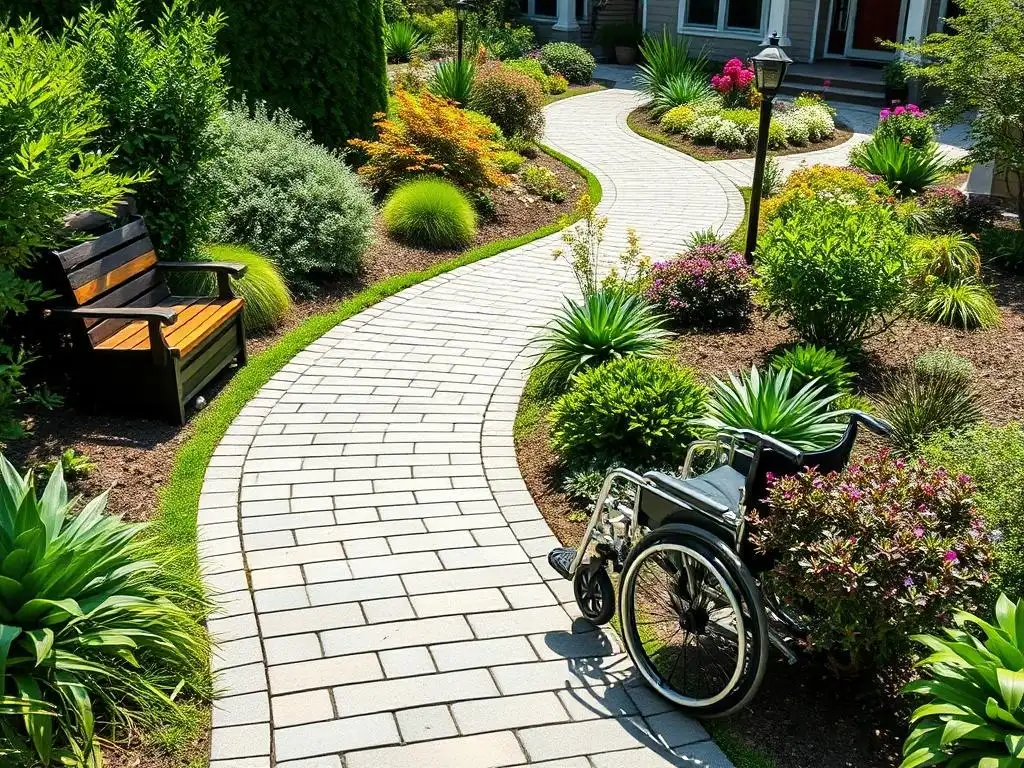
Designing an accessible garden, especially one incorporating ramps and gentle slopes, requires careful planning and consideration of the existing landscape. Creating a truly inclusive space for everyone, regardless of mobility, involves more than just adding a ramp; it necessitates a holistic approach to garden design that prioritizes ease of movement and enjoyment. This article will guide you through the process of assessing your land to create a beautiful and accessible garden using sustainable and organic practices.
We'll explore how to identify suitable areas, determine appropriate slope gradients, and integrate ramps seamlessly into your garden design, ensuring a safe and enjoyable experience for all. This approach is crucial for maximizing accessibility while minimizing disruption to the natural environment and promoting sustainable gardening practices. Remember, an accessible garden is not just functional; it's a beautiful and welcoming space for everyone to enjoy the bounty of nature.
Evaluating Your Existing Terrain
Before you even begin sketching your dream garden, a thorough assessment of your existing terrain is paramount. This involves considering several key factors:
- Slope Gradient: Use a level and measuring tape to determine the precise slope of your land. Gentle slopes, ideally no steeper than 5%, are ideal for wheelchair accessibility. Steeper slopes will require more extensive modifications, potentially involving significant earthworks. Remember, safety is paramount; overly steep slopes can be dangerous. [Specific data on ideal slope gradients for wheelchair access pending].
- Soil Composition: The type of soil will influence the construction of ramps and pathways. Well-drained soil is preferable to prevent waterlogging and erosion. Clay soils, for example, might require special considerations for drainage around ramps. [Specific soil composition examples and solutions pending].
- Existing Features: Take note of trees, rocks, existing structures, and other features that might influence your design. These elements can either be integrated into the design or necessitate adjustments to the layout. For example, a large, established tree might be incorporated as a focal point, while a large rock might necessitate a change in pathing.
- Sunlight Exposure: Consider the amount of sunlight different areas of your garden receive. This is vital for selecting the right plants and ensuring optimal growing conditions. Full sun areas might be perfect for vegetables, while partially shaded areas could be ideal for herbs. This step helps ensure your garden thrives.
Once you’ve assessed your land, the design phase begins. Creating a functional and aesthetically pleasing accessible garden requires careful planning of ramps and pathways:
- Ramp Construction: Ramps should adhere to ADA guidelines regarding slope, width, and landing areas. A 5% slope is generally recommended, with a maximum slope of 8% permitted in certain circumstances. Ramps should be at least 36 inches wide to accommodate wheelchairs comfortably. [Specific ADA guidelines and examples of ramp construction pending].
- Pathway Materials: Choose durable and non-slippery materials for pathways. Gravel can be challenging for wheelchair users, while paved surfaces offer better accessibility. Consider using permeable paving materials to minimize environmental impact and promote water drainage. [Examples of suitable pathway materials and their pros/cons pending].
- Level Landing Areas: Regular level landing areas are crucial along ramps for rest stops and turning maneuvers. These areas should be at least 5 feet wide and 5 feet deep to provide sufficient space. The placement of these areas should be carefully considered to avoid obstructing views or pathways.
Integrating Sustainable and Organic Practices
Designing an accessible garden doesn't mean compromising on sustainability. In fact, the two concepts complement each other perfectly:
- Water Conservation: Implement water-wise irrigation techniques, such as drip irrigation or rainwater harvesting, to conserve water. This is particularly important in areas with gentle slopes, where water runoff can be a concern.
- Soil Health: Maintain healthy soil through composting and other organic practices. Healthy soil is crucial for plant growth and overall garden health.
- Pest Control: Utilize natural pest control methods, such as companion planting or beneficial insects, to minimize the use of harmful chemicals. This protects both the environment and the users of the garden.
This initial planning stage is crucial for creating a truly accessible and sustainable garden. By carefully considering these aspects, you can create a beautiful, functional, and inclusive space that everyone can enjoy.
Frequently Asked Questions
What is an accessible garden slope design?
An accessible garden slope design incorporates gentle slopes and ramps instead of steep inclines, making it easier for people with mobility limitations, wheelchair users, and the elderly to navigate and enjoy their garden. This ensures inclusivity and ease of use for everyone.
How steep should the slope be for accessibility?
Ideally, the slope should be no steeper than a 5% grade (a rise of 1 foot for every 20 feet of run). Steeper slopes require more challenging ramps and may still be difficult for some to navigate. Gentle gradients are key for accessibility.
What materials are best for creating accessible garden paths?
Durable and non-slip materials like compacted gravel, paving stones, or concrete are ideal for creating accessible paths. Ensure the surface is even and firm to prevent tripping hazards. Consider using permeable materials to avoid waterlogging.
How can I incorporate ramps into my sloped garden design?
Ramps should have a gentle slope (following the 5% grade guideline) and a non-slip surface. Handrails are highly recommended for safety and stability. Ensure the ramps are wide enough to comfortably accommodate wheelchairs and other mobility aids.
Are there any specific plants to consider for an accessible garden?
Choosing low-maintenance plants that are easy to reach and don't require excessive bending or stretching is beneficial. Consider raised beds or containers at various heights to accommodate different mobility levels. Dwarf varieties of plants are also a good option.
Final Reflection: Cultivating Inclusive Spaces Through Accessible Garden Design
The principles of accessible garden design are not merely about compliance; they are about creating truly welcoming and enjoyable outdoor spaces for everyone. A garden, traditionally a symbol of peace and personal expression, should be a sanctuary open to all, regardless of physical limitations. The increasing awareness of inclusivity demands that we move beyond token gestures and embrace a holistic approach to landscape architecture that prioritizes universal access.
The impact of accessible design extends far beyond the immediate user. It fosters a sense of community and belonging, breaking down barriers and promoting social interaction. By incorporating ramps, gentle slopes, and other thoughtful design elements, we create spaces where individuals of all abilities can connect with nature, find solace, and participate fully in the joys of gardening. A garden is a friend you can always visit.
This sentiment, often associated with the simple pleasure of gardening, should be accessible to everyone.
Consider the potential within your own outdoor space. Think about how you can adapt your garden, no matter how small, to be more inclusive. Perhaps a gentle slope leading to a raised bed, or a strategically placed bench offering a resting spot, could make a world of difference. Let's work together to cultivate a future where beauty and accessibility go hand in hand, ensuring that every garden is a truly welcoming and inclusive space for all.
Unlock Your Garden's Potential: Design for Accessibility Now!
Thank you for learning about creating a more accessible garden! We hope you feel inspired to make your outdoor space welcoming to everyone. Ready to put your knowledge into practice?
- Sketch your accessible garden design: Start by drawing a plan. Incorporate ramps, gentle slopes, and wider pathways. Consider where raised beds would improve access and note any areas needing adjustments. This is the first step to a truly inclusive garden.
- Share your ideas: Connect with our community on social media and share your sketches or questions! Let's inspire each other to create beautiful, accessible gardens.
- Add sensory elements: Enhance your accessible design by incorporating plants with interesting textures, scents, or sounds. This will enrich the gardening experience for everyone.
Ready to transform your garden into a haven for all? What's the first accessible feature you'll add?