
The Importance of Planning for Wheelchair Accessibility in Garden Design

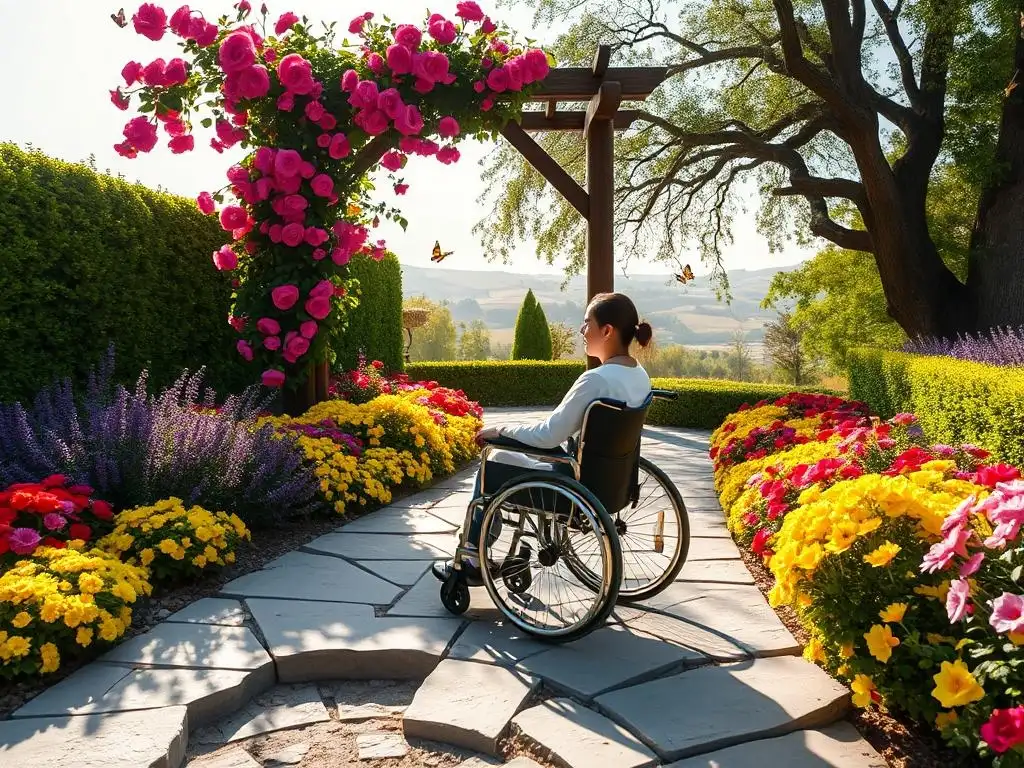
Welcome to CultivateYourFood, your guide to nurturing a thriving, sustainable garden! We believe everyone deserves the joy of homegrown produce, and that’s why we're excited to explore a crucial aspect of inclusive gardening: accessible garden design. Learn how innovative wheelchair-accessible garden designs can transform your outdoor space into a productive and enjoyable haven, regardless of mobility. Discover the secrets to creating a flourishing garden that's truly for everyone—let's cultivate together!
- Designing an Accessible Garden: Key Considerations for Wheelchair Users
- Creating an Inclusive and Functional Garden Layout for Wheelchair Users
- Materials and Tools for Building an Accessible Garden
- Maintaining an Accessible Garden Over Time
- Resources and Further Information on Accessible Garden Design for Wheelchairs
-
Frequently Asked Questions
- What are the key considerations for designing a wheelchair-accessible garden?
- How wide should pathways be in a wheelchair-accessible garden?
- What is the ideal height for raised garden beds in a wheelchair-accessible design?
- What materials are best suited for wheelchair-accessible garden pathways?
- Are there any resources available to help with designing a wheelchair-accessible garden?
- Final Reflection: Cultivating Inclusive Spaces Through Accessible Garden Design
- Unleash Your Accessible Garden!
Designing an Accessible Garden: Key Considerations for Wheelchair Users
Creating a thriving and productive garden is a rewarding experience, but ensuring accessibility for everyone is crucial. This article focuses on the vital aspects of designing a wheelchair-accessible garden, emphasizing sustainable and organic practices while prioritizing the needs of wheelchair users. We'll explore universal design principles, essential path features, and the crucial role of ramps in fostering inclusive gardening spaces.
By understanding and implementing these considerations, you can cultivate a beautiful and functional garden that welcomes and empowers individuals of all abilities. This guide is designed to help you effectively plan and build an accessible garden, enhancing the joy of gardening for everyone, regardless of mobility limitations.
We will delve into practical solutions and best practices, empowering you to create a truly inclusive and enjoyable gardening experience. This is particularly important as we aim to make gardening accessible to a wider audience, promoting a healthier and more connected relationship with nature.
Understanding Universal Design Principles for Accessible Gardens
Universal design prioritizes creating environments usable by all people, to the greatest extent possible, without the need for adaptation or specialized design. When applied to garden design, this means considering a wide range of abilities and needs from the outset, rather than adding accessibility as an afterthought. Key principles include:
- Equitable Use: The garden should be usable by people with diverse abilities. This means providing multiple ways to access and interact with different garden elements.
- Flexibility in Use: The design should accommodate a wide range of individual preferences and abilities. For example, providing varied heights for planting beds.
- Simple and Intuitive Use: The garden layout and features should be easy to understand and use, regardless of experience or ability. Clear pathways and well-marked areas are crucial.
- Perceptible Information: Important information, such as plant labels or signage, should be easily understood and accessible to people with visual impairments. Consider using tactile labels or large print.
- Tolerance for Error: The design should minimize the risk of accidental injury or damage. This includes avoiding steep slopes and ensuring that surfaces are stable and even.
- Low Physical Effort: The garden should be easy to navigate and use, minimizing the need for excessive physical exertion. Wide paths and well-placed seating are important considerations.
- Size and Space for Approach and Use: All elements within the garden should be appropriately sized and spaced to allow for comfortable and easy access for wheelchair users.
Essential Features for Wheelchair Accessible Garden Paths
Creating well-designed paths is fundamental to wheelchair accessibility in a garden. These paths should be:
- Wide Enough: Paths should be at least 36 inches (91 cm) wide to allow for comfortable wheelchair maneuverability. Consider wider paths (48 inches or 122 cm) in areas where wheelchairs may need to turn.
- Smooth and Level: Avoid uneven surfaces, steep inclines, and obstacles. The path material should be firm and stable, preventing wheelchairs from getting stuck or tipping. Consider materials like compacted gravel, paving stones, or concrete.
- Clear of Obstacles: Keep the paths free from overhanging branches, protruding plants, or other obstacles that could impede wheelchair access.
- Well-Defined Edges: Clear edges help visually impaired users navigate the paths safely. Consider contrasting colors or tactile paving materials.
- Rest Areas: Incorporate seating areas along the paths to allow for rest breaks. These should be easily accessible and provide adequate support.
Ramp Design and Implementation in Accessible Garden Spaces
Ramps are essential for providing access to raised garden beds, patios, or other elevated areas. Proper ramp design is crucial for safety and ease of use:
- Gentle Slope: Ramps should have a maximum slope of 1:12 (one inch of rise for every 12 inches of run). Steeper slopes require more effort and can be dangerous.
- Landing Areas: Include level landing areas at the top and bottom of the ramp and at intervals along longer ramps. These provide rest areas and allow for safe turns.
- Handrails: Install sturdy handrails on both sides of the ramp for added safety and support. Handrails should be positioned at the appropriate height and extend slightly beyond the top and bottom of the ramp.
- Non-Slip Surface: The ramp surface should be non-slip to prevent accidents. Consider textured paving materials or non-slip paint.
- Clear Space at the Top and Bottom: Ensure ample space at the top and bottom of the ramp to allow for safe wheelchair maneuvering.
The careful planning and implementation of these design elements will ensure that your garden becomes a truly inclusive and enjoyable space for everyone. 🧑🌾
Adapting Raised Garden Beds for Wheelchair Accessibility
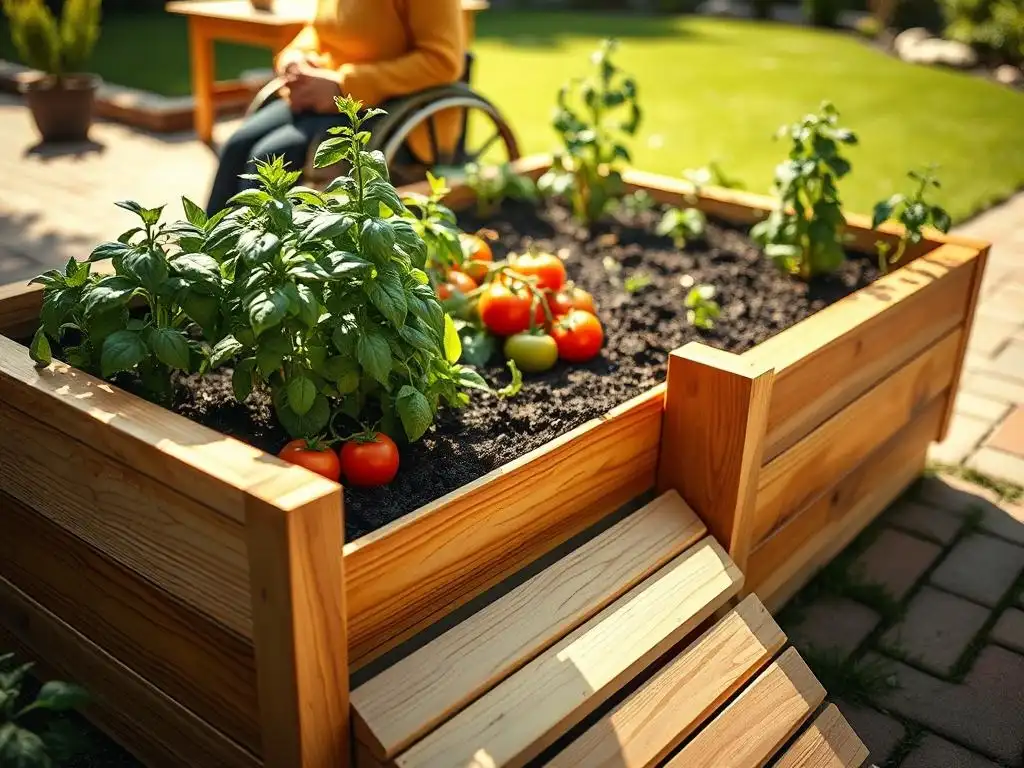
Raised garden beds offer significant advantages for wheelchair users, providing a comfortable working height that eliminates the need for excessive bending or reaching. However, even raised beds require careful design for optimal accessibility. The height should be carefully considered; a standard height might be too high for some individuals, causing strain and discomfort. Ideally, the height should be adjustable or customizable to accommodate different users and their physical capabilities. Consider incorporating adjustable legs or building the beds at multiple heights to cater to a wider range of needs.
Furthermore, the width of the pathways around the raised beds is crucial. A narrow path can make maneuvering a wheelchair difficult, potentially leading to frustration and accidents. Aim for a minimum width of 36 inches (91 cm), allowing for comfortable turning and movement. The material of the raised bed itself is also important. Lightweight materials, such as cedar or treated lumber, are preferable to heavy materials like concrete, which can be difficult to move or adjust.
Finally, ensure the surface of the raised bed is even and stable to prevent tipping or wobbling, which could be dangerous for wheelchair users. A smooth, level surface is essential for safe and easy access. Consider using a non-slip material to improve grip and prevent accidents. Remember, thoughtful design ensures a safe and enjoyable gardening experience for everyone.
Choosing the Right Plants and Placement for Easy Reach
Plant selection and placement are critical aspects of accessible garden design for wheelchair users. Prioritize plants that are easy to reach and maintain without excessive stretching or bending. Low-growing, sprawling plants are generally more accessible than tall, upright varieties. Consider using trailing plants in hanging baskets or containers at wheelchair height, providing an alternative way to enjoy flowers and herbs.
When planning the layout, place the most frequently accessed plants within easy reach, minimizing the need for extensive maneuvering. Group plants of similar needs together to streamline watering and maintenance. Avoid overcrowding, as this can impede wheelchair access and make weeding and harvesting more challenging. Consider the mature size of each plant when planning the spacing to ensure adequate room for growth and maneuverability.
Furthermore, the use of color contrast between plants and pathways can improve visibility for those with visual impairments, a consideration frequently overlooked but highly beneficial for inclusive garden design. For example, planting brightly colored flowers against a darker background can make them easier to spot. Remember that accessible gardening is about creating a space that is both functional and enjoyable for everyone. Thoughtful planning in this area greatly enhances the overall gardening experience.
Creating an Inclusive and Functional Garden Layout for Wheelchair Users
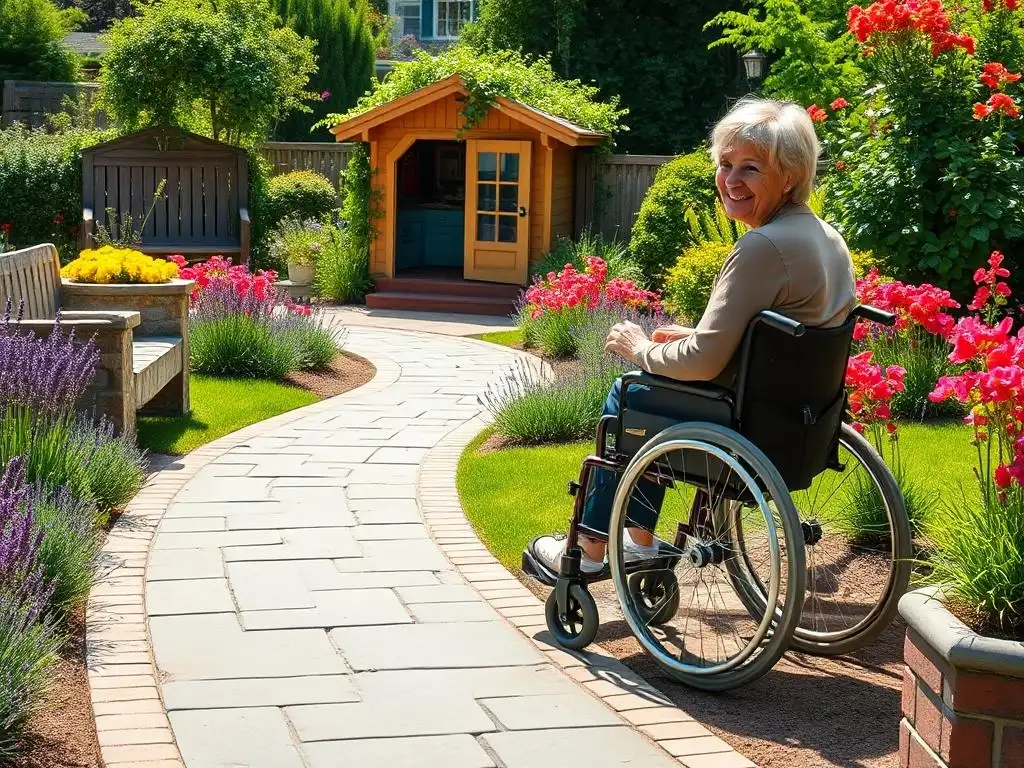
Designing an accessible garden for wheelchair users requires careful consideration of space, pathways, and plant placement. The goal is to create a garden that is not only beautiful but also fully usable and enjoyable for everyone. This involves prioritizing functionality and inclusivity from the initial planning stages.
Optimizing the layout for wheelchair accessibility is paramount to ensuring a positive gardening experience. The overall design should allow for easy navigation and access to all areas of the garden, promoting independence and enjoyment for wheelchair users. We need to move beyond simply creating a visually appealing space and focus on creating a truly accessible garden wheelchair design.
Optimizing Garden Space for Maneuverability and Accessibility
Wheelchair accessibility necessitates wider pathways than those typically found in standard garden designs. A minimum width of 36 inches (91 cm) is recommended to allow for comfortable and safe maneuvering, particularly for larger wheelchairs or those with accompanying caregivers. This width accommodates not only the chair itself but also provides space for turning and navigating around obstacles. Consider using permeable paving materials such as gravel or paving stones set in sand, which are more accessible than concrete or compacted soil, especially in areas prone to waterlogging.
These materials offer better traction and are less likely to become uneven or cracked over time. Furthermore, avoid sharp turns and inclines which can be difficult, or even impossible, to navigate in a wheelchair. Gentle slopes are preferable to steep inclines; a maximum gradient of 1:20 (5%) is generally considered acceptable.
Remember to plan for sufficient turning circles at key points within the garden, particularly at the entrances and exits of different sections. These should be at least 5 feet (1.5 meters) in diameter to allow for complete 360-degree turns. The placement of raised garden beds should also be carefully considered, ensuring adequate space for wheelchair access from all sides. Avoid placing raised beds too close together, obstructing passageways, and ensure the height is suitable for comfortable access.
Raised beds should be at a height that allows for comfortable reaching and working, avoiding excessive bending or stretching. The exact height will depend on the user's individual needs and preferences, but a range of 30-36 inches (76-91 cm) is often recommended. Planning and executing an accessible garden wheelchair design requires meticulous attention to detail.
Integrating Seating Areas for Rest and Relaxation
Incorporating well-placed seating areas is crucial for creating a truly inclusive and welcoming garden space. These areas provide opportunities for rest, relaxation, and enjoyment of the garden's beauty. However, the design of these seating areas must be carefully considered to ensure accessibility for wheelchair users. Consider using benches with armrests for support and easy transfer, and ensure there is ample space around the seating to allow for easy maneuvering of wheelchairs. The height of the seating should also be appropriate, allowing for comfortable sitting and standing.
The choice of materials for seating is also important. Durable, weather-resistant materials are preferable, and the surface should be smooth and easy to clean. In addition to benches, consider incorporating other seating options, such as strategically placed chairs or even a small, accessible patio area. The placement of seating areas should be thoughtfully planned to offer views of the garden's most attractive features, such as flowerbeds or water features.
Proximity to shaded areas is also beneficial, offering respite from the sun during hot weather. The inclusion of seating areas enhances the overall garden experience, making it more enjoyable and accessible for wheelchair users. The strategic integration of resting points adds to the overall success of an accessible garden wheelchair design.
Considering Sensory Features for Enhanced Garden Experience
An accessible garden should stimulate multiple senses, creating a rich and engaging experience for all visitors. Incorporating sensory features can significantly enhance the enjoyment of the garden for wheelchair users, particularly those with visual or other impairments. The use of fragrant plants, such as lavender or rosemary, can provide a pleasant olfactory experience.
Textured plants, like those with fuzzy leaves or interesting bark, can offer tactile stimulation. Consider including a variety of plant textures and heights to engage different senses. The placement of these plants should also be considered, ensuring that they are easily accessible and within reach of wheelchair users.
The incorporation of sound elements, such as a gentle water feature or wind chimes, can also enhance the sensory experience. However, it's essential to avoid overwhelming sounds, ensuring a peaceful and calming atmosphere. Careful consideration should be given to the placement of these elements, avoiding noise pollution and ensuring a balanced sensory environment. Providing visual interest through contrasting colors and textures in the planting scheme is also important.
Consider using brightly colored flowers or plants with striking foliage to create a visually appealing and stimulating space. Remember, a successful accessible garden wheelchair design caters to all the senses. The careful incorporation of sensory features will make the garden a more welcoming and inclusive space for everyone.
Materials and Tools for Building an Accessible Garden

Creating a truly accessible garden for wheelchair users requires careful consideration of the materials and tools employed. The goal is to build a space that is not only usable but also aesthetically pleasing and sustainable. This section details the crucial elements to consider when selecting materials and tools, ensuring a positive gardening experience for everyone.
Choosing Durable and Weather-Resistant Materials for Paths and Structures
Pathways and structural elements are the backbone of any accessible garden. Durability and weather resistance are paramount to ensure longevity and safety. Compromising on quality here can lead to costly repairs and potential hazards.
Choosing the right materials is key to creating a lasting and safe garden. For pathways, consider these options:
- Concrete: Concrete is a strong, durable, and relatively inexpensive option. It can be poured to create smooth, level surfaces, ideal for wheelchair accessibility. However, it can be prone to cracking if not properly installed and maintained. Adding a non-slip additive during the mixing process is highly recommended for safety.
- Gravel: While aesthetically pleasing, gravel pathways present challenges for wheelchair users, especially those with smaller wheels. Larger, uniformly sized gravel is less likely to get stuck in wheels, but even then, a firm, compacted base is crucial for stability. Consider using a combination of gravel and compacted earth for a more stable surface.
- Paving Stones: Paving stones offer a balance of durability, aesthetics, and accessibility. Choose large, evenly sized stones and ensure they are laid on a solid, level base to prevent shifting and uneven surfaces. Consider using permeable paving stones to allow for proper drainage.
- Stepping Stones: Stepping stones can be incorporated into a garden design to create interesting pathways, but they are not suitable as a primary pathway for wheelchairs, unless very large and closely spaced. They may be more appropriate for adding visual interest around other elements of the garden.
For raised garden beds and other structures, prioritize materials that withstand the elements:
- Pressure-Treated Lumber: While effective, pressure-treated lumber contains chemicals. Consider using sustainably sourced and less chemically treated options whenever possible. Regular maintenance is vital to extend its lifespan.
- Cedar or Redwood: These naturally resistant woods offer excellent durability and aesthetic appeal, requiring less maintenance than pressure-treated lumber. However, they are generally more expensive.
- Metal: Metal structures, like steel or aluminum, are very durable and weather-resistant. However, they can get very hot in direct sunlight and may require painting or powder coating to prevent rusting.
Remember to always consult local building codes and regulations regarding accessibility standards for pathways and structures. Proper drainage is crucial to prevent water damage and ensure safety. Regular maintenance, including cleaning and repairs, will help extend the life of your garden features and maintain accessibility.
Selecting Appropriate Tools for Gardening While Using a Wheelchair
Gardening tools must be ergonomically designed and easily manageable for wheelchair users. The right tools can significantly enhance the ease and enjoyment of gardening. Avoid tools that require excessive bending or reaching.
Here's a breakdown of essential tools and considerations:
| Tool Category | Recommended Tools | Considerations |
|---|---|---|
| Tilling & Planting | Long-handled hoe, ergonomic trowel, bulb planter with long handle | Choose tools with comfortable grips and lightweight designs. |
| Weeding | Long-handled weeding fork, kneeling pad (optional) | Avoid tools that require excessive bending. Consider a comfortable kneeling pad. |
| Watering | Hose with a trigger nozzle, watering can with a long spout | Choose lightweight options with comfortable grips. |
| Harvesting | Long-handled clippers, harvesting basket with a long handle | Select tools that allow for easy reach and minimize bending. |
| Other | Wheelbarrow (optional, with ergonomic handles) | If a wheelbarrow is used, choose one with large, easy-to-maneuver wheels and handles that are comfortably positioned. |
Remember to always prioritize comfort and safety when selecting gardening tools. Consider using assistive devices like reach extenders or tool adaptors if necessary. Investing in quality, ergonomic tools significantly reduces strain and fatigue, making gardening a more enjoyable and accessible activity. Regular maintenance of tools extends their lifespan and ensures optimal performance. Always prioritize safety and use tools appropriately.
Maintaining an Accessible Garden Over Time
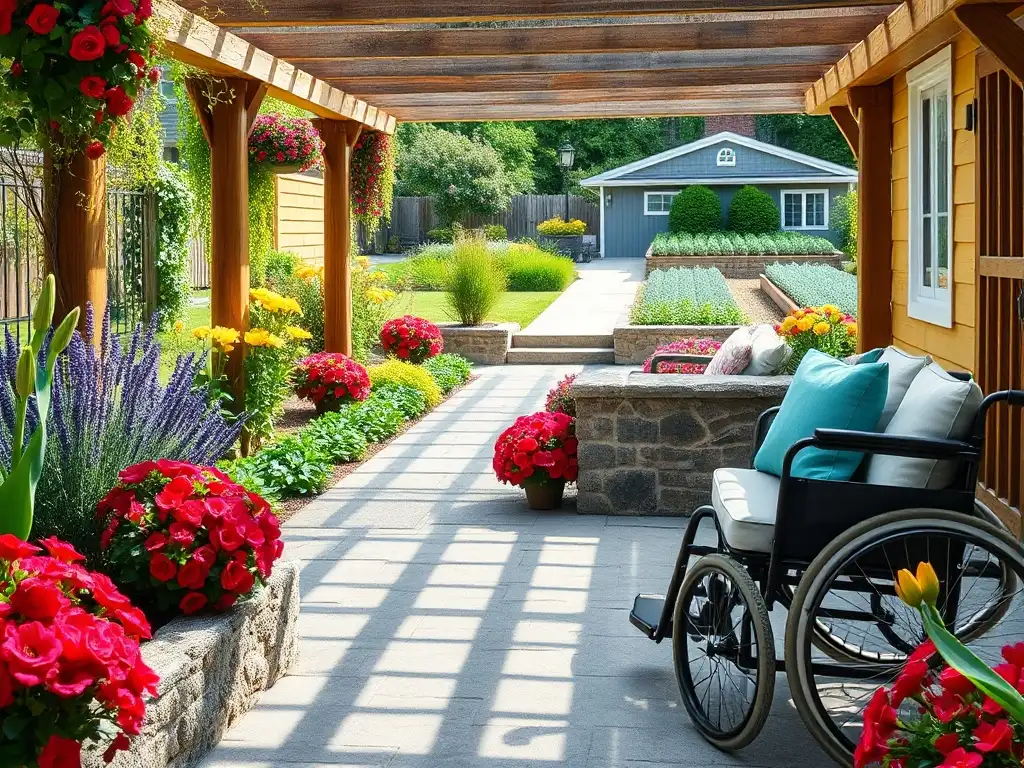
Creating an accessible garden is a significant undertaking, but the work doesn't end with the initial design and construction. Maintaining accessibility over time requires consistent effort and proactive planning. Neglecting maintenance can quickly compromise the usability of ramps, pathways, and other key features, potentially rendering your carefully designed accessible garden unusable for wheelchair users. This section focuses on the ongoing tasks necessary to ensure your garden remains a welcoming and enjoyable space for everyone.
Regular Maintenance for Path and Ramp Accessibility
Regular maintenance is crucial for preserving the accessibility of pathways and ramps. This involves more than just occasional sweeping. Think about the potential challenges: weeds growing through cracks in paving, uneven settling of the ground, and the accumulation of debris like leaves and snow. These seemingly minor issues can quickly become major obstacles for wheelchair users.
Here's a checklist for regular maintenance:
- Weed Control: Regular weeding prevents weeds from cracking paving stones and disrupting the smooth surface of paths and ramps. Consider using weed barriers under paving to minimize weed growth. Manual weeding is preferable to herbicides, aligning with sustainable and organic gardening practices.
- Surface Repair: Inspect paths and ramps regularly for cracks, holes, or loose paving stones. Repair or replace damaged sections promptly to prevent tripping hazards and maintain a smooth, even surface. Keeping a small supply of spare paving stones on hand is a good preventative measure.
- Debris Removal: Regularly clear paths and ramps of leaves, snow, and other debris to ensure safe and easy passage. A leaf blower can be helpful, but be mindful of the potential for blowing debris onto other areas of the garden. For snow, consider using a snow shovel designed for clearing pathways. Consider the use of a snow melt that is safe for plants and the environment.
- Drainage Check: Ensure that pathways and ramps have adequate drainage to prevent water accumulation, which can lead to erosion, ice formation (in colder climates), and slippery conditions. Regularly check drainage systems and clear any blockages.
- Ramp Slope Check: Over time, the ground beneath a ramp may settle, altering its slope. Periodically check the ramp's slope using a level to ensure it remains within the recommended accessibility guidelines. Adjustments might be needed to maintain a safe incline.
Seasonal Adjustments for Ongoing Accessibility
Seasonal changes bring unique accessibility challenges to your garden. Adapting your maintenance routine to accommodate these changes is vital for maintaining year-round accessibility.
- Winter Preparations: In colder climates, snow and ice pose significant risks. Develop a snow removal plan that prioritizes accessible pathways and ramps. Consider using de-icing agents that are safe for plants and the environment. Salt can damage plants, so research alternatives. A sand/grit mixture can offer better traction than salt alone.
- Spring Cleaning: After winter, inspect your garden for damage caused by frost heaving or ice. Repair any damaged pathways or ramps. Remove any winter debris and prepare for the growing season. This is a good time to check drainage systems and ensure they are functioning correctly.
- Summer Maintenance: Summer brings its own set of challenges. Keep pathways free from overgrown vegetation that might obstruct wheelchair access. Ensure that the sun doesn't overheat pathways, potentially causing discomfort. Consider using shade cloths or other solutions to mitigate heat.
- Autumn Preparations: As autumn arrives, prepare your garden for winter. Remove fallen leaves promptly to prevent slippery conditions. Check pathways and ramps for any damage and repair as needed. Store away any tools or equipment that might become hazardous during winter.
By implementing these maintenance strategies and adapting to seasonal changes, you can ensure that your accessible garden remains a welcoming and usable space for wheelchair users throughout the year. Remember that proactive maintenance is key to preserving the investment you've made in creating an inclusive and enjoyable garden for everyone. Prioritizing accessibility ensures that the garden remains a valuable and usable asset for years to come. 🌱
Resources and Further Information on Accessible Garden Design for Wheelchairs
This section provides valuable resources to help you create a truly accessible garden, tailored for wheelchair users. Remember, designing an accessible garden isn't just about ramps; it's about thoughtful planning that considers every aspect of the gardening experience. From initial design to ongoing maintenance, readily available resources can significantly ease the process and ensure a successful outcome.
Organizations Offering Support and Guidance for Accessible Gardening
Several organizations dedicate their efforts to promoting accessible gardening and providing support to individuals with disabilities. These groups offer invaluable resources, including design guidelines, practical advice, and often, direct assistance. They can be a crucial source of information and inspiration as you embark on your accessible garden project. Connecting with them early in the planning phase can significantly improve the outcome.
Here's a breakdown of the types of support you can expect from these organizations:
- Design Consultation: Many offer consultations or workshops providing expert advice on creating wheelchair-friendly garden layouts, path design, and plant selection.
- Grant Opportunities: Some organizations may offer grants or funding to support the creation of accessible gardens, particularly for individuals with financial limitations. This financial aid can make a substantial difference in making your accessible garden a reality.
- Community Support: Several organizations connect individuals with disabilities with local volunteers who can assist with garden construction and maintenance. This invaluable support network can help alleviate the physical demands of gardening.
- Educational Resources: Expect access to a wealth of educational materials, including brochures, manuals, and online resources, covering various aspects of accessible gardening.
Finding these organizations may involve searching online using keywords like "accessible gardening," "disabled gardening," or "adaptive gardening." Remember to look for local chapters or groups, as they may offer more tailored support to your specific region. Connecting with these organizations is a significant step toward ensuring your garden truly meets the needs of all users.
Accessible Gardening Products and Suppliers
Beyond the planning and design, the right tools and products are essential for creating a functional and enjoyable accessible garden. Several suppliers specialize in providing adaptive gardening equipment and materials designed to make gardening easier for individuals with limited mobility. These products can significantly enhance your gardening experience, allowing for greater independence and enjoyment.
Consider these key categories of accessible gardening products:
| Product Category | Examples | Benefits |
|---|---|---|
| Raised Garden Beds | Various heights and materials | Eliminates bending and kneeling, improves accessibility for planting and harvesting. |
| Adaptive Gardening Tools | Long-handled tools, ergonomic designs, rotating seeders | Reduces strain and improves ease of use for individuals with limited mobility. |
| Wheelchair-Accessible Pathways | Gravel paths, compacted soil, paving stones | Enables smooth and safe navigation throughout the garden. |
| Automated Irrigation Systems | Drip irrigation, soaker hoses | Reduces the physical demands of watering, providing consistent moisture. |
| Seating and Resting Areas | Benches, comfortable chairs | Provides opportunities for rest and relaxation during gardening activities. |
Remember to prioritize durability and ease of use when selecting products. Look for materials that can withstand the elements and tools that are comfortable and efficient. Investing in high-quality accessible gardening products is an investment in long-term gardening enjoyment and independence. The initial cost may seem higher, but the long-term benefits in terms of ease of use and reduced strain far outweigh the expense. Exploring different suppliers and comparing prices can help you find the best value for your needs.
Frequently Asked Questions
What are the key considerations for designing a wheelchair-accessible garden?
The most important considerations are level pathways, wide enough for wheelchair turning, and raised garden beds to eliminate bending. Good access to water sources and tools is also crucial.
How wide should pathways be in a wheelchair-accessible garden?
Pathways should be at least 36 inches wide to allow for easy wheelchair maneuvering and turning. Consider wider paths for increased comfort and easier passage with support equipment.
What is the ideal height for raised garden beds in a wheelchair-accessible design?
The optimal height for raised beds is typically between 24 and 30 inches, allowing for comfortable access without excessive bending or reaching. Adjust heights to suit individual needs.
What materials are best suited for wheelchair-accessible garden pathways?
Durable, smooth, and level surfaces are ideal. Consider using materials like concrete, compacted gravel, or paving stones, avoiding loose materials that could be uneven or unstable.
Are there any resources available to help with designing a wheelchair-accessible garden?
Yes, many resources are available online and through organizations focused on adaptive gardening. Consult with occupational therapists or landscape architects experienced in accessible design for personalized guidance.
Final Reflection: Cultivating Inclusive Spaces Through Accessible Garden Design
The need for accessible garden design is not merely a matter of compliance; it's a fundamental aspect of creating truly inclusive and welcoming outdoor environments. Failing to consider wheelchair accessibility in garden planning excludes a significant portion of the population from enjoying the restorative and enriching benefits of nature. This impacts not only individuals with mobility challenges but also their families and communities.
The impact of accessible design extends far beyond the practical; it speaks volumes about a society's values and commitment to inclusivity. Accessible gardens foster a sense of belonging and participation, enriching the lives of those who might otherwise be excluded. A garden is a grand composition, where nature and art blend together to produce a scene of beauty and tranquility.
This beauty, this tranquility, should be accessible to all. My own experiences visiting gardens, both accessible and inaccessible, have profoundly shaped my understanding of the importance of thoughtful design and the profound impact it can have on individuals and communities.
Consider the potential of your own outdoor space. Think about how you can incorporate elements of accessible design—from ramps and wide pathways to thoughtfully placed seating and sensory gardens—to create a welcoming and inclusive environment for everyone. You have the power to cultivate a space that nurtures not only plants and flowers, but also the well-being and connection of your community. Let's work together to build a future where everyone can enjoy the beauty and tranquility of a well-designed garden.
Unleash Your Accessible Garden!
Thank you for exploring accessible garden design! We hope you've discovered how thoughtful planning can create a beautiful and inclusive outdoor space for everyone. Ready to cultivate your dream garden?
- Prioritize accessible pathways: Begin designing your garden with smooth, wide pathways suitable for wheelchairs and other mobility devices. Consider gentle slopes, appropriate surface materials, and ample turning space. This is crucial for creating a welcoming garden.
- Collaborate on your garden design: Discuss your ideas with a landscape professional or connect with other gardeners online to share tips and inspiration. Feedback will refine your plan.
- Utilize adaptive gardening tools and techniques: Research tools designed for comfortable and manageable gardening, regardless of mobility. Explore assistive technologies to fully enjoy gardening.
What accessibility feature are you most excited to include in your garden design?