
BudgetFriendly Raised Garden Beds: CostEffective Options for Every Gardener

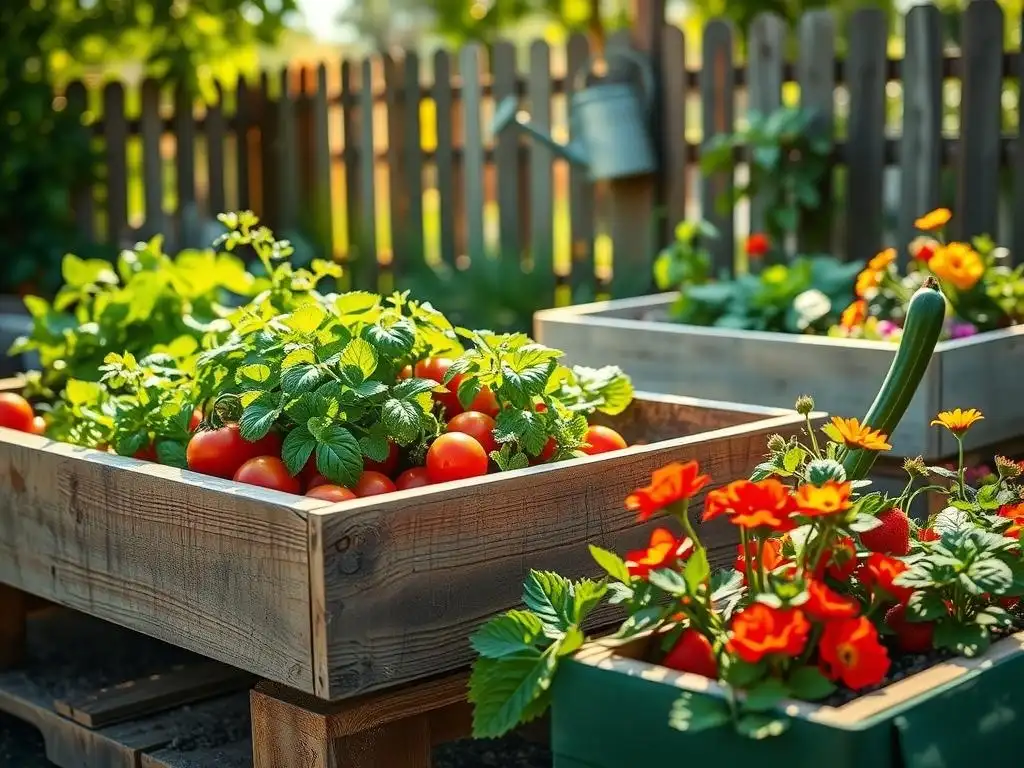
Ready to transform your backyard into a thriving oasis of fresh, organic produce? At CultivateYourFood, we empower you to grow your own food sustainably. Discover how you can achieve bountiful harvests without breaking the bank with our detailed guide on cheap raised garden bed plans. Learn simple, effective techniques for building your own cost-effective gardening structures and unlock the secrets to a flourishing, homegrown garden. Let's get started!
- Why Choose a Cheap Raised Garden Bed? Benefits of Budget-Friendly Gardening
- DIY Raised Garden Bed Plans: Building Your Own Cheap Raised Garden Bed
- Affordable Raised Garden Bed Kits and Pre-Built Options: A Quick & Easy Solution
- Creative and Inexpensive Raised Garden Bed Ideas: Upcycled and Repurposed Materials
- Maintaining Your Budget-Friendly Raised Garden Bed: Long-Term Cost Savings
- Maximizing Your Harvest from Cheap Raised Garden Beds: Tips and Tricks
- The Long-Term Value of Investing in a Cheap Raised Garden Bed: Return on Investment
-
Frequently Asked Questions
- How much will building a raised garden bed actually cost me?
- What are the cheapest materials I can use to build a raised garden bed?
- What are the advantages of using raised garden beds?
- Can I build a raised garden bed without any prior experience?
- Where can I find free plans for cheap raised garden beds?
- Final Reflection: Cultivating Abundance, One Budget-Friendly Bed at a Time
- Unleash Your Inner Gardener: Build Your Dream Raised Bed Today!
Why Choose a Cheap Raised Garden Bed? Benefits of Budget-Friendly Gardening
Building a raised garden bed doesn't have to break the bank! This guide explores how to create cost-effective raised garden beds, maximizing your harvest without emptying your wallet. Whether you're a seasoned gardener looking to expand your growing space or a beginner taking your first steps into the world of home cultivation, budget-friendly raised beds offer a fantastic solution.
We'll delve into various materials, design options, and construction techniques that will allow you to reap the rewards of a thriving garden without compromising on quality or sustainability. Learning how to build cheap raised garden beds opens up the wonderful world of homegrown fruits, vegetables, and herbs to everyone, regardless of their budget.
This comprehensive guide will equip you with the knowledge and inspiration to build your own affordable and productive raised garden bed, proving that sustainable gardening can be both satisfying and economical. Let's get started on your journey to a flourishing, budget-friendly garden!
Improved Soil Quality and Drainage with Low-Cost Materials
One of the primary advantages of raised garden beds is the ability to control soil quality. Unlike in-ground gardening, where soil conditions can be unpredictable, raised beds allow you to create the perfect soil mix for your plants. This is especially beneficial if you have poor soil drainage or nutrient-deficient earth. By using readily available and inexpensive materials like reclaimed wood pallets (ensure they're treated wood-free!
), recycled plastic containers, or even stacked stones, you can create a raised bed that promotes excellent drainage. This prevents waterlogging, a common cause of root rot and plant death. Furthermore, you can easily amend your soil with compost and other organic matter, providing your plants with the nutrients they need to thrive.
The improved drainage also helps to prevent the build-up of harmful pathogens that can negatively impact your plants' health. This is a significant advantage, especially for those gardeners struggling with compacted or waterlogged soils. The initial investment in materials is minimal, paying off handsomely in healthy, vigorous plants.
Increased Yield and Faster Growth in Raised Beds
Raised beds offer a microclimate that is often more favorable for plant growth than traditional in-ground gardening. The warmer soil temperatures in raised beds, especially in cooler climates, lead to faster germination and quicker growth rates. This means you can enjoy your harvest sooner and potentially even get a second harvest in a shorter growing season.
With better soil drainage and improved aeration, roots have easier access to water and oxygen, leading to more robust and productive plants. This translates directly to a higher yield, giving you more fruits, vegetables, and herbs to enjoy. The concentrated planting area also makes it easier to manage watering and fertilization, ensuring that your plants receive the optimal amount of nutrients and moisture.
Using readily available, inexpensive materials doesn't compromise the benefits; it simply allows you to achieve these results more economically. The increased yield alone makes the initial investment in building a cheap raised garden bed well worth the effort.
Accessibility and Ergonomics for All Gardeners
Raised garden beds significantly improve accessibility and ergonomics, making gardening easier and more enjoyable for people of all ages and physical abilities. Instead of bending and stooping over in-ground gardens, you can work at a comfortable standing or seated height, reducing strain on your back and knees. This is especially important for individuals with limited mobility or those who experience back pain.
By building your raised bed at a height that suits your needs, you can garden for longer periods without discomfort. The accessibility aspect extends to children and the elderly, allowing them to participate more actively in the gardening process.
Creating a cheap raised garden bed doesn't mean sacrificing comfort or ease of use; in fact, it allows more people to experience the joy and satisfaction of growing their own food. The improved ergonomics alone make the investment in a budget-friendly raised garden bed a worthwhile endeavor, promoting inclusivity and making gardening a more accessible and enjoyable activity for everyone.
Pest and Weed Control in Budget-Friendly Raised Garden Beds
Constructing a raised garden bed, even on a budget, offers significant advantages in managing pests and weeds compared to traditional ground-level gardening. The raised structure creates a physical barrier, making it harder for many common weeds to establish themselves. Their roots struggle to penetrate the sides and bottom of the bed, unlike in open ground where they can spread freely. This reduces the need for herbicides, aligning perfectly with sustainable and organic gardening practices.
Furthermore, the contained environment allows for easier monitoring of pests. Early detection becomes simpler, enabling timely interventions with natural pest control methods like companion planting (e.g., using marigolds to repel nematodes) or introducing beneficial insects like ladybugs to combat aphids. This proactive approach minimizes the need for expensive chemical pesticides, contributing to both cost savings and environmental protection. The improved drainage in raised beds also helps to prevent soilborne diseases that can thrive in waterlogged conditions, further reducing the need for preventative treatments.
By strategically choosing materials for your budget-friendly raised garden bed, you can even enhance pest control. For example, using cedar wood can deter certain insects naturally due to its inherent properties. Remember that regular weeding and monitoring remain crucial, even with a raised bed, but the inherent advantages significantly reduce the time and resources needed for pest and weed management, making it a win-win for both your wallet and the environment. Careful planning and proactive measures can transform a cheap raised garden bed into a haven for healthy, pest-free plants.
DIY Raised Garden Bed Plans: Building Your Own Cheap Raised Garden Bed
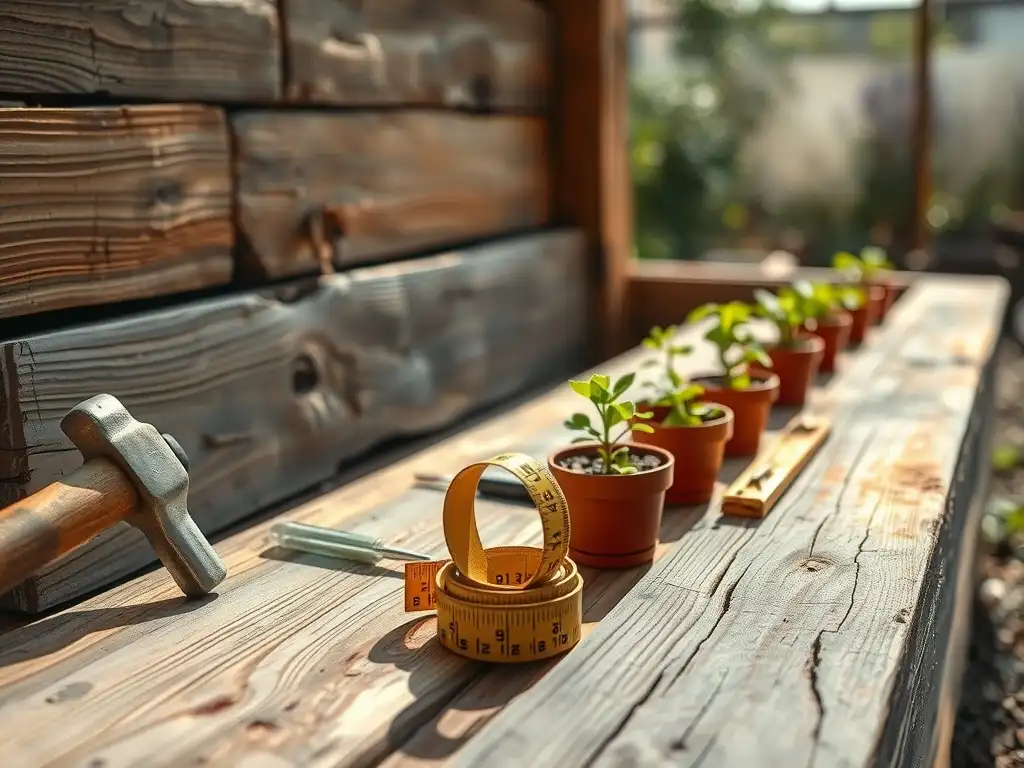
This section focuses on constructing inexpensive raised garden beds using readily available and affordable materials. By building your own, you can significantly reduce the cost compared to purchasing pre-made options, making organic gardening accessible to everyone. This approach helps you achieve your gardening goals while staying within a tight budget, fitting perfectly with our "cheap raised garden bed plans" focus. We'll explore several options, emphasizing sustainable and resourceful practices.
Sourcing Affordable Materials for Your Raised Garden Bed: Reclaimed Wood, Pallets, and More
The key to building a budget-friendly raised garden bed lies in sourcing affordable materials. Don't underestimate the potential of reclaimed wood! Think beyond the lumber yard – explore these options for cost-effective materials:
- Reclaimed Wood: Look for salvaged lumber from demolition sites, construction projects, or even your own property. Inspect for rot and damage, but don't be afraid of imperfections; character adds charm! Remember to properly treat any reclaimed wood before use to prevent pest infestations and ensure longevity. This can be done with a safe, organic wood treatment.
- Recycled Pallets: Pallets are readily available and often free or very inexpensive. However, always check the wood for treatment stamps – avoid using chemically treated pallets as they can leach harmful substances into your soil. Untreated pallets are perfect for building cheap raised garden beds.
- Untreated Lumber: While purchasing new lumber can be more expensive, opting for untreated lumber is crucial for organic gardening. Consider less expensive, but durable, wood types like pine or fir. Compare prices from different suppliers to find the best deals.
- Other Options: Consider using readily available materials like large stones or even repurposed metal containers (ensure they are non-toxic). Creativity is key to finding inexpensive and effective alternatives.
Remember to factor in the cost of fasteners (screws, nails) and any necessary tools. Planning your material sourcing carefully can dramatically reduce the overall cost of your project.
Step-by-Step Guide: Constructing a Raised Bed from Recycled Pallets
This guide assumes you've already sourced untreated, sturdy pallets. Safety first! Wear gloves and eye protection throughout the process.
- Disassemble the Pallets: Carefully remove the nails or screws securing the pallet boards. A crowbar or hammer can be helpful. Dispose of any unusable wood responsibly.
- Clean the Boards: Thoroughly clean the pallet boards to remove any dirt, debris, or pests. A stiff brush and soapy water are ideal. Allow them to dry completely before assembly.
- Assemble the Frame: Arrange the boards to create the desired size and shape of your raised bed. Use screws or nails to secure the boards together, creating a sturdy frame. Ensure the corners are square and well-joined for stability.
- Add Supports (Optional): For taller raised beds, consider adding extra supports to prevent bowing or sagging. This can be achieved using additional pieces of wood or even strong stakes driven into the ground.
- Line the Bed (Optional): While not strictly necessary, lining the bed with landscape fabric or a similar material can help retain moisture and suppress weeds. This step adds minimal cost but can greatly enhance your gardening experience.
- Fill with Soil: Once the frame is complete, fill the raised bed with your preferred organic soil mix.
Building a Raised Bed from Untreated Lumber: A Cost-Effective Alternative
Using untreated lumber provides a more polished and longer-lasting raised bed compared to pallets, although it may have a slightly higher initial cost. However, the durability often outweighs the price difference in the long run.
- Cut the Lumber: Measure and cut the lumber to the desired dimensions of your raised bed. A circular saw or hand saw can be used, depending on your comfort level and tool availability. Accurate measurements are crucial for a well-fitting structure.
- Assemble the Frame: Assemble the frame using screws or nails, ensuring the corners are square and sturdy. Pre-drilling pilot holes before screwing can help prevent the wood from splitting.
- Reinforce the Corners: Reinforce the corners with metal brackets for extra strength and stability. This is particularly important for larger or taller raised beds.
- Add a Bottom (Optional): Adding a bottom to your raised bed can help contain the soil and prevent it from leaching out. Hardware cloth or landscape fabric can be used for this purpose.
- Fill with Soil: Once the frame is complete and sturdy, fill the raised bed with your organic soil mix, ready for planting!
Remember to always prioritize safety when working with tools and materials. By following these plans, you can create beautiful, functional, and budget-friendly raised garden beds, making your dream of a thriving organic garden a reality. These cheap raised garden bed plans offer a pathway to sustainable and affordable gardening for everyone.
Adding Drainage and Soil Considerations for Optimal Growth
Proper drainage and soil selection are crucial for the success of your cheap raised garden bed. Poor drainage leads to root rot and other fungal diseases, while unsuitable soil can hinder plant growth and nutrient uptake. Let's explore how to optimize these aspects for a thriving garden.
First, consider the materials used for your raised bed construction. While wood is a popular choice for its aesthetic appeal and relative affordability, it can retain moisture, potentially leading to waterlogged soil if not properly addressed. Adding drainage holes is paramount, regardless of the material. For wooden beds, drill holes approximately 1-2 inches in diameter along the bottom of each side.
The number of holes will depend on the size of your bed – aim for a hole every 1-2 feet. For beds constructed from other materials like recycled pallets or concrete blocks, ensure adequate gaps between the materials to allow for water drainage. If using concrete blocks, you might need to strategically place gravel or broken pottery pieces at the base to improve drainage.
Next, let's discuss soil selection. The ideal soil for a raised garden bed is a well-draining, nutrient-rich mix. Avoid using heavy clay soil directly, as it will compact and retain too much water. A good starting point is a blend of compost, topsoil, and perlite or vermiculite. Compost provides essential nutrients and improves soil structure.
Topsoil offers a base for the plants to grow in. Perlite or vermiculite enhances drainage and aeration. The exact proportions can be adjusted based on your soil's existing characteristics and the specific needs of your plants. A soil test can be invaluable in determining whether additional amendments like fertilizer are needed.
Remember to regularly check your soil moisture levels and adjust watering accordingly; overwatering can be just as detrimental as underwatering. Consider using a moisture meter to avoid guesswork. A balanced approach to soil management ensures your plants receive the necessary resources for robust growth, significantly improving your chances of a bountiful harvest. Improper drainage, however, can lead to significant losses, so ensuring proper drainage is a key component of cost-effective gardening.
Affordable Raised Garden Bed Kits and Pre-Built Options: A Quick & Easy Solution
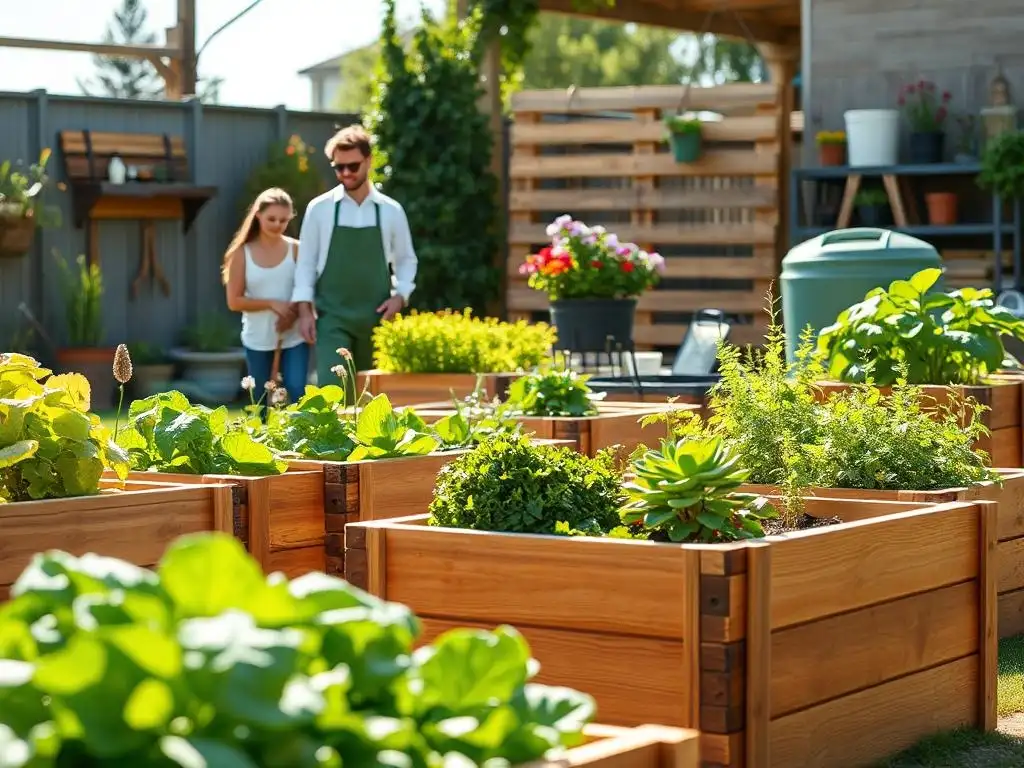
Building a raised garden bed doesn't have to break the bank. Many companies offer affordable raised garden bed kits and pre-built options, providing a convenient alternative to building from scratch. These kits often come with all the necessary materials, simplifying the construction process and saving you time and effort. This approach is particularly appealing for beginners or those with limited carpentry skills. The upfront cost might seem higher than sourcing individual materials, but the convenience and time saved can be significant, especially when considering the value of your time. Furthermore, pre-built or kit options often come with warranties, offering peace of mind regarding the structural integrity of your raised bed. This is a crucial factor to consider when investing in a long-term gardening solution. Choosing a pre-built or kit option can be a smart strategy for those looking for a "cheap raised garden bed plan" that prioritizes ease and efficiency.
Best Budget-Friendly Raised Garden Bed Kits Compared: Analyzing Features and Prices
Let's analyze some hypothetical examples to illustrate the price variations and features available in budget-friendly raised garden bed kits. Remember, prices fluctuate based on retailer and materials used. These examples are for illustrative purposes only.
| Kit Name | Material | Dimensions (approx.) | Price Range (USD) | Notable Features |
|---|---|---|---|---|
| Basic Cedar Kit | Cedar | 4ft x 2ft x 1ft | $75 - $120 | Simple assembly, natural cedar resistance |
| Recycled Plastic Kit | Recycled Plastic | 4ft x 4ft x 1ft | $100 - $150 | Durable, weather-resistant, eco-friendly |
| Metal Frame Kit | Powder-coated Steel | 8ft x 4ft x 1ft | $150 - $250 | Robust, long-lasting, potentially rust-resistant |
Note: These prices are estimates and don't include shipping or potential sales tax. Always check the retailer's website for the most up-to-date pricing and availability. Consider factors like longevity, maintenance requirements, and aesthetic appeal when comparing different kits. The best "cheap raised garden bed plan" for you will depend on your specific needs and budget.
Analyzing Features and Prices: Finding the Best Value for Your Money
The key to finding the best value lies in carefully weighing the features against the price. A cheaper kit might require more assembly time or have a shorter lifespan compared to a more expensive option. Consider these factors:
- Material Durability: Will the material withstand the elements and last for several seasons? Cedar and recycled plastic are generally good choices for durability.
- Assembly Difficulty: How much time and effort are you willing to invest in assembly? Some kits are easier to assemble than others.
- Size and Capacity: How much growing space do you need? Larger beds will generally cost more.
- Warranty: Does the kit come with a warranty? This can provide added protection against defects.
By carefully considering these factors and comparing different kits, you can identify the option that offers the best balance of price, quality, and features, ensuring you find the perfect "cheap raised garden bed plan" for your garden. Remember to factor in the cost of soil and any additional accessories you may need.
Pros and Cons of Pre-Built vs. DIY Raised Garden Beds
Choosing between a pre-built or DIY raised garden bed involves weighing convenience against cost savings.
Pre-Built/Kit Advantages:
- Convenience: Quick and easy assembly, saving you significant time and effort.
- Warranty: Often come with warranties, providing peace of mind.
- Consistent Quality: Materials and construction are typically standardized.
Pre-Built/Kit Disadvantages:
- Higher Initial Cost: Generally more expensive upfront than building from scratch.
- Limited Customization: May not be customizable to your exact size or design preferences.
- Shipping Costs: Can incur significant shipping costs depending on location and size.
DIY Advantages:
- Cost Savings: Potentially significantly cheaper than pre-built options.
- Customization: Allows for complete customization of size, design, and materials.
- Sense of Accomplishment: The satisfaction of building your own raised bed.
DIY Disadvantages:
- Time Commitment: Requires significant time and effort for planning, sourcing materials, and construction.
- Skill Requirement: Requires basic carpentry skills and tools.
- Potential for Errors: Improper construction can lead to structural issues.
Ultimately, the best choice depends on your budget, skills, and available time. For those seeking a truly "cheap raised garden bed plan," a DIY approach may be preferable. However, the convenience of pre-built kits or pre-made options can be invaluable for those prioritizing speed and ease of construction. Careful consideration of these factors will help you make an informed decision.
Creative and Inexpensive Raised Garden Bed Ideas: Upcycled and Repurposed Materials
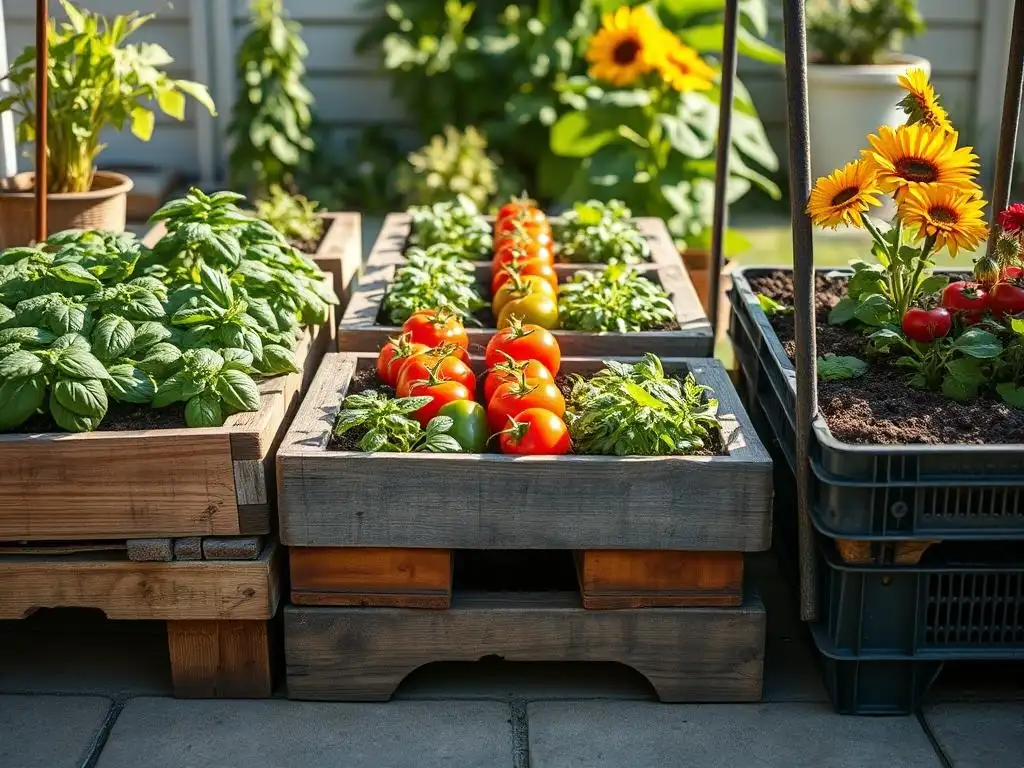
Creating a thriving garden doesn't require breaking the bank. Many budget-friendly raised garden bed plans leverage readily available, repurposed materials. This section explores several creative options, transforming discarded items into functional and aesthetically pleasing garden spaces. These cheap raised garden bed plans minimize waste and maximize your gardening budget. Let's delve into some specific examples.
Transforming Old Tires into Functional and Stylish Raised Garden Beds
Old tires, often destined for landfills, can be repurposed into surprisingly attractive and durable raised garden beds. This method offers a truly cheap raised garden bed solution, minimizing material costs significantly. The circular shape promotes efficient sunlight exposure for your plants.
Several factors influence the success of this method:
- Tire Selection: Choose tires that are free of punctures and significant wear. Larger truck tires offer more growing space, while smaller car tires are ideal for herbs or smaller plants. Clean the tires thoroughly before use, removing any debris or sharp objects.
- Layering and Soil Preparation: Avoid using tires directly on the ground. Place a layer of cardboard or landscape fabric inside each tire to prevent weed growth and soil erosion. This also helps with drainage. Then, fill the tires with a well-draining soil mix, ensuring adequate depth for your chosen plants. Consider adding compost for enhanced nutrient content.
- Aesthetic Considerations: Paint the tires to enhance their appearance and integrate them seamlessly into your garden's aesthetic. Vibrant colors can add a pop of personality, while earth tones offer a more natural look. You can even add decorative elements like mosaic tiles or stones.
Using Concrete Blocks for a Sturdy and Affordable Raised Garden Bed
Concrete blocks, readily available at most home improvement stores at relatively low prices, provide a sturdy and long-lasting foundation for your raised garden bed. This approach offers a simple and effective cheap raised garden bed plan, requiring minimal construction skills. Their inherent strength makes them ideal for heavier plants or those requiring more support.
Here's a breakdown of how to build a raised garden bed using concrete blocks:
- Planning and Design: Determine the desired dimensions of your garden bed and calculate the number of concrete blocks needed. Simple rectangular shapes are easiest to construct.
- Block Placement: Arrange the blocks to form the desired shape. Ensure the blocks are level and stable. Consider using landscape fabric or cardboard inside the structure to prevent weed growth.
- Soil Filling: Fill the enclosed space with a nutrient-rich soil mix, ensuring proper drainage. Consider adding compost to enrich the soil and promote healthy plant growth.
- Optional Enhancements: You can enhance the aesthetic appeal by painting the concrete blocks or adding decorative elements like river stones or small plants around the base. This can elevate the overall look of the garden bed.
Repurposing Shipping Pallets into a Rustic Raised Garden Bed
Shipping pallets, often discarded after use, can be transformed into rustic and charming raised garden beds. This is another excellent cheap raised garden bed plan, offering a unique and environmentally conscious approach to gardening. However, it’s crucial to ensure the pallets are treated and free from harmful chemicals before use.
Consider these points when using shipping pallets:
- Safety First: Inspect pallets thoroughly for any nails or splinters that could pose a risk. Remove any loose nails or splinters and sand down rough edges for safety. Ensure the wood is treated and safe for use in contact with soil.
- Assembly and Construction: You may need to disassemble and reassemble the pallets to create the desired shape and size of your garden bed. Use screws or other fasteners to ensure stability. Consider lining the interior with landscape fabric to prevent soil loss and weed growth.
- Soil and Planting: Fill the constructed bed with a suitable soil mix, ensuring adequate depth for your plants. The rustic nature of the pallet wood creates a unique aesthetic that complements many garden styles.
These are just a few examples of how to create cheap raised garden beds using readily available and inexpensive materials. Remember to always prioritize safety and ensure the materials you use are suitable for planting. With a little creativity and resourcefulness, you can create a beautiful and productive garden without exceeding your budget. Explore these cheap raised garden bed plans and find the perfect solution for your gardening needs!
Maintaining Your Budget-Friendly Raised Garden Bed: Long-Term Cost Savings
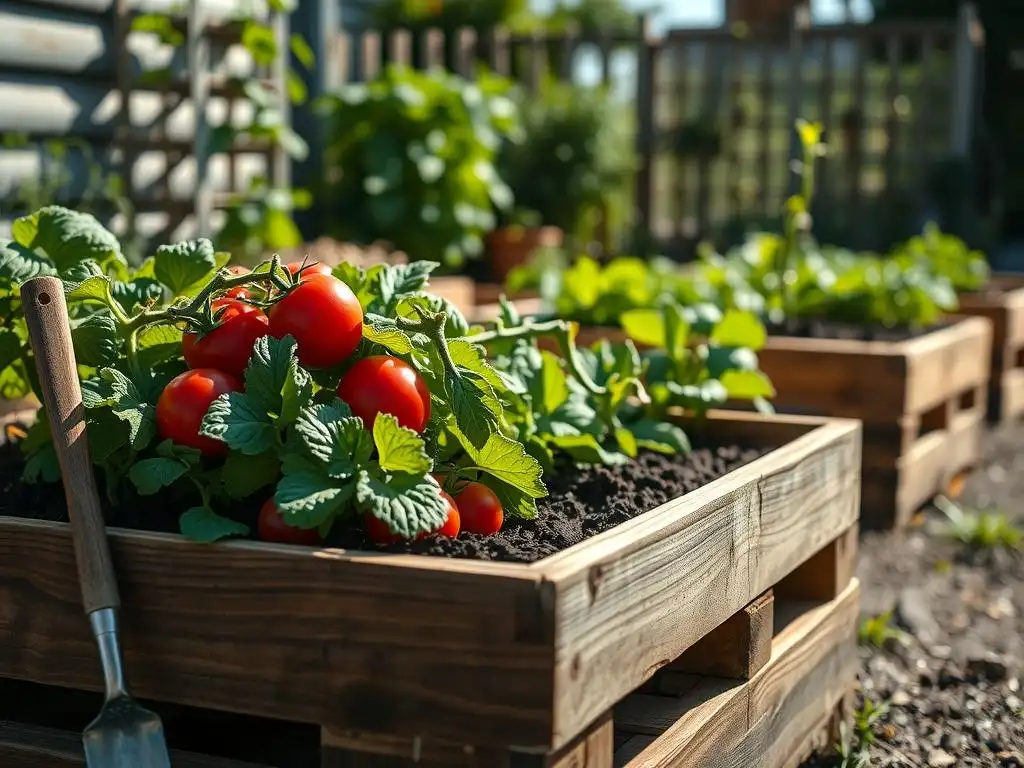
Maintaining your cheap raised garden bed doesn't have to break the bank. By focusing on preventative measures and sustainable practices, you can significantly reduce long-term expenses and maximize your harvest. This section explores strategies for keeping your garden thriving while minimizing ongoing costs. The key is to think proactively, preventing problems before they escalate into costly solutions.
Choosing the Right Soil Mix for Your Raised Garden Bed: Cost-Effective Options
The soil mix is a crucial aspect of your raised garden bed's success and longevity. Investing in high-quality soil upfront can save you money in the long run by improving plant health and reducing the need for fertilizers and amendments. However, you don't need to buy expensive commercial mixes. Creating a cost-effective soil blend yourself is entirely feasible.
Here's a sample recipe for a budget-friendly, nutrient-rich soil mix suitable for most vegetables and herbs:
- ⅓ Compost: Homemade compost is the most economical option. Start a compost bin using kitchen scraps and yard waste to create rich, nutrient-filled compost at virtually no cost.
- ⅓ Peat Moss or Coco Coir: These materials improve drainage and aeration, crucial for healthy root development. Coco coir is a sustainable alternative to peat moss.
- ⅓ Vermiculite or Perlite: These additives enhance drainage and provide aeration, preventing waterlogging and improving root health. Vermiculite is generally slightly cheaper.
By creating your own soil mix, you can significantly reduce the cost compared to buying pre-mixed soil. Remember to test your soil pH periodically and adjust accordingly with inexpensive amendments like lime (to raise pH) or sulfur (to lower pH). This proactive approach prevents nutrient deficiencies that could later require costly fixes.
Simple and Effective Watering Techniques to Conserve Water and Resources
Efficient watering is crucial for a healthy garden, but excessive watering wastes water and money. Implementing smart watering techniques is essential for cost-effective gardening. Here are some simple and effective strategies:
- Drip Irrigation: This method delivers water directly to the roots, minimizing evaporation and runoff. While the initial investment is small, the long-term water savings are substantial. You can even create a simple DIY drip irrigation system using recycled materials.
- Soaker Hoses: These hoses slowly release water, allowing it to penetrate deeply into the soil. They are more affordable than drip irrigation systems and are easy to install.
- Water Wisely: Water deeply and less frequently, encouraging deeper root growth and reducing the need for frequent watering. Water in the morning to minimize evaporation. Observe your plants; they'll tell you when they need water.
Regularly checking soil moisture levels using your finger is a free and effective way to avoid overwatering. Overwatering can lead to root rot, a costly problem to fix.
Natural Pest Control Methods for Your Budget-Friendly Garden
Pests can quickly decimate your harvest, leading to lost crops and increased costs. However, costly chemical pesticides are not necessary. Many effective and affordable natural pest control methods exist:
- Beneficial Insects: Introduce ladybugs, lacewings, and other beneficial insects that prey on common garden pests. These natural predators are far more cost-effective than chemical pesticides in the long run.
- Companion Planting: Planting certain plants together can deter pests. For example, marigolds are known to repel many common garden pests.
- Homemade Pest Sprays: Simple sprays made from ingredients like neem oil, garlic, or soap can effectively control many pests without harming beneficial insects or the environment. These are significantly cheaper than commercial pesticides.
By adopting these natural pest control methods, you can protect your plants without incurring the costs associated with chemical pesticides, thereby saving money and promoting a healthy environment for your plants and yourself. Remember, prevention is key – regularly inspecting your plants for signs of pests allows for early intervention, preventing widespread infestations.
Maximizing Your Harvest from Cheap Raised Garden Beds: Tips and Tricks
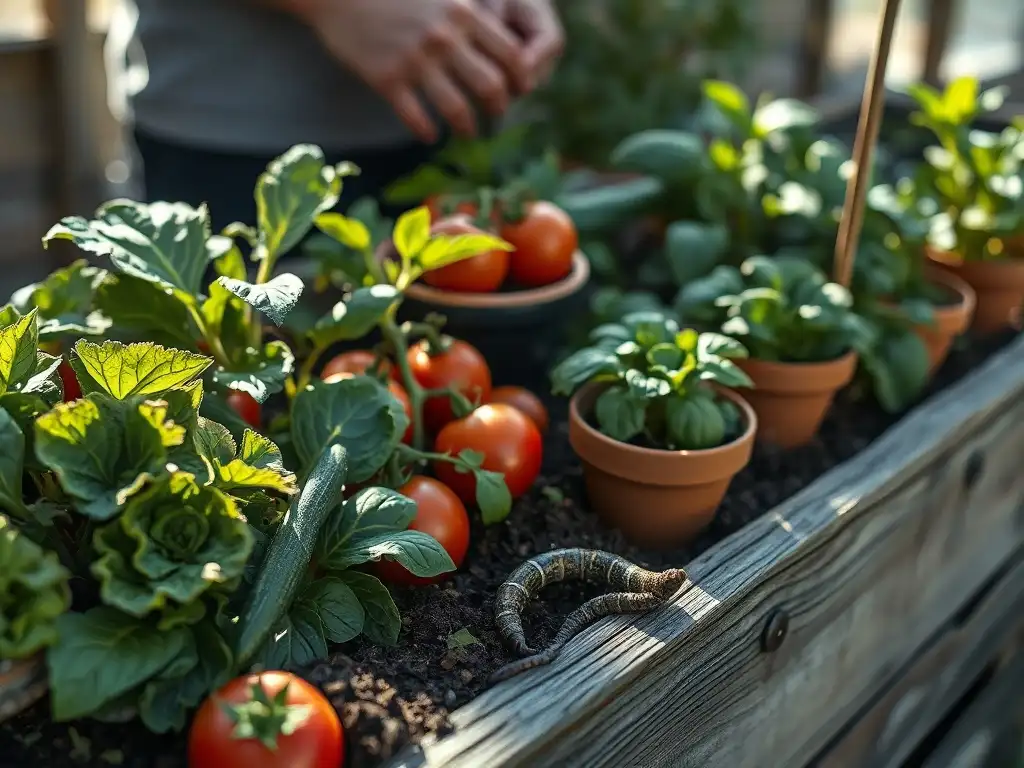
Building a cheap raised garden bed is only half the battle. To truly reap the rewards of your cost-effective gardening solution, you need to maximize your harvest. This section provides practical tips and tricks to ensure your budget-friendly raised bed yields an abundance of delicious, organically grown produce. We'll explore optimal plant selection, efficient spacing techniques, and the power of companion planting – all crucial elements in achieving a bountiful harvest without breaking the bank.
Choosing the Right Vegetables and Herbs for Your Raised Garden Bed
Selecting the right plants for your cheap raised garden bed is paramount. Consider factors like sunlight exposure, your bed's dimensions, and your personal preferences. Compact varieties are ideal for maximizing space utilization in smaller beds. For instance, bush beans occupy less space than pole beans, while determinate tomato varieties are better suited for limited areas than indeterminate ones.
Likewise, choosing herbs like thyme, rosemary, and oregano, which thrive in well-drained soil and require less space, can significantly improve the overall yield and efficiency of your garden. Prioritize plants known for their high yield potential in relation to the space they occupy. Here's a table summarizing some excellent choices:
| Vegetable/Herb | Type | Space Requirements | Yield Potential | Sun Requirements |
|---|---|---|---|---|
| Bush Beans | Compact | Low | High | Full Sun |
| Lettuce (e.g., Romaine) | Leafy Green | Moderate | High | Partial Shade |
| Radishes | Root Vegetable | Low | High | Full Sun |
| Cherry Tomatoes | Determinate | Moderate | High | Full Sun |
| Thyme | Herb | Low | Moderate | Full Sun |
| Basil | Herb | Moderate | High | Full Sun |
Remember to carefully read seed packets or plant tags for specific spacing and growth habit information. This will guide you in making the most efficient use of your space.
Optimizing Planting Density and Spacing for Maximum Yield
The key to maximizing yield in a cheap raised garden bed is optimizing planting density and spacing. Overcrowding leads to competition for resources like sunlight, water, and nutrients, resulting in smaller, weaker plants. Conversely, excessive spacing wastes valuable growing area. The correct spacing varies depending on the plant type. For example, lettuce can be planted relatively close together, while tomatoes require more individual space to grow properly.
Consider these guidelines:
- Follow seed packet recommendations: Seed packets often provide ideal spacing guidelines for optimal growth.
- Stagger planting: Staggering planting times for fast-growing crops allows for continuous harvesting. For example, planting successive batches of lettuce every two weeks ensures a consistent supply.
- Thinning: Thinning seedlings early on is crucial to prevent overcrowding. This involves removing weaker plants to give stronger plants more room to flourish. This might seem counterintuitive initially, but it ultimately results in a larger overall harvest.
Finding the sweet spot between adequate spacing and efficient use of space requires observation and experimentation. Keep a detailed gardening journal to track your results and refine your techniques over time.
Companion Planting: Natural Pest Control and Increased Productivity
Companion planting leverages the synergistic relationships between different plant species to enhance growth and deter pests. Certain plants repel insects that might harm others, while others attract beneficial insects that help with pollination or pest control. This natural approach reduces or eliminates the need for harmful pesticides, aligning perfectly with sustainable and organic gardening practices.
For example:
- Basil: Repels tomato hornworms and whiteflies. Planting basil near tomatoes is a classic companion planting technique.
- Marigolds: Repel nematodes and other soil-borne pests. Planting marigolds around your garden bed can significantly improve soil health.
- Nasturtiums: Attract beneficial insects and deter aphids. These vibrant flowers are not only beautiful but also functional in the garden ecosystem.
By strategically combining plants with complementary properties, you can create a thriving and resilient ecosystem within your cheap raised garden bed, leading to a healthier and more abundant harvest. Remember to research specific companion planting combinations for your chosen plants to maximize their benefits. Careful planning and observation are key to successful companion planting.
The Long-Term Value of Investing in a Cheap Raised Garden Bed: Return on Investment
Building or buying a raised garden bed, even a budget-friendly one, represents a smart investment with significant long-term returns. While the initial outlay might seem modest, the benefits extend far beyond the immediate cost savings associated with finding cheap raised garden bed plans. This section explores the financial and environmental advantages of choosing this gardening method. Let's analyze how the seemingly small cost of materials translates into substantial savings and a healthier lifestyle over time.
Comparing the Cost of DIY vs. Purchased Raised Garden Beds Over Time
The cost-effectiveness of a raised garden bed hinges significantly on whether you opt for a DIY approach or purchase a pre-made structure. DIY options, using readily available and often recycled materials, offer the most significant upfront savings. Consider these factors:
| Feature | DIY Raised Bed | Purchased Raised Bed |
|---|---|---|
| Initial Cost | Significantly lower (often under $50) | Can range from $50 to several hundred dollars |
| Material Sourcing | Requires time and effort to gather materials | Convenient, readily available |
| Labor Involved | Requires time and physical effort | Minimal labor required |
| Longevity | Dependent on material quality and construction | Generally longer lifespan with better materials |
| Customization | Highly customizable to your specific needs | Limited customization options |
For example, a DIY raised bed built from reclaimed pallets and filled with composted yard waste will have a minuscule initial cost compared to a cedar or redwood pre-fabricated model. However, the DIY option might require more upkeep and potentially have a shorter lifespan depending on the chosen materials. The long-term cost analysis depends heavily on individual circumstances and the chosen materials. The key is to carefully weigh these factors when deciding which route best suits your budget and gardening goals.
The Financial Benefits of Homegrown Produce: Savings and Health Advantages
The true value of a cheap raised garden bed becomes apparent when considering the cost savings associated with homegrown produce. Grocery store prices for fresh fruits, vegetables, and herbs fluctuate, but consistently remain higher than the cost of producing your own. A small raised bed, even with limited space, can yield a surprisingly large quantity of food, significantly reducing your grocery bill.
For instance, a single tomato plant in a raised bed can produce dozens of tomatoes throughout the growing season. These tomatoes, at grocery store prices, would easily cost more than the initial investment in the bed itself. The same principle applies to herbs, leafy greens, and other vegetables.
Moreover, homegrown produce is often fresher, tastier, and more nutritious than store-bought produce, offering additional health advantages that translate into long-term savings on healthcare costs. This translates into a substantial return on investment, extending beyond mere monetary savings. The health benefits alone make investing in a raised garden bed a worthwhile endeavor.
Sustainable Gardening Practices: Reducing Your Environmental Footprint
Building a cheap raised garden bed often aligns perfectly with sustainable gardening practices. Utilizing recycled or repurposed materials reduces waste and minimizes your environmental impact. Furthermore, raised beds improve soil health, reduce water usage through better moisture retention, and minimize the need for chemical pesticides and fertilizers.
By incorporating composting techniques and using organic methods, you contribute to a healthier ecosystem while reducing your carbon footprint. The long-term benefits extend beyond your garden. This environmentally conscious approach makes the initial investment even more worthwhile, aligning your gardening practices with your values and contributing to a more sustainable future. Choosing cheap raised garden bed plans often leads to a more eco-friendly gardening experience, resulting in both financial and environmental rewards. 🌱
Frequently Asked Questions
How much will building a raised garden bed actually cost me?
The cost of your raised garden bed depends heavily on the materials you choose. Using reclaimed wood or pallets can be very cheap, while cedar or pressure-treated lumber will be more expensive. Planning carefully will help you stay within budget.
What are the cheapest materials I can use to build a raised garden bed?
Reclaimed wood pallets, repurposed shipping containers, or even stacked stones can be incredibly cost-effective options. Remember to check for any potential toxins before using reclaimed materials.
What are the advantages of using raised garden beds?
Raised beds offer improved soil drainage, better soil warming, and easier access for gardeners, especially those with mobility issues. They also help control weeds and pests more effectively.
Can I build a raised garden bed without any prior experience?
Absolutely! Many simple designs are perfect for beginners. Numerous free plans are available online, offering step-by-step instructions for easy construction. Start with a small project to gain confidence.
Where can I find free plans for cheap raised garden beds?
Websites like CultivateYourFood and others dedicated to gardening offer numerous free plans and tutorials. You can also search online for "cheap raised garden bed plans" to find a wide variety of options suitable for your needs and budget.
Final Reflection: Cultivating Abundance, One Budget-Friendly Bed at a Time
The dream of a bountiful harvest shouldn't be confined to those with expansive budgets. Building a thriving garden, brimming with fresh produce, is entirely achievable, even on a shoestring. This article has explored numerous creative and cost-effective ways to construct raised garden beds, proving that sustainable gardening and financial responsibility can coexist beautifully.
The accessibility of homegrown food, regardless of financial constraints, is a powerful force for positive change. It fosters a deeper connection to nature, promotes healthier eating habits, and contributes to a more resilient and self-sufficient community. The glory of gardening: hands in the dirt, head in the sun, heart with nature. To nurture a garden is to feed not just the body, but the soul.
This quote perfectly encapsulates the transformative power of gardening, a power that should be accessible to everyone, not just the privileged few.
Now, consider your own space. What small corner of your yard, balcony, or even windowsill could become a haven for flourishing plants? What reclaimed materials might you repurpose to create your own budget-friendly raised garden bed? Take the first step today. Embrace the challenge, get your hands dirty, and experience the immense satisfaction of nurturing life from seed to harvest. The rewards—both tangible and intangible—are far greater than the initial investment.
Unleash Your Inner Gardener: Build Your Dream Raised Bed Today!
Thank you for exploring budget-friendly raised garden bed options! You now have the knowledge to create a thriving garden without breaking the bank. Ready to get started?
- Build your first raised bed this weekend! Gather your materials, follow a plan, and enjoy the satisfaction of creating something beautiful and functional. Let's get growing!
- Share your progress! Post photos of your construction or your flourishing plants on social media using #CultivateYourFoodBudgetBeds. Let's inspire others!
- Explore alternative materials: Get creative! Repurpose items around your home for your next raised bed project. Think pallets, old tires, or even reclaimed wood – the possibilities are endless!
What innovative, cost-saving idea will you use in your next raised bed project?