
Cold Frame vs. Row Covers: Which is Right for You?

Welcome to CultivateYourFood, your guide to nurturing a thriving garden using sustainable and organic methods! Are you ready to unlock the secrets to bountiful harvests? Then delve into our expert comparison of cold frame vs. row cover benefits, and discover which gardening structure best suits your needs and helps you achieve the flourishing garden you've always dreamed of. Let's cultivate success together!
Understanding Your Needs: Cold Frame vs. Row Cover Benefits
Choosing between a cold frame and row covers for your garden can feel overwhelming. Both offer protection from the elements and extend your growing season, but they cater to different needs and gardening styles. This comprehensive guide will delve into the key benefits of each, helping you determine which option best suits your specific requirements and contributes to your sustainable and organic gardening goals.
We'll explore their functionalities, ease of use, cost-effectiveness, and overall impact on your yield, ultimately guiding you towards making an informed decision that maximizes your harvest and minimizes environmental impact. Understanding the nuances of cold frames and row covers is crucial for optimizing your gardening efforts and achieving a bountiful, organic yield. This comparison will highlight the advantages of each system, helping you choose the best solution to protect your precious plants and extend your growing season.
Cold Frames: A Controlled Microclimate for Extended Growing Seasons
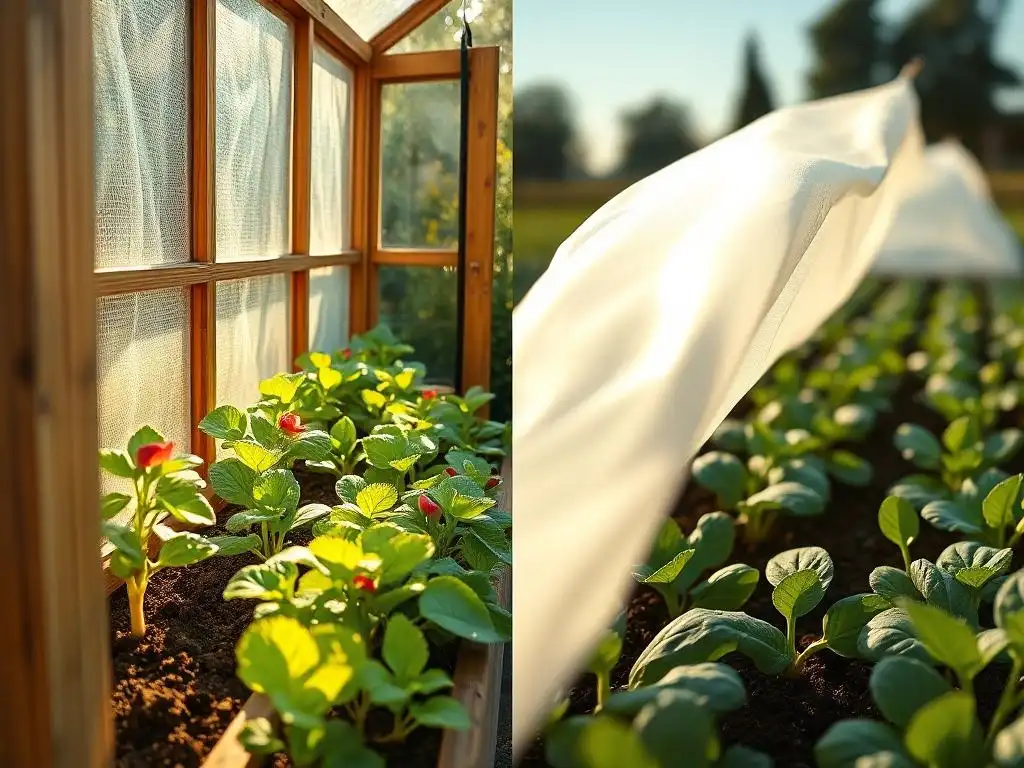
Cold frames provide a more controlled environment than row covers. They act as miniature greenhouses, creating a warmer microclimate ideal for starting seeds early in the spring, overwintering tender plants, or extending the harvest of certain crops into the fall. The enclosed structure traps solar heat during the day and retains warmth at night, protecting plants from frost and harsh weather conditions.
This controlled environment allows for more precise temperature management, crucial for delicate seedlings or plants with specific temperature requirements. Furthermore, cold frames offer protection from pests and diseases, providing a safe haven for your vulnerable plants. The structure itself can be made from recycled materials, promoting sustainability, and the controlled environment minimizes the need for chemical pesticides.
Row Covers: Versatile Protection for Existing Plants
Row covers, on the other hand, are lightweight fabrics that are draped directly over rows of plants. They offer a simpler and more versatile solution for protecting existing crops from frost, light frosts, wind, and even some pests. Their flexibility allows them to be easily deployed and removed as needed, making them ideal for protecting plants during unexpected temperature drops or periods of inclement weather. Row covers are significantly less expensive than cold frames and require minimal setup.
They are also incredibly portable, allowing you to easily move them to protect different areas of your garden as needed. Different weights and materials are available, catering to various levels of protection required. Consider using biodegradable row covers to further enhance sustainability.
Comparing Costs and Ease of Use: A Practical Perspective
The initial cost of a cold frame is typically higher than that of row covers. However, the longevity and versatility of a cold frame can offset this initial investment over time. Row covers, being less durable, may need to be replaced more frequently. In terms of ease of use, row covers are undoubtedly simpler to install and manage.
They require minimal assembly and can be quickly deployed and removed. Cold frames, while offering more protection, require more initial setup and potentially more maintenance. The choice depends on your budget, the scale of your garden, and your willingness to invest time in a more controlled gardening environment. Consider factors like the size of your garden and the number of plants you intend to protect when evaluating the cost-effectiveness of each option.
Maximizing Your Harvest: Yield Considerations for Both Systems
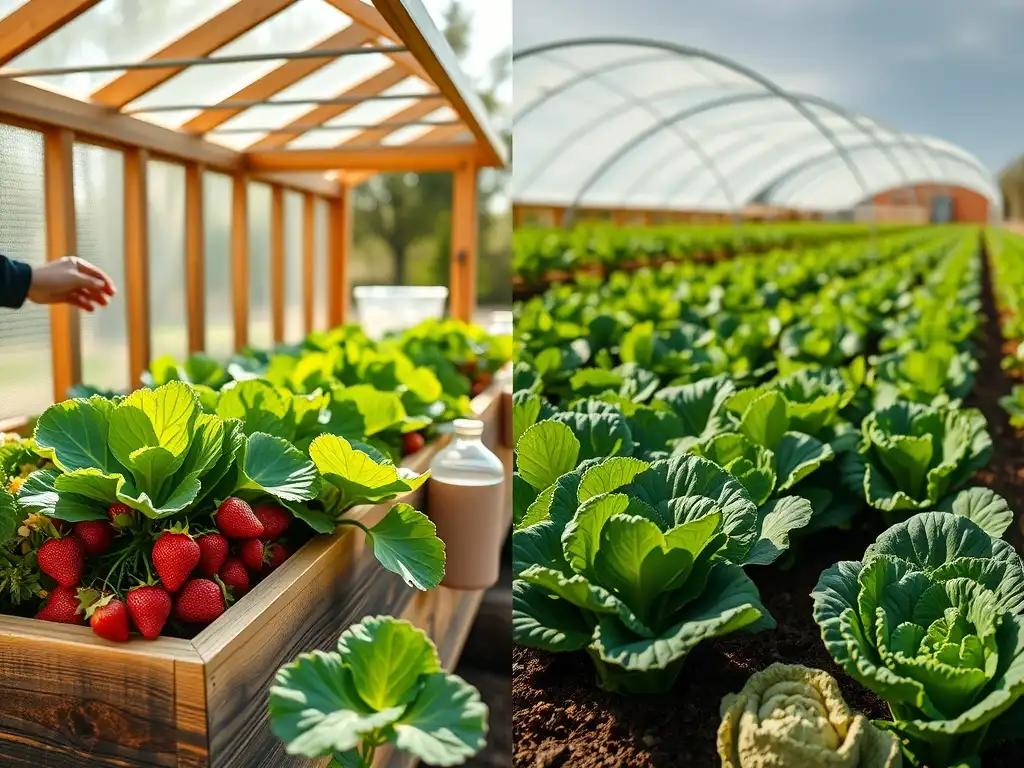
Both cold frames and row covers can significantly increase your harvest by extending the growing season. Cold frames allow for earlier planting and later harvesting, resulting in a longer overall growing period. Row covers provide timely protection against unexpected weather events, preventing crop loss and ensuring a more consistent yield. The choice between the two depends on your specific crops and your gardening goals.
For example, starting delicate seedlings in a cold frame may lead to a higher yield than relying solely on row covers for protection. Conversely, protecting a large vegetable patch from a sudden frost might be more efficiently achieved with row covers. Careful consideration of your specific needs and plant types is crucial for maximizing your harvest with either system. Accurate data on yield increases for specific crops under each system would be beneficial, but currently pending.
Environmental Impact: Sustainable Gardening Practices
Choosing between a cold frame and row covers also involves considering their environmental impact. While both can contribute to sustainable gardening practices by reducing the need for chemical pesticides and extending the growing season, the cold frame's more enclosed nature might lead to increased water usage if not properly managed. Opting for recycled materials for the construction of the cold frame and using biodegradable row covers can minimize the environmental footprint of both systems.
The reduced need for supplemental heating in a cold frame and the avoidance of plastic mulches can further enhance sustainability. Remember to prioritize water conservation and responsible waste management practices regardless of your choice.
Frequently Asked Questions
What is a cold frame, and how does it differ from a row cover?
A cold frame is a small, enclosed structure typically made of glass or plastic, used to protect plants from harsh weather. A row cover, on the other hand, is a lightweight fabric draped directly over plants in rows. The key difference is the level of protection and enclosure.
What are the main benefits of using a cold frame?
Cold frames offer superior protection from frost, wind, and heavy rain. They also create a warmer microclimate, extending the growing season. This leads to earlier harvests and increased yields.
What are the main benefits of using row covers?
Row covers are lightweight and easy to use, providing protection from light frost, pests, and some weeds. They are more portable and less expensive than cold frames, making them ideal for larger gardens. They also improve soil moisture retention.
When should I use a cold frame versus a row cover?
Use a cold frame for more delicate plants needing significant protection or for starting seeds early. Use row covers for larger areas or crops needing less intense protection from the elements, or for seasonal pest control.
Can I use a cold frame and row covers together?
Yes! You can use row covers inside a cold frame for added protection during particularly harsh weather, or to create a more humid environment for certain plants. This combines the benefits of both methods.
Final Reflection: Choosing the Right Path to Bountiful Harvests
The quest for extended growing seasons and healthier plants is a universal one among gardeners, and the choice between cold frames and row covers sits at the heart of this pursuit. Understanding the nuanced differences between these protective structures is crucial for maximizing yield and minimizing losses, regardless of your gardening experience or climate. The right choice can mean the difference between a thriving garden and a disappointing one.
The impact of these simple yet effective gardening tools extends far beyond individual plots; they represent a growing movement towards sustainable and resilient food production. By extending the growing season, we reduce our reliance on long-distance transportation of produce, lessen our carbon footprint, and foster a deeper connection with the natural world. As the renowned gardener, Ruth Stout, once said, Gardening is a matter of your own hands, your own soil, your own harvest.
This sentiment perfectly encapsulates the empowering nature of using cold frames and row covers – taking control of your food source and embracing the rewards of patient cultivation.
Now, consider your own gardening journey. Which challenges have you faced in the past? What are your goals for the upcoming season? By carefully weighing the benefits of cold frames and row covers – their respective strengths and weaknesses – you can make an informed decision that aligns with your specific needs and aspirations. Embrace the opportunity to learn, experiment, and cultivate a garden that flourishes, reflecting your dedication and passion. The path to a bountiful harvest begins with a thoughtful choice, and the journey itself is a rewarding one.
Unlock Your Garden's Potential: Choose the Perfect Cover!
Thanks for exploring the world of cold frames and row covers with us! You now have the knowledge to protect your plants and extend your growing season. Ready to put your learning into practice?
- Select the best cover for your garden: Consider your needs and available space when deciding between a cold frame and a row cover. This crucial choice will determine how effectively you protect your plants.
- Share your decision: Tell us (and other gardeners!) which type of cover you chose and why. We'd love to hear your thoughts in the comments below!
- Expand your gardening knowledge: Explore additional techniques to protect your plants from frost and extend your harvest season, building upon what you've learned about cold frames and row covers.
What innovative gardening solution will you implement first to protect your precious seedlings?