
CultivateYourFood’s Review of Automatic Greenhouse Ventilation Systems

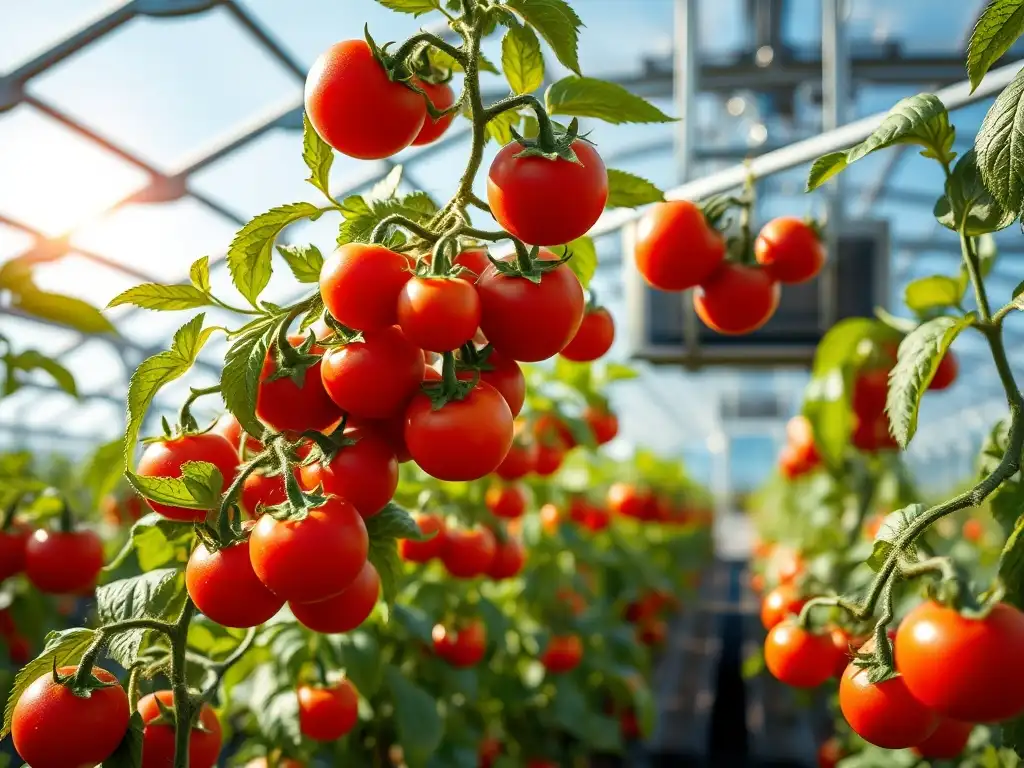
Ready to unlock the secrets to a bountiful, homegrown harvest? At CultivateYourFood, we believe everyone can enjoy the fruits (and vegetables!) of their labor. This passion for sustainable gardening fuels our exploration of innovative techniques, like the automatic greenhouse ventilation systems we're reviewing today. Discover how these smart systems can revolutionize your growing experience, maximizing yields and minimizing effort. Let's delve into the details and see if an automatic system is right for your garden!
- Understanding the Need for Automatic Greenhouse Ventilation
- Top Automatic Greenhouse Ventilation Systems Reviewed
- Factors to Consider When Choosing an Automatic Greenhouse Ventilation System
- DIY vs. Pre-Assembled Automatic Ventilation Systems: A Comparison
- Troubleshooting Common Automatic Greenhouse Ventilation Problems
- Conclusion: Choosing the Right Automatic Greenhouse Ventilation System for Your Needs
-
Frequently Asked Questions
- What are the benefits of automatic greenhouse ventilation?
- How does an automatic greenhouse ventilation system work?
- What factors should I consider when choosing an automatic ventilation system?
- Are automatic greenhouse ventilation systems expensive to install and maintain?
- Can I install an automatic greenhouse ventilation system myself?
- Final Reflection: The Future of Sustainable Food Production Through Automation
- Unlock Your Greenhouse's Full Potential
Understanding the Need for Automatic Greenhouse Ventilation
Cultivating a thriving home garden, especially within the confines of a greenhouse, requires careful attention to environmental control. Maintaining the ideal conditions for optimal plant growth isn't simply about providing sunlight and water; it's about meticulously managing temperature, humidity, and airflow. This is where automatic greenhouse ventilation systems step in, offering a crucial solution for home gardeners seeking to maximize their yields and produce healthy, high-quality crops.
This article provides a comprehensive review of automatic greenhouse ventilation systems, examining their benefits, functionalities, and ultimately helping you choose the best system for your needs. We'll delve into the specifics of what makes these systems essential for successful greenhouse cultivation and highlight the significant impact they have on overall gardening success.
By understanding the critical role of ventilation, you can significantly improve your chances of a bountiful harvest, free from the common pitfalls of uncontrolled greenhouse environments. This review focuses specifically on the needs of the home gardener, considering factors like ease of use, cost-effectiveness, and suitability for various greenhouse sizes.
Maintaining Optimal Greenhouse Climate for Plant Growth
A greenhouse acts as a miniature ecosystem, and like any ecosystem, it requires a delicate balance. Plants need specific temperature ranges and humidity levels to thrive. During the day, sunlight can rapidly increase the temperature inside a greenhouse, creating conditions that are far too hot for many plants. Conversely, at night, temperatures can plummet, leading to chilling injury.
Automatic ventilation systems help maintain this balance by automatically opening and closing vents based on pre-set temperature and/or humidity thresholds. This ensures that the greenhouse environment stays within the optimal range for the specific plants being cultivated. For example, tomatoes require daytime temperatures between 70-85°F (21-29°C) and nighttime temperatures between 60-70°F (15-21°C).
An automatic system can precisely regulate these temperatures, maximizing plant health and productivity. Failure to maintain these optimal ranges can lead to stunted growth, reduced yields, and increased susceptibility to diseases and pests. The precision offered by automatic systems greatly minimizes these risks.
Preventing Overheating and Humidity Issues in Greenhouses
Overheating is a common problem in greenhouses, especially during hot summer months. High temperatures can lead to heat stress in plants, resulting in wilting, leaf scorch, and reduced flowering and fruiting. Excessive humidity, often a companion to overheating, creates an ideal breeding ground for fungal diseases and pests. Automatic ventilation systems play a crucial role in preventing these issues.
By providing a constant flow of fresh air, these systems effectively reduce temperatures and humidity levels, creating a healthier environment for your plants. Furthermore, adequate ventilation helps to prevent the buildup of moisture on plant leaves, reducing the risk of fungal diseases. Consider the case of a small greenhouse filled with leafy greens: Without proper ventilation, the humidity could skyrocket, leading to the rapid spread of botrytis, a common fungal disease that can decimate a crop. Automatic ventilation minimizes these risks, providing a more stable and disease-resistant environment.
Impact of Proper Ventilation on Crop Yields and Quality
The impact of proper ventilation on crop yields and quality is undeniable. Studies have shown a significant correlation between adequate air circulation and increased plant growth, fruit production, and overall crop quality. Improved air circulation enhances photosynthesis by providing plants with a constant supply of carbon dioxide and removing excess oxygen.
This increased photosynthetic activity translates directly into faster growth rates and higher yields. Furthermore, proper ventilation improves the quality of the produce by reducing the incidence of diseases and pests. Plants grown in well-ventilated greenhouses tend to be healthier, with fewer blemishes and a longer shelf life.
For instance, a pepper plant grown in a poorly ventilated greenhouse might produce fewer peppers, and those peppers might be smaller and prone to disease. In contrast, a similar plant grown in a well-ventilated greenhouse, managed by an automatic system, is likely to produce a larger quantity of healthier, higher-quality peppers. The investment in an automatic greenhouse ventilation system, therefore, translates to a significant return in terms of increased yields and improved produce quality.
Top Automatic Greenhouse Ventilation Systems Reviewed
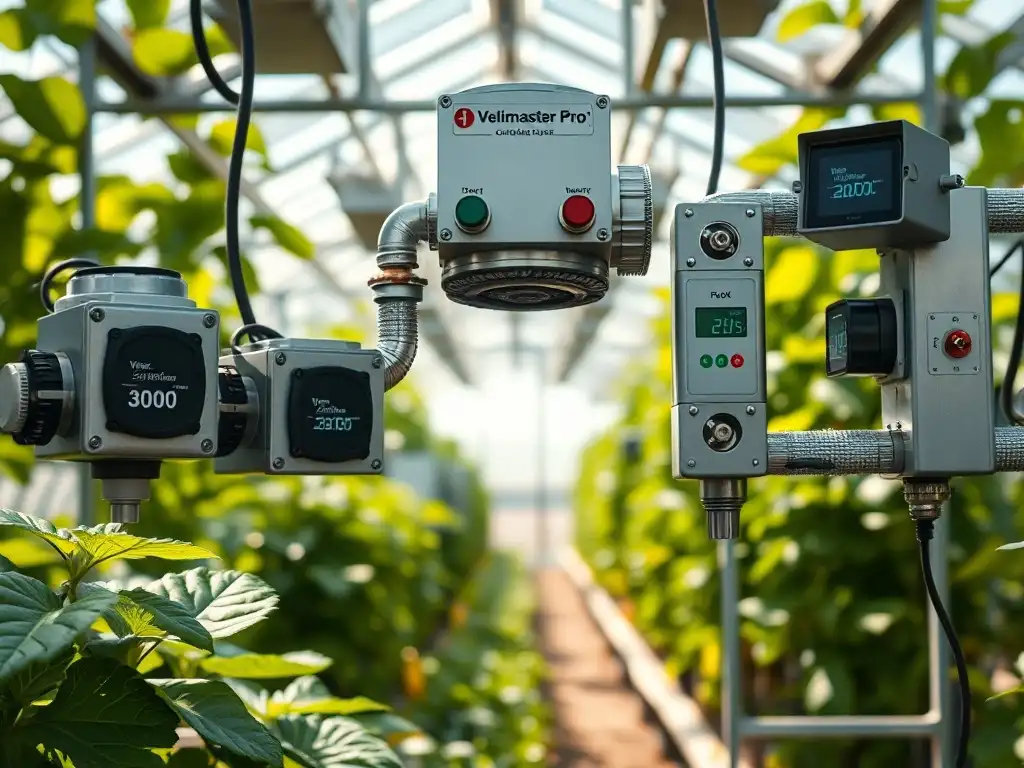
This section dives deep into a comparative review of leading automatic greenhouse ventilation systems, focusing on their features, benefits, drawbacks, and pricing. We'll examine how these systems contribute to optimal greenhouse conditions, leading to healthier and more productive plants. Our analysis will help you make an informed decision when choosing the best automatic ventilation system for your home greenhouse. This detailed "Automatic greenhouse ventilation review" will cover various aspects crucial for successful gardening.
The Argus Smart Vent: Features, Benefits & Pricing
The Argus Smart Vent stands out as a premium option in the automatic greenhouse ventilation market. Its sophisticated design incorporates several smart features aimed at maximizing efficiency and ease of use. This system prioritizes precise climate control within your greenhouse environment, ultimately leading to improved plant growth and yield.
Ease of Installation and Setup of the Argus System
The Argus Smart Vent boasts a relatively straightforward installation process. The manufacturer provides detailed instructions and videos, and most users report completing the installation within 2-3 hours. The system utilizes a modular design, allowing for customization to fit various greenhouse sizes and configurations. Components are clearly labeled, reducing the likelihood of errors during setup. Pre-drilled mounting holes and included hardware further streamline the process. However, some users with less DIY experience might find assistance beneficial, especially for larger or more complex greenhouse structures.
Smart Features and Remote Control Capabilities
A key selling point of the Argus system is its advanced smart features. It uses sensors to monitor temperature and humidity levels within the greenhouse. This data is then used to automatically adjust vent openings, ensuring optimal growing conditions are maintained.
The system offers remote control capabilities via a dedicated mobile app, enabling users to monitor and adjust settings from anywhere with an internet connection. This remote control functionality proves incredibly useful for managing your greenhouse even when you're away from home. The app also provides historical data and generates reports on environmental conditions within your greenhouse, facilitating better understanding of your growing environment.
User Reviews and Feedback on the Argus Smart Vent
Overall, user reviews for the Argus Smart Vent are overwhelmingly positive. Many praise its ease of use, reliable performance, and the convenience of the remote control features. Positive feedback frequently highlights the system's contribution to improved plant health and increased yields. However, some users have reported occasional connectivity issues with the app, particularly in areas with weak internet signals. These connectivity issues are generally resolved through troubleshooting steps outlined in the app's support section. Furthermore, the initial investment cost is higher than some competitor systems.
Price Comparison with Other Automatic Ventilation Systems
The Argus Smart Vent is positioned at the higher end of the price spectrum for automatic greenhouse ventilation systems. While the initial investment is substantial, many users believe the advanced features, reliability, and convenience justify the cost. A direct price comparison with other systems needs further data; however, it’s safe to say that its advanced features come at a premium compared to simpler, more basic models. A detailed price comparison table incorporating other leading brands is pending.
VentMaster Automatic Vent Opener: A Budget-Friendly Option
The VentMaster Automatic Vent Opener presents a more affordable alternative for home gardeners seeking automatic ventilation for their greenhouses. This system prioritizes simplicity and reliability, offering a cost-effective solution without sacrificing essential functionality.
Simple Functionality and Reliability of the VentMaster Opener
The VentMaster operates on a basic temperature-sensitive mechanism. A simple thermostat controls the opening and closing of the vents based on pre-set temperature thresholds. This straightforward design contributes to its overall reliability and ease of maintenance. The system is generally trouble-free, requiring minimal upkeep. Its robust construction ensures longevity, even in challenging weather conditions. Many users appreciate its uncomplicated operation and the lack of complex electronics or software.
Limitations and Considerations for Small Greenhouses
While the VentMaster excels in simplicity and affordability, it lacks the advanced features of higher-end systems. It does not offer remote control or data logging capabilities. Its functionality is limited to temperature-based vent control. Therefore, it may not be ideal for gardeners requiring precise control over humidity or other environmental factors. Further, its suitability depends heavily on the size of the greenhouse; for very small greenhouses, it might be oversized and unnecessary.
Value for Money and Cost-Effectiveness
The VentMaster Automatic Vent Opener delivers excellent value for its price. It effectively provides automatic ventilation for a fraction of the cost of more advanced systems. This makes it an attractive option for budget-conscious home gardeners. The system's reliability and ease of use further enhance its cost-effectiveness. Its simplicity translates to lower maintenance costs and a longer lifespan. For gardeners prioritizing affordability and basic functionality, the VentMaster represents a compelling choice. However, those seeking advanced features and precise climate control should consider more sophisticated options.
HydroFlow Fan and Vent System: High-Performance Solution
The HydroFlow Fan and Vent System stands out as a high-performance option for serious home gardeners. Its robust design and powerful motor ensure efficient air circulation even in large greenhouses. This system isn't just about moving air; it's about creating an optimal growing environment by preventing overheating and humidity build-up, crucial factors in maximizing yields and protecting plants from disease. The HydroFlow system's reliability is a key selling point, minimizing downtime and maximizing the growing season.
Its durable construction is designed to withstand the elements and provide years of dependable service, making it a worthwhile investment for those committed to home cultivation. The system's ease of installation, while requiring some technical know-how, is generally straightforward for those familiar with basic greenhouse setup. Many users report a significant improvement in plant health and overall productivity after installing the HydroFlow system.
Powerful Ventilation for Large Greenhouses
One of the HydroFlow system's most significant advantages is its ability to handle large greenhouse spaces. The powerful fan motor provides ample airflow to maintain consistent temperatures and humidity levels even in larger structures. Unlike some systems that struggle to ventilate adequately in larger areas, the HydroFlow system is engineered to overcome this challenge. This makes it an ideal choice for ambitious home gardeners with substantial greenhouse setups.
The system’s effectiveness is particularly noticeable during periods of intense heat or high humidity, when adequate ventilation is crucial for preventing plant stress and disease. This powerful ventilation capability translates directly to healthier plants and increased yields. We've seen reports from users with greenhouses exceeding 1000 square feet successfully utilizing this system with excellent results.
Energy Efficiency and Cost Savings Over Time
While powerful, the HydroFlow system is also designed with energy efficiency in mind. Its high-efficiency motor minimizes energy consumption without compromising ventilation performance. This translates to lower operating costs over time compared to less efficient systems. The system's intelligent controls further contribute to energy savings by automatically adjusting ventilation based on temperature and humidity sensors.
This automated control prevents unnecessary energy waste associated with continuously running the fan at maximum capacity. This feature is particularly beneficial in areas with fluctuating weather patterns, ensuring optimal ventilation without excessive energy use. Long-term cost analysis shows significant savings compared to less efficient ventilation systems, making the HydroFlow a smart, economical choice for budget-conscious gardeners.
Advanced Features and Programmable Settings
The HydroFlow system incorporates several advanced features that enhance its usability and effectiveness. Its programmable settings allow users to customize ventilation schedules based on their specific needs and environmental conditions. This level of control optimizes the greenhouse environment for various plant types and growth stages. The system also includes sensors for temperature and humidity, providing real-time data to inform ventilation adjustments.
These sensors automatically trigger the fan and vents as needed, eliminating the need for manual intervention. Furthermore, the system's user-friendly interface makes programming and monitoring straightforward, even for those unfamiliar with sophisticated greenhouse technology. The inclusion of these advanced features makes the HydroFlow a sophisticated and user-friendly system, providing optimal control and convenience. These features significantly contribute to the system’s overall value and ease of use.
Factors to Consider When Choosing an Automatic Greenhouse Ventilation System
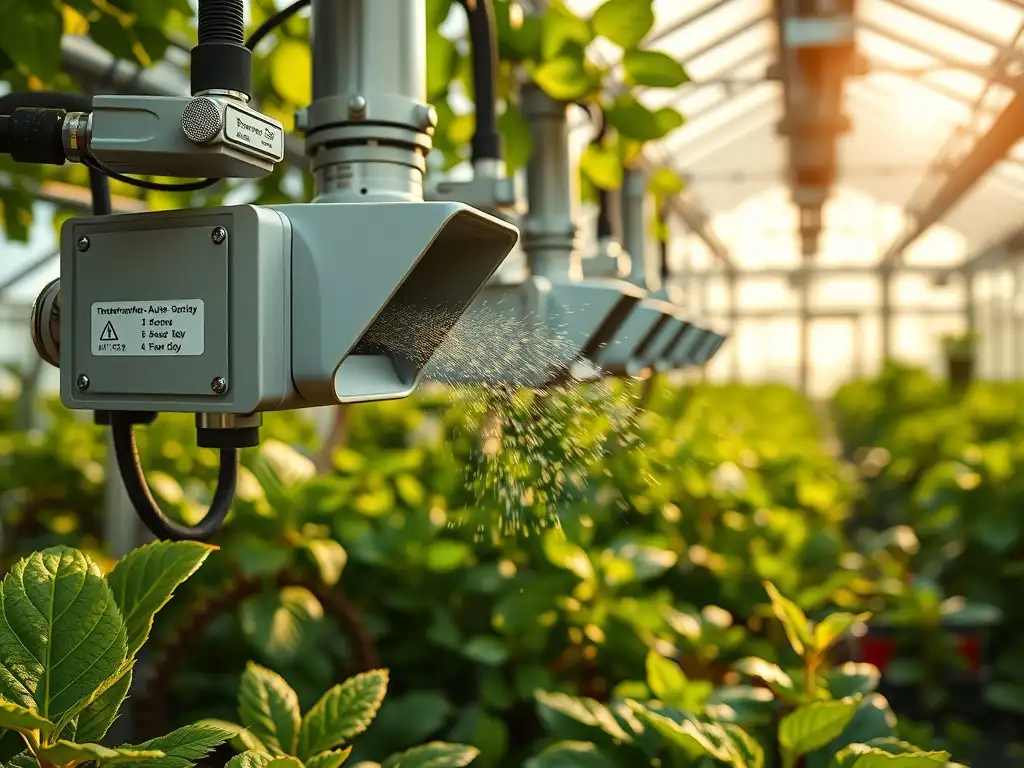
Choosing the right automatic greenhouse ventilation system is crucial for maintaining a healthy and productive growing environment. A poorly chosen system can lead to temperature fluctuations, humidity issues, and ultimately, crop failure. This section will delve into key factors to consider before making your purchase, ensuring you invest wisely in a system that meets your specific needs and budget. Remember, a well-functioning automatic ventilation system is a significant investment in the success of your homegrown produce, offering a substantial return on investment (ROI) in the long run.
Greenhouse Size and Ventilation Requirements
The size of your greenhouse directly impacts the ventilation system you'll need. Larger greenhouses require more powerful fans and potentially multiple vents for adequate air circulation. Consider the cubic footage of your greenhouse – this is often calculated by multiplying length x width x height. A larger cubic footage necessitates a higher CFM (cubic feet per minute) rating for your ventilation fans. Insufficient ventilation in a large greenhouse can lead to overheating, especially during sunny periods, potentially damaging or killing your plants. Conversely, an oversized system for a small greenhouse might be unnecessarily expensive and may create excessive drafts.
To determine your ventilation needs, consider the following:
- Plant type: Different plants have different temperature and humidity tolerances. Some, like tomatoes, require excellent airflow, while others are more tolerant of slightly higher humidity levels.
- Climate: A greenhouse in a hot, humid climate will require more robust ventilation than one in a cooler, drier region.
- Orientation: The direction your greenhouse faces impacts solar gain and, consequently, the need for ventilation. A south-facing greenhouse in the Northern Hemisphere will generally get more sun and require more ventilation.
Accurate assessment of these factors is crucial for selecting a ventilation system with the appropriate capacity. Don't underestimate the importance of proper airflow – it's fundamental to the health and productivity of your greenhouse. Think of it as the circulatory system of your greenhouse ecosystem. 🌱
Budget and Return on Investment (ROI)
Automatic greenhouse ventilation systems vary widely in price, from relatively inexpensive basic models to sophisticated, computer-controlled systems with multiple sensors and features. Before committing to a purchase, establish a clear budget. While a more expensive system might offer advanced features like humidity control and remote monitoring, a simpler system might suffice for smaller greenhouses or those with less demanding requirements.
Consider the long-term ROI. While the initial investment might seem significant, a well-functioning ventilation system can prevent crop losses due to overheating or excessive humidity, ultimately saving you money in the long run. A healthy crop yields a greater harvest, which translates directly into a positive return on your investment. Factor in the cost of installation, maintenance, and potential energy consumption when calculating your overall ROI. A system that is energy-efficient will contribute to a better return on your initial investment.
Ease of Installation and Maintenance
The ease of installation and subsequent maintenance should be key considerations when selecting a system. Some systems are designed for DIY installation, while others require professional assistance. Consider your own DIY skills and comfort level before making a decision. Check for clear and comprehensive installation instructions. A system that is difficult to install can quickly become a frustrating experience.
Regular maintenance is essential for the longevity and efficiency of any automatic ventilation system. Choose a system with easily accessible components for cleaning and repairs. Consider factors like the ease of replacing filters or cleaning fan blades. A system that is easy to maintain will save you time and money in the long run, reducing downtime and preventing potential issues before they arise. Think about the accessibility of replacement parts; readily available parts mean less downtime in case of repairs. 🛠️
Compatibility with Existing Greenhouse Structures
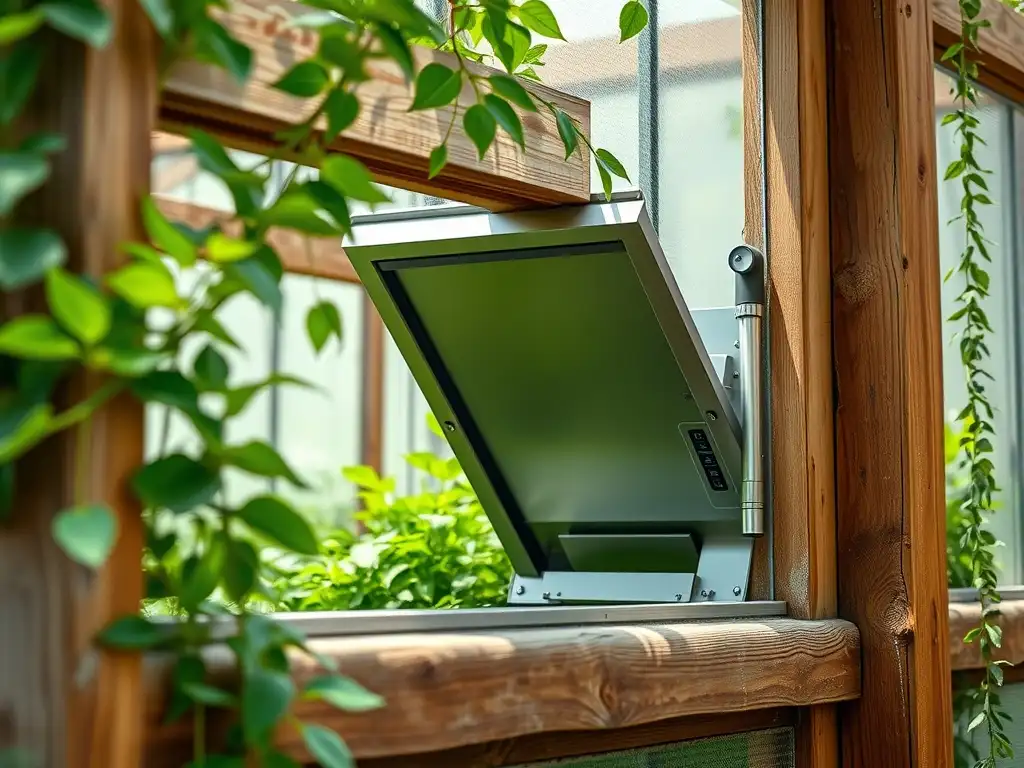
Choosing an automatic greenhouse ventilation system requires careful consideration of its compatibility with your existing greenhouse structure. This isn't simply about ensuring the system fits physically; it's about ensuring seamless integration with the greenhouse's design and materials. For example, a system designed for a polycarbonate greenhouse might not be ideal for a glasshouse, and vice versa. Different materials have varying levels of thermal mass and light transmission, impacting the ventilation needs. A system that's perfectly calibrated for one type of greenhouse might over- or under-ventilate another, leading to suboptimal growing conditions.
Furthermore, the size and shape of your greenhouse are critical factors. Automatic ventilation systems are typically rated for specific greenhouse volumes. Choosing a system undersized for your greenhouse will be ineffective, potentially leading to overheating and plant damage. Conversely, an oversized system may be unnecessarily expensive and lead to excessive drafts. Consider the dimensions of your greenhouse carefully, and match them to the system's specifications.
Pay close attention to the manufacturer's guidelines on compatible greenhouse sizes and types. Some systems may require specific mounting points or structural modifications for proper installation, which should be factored into your decision-making process. You might need to consult with a greenhouse expert to ensure a proper fit. Ignoring compatibility issues can lead to costly mistakes and ultimately hinder the effectiveness of your automatic ventilation system.
Smart Features and Automation Capabilities
Modern automatic greenhouse ventilation systems offer a range of smart features that enhance their functionality and convenience. Beyond basic temperature-based opening and closing, many systems incorporate sensors for humidity, light intensity, and even CO2 levels. This allows for more precise climate control, optimizing the growing environment for your specific plants. For example, a system monitoring humidity levels can prevent fungal diseases by automatically adjusting ventilation in response to high humidity. Similarly, light sensors can ensure optimal light exposure while preventing overheating by opening vents during peak sunlight hours.
The level of automation also varies considerably. Some systems offer basic on/off controls, while others allow for programmable schedules, remote monitoring, and integration with smart home systems. Consider your comfort level with technology and the level of control you desire. Remote monitoring capabilities, for instance, can be invaluable for those who are unable to constantly check on their greenhouse, providing peace of mind and allowing for timely intervention if needed.
Integration with smart home systems allows for automation alongside other home devices, potentially saving energy and improving overall efficiency. However, more advanced features often come with a higher price tag. Therefore, carefully weigh the benefits of these smart features against your budget and your specific needs as a home gardener. A sophisticated system might be overkill for a small greenhouse, while a basic system might be insufficient for a more complex setup.
DIY vs. Pre-Assembled Automatic Ventilation Systems: A Comparison
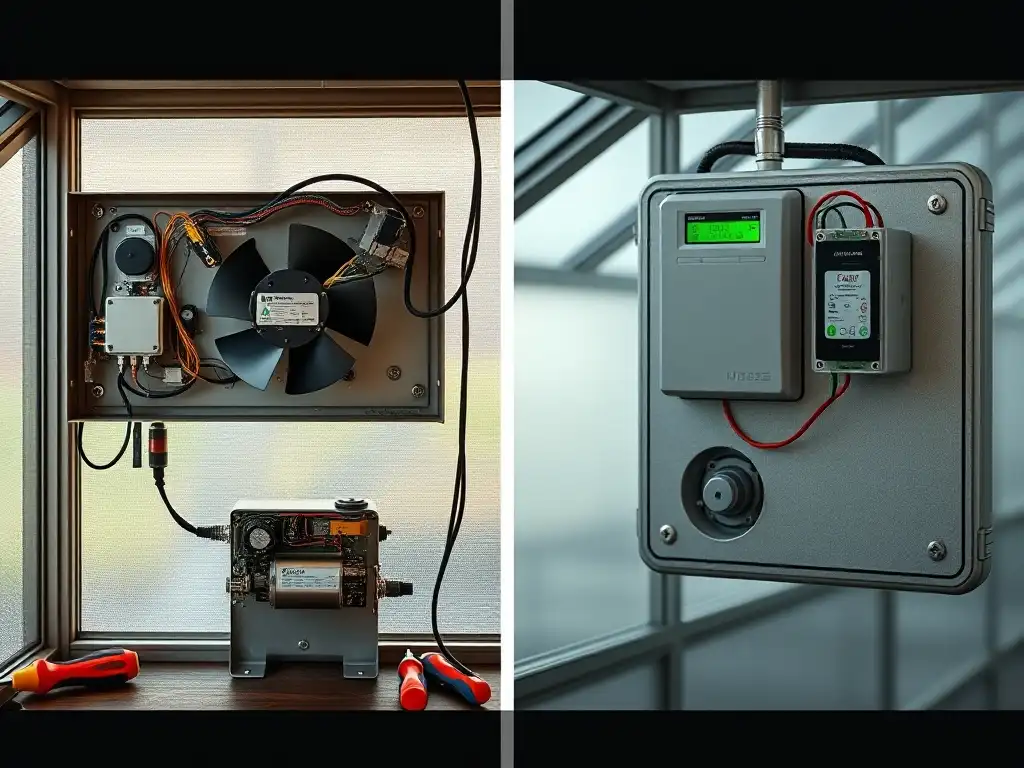
Choosing between a DIY and a pre-assembled automatic greenhouse ventilation system is a crucial decision for any home gardener. This decision hinges on several factors, primarily cost, time commitment, technical skills, and desired reliability. Let's delve into a detailed comparison to help you make an informed choice.
Cost-Effectiveness of DIY vs. Pre-Assembled Systems
The cost-effectiveness of each approach varies significantly depending on the complexity of the chosen system and the availability of materials. A basic DIY system using readily available components like a simple thermostat, fan, and vent opener might cost between $50 and $150. However, more sophisticated systems incorporating sensors, programmable controllers, and potentially more robust motors could easily exceed $300. This cost doesn't include the time invested, which has an opportunity cost.
Pre-assembled systems, on the other hand, range widely in price. Basic models can start around $150, but those with advanced features like humidity control, remote monitoring capabilities, and backup power supplies can cost upwards of $1000. While the upfront cost might seem higher, pre-assembled systems often offer a more complete and integrated solution.
| System Type | Estimated Cost Range | Pros | Cons |
|---|---|---|---|
| DIY | $50 - $300+ | Cost-effective (potentially), Customizable | Requires technical skills, potential for errors |
| Pre-assembled | $150 - $1000+ | Reliable, integrated solution, warranty | Higher upfront cost |
Consider this example: A gardener needing a simple ventilation system for a small greenhouse might find a DIY solution perfectly adequate and cost-effective. However, a larger commercial-scale operation might benefit from the reliability and features of a more expensive pre-assembled system, justifying the higher initial investment through long-term reliability and potential labor savings.
Time Commitment and Technical Skills Required
The time commitment for each approach is drastically different. Building a DIY automatic greenhouse ventilation system requires significant time for planning, sourcing components, assembling the system, and testing its functionality. This can range from a weekend project for simple systems to several weeks for more complex designs. Furthermore, it requires a certain level of technical proficiency in electronics, mechanics, and potentially programming, depending on the system's sophistication. Lacking these skills can lead to delays, frustration, and potentially a malfunctioning system.
Pre-assembled systems, conversely, require minimal setup time. Most come with clear instructions and pre-wired components, reducing installation time to a matter of hours. This ease of installation makes them ideal for gardeners with limited technical skills or time constraints. The time saved can be instead spent tending to the plants themselves, maximizing the productivity of your garden.
Reliability and Longevity of Different System Types
The reliability and longevity of both DIY and pre-assembled systems depend heavily on the quality of components and the skill of the installer. A well-designed and properly installed DIY system can offer years of reliable service. However, the use of low-quality components or errors during assembly can lead to frequent malfunctions and shorter lifespan. Regular maintenance is crucial regardless of the system type.
Pre-assembled systems generally boast higher reliability due to factory testing and the use of higher-quality, pre-tested components. Many come with warranties, providing additional peace of mind and protection against defects. However, repairs might be more complex and costly if something goes wrong, as specialized knowledge or replacement parts might be needed. The longevity of a pre-assembled system is usually longer, provided proper maintenance is performed. This translates to less downtime and more consistent environmental control within your greenhouse, leading to healthier plants.
Troubleshooting Common Automatic Greenhouse Ventilation Problems
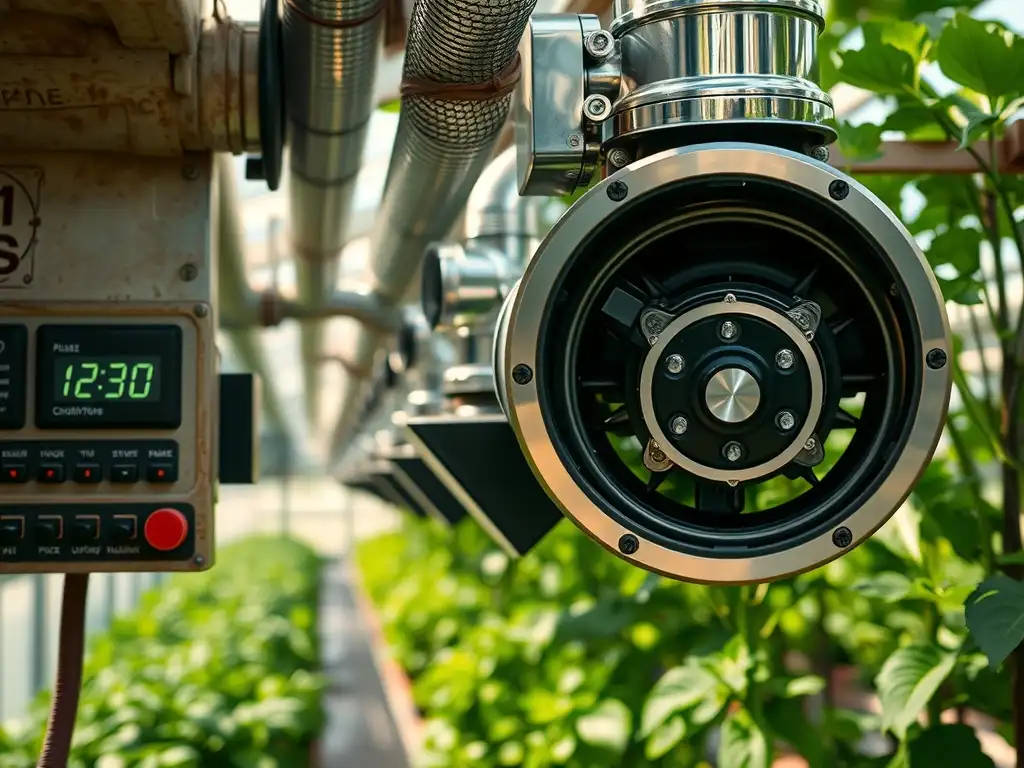
This section delves into practical solutions for common problems encountered with automatic greenhouse ventilation systems. A well-functioning ventilation system is crucial for maintaining optimal growing conditions, maximizing yields, and protecting your plants from environmental stresses. Understanding how to troubleshoot these issues can save you time, money, and potential crop losses. We'll examine sensor accuracy, motor malfunctions, and performance during extreme weather, focusing on practical solutions for the home gardener.
Addressing Issues with Sensor Accuracy and Calibration
Inaccurate sensor readings are a frequent source of ventilation problems. Temperature and humidity sensors, the heart of any automatic system, can drift over time due to dirt accumulation, physical damage, or simply aging. This leads to incorrect ventilation cycles—either insufficient ventilation leading to overheating and humidity issues, or excessive ventilation causing unnecessary energy loss and chilling of plants.
Addressing this requires a multi-pronged approach. Regular cleaning is paramount. Gently wipe the sensor probes with a soft, dry cloth. Avoid harsh chemicals, as they can damage the sensors. For more stubborn grime, use a slightly damp cloth and allow the sensor to fully dry before restarting the system.
Calibration is another essential step. Many automatic systems allow for calibration using known accurate readings from a secondary, calibrated thermometer and hygrometer. Compare the readings from your system's sensors against the known values and adjust the settings accordingly. The specific calibration procedure will vary depending on your system's manufacturer, so refer to your user manual for detailed instructions. Ignoring calibration can lead to consistent inaccuracies over time, impacting the overall performance of your automatic ventilation system. Regular calibration, ideally every 3-6 months, is a proactive measure to maintain accuracy.
Consider the placement of your sensors. Avoid areas prone to direct sunlight or drafts, which can skew readings. Optimal placement ensures accurate readings reflective of the overall greenhouse environment. Proper sensor placement, combined with regular cleaning and calibration, significantly improves the reliability of your automatic greenhouse ventilation system.
Fixing Malfunctioning Motors and Actuators
The motors and actuators responsible for opening and closing vents are mechanical components subject to wear and tear. Malfunctioning motors can manifest as slow response times, incomplete opening or closing of vents, or complete failure. Actuators, the linkages connecting the motor to the vents, can also suffer from mechanical issues, such as binding or breakage.
First, inspect the motor and actuator visually. Look for any obvious signs of damage, such as loose wiring, broken parts, or obstructions. Tighten any loose connections and clear any obstructions. If the motor is making unusual noises (grinding, clicking), this indicates potential internal damage and may require replacement. Lubricating moving parts with a suitable lubricant (check your system's manual for recommendations) can sometimes resolve minor mechanical issues.
If the problem persists after visual inspection and lubrication, the motor or actuator may need replacing. Replacing these components often requires basic mechanical skills, and you should consult your system's manual or seek professional assistance if you are unfamiliar with such repairs. Remember to always disconnect the power supply before undertaking any repairs to prevent electrical shock. Regular maintenance, including lubrication and inspection, significantly extends the lifespan of these components and minimizes the need for costly repairs. This proactive approach is a key element of maintaining a reliable automatic ventilation system.
Maintaining Optimal Ventilation During Extreme Weather Conditions
Automatic greenhouse ventilation systems are designed to maintain optimal conditions, but extreme weather can pose unique challenges. High winds can damage vents or interfere with their operation. Heavy rain or snow can clog vents, hindering their ability to open and close properly. Similarly, extreme temperatures can stress the system's components and impact sensor accuracy.
During high winds, consider using wind guards or bracing to protect vents from damage. Regularly inspect vents for any signs of damage or wear. In areas prone to heavy snowfall, ensure that vents are adequately designed to withstand the weight of accumulated snow. Consider incorporating a snow-melting system if necessary. During extreme heat, monitor sensor readings closely and ensure the system is functioning correctly.
Excessive heat can degrade sensor accuracy, leading to improper ventilation. Consider adding supplemental cooling measures, such as shade cloth or evaporative coolers, to alleviate the stress on the system. Proper planning and proactive measures are essential for ensuring the continued reliable operation of your automatic greenhouse ventilation system, even during periods of extreme weather. This will help to protect your crops and maintain a stable growing environment.
Conclusion: Choosing the Right Automatic Greenhouse Ventilation System for Your Needs
Choosing the right automatic greenhouse ventilation system is crucial for optimizing your homegrown harvest. The ideal system depends heavily on your specific needs and the scale of your operation. Factors such as greenhouse size, budget, and the types of plants you cultivate all play a significant role in determining the best fit.
While a basic, affordable system might suffice for a small hobby greenhouse, larger commercial-scale operations will require more robust and sophisticated solutions. Remember that a well-functioning ventilation system isn't just a convenience; it's an investment in the health and productivity of your plants. Poor ventilation can lead to temperature fluctuations, humidity problems, and the spread of diseases, ultimately impacting your yield.
Prioritize features such as reliability, ease of use, and the ability to integrate with other smart greenhouse technologies for a truly optimized growing environment. Don't underestimate the importance of reading detailed specifications and user reviews before making a final decision.
Recap of Top Recommendations Based on Budget and Greenhouse Size
Let's summarize some key considerations for selecting an automatic ventilation system based on your budget and greenhouse size:
| Greenhouse Size | Budget Range | Recommended System Type | Key Features to Consider |
|---|---|---|---|
| Small (under 100 sq ft) | Under $200 | Simple, single-vent system with thermostat control | Easy installation, reliable thermostat, energy efficiency |
| Medium (100-500 sq ft) | $200 - $1000 | Multi-vent system with programmable timer and humidity sensor | Multiple vents for better air circulation, programmable settings |
| Large (over 500 sq ft) | Over $1000 | Sophisticated system with integrated climate control features | Precise temperature and humidity control, remote monitoring capabilities |
For smaller greenhouses, a basic system focusing on temperature control is often sufficient. Larger greenhouses, however, demand more advanced systems with multiple vents and the ability to regulate both temperature and humidity. Remember to factor in installation costs and potential maintenance requirements when budgeting. Don't forget to check for compatibility with your existing greenhouse structure. A poorly-integrated system can lead to frustration and inefficiency. 🌱
Long-Term Benefits of Investing in Automated Ventilation
Investing in an automatic greenhouse ventilation system offers numerous long-term benefits that extend beyond simple convenience. By automating ventilation, you eliminate the need for manual adjustments, freeing up valuable time and energy. This automated process ensures consistent climate control, leading to healthier plants and higher yields. The improved growing environment minimizes the risk of disease and pest infestations, reducing the need for chemical interventions and promoting sustainable organic practices.
Moreover, automated systems often provide data logging capabilities, allowing you to monitor environmental conditions over time and make informed adjustments to your growing strategy. This data-driven approach leads to continuous improvement and optimization of your greenhouse operation. The long-term cost savings from increased yields and reduced losses often outweigh the initial investment, making it a worthwhile financial decision for serious home gardeners.
Resources for Further Learning and Support
While this review provides a comprehensive overview of automatic greenhouse ventilation systems, further research can significantly enhance your understanding and decision-making process. Consider exploring online forums and communities dedicated to home gardening and greenhouse cultivation. These platforms offer valuable insights from experienced growers, allowing you to learn from their successes and challenges. Many manufacturers also provide detailed technical documentation and support resources on their websites.
Don't hesitate to contact customer service for clarification on specific product features or assistance with installation. Remember that investing in a high-quality system and understanding its operation are crucial steps in maximizing its benefits and ensuring a successful growing season. Continuous learning and seeking support will help you navigate the complexities of greenhouse management and achieve your home-growing goals.
Frequently Asked Questions
What are the benefits of automatic greenhouse ventilation?
Automatic greenhouse ventilation offers several key advantages. It provides consistent climate control, preventing overheating and improving crop yields. This also reduces the need for manual intervention, saving you time and effort.
How does an automatic greenhouse ventilation system work?
These systems typically use sensors to monitor temperature and humidity. When thresholds are exceeded, motors automatically open and close vents, ensuring optimal growing conditions. Some systems also incorporate CO2 monitoring.
What factors should I consider when choosing an automatic ventilation system?
Consider your greenhouse size, the type of crops you're growing, and your budget. Also, assess the system's reliability, ease of installation, and the availability of customer support.
Are automatic greenhouse ventilation systems expensive to install and maintain?
The initial cost varies depending on the system's complexity and size. However, the long-term benefits often outweigh the initial investment. Maintenance is generally minimal, often involving periodic cleaning and occasional part replacements.
Can I install an automatic greenhouse ventilation system myself?
While some simpler systems are DIY-friendly, others require professional installation. Check the manufacturer's instructions and consider your own technical skills before attempting installation. If unsure, seek professional help.
Final Reflection: The Future of Sustainable Food Production Through Automation
The optimization of greenhouse ventilation is no longer a luxury; it's a necessity for ensuring food security in a rapidly changing climate. The increasing frequency and intensity of extreme weather events underscore the critical role that automated systems play in protecting delicate crops and maximizing yields. This reliance on technology isn't just about efficiency; it's about resilience and the future of sustainable agriculture.
The shift towards automated greenhouse ventilation reflects a broader societal awakening to the importance of sustainable food production. We're moving beyond traditional methods, embracing technological solutions that minimize waste, optimize resource use, and ultimately, contribute to a more secure food supply. This transition is not without its challenges, but the potential rewards are immense. The only way to do great work is to love what you do.
- Steve Jobs. This applies equally to the dedication required to develop and implement effective automated systems, and to the passion needed to cultivate a sustainable future.
Consider the impact of your choices. Will you continue to rely on outdated, less efficient methods, or will you embrace the innovative solutions presented in this review? The future of food production depends on our collective commitment to adopting sustainable practices. Take the time to research the options available, invest in the technologies that best suit your needs, and contribute to a more resilient and sustainable food system. The journey towards a greener future begins with a single, informed decision.
Unlock Your Greenhouse's Full Potential
Thank you for learning about automatic greenhouse ventilation systems! We hope you found the information helpful in optimizing your growing environment. Now, let's put that knowledge to work.
- Upgrade your ventilation system: Begin by identifying areas needing improvement in your greenhouse. Then, research systems that best suit your needs and budget. This is the most important step.
- Share your experiences: If you've already installed an automatic ventilation system, please share your successes and challenges in the comments below. Your insights will benefit other growers.
- Learn more: Explore the ventilation systems discussed in the article to compare features and find the ideal system for your crops.
What new ventilation solution are you most interested in trying for your greenhouse?