
Elevated Raised Garden Beds: Options for Gardeners with Limited Mobility

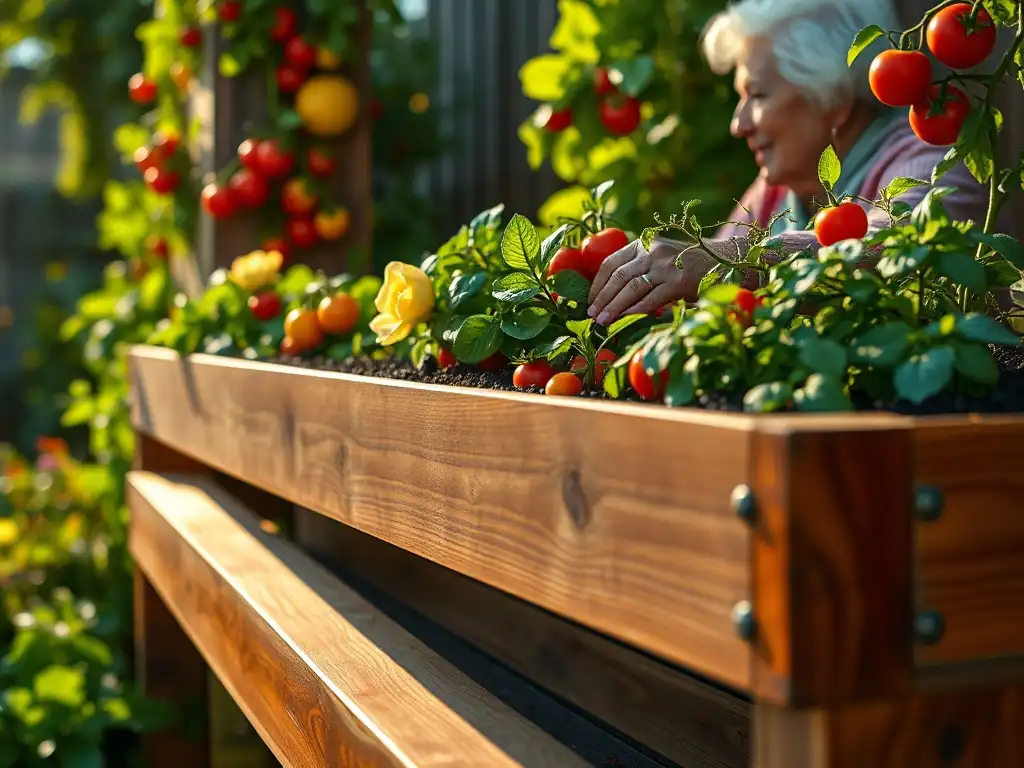
Welcome to CultivateYourFood, your guide to nurturing a thriving garden, sustainably and organically! Are you passionate about homegrown produce but facing mobility challenges? Discover how elevated raised garden beds can revolutionize your gardening experience, offering accessibility and ease without compromising yield. Learn about the ingenious options available to create the perfect gardening setup for you, regardless of physical limitations. Let's cultivate your dream garden together – read on to explore the possibilities!
- Understanding the Needs of Gardeners with Mobility Issues
- Types of Elevated Raised Garden Beds for Improved Accessibility
- Enhancing Accessibility with Additional Features
- Choosing the Right Elevated Raised Garden Bed: A Buying Guide
- Maintaining Your Elevated Raised Garden Bed for Long-Term Use
- Resources for Gardeners with Mobility Challenges
-
Frequently Asked Questions
- What are the benefits of raised garden beds for people with mobility issues?
- What are some suitable heights for raised garden beds for those with mobility challenges?
- What materials are best for building accessible raised garden beds?
- How can I make my raised garden beds even more accessible for gardening with mobility limitations?
- Where can I find further information on designing accessible raised garden beds?
- Final Reflection: Cultivating Joy, One Raised Bed at a Time
- Unleash Your Green Thumb: Grow a Bountiful Harvest Effortlessly!
Understanding the Needs of Gardeners with Mobility Issues
Gardening is a rewarding hobby, offering fresh produce and a connection to nature. However, traditional gardening methods can present significant challenges for individuals with mobility issues, limiting their ability to enjoy this fulfilling activity. This article explores how elevated raised garden beds offer a practical and accessible solution, allowing gardeners of all abilities to cultivate their own food.
We will delve into the specific accessibility challenges faced by gardeners with limited mobility, the significant benefits of elevated raised beds, and crucial ergonomic design considerations to maximize comfort and ease of use. This guide aims to empower individuals to create a thriving garden that caters to their specific needs and promotes a joyful gardening experience, regardless of physical limitations. The focus will be on practical solutions and real-world examples to help you build or choose the perfect elevated raised garden bed for your needs.
We'll explore various options, from commercially available models to DIY projects, ensuring there's a suitable choice for every gardener. This comprehensive guide will address the keyword "Raised garden beds mobility issues" directly, providing valuable information for those seeking accessible gardening solutions.
Accessibility Challenges in Traditional Gardening
Traditional gardening often involves bending, kneeling, reaching, and lifting – actions that can be incredibly difficult, painful, or even impossible for individuals with arthritis, back problems, limited range of motion, or other mobility impairments. These challenges can range from the simple inconvenience of bending over to retrieve a fallen carrot to the significant physical strain of weeding a large plot.
Specific difficulties include:
- Bending and Kneeling: Accessing plants close to the ground requires repeated bending and kneeling, which can be extremely painful and tiring for people with joint pain or limited flexibility.
- Reaching: Reaching for plants at the edges of a garden bed or those growing taller can strain the back and shoulders.
- Lifting: Lifting heavy watering cans, tools, or harvested produce puts undue strain on the back and arms.
- Uneven Terrain: Uneven or sloped ground further complicates access and increases the risk of falls.
- Poor Posture: Prolonged periods in uncomfortable positions can exacerbate existing pain and lead to further injuries.
Benefits of Elevated Raised Garden Beds for Accessibility
Elevated raised garden beds offer a powerful solution to these accessibility issues. By raising the planting area to a comfortable height, they eliminate or significantly reduce the need for bending, kneeling, and reaching. This translates to:
- Reduced Physical Strain: Working at waist or chest height minimizes strain on the back, knees, and shoulders, making gardening a more comfortable and less strenuous activity.
- Improved Posture: Maintaining an upright posture throughout gardening reduces the risk of injury and promotes better overall well-being.
- Increased Independence: Elevated beds allow individuals with mobility limitations to garden independently, boosting their self-esteem and sense of accomplishment.
- Enhanced Accessibility: Raised beds can be designed with features like wider pathways and ergonomic handles for easier maneuvering and access.
- Improved Soil Drainage: Elevated beds often improve soil drainage, which can be beneficial for those with limited mobility who may find it harder to address drainage problems in traditional garden beds.
Ergonomic Design Considerations for Raised Garden Beds
To maximize the accessibility benefits of elevated raised garden beds, careful consideration of ergonomic design is crucial. Key factors to consider include:
- Height: The ideal height should allow for comfortable working without bending or straining. Consider the gardener's height and reach when choosing or building the bed. A height between 24 and 36 inches is often recommended.
- Depth: A shallower depth may be easier to manage than a very deep bed.
- Width: A narrower width can allow for easier access from all sides.
- Materials: Choose lightweight materials to minimize the weight of the raised bed itself. Consider using rot-resistant wood or other durable, easy-to-clean materials.
- Accessibility Features: Incorporate features like integrated seating, ergonomic handles, and wide, stable pathways to further enhance accessibility.
Types of Elevated Raised Garden Beds for Improved Accessibility
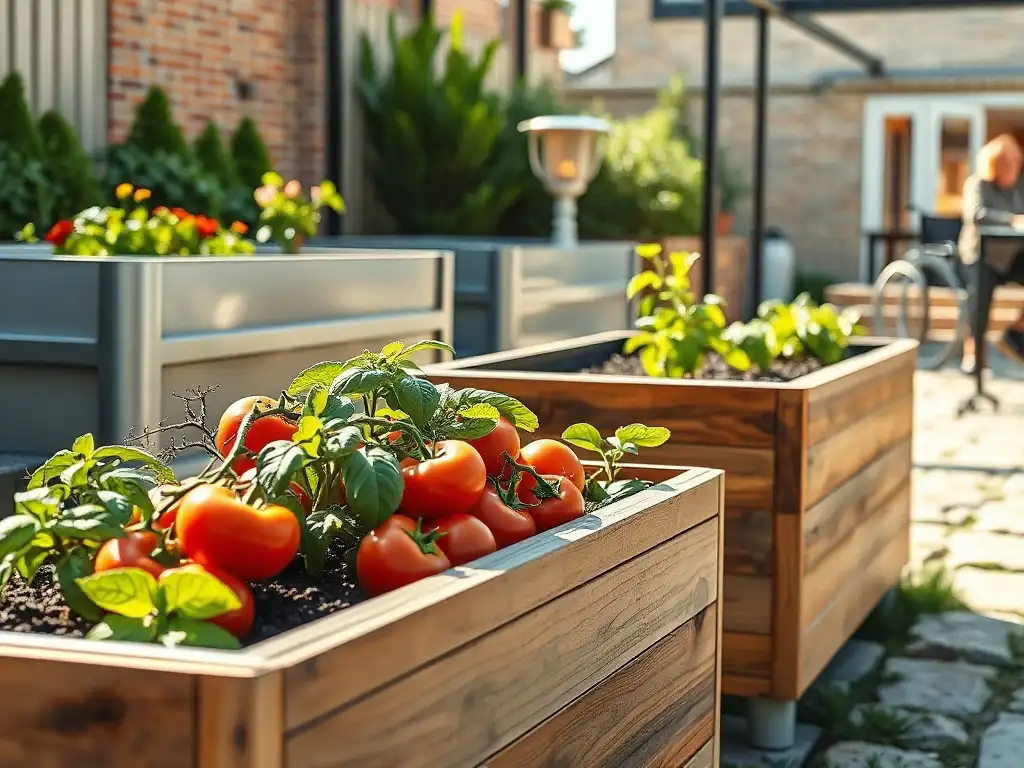
This section explores the various options available for creating elevated raised garden beds, specifically designed to address mobility issues and enhance accessibility for gardeners with limited physical capabilities. We'll delve into both pre-fabricated and DIY solutions, highlighting their respective advantages and disadvantages to help you choose the best fit for your needs and gardening style. Choosing the right elevated garden bed significantly impacts your gardening experience, making it more enjoyable and less physically demanding. The goal is to create a gardening environment that is both productive and accessible.
Pre-fabricated Elevated Raised Garden Beds
Pre-fabricated raised garden beds offer a convenient and often quicker solution for those seeking accessible gardening options. They come in various sizes, materials, and designs, catering to different preferences and budgets. However, careful consideration of features and potential limitations is crucial before making a purchase.
Features and Benefits of Pre-fabricated Models
Pre-fabricated elevated raised garden beds often boast several features that enhance accessibility. Many models are designed with ergonomic heights, eliminating the need for excessive bending or stooping. Some incorporate built-in seating or integrated tool storage, further simplifying gardening tasks. The ease of assembly is a significant advantage, minimizing physical exertion during setup. Furthermore, the use of durable materials ensures longevity and reduces the need for frequent repairs or replacements. Many models are also designed with integrated drainage systems, simplifying watering and preventing waterlogging.
Price Comparison and Selection Guide
The price of pre-fabricated elevated raised garden beds varies significantly depending on size, material, and brand. Smaller, simpler models made from less expensive materials, such as untreated pine, are generally cheaper. Larger beds made from more durable materials like cedar or composite lumber will command a higher price. Before purchasing, compare prices from various retailers, considering factors such as shipping costs and warranty coverage. Consider creating a spreadsheet to compare features, dimensions, and cost per square foot to effectively evaluate your options. This will help ensure you select a model that offers the best value for your investment.
| Model Name | Material | Dimensions (L x W x H) | Price | Features |
|---|---|---|---|---|
| Garden Delight 100 | Cedar | 4 ft x 2 ft x 3 ft | $150 | Integrated drainage, ergonomic height |
| GrowEasy 500 | Composite Lumber | 6 ft x 3 ft x 2.5 ft | $275 | Built-in seating, tool storage |
| Nature's Bounty 200 | Untreated Pine | 8 ft x 4 ft x 2 ft | $100 | Basic design, requires assembly |
| Note: Prices are estimates and may vary depending on retailer and sales. * |
Pros and Cons of Pre-fabricated Elevated Garden Beds
| Pros | Cons |
|---|---|
| Quick and easy assembly | Limited customization options |
| Variety of sizes and materials available | Potential for higher initial cost than DIY |
| Ergonomic designs for improved accessibility | May not be as durable as custom-built options |
| Often include added features | Limited control over materials and construction |
DIY Elevated Raised Garden Beds: Building for Accessibility
Building your own elevated raised garden bed offers greater control over design, materials, and cost. This approach is particularly beneficial for gardeners with specific accessibility needs, allowing for personalized adjustments to height, width, and depth.
Choosing the Right Materials for Elevated Beds
Material selection is crucial for both durability and accessibility. Consider using lightweight yet sturdy materials such as cedar, redwood, or treated lumber. These materials are relatively easy to handle and resist rot, ensuring the longevity of your garden bed. Avoid extremely heavy materials like concrete or stone, which can be difficult to maneuver and install. Before starting the project, thoroughly research the properties of different materials and choose those that best suit your strength and mobility.
Designing for Easy Access: Height, Width, and Depth Considerations
Proper design is key to creating an accessible elevated raised garden bed. The height should be comfortable for you to reach and work without straining. A height between 24 and 36 inches is often recommended for optimal accessibility. The width should allow for easy access from all sides, typically around 3-4 feet. The depth should be sufficient for the plants you intend to grow, but not so deep as to make reaching the bottom difficult. Consider using a shallower depth (6-8 inches) for easy access and planting.
Step-by-Step Guide to Building an Accessible Elevated Raised Garden Bed
A detailed step-by-step guide with diagrams is essential here but falls outside the scope of this section. [Specific information pending – Detailed step-by-step guide with diagrams and illustrations will be added here.]
Tools and Equipment for DIY Construction
The tools and equipment needed for building a DIY elevated raised garden bed will vary depending on the design and materials chosen. However, basic tools such as a saw, drill, measuring tape, level, and screws are generally required. Consider using power tools where appropriate to reduce the physical demands of the construction process. For example, a cordless drill will be significantly easier to use than a manual drill. Always prioritize safety and use appropriate safety gear, such as safety glasses and gloves.
Enhancing Accessibility with Additional Features
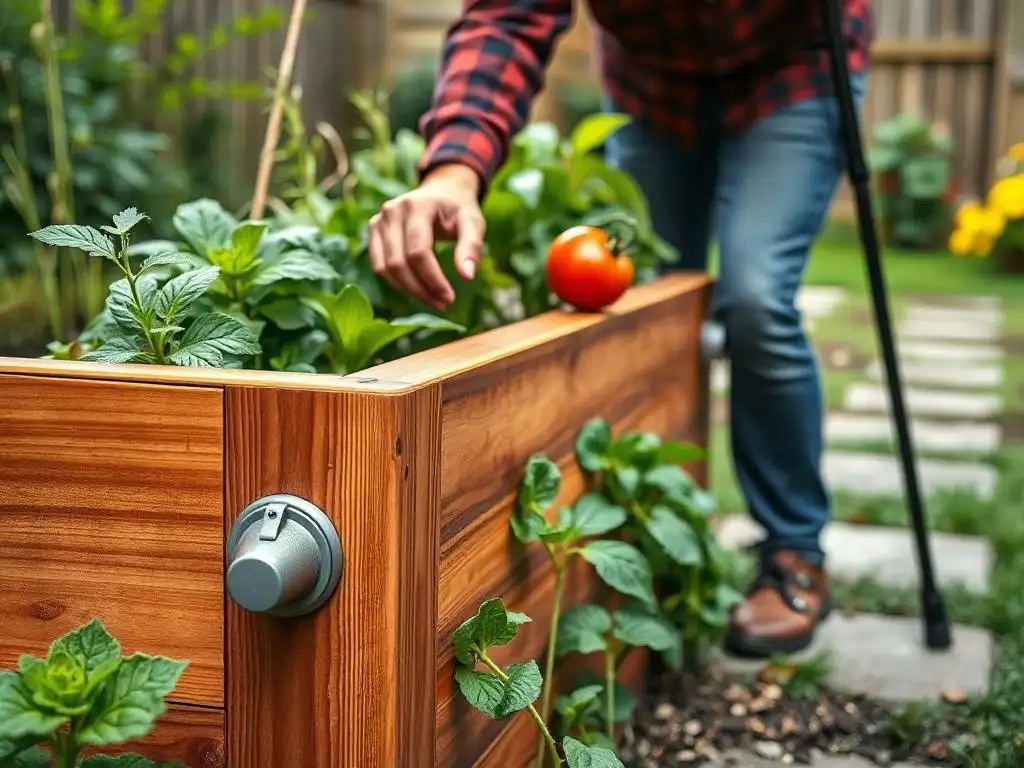
This section delves into practical additions and modifications that significantly boost the accessibility of raised garden beds for individuals with mobility issues. We'll explore design elements that make gardening more comfortable and efficient, regardless of physical limitations. Remember, the goal is to create a gardening experience that is both productive and enjoyable. Adapting your raised garden bed setup is key to achieving this.
Wheelchair Accessible Raised Garden Beds: Design Specifications
Designing a wheelchair-accessible raised garden bed requires careful consideration of several key factors. The height, width, and approach are crucial for ensuring ease of use. Ideal dimensions should prioritize comfort and maneuverability.
Consider these specifications for optimal accessibility:
- Height: The ideal height should allow for comfortable access while seated in a wheelchair. A height of approximately 18-24 inches from the ground is generally recommended. This range allows for easy reach without excessive bending or stretching. However, individual needs vary, so consider personal preferences and physical capabilities. Too low, and reaching will be difficult; too high, and the user may struggle to maintain balance.
- Width: The width of the bed should be sufficient to allow for comfortable wheelchair access from both sides. A minimum width of 36 inches is suggested, offering ample space for maneuvering a wheelchair and working within the garden bed. Wider beds, around 48 inches, provide even more space and comfort.
- Approach: Ensure a clear and unobstructed approach to the raised garden bed. Avoid placing obstacles, such as plants or tools, that could impede wheelchair access. A smooth, level surface leading to the bed is essential for safe and easy movement. Consider ramps if the ground is uneven.
- Materials: Choose lightweight yet durable materials for the raised garden bed structure. This reduces strain during assembly and maintenance. Cedar, redwood, and treated lumber are popular choices, offering both durability and resistance to rot.
- Accessibility Features: Incorporate additional features to enhance accessibility, such as:
- Adjustable height: Consider using adjustable legs to accommodate different wheelchair heights and user preferences.
- Built-in seating: Integrate a comfortable and sturdy seat directly into the raised garden bed design for extended periods of gardening.
- Grab bars: Adding grab bars can offer additional support and stability, particularly beneficial for individuals with balance challenges.
Remember, customization is key! The best design will be tailored to the specific needs and preferences of the gardener. Consult with occupational therapists or accessibility specialists to ensure the design is truly accessible and meets individual requirements.
Elevated Garden Bed Accessories
Beyond the basic structure, various accessories can dramatically enhance accessibility and overall gardening ease. These tools and additions can transform a potentially challenging task into a manageable and enjoyable experience.
- Elevated Watering Can Spouts: Long-handled or elevated watering cans with extended spouts reduce bending and stretching when watering plants.
- Rotating Tool Holders: These can be attached directly to the raised garden bed, allowing easy access to frequently used tools without needing to reach or bend.
- Kneeling Pads or Benches: Even with a raised garden bed, kneeling can be uncomfortable. A well-placed kneeling pad or small bench provides comfortable support for tasks requiring closer access to the plants.
- Adjustable-Height Seed Starters: These allow for starting seeds at a comfortable height, minimizing strain on the back and reducing the need for bending.
Adaptive Gardening Tools for Easier Planting and Harvesting
Choosing the right tools is crucial for comfortable and efficient gardening. Several adaptive tools are specifically designed to reduce strain and improve ease of use for individuals with limited mobility.
- Long-handled Trowels and Hand Cultivators: These extend reach, reducing the need for bending or awkward postures.
- Ergonomic Hand Tools: Look for tools with cushioned grips and balanced designs that minimize hand fatigue and strain.
- Seated Weeding Tools: These tools are designed to be used while seated, eliminating the need to kneel or bend.
- Harvesting Aids: Long-handled reachers and fruit pickers allow for easy harvesting of fruits and vegetables without excessive bending or stretching. These are especially helpful for taller plants or those that are difficult to reach.
Investing in these adaptive tools can significantly enhance the accessibility and enjoyment of gardening, regardless of physical limitations. They're designed to empower gardeners to cultivate their own food sustainably and comfortably. Remember to consider your specific needs and preferences when selecting tools to ensure optimal ease of use.
Choosing the Right Elevated Raised Garden Bed: A Buying Guide
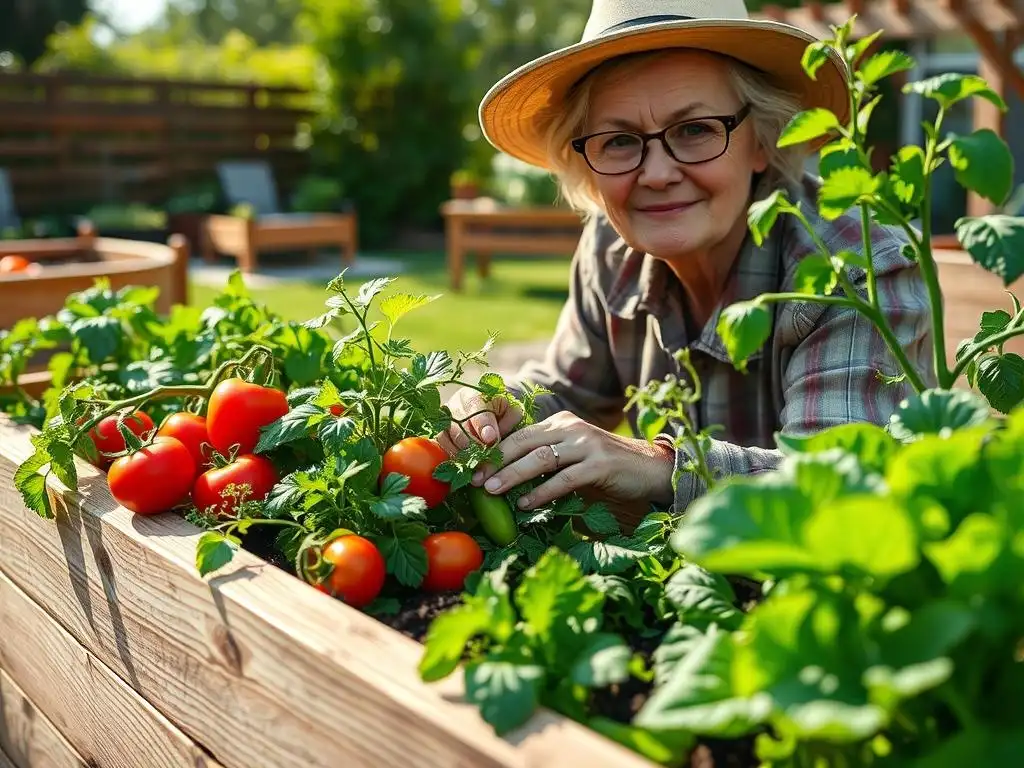
This section focuses on guiding you through the process of selecting the ideal elevated raised garden bed to suit your needs and mobility limitations. We'll examine key factors to ensure you invest in a structure that promotes both ease of use and healthy plant growth. Remember, choosing the right raised garden bed can significantly improve your gardening experience and make cultivating your food a more accessible and enjoyable activity.
Factors to Consider When Selecting an Elevated Raised Garden Bed
Selecting the perfect elevated raised garden bed involves careful consideration of several crucial factors. These factors directly impact both the ease of use and the long-term success of your gardening endeavors. Let's explore these in detail.
Height and Reach Considerations for Different Mobility Levels
The height of your raised garden bed is paramount for individuals with mobility issues. The ideal height allows comfortable access without excessive bending or stretching. Consider these guidelines:
- Wheelchair users: A height of approximately 24-30 inches (61-76 cm) is generally recommended to allow for easy reach from a seated position. This ensures you can comfortably tend to your plants without strain.
- Individuals with limited mobility (e.g., arthritis, back problems): A height between 18-24 inches (46-61 cm) might be suitable, striking a balance between accessibility and ease of working. You might find a slightly lower height more comfortable, depending on your specific limitations.
- Those with average mobility: Even if you don't have mobility issues, consider a height that allows you to comfortably work while standing. A slightly higher bed (30-36 inches or 76-91 cm) might be preferable if you're taller.
Remember to account for the added height of any soil or mulch you'll be using. Always prioritize a height that minimizes strain and maximizes comfort. Experimenting with different heights using temporary supports before committing to a specific height is a good idea.
Material Durability and Longevity
The material of your raised garden bed directly impacts its longevity and resistance to the elements. Several options exist, each with its advantages and disadvantages:
| Material | Advantages | Disadvantages | Lifespan (Years) |
|---|---|---|---|
| Cedar | Naturally rot-resistant, aesthetically pleasing | Can be expensive, requires occasional treatment | 10-15+ |
| Redwood | Similar to cedar, durable and attractive | Can be expensive, requires occasional treatment | 10-15+ |
| Pressure-treated Pine | Affordable, readily available | Contains chemicals, may leach into soil | 5-10 |
| Plastic | Lightweight, easy to assemble, inexpensive | Can degrade in sunlight, less aesthetically pleasing | 3-7 |
| Metal (galvanized steel) | Durable, long-lasting | Can rust, may overheat in direct sunlight | 15+ |
Choosing a durable material will minimize the need for frequent replacements, saving you both money and effort in the long run. Consider the climate in your area, as this influences material degradation.
Drainage and Soil Considerations for Optimal Plant Health
Proper drainage is essential for healthy plant growth. Poor drainage can lead to root rot and other plant diseases. Consider these aspects:
- Drainage holes: Ensure your chosen raised garden bed has adequate drainage holes in the bottom to prevent waterlogging. The number and size of these holes are crucial.
- Soil type: Use well-draining soil mixes specifically designed for raised garden beds. Avoid heavy clay soils that retain too much water. Adding perlite or vermiculite to your soil mix can improve drainage.
- Watering practices: Adjust your watering schedule based on the soil type and weather conditions. Overwatering can be just as detrimental as underwatering. Observe your plants for signs of wilting or waterlogged soil.
Proper drainage and soil management are crucial for the health and vitality of your plants. Investing in high-quality soil and ensuring proper drainage will contribute significantly to your gardening success.
Comparing Top Elevated Raised Garden Bed Brands
Several companies specialize in producing raised garden beds designed for accessibility. Unfortunately, specific brand comparisons require detailed information on current market offerings which is [specific information pending]. However, when researching, prioritize brands with a strong reputation for quality materials, robust construction, and customer service. Read reviews from other users, especially those with mobility limitations, to gain valuable insights into the usability and durability of different brands.
Consider factors like ease of assembly, warranty information, and available customization options. Look for raised garden beds that offer adjustable heights or customizable features to better suit your specific needs. Remember that investing in a high-quality, accessible raised garden bed is an investment in your long-term gardening enjoyment and success. 🪴
Maintaining Your Elevated Raised Garden Bed for Long-Term Use
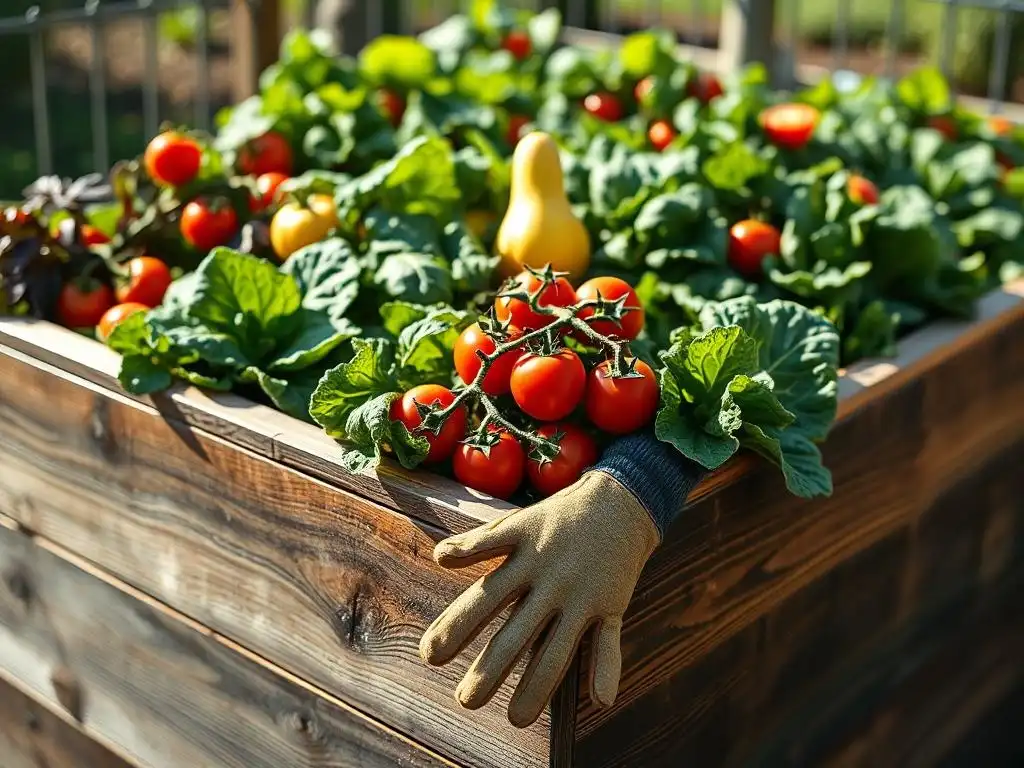
Maintaining your elevated raised garden bed is crucial, especially when designed for accessibility and ease of use for gardeners with mobility issues. Proactive maintenance prevents significant problems down the line, ensuring years of bountiful harvests. Neglect can lead to structural damage, soil degradation, and reduced plant health, negating the benefits of your accessible garden design. Let's explore some key maintenance strategies to maximize the lifespan and usability of your raised bed.
Regular Maintenance for Easy Access and Longevity
Regular maintenance isn't just about keeping your plants happy; it's about preserving the structural integrity of your raised bed, ensuring continued ease of access. This involves several key steps:
- Visual Inspection: At least once a month, thoroughly inspect your raised bed for any signs of damage. Look for cracks, warping, loose screws or bolts, rotting wood (if applicable), and any sagging or instability. Address minor issues promptly before they escalate into major repairs. Early detection is key to preventing more extensive and costly fixes.
- Weed Control: Weeds compete with your plants for nutrients and water, impacting their growth and yield. Regular weeding, ideally before weeds become established, is essential. For gardeners with limited mobility, consider using tools with long handles or employing weed-suppressing fabrics to minimize bending and reaching. Remember, a weed-free environment promotes healthy plant growth and prolongs the life of your soil.
- Structural Reinforcement: Depending on the materials used, your raised bed may require periodic reinforcement. For wooden raised beds, consider applying a fresh coat of weather-resistant sealant every 1-2 years to protect against rot and decay. For metal raised beds, inspect for rust and apply anti-rust paint as needed. This preventative maintenance is crucial for maintaining the structural integrity and longevity of your raised bed.
- Cleaning: After each growing season, thoroughly clean your raised bed. Remove any remaining plant debris, and old soil. This helps to prevent the buildup of pests and diseases, ensuring a healthy start for the next season. A clean bed also ensures easier access for planting and harvesting.
Preventing Soil Compaction in Elevated Raised Beds
Soil compaction is a common problem in raised beds, especially those frequently used. Compacted soil restricts root growth, reduces water infiltration, and limits air circulation, ultimately harming your plants. For gardeners with mobility issues, addressing soil compaction is crucial to maintain ease of planting and harvesting.
The best way to prevent soil compaction is to avoid walking directly on the soil. Use wide, stable walkways around your raised bed. Consider using raised pathways or stepping stones to distribute your weight.
Regularly amending the soil with organic matter such as compost helps improve soil structure and prevent compaction. Compost improves drainage and aeration, creating an ideal environment for root growth. Adding compost each season maintains healthy, loose soil and minimizes the need for heavy-duty soil tilling.
Avoid overwatering, as this can lead to soil compaction and waterlogging. Water deeply but less frequently, allowing the soil to dry slightly between waterings. This helps to maintain healthy soil structure and promotes better drainage.
Pest and Disease Control in Accessible Raised Garden Beds
Pest and disease control is crucial for maintaining a healthy and productive raised garden bed, especially considering the accessibility needs. Early detection and prevention are key strategies.
- Monitoring: Regularly inspect your plants for any signs of pests or diseases. Look for unusual spots, discoloration, wilting, or insect activity. Early detection allows for prompt action, preventing widespread infestations or outbreaks.
- Natural Pest Control: Employ natural pest control methods whenever possible. These methods are safer for the environment and for gardeners with mobility issues, minimizing the need for harsh chemicals. Consider using beneficial insects, companion planting, or organic pest control sprays.
- Disease Prevention: Practice crop rotation to prevent the buildup of soilborne diseases. Ensure proper spacing between plants to promote air circulation and reduce the risk of fungal diseases. Remove and dispose of infected plants promptly to prevent the spread of disease.
- Accessibility Considerations: When choosing pest and disease control methods, consider your mobility limitations. Opt for methods that minimize bending, reaching, and strenuous activity. Use long-handled tools or consider raised planting platforms to make pest and disease management easier and more accessible.
By implementing these maintenance strategies, gardeners with mobility issues can enjoy the benefits of a thriving, accessible raised garden bed for many years, fostering a rewarding and sustainable gardening experience. Remember, proactive maintenance is an investment in your gardening success and well-being.
Resources for Gardeners with Mobility Challenges
This section explores resources specifically designed to assist gardeners facing mobility issues in cultivating their own food. We'll examine organizations offering support and guidance, as well as online communities where gardeners can connect and share experiences. Remember, gardening should be enjoyable, and with the right resources, it can be accessible to everyone.
Organizations Supporting Adaptive Gardening Techniques
Several organizations are dedicated to promoting inclusive gardening practices, offering support and resources for individuals with diverse abilities, including those with mobility challenges. These groups often provide valuable information on adaptive gardening techniques, tool modifications, and accessible garden designs. They frequently organize workshops, offer consultations, and share best practices to make gardening more manageable.
For example, some organizations might offer:
- Adaptive gardening tool demonstrations: Showing how to modify existing tools or utilize specialized equipment.
- Raised bed construction workshops: Providing hands-on training in building accessible raised garden beds.
- Consultations with horticultural therapists: Offering personalized advice tailored to individual needs and abilities.
- Seed and plant donations: Supplying gardeners with materials to start their own accessible garden.
- Volunteer programs: Connecting individuals with mobility challenges to volunteers who can assist with gardening tasks.
It's crucial to research organizations in your local area, as their specific services and offerings can vary. Searching online for "[your location] adaptive gardening" or "[your location] accessible gardening" will yield relevant results. Many national organizations also provide resources and referral services to local chapters and affiliated groups. Don't hesitate to contact several organizations to determine which best fits your individual needs and preferences. Remember, finding the right support system is a key factor in successfully cultivating your own food, even with mobility limitations.
Online Communities and Forums for Accessible Gardening
The internet provides a wealth of information and support for gardeners with mobility issues. Online communities and forums offer a platform to connect with like-minded individuals, share experiences, and exchange valuable tips and advice. These platforms are invaluable for accessing practical solutions, discovering new techniques, and gaining emotional support.
Participating in these communities offers several advantages:
- Sharing experiences: Connecting with others facing similar challenges fosters a sense of community and shared understanding.
- Seeking advice: Gaining insights and solutions from experienced gardeners who have already overcome similar obstacles.
- Discovering new products and tools: Learning about adaptive gardening tools and equipment that can simplify tasks.
- Finding local support: Connecting with gardeners in your area who might offer assistance or companionship.
- Building confidence: Gaining the encouragement and motivation needed to overcome potential challenges.
Consider searching for online gardening forums or groups that specifically cater to individuals with disabilities or mobility limitations. Look for keywords like "accessible gardening," "adaptive gardening," "wheelchair gardening," or "gardening with mobility issues" when searching online. Many Facebook groups, online forums, and even dedicated websites exist to provide support and guidance within a thriving online community of gardeners facing similar challenges.
Engaging in these online spaces can be a powerful tool in your journey toward cultivating your own food. The shared experiences and collective knowledge can help transform challenges into opportunities, making the rewarding experience of home gardening accessible to all.
Frequently Asked Questions
What are the benefits of raised garden beds for people with mobility issues?
Raised garden beds offer easier access to plants, eliminating the need for bending and stooping. They also allow for better ergonomics, reducing strain on the back and knees. This makes gardening more enjoyable and accessible.
What are some suitable heights for raised garden beds for those with mobility challenges?
The ideal height depends on individual needs, but a range of 24-36 inches is often recommended. Consider using a height-adjustable design for maximum flexibility. Taller beds might require a stool or step.
What materials are best for building accessible raised garden beds?
Choose lightweight yet durable materials like cedar, redwood, or treated lumber for ease of construction and maintenance. Recycled materials are also a sustainable option. Avoid excessively heavy materials like stone or concrete.
How can I make my raised garden beds even more accessible for gardening with mobility limitations?
Consider adding wheels or casters for easy relocation. Using wide, stable pathways between beds improves maneuverability. Employing ergonomic tools and assistive devices can also help.
Where can I find further information on designing accessible raised garden beds?
Consult occupational therapists or garden design professionals specializing in accessibility. Numerous online resources and gardening books offer detailed plans and advice for creating accessible garden spaces.
Final Reflection: Cultivating Joy, One Raised Bed at a Time
The accessibility of gardening, once a privilege, is becoming a right thanks to the innovative designs and increasing availability of elevated raised garden beds. These aren't just boxes of dirt; they're gateways to independence, therapeutic engagement, and the simple pleasure of nurturing life, regardless of physical limitations. The impact on individuals struggling with mobility issues is profound and far-reaching.
The transformative power of tending a garden, even a small one, cannot be overstated. It's a connection to nature, a source of pride in accomplishment, and a powerful antidote to feelings of isolation. The glory of gardening: hands in the dirt, head in the sun, heart with nature. To nurture a garden is to feed not just the body, but the soul.
This quote perfectly encapsulates the emotional and spiritual benefits that elevated raised garden beds unlock for those facing mobility challenges, allowing them to participate fully in the rewarding experience of gardening.
Now, consider your own life. Do you know someone who would benefit from the ease and accessibility of an elevated raised garden bed? Perhaps it's time to explore the options available, to gift the joy of gardening, or to simply take a moment to appreciate the simple act of cultivating something beautiful, regardless of physical limitations. Let's work together to make gardening accessible to everyone, fostering a world where the pleasure of nurturing life is within reach for all.
Unleash Your Green Thumb: Grow a Bountiful Harvest Effortlessly!
Thank you for exploring the world of elevated raised garden beds! We hope you feel empowered to create a productive and accessible garden. Ready to begin?
- Design your dream elevated garden bed: Sketch your ideal design, considering size, materials, and accessibility. Remember ergonomic principles for comfortable gardening.
- Gather your supplies and build: Get creative and personalize your garden space.
- Share your progress: Show us your garden's transformation on social media using #CultivateYourFoodElevatedGarden! Inspire others to grow!
What innovative design element will you incorporate into your new accessible garden?