
Polytunnel Heating Options: What You Need to Know

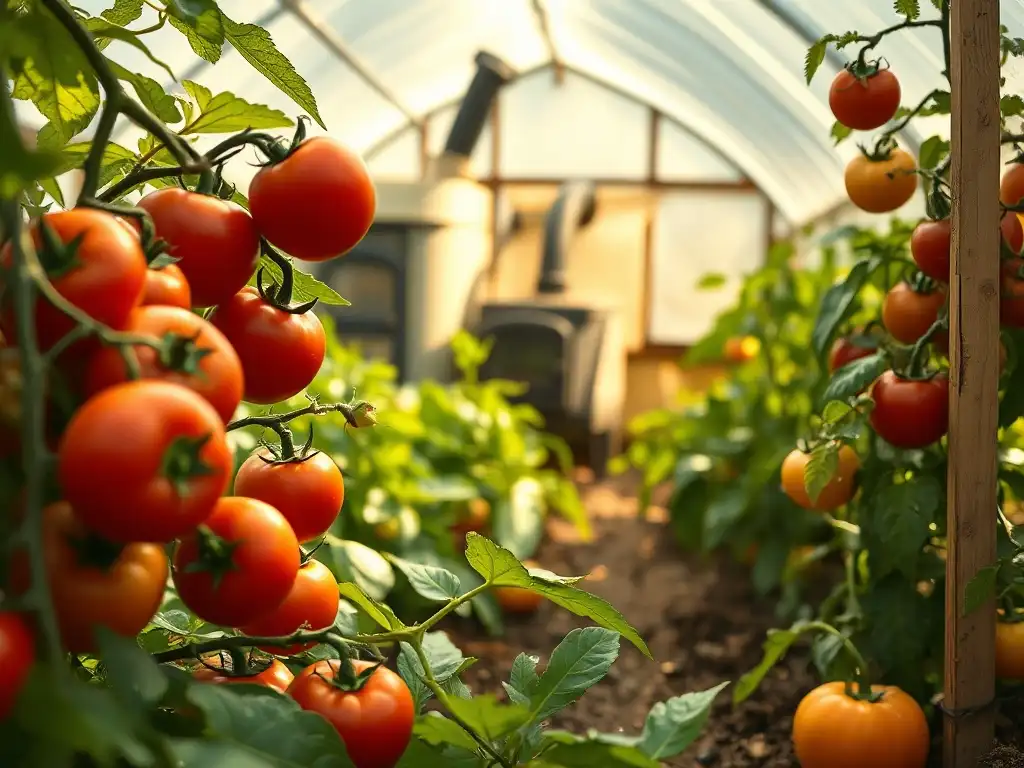
Ready to unlock the secrets to a bountiful harvest, regardless of the season? At CultivateYourFood, we empower you to grow your own delicious fruits, vegetables, and herbs organically. This journey begins with understanding the key to extending your growing season: efficient polytunnel heating. Discover the best polytunnel heating methods to keep your plants thriving, even in the harshest weather—and transform your home garden into a year-round paradise. Let's get growing!
- Understanding Your Polytunnel Heating Needs
-
Best Polytunnel Heating Methods: A Comparative Analysis
- Electric Polytunnel Heaters: Pros, Cons, and Cost Analysis
- Thermostatic Controls for Precise Temperature Regulation in Your Polytunnel
- Ground Source Heat Pumps for Sustainable Polytunnel Heating: A Cost-Effective Approach
- Passive Solar Heating Techniques for Polytunnels: Maximizing Natural Heat
- Compost Heating for Polytunnels: A Sustainable and Organic Approach
- Choosing the Right Polytunnel Heating System for Your Budget and Needs
- Maintaining Optimal Temperatures in Your Heated Polytunnel
- Maximizing the Benefits of Your Heated Polytunnel
- Frequently Asked Questions
- Final Reflection: Cultivating Growth, One Degree at a Time
- Unleash Your Growing Season: Boost Your Polytunnel Harvest!
Understanding Your Polytunnel Heating Needs
Growing your own fruits, vegetables, and herbs in a polytunnel offers extended growing seasons and increased yields, but harnessing the power of a polytunnel effectively depends heavily on understanding and implementing the right heating solution. This article explores the best polytunnel heating methods, helping you choose the system that best suits your specific needs and climate. We'll delve into assessing your climate, selecting the ideal polytunnel size and location, and calculating the necessary heating capacity to ensure optimal growing conditions throughout the year.
Choosing the right heating method is crucial for maximizing your harvest and creating a thriving, productive growing environment within your polytunnel. Let's explore the best ways to keep your plants happy and healthy, no matter the weather! 🧑🌾
Assessing Your Climate and Growing Season Length for Optimal Polytunnel Heating
Understanding your local climate is the cornerstone of effective polytunnel heating. Factors like average winter temperatures, frost frequency, and the length of your growing season directly impact the type and intensity of heating required. For example, a region with mild winters and a long growing season might only need supplemental heating during occasional cold snaps, while a colder area with shorter growing seasons will require a more robust and consistent heating system.
Consider these key aspects when assessing your climate:
- Average minimum winter temperatures: Knowing the coldest temperatures your region experiences will help determine the minimum heating capacity needed to prevent frost damage.
- Frost frequency: Frequent frost necessitates a more powerful and reliable heating system capable of maintaining temperatures above freezing.
- Growing season length: A longer growing season might allow for passive solar heating strategies to supplement active heating systems. Conversely, a shorter growing season will require more active heating for a longer period.
- Wind exposure: A polytunnel in a windy location will experience greater heat loss, requiring a more powerful heating system or improved insulation to compensate.
By carefully analyzing these climatic factors, you can make informed decisions about the type and capacity of the heating system best suited for your polytunnel. Accurate data from your local meteorological office or historical weather records will be invaluable in this assessment.
Choosing the Right Polytunnel Size and Location for Effective Heat Retention
The size and location of your polytunnel significantly influence its ability to retain heat. A smaller polytunnel will require less heating capacity than a larger one, but a well-chosen location can minimize heat loss regardless of size.
Consider these factors when selecting the size and location:
- Polytunnel size: Larger polytunnels require more heating capacity to maintain a consistent temperature, while smaller ones are easier and cheaper to heat.
- Orientation: Positioning your polytunnel to maximize solar gain is crucial. Ideally, it should face south (in the northern hemisphere) to receive maximum sunlight throughout the day. This passive solar heating can significantly reduce the need for active heating.
- Shelter from wind: A location sheltered from prevailing winds will reduce heat loss and improve energy efficiency. Consider planting windbreaks or using other natural barriers to minimize wind exposure.
- Proximity to power sources: If you're using electric heating, consider the proximity of your polytunnel to a power source to minimize wiring costs and potential power loss.
Calculating the Required Heating Capacity for Your Polytunnel
Calculating the precise heating capacity for your polytunnel requires considering several factors, including its volume, desired temperature, insulation levels, and external temperature fluctuations. While precise calculations may require specialized software or consulting with a heating professional, a simplified approach can provide a reasonable estimate.
To estimate the required heating capacity, consider these factors:
- Polytunnel volume: The larger the polytunnel, the more heat it will require to maintain a consistent temperature. Calculate the volume (length x width x height) of your polytunnel to get an accurate assessment.
- Desired temperature: The higher the desired temperature inside the polytunnel, the greater the heating capacity needed.
- External temperature: The colder the outside temperature, the greater the heat loss from the polytunnel, requiring more heating capacity.
- Insulation: Adequate insulation (e.g., additional layers of polythene, thermal blankets) significantly reduces heat loss and lowers the required heating capacity.
Remember that these are just estimates, and professional advice is recommended for a more precise calculation, especially for larger or more complex polytunnel setups. Underestimating the heating capacity can lead to insufficient warming, potentially damaging your plants, while overestimating can be wasteful and expensive. A balanced approach considering all these factors is key to optimizing your polytunnel heating system.
Best Polytunnel Heating Methods: A Comparative Analysis
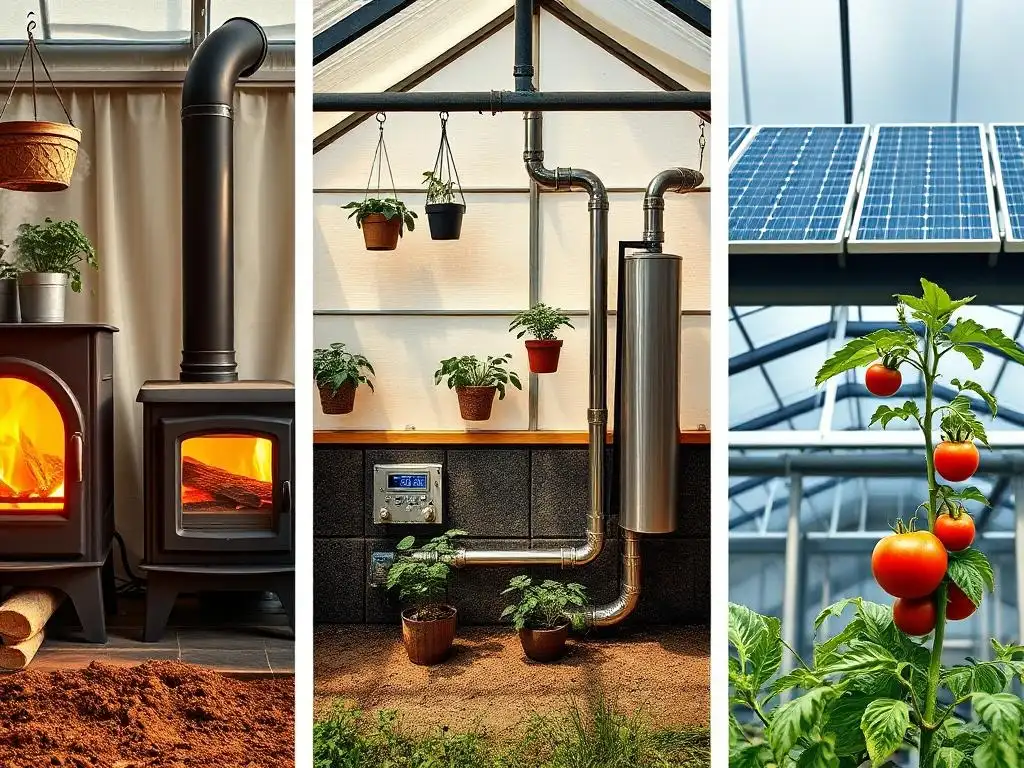
This section delves into the specifics of different polytunnel heating methods, focusing on the best options for achieving optimal growing conditions while minimizing environmental impact. We'll analyze various systems, comparing their pros, cons, and cost-effectiveness to help you choose the best polytunnel heating method for your needs. Understanding the nuances of each system is crucial for maximizing your yield and ensuring a successful harvest. Choosing the right approach contributes significantly to the overall success of your sustainable gardening practices. This analysis prioritizes energy efficiency and long-term cost savings, aligning with the core values of CultivateYourFood.
Electric Polytunnel Heaters: Pros, Cons, and Cost Analysis
Electric polytunnel heaters offer a convenient and relatively clean heating solution. Their ease of installation and operation makes them popular among home gardeners. However, it's crucial to weigh the pros and cons carefully, considering both initial investment and long-term running costs. Energy efficiency is a key concern, as electricity prices can fluctuate significantly.
Heatmate 5kW Electric Fan Heater: Features, Pricing, and Energy Efficiency
The Heatmate 5kW electric fan heater is a readily available option for polytunnel heating. It's known for its powerful airflow, which can effectively distribute heat across a sizeable area. [Specific pricing information pending]. Energy efficiency ratings vary, so it's essential to check the specific model's details before purchase.
Factors such as the heater's insulation and the overall design of your polytunnel will impact its energy consumption. Consider the size of your polytunnel when choosing a heater; a larger space will require a more powerful model, potentially increasing running costs. Furthermore, the Heatmate often features a thermostat for temperature control, which can help to optimize energy usage.
EcoFlow 3kW Electric Heater: Features, Pricing, and Energy Efficiency - A Direct Comparison
The EcoFlow 3kW electric heater presents a potentially more energy-efficient alternative to the Heatmate 5kW model. [Specific pricing information pending]. While offering less raw heating power, its potentially higher efficiency rating could translate to lower running costs over time. A direct comparison requires analyzing the energy consumption per unit of heat generated. This comparison should include an assessment of the EcoFlow's features, such as built-in timers or smart capabilities, which could further enhance energy savings. The size and insulation of your polytunnel will significantly influence the effectiveness of either heater.
Running Costs and Energy Savings with Electric Polytunnel Heaters
Accurate estimations of running costs require knowledge of your local electricity prices and the heater's energy consumption rate (measured in kWh). A simple calculation can help determine the cost per hour of operation. For example, if electricity costs $0.15 per kWh and the heater uses 3 kWh per hour, the hourly cost would be $0.45. To minimize costs, consider using the heater strategically, such as during the coldest parts of the night or during periods of particularly low temperatures.
Implementing energy-saving strategies, such as improved polytunnel insulation, can drastically reduce energy consumption and overall costs. This is crucial for sustainable and cost-effective polytunnel gardening. Careful monitoring of energy usage is recommended to optimize the system's efficiency.
Thermostatic Controls for Precise Temperature Regulation in Your Polytunnel
Maintaining a consistent temperature within your polytunnel is crucial for optimal plant growth. Using thermostatic controls significantly enhances efficiency and reduces energy waste. These systems allow for automated temperature regulation, preventing overheating or underheating, which can damage plants. The integration of smart technology further optimizes energy usage and improves overall control.
Benefits of Smart Thermostats for Polytunnel Heating
Smart thermostats offer several advantages over basic thermostats. They often include features like remote control via smartphone apps, allowing you to monitor and adjust the temperature from anywhere. Many smart thermostats learn your heating patterns and adjust accordingly, leading to further energy savings. Some even integrate with other smart home devices, providing a comprehensive approach to energy management. The ability to schedule heating cycles precisely optimizes energy use, reducing unnecessary energy consumption during periods when heating is not required. This aligns perfectly with sustainable gardening practices, minimizing environmental impact.
Netatmo Smart Thermostat: Features and Integration with Electric Heaters
The Netatmo Smart Thermostat is an example of a smart thermostat that can be integrated with electric heaters. [Specific details on integration compatibility pending]. Its features include precise temperature control, remote access, and energy monitoring capabilities. The ability to monitor energy consumption provides valuable data for assessing the efficiency of your heating system and identifying potential areas for improvement. Integrating this type of technology with your polytunnel heating enhances not only temperature control but also provides valuable insights into your energy usage, promoting a more sustainable and cost-effective approach to polytunnel cultivation.
Ground Source Heat Pumps for Sustainable Polytunnel Heating: A Cost-Effective Approach
Ground source heat pumps (GSHPs), also known as geothermal heat pumps, offer a remarkably sustainable and efficient method for polytunnel heating. These systems utilize the stable temperature of the earth to heat and cool your growing space. Unlike air source heat pumps, which are heavily reliant on fluctuating ambient temperatures, GSHPs maintain consistent performance, even during harsh winter conditions.
This consistent performance translates to significant energy savings over time, making them a compelling long-term investment despite a higher initial outlay. The system works by circulating a fluid through underground pipes, absorbing heat in the winter and releasing it into your polytunnel. The heat is then transferred to the air inside your polytunnel via a heat exchanger, providing a gentle and consistent warmth ideal for plant growth.
The environmental benefit is substantial, as GSHPs drastically reduce reliance on fossil fuels, aligning perfectly with the sustainable ethos of CultivateYourFood. Furthermore, the system's quiet operation contributes to a peaceful and productive growing environment.
Initial Investment vs. Long-Term Savings with Geothermal Heating
The initial investment for a GSHP system is undeniably higher than other heating options like electric heaters or propane systems. However, the long-term savings in energy consumption far outweigh this upfront cost. While a typical electric heater might cost [specific cost pending] to install and [specific annual running cost pending] annually to operate, a GSHP system, although costing [specific cost pending] initially, will likely see annual running costs of only [specific annual running cost pending].
This difference becomes increasingly pronounced over the system's lifespan, which can extend for 20 years or more. The return on investment (ROI) is therefore significant, particularly considering the environmental benefits and the consistent performance regardless of external weather conditions.
Careful consideration of both short-term and long-term costs is crucial, but a thorough cost-benefit analysis usually demonstrates the superior value of GSHP systems in the long run. Factors such as energy prices and local installation costs will influence the precise ROI calculation, highlighting the importance of personalized estimations.
Panasonic Aquarea T-CAP Heat Pump: Efficiency and Suitability for Polytunnels
The Panasonic Aquarea T-CAP heat pump is a prime example of a highly efficient GSHP system well-suited for polytunnel applications. Its advanced technology allows it to operate effectively even at low ambient temperatures, ensuring consistent heating even on the coldest days. The T-CAP system's ability to extract heat from the ground, even at temperatures as low as -20°C, makes it exceptionally reliable for polytunnel use in various climates. This is a crucial factor for maintaining optimal growing conditions, especially for frost-sensitive plants. Furthermore, the system's intelligent control features enable precise temperature regulation, preventing overheating and ensuring energy efficiency. The compact design of the Aquarea T-CAP unit also makes it relatively easy to install and integrate into a polytunnel setup, minimizing disruption to your growing operation. Consideration of the specific heating requirements of your polytunnel, including its size and insulation, is vital when selecting a suitable model within the Aquarea range.
Installation Considerations for Ground Source Heat Pumps in Polytunnels
Installing a GSHP in a polytunnel requires careful planning and professional expertise. The process involves drilling boreholes into the ground to install the ground loops, which necessitates specialized equipment and knowledge. The length and depth of these boreholes depend on factors such as ground temperature and the heating requirements of the polytunnel. The location of the heat pump unit itself needs to be carefully chosen, ensuring easy access for maintenance and minimizing disruption to the polytunnel's structure.
Local regulations regarding groundworks and the installation of heating systems must also be adhered to. It is strongly recommended to engage a qualified installer experienced in GSHP systems for polytunnels to ensure a safe and efficient installation. Poor installation can lead to reduced efficiency and potential damage to the system, negating the benefits of this otherwise highly efficient technology. Proper planning and execution are therefore paramount.
Passive Solar Heating Techniques for Polytunnels: Maximizing Natural Heat
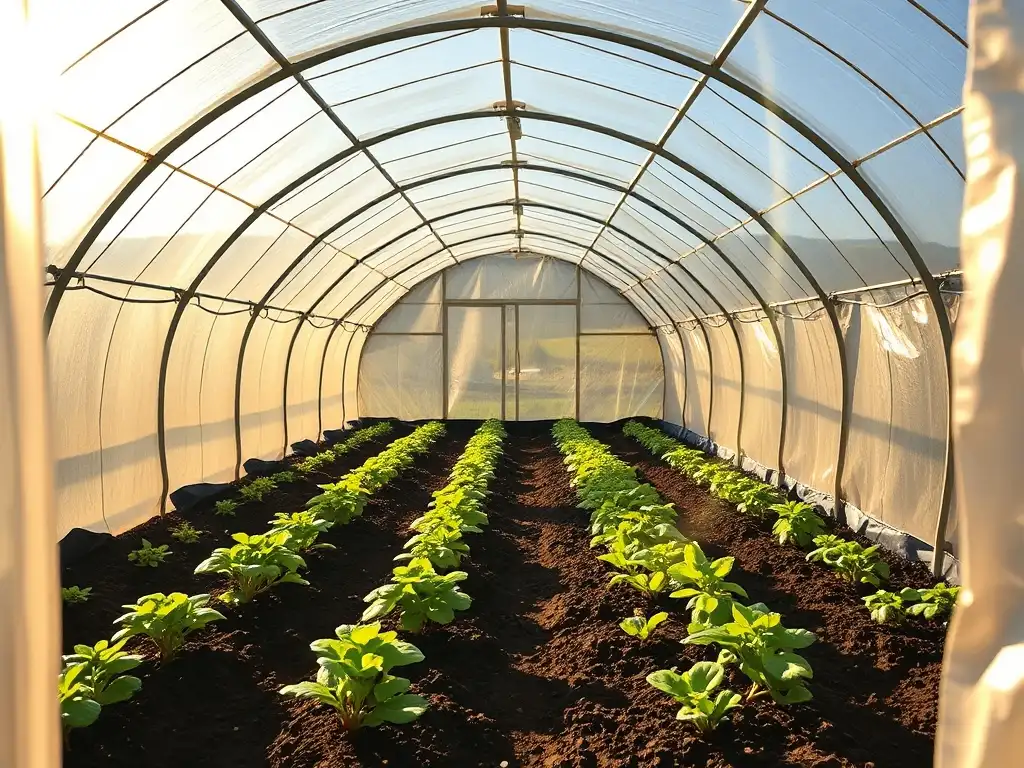
Passive solar heating leverages the sun's energy to warm your polytunnel naturally, minimizing reliance on active heating systems. This sustainable approach significantly reduces energy costs while contributing to a more environmentally friendly growing environment. By strategically designing and managing your polytunnel, you can significantly enhance its ability to capture and retain solar heat.
This involves a combination of design choices and operational strategies, all aimed at maximizing solar gain and minimizing heat loss. The principles of passive solar heating are simple yet effective, allowing you to create a warmer and more productive growing space without significant capital expenditure. Combining passive solar techniques with other heating methods can create a highly energy-efficient system.
Optimizing Polytunnel Design for Solar Heat Gain
Optimizing your polytunnel's design for maximum solar heat gain is the cornerstone of effective passive solar heating. The orientation of your polytunnel is crucial; positioning it to face south (in the northern hemisphere) maximizes solar exposure throughout the day. The use of light-transmitting polythene film or polycarbonate panels helps to maximize the amount of sunlight entering the polytunnel. Minimizing shade from nearby trees or buildings is also important.
The polytunnel's structure itself should be designed to minimize shading within the growing area. Careful consideration of these factors during the initial design and construction phases will significantly impact the polytunnel's ability to harness solar energy. Even small adjustments can yield substantial results over time.
Using Thermal Mass Materials to Store and Release Heat
Thermal mass materials, such as water barrels, stone, or concrete, can significantly enhance the effectiveness of passive solar heating. These materials absorb solar heat during the day and release it slowly at night, reducing temperature fluctuations within the polytunnel. This thermal buffering effect creates a more stable and comfortable growing environment, beneficial for plant growth. Strategic placement of thermal mass materials within the polytunnel is key.
For example, placing water barrels along the north side can help moderate temperature fluctuations. The mass and specific heat capacity of the material chosen will influence its effectiveness. Water, with its high specific heat capacity, is particularly effective at storing and releasing heat. Careful consideration of both material selection and placement is crucial for optimizing this technique.
Strategies for Reducing Heat Loss in Your Polytunnel
Minimizing heat loss from your polytunnel is as crucial as maximizing heat gain. Proper insulation is essential. This can be achieved through various methods, including using thicker polythene film, adding insulation layers to the polytunnel walls, or using insulating materials like bubble wrap or straw bales. Improving the airtightness of the polytunnel reduces heat loss through drafts.
Regularly inspecting and repairing any tears or holes in the polythene film is vital for maintaining a thermally efficient environment. The use of windbreaks can also significantly reduce heat loss caused by wind. By implementing these strategies, you can significantly reduce your reliance on supplementary heating while maintaining a warm and productive growing space. A well-insulated polytunnel requires less energy to maintain a stable temperature, making it more sustainable and cost-effective.
Compost Heating for Polytunnels: A Sustainable and Organic Approach
Compost heating offers a truly sustainable and organic way to warm your polytunnel. By harnessing the natural heat generated during the decomposition of organic matter, you can create a cost-effective and environmentally friendly heating system. This method aligns perfectly with the CultivateYourFood ethos of promoting sustainable and organic gardening practices. The process relies on the microbial activity within the compost pile, which breaks down organic materials and releases heat as a byproduct.
This heat can then be channeled into your polytunnel, providing a gentle and consistent warmth for your plants. The beauty of this system lies in its simplicity and its low environmental impact, making it an ideal choice for environmentally conscious gardeners. Unlike other heating methods, compost heating doesn't rely on fossil fuels, reducing your carbon footprint and contributing to a healthier planet.
Building a Hot Compost Pile for Polytunnel Heating
Building a successful hot compost pile requires careful planning and execution. The key is to create the right mix of “greens” (nitrogen-rich materials like grass clippings and vegetable scraps) and “browns” (carbon-rich materials like dried leaves, straw, and shredded wood). A good ratio is generally considered to be around 2:1 browns to greens, but this can vary depending on the specific materials used. The pile should be large enough to retain heat – aiming for at least 1 cubic meter is a good starting point, but larger is better for more consistent heat output.
The pile needs to be well-aerated to allow for sufficient oxygen flow, crucial for microbial activity. This can be achieved by turning the pile regularly or by incorporating aeration tubes. Proper moisture content is also essential; the pile should be damp, like a wrung-out sponge.
Too dry, and the decomposition process slows down; too wet, and it becomes anaerobic, leading to foul odors and reduced heat generation. Finally, consider the location of your compost pile. It should be close enough to your polytunnel for easy heat transfer, but not so close that it becomes a nuisance.
Maintaining Optimal Temperature and Humidity in Your Compost Heap
Maintaining optimal temperature and humidity is crucial for maximizing heat output from your compost pile. Regular monitoring is key. Use a compost thermometer to track the internal temperature. Ideally, you want to maintain temperatures between 55-70°C (131-158°F) for optimal decomposition.
If the temperature drops below 50°C (122°F), it indicates that the decomposition process is slowing down. You can address this by turning the pile to improve aeration and moisture content. If the temperature exceeds 70°C (158°F), it may indicate that the pile is too dry or that there is insufficient oxygen. In this case, adding moisture or turning the pile can help regulate the temperature.
Maintaining the correct moisture level is also vital. Regularly check the moisture content of the pile and add water if necessary. However, avoid overwatering, as this can lead to anaerobic conditions and reduced heat production. Remember, a well-managed compost heap is a self-regulating system, requiring only occasional adjustments to maintain optimal conditions.
Combining Compost Heating with Other Methods for Enhanced Efficiency
While compost heating is a highly effective method on its own, combining it with other heating methods can significantly enhance efficiency and provide more consistent temperatures within your polytunnel. For example, combining compost heating with a passive solar heating system can create a synergistic effect. The solar gain warms the polytunnel during the day, while the compost pile provides a consistent source of heat overnight and on cloudy days.
Similarly, incorporating a small electric heater as a backup system can provide supplementary heat during particularly cold periods, ensuring that your plants are protected from frost. This approach allows you to leverage the benefits of compost heating while mitigating its limitations.
Careful consideration should be given to the specific needs of your plants and the climate in your location to determine the optimal combination of heating methods. This hybrid approach often results in a more energy-efficient and reliable polytunnel heating system, maximizing your yield while minimizing your environmental impact.
Choosing the Right Polytunnel Heating System for Your Budget and Needs
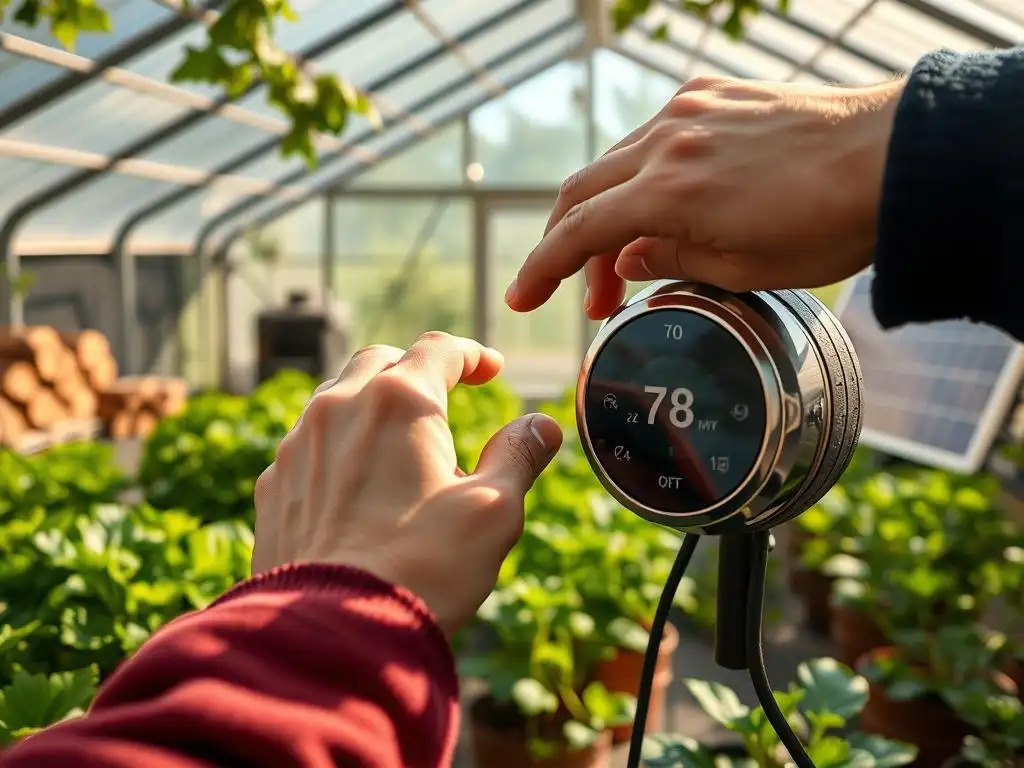
Selecting the best polytunnel heating method hinges on a careful evaluation of several key factors. The ideal system isn't a one-size-fits-all solution; it depends heavily on your specific circumstances, including the size of your polytunnel, the climate you live in, the types of plants you intend to grow, and, of course, your budget. Ignoring these factors can lead to inefficient heating, wasted energy, and ultimately, poor plant growth.
This section will help you navigate these considerations to find the perfect heating solution for your needs. Finding the best polytunnel heating methods involves more than just initial cost; long-term efficiency and maintenance play crucial roles.
Factors to Consider When Choosing a Polytunnel Heating System
Several critical factors influence the selection of the most effective polytunnel heating system. These include:
- Climate: A colder climate necessitates a more powerful and robust heating system compared to a milder one. For instance, someone in Northern Canada will need a significantly more powerful system than someone in Southern California. Consider the average minimum winter temperatures in your region and the expected coldest temperatures.
- Polytunnel Size: The larger the polytunnel, the more heat it will require to maintain a consistent temperature. A larger space needs a more powerful heating system or a combination of methods for optimal results. The cubic volume of your polytunnel is a key factor here.
- Plant Type: Different plants have different temperature requirements. Tropical plants will demand significantly higher temperatures than hardy vegetables. Understanding the specific needs of your chosen plants is vital in determining the appropriate heating capacity.
- Budget: Heating systems range drastically in price, from affordable passive solar solutions to expensive, sophisticated systems. Establishing a realistic budget early on will limit your choices to feasible options. Remember to factor in both the initial purchase price and ongoing running costs.
- Energy Source: Consider the environmental impact and availability of different energy sources. Electricity, propane, wood, and even solar power are all viable options, each with its own advantages and disadvantages regarding cost, sustainability, and ease of use.
- Maintenance Requirements: Some systems require more regular maintenance than others. Factor in the time and resources you are willing to dedicate to maintaining your chosen heating system. This includes cleaning, repairs, and potential fuel replenishment.
Budget-Friendly Polytunnel Heating Solutions: Balancing Cost and Effectiveness
While high-tech systems offer advanced temperature control, several budget-friendly options can effectively heat your polytunnel. These options often involve a combination of techniques to maximize efficiency and minimize costs:
- Passive Solar Heating: This involves strategically orienting your polytunnel to maximize sunlight exposure. Using thermal mass materials like water barrels inside the polytunnel can also help store and release heat throughout the day and night. This is a fantastic best polytunnel heating method for those on a tighter budget.
- Insulation: Proper insulation is crucial for retaining heat. Adding extra layers of insulation, like bubble wrap or reflective sheeting, can significantly reduce heat loss. This inexpensive approach boosts the effectiveness of any other heating method you use.
- Low-Cost Heaters: Simple electric heaters, while not as sophisticated as more expensive options, can provide supplemental heat, especially during particularly cold snaps. However, remember to prioritize safety and consider using a thermostat to prevent overheating.
- Compost Heating: A well-managed compost heap can generate significant heat. Placing the compost heap strategically within the polytunnel can offer a natural and cost-effective heating source. This is an excellent example of a sustainable and low-cost approach.
Long-Term Costs and Maintenance of Different Polytunnel Heating Systems
The initial cost of a polytunnel heating system is only one part of the equation. Long-term costs, including energy consumption, maintenance, and potential repairs, must also be factored into your decision.
| Heating System | Initial Cost | Running Cost | Maintenance | Lifespan |
|---|---|---|---|---|
| Electric Heaters | Low | Moderate | Low | Moderate |
| Propane Heaters | Moderate | Moderate to High | Moderate | Moderate |
| Wood Burning Stoves | Moderate | Low to Moderate | High | High |
| Geothermal Heating | High | Low | Low | High |
| Solar Heating | Moderate to High | Very Low | Low | High |
This table provides a general overview. Actual costs will vary depending on factors such as system size, usage, and energy prices. Remember that the cheapest initial cost doesn't always translate to the lowest long-term expense. A system with a higher upfront cost but lower running costs and longer lifespan might ultimately prove more economical. Careful consideration of these long-term factors is essential for making an informed decision about the best polytunnel heating methods for your specific situation.
Maintaining Optimal Temperatures in Your Heated Polytunnel
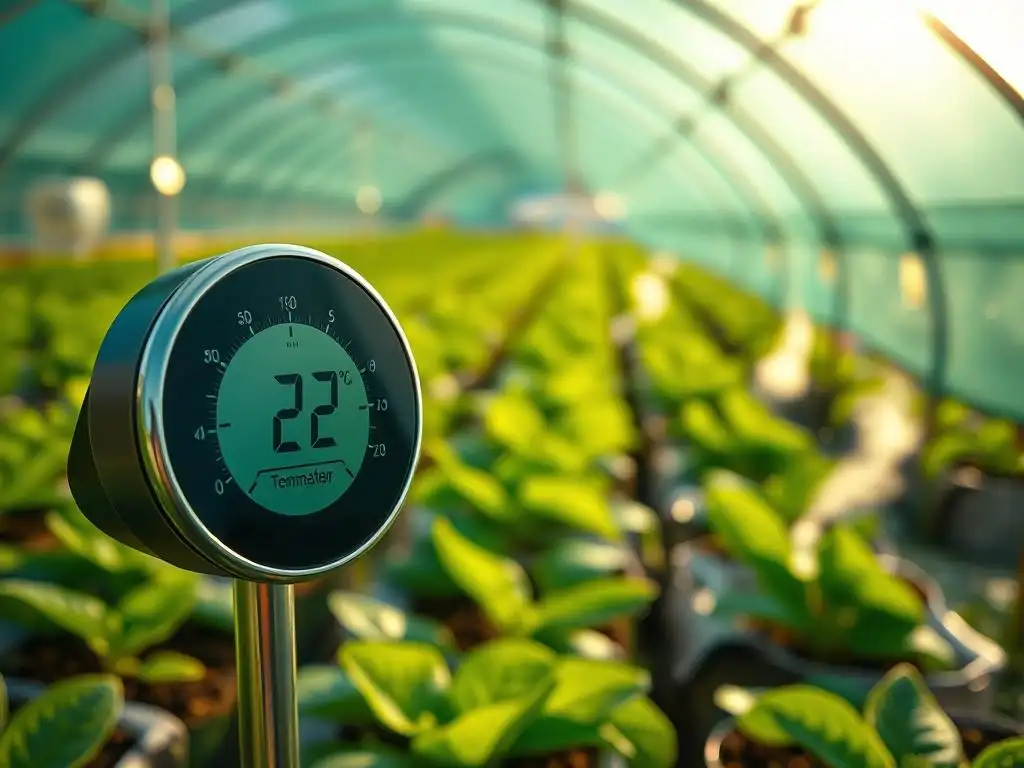
Maintaining the ideal temperature range within your polytunnel is crucial for successful plant growth. Different plants have varying temperature requirements, so understanding your specific needs is paramount. For example, tomatoes thrive in temperatures between 65-85°F (18-29°C), while lettuce prefers cooler temperatures around 60-70°F (15-21°C). Regular monitoring and adjustments are key to achieving optimal conditions for your chosen crops. Neglecting temperature control can lead to stunted growth, reduced yields, and even plant death. This section will focus on practical strategies for maintaining the best polytunnel heating methods and ensuring your plants flourish.
Monitoring Temperature and Humidity Levels in Your Polytunnel
Precise temperature and humidity monitoring are essential for effective polytunnel management. Investing in a reliable digital thermometer and hygrometer is a worthwhile investment. These tools provide real-time data, allowing for proactive adjustments to your heating system and ventilation. Place the monitor in the center of your polytunnel at plant height for the most accurate reading, avoiding placement near the walls where temperatures may fluctuate more dramatically.
Regularly record your readings, noting any significant variations throughout the day and night. This data helps establish a baseline and allows you to identify potential issues early on. For instance, consistently low humidity might indicate a need for increased watering or humidity control measures, while unusually high temperatures could signal a malfunction in your heating system or insufficient ventilation.
Consider using a data logger to automatically record temperature and humidity levels over time. This creates a comprehensive record, allowing you to analyze trends and optimize your polytunnel environment for best results. Careful monitoring ensures the best polytunnel heating methods are utilized effectively.
Troubleshooting Common Polytunnel Heating Problems
Even with careful planning and maintenance, problems can arise with your polytunnel heating system. Understanding common issues and their solutions is crucial. One frequent problem is uneven heating. This can be caused by poor insulation, inadequate airflow, or an incorrectly positioned heating unit. To address this, ensure your polytunnel is properly insulated, especially at night.
Check for air leaks and seal them appropriately. Consider repositioning your heating unit for more even heat distribution. Another common issue is overheating. This can damage delicate plants and lead to excessive moisture loss. Ensure your heating system has a thermostat to prevent overheating.
Adequate ventilation is also essential to regulate temperature and prevent excessive humidity. Remember to monitor your system regularly and adjust settings as needed, based on the outside temperature and the specific needs of your plants. Finally, power outages can disrupt your heating system. Having a backup power source, like a generator, can help prevent significant temperature drops and protect your crops. By proactively addressing these potential problems, you can ensure the consistent success of your polytunnel cultivation.
Ensuring Safe and Efficient Operation of Your Polytunnel Heating System
Safety and efficiency should always be paramount when operating a heated polytunnel. Regularly inspect your heating system for any signs of damage or malfunction, paying close attention to wiring and gas connections (if applicable). Never leave a heating system unattended, especially when using gas or propane. Always follow the manufacturer's instructions carefully. To maximize efficiency, consider using energy-efficient heating methods, such as low-wattage electric heaters or solar heating systems.
Insulating your polytunnel effectively minimizes heat loss and reduces energy consumption. Proper ventilation is crucial not only for temperature regulation but also for preventing the buildup of harmful gases. Regularly clean your polytunnel's interior to maintain optimal airflow. By prioritizing safety and efficiency, you can ensure the long-term success and sustainability of your polytunnel operation, maximizing your yield while minimizing environmental impact and cost. This contributes significantly to the overall effectiveness of your best polytunnel heating methods.
Maximizing the Benefits of Your Heated Polytunnel
This section delves into the crucial aspects of maximizing the potential of your heated polytunnel. By understanding and implementing effective heating strategies, you can significantly improve your gardening success, extending your growing season and boosting yields. Choosing the best polytunnel heating methods isn't just about keeping plants warm; it's about creating an optimal environment for vigorous growth and high-quality produce. The right approach will lead to a more abundant and prolonged harvest, making your investment in a polytunnel truly worthwhile. Let's explore how to achieve this.
Protecting Your Plants from Extreme Temperatures
Extreme temperatures, both hot and cold, can severely damage or even kill your plants. A well-managed polytunnel heating system acts as a buffer against these fluctuations, providing a stable microclimate. For example, during a sudden cold snap, a properly functioning heating system can prevent frost damage to delicate seedlings and vulnerable crops like tomatoes and peppers. Conversely, during heatwaves, effective ventilation and potentially supplemental cooling systems can prevent overheating and stress.
The key is to monitor temperature consistently. Consider installing a minimum-maximum thermometer inside your polytunnel to track daily temperature ranges. This allows you to proactively adjust your heating and ventilation systems to maintain an optimal temperature range suitable for your specific crops. Remember, consistent monitoring and timely adjustments are crucial for successfully protecting your plants and maximizing their growth potential. Different plants have different temperature tolerances; research the specific needs of your chosen varieties for best results. A sudden drop below freezing can easily wipe out weeks of hard work, so preparedness is key.
Extending Your Growing Season with Polytunnel Heating
One of the most significant advantages of a heated polytunnel is the ability to extend the growing season. This means you can start sowing seeds and planting seedlings earlier in the spring and continue harvesting well into the autumn. For example, with supplemental heat, you can begin growing heat-loving crops like cucumbers and melons several weeks earlier than in an unheated outdoor garden. Similarly, you can prolong the harvest of late-season vegetables by keeping them warm enough to continue producing through the cooler months.
This extended growing season translates to a longer period of fresh, homegrown produce. You'll enjoy a continuous supply of vegetables and herbs, reducing your reliance on supermarket produce and potentially saving money in the long run. Consider the economic benefits: an extra month of harvest can significantly increase your yield and the overall return on your investment in the polytunnel and heating system.
Planning your planting schedule around the extended season is vital for optimal results. You can even stagger plantings to ensure a consistent supply of your favourite crops throughout the year. This careful planning is essential to fully capitalize on the extended growing season your heated polytunnel offers.
Increasing Yields and Improving Crop Quality through Effective Temperature Control
Effective temperature control within your polytunnel directly impacts both the quantity and quality of your harvest. Maintaining a consistent and optimal temperature encourages vigorous growth, leading to larger and healthier plants. This translates to increased yields, more abundant harvests, and ultimately, more produce for your kitchen. Furthermore, consistent temperatures contribute to improved fruit and vegetable quality.
For example, maintaining the correct temperature for tomato plants during fruit development is crucial for optimal flavor, size, and color. Similarly, consistent warmth promotes healthy leaf development in leafy greens, resulting in more tender and flavorful salads. The quality improvement extends beyond taste; consistent temperatures enhance the nutritional value of your crops.
Think of the benefits: larger, tastier, and more nutritious produce directly from your own garden. This is the ultimate reward for careful management of your polytunnel heating system. The investment in a reliable heating system ultimately pays off in the quality and quantity of your harvest, making your polytunnel a truly productive addition to your garden.
Frequently Asked Questions
What is the best way to heat a polytunnel?
There's no single "best" method; the ideal approach depends on your budget, climate, and polytunnel size. Options include passive solar heating, electric heaters, and air-source heat pumps, each with pros and cons. Consider your specific needs.
How much does it cost to heat a polytunnel?
Heating costs vary greatly depending on the size of your polytunnel, the heating method chosen, and the external temperature. Electric heaters are generally the most expensive, while passive solar options are the cheapest. Obtain multiple quotes for accurate costing.
Are there any eco-friendly ways to heat a polytunnel?
Yes! Passive solar heating is a highly effective and environmentally friendly method. Other sustainable options include utilizing compost heaps for heat generation and employing thermal mass materials to store heat.
What are the risks of using certain polytunnel heating methods?
Some methods carry risks. Electric heaters pose a fire hazard if not properly installed and maintained. Improper use of gas heaters can lead to carbon monoxide poisoning. Always prioritize safety and follow manufacturer instructions.
How can I maintain the temperature inside my heated polytunnel?
Maintaining a consistent temperature requires monitoring and adjustment. Use a thermometer to track temperatures, and adjust your heating system accordingly. Proper ventilation is crucial to prevent overheating and humidity issues.
Final Reflection: Cultivating Growth, One Degree at a Time
The quest for optimal polytunnel heating is not merely a pursuit of warmer temperatures; it's a commitment to extending the growing season and maximizing yields. In a world increasingly concerned with food security and sustainable practices, the ability to control the microclimate within a polytunnel becomes a powerful tool for both hobbyists and commercial growers alike. This control directly impacts the quality and quantity of produce, offering a pathway to greater self-sufficiency and a more resilient food system.
The journey through various heating methods—from passive solar designs to sophisticated electric systems—highlights the evolving relationship between technology and nature. The choices we make in heating our polytunnels reflect not only our practical needs but also our values. We strive for efficiency, sustainability, and a harmonious balance between human intervention and the natural rhythms of the growing cycle. The earth laughs in flowers.
– Ralph Waldo Emerson. This simple quote encapsulates the joy and reward of nurturing life, a sentiment deeply connected to the careful cultivation of our polytunnels.
Consider the implications of your heating choices. Will you prioritize cost-effectiveness, environmental impact, or ease of use? The answers are deeply personal, reflecting your individual circumstances and priorities. But regardless of your chosen method, remember the power you hold to nurture growth, to extend the season, and to contribute, in your own way, to a more abundant and sustainable future. Embrace the challenge, experiment with different approaches, and discover the joy of cultivating your own thriving ecosystem, one degree at a time.
Unleash Your Growing Season: Boost Your Polytunnel Harvest!
Thank you for exploring polytunnel heating with us! We hope you feel confident in choosing the right system to keep your plants thriving year-round. Ready to achieve a bountiful harvest?
- Choose the right heating system: Select a polytunnel heating solution that suits your needs and budget. Options range from simple electric heaters to more sophisticated geothermal systems. The right system is key to extending your growing season.
- Share your experience: Tell us—and other growers—about your chosen system and any challenges you encountered. Let's learn from each other's successes and challenges!
- Optimize your growing techniques: Research techniques like companion planting to maximize your polytunnel's potential. These methods can significantly improve your harvests.
What heating solution are you most excited to use in your polytunnel this year?